UPDATED with quotes from L’Oeil d’or winner Pegah Ahangarani and jury president Mstyslav Chernov. Rehearsals for a Revolution, director Pegah Ahangarani’s film about decades of political repression in Iran, won the L’Oeil d’or Prize today, the Cannes Film Festival’s top prize for documentary. Accepting the award in the presence of Cannes Film Festival leader Thierry […]
The Changma Basin in northwest China’s Gansu province is famous for its many ancient bird fossils. Or, at least, pieces of fossils. Paleontologists have documented over 100 prehistoric avian dinosaur remains buried across the region, many resembling the digestive pellets regurgitated by owls living today. For years, researchers suspected that a similar predator was responsible for the fossil fragments, but lacked a convincing candidate.
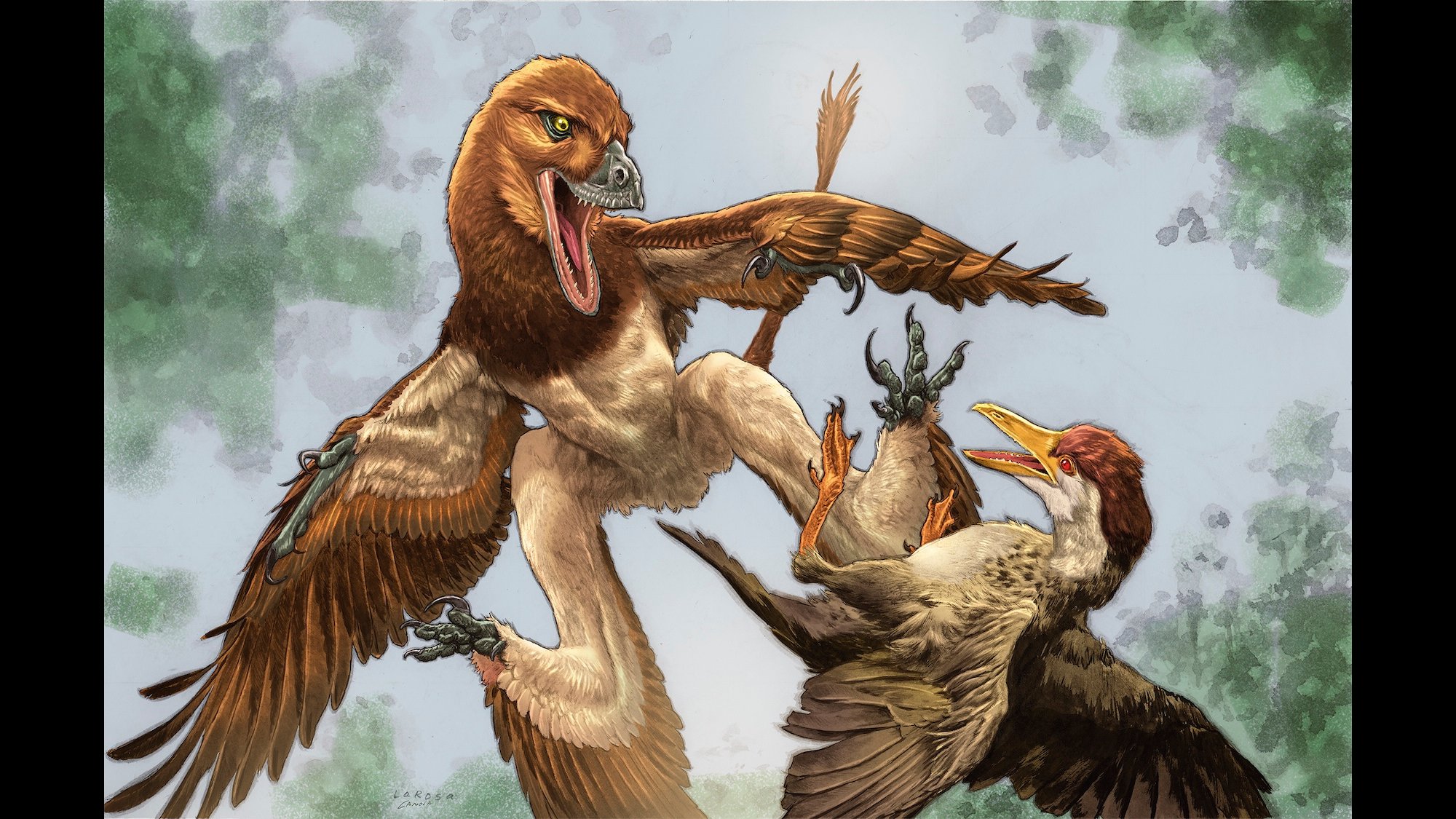
Experts now have a plausible suspect. According to a study published today in the Annals of Carnegie Museum, a cousin of the fearsome Velociraptor stalked the Changma Basin around 120 million years ago. But with its long feathers and four “wings,” Jian changmaensis didn’t ambush its prey from high in the air like a falcon. Instead, it more likely swooped in like a flying squirrel.
“It’s the only dinosaur found at this site that wasn’t a bird, it was a carnivore, and it was much bigger than everything else that we’ve found there,” Jingmai O’Connor, a study co-author and Field Museum associate curator of fossil reptiles, explained in a statement.
Paleontologists theorized the dinosaur’s anatomy based on its upper arm fossil. Credit: O’Connor et al.
Named after a winged mythological creature from Chinese folklore, J. changmaensis belongs to a dinosaur subgroup known as microraptors. These feathered predators were speedy and small, often only about the size of a crow. J. changmaensis was comparatively large, however. While O’Connor’s team has so far only recovered a portion of its upper arm, they believe the dinosaur likely featured a roughly four-foot wingspan. That puts it at about the size of a barn owl.
Although larger than its fellow microraptors, paleontologists believe J. changmaensis physically resembled its relatives. This means the dinosaur likely featured both forearm wings as well as rudimentary “wings” on its hind legs. Microraptors couldn’t soar through the skies, but their feathers served a purpose
“Jian and the other microraptors probably weren’t capable of true, powered flight, but they could probably glide like a flying squirrel,” explained O’Connor.
Matt Lamanna, a study co-author and Carnegie Museum’s curator of vertebrate paleontology, said the team’s discovery offers “critical new insight” into the Changma region’s biological history while helping contextualize today’s avian dinosaur descendents.
“For decades, the Changma site has been renowned among paleontologists for its extraordinary bird fossils,” Lamanna added. “Now, with the discovery of Jian, we finally know what was eating them.”
It would make more sense if only a few related cultures exhibited it, but the trait is everywhere. No matter where you are in the world, the humans living there are about 90 percent right-handed while the remaining 10 percent are predominantly left-handed. This curious facet isn’t seen in our primate relatives, either.
Evolutionary biologists and neuroscientists have spent decades trying to understand why the vast majority of Homo sapiens prefer using their right limb, but have since come up…well, empty handed. According to researchers at the University of Oxford in the U.K., the answer may finally be within our grasp. After comparing behavioral, neurological, and social characteristics from 41 species of monkeys and apes with humans, they say the answer isn’t found in our hands at all. It’s in our legs.
Their findings are detailed in a study recently published in the journal PLOS Biology. Using a statistical modeling framework focused on interspecies evolutionary relationships, researchers first considered some of the most prominent theories on handedness. These included aspects like diet, habitat, body mass, social structures, tool usage, and locomotion. In every case, we humans remained outliers in patterns that otherwise might explain the attribute in other primates.
They then introduced two hypothetical influences into their comparisons: brain size and the length ratios between legs and arms. That arm-leg ratio may seem arbitrary, but it’s considered a standard reference point for bipedal movement. Once these traits were included, humanity’s handedness exception disappeared entirely. Basically, big brains and long legs correlate directly with dominant hands.
“This is the first study to test several of the major hypotheses for human handedness in a single framework. Our results suggest it is probably tied to some of the key features that make us human, especially walking upright and the evolution of larger brains,” study co-author and University of Oxford evolutionary anthropologist Thomas Püsche said in a statement. “By looking across many primate species, we can begin to understand which aspects of handedness are ancient and shared, and which are uniquely human.”
The new approach meant that Püsche’s team didn’t have to stop there. With the same modeling, researchers estimated handedness preferences across extinct human ancestors. The results align with a slow evolutionary shift towards the right limb. Early hominin species like Ardipithecus and Australopithecus likely only had slight leanings towards right-hand dominance comparable to present-day great apes. However, the arrival of the Homo genus saw increasing right-handedness through Homo ergaster, Homo erectus and Neanderthals. The culmination can now be seen in Homo sapiens.
The study’s authors did note an interesting exception to the rule in Homo floresiensis, the famous “hobbit” ancestors native to Indonesia. At the same time, their physiology likely explains the outlier. H. floresiensis featured a small body and brain that specialized in upright climbing and walking, not full bipedalism.
With these conclusions, researchers now believe two phases took place for humanity’s transition to overwhelming right-handedness. Ancient ape ancestors first started walking upright, which then allowed them to use their upper limbs more frequently for other tasks. As brains continued to develop and grow, rightward focus solidified in today’s H. sapiens.
“Our findings identify bipedalism and neuroanatomical expansion as likely key drivers of uniquely human lateralization, while also revealing broader ecological patterns shaping handedness across primates,” the study’s authors wrote.
From here, researchers hope to study how human cultures further entrenched right-handed dominance, why left-handed alternatives still exist at all, and if similar limb trends are visible in other animals.
“This work provides a framework for disentangling human-specific adaptations from general primate trends in the evolution of behavioral asymmetries,” the team added.
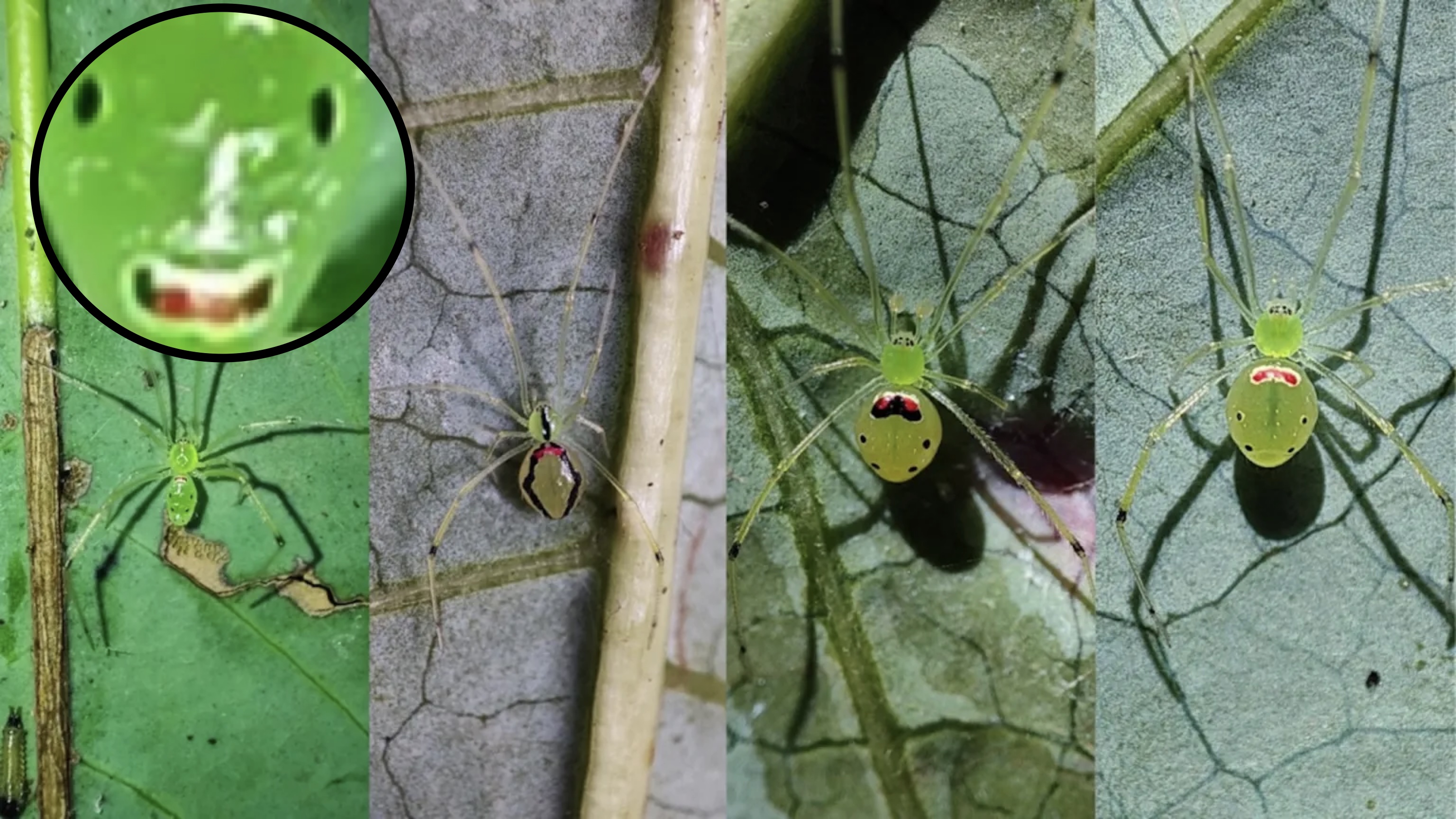
The happy-face spider (Theridion grallator) is famous for the particularly cheery looking patterns on top of its abdomen. Ecologists in Hawaii first described the tiny, vibrantly green arachnids in 1900, and have long assumed them to be unique to the islands. However, an unexpected encounter thousands of miles away recently surprised researchers combing through the forested slopes of the Himalayan mountains.
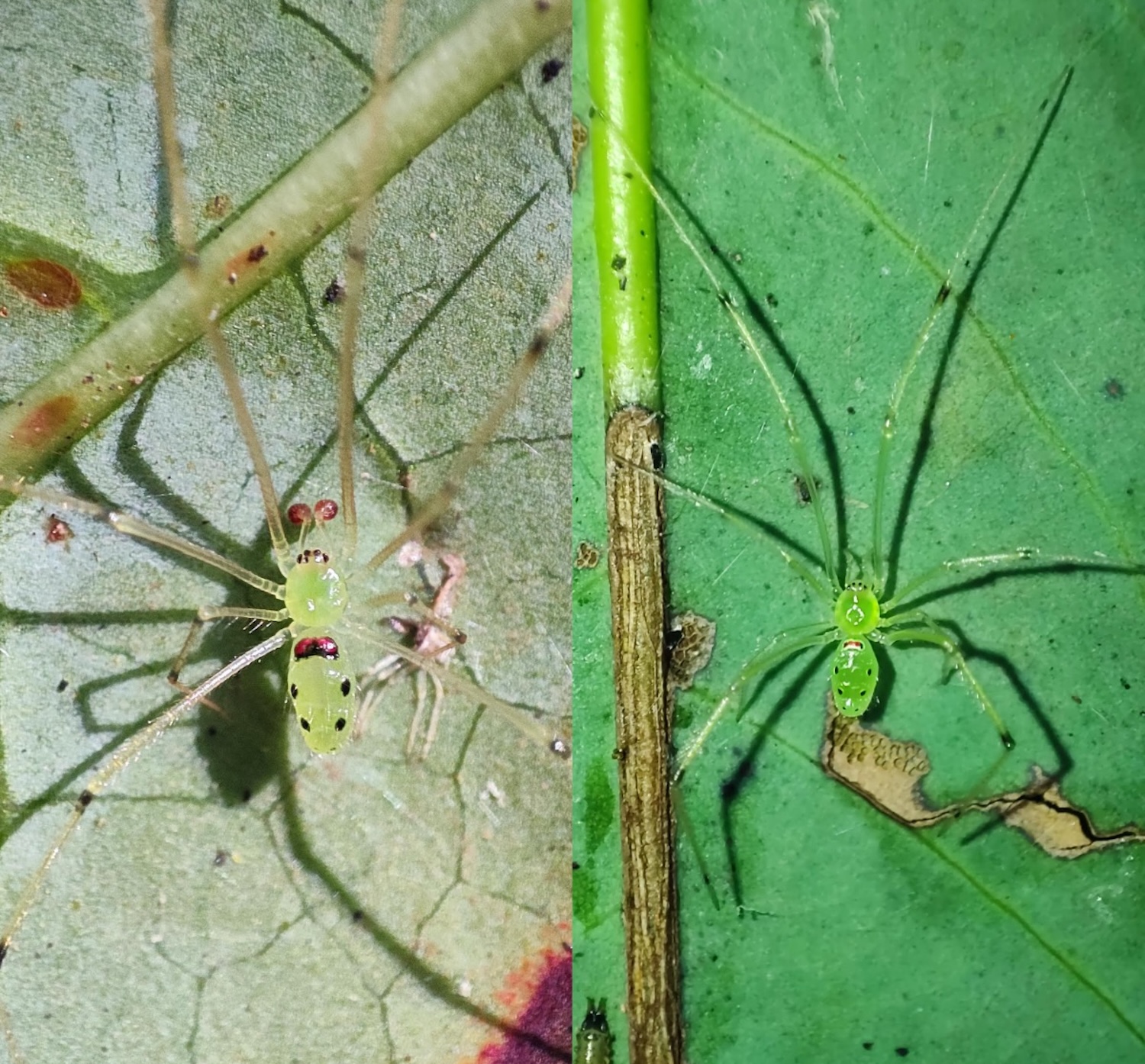
According to their study published in the journal Evolutionary Systematics, there is at least one more smiley spider species in the world. Of course, such a discovery deserves an equally appropriate name. Without further ado, it’s time to meet the Himalayan happy-face spider (Theridion himalayana).
Mature male (left) and female (right) of Theridion himalayana sp. nov. Credit: Devi Priyadarshini and Ashirwad Tripathy.
The meetup began in 2023 during an expedition in the northern state of Uttarakhand, a region home to many animals that remain unknown to science. Researchers from India’s Forest Research Institute and the Regional Museum of Natural History intended to catalogue ant biodiversity at the foot of the Himalayan mountains, but they kept getting distracted by the insects’ eight-legged neighbors.
“My co-author [Ashirwad Tripathy] kept sending me spiders from high altitude regions for identification,” Regional Museum of Natural History biologist Devi Priyadarshini said in a statement.
Priyadarshini recalled on “one fine day,” her colleague sent a photo of an arachnid clinging to a Daphniphyllum leaf. That was when she “froze in shock.”
“I had seen the Hawaiian spider during my master’s program…I knew instantly we had a jackpot because of its striking resemblance,” explained Priyadarshini.
Over the next few months, Tripathy continued to document every similar spider he saw during his survey. While each of the 32 examples clearly belonged to the same species, they all showcased an array of smiley dot-and-stripe coloration patterns (known as morphs) on their bodies. Once in the lab, the team conducted a DNA analysis of their specimens and discovered about an 8.5 percent genetic variation from the Hawaiian happy-face spider. This confirmed it evolved completely independent of the almost identical island spiders, thus earning the name Theridion himalayana.
“The name [Theridion] Himalayana was decided as the species name because we both wanted to pay our respects to the mighty Himalaya mountain ranges, which have been standing tall not just guarding our country but also holding a plethora of biodiversity within them,” added Tripathy.
Although the green coloration obviously helps both spiders blend into the surrounding vegetation, the exact reason for their back patterns remains unclear. Priyadarshini said this question is “definitely indicative of a deeper genetic mystery” that deserves further investigation. However, another shared trait is even stranger. Both species have a fondness for ginger plants, even though ginger isn’t native to Hawaii.
“How did the [Hawaiian] spiders choose an invasive species and ginger exactly?” wondered Priyadarshini, who theorized T. himalayan may be an “elder cousin” of T. grallator.“Although this sounds like a tall claim now, it will be our further scope of work to establish any missing links,” she said.
For decades, many paleoarchaeologists believed Neanderthals went extinct largely because they just weren’t intelligent enough to compete with their Homo sapien relatives. However, mounting historical evidence suggests this was far from the case. The latest discovery to help the Neanderthal’s reputation ion? The ancient hominins knew when and how to safely snack on shellfish potentially thousands of years before their human descendants.
The findings published today in the Proceedings of the National Academy of Sciences focus on Neanderthals who lived at Los Aviones Cave in present-day Cartagena, Spain. Researchers discovered the remains of 115,000-year-old mollusks including gastropods and limpets that were clearly harvested as food. This contradicts past theories about Neanderthals, which suggested they had difficulty adapting to coastal environments and utilizing marine resources. What’s more, the Neanderthals here didn’t eat shellfish in large quantities all the time. Instead, they knew to make the most of them between November and April during the colder seasons.
Los Aviones Cave in Spain is a notable Neanderthal archaeological site. Credit: ICTA-UAB
“They consumed marine resources throughout the year, but with a very clear preference for winter and autumn months,” explained Asier García-Escárzaga, a study co-author and archaeologist at Spain’s Universitat Autònoma de Barcelona Institute of Environmental Science and Technology.
García-Escárzaga says this seasonal pattern often followed by more modern human populations in Europe wasn’t a coincidence. The winter reproduction cycle of many mollusks also results in higher amounts of meat as well as improved flavor and texture. Summer months increase health risks like toxic algae contamination or rapid spoiling.
But how did researchers determine exactly when these shellfish were harvested? It all has to do with the mollusks’ shell carbonate and their oxygen isotopic levels. This level fluctuates depending on seawater temperature and functions like a “prehistoric thermometer,” according to García-Escárzaga.
The findings reveal that Spain’s coastal Neanderthals relied on a diverse diet featuring high-quality oceanic proteins filled with Omega-3 and zinc, both of which aid in reproductive health and brain development. With that in mind, it’s entirely possible that humans’ closest evolutionary ancestors influenced our own love of shellfish.
“What we see at Los Aviones is a fully modern subsistence strategy,” García-Escárzaga and his colleagues wrote in their study.
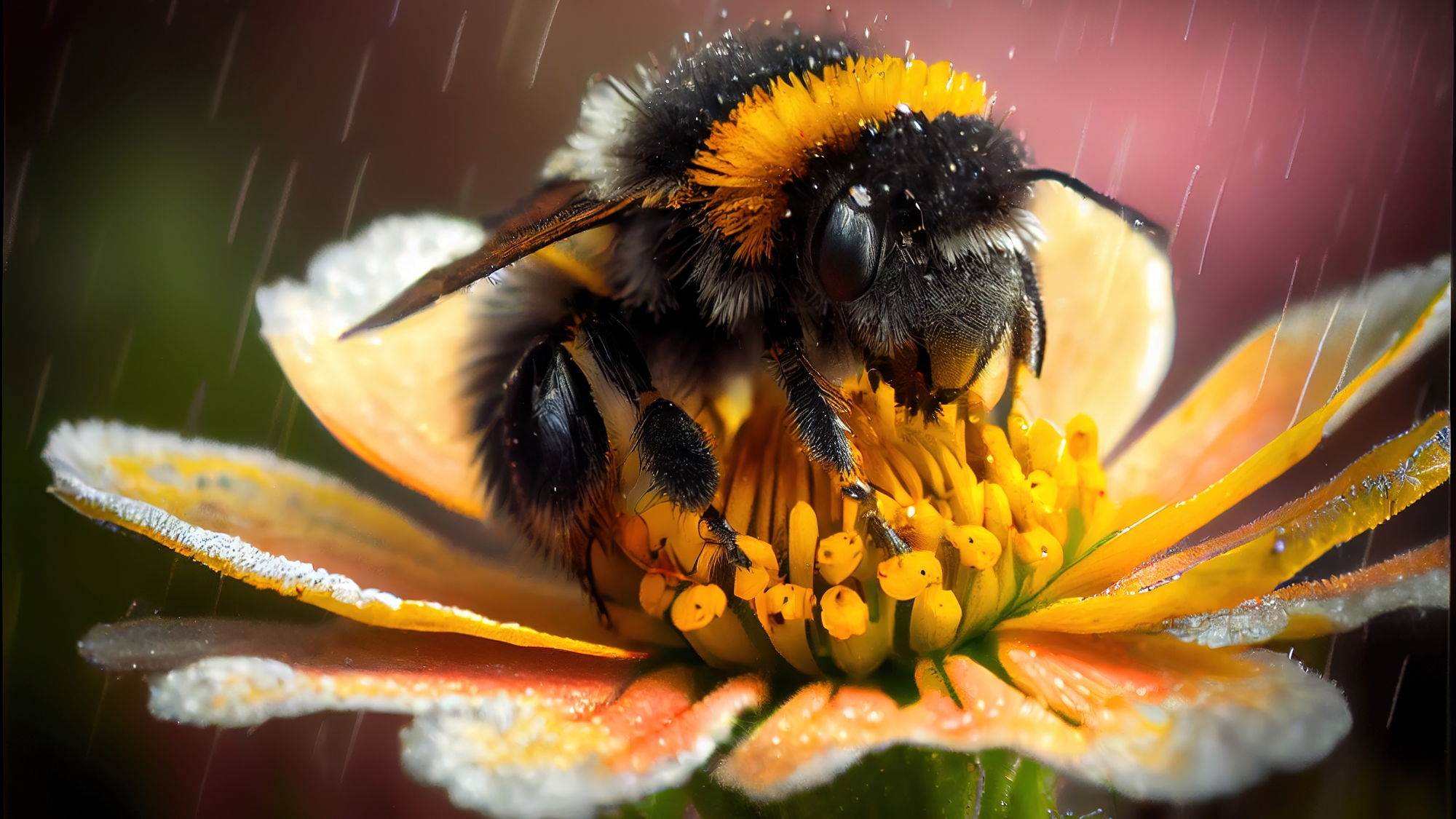
While every bumble bee colony has a queen, the process for becoming that queen bee may be a bit more democratic than monarchical. The worker bees appear to select which baby will be queen one day, according to a new study published in the journal Insect Biochemistry and Molecular Biology.
The key to this selection process lies in the juvenile hormone. This hormone in insects is responsible for their development, molting, and eventual reproduction. When the team gave the juvenile hormone to worker bees, they passed it along to all of the larvae in the colony through feeding. The more juvenile hormone the larvae received, the more likely they were to become queen.
According to the team, this is the first study to show that bumble bee caste is determined by the workers and shifts our understanding of bee colony dynamics. Instead of a top-down hierarchy, the colony appears to be a more decentralized system, where the caregivers and workers can alter the future of baby bees.
Less like Mean Girls?
Understanding the fate of the bee larvae is key to understanding their social behavior. Their whole system relies on a division of reproductive labor—some females will reproduce, while the others help.
“Since all these females share the same DNA, it’s a striking example of how the same genotype can produce very different forms,” Etya Amsalem, a study co-author and entomologist at Penn State, said in a statement. “It’s also a practical question since bumble bees are important for pollination, so knowing how to produce queens could improve commercial breeding and management.”
In addition to their different social roles, queen bees and worker bees are also very different physically. Bumblebee queens are larger, live longer lives, and will reproduce. Worker bees are smaller in stature and do not reproduce or live as long.
While it was clear that hormones were involved in how workers determine the queen, the exact mechanisms behind it were more vague.
“A single female egg in bumblebees holds the blueprint for two completely different life paths: the giant, reproductive queen or the small, sterile worker,” added study co-author and postdoctoral researcher Seyed Ali Modarres Hasani. “We wanted to understand what triggers the change in the female life trajectory, when does it happen and who controls the process.”
A matter of hormones
In the study, the team used three worker bees and a cluster of larvae. They applied juvenile hormone at different doses and times, and administered it either to workers or directly to larvae. They then traced the hormone’s movement, measuring larval mass and recording which individuals became queens or workers.
“Every colony will produce many new queens at the end of the season,” Amsalem said. “These queens will leave the colony, mate and go into winter diapause, and then each queen will start a new colony in the next spring. In that sense, producing as many queens—and males—at the end of the season is the ultimate purpose of the colony.”
When the juvenile hormone was applied directly to the larvae, not only did they not turn into queens, but the worker bees ended up eliminating most of these larvae.
When the workers were treated with the juvenile hormone, they put it into the food that they make for the larvae. These larvae then ingested the hormone, and were heavier and much more likely to become queens.
“We also determined that larvae are only sensitive to this hormone on days seven and eight of their development,” Hasani said. “By tracing the juvenile hormone, we saw that the workers pass the hormone into the food they make from nectar and pollen.”
Queen development and the colony’s future
These results suggest that queen production is linked to how the colony progresses through the summer’s warmer months until it eventually collapses in the fall.
“Bumblebee workers do not reproduce when the colony is young, but they can activate their ovaries and produce males as the colony ages, which causes an increase in juvenile hormone levels,” Amsalem said. “As a result, over time, they feed larvae more of the hormone. When enough workers do this simultaneously, usually towards the end of the season, larvae receive doses that are high enough during the critical window to develop into queens.”
These results could help improve bee colony management at a hormonal level, explain how complex insect societies evolve, and how hormonal signals interact to shape colony structure.
Sunburn and mosquito bites go together in the summer like a hot dog and ketchup. To keep from becoming a mosquito buffet, most of us turn to bug sprays with DEET. An acronym built from its scientific identification (diethyltoluamide), DEET was developed for the United States Army in 1946 and entered civilian use in 1957. It is generally considered safe when used as directed.
However, mosquitoes can learn to associate the repellant with food. They may even become attracted to it. The findings are detailed in a study published today in the Journal of Experimental Biology.
“If someone applies DEET and the concentration fades over time, but a mosquito still manages to feed, the insect may begin associating that smell with a reward,” Clément Vinauger, a study co-author and biochemist at Virginia Tech, said in a statement. “That’s a possibility we should take seriously when we think about how repellents are used in the real world.”
Ace processors
Like it or not, Earth’s over 3,500 known mosquito species are pretty smart and an evolutionary wonder. They use sensory information to find hosts and can adapt to changing environments.
“Mosquitoes are remarkable at processing information about their environment,” Vinauger said. “What we are trying to understand is not only how they detect us, but how their brains interpret those cues and turn them into behavior.”
A DEET-covered dinner bell?
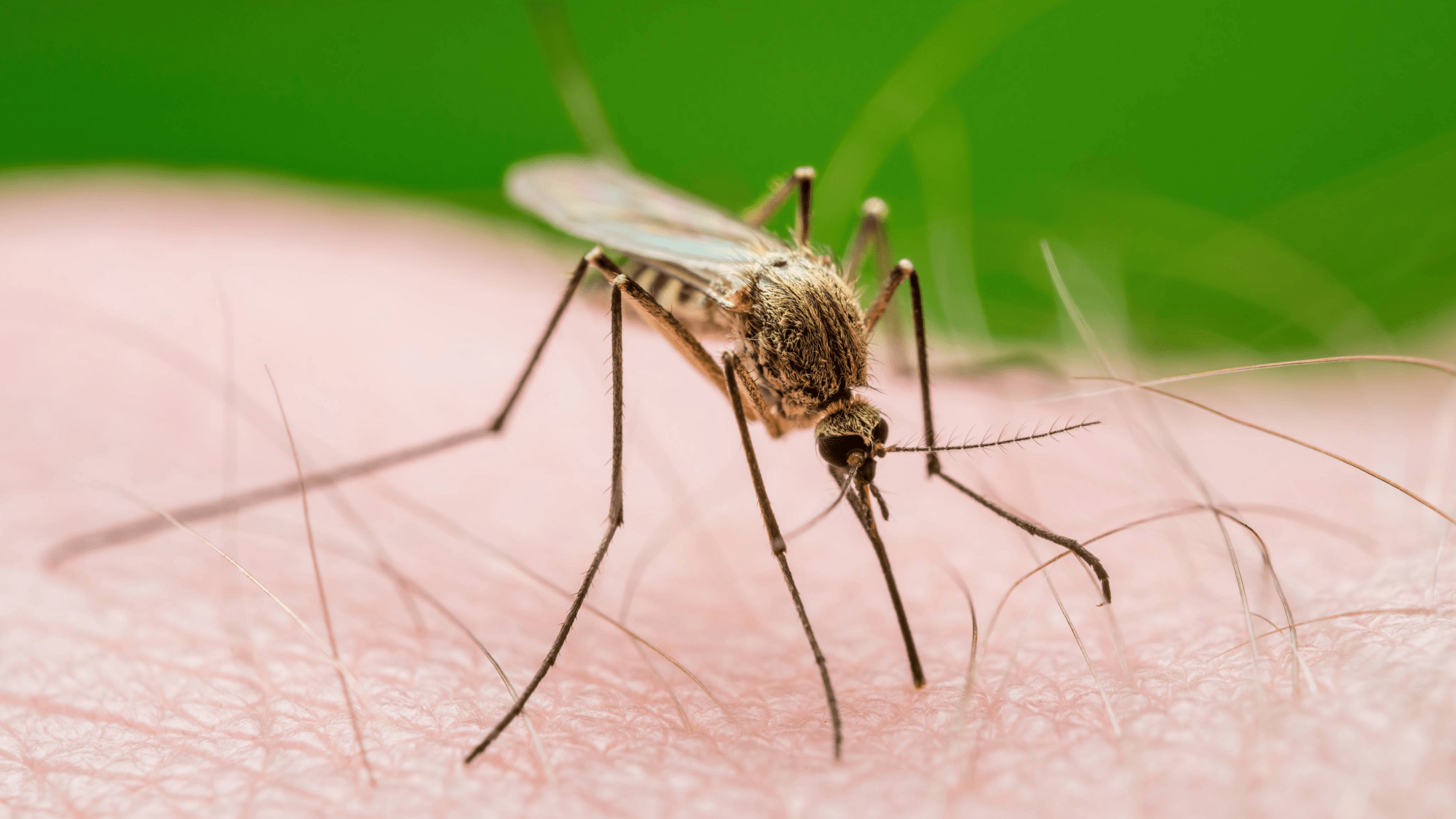
In this new study, the team focused on the yellow fever mosquito (Aedes aegypti). This species spreads several diseases to tens of millions of people each year, including dengue fever, Zika, yellow fever, and chikungunya.
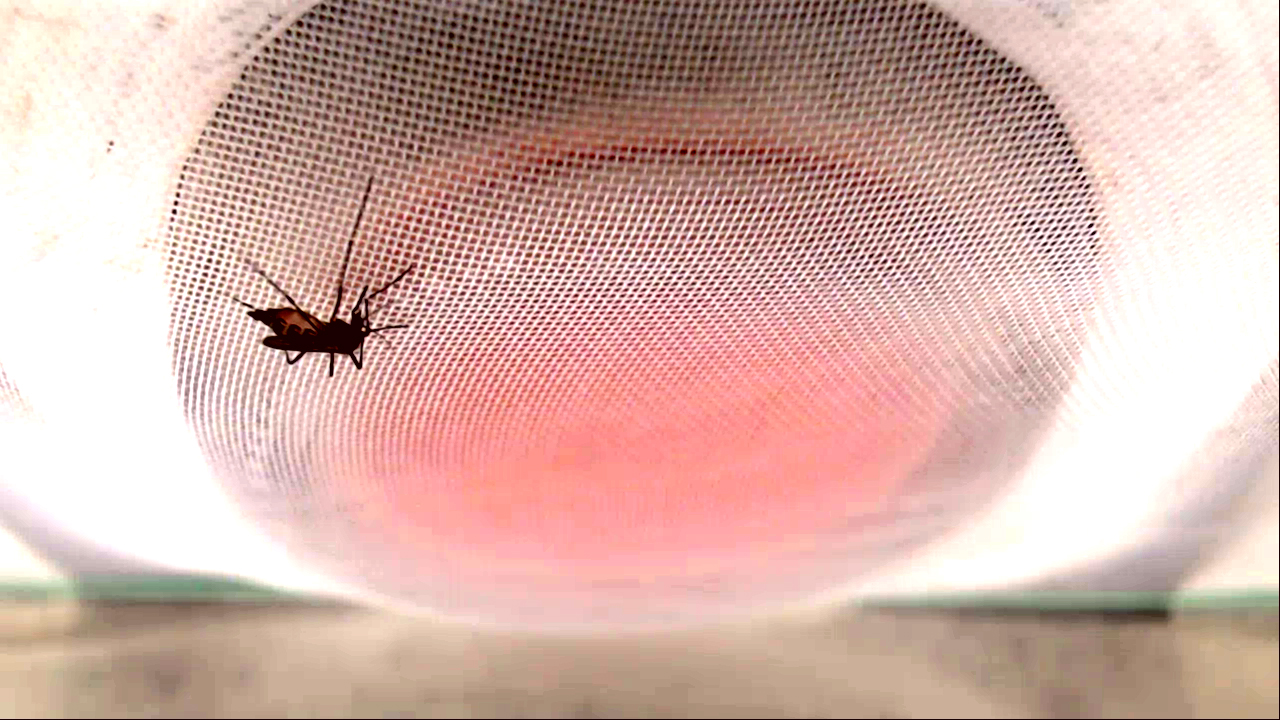
The mosquitoes were restrained behind a piece of fabric mesh. They then offered the mosquitoes a bag of warm blood (yum) that was just out of the insects’ reach to see how enthusiastically the insects stabbed at it with their proboscises. As expected, the mosquitoes were interested in the blood, particularly when the team rewarded them by lowering the bag within reach. Things changed a bit once DEET entered the experiment. When the team offered the insects blood when surrounded by the scent of DEET, they initially stayed away from the potential feast.
A female yellow fever mosquito (Aedes aegypti), feeding on a bag of warm blood. Image: Romina Barrozo.
To see if they could be trained to associate that smell with the dinner bell, the team fed the mosquitoes warm blood for 20 seconds, squirting the scent of DEET into the enclosure in the final 10 seconds of dining. They repeated the procedure three more times before noting how the mosquitoes responded to only the scent of DEET. In this trial, over 60 percent of mosquitoes tried to bite when they smelled DEET.
To examine further, the mosquitoes were given a choice between two human hands. The hand belonged to study co-author Ayelén Nally of the University of Buenos Aires. One of Nally’s hands was coated with DEET at normal concentrations and the other was bare. The untrained mosquitoes avoided the DEET-treated hand, while the trained mosquitoes were drawn to it.
Interestingly, the mosquitoes could form that same association when sugar, instead of blood, was used as the reward.
According to the team, they are seeing how the mosquito’s brain can rewrite its response based on their experiences. What they have learned matters just as much as what a chemical like DEET does.
“If mosquitoes are repeatedly exposed to DEET, it becomes less effective as a repellent,” study co-author Claudio Lazzari from University of Tours in France added.
Keep the bug spray
Importantly, this does not mean you should stop using DEET completely. It is still one of the most effective ways to keep the dangerous insects away, particularly where mosquito-borne disease is common.
“If you’re in tropical regions where disease risk is real, you should use it,” Vinauger said. “Instead of applying a lot at once, you may want to reapply regularly so it’s always active and providing continuous protection.”
Treated clothing may also be a challenge since DEET concentrations in fabric decline over time. Additional study to understand their behavior is crucial for public health as mosquito-borne illnesses increase due to climate change.
“We need to understand how mosquitoes keep outsmarting our control strategies,” Vinauger concluded. “And that takes understanding how they work—at the molecular level, the neural level, the behavioral level.”
Red means stop. Red means danger. Red means passion. The color conjures up a whole range of emotions and associations. It inspired an entire Taylor Swift album. And yet if someone asked you to describe what red actually looks like, without pointing at something red, you’d hit a wall almost immediately.
So why is it that a color so evocative and distinctive as red (or any color, for that matter) still manages to elude our attempts to nail it down with words?
If you just now said, “It’s because color doesn’t exist,” well played! If you’re like me and your face just turned an indescribable shade of red, welcome to the club.
“There is no color in the world,” says American neuroscientist Christof Koch. “There are photons of a particular wavelength emitted by the sun that strike an object, and then get reflected into the eye of the viewer. The electrical activity that’s generated there then travels up into the cortex of the brain, and gets processed into something we call color.”
In other words, red isn’t something out there in the world waiting to be objectively and uniformly experienced. It’s something your brain makes up. So does color even actually exist? Neuroscientists think maybe not. At least not in the way we think it does.
Does color even exist? Short answer: Not really.
Koch, a Meritorious Investigator at the Allen Institute for Brain Science, discusses the subjective experience of color using a famous thought experiment called Mary’s Room. Introduced in the 1980s by the philosopher Frank Jackson, the experiment involves a hypothetical neuroscientist, Mary, who lives in a black-and-white room. Mary knows everything there is to know about color: the wavelengths, the photoreceptors, the way color is processed within the visual cortex. She has read every paper and has conducted every experiment. But Mary has never actually seen color.
One day, Mary leaves the black-and-white room. And for the first time in her life, she sees a red tomato.
The question Jackson posed is deceptively simple: When Mary sees the red tomato, does she learn something new?
Jackson’s answer was yes. Despite knowing everything science could conceivably tell her about color, Mary is confronted by something that no textbook could convey—the actual experience of seeing red.
“The feeling, the phenomenal quality, whatever you call it—the experience is subjective,” Koch says. “People have invented a dozen words or more to describe it. It remains inexplicable.”
That “it,” Koch says, is the experience itself—the felt sensation of seeing red that no amount of scientific language has ever quite managed to pin down.
Philosophers call that experience a quale (pronounced KWAH-LAY) the felt, first-person experience of something: the redness of red, the sharpness of pain, the taste of coffee. Unlike the wavelength of red, which can be measured precisely, a quale can’t be objectively measured. It’s entirely an inside job.
Koch says the Mary’s Room thought experiment argues against materialism—the philosophical view that everything in the universe, including human experience, can be explained by physics. If materialism is right, there’s nothing science can’t eventually account for. Mary’s Room suggests otherwise: There are some things that science simply can’t explain.
Everyone see colors differently, but not that differently
For the most part, we go about our days equipped with this surprisingly loose consensus on our shared reality. If your blue isn’t quite the same as my blue, it’s close enough not to cause trouble most of the time. But every once in a while, something happens that reminds us how differently our brains can construct the same reality.
In 2015, a photograph of a striped dress went viral for a reason that had nothing to do with fashion. The dress appeared blue and black to many, but millions of people looking at the same image saw white and gold, and couldn’t fathom how anyone could see it differently. In what now seems like a quaint public rift, the internet divided around the hotly debated reality of blue/black versus white/gold.
“It’s as though they were looking at the same screen,” says Koch. But “half the population saw one movie and the other half saw a different movie.”
The explanation, says Koch, has to do with how the brain handles ambiguous lighting. Every time you look at an image, your brain makes an automatic, unconscious calculation about the overall brightness of it. This calculation is based on your habits and life experience.
Because early risers spend more waking hours in natural daylight, their brains are calibrated to filter out blue light, leaving white and gold. Night owls, accustomed to warmer artificial light, filter that out instead and land on blue and black.
“You get up early in the morning and see a lot of sunlight, or you get up very late and are primarily up at night with artificial light,” Koch says. “So depending on that implicit assumption, your brain gives rise to these two different percepts: white and gold, or blue and black.” It’s not a conscious, deliberate decision you take to view the dress one way or the other.
Does this dress look blue and black or white and gold? Your answer might have to do with whether you’re an early riser or night owl. Video: What Colour Is This Dress? (SOLVED with SCIENCE), AsapSCIENCE
For Koch, the dress is a window into something fundamental about human perception.
“There is input from the world, but then your particular brain might make a set of assumptions, and my brain might make a different set of assumptions,” he adds. “We obviously agree most of the time, though, or else we wouldn’t have evolved.”
And for the most part, we do agree. A species that couldn’t agree on some basic shared realities wouldn’t have gotten very far. So don’t worry: Your understanding of red is probably pretty similar to my understanding of red.
We all have unique, built-in filters that change how we see the world
The dress, it turns out, is just the beginning. Koch cites the concept of the “perception box.” Writer and researcher Elizabeth R. Koch (no relation) coined the term in 2021 to describe the hidden forces that shape how we see the world.
According to this theory, we each have our own unique perception box. Think of two people standing in front of the same abstract painting. One sees something beautiful and moving: The other sees a mess. Same painting, completely different experience. That’s your perception box at work. It’s shaped by your genes, your upbringing, and every experience you’ve ever had.
“We all live in slightly different perception boxes,” he says. “The walls are invisible, and they can expand or shrink, driven by our genes, our neural wiring, our experience.”
Those walls, Koch says, determine far more than which colors we see. They shape how we interpret relationships, how we process emotions, and even how we react to the evening news. Two people can look at the same event and come away with completely different realities, not because one of them is lying, but because their perception boxes are simply built differently.
When it comes to the color red, you can measure its wavelength. You can map exactly what happens in the brain when the eye encounters it. But the actual experience of redness—that felt, interior, indescribable thing—lives inside your perception box, and nowhere else.
“This applies to any conscious experience,” he says. “It applies to pain, say, due to an infected tooth, or the distress you experience when someone leaves you. It’s true for taste, for boredom, for mystical experience, and for psychedelic experience. It has the same ineffable quality.”
Which brings us back to red. You’ve always known it when you’ve seen it. But that color you see? It’s yours and yours alone.
In Ask Us Anything, Popular Science answers your most outlandish, mind-burning questions, from the everyday things you’ve always wondered to the bizarre things you never thought to ask. Have something you’ve always wanted to know? Ask us.
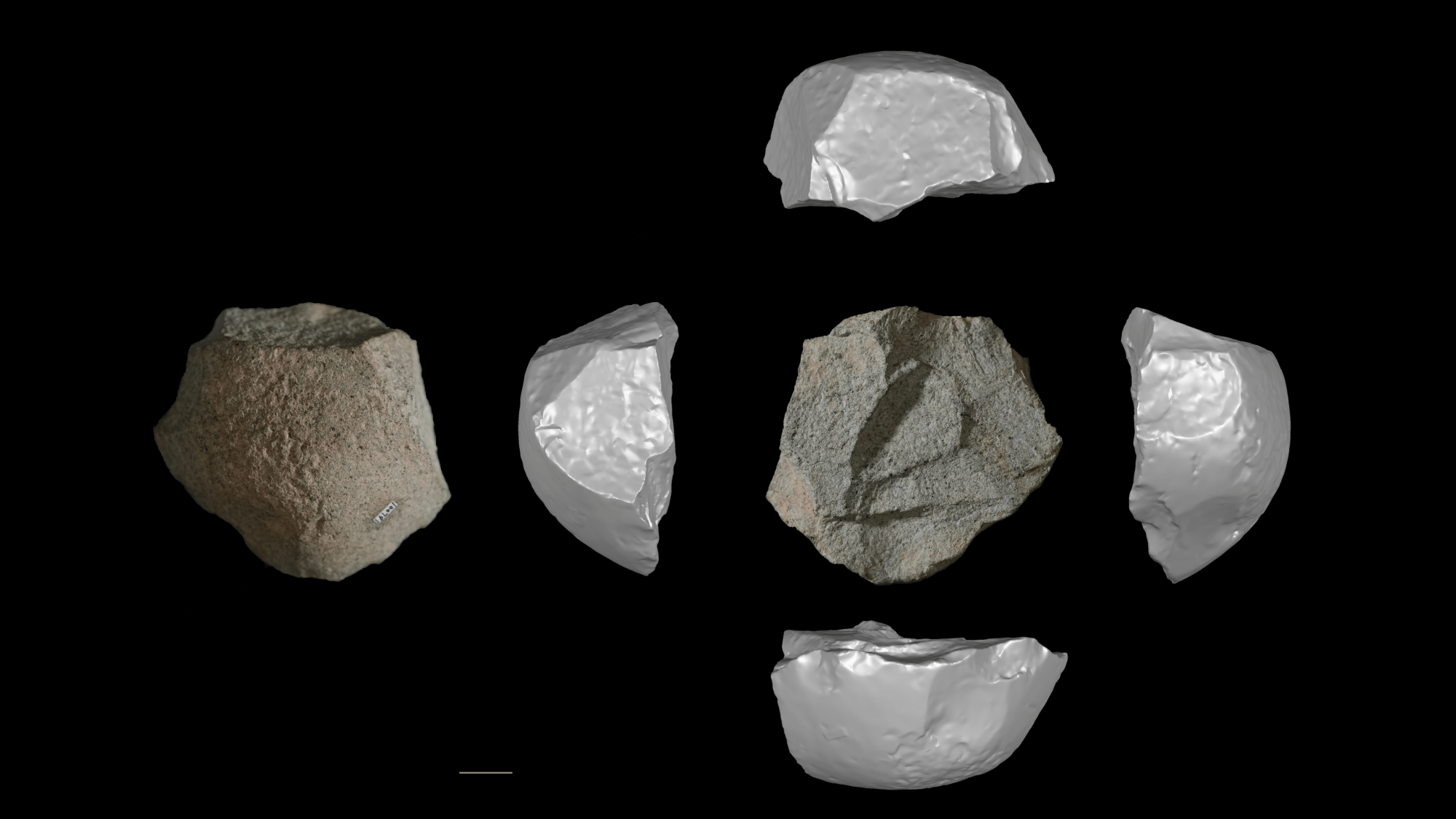
A remarkable collection of ancient stone tools proves that human creativity can thrive in challenging times. The complexity of the stone tools found amidst the bones of butchered animals in central China demonstrate an elevated level of intelligence and creativity. Early humans forged the tools during an ice age 146,000 years ago, not during the relative ease of a warm period. According to a study published today in the Journal of Human Evolution, this challenges the idea that the early humans could not innovate.
“People often imagine creativity as something that flourishes in good times,” Yuchao Zhao, a study co-author and the assistant curator of East Asian archaeology at the Field Museum in Chicago, said in a statement. “Finding out that these stone tools were made during a harsh ice age tells a different story. Hard times can force us to adapt.”
A distant human cousin
The stone tools were found at the Lingjing archaeological site in central China. An early human species called Homo juluensis, a cousin of our own species, occupied the area. While they went extinct about 50,000 years ago, Homo juluensis had a very large brain size and traits seen in both eastern Asian archaic humans and Neanderthals in Europe.
Until recently, archaeologists believed that ancient humans in East Asia during the late Middle Pleistocene (300,000-120,000 years ago) did not make many significant technological advances, compared to the early humans living in Europe and Africa. However, the Lingjing stone tools tell a different story.
The disc-shaped stone cores at Lingjing were part of a detailed, carefully organized tool-making process. Homo juluensis built them by striking small stones against larger stone cores. Some of the cores were wired evenly on both sides. Other cores were more carefully built. One side was primarily a surface to strike from. The other side was shaped to produce sharp flakes.
According to the team, these asymmetrical cores are especially important. They indicate that prehistoric humans were not just knocking off pieces of a stone at random. Instead, they were managing the core as a three-dimensional object, where surfaces have different roles, while keeping the right angles for producing useful flakes.
“This was not casual flake production, but a technology that required planning, precision, and a deep understanding of stone properties and fracture mechanics,” said Zhao. “The underlying logic of this system—and the cognitive abilities it reflects—shows important similarities to Middle Paleolithic technologies often associated with Neanderthals in Europe and with human ancestors in Africa, suggesting that advanced technological thinking was not limited to western Eurasia.”
The stone artifacts left behind by the Homo juluensis’ living at Lingjing suggest that they were capable of complex thought and creativity. However, this story further complicates a shift in the timeline of how long ago these tools were made.
Aging bones
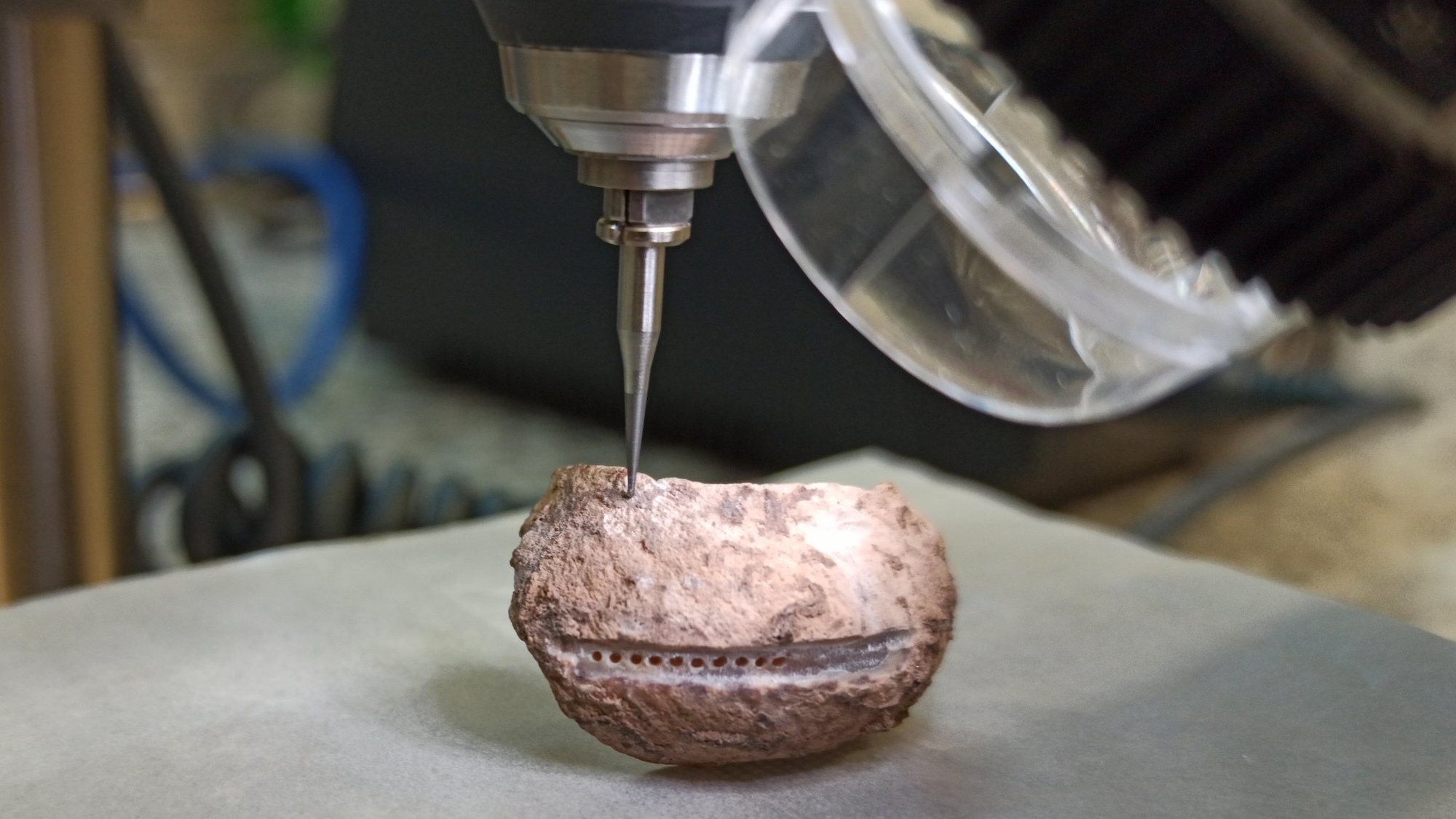
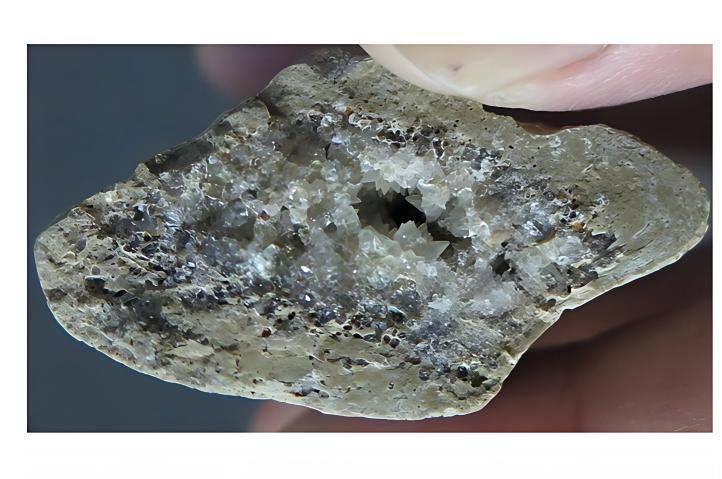
Homo juluensis at Lingjing would butcher animals like deer, with their bones found alongside the stone tools. A rib from a deer-like animal found at Lingjing contained several glittering calcite crystals—an important particle for dating objects. Calcite crystals have trace amounts of uranium, which degrades into another element called thorium over time. Scientists can then tell the age of the crystal by measuring the ratio of uranium to thorium present inside of a calcite crystal.
“The calcite crystals inside the bone acted like a natural clock, allowing us to refine the age of the site,” says Zhao.
Crystals growing inside a bone found at the Lingjing archaeological site; these crystals were used to date the site, and the tools found there, to an ice age 146,000 years ago. Image: Photo by Zhanyang Li.
Based on this new analysis, the team believes that these tools date back about 20,000 years older than scientists once believed. While 20,000 years doesn’t sound like a huge amount of time in the grand scheme of things, it’s an important difference. They were likely made during a harsh and cold ice age instead of a warm period. With this new timeline, these tools were likely adaptations for surviving hard times.
“Altogether, this research reveals a much richer story of innovation, intelligence, and human evolution in East Asia,” says Zhao.
In the wake of winning the top documentary prize at Cannes, director Pegah Ahangarani‘s Rehearsals for a Revolution has been scooped up by Sony Pictures Classics. SPC took rights in North America, Latin America, Asia (sans Japan), New Zealand, Turkey Portugal, and global airlines. The pic about decades of political repression in Iran won the L’Oeil […]
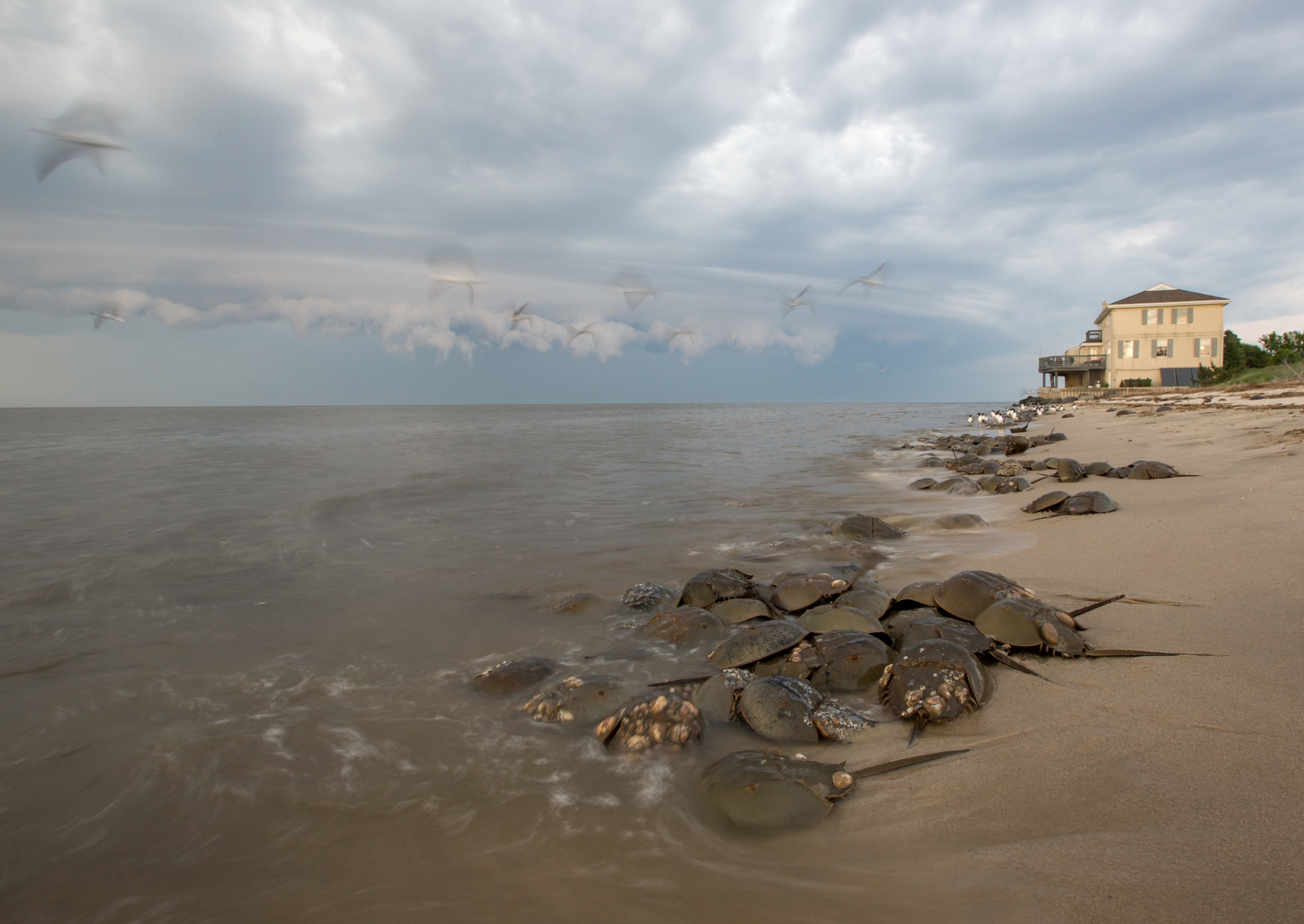
Few creatures wear the mantle of deep time as visibly as Limulus polyphemus, better known as the Atlantic horseshoe crab. To walk through the gravelly shores of the Delaware Bay or the back-bay shallows near Ocean City, New Jersey during the high spring tides of June is to witness a gathering unchanged since the Triassic.
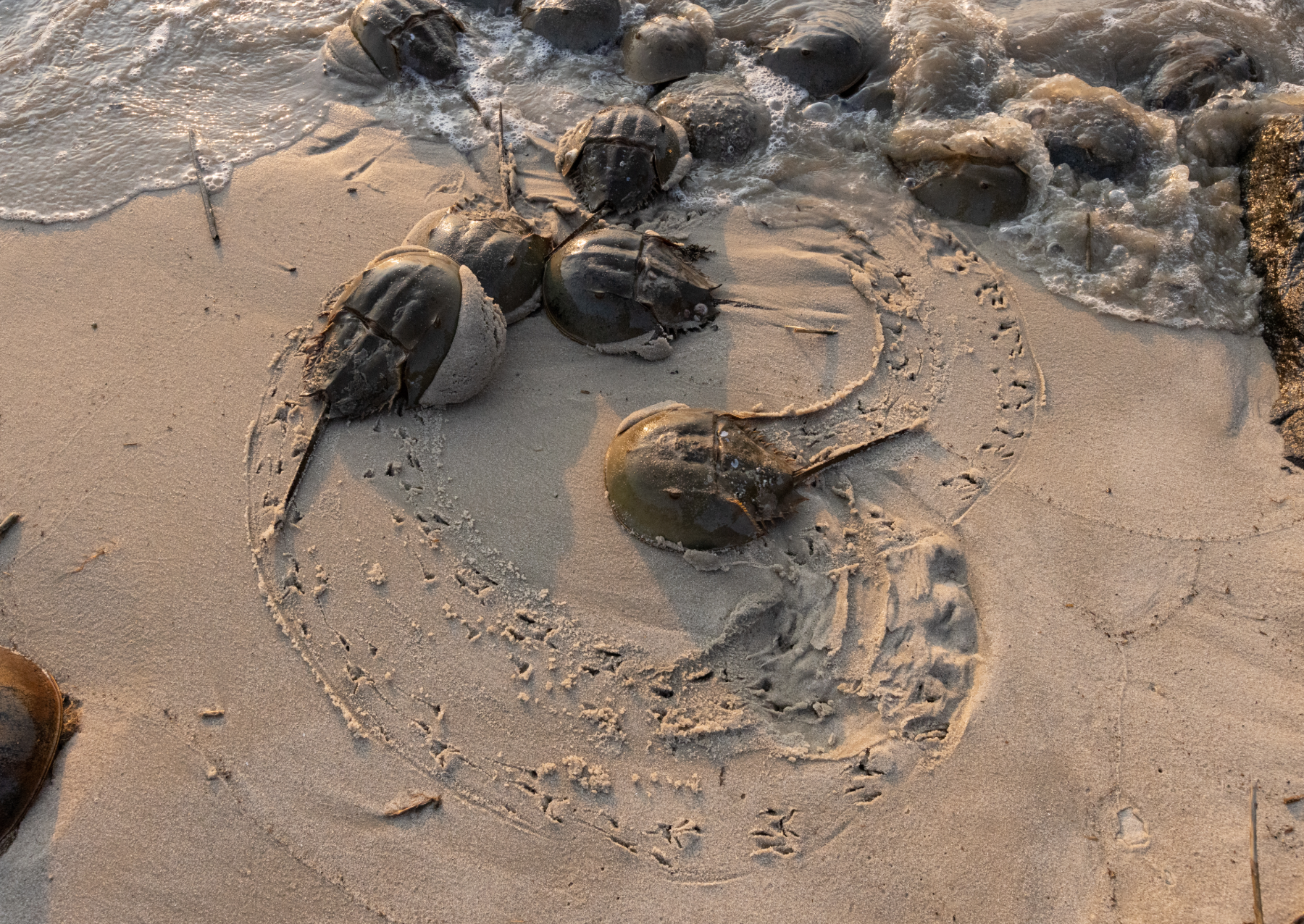
Horseshoe crabs draw tracks in the sand with their six pairs of legs. Image: Susan Allen/@what.sue.seas.
Here, the ancient arthropods—who have existed for roughly 445 million years—assemble for their great spawning. Under the gravitational pull of the full moon, king tides cue the helmet-shaped crabs to emerge from the depths of the Atlantic Ocean. The females, robust and broad-carapaced at nearly two feet in length, plow into the damp sand at the water’s edge. They then deposit thousands of eggs beneath the slurry of the surf.Each tiny, colorful orb is barely larger than a mustard seed.
Horseshoe crabs deposit their egg clusters in the sand, but disturbances from waves, shorebirds and crawling crabs bring loose eggs to the surface where they become easy picking for migratory shorebirds. Image: Susan Allen/@what.sue.seas.
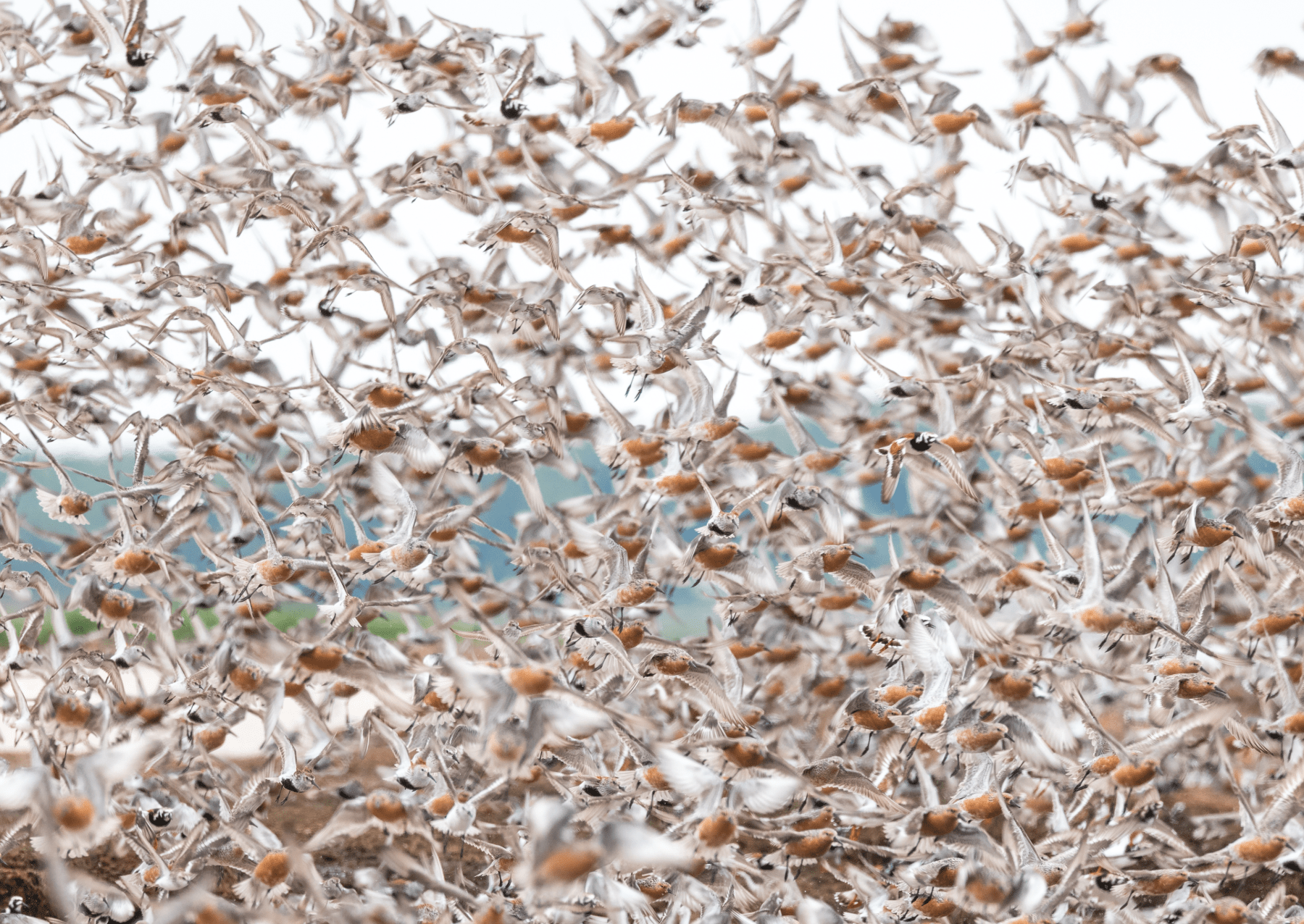
The process works like a precise biological clock, and at dawn, the cycle shifts away from the horseshoe crabs and to the daytime feeders. As the crabs deposit millions of these fatty and nutritious eggs, thousands of migratory shorebirds arrive from the sky. Many of these birds have flown thousands of miles up from the southern tip of Patagonia, only to touch down upon these precise Northeast shorelines. Among them is the Rufa red knot (Calidris canutus rufa), a master of the air executing an annual 9,000-mile odyssey to its Arctic breeding grounds.
A red knot in breeding plumage stalks the shoreline as crabs crawl ashore to spawn. Image: Susan Allen/@what.sue.seas.
Throughout their long journey, red knots can remain airborne for up to a week straight, burning stored energy and losing nearly half of their body mass in the process. The tiny horseshoe crab eggs are an immediate, vital fuel source, allowing the knots to double their weight in a matter of days.
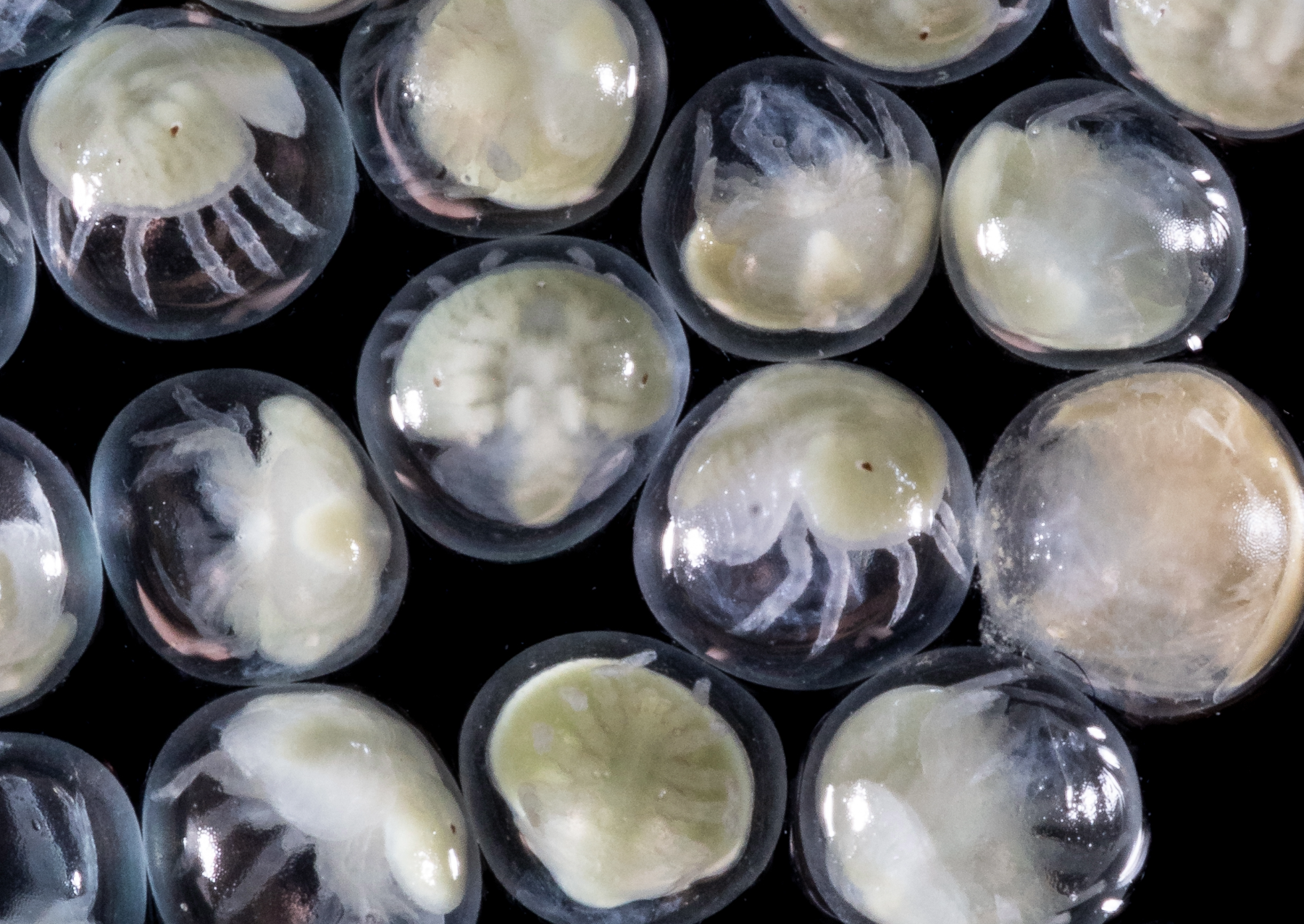
Developing eggs become translucent before the larvae hatch into miniature versions of the adults minus the telson. Image: Susan Allen/@what.sue.seas.
Over the past eight years, New Jersey photographer Susan Allen has captured these spawnings. “The quiet Delaware Bayshore becomes globally significant to the survival of many species each spring,” Allen tells Popular Science. “Hopefully this natural wonder will continue to happen.”
One female crab can be surrounded by a dozen males trying to spawn with her. Image: Susan Allen/@what.sue.seas.
Yet, this ancient convergence faces immediate threats. Climate change is warming bay waters and intensifying storms. In some years, the warmer water has prompted horseshoe crabs to spawn earlier in the season, throwing off the timing that red knots depend on when they arrive to feed on crab eggs.
Red knots stopover at the Delaware Bay during horseshoe crab spawning season to refuel on eggs and hopefully double their weight. Image: Susan Allen/@what.sue.seas.
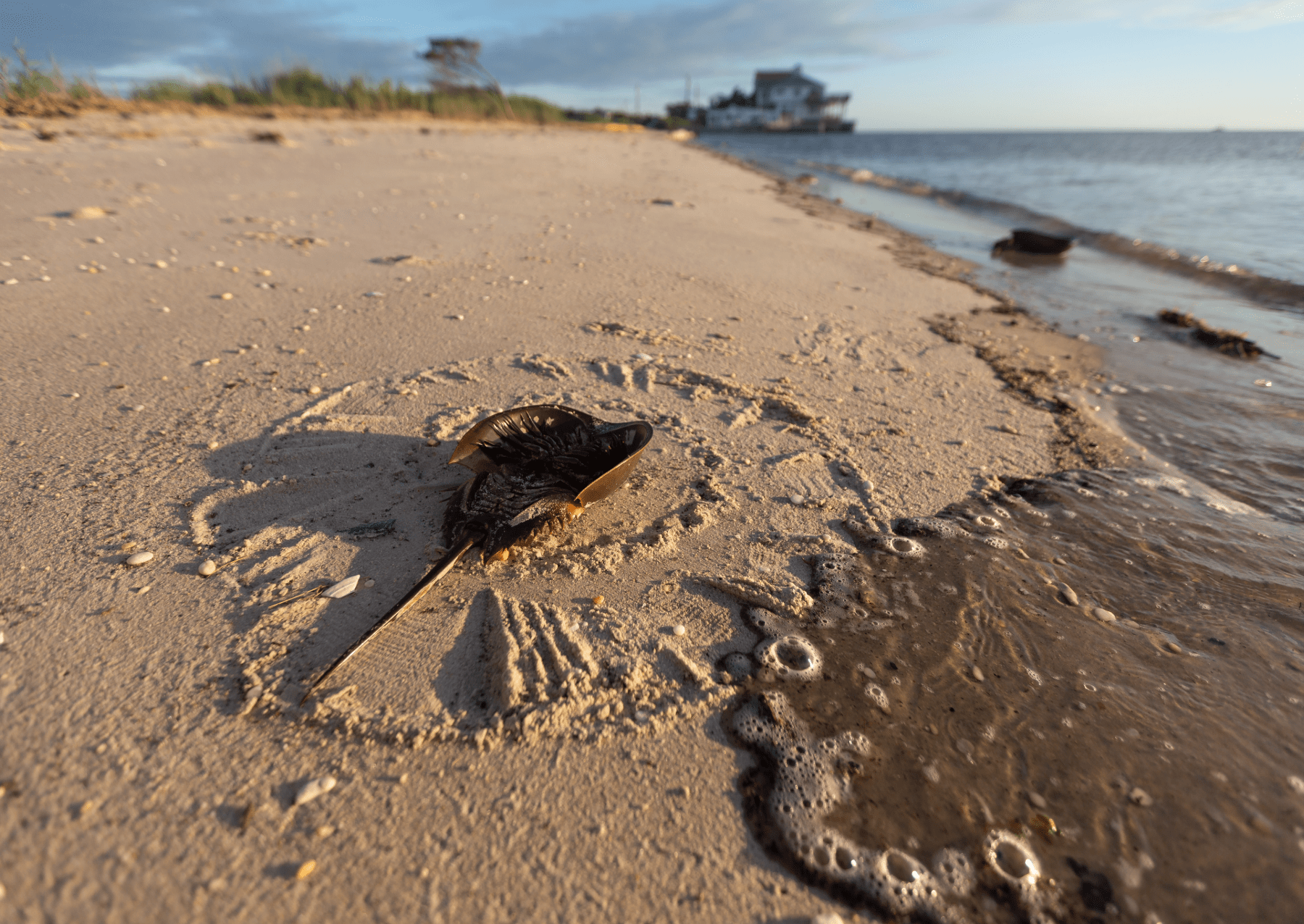
Horseshoe crabs use their telson to flip themselves over when they get turned upside down. A spiral was drawn by this unsuccessful crab before it perished. Image: Susan Allen/@what.sue.seas.
But against these modern pressures, the endurance of this bird-arthropod partnership remains a profound marvel of prehistoric connection, forged over hundreds of millions of years. The bay is still coming alive as ancient crabs meet the arriving birds in the middle of their long migration.
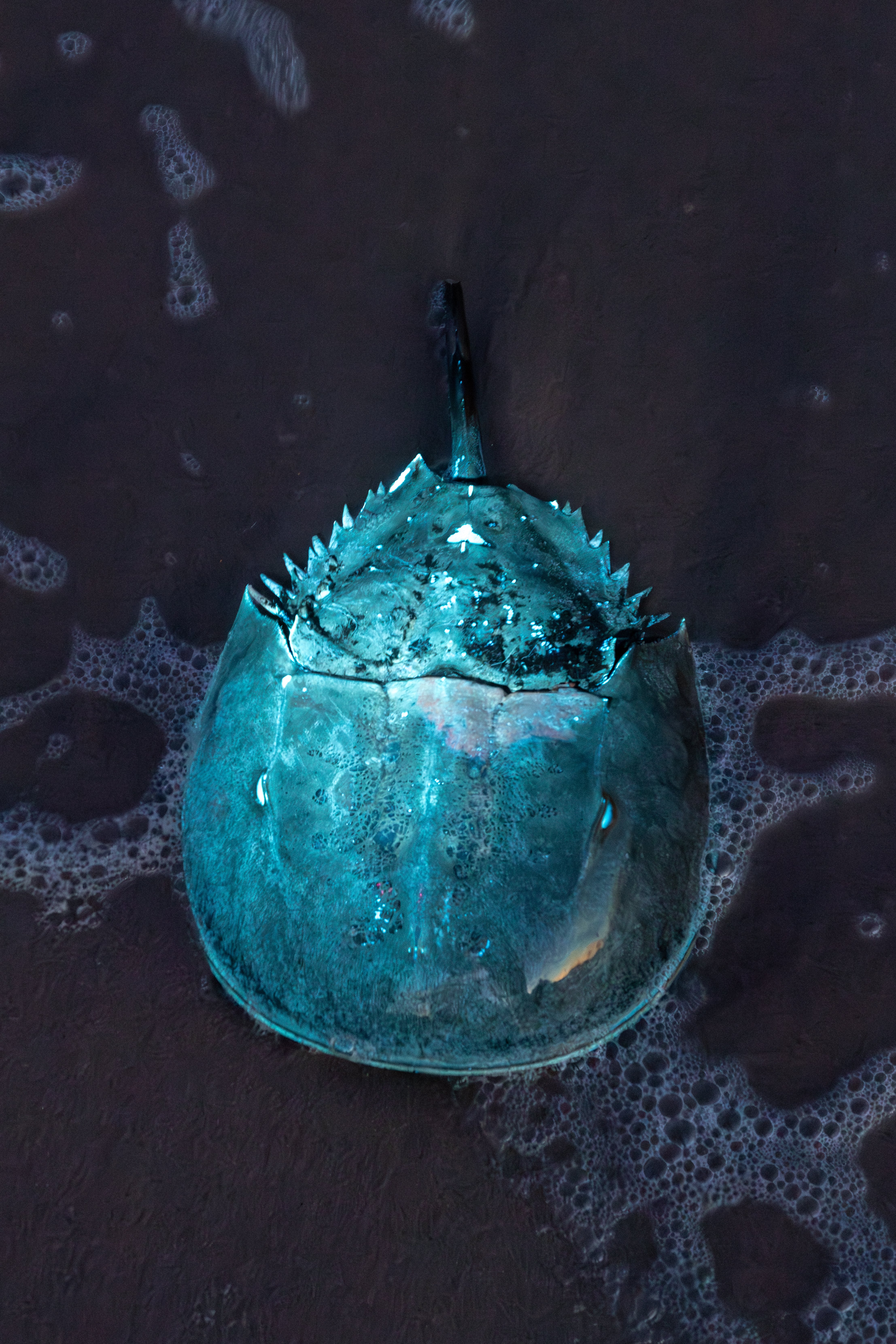
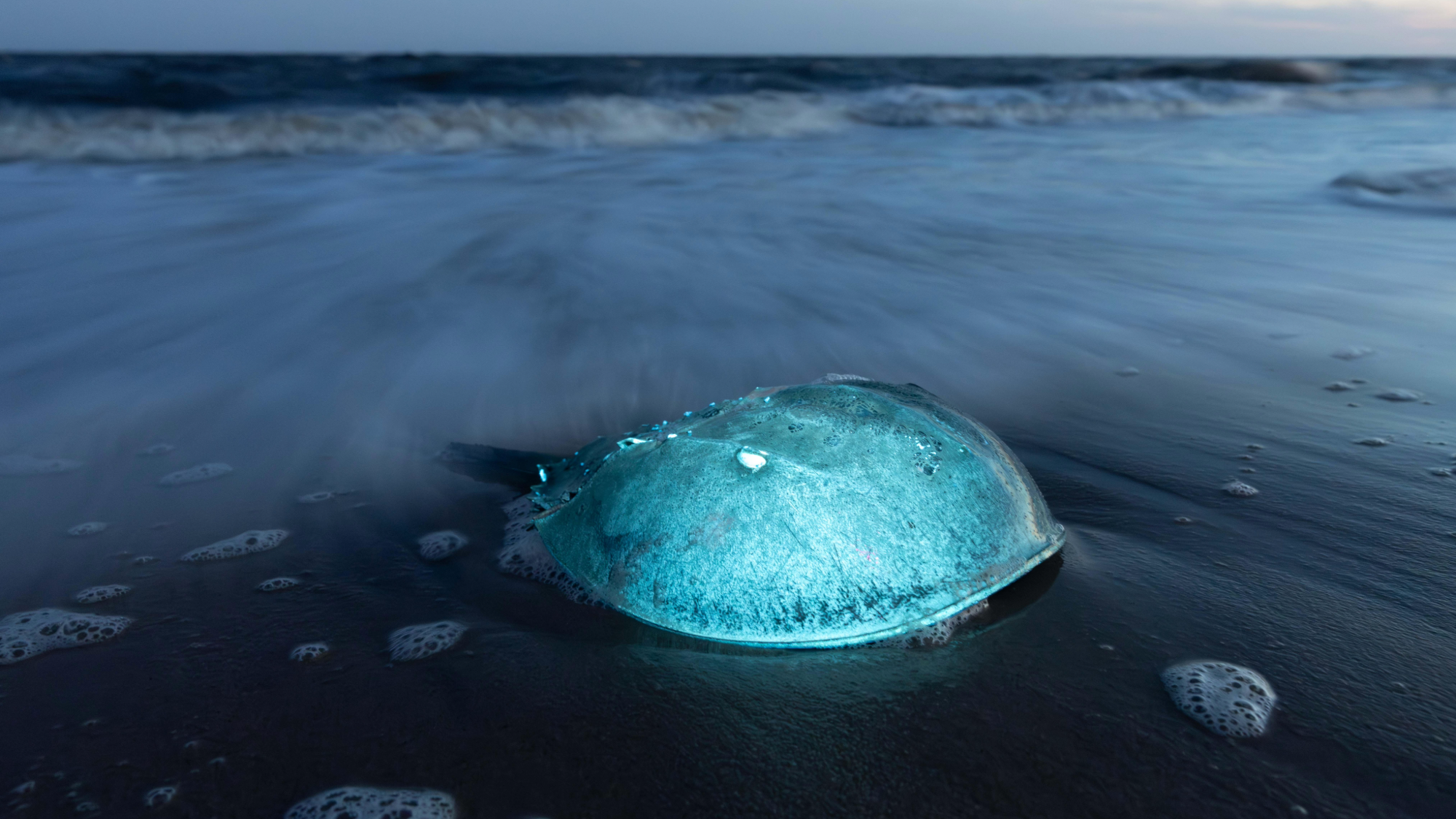
Just like scorpions, horseshoe crabs exhibit biofluorescence under UV light. They also have blue blood that is capable of detecting bacterial contamination. Their blood is harvested by the biomedical industry to test for contamination in vaccines and medical devices, but a synthetic alternative has been developed. Eli Lily has transitioned to using the synthetic alternative for 80 percent of its endotoxin testing. Image: Susan Allen/ @what.sue.seas.
The ocean floor is covered with dead whales–but it is everything but a biohazard. When a whale dies, its body sinks to the ocean floor in a process called whale fall. The carcass then becomes its own complex ecosystem, nourishing and housing all types of marine life. Whale bones can then fossilize over time, leaving behind traces of what life looked like millions of years ago.
Now, scientists in the Indian Ocean have discovered an enormous whale graveyard. The collection of bones and communities supported by these whale falls stretches 745 miles across the seafloor 13,779 to 22,965 feet deep. The oldest whale fossil is roughly 5.3 million years old and the graveyard even includes a new species of extinct whale. The findings are detailed in a study published today in the journal Nature.
“The deep sea is far from barren—it’s dynamic, full of life and history,” Dr. Xiaotong Peng, a study co-author and engineer at the Chinese Academy of Sciences (CAS), tells Popular Science. “When a whale dies and sinks, it becomes an oasis, supporting unique communities for decades or centuries.”
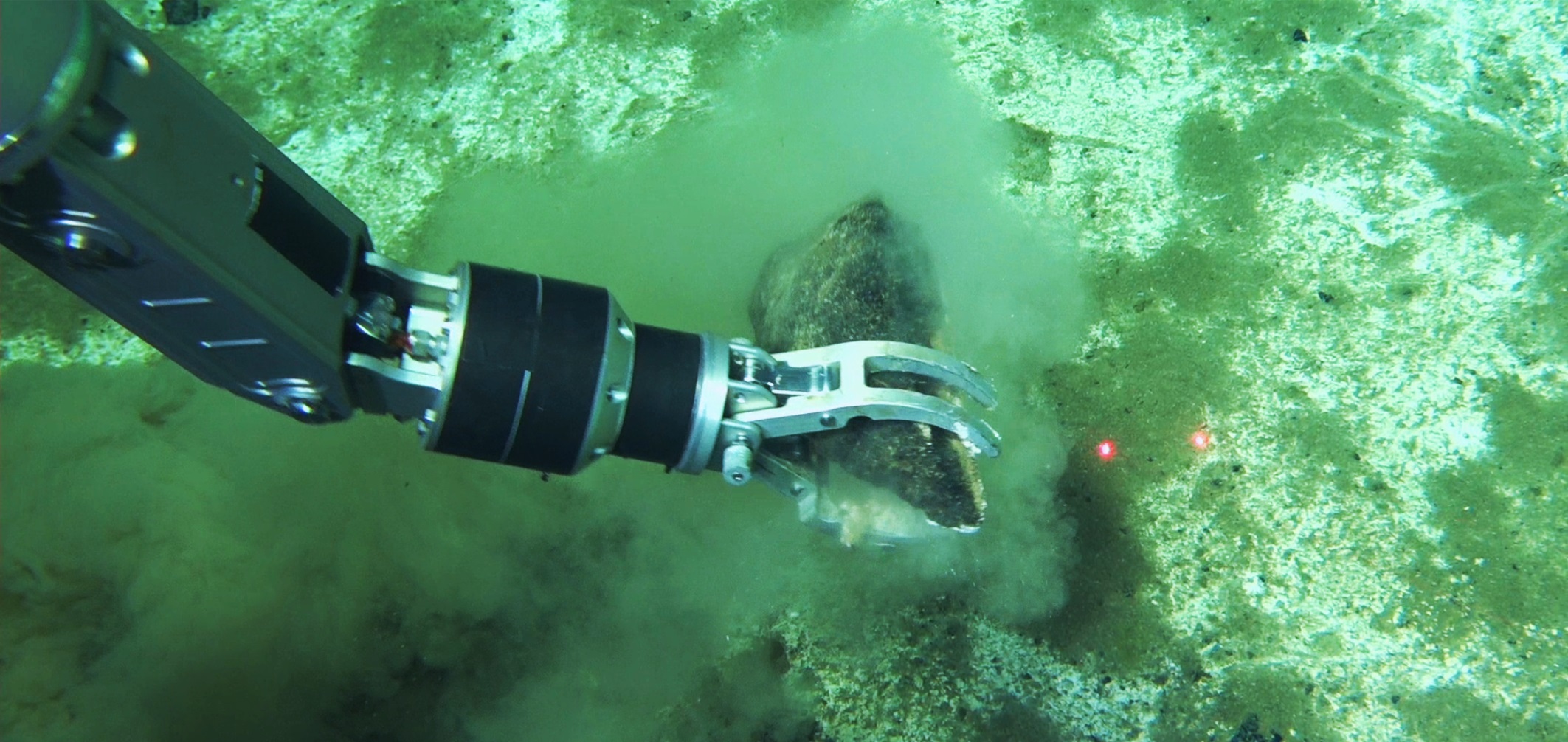
In 2023, CAS team was studying the geology and biology of the southeast Indian Ocean’s hadal zone—the ocean’s deepest zone, extending from 19,680 to 36,000 feet-deep. While inside of a submersible, the divers spotted the first whale fossil 22,972 feet below the surface.
Recovery of whale fossil bones using the manipulator arm of the Chinese submersible Fendouzhe on the deep seafloor of the Diamantina Zone, a deep-sea rift in the Indian Ocean. Image: Global TREnD, IDSSE.
According to study co-author and geologist Dr. Peng Zhou, the remains were actually “quite easy to find” once the team began to search. “They looked unusual, so when the dive scientists first encountered them, they wanted to figure out what they were,” Zhou tells Popular Science.
Peng adds, “We immediately pivoted our objectives to systematically map, document, and sample these whale remains. So it really came down to curiosity meeting the technological capability to explore depths that had been largely inaccessible.”
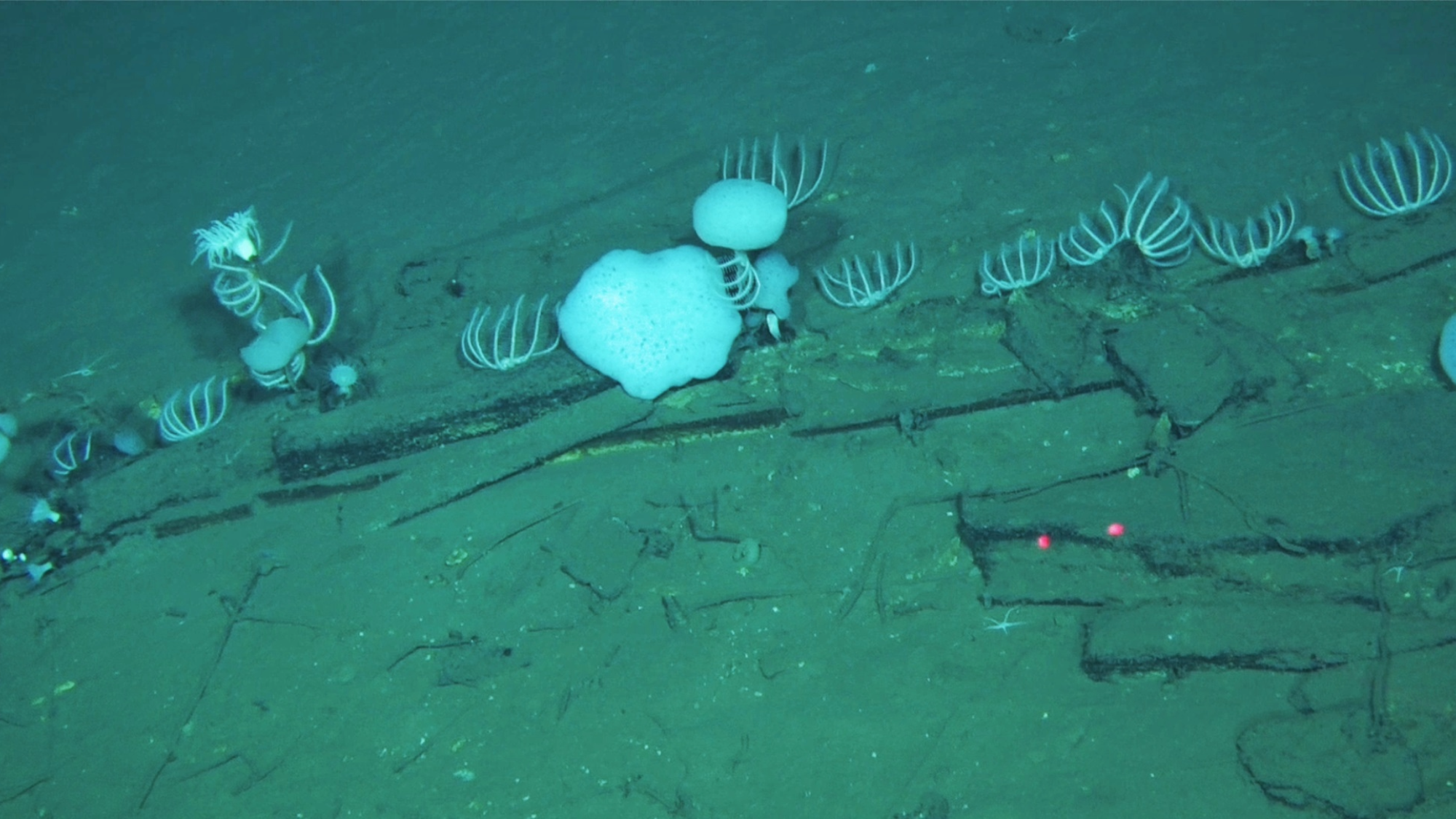
They documented 485 whale fossil sites from five active whale falls. The whale carcasses are home to a large community of jellyfish, brittle stars, bone-boring worms, and bivalves. Some of these species living in the carcasses may even be new to science, but that has not been confirmed. The oldest have been in the area for about 5.3 million years ago (the Pliocene era).
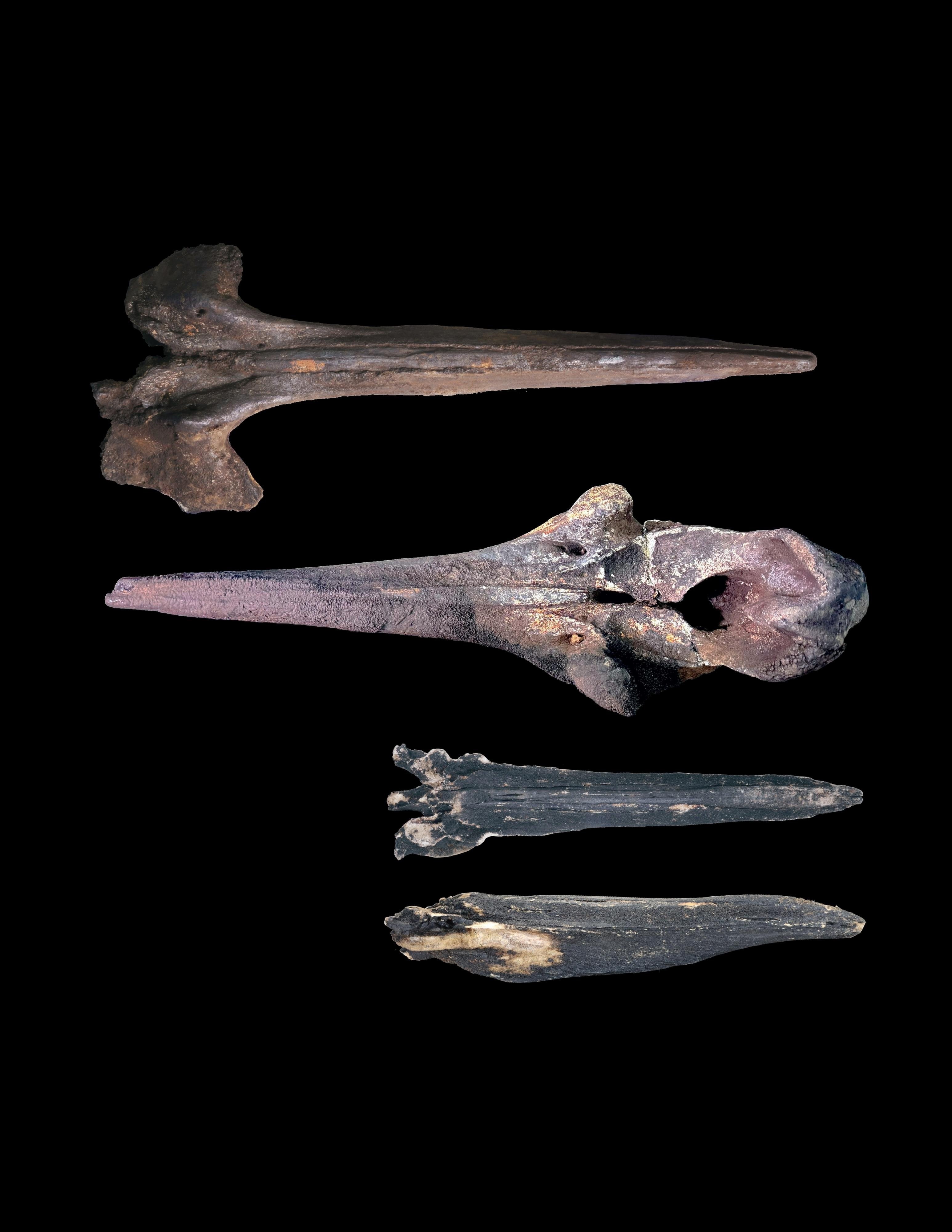
Fossil skulls of three beaked whales recovered from the seafloor at hadal depth of the Diamantina Zone, 6,584–-6,878 meters. The image shows two extinct beaked whale species, Pterocetus diamantinae sp. nov. (new species to science, on the top) and Izikoziphius rossi (the second skull), as well as an extant Andrews’ beaked whale, Mesoplodon bowdoini (two skulls on the bottom). Image: Global TREnD, IDSSE
Most of the whale fossils come from several species of deep-diving beaked whales. Some of the bones belong to beaked whales that still exist today. Others are from extinct whales, including a species new to science named Pterocetus diamantinae.
“Finding both extinct genera like Pterocetus and living species like Mesoplodon bowdoini preserved together in the same region, across 1,200 kilometres [745 miles] of seafloor at such extreme depths—that was truly unexpected,” says Zhou.
This fossil record is also continuous, so the team can track the population dynamics and evolution of deep-diving whales over time.
“These fossils give us a direct window into the Pliocene, about 5.3 million years ago,” study co-author and biologist Dr. Xikun Song tells Popular Science. “They show that beaked whales were already specialized deep‑divers in the Indian Ocean by that time. Beyond the whales themselves, the associated fossil fauna also tells us about the structure of ancient deep‑sea whale‑fall communities and broader deep‑sea biodiversity back then.”
This whale graveyard could reshape our understanding of both living and extinct beaked-whales. There are roughly 24 species of beaked-whale living today. However, their deep-sea habitat, likely low population numbers, and reclusive behavior make them difficult to study. Having such a large fossil deposit like this could help explain more about their reclusive lives.
The fossils are also shedding more light on the mysterious ecosystems living at the ocean’s deepest depths.
“Discoveries like this are possible because of curiosity, collaboration, and technology,” Peng concludes. “We’ve barely scratched the surface of the deep ocean, and there’s so much more waiting to be found.”

 Login
Login