Reading view

Sand Demand Outpaces Sustainable Extraction
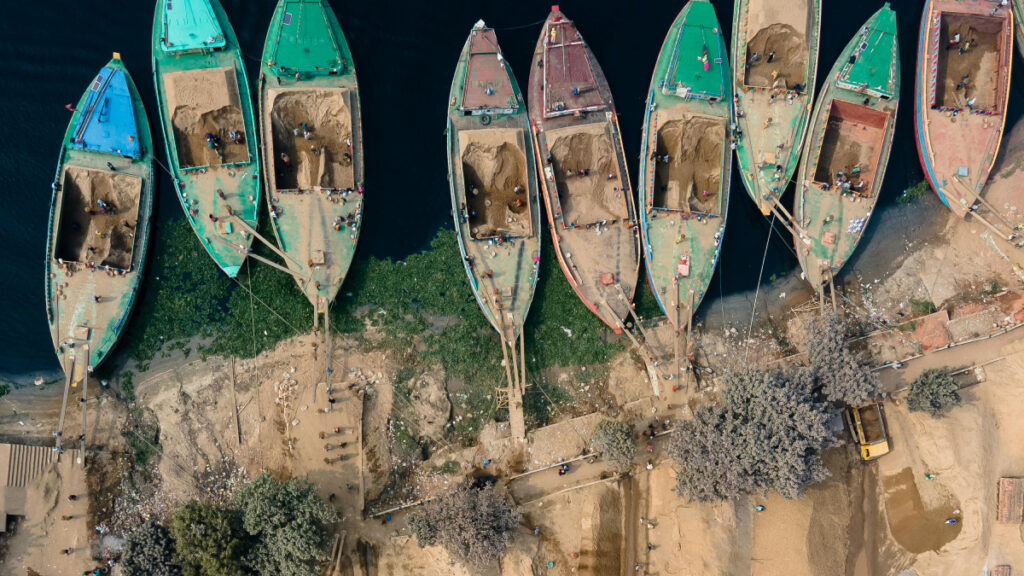
Colorful boats filled sit side by side on a sandy bank, each with a line of trucks waiting to fill it with more extracted sand.

Research & Developments is a blog for brief updates that provide context for the flurry of news that impacts science and scientists today.

Sand is the most exploited solid natural resource on Earth. It has been integrated into how we build homes, roads, buildings, and bridges as well as how we protect coastal infrastructure from rising seas. Sand underpins nearly every aspect of modern infrastructure and economics, plays crucial roles in supporting ecosystem biodiversity, and literally shores up rivers and coasts.

A new report from the United Nations Environment Programme (UNEP) found that we are using 50 billion metric tons (50 trillion kilograms) of sand per year. As global development and industrialization expand, demand for sand in the building sector is expected to rise 45% by the year 2060, outpacing current efforts to sustainably harvest it. The report’s authors urge countries to establish sand as a strategic national asset and develop policies for sustainable extraction.

“Sand is sometimes referred as the unrecognized hero of development, but its essential role in sustaining the natural services on which we depend is even more overlooked,” Pascal Peduzzi, director of the UNEP Global Resource Information Database Geneva, said in a press release about the report. “Sand is our first line of defence against sea level rise, storm surges, and salination of coastal aquifers—all hazards exacerbated by climate change.”

Sand Wanted: Dead or Alive

Dead sand, or sand that has been extracted from its natural environment, is a key component in building materials like concrete and asphalt. Communities around the world use sand in water filtration systems, providing clean water for drinking and agricultural use. And although a transition to clean energy sources is necessary to curb the effects of climate change, many of those sources also depend on sand: solar panels require glass made from high-purity silica sand, and wind turbines, hydroelectric dams, and nuclear power plants all require concrete.
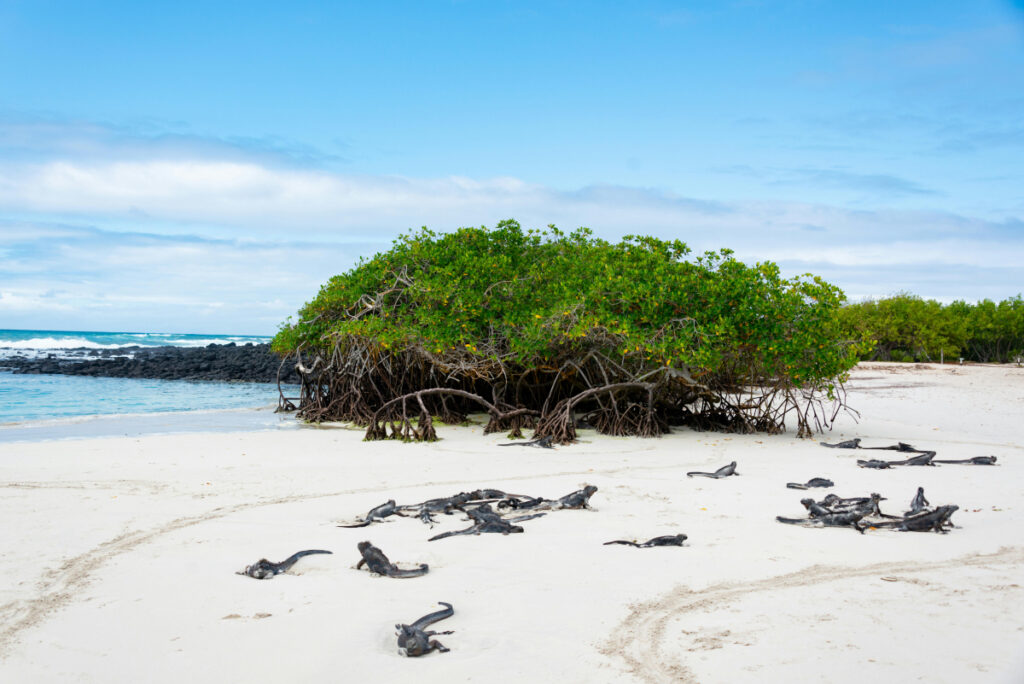
A copse of mangroves grows on a sandy shore. Dozens of iguanas lounge on the sand.
Mangroves, one of the most important coastal trees, can grow in sand. Credit: Diego Parra

Sand also plays a critical role in natural ecosystems. It is home to a wide array of critters from crabs, sharks, and turtles to microorganisms like bacteria and fungi. It supports the growth of corals, mangroves, and seagrasses that in turn support even more marine creatures. It is a key component of healthy soil and aids in surface drainage. It guides river evolution and acts as flood buffer and storm barrier. It also provides local economic benefits via tourism.

These are among the values of sand when it is left alone and unused, called “alive” sand. The UN report notes that these benefits are typically of greater value over time than if sand is dredged and used. But because these benefits are hard to see, they are often overlooked when nations calculate the value of their sand resources.

A Sustainable Sand Future

Despite sand’s importance whether dead or alive, the report notes that few countries have established sand as a strategic national asset or have developed strategies for sustainable extraction. At the current pace, humans are extracting sand from the natural environment at a faster pace than it is being replenished by geologic processes.

 
Related

•  Read the Report: Sand and Sustainability: An Essential Resource for Nature and Development
•  Track Global Sand Dredging: Marine Sand Watch
•  Dig Into the Details: Grains of Sand: Too Much and Never Enough
 

What’s more, the UNEP’s Marine Sand Watch tool shows that about half of sand dredging companies are operating within marine protected areas, accounting for about 15% of the volume of dredged sand. This practice, the report notes, is potentially trading in sand’s long-term benefits for short-term gains.

The UN report recommends a few actions to protect the long-term availability of sand as a natural resource, including:

  • Recognizing sand as strategic national asset, establishing national inventories, and creating long-term regional planning groups that consider sand as an essential resource for resilience;
  • Establishing circularity and recycling of building materials, especially in areas of conflict and natural disasters;
  • Strengthening environmental protection practices, and codifying international frameworks to strengthen accountability along the supply chain, including increased transparency about extraction; and
  • Integrating sand-related biodiversity and social risks into financial decisionmaking and governance.

“Over-reliance on short-term economic metrics risks obscuring, and further impacting, the geological and ecological processes that take centuries to form and may not be restored once critical thresholds are crossed,” the report states. “What is hardest to measure may be precisely what sustains both nature and human societies over the long term. The challenge ahead is not only to manage extraction, but to recognise and balance the full spectrum of sand’s values.”

—Kimberly M. S. Cartier (@astrokimcartier.bsky.social), Staff Writer

These updates are made possible through information from the scientific community. Do you have a story about science or scientists? Send us a tip at eos@agu.org.

A photo of a hand holding a copy of an issue of Eos appears in a circle over a field of blue along with the Eos logo and the following text: Support Eos’s mission to broadly share science news and research. Below the text is a darker blue button that reads “donate today.”
Text © 2026. AGU. CC BY-NC-ND 3.0
Except where otherwise noted, images are subject to copyright. Any reuse without express permission from the copyright owner is prohibited.
  •  

This Forgotten ‘Arrested Development’ Reunion Was Considered Cancelled After Just 4 Episodes

There was never going to be an easy way for Mitch Hurwitz to follow up Arrested Development. But that’s exactly what he tried to do with the bizarre project that is Sit Down, Shut Up. In 2009, a few years after his cult classic show came to its (first) conclusion, Fox greenlit Hurwitz’s US take on Sit Down, Shut Up. The expectation was that whatever came next for him would recapture the same lightning-in-a-bottle magic that made Arrested Development one of the greatest sitcom masterpieces of all time.

  •  

The Paradox of AI and Climate

AI is a two-sided coin, with tremendous potential to benefit the environment while also requiring an immense amount of water and energy. How will these two opposing dynamics balance out—or can they?

  •  

Reese’s Book Club Pick ‘The Fine Art of Lying’ To Be Adapted As TV Series By UCP With Scarlett Johansson’s These Pictures Producing

EXCLUSIVE: Fresh off its selection as Reese’s Book Club pick for May 2026, Alexandra Andrews’ The Fine Art of Lying has been acquired for series development at UCP, a division of Universal Studio Group. Andrews is executive producing the thriller drama project along with Scarlett Johansson’s These Pictures. In The Fine Art of Lying, Clare […]

  •  

NTUC: Singapore is looking into ways to better support workers before job losses

SINGAPORE: Singapore is looking at ways to help workers before they lose their jobs, rather than waiting until they are already unemployed.

The decision comes as artificial intelligence (AI), automation and industry changes continue to restructure the job market. National Trades Union Congress (NTUC) Deputy Secretary-General Desmond Choo said efforts are underway to identify workers at risk of job displacement and connect them with new career opportunities earlier.


Speaking after the release of recommendations from Singapore’s Economic Strategy Review (ESR), Channel NewsAsia (CNA) reported (June 2), Mr Choo said workers should be guided into growing sectors before layoffs occur. The goal is to reduce income disruption and make career transitions less painful.

Building “career bridges” before jobs disappear

One of the key recommendations is the creation of what the ESR calls “career bridges.” These pathways would help workers move from sectors facing disruption into industries expected to grow in the years ahead.

Healthcare is one example. As Singapore’s population ages, demand for healthcare workers is expected to remain strong. The challenge lies in helping workers from shrinking sectors move into these expanding fields.

That means identifying skills workers already have and helping them gain any additional training needed for a new role.

The recommendation is that, instead of treating unemployment as the starting point for support, policymakers explore ways to intervene much earlier. For workers, this could mean having more options available before a redundancy notice arrives.

More support for professionals and executives

The ESR also proposed stronger support for professionals, managers, and executives (PMEs) navigating career changes.

Singapore already has programmes such as the Jobseeker Support Scheme. Mr Choo suggested that support could be expanded further so that workers feel more secure when considering a move into a different industry or role, as workers may now hold several jobs across different sectors over the course of a lifetime, rather than spending decades in a single profession.

As technology changes how businesses operate, adaptability is becoming a valuable skill in itself.

Balancing business realities with worker needs

Mr Choo acknowledged that restructuring can be difficult for both employers and employees. Some companies delay restructuring because of their long-standing commitment to staff. Others make changes because business conditions leave them little choice.

The ESR recommends earlier notification of restructuring exercises, allowing unions, agencies and support organisations to work with affected workers before layoffs take place.

In addition, reducing uncertainty may help ease anxiety and give workers more time to prepare their next move.

The recommendations were developed over nine months and involved more than 7,700 stakeholders, including workers, unions and businesses.

Lifelong learning is no longer a slogan but a practical career strategy. As jobs continue to change, workers who keep upgrading their skills are likely to have more routes open to them when industries shift to meet their evolving needs.

A helping hand after job loss remains important. Helping people before that point may prove even more valuable.

This article (NTUC: Singapore is looking into ways to better support workers before job losses) first appeared on The Independent Singapore News.

  •  

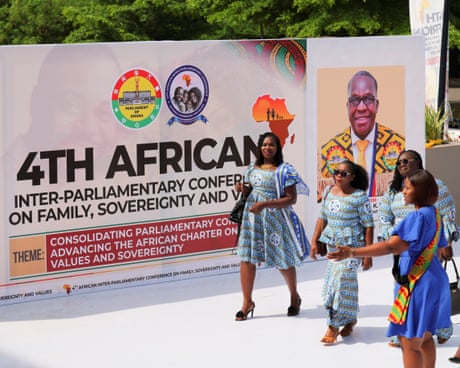
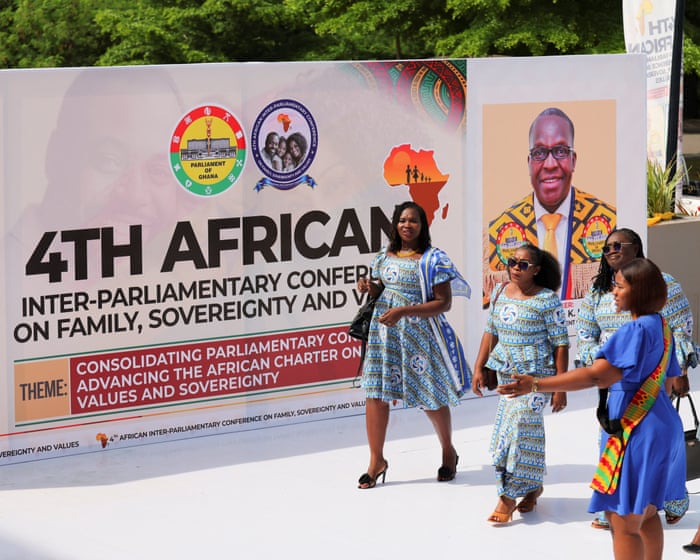
‘Family values’ African charter condemned by rights groups as regressive and dangerous

Draft treaty claims sexual and reproductive health and rights are an existential threat to the African family

An African treaty that rejects longstanding international human rights obligations moved a step closer to becoming policy this week as governments across the continent met in Ghana.

The draft African charter on family, sovereignty and values, seen by the Guardian, asserts that African values and culture are under attack from “foreign ideologies” and urges states to withdraw from any agreements that do not align with the principles of the charter, including the 2003 Maputo protocol, which promotes gender equality and protects the reproductive and health rights of women and girls.

Continue reading...

© Photograph: Francis Kokoroko/Reuters

© Photograph: Francis Kokoroko/Reuters

© Photograph: Francis Kokoroko/Reuters

  •  

As Modi sets tenure record, Anwar praises leader and Malaysia-India friendship

Malay Mail

KUALA LUMPUR, June 10 — Prime Minister Datuk Seri Anwar Ibrahim has congratulated Indian Prime Minister Narendra Modi on his historic milestone of becoming the country’s longest-serving elected prime minister.

In a Facebook post today, Anwar said the achievement reflects Modi’s years of dedicated public service and leadership in advancing India’s development, prosperity and standing on the global stage.

“Heartiest congratulations to PM Modi on this historic milestone of becoming India’s longest-serving elected prime minister,” he said.

Modi has been serving as Prime Minister since May 2014.

Anwar said Malaysia values its close and longstanding friendship with India and looks forward to continuing cooperation to strengthen bilateral ties and expand opportunities for the peoples of both countries.

“I wish PM Modi continued success and the people of India continued peace, progress and prosperity,” he said. — Bernama

  •  

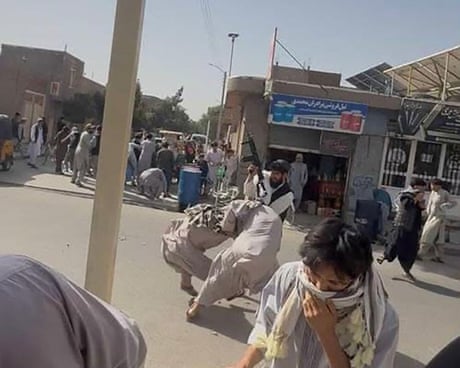
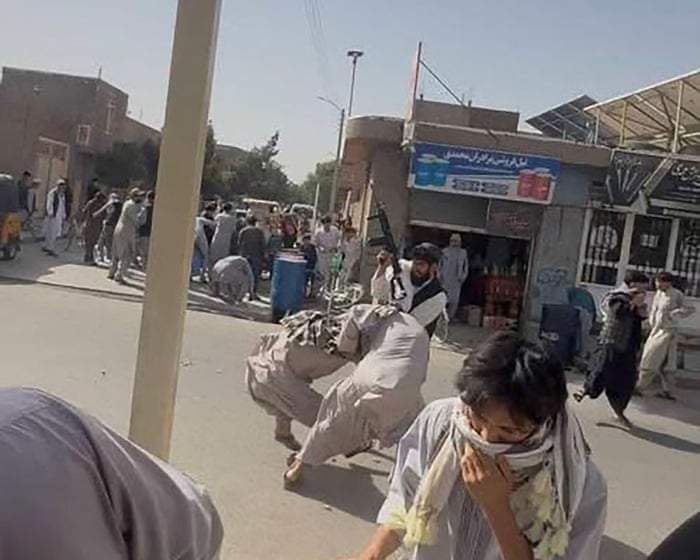
Two killed in rare street demonstration over women’s rights in Afghanistan

Taliban forces fire on crowds in Herat, who were protesting at manhandling of women arrested over hijab dress code. One of those killed a child.

A Taliban crackdown on women’s dress code in Afghanistan has escalated into a rare mass street protest in the western province of Herat, with at least two people, including one boy, killed by security forces.

Officials made a wave of arrests in recent days targeting women and young girls accused of “improper hijab”. Residents say many families had received no information about the whereabouts or condition of those detained.

Continue reading...

© Photograph: Handout

© Photograph: Handout

© Photograph: Handout

  •  
❌