Reading view

Latin America’s Silent 2026 Risk: A Returning El Niño

Key Points — NOAA’s April 2026 outlook gives a 61% probability of El Niño emergence in the May-July window rising to 62% for June-August, with a 1-in-3 chance the event classifies as “strong” during October-December 2026. — A moderate-to-strong event would cut Andean GDP by 0.6-1.7 percentage points, threaten 50% of LATAM’s hydro-dependent electricity supply, […]

The post Latin America’s Silent 2026 Risk: A Returning El Niño appeared first on The Rio Times.

  •  

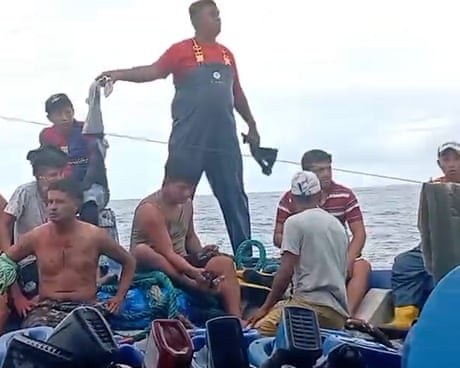
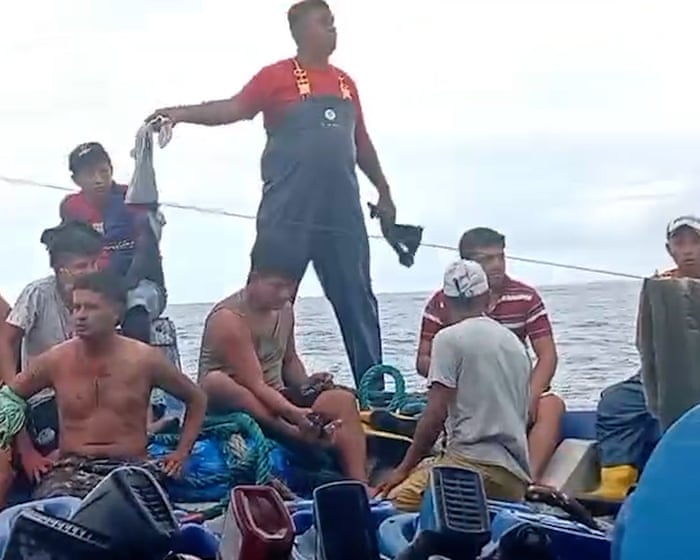
‘We were terrified they were going to kill us’: fishers who survived US boat strike speak out

An Ecuadorian fishing crew describe their ordeal as victims of Trump’s purported war on ‘narcoterrorists’

By 4pm, the light was softening over the Pacific, and the crew of the Don Maca were finishing a long day hauling in lines of swordfish and albacore. Down in the hold, the mood had settled into the familiar rhythm of a fishing day drawing to a close.

“We were just working, waiting for the last trawler to return,” said Jhonny Sebastián Palacios, one of the fishers. “Everything was perfectly fine.”

Continue reading...

© Photograph: supplied

© Photograph: supplied

© Photograph: supplied

  •  

Ecuador’s Eighth State of Exception Becomes a Nightly Curfew

Key Points — President Daniel Noboa on April 20 announced a nationwide night curfew covering nine provinces and four cantons from May 3 through May 18, running daily from 23:00 to 05:00. — The curfew layers on top of the existing state of exception declared April 2 under Decree 353, which suspended constitutional protections on […]

The post Ecuador’s Eighth State of Exception Becomes a Nightly Curfew appeared first on The Rio Times.

  •  

Ecuador and Colombia’s Presidents Are Now Accusing Each Other of Working With Drug Cartels

Key Points — Ecuador’s President Daniel Noboa told Semana magazine that Colombia’s Gustavo Petro “dances merengue with the mafia” — accusing the Colombian government of providing official documents to Ecuador’s most-wanted fugitives, withdrawing troops from the shared border, and meeting with figures linked to narco-boss alias “Fito” of Los Choneros — Petro responded on April […]

The post Ecuador and Colombia’s Presidents Are Now Accusing Each Other of Working With Drug Cartels appeared first on The Rio Times.

  •  

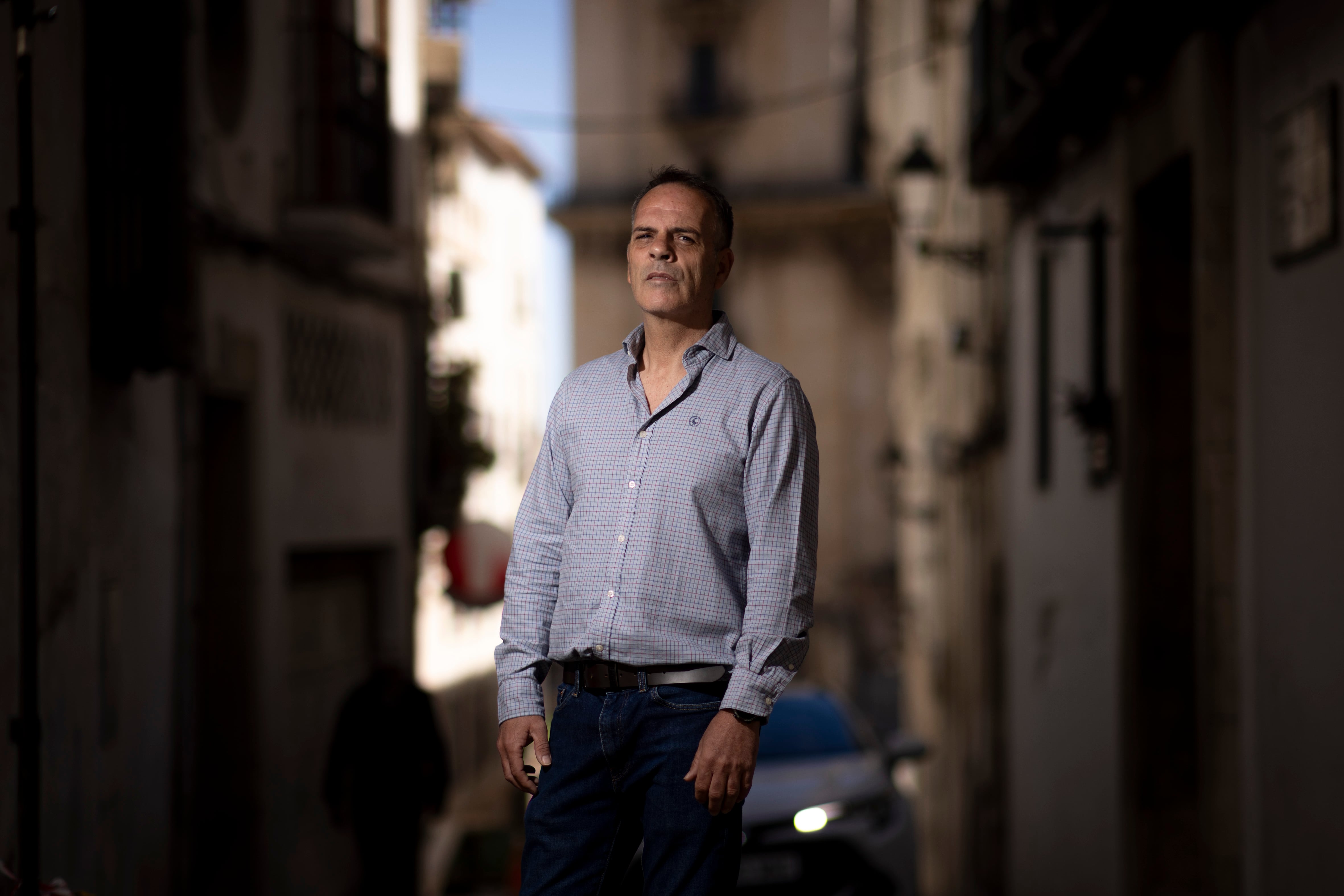
EL PAÍS submits to the Vatican a report identifying 24 people accused of child sexual abuse in the Americas

Manuel Montoro, a victim of abuse within the Church, on April 13.

In 2018, EL PAÍS launched an investigation into pedophilia within the Spanish Church and maintains an up-to-date database of all known cases. If you know of any cases that have not yet been reported, you can write to us at: abuses@elpais.es. For cases in Latin America, the address is: abusesamerica@elpais.es

Seguir leyendo

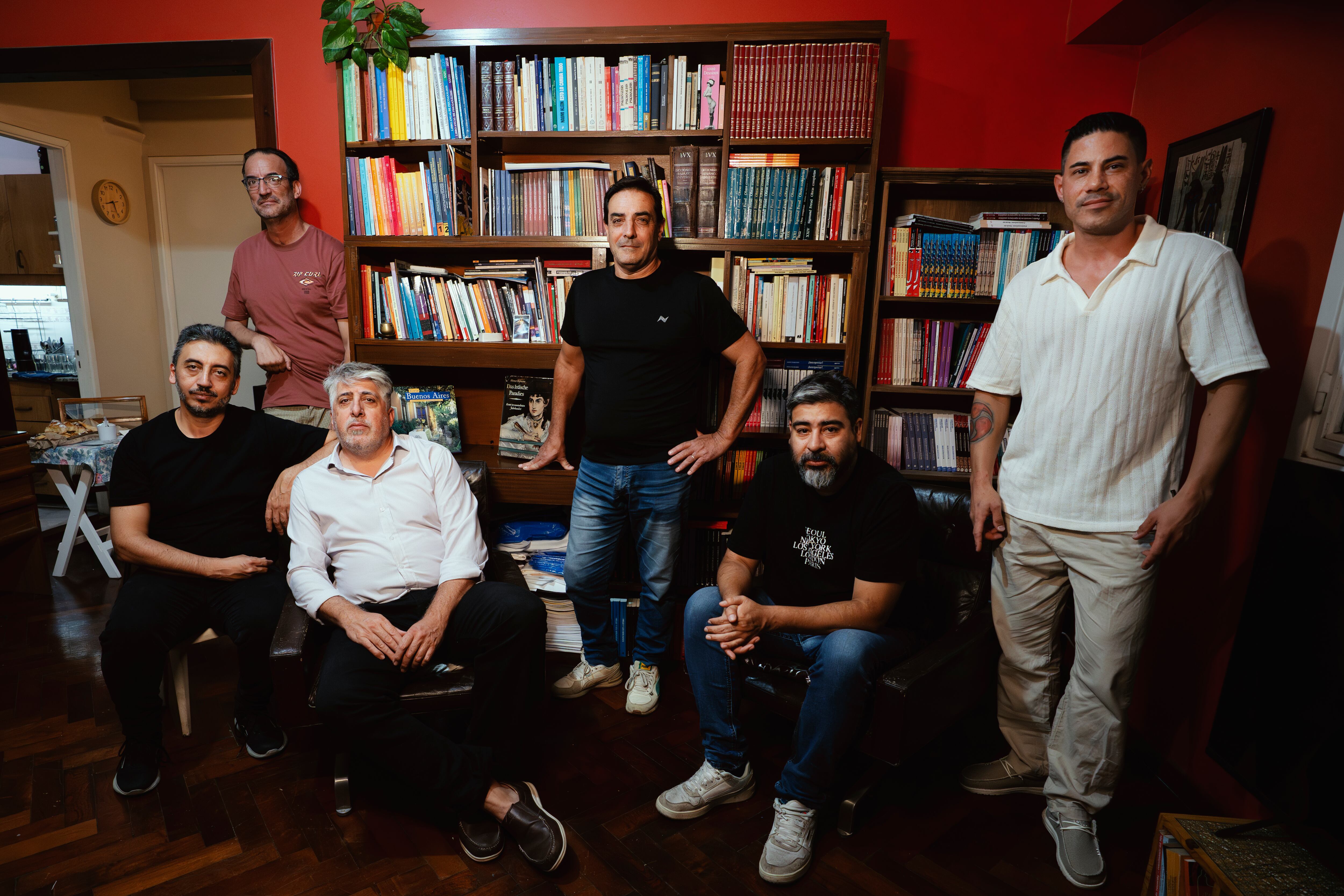
Jorge Izumigawa, Ariel Gavilán, David Pittaluga, Nicolás Sisman, Diego Baracat y Gabriel Oppido (from left to right), who report having been abused in childhood within the scout group of the Parroquia Nuestra Señora de Luján in Longchamps, Buenos Aires, pose last Thursday at the home of one of them.Patrick Castro Salazar, who reported abuses at the Ricaldone Technical Institute in El Salvador, at his home in Los Angeles last Thursday.The Salesian Giuseppe Corò, canonically convicted for pedophilia at the Ricaldone Technical Institute in El Salvador, in an image from the 1980s.
  •  

Latin American Pulse for Saturday, April 18, 2026

Hormuz Reopened: Iran Declares Strait “Completely Open,” Brent Crashes 9% Below $90, WTI Hits $83 Intraday — Trump: “Deal Is Close,” Claims Iran Will Suspend Nuclear Programme and Ship 441kg Uranium to US — Tehran: “Nothing Is Certain Yet” — Petrobras Crashes ~7%, Ibovespa Falls Third Straight Session to 195,733 (−0.55%), but Real Strengthens to […]

The post Latin American Pulse for Saturday, April 18, 2026 appeared first on The Rio Times.

  •  

How Latin America Turned Murder Into a Flourishing Global Industry

Key Points — At least 108,838 people were murdered across Latin America and the Caribbean in 2025, with contract killings accounting for a growing share in countries from Colombia to Peru — In Bogotá, half of all homicides are now classified as sicariato — professional hits carried out as outsourced services between criminal networks, with […]

The post How Latin America Turned Murder Into a Flourishing Global Industry appeared first on The Rio Times.

  •  

Ecuador doubles tariff on Colombia to 100%

Bogotá, Colombia – Ecuador will impose a 100% tariff on all Colombian imports beginning on May 1, according to a statement by the Ministry of Production, Foreign Trade, and Investment today.

The move ramps up tensions between the two South American neighbors, which have imposed reciprocal levies of 50% in a trade war that began in January when Ecuador announced it would charge Colombia a “security fee”.

“This measure is based on national security criteria and seeks to reinforce shared responsibility in a task that must be undertaken jointly to address the presence of drug trafficking at the border,” read a statement by the trade ministry on Thursday announcing the tariff hike.

Bogotá and Quito have clashed over border security issues in recent months, with Ecuadorean President Daniel Noboa accusing his counterpart of failing to deter criminal groups operating in the region.

Colombian President Gustavo Petro has defended his administration’s security record and imposed reciprocal levies against Ecuador.

The two countries were due to hold talks next week to resolve the trade war but these were cancelled yesterday amid a dispute over former Ecuadorean Vice President Jorge Glas. Quito recalled its Ambassador from Bogotá after Petro suggested Glas was a political prisoner and had not been treated humanely in jail.

The tariffs threaten economic shocks on both sides of the border; Ecuador imports medicine, sugar, vehicles and coffee from Colombia and exports wood panels, canned fish, frozen seafood, palm oil, and rice.

Featured image description: Colombia-Ecuador border photographed in 2020.

Featured image credit: Burkhard Mücke via Wikimedia Commons

The post Ecuador doubles tariff on Colombia to 100% appeared first on Latin America Reports.

  •  

Ecuador-Colombia relations dive as Quito recalls ambassador over Petro comments

Medellín, Colombia – Ecuador’s Foreign Minister announced on Wednesday morning that Ecuador’s ambassador to Colombia, Arturo Felix Wong, has been recalled.

The move follows comments made by Colombian President Gustavo Petro regarding Ecuador’s jailed former Vice President, Jorge Glas, who he called a “political prisoner” and said was not being given sufficient food. 

The spat is the latest in a series of diplomatic rows between the two neighbors this year, which have included tit-for-tat tariffs and accusations about border security.

Gabriela Sommerfield, Ecuador’s Foreign Minister, justified the withdrawal of the Ecuadorean ambassador from Colombia as “a protest towards Colombia over the terms used by Petro and the interference in decisions made by different branches of the Ecuadorean State” in an interview with Centro Digital Radio.

The announcement followed several inflammatory statements about Glas by Petro in recent days. On Monday, the President said, “it is undeniable that Jorge Glas is a political prisoner.” 

Glas has faced several convictions for corruption-related charges but his supporters, including Petro, accuse Ecuador’s right-wing government of persecuting him for being associated with the progressive Citizen Revolution Movement. 

“Letting someone die of hunger, while under the care of the government, is a crime against humanity,” said Petro on Tuesday. 

Glas is currently serving an eight-year sentence for bribery and criminal association, and a thirteen-year sentence for embezzlement in the maximum-security El Encuentro prison, which is modelled on Salvadorean president Nayib Bukele’s infamous prison system.

He was first convicted in 2017 for his involvement in the Odebrecht case, one of the largest corruption cases in recent Latin American history, after it was revealed that he had received millions of dollars in bribes from the Brazilian conglomerate Odebrecht.

He has since received further sentences and was released temporarily in 2022 but re-imprisoned shortly after. Later that year, he was released again, and sought asylum in the Mexican embassy, claiming political persecution. But two years ago, he was arrested in a controversial police raid of the Mexican embassy in Quito, leading to the severing of diplomatic ties between the two countries. 

Now, Ecuador also faces chilly relations with neighboring Colombia; on February 1st, Quito imposed a tariff of 30% on Bogotá, which it increased to 50% in March. President Daniel Noboa said that the levy was a response to Colombia failing to cooperate in the fight against narcotrafficking.

Colombia responded with tariffs of 30% on 73 types of products coming from Ecuador, including rice and sugar, which later increased to 50% for more than 185 products.

A further dispute emerged last month when Petro accused Ecuador of bombing across the two countries’ joint border.

After recalling Ecuador’s Ambassador to Colombia on Wednesday, Foreign Minister Sommerfield announced that meetings to address the ongoing trade war between the two countries would be suspended.

Featured image description: President Gustavo Petro at a cabinet meeting, October 22, 2025.

Featured image credit: @InfoPresidencia via X.

The post Ecuador-Colombia relations dive as Quito recalls ambassador over Petro comments appeared first on Latin America Reports.

  •  

Petro accuses Ecuador of bombing Colombia during anti-crime operations

Medellín, Colombia – President Gustavo Petro has accused Ecuador of dropping bombs on Colombian territory, adding that 27 “charred bodies” were discovered near their shared border.

“We’re going to thoroughly investigate the circumstances—it happened very close to the border with Ecuador—which somewhat confirms my suspicion, but we need to investigate thoroughly: they’re bombing us from Ecuador, and it’s not the armed groups,” said Petro in a cabinet meeting on Monday evening. 

The accusation marks an escalation in recent tensions between the two neighbors, with president Daniel Noboa swiftly denouncing the claims as false, insisting that his country’s anti-drug operations only hit targets within Ecuador. 

In response to Petro’s claims, Noboa said on Tuesday that “with international cooperation, we continue the fight by bombing the hideouts used by these groups, who are mainly Colombians whom their own government allowed to infiltrate our country due to lax border controls.”

But Petro doubled down on his accusations, claiming that “there are 27 charred bodies and the explanation is not credible” the president said via X this Tuesday. 

Pedro Sánchez, Colombian Minister of Defense, announced that Colombian forces have been deployed to the border to investigate the matter and carry out a controlled destruction of an alleged Ecuadoran bomb. 

Earlier this month, the United States and Ecuador announced a joint military campaign to target criminal groups active in the South American country. Last Sunday, Ecuador began a 15-day joint operation with the U.S., deploying thousands of military and police officers throughout the provinces worst-affected by crime and declaring a nighttime curfew.

Noboa has repeatedly accused Bogotá of failing to address transnational organized crime and police its side of the border.

In February, Ecuador slapped 30% tariffs on Colombia which it labeled a “security fee”. Since then, the tit-for-tat dispute has seen mutual import levies reach 50%, drawing criticism from business owners and workers on both sides of the border. 

Despite this, at the start of this month the neighbors joined forces to combat crime on their 600km border. Noboa, an ally of president Trump, also agreed to collaborate with U.S. forces in military operations against organized crime groups in March. 

Noboa was also one of the 17 leaders from across Latin America and the Caribbean invited to join Trump’s ‘Shield of the Americas’ last week. The alliance, from which Colombia was excluded, promises to use full military force against drug traffickers. Last week, the FBI also opened its first office in Ecuador. 

Featured image credit: Colombian President’s Office.

The post Petro accuses Ecuador of bombing Colombia during anti-crime operations appeared first on Latin America Reports.

  •  
❌