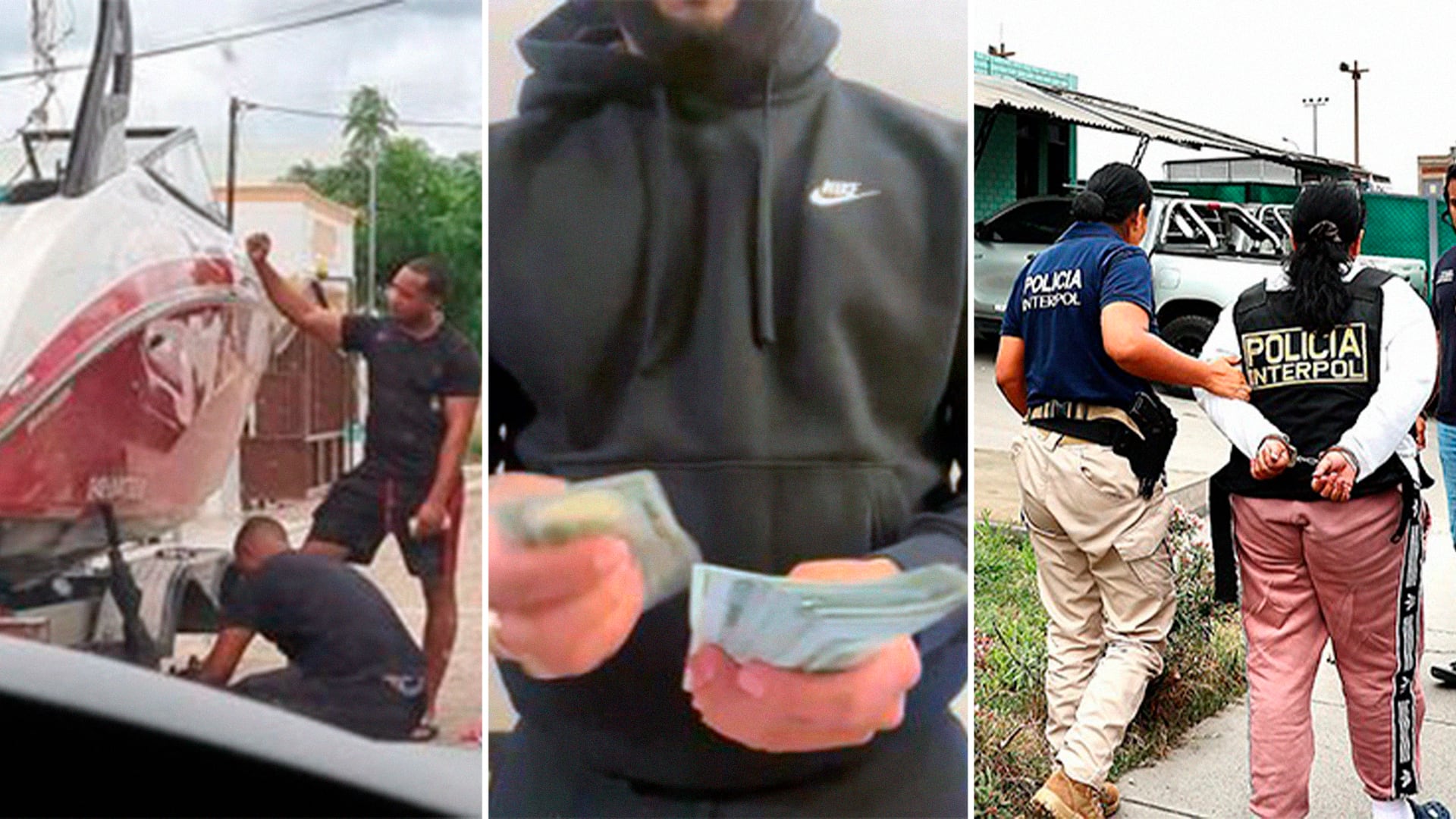
Scammers targeting U.S. victims have perfected their methods. They pretend to be relatives in distress, lawyers about to file lawsuits, salespeople with incredible offers, or feared immigration officers. They’ve gone so far as to open call centers, develop strategies, write scripts, hire English-speaking operators, and demand ever-increasing results from them. They also use artificial intelligence and have accomplices who collect and send money. Many have achieved their goals of defrauding people with almost business-like precision.
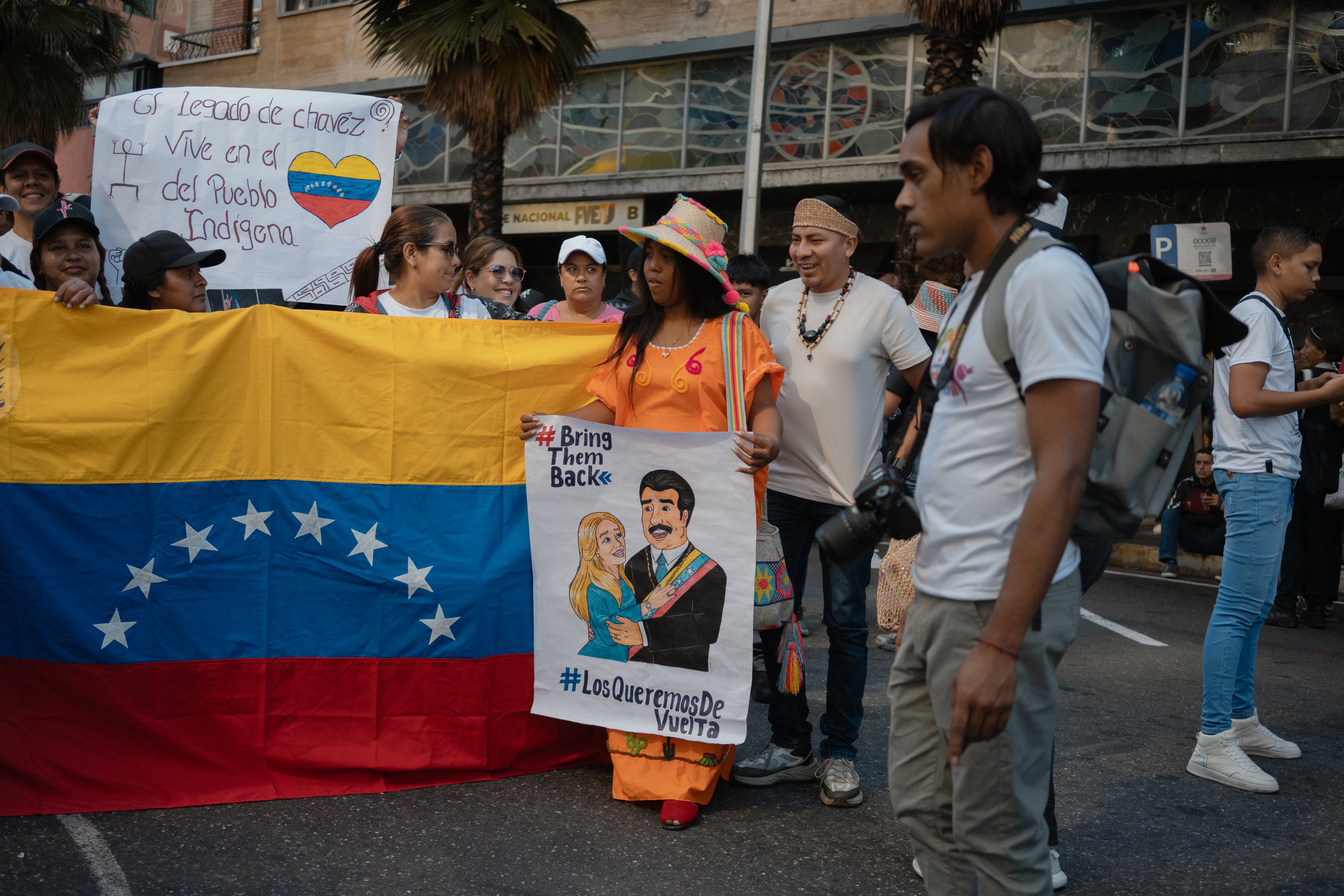
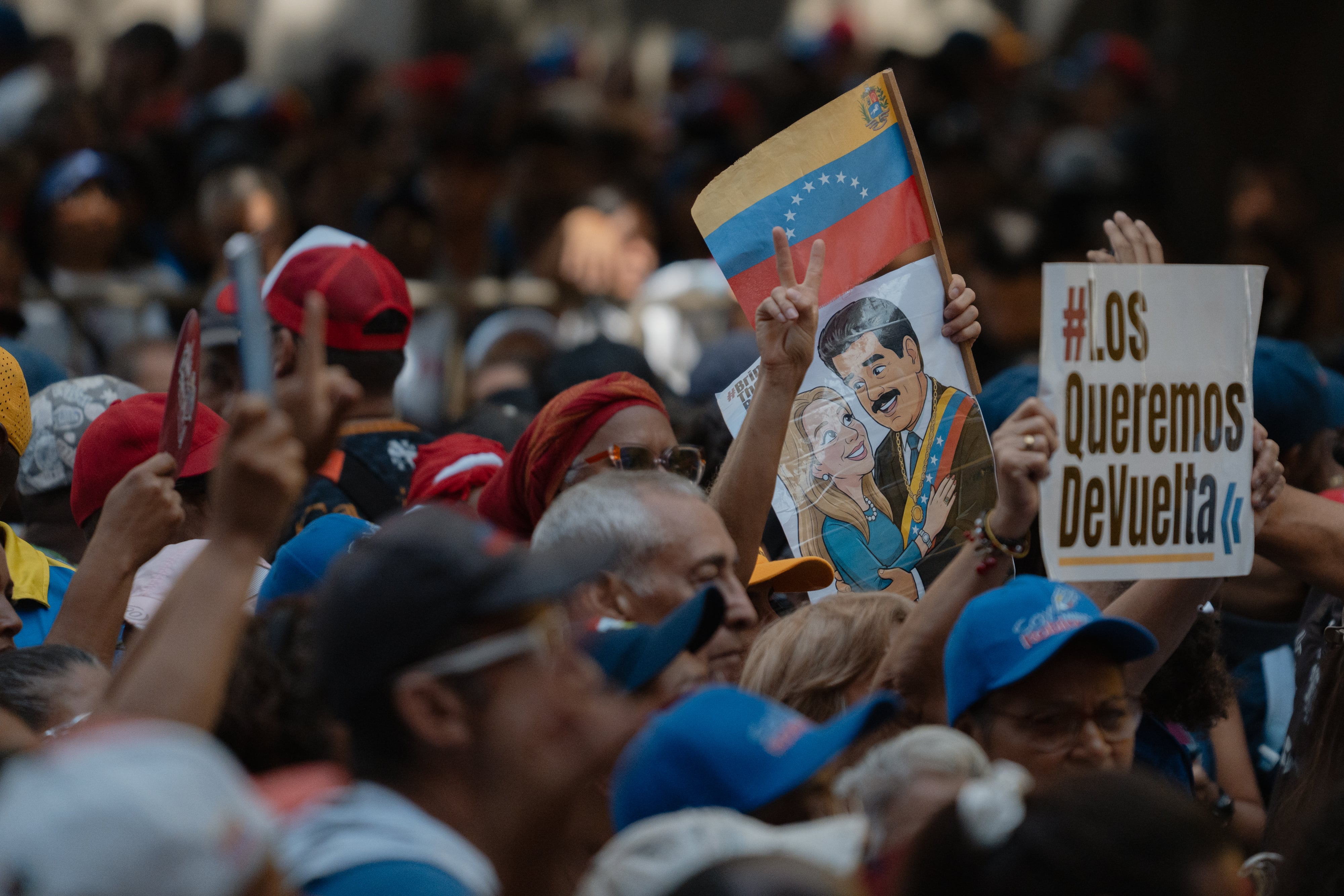
For months,Venezuela’s Chavista regimeprepared to die, but not to emerge badly wounded. Of all the scenarios considered during Donald Trump’s offensive against Nicolás Maduro, the president being captured alive wasn’t on anyone’s radar. “I had never held a pistol or a rifle in my life... and I prepared myself [for] months to face any situation that might arise. But [I didn’t expect] this one,” says a prominent member of the ruling United Socialist Party of Venezuela (PSUV), founded by former president Hugo Chávez, who governed from 1999 until his death in 2013.
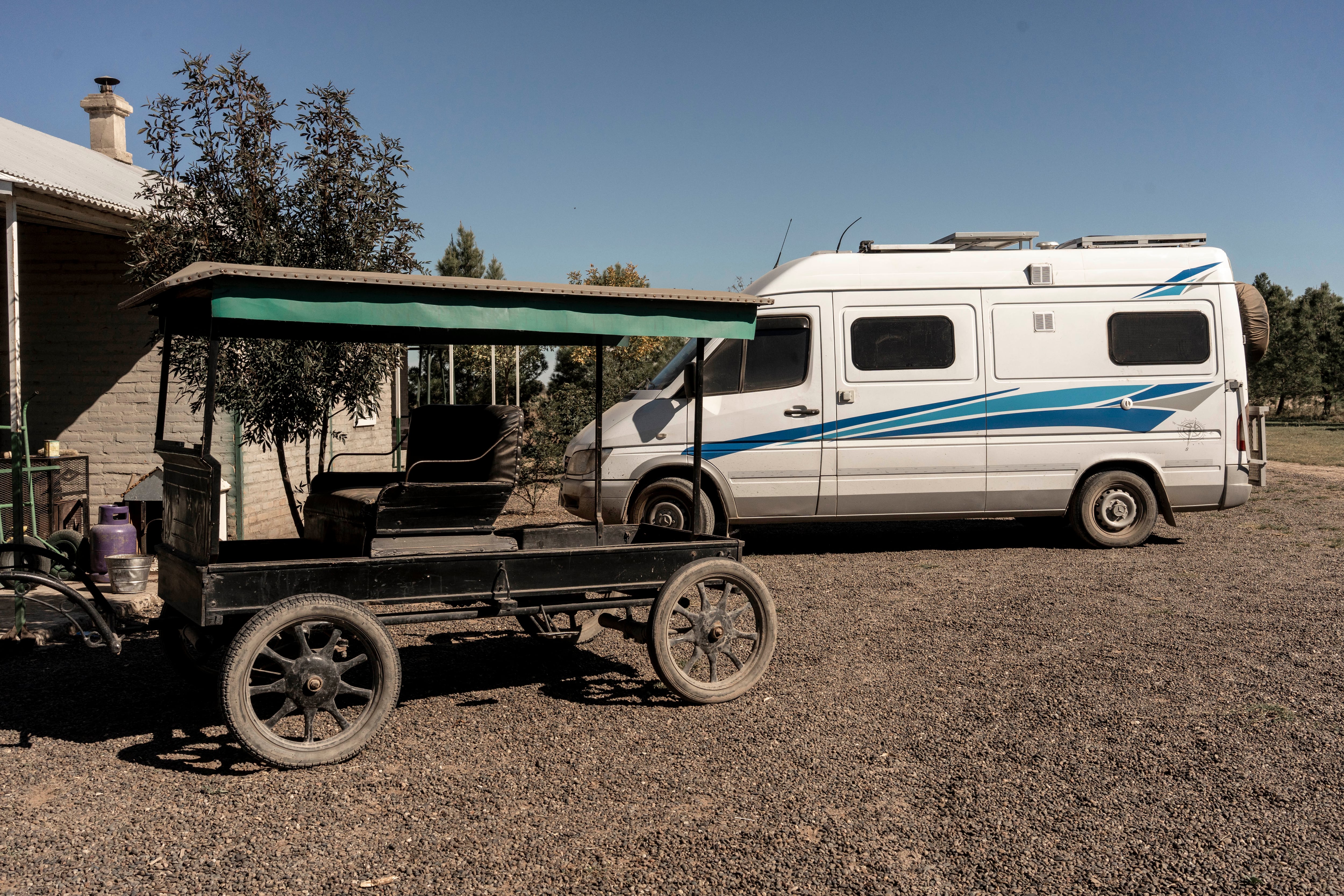
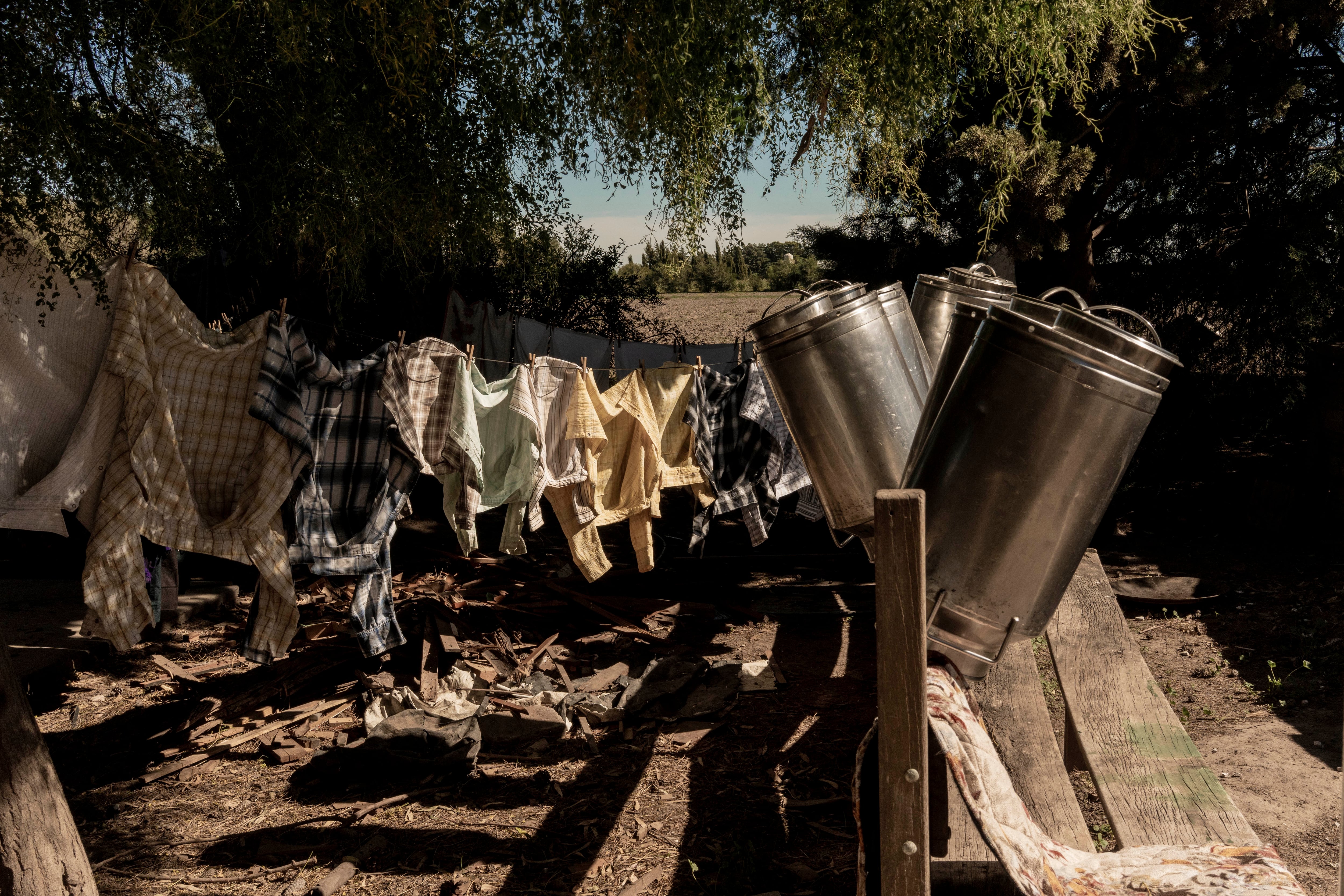
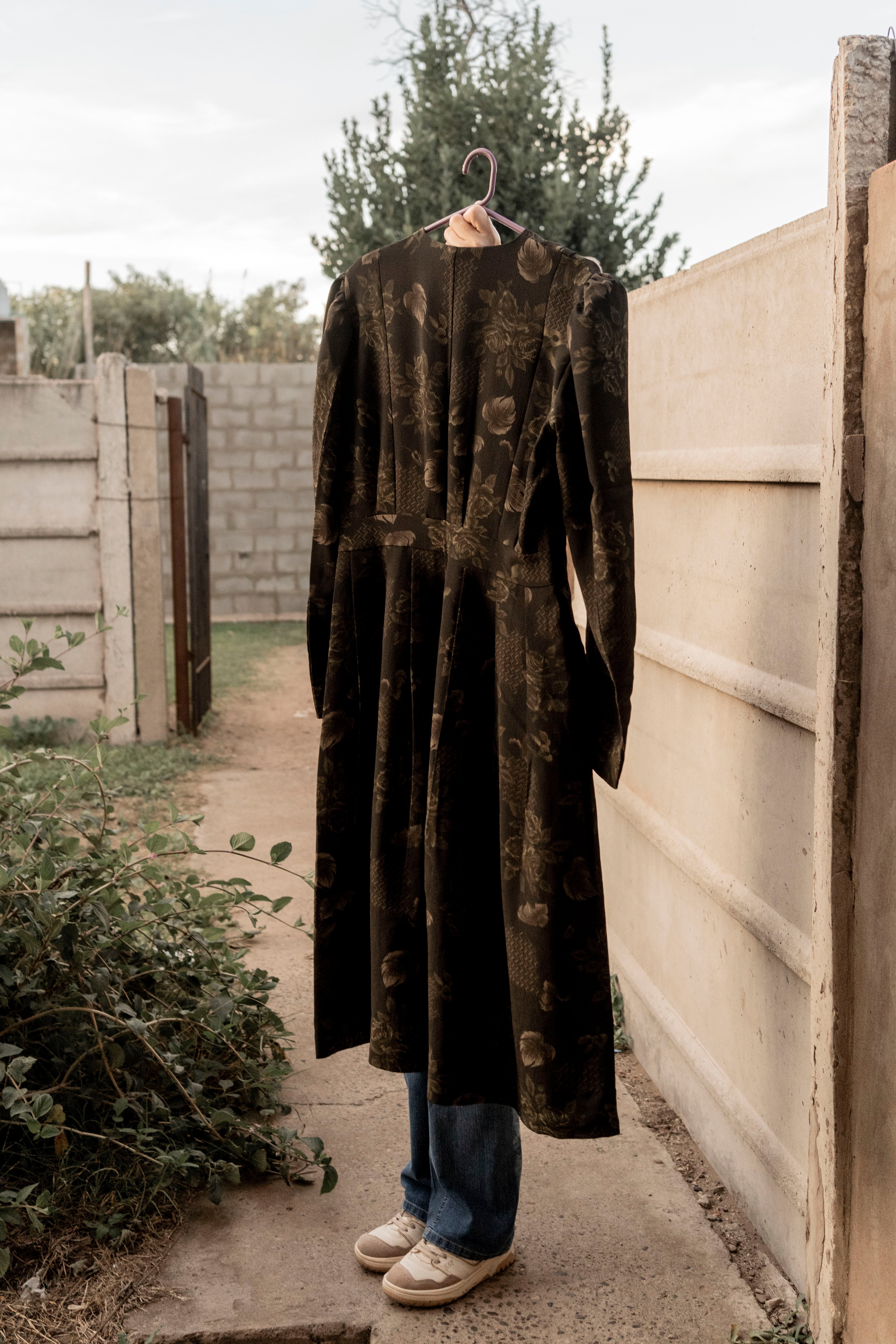
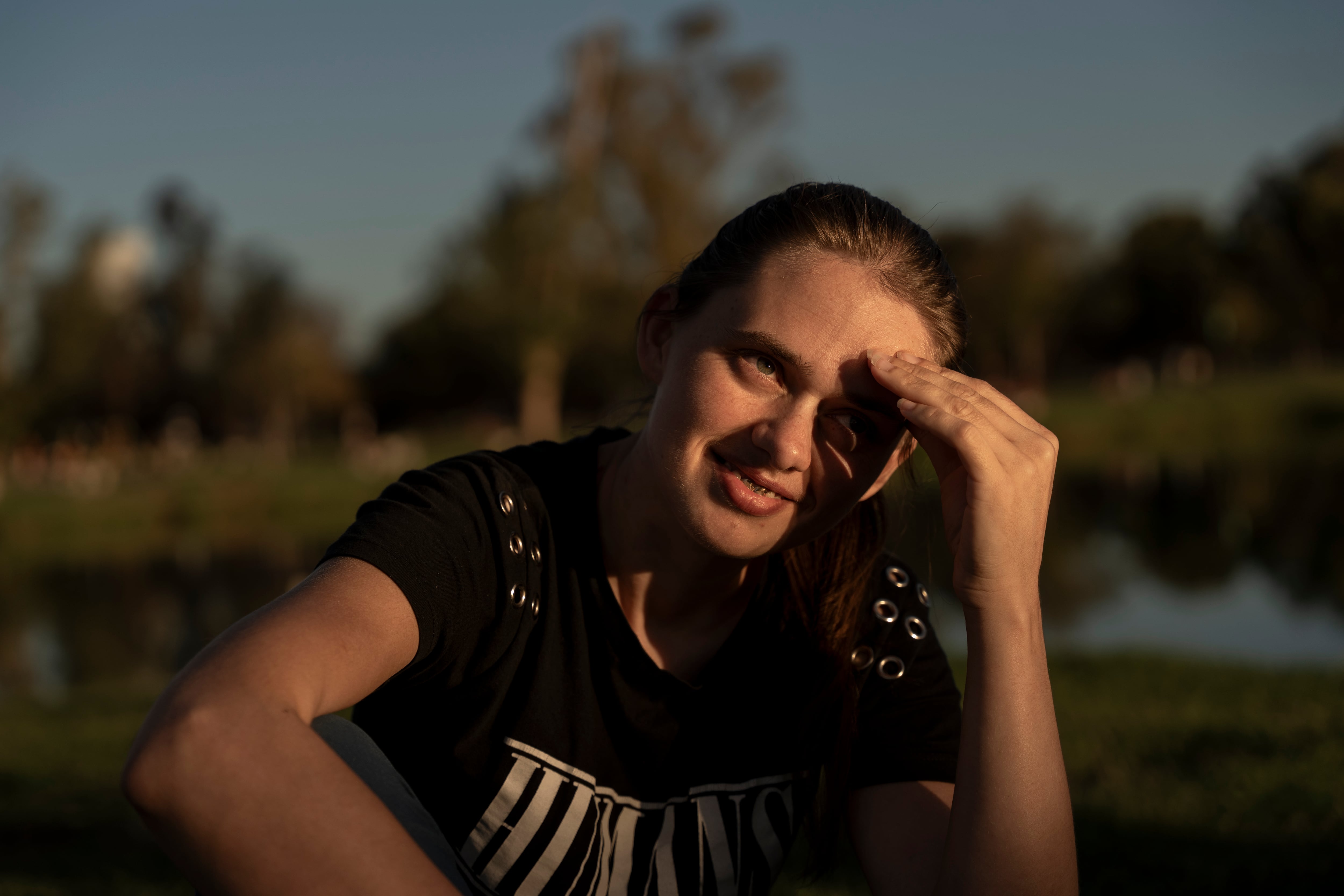
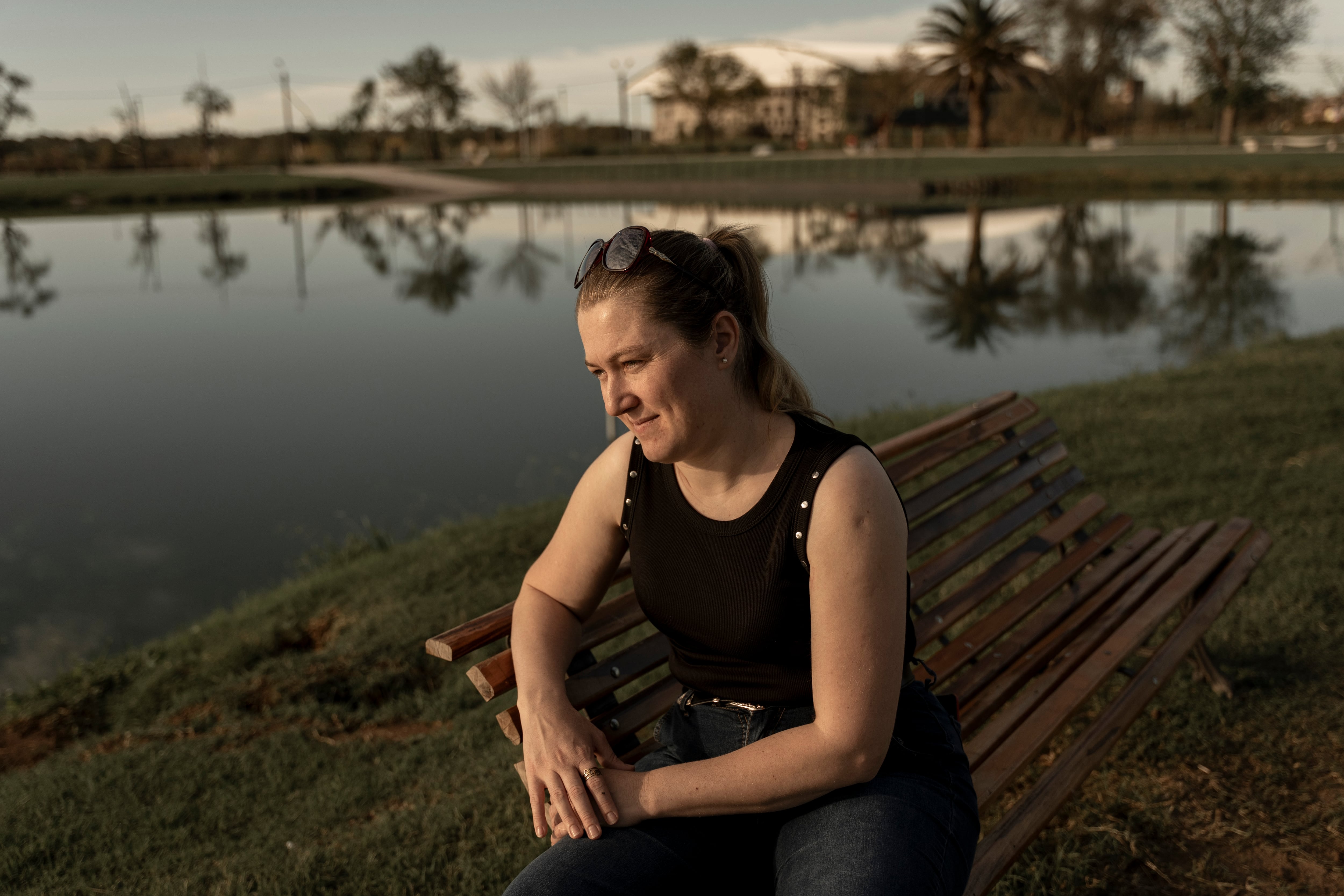
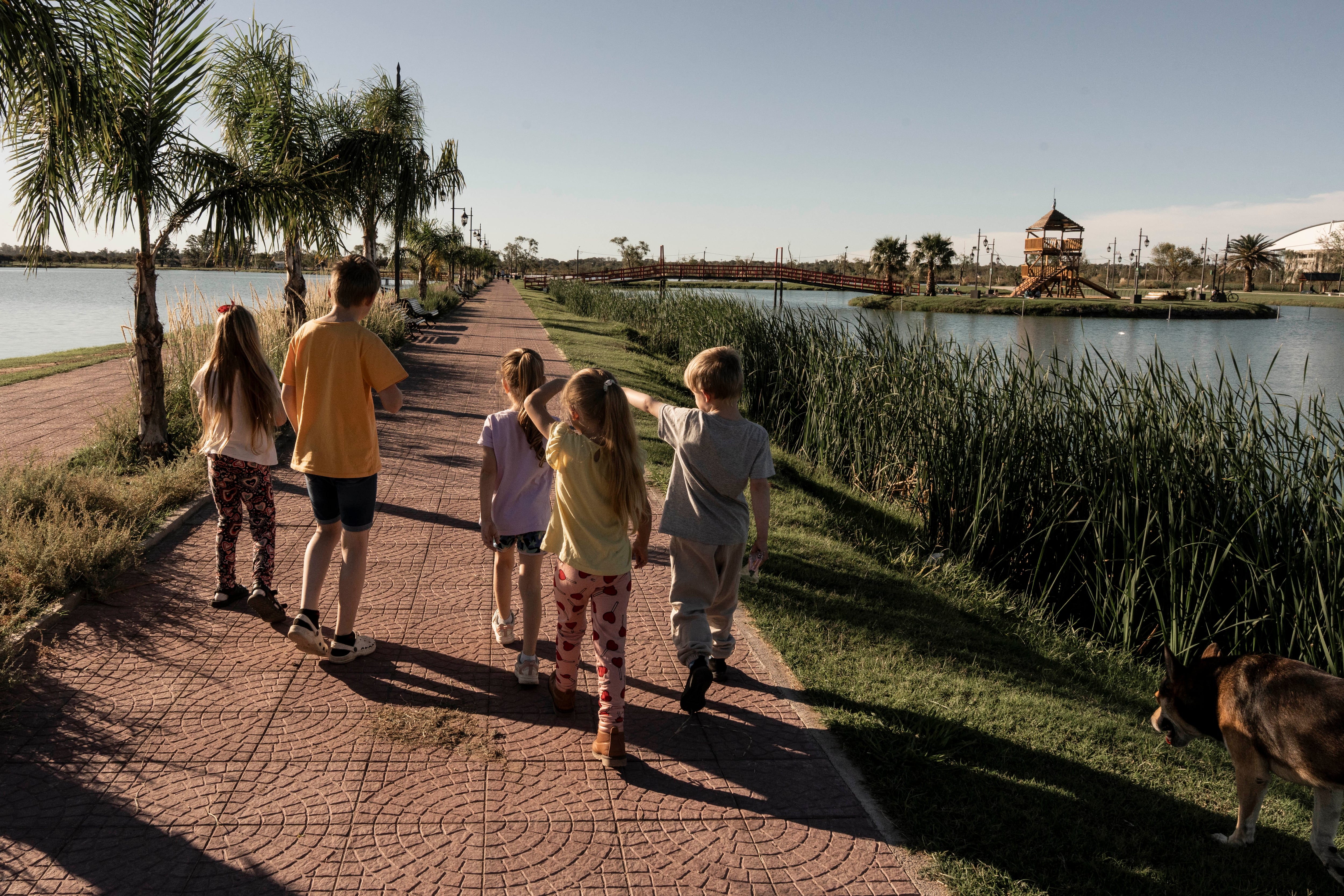
“This is the last trip. I ask for your forgiveness, but get me there quickly.” Elizabet Bueckert whispered these words to her chestnut horse at dusk on January 17, 2026. Her cart sped along the dirt roads of the Orthodox Mennonite colony of La Nueva Esperanza (“The New Hope”), in the rural Argentine province of La Pampa. That day, she had spent hours away from her husband’s house, sheltering with her two young daughters in a shed, attempting to avoid his insults. The 33-year-old woman decided that the moment she had fantasized about so many times had finally arrived.
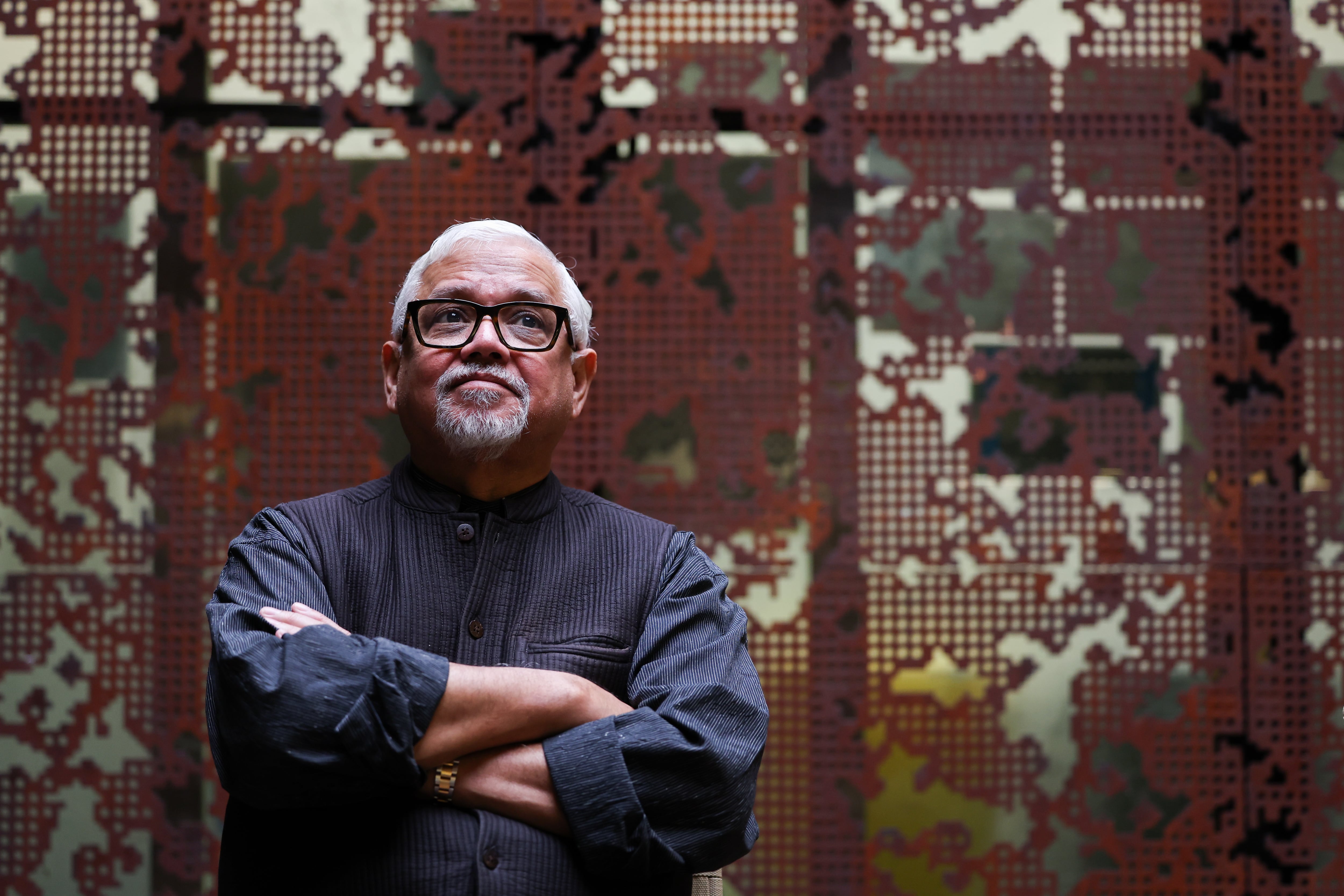
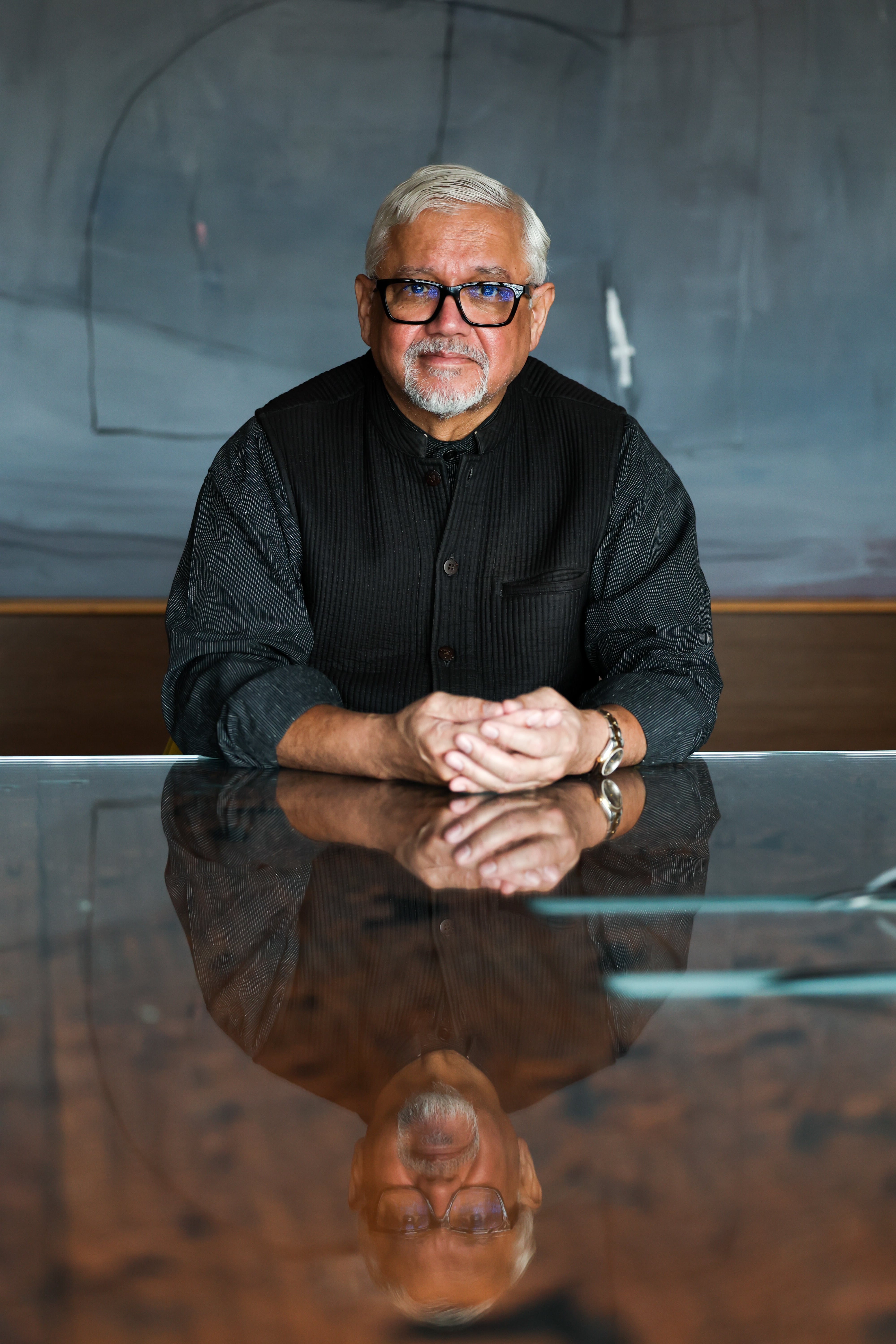
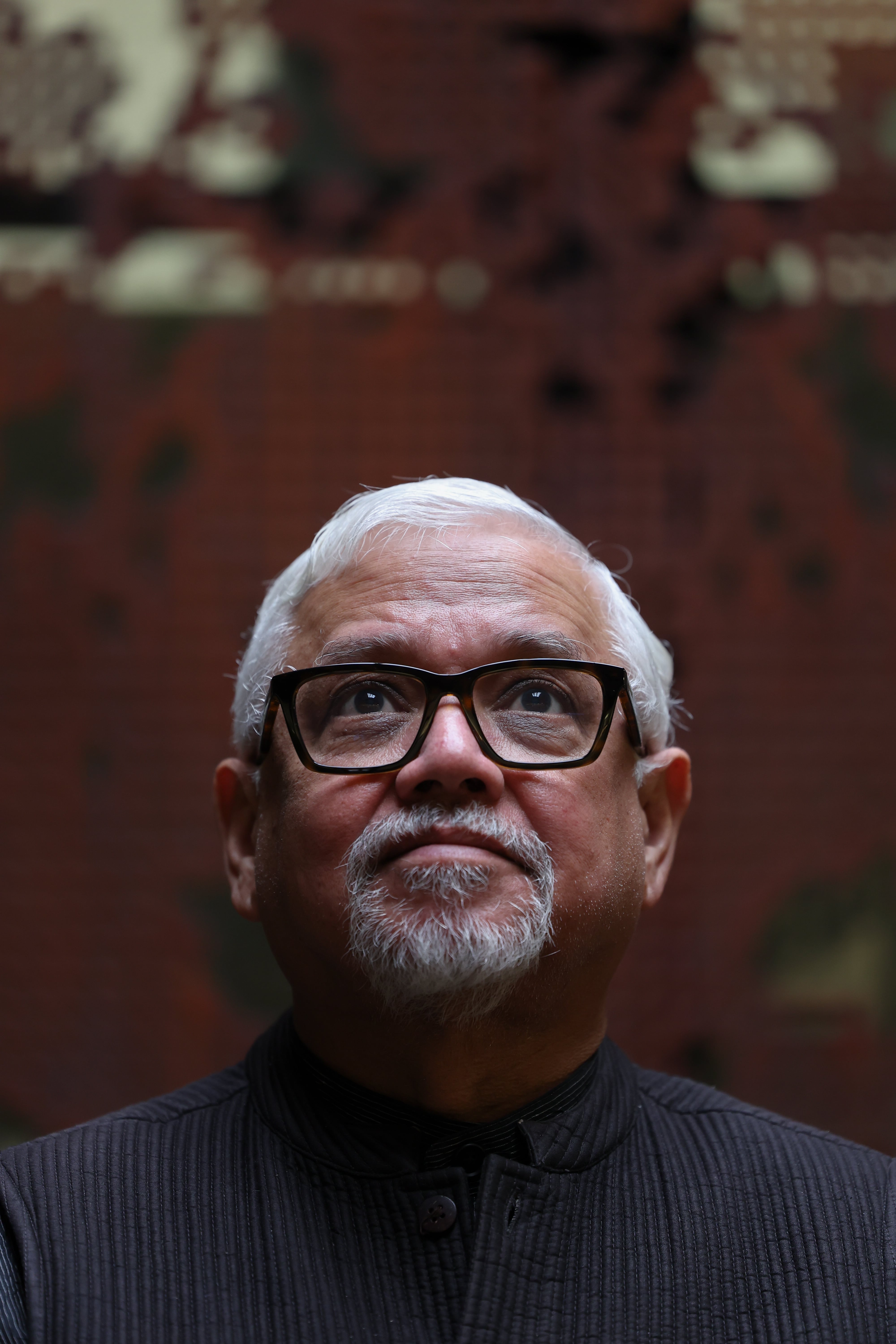
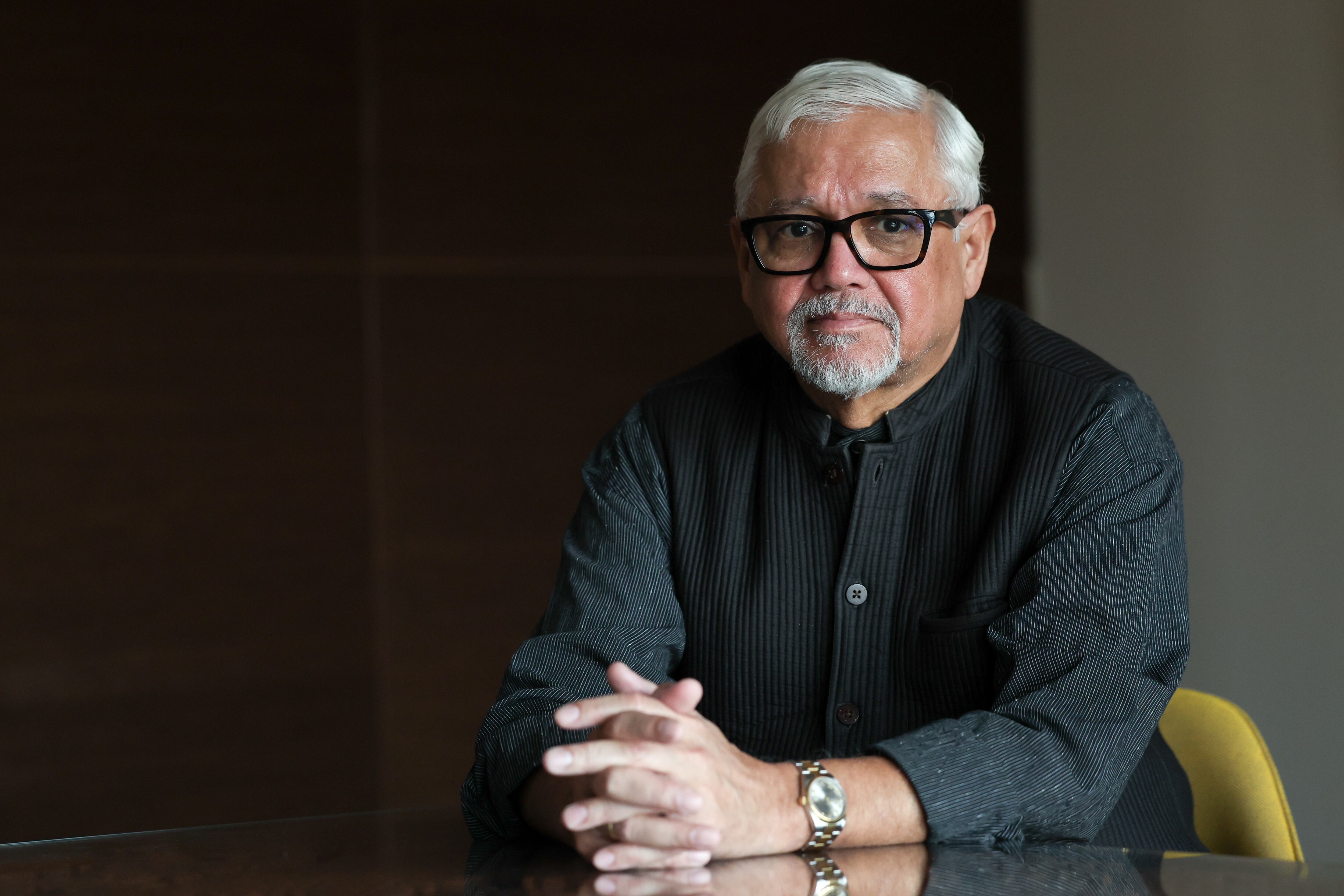
The Bengali writer Amitav Ghosh, 69, says that lifeboat ethics is a racist theory that claims someone already aboard a lifeboat has the right to stop others from climbing in to avoid sinking.
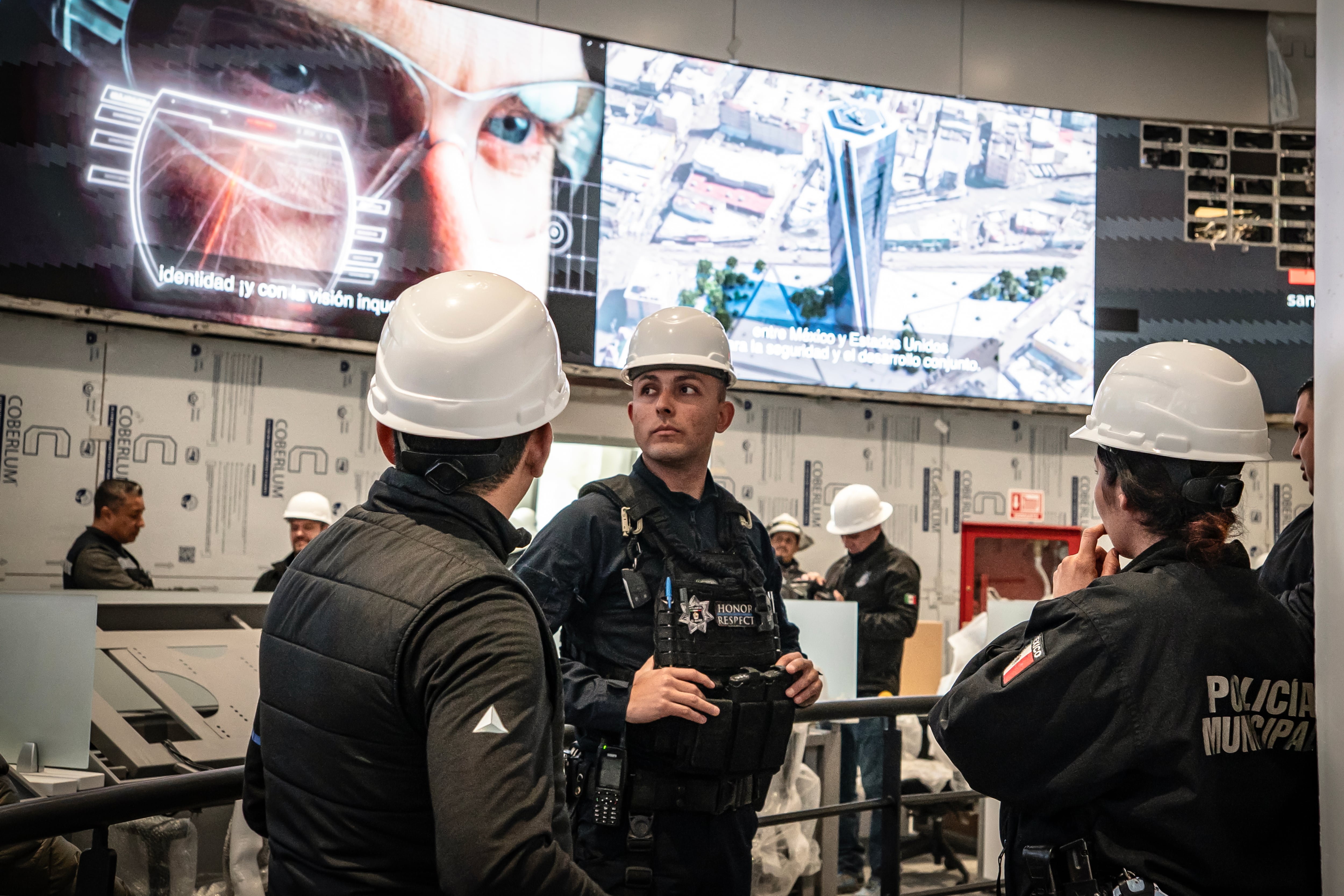
Its detractors call it the Eye of Sauron, and its defenders, “the guardian of Chihuahua.” The Sentinel Tower is a multi-million-dollar investment, a borderland’s bet on security. It’s the tallest building in Ciudad Juárez, that which best represents the fear of mass surveillance. And this week, it became a new battlefield in the political war between Mexican President Claudia Sheinbaum’s left-wing administration and the state government of the right-leaning political party PAN’s Governor Maru Campos. At 25 stories, the tower has come under scrutiny after the brutal car crash in which two CIA agents and two officials who were part of Chihuahua’s State Investigation Agency were killed. The death of the foreign agents, whose presence was unauthorized by the federal government, has led to the latest battle between the Morena administration and one of the few states still governed by an opposition party in Mexico. Since then, there’s been one question on everyone’s minds: how far is Donald Trump’s reach via operatives in Mexico, thanks to the country’s state governments?
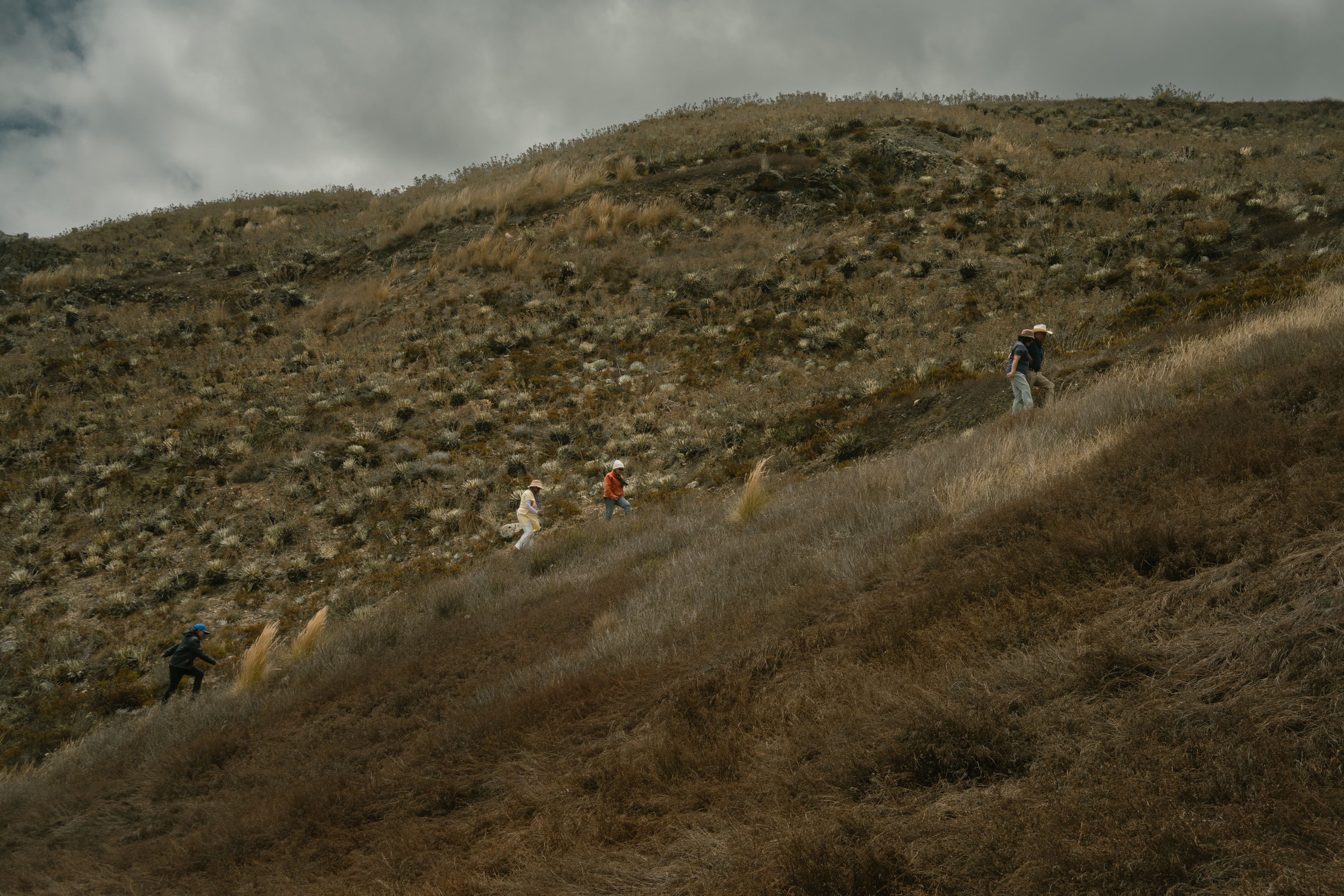
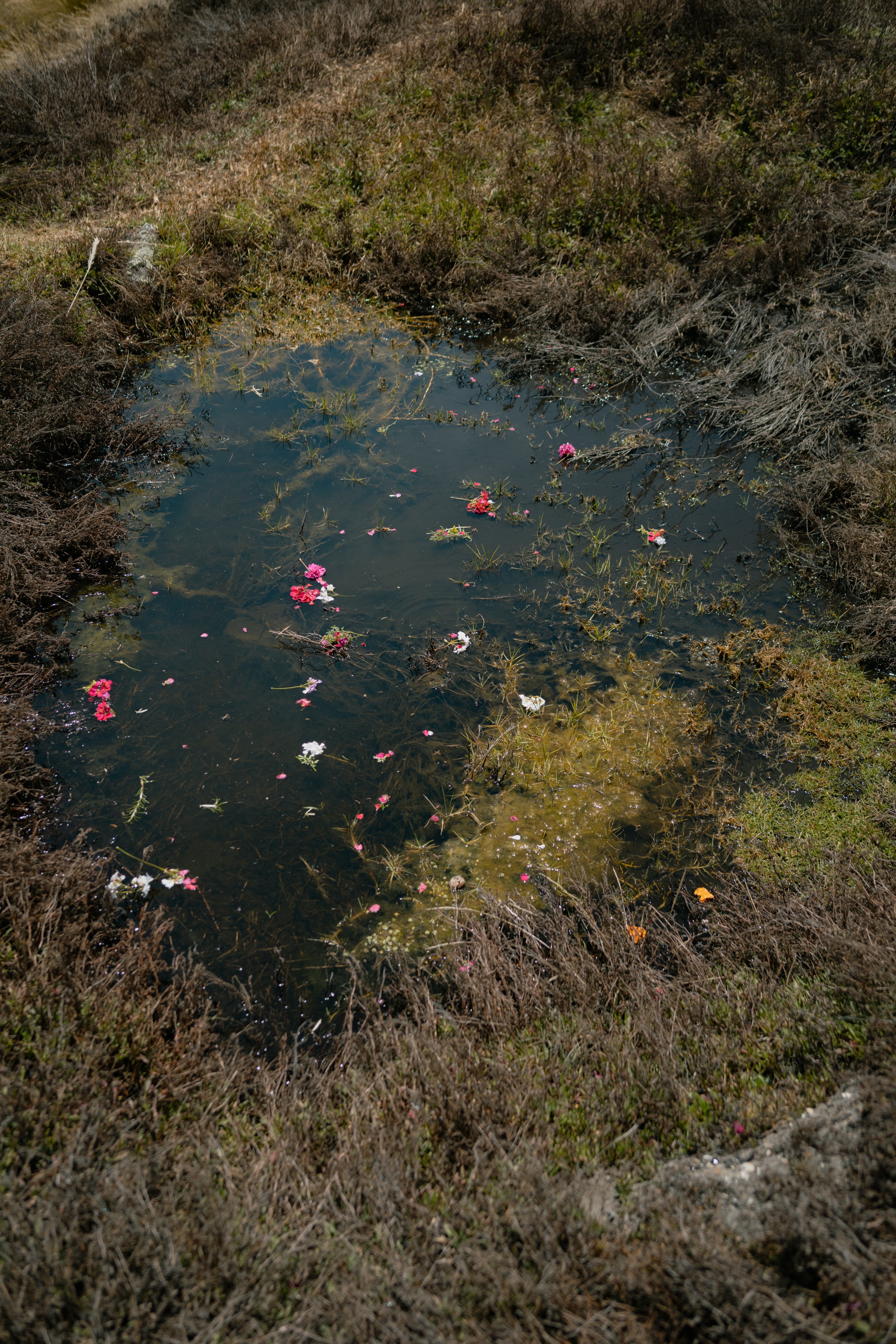
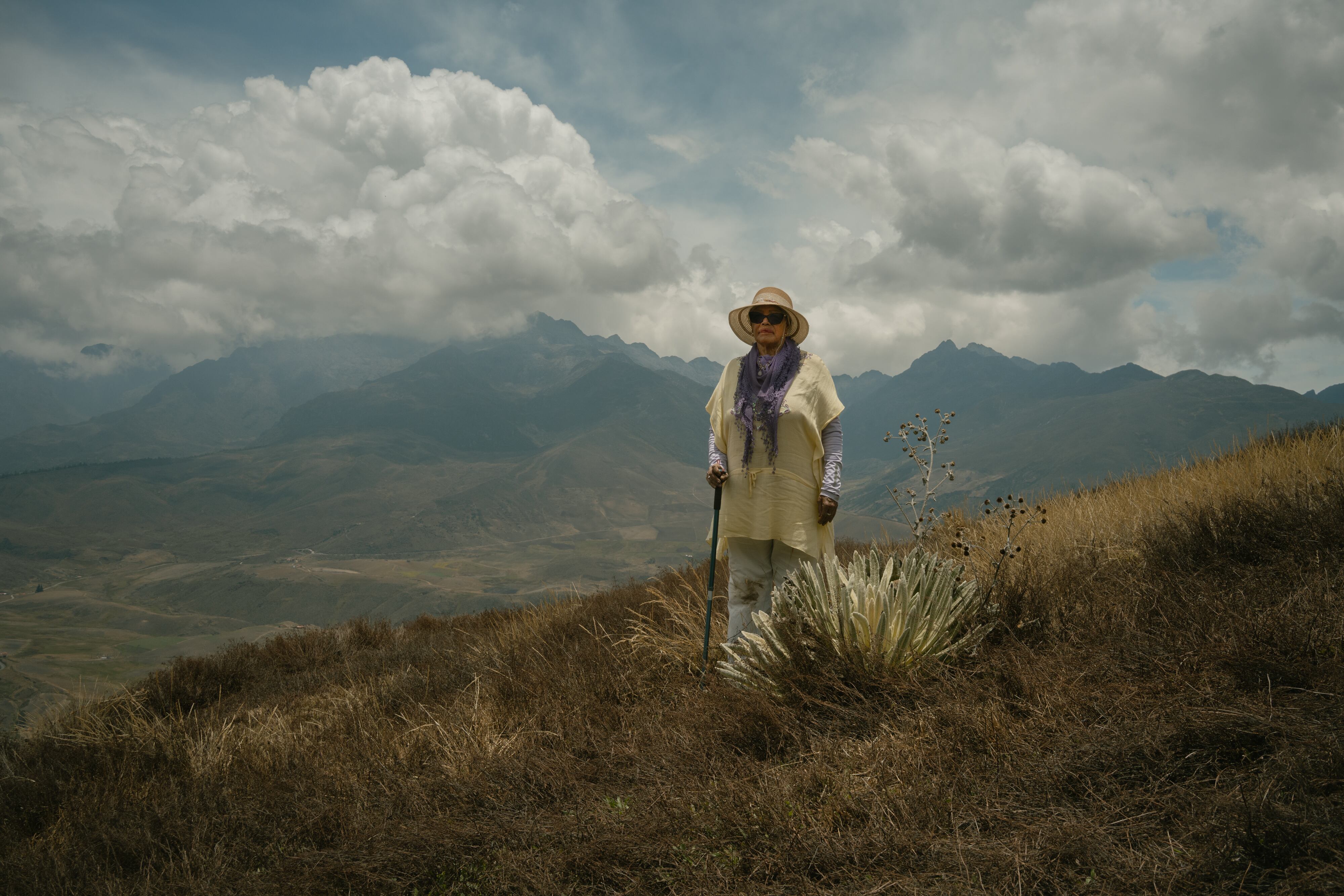
Ligia Parra, who leads the “water sowing” efforts, walks toward a new wetland that farmers have discovered in the Andean páramo of Venezuela. These ecosystems absorb rainwater to feed rivers and lagoons, regulate the climate, combat drought, and preserve biodiversity at more than 3,000 meters above sea level.
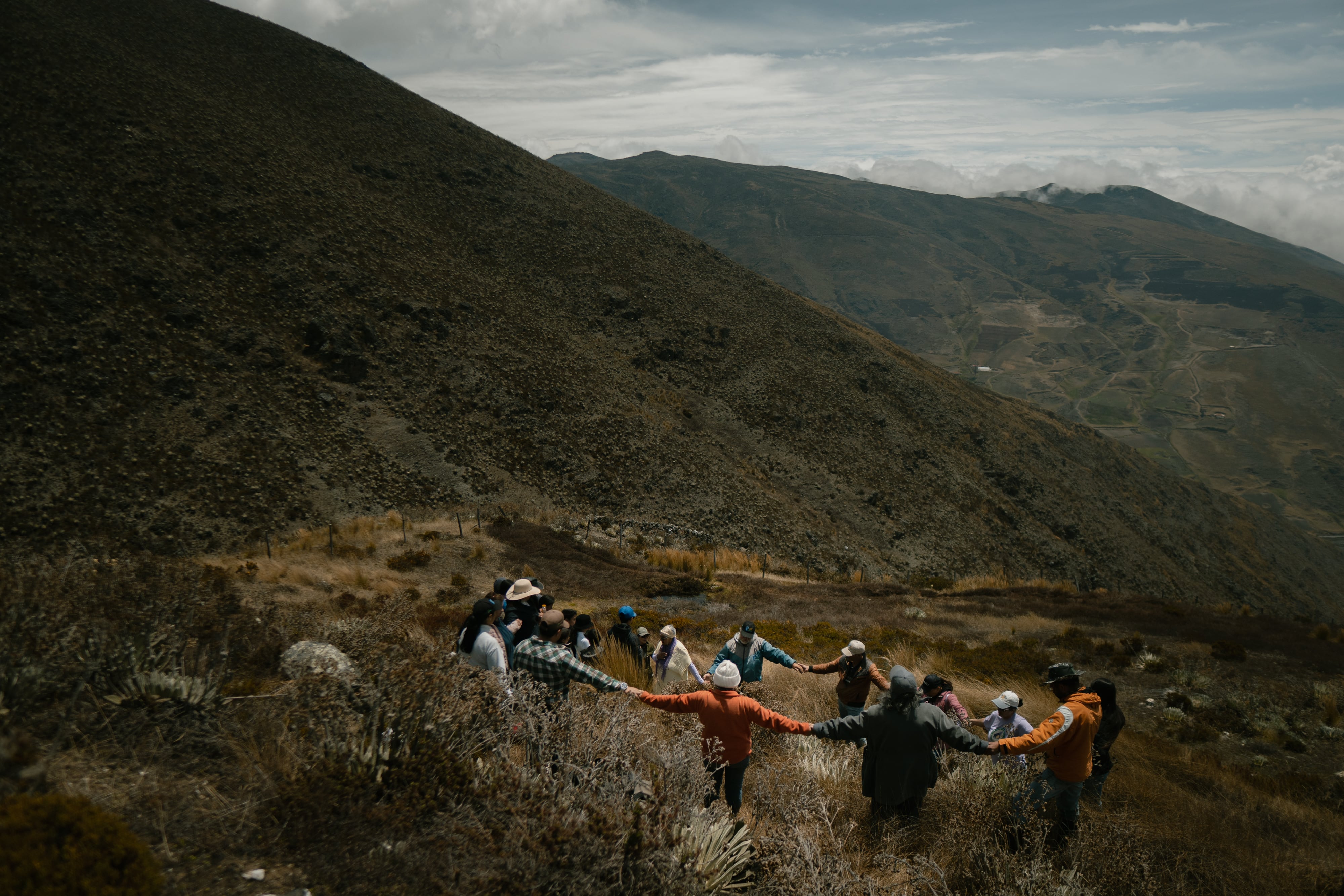
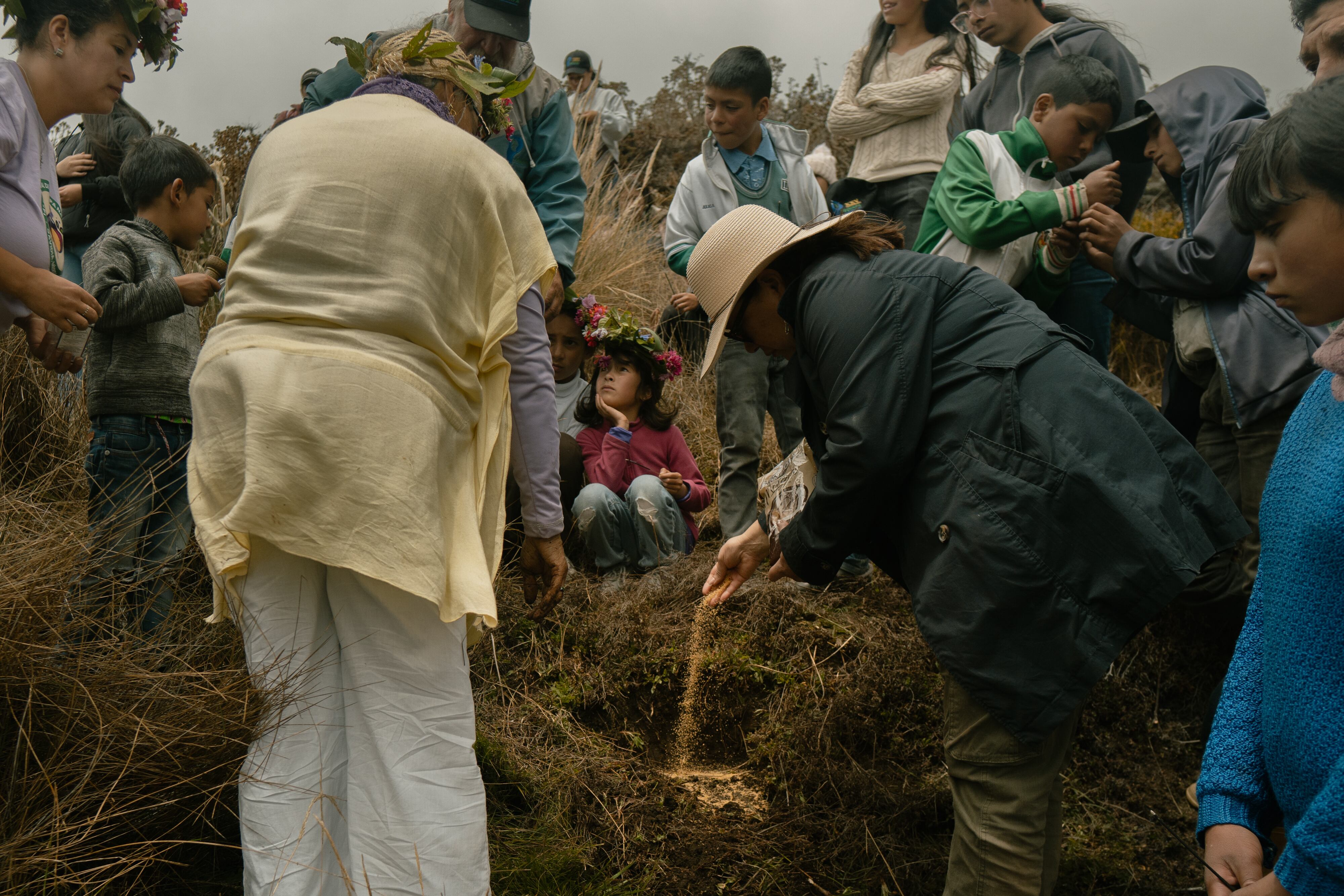
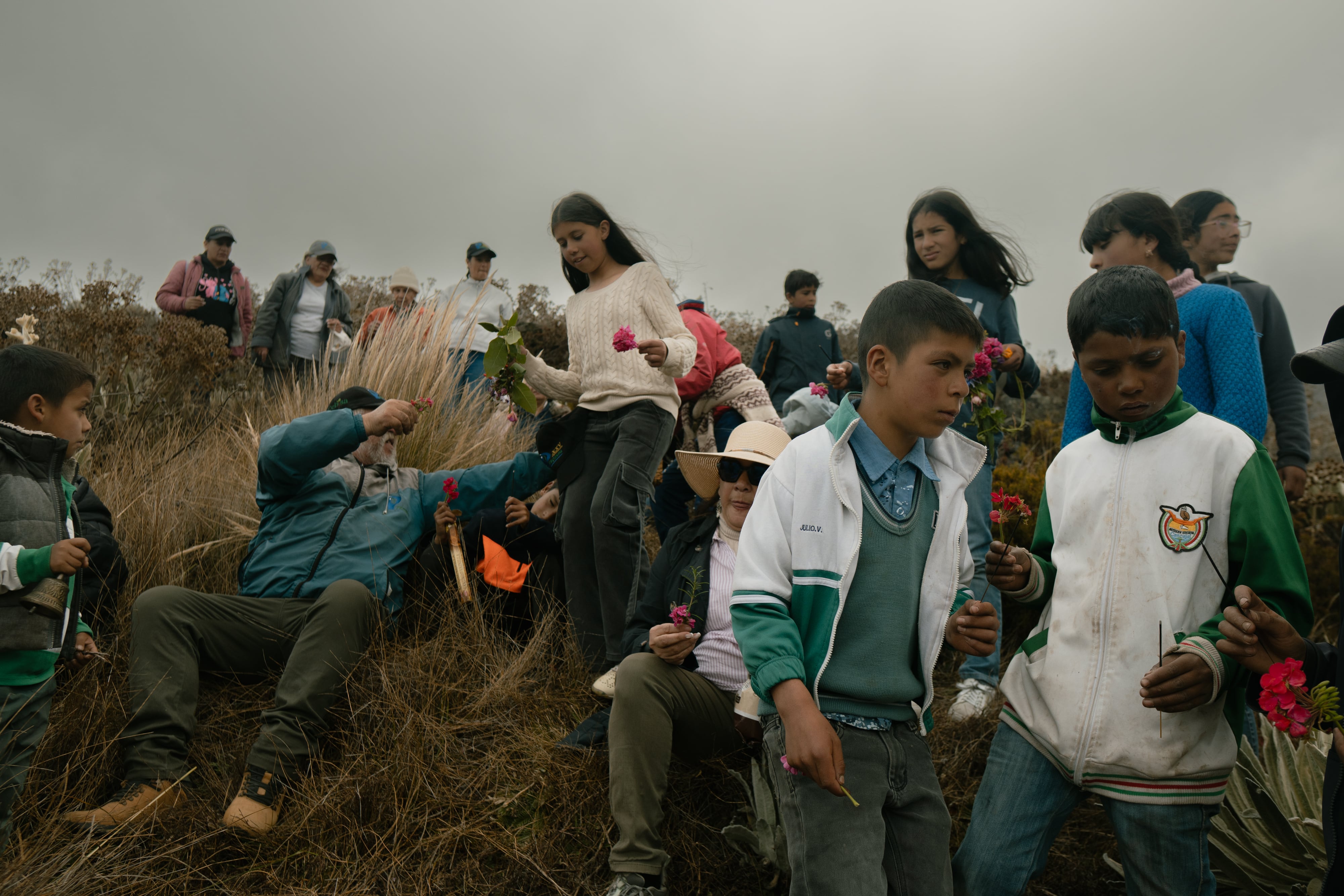
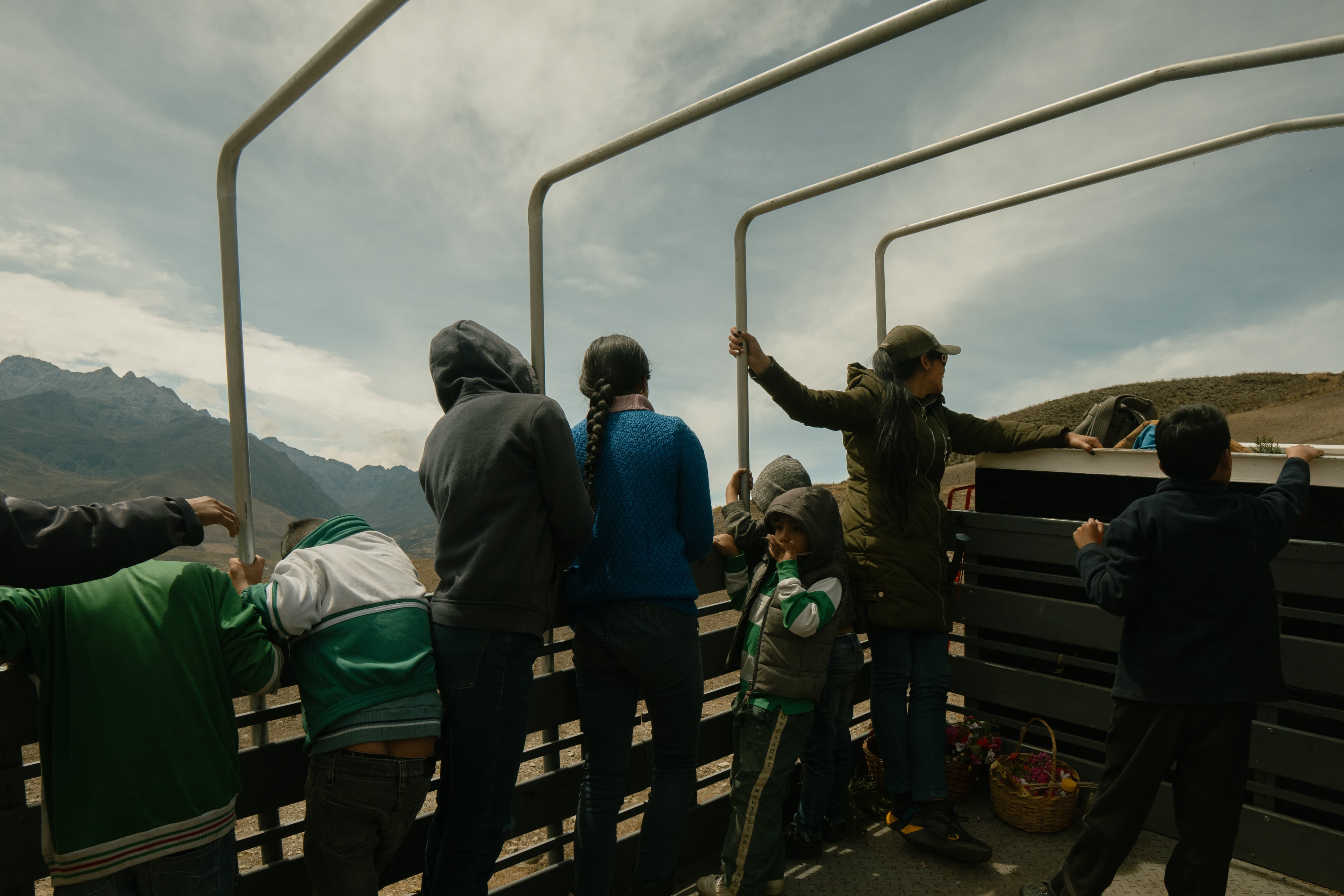
During the ritual on March 28, a group of farmers, parents, and children forms a circle around the spring to begin the “water‑sowing” ceremony. It is an environmental conservation strategy that protects the Andean ecosystem and secures water supply from two fronts: ecological measures and community‑spiritual practices.
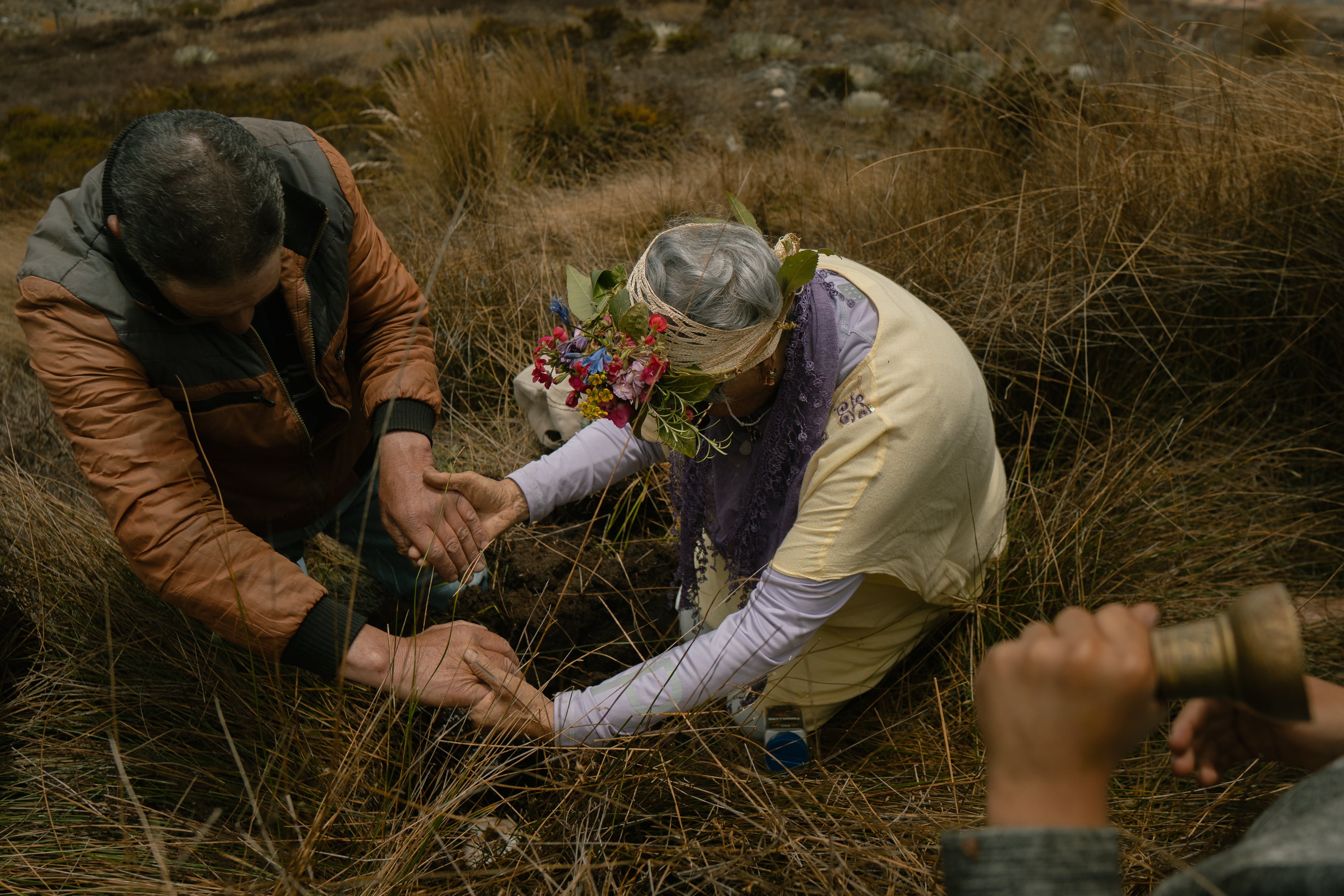
Children, their parents, and several farmers watch as Ligia Parra, the water‑sowing practitioner, sprinkles brown sugar onto the soil during the ceremony, standing beside Caroly Higuera.
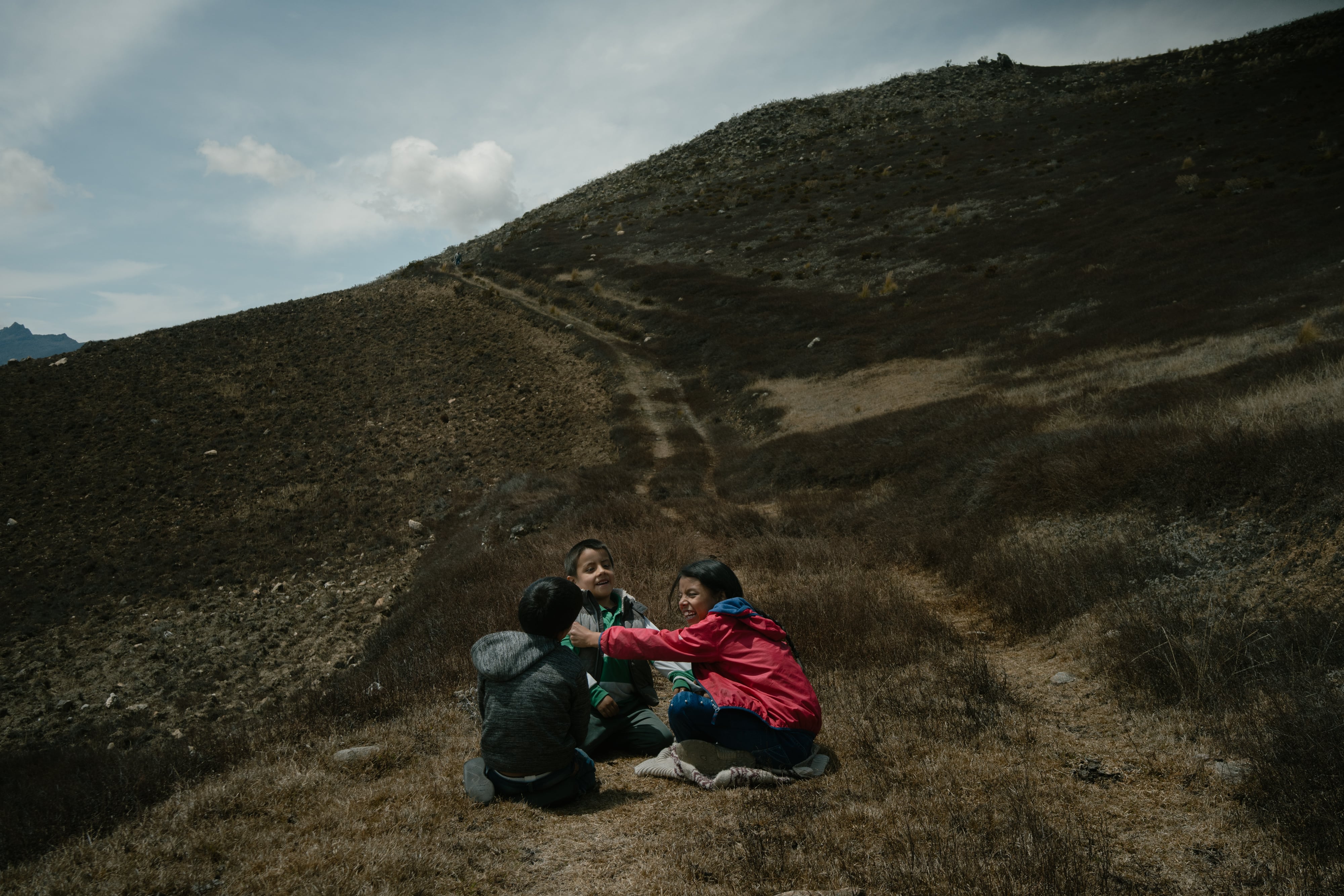
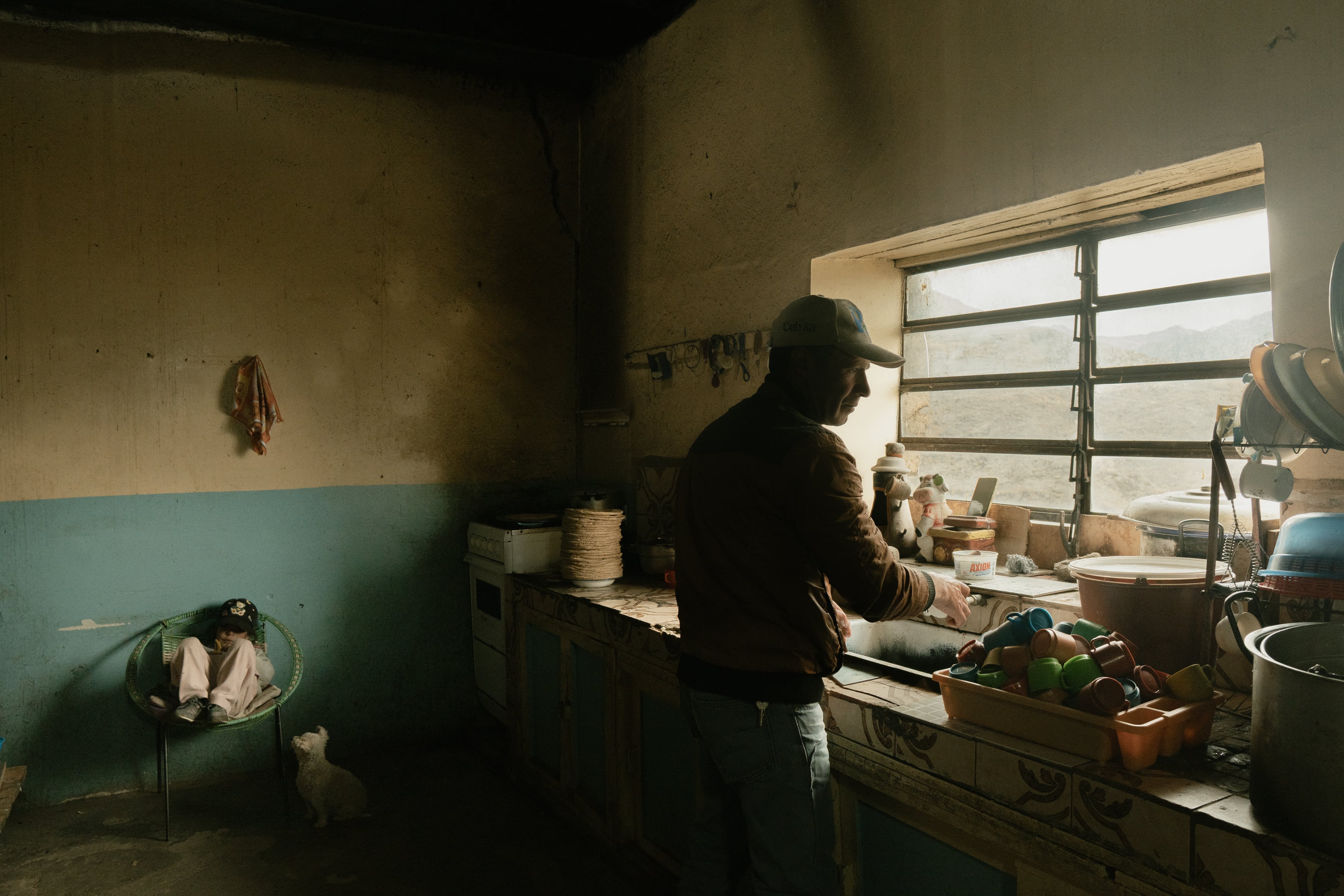
Crops in Venezuela’s páramos, mainly in Mérida and Táchira, are centered on cold‑climate vegetables such as potatoes, carrots, garlic, and strawberries. They are grown at very high altitudes.
Ligia Parra has spent 24 years protecting, tending, and reforesting the wetlands, while also preserving the ancestral knowledge of Venezuela’s Indigenous communities.
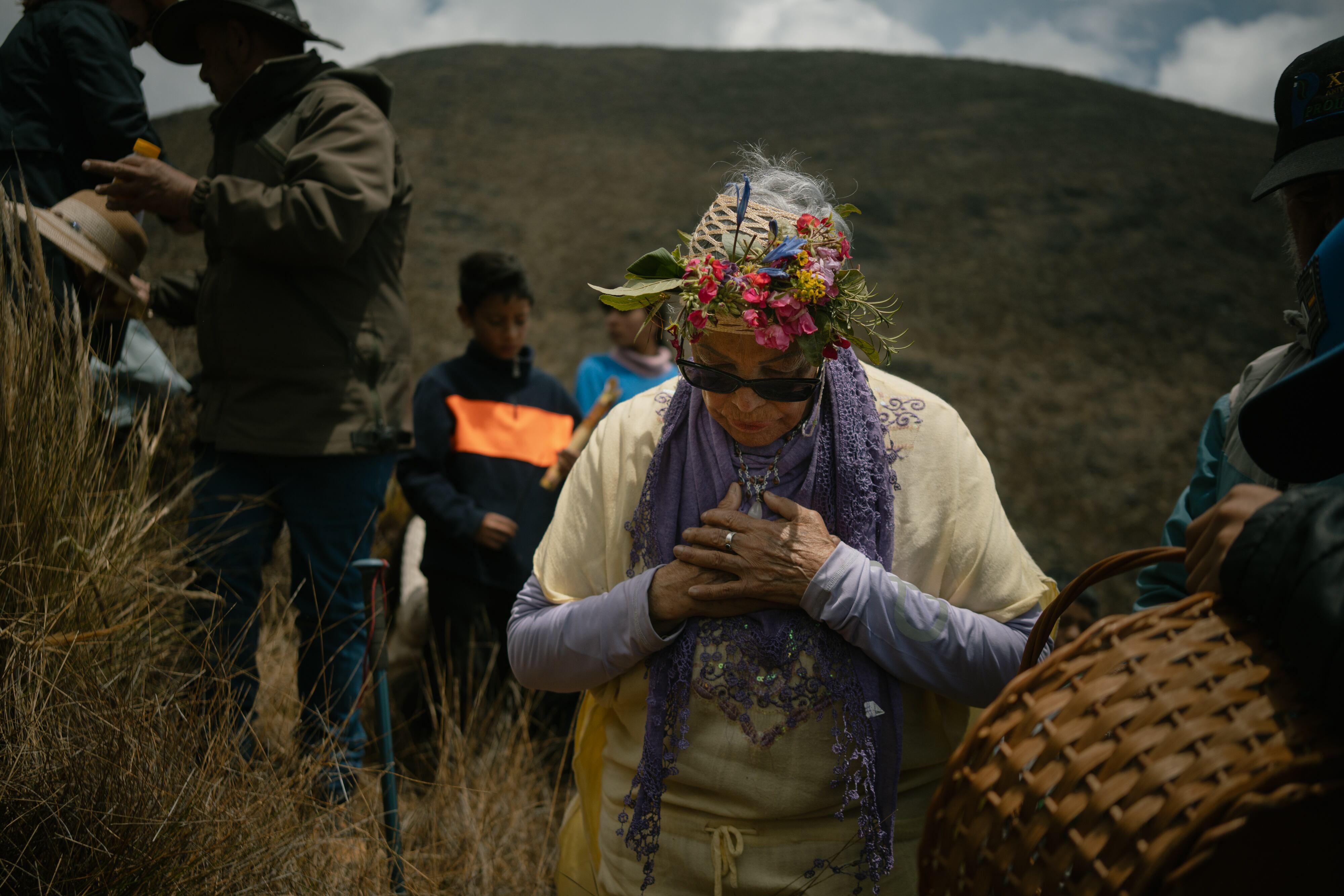
During the ceremony, Parra and the children offer green coconut, sea salt, and flowers to Mother Earth. “Water‑sowing used to be practiced in secret,” she recalls. Andean communities are deeply religious and tend to reject any activity that falls outside Christian norms. “My nonna [grandmother] taught me how to do it. She was of Misintajeo Indigenous origin.”
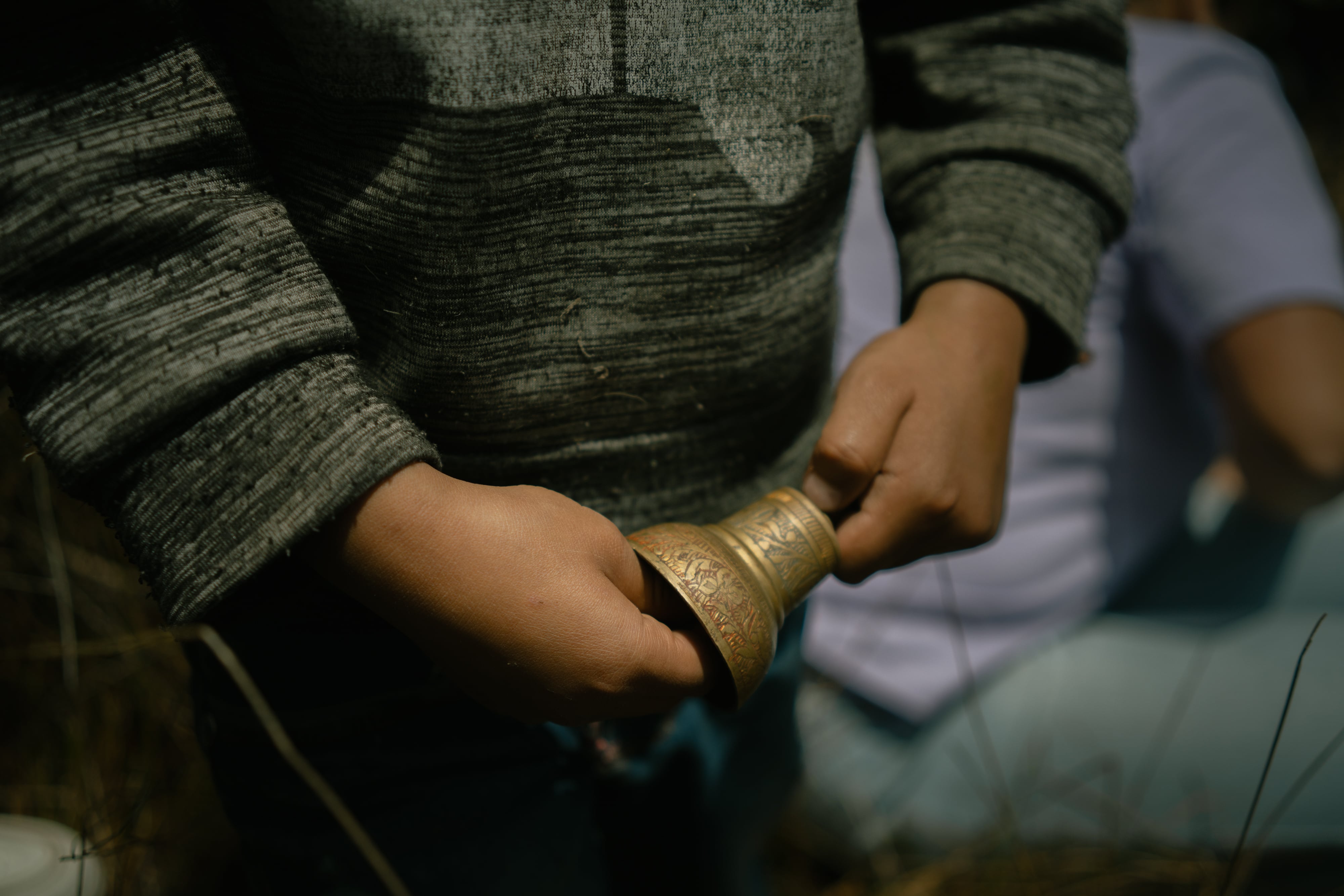
Camilo Peña rings the small bell as part of the ceremony. The high‑páramo region of the Venezuelan Andes was once a site for hunting and for the magical‑mystical rituals practiced by pre‑Hispanic Indigenous communities.
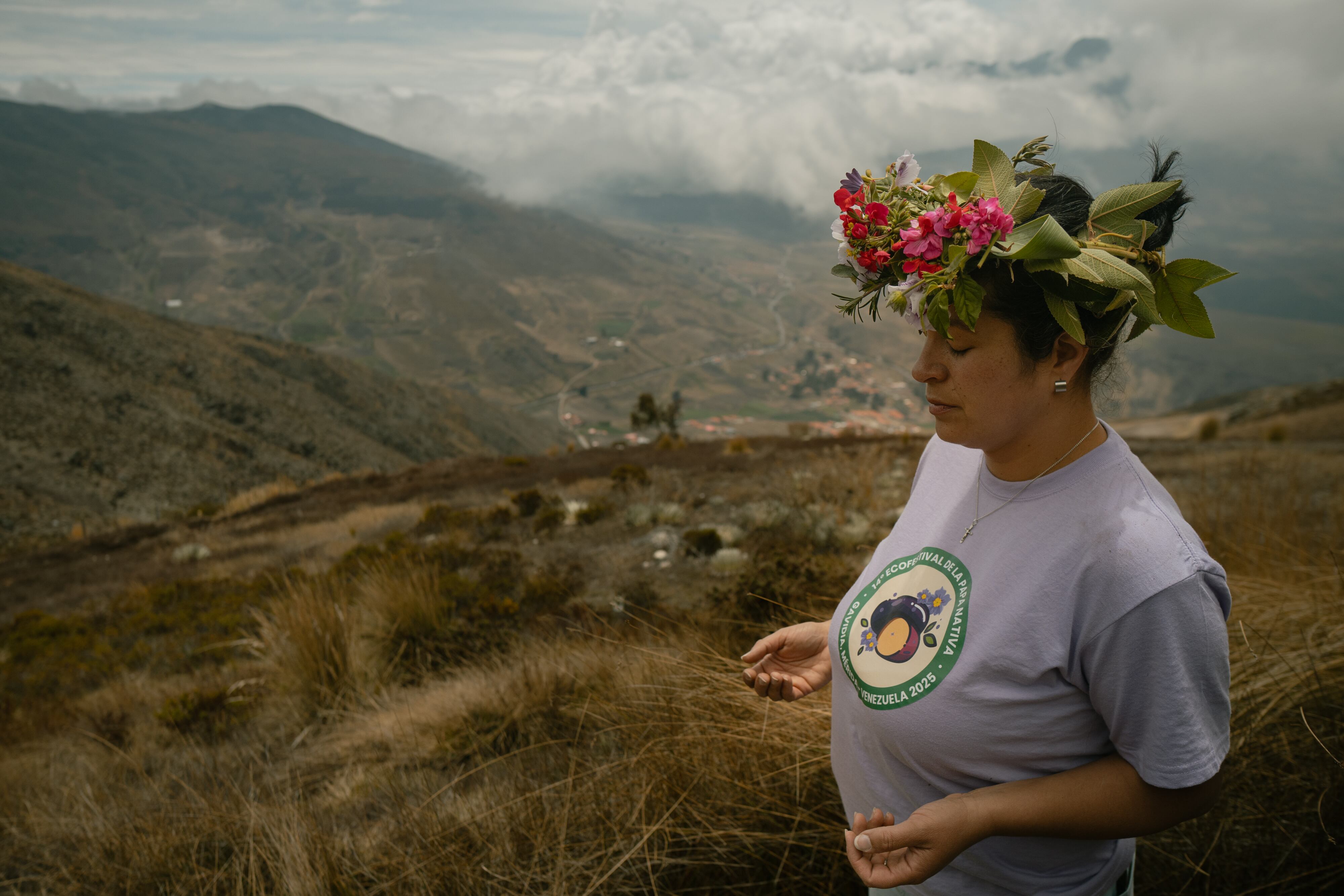
Biologist Raquel Romero closes her eyes during the “water‑sowing” ritual. She also works to protect the micro‑watersheds that supply local communities. She explains that the cattle grazed in the páramo trample the wetlands, compact the soil, and affect the diversity of the plants that capture mist to retain water.
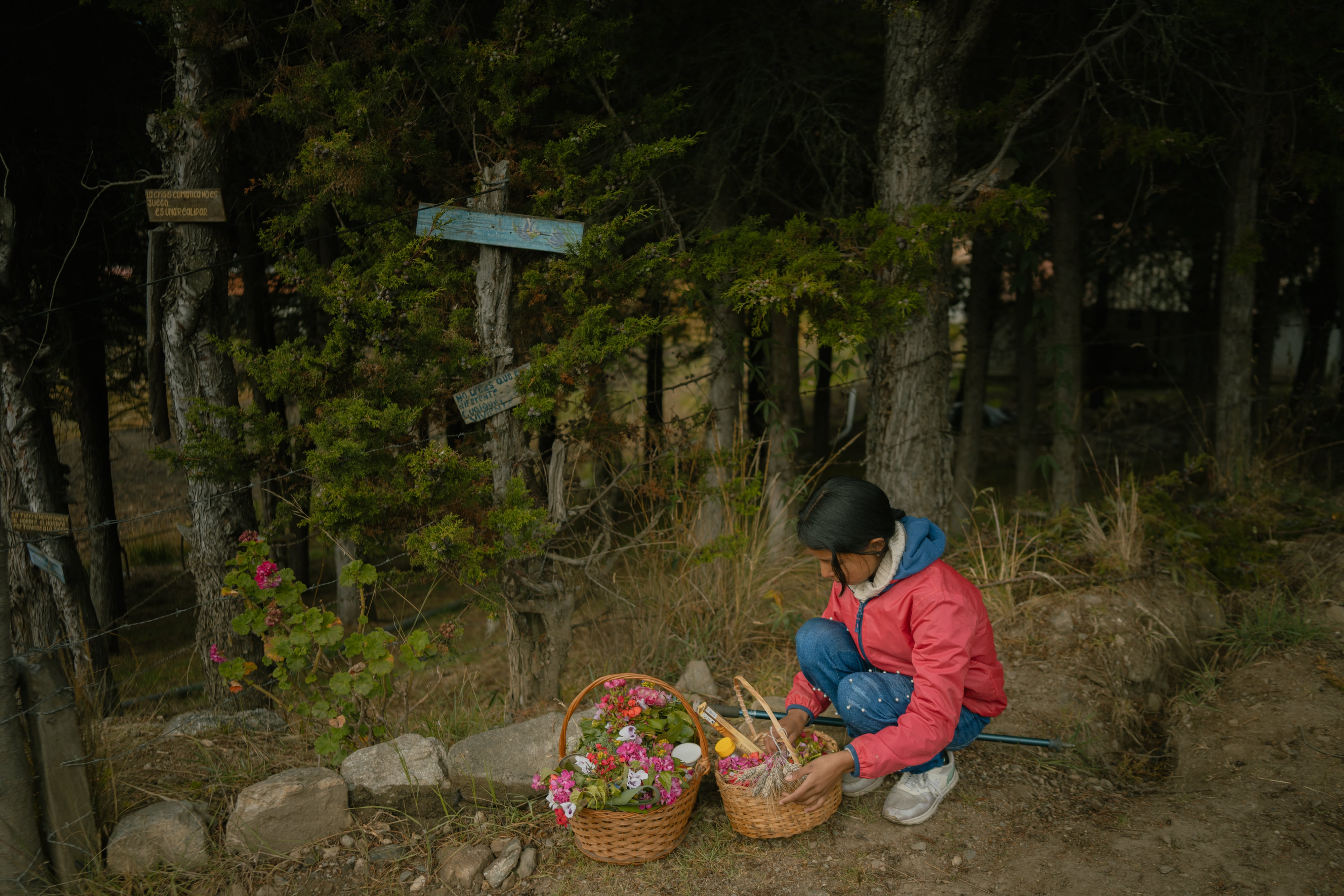
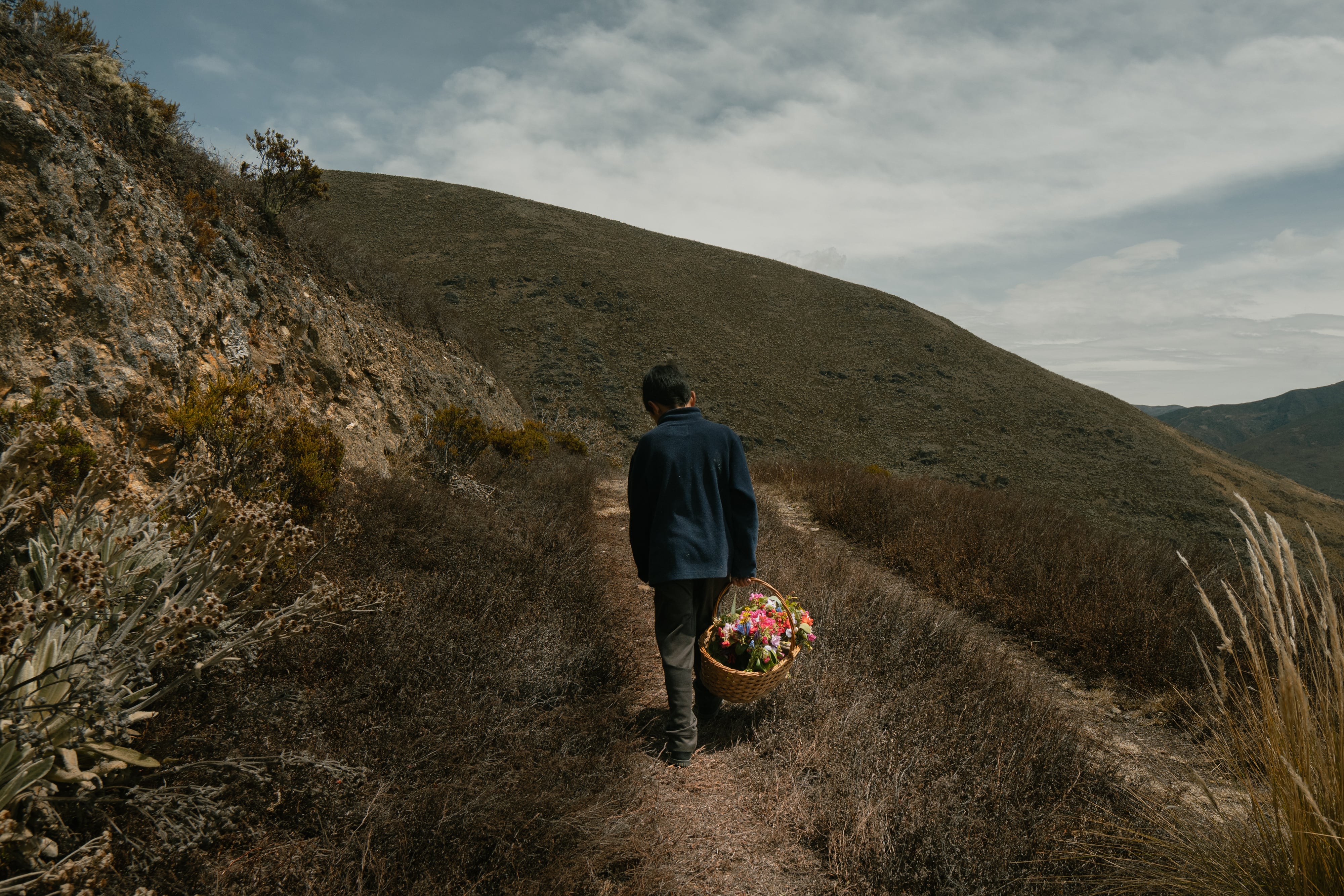
“For us farmers it’s even more important, because if we have soil and seeds but no water, there is no life,” says Néstor Monsalve. In the image, a child carries a basket with the flower wreaths, honey, and sea salt used in the ceremony.
If you see a photograph taken by Petra Collins, it will likely look familiar, even if you don’t specifically associate it with a particular person. The Canadian artist’s work has become a key reference point in Gen Z aesthetics: a pioneering and intimate portrait of the female gaze that addresses taboos and anxieties, from eroticism to violence.
Family Guy premiered last century. It was January 1999, the same year The Sopranos began. But unlike The Sopranos — and much like Mariska Hargitay in Law & Order: Special Victims Unit — the Griffins have kept appearing on TV screens around the world almost without interruption ever since. The series has not only survived a cancellation; it has outlasted every ailment of traditional television and thrived in the streaming era.
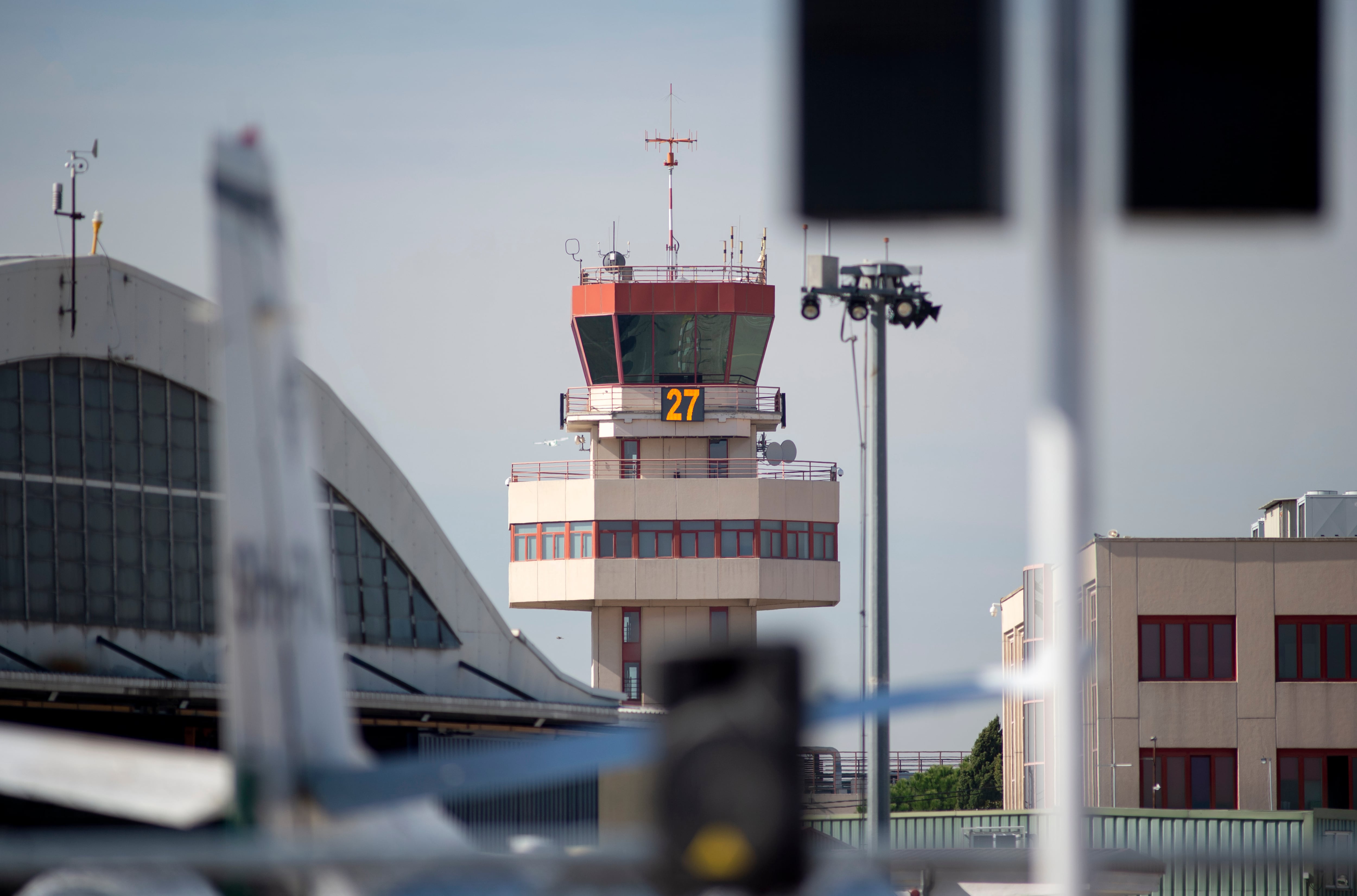
On June 4, 2025, air traffic controllers in Spain’s Canary Islands held a clear, uninterrupted conversation with a commercial pilot flying high above the Atlantic. To most people, that might sound routine. For flights far from land, it is anything but.
When Luis Andrés Monterroso López, 29, set foot on Guatemalan soil on December 19, 2025 — his first time back in three years — he was furious. Dressed in a gray jumpsuit and dark‑blue slippers, the standard uniform for migrants held in U.S. detention, he spoke to his mother on the phone while sitting outside the Guatemalan Air Force base where deportation flights land. “They don’t treat animals like this. I came back with my hands and feet shackled,” he told her, outraged.
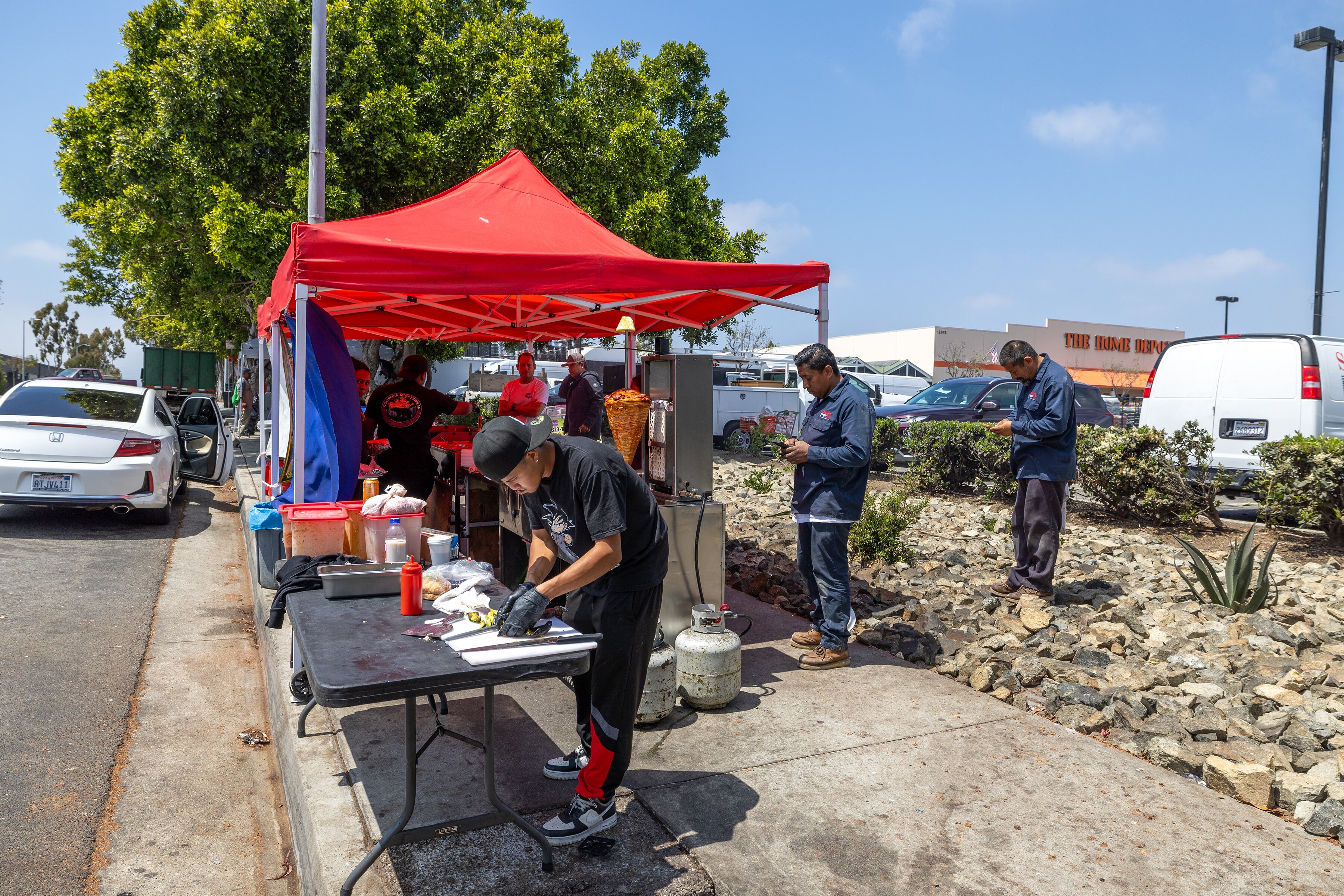
Tamales, tacos, burritos, pupusas… traditional Latin American food is now deeply woven into the culinary landscape of the United States. A fundamental part of each country’s culture and heritage, the recipes that Latinos pass down from generation to generation have not only helped them preserve their customs at home — they have also long served as a way for many migrants to make a living upon arriving in the United States. Necessity sharpens ingenuity, and when there is no money or resources to open formal businesses such as restaurants, sales move to the street, to home delivery, online, or to local markets.
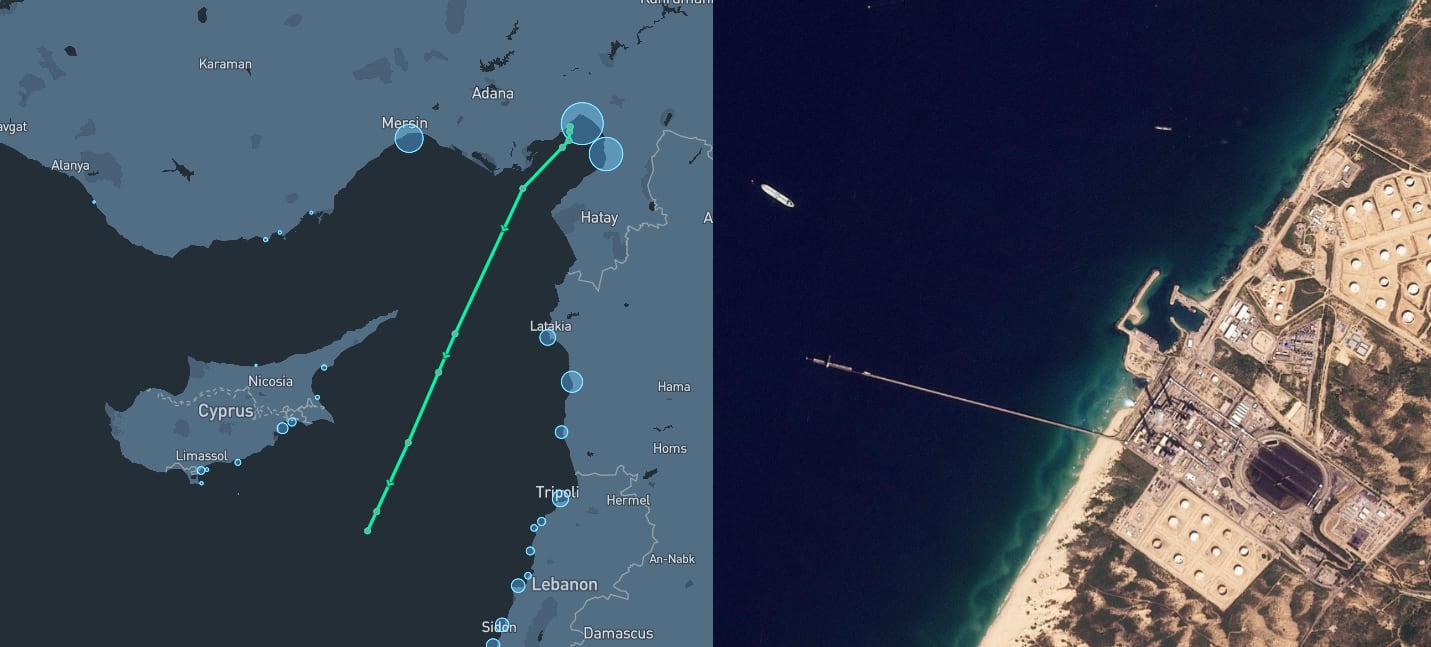
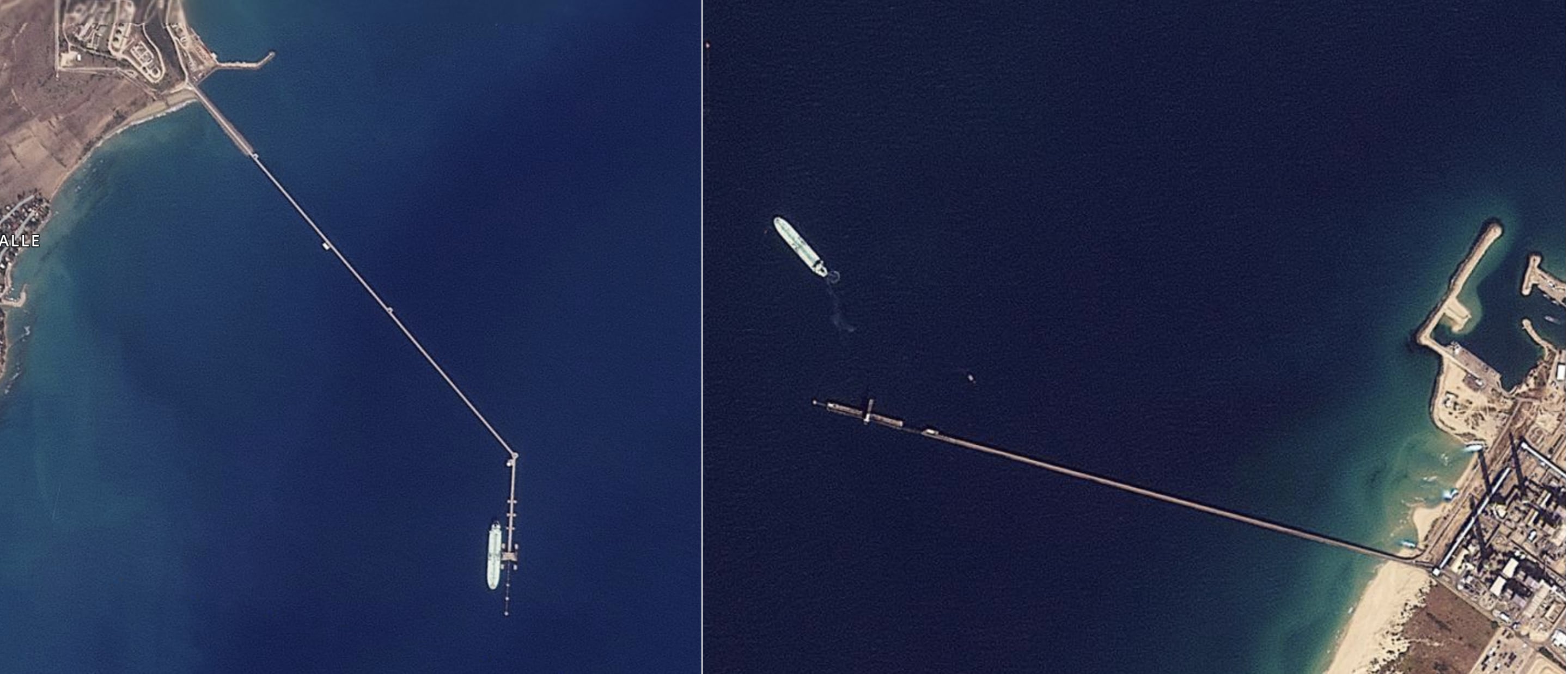
On March 1 the Kimolos, an oil tanker flying the Marshall Islands flag and operated by a Greek shipping company, disappeared from radars while sailing south-southwest about 60 nautical miles off the Lebanese coast. Two days earlier, it had docked at the Mediterranean port of Ceyhan, Turkey. There, it had loaded approximately one million barrels of Azerbaijani crude oil at the BTC pipeline terminal, which transports oil from the Caspian Sea. For nearly four days, the tanker — which had declared that it was heading to Port Said, Egypt — stopped transmitting its position to the Automatic Identification System (AIS), as it is required to do by maritime safety regulations. After those four days, according to the Global Fishing Watch tracking platform, it reappeared about 40 miles south of the spot where it had disappeared, only this time it was sailing north, back towards the port of Ceyhan. What happened during those days it had become a phantom ship?

 Login
Login