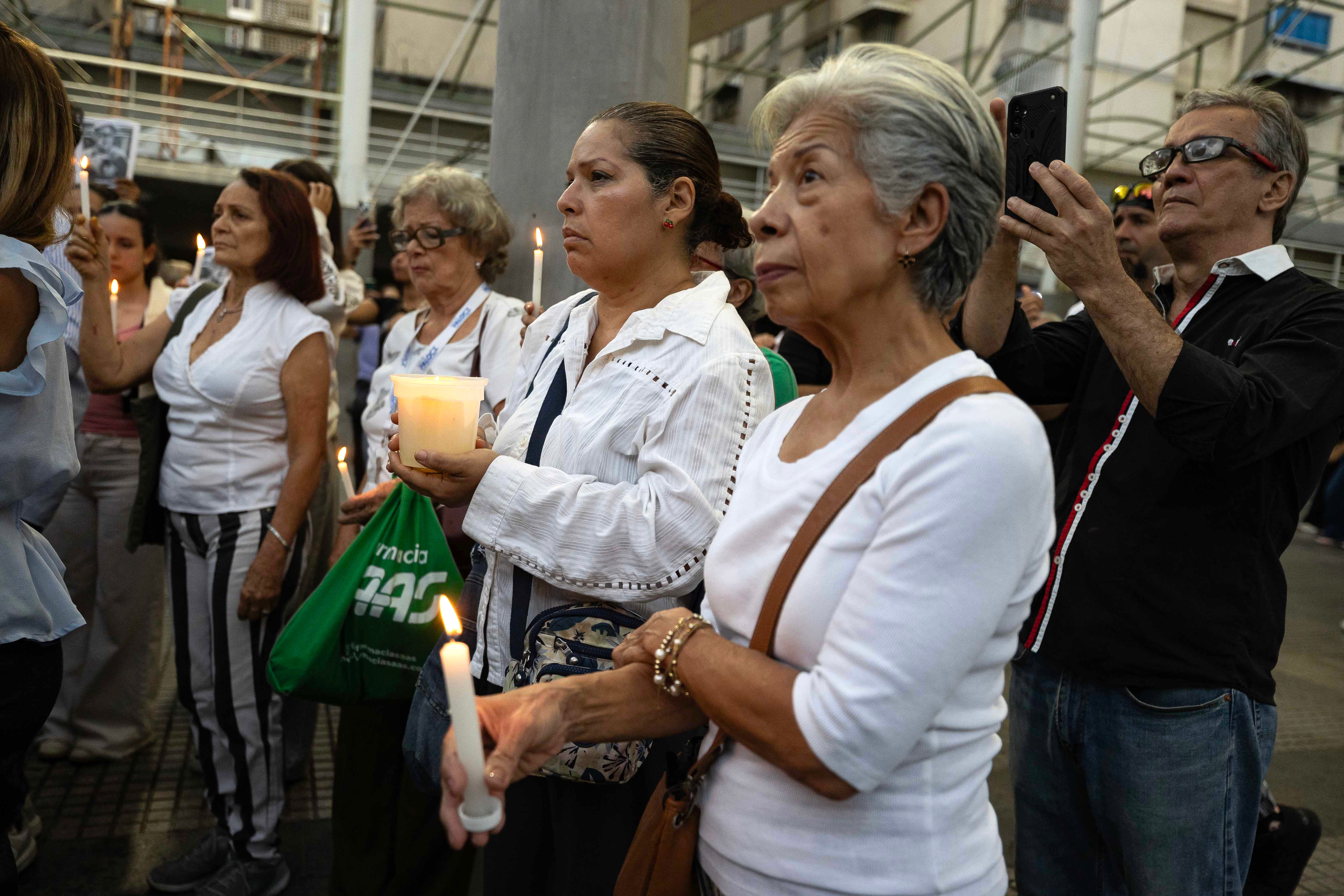
The end of the amnesty law in Venezuela, announced by the acting president, Delcy Rodríguez, last week, has left the country with a balance marked by partial relief, controversy, and a sense that the measure fell short.Seguir leyendo
The end of the amnesty law in Venezuela, announced by the acting president, Delcy Rodríguez, last week, has left the country with a balance marked by partial relief, controversy, and a sense that the measure fell short.
Medellín, Colombia – Venezuela’s interim president Delcy Rodríguez announced the dismissal of Vladimir Padrino as Minister of the People’s Power for Defense of Venezuela today, a long-term Nicolás Maduro ally.
“We thank G/J [General in Chief] Vladimir Padrino López for his dedication, his loyalty to the homeland, and for having been, throughout all these years, the foremost soldier in the defense of our country,” Rodríguez wrote on X.
In his place, the president designated general Gustavo
Medellín, Colombia – Venezuela’s interim president Delcy Rodríguez announced the dismissal of Vladimir Padrino as Minister of the People’s Power for Defense of Venezuela today, a long-term Nicolás Maduro ally.
“We thank G/J [General in Chief] Vladimir Padrino López for his dedication, his loyalty to the homeland, and for having been, throughout all these years, the foremost soldier in the defense of our country,” Rodríguez wrote on X.
In his place, the president designated general Gustavo González López – a veteran officer with experience in security and intelligence – as the new Minister of Defense. González will be heading two key bodies: the Presidential Guard and the General Directorate of Military Counterintelligence (DGCIM).
Padrino had been Maduro’s trusted man for ten years, appointed to head the ministry in October 2014, making him one of the longest-serving ministers in Venezuela.
Padrino was also an important figure during the failed coup d’état against Chávez in April 2002. He remained loyal to the Chávez regime and refused to join the uprising while he commanded an armored unit stationed at Fuerte Tiuna, Caracas.
In her statement, Rodríguez also said she is confident Padrino will take on his new responsibilities with the “same commitment and honor” that characterized his trajectory and career. She did not specify what his role will be going forward.
Padrino’s removal was part of a broader cabinet reshuffle, with Rodríguez replacing the Minister of Housing and Habitat, the Minister of Electric Energy, the Minister of Public Works, the Minister of Transport and the Minister for the Social Process of Labor.
Featured image description: Delcy Rodriguez.
Featured image credit: Government of Russia via Wikimedia Commons
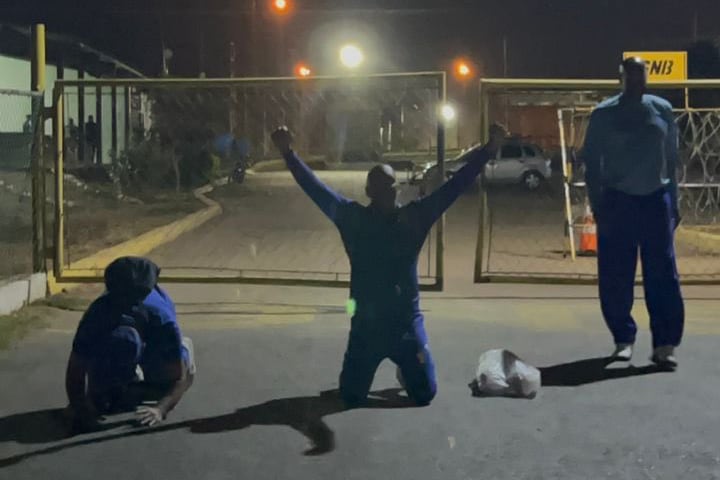
The Venezuelan government on Tuesday authorized the release of another 54 political prisoners, all military personnel, according to information confirmed by relatives of the detainees and support groups such as the Coalition for Human Rights and Democracy. Three of those released are women. According to data provided by Foro Penal official Gonzalo Himiob, most of them were part of the so‑called Operation White Armband, an alleged military conspiracy denounced by Venezuelan intelligence agencies
The Venezuelan government on Tuesday authorized the release of another 54 political prisoners, all military personnel, according to information confirmed by relatives of the detainees and support groups such as the Coalition for Human Rights and Democracy. Three of those released are women. According to data provided by Foro Penal official Gonzalo Himiob, most of them were part of the so‑called Operation White Armband, an alleged military conspiracy denounced by Venezuelan intelligence agencies four years ago. They had been held at Ramo Verde prison and the National Institute for Female Rehabilitation (INOF).
Between grandstanding, contradictory statements, and secret meetings, something is happening in Cuba. A path has opened that is still full of unknowns, but one that now seems hard to reverse. In recent days, events have accelerated with the unusual visit by the CIA chief to Havana, the U.S. indictment of Raúl Castro — the Cuban Revolution’s last great symbol — and the deployment of an aircraft carrier in Caribbean waters near the island.Seguir leyendo
Between grandstanding, contradictory statements, and secret meetings, something is happening in Cuba. A path has opened that is still full of unknowns, but one that now seems hard to reverse. In recent days, events have accelerated with the unusual visit by the CIA chief to Havana, the U.S. indictment of Raúl Castro — the Cuban Revolution’s last great symbol — and the deployment of an aircraft carrier in Caribbean waters near the island.
Bogotá, Colombia – Waiting for a vice minister on the eleventh floor of a dusty office block in downtown Caracas, a Venezuelan colleague hissed in my ear: “You can’t show that map, get rid of it”.
Surprised, I plucked the map of Venezuela out of the pile of papers that made up a project our NGO was proposing to provide health support in remote corners of the country. With economic collapse the country needed international support, but was not always open to receiving it. My job was to negotia
Bogotá, Colombia – Waiting for a vice minister on the eleventh floor of a dusty office block in downtown Caracas, a Venezuelan colleague hissed in my ear: “You can’t show that map, get rid of it”.
Surprised, I plucked the map of Venezuela out of the pile of papers that made up a project our NGO was proposing to provide health support in remote corners of the country. With economic collapse the country needed international support, but was not always open to receiving it. My job was to negotiate access to those remote corners.
Later, trudging down the gloomy stairwell (the lift wasn’t working) my colleague explained the problem: “Every Venezuelan map you show in Venezuela must include Essequibo.”
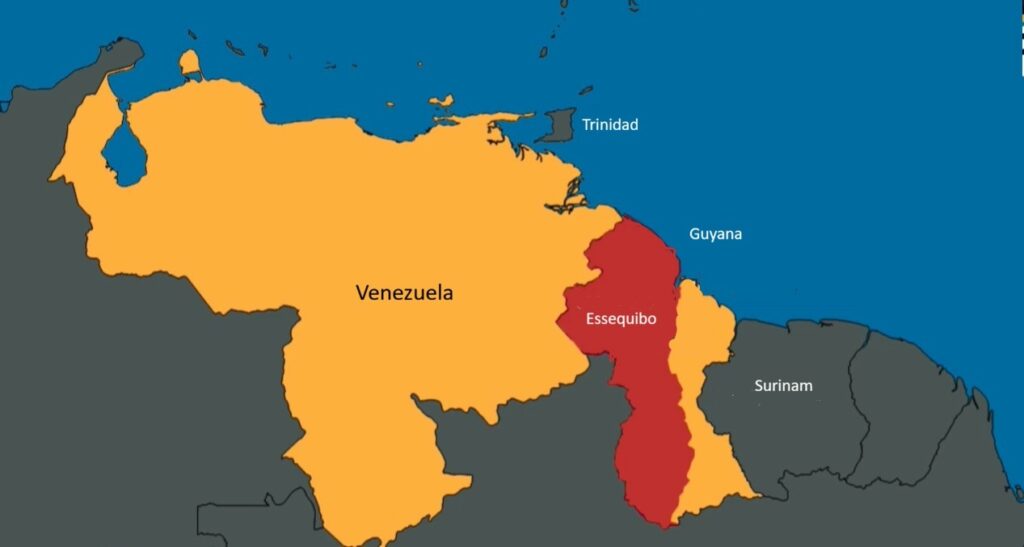
Like many newbies in Caracas, I’d never heard of Essequibo, a territory that lies in Guyana but is claimed by Venezuela. At 160,000 square kilometers (62,000 square miles) it has just 125,000 inhabitants, so is five times bigger than Belgium but with fewer people than Bruges.
I was intrigued. And grateful to my colleague: dealing with Venezuelan ministries was tricky enough without causing offense by omitting a vast tract of jungle dangling off the eastern border like a lost appendage.
But far from impotent.
To the east of Venezuela lies Essequibo, a vast tract of jungle rich in diamond and gold, as well as huge oil deposits discovered in 2015 off its coastal waters.
During his regime former president Nicolás Maduro – now facing drug charges in a U.S. court – laid claim to Essequibo and ramped up both political and military pressure for Guyana to cede the vast territory. This culminated in a legal declaration of annexation in 2023, a move sparking international condemnation.
In 2024 Maduro went further, issuing ID cards for ‘Guayana Esequiba’ as he called it, creating a phantom administrative center for the country’s “24th state”, and proposing a new governor.
Then the Venezuelan strongman sent soldiers to span the Cuyení River, close to the disputed border.
It may have been a bridge too far. In March 2025, U.S. secretary of state Marco Rubio condemned Venezuela’s moves as “illegitimate territorial claims by a narcotrafficking regime” and vowed to defend Guyana from Venezuelan incursions.
Any attacks on US oil companies exploiting oil reserves off the Essequibo coast would be a “very bad week for Maduro”, warned Rubio at a press conference in Guyana’s capital, Georgetown. In reply Maduro called the secretary of state “an imbecile”.
The rest, as they say, is history. Nine months later the Venezuelan leader would be snatched from his Caracas hideout by U.S. special forces and bundled off to a New York jail.
Map showing the disputed territory of Essequibo, which makes up most of Guyana.
Rigged arbitration
Following in her predecessor’s footsteps, Venezuela’s interim president, Delcy Rodriguez, flew to The Hague last week to argue her country’s case before the International Court of Justice (ICJ).
The case had been bumped up to the ICJ – sometimes referred to as the ‘world’s top court’ – by the UN, charged initially with untangling the misaligned borders.
First though, Rodriguez had to deal with another land grab issue: Venezuela was now the “51st State”, according to a map colored by the Stars and Stripes posted on social media by U.S. president Donald Trump.
.
Trump’s “51st State” memeAt the ICJ, journalists were quick to jump on the meme.
“We came to the court to defend our sovereignty, to defend our independence,” said Rodriguez, flustered by the irony of it all: her former boss Maduro had three years before pulled a similar stunt by declaring Essequibo – which by land mass makes up two thirds of Guyana – as a “new state of Venezuela”.
Over four days the ICJ judges heard oral arguments from both delegations, which though couched in legal jargon gave fascinating insights to centuries of colonial great games and arbitrary map-making; the case drew comparisons to centuries past when Spain, Holland, Britain and even Sweden tussled for a foothold in the jungles of northern South America.
Guyana’s position was simple: as de facto holder of Essequibo, and under aggression from Venezuela, it wanted the court to ratify the ruling of an international tribunal from 1899 – the so-called Paris Arbitral Accord – which drew the boundary largely in favor of Guyana, then a British colony.
Britain’s argument then was that they had a permanent presence in Essequibo, while both Venezuela and previous Spanish colonial administrations were largely absent.
The problem is that Venezuela never accepted the Paris accord, claiming it was a backroom deal between London and Washington, a quid pro quo where theEssequibo would remain a colony in return for regional favors.
As they put it before last week’s ICJ: “The British Empire, known throughout the world for its aggressive expansionism, negotiated with the U.S. a rigged arbitration to retain the territories usurped from Venezuela in exchange for recognizing the hegemony of the U.S.”
In some ways the Paris Accord was a problem of Venezuela’s own making. Having severed diplomatic ties with Britain, it subcontracted its 1899 negotiation to the U.S., whose delegation included no less than former president U.S. Benjamin Harrison.
Meanwhile the U.S., keen to flex its Monroe Doctrine – basically ‘keep out of our backyard’ – was happy to defend its Caribbean neighbor against old-world empires. Why they fudged the negotiation is a matter of historical debate.
This means a key question for the ICJ judges is rooted in the past: did the U.S. delegation defend Venezuela in good faith or buckle to machinations of the British Empire? And should they uphold the Paris Arbitral Accord?
Communities not consulted
While there has been much international focus on oil finds in Essequibo, there is little mention of the indigenous peoples, such as the Lokono and Warao, who have lived there since long before Europeans arrived. At least nine distinct languages are spoken within the territory.
But in 2023, at no point did Maduro consult the communities of Essequibo before declaring it annexed to Venezuela.
These communities had “moved between the borders of Venezuela and Guyana since time immemorial,” said Jean La Rose, a Lokono woman and director of the Amerindian Peoples Association of Guyana (APA), writing for Mongabay.
Those rooted in Essequibo considered it part of Guyana, she said, condemning Maduro’s announcements that had forced families to flee from the villages under threat of a military invasion.
“We are Guyanese citizens, and as such, we stand in solidarity with the Guyanese government and reject any foreign claim on this land,” said La Rose.
Warao community close to the border between Venezuela and Guyana. Indigenous people claim they were not consulted over Venezuela’s moves to annex Essequibo. Photo: S. Hide.
Rally to the flag
Though the court’s final findings are months away, most observers see it as unlikely that the ICJ will find for Venezuela.
Firstly, the geographical reality is that the troubled region makes up two thirds of Guyana’s land mass but would only add a small fraction to Venezuela’s much larger territory. Without Essequibo, Guyana shrinks off the map.
Secondly, arbitration courts often defer to the territorial status quo and self-determination of its inhabitants. ‘Possession is nine tenths of the law,’ as the saying goes.
In practical terms, U.S. oil companies are also coining it in Essequibo, also creating an economic boom in Guyana itself. So even with a foot in both camps, Washington is unlikely to back Caracas.
Any ruling in favor of Venezuela would also risk unravelling dozens of pending but stable border disputes stemming from colonial-era chicanery; most Latin American countries have at least one boundary grievance with one neighbour or another.
Such squabbles usually stay in play – a useful distraction for failing states – because leaders routinely reject international arbitration if the findings don’t go their way.
In such a vein Venezuela’s interim president Delcy Rodriguez told the court last week that her presence there “did not imply in any way a recognition of the competence of the ICJ in the territorial controversy”.
Instead any agreement, she said, had to be hammered out in direct talks between the two nations to establish “a solid and stable foundation for good neighborliness”.
Given recent history, that boat has sailed.
For guidance, Rodriguez could take a closer look at Trump’s “51st State” meme. His Venezuela map, like mine, omitted Essequibo. I doubt Caracas will correct him.
Judges hearing the Essequibo case at the International Court of Justice in The Hague last week. Photo: ICJ.
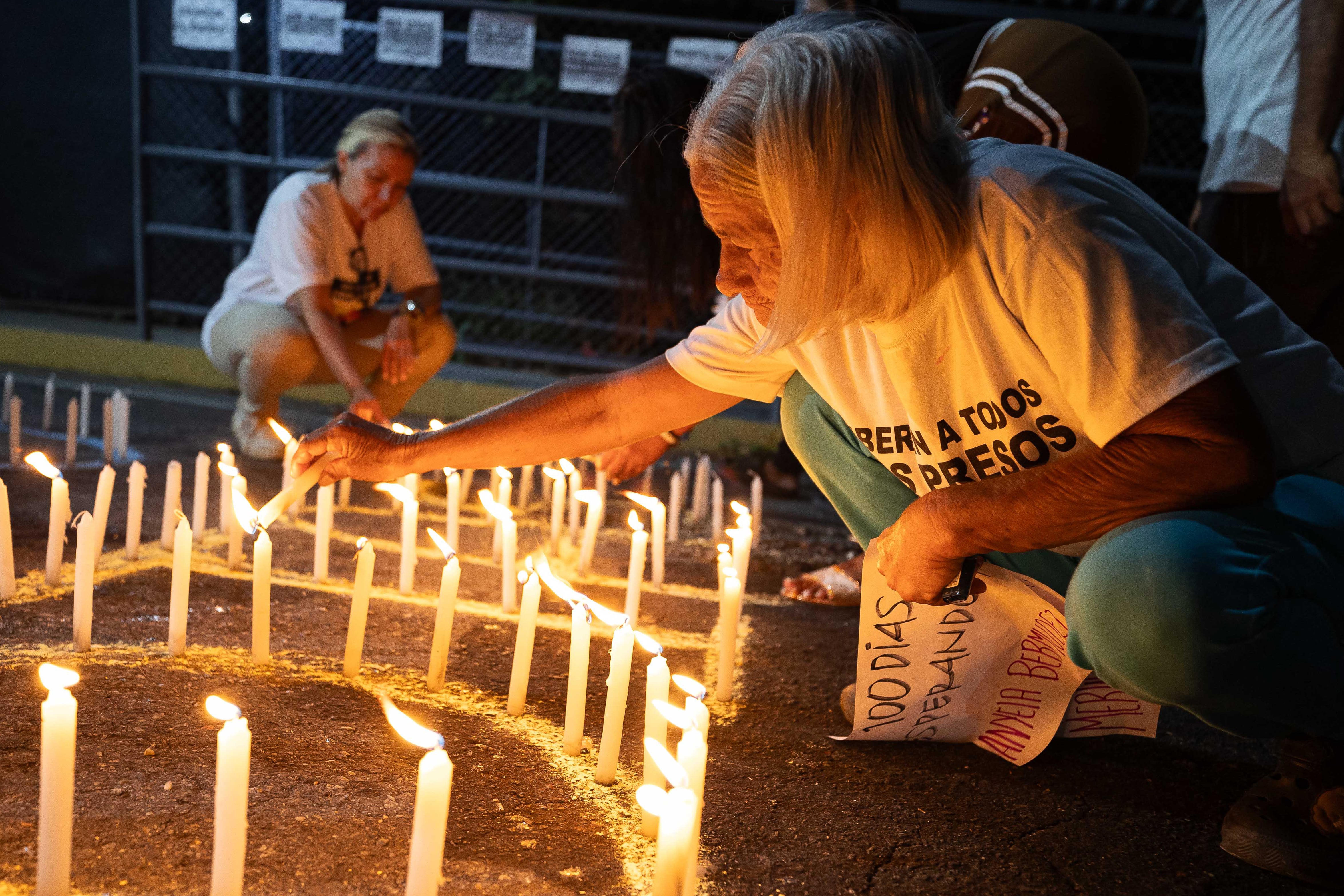
Héctor Rovaín was 34 when he went to prison and his parents were still alive. He left at 57 without having been able to bury them. Luis Molina left his daughter as a three‑year‑old and will now meet a married woman and a grandchild he has yet to know. Like the other two, Erasmo Bolívar spent 23 Christmases without embracing his family. All three were officers of the Metropolitan Police (PM), a force that operated in Caracas and which no longer exists. They were accused, without evidence, along w
Héctor Rovaín was 34 when he went to prison and his parents were still alive. He left at 57 without having been able to bury them. Luis Molina left his daughter as a three‑year‑old and will now meet a married woman and a grandchild he has yet to know. Like the other two, Erasmo Bolívar spent 23 Christmases without embracing his family. All three were officers of the Metropolitan Police (PM), a force that operated in Caracas and which no longer exists. They were accused, without evidence, along with six other officers, of two of the 19 deaths that occurred on April 11, 2002, when an opposition‑called protest tried to reach the Miraflores presidential palace and demonstrators were repelled by gunfire. There remain doubts about where those bullets came from. That same day, Hugo Chávez was toppled in a coup d’état, though he returned to power 48 hours later.
Madrid, Spain – A chant at a rally for Venezuelan opposition figure María Corina Machado – referring to interim president Delcy Rodríguez as a monkey — has sparked backlash across political divides and forced a well-known Venezuelan singer to apologize.
The chant of “fuera la mona” (get the monkey out) resounded through Madrid’s Puerta del Sol on Saturday as thousands convened to show their support for Machado.
Although it lasted only seconds, the chant drew widespread criticism from both
Madrid, Spain – A chant at a rally for Venezuelan opposition figure María Corina Machado – referring to interim president Delcy Rodríguez as a monkey — has sparked backlash across political divides and forced a well-known Venezuelan singer to apologize.
The chant of “fuera la mona” (get the monkey out) resounded through Madrid’s Puerta del Sol on Saturday as thousands convened to show their support for Machado.
Although it lasted only seconds, the chant drew widespread criticism from both Venezuelan government supporters and the opposition; some denounced it as racist, while others said that, regardless of intent, it was derogatory and inappropriate to comment on someone’s appearance.
Latin America Reports was a few rows from the stage and observed that Venezuelan singer Carlos Baute had been calling for free elections when a small group began chanting. The slogan quickly spread through parts of the crowd. As it grew louder, Baute joined in and turned his microphone toward the audience, prompting even more people to repeat the chant.
By Sunday afternoon, clips were circulating on social media showing Baute joining in the chant on stage. The singer, who has more than a million followers on Instagram, issued a video apology on Monday. He said he had got caught up in the atmosphere of the rally, but insisted he is not racist.
“I let myself be carried away by the emotion of a very powerful moment… and I also know when something wasn’t right,” the 52-year-old said.
“All my life I have sung about love, life and unity. I am not racist. I am a singer who loves his country, his family and God.”
Not everyone in the crowd participated and some attendees appeared visibly uncomfortable.
Although the chanting lasted only seconds and were followed by upbeat performances and Machado’s speech, by the following day the footage had gone viral.
Machado, leader of Venezuela’s opposition, moved quickly to distance herself from the remarks, criticizing the chant in an interview with EFE on Sunday: “No one will ever hear me say anything that judges or disqualifies a person based on their religion, gender or race.”
The same day, the Venezuelan Embassy in Spain condemned the remarks, describing them as “a form of political violence rooted in misogyny and racism.”
Others, however, defended the moment, pointing to what they described as a double standard and to language often used by government supporters against opposition figures, including insults directed at Machado such as “bruja” — meaning witch — and “sayona,” a reference to a Venezuelan legend about an evil female spirit.
“Just as I have made clear the racism and therefore the idiocy of calling Delcy ‘mona’, it is impossible not to point out the cynicism of someone who insults Venezuelan women every day, when he calls Machado ‘sayona’ or ‘bruja,’” he wrote.
Machado is currently in Madrid as part of a European tour, meeting Venezuelan diaspora supporters and political figures. She has not, however, met Spain’s Prime Minister Pedro Sánchez.
Featured image description: Delcy Rodriguez.
Featured image credit: Government of Russia via Wikimedia Commons
A meeting due to take place today between acting Venezuelan President Delcy Rodríguez and Colombian President Gustavo Petro was cancelled at the last minute.
Venezuelan authorities yesterday pulled out of the meeting, which was scheduled to take place on the two countries’ shared border, citing security reasons.
The encounter would have been Rodríguez’s first with a foreign leader since taking over from strongman Nicolas Maduro, who was ousted in a U.S. military operation in January.
A meeting due to take place today between acting Venezuelan President Delcy Rodríguez and Colombian President Gustavo Petro was cancelled at the last minute.
Venezuelan authorities yesterday pulled out of the meeting, which was scheduled to take place on the two countries’ shared border, citing security reasons.
The encounter would have been Rodríguez’s first with a foreign leader since taking over from strongman Nicolas Maduro, who was ousted in a U.S. military operation in January.
The planned meeting was due to take place at the Atanasio Girardot International Bridge, which connects Colombia and Venezuela.
It had been initiated by Colombian authorities as an opportunity for the two leaders to discuss issues on the bilateral agenda, including interests in border security, drug trafficking and the potential for Colombia to import Venezuelan natural gas.
In a joint statement on Thursday, the Colombian and Venezuelan governments explained the cancellation was due to unforeseen circumstances but have not provided further details, reporting they intend to reschedule in the near future.
Following the cancellation of the planned presidential summit, ministers from Gustavo Petro’s administration travelled to Caracas to sustain diplomatic engagement and avoid disrupting recent progress in bilateral relations.
Their agenda centred on reviving cross-border trade, advancing energy collaboration — including potential repairs to the Antonio Ricaurte gas pipeline — and continuing coordination on security matters along the shared border.
The visit was intended to maintain momentum in cooperation, with relations between Colombia and Venezuela showing signs of improvement since Maduro’s ouster.
Venezuelans strike against Delcy Rodríguez’s regime
Shortly before yesterday’s cancellation of the planned meeting, protests were reported in Caracas demanding an increase in the minimum wage. Unconfirmed videos on social media purported to show elderly demonstrators breaking through police cordons during the demonstration.
Rodríguez was appointed acting president this year by Venezuela’s Supreme Tribunal of Justice after the U.S. ousted strongman Nicolás Maduro and has served as the country’s vice president since June 2018.
In early March, Rodríguez publicly reaffirmed her government’s commitment to diplomatic dialogue with the United States as part of efforts to ease tensions following the U.S. military operation that captured former President Nicolás Maduro.
Featured image description: President Gustavo Petro at a cabinet meeting, October 22, 2025.
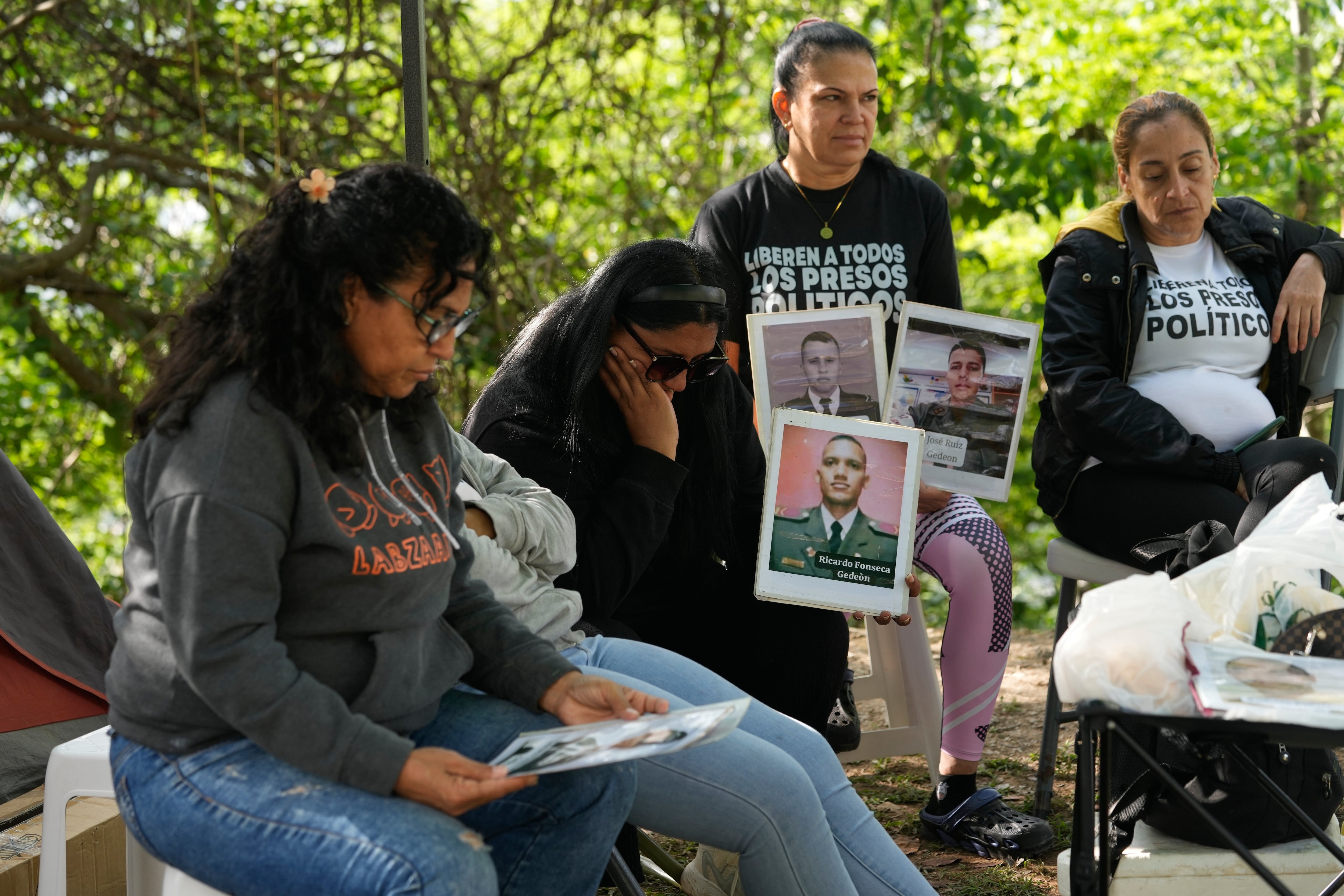
María Emely Delgado crossed paths with Carmen Navas several times this year: at the offices of the NGO Foro Penal, at the Public Ministry, and once at the El Rodeo prison on the outskirts of Caracas. Delgado is 63 years old, Navas was 82. Both were looking for their sons, who disappeared after being arbitrarily detained. Carmen Navas died 10 days after finding her son Víctor Hugo in a cemetery. She had spent 16 months searching for him. María Emely has still not found Jorgen. “You have to be in
María Emely Delgado crossed paths with Carmen Navas several times this year: at the offices of the NGO Foro Penal, at the Public Ministry, and once at the El Rodeo prison on the outskirts of Caracas. Delgado is 63 years old, Navas was 82. Both were looking for their sons, who disappeared after being arbitrarily detained. Carmen Navas died 10 days after finding her son Víctor Hugo in a cemetery. She had spent 16 months searching for him. María Emely has still not found Jorgen. “You have to be in these shoes to know what this is like,” says the retired teacher, who has been wearing them for almost two years. “Her son had been missing for less time than mine; with Jorgen I’m now coming up on 22 months without news of him.”
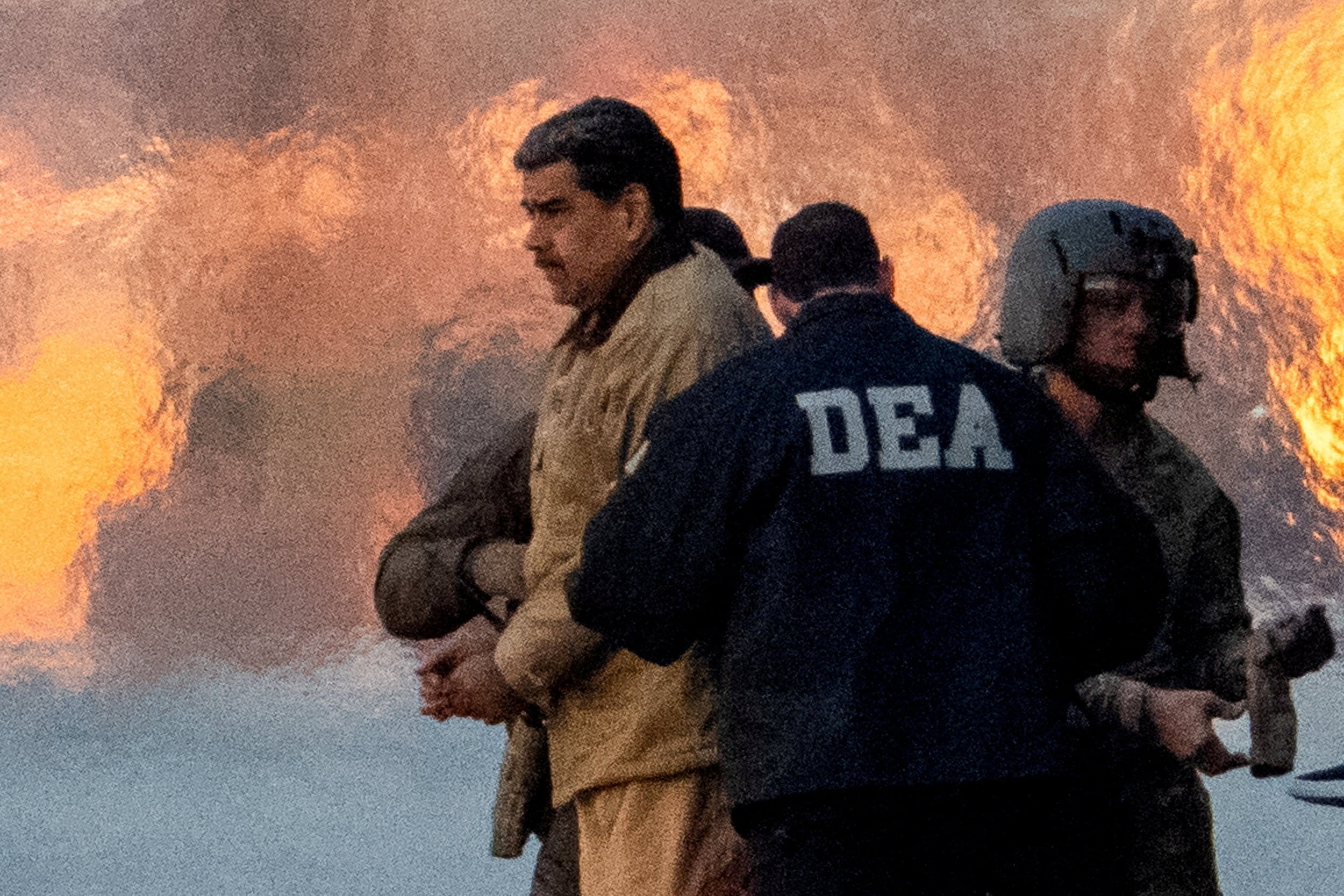
Nicolás Maduro, the former president of Venezuela who was seized by U.S. forces in January and taken to a New York prison, faces a new legal challenge. The U.S. Attorney’s Office in Miami is examining a new criminal inquiry into Maduro, U.S. outlets such as CBS and Reuters have reported in recent days. It is unclear whether that probe will lead to additional charges.Seguir leyendo
Nicolás Maduro, the former president of Venezuela who was seized by U.S. forces in January and taken to a New York prison, faces a new legal challenge. The U.S. Attorney’s Office in Miami is examining a new criminal inquiry into Maduro, U.S. outlets such as CBS and Reuters have reported in recent days. It is unclear whether that probe will lead to additional charges.
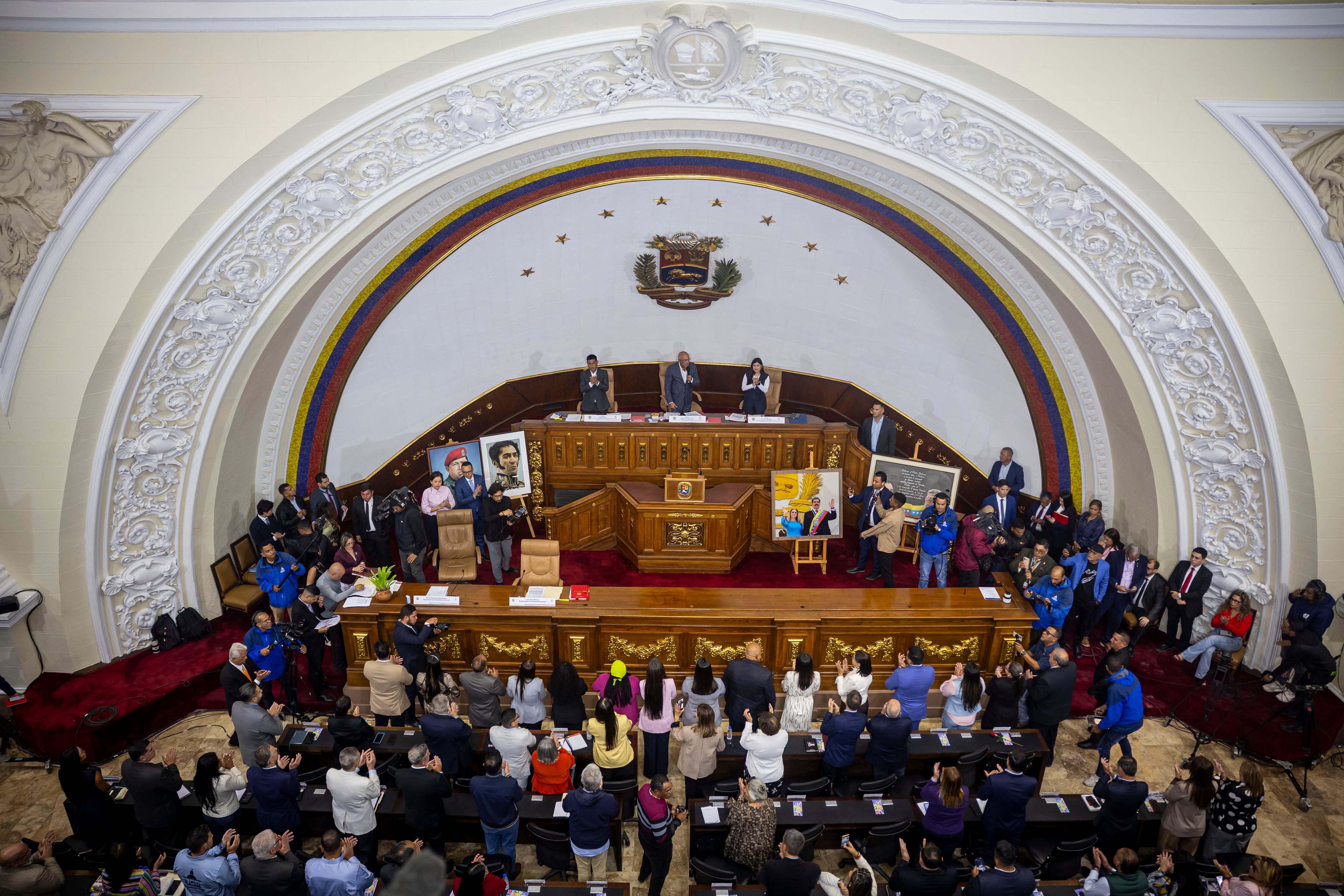
The National Assembly of Venezuela, controlled by Chavismo, has taken a step toward ending the state monopoly over the electricity service, which has been in crisis with blackouts and other problems for two decades. A draft reform to the Organic Law of the Electric System and Service was approved in first reading; it is aimed at opening the field to private capital within a framework of long-term concessions. Seguir leyendo
The National Assembly of Venezuela, controlled by Chavismo, has taken a step toward ending the state monopoly over the electricity service, which has been in crisis with blackouts and other problems for two decades. A draft reform to the Organic Law of the Electric System and Service was approved in first reading; it is aimed at opening the field to private capital within a framework of long-term concessions.
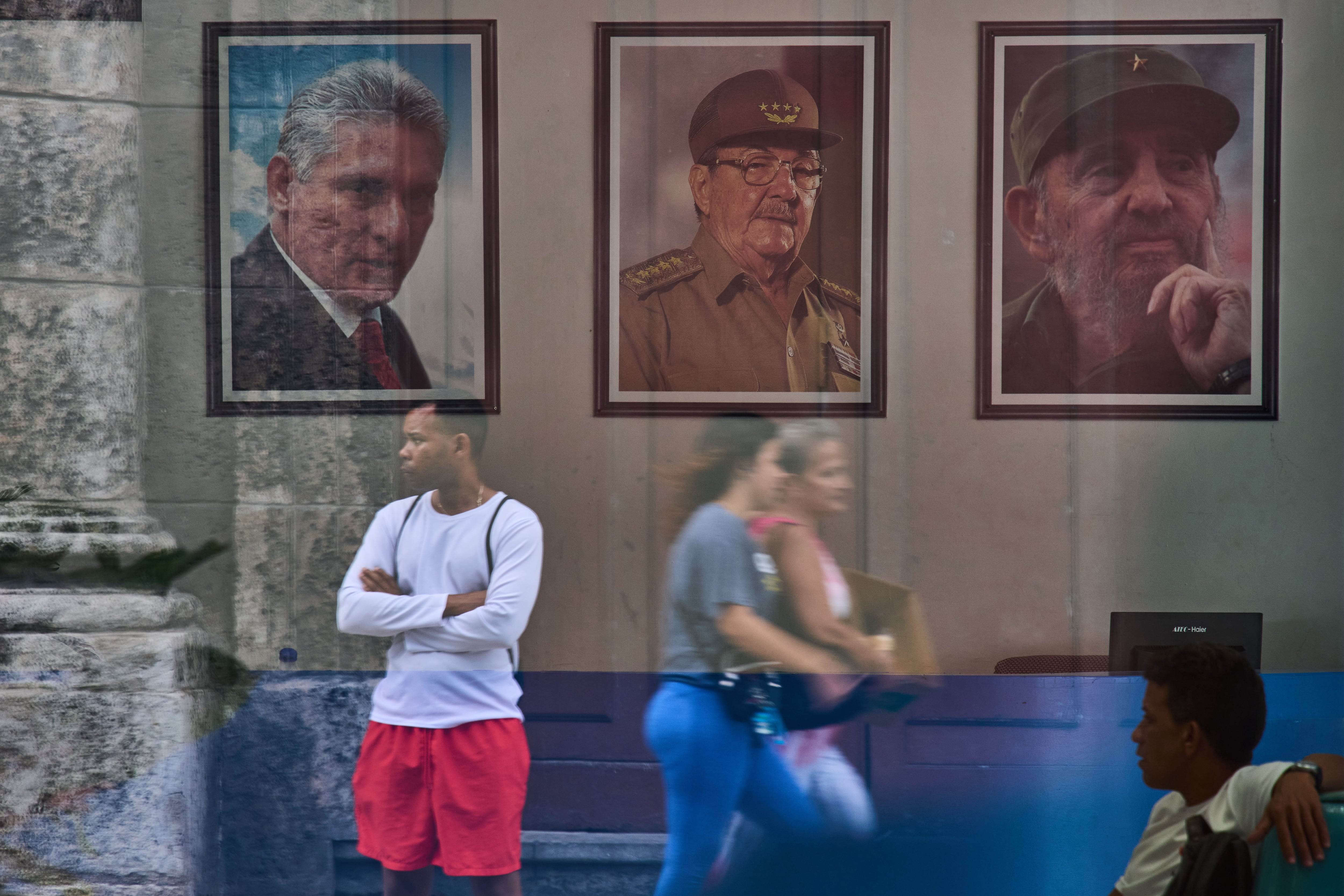
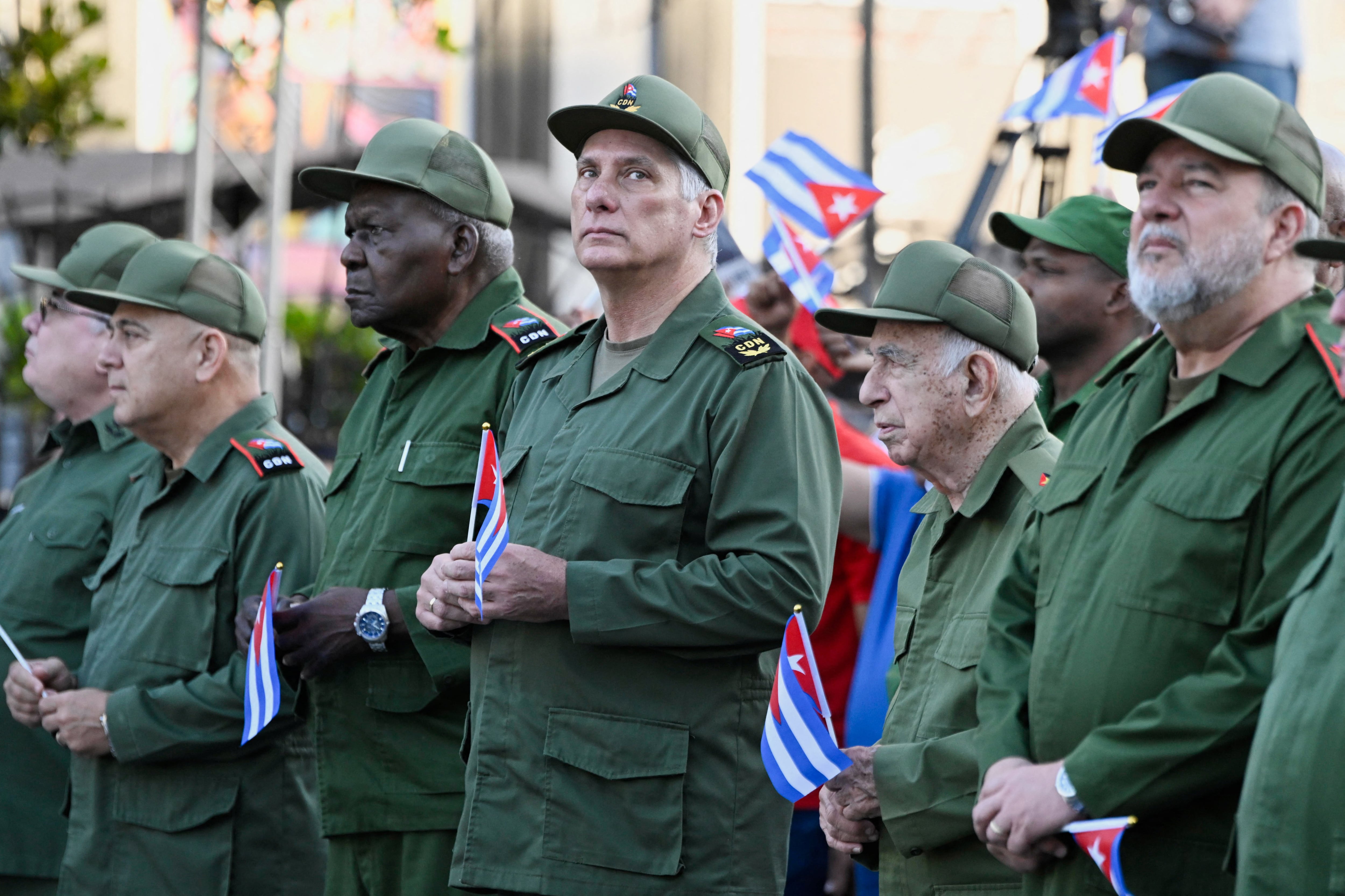
Miguel Díaz-Canel grows emotional, raising his fist before hundreds of left-wing activists from Europe and Latin America gathered at Havana’s convention center, as seen in a video recorded days before a shipment of humanitarian aid arrived, while they chant, “Cuba is not alone.” On May 22, he is seen giving a military salute amid trumpets and Cuban pennants before thousands gathered at the so-called anti-imperialist platform between the U.S. embassy and the Malecón to show support for 94-year-ol
Miguel Díaz-Canel grows emotional, raising his fist before hundreds of left-wing activists from Europe and Latin America gathered at Havana’s convention center, as seen in a video recorded days before a shipment of humanitarian aid arrived, while they chant, “Cuba is not alone.” On May 22, he is seen giving a military salute amid trumpets and Cuban pennants before thousands gathered at the so-called anti-imperialist platform between the U.S. embassy and the Malecón to show support for 94-year-old Raúl Castro, who has just been charged by a U.S. court for ordering the shooting down of two planes belonging to an anti-Castro organization in 1996, an attack that killed four people.

 Login
Login