And yes, there is a reason Mercy is dressed that way.
With Japan being home to many of the world’s most passionate gamers, Japan Railways Group periodically partners with popular video game franchises to add a little extra fun to fans’ train travel in Japan, like we’ve seen in previous tie-ups with the Final Fantasy and Pokémon series. For its next video game collaboration, though, JR Central (a.k.a. JR Tokai) is teaming up with a series that hails from the U.S.
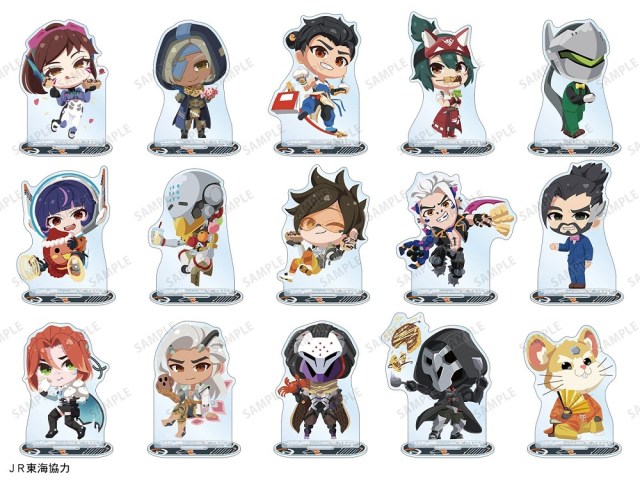
This summer, characters from the cast of Blizzard’s Overwatch will be taking a ride on the Shinkansen as part of the Payload to Osaka campaign (a reference to the game’s “payload escort” missions). The promotion’s key art shows Hanzo, D.Va, Genji, Kiriko, Mercy, Hammond, and Jetpack Cat getting off the bullet train at Shin Osaka Station, the closest stop on Japan’s high-speed rail network to downtown Osaka. The artwork contains a few tips of the hat to Osaka’s famous food culture, with Hammond snacking on takoyaki octopus balls and Hanzo scarfing on a steamed pork bun (and you’ll note that Hanzo is eating it after getting off the train).
From July 17 to September 23, passengers onboard JR Central Shinkansen trains can take an Overwatch-themed quiz via their smartphones, and correctly answering the questions gets you one of seven phone wallpapers. While the wallpaper you win is randomized, you can take the quiz as many times as you want during your ride (10 questions are randomly pulled from a pool each time), and JR Central guarantees you won’t get any duplicate wallpapers until you’ve completed a full set of all seven.
Even if you’re not up to taking the quiz, you can still receive a PC wallpaper image of the illustration just by answering an online questionnaire, which, like the quiz, can be accessed through the promotion’s official website, while onboard the bullet train. This also serves as a record of your Shinkansen ride, which you can then show at the Osaka Nipponbashi branch of anime merchandise store chain Animate to receive an Overwatch cleaning cloth with the same illustration.
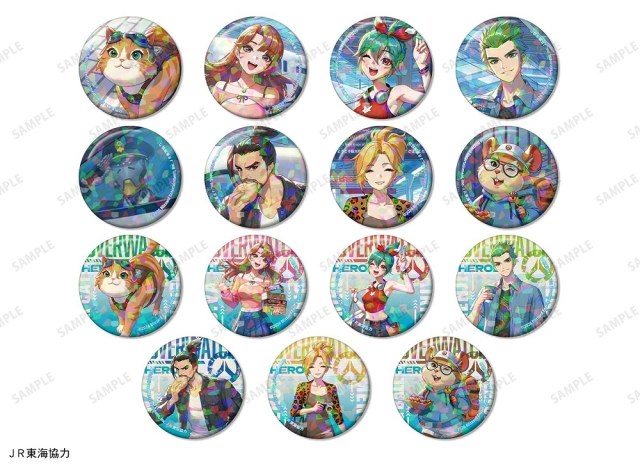
Animate Osaka Nipponbashi will also be hosting an Overwatch Payload to Osaka popup store with character pins and acrylic mini standees from July 17 to 26.
While Overwatch does have fans in Japan, the series’ most passionate supporters tend to hail from other countries. With international tourists accounting for so much travel in Japan these days, though, especially on the JR Tokai section of the Shinkansen network that connects Osaka with Kyoto and Tokyo, JR Central most likely expects to get a lot of interest from non-Japanese fans, enough so that the company felt the need to follow up on its official Twitter announcement for the collaboration with a statement that “These items are available in Japan only.”
Speaking of the Twitter announcement, at least one non-Japanese fan was furious about the clothing that Mercy is wearing in the artwork.
— 𓆩♡𓆪 ✦ÆØNLIZ ✦𓆩♡𓆪 (She/Her) (@AEONFLUX_85) June 4, 2026
From the choice of words and capitalization, that was probably meant as a rhetorical question, but hey, there’s actually a reason for this outfit (sorry, OUTFIT). Aside from having a vibrant food culture, Osaka is also known for its flashy fashion sense, in particular its ladies’ fondness for animal prints. Granted, it’s usually associated with women of a more mature age than Mercy, but a little touch of Osaka style isn’t completely out of place here.
Hong Kong independent bookshop Book Punch and its owner have been fined HK$6,000 after holding a stand-up comedy show without an entertainment licence – the second time they have been penalised within a month.
Hong Kong independent bookstore Book Punch owner Pong Yat-ming outside the Kowloon City Magistrates’ Courts on April 10, 2026. Photo: Hans Tse/HKFP.
Pong Yat-ming and his firm, Active Experiential Learning Company, which owns Book Punch, were fined HK$3,000 each on Monday afternoon after they were found guilty of breaching the Places of Public Entertainment Ordinance following a trial that morning.
The two defendants were accused of holding a stand-up comedy event at the Sham Shui Po bookstore on June 29 last year, local media reported.
According to a Facebook post that month, the event was a stand-up comedy performance featuring people who had completed a comedy course hosted by the bookstore.
That day, two undercover Food and Environmental Hygiene Department (FEHD) officers attended the pay-as-you-wish event, each giving HK$100.
‘Stage performance’
During the trial, one of the FEHD officers who posed as a participant testified for the prosecution.
The officer, surnamed Hui, described around 40 chairs facing the same direction, towards the event host and performers.
Food and Environmental Hygiene Department. File photo: GovHK.
Representing Pong and his firm, barrister Lawrence Lau asked whether the performance space was on the same level as the audience.
Hui confirmed that there was no stage, so the performers were not elevated.
Lau said he agreed that the event was a “performance,” but since there was no stage – doubted whether it was a “stage performance,” citing the wording used in the Places of Public Entertainment Ordinance.
The ordinance states that the laws apply to “a concert, opera, ballet, stage performance or other musical, dramatic or theatrical entertainment.”
A poster for the stand-up comedy event on June 29, 2025. Photo: Book Punch, via Facebook.
Lau added that while the ordinance lists “comedy” as an example of a “stage performance,” along with other types of entertainment such as melodrama and dancing exhibitions, stand-up comedy should not be considered comedy.
Pong did not testify in the trial.
Past convictions
Delivering the verdict on Monday afternoon, Magistrate Andrew Mok said he disagreed with Lau’s narrow reading of the ordinance.
He said he did not think “stage performance,” as stated in the ordinance, applied only to performances with a stage.
Mok said that Pong showed no remorse during the trial, and therefore, there was no reason to give a lighter penalty. But he noted that Pong’s attitude during the trial was “pragmatic,” and that his past convictions all had to do with promoting culture.
On April 10, Pong and his firm were fined HK$32,000 after being found guilty of running an unregistered school. The case related to a Spanish interest class that was held at the bookstore.
In 2022, Pong was convicted of serving alcohol without a licence after he served sake to attendees at a sake-book-sharing event. The judge handed down a fine of HK$12,000.
New system would prevent non-residents from buying certain items from Pokémon Center Online.
Scalping is becoming an increasingly big problem for the Pokémon franchise in Japan, and we’ve been seeing increasingly inventive attempts to counter resellers’ attempts to snatch up in-demand items and flip them for profit, such as stores making shoppers pass a Pokémon quiz before they can make a purchase or taking scissors to the packaging afterwards. Now the Pokémon Company itself is considering possibly the strictest measure yet: requiring would-be Pokémon card buyers to show a government-issued ID card before buying packs.
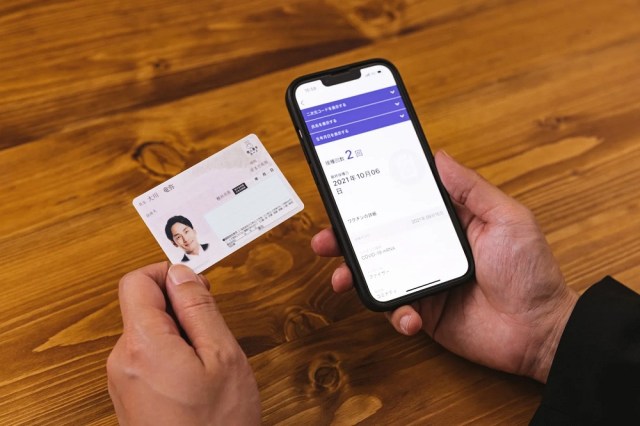
While Pokémon is an even bigger deal in its home country than in the many other nations around the world where it’s phenomenally popular, this wouldn’t be a card issued by the Japanese government specifically for Poké-purchases. In a statement posted to the official Pokémon Trading Card Game website on Thursday, the company says that it is looking into requiring buyers to confirm their identity via their My Number Card. Introduced in 2016, the My Number Card is an ID card that includes the bearer’s name, address, date of birth and photo, along with a 12-digit unique personal identification number.
As of 2021, My Number Cards also include an embedded IC chip, and it’s this technological feature that the Pokémon Company wants to apply to the purchase of Pokémon cards via the Pokémon Center Online, the Pokémon franchise’s official online store. Under the system, would-be buyers would use a third-party service to read their My Number Card’s IC chip and confirm their identify, after which they would be authorized to make the applicable purchases.
▼ A My Number Card interfacing with a smartphone
The Pokémon Company isn’t planning to make My Number Card verification a requirement for any and all online purchases, but the announcement says it would be applied to “the purchase and lottery registration for certain items,” most likely referring to new releases and high-demand items (which are often offered through a lottery system in which purchase rights are randomly awarded if demand is expected to be much greater than supply).
Ostensibly, this system would allow the Pokémon Company to more easily identify scalpers who are buying in bulk and block them from making further purchases. However, there are other groups which would also be shut out from making purchases by a My Number requirement, starting with people who aren’t Japanese residents. My Number Cards are only issued to Japanese citizens and foreign residents of Japan, so tourists or overseas shoppers would be out of luck. This might actually be an intended effect of the system, though, as there’s a perception in Japan that foreign resellers make up a sizable portion of the scalper demographic.
Non-residents wouldn’t be the only ones affected by this system, though. Japanese citizens/residents aren’t legally required to have a My Number Card, and need to file application paperwork in order to obtain one. As such, there’s a portion of the Japanese population that doesn’t have a My Number Card yet, and simply uses other forms of ID, such as a driver’s license, insurance card, or foreign resident card, instead. My Number Cards also aren’t normally issued to children under 15 (though that probably won’t make a difference for buying things from the Pokémon Center Online, since kids that young won’t have their own credit card either).
The Pokémon Company says it’s also planning to make My Number Card identification verification a requirement for registration for certain official Pokémon Card Game tournaments in Japan. This seems like it could present a problem for younger competitors, but it’s likely that official registration requires a parent or guardian’s consent, and so the adult’s My Number Card would be used as a proxy form of identification.
The Pokémon Company’s announcement says that the goal of the My Number system would be to “ensure fair opportunities and safe, secure service to all customers,” and while the Pokémon Card Game website says that they are “looking into the introduction” of the system, the Pokémon Company’s official Twitter account is firmer in its declaration that they “are planning to introduce” a My Number Card requirement. The system is projected to be in place as early as August, and with application processing time sometimes taking up to two months, passionate fans will need to get their paperwork started soon.
The Gotham Television Awards were handed out Monday night at the Cipriani Wall Street in Manhattan, marking an important step as Hollywood inches closer to September’s Emmy Awards. Netflix led with 22 nominations heading into the evening, but it was HBO Max that walked away with the most trophies at five. Netflix settled for silver […]
Sample ramen pizza, alongside other limited-edition items to pick up, or just make your own treats.
Snacks in Japan come in all sorts of shapes and sizes, from ever-feuding mushrooms and bamboo shoots to make-your-own sweets, but one that I see fairly often in the hands of little children are packets of Baby Star Ramen. A popular snack made of deep-fried, crunchy, bite-sized pieces of instant noodles, Baby Star Ramen came about in 1959 when the founder of Oyatsu Company realized that the broken noodle fragments left at the bottom of instant noodle production lines could actually be seasoned and packaged up as a snack by themselves.
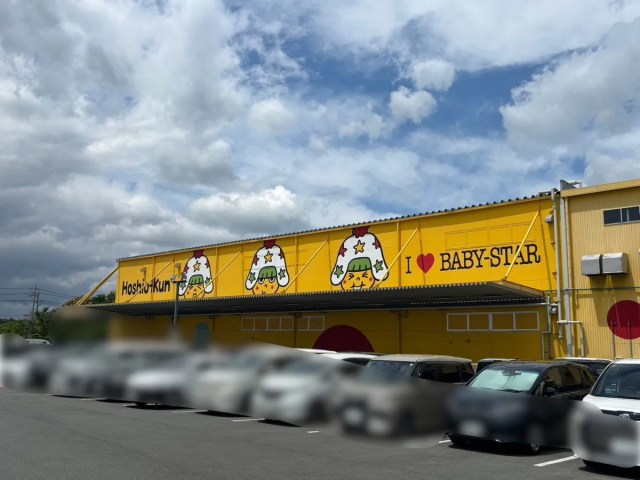
The Oyatsu Company factory is located in Tsu, Mie, and while factory tours are currently suspended, for those who want to dive into the world of Baby Star, right next door is Oyatsu Town, a theme park offering everything from a giant athletic course to making original Baby Star Ramen, as well as limited-edition food you can only eat there, resulting in an enjoyable experience for child and adult alike.
▼ Sadly, no factory tours are currently available.
Our Japanese-language reporter Natsuno Futon visited the theme park with her kids in tow during Golden Week, one of Japan’s busiest periods for travel and day excursions, so upon arriving and noting that same-day entry was limited until after lunch, it wasn’t too unexpected. So, Natsuno’s first recommendation for any future visit is to always reserve your entry tickets in advance, particularly if you plan to go on a weekend or holiday.
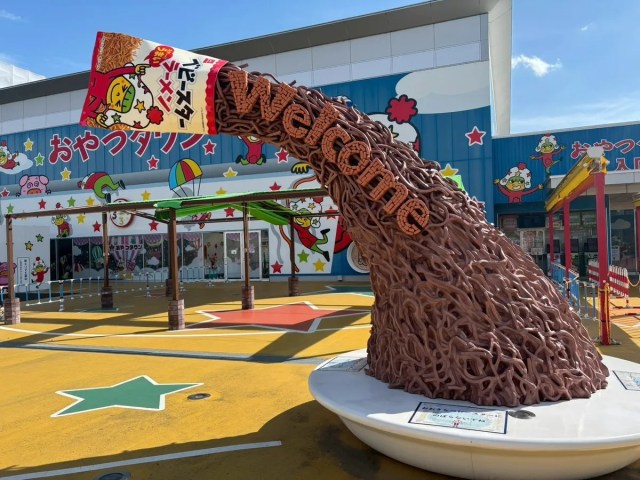
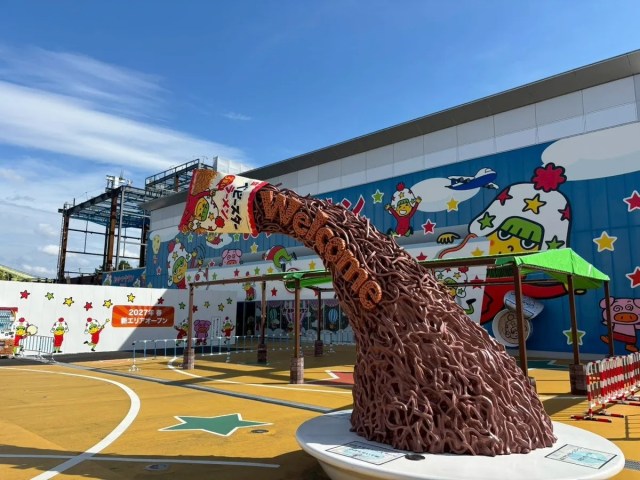
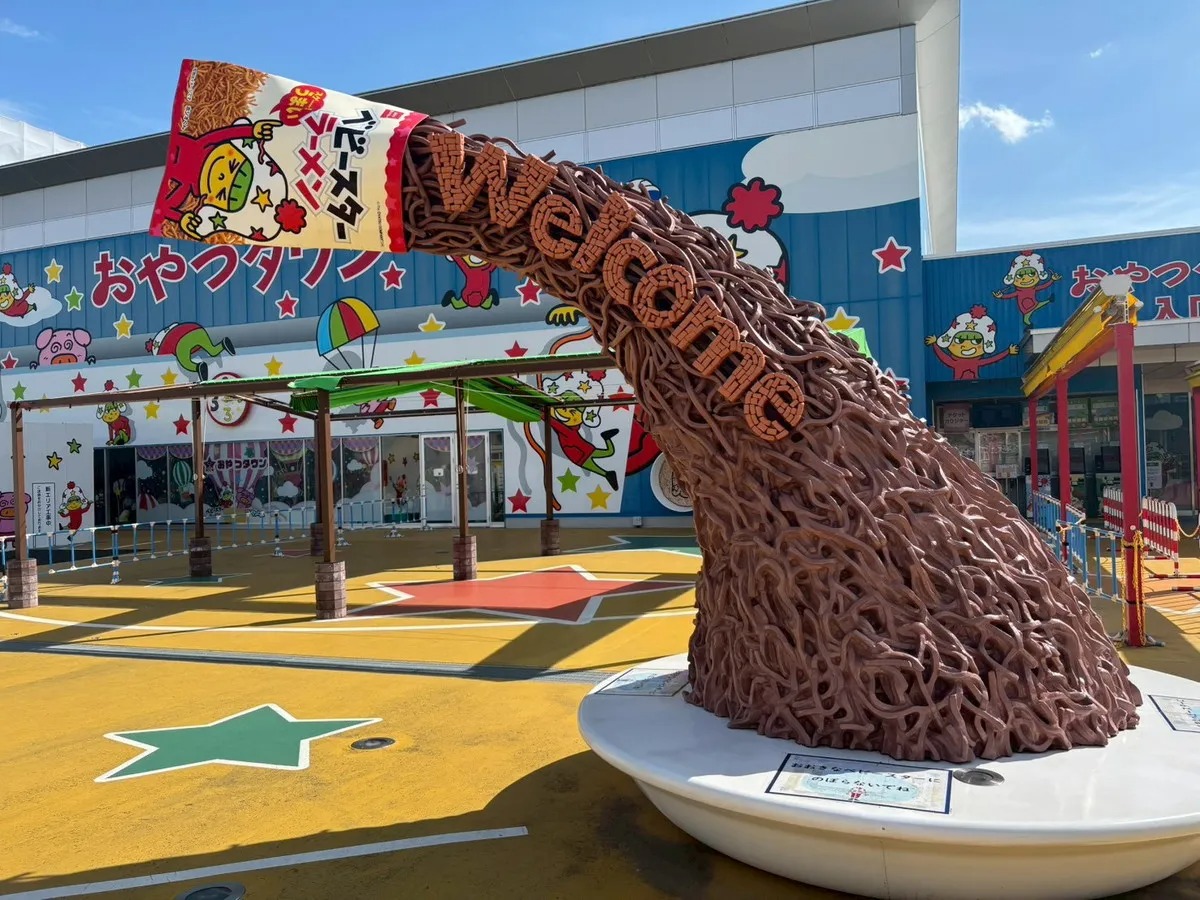
Arriving at the entrance, the first thing to welcome Natsuno and her family was a giant Baby Star photo spot, appearing as if Baby Star was flowing like a waterfall, along with a spot where you could get inside a Butamen cup, Oyatsu Company’s line of instant cup noodles, adorned with designs of Hoshio-kun, the Baby Star Ramen mascot.
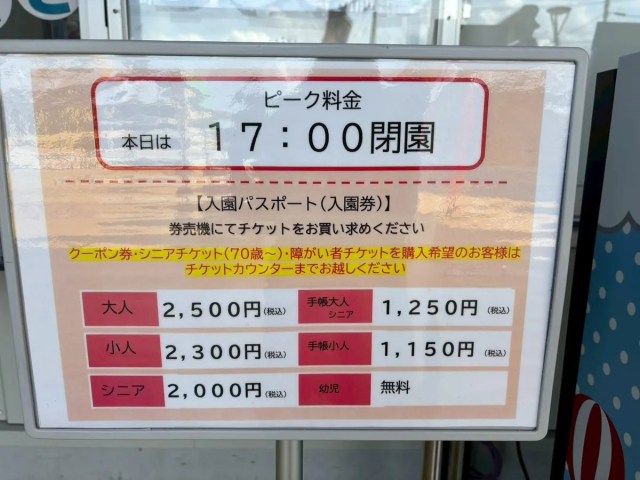
Peak season entry is 2,500 yen (US$15.70) for adults, whereas it drops down to 2,200 yen during the Regular days, and 1,600 yen for the Value days.
It’s best to check the company website for absolute clarity, but the general rule seems to be Saturday through Monday is Regular, Tuesday through Friday is Value, and national holidays like Golden Week in May and Obon in August are Peak.
▼ Natsuno couldn’t help but take one last look at the factory, as she really enjoys factory tours, but it sadly wasn’t to be.
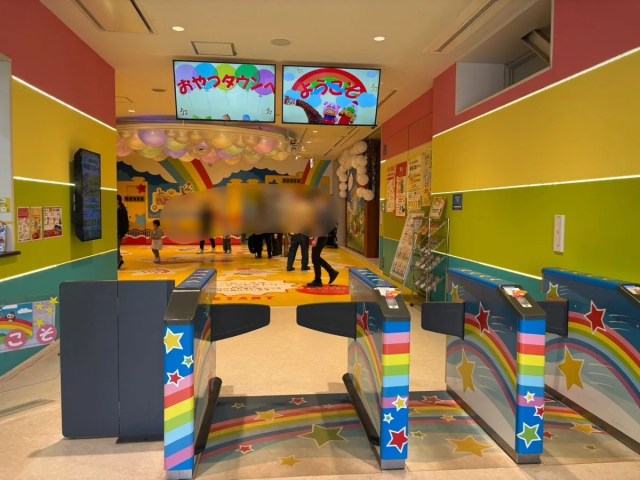
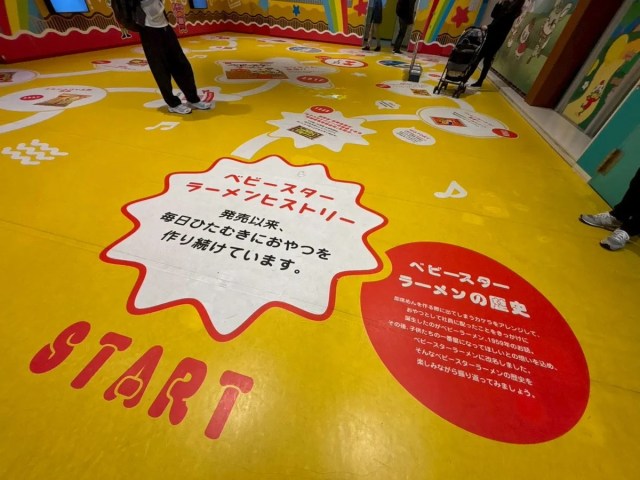
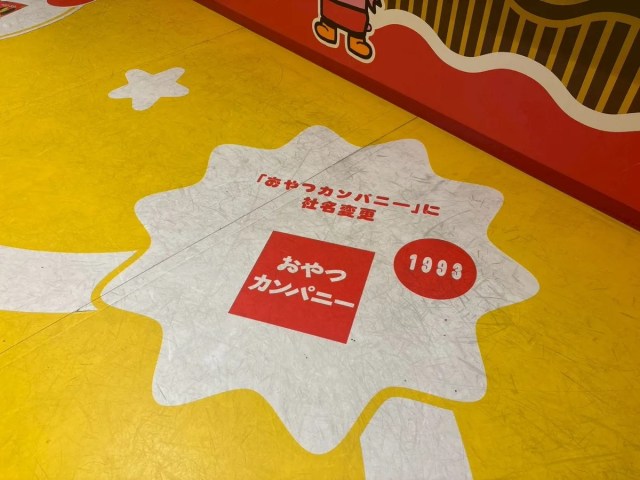
Stepping inside, Natsuno was greeted with the company’s history spread out on the floor, designed almost like a board game.
It was quite interesting to learn that the name change to Oyatsu Company was an unexpectedly recent development.
▼ Not at all spoken through the pitch-black sunglasses of denial: 1993 is still very recent.
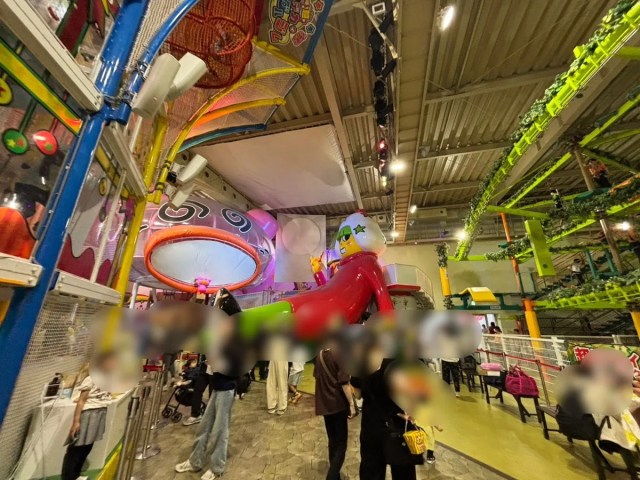
Proceeding further inwards, a giant athletic area appears, teeming with the Golden Week crowd of people.
While as an adult, Natsuno tends to curb her childhood playfulness and instead let her children loose to gallivant through play areas, she couldn’t quite restrain herself from wanting to join in on the fun. Looking around, she could even see many adults playing there quite seriously, so she embraced her inner child and entered the play equipment.
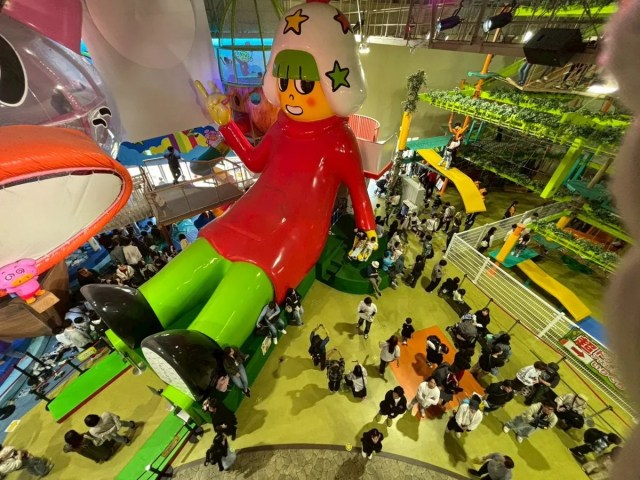
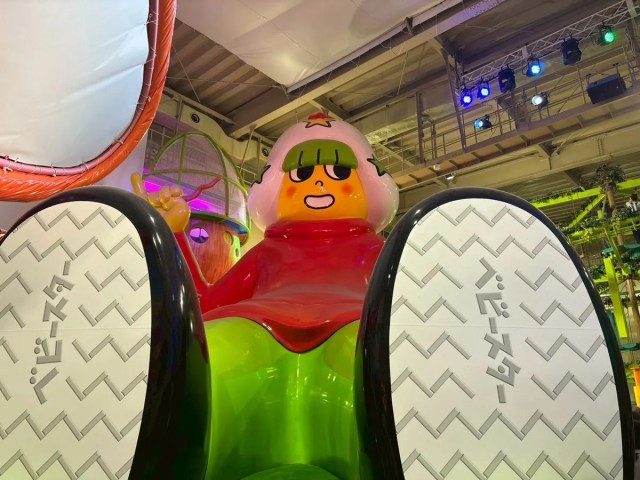
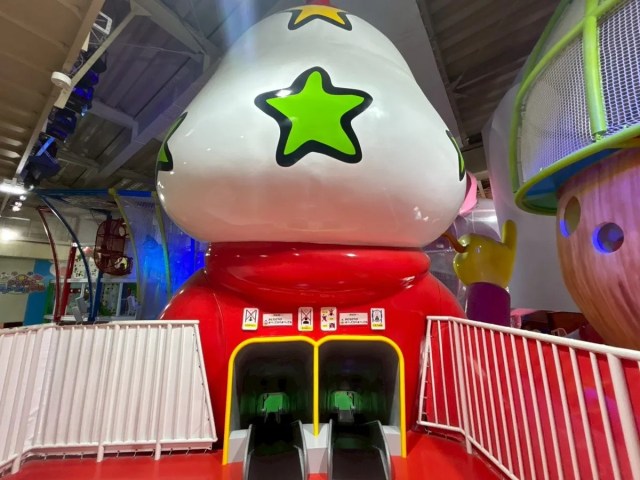
Among them, what was particularly enjoyable was the Hoshio-kun Giant Slide, which gets quite a bit of speed.
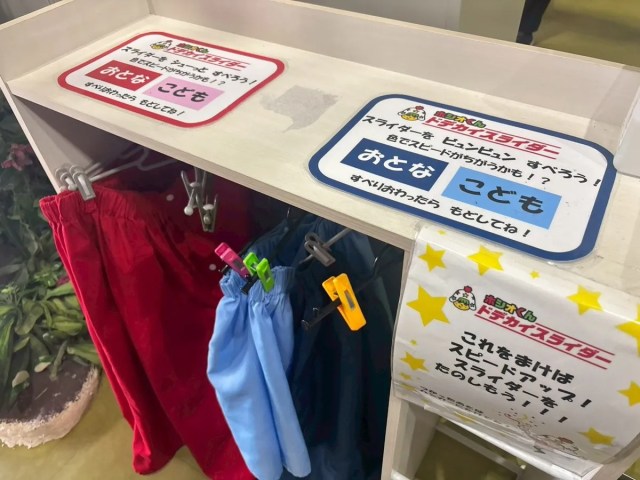
▼ They’re even considerate enough to provide wrap-around skirts to make sliding even more speedy.
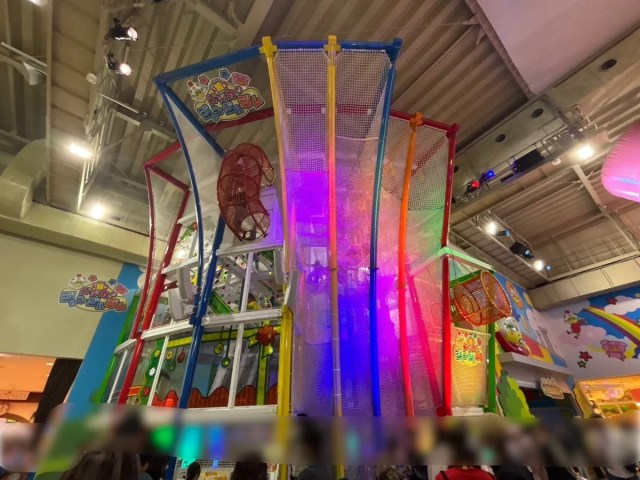
The Super Giant Butamen-kun Adventure and Giant Jungle Gym are also extremely fun.
Since you walk on the net, the stimulation to the soles of your feet is amazing, nearing the level where you might mistake it for a minor piece of health equipment.
▼ Natsuno is still a child at heart, she promises.
The most popular one, though, is the giant athletic course consisting of three whole floors, which are divided by height; the first floor is for small children, but the second and third floors offer up more of a challenge.
Natsuno ventured up to the third floor together with her children but had to retire halfway through for a very specific reason: her sweaty hands.
It’s a little difficult to see in the image below, but this is a course where you have to move forward while moving around the outside of orange bars that bulge outward.
With hands that get particularly sweaty, Natsuno could just foresee herself slipping off due to them. Yet, because she wanted to show her children an inspirational figure that takes on challenges even in the face of adversity, plus it was too frustrating to just give up, she attempted it a second time and cleared it safely. However, she later heard from her children, “since we were moving ahead of you, we couldn’t see you.” Sad though she was, she still felt a sense of accomplishment, so it wasn’t all bad.
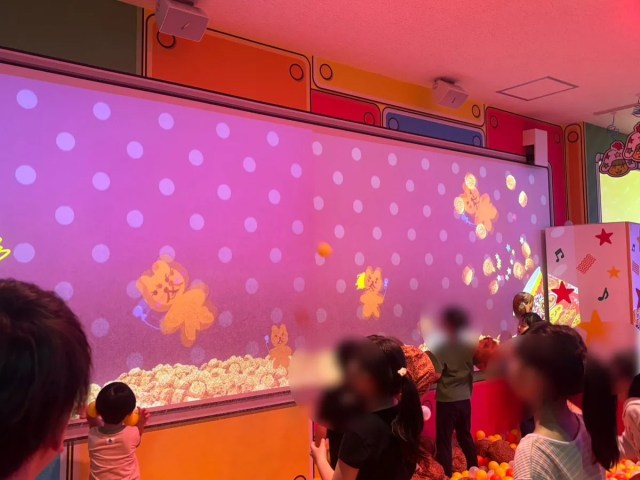
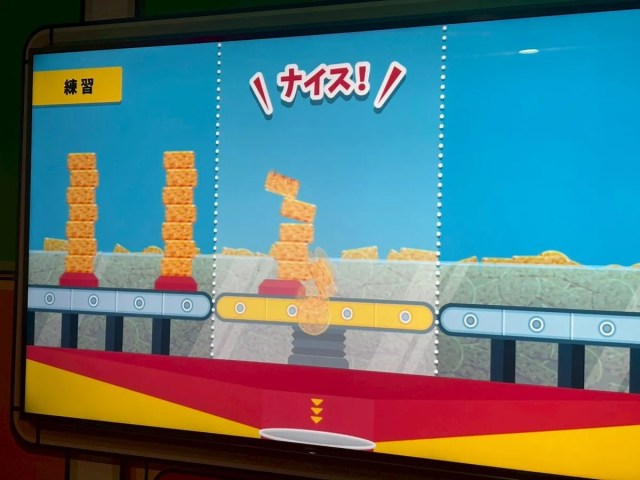
▼ There is even a section of the park dedicated to interactive digital content that kids can have fun with.
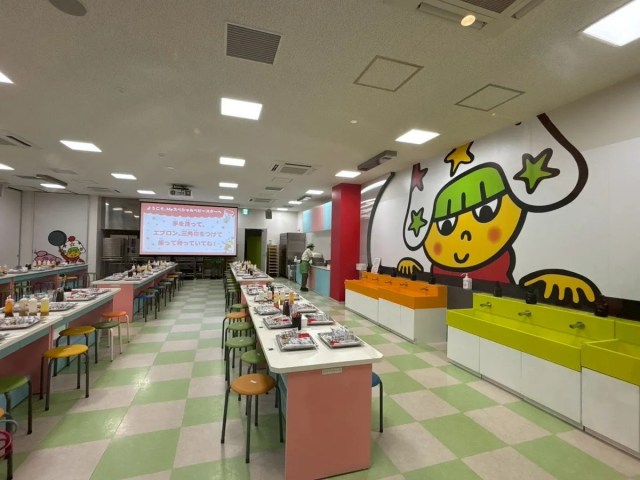
Next, the family moved on to the experience of making Baby Star at Hoshio-kun Kitchen, where you can make your very own original Baby Star Ramen.
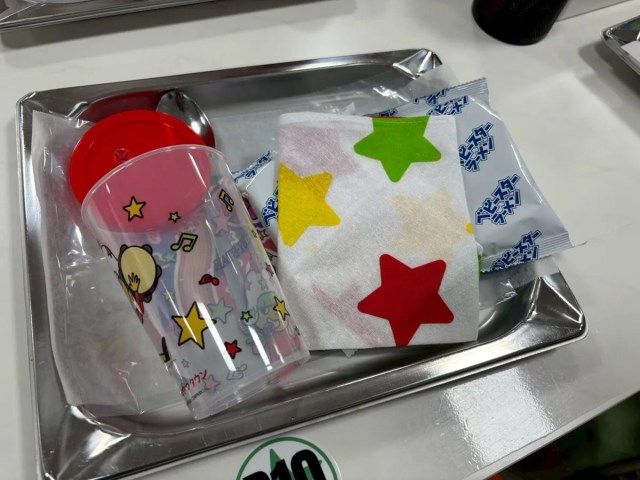
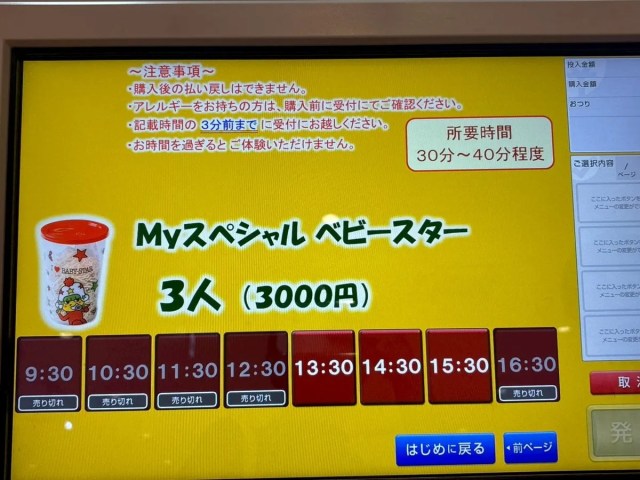
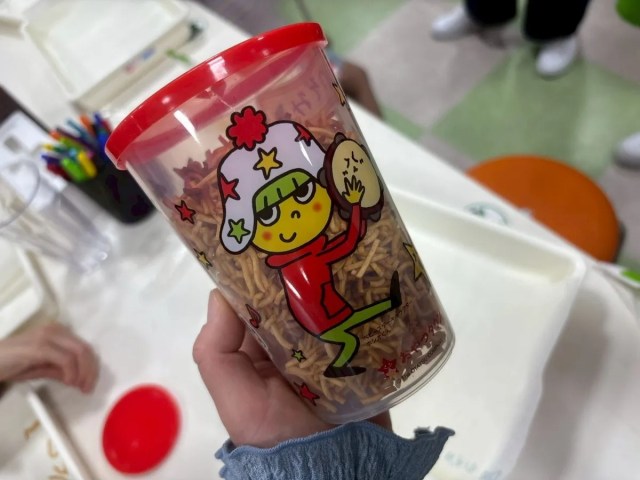
For an additional 1,000 yen each to the park entrance fee, the children challenged the “My Special Baby Star,” where you can choose your favorite flavor from several types, season it yourself, and then have the staff bake it for you in the oven.
Natsuno had reserved in advance, but there seemed to be sufficient availability that you could even reserve on the day itself.
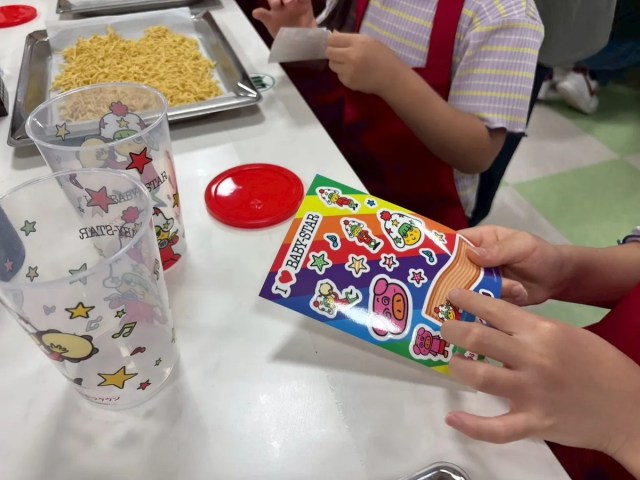
After completing the ramen, you put stickers on the original container, though her children instead opted to put on only a few, saving the rest for later to add to their sticker collection albums.
The family came away from the experience with the children beaming with happiness and proud faces for their new creations.
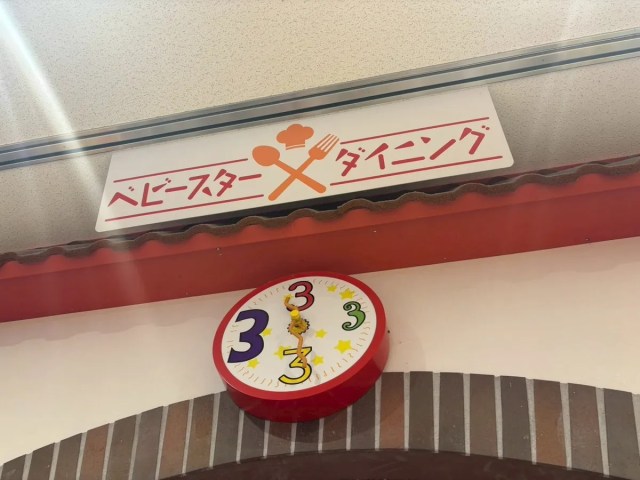
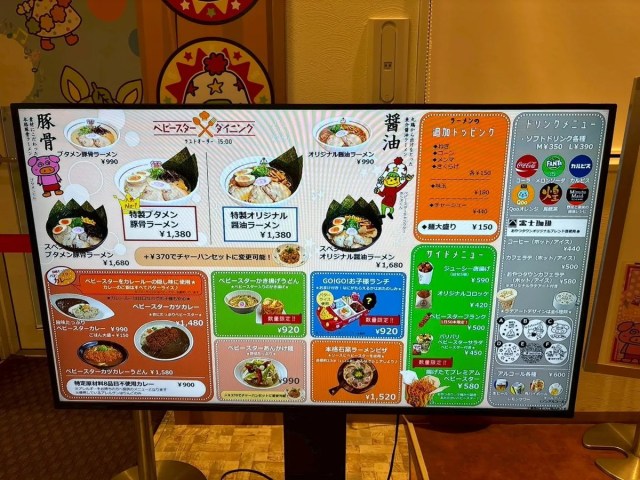
However, being hungry, they decided to swing by Baby Star Dining, where you can savor original foods using Baby Star, such as Baby Star Katsu Curry.
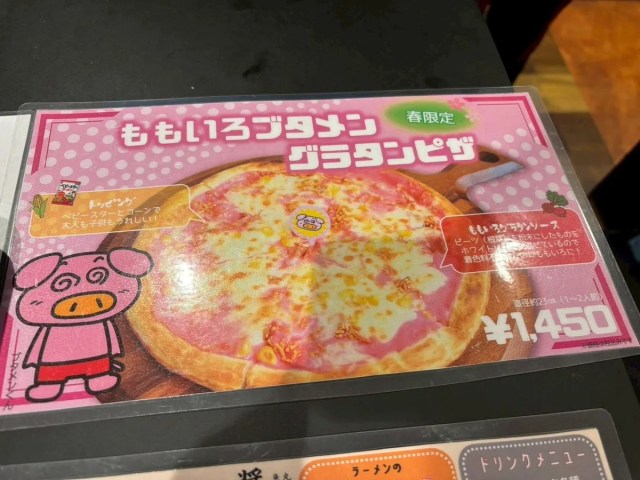
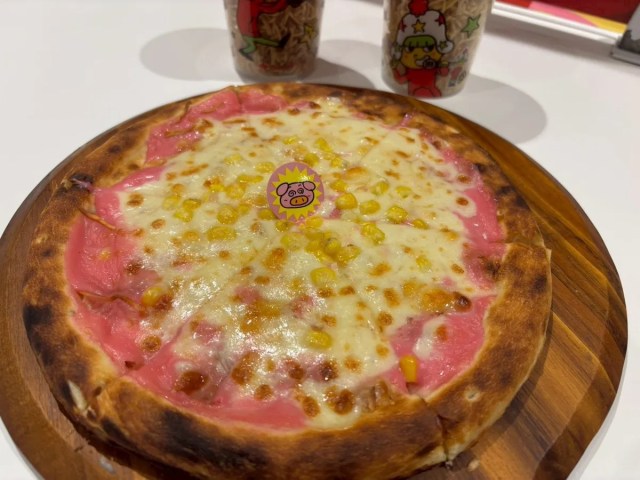
Among them all, Natsuno can personally recommend the pizza, particularly the limited-time Pink Butamen Gratin Pizza, being a lot more authentic than expected.
It’s baked in a pizza oven, so you get that classic pizza base texture, and the pink coloring is added via beetroot instead of food coloring.
The appearance certainly has quite the impact, referencing Butamen and its pig mascot, but the taste has no unexpected quirks and is extremely delicious.
▼ The Ramen Pizza was also full of ingredients and highly satisfying.
Of course, you can eat freshly-fried Baby Star Ramen.
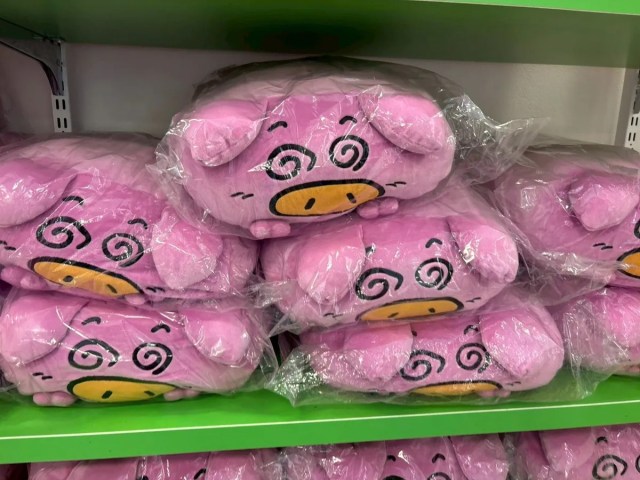
At the gift shop Oyatsu Marche, limited-edition products and character goods are lined up, with Natsuno being drawn to all of the Butamen goods. He just has such a charming presence…
Natsuno also discovered Baby Star limited to Oyatsu Town, this time purchasing the Spiny Lobster Flavor (850 yen for a pack of six), and found it to have a very strong shrimp taste, both rich and delicious.
There was also a cute, little steel suitcase-like container that you could stuff your favorite Baby Star flavors into for just 1,700 yen.
Before walking through the doors, Natsuno had assumed she would be entering a facility designed just for children, but she ended up, even as an adult, enjoying it with all her might.
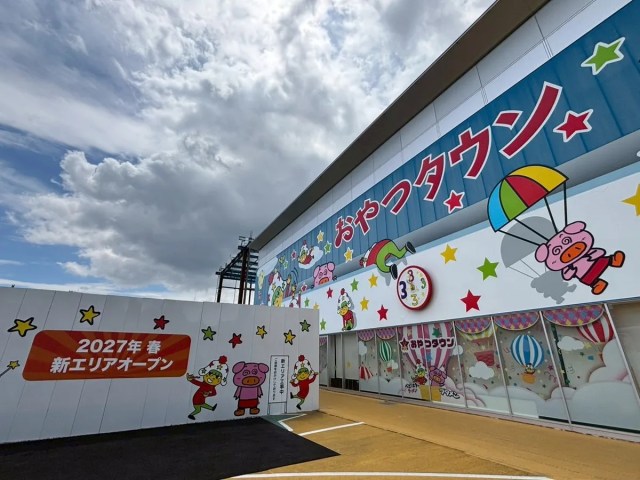
In the end, from their 10:30 a.m. start, they stayed fully until the closing time at 5:00 p.m., staying more than six hours. With the addition of a new area opening in Spring 2027, there will be even more to get lost in, although prospective visitors should take note that the park will be closed from January 12, 2027, to prepare for this new opening.
Whether you visit with kids or not, it’s all but guaranteed you’ll have a great time exploring Oyatsu Town, just remember to book in advance on the weekends and holidays.
EXCLUSIVE: Former Fremantle exec Shirley Bowers has joined The Jim Henson Company as VP of Global Distribution, we’ve learned. The hires puts her in charge of content sales an distribution and driving revenue from the Henson catalog, which includes the likes of Dinosaur Train, Sid the Science Kid and Fraggle Rock. She’ll also develop international […]
Starting a business is one of the most exciting and challenging undertakings an entrepreneur can pursue. Interest in entrepreneurship is at an all-time high, and there have been spectacular success stories of early-stage startups growing into multi-billion-dollar companies—from Uber and Facebook to WhatsApp, SpaceX (a trillion-dollar company), and Airbnb. Yet behind every headline-grabbing success story lies years of hard work, countless decisions, and no shortage of obstacles. Understanding the fundamental questions that come with building a startup from the ground up is an essential first step for any aspiring founder.
Starting a business entails understanding and dealing with many issues—legal, financing, sales and marketing, intellectual property protection, liability protection, human resources, and more. Whether you are a first-time entrepreneur or a seasoned business professional exploring a new venture, getting clear answers to the most common startup questions can help you avoid costly mistakes and put your company on a stronger footing from day one. Below are ten frequently asked questions about startups, along with thorough answers drawn from the expertise at AllBusiness.com.
1. What Kind of Legal Entity Should I Set Up for My Startup?
One of the first and most important decisions a founder must make is how to legally structure the company. The founders of a company must initially determine whether to organize the business as a limited liability company (LLC), a general partnership, a sole proprietorship, or a corporation. If formed as a corporation, the company must also decide whether to file an election to be taxed as an "S corporation" rather than a "C corporation." Each structure carries distinct tax implications, ownership rules, and protections for the founders.
As a general rule, you should never form a company as a general partnership or sole proprietorship, as these structures carry the significant disadvantage of potential personal liability for the debts and liabilities of the business. If the company plans to bring in outside investors, it will most likely need to be structured as a C corporation, since venture capitalists typically invest only in preferred stock issued by C corporations. An S corporation can be a solid starting point for a simple company with one or two individual owners, and it can always be converted to a C corporation as the company grows and brings in additional investors.
An LLC offers another viable option, providing limited liability protections similar to a corporation along with favorable flow-through taxation. However, LLCs can be somewhat more complex to set up, maintain, and file taxes for than S corporations. The right choice ultimately depends on how many owners the company will have, whether outside investment is anticipated, and how the founders wish to handle taxation and decision-making authority.
2. Where Should I Incorporate My Startup?
Corporations are formed under the laws of a specific state, and the choice of where to incorporate can have real legal and financial consequences. Many advisors recommend incorporating under Delaware law, given that Delaware has a well-developed body of corporate law, a specialized Court of Chancery for business disputes, and is widely preferred by investors and venture capital firms. However, another reasonable approach is to incorporate in the state where the business is actually located, which can save on fees, filings, and administrative complexities in the early stages.
If the company grows and begins attracting venture capital or institutional investors, it can always reincorporate in Delaware later. The key is not to let the incorporation decision paralyze early progress—getting the business legally established quickly and correctly is far more important than perfecting the state of incorporation at the outset. What matters most is that the proper entity is formed, corporate formalities are observed, and personal and business assets are kept clearly separate from day one.
3. How Should Equity Be Divided Among Co-Founders?
Equity division is one of the most sensitive and consequential decisions a founding team will face, and it is essential to address it early and put the agreed-upon terms in writing. There is no single correct formula, but the split should take into account the relative value of each founder's contributions, who originated the core idea, the amount of time each founder will commit to the business, the compensation each founder is accepting in lieu of full market salary, and whether any founder is contributing cash as an investment in the company.
It is also important to build in vesting provisions tied to continued participation in the business. You do not want to give away a significant equity stake to a co-founder who departs after only a few months. A standard approach is a four-year vesting schedule with a one-year "cliff," meaning no equity vests until the founder has been with the company for one year, after which the remaining equity vests monthly over the following three years. This protects the company and the remaining founders if someone leaves early.
If you are the original founder and the primary driver of the idea, a reasonable case can be made for retaining more than 50% ownership. Additional dilution will occur in the future as investors come in and stock options are granted to employees, so it is important to plan the initial equity split with the long-term ownership picture in mind. Formalizing the agreement in a written founder agreement—sometimes called a "co-founder agreement"—is essential to avoiding misunderstandings and potential legal disputes down the road.
4. How Can I Come Up with a Great Name for My Startup?
Choosing the right name is more important than many first-time founders realize. A poor name can create legal hurdles, confuse customers, and make branding far more difficult. When brainstorming potential names, avoid those that are hard to spell or pronounce, and steer clear of names that could become limiting as the business grows into new markets or product lines. It is also important to avoid names so abstract or nonsensical that customers have no sense of what the business actually does.
Once you have a list of candidate names, conduct a thorough internet search to see what is already in use. That initial search will likely eliminate the vast majority of your options. Next, perform a trademark search through the U.S. Patent and Trademark Office (www.uspto.gov) to ensure the name is not already registered. Secure a ".com" domain name—not a ".net" or other variant—as the ".com" extension remains the most trusted and recognizable online. You can use the WHOIS search at a domain registrar to find the current owner of any domain name you want to acquire, and be prepared to pay a fair market price for premium names.
Test your top choices with prospective partners, employees, customers, and mentors before committing. Getting candid feedback from people outside the founding team often surfaces issues—pronunciation problems, unintended connotations, confusion with existing brands—that founders who are close to the idea might miss. A well-chosen name that is memorable, distinctive, and easy to find online is a genuine competitive asset in the long run.
5. How Can I Protect My Startup's Intellectual Property?
Intellectual property (IP) issues are among the most important considerations a startup will face, yet they are often overlooked in the rush to get a product to market. For technology companies in particular, intellectual property is frequently the most valuable asset the company owns, and protecting it can be essential to attracting venture capital funding and keeping competitors at bay. A startup will encounter IP issues at nearly every stage—when developing its product, when hiring employees, when bringing on contractors, and when raising capital from investors.
One critical first step is to ensure that the company, not any individual founder or employee, owns all relevant intellectual property. Generally, IP rights belong to the individual who created the work, absent a written agreement to the contrary. This means that all employees and contractors should be required to sign a comprehensive Confidentiality and Invention Assignment Agreement, which ensures that any work product or innovations related to the business are legally assigned to the company. Venture capitalists and acquirers alike will look for these agreements during due diligence, and missing signatures can derail a financing or acquisition deal.
Beyond employment agreements, startups should consider filing for patents on genuinely novel inventions, registering trademarks for the company name and key product names, and using non-disclosure agreements (NDAs) when sharing sensitive information with partners, vendors, or potential investors. While NDAs provide limited protection on their own, they establish a clear expectation of confidentiality and can support legal remedies if information is misused. The broader point is that IP protection requires active, ongoing effort—it does not happen automatically.
6. What Are the Biggest Mistakes Made by Startup Entrepreneurs?
New entrepreneurs can make a wide range of mistakes, and many of the most damaging ones are entirely avoidable with proper planning and realistic expectations.
Among the most common pitfalls are not starting with enough capital, assuming that success will come quickly, failing to carefully budget and forecast when funds will run out, and underestimating the importance of sales and marketing relative to product development. Many founders pour enormous energy into perfecting their product while neglecting the revenue-generating activities that will ultimately determine whether the company survives.
Other frequent mistakes include not understanding the "product/market fit"—the degree to which a product genuinely meets the needs of a target market—and failing to adapt or pivot quickly enough when early signals indicate that the original approach isn't working. Taking too long to get a product to market in pursuit of perfection can delay meaningful progress and allow better-funded competitors to move ahead. Equally damaging is underestimating the competition; founders who insist they have no real competitors are almost always proven wrong, often quickly.
On the people and legal side, hiring the wrong employees and not parting ways with poor performers swiftly enough is a persistent problem for early-stage companies. Ignoring legal and contractual matters—particularly around intellectual property and employment agreements—is another costly error that often surfaces at the worst possible time, such as during a financing round or acquisition. Mispricing a product or service and underestimating how hard and time-consuming it is to raise angel or venture capital financing round out the list of the most common and avoidable startup mistakes.
7. Do I Need a Business Plan for My Startup?
The traditional lengthy business plan has become less central to the startup process than it once was, but that does not mean planning itself is unimportant. Most professional venture capital investors today prefer to see a concise, compelling investor pitch deck for an initial review rather than a multi-page business plan. That said, the exercise of thinking through the key elements of a business plan—the market opportunity, competitive landscape, financial projections, and go-to-market strategy—is enormously valuable for founders, regardless of whether they produce a formal document.
If you are seeking financing from angel investors, lenders, or certain institutional investors, a written business plan may still be requested or expected. The most important components of any business plan are a clear identification of the company's unique competitive advantages, a credible set of financial projections with stated assumptions, a realistic go-to-market strategy, and a detailed breakdown of how capital will be used and what milestones it will help the company achieve. Investors want to see evidence that founders have done their homework and understand the business they are building.
The key is not whether you call the document a "business plan" or a "pitch deck"—it is whether you have clearly thought through the fundamentals. Startups that can articulate their value proposition, target market, revenue model, and competitive differentiation in plain language are far more likely to gain traction with investors and customers alike. Whatever format you choose, make sure your story is clear, your numbers are defensible, and your projections are grounded in realistic assumptions.
8. How Can I Raise Angel or Seed Financing for My Startup?
Raising early-stage financing is one of the hardest and most time-consuming challenges any startup founder faces. If a company has only an idea and little or no progress in executing on that idea, it will be very difficult to obtain financing from professional angel or seed investors. In that situation, founders typically need to rely on personal savings, family and friends, or crowdfunding platforms such as Kickstarter or Indiegogo to fund initial development. Most professional seed and angel investors want to see meaningful traction before they will seriously consider writing a check.
Traction can take many forms: a working prototype of the product, initial revenues, a strong and complementary management team, strategic partnerships, pilot customers—particularly well-known brand names—customer testimonials, or admission into a competitive accelerator program such as Y Combinator. The more traction a startup has demonstrated, the more likely it is to attract financing and command a favorable valuation. Every data point that shows real-world validation of the business model makes the fundraising conversation easier.
The mechanics of getting in front of investors also matter enormously. Investors receive a flood of unsolicited executive summaries and pitch decks from startups, and most of those go unread. The most effective way to get a serious hearing is through a warm introduction from a trusted mutual contact—another entrepreneur, a lawyer, an investment banker, or an existing investor in the fund. Checking LinkedIn for shared connections and nurturing relationships with the startup ecosystem well before you need money is a far more effective strategy than cold outreach.
9. What Should a Startup Look for When Hiring Early Employees?
Hiring for a startup is fundamentally different from recruiting for a large, established organization. Early employees help drive innovation, shape company culture, and often determine the direction the company will take in its formative months. Because job descriptions at early-stage companies are inherently fluid and employees typically need to juggle multiple responsibilities, hiring primarily for a rigid set of technical skills can be a mistake. Character, adaptability, and a genuine passion for the company's mission matter enormously at this stage.
Among the qualities most valuable in early startup hires are intellectual humility, a willingness to pitch in at any level regardless of title, a high tolerance for ambiguity and change, and the emotional intelligence to build strong working relationships with a small team. While employees must be confident enough to speak up and disagree, ego battles can be genuinely destructive in a small startup environment. People who take ownership of their work, accept responsibility when things go wrong, and are willing to ask for help when they need it tend to thrive in early-stage companies.
It is also important to move quickly to address hiring mistakes. A wrong hire in the early days of a startup can cost the company dearly—in time, money, morale, and momentum. Founders should have honest conversations early and often with new hires about expectations and performance, and be willing to make difficult people decisions without undue delay. Equally important is ensuring that all new hires sign appropriate confidentiality and invention assignment agreements from day one to protect the company's intellectual property and proprietary information.
10. Do I Need an Investor Pitch Deck, and What Should It Include?
Yes—if you are seeking capital from angel investors or venture capitalists, a compelling investor pitch deck is not optional, it is essential. Professional investors expect to see a concise and well-organized summary of the business before they will even consider scheduling a meeting.
A pitch deck that tells a clear, compelling story about the problem you are solving, the size of the opportunity, and why your team is uniquely positioned to win is one of the most important tools a startup founder can develop. The look and feel of the deck matters too—a polished, professionally designed presentation signals that the founders take their work seriously.
A strong pitch deck should cover, in roughly this order: a company overview, the mission and vision, the founding team and their relevant backgrounds, the problem being addressed, the proposed solution and its differentiation, the size of the market opportunity, the product or service in detail, the target customer and demand drivers, the underlying technology, the competitive landscape, early traction and validation, the business model, the marketing plan, financial projections with key assumptions, and the specific funding ask along with how the capital will be deployed.
Keep the deck at 15-20 slides. If a startup cannot tell its story with brevity and clarity, it cannot tell it well. Use plain English and avoid excessive jargon or acronyms that could confuse rather than impress. Do not underestimate or dismiss the competition—sophisticated investors will see through it, and this damages credibility. Make sure all data, metrics, and financial figures are current and accurate. Send the deck as a PDF in advance of any meeting, and be prepared to expand on every slide with thoughtful, data-backed answers during the presentation itself.
Conclusion About Startups
Building a startup from the ground up is one of the most demanding and rewarding endeavors an entrepreneur can take on. The questions covered in this article—from entity formation and equity division to fundraising, hiring, and intellectual property—represent only a fraction of the decisions founders will face, but they are among the most consequential. Getting these foundational elements right from the start can mean the difference between a company that gains real traction and one that stumbles before it ever finds its footing. The entrepreneurs who succeed are typically those who take the time to understand the landscape, seek out experienced advisors, and make thoughtful, informed decisions rather than acting on instinct alone.
Entrepreneurship involves resilience, adaptability, and a willingness to learn from mistakes—including the mistakes of those who have built companies before you. The startup ecosystem offers an enormous wealth of resources, mentors, accelerator programs, and communities designed to help founders navigate the challenges ahead. By staying curious, remaining open to feedback, and building a strong team and a product that genuinely solves a real problem for real customers, any entrepreneur stands a far better chance of joining the ranks of the companies that not only survive but thrive.
The Royal Shakespeare Company has unveiled a 36-strong cast for the play “Game of Thrones: The Mad King,” with Michael Shaeffer in the title role of King Aerys II Targaryen. The world premiere of the new play, adapted by Duncan Macmillan from George R. R. Martin’s novels, opens at the Royal Shakespeare Theatre in Stratford-upon-Avon […]
Rob Floyd is undoubtedly the premier mixologist in the world. But he has also built a beverage-entertainment company that encompasses global partnerships, live events, a presence on social media, TV, a book on Amazon, cruise ship events, and more. We interviewed Rob to see how his entrepreneurial journey started and how it has grown.
How did you start your career as a mixologist?
It all began somewhat accidentally. I got into the bar business, as so many do, when I simply needed a job and found myself behind a bar. But very quickly it became clear that what I was doing wasn’t just serving drinks, it was creating experiences. I absolutely love making people happy, and the interaction every night feels like anything can happen. One study says people laugh and smile about 17 times a day. In a truly great bar, you might get 17 smiles an hour.
As I refined my style, I embraced the idea that the cocktail isn’t just a drink, it’s a story, a moment, a production. In time, I founded Rob Floyd Entertainment (RFE) to execute that vision: a global mixology practice specializing in live and virtual events, consulting, and training.
From that foundation, I began designing programs, training staff in over 75 countries, performing at major award shows, and building out the business side, not just the bar side. The journey from bartender to CEO of a beverage-entertainment company was really about seeing the intersection of hospitality, entertainment, and brand experience.
Your company puts on “Cocktail Theatre” — what’s that?
Cocktail Theatre is our signature live-event format, essentially where entertainment meets exceptional cocktail craftsmanship. We have been taking “Cocktail Theatre” out into the world since 2012.
The idea is that you don’t just have a bartender at the back mixing, you have a show; you have a theme; you have a narrative; and you have beverage artistry, flair, and theatrics. Whether it's a Super Bowl client, a corporate event, or a lavish private home, the audience is drawn into the story behind the drink.
The business logic behind it is that brands and events increasingly demand immersive, memorable moments—so we created a high-end, scalable service that marries mixology with performance, branded for the client. The script for the event can be custom-tailored and work great at company off-sites, holiday parties, and executive events.
What do your live cocktail parties encompass?
At RFE we offer “Live Cocktail Parties” as one of our event service categories. These include everything from intimate gatherings to full-on production events, with a team of world-class mixologists creating handcrafted cocktails and guiding guests.
Guests don’t just drink—they participate, learn, and enjoy. We might design a signature drink; walk participants through the process; provide cocktail-making classes on site; and add team-building layers for corporate groups. I love the team-building events because they are so fun and energetic, but also have an interactive “Top Chef” aspect.
From an operational perspective, our mission is to elevate the art of cocktail making, providing unforgettable experiences and expert training for enthusiasts and professionals alike.
So when you engage us for a live cocktail party, you’re engaging not just a bartender but a curated mixology experience: planning, design, execution, and after-event support if needed.
You also provide customized staff training for bar professionals and menu creation. Tell us about that.
Consulting is a major pillar of the business. We help bars, hotels, and brands with staff training, menu creation, bar operations consulting, and drink menu design. For example, our bar menu creation service gives you innovative menus, optimized offerings, and helps you stay ahead of trends.
In staff training, we have a trademarked teaching program used globally—we have trained over 8000 bar professionals worldwide.
Operationally, we consult on bar efficiency, profitability, menu logic, bartender performance, and brand alignment of the beverage program.
So from a business perspective it's about turning the art of mixology into a scalable asset for hospitality venues, which means systems, training, brand thinking, and profit metrics—not just the “cool cocktail” part.
What are your virtual cocktail events?
With the rise of hybrid work, remote teams, and global audiences, virtual events became a meaningful extension of our business. We host virtual mixology classes, virtual cocktail-making sessions, and virtual team building for remote groups.
We’re set up with a state-of-the-art studio, professional director on set, leading digital cameras, and high production value. Our viewer retention rate for those events is 89%, well above industry standard.
From an entrepreneurship lens, virtual events turn what used to be location-bound into scalable, global offerings. For brands, it means you can engage far-flung employees, clients or communities with the same RFE experience virtually. I view it as the logical next evolution of our live-event business.
You also do cruise ship events in partnership with Princess Cruises. What does that entail?
That partnership is a real highlight. We are the global mixology partner for Princess Cruises across their fleet. I have worked with their Global Food & Beverage VP, Sami Kohen, for many years, and he is one of the best in the business, always striving to provide the best customer experiences around the world.
What this means is that we design and execute beverage-entertainment programs onboard, across multiple ships, integrating with their guest-experience model. In effect, we bring our brand and Cocktail Theatre environment into the cruise-ship hospitality world. From an entrepreneurial standpoint, this is a high-leverage contract: volume, scale, recurring bookings, global reach.
So it’s not just events. It’s publishing, licensing, brand extension; it’s taking the mixology business into multiple product lines.
What makes it interesting is that it’s interactive: full-color photos, step-by-step recipes, backstories, and QR codes that link to “how-to” video tutorials featuring me.
The book also features some celebrities shaking up cocktails with me. There is a video of Matthew and Camila McConaughey mixing up a margarita. You can taste and view cocktails with Jason Momoa and Liev Schreiber. It’s really so much fun, and there isn’t another book like it out there.
Guy Fieri and José Andrés, award-winning chefs and stars, have worked with you. What do they say?
It has been so remarkable, and I am so grateful. The feedback from industry luminaries helps validate what we do. For example, José Andrés, the James Beard-award-winning chef and humanitarian, said: “Rob Floyd is the Delta Force of bar training. We opened up The Bazaar and SLS Hotels to great success, including a James Beard nomination. He is a pleasure to work with in all aspects of culinary and hospitality. Rob’s standards are like no other!”
And Guy Fieri, Emmy Award winner and Food Network star, has said: “Rob is a brilliant mixologist and one hell of an entertainer and performer. It is incredible to see the cocktails he comes up with, always delicious and fun to make. His programs are truly exceptional and one of a kind. Working together is always a blast.”
These endorsements do more than flatter; they reinforce our brand equity, enabling access to high-end clients, celebrity events, and strategic partnerships.
Tell us about your television career.
My television career has been a significant acceleration for the brand. I have served as a resident mixologist and contributor on the TV show Bar Rescue for over 10 years.
On TV, I don’t just mix drinks. I am part of telling the hospitality story, operational turnarounds, staff training, and bar service excellence. These tie directly into what we stand for.
John Taffer, the star/host of Bar Rescue, has been spectacular to work with and learn from.
I have also been fortunate enough to appear regularly on The Today Show, Access Hollywood, The Kelly Clarkson Show, Fox & Friends, and other media.
From a business viewpoint, this kind of media presence elevates my personal brand, which elevates the corporate brand, which enables premium collaborations, licensing, and product lines.
How did you become known as the “Celebrity Mixologist?”
I think it came from my partnerships with some of the most incredible talents around the world. From Matthew and Camila McConaughey, artist Romero Britto, Jon Bon Jovi, Liev Schreiber, Jason Momoa, and others. I have been blessed to work with some incredible people.
In particular, I recently worked with Cardi B on a new vodka-infused whipped cream called Whipshots. It's designed to turn up the volume on your cocktails, desserts, and late-night cravings!
Sandia En Fuego is a tribute to juicy watermelon and a kick of spice. In Yucatan, people love munching on watermelon to beat the heat, and here, spices are added to boost those feel-good hormones activated by the touch of heat. Enjoy this delightful drink with the magic of volcano salt, sweet watermelon, and top-notch tequila sprinkled with pepper.
Ingredients:
1.5 oz Don Julio Reposado Tequila
1 Serrano Pepper
5 Watermelon Cubes
.75 oz Agave
.75 oz Fresh Lime Juice
Glass: 10.5 oz Rocks
Garnish: Rim with black volcanic salt, serrano pepper, and watermelon
Directions:
In a cocktail shaker, muddle serrano pepper and watermelon. Add Don Julio Reposada Tequila, agave, and lime juice. Shake with ice and strain into a volcanic salt-rimmed glass with fresh ice. Garnish with watermelon and serrano pepper.
What charitable activities have you been involved in?
It has been such an honor to work with Chef José Andrés on his incredible World Central Kitchen Charity. I have also been involved with the Fox Chase Center, Scott Hamilton Cares, Just Keep Living with Matthew McConaughey, and Women of Today.
You’ll find short videos, cocktail recipes, behind-the-scenes of events, interviews, and ongoing brand content.
Conclusion
What we see with Rob Floyd is a textbook case of turning a craft (mixology) into a full-fledged business enterprise that spans service, training, entertainment, media, and product. The art of the drink meets the business of experience—and he has built a company that leverages storytelling, brand partnerships, and high-end events to scale beyond the bar.
End of an era is coming for ecological and economic reasons.
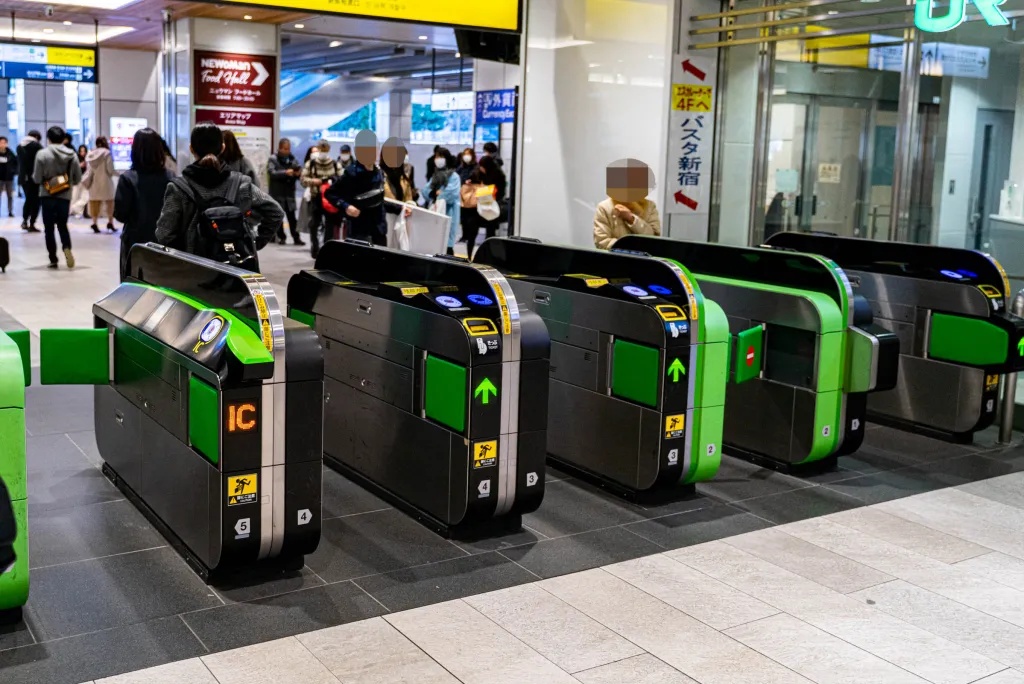
Train travel in Japan is going to be looking a little different, as East Japan Railway Company, a.k.a. JR East, has announced that it’ll be making a major change to its ticket design. Right now, JR East tickets have your starting station and fare printed on the front, and a magnetic strip on the back. At the gate, you slide your ticket into the slot, the gate opens up, and your ticket pops back up from another slot on the other side of the machine for you to grab as you continue on your way, then put into the other ticket gate at the exit from your destination station.
▼ A traveler inserting tickets into a gate at Nikko Station
However, JR East has announced it will be phasing out magnetic-strip tickets beginning next spring, with the eventual goal being to do away with them entirely for short-distance rides. In their place JR East will be introducing new non-magnetic tickets with a QR code that you scan at the gate instead.
▼ A video showing the front of the current magnetic-strip tickets on the left, and the upcoming QR-code tickets on the right.
The mockups in the above video are obviously jumbo-sized to make them easier to see, but the new tickets really will be larger than the current ones. JR East’s Magnetic-strip tickets measure 3 by 5.75 centimeters (1.2 by 2.3 inches), but the QR ones will be 5.75 by 8.5 inches, to make them easier to scan.
JR says there are two reasons it’s making the switch, one of which is an effort to be more environmentally friendly. JR East’s produces about 160 metric tons of ticket trash every year, and the magnetic backing has to be chemically treated before they can be disposed of. Because the QR-code tickets rely on optic scanning, though, they can be made of just regular old paper, eliminating both the potential ecological harm caused by disposed of magnetic strips and the cost to JR East to treat them.
A switch to QR codes will also reduce ticket gate machinery complexity, as they’ll require fewer moving parts than the currently complex array of gears and motors needed to propel a magnetic-strip ticket through the gate, and making QR code scanning the standard should also help promote smartphone digital ticketing services.
While the changeover will mark the end of a major chapter in Japanese train travel, many passengers stopped using magnetic-strip tickets quite some time ago. JR East’s Suica prepaid IC card became an instant hit following its launch in 2001, and it’s only grown in popularity in the years since thanks to its tap-payment simplicity and cross-functional capabilities as a way to pay for shopping, restaurant, and vending machine purchases too. JR East says that magnetic-strip tickets now account for only 2.5 percent of the rides taken on its trains, and for those who have already transitioned to Suica or other such IC cards, they’ll still be paying fares and passing through the gates as usual.
However, for some rail fans the tactile aspects of sliding the ticket into the gate, hearing the internal machinery whir and click, and grabbing the ticket as it comes out without breaking stride is a familiar and satisfying part of taking a train in Japan, so there will no doubt be people said to see it go. If this bittersweet news has them looking for comradery, they can find it among those who still remember the days before magnetic-strip tickets became the standard, when Japanese train stations were staffed with human ticket inspectors and the rhythmical ringing of their ticket punching tools during rush hour, as seen in the point queued in the video below.
JR East says it will be gradually discontinuing the magnetic-strip tickets come spring, so they won’t all be disappearing at once. In addition, magnetic-strip tickets will continue to be issued for Shinkansen and long-distance special express trains. This is likely because, depending on the passenger’s destination, these trains sometimes end up at stations in parts of Japan managed by one of the other divisions of the Japan Railways Group, which have not yet announced plans to get rid of magnetic-strip tickets. If you’re a rail fan, though, the next time you’re at a JR East station you might want to consider buying a lowest-fair magnetic-strip ticket, though, as something to remember the era by.
Margaret Bourke-White, one of the original four staff photographers hired at LIFE magazine when it began publishing in 1936, had a talent for making beautiful pictures from industrial processes. See her photo essay on a Canadian paper mill for one such example.
For LIFE’s July 17, 1939 issue Bourke-White documented another industry: the telephone business. This was back in the day when the ability to talk to anyone anywhere by dialing some numbers wasn’t yet taken for granted.
“Even in this age, when mechanical marvels become a dime a dozen, the telephone remains a marvelous mechanical instrument,” LIFE wrote in its story. “…When you finally hear the ring which announces that you are connected to your number, 882 separate and distinct operations have been started and completed, all in 11 seconds.”
Of course nowadays an 11-second-wait to connect a call sounds like an eternity. And the rotary phones that this story heralded are now all but obsolete. But back then it was the new wave of technological advancement. LIFE wrote that almost half the 20,000,000 U.S. telephones were dial-operated and predicted, “Eventually almost all of them will be dial instruments.”
The New York Telephone Company, which was a local subsidiary of AT&T at the time, gave Bourke-White behind-the-scenes access for an essay which includes many images that are delightfully anachronistic to the modern viewer. One shows human telephone operators surrounded by phone books that were used to answer calls to Information. Another image shows operators on the international desk manually plugging wires into specific holes in order to complete overseas calls. Another shows a board with tiny meters that tracked usage for individual phone bills.
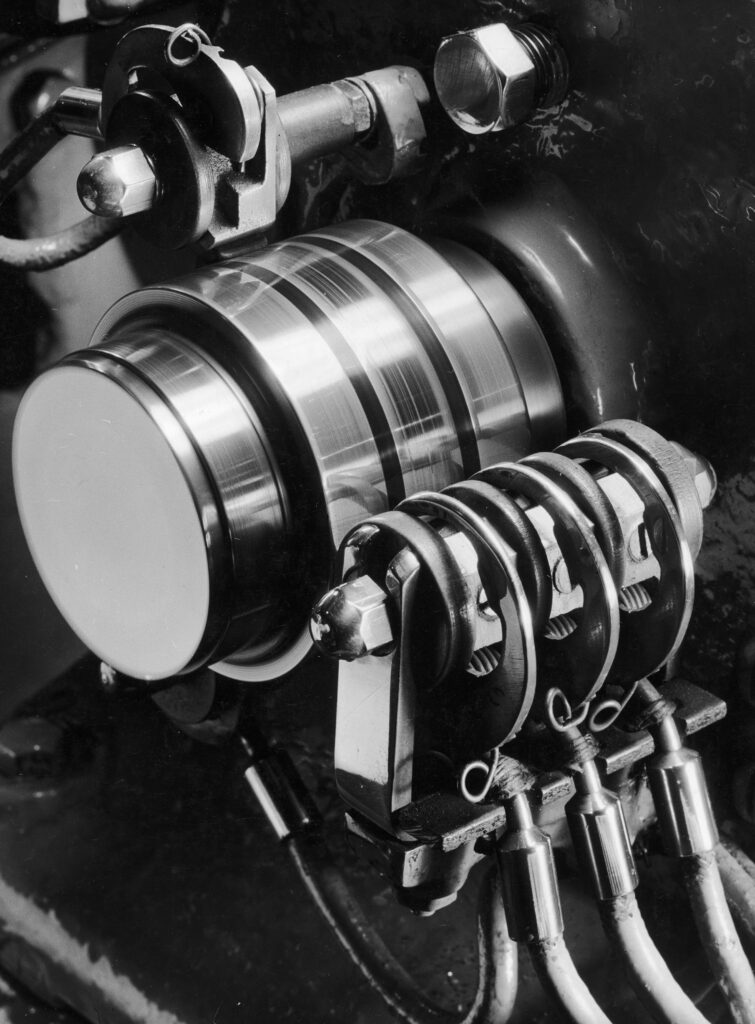
Bourke-White also documented the mechanics of how a call was made. In LIFE’s original story the photos were part of a sequence which, combined with interpretive illustrations, documented the Rube Goldberg-type chain of events required to connect callers. Bourke-White, as she always did, found beauty in the details.
Today’s world of digital calling is undoubtedly more efficient. These photos are a record of a technological system that was wondrous for decades, but has long since been relegated to the scrap heap.
Operators routed international calls at a switchboard in New York City, 1939.
Margaret Bourke-White/Life Picture Collection/Shutterstock
Telephone operators consulted reference books in the course of answering calls to “Information,” 1939. Nationally, information operators fielded two million calls a day.
Margaret Bourke-White/Life Picture Collection/Shutterstock
These international directories were kept nearby as a resource for AT&T phone operators connecting overseas calls, 1939.
Margaret Bourke-White/Life Picture Collection/Shutterstock
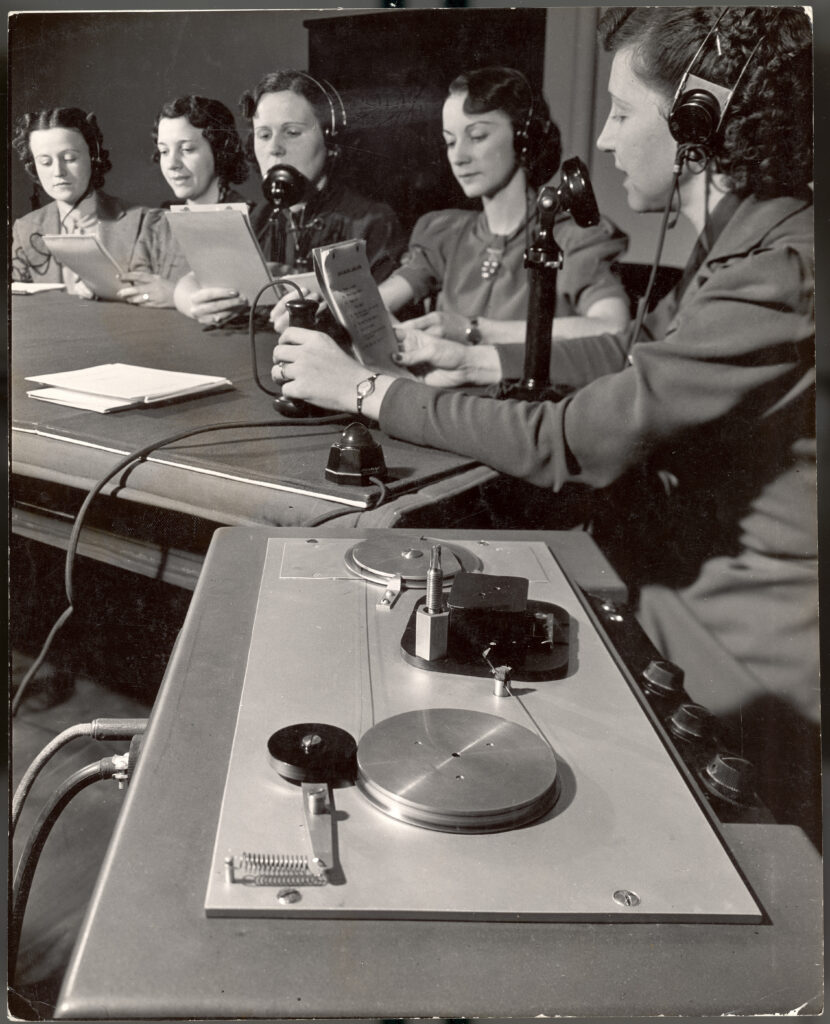
As part of their training, novice telephone operators spoke into a voice mirror—a recording device which played the voice right back—so that they could hear if they were speaking clearly enough, 1939.
Margaret Bourke-White/Life Picture Collection/Shutterstock
An operator worked an AT&T telephone switchboard in New York City, 1939.
Margaret Bourke-White/LIfe Picture Collection/Shutterstock
In 1939 this voice-scrambling technology helped AT&T protect the privacy of overseas calls from ham radio operators.
Margaret Bourke-White/Life Picture Collection/Shutterstock
For a 1939 story on how telephone calls worked, this photo showed part of a huge distributing frame studded with terminal stripes into which each telephone was directly connected to its individual terminal point at the New York Telephone Co. office.
Margaret Bourke-White/Life Picture Collection/Shutterstock
In a 1939 story that explained the details of how a phone call was made, the dials in this picture show a call going to 245-4400, which was the phone number of the LIFE magazine offices.
Margaret Bourke-White/Life Picture Collection/Shutterstock
These mechanisms made the ringing noise in a dial-up telephone, 1939.
Margaret Bourke-White/Life Picture Collection/Shutterstock
These meters registered calls and determined a user’s monthly phone bill, 1939.
Margaret Bourke-White/Life Picture Collection/Shutterstock
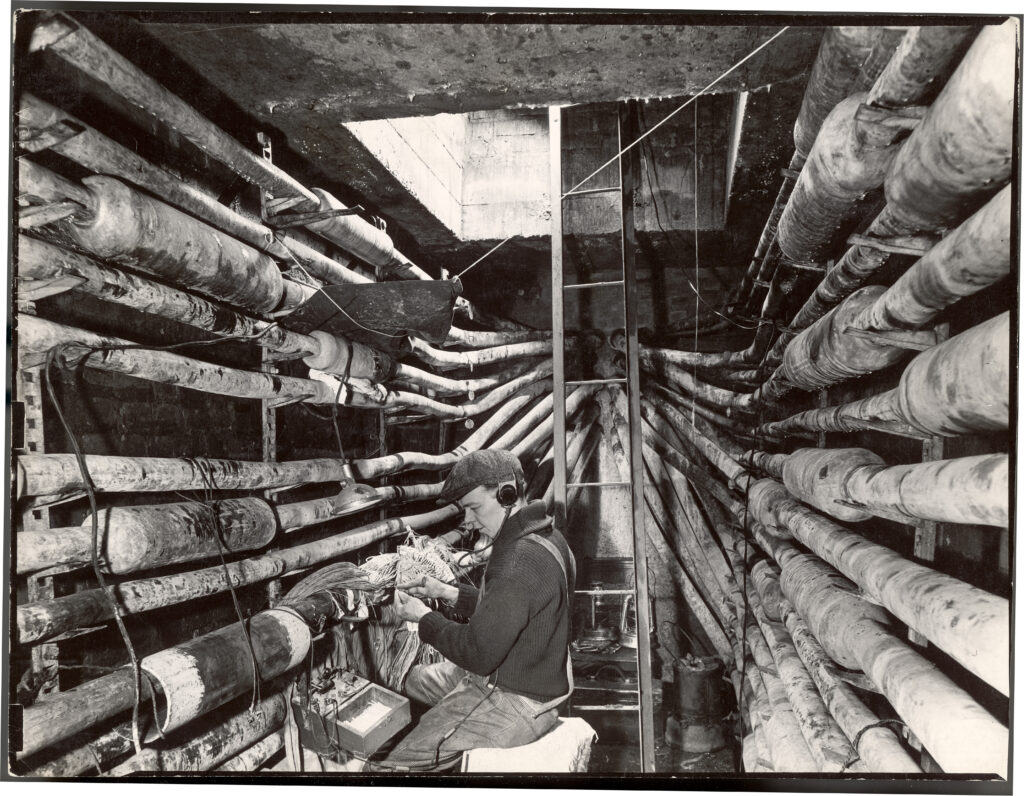
A telephone repair man worked on a network of cables that ran beneath the New York City streets for the New York Telephone Co., 1939.
Margaret Bourke-White/Life Picture Collection/Shutterstock
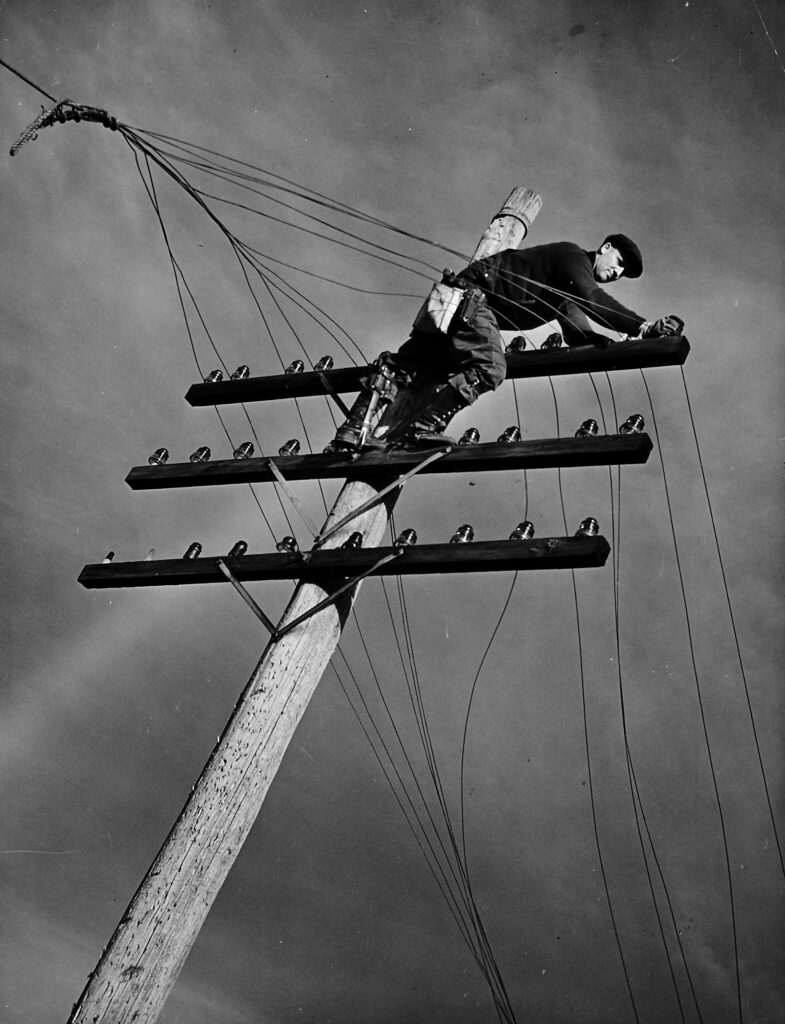
New York Telephone Co. lineman Wallace Burdick made repairs on telephone lines between Vallhalla and Brewster, 1939.
Margaret Bourke-White/Life Picture Collection/Shutterstock

 Login
Login




✦ÆØNLIZ ✦