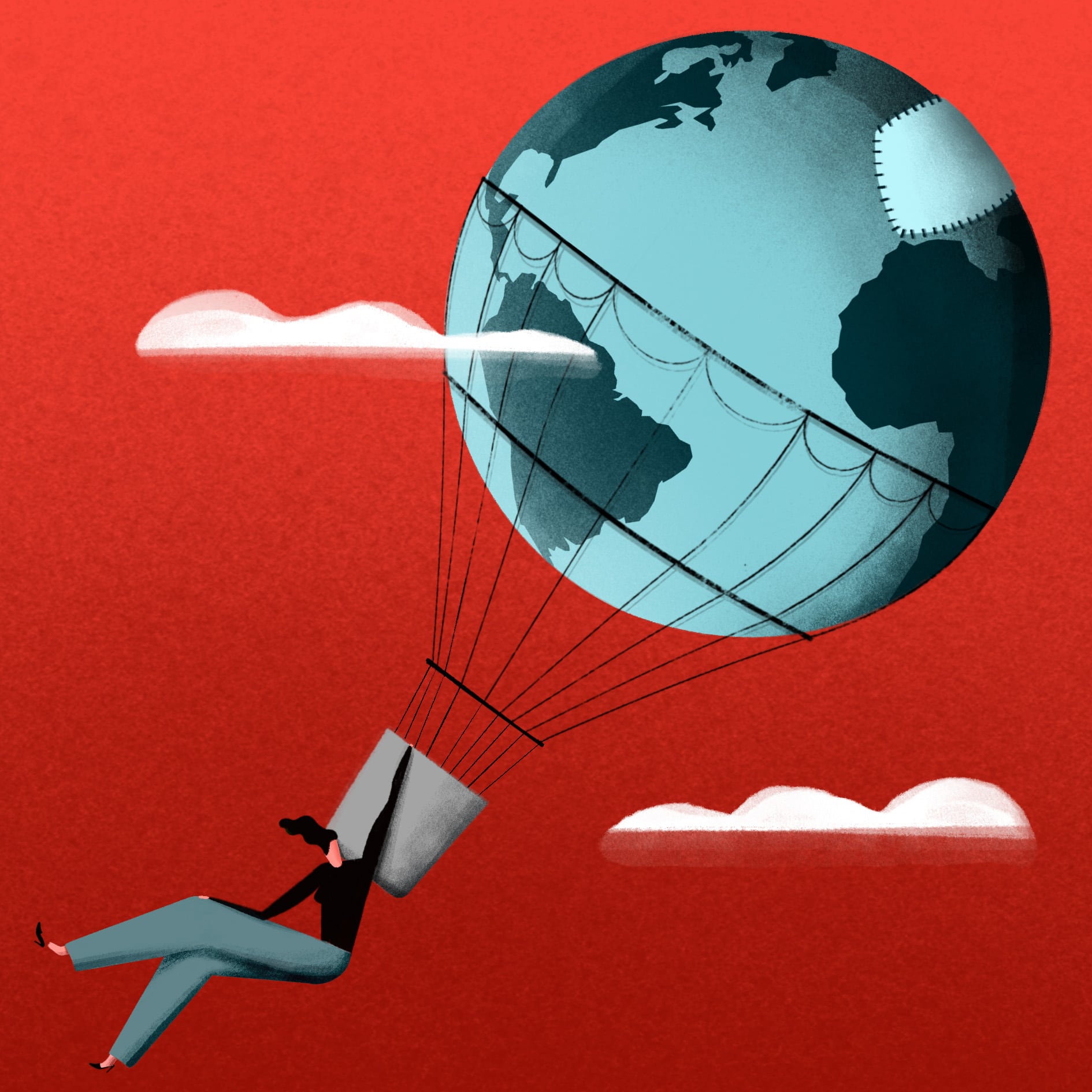
When did Europe go wrong? For decades, we thought the European project would disappear due to external threats… but we never imagined that this would happen because of the irresponsibility of its leaders, nor because of the inaction of its citizens. Nobody thought that Europe would cease to be the horizon that the rest of the world aspires to reach.
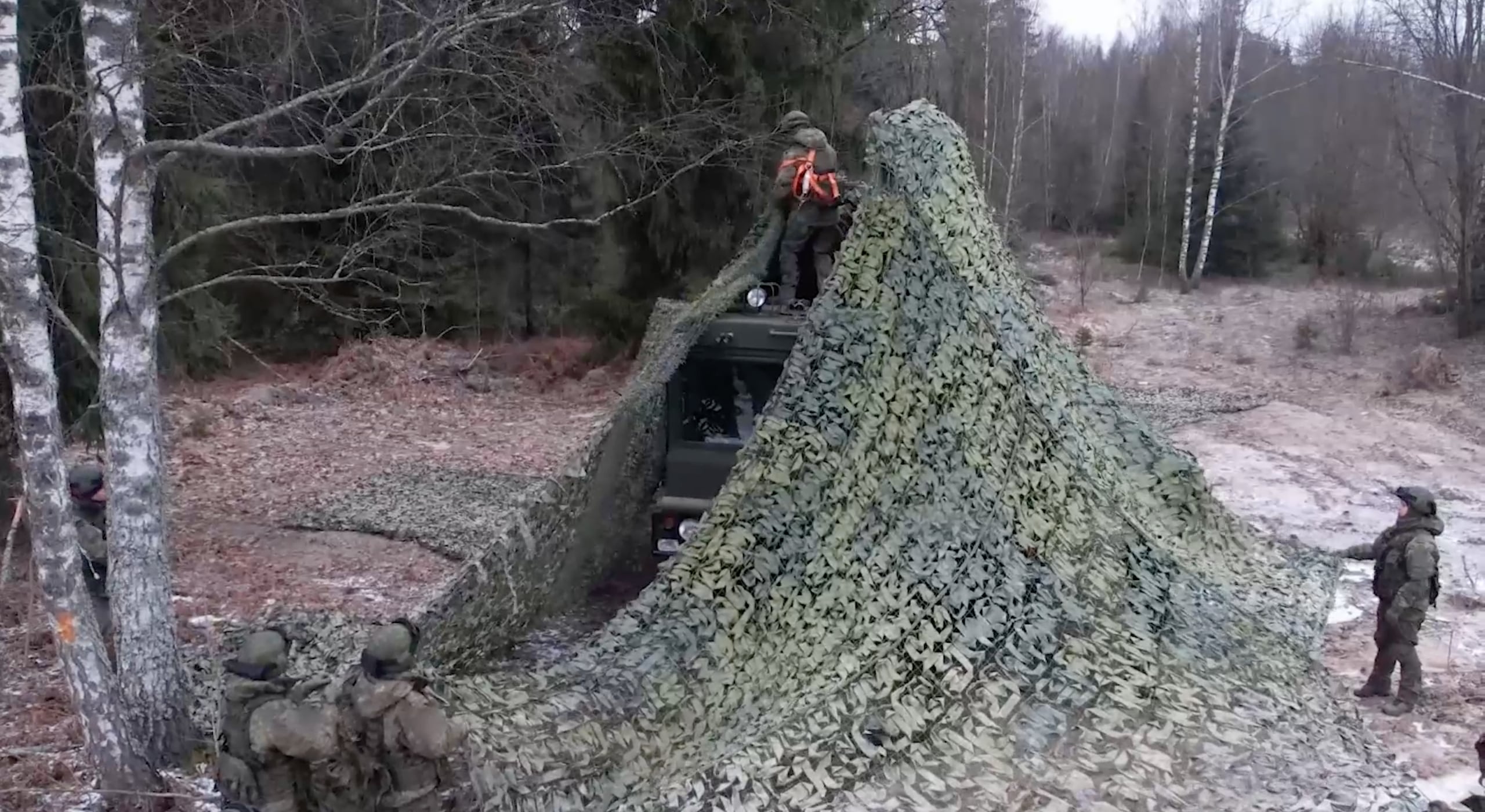
During one of the latest large artillery offensives against Ukrainian territory, on May 24, Russia used two Oreshnik missiles. Throughout the night and at dawn, Moscow launched more than 600 drones and 90 missiles against the capital, Kyiv. Four people were killed and around 100 were wounded. The intermediate-range Oreshniks struck Bila Tserkva, a town south of Kyiv, and the outskirts of the city of Donetsk, territory occupied by Russian forces in the Donbas region in the country’s east. The latter fell there by mistake. Moscow missed its target with a very powerful, hypersonic weapon that is almost impossible to intercept. The warhead was conventional, but this model can carry a nuclear payload. Russian President Vladimir Putin acknowledged last Thursday from Saint Petersburg that the projectile that was lost was “experimental.”
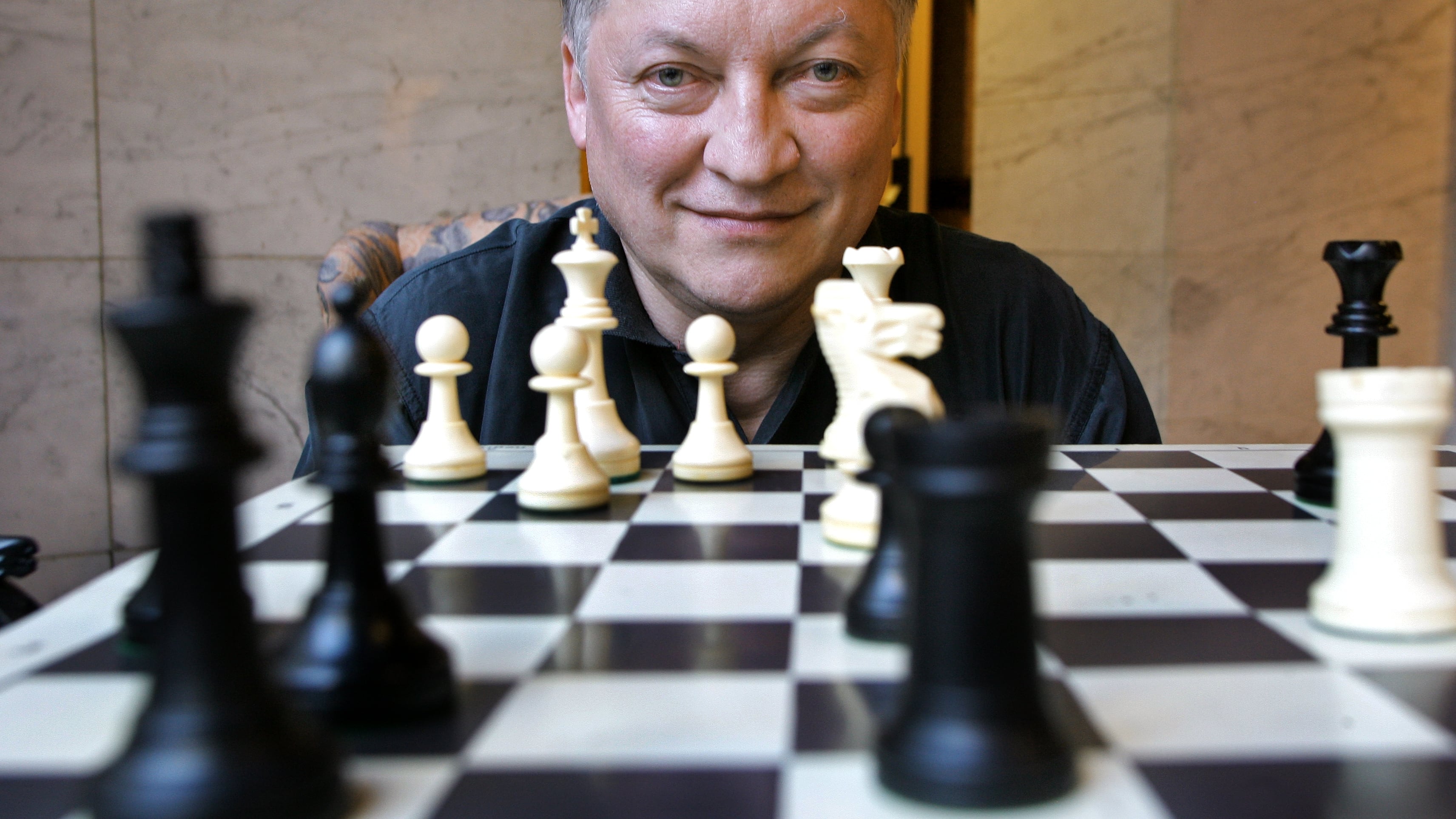
Anatoly Yevgenyevich Karpov is the most decorated and acclaimed of the championship chess players produced by the Soviet Union — the world’s largest country until its dissolution in 1991 — where chess was a deeply rooted national passion. A six-time world champion and winner of more than 160 tournaments, Karpov turned 75 on Saturday. He is living with serious health problems and is confined to Russia because, as a member of Vladimir Putin’s party in the State Duma, Russia’s lower house, he is on the list of sanctioned individuals barred from traveling to the West. This is despite having spoken out against the invasion of Ukraine in 2022 — although, just days earlier, he had voted in favour of annexing the Ukrainian provinces of Donetsk and Luhansk.
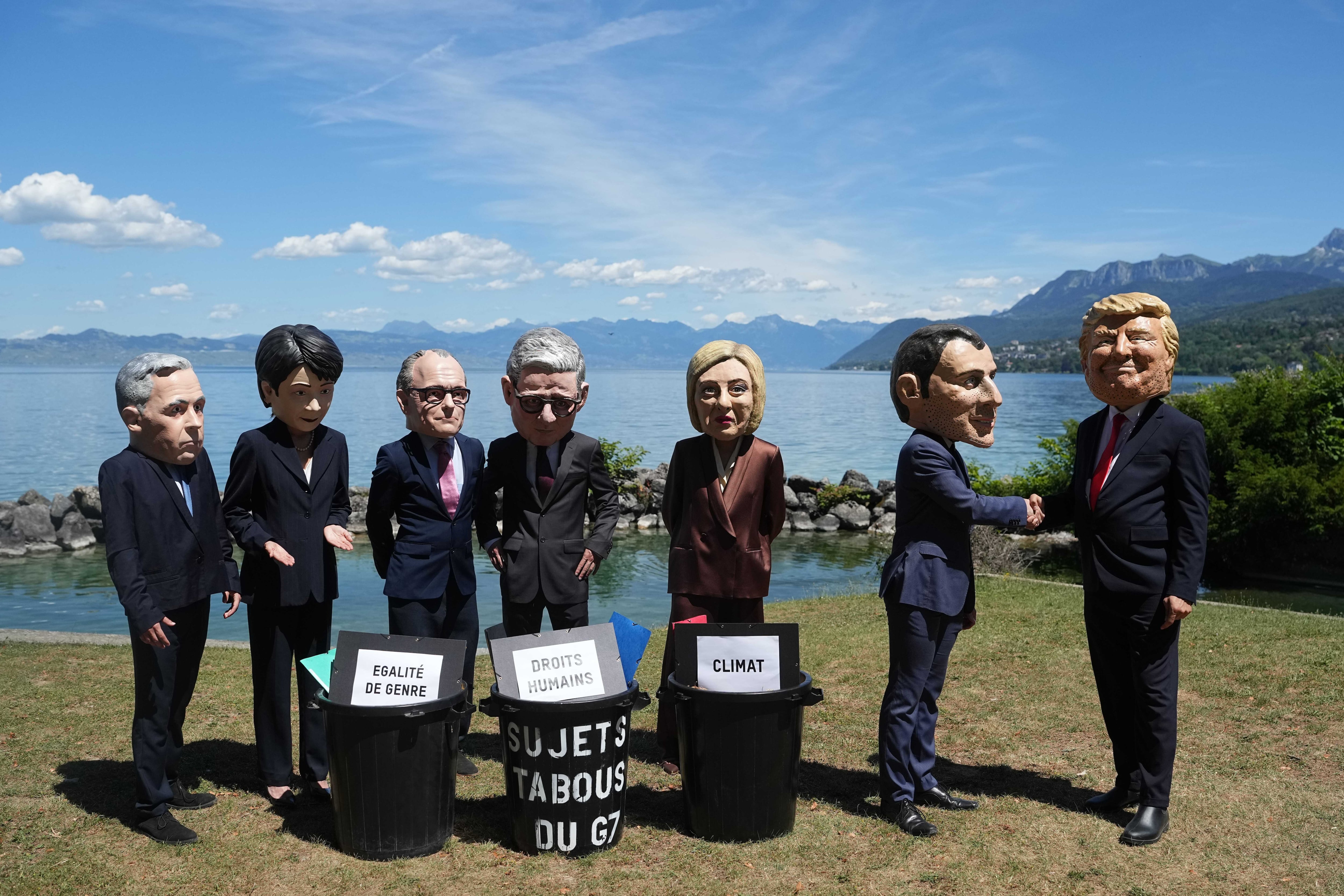
The G-7 summit, which brings together seven of the world’s most industrialized democracies, will gauge this week the depth of the rift in the West — the division between the United States and its traditional allies. The summit runs from Monday through Wednesday in the French town of Évian-les-Bains, on the shores of Lake Geneva. The eve of the meeting was marked by a protest in Geneva, attended by thousands, during which there were acts of vandalism and clashes with police.
President Xi Jinping hailed China and Russia’s “unyielding” ties in talks with Vladimir Putin on Wednesday, as the pair met to underscore their alliance days after Donald Trump’s own visit to Beijing.
Chinese President Xi Jinping (left) welcomes Russian President Vladimir Putin at the Great Hall of the People in Beijing on May 20, 2026. Photo: The Kremlin.
The two countries’ ties have deepened since Moscow’s 2022 invasion of Ukraine, as Russia has become increasingly dependent on China, its main oil customer.
Putin was received by Xi outside Beijing’s opulent Great Hall of the People in much the same fashion as Trump last week, complete with chanting children and military fanfare.
But the language was much warmer, with Xi telling the Russian leader Beijing and Moscow have “continuously deepened our political mutual trust and strategic coordination with a resilience that remains unyielding”, according to Chinese state media.
Opening talks, both were quick to laud their countries’ special ties as they extended their treaty of “friendly cooperation”.
Putin, quoting a Chinese phrase, told Xi: “A day apart feels like three autumns”, adding that relations had reached an “unprecedentedly high level” despite “unfavourable external factors”, Russian media footage showed.
In an apparent swipe at the United States, Xi warned of “unilateral and hegemonic countercurrents running rampant” in the world.
Children greet Chinese President Xi Jinping (left) and Russian President Vladimir Putin during the welcome ceremony at the Great Hall of the People in Beijing on May 20, 2026. Photo: The Kremlin.
In contrast to Trump’s visit last week, which yielded little in the way of immediate concrete announcements, Putin and Xi signed a slew of agreements on Wednesday on trade, media and energy.
The two leaders later had talks over tea, which the Kremlin had previously said would be reserved for “the most important issues” such as Ukraine, Iran and relations with the US.
That session lasted around 1.5 hours before Putin headed to the airport, according to Russian media.
Fossil fuel push
Beneath the camaraderie, Putin is now perceived by many to be the junior partner in the relationship.
The Russian leader has been weakened over four years of the Ukraine conflict, with his country’s economy shrinking in the first quarter of the year as factors such as wartime spending, labour shortages and sanctions take their toll.
Analysts believed Putin would use his visit to push for progress on the “Power of Siberia 2”, a major natural gas pipeline running from Russia to China through Mongolia.
But Kremlin spokesman Dmitry Peskov told Russian media Wednesday that while the two sides had reached a “basic understanding” — including on “the route and how it will be built” — there was no “clear timeline”, and “there are still some details to be worked out”.
Chinese President Xi Jinping (left) and Russian President Vladimir Putin inspect the honour guard at the Great Hall of the People in Beijing on May 20, 2026. Photo: The Kremlin.
The US-Israeli war on Iran has hampered crude and gas flows from the Middle East, giving an opportunity for Putin to offer Russian energy sources as an alternative.
“Russia and China are actively cooperating in the energy sector… We are, of course, ready to continue reliably supplying all these types of fuel to the rapidly growing Chinese market,” Putin said Wednesday.
His priorities may differ from China’s, which wants the Middle East conflict concluded as soon as possible.
Underlining that, Xi told Putin on Wednesday that “a comprehensive ceasefire is of utmost urgency, resuming hostilities is even more inadvisable and maintaining negotiations is particularly important”.
‘Sovereign foreign policy’
Xi has played host to a series of world leaders as an increasingly unpredictable United States under Trump has pushed many to shore up alliances with Beijing.
Many have urged him to use his influence with Russia and Iran to help bring an end to the respective conflicts there.
US President Donald Trump and Chinese President Xi Jinping tour the Hall of Prayer of Good Harvest at the Temple of Heaven in Beijing on May 14, 2026. Photo: The White House, via Flickr.
Ukrainian President Volodymyr Zelensky had asked Trump to discuss ending the war during his meetings with Xi last week.
The pair did talk about the issue, but the US president left China without a breakthrough.
Beijing has regularly called for talks to end the war in Ukraine, but has never condemned Russia for sending in troops — presenting itself instead as a neutral party.
The two leaders talked about Ukraine, Chinese state media said after the visit had ended, without giving further details.
On Wednesday Putin said that Russia and China were “committed to an independent and sovereign foreign policy”.
In a joint statement released by the Kremlin, Russia said it “positively assesses the objective and unbiased position of the Chinese side regarding the situation in Ukraine and welcomes China’s aspiration to play a constructive role”.
Keir Starmer says operation involving National Crime Agency has delivered ‘yet another blow’ to Russia and Putin
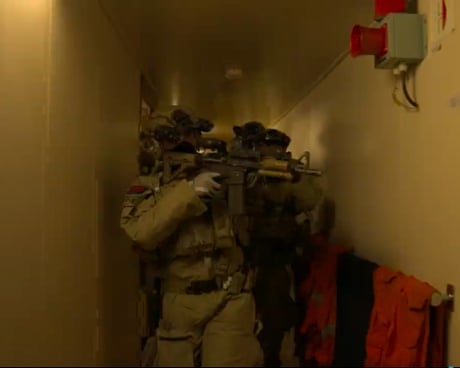
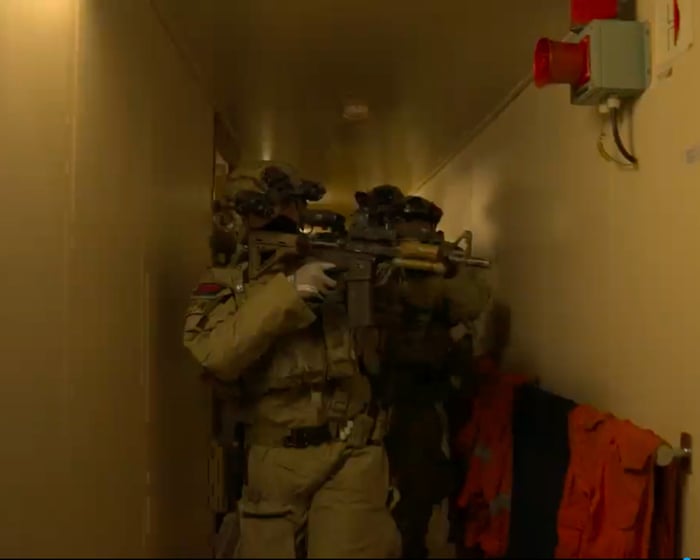
Keir Starmer said he directed British troops to seize a Russian shadow fleet oil tanker in the Channel in the early hours of Sunday, the first time the UK has led a naval capture since the start of the war in Ukraine.
The prime minister released a video on TikTok early on Sunday showing heavily armed Royal Marine commandos boarding the oil-laden Smyrtos tanker, which had been sailing south of the Isle of Wight en route from Russia to India.
A sense of calm runs through Russia despite the fact that these are dangerous months. The hopes the Kremlin had placed on U.S. President Donald Trump handing Ukraine to it on a platter have faded; the war is a drain on Russia with no strategic victories, and security forces are tightening their control over the state just months before legislative elections that are shaping up as a plebiscite on Russian President Vladimir Putin.
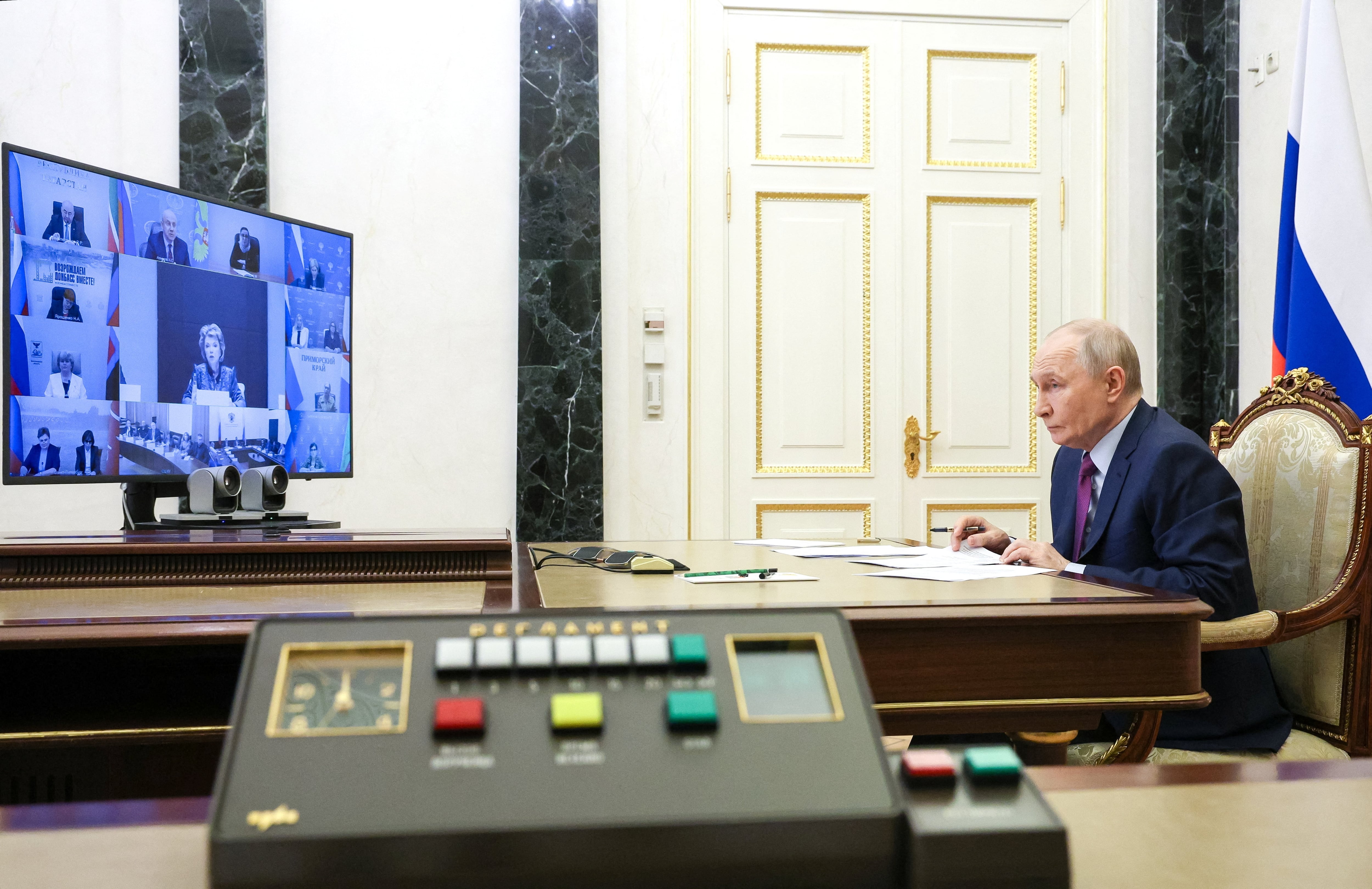
Russian President Vladimir Putin attends a meeting of the Presidential Council for the State Policy to Promote the Russian Language and the Languages of the Peoples of Russia, Tuesday in Moscow, Russia.
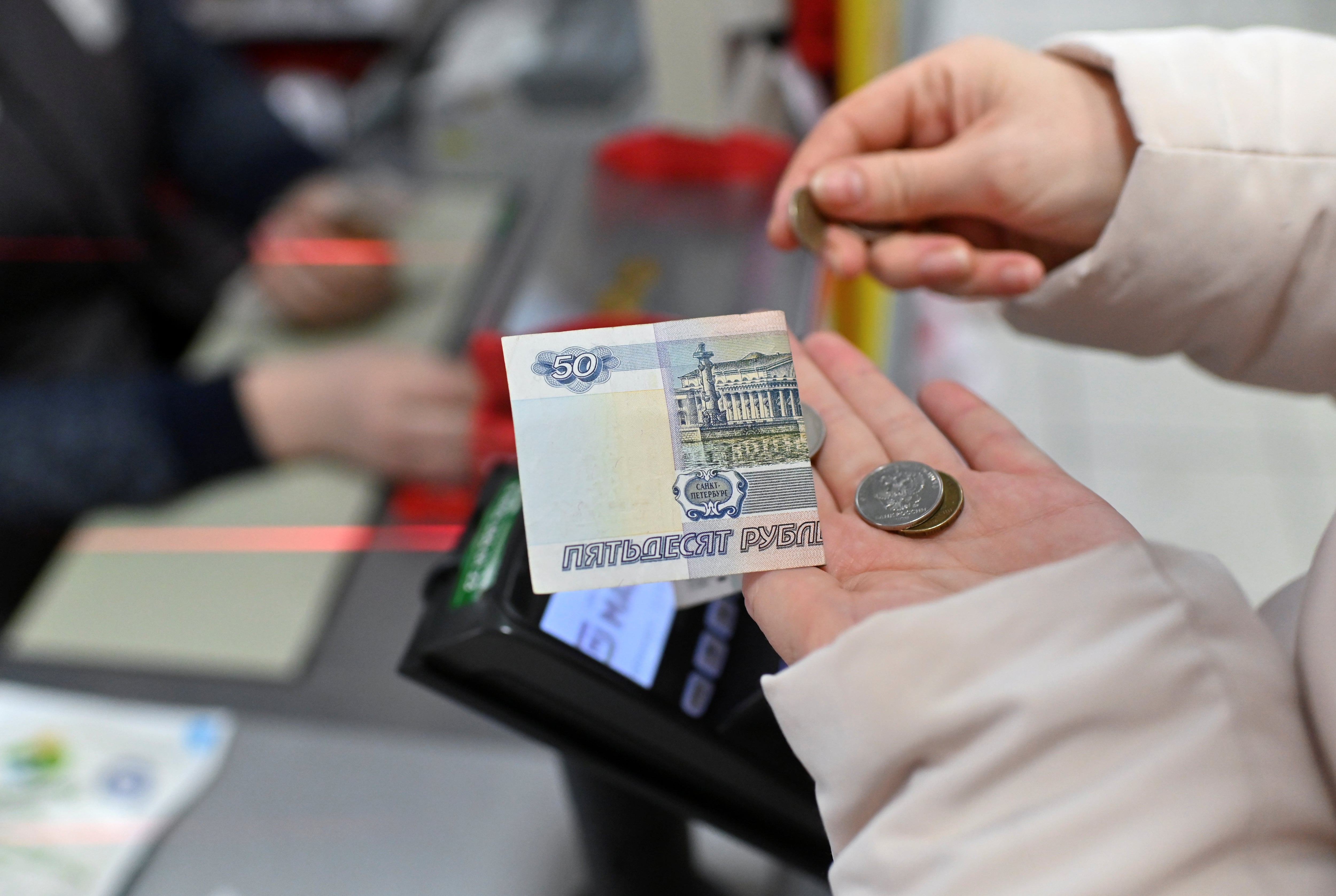
Russians, accustomed to living with constant unpredictability, have been stashing rubles for months in the drawers of their homes. Cash withdrawals have been so massive since the start of the year that the Bank of Russia has carried out a substantial upward revision of the financial system’s liquidity needs through the end of 2026. Internet shutdowns — and, by extension, disruptions to payment systems — ordered by the authorities for alleged “security reasons” have driven Russians to withdraw money from ATMs. Added to this, in a bid to raise revenue to fund the war against Ukraine, is a new bill that would tighten controls on cash payments to businesses.
US President Donald Trump is due to visit China on May 14-15, where he is expected to meet leader Xi Jinping, after delaying an earlier summit because of the Iran war.
US President Donald Trump (left) greets Chinese President Xi Jinping before a bilateral meeting at the Gimhae International Airport terminal, in Busan, South Korea, on October 30, 2025. Photo: The White House, via Flickr.
Here is what Beijing could be hoping to achieve:
What does China want?
Beyond diplomatic niceties and behind closed doors, Beijing will be looking for small, concrete achievements, analysts said, but will stay “realistically pragmatic” given Trump’s unpredictable nature.
China wants a broad reset in ties but knows this would be unlikely, said Benjamin Ho from Singapore’s S. Rajaratnam School of International Studies.
Beijing and Washington had been locked in a blistering trade war in which US levies on many Chinese goods reached an eye-watering 145 percent.
The tit-for-tat escalation cooled off after Trump and Xi agreed in October to a one-year truce, with experts saying Beijing’s baseline goal for the upcoming meeting would be to extend that agreement.
“What China needs is for Trump to follow through on his promise to engage, with at least a few concrete outcomes discussed at the highest level,” said Yue Su from the Economist Intelligence Unit (EIU).
Beijing will be satisfied with “targeted” results such as limited tariff reductions that would justify a measured rollback of its own tariffs or export restrictions, she said.
What about the Iran war?
The topic of Iran will be “hard to avoid” in the Trump-Xi meeting, experts said, but “this is not a domain China is eager to engage deeply on”.
“The US is already raising pressure pre-summit on China by targeting its economic ties with Tehran,” said Lizzi Lee at the Asia Society Policy Institute.
Chinese Foreign Minister Wang Yi (right) and Iranian Foreign Minister Abbas Araghchi in Beijing on May 6, 2026. Photo: China’s Ministry of Foreign Affairs.
Trump warned last month he would hit China’s goods with a 50 percent tariff if it provided military assistance to Iran.
Beijing is a close partner of Tehran and has called US-Israeli strikes on Iran illegal, but it has also criticised Iranian attacks on Gulf countries and called for the Strait of Hormuz to be reopened.
However, China will not accept pressure from the United States to take action on Iran or Russia, over whom it “may have some influence but not decisive control”, the EIU’s Su said.
Beijing will also aim to avoid “additional complications” such as new US tariffs linked to China’s trade with Iran being introduced into an “already complex relationship”, Su said.
The Iran war will add “another layer of mutual pressure”, Lee said, but the real negotiating terrain remains in trade and investment.
What are China’s bargaining chips?
One of China’s key bargaining chips is its rare earths — metals crucial in the production of everything from smartphones to electric cars.
China’s dominance in the rare earths industry, from natural reserves and mining through processing and innovation, is the result of a decades-long drive.
It remains China’s strongest tool if meaningful concessions from the United States are needed, Su said.
Trump has shown that he “cares a lot about” rare earths, said Joe Mazur, a geopolitics analyst at Beijing-based consultancy Trivium China.
“I think that’s sort of something that the US doesn’t really have an answer to,” he said.
Mazur thinks that China is “going to line up… quick wins” before the visit, which may include buying more US agricultural products or Boeing jets.
China, he said, might hope “that will put Trump and his team in a positive frame of mind when they’re then discussing more complex, thornier issues”.
How has Beijing prepared?
China has hedged against instability brought about by Trump through diversifying trade towards Southeast Asia and the Global South, and strengthening regional ties, said the Asia Society’s Lee.
However, a lot of these measures, including diversification of energy imports, a push towards electrification and tech self-sufficiency, predate Trump’s second term, Mazur said.
“If this meeting goes exceptionally well, it’s not going to change the trajectory that China’s on,” he said.
“This push to America-proof the Chinese economy is going to continue, no matter what happens.”
Is China confident?
Beijing will enter talks “cautiously confident”, Lee said.
It believes it can absorb pressure better now and is more comfortable playing “a long game” than Trump, who is facing midterm election pressure, she said.
A visit to Beijing by Russian President Vladimir Putin is also on the cards, with Foreign Minister Sergei Lavrov — who met Xi in April — saying it would happen in the first half of this year.
A back-to-back visit would send the message that “just because he (Xi) had a good meeting with Trump, it doesn’t mean that Chinese support for Russia is going anywhere”, Mazur told AFP.
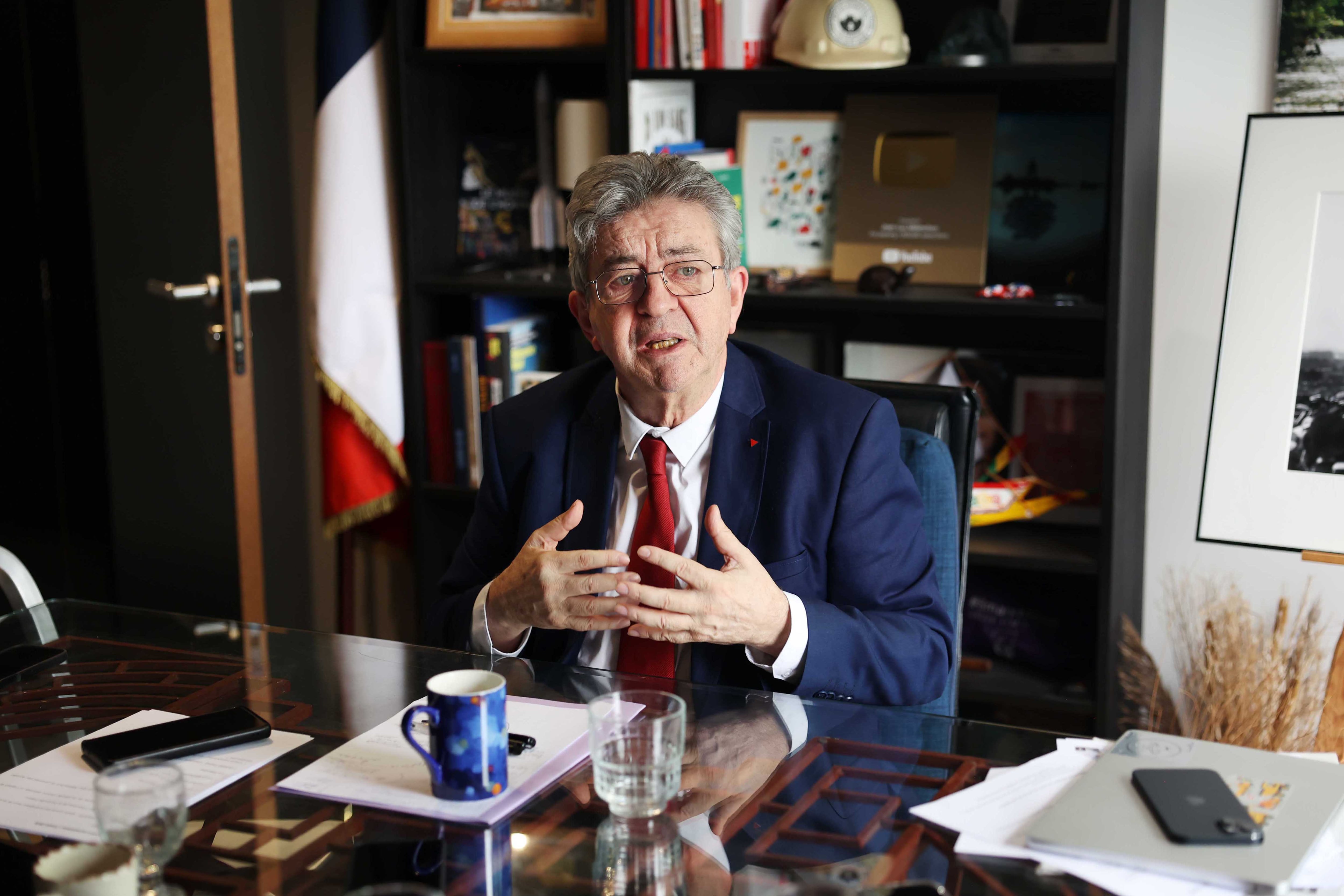
Jean-Luc Mélenchon, 74, electrified the streets on Sunday at the launch of his campaign. It was in Saint-Denis, land of kings, a Paris suburb turned epicenter of immigration and multiculturalism. But also where he gets the narrative material that weaves the idea of the New France that the leader of the far-left party La France Insoumise (LFI, or France Unbowed) has put forward to win over the suburbs in the presidential election of spring 2027. And, incidentally, to capture the roughly 400,000 votes that were missing last time to reach the runoff.
The port and ferry terminal in Helsingborg are bustling with activity. Everything operates with an almost choreographed efficiency. Ferries maneuver slowly; refrigerated trucks wait their turn to board alongside cars, cyclists, and workers who cross the Øresund Strait as if taking a commuter train. After all, only 2.5 miles separate Swedish Helsingborg (population 114,000) from Danish Helsingør. From the waterfront, under the oblique light of northern Europe that lengthens the evenings over the water, the strait is so narrow it is hard to see it as a strategic border. But that maritime line, which looks ordinary on maps, is today one of the flashpoints between Russia and NATO. It is the setting of a gray, hybrid war of maritime sabotage and ghost ships.

 Login
Login