Reading view

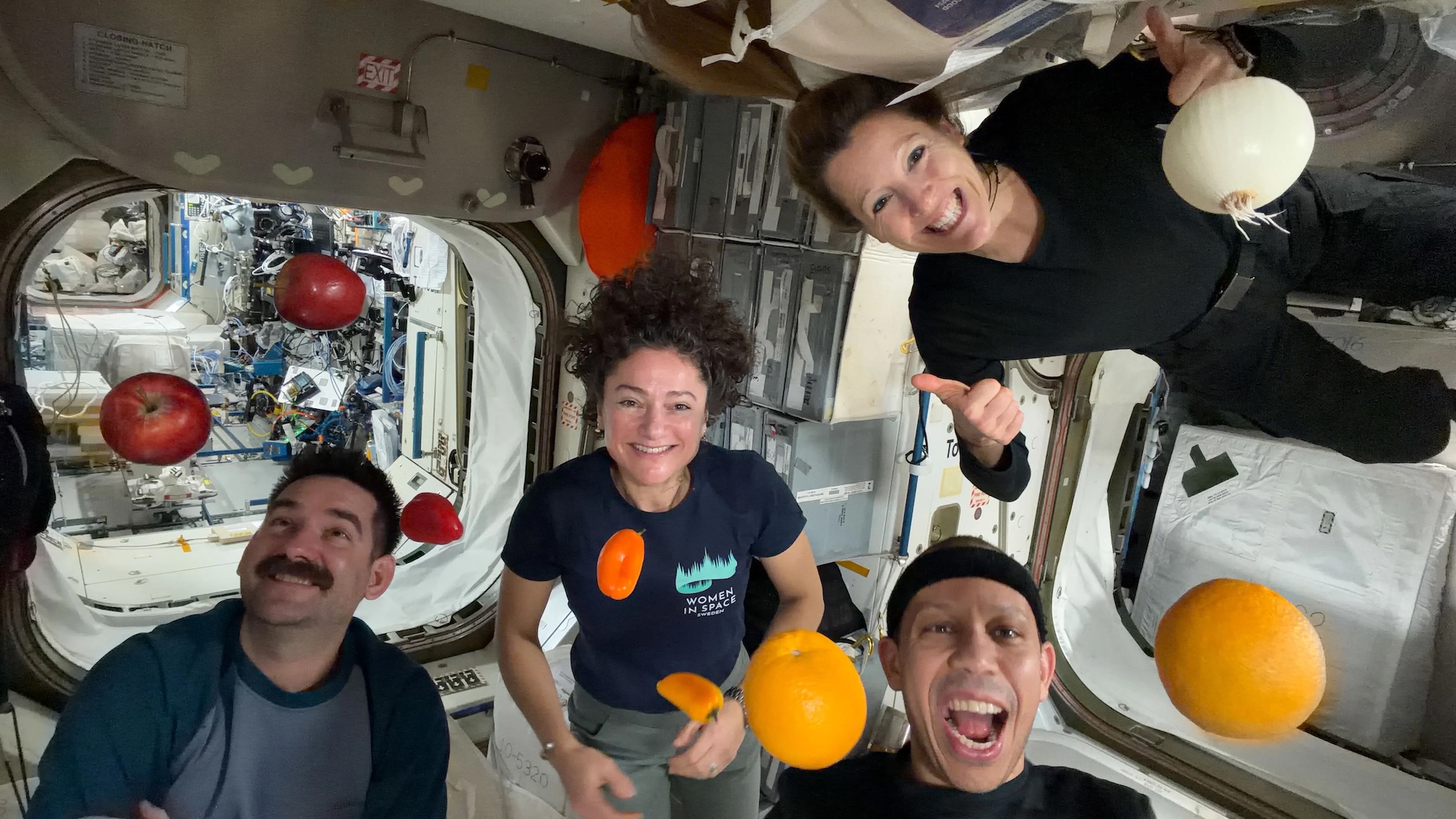
ISS astronauts pose with fresh fruit in microgravity

Astronaut food has come a long way from the freeze dried packets aboard the Apollo missions. During their historic lunar fly-by in April, the Artemis II crew dined on beef brisket, mac and cheese, quiche, and a lot of tortillas. The same can be said for the hungry inhabitants of the International Space Station (ISS). With regularly scheduled restocks, the astronauts don’t have to worry as much about issues like shelf life. That means that even when nearly 250 miles above Earth, ISS residents can still snack on fresh fruit and vegetables.

NASA highlighted one such astronaut grocery delivery in a photo released on May 14. Taken on April 19, astronauts Jack Hathaway, Jessica Meir, Chris Williams, and Sophie Adenot are seen in microgravity alongside what are presumably upcoming snacks like oranges, apples, peppers, and one conspicuous onion.

Food wasn’t the only precious cargo on the Cygnus XL spacecraft visit that month, however. In addition to the colorful produce, the ISS also received over 2,300 pounds of research hardware and science equipment. These materials encompass the tools the crew needs for their research on blood stem cells for cancer treatments and ways to strengthen astronaut gut health. The ISS is now also home to a new exercise machine, courtesy of the European Space Agency, as well as replacement nitrogen and oxygen tanks for spacesuits.

The post ISS astronauts pose with fresh fruit in microgravity appeared first on Popular Science.

  •  

Medical school organizations sign on to RFK Jr.'s nutrition requirements

The Department of Health and Human Services (HHS) announced Monday that numerous medical school accrediting organizations and assessors have agreed to increase nutrition requirements for U.S. medical education. HHS said in a release that eight medical school organizations had agreed to "increase nutrition requirements at every level of U.S. medical education, competency-evaluation, training, and residency."...

  •  

Strawberry Salad With Yuzu Strawberry Vinaigrette

A fresh strawberry salad on a white oval plate includes arugula, strawberries, crumbled feta, and chopped nuts. Two metal forks are placed at the bottom of the plate. Surrounding the plate are small bowls of seasoning, dressing, and a few extra strawberries. MyFitnessPal Blog

This isn’t your average strawberry salad. Fresh yuzu juice — a floral, sweet-tart Japanese citrus — gets whisked with white miso and ripe strawberries into a vinaigrette that does all the heavy lifting. Piled over baby spinach with creamy goat cheese and Marcona almonds, it delivers both fruits and vegetables in one bowl. Look for yuzu in small bottles near Asian ingredients, or use equal parts lime and orange juice as an easy swap.

Active time: 10 minutes | Total time: 10 minutes

Strawberry Salad With Yuzu Strawberry Vinaigrette

Ingredients

  • 1 pint (300g) strawberries, hulled and thinly sliced, divided
  • 1 1/2 tsp unseasoned rice wine vinegar
  • 1 1/2 tsp yuzu juice (or equal parts fresh lime and orange juice)
  • 1 1/2 tsp honey
  • 1/2 tsp white miso
  • 2 tbsp olive oil
  • 8 cups loosely packed baby spinach
  • 1/4 tsp ground black pepper
  • 1/4 cup soft goat cheese, crumbled
  • 1/4 cup roasted Marcona almonds, finely chopped (or regular almonds)

Directions

In a medium bowl, combine 2 of the sliced strawberries (or about ¼ cup sliced) with the vinegar, yuzu juice, honey, and miso. Mash the berries and whisk the mixture until combined. Gradually whisk in the oil and set aside.

In a large serving bowl, toss the remaining strawberries, greens, and dressing until evenly coated. Season with black pepper. Top with the goat cheese and almonds on top and serve immediately.

Serves: 4 | Serving Size: 2 cups salad plus 2 tbsp dressing

Nutrition (per serving): Calories: 188; Total Fat: 14g; Saturated Fat: 3g; Monounsaturated Fat: 5g; Polyunsaturated Fat: 1g; Cholesterol: 7mg; Sodium: 169mg; Carbohydrate: 11g; Dietary Fiber: 3g; Sugar: 7g; Protein: 6g

Nutrition Bonus: Calcium: 9%; Iron: 7%; Potassium: 427; Vitamin C: 95%

Originally published: July 23, 2019; Updated April 2026

The post Strawberry Salad With Yuzu Strawberry Vinaigrette appeared first on MyFitnessPal Blog.

  •  

3 Factors That Put Teens At Higher Risk for Running Injuries

Whether your teens are natural-born runners or happened upon it later, there’s no denying that interest in running sports, such as cross country and track, has increased. With an uptick in participation comes additional injuries, and parents naturally wonder why they happen and how they can prevent them. Some factors put teens more at-risk for

The post 3 Factors That Put Teens At Higher Risk for Running Injuries appeared first on Cincinnati Children's Blog.

3 Factors That Put Teens At Higher Risk for Running Injuries
  •  

Oats Avial

A clay pot filled with colorful vegetable curry, reminiscent of avial, garnished with curry leaves and red chili peppers on a white plate. A silver spoon and a beige cloth napkin are placed next to the dish. The setting is on a blue surface with a few scattered green leaves and red chilies. MyFitnessPal Blog

This savory oatmeal recipe is inspired by Avial, a traditional South Indian dish. It features fresh coconut and veggies, creamy yogurt and turmeric, a spice that will delight your taste buds and add some color to the dish.

Active time: 15 minutes | Total time: 30 minutes

Oats Avial

Ingredients

  • 4 tbsp quick-cook or instant oats
  • 1 plantain, cut into 1-inch strips
  • 1 small potato or sweet potato, cut into 1-inch strips
  • 1 small carrot, cut into 1-inch strips
  • 4 green beans, cut into 1-inch strips
  • 2 celery sticks, cut into 1-inch strips
  • ¼ tsp turmeric
  • ¼ cup fresh grated coconut
  • 1 tsp cumin seeds
  • 1/2 tsp salt
  • 2–4 green chilies
  • ¾ cup plain nonfat Greek yogurt, at room temperature
  • ½ cup water
  • 1 tsp coconut oil
  • ½ tsp mustard seeds
  • 8–10 fresh or frozen curry leaves
  • 2 dry red chilies

Directions

In a small dry pan, toast the oats over medium heat, stirring constantly, for 2–3 minutes until fragrant and lightly golden. Remove from the heat, let cool completely, then transfer to a blender or spice grinder and grind into a fine powder. Set aside.

Bring 4 cups of water to a boil in a medium saucepan. Add the plantain and potato first and cook for 2–3 minutes, then add the carrot, green beans, and celery. Add the turmeric. Continue cooking for 2 minutes more, or until all the vegetables are just tender but still holding their shape. Drain and set aside.

Add the ground oats, coconut, cumin seeds, salt and green chilies to a blender. Add the yogurt — make sure it is at room temperature to prevent curdling — and blend until completely smooth. Transfer the mixture to a medium saucepan and stir in ½ cup water. Bring to a gentle simmer over low heat, stirring continuously to prevent the yogurt from separating. Add the cooked vegetables and simmer for 1 minute more. Remove from the heat and set aside.

In a small saucepan, heat 1 tsp coconut oil over medium heat. Add the mustard seeds, cover the pan, and cook until they begin to pop, about 30–60 seconds. Remove the lid, add the curry leaves and dry red chilies, and cook for about 30 seconds until the chilies darken slightly — stand back as the curry leaves may splatter. Pour the tempering immediately over the avial and stir gently to combine.

Serve hot.

Serves: 4 | Serving Size: About 1 cup

Nutrition (per serving): Calories: 185; Total Fat: 4g; Saturated Fat: 3g; Monounsaturated Fat: 0g; Polyunsaturated Fat: 0g; Cholesterol: 2mg; Sodium: 329mg; Carbohydrate: 33g; Dietary Fiber: 4g; Sugar: 12g; Protein: 8g

Nutrition Bonus: Calcium: 8%; Iron: 11%; Potassium: 681mg; Vitamin A: 160%; Vitamin C: 173%

Originally published: October 19, 2018; Updated June 2026

The post Oats Avial appeared first on MyFitnessPal Blog.

  •  

Healthy Late Night Snacks for Better Sleep and Stable Blood Sugar

Woman contemplating a snack before bed

If you get hungry before bed, you do not need a perfect snack. You just need one that is small, balanced, and easy to digest. The best healthy late night snacks can take the edge off hunger, support steadier blood sugar, and in some cases may even help with sleep. (2,5)

That does not mean everyone needs to eat before bed. For many people, a bedtime snack is optional. But if you often go to sleep hungry, wake up hungry, or need help avoiding overnight low blood sugar, a small snack may make sense. (2,1)

“Bedtime snacks are not any different than snacking at other times. A nutrient-rich snack containing lean protein and fiber-rich carbohydrates is recommended to help keep you full through the night while keeping blood sugar steady,” says Joanna Gregg, RD, MyFitnessPal Registered Dietitian.

Do You Really Need a Bedtime Snack?

Not necessarily.

“Individuals without certain medical conditions such as diabetes generally do not need a snack before bed to stabilize blood sugar overnight, as the body is well equipped to regulate glucose levels during sleep,” says Emily Sullivan, RD, MyFitnessPal Registered Dietitian.

However, a bedtime snack might help some people, including those who need to prevent overnight low blood sugar and, in some cases, active people using nighttime nutrition strategically. (1,2)

That is why bedtime snacks are best thought of as helpful for some people, not a must for everyone. Your full eating pattern during the day matters more than one snack at night. (2)

What Makes a Healthy Bedtime Snack?

A healthy bedtime snack usually includes a source of lean protein and fiber-rich carbs. That combination helps you feel fuller for longer and slows the rise of blood glucose. (4,20)

For example, fruit on its own may not keep you full for long. But fruit with nut butter or yogurt is more balanced. Toast alone is less satisfying than toast with cottage cheese or avocado.

Portion size matters too. One review found that a small, nutrient-dense nighttime snack, around 150 calories, may be fine for healthy adults, though this is based on limited research and individual needs vary. Yet still, large meals late at night are more likely to affect sleep and health in a negative way. (2)

If you want to get a better sense of whether you are eating enough protein, fiber, or calories during the day, logging meals in the MyFitnessPal app may help you spot patterns. Late-night hunger can sometimes be a sign that dinner was too small or not well balanced. 

6 Healthy Late Night Snacks to Try

1. Greek Yogurt With Berries And Walnuts

Plain low-fat Greek yogurt with berries and walnuts is one of Sullivan’s go-to bedtime snacks. It is a simple, balanced option that can feel light while still being satisfying. Sullivan also notes that dairy and walnuts have both been studied for possible sleep benefits. (5,9,10)

Dairy foods contain tryptophan, an amino acid involved in the production of melatonin and serotonin. Researchers are still learning more about the link between dairy foods and sleep, but the connection is promising. (5,9)

It’s also important to note that the research on walnuts and melatonin looked at daily walnut consumption over time, not a single handful at bedtime, so the sleep benefit from an occasional snack portion is uncertain. (10

However, this is still one of the easiest healthy bedtime snack ideas because it takes only a minute to put together.

2. Banana And Nut Butter, Two Ways

It appears we have a consensus. Both Sullivan and Gregg recommend bedtime snacks built around banana and nut butter.

Sullivan’s version is oatmeal with peanut butter and banana, which works well when you want something warm and a little more filling. Gregg’s version is a banana with peanut butter or almond butter, which is a faster option when you want something simple and easy.

Both banana and nut butters contain magnesium, a nutrient that has been studied for its role in sleep. (6)

3. Whole Wheat Toast With Low-Fat Cottage Cheese

This is another easy snack from Gregg.

Whole-grain toast with cottage cheese pairs a slower-digesting carbohydrate with a protein-rich topping. (3,11) It’s also a good option if you prefer savory foods over sweet options at bedtime. 

4. Whole Grain Toast With Avocado

Katherine Basbaum, MS, RD, MyFitnessPal Registered Dietitian, recommends a slice of whole grain toast topped with avocado.

Whole grains provide fiber and complex carbs to keep you full longer, while avocado contains magnesium, which has been shown to improve sleep. (3,6,18)

This snack is simple, plant-forward, and easy to keep in your routine, while still being extra delicious.

5. Tart Cherry Juice With A Handful Of Nuts

Brookell White, MS, RD, MyFitnessPal Registered Dietitian, recommends a small glass of tart cherry juice with a handful of nuts before bed. 

Tart cherry juice has been studied for its possible sleep benefits as it contains melatonin which may help support longer sleep duration, though more studies are needed. (14,19)

Additionally, nuts can help make the snack feel more balanced and satisfying. Nuts also contain magnesium which has been associated with better sleep in those who lack this mineral in their diet. (6,19)

6. Pistachios With Low-Fat Cottage Cheese

Basbaum recommends a handful of pistachios with a small bowl of low-fat cottage cheese. 

Of all nuts, pistachios have the highest concentration of melatonin, and cottage cheese contains tryptophan, an amino acid the body uses to help make melatonin and serotonin. (15,16,17)

What Foods Should You Avoid Before Bed?

Some foods are more likely to work against sleep than support it.

White says foods and drinks with caffeine, including coffee, tea, and chocolate, may affect sleep quality. Research cited by the American Academy of Sleep Medicine found that caffeine taken even six hours before bed can still disrupt sleep. (8)

Large or heavy meals can also be a problem. The National Heart, Lung, and Blood Institute recommends avoiding large meals close to bedtime because they can interfere with sleep. (7)

When Should You Eat a Bedtime Snack?

There is no perfect time that works for everyone.

Some research has found an association between eating or drinking very close to bedtime and more wakefulness during sleep, suggesting that a longer gap between the last meal and bedtime may be better for sleep. (12)

In practice, this often means a small snack one to two hours before bed may work better than eating right before lying down. This timing is a general guideline rather than a strict, research-backed rule. Still, a heavy meal late at night is more likely to disrupt sleep.(2,7,12)

Keep in mind that sleep and nutrition responses vary from person to person, so what works well for one individual may not work the same for another. 

One Change That Helps Beyond Bedtime

Your nighttime snack matters less than your full eating pattern.

“From a dietary standpoint, eating a plant-forward diet is one of the best things you can do to improve sleep quality and support overnight blood sugar control,” says Basbaum.

A plant-forward way of eating includes more fruits, vegetables, beans, whole grains, nuts, seeds, and healthy fats like olive oil or avocado. These foods tend to be rich in fiber and other nutrients that support better overall health and sleep. (13)

That means the best bedtime snack is only one part of the picture. Eating balanced meals throughout the day may do even more to help you sleep better and avoid blood sugar swings overnight.

If you are trying to improve your routine, the MyFitnessPal app can help you see whether your meals are balanced and whether you are getting enough protein and fiber across the day.

Frequently Asked Questions (FAQs)

  • What are good foods to eat before bed?

Good foods to eat before bed include small, balanced snacks that combine protein with fiber-rich carbs. This can look like: Greek yogurt with berries, banana with nut butter, oatmeal with peanut butter, or whole grain toast with cottage cheese. Some of these also contain magnesium, which has been associated with better sleep. (3,4,18)

  • What are the best bedtime snacks for diabetics?

The best bedtime snacks for diabetics depend on the person, their medications, and their overnight blood sugar patterns. In general, small snacks with carbs plus protein, fat, or fiber may be used when needed as this combo generally supports stable glucose levels. People using insulin should get individualized advice from their care team. (1,20)

  • How long before bed should you eat a snack?

There is no perfect time for everyone, but a small snack is usually better than a heavy meal close to bedtime. Some research suggests a gap between eating and sleep may be associated with better rest, though the ideal timing will vary by individual. (2)

  • What foods should you avoid before bed?

It is usually best to avoid large or heavy meals right before bed. Foods and drinks with caffeine, like coffee, tea, and chocolate, may also make it harder to sleep well. (7,8)

Bottom Line


A good bedtime snack doesn’t need to be complicated. Yogurt with berries and walnuts, oatmeal with peanut butter and banana, or toast with cottage cheese or avocado all fit the bill.

If you want something before bed, choose a snack that feels light but still takes the edge off hunger. If you’re not hungry, skip it.

The post Healthy Late Night Snacks for Better Sleep and Stable Blood Sugar appeared first on MyFitnessPal Blog.

  •  

Pressure Cooker White Bean Chili

Instant Pot Butternut Squash and White Bean Chili

This recipe is a great source of fiber and gives you about 40% of your Vitamin A for the day. Vitamin A is important for immune system function, proper vision and growth and development (1).

Poblano chilies are a glossy dark green, with a grassy flavor and meaty texture that makes this chili especially complex. Look for them where other hot peppers are sold. Substitute with 2 light green Anaheim peppers if you can’t find poblanos.

Active time: 20 minutes | Total time: 45 minutes

Pressure Cooker White Bean Chili

Ingredients:

  • 2 tbsp olive oil
  • 1 medium yellow onion, diced
  • 1 poblano pepper, seeded and diced
  • 3 medium cloves garlic, minced
  • 1 tbsp ground cumin
  • 2 tsp ground coriander
  • 2 tsp Mexican oregano
  • 3 cups butternut squash, cut into 1/2-inch cubes
  • 2 1/2 cups low-sodium chicken or vegetable broth
  • 1/2 cup frozen corn
  • 2 15-oz. cans no salt added cannellini beans, rinsed and drained
  • 3/4 tsp salt
  • 1/2 tsp black pepper
  • 1/4 cup cilantro, chopped
  • 1 lime, cut into wedges
  • 1/2 cup nonfat plain Greek yogurt, for garnish

Directions:

Select the sauté function on the Instant Pot and heat the olive oil. Add the onion and poblano chili and cook, stirring occasionally, for about 5 minutes, or until the onion is softened. Add the garlic, cumin, coriander, and oregano and cook for about 45 seconds, or until fragrant. Press cancel.

Add the butternut squash, broth, corn, beans, salt, and black pepper to the pot and stir to combine. Lock the lid, set the valve to sealing, and cook on high pressure for 10 minutes.

When the cooking time is complete, allow the pressure to release naturally for 5–10 minutes, then carefully quick-release any remaining pressure. Stir in the cilantro.

Serve hot with lime wedges and Greek yogurt on top.

Serves: 4 | Serving Size: 2 cups chili + 2 tbsp Greek yogurt

Nutrition (per serving): Calories: 398; Total Fat: 9g; Saturated Fat: 1g; Monounsaturated Fat: 5g; Polyunsaturated Fat: 1g; Cholesterol: 2mg; Sodium: 560mg; Carbohydrate: 57g; Dietary Fiber: 16g; Sugar: 7g; Protein: 17g

Nutrition Bonus: Calcium: 24%; Potassium: 1139mg; Vitamin A: 41%; Vitamin C: 75%, Iron: 34%

Originally published: January 2020; Updated March 2026

The post Pressure Cooker White Bean Chili appeared first on MyFitnessPal Blog.

  •  

Can poppy seeds actually make you fail a drug test?

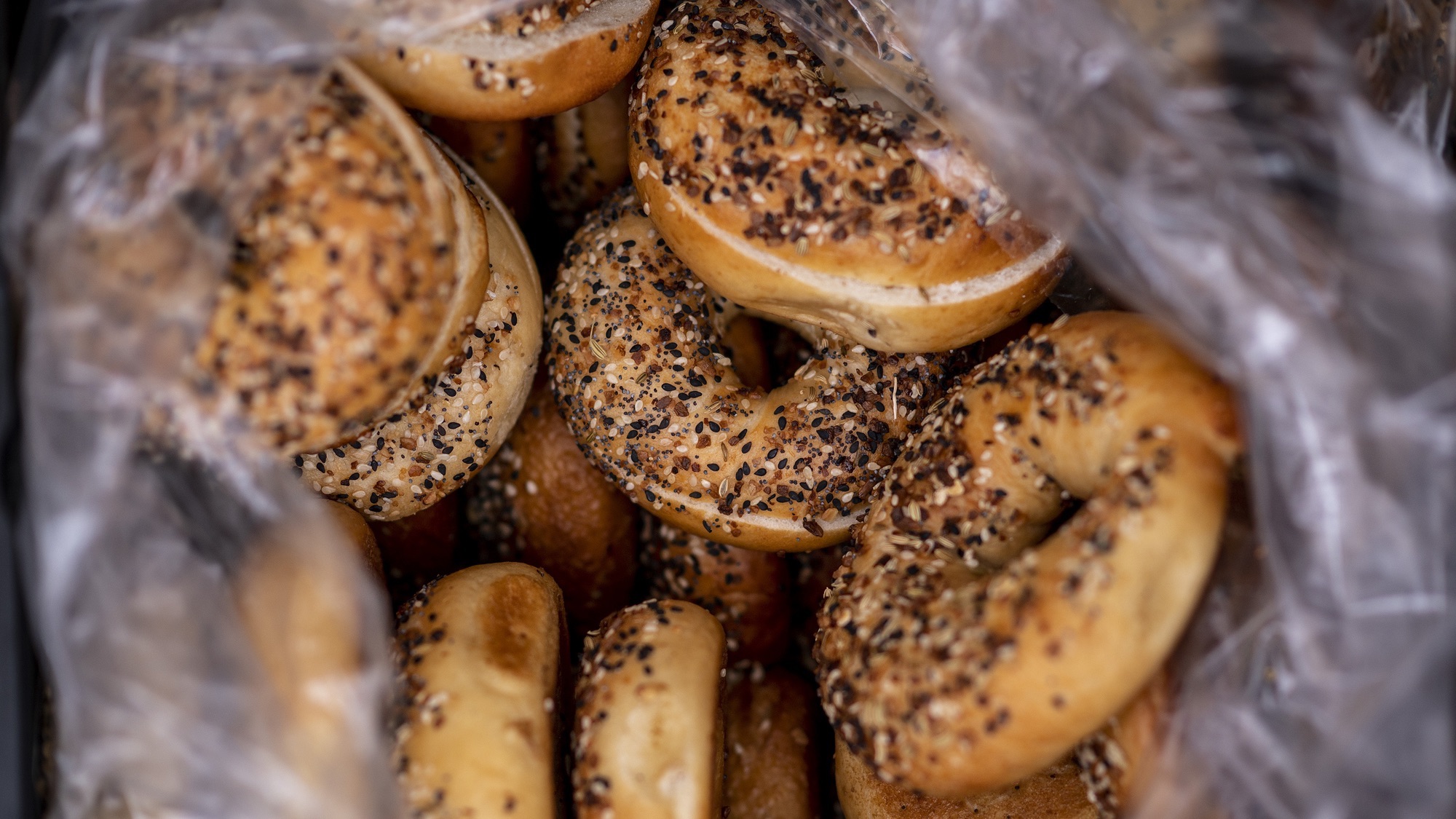
The opium poppy (Papaver somniferum) has a weird double life. The plant’s seeds give a tasty, nutty flavor to bagels, breads, and cakes in bakeries around the world. But the plant’s seed pods also give the class A drug heroin its numbing and euphoric effects. 

That’s because the seed pods exude a milky substance called latex, which is rich in natural chemicals called opiates, such as morphine. Dried-out poppy latex is called opium, and the chemicals it contains can be used as medical-grade painkillers or processed to make street drugs like heroin. 

This doesn’t mean that your next deli bagel is going to send you into a stupor, because processed poppy seeds are carefully washed of any residual latex. But the washing process isn’t so thorough as to remove all traces of opiates from your body. Here’s why anyone in a job that requires random drug tests should try their next bowl of porridge without adding any black little poppy seeds. 

Processing a poppy plant

The round structure that sits on top of a poppy plant’s stem is called a capsule. This is a pod that contains hundreds of tiny poppy seeds. The plant produces opiates, like morphine, codeine, and thebaine, within the capsule to help it grow. These are contained in the milky latex, which will drip from the pod if it’s broken or cut. 

A single poppy pod typically holds hundreds of tiny poppy seeds. Video: Poppy Seed Harvest!, @Freedom_Flare

During harvesting, poppies that have died and dried out are mechanically harvested, removing the above-ground portion of the plant. Crushing, sieving, or other cleaning techniques separate the seeds from the seed capsules. The seeds that later end up on our bagels and breads are washed seeds, meaning they are carefully cleaned after being separated from their seed capsules to remove any opiate-containing latex. 

This process means there isn’t any risk of getting high from washed poppy seeds. However, drug tests are incredibly sensitive, and these washed seeds may still trigger a positive result from trace chemicals

Urbah Viqar, a doctor at Central and Northwest London NHS Foundation Trust, says that if you eat “one to two teaspoons” of poppy seeds, then you could return a positive opiate result. Given that some poppy seed bagel recipes recommend sprinkling a teaspoon of seeds on a single bagel, these breakfast treats should be treated with caution if you might be tested for drugs. 

Importantly, opiates like morphine stay in your system for several days, so avoiding poppy seeds for a while before a drug test is a good idea, Viqar says. Some companies have developed low-opiate poppy seed blends to allow bagel enjoyers to get their fix without risks. 

But this isn’t the whole story. If you eat unwashed poppy seeds, the effects are radically different. 

Yes, you get high off unwashed poppy seeds

In 2023, Viqar heard reports that men were reporting to their family doctors complaining of constipation. These patients, mainly from the local Indian Punjabi community, weren’t blocked up by a lack of fiber. Instead, their symptoms were a consequence of their unwashed poppy seed addiction. 

Viqar explains that in some communities, unwashed poppy seeds have been a traditional remedy for generations. Without washing, the seeds retain the opiate-rich latex released during harvesting. As a result, consuming them can make you feel sleepy and relaxed. 

But opiates are, of course, highly addictive. Viqar and her colleague Noah Stanton, who is also a doctor at Central and Northwest London NHS Foundation Trust, wrote a review summarizing the cases of 16 men, nearly all from the Indian Punjabi community, who had become addicted to unwashed poppy seeds. 

“They start with a very small amount, maybe they’re just taking half a teaspoon,” explains Viqar. Many of the men would grind the seeds and consume them as a dry powder, or mixed with water, or brew them as tea. 

The effects of the unwashed seeds are milder than a powerful opioid like heroin, but that made the patients’ addiction more “insidious,” says Stanton. “It took place over a much more gradual time period,” he adds. The unwashed seeds produce a drowsy, sedative effect. 

But by the time Viqar and Stanton saw them, some of the men had seriously ramped up their poppy habit. Two men, who had each been consuming unwashed poppy seeds for over 15 years, were taking 20 tablespoons of seeds every single day. That dose would contain enough opiates to make someone without a strong tolerance overdose, said Viqar. 

Related 'Ask Us Anything' Stories

The risks of too many poppyseeds

An opiate overdose would likely slow breathing until the heart stopped. Viqar wasn’t able to point to any cases she was aware of where people had died from unwashed poppy seeds, but said that there was little research into what a safe limit might be. 

“You don’t know how much is a safe amount, how much is a lethal amount,” she explained. Long-term addiction could also impact a patient’s social life and relationships, said Stanton. Several of the men in the study worked with heavy machinery, which tends not to play well with opiate-related drowsiness. 

Both Viqar and Stanton said that better regulation was badly needed. Unwashed poppy seeds can be purchased in bulk in the United Kingdom and the United States at low prices. Awareness among clinicians would also help, they added. Drug screening questionnaires regularly ask about alcohol and drug consumption. A new question to add to the list, Viqar says, is “Have you ever used poppy seeds?”

In Ask Us Anything, Popular Science answers your most outlandish, mind-burning questions, from the everyday things you’ve always wondered to the bizarre things you never thought to ask. Have something you’ve always wanted to know? Ask us.

The post Can poppy seeds actually make you fail a drug test? appeared first on Popular Science.

  •  

Pressure Cooker Ginger Chicken and Eggplant

Two bowls of quinoa salad are placed on a white surface. Each bowl contains chunks of instant pot chicken, roasted eggplant slices, fresh basil leaves, and cooked quinoa. A fork and knife are positioned nearby, along with a glass of water. MyFitnessPal Blog

The Instant Pot renders chicken thighs fall apart-tender and slender Japanese eggplant deliciously custard-like in just 12 minutes under high pressure. As an added bonus, quinoa, which is a complete protein, can be cooked at the same time using the “pot-in-pot” method (1). You’ll need a tall trivet and 6-cup (1.4L) baking dish that fits inside the pot to cook the quinoa above the chicken mixture.

Active time: 10 minutes | Total time: 40 minutes

Pressure Cooker Ginger Chicken and Eggplant

Ingredients

  • 1 lb (454g) boneless, skinless chicken thighs, meat cut into 1/2-inch (1.3cm) strips
  • 1/2 tsp salt
  • 1 tbsp olive oil
  • 1 tbsp ginger, minced
  • 3 cloves of garlic, minced
  • 1/4 cup (60ml) low sodium chicken broth
  • 3 tbsp low-sodium soy sauce
  • 1 tsp sambal oelek
  • 1 large Japanese eggplant, cut crosswise into large (2-inch/5cm) lengths
  • 3/4 cup (128g) dry quinoa, rinsed and drained
  • 1 tbsp cornstarch
  • 1/2 cup (12g) basil leaves, torn

Directions

Select the sauté function on the electric pressure cooker and adjust to high heat. Season the chicken all over with salt. Add the olive oil to the pressure cooker and, when hot, add the chicken. Cook, stirring frequently, for about 5 minutes, or until browned. Add the ginger and garlic and cook for 20 seconds, or until fragrant. Press cancel.

Add the chicken broth, soy sauce, and sambal oelek, scraping up any browned bits from the bottom of the pot. Arrange the eggplant on top of the chicken without stirring.

Place a tall trivet over the chicken and eggplant mixture. In a heatproof baking dish or bowl, combine the quinoa with 3/4 cup plus 1 tbsp water. Cover tightly with foil and place on the trivet.

Lock the lid, set the valve to sealing, and cook on high pressure for 12 minutes. Quick-release the pressure and remove the lid. Carefully remove the baking dish and trivet. Discard the foil and fluff the quinoa with a fork.

In a small bowl, whisk together the cornstarch with 1 tbsp cold water. Select sauté and adjust to medium heat. Stir the cornstarch mixture into the pot and simmer for about 1 minute, stirring gently, until the sauce thickens. Top with basil and serve with the quinoa.

Serves: 4 | Serving Size: 1 cup (227g) chicken-eggplant mixture and 1/2 cup quinoa

Nutrition (per serving): Calories: 334; Total Fat: 10g; Saturated Fat: 2g; Monounsaturated Fat: 5g; Polyunsaturated Fat: 3g; Cholesterol: 106mg; Sodium: 854mg; Carbohydrate: 30g; Dietary Fiber: 5g; Sugar: 2g; Protein: 29g

Nutrition Bonus: Calcium: 5%; Iron: 16%; Potassium: 713mg; Vitamin A: 3%; Vitamin C: 6%

Originally published: November 7, 2019; Updated May 2026

The post Pressure Cooker Ginger Chicken and Eggplant appeared first on MyFitnessPal Blog.

  •  

Mango Overnight Oats

A yellow mug brimming with a creamy mixture of oatmeal, diced mango pieces, and chia seeds. The vibrant mango adds a tropical twist to the thick, hearty consistency. Situated on a light-colored surface, the mug invites you to enjoy this delightful blend. MyFitnessPal Blog

Overnight oats just got a tropical upgrade. This mango overnight oats recipe comes together in just 5 minutes the night before, so breakfast is ready and waiting when you wake up. Creamy vanilla Greek yogurt and a touch of almond extract give these oats a subtly sweet, nutty flavor that pairs beautifully with the bright, juicy mango. It is the kind of breakfast that feels indulgent but delivers a solid mix of protein, fiber, and complex carbohydrates to keep you energized all morning long

Active time: 5 minutes | Total time: 5 minutes, plus overnight chilling time

Mango Overnight Oats

Ingredients

  • 1/2 cup (40g) rolled oats
  • 1/3 cup (81g) low-fat milk
  • 1/3 cup (82g) vanilla nonfat Greek yogurt
  • 1/8 tsp almond extract
  • 1 tbsp chia seeds
  • 1/2 cup (83g) diced mango

Directions

Add the oats to a jar or container with a lid. Pour in the milk, yogurt and chia seeds and stir to combine. Mix in the almond extract.

Top with the mango. Cover and refrigerate overnight, or for at least a few hours, until the oats have softened.

Serve chilled.

Serves: 1 | Serving Size: 1 container

Nutrition (per serving): Calories: 344; Total Fat: 7g; Saturated Fat: 1g; Monounsaturated Fat: 1g; Polyunsaturated Fat: 4g; Cholesterol: 33mg; Sodium: 59mg; Carbohydrate: 54g; Dietary Fiber: 9g; Sugar: 21g; Protein: 18g

Nutrition Bonus: Calcium: 27%; Iron: 15%; Potassium: 542mg; Vitamin A: 5%; Vitamin C: 54%

Originally published November 2018; Updated: insert information here

The post Mango Overnight Oats appeared first on MyFitnessPal Blog.

  •  

A Nutritionist’s 5-Day Meal Plan for Balanced Blood Sugar

Brandy Smith cooking_blood sugar balancing meal plan

If you’ve ever wondered why you can eat a “healthy” breakfast and still feel starving by 10 AM—or why your energy tanks every afternoon like clockwork—there’s a good chance it comes down to what’s on your plate. Too many carbs (without enough protein and fat!), skipping meals, or relying on snacks are your blood sugar’s worst nightmare. As a nutrition consultant, this is one of the first things I work on with clients, because once you understand blood sugar (a.k.a. blood glucose), so many of those frustrating symptoms start to click into place.

In this guide, we’re covering the basics of blood sugar, why it matters for hormone balance and overall health (especially for women), and a full blood sugar balancing meal plan you can start this week.

Pin it camille cooking_blood sugar balancing meal plan

Beginner’s Guide to Blood Sugar

Without knowing exactly what it means, you’ve probably heard of the term. Blood sugar plays a role in energy, emotions, cognitive function, hormonal health, sleep, and more. You may already be familiar with spikes and dips in blood sugar. Hello, hanger! That said, few recognize its effects daily. In essence, blood sugar is the amount of sugar (or glucose) in your blood at any given time. And it’s produced when we break down carbohydrates. Be it a slice of cake or a piece of toast, that carb is absorbed into our bloodstream. Immediately or eventually, it’s used as a source of energy.

How Does Blood Sugar Work?

Here’s the best way to visualize and think about blood sugar:

1. You eat food. Let’s assume you ate a balanced combination of carbohydrates, protein, and fat. Your digestion breaks down your food. Carbs get broken down into glucose. This is your body and your brain’s primary source of preferred energy.

2. Blood sugar levels rise. Glucose enters your bloodstream, and blood sugar levels naturally increase. How much they increase is dependent largely on the macronutrient breakdown of the meal. More carbs = higher blood sugar. More protein + fat = lower blood sugar spike.

3. Insulin is released. As soon as your body senses the rise in blood sugar, your pancreas releases insulin. Insulin is an important hormone involved in managing blood sugar levels. We want not too much, but also not too little.

4. Blood sugar lowers. Insulin acts as the key that opens your cells and transports glucose from the bloodstream into cells. Glucose is either used immediately for energy or stored for later use. Insulin is what keeps blood sugar from getting too high.

The Goal: A Gradual Rise in Blood Sugar

The goal is to have a gradual rise in blood sugar levels after we eat, and a slow and steady decline in the hours after. We want to avoid large increases in our blood sugar. Why? Because they lead to a very drastic and significant decrease. In other words, it’s not just about high blood sugar levels. We want to minimize low blood sugar levels and crashes, too.

Finding a Happy Medium

Just like cortisol and inflammation aren’t inherently bad (in fact, they’re vital for keeping us alive!), the same goes for blood sugar. Glucose also isn’t the enemy, and neither is insulin. Ultimately, it’s a matter of eating in a way that keeps glucose and insulin at a happy medium. We’re not avoiding carbs and sugar altogether. Rather, it’s about maintaining a healthy balance and honoring the foods that make us feel our best.

How to Achieve Steady Blood Sugar

Large spikes lead to equally dramatic crashes, and those crashes are what trigger the cycle of cravings, fatigue, and overeating that so many women find themselves stuck in. Here’s where to start.

Pair Protein + Fiber at Every Meal

This is the single most impactful change you can make. Protein slows digestion and blunts glucose spikes, while fiber acts as a buffer—slowing the rate at which sugar enters your bloodstream. A breakfast of just toast and juice will spike blood sugar fast, but add eggs and a side of sautéed greens and the response looks completely different. Aim for at least 25-30 grams of protein and a solid serving of fiber-rich veggies or whole grains at each meal.

Take a 10-15 Minute Walk After Eating

This one is free, easy, and backed by a growing body of research. Walking after meals helps your muscles use glucose for energy, which lowers your post-meal blood sugar response. You don’t need to power walk or break a sweat; a casual stroll around the block or even pacing while you take a phone call works.

Prioritize 7-9 Hours of Sleep

Sleep and blood sugar have a bidirectional relationship: poor sleep worsens blood sugar regulation, and unstable blood sugar disrupts sleep. Even a single night of inadequate rest can decrease insulin sensitivity the following day, meaning your body needs more insulin to do the same job. If you’re doing everything right with food and movement but skimping on sleep, you’re undermining your own progress.

Manage Your Stress

This is the underrated one. Most people don’t realize that stress raises blood sugar even if you haven’t eaten anything. When cortisol is elevated, your liver releases stored glucose into your bloodstream to prepare for a perceived threat. Chronic stress means chronically elevated blood sugar—no food required. Everything from deep breathing to building buffers in your schedule isn’t just a nice-to-have. They’re a metabolic tool.

What Causes Blood Sugar Imbalance?

Along with the aforementioned habits, you also want to avoid inconsistent meal times. Not eating enough or not eating consistently (every 3-4 hours, ideally) can both be highly stressful to the body. For this reason, I don’t recommend intermittent fasting for most women! Interestingly, both an overly sedentary lifestyle and working out too much will impact blood sugar levels. Again, it’s stressful on the body. Last but not least, gut dysbiosis (think bloating, etc.) will also negatively impact glucose levels.

Foods That Help Balance Blood Sugar

While there are many foods that help lower and regulate blood sugar, these are some of the best! They cause minimal blood sugar spikes, support sustained energy, and aid in fullness:

  • Animal protein sources (eggs, chicken, turkey, salmon, sardines, grass-fed beef, shrimp, bone broth, etc.)
  • Plant-based protein sources (tempeh, tofu, edamame, hemp seeds, spirulina, etc.)
  • Plain Greek yogurt
  • Darky leafy greens
  • Non-starchy veggies (tomatoes, summer squash, zucchini, mushrooms, etc.)
  • Celery and cucumber
  • Cruciferous veggies (Brussels sprouts, broccoli, etc.)
  • Berries
  • Cottage cheese
  • Avocados
  • Nuts
  • Seeds
  • Olives
  • Beams
  • Legumes
  • Kimchi
  • Sauerkraut
  • Cinnamon
  • Apple cider vinegar
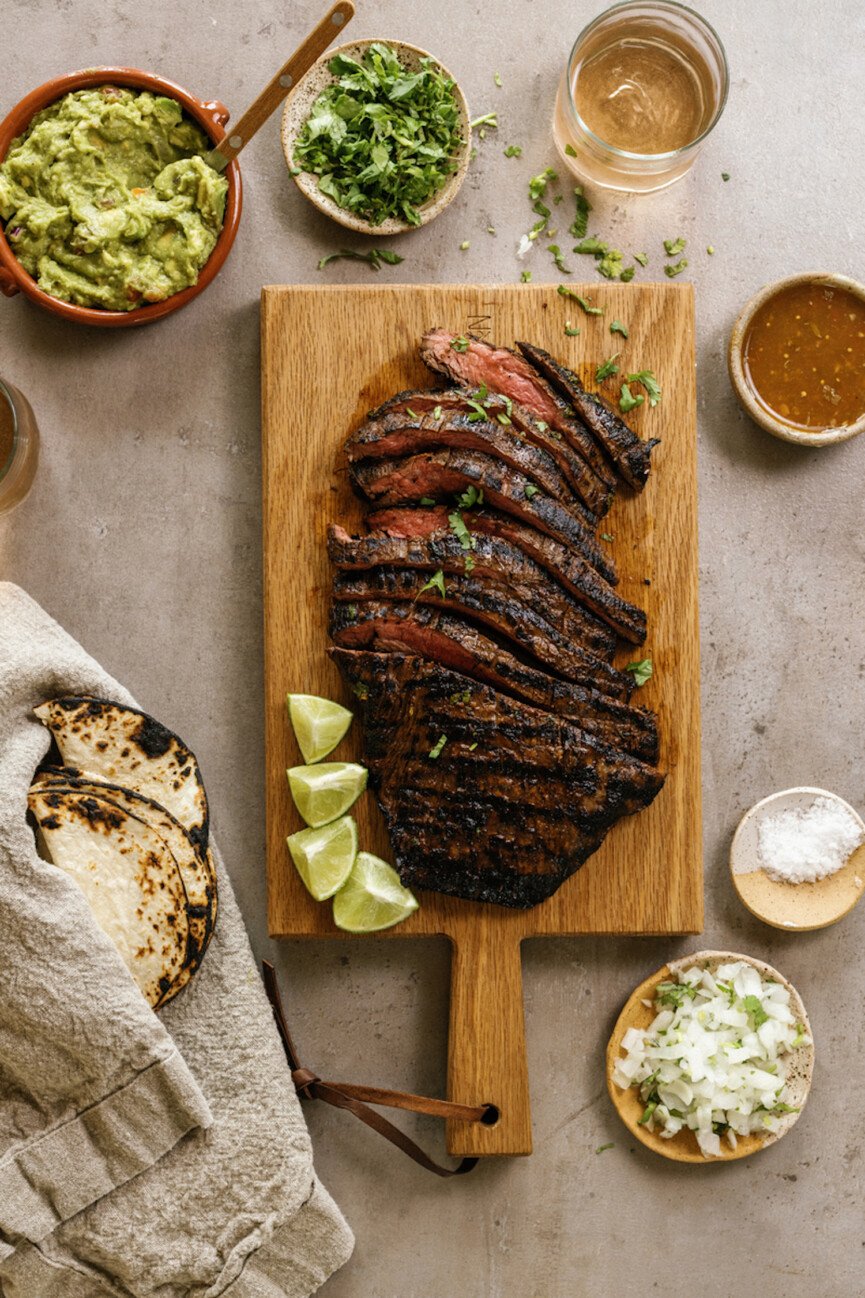
Pin it Carne Asada Tacos_blood sugar balancing meal plan

Your 5-Day Blood Sugar Balancing Meal Plan

This is a flexible framework, not a rigid prescription. Feel free to repeat your favorite meals, swap proteins based on preference, and adjust portions to your hunger and activity level. The through-line: every meal and snack pairs protein + fat + fiber-rich carbs to keep blood sugar steady.

Day 1

Breakfast: Two-egg veggie scramble with sautéed spinach, bell peppers, and a quarter avocado. Serve with a slice of sprouted grain toast.

Snack: A handful of almonds + a few slices of green apple.

Lunch: Large mixed greens salad with grilled chicken (5-6 ounces), cucumbers, cherry tomatoes, pumpkin seeds, and olive oil + lemon dressing. Side of quinoa.

Snack: Celery sticks with 2 tablespoons of almond butter.

Dinner: Baked salmon (5-6 ounces) with roasted broccoli and sweet potato wedges drizzled with olive oil.

Day 2

Breakfast: Overnight oats made with rolled oats, chia seeds, unsweetened almond milk, a scoop of protein powder, and topped with berries and a drizzle of almond butter.

Snack: Hard-boiled egg + a small handful of walnuts.

Lunch: Turkey and avocado lettuce wraps with shredded carrots, cucumber, and a side of hummus with sliced bell peppers.

Snack: Full-fat Greek yogurt with a sprinkle of ground flax and a few raspberries.

Dinner: Grass-fed beef stir-fry with broccoli, snap peas, mushrooms, and cauliflower rice. Season with coconut aminos and ginger.

Day 3

Breakfast: Strawberry matcha smoothie with a scoop of vanilla protein powder (or collagen peptides) added in.

Snack: Sliced turkey rolled around a cheese stick.

Lunch: Lentil soup loaded with carrots, celery, and kale. Serve with a side salad dressed in olive oil and apple cider vinegar.

Snack: A handful of walnuts + blackberries.

Dinner: Grilled chicken thighs served alongside roasted Brussels sprouts and a small portion of brown rice.

Day 4

Breakfast: Two-egg omelet with goat cheese, sun-dried tomatoes, and fresh basil. Side of sautéed greens.

Snack: A pear with a small handful of cashews.

Lunch: Grain bowl with quinoa, black beans, grilled chicken or tempeh, roasted sweet potato, pickled red onion, cilantro, and tahini dressing.

Snack: Veggies and guacamole.

Dinner: Slow-roasted cod, baked sweet potatoes, and grilled asparagus.

Day 5

Breakfast: Chia pudding made with full-fat coconut milk, topped with hemp seeds, sliced almonds, and a handful of blueberries.

Snack: Cottage cheese with cucumber slices and everything bagel seasoning.

Lunch: Large salad with mixed greens, canned wild salmon, avocado, cherry tomatoes, sunflower seeds, and a lemon-tahini dressing.

Snack: An apple with a spoonful of no-sugar-added peanut butter.

Dinner: Turkey meatballs with marinara (no added sugar) over zucchini noodles, with a side of roasted cauliflower.

Tips to Make This Meal Plan Work for You

  • Eat within an hour of waking. Starting your day with a protein-forward breakfast sets the tone for stable blood sugar all day. Skipping breakfast means running on cortisol—and playing catch-up by lunch.
  • Pay attention to eating order. When you do eat carbs, try eating your veggies and protein first. This simple swap can blunt the blood sugar spike from the same exact meal.
  • Pair, don’t restrict. The goal isn’t to eliminate carbs; it’s to always pair them with protein, fat, or fiber. An apple by itself will spike blood sugar more than an apple with almond butter.
  • Meal prep is your friend. You don’t need to spend a whole Sunday in the kitchen. Even prepping a few basics (hard-boiled eggs, a batch of quinoa, washed and chopped veggies, etc.) makes it so much easier to throw together balanced meals during a busy week.
  • Move after meals. Even a 10-15 minute walk after eating can significantly reduce post-meal blood sugar spikes. It doesn’t need to be intense, just get moving!
  • Hydrate. Dehydration can actually concentrate blood sugar levels. Aim for at least half your body weight in ounces of water daily.

If you’re ready to go deeper—beyond just blood sugar and into the full picture of how to eat, train, and build a body that actually feels strong—my Strong(er) Body Blueprint covers everything from protein targets and progressive overload to the metabolic habits that keep blood sugar balanced for the long haul.

Edie Horstman
Edie Horstman

Edie is the founder of nutrition coaching business, Wellness with Edie. With her background and expertise, she specializes in women’s health, including fertility, hormone balance, and postpartum wellness.

This post was last updated on May 11, 2026, to include new insights.

The post A Nutritionist’s 5-Day Meal Plan for Balanced Blood Sugar appeared first on Camille Styles.

  •  
❌