 Login
LoginHootin' and hollerin'. #grickledoodle #owls #hotel #sleep #nocturnal #carto…
22 May 2026 at 16:01
Hootin' and hollerin'. #grickledoodle #owls #hotel #sleep #nocturnal #cartoon #art #drawing #funny #birds #humor


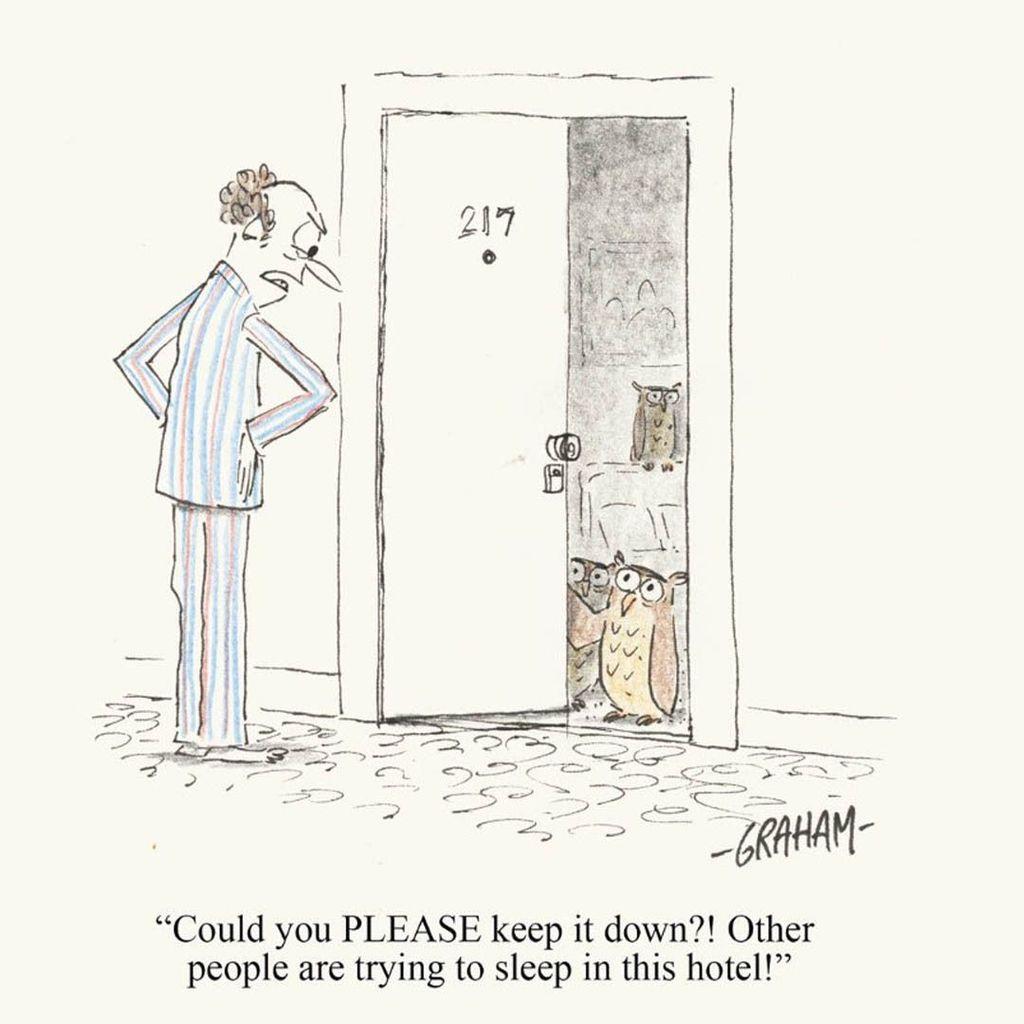


Hootin' and hollerin'. #grickledoodle #owls #hotel #sleep #nocturnal #cartoon #art #drawing #funny #birds #humor

If you get hungry before bed, you do not need a perfect snack. You just need one that is small, balanced, and easy to digest. The best healthy late night snacks can take the edge off hunger, support steadier blood sugar, and in some cases may even help with sleep. (2,5)
That does not mean everyone needs to eat before bed. For many people, a bedtime snack is optional. But if you often go to sleep hungry, wake up hungry, or need help avoiding overnight low blood sugar, a small snack may make sense. (2,1)
“Bedtime snacks are not any different than snacking at other times. A nutrient-rich snack containing lean protein and fiber-rich carbohydrates is recommended to help keep you full through the night while keeping blood sugar steady,” says Joanna Gregg, RD, MyFitnessPal Registered Dietitian.
Not necessarily.
“Individuals without certain medical conditions such as diabetes generally do not need a snack before bed to stabilize blood sugar overnight, as the body is well equipped to regulate glucose levels during sleep,” says Emily Sullivan, RD, MyFitnessPal Registered Dietitian.
However, a bedtime snack might help some people, including those who need to prevent overnight low blood sugar and, in some cases, active people using nighttime nutrition strategically. (1,2)
That is why bedtime snacks are best thought of as helpful for some people, not a must for everyone. Your full eating pattern during the day matters more than one snack at night. (2)
A healthy bedtime snack usually includes a source of lean protein and fiber-rich carbs. That combination helps you feel fuller for longer and slows the rise of blood glucose. (4,20)
For example, fruit on its own may not keep you full for long. But fruit with nut butter or yogurt is more balanced. Toast alone is less satisfying than toast with cottage cheese or avocado.
Portion size matters too. One review found that a small, nutrient-dense nighttime snack, around 150 calories, may be fine for healthy adults, though this is based on limited research and individual needs vary. Yet still, large meals late at night are more likely to affect sleep and health in a negative way. (2)
If you want to get a better sense of whether you are eating enough protein, fiber, or calories during the day, logging meals in the MyFitnessPal app may help you spot patterns. Late-night hunger can sometimes be a sign that dinner was too small or not well balanced.
Plain low-fat Greek yogurt with berries and walnuts is one of Sullivan’s go-to bedtime snacks. It is a simple, balanced option that can feel light while still being satisfying. Sullivan also notes that dairy and walnuts have both been studied for possible sleep benefits. (5,9,10)
Dairy foods contain tryptophan, an amino acid involved in the production of melatonin and serotonin. Researchers are still learning more about the link between dairy foods and sleep, but the connection is promising. (5,9)
It’s also important to note that the research on walnuts and melatonin looked at daily walnut consumption over time, not a single handful at bedtime, so the sleep benefit from an occasional snack portion is uncertain. (10)
However, this is still one of the easiest healthy bedtime snack ideas because it takes only a minute to put together.
It appears we have a consensus. Both Sullivan and Gregg recommend bedtime snacks built around banana and nut butter.
Sullivan’s version is oatmeal with peanut butter and banana, which works well when you want something warm and a little more filling. Gregg’s version is a banana with peanut butter or almond butter, which is a faster option when you want something simple and easy.
Both banana and nut butters contain magnesium, a nutrient that has been studied for its role in sleep. (6)
This is another easy snack from Gregg.
Whole-grain toast with cottage cheese pairs a slower-digesting carbohydrate with a protein-rich topping. (3,11) It’s also a good option if you prefer savory foods over sweet options at bedtime.
Katherine Basbaum, MS, RD, MyFitnessPal Registered Dietitian, recommends a slice of whole grain toast topped with avocado.
Whole grains provide fiber and complex carbs to keep you full longer, while avocado contains magnesium, which has been shown to improve sleep. (3,6,18)
This snack is simple, plant-forward, and easy to keep in your routine, while still being extra delicious.
Brookell White, MS, RD, MyFitnessPal Registered Dietitian, recommends a small glass of tart cherry juice with a handful of nuts before bed.
Tart cherry juice has been studied for its possible sleep benefits as it contains melatonin which may help support longer sleep duration, though more studies are needed. (14,19)
Additionally, nuts can help make the snack feel more balanced and satisfying. Nuts also contain magnesium which has been associated with better sleep in those who lack this mineral in their diet. (6,19)
Basbaum recommends a handful of pistachios with a small bowl of low-fat cottage cheese.
Of all nuts, pistachios have the highest concentration of melatonin, and cottage cheese contains tryptophan, an amino acid the body uses to help make melatonin and serotonin. (15,16,17)
Some foods are more likely to work against sleep than support it.
White says foods and drinks with caffeine, including coffee, tea, and chocolate, may affect sleep quality. Research cited by the American Academy of Sleep Medicine found that caffeine taken even six hours before bed can still disrupt sleep. (8)
Large or heavy meals can also be a problem. The National Heart, Lung, and Blood Institute recommends avoiding large meals close to bedtime because they can interfere with sleep. (7)
There is no perfect time that works for everyone.
Some research has found an association between eating or drinking very close to bedtime and more wakefulness during sleep, suggesting that a longer gap between the last meal and bedtime may be better for sleep. (12)
In practice, this often means a small snack one to two hours before bed may work better than eating right before lying down. This timing is a general guideline rather than a strict, research-backed rule. Still, a heavy meal late at night is more likely to disrupt sleep.(2,7,12)
Keep in mind that sleep and nutrition responses vary from person to person, so what works well for one individual may not work the same for another.
Your nighttime snack matters less than your full eating pattern.
“From a dietary standpoint, eating a plant-forward diet is one of the best things you can do to improve sleep quality and support overnight blood sugar control,” says Basbaum.
A plant-forward way of eating includes more fruits, vegetables, beans, whole grains, nuts, seeds, and healthy fats like olive oil or avocado. These foods tend to be rich in fiber and other nutrients that support better overall health and sleep. (13)
That means the best bedtime snack is only one part of the picture. Eating balanced meals throughout the day may do even more to help you sleep better and avoid blood sugar swings overnight.
If you are trying to improve your routine, the MyFitnessPal app can help you see whether your meals are balanced and whether you are getting enough protein and fiber across the day.
Good foods to eat before bed include small, balanced snacks that combine protein with fiber-rich carbs. This can look like: Greek yogurt with berries, banana with nut butter, oatmeal with peanut butter, or whole grain toast with cottage cheese. Some of these also contain magnesium, which has been associated with better sleep. (3,4,18)
The best bedtime snacks for diabetics depend on the person, their medications, and their overnight blood sugar patterns. In general, small snacks with carbs plus protein, fat, or fiber may be used when needed as this combo generally supports stable glucose levels. People using insulin should get individualized advice from their care team. (1,20)
There is no perfect time for everyone, but a small snack is usually better than a heavy meal close to bedtime. Some research suggests a gap between eating and sleep may be associated with better rest, though the ideal timing will vary by individual. (2)
It is usually best to avoid large or heavy meals right before bed. Foods and drinks with caffeine, like coffee, tea, and chocolate, may also make it harder to sleep well. (7,8)
A good bedtime snack doesn’t need to be complicated. Yogurt with berries and walnuts, oatmeal with peanut butter and banana, or toast with cottage cheese or avocado all fit the bill.
If you want something before bed, choose a snack that feels light but still takes the edge off hunger. If you’re not hungry, skip it.
The post Healthy Late Night Snacks for Better Sleep and Stable Blood Sugar appeared first on MyFitnessPal Blog.

You spend about a third of your life in your bedroom, and the air quality there could be quietly harming your health. A 2025 study in the Journal of Allergy and Clinical Immunology: Global, which looked at data from 3,399 U.S. adults, found that higher levels of bedroom allergens were strongly linked to trouble sleeping, diagnosed sleep disorders, snoring, and the use of sleep medication. These allergens aren’t coming from outside; they’re already present in your mattress, curtains, and the air you breathe.
Dust mites, pet dander, mold spores, and volatile organic compounds (VOCs) are some of the most common bedroom pollutants. Unlike outdoor allergens that come and go with the seasons, these are problems all year long. Because they build up right where you sleep for seven to nine hours each night, their effect on your sleep is much greater than daytime exposure. Here’s what research shows now and what you can do about it.
A 2024 review in Nature and Science of Sleep explained how this works: exposure to allergens causes nasal inflammation, which narrows the nasal passages, disrupts airflow, and leads to more brief awakenings during sleep. People with allergic rhinitis are also much more likely to develop obstructive sleep apnea, not just snoring. In one controlled study, patients with allergies were almost four times more likely to have serious REM-stage sleep problems than those without allergies.
The effects go beyond just feeling tired. Sleep problems caused by allergens are linked to weaker immune function, higher cortisol levels, and greater risk for heart problems, and these issues add up over time. Lowering the amount of allergens in your bedroom isn’t just a nice idea—it’s important for your health.
The highest concentration of allergens in most bedrooms is found right where you sleep. The American College of Allergy, Asthma & Immunology says dust mites are one of the most common indoor allergens in the U.S. They thrive in the warm, humid environment of bedding and mattresses. These tiny creatures, which are related to spiders, feed on dead skin cells and produce allergen proteins (Der p 1, Der p 2) that can trigger immune reactions.
The solution is physical, not chemical. The American Academy of Allergy, Asthma & Immunology strongly recommends using allergen-proof covers for mattresses and pillows. These tightly woven covers block dust mite allergens from reaching you while you sleep. Washing sheets and pillowcases in hot water every week is also advised. The water temperature is less important than once believed, but drying at high heat (130°F or above) is very effective at killing any remaining mites.
If your pillows can’t be washed, replace them every two years. After that, the amount of allergens inside is high, even if you use covers. When it’s time to get a new mattress, choose one that is certified organic or low in VOCs to avoid adding chemical emissions to the mix of allergens.
Dust mites don’t drink water; they absorb it from the air. When relative humidity (RH) is above 50%, dust mites reproduce more quickly. The EPA recommends keeping indoor humidity between 30% and 50% to control both dust mites and mold. Keeping RH below 50% lowers mite survival, and staying below 35% for most of the day can almost wipe them out.
A digital hygrometer, which costs less than $15 at most hardware stores, is an easy way to monitor bedroom humidity. If your bedroom often measures above 50%, which is common in coastal areas, during humid summers, or in older homes, a dehumidifier or a well-maintained air conditioner can help a lot. High humidity also speeds mold growth, worsening the allergen problem.
New research has made the benefits of air purifiers clear. A 2024 review in Indoor Air found that using HEPA filters in bedrooms led to real improvements in allergy symptoms and quality of life, especially for airborne allergens like pet dander and pollen. Dust mite allergens are harder to remove because they stick to larger particles that settle quickly, but a HEPA purifier still lowers the total amount of allergens in the air, which is important when you’re breathing it all night.
When buying a bedroom air purifier, choose one with a True HEPA (not “HEPA-type”) certification, a CADR rating that matches your room size, and a sleep mode that keeps noise below 30 dB. If you have new furniture or recently painted walls, pick a model that also has an activated carbon filter to help with VOCs.
Soft window coverings collect allergens easily. Fabric curtains hold onto dust, mold spores, and outdoor pollen that comes in through open windows, and they release these particles whenever they’re moved. If you use fabric curtains, wash them once a month during allergy season and keep windows closed when pollen counts are high. You can check local pollen levels on AirNow.
If you have allergies, hard-surface window coverings are often a better choice. Blinds or shades made from wood, aluminum, or wipeable fabric can be cleaned with a damp cloth instead of needing to be washed. They give you the light control you want for sleep without collecting as many allergens as fabric curtains.
Volatile organic compounds (VOCs) from paint, particleboard furniture, and foam mattresses aren’t technically allergens, but they can cause similar breathing problems and make things worse if your airways are already irritated by other allergens. The EPA says particleboard, carpet glue, and regular paint are major indoor sources of these chemicals.
Here are some practical steps:
This advice is tough for pet owners, but the science is clear. Pet dander, which is made up of tiny flakes of skin from cats, dogs, and other animals, is a strong and long-lasting allergen. It sticks to surfaces and can stay in the air for hours. The 2025 NIH bedroom allergen study found that pet allergens were among the top exposures linked to sleep disorders. Even if you start keeping pets out of the bedroom, leftover dander can remain for months unless you clean thoroughly.
If you can’t keep pets out of the bedroom all the time, run a HEPA air purifier nonstop, wash your bedding every week, and vacuum floors and furniture with a HEPA vacuum at least twice a week.
You can’t control allergens everywhere, but your bedroom is where you spend the most time breathing the same air. Making improvements there can have a big impact on how well you sleep and how you feel in the morning.
Editor’s Note: Originally written by Jenna Cyprus on April 6, 2020, this article was substantially updated in April 2026.
The post Don’t Let Allergens Interfere With Your Sleep appeared first on Earth911.

