Reading view

Venezuela opens its electricity system to private investment

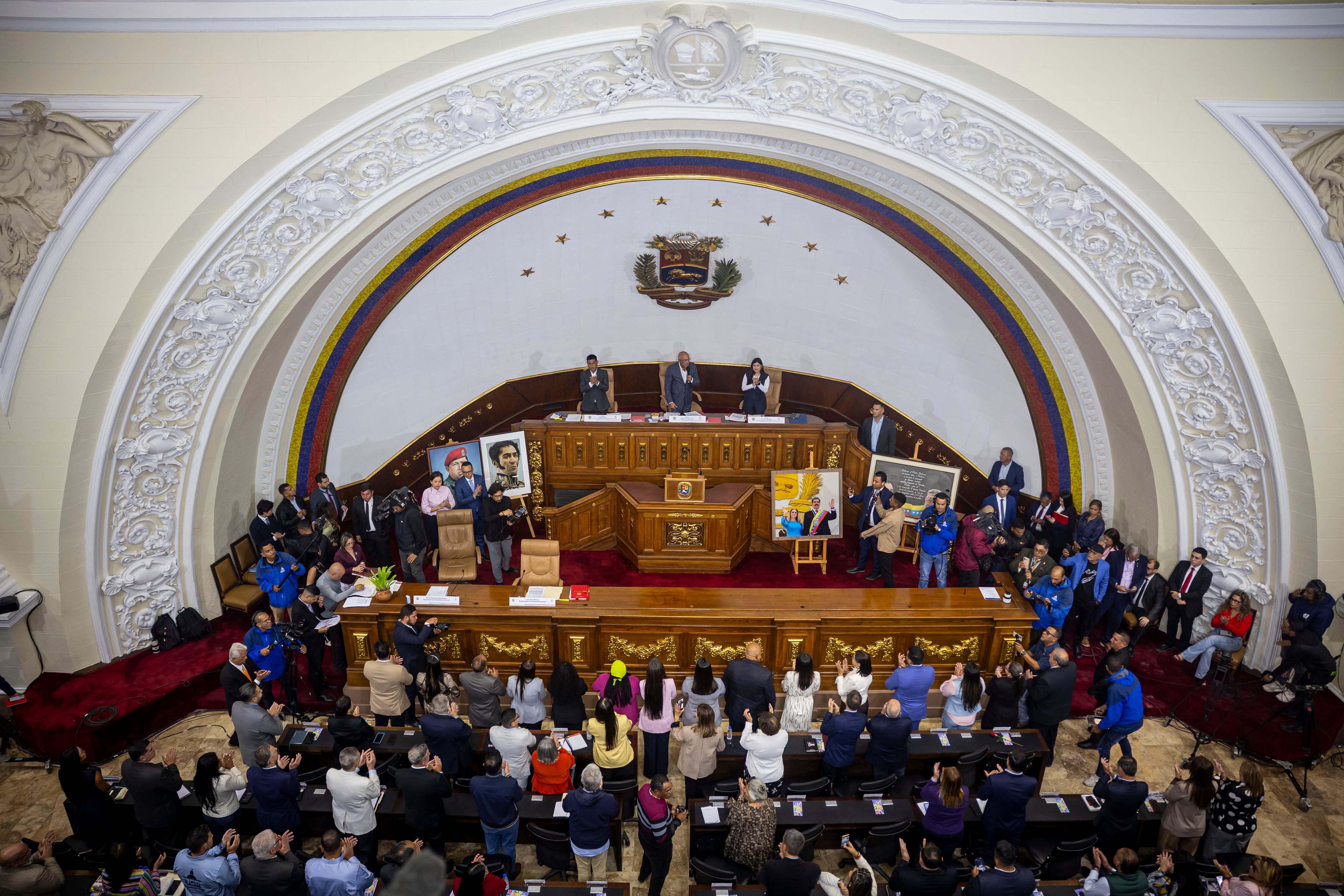
The National Assembly of Venezuela, controlled by Chavismo, has taken a step toward ending the state monopoly over the electricity service, which has been in crisis with blackouts and other problems for two decades. A draft reform to the Organic Law of the Electric System and Service was approved in first reading; it is aimed at opening the field to private capital within a framework of long-term concessions.

Seguir leyendo

© MIGUEL GUTIERREZ (EFE)

Session in Venezuela’s assembly, in April.
  •  

The other Carmen Navas: The tireless families searching for relatives who disappeared in Venezuela’s prisons

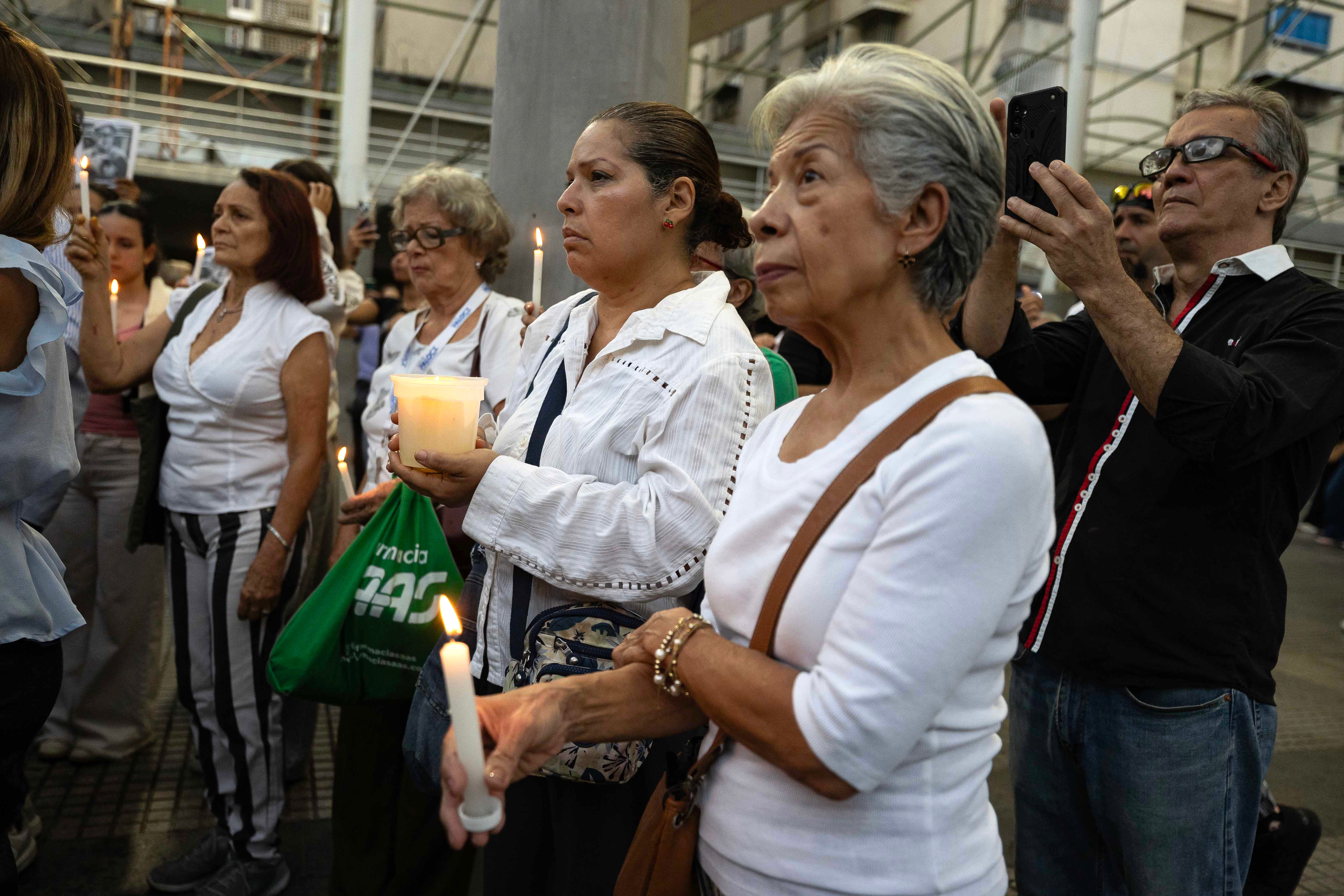
María Emely Delgado crossed paths with Carmen Navas several times this year: at the offices of the NGO Foro Penal, at the Public Ministry, and once at the El Rodeo prison on the outskirts of Caracas. Delgado is 63 years old, Navas was 82. Both were looking for their sons, who disappeared after being arbitrarily detained. Carmen Navas died 10 days after finding her son Víctor Hugo in a cemetery. She had spent 16 months searching for him. María Emely has still not found Jorgen. “You have to be in these shoes to know what this is like,” says the retired teacher, who has been wearing them for almost two years. “Her son had been missing for less time than mine; with Jorgen I’m now coming up on 22 months without news of him.”

Seguir leyendo

© Ronald Peña R (EFE)

People hold candles during a vigil in honor of Carmen Navas in Caracas, Venezuela.
  •  

Oke Göttlich, the man shaking up German soccer over Trump: ‘We discussed at length our red lines for boycotting the World Cup’

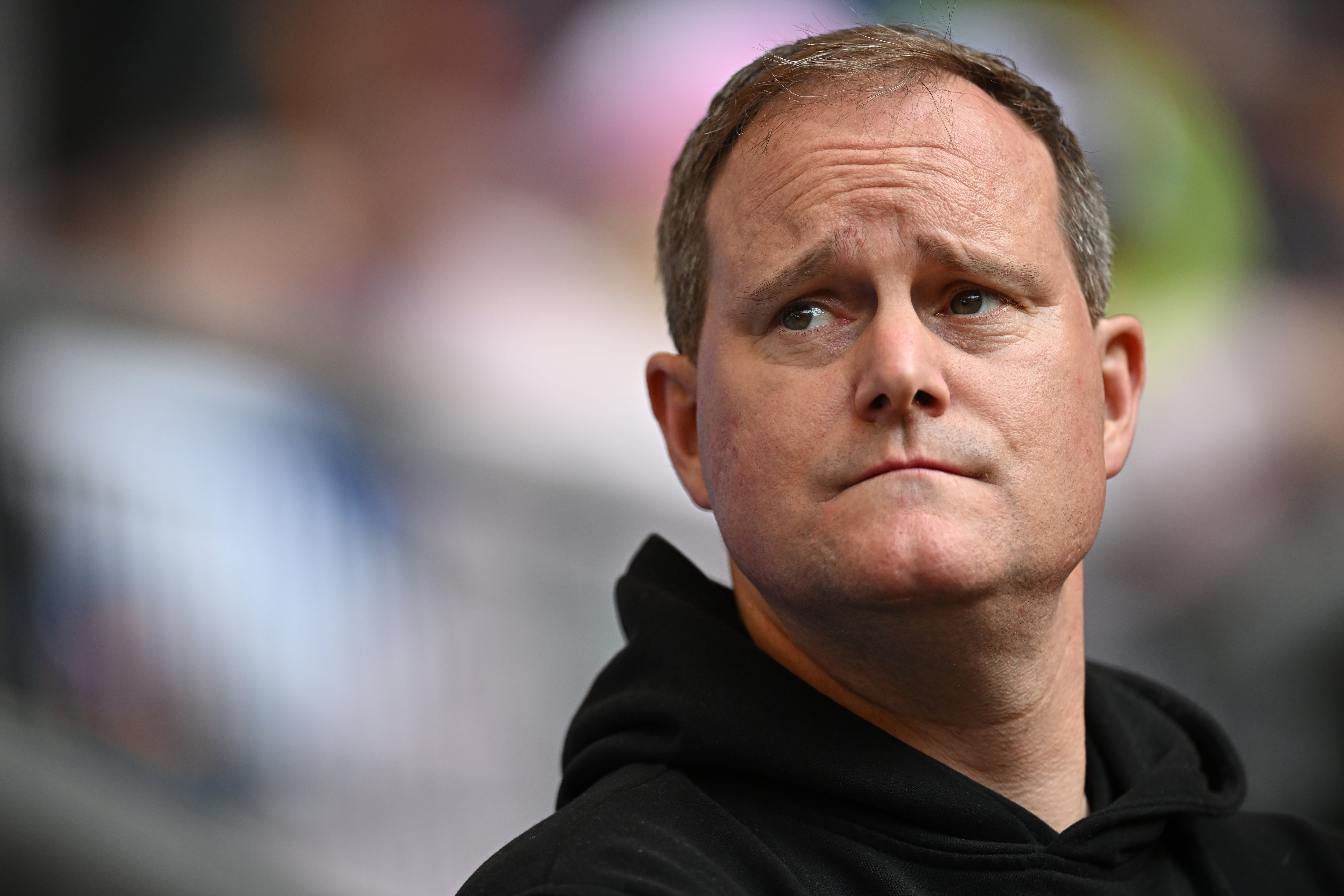
He takes this newspaper’s call on a train bound for Hamburg, home of St. Pauli, continues by car and says goodbye almost an hour later in his office at the headquarters of the modest club, which he has chaired since 2014. Oke Göttlich (Hamburg, Germany; 50) is also one of the 13 vice presidents of the DFB, the German Football Association. And earlier this year, amid threats from Donald Trump’s administration to invade Greenland, Göttlich, a trained journalist, said enough was enough. “What reasons justified the boycotts by certain countries of Olympic Games in the 1980s?” he asked, referring to Moscow 1980 and Los Angeles 1984, in the Hamburger Morgenpost. “In my view, the current threat is greater than back then, so we must have this discussion; a footballer’s life is not worth more than the life of any of the people being directly or indirectly attacked by the host country of the next World Cup.”

Seguir leyendo

© Stuart Franklin (Getty Images)

Oke Göttlich during a Bundesliga match.
  •  

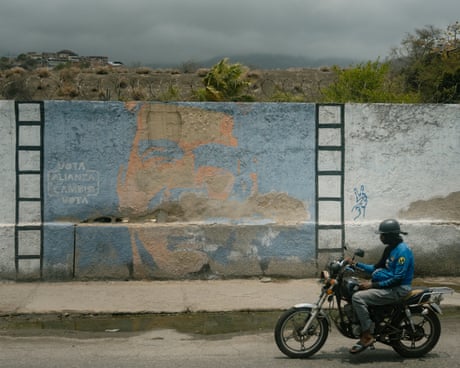
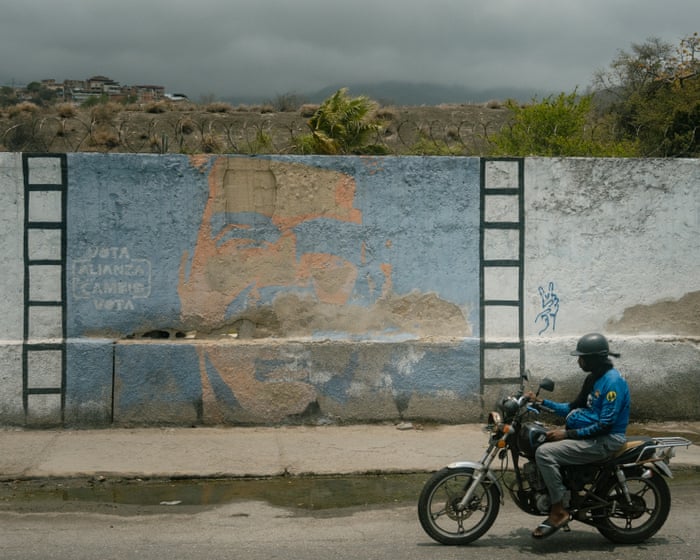
The vanishing of Nicolás Maduro: how the former dictator is being erased from Venezuela

Billboards are being painted over and former allies seem eager to forget the man they once glorified

For years, his bewhiskered face stared down from propaganda billboards glorifying the supposedly revolutionary rule of a dictator who styled himself as “the protector of the people”.

The spin-doctored adoration was such that factories churned out plastic action figures exalting Nicolás Maduro as an “indestructible” and “iron-fisted” caped crusader nicknamed “Super Moustache”.

Continue reading...

© Photograph: Andrea Hernández Briceño/The Guardian

© Photograph: Andrea Hernández Briceño/The Guardian

© Photograph: Andrea Hernández Briceño/The Guardian

  •  

United States designates two Brazilian criminal gangs as terrorist organizations

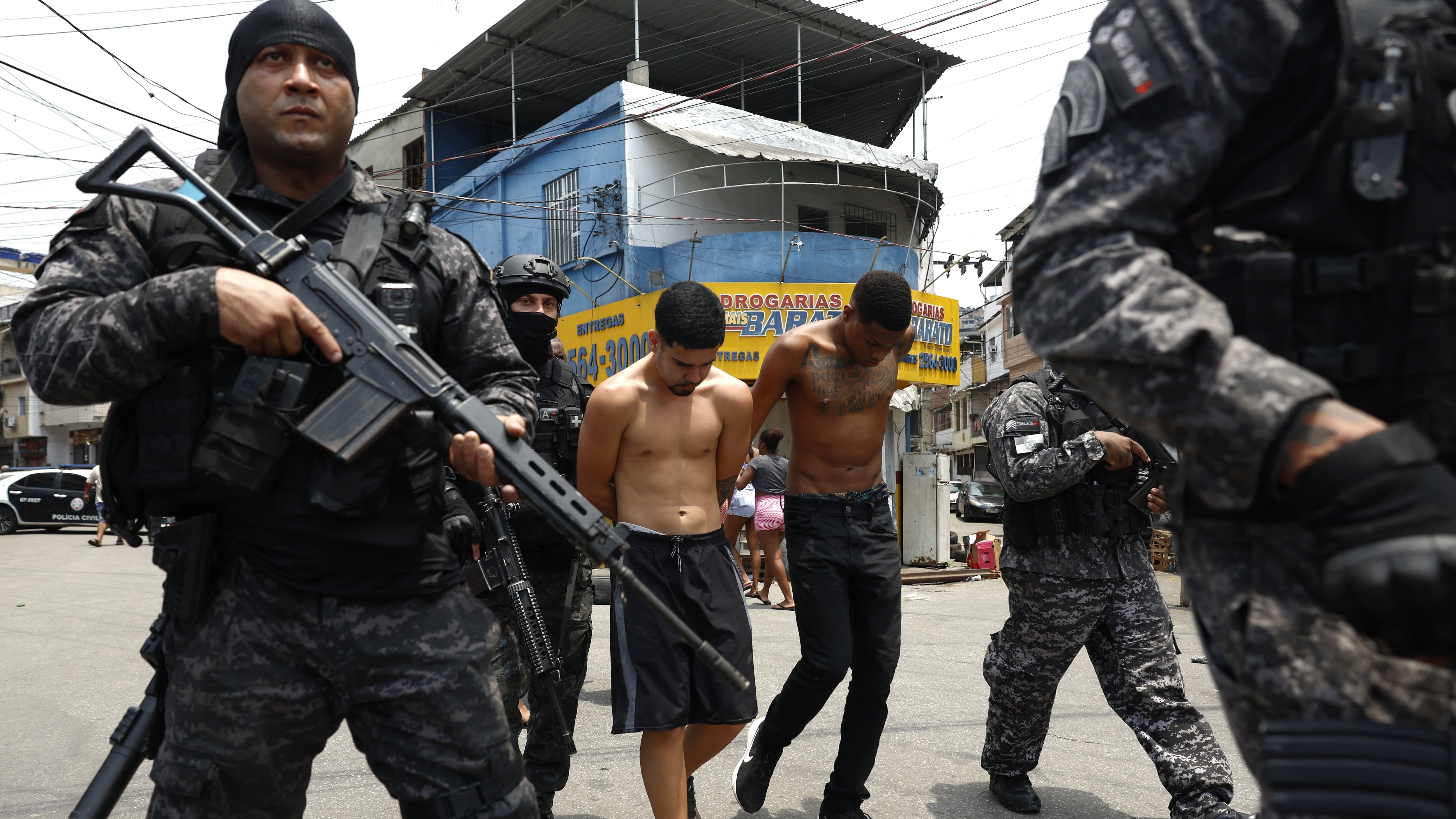
The United States will add two of Brazil’s most powerful organized crime gangs, Comando Vermelho and Primeiro Comando da Capital (PCC), to its list of Foreign Terrorist Organizations effective June 5, the State Department announced. In addition, Washington has designated both groups as Specially Designated Global Terrorists as of this Thursday, adding them to a list that includes Al Qaeda, Islamic State, and Hezbollah.

Seguir leyendo

© Antonio Lacerda (EFE)

Police operation against Comando Vermelho in Rio de Janeiro, October 2025.
  •  

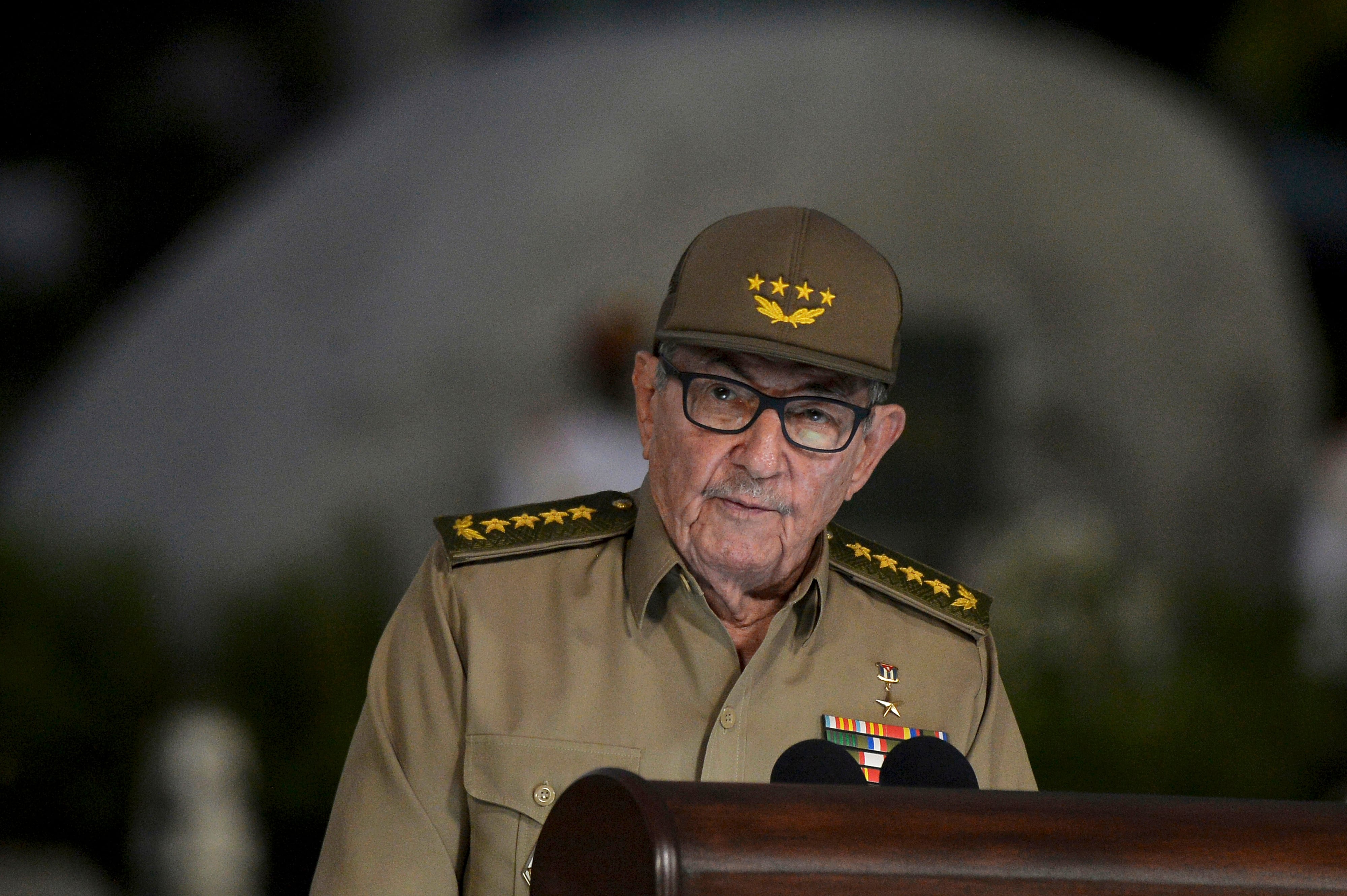
Raúl Castro indictment corners Castroism and shows how far Trump is willing to go in Cuba

Almost at the same time on Wednesday morning, U.S. Secretary of State Marco Rubio spoke from Washington while Cuba’s president, Miguel Díaz-Canel, spoke from Havana. Both were addressing the people of Cuba. The former highlighted the date, May 20, as the day “the Cuban flag flew for the first time over an independent country” in 1902, an image preserved in a period photograph that forever enshrined the birth of the republic. The latter, however, said that date should be credited for only one thing: “Having planted in Cubans of that era an anti-imperialist sentiment.” Rubio invoked 1902 as an epic moment, but Díaz-Canel asked the people not to forget that May 20 marks the day of U.S. “intervention” and “interference” in Cuba. That has been the narrative between Washington and Havana to this day: two governments wrestling over the meaning of history.

Seguir leyendo

© Yamil Lage (AP)

Raúl Castro in Santiago de Cuba, April 10, 2019.
  •  

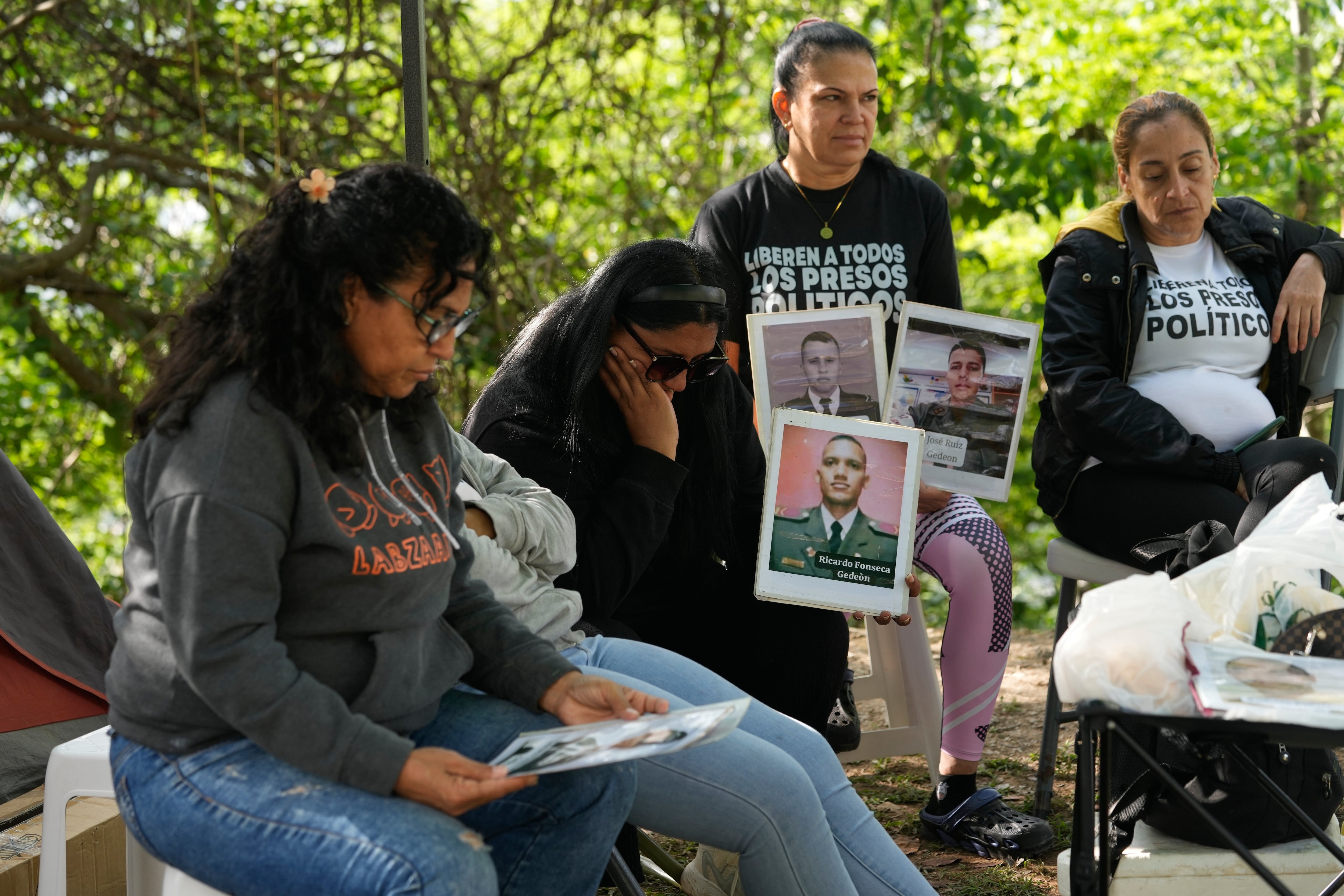
Venezuela releases 54 political prisoners, all members of the military

The Venezuelan government on Tuesday authorized the release of another 54 political prisoners, all military personnel, according to information confirmed by relatives of the detainees and support groups such as the Coalition for Human Rights and Democracy. Three of those released are women. According to data provided by Foro Penal official Gonzalo Himiob, most of them were part of the so‑called Operation White Armband, an alleged military conspiracy denounced by Venezuelan intelligence agencies four years ago. They had been held at Ramo Verde prison and the National Institute for Female Rehabilitation (INOF).

Seguir leyendo

© Ariana Cubillos (AP Photo/Ariana Cubillos)

Relatives of political prisoners camp near the U.S. embassy in Caracas, Venezuela, on June 9, 2026.
  •  

Police fire tear gas at Venezuela protesters as workers demand higher pay

Police fired tear gas at protesters in Caracas on Thursday, as workers marched to demand higher wages and better pensions.

Demonstrators, reported to number around 2,000, attempted to reach the presidential palace but were blocked by officers in riot gear. Videos shared on social media show police in helmets and shields scuffling with protesters as clashes broke out along the route.

The protest is the latest in a series of anti-government demonstrations that have occurred since the U.S. removed longtime leader Nicolás Maduro on January 3. 

Edward Ocariz, who was at the protest, told Latin America Reports there was a lot of shoving by police. He said an officer took his phone as he was filming on it, but he managed to get it back, sustaining an injury to his hand in the process.

One video published by Venezuelan human rights organisation PROVEA appears to show an officer assaulting a person with his shield, which the NGO said was its photographer.

Workers took to the street to protest over low wages and pensions that have left some citizens struggling to get by. Venezuela’s minimum wage for public sector workers has not been increased since 2022, leaving many employees with just 130 bolívares per month — equivalent to less than US$0.30, not even enough for a loaf of bread.

Top up ‘bonuses’ – additional payments given out by the government — can raise total income to between US$50 and $150, but unions and workers say these are unreliable and they want a dignified salary.

For years, Venezuelans have endured an economic crisis that has left people struggling to pay for food, medicine and basic goods.

“We’re not going to keep surviving on a miserable wage,” Rene Zapata, Secretary of the Organization of the Venezuelan Teachers’ Federation in Miranda State, told Latin America Reports. “With my wage I cannot even buy half a carton of eggs,” he said.

Zapata said he and other demonstrators had managed to push past some barricades and that workers just wanted a better income and to be able to afford to eat.

Since Nicolás Maduro and his wife, Cilia Flores, were captured in a U.S. operation on January 3, there have been an increase in anti-government protests calling for better living standards. Following the 2024 presidential election — when Maduro claimed victory despite opposition evidence showing he had lost — protests had been almost non-existent due to the threat of detention.

“People have shown they’ve lost their fear. We are no longer afraid, and we will keep moving forward for a fair wage,” Zapata said.

On Wednesday evening, interim president Delcy Rodríguez announced that wages would rise on May 1, describing the increase as “responsible” and designed to avoid inflation, though she did not disclose the amount. While hoping to quell public discontent, many public-sector workers said the announcement fell short of what they deserved.

“They come talking about a responsible increase, but it is a fallacy and a lie,” Argelia Castillo, general secretary of the APUFAT‑UCV union representing workers at the Central University of Venezuela, told Latin America Reports. 

Castillo, a social worker and university professor, said the government should ensure salaries cover the basic cost of living. She added, “Workers cannot endure this, and we cannot wait until May 1.”Rodríguez has been leading the country since Maduro’s capture, but many citizens see her as a continuation of the old administration and are hoping for new elections.

Featured image description: Workers partake in a protest in Caracas in March 2026 calling for higher salaries.

Featured image credit: Catherine Ellis

The post Police fire tear gas at Venezuela protesters as workers demand higher pay appeared first on Latin America Reports.

  •  

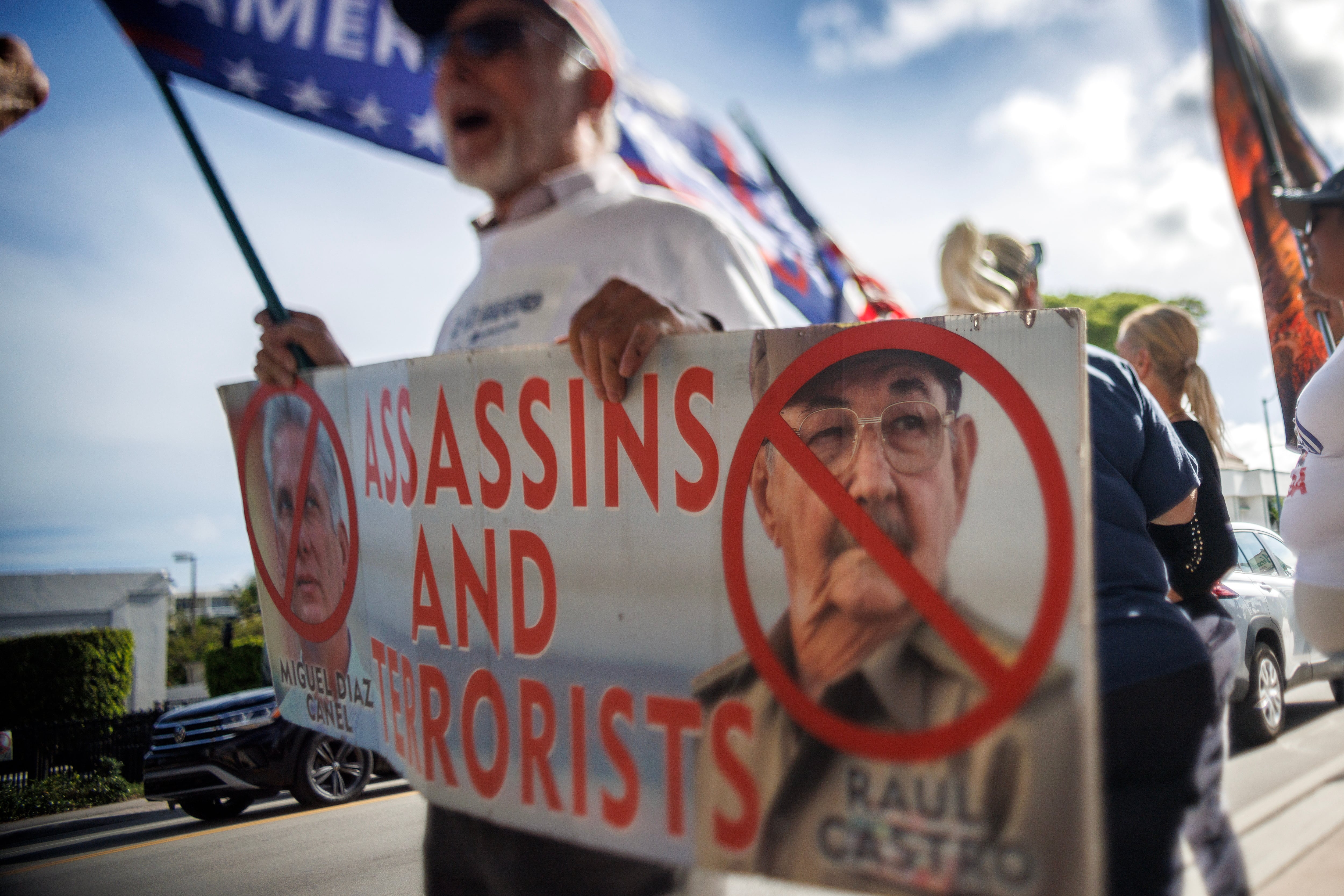
Miami’s exile community celebrates indictment of Raúl Castro: ‘Trump has made the people regain hope’

About 50 people, some holding signs and Cuban flags, gathered Wednesday outside the iconic Versailles restaurant on Calle Ocho in Miami, a regular meeting point for the Cuban exile community. The atmosphere was celebratory. And besides commemorating the island’s independence, the occasion was the indictment of Raúl Castro.

Seguir leyendo

© CRISTOBAL HERRERA-ULASHKEVICH (EFE)

Former political prisoner Agustín Acosta, Wednesday in Miami.
  •  

Rubio, with new Chinese name, heads to Beijing with Trump despite sanctions

Donald Trump Marco Rubio featured image

Secretary of State Marco Rubio was due Wednesday in Beijing with President Donald Trump despite being under sanctions from China, whose new approach to him has included changing how his name is written.

WASHINGTON, DC - APRIL 10: U.S. Secretary of State Marco Rubio speaks alongside U.S. President Donald Trump during a Cabinet meeting at the White House on April 10, 2025 in Washington, DC. President Trump convened a Cabinet meeting a day after announcing a 90-day pause on ‘reciprocal’ tariffs, with the exception of China. Anna Moneymaker/Getty Images/AFP (Photo by Anna Moneymaker / GETTY IMAGES NORTH AMERICA / Getty Images via AFP)
U.S. Secretary of State Marco Rubio (left) and US President Donald Trump during a Cabinet meeting at the White House on April 10, 2025, in Washington, DC. Trump convened a Cabinet meeting a day after announcing a 90-day pause on ‘reciprocal’ tariffs, with the exception of China. Photo: Anna Moneymaker/Getty Images/AFP.

As a US senator, Rubio fiercely championed human rights in China, which retaliated by imposing sanctions on him twice — adopting a tactic more often used by the United States against adversaries.

China said Tuesday it would not block Rubio, now 54 and visiting China for the first time, from entering on Air Force One with Trump, the first US president to visit the Asian power in nearly a decade.

“The sanctions target Mr. Rubio’s words and deeds when he served as a US senator concerning China,” Chinese embassy spokesman Liu Pengyu said.

China had already appeared to find a diplomatic workaround after Trump named Rubio his secretary of state and national security advisor.

Shortly before he took office in January 2025, the Chinese government and official media began transliterating the first syllable of his surname with a different Chinese character for “lu.”

Two diplomats said they believed the change was an immediate way for China to avoid implementing its sanctions, as Rubio was banned from entering under the old spelling of his name.

A State Department official confirmed only that Rubio was traveling with Trump.

A photo posted on May 12, 2026, shows US Secretary of State Marco Rubio aboard Air Force One.
A photo posted on May 12, 2026, shows US Secretary of State Marco Rubio aboard Air Force One. Photo: Steven Cheung, via X.

Rubio’s presence on Air Force One quickly drew online attention for another reason after the White House released a photo of him lounging in a Nike track suit of the sort worn by Venezuela’s ousted president Nicolas Maduro when US forces snatched him in January.

Rubio, a Cuban-American who vociferously opposes communism, was the key author of congressional legislation that imposed wide sanctions on China over the alleged use of forced labor by the mostly Muslim Uyghur minority, charges denied by Beijing.

He has also spoken out against Beijing’s clampdown in Hong Kong.

At his confirmation hearing as secretary of state, Rubio focused heavily on China, which he described as an unprecedented adversary.

But since taking office, Rubio has supported Trump who describes counterpart Xi Jinping as a friend and has focused on building a trade relationship while downplaying human rights.

Last year, however, Rubio brought relief to Taiwan when he said that the Trump administration would not negotiate over the self-governing democracy’s future to secure a trade deal with China.

  •  

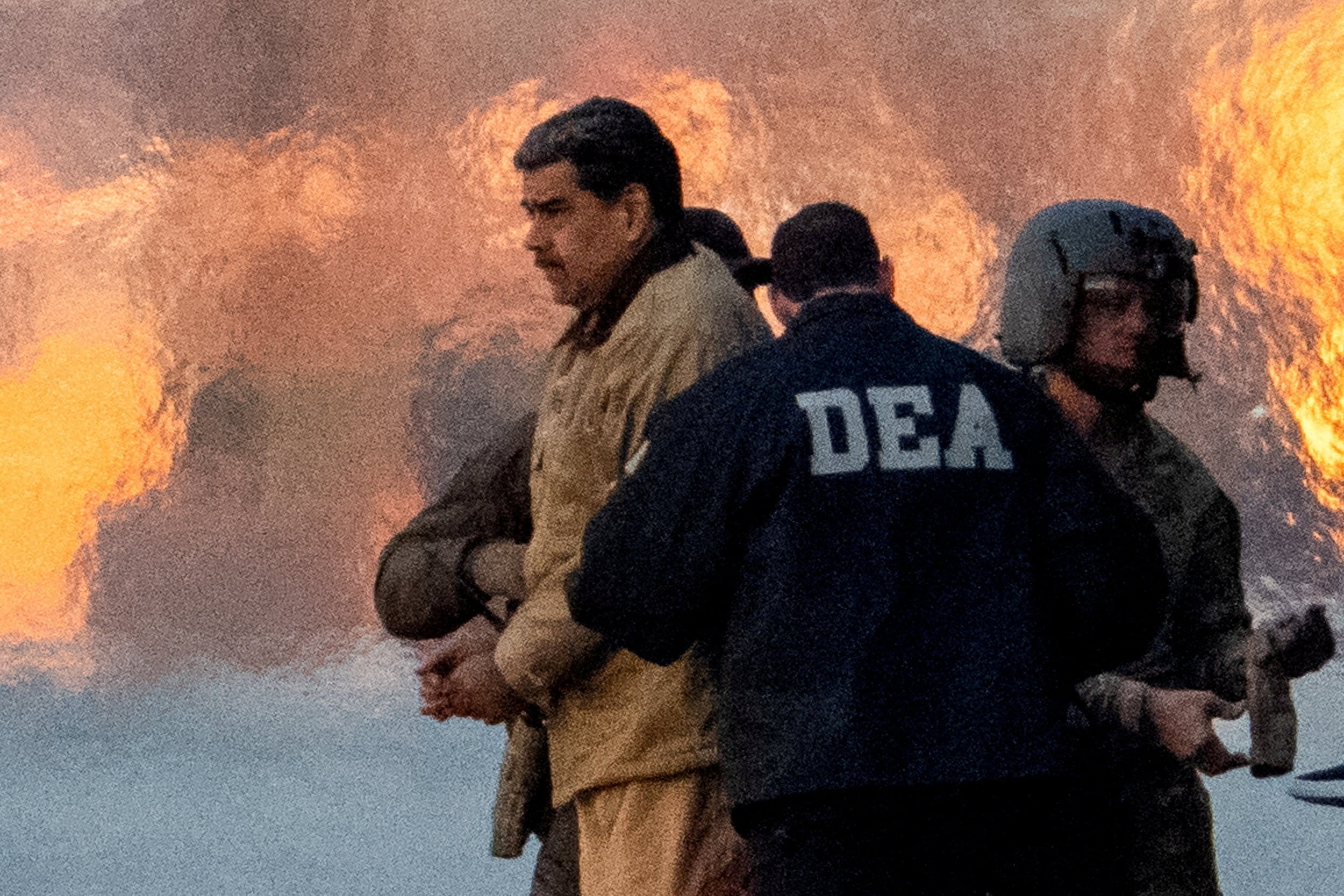
Maduro faces new criminal investigation from federal prosecutors in Miami

Nicolás Maduro, the former president of Venezuela who was seized by U.S. forces in January and taken to a New York prison, faces a new legal challenge. The U.S. Attorney’s Office in Miami is examining a new criminal inquiry into Maduro, U.S. outlets such as CBS and Reuters have reported in recent days. It is unclear whether that probe will lead to additional charges.

Seguir leyendo

© ADAM GRAY (REUTERS)

Former Venezuelan president Nicolás Maduro, on January 5, on his way to the courthouse.
  •  

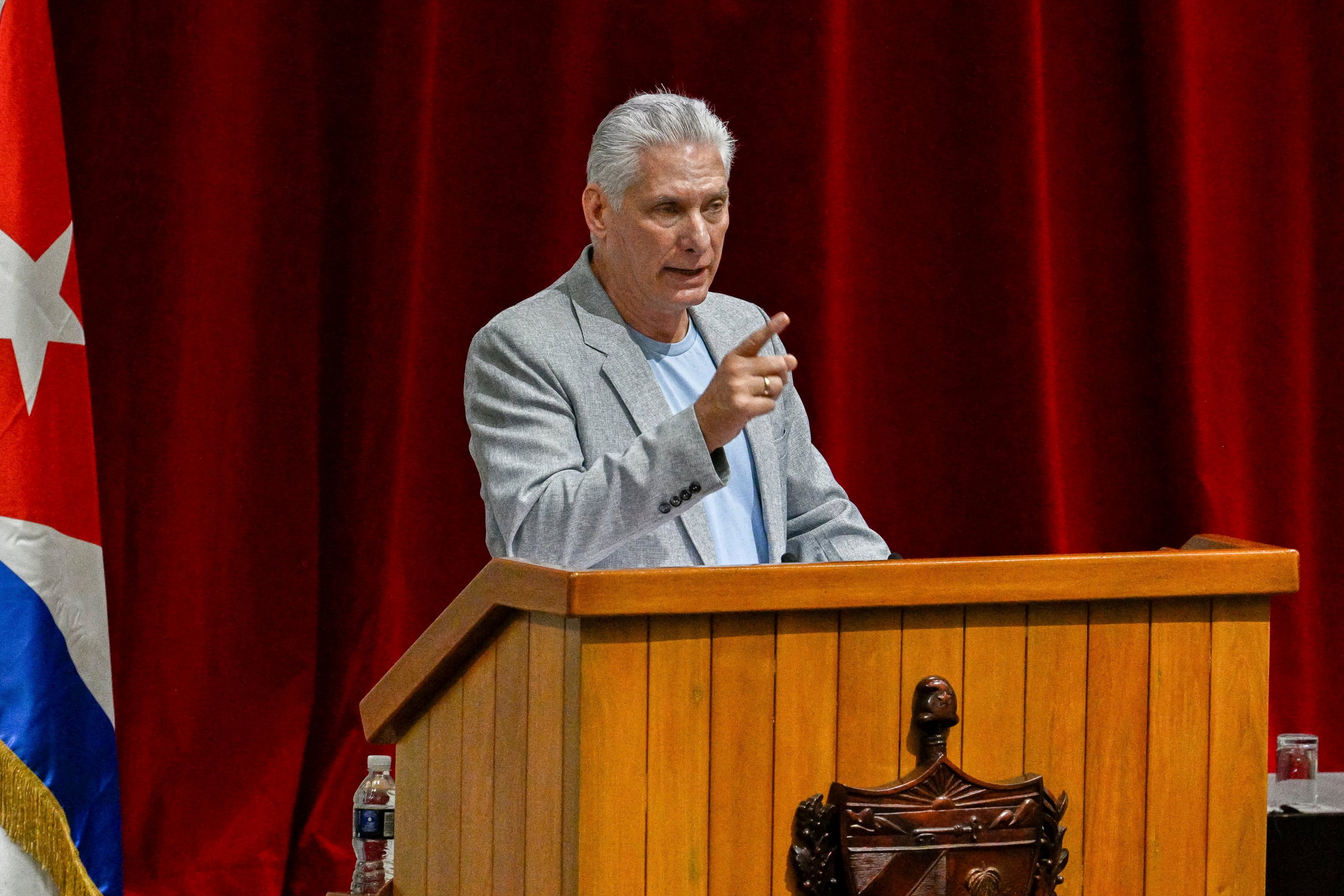
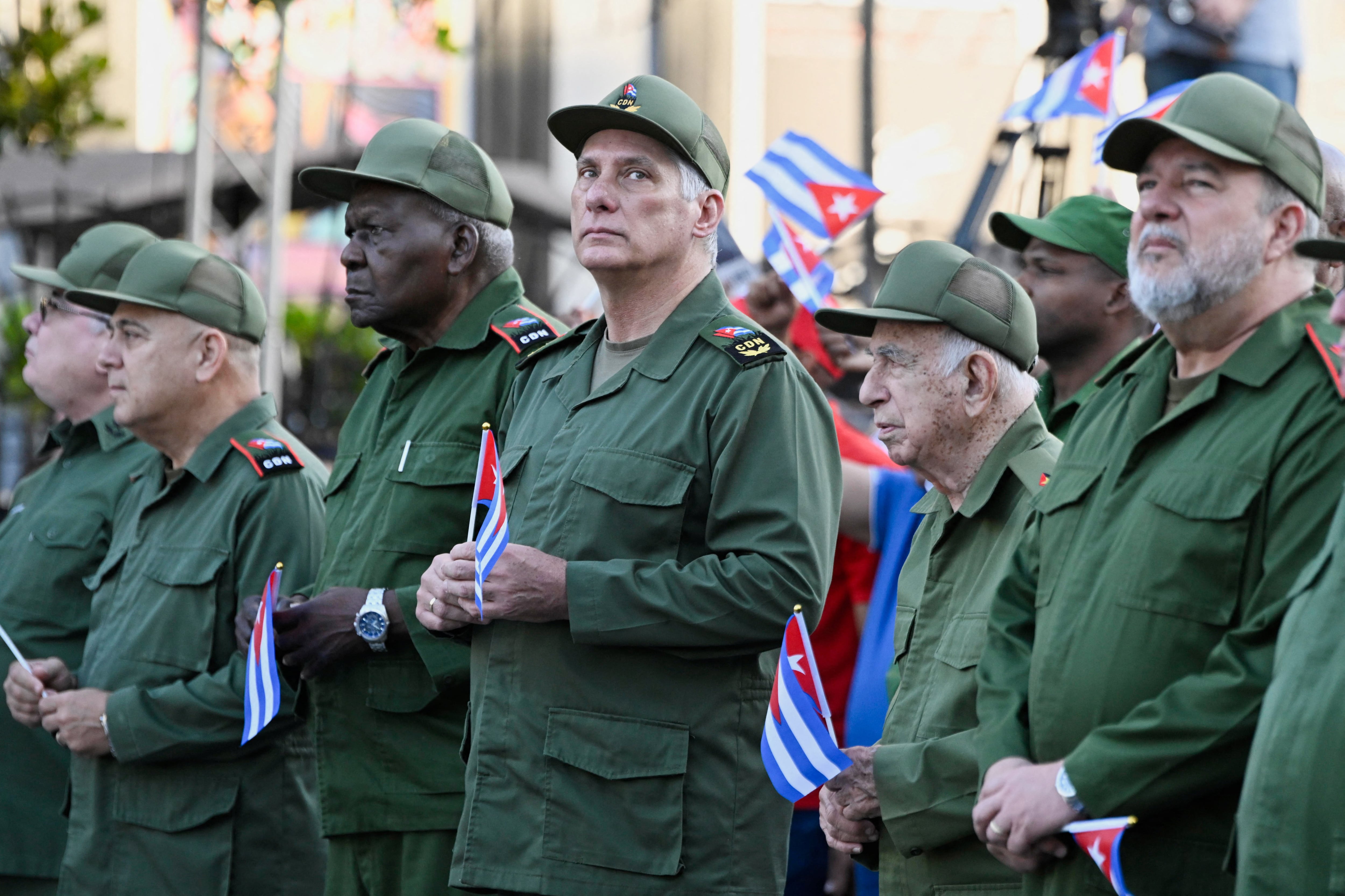
Miguel Díaz‑Canel, the steward of the remains of the Cuban Revolution

Miguel Díaz-Canel grows emotional, raising his fist before hundreds of left-wing activists from Europe and Latin America gathered at Havana’s convention center, as seen in a video recorded days before a shipment of humanitarian aid arrived, while they chant, “Cuba is not alone.” On May 22, he is seen giving a military salute amid trumpets and Cuban pennants before thousands gathered at the so-called anti-imperialist platform between the U.S. embassy and the Malecón to show support for 94-year-old Raúl Castro, who has just been charged by a U.S. court for ordering the shooting down of two planes belonging to an anti-Castro organization in 1996, an attack that killed four people.

Seguir leyendo

Miguel Díaz-Canel during a meeting with members of the Nuestra América convoy, which delivered humanitarian aid, on March 20.

© Norlys Perez (REUTERS)

Miguel Díaz‑Canel (center) in Havana on May 22.
  •  
❌