Reading view

Weather tracker: heat, humidity and thunderstorms a danger at World Cup

With matches in 16 cities across the US, Mexico and Canada, players and fans face an array of weather-related challenges

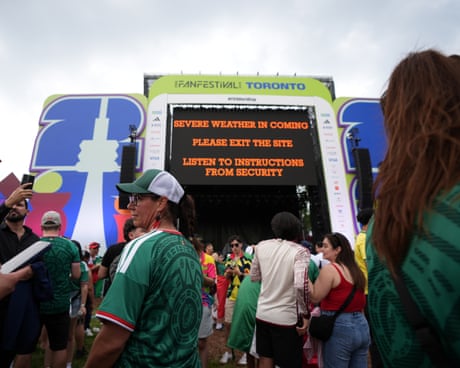
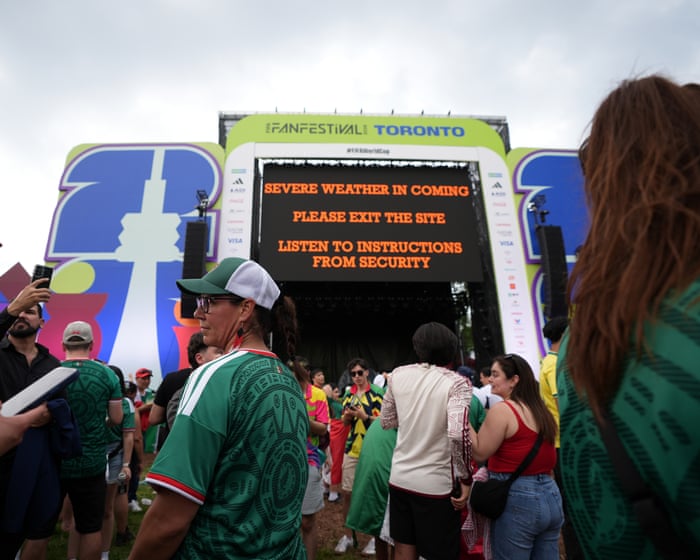
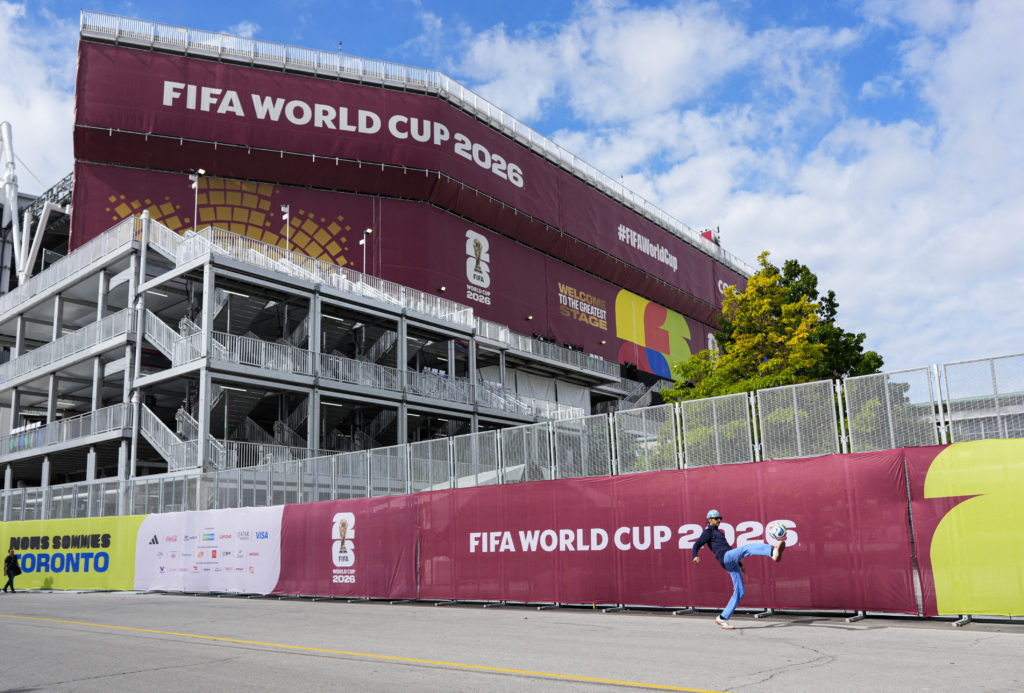
With the 2026 World Cup now under way, all 48 teams face a common opposition: summer weather across North America. Matches will be played in 16 cities, from southern Mexico to Canada, with a range of weather risks possible at each venue.

Thunderstorms disrupted play before the tournament had even begun. England’s warm-up against Costa Rica in Orlando was delayed by about an hour after storms brought lightning and heavy rain that waterlogged the pitch. Safety regulations at US venues mean play is suspended when lightning is recorded within roughly 8 miles of a stadium, not resuming until 30 minutes after the last strike.

Continue reading...

© Photograph: Anadolu/Getty Images

© Photograph: Anadolu/Getty Images

© Photograph: Anadolu/Getty Images

  •  

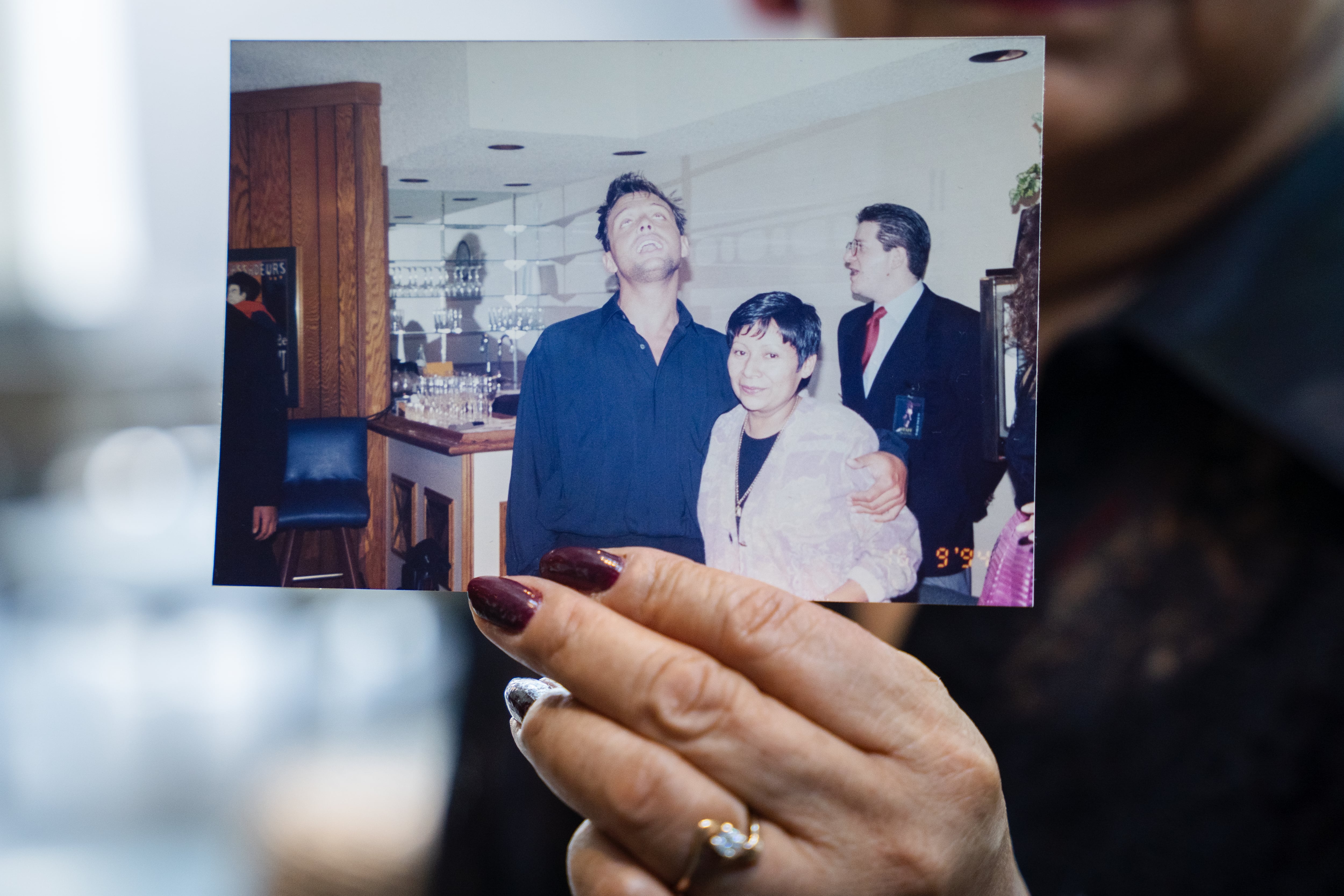
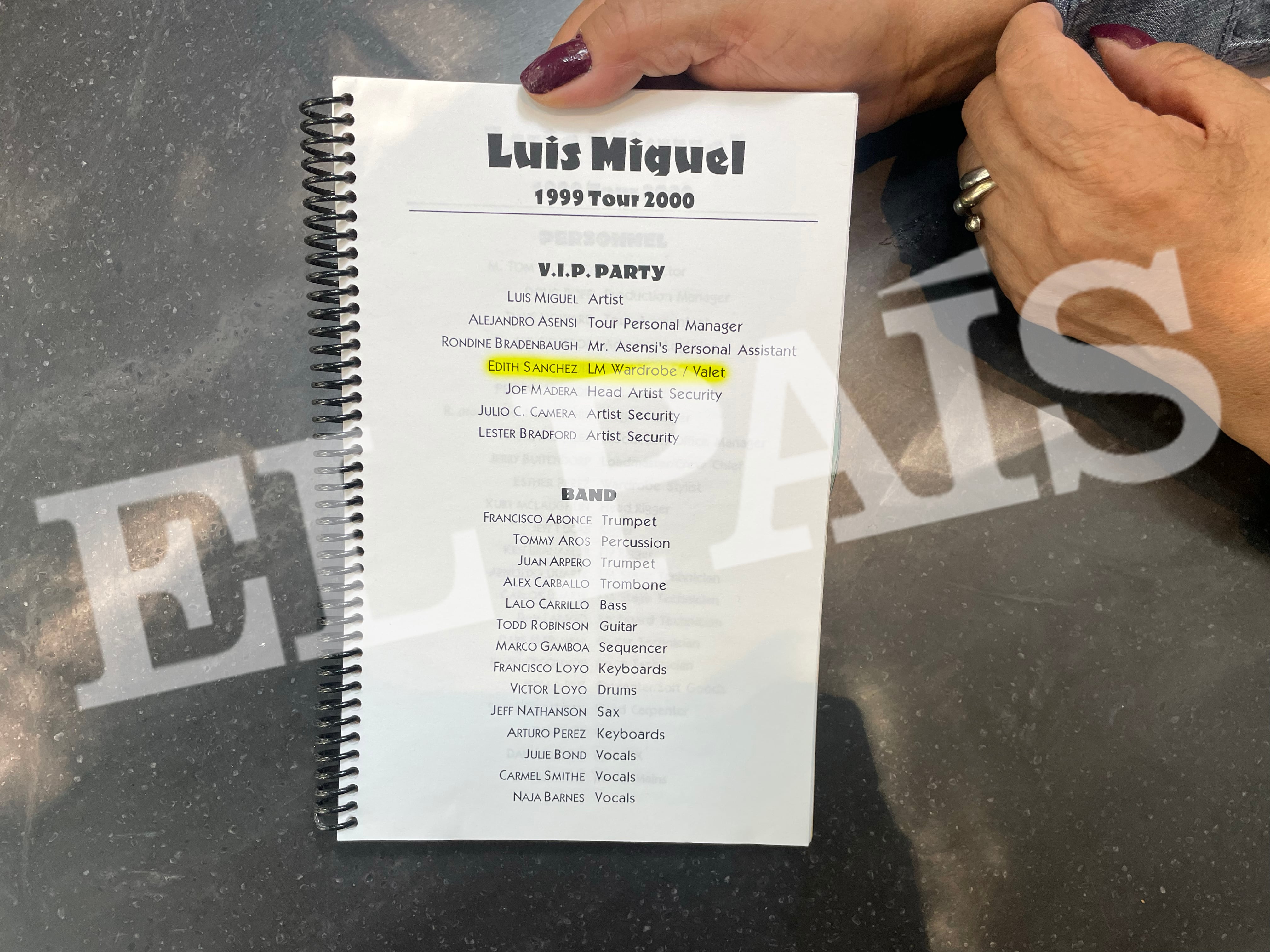
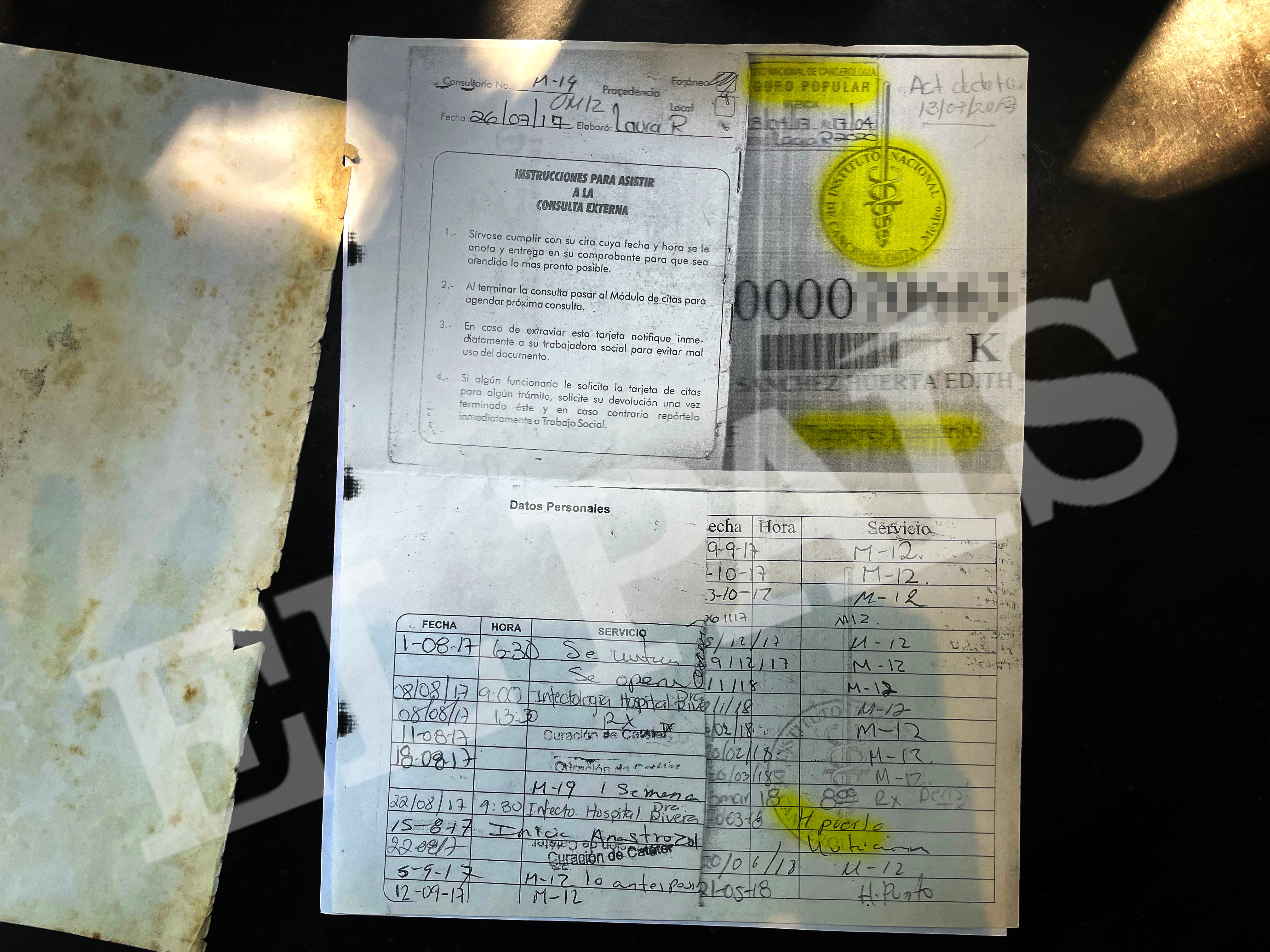
Edith Sánchez fights for her severance after 25 years working for Luis Miguel: ‘He told me I was like his mother; thank God I never believed it’

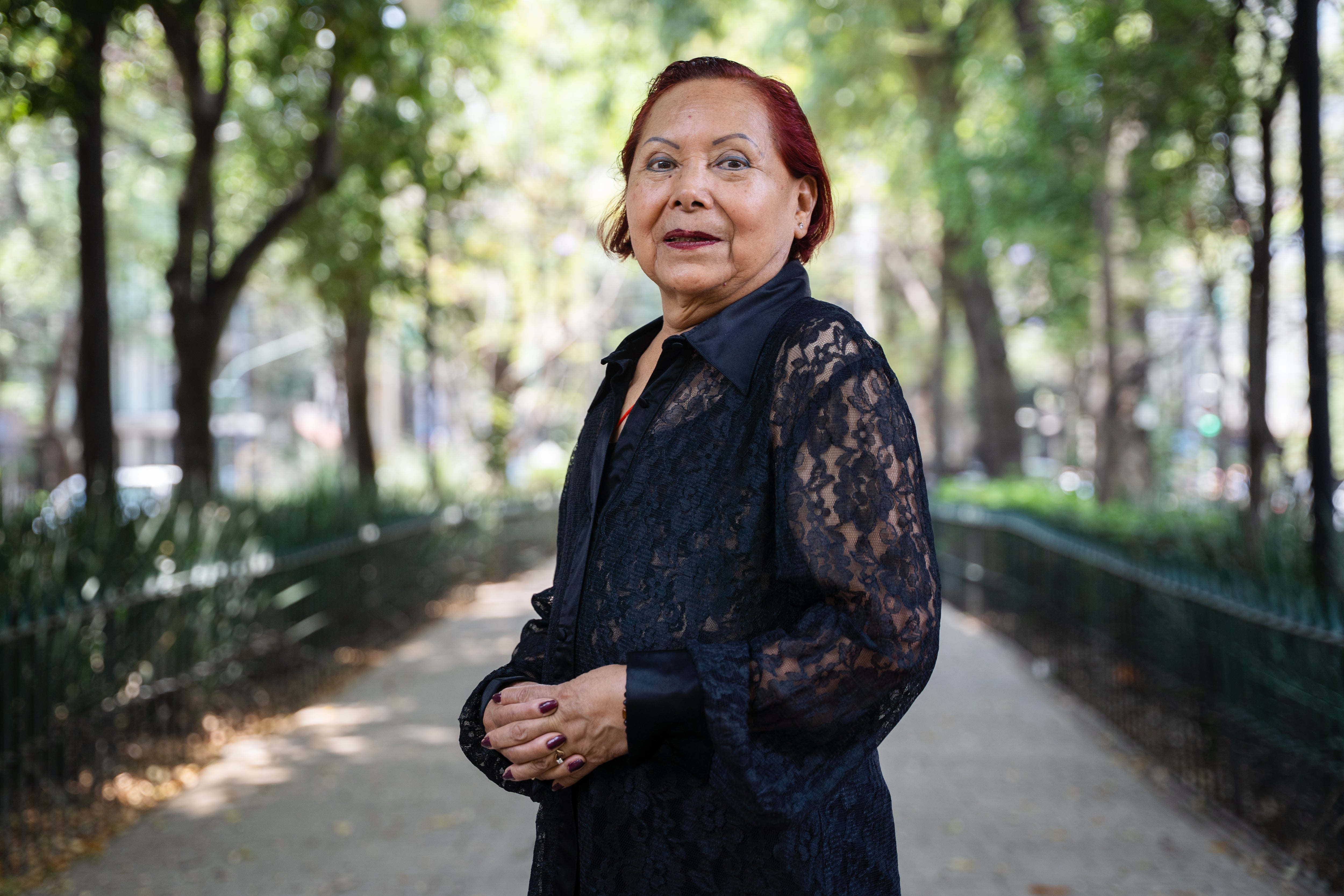
Edith Sánchez, in Mexico City, April 16, 2026.

If photographs could make a sound, the one Edith Sánchez keeps in a small plastic bag would play Luis Miguel’s version of Las Mañanitas. Dated September 16, 1994, the photo shows the Mexican singer hugging her as she looks at the camera. It is the only picture she has left beside the man who was her boss for more than 25 years.

Seguir leyendo

Edith Sánchez shows a photograph next to Luis Miguel at a 1994 celebration.An invitation to a party during Luis Miguel's 1999–2000 tour, featuring the name Edith Sánchez.Edith Sánchez's medical record from the Cancer Institute, dated 2017.
  •  

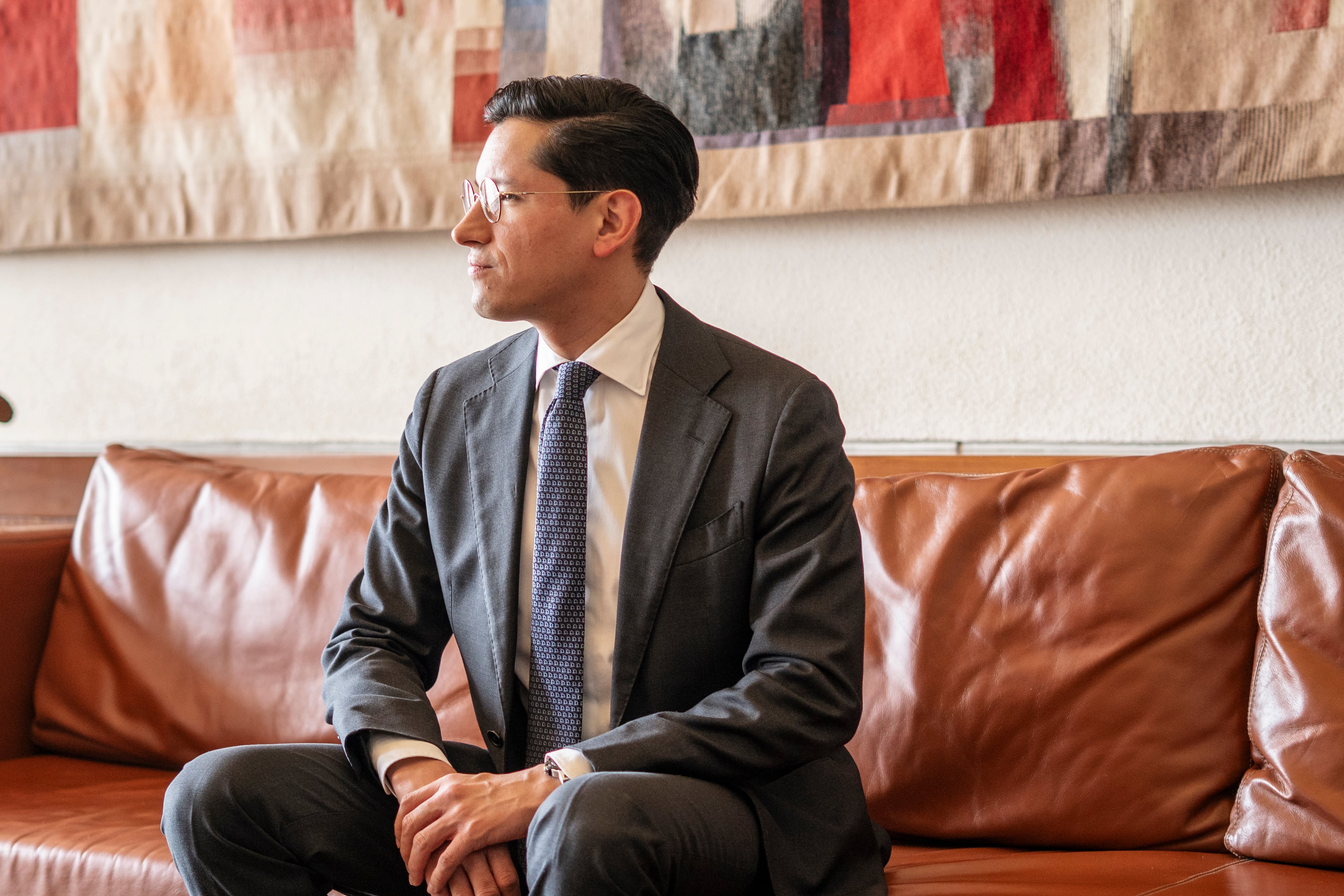
Roberto Velasco: ‘Mexico’s sovereignty is the first thing that must always be defended’

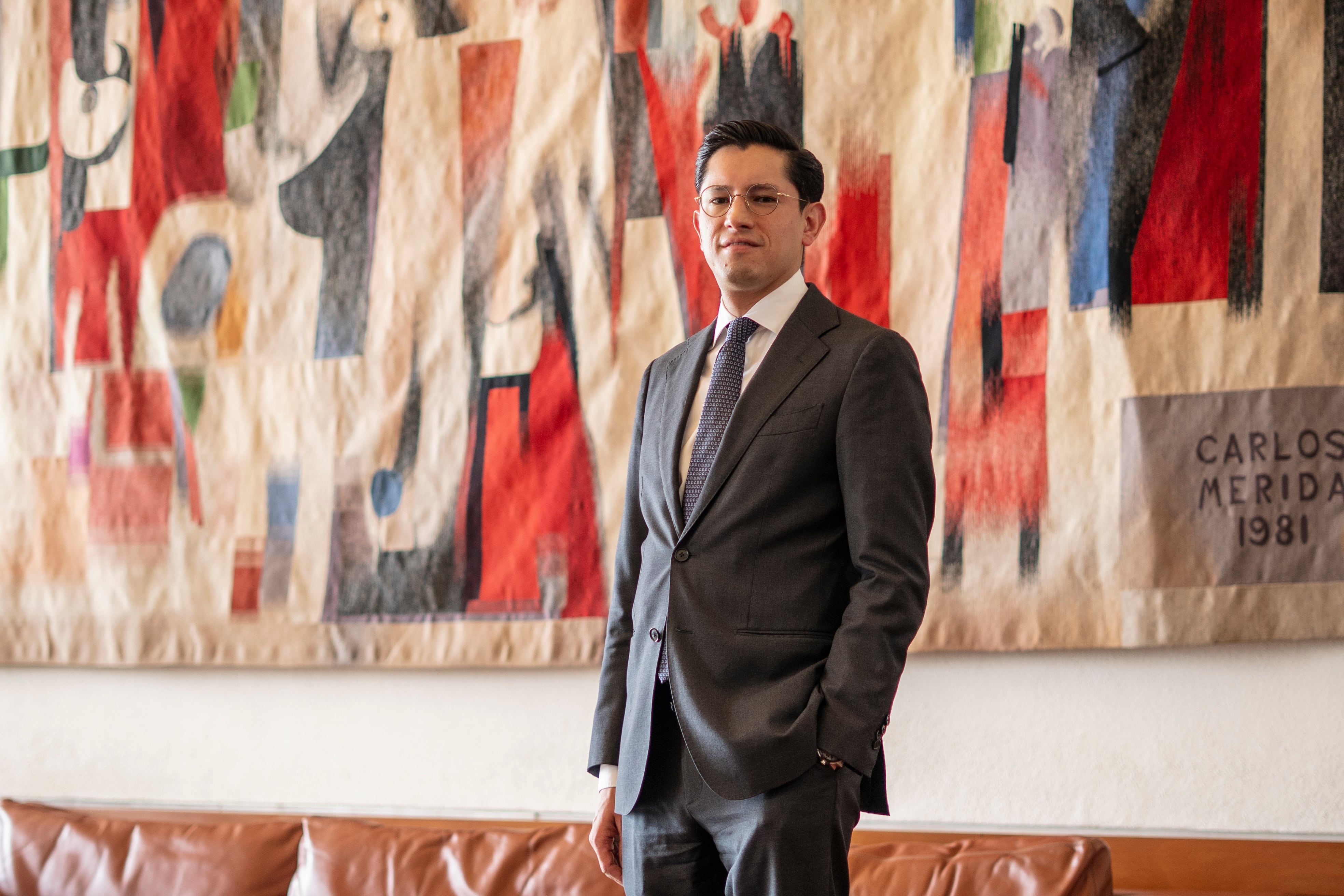
Roberto Velasco Álvarez on May 25.

Roberto Velasco’s first two months at the helm of Mexico’s foreign ministry have been anything but calm. The 38-year-old chief of the country’s diplomacy — who had already served in the role temporarily during his predecessor José Ramón de la Fuente’s illness — is suddenly facing one of the most delicate moments in bilateral relations with the United States since Donald Trump returned to the White House. The death of two unaccredited CIA officers in the Sierra Madre of Chihuahua; the U.S. Department of Justice’s charges against Sinaloa’s governor, Rubén Rocha Moya; the renegotiation of the USMCA trade treaty… All of these issues push Velasco to choose his words with surgical precision, or even to steer clear of certain topics to avoid any hint of conflict. That caution runs throughout the entire conversation, held on Monday.

Seguir leyendo

The foreign secretary Roberto Velasco.
  •  

A wingers’ World Cup kicks off under the shadow of Messi–Ronaldo rivalry

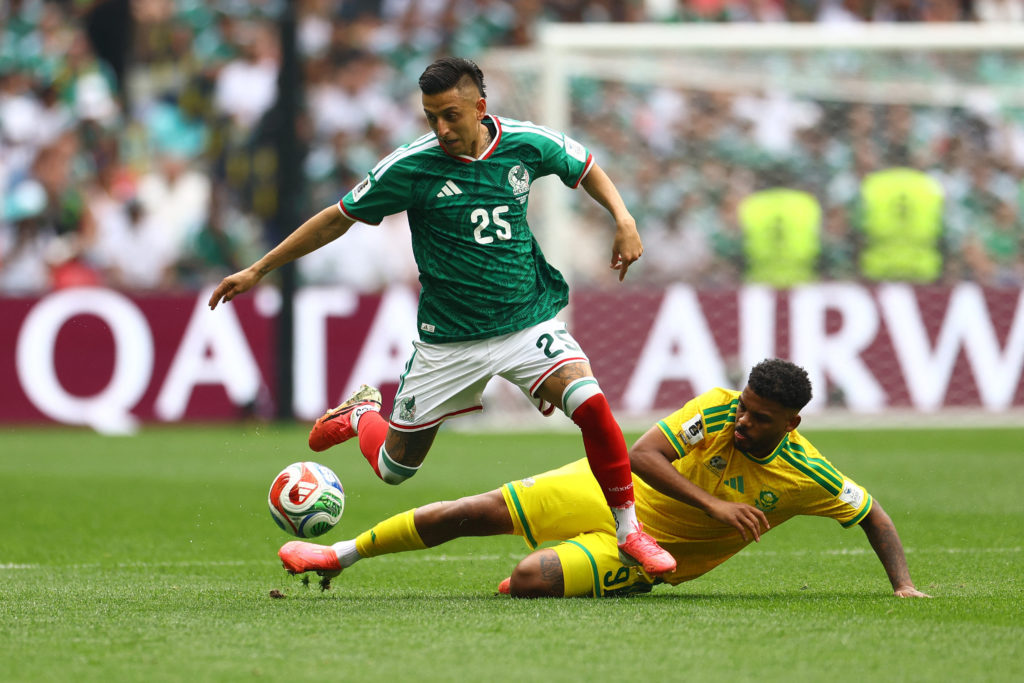
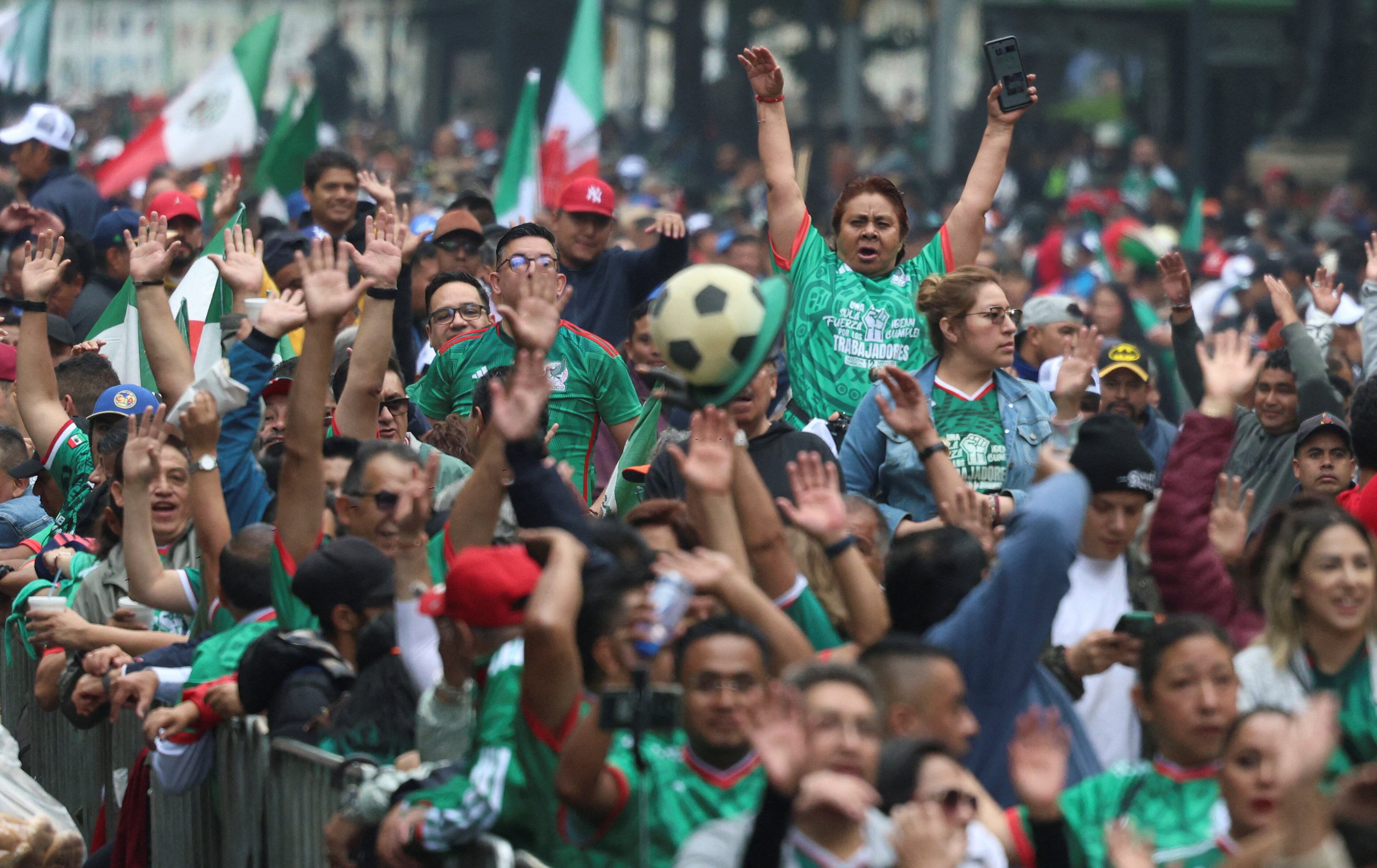
The World Cup kicks off this Thursday when Mexico host South Africa at the historic Estadio Azteca, and FIFA has never wished more for the ball to start rolling. Once again, the game and its universal passion call for the rescue of the world or, at least, to bring it some peace of mind. Soccer aspires to serve as the very same unifying force that soothed tensions after World War II, even if the latent, globalized geopolitical tension makes it difficult.

Seguir leyendo

© Luis Cortes (REUTERS)

Mexican fans create the world’s longest wave.
  •  

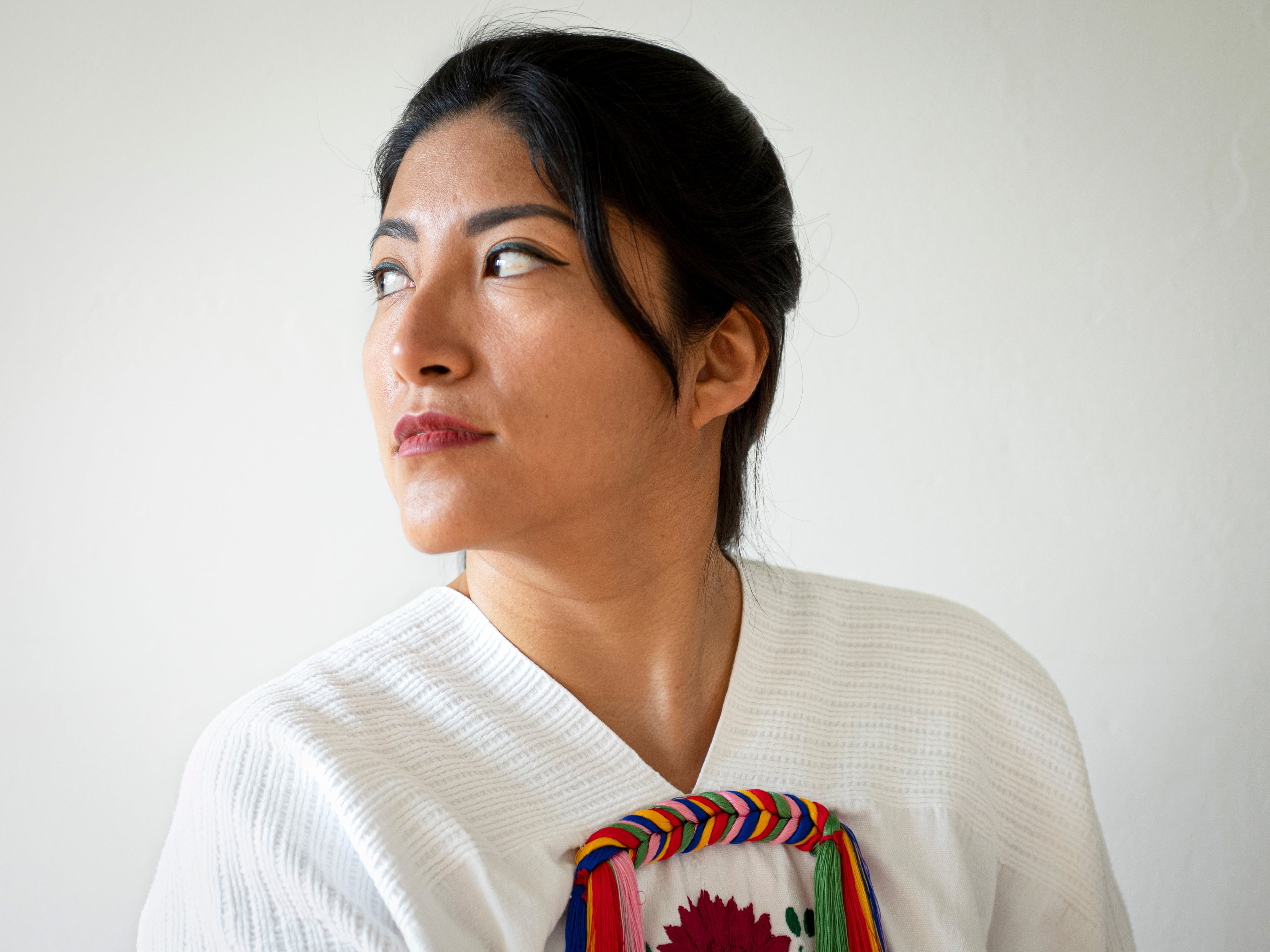
Photographer of the Year winner Citlali Fabián: ‘Photography can be incredibly powerful as a tool for rediscovering yourself’

In each photograph by 37-year-old Citlali Fabián, you can find the story of an encounter, as well as an attempt to portray memory with dignity. For her series Bilha, Stories of My Sisters, the artist — who hails from the Yalateca Indigenous community in the Mexican state of Oaxaca — was named Photographer of the Year at the 2026 Sony World Photography Awards, run by the World Photography Organization. This is one of the most prestigious recognitions in her field.

Seguir leyendo

© Cedida Citlali Fabián

Self-portrait by Citlali Fabián, May 2021.
  •  

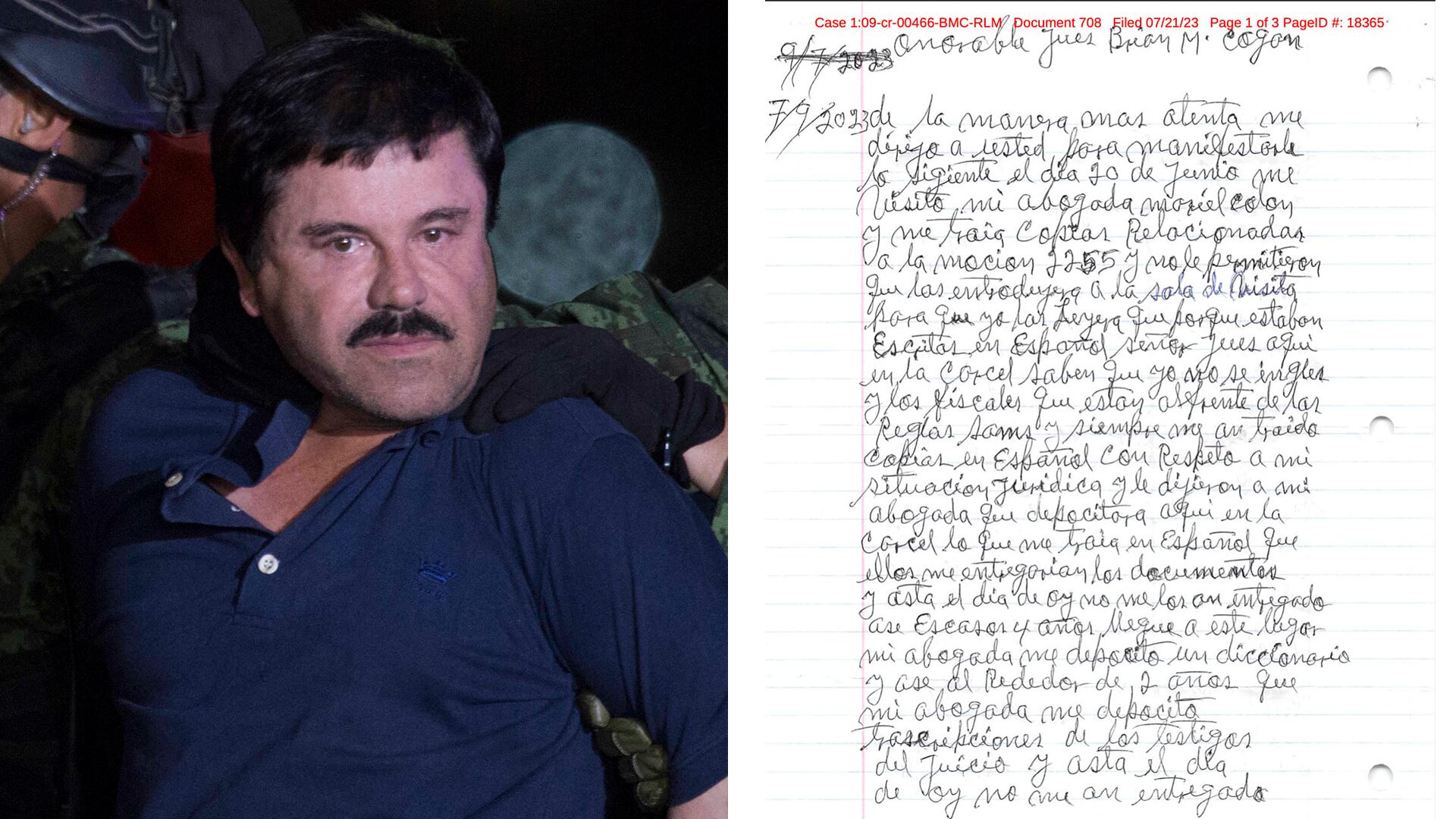
The prolific pen of inmate 89914053: El Chapo’s letters from his Colorado prison

There are two Joaquín Guzmáns. One, known as “El Chapo,” rose to become the world’s biggest drug trafficker. He was feared by his rivals and by the authorities. He spilled the blood of anyone who crossed his path. It didn’t matter if they were members of a rival cartel, or innocent civilians.

Seguir leyendo

© Miguel Tovar (Getty Images), El País

The arrest of Joaquín “El Chapo” Guzmán, on January 8, 2016, along with one of the letters addressed to Judge Brian M. Cogan, from August 2023.
  •  

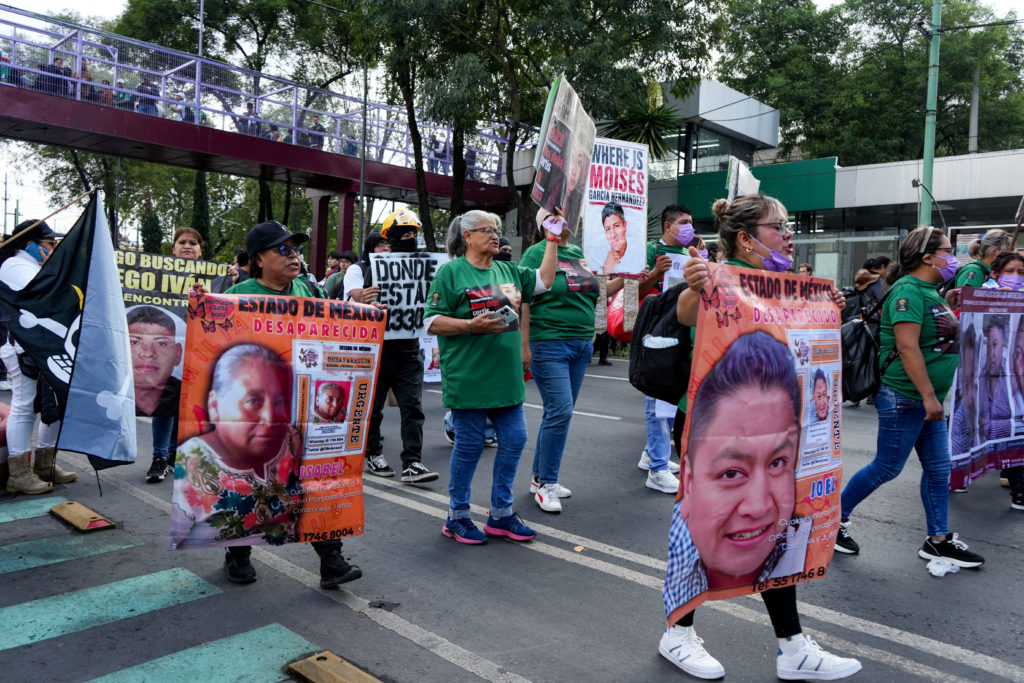
Final countdown to defuse protests against Mexican government ahead of World Cup opening game

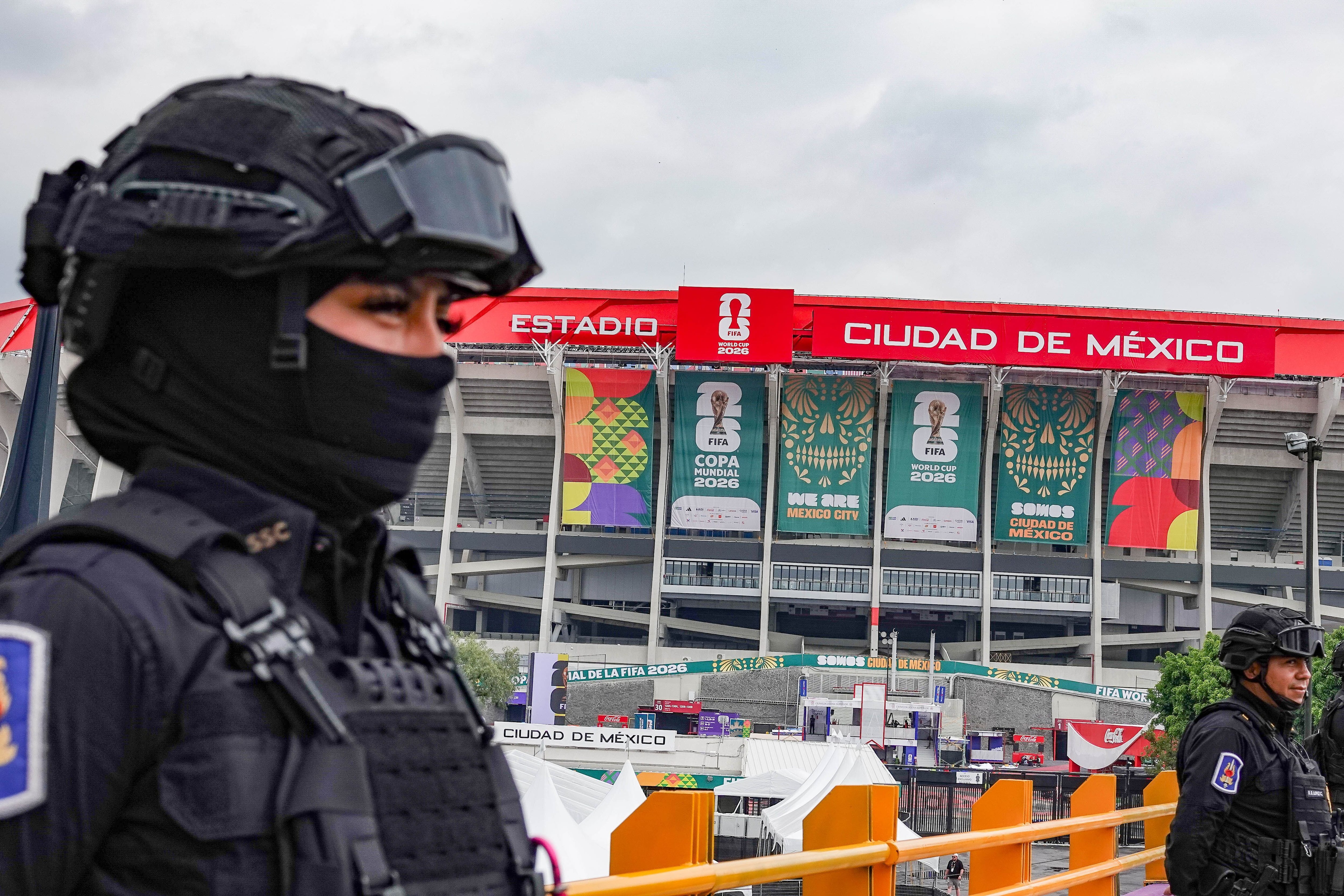
Only 24 hours remain before the World Cup kicks off in Mexico and the country is going though its final dress rehearsals. Preventing demonstrations on opening day is already a pipe dream: negotiations with teachers have stalled and search groups will march to make their missing relatives visible. With everyone in position and the cards on the table, attention is focused on avoiding the worst-case scenario for the government of Claudia Sheinbaum — an image of a police officer striking a teacher circling the globe on the day the country is playing for its international image. The concern is not unfounded: on the first day of protests a teacher lost an eye in clashes with police. The past two weeks have tested containment measures, and Wednesday will be the last chance to fine-tune the public staging. To ease the pressure, authorities have canceled classes for Thursday and ordered remote work for public servants.

Seguir leyendo

© Rogelio Morales Ponce (Cuartoscuro)

A police officer guarding the perimeter of Estadio Azteca on Tuesday.
  •  

Sheinbaum announces controversial plan to begin fracking to “strengthen national sovereignty”

Medellín, Colombia – On Wednesday, Mexican President Claudia Sheinbaum announced plans to begin fracking in order to more than double the country’s natural gas production and “strengthen national sovereignty”. 

Despite Mexico possessing 141 billion cubic feet of unconventional gas reserves, the country has hardly extracted it, instead importing more than 70% of its natural gas from the United States, making it the world’s largest buyer of U.S. gas.

Sheinbaum’s announcement signals a U-turn in her party’s traditional opposition to fracking due to its deleterious environmental impacts.

Hydraulic fracturing, or fracking, is a method of extracting oil and natural gas by forcing water, sand, and chemicals into the ground to fracture deep rock formations and allow oil and gas to flow up to the surface. 

Fracking has long been controversial due to its environmental effects, such as causing earth tremors, air and water pollution, massive water consumption and increased greenhouse gas emissions.

However, in a press conference on Thursday, Sheinbaum, who is an energy and climate change scientist by profession, defended the plans to begin fracking, arguing that there are “new technologies which open the possibility of recycling water, that don’t use such powerful chemicals which are so hard to recycle”, therefore providing a sustainable alternative to traditional fracking practices. She emphasized that for all of her life, she has been “against traditional fracking.” 

Sheinbaum said that a technical committee will spend two months evaluating the feasibility of these new fracking technologies. 

The president’s announcement signals a departure from the historical rhetoric of her party, Morena. Andrés Manuel López Obrador, Sheinbaum’s predecessor and the founder of Morena, had previously attempted to impose a constitutional ban on the practice. 

The announcement will likely also prove unpopular with people who considered Sheinbaum’s previous position on fracking when voting for her; in February a spokesperson for the Mexican Alliance Against Fracking described a potential shift towards fracking as “a betrayal to those who voted for President Sheinbaum, who said fracking would not be carried out,” and suggested that the president was “only listening to the industry and fracking promoters,” according to El País. 

The spokesperson also highlighted the risks that fracking can have on indigenous communities, where it “fracture[s] the social fabric and create[s] risks for women.”

Although Sheinbaum recognizes that contracts with the U.S. for natural gas imports remain in place, the priority is to ensure energy stability in Mexico and reduce reliance on foreign powers in case of shortages caused by situations like the current war in the Middle East.

Featured image description: Claudia Sheinbaum in 2020

Featured image credit: Maritza Ríos via Wikimedia Commons

The post Sheinbaum announces controversial plan to begin fracking to “strengthen national sovereignty” appeared first on Latin America Reports.

  •  
❌