Reading view

161-year-old Kyoto confectionary maker releases new edible Pokémon lineup
Transforming iconic characters into delicious works of art.

Pokémon is a beloved franchise, and you’d be hard-pressed to find anyone in Japan who has not heard of it, even if they have never personally interacted with any of its media. Through collaborations with famous brands from all areas of the market, the cute and charming character designs can be seen in many places throughout the country.

Despite both being of Japanese origin, the combination of a 161-year-old traditional Japanese confectionery maker and an electric mouse and its friends may not be the natural pairing for most people. However, over the last few years, the shop Shichijo Kanshundo has been releasing delightful treats that blend history with pop culture, and from May 11, they have expanded that lineup with another set of four Pokémon kyo-gashi (traditional Kyoto-style sweets).

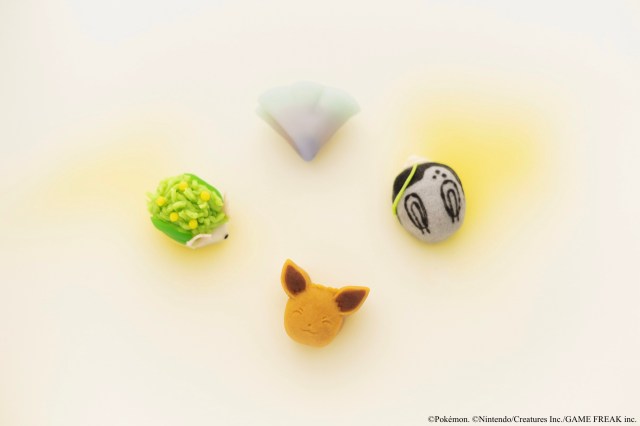
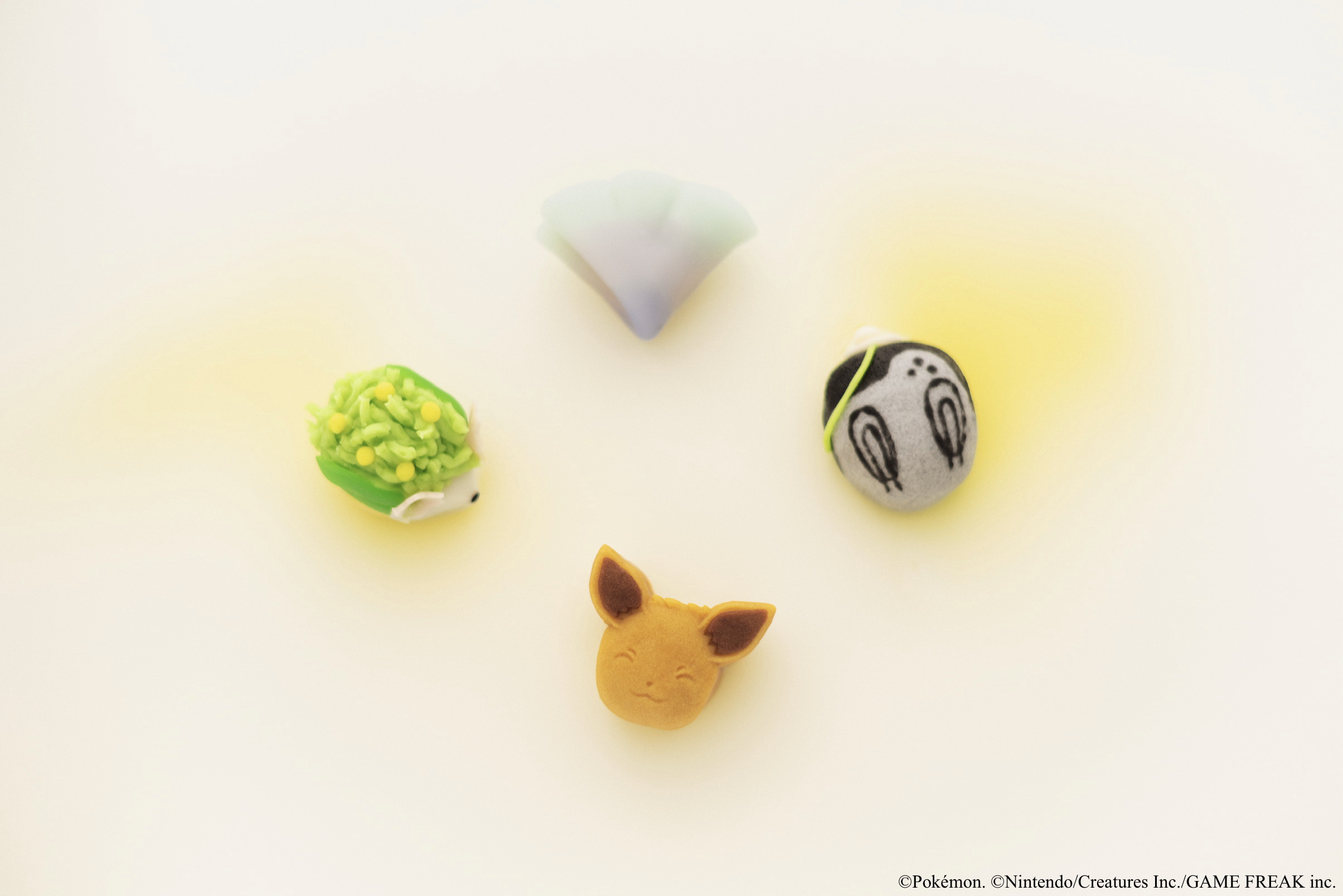
The shop is renowned for its jonamagashi, which are handmade by craftsmen one by one. While these sweets, traditionally served during tea ceremonies, typically reflect the changing seasons or classical poetry, Shichijo Kanshundo is using their delicate artistry to bring Eevee and Poltchageist into the physical world.

The Eevee sweet is crafted using nerikiri, a traditional mixture of sweet white bean paste, starch syrup, and gyuhi (glutinous rice flour) that artisans sculpt by hand into intricate, soft shapes. Poltchageist is made as a jonyo manju, a light, fluffy steamed bun made with yam, sugar, and joyo-ko (fine rice flour).

These two Pokémon join two others that were previously released to form this new set of four: Shaymin (Land Forme) and Oricorio (Sensu Style). Shaymin is a kinton, made by crumbling white bean paste or nerikiri into a soboro (ground/crumb-like) state and applying it around a core of bean paste. Oricorio, on the other hand, is expressed using uiro, a Japanese sweet made by adding sugar and water to rice flour, among other ingredients, and steaming it until firm, which results in a chewy texture. The set costs 2,916 yen (US$18) and, since they’re made without unnecessary preservatives, are best enjoyed immediately.

Catching these sweets requires a little bit of extra planning, because the physical store in Kyoto only sells these sets on their special sales event on the seventh of every month, so starting June 7, visitors will be able to pick some up on the afternoon stroll through one of Kyoto’s most historic neighborhoods near Sanjusangendo Temple.

There is another method to get your hands on them earlier: you can order them online and receive them directly at your home, although they will be delivered frozen. However, that also means you don’t need to enjoy them all at once, and can take your time to savor the flavors over a period of 14 days from the date of shipment.

If you do happen to find yourself in the Higashiyama area in Kyoto on the seventh of a month, though, be sure to stop by the shop early. These limited-edition treats are a wonderful way to experience Kyoto’s traditional craftsmanship, even if you’re not a dedicated Pokémon fan.

Store information
Shichijo Kanshundo / 七條甘春堂
Address: Kyoto-fu, Higashiyama-ku, Shichijo-doori, Nishinomon-cho 551-banchi
京都市東山区七条通西の門町551番地
Open 9:00 a.m.–5:30 p.m.
Closed January 1
Website

Related: Shichijo Kanshundo online store
Source: PR Times via Japaaan
Images: PR Times
● Want to hear about SoraNews24’s latest articles as soon as they’re published? Follow us on Facebook and Twitter!
  •  

Body of missing American college student found in Kyoto mountains

20-year-old on family trip to Japan had been missing since May 29.

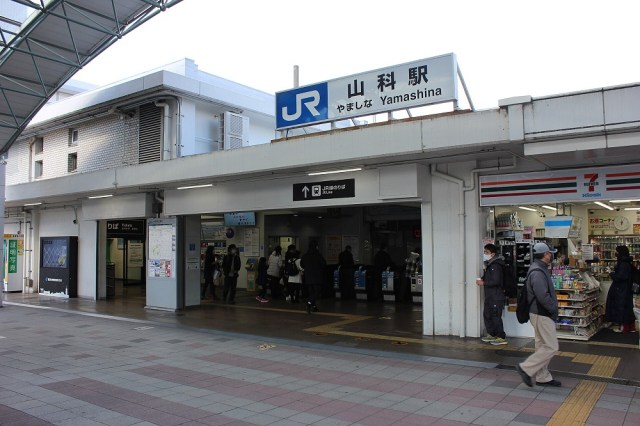
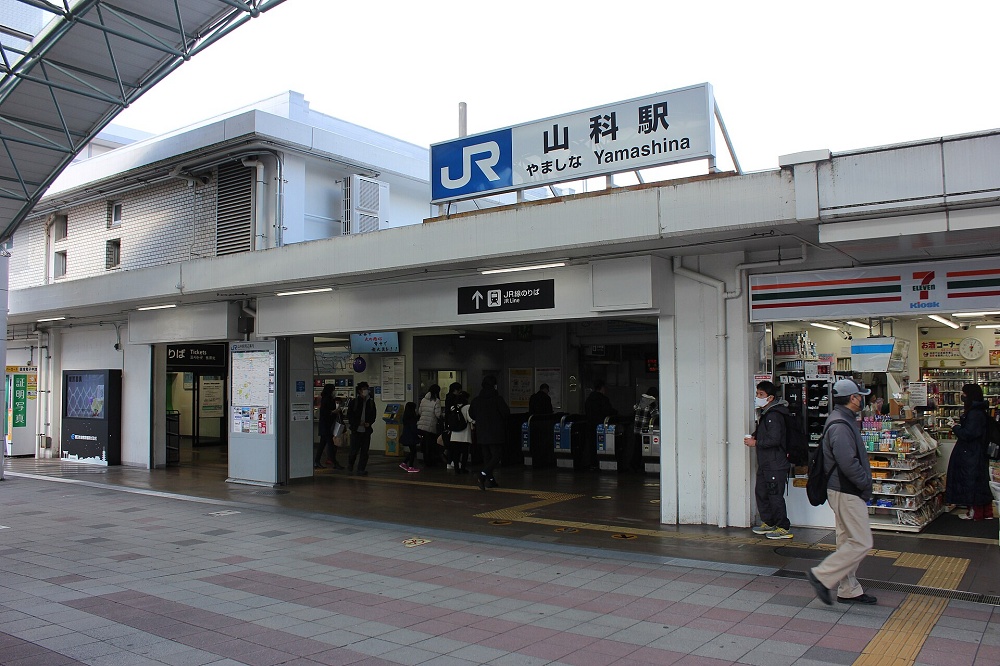
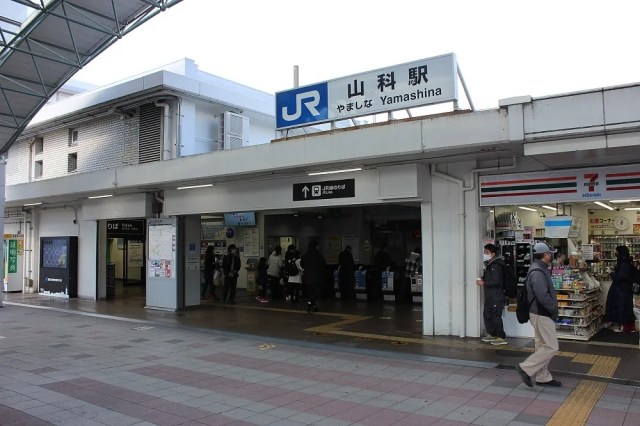
On May 25, 20-year-old James “Weston” Higginbotham arrived in Japan with his parents and younger brother on a family vacation to celebrate the younger sibling’s high school graduation. During the trip, the environmentally minded James argued with his mother over her use of AI, and the ecological impact of such systems, and on May 29, when the family was in Kyoto, James decided to break off from the group and spend time alone. Before James turned off his phone’s location sharing function, it showed that he visited a home supplies store and took the train to Yamashina Station, in the foothills to the east of downtown Kyoto. After exiting Yamashina Station, he could be seen on security camera footage approaching the entrance to a hiking trail after sundown.

James neither contacted his family nor returned to the hotel, and so his parents reported him as missing to the police. Search efforts were hampered by a powerful storm that swept through the area following his disappearance, and despite the use of helicopters and tracking dogs, the police were unable to locate him. In the afternoon of June 6, though, local volunteers who had offered their assistance found a body matching his description near Bishamondo Monzeki, a temple in Yamashina Ward, and the following day investigators were able to confirm that the body was James’.

“Our family is heartbroken to share that Weston was found deceased by a volunteer search-and-rescue group in a mountainous area outside of Kyoto,” said James’ family, who had remained in Japan while the search was ongoing, in a social media post, along with “We are deeply grateful to the countless people across the United States, Japan, and around the world who shared Weston’s story, prayed for our family, offered encouragement, and helped in the search efforts. The outpouring of kindness and support has carried us through the darkest days of our lives.”

The Kyoto Prefectural Police have said that they will not be publicly releasing the cause of death, but that there were no signs of foul play.

Source: Yomiuri TV, Teleasa News, Facebook/Nancy Higginbotham, CNN
Top image: Wikipedia/SONIC BLOOMING
● Want to hear about SoraNews24’s latest articles as soon as they’re published? Follow us on Facebook and Twitter!
  •  

Another side of Kyoto – The prefecture’s top 10 “road stations” for traveling foodies

We’re headed to Kyoto today, but not to see the temples or shrines.

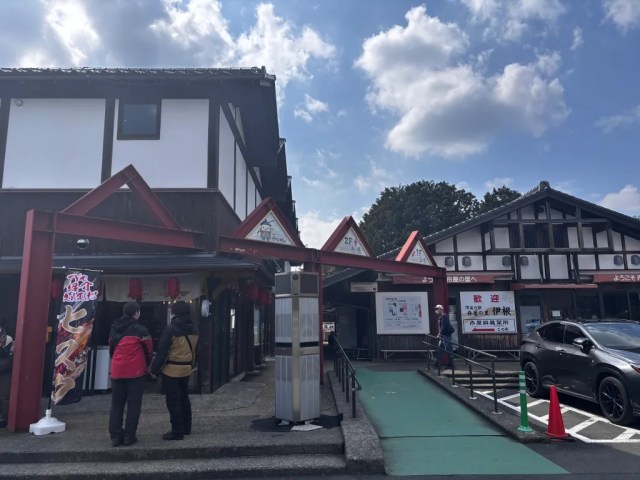
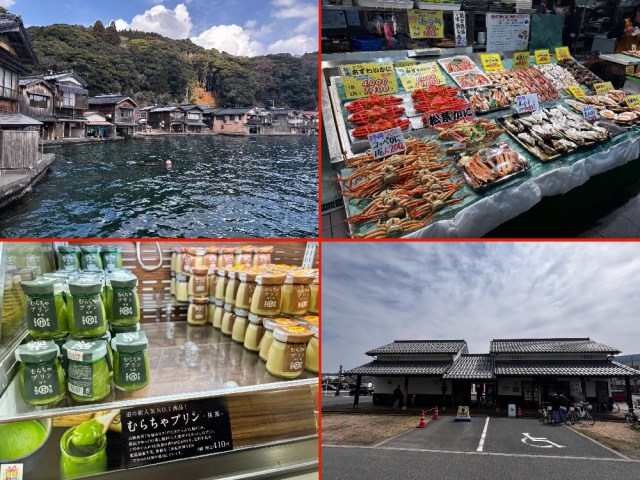
Temples and shrines are the first things that come to mind when travelers think of Kyoto, but the prefecture is also a treasure trove of outstanding michi no eki, or “road stations.” These combination roadside shops/rest areas offer a variety of unique local products, from foods and drinks to handicrafts, and with Kyoto Prefecture’s rich culinary legacies, its road stations include ones in famous green tea-growing regions and fishing ports on the coast of the Sea of Japan.

Today we’re asking our Japanese-language correspondent Susan, a native of Chiba Prefecture who’s travelled to 850 michi no eki, including all of the ones in Kyoto, for his list of 10 best Kyoto road stations, presented in no particular order.

1. Ocha no Kyoto Minami Yamashiro-mura (Minami Yamashiro Village)
Website

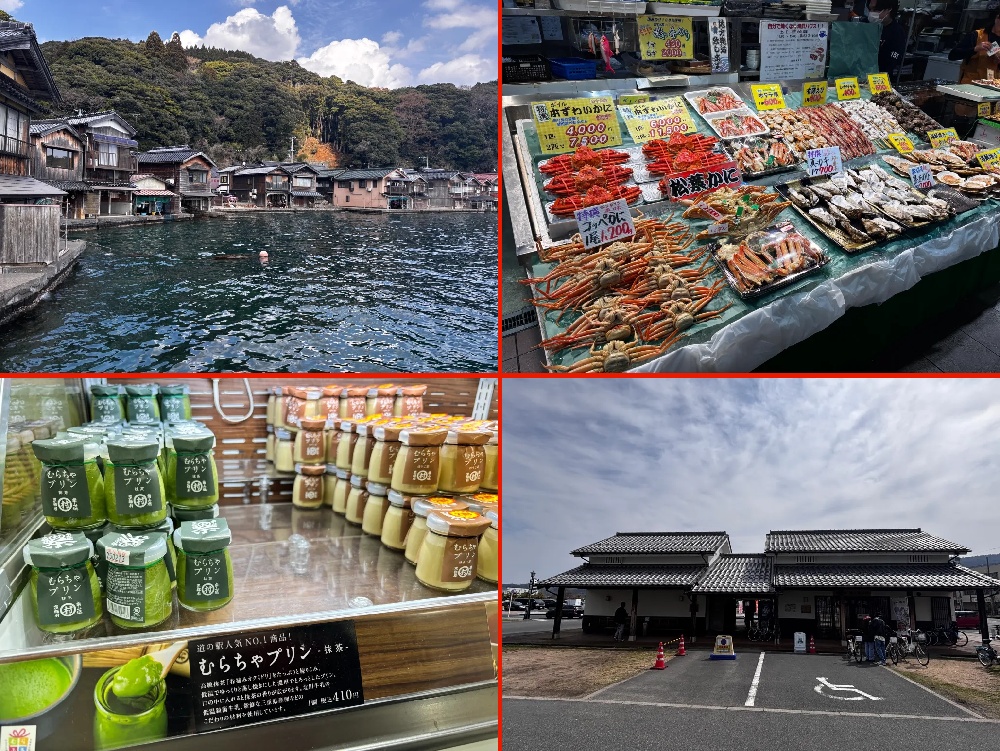
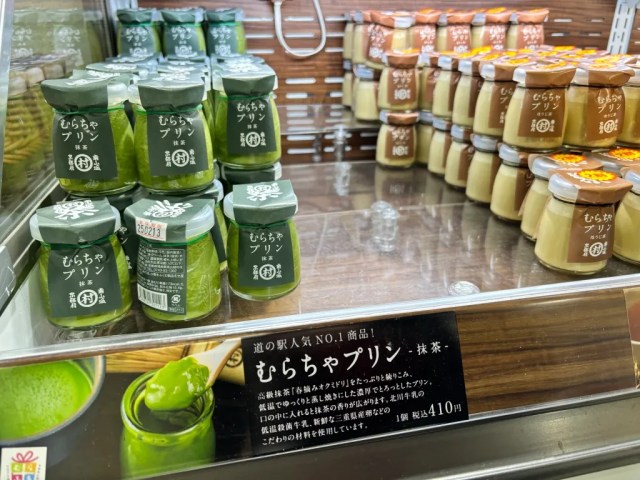
Minami Yamashiro is the only town in Kyoto Prefecture that’s legally classified as a “village” (mura in Japanese), and that alone brings a lot of travelers to this road station. Locally grown tea is the star attraction here, and in the attached restaurant you can dine on soba noodles with green tea mixed into their buckwheat flour. Looking for something sweeter? The Muracha (“Village Tea”) Pudding is not to be missed, with a deep, direct delivery of green tea flavor in every bite.

2. Michi no Eki Miyama Fureai Hiroba (Nantan City)
Website

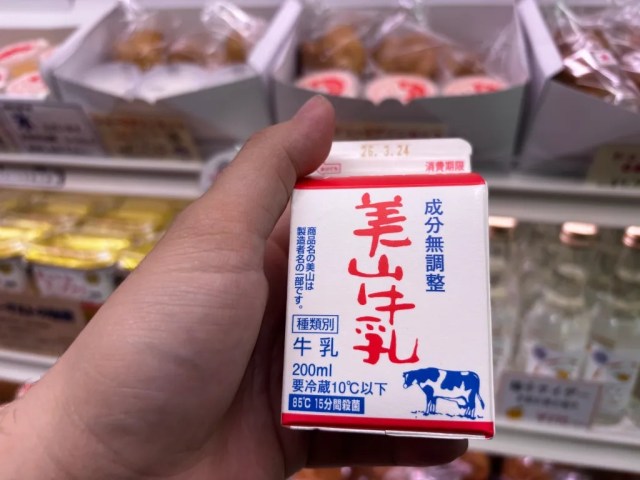
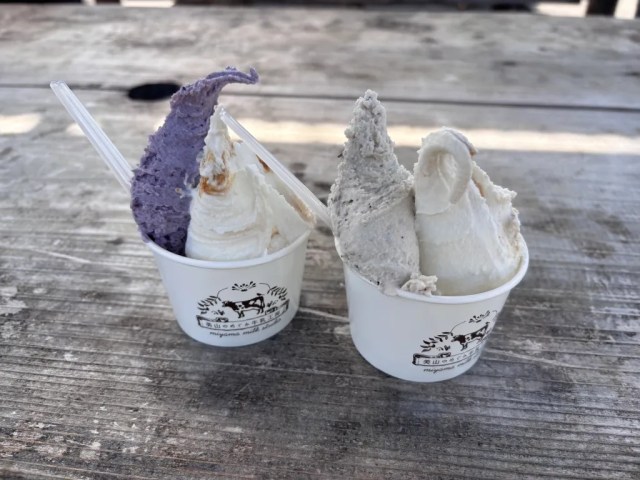
You’ll find this road station on the way to Kayabuki no Sato, a beautifully preserved historic neighborhood with traditional thatched roof Japanese farmhouse architecture. The thing you’ve got to try if you come here is the Miyama Milk from the local dairy, or at least the ice cream, frozen yogurt, or cheese made with it.

The gelato is Susan’s personal favorite, rich but with a clean finish, and the lines get long for it on the weekends, but it’s worth the wait.

3. Michi no Eki Funaya no Sato Ine (Yosa)
Website

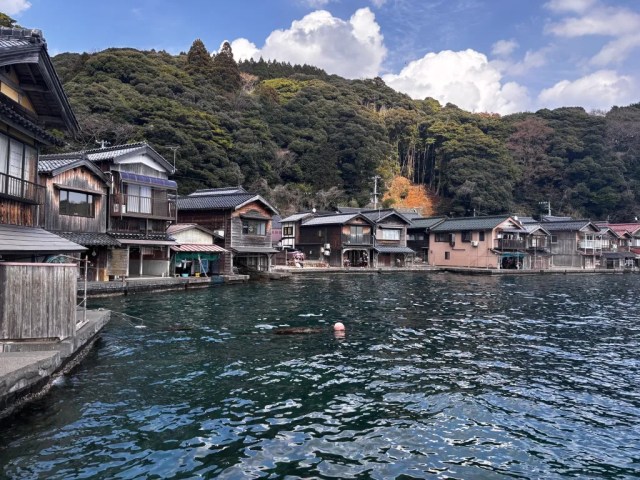
On its north side, Kyoto Prefecture stretches all the way to the coast of the Sea of Japan, and that’s where you’ll find the town of Yosa and Ine, a neighborhood of traditional fishermen boathouse homes built out over the water.

The refreshments on offer here include locally made soba and small-batch sake, but Susan also gives a special mention the hisuku, skewers of dried fish that you can buy from the outdoor Umyado stand to snack on while you admire the scenery.

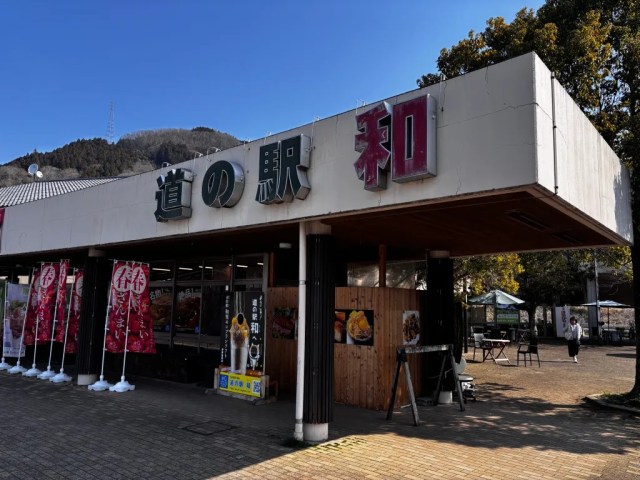
4. Michi no Eki Nagomi (Funai)
Website

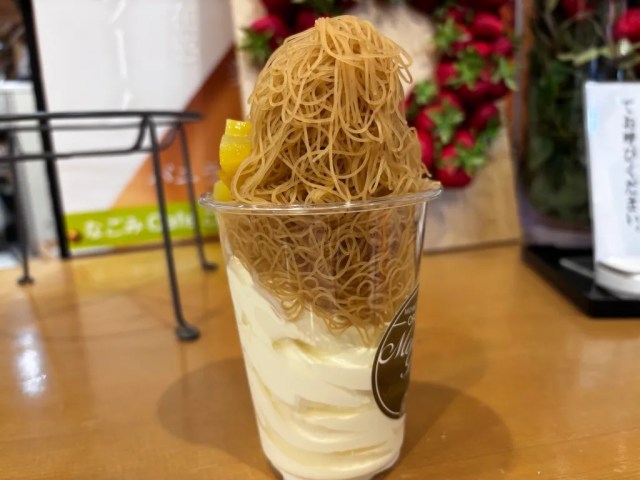
Heading back into the more mountainous inland, we come to this michi no eki in the town of Funai, situated next to the Yuragawa River. This is a tranquil spot befitting its Nagomi name (which means “harmony”), and your heart will feel even more at ease if you’re indulging in a cup of Mont Blanc pudding at the attached Nagomi Cafe.

Seasonal highlights include spring strawberries, autumn chestnuts, winter mochi, and in summer, a special “ayu garden” where you can experience catching ayu (a kind of river fish) by hand, then having it grilled up by the staff for you to enjoy at its freshest flavor.

5. Michi no Eki Mizuho no Sato Sarabiki (Funai)
Website

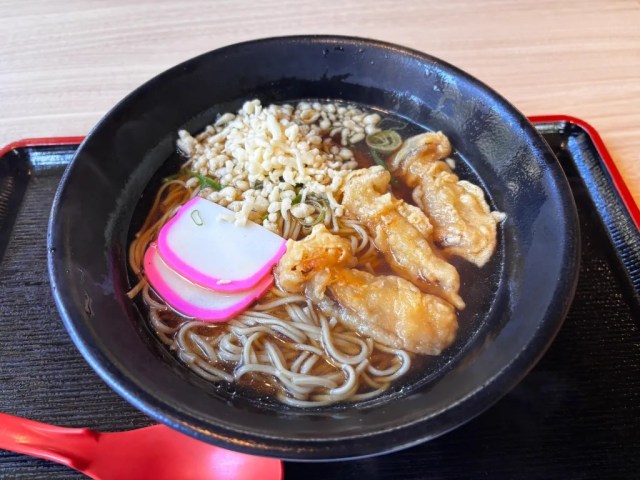
We’re still in Funai for this easy-to-access road station off the the Kyoto Expressway, near where travelers enter the lush countryside of the Tamba Highlands. The Mizuho district is famous for its buckwheat farms, and also for the soba noodles made from the grain, so naturally you can enjoy a bowl of them here, and the hiratake mushrooms, gathered in the local mountains, are delicious too.

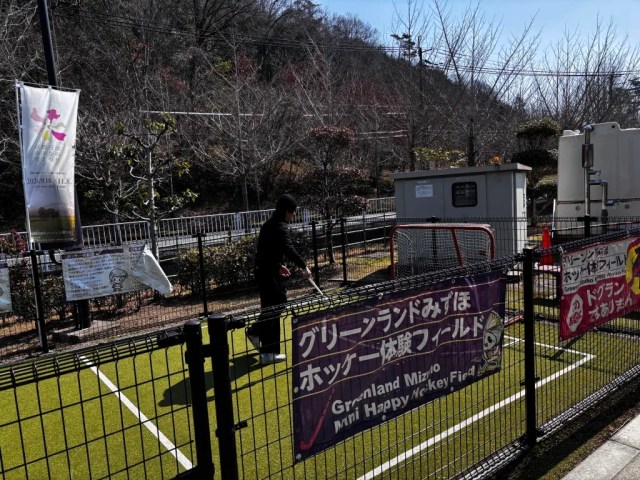
This road station’s most unique feature, though, is its mini field hockey court. The Mizuho district hosted national field hockey championships during a sports event back in 1988, and the game has remained popular in the area ever since.

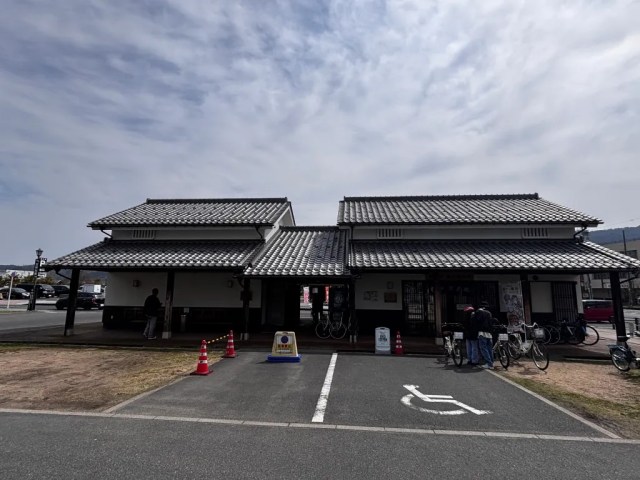
6. Michi no Eki Umi no Kyoto Miyazu (Miyazu City)
Website

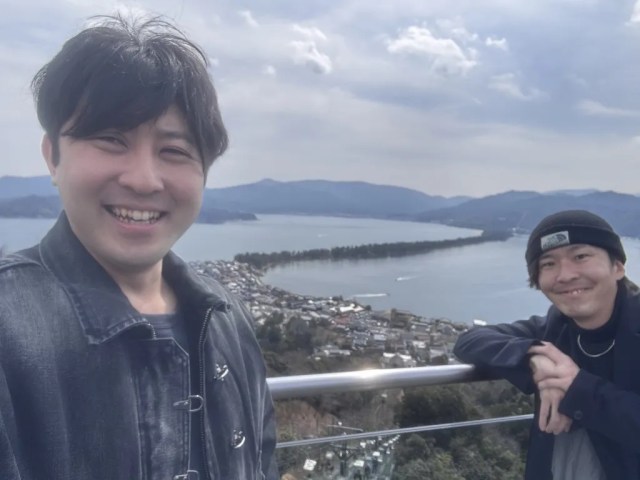
Yes, the building itself looks cool, but this one is primarily on the list because it offers a great vantage point for seeing Amanohashidate. Considered one of the three most beautiful views in Japan, Amanohashidate is pine tree-covered sandbar that stretches across Miyazu Bay and is supposed to look like a bridge climbing into the heavens, especially so if you bend over and view it through your legs so that it’s upside down.

▼ Susan and a friend in front of Amanohashidate

The road station here has an attached shop with local sake and other souvenirs, but the main appeal really is the view, so make this one a daytime visit.

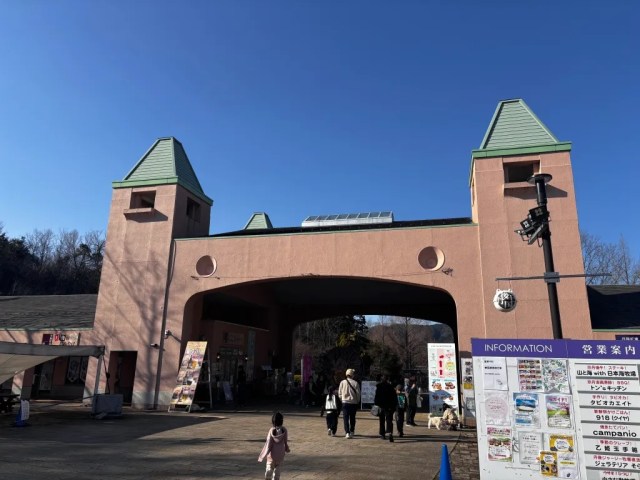
7. Michi no Eki Tango Okoku Shoku no Miyako (Kyotango City)
Website

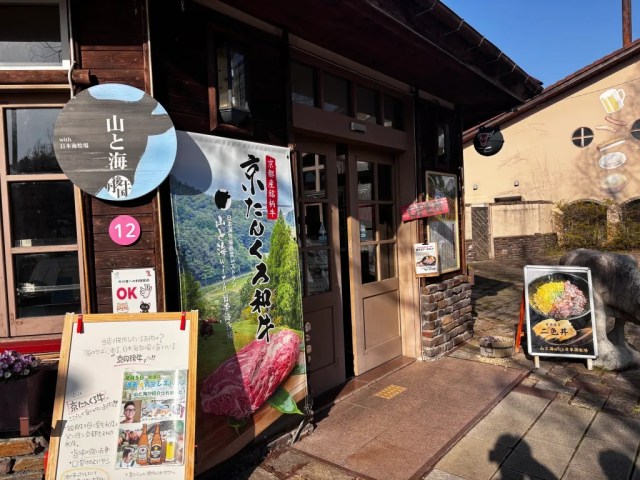
Shoku no Miyako translates to “Capital of Food,” and the scale of this road station certainly warrants that distinction, as its approximately eight times the size of Japan’s famed Koshien baseball stadium. Whether you’re in the mood for Kyoto Tanba Kurowagyu steak or wood-fired pizza, there are restaurants here that are happy to oblige, and big eaters will enjoy the noodle shop with all-you-can-eat udon.

With so much to eat, you might want to have two meals here, and there are go-karts, a petting zoo, and even a hotel if you need something to do or somewhere to relax between chow-down sessions.

8. Michi no Eki Springs Hiyoshi (Nantan City)
Website

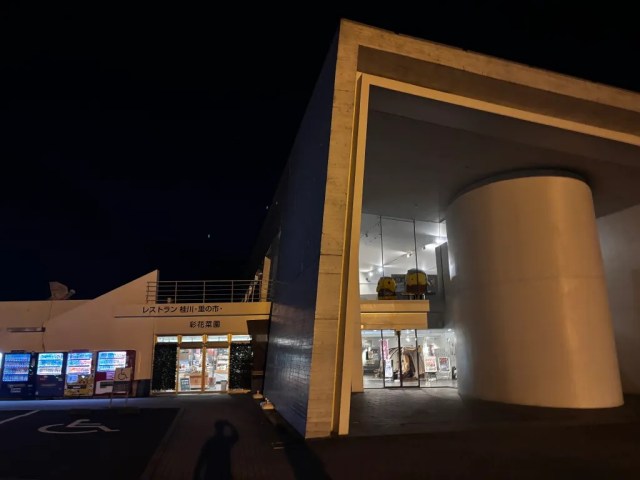
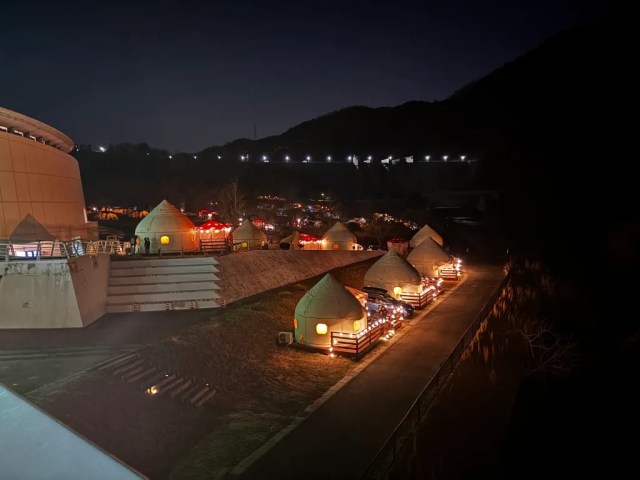
Aside from being valuable parts of public infrastructure, many dams in Japan have become tourist attractions in and of themselves. This road station is situated next to the Hiyoshi Dam, and fatures facilities such as an onsen hot spring bath, heated swimming pool, sauna, and outdoor BBQ spaces.

If you need provisions, the souvenir shop sells locally sourced mushrooms and eggs, and there’s even a campground with cottages for overnight guests.

9. Michi no Eki Kyoto Shinkoestumura (Nantan City)
Website

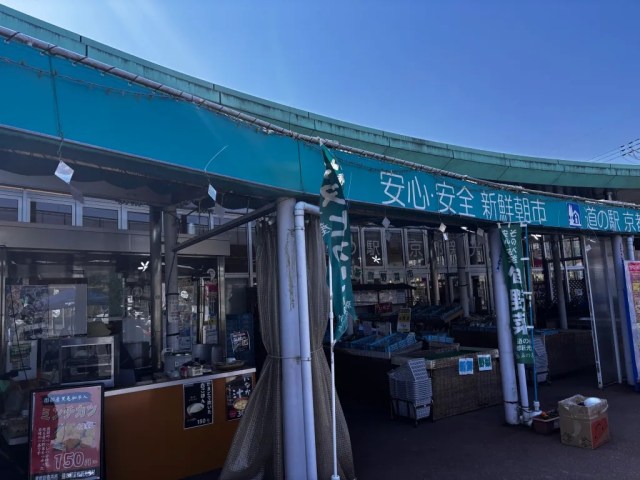
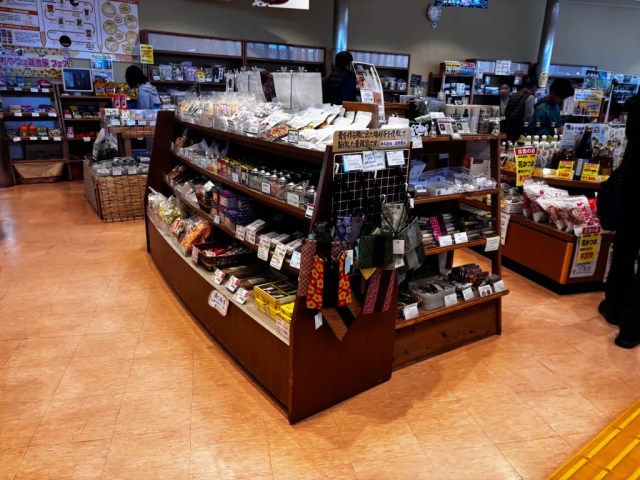
This road station is right off the Kyoto Jukan Expressway’s Sonobe Interchange, making it super-easy to access while driving across or around Kyoto Prefecture. Locally grown Onshin rice is the pride of the place, and aside from sacks of the rice itself you can taste it in the mochi rice cakes and senbei rice crackers sold in the souvenir shop.

This michi no eki also has a good selection of nama yatsuhashi, Kyoto’s representative sweet treat of a folded triangle of soft mochi with sweet red bean paste inside. Granted, you can find nama yatsuhashi at plenty of other places in Kyoto, but this road station’s easy expressway access makes it a very convenient place to pick up an extra box or two on your way home.

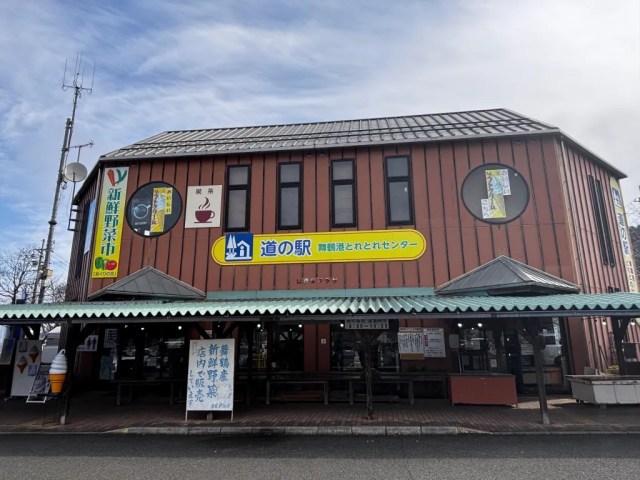
10. Michi no Eki Maizuruko Toretore Center (Maizuru City)
Website

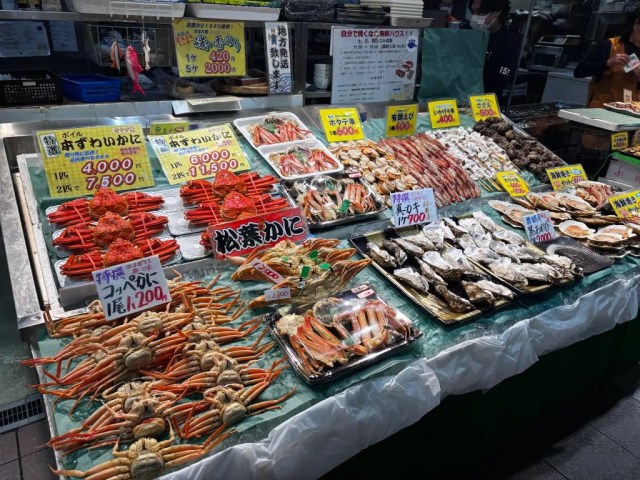
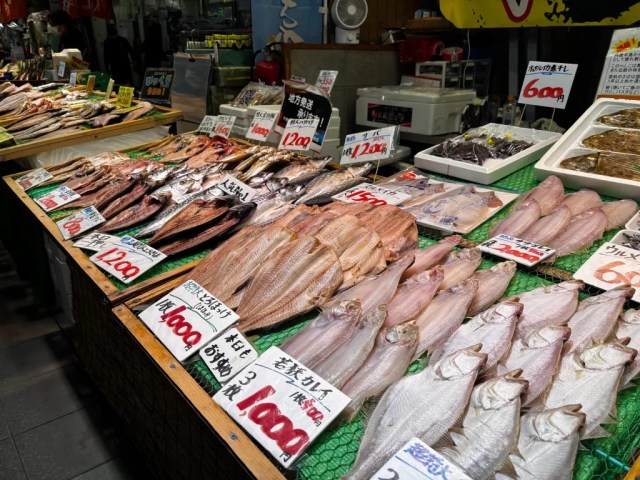
And last, we’re back on the north coast of Kyoto Prefecture to stop at Maizuru Port, one of the largest seafood markets along the Sea of Japan. As soon as you step inside, you’ll be surrounded by the bustling energy of merchants hawking fresh catches of fish, crab, and oysters, among other saltwater delicacies.

This is basically the Tsukiji of road stations, with delicious snow crab in winter, iwagaki oysters in summer, and buri (yellowtail) in autumn, no matter when you visit, you’ll find something great to eat.

Photos ©SoraNews24
● Want to hear about SoraNews24’s latest articles as soon as they’re published? Follow us on Facebook and Twitter!
  •  

American college student missing in Kyoto, last seen by family one week ago

20-year-old outdoors enthusiast last seen approaching hiking trail east of downtown after sunset.

The Japanese police and volunteers are searching for an American college student who went missing in Kyoto and hasn’t been seen in a week.

20-year-old James “Weston” Higginbotham and his family arrived in Japan from the U.S. on May 25, spending time in Tokyo and elsewhere before reaching Kyoto. Having argued with his mother during their trip, Weston declined to go with his parents and 18-year-old younger brother while they visited a temple on May 29, instead opting to sightsee on his own, while sharing his location through the Life360 phone app.

▼ James “Weston” Higginbotham, missing since the night of May 29 in Kyoto

Based on his location data, Weston left the family’s hotel by himself at around 6 p.m. and later boarded a train at Kyoto Station, a five-minute ride away. He can be seen on multiple security cameras leaving Yamashina Station and walking in the neighborhood around 8 p.m., wearing a gray T-shirt with “Save the bees” written across it and brown pants, and carrying a shoulder bag. His last known location was on a path that leads to a hiking trail that goes into the mountainous forest region to the east of Kyoto City.

At 8:29, Weston turned off location-sharing on his phone, something his mother said he has never done before in such situations. Examination of his location data prior to disconnecting also shows that Weston visited a home supplies store at some point after leaving the hotel. By 2 a.m., Weston had not returned to the hotel or contacted his family, so they reported him as missing to the police.

According to his family, Weston is an experienced outdoorsman and international traveler, having solo hiked in Europe, and the family often hikes, mountain bikes, and river rafts together. “It’s not unusual for Weston to blow off steam going to the woods and just exploring,” his mother, Nancy, said. “That’s his happy place.” As such, she remains optimistic that her son has simply gotten lost and can be safely rescued, but a powerful storm that passed through the area earlier this week means conditions were likely more dangerous than usual.

Japanese online reactions to the family’s plight have included:

“I hope they find him soon.”
“Please let him have been taken in by some kind countryside family that’s been feeding him good food all this time.”
“I work as a delivery driver, so I’ll be sure to keep an eye out for him.”
“Hoping he makes it back with a simply ‘Sorry! Got lost.’”
“Please, please be safe.”

At the time that he went missing, Weston is believed to have had around 10,000 yen (US$63) in cash on him, and none of his credit cards have been used since he was last seen. With no signs of foul play, the police are treating the situation as a missing person case, and have deployed helicopters and police dogs in the search, and Japanese volunteer groups have been pitching in as well, but so far, no sign of him has been seen.

Source: Teleasa News, CNN, CBS, YouTube/ANNnewsCH
Top image: Wikipedia/SONIC BLOOMING
● Want to hear about SoraNews24’s latest articles as soon as they’re published? Follow us on Facebook and Twitter!
  •  

Two of Kyoto’s famous temples tackle streetside trash with solar-powered trash cans

Bringing futuristic solutions to historic streets.

Upon coming to Japan and exploring the cities, I soon came to one of many realizations: the country has a near-complete lack of public trash cans. While it’s technically possible to call into one of the many convenience stores to unload your pockets of snack wrappers into the store’s waste receptacles, there are almost always signs asking you to refrain from doing so, and you could potentially face criminal charges for dumping garbage from products not purchased in-store.

Instead, it is socially expected for any and all trash generated from snacking to be carried and disposed of at your house or hotel, so much so that it’s quite normal for people to carry around small plastic bags in your handbag or backpack to hold onto accumulated wrappers and napkins until the end of the day. As such, for those who are accustomed to having public trash cans being easily accessible, they can often end up with pockets filled with sticky waste and crumb-filled backpacks when they go sightseeing.

This cultural difference has been exacerbated considerably due to the post-pandemic boom in tourism, with millions of enthusiastic travelers flocking to sightseeing hotspots, like Kyoto, seeking to delve into the region’s charming history and food, which naturally increases the volume of sidewalk snacking. When you’re wandering through the picturesque streets of Kyoto’s Higashiyama ward, miles away from your hotel, the last thing you really want to be doing is holding the wrapper from your mid-morning Family Mart fried chicken snack for the rest of the day. So, the few trash cans available tend to fill up quickly and potentially overflow.

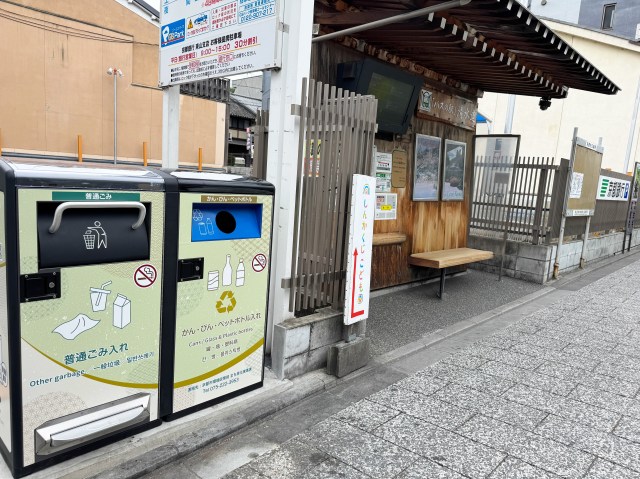
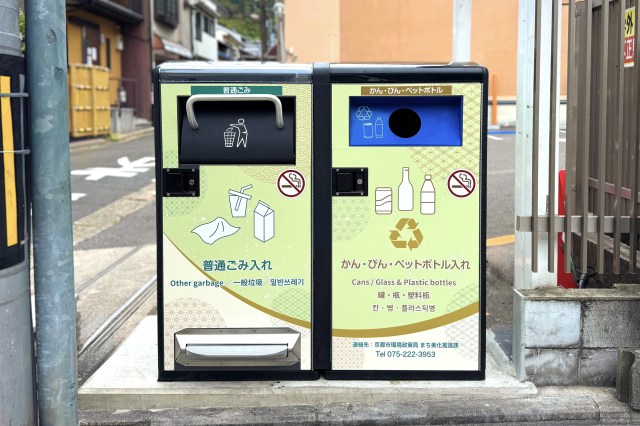
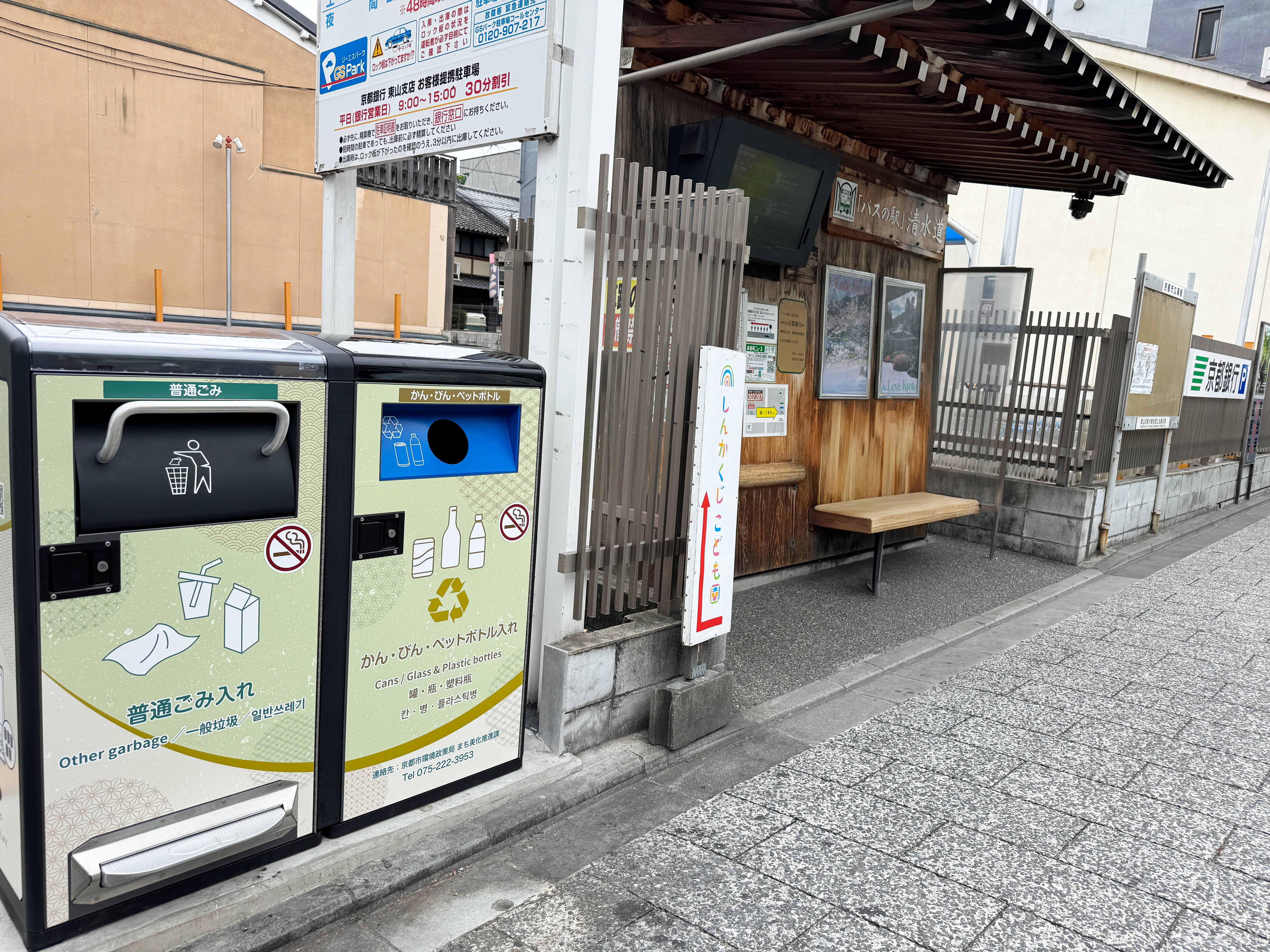
Fortunately, Kyoto has started tackling this problem with some high-tech efficiency. On May 27, two futuristic, eco-friendly smart trash cans called SmaGO, made by Forcetec, were introduced near the busy southbound Kiyomizu-michi bus stop, a highly traversed area for anyone looking to explore the area’s streets and temples.

The SmaGO units run entirely on solar power and feature an automatic trash-crushing mechanism that compacts waste down to just one-fifth of its original volume. They also connect to the internet to report exactly how full they are in real-time, allowing collection crews to swoop in before the trash starts to overflow and propagate to the nearby vicinity.

While these are the latest two units of a total of 34 throughout Kyoto, these eco-bins were actually donated to the city by the famous Kiyomizu temple and the nearby Rokuharamitsuji temple, with the Bank of Kyoto stepping in to provide the installation location, in the hopes of creating a more comfortable and beautiful city for both citizens and tourists.

So, the next time you venture into the historic former capital of Japan, you can rest assured that waste management will be one less thing to factor into your travel itinerary.

Source and images: PR Times
● Want to hear about SoraNews24’s latest articles as soon as they’re published? Follow us on Facebook and Twitter!
  •  
❌