Reading view

‘México ’86,’ a satire about the inner workings of a World Cup, complete with a scheme to deceive FIFA

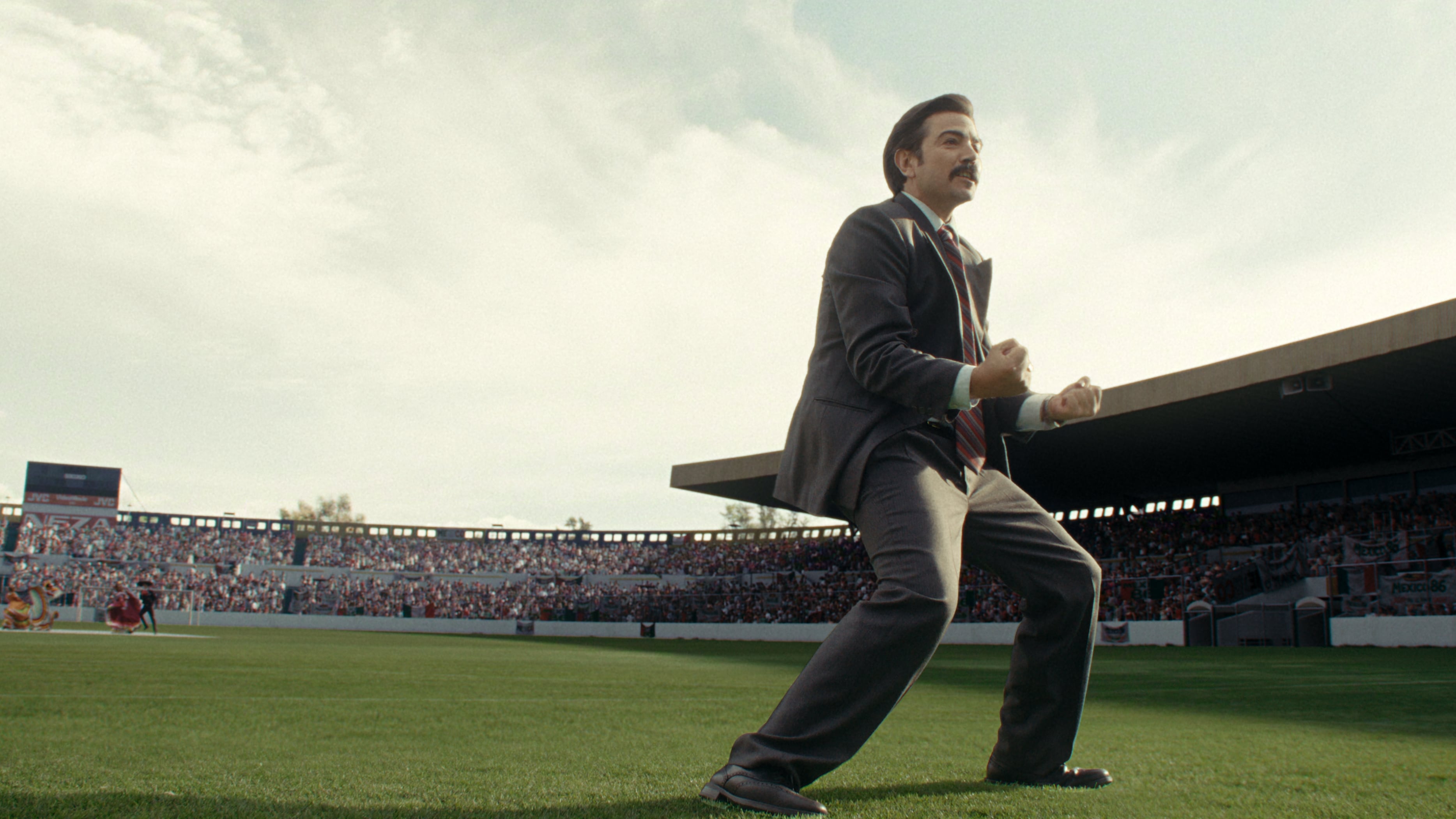
Diego Luna was seven years old in 1985. A devastating magnitude 8.1 earthquake struck Mexico City just nine months before the start of the FIFA World Cup. He recalls that the overall feeling among residents of the capital was “really intense,” “very sad,” and that there was a “sense of helplessness” because of the state’s absence. Amid that, as in other tragedies that have hit the country, the actor says there was also a “very beautiful” feeling of solidarity and community response — but “it seemed like the destruction made it impossible to imagine a World Cup.” What lay behind Mexico becoming the first nation to host the tournament twice is a mix of true events, anecdotes, acts of corruption, and a few urban legends. Or at least that is how Netflix movie México 86 frames it: a satirical account of how those who run soccer off the field focused national efforts to turn the event into a symbol of unity and recovery after mourning, but which also helped trigger the Mexican national team’s ban from the 1990 World Cup in Italy.
Seguir leyendo

© Netflix

A still from the movie 'México 86.'
  •  

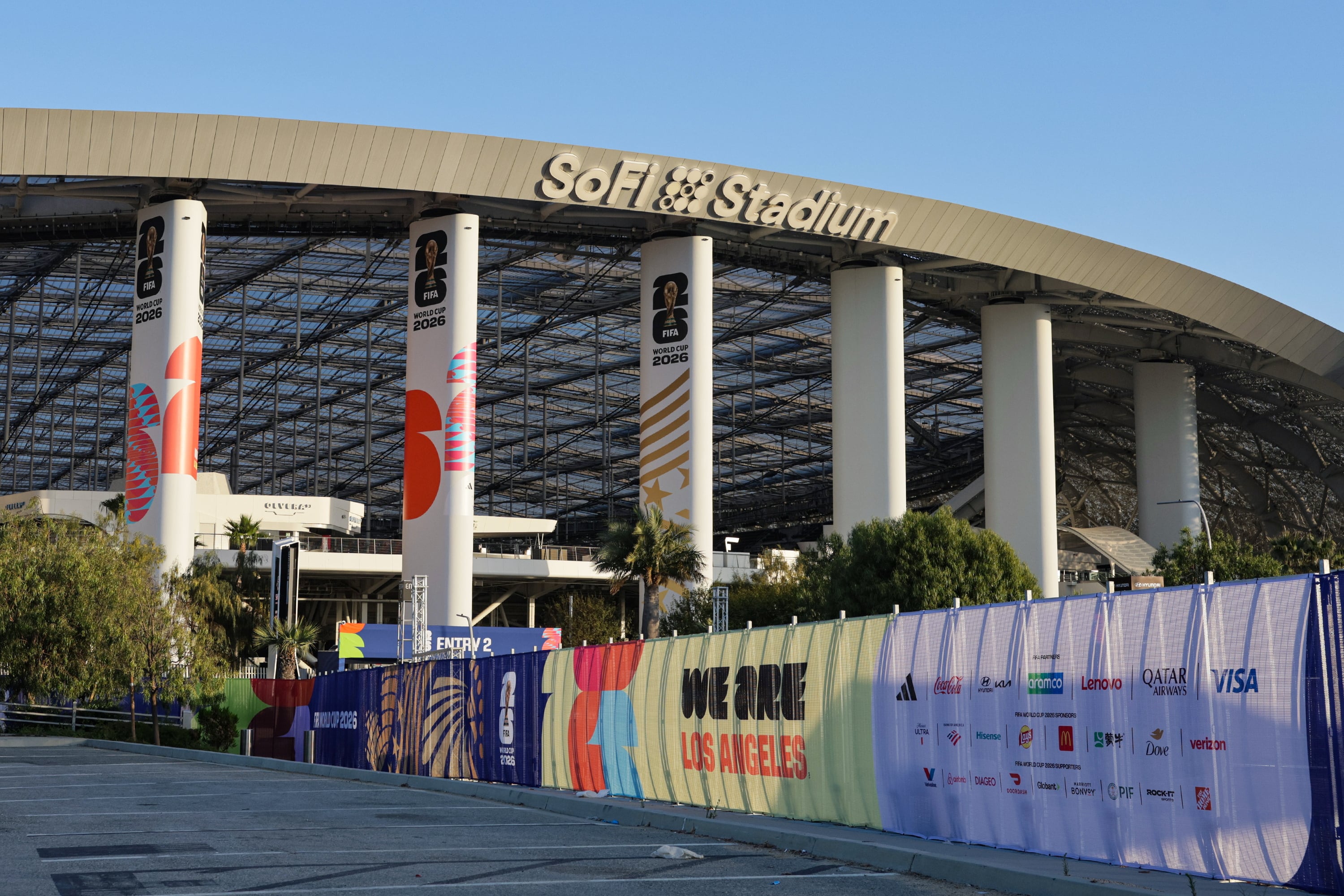
US warns foreign ‘influencers’ ahead of World Cup: creating content on a tourist visa is illegal

As the start of the World Cup draws near, the United States government has set its sights on foreign influencers. Immigration authorities have warned that individuals entering the country on a tourist visa may not use their stay to produce content intended to generate income on YouTube, TikTok, Facebook or other online platforms — a practice that for years has been common among digital creators worldwide.

Seguir leyendo

© CHRIS TORRES (EFE)

SoFi Stadium in Inglewood, California, U.S., June 3, 2026.
  •  

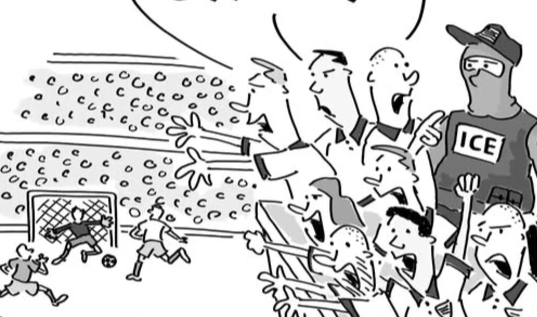
CSotD: I Skipped the News Today, Oh Boy

It’s hard to write about current events when you’re scared to check your news sources in the morning because you recorded last night’s US/Paraguay game and fear coming across spoilers. Fortunately, there’s enough that hasn’t likely changed overnight, and the real issue here is admitting that, despite the combined character flaws of FIFA and one […]

  •  

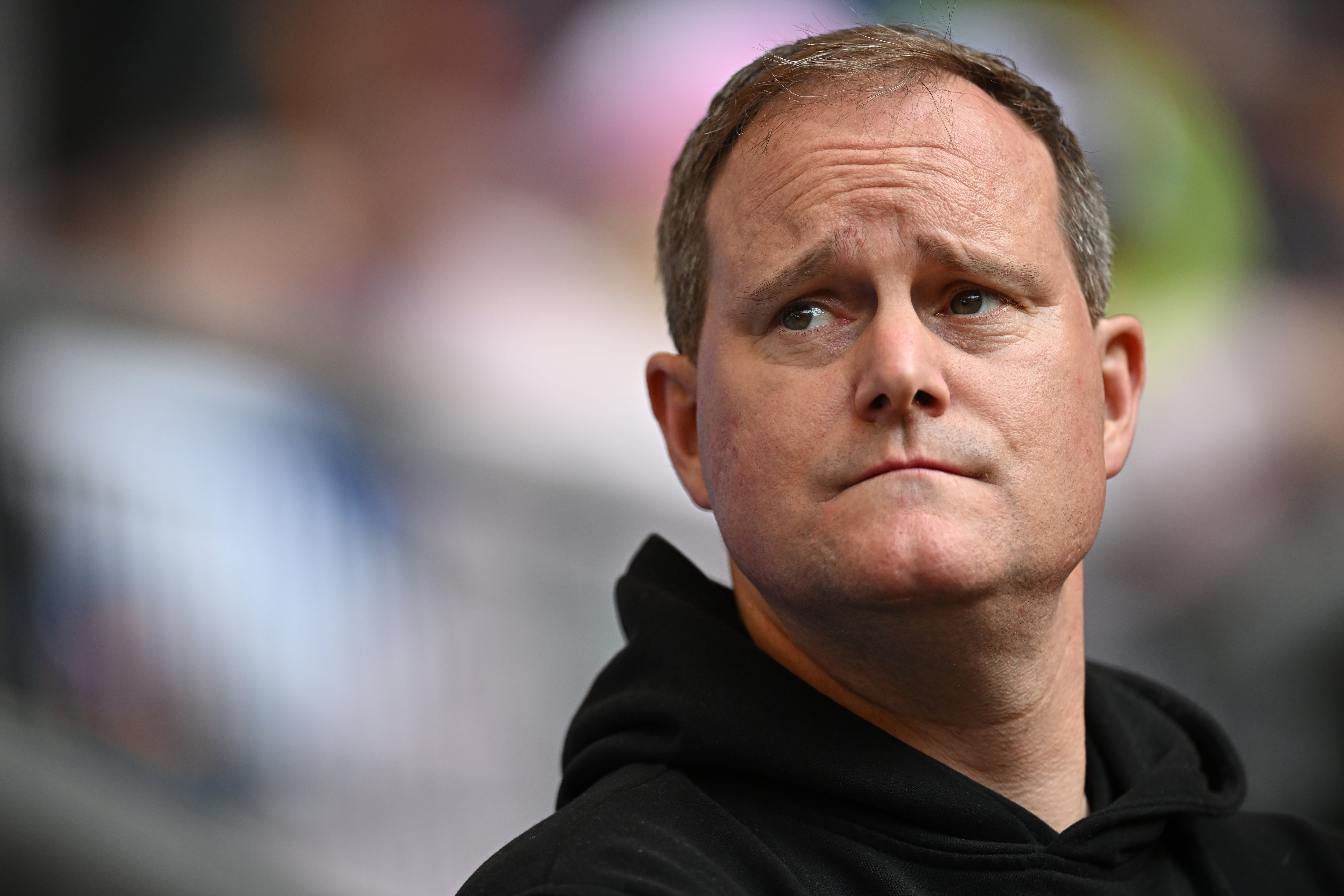
Oke Göttlich, the man shaking up German soccer over Trump: ‘We discussed at length our red lines for boycotting the World Cup’

He takes this newspaper’s call on a train bound for Hamburg, home of St. Pauli, continues by car and says goodbye almost an hour later in his office at the headquarters of the modest club, which he has chaired since 2014. Oke Göttlich (Hamburg, Germany; 50) is also one of the 13 vice presidents of the DFB, the German Football Association. And earlier this year, amid threats from Donald Trump’s administration to invade Greenland, Göttlich, a trained journalist, said enough was enough. “What reasons justified the boycotts by certain countries of Olympic Games in the 1980s?” he asked, referring to Moscow 1980 and Los Angeles 1984, in the Hamburger Morgenpost. “In my view, the current threat is greater than back then, so we must have this discussion; a footballer’s life is not worth more than the life of any of the people being directly or indirectly attacked by the host country of the next World Cup.”

Seguir leyendo

© Stuart Franklin (Getty Images)

Oke Göttlich during a Bundesliga match.
  •  

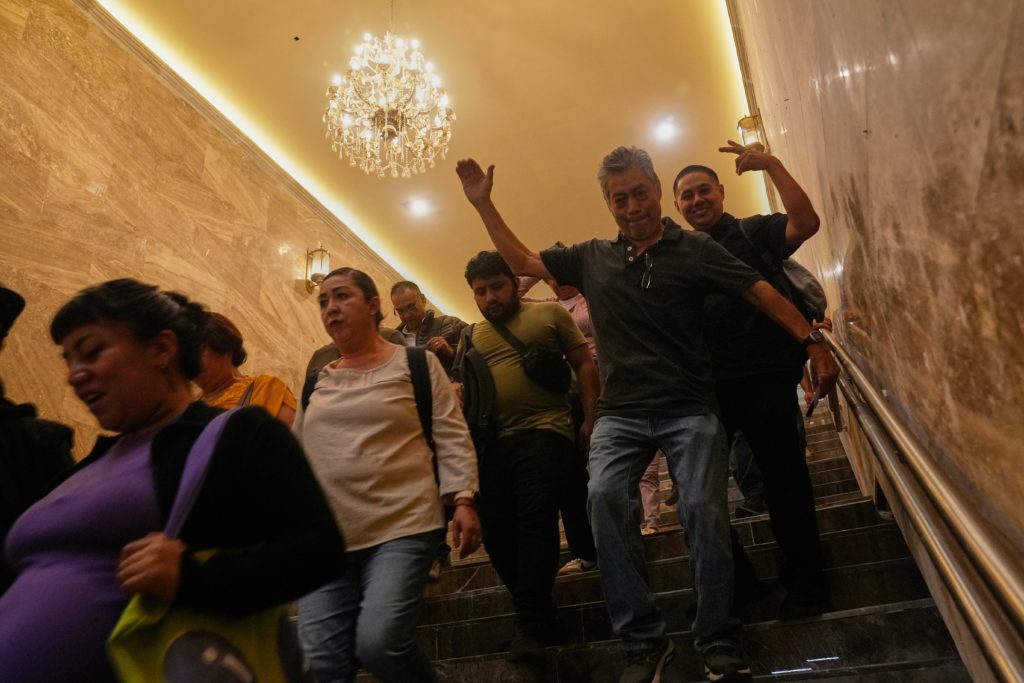
Mexico City installed a chandelier in its metro for the World Cup. Cue the mocking memes

The cosmetic makeover that authorities have attempted to give the capital as visitors arrive from around the globe also has become a symbol of criticisms that the government is prioritizing its superficial appearance for World Cup fans over fixing critical structural issues that have long plagued the city.

  •  

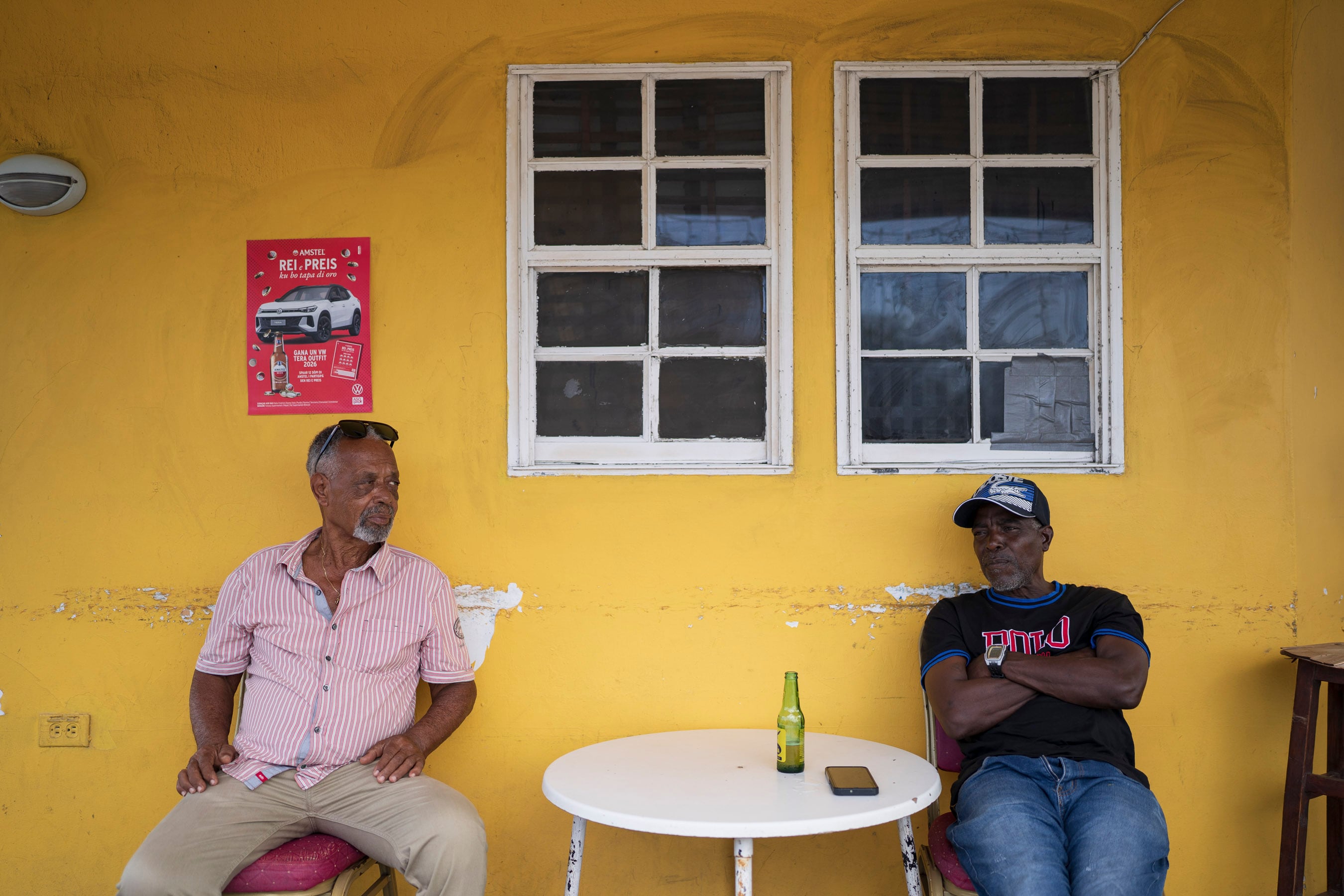
Curaçao: A small Caribbean nation at the biggest World Cup

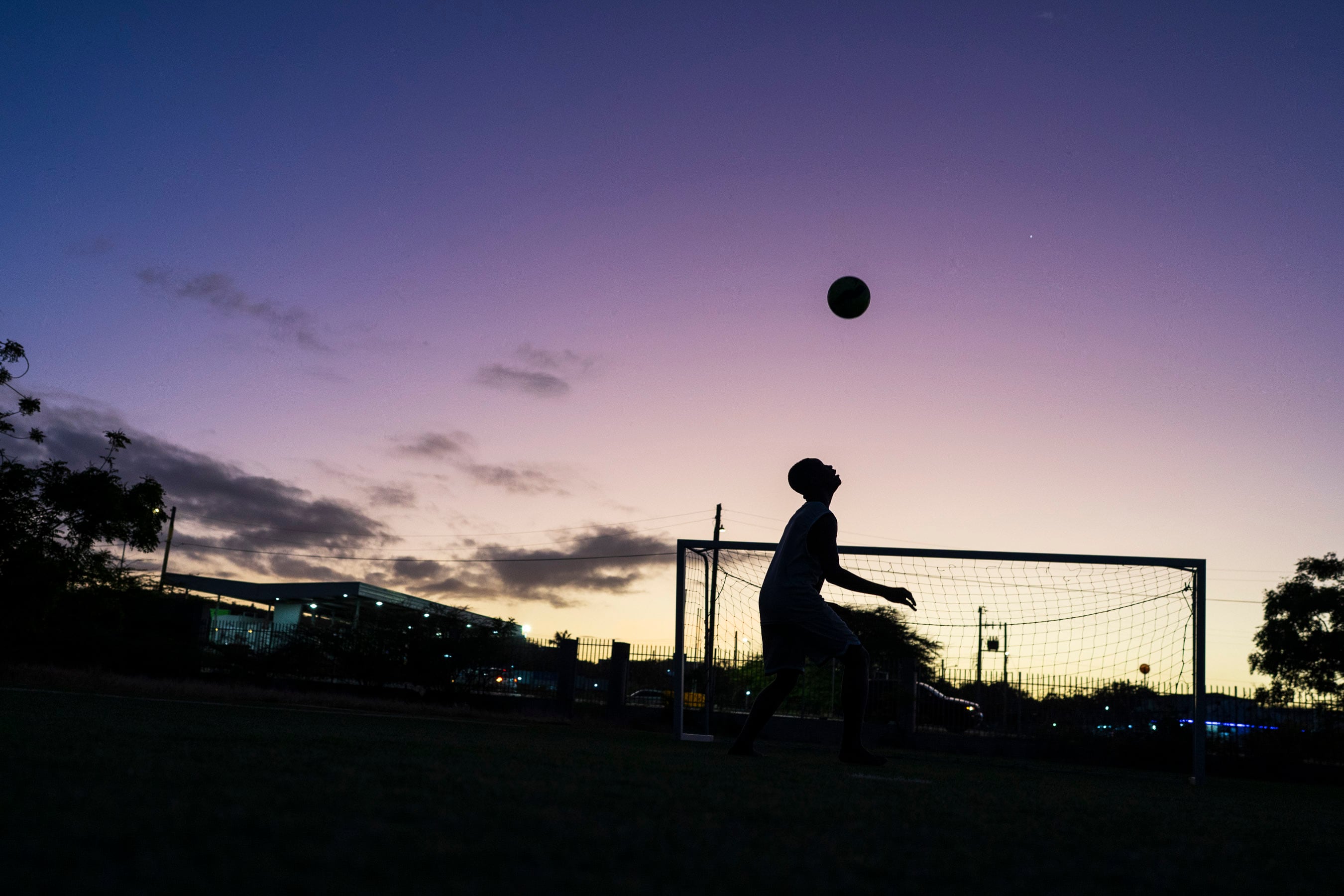
A young man plays soccer in the town of Barber.

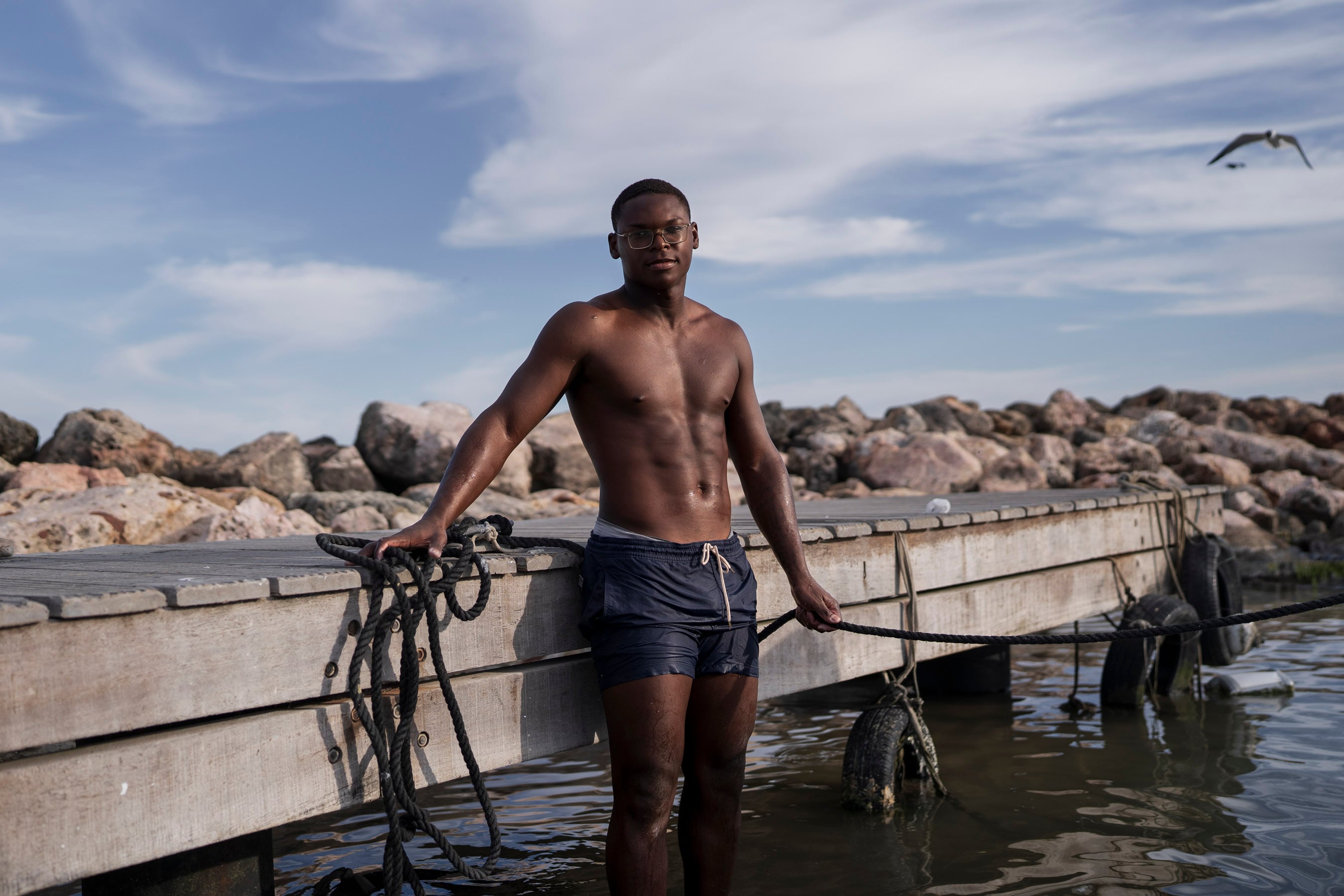
The rhythm, the cadence, is hypnotic. The late-afternoon sun helps: scales flying off the fish flash in a silvery, summery gust. Three young men fall into a soft, steady rhythm — fish, knife, entrails — chop, chop! The day winds down at the pier, and Curaçao — this small, arid island off the northern coast of Venezuela, part of the former Dutch Antilles — now stands out as one of the best ideas conceived since the Big Bang; at times, it may also seem like the opposite: a Caribbean theme park for Europeans and Americans. But not now — it is a kingdom of physical well-being, a haven of tranquility, the soul of the slow world. Guts, scales, salt water, milky sun, rhythm, rhythm, rhythm.

Seguir leyendo

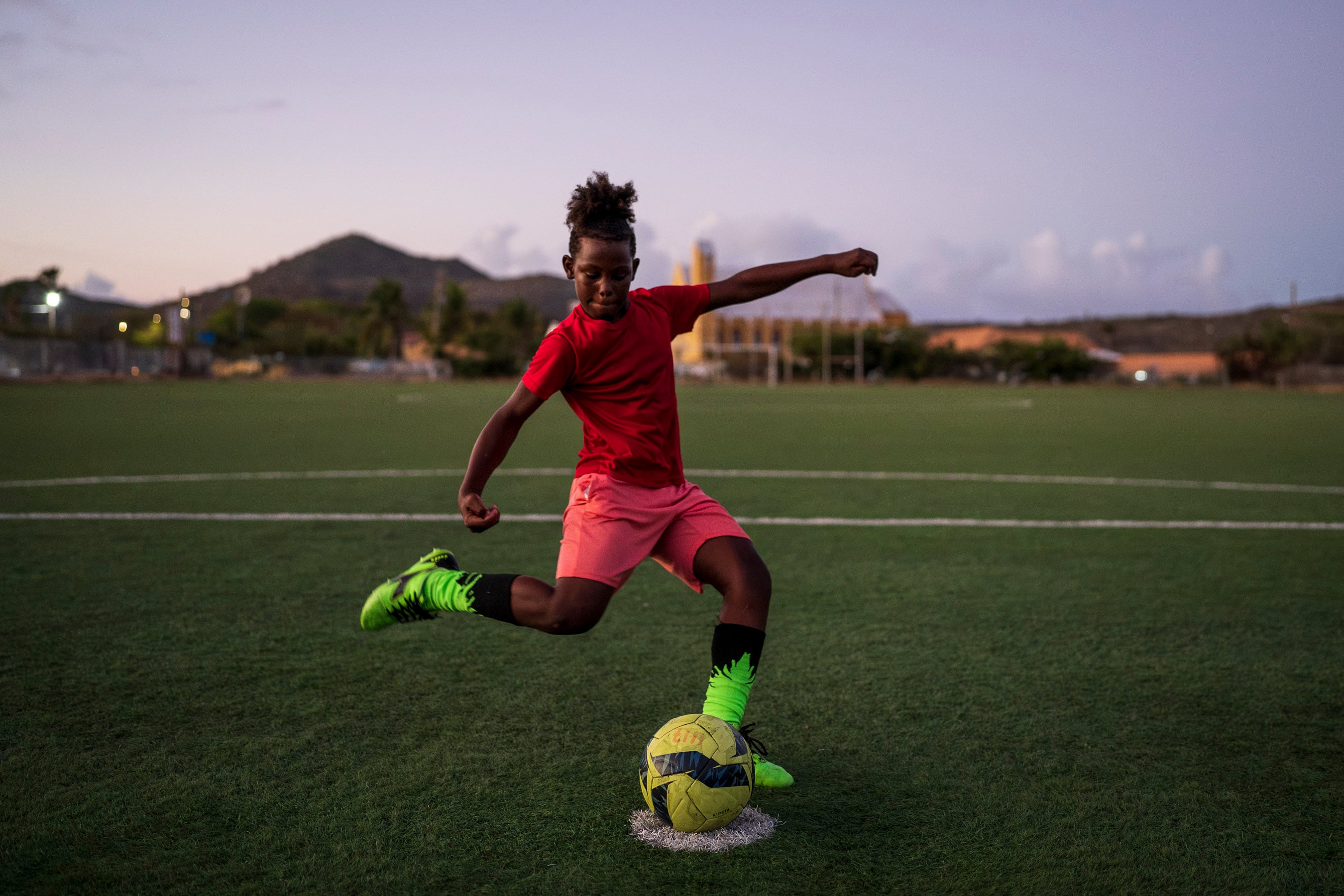
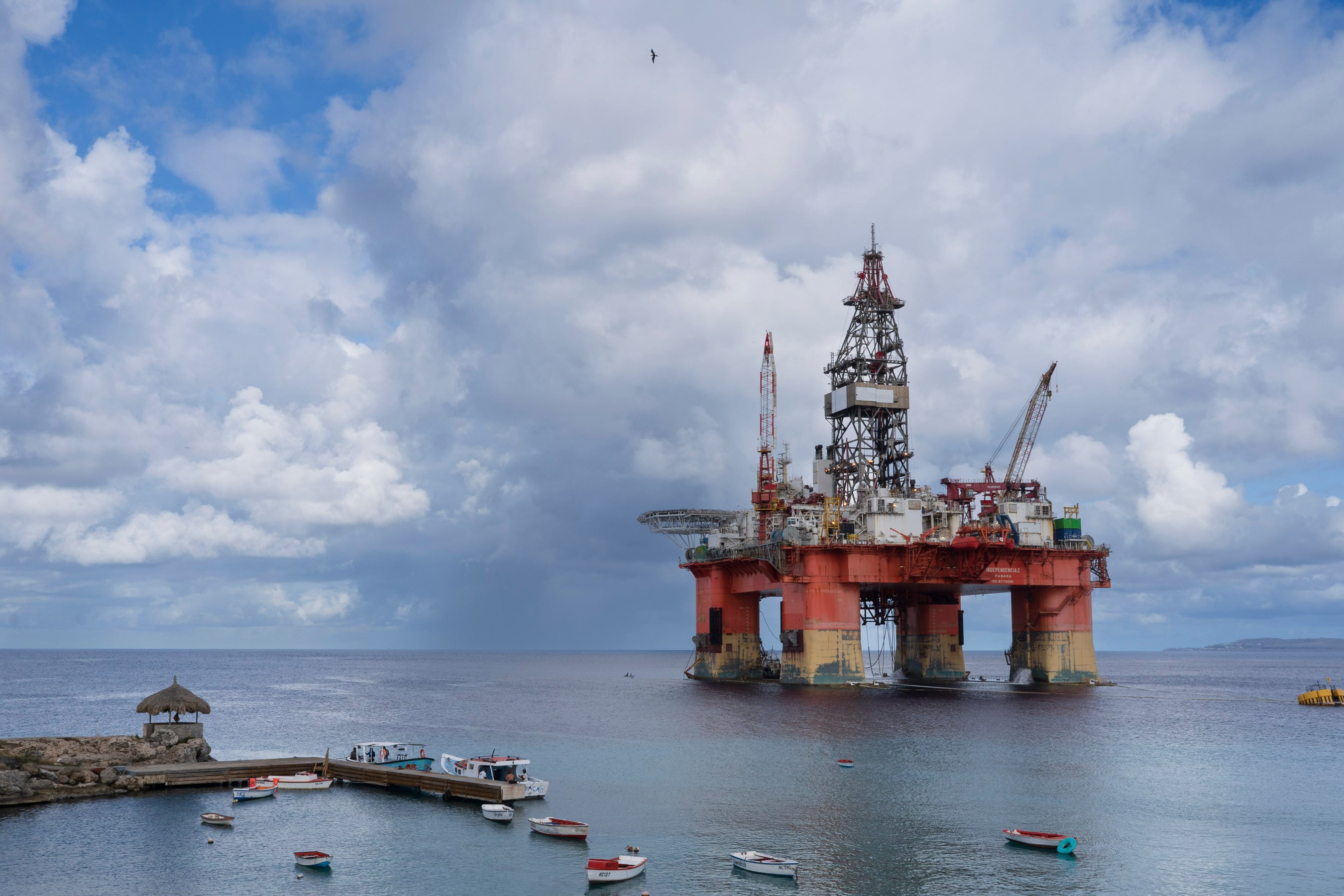
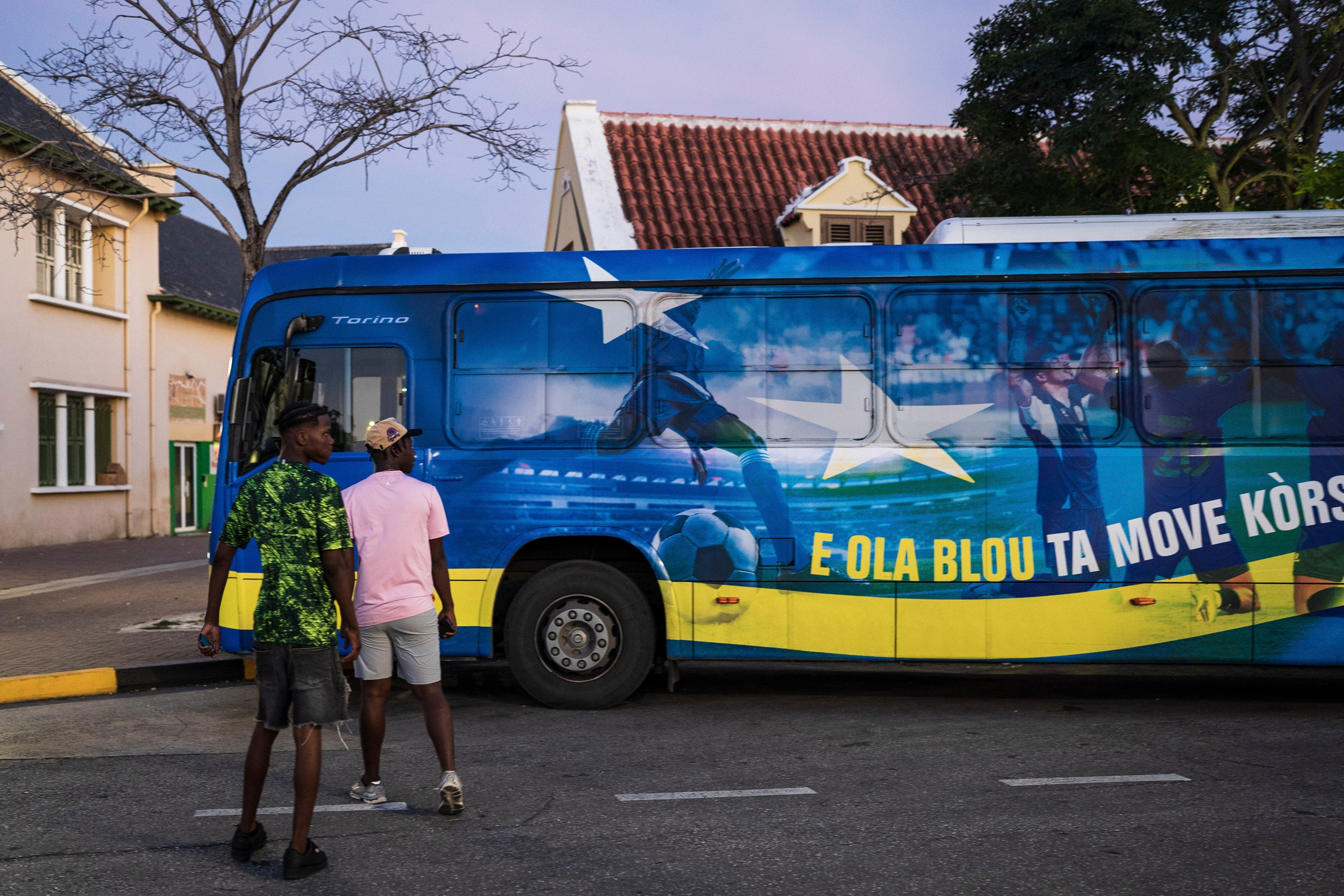
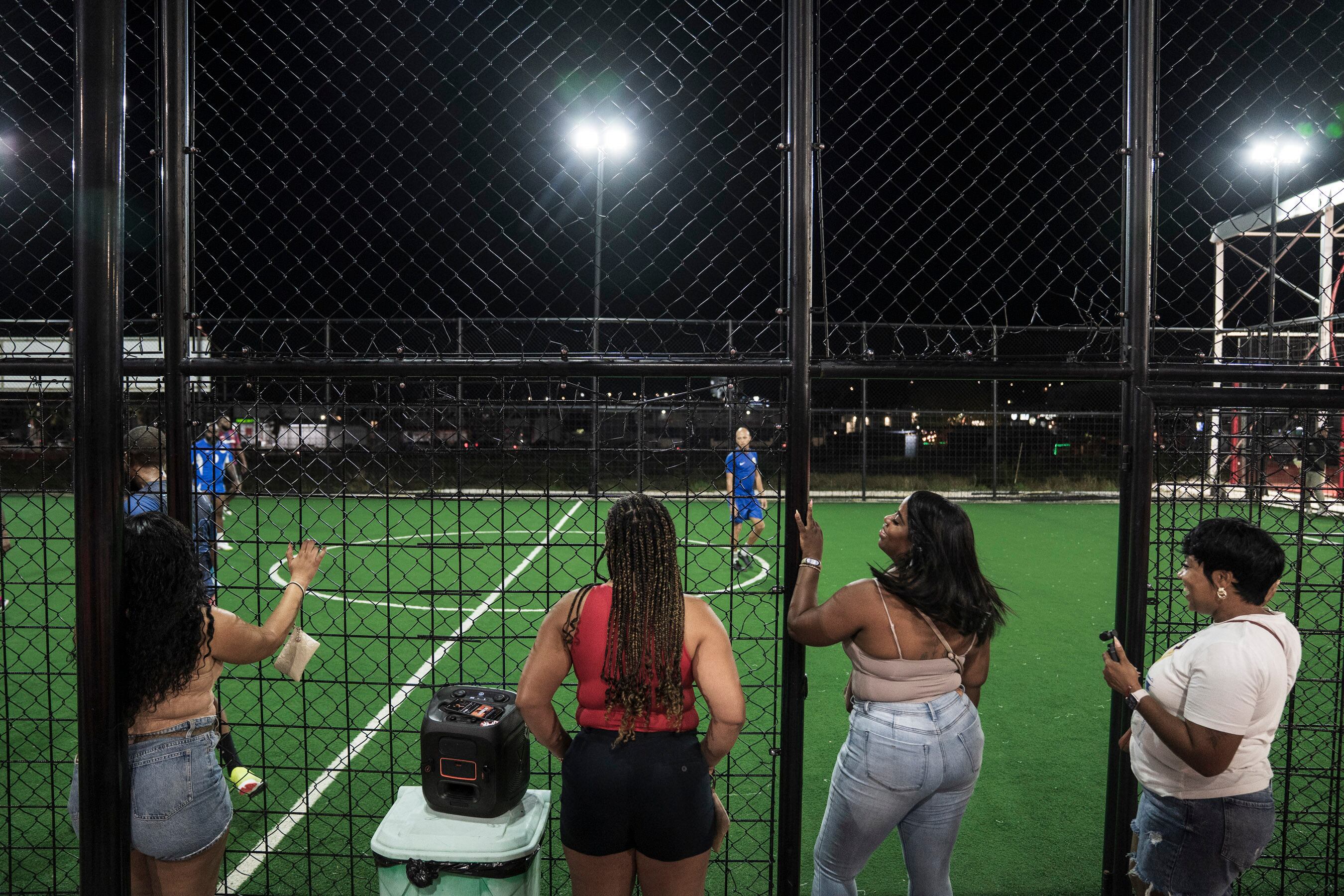
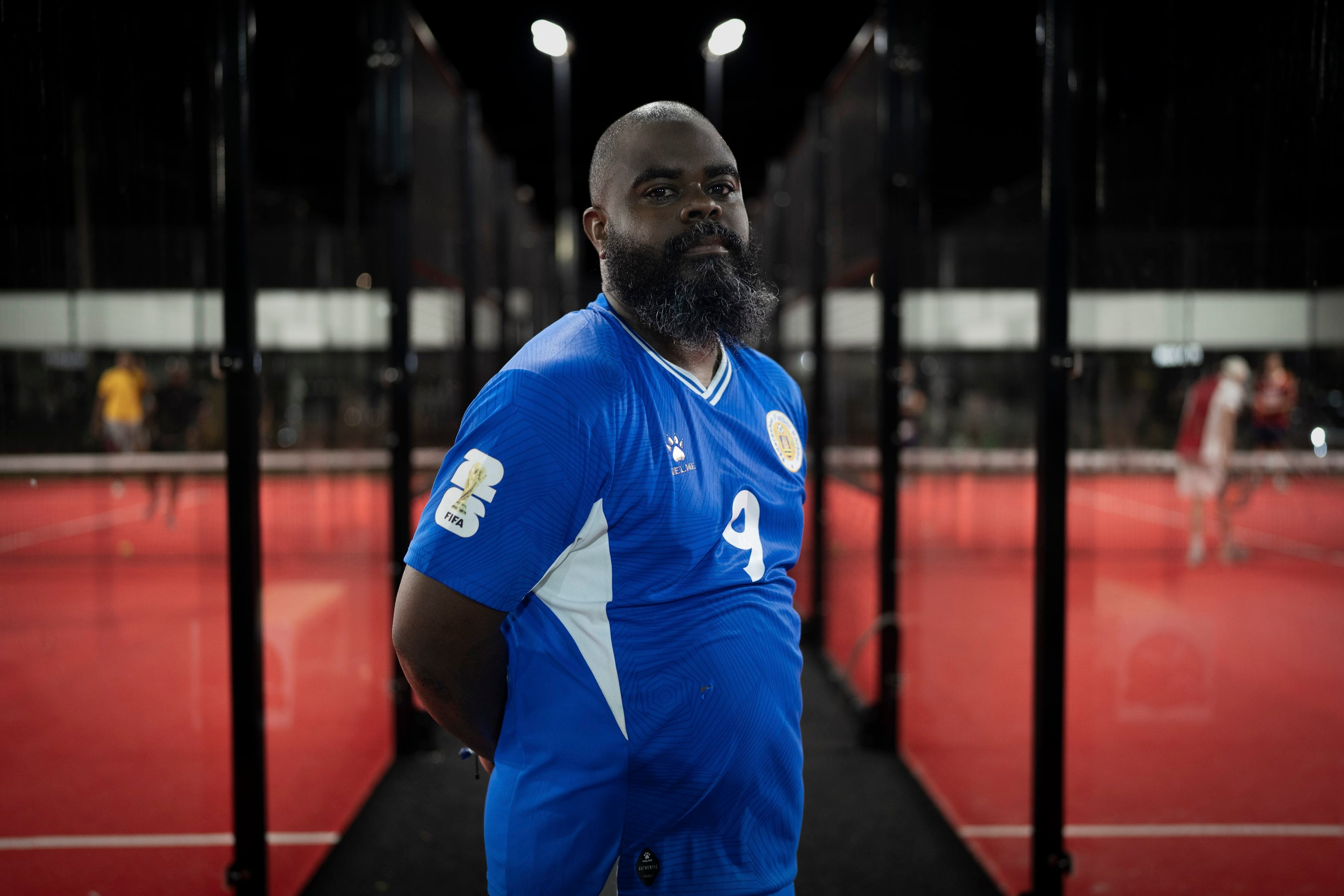
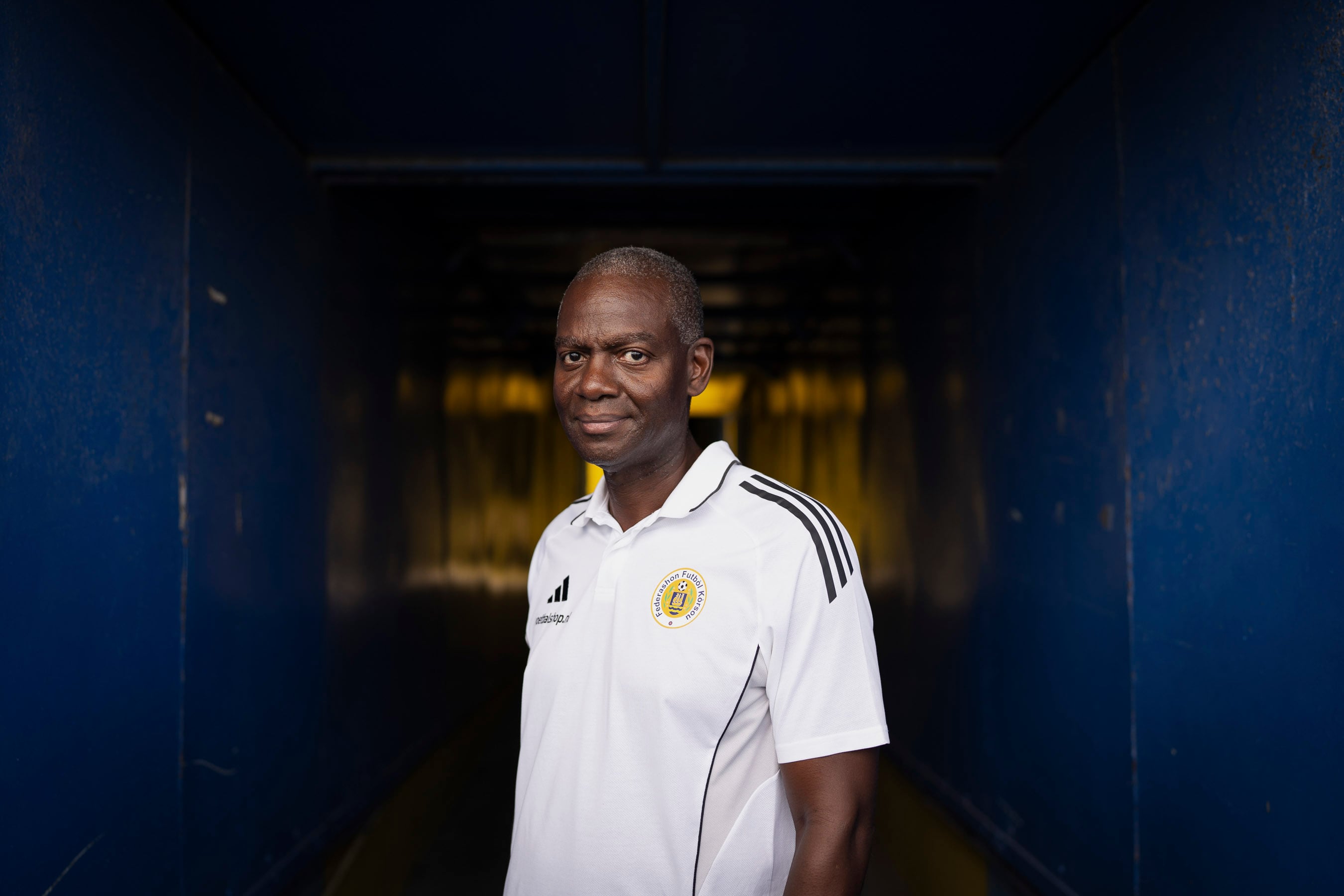
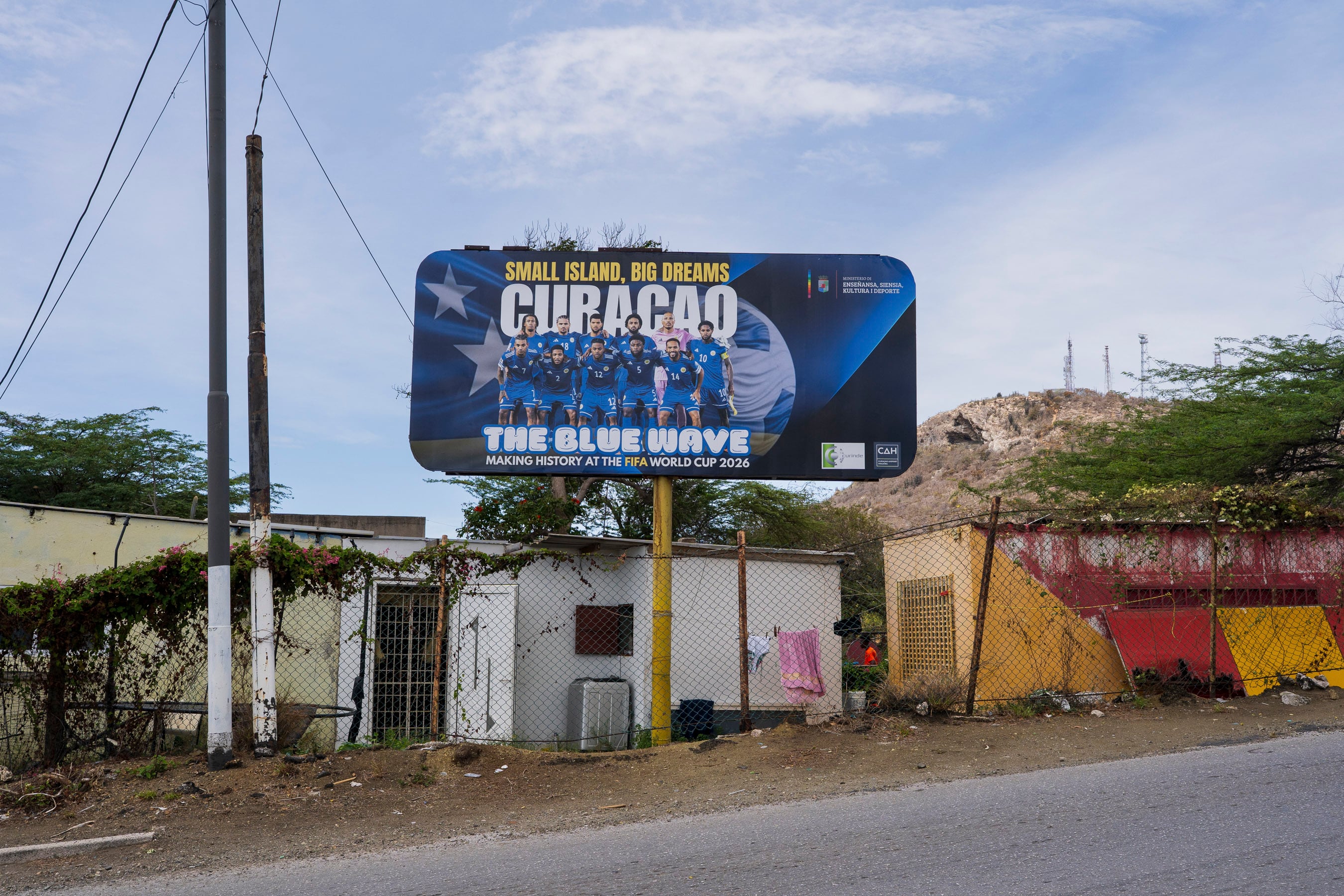
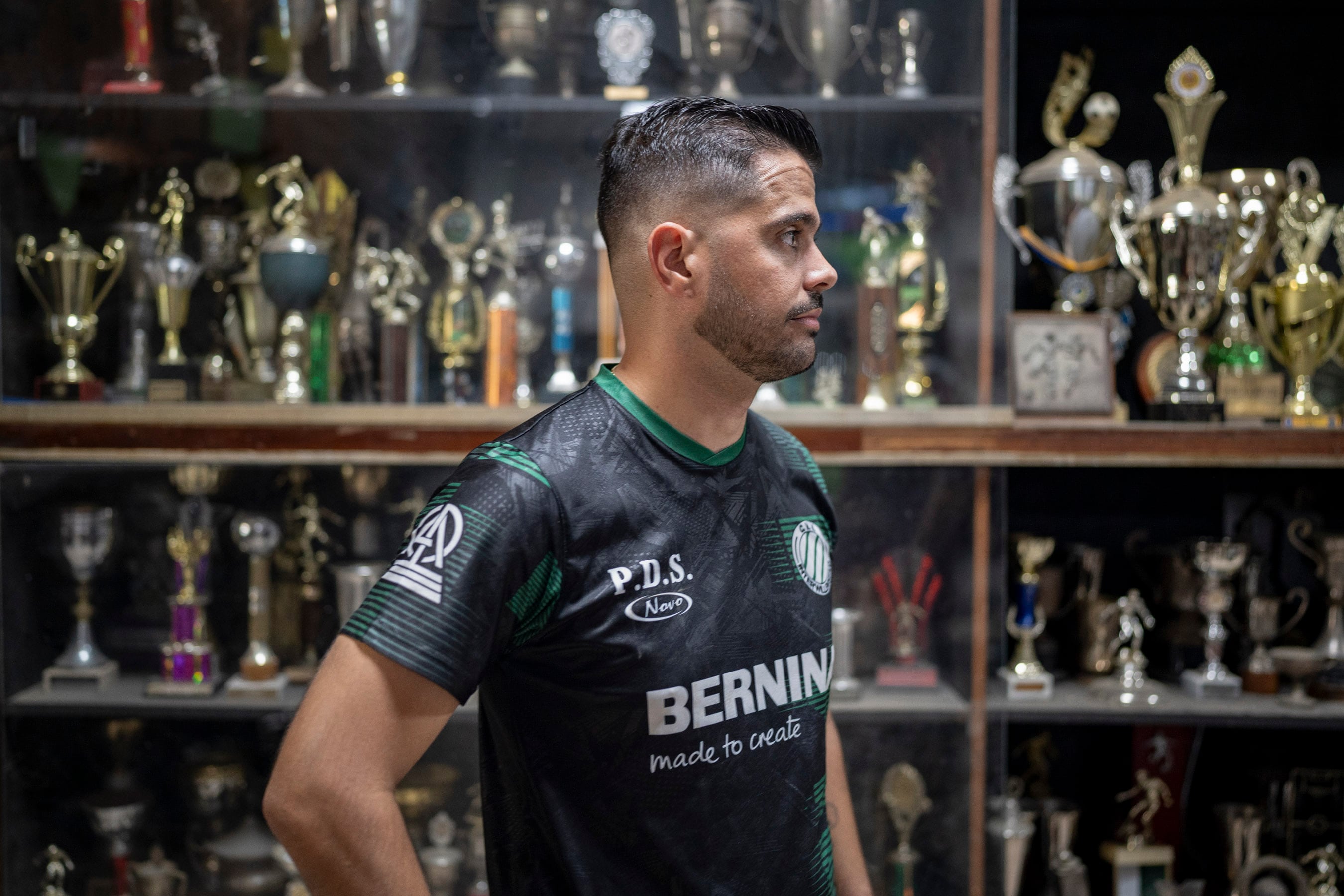
Training in Barber.An oil platform in the village of Boka Sami, a reflection of the island’s industrial past.Anthon Manuel and Wendell Silvane, tourist taxi drivers.Bus advertising the national team.Spectators listen to music during an amateur match.Ango Beers, fisherman, carpenter and central defender for Inter Willemstad, a Curaçao top-division team.Brenton Balentien, 'Payo,' leader of the national team supporters' club.Gilbert Martina, president of the Curaçao Football Federation.Advertisement supporting the national team in Willemstad.Pedrinho de Sousa, goalkeeper for Inter Willemstad.
  •  
❌