Right-wing Colombian presidential candidate Abelardo De La Espriella on Wednesday thanked President Trump for his support after De La Espriella won the most votes in the initial round of elections. De La Espriella's message of thanks to the U.S. president included an AI-generated image of a bald eagle next to a tiger, with the eagle...
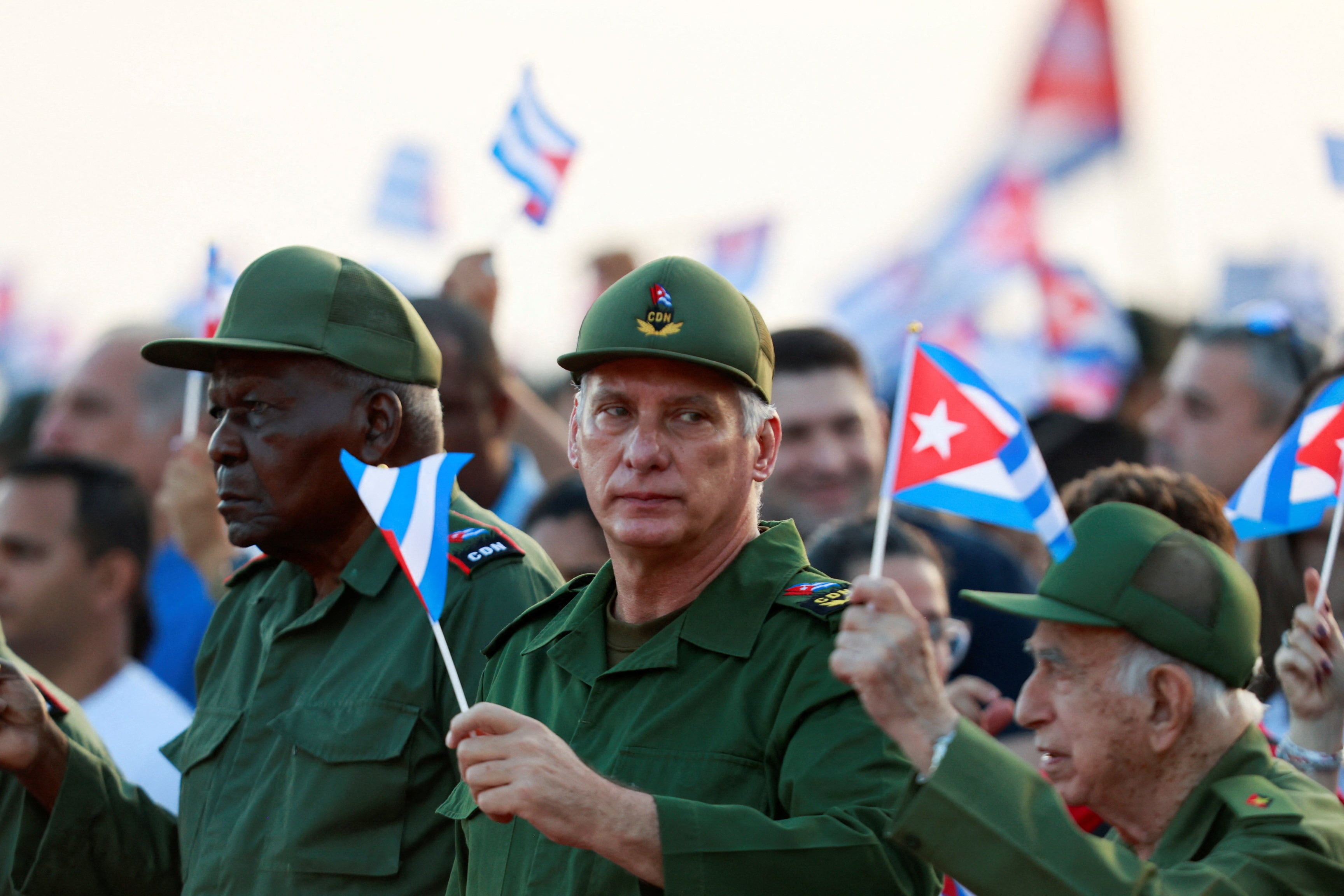
New winds of reform are sweeping through Havana. The Cuban regime on Friday announced a package of structural changes under the so-called Economic and Social Program for 2026to confront one of the most severe crises in its recent history.
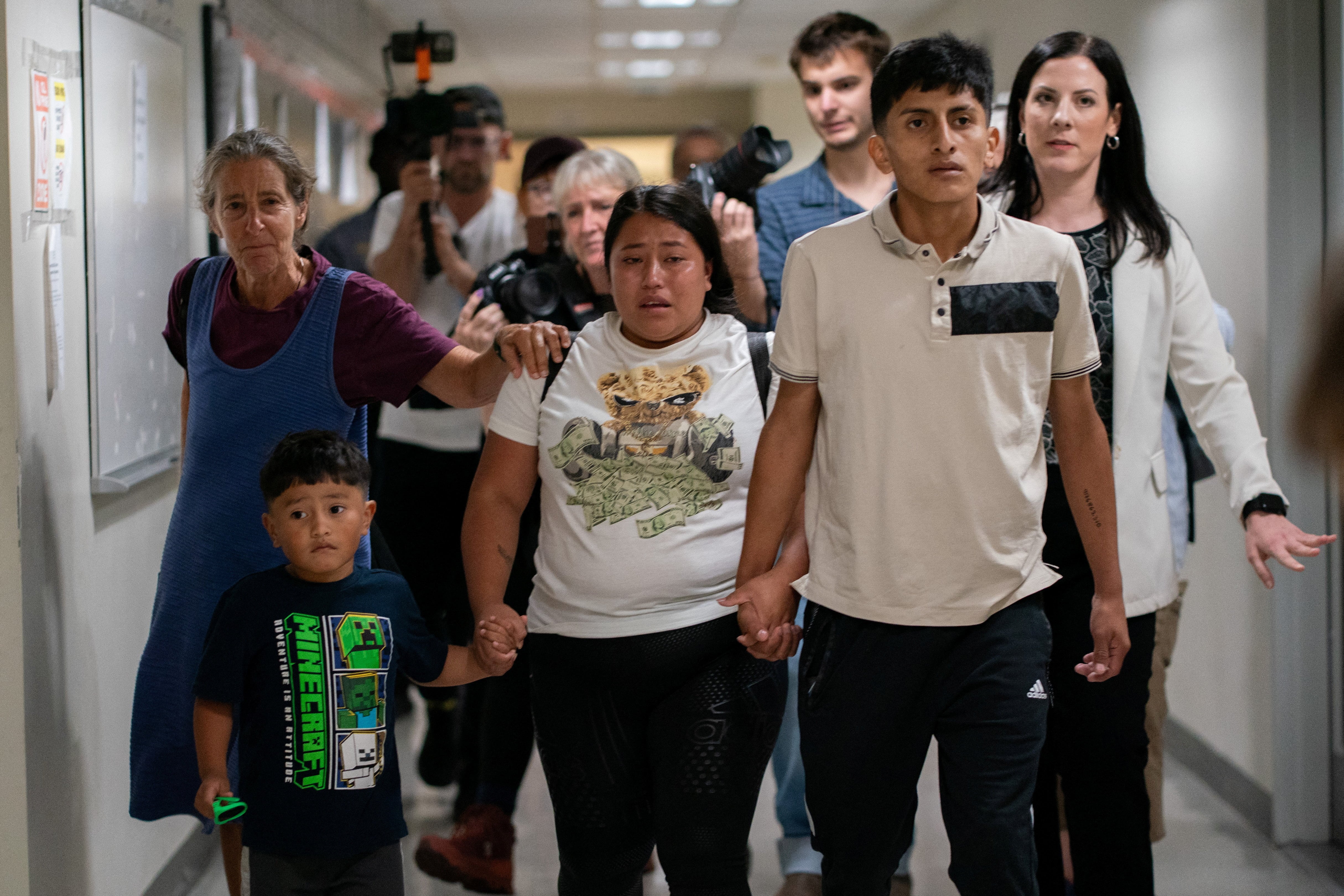
Rosa has made two specific requests to her husband in case she’s deported to Guatemala: that he send over her pots and pans, and that he save money for her funeral expenses. “I would go there to die,” says the undocumented woman who has been fighting since January to recover from a stroke that nearly took her life. The Trump administration has her in its sights: a few days ago she received by mail a notice fining her $1.8 million for failing, since 2013, to comply with an order to leave the country voluntarily. It is not an isolated case: more than 65,000 immigrants have received letters imposing unaffordable penalties that together total $36 billion. Organizations and experts have called the measure unconstitutional, extraordinarily cruel and a form of psychological torture.
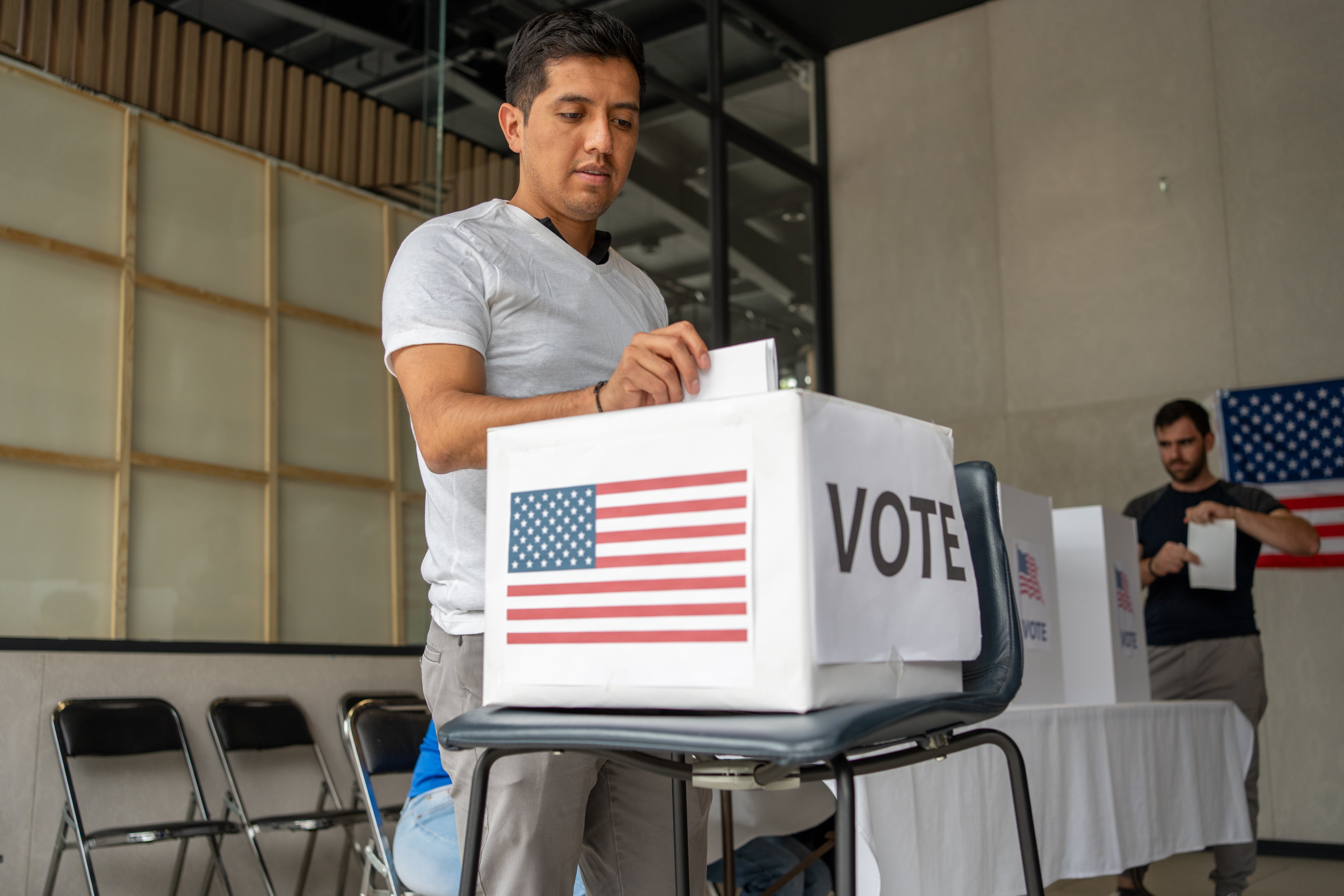
Seventeen months of Donald Trump’s presidency have taken a toll on his popularity among Latinos. In the 2024 election, one factor that helped the Republican return to the White House was historic support from the Latino community, primarily among men. If Hispanics have traditionally leaned toward the Democratic Party, the 2024 vote reversed that trend and, among men, Latino votes favored Trump. However, one in four Latino voters who supported him would not do so again. That is what the latest bipartisan poll released Wednesday by the Latino organization UnidosUS shows: 67% of respondents disapprove of the president’s performance, compared with 30% who approve. Sixty-eight percent say the country is headed in the wrong direction. The survey was conducted among 3,000 Latino voters between April 27 and May 14.
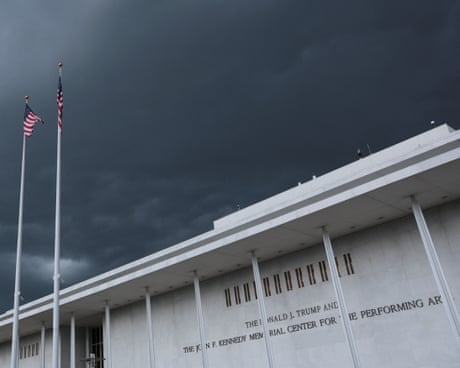
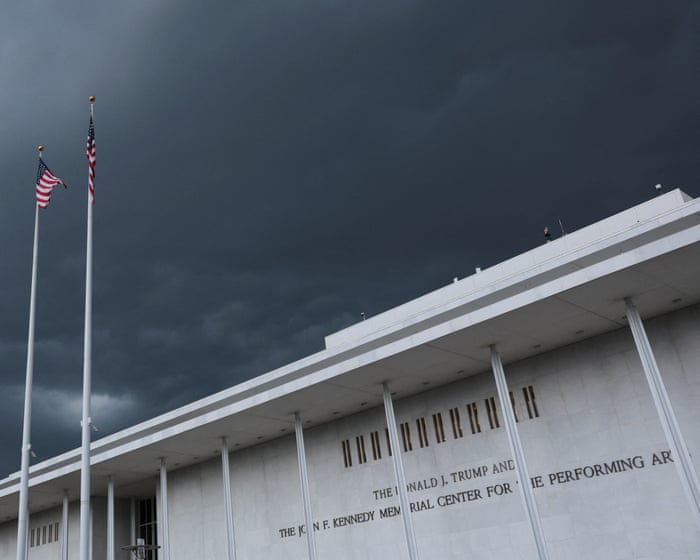
Board seeks to stay judge’s ruling that found Trump’s name was illegally added to Washington performing arts venue
Donald Trump’s hand-picked board at the Kennedy Center is mounting a last-minute effort to keep his name on the facade of the performing arts facility before a court-ordered deadline to remove it by Friday.
The board voted on Thursday to seek a stay of US district judge Christopher Cooper’s 29 May ruling that said Trump’s name was illegally added to the Kennedy Center, according to a person familiar with the move who requested anonymity to discuss a private meeting.
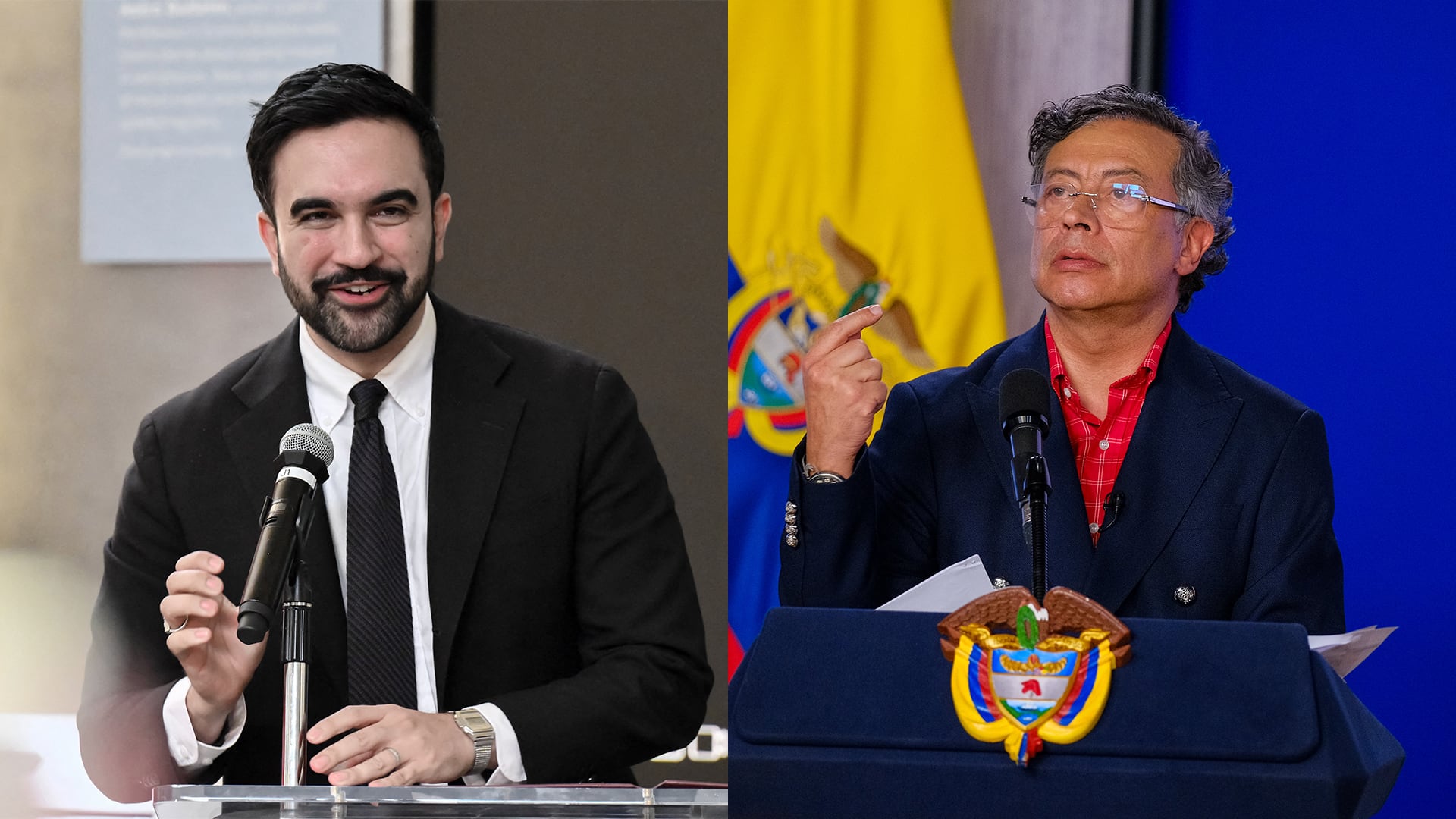
Colombian President Gustavo Petro had planned to meet New York City Mayor Zohran Mamdani, a democratic socialist, during his trip to the United States this week. Petro traveled to the U.S. on Wednesday to assume the presidency of the United Nations Security Council. In the days that followed, he intended to hold a private meeting with Mamdani, a rising progressive figure who, like him, is a staunch opponent of Donald Trump. The photo of the two left-wing leaders carried great symbolic weight: for Mamdani it would have been his first meeting with a head of state; for Petro it would have meant sealing an alliance with Democrats on the eve of decisive elections for Colombia. The meeting never took place. The reason: the White House made sure of it.
The trend in Los Angeles’ mayoral primary race continues to lean Nithya Raman’s way as the two-term City Council member grew her lead over Spencer Pratt for a run-off against incumbent Karen Bass. There are more votes still to be counted, but it looks almost certain that Raman’s surge has swept the Donald Trump endorsed-Pratt […]
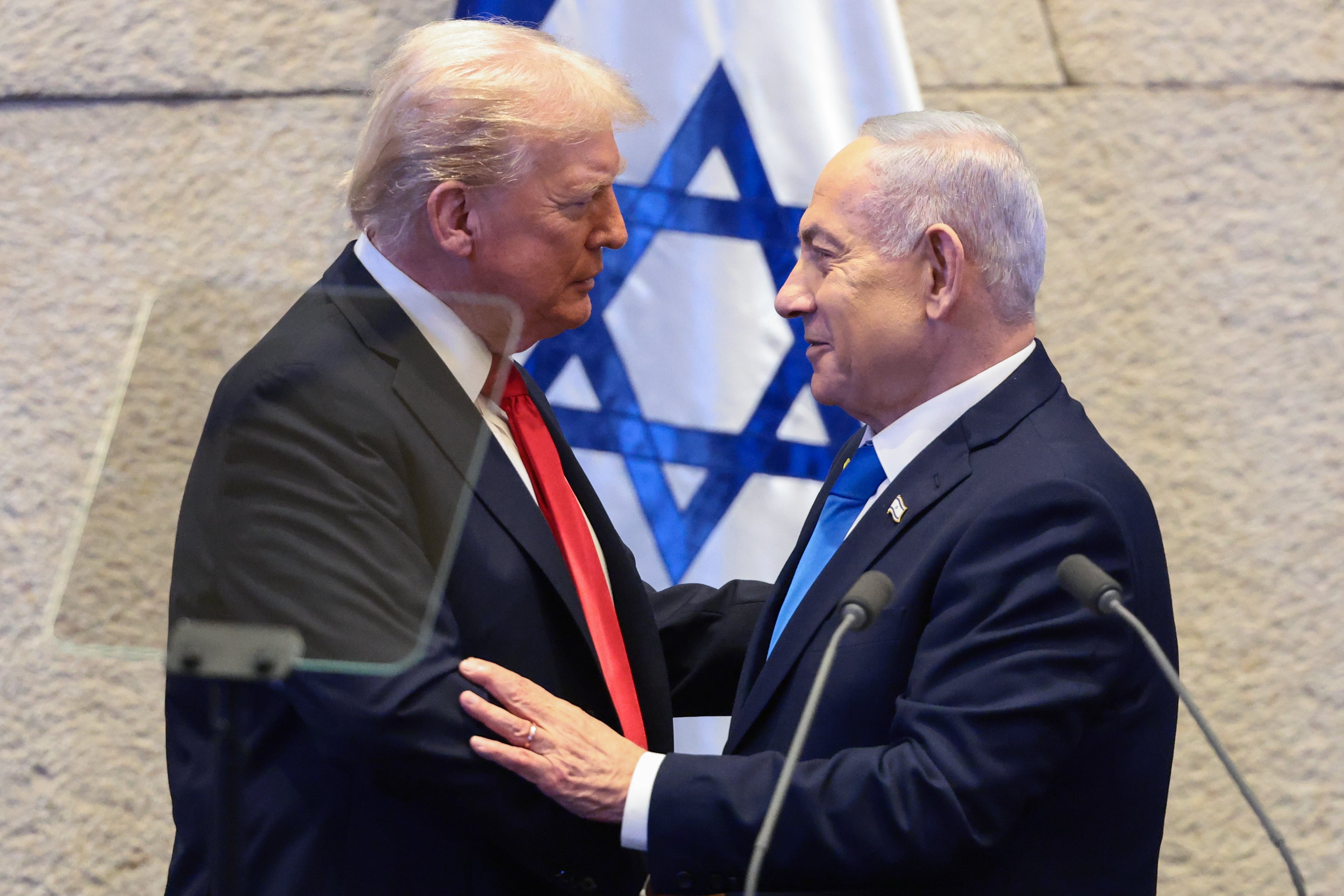
The relationship between Donald Trump and Benjamin Netanyahu lends itself more to psychological analysis than political, after a decade in which the volatile U.S. president has alternately showered the Israeli prime minister with insults and excessive praise — sometimes almost within the same sentence. The war they launched together against Iran 100 days ago has driven them apart as the original plan dissolved: a short, successful operation with oil-related benefits, modeled on the capture of Nicolás Maduro in Venezuela. Beyond how the Iran war is resolved — if it is resolved — its lasting legacy could well be the rift between the two leaders.
President Donald Trump in the Oval Office of the White House on June 10, 2026. | Aaron Schwartz/CNP/Bloomberg via Getty Images
This story appeared in The Logoff, a daily newsletter that helps you stay informed about the Trump administration without letting political news take over your life. Subscribe here.
Welcome to The Logoff: The US-Iran “ceasefire,” such as it is, is breaking down.
What’s happening? After Iran downed a US helicopter earlier this week, violence between the two sides is escalating once again. The US struck targets inside Iran on Wednesday, and President Donald Trump subsequently threatened to “hit them again hard today,” while Iran has launched new attacks against multiple Gulf states, as well as nearby Jordan.
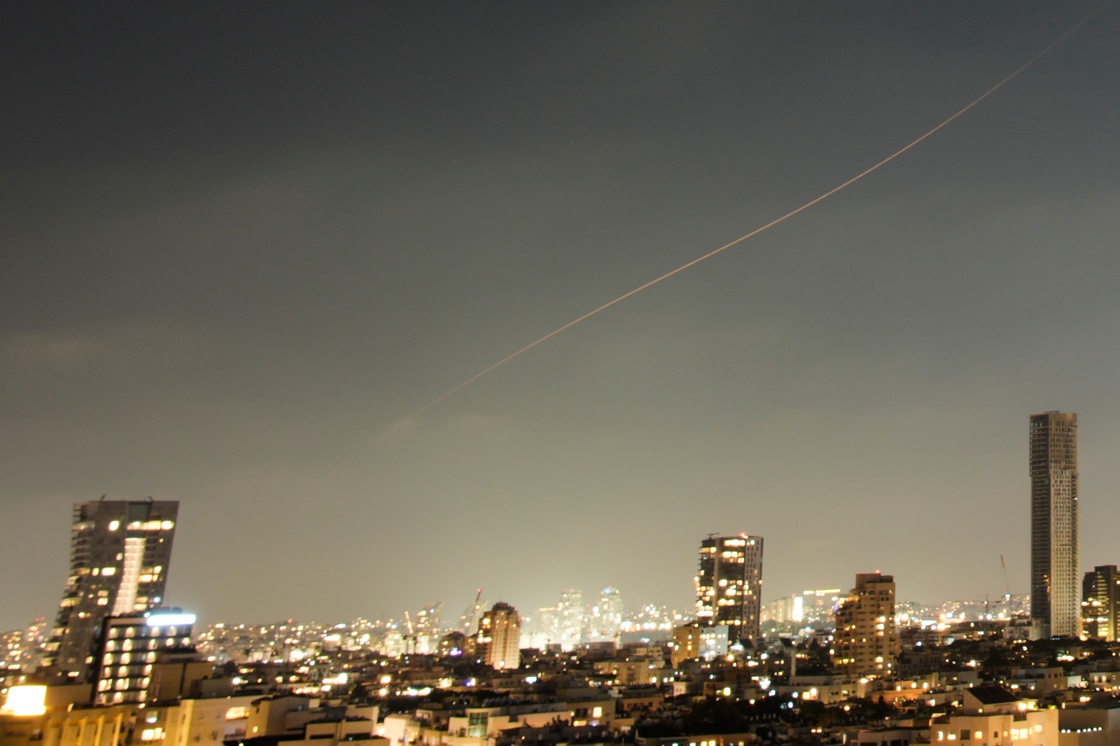
Iran also struck at Israel for the first time since early April over the weekend, amid ongoing fighting between Israel and Iran-backed Hezbollah; Israel responded with strikes of its own.
What’s the context? The current chaos comes after Trump started the week on a relative high note; on Tuesday, he told reporters that a “very, very good deal” was imminent. As CNN’s Aaron Blake points out, though, Trump’s prognostications are rarely worth the (figurative) paper they’re written on: He’s now predicted a negotiating breakthrough at least 38 times with nothing to show for it.
What’s the big picture? Trump’s Wednesday claim about a “secret” (not actually secret) effort to help vessels through the Strait of Hormuz aside, the crucial maritime passage is still largely closed to commercial traffic, and its impact on the global economy is only growing.
The US Bureau of Labor Statistics released new data on Wednesday showing inflation jumping to 4.2 percent, its highest level in three years. Much of that increase comes from higher energy prices, a consequence of the strait’s closure. (Abroad, economic pressure from the war is doing even more damage; it’s resulted in deadly protests in multiple countries.)
None of that necessarily means Trump will give ground and agree to end the war any more quickly — as my colleague Josh Keating wrote late last month, he still seems to think he’s winning. But Trump doesn’t actually have a path to the kind of big win he seems to be seeking, and in the meantime, the consequences will keep piling up.
As my colleague Dylan Scott explains, the key ingredient in the sunscreen, bemotrizinol, isn’t actually new — only new to those of us in the States, where it’s been a challenge to get new sunscreens approved by the FDA. But it’s an improvement in all sorts of important ways, which you can read about here with a gift link.
Have a great evening, and we’ll see you back here tomorrow!
Javier Milei’s government announced Wednesday the signing of an agreement with the United States to strengthen “its surveillance and control capabilities in the South Atlantic,” according to an official statement. The deal runs for five years and means, on one hand, a U.S. contribution of technology to modernize the South American country’s naval equipment and, on the other, authorization for forces from U.S. Southern Command to take part in patrolling Argentina’s southern sea.

 Login
Login