New winds of reform are sweeping through Havana. The Cuban regime on Friday announced a package of structural changes under the so-called Economic and Social Program for 2026to confront one of the most severe crises in its recent history.
The executive order issued by the White House on May 1 has shaken Cuba’s foundations. The United States decided to tighten the noose around an economy that was already in intensive care even before the new sanctions that took effect on Friday, or the oil blockade implemented earlier this year. Washington’s threat to freeze assets on U.S. territory of any foreign company or individual doing business with the Cuban regime — especially with the vast portfolio of businesses held by Gaesa, the military conglomerate that controls half of Cuba’s GDP — has produced its first effects. And once foreign companies withdraw, their replacement by U.S. firms appears to be the next step.
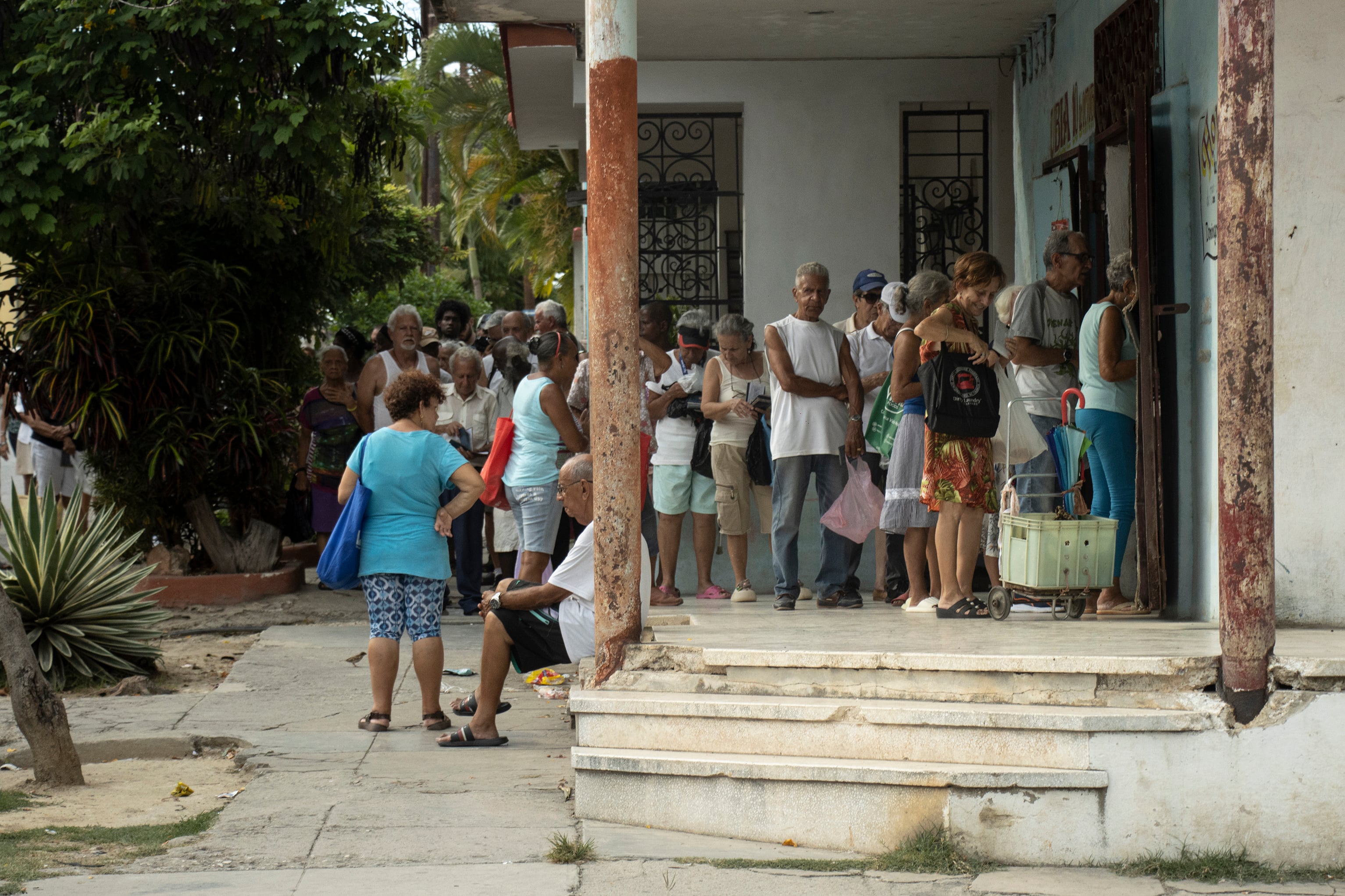
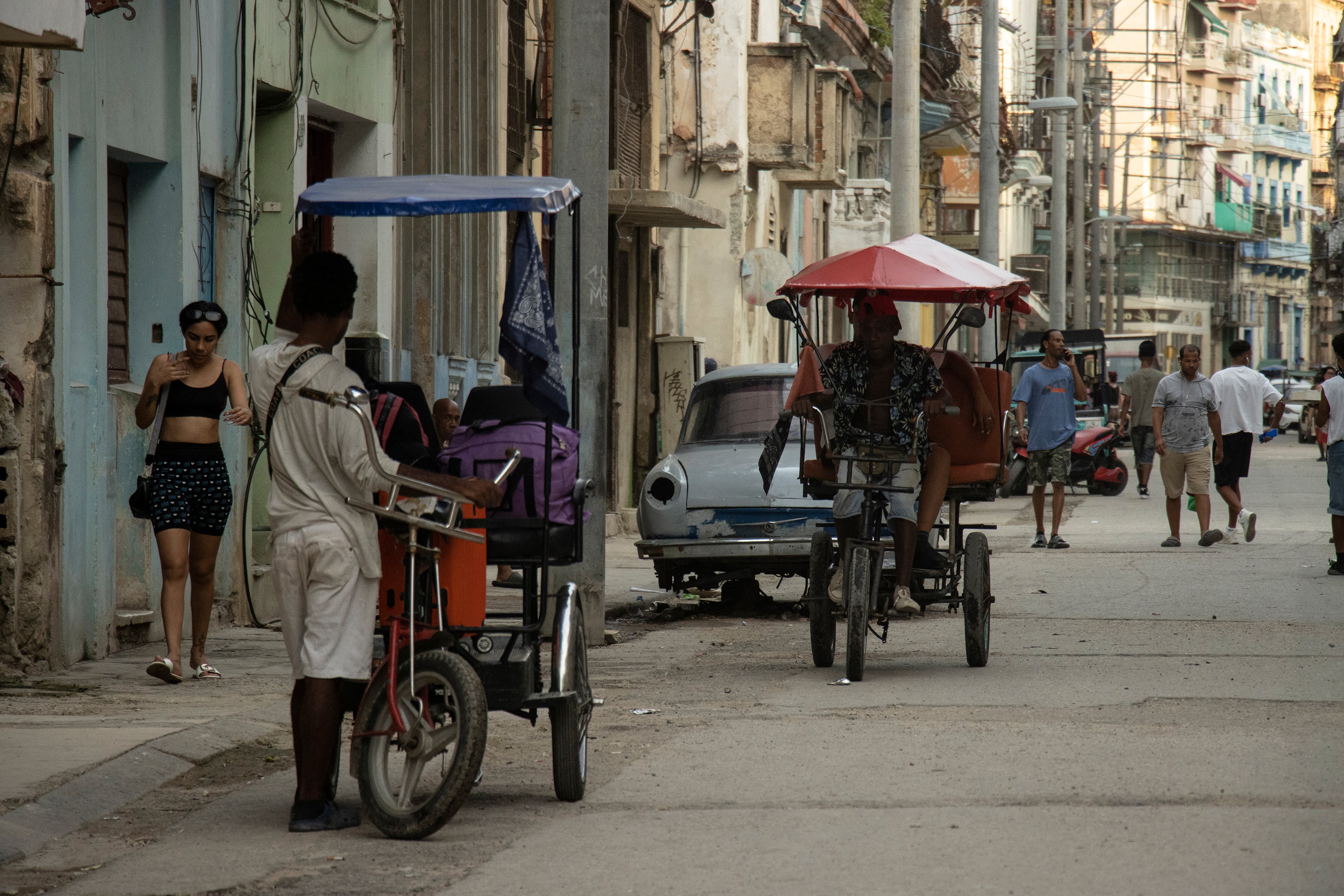
It’s midday and the bread still hasn’t arrived in one of the neighborhoods of central Havana. The open oven reveals empty shelves. Employees give an explanation that all the local residents have already heard: without electricity, there’s nothing to bake.
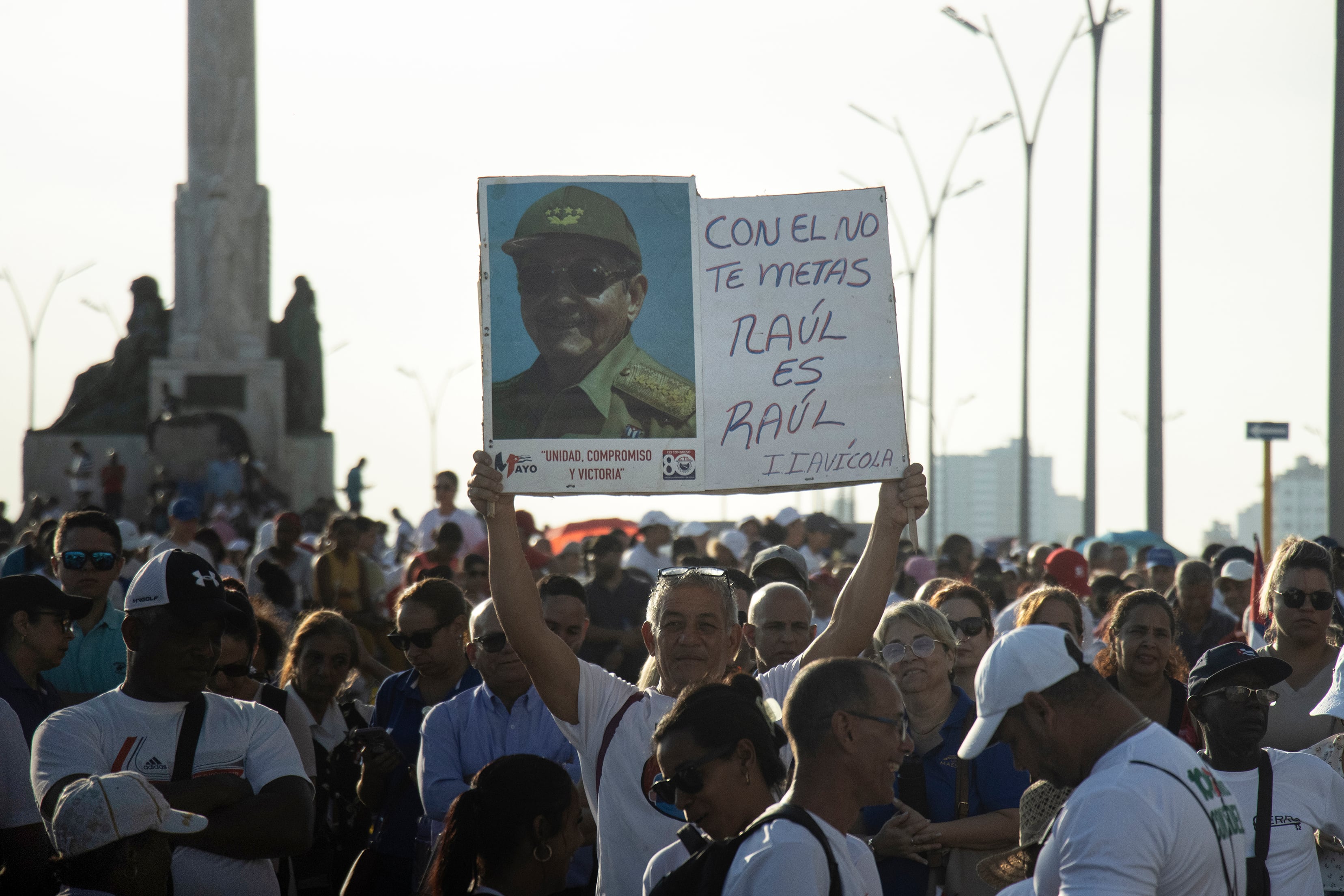
Bogotá, Colombia – The Cuban regime held a rally in Havana today to show solidarity withrevolutionary leader Raúl Castro days after he was indicted by U.S. authorities.
Castro, the younger brother of longtime dictator Fidel, was charged in a U.S. court on Wednesday with conspiracy to commit murder over the downing of two civilian planes in 1996.
The measure is the latest in a mounting pressure campaign this year by the White House, which has said it aims to overthrow the communist regime.
On May 20, the U.S. justice department unveiled an indictment against Castro, 94, for his alleged role in ordering Cuban forces to shoot down two civilian planes 30 years ago.
Four members of the Miami-based Cuban dissident group Hermanos Al Rescate (Brothers to the Rescue), who were operating the planes when they were shot down, lost their lives. U.S. authorities claim Castro, who was defense minister at the time, must have been involved in ordering the attack which killed three U.S. citizens.
But Cuba’s regime staunchly rejects the charges, with President Miguel Díaz-Canel writing on X, “This is a political move, with no legal basis, that seeks only to bolster the case they are fabricating to justify the folly of a military attack on Cuba.”
In the days since, the president has used his social media account to defend Castro’s honor.
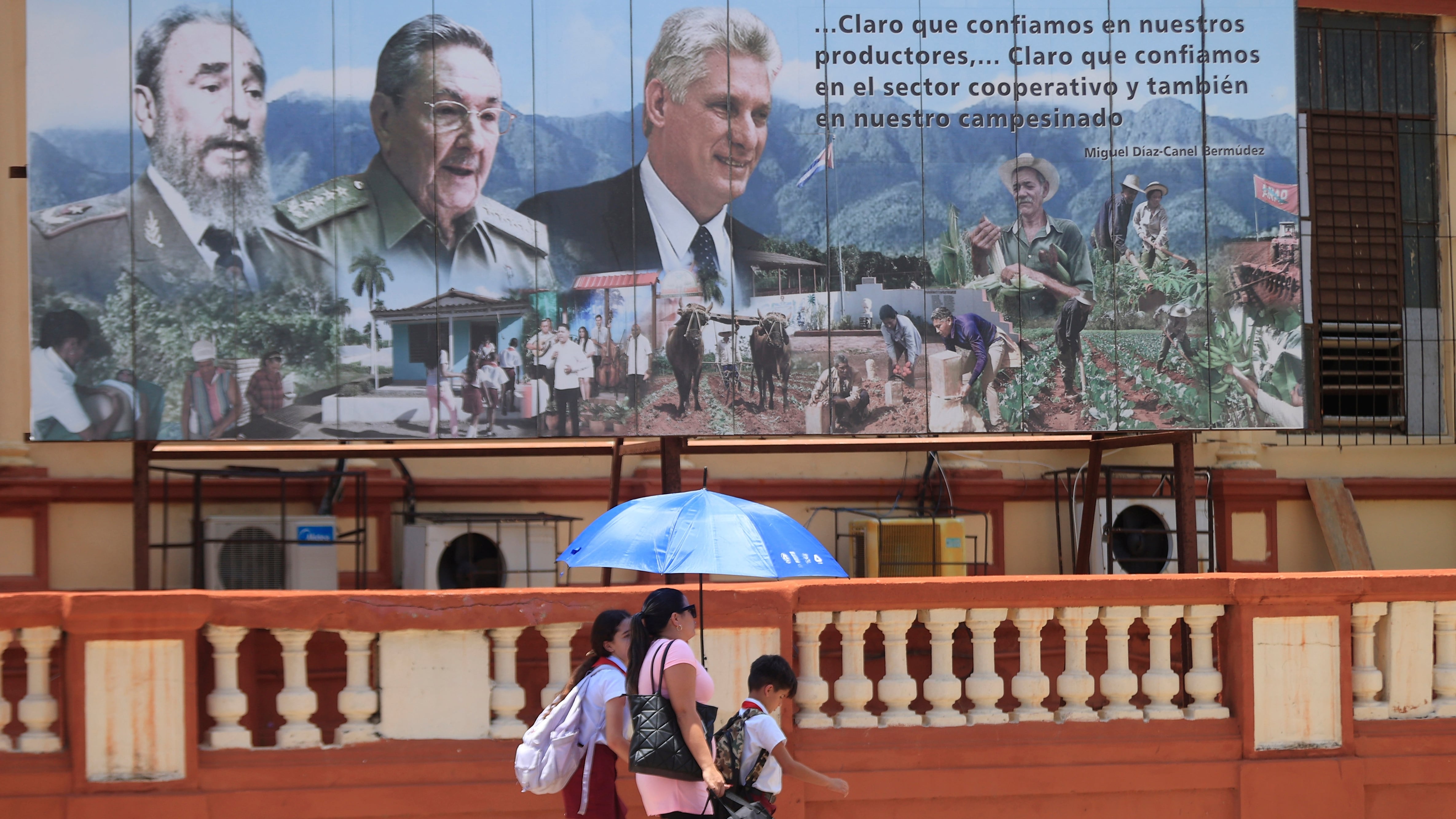
Yesterday, he shared an image of the revolutionary leader in a Cuban military outfit, writing, “You don’t disrespect the nation’s heroes, and you don’t insult its history and traditions without facing consequences. Not in #Cuba.”
A post on Díaz-Canel’s X account on May 21 reads “Raul is Raul”.
This morning, Castro shared photos from a rally in Havana in solidarity with Castro, writing, “Raúl is Raúl—he is Cuba, and he embodies heroism, dignity, and deep love for the people.”
Díaz-Canel also noted that the country was “just a few days away” from celebrating Castro’s 95th birthday, on June 3.
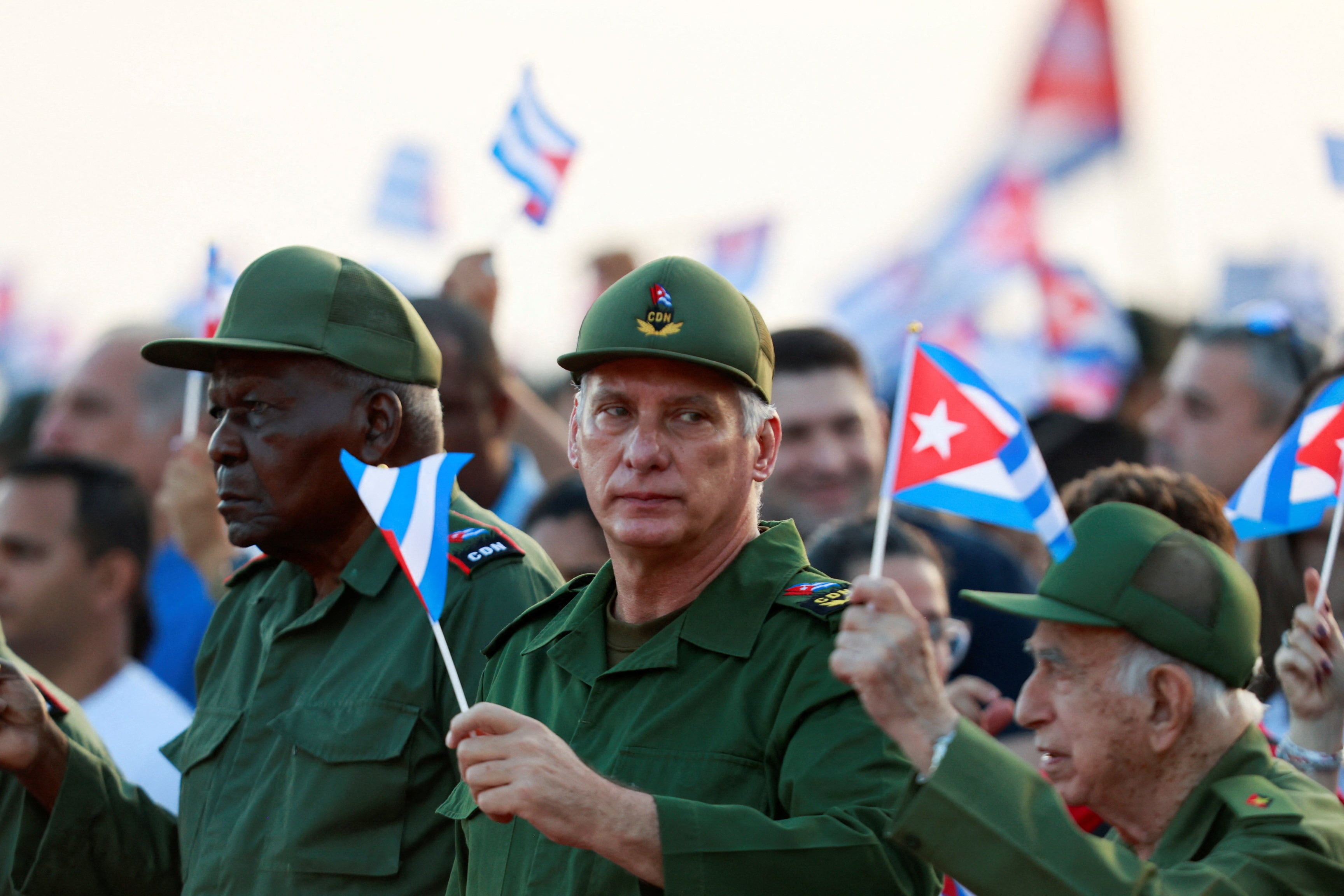
Photos showed a crowd of several thousand gathered on the Malecón (promenade) in Havana, some of them waving flags and others dancing.
Pictures from the rally show Cuban veterans waving flags and holding up images of the Castro brothers. Image credit: @DiazCanelB via X
While Raúl did not attend the rally – which was held in front of the U.S. Embassy – his daughter, Mariela Castro, did.
Fielding a question from the BBC about whether war was a possibility, she said: “We are used to receiving constant threats. There have been more dangerous moments but nothing has happened.”
Meanwhile, state newspaper Granma has been combatting U.S. claims that Cuba represents a national security threat to its northern neighbor.
‘Cuba neither threatens, challenges, nor provokes the United States or any other country in the world; Cuba is a peaceful nation’, read a headline on the paper’s website today, quoting Díaz-Canel.
It remains unclear what plans Washington has for the island; while some predict an operation similar to the extraction of Venezuelan strongman Nicolás Maduro in January, others say the White House may be trying to pressure Havana into striking a deal.
But with the government doubling down on its anti-imperialist rhetoric, a negotiated change of guard would mark a major shift in the regime’s position.
Featured image description: President Díaz-Canel and other high-ranking officials posed in military uniforms in front of a crowd waving Cuban flags at a solidarity march on May 22.
He’s only a bird in a gilded cage, Rowe says, but it’s a cage of his own devise, and while, as the dove of peace says, we’ve heard it all before, the telling aspect is the Joint Comprehensive Plan of Action he uses as a paper at the bottom of that cage.You don’t have to […]
The United Nations (UN) has entered into formal negotiations with the United States regarding the entry of fuel supplies to Cuba amid acute fuel shortages caused by a U.S. oil blockade, said Francisco Pichón, the permanent representative of the UN to Cuba.
Members of the UN Office for the Coordination of Humanitarian Affairs and the Trump administration are discussing ways “to ensure that fuel can be accessed for humanitarian purposes,” according to Pichón.
The UN representative clarified that those fuel supplies would be used for “emergency response operations” and to protect the access of “vulnerable people and groups” to “vital services”.
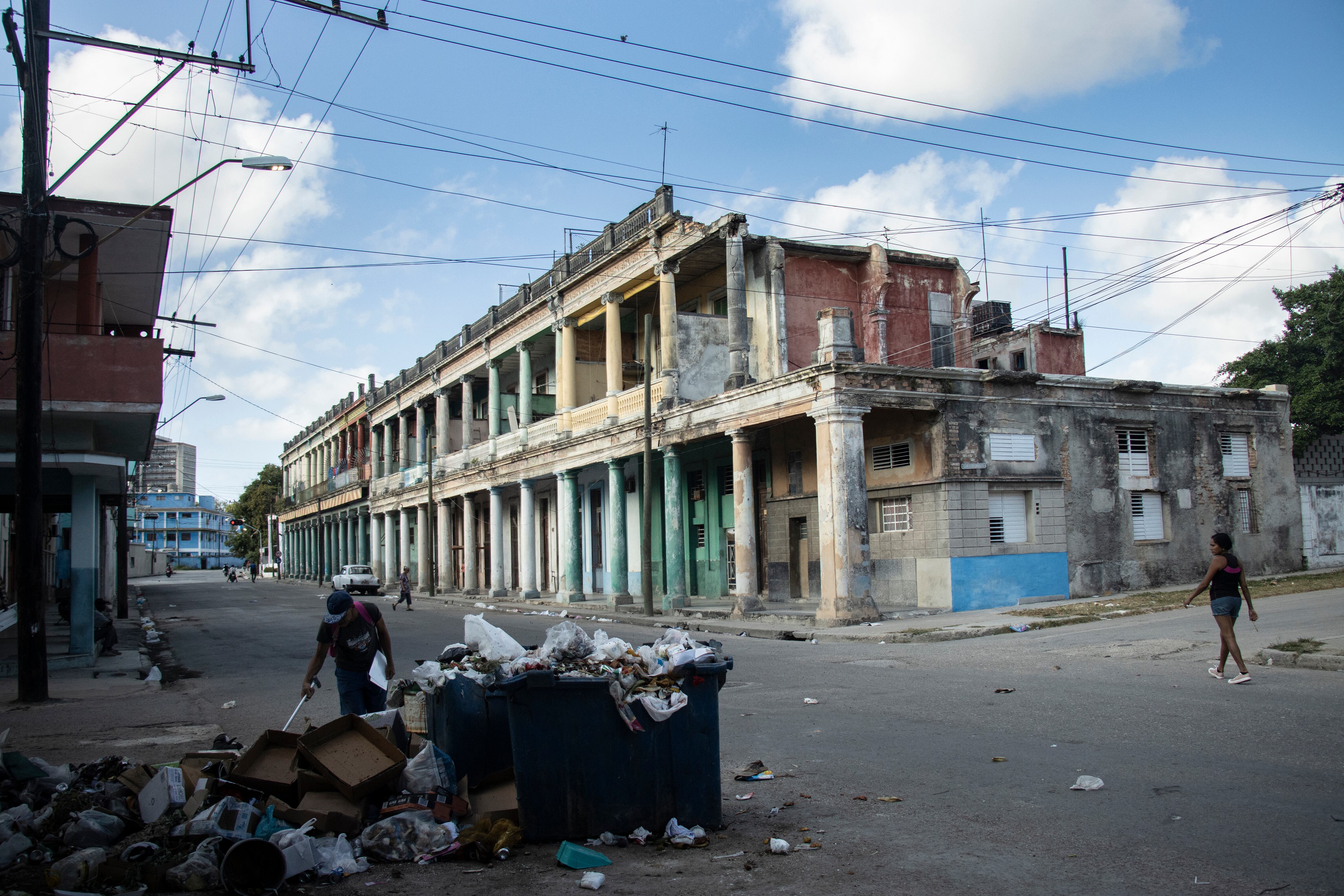
The recent U.S. oil blockade on oil has led to a growing nationwide humanitarian crisis: many regions are facing prolonged power outages, hospitals are facing increasing pressure as life-saving treatments are disrupted, and the economy is crumbling as schools and workplaces reduce their operational hours.
The U.S. campaign of economic pressure is widely seen as an attempt to force the Cuban regime into collapse or make its leader grant political concessions to Washington. Senior Republicans in the U.S. have repeatedly suggested that some form of regime change in Cuba is imminent.
During the Shield of the Americas Summit on Saturday, President Trump promised that “great change” was coming to Cuba and its “bad regime that has been bad for a long time.”
On Monday, President Trump reiterated his warning, claiming that Cuba may soon face either a “friendly” or “unfriendly” takeover by the U.S.
Republican U.S. Senator Lindsey Graham also told Fox News on Sunday that “the liberation of Cuba is upon us. It’s just a matter of time now.”
Although there are reports that an economic deal between Washington and Havana could soon be announced, the “unfriendly” option remains a possibility. The U.S. administration’s strikes on Iran or its operation to capture Venezuelan President Nicolás Maduro could serve as templates for a potential military operation against Cuba.
Ricardo Torres, a Cuban economist and research fellow at the Center for Latin American and Latino Studies at American University, spoke to Latin America Reports about the current Cuban crisis and the various iterations of regime change that could occur as a result.
“Whatever emotional and material reserves [Cuban] people once had are now largely exhausted … if the United States strictly enforces the oil embargo, a negotiated solution will likely become inevitable, given the limited support Cuba is receiving from its allies,” the economist said.
Venezuela, Cuba’s erstwhile closest regional ally, has stopped supplying the island with oil since the capture of President Nicolás Maduro by U.S. forces and in early March an oil tanker bound for the island from Russia – a traditional ally – reversed route under suspected U.S. pressure.
Commenting on recent revelations about UN-U.S. negotiations, Torres pointed out that the discussions between the White House and the UN will likely be limited to “aid delivery” as opposed to opening an avenue for de-escalation.
The U.S., he argued, “would [probably] favor a full [political] transition in Cuba” and an end to Communist party rule. Failing that, “they may be prepared to support a phased agreement that starts with building a more stable economic base and proceed from there,” the research fellow concluded.
Featured Image: A horse-drawn cart in Cuba during the Cuban ‘Período Especial’, the term used to describe the Cuban economic struggles in the 1990s after the Soviet collapse. The scale of current fuel shortages in Cuba has not been seen since the ‘Período Especial’
Some 100 thousand metric tons of oil brought to Cuba by the Russia’s Anatoly Kolodkin tanker on Tuesday will support the performance of the island’s electric system and other economic activities for at least 10 days, according to the Energy and Mines Ministry.
Cuba has “absolutely no fuel oil and absolutely no diesel”, according to the country’s Energy Minister, Vicente de la O Levy.
His comments, made to state-run media on Wednesday, underline the severity of Cuba’s energy crisis, which has been intensified by a near-total U.S. blockade on fuel imports since January.
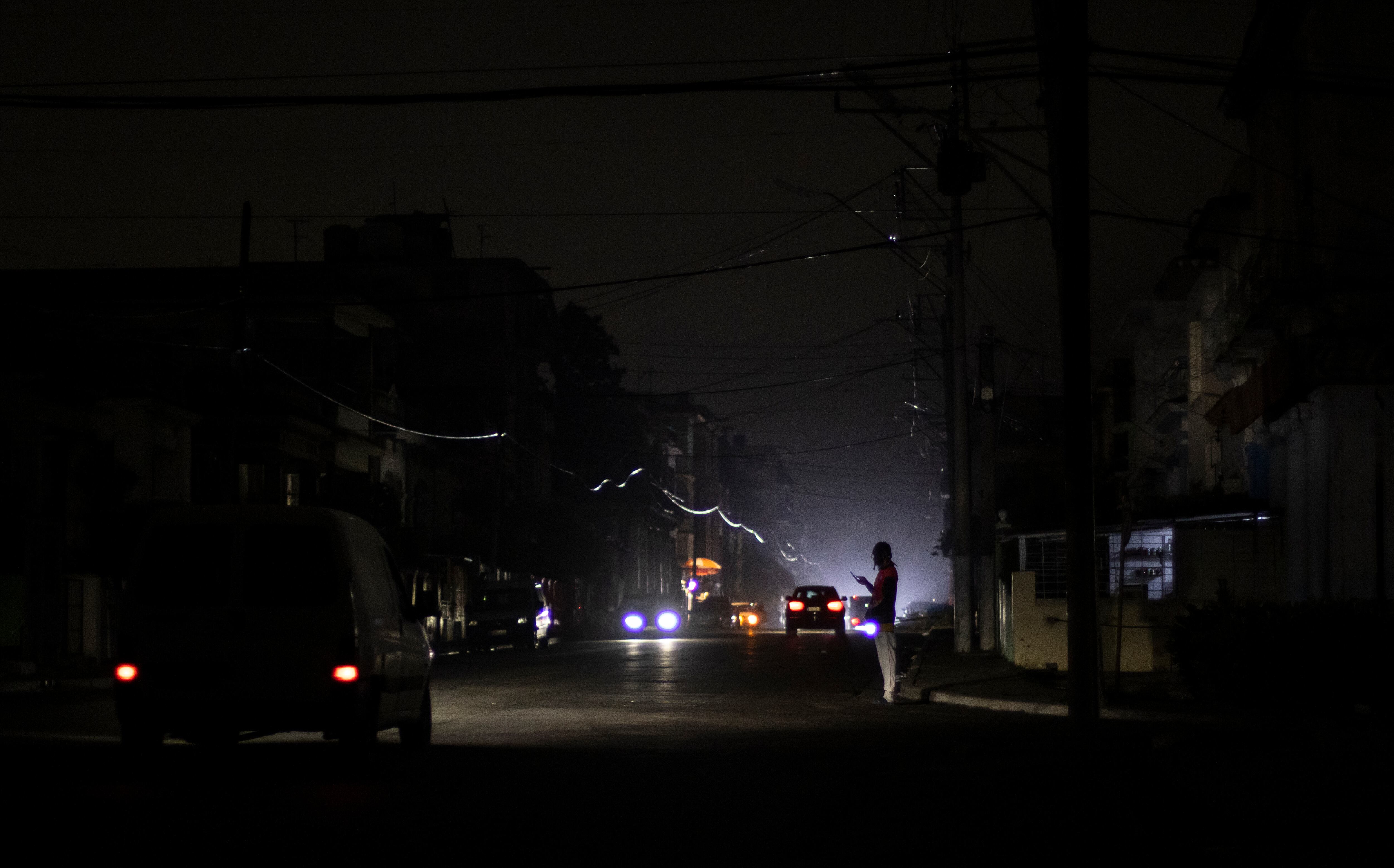
The effects of the fuel shortages were felt immediately, with widespread power outages on Wednesday night sparking protests in Havana. Though the protests soon dissipated, large sections of eastern Cuba remained in darkness on Thursday.
While Cuba has domestic reserves of natural gas and crude oil, it lacks the money to maintain or upgrade its refineries, which are necessary to convert high-viscosity crude oil into fuel oil, essential to electricity generation.
“Cuba is open to anyone that wants to sell us fuel”, Levy implored.
However, Cuba has largely been cut off from international oil imports by the U.S., which threatened to impose tariffs on any country supplying oil to Cuba and severed Venezuelan oil supplies to the Cuban state.
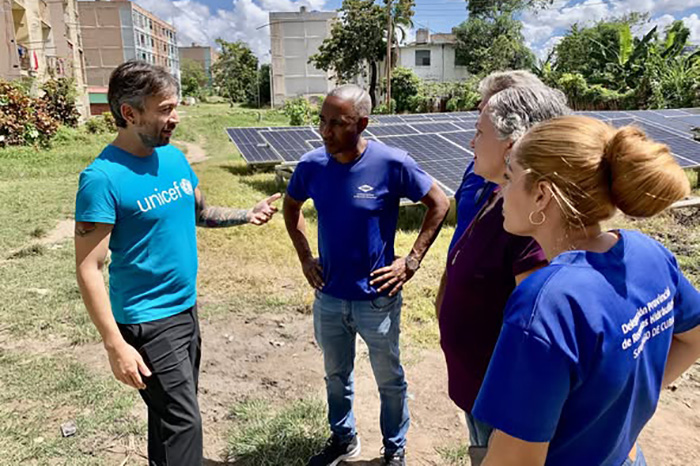
Despite this, Russia sent an oil tanker to help alleviate the crisis in March and China has also helped Cuba mitigate its reliance on imported fuel by helping install solar parks across the island.
Nevertheless, it is unclear if any country would be willing to provide Cuba with enough oil to sustain its national grid indefinitely. There is also no guarantee that the U.S. would allow new foreign oil imports to arrive.
The U.S. is reportedly considering sending the island a humanitarian aid package worth US$100 million to ease the effect of its own oil blockade of the island, with CIA Director John Ratcliffe visiting Havana yesterday to discuss “intelligence cooperation, economic stability, and security issues”.
Ratcliffe is likely the first CIA Director to visit the island since 1953, as the U.S. and Cuba have been staunch geopolitical adversaries since the triumph of the Cuban Revolution in 1959.
Although the two nations are involved in official diplomatic negotiations, tensions between Washington and Havana have been rising dramatically. The North American superpower has repeatedly threatened the Cuban leadership with political regime change and has ratcheted up punitive sanctions against officials and economic entities deemed to be linked to the Cuban regime.
Although the U.S. claims its measures are solely targeted at the Cuban government, the punitive measures have contributed to an economic and humanitarian crisis that is harming many ordinary Cubans, with hospitals, schools and workplaces facing shortened operating hours because of power cuts.
Critics of the Cuban regime, however, argue that the energy shortages and the humanitarian suffering in the Caribbean nation are a result of the political leadership’s authoritarianism, economic mismanagement and corruption.
UNICEF Cuba kept working in the province of Santiago de Cuba to facilitate access to drinking water in areas affected by Hurricane Melissa and given the current energy situation, the organization stated on its Facebook page.
The grill‑strategy is starting to work. With every degree the heat rises, the situation in Cuba — both on the streets and in the regime’s top offices — becomes more and more unbearable. The fall earlier this year of Venezuela’s Nicolás Maduro, Havana’s key ally, and the subsequent energy embargo on the island marked the beginning of a decline that now seems unstoppable.
Earthquake was region’s strongest tremor in nearly 150 years and was also felt in parts of Mexico including Cancún
An earthquake on Monday off the coast of Cuba, which was that region’s strongest tremor in nearly 150 years, could be felt in Florida and parts of Mexico.
The 6.1-magnitude earthquake, which struck in the afternoon, occurred approximately 65 miles (105km) north-west of Mantua, Cuba, according to the US Geological Survey (USGS). The USGS added that the earthquake had a depth of 16 miles.
With the recent implementation of the Código de la Niñez, Adolescencias y Juventudes (Childhood, Adolescence, and Youth Law), Cuba has established a legal framework that places younger generations at the center as full rights holders. However, one of the most pressing questions among citizens is how these principles translate into everyday life for children and adolescents who, for various reasons, cannot live with their families of origin.

 Login
Login