The Pulitzer Prize Board announced the winners of the 2026 Illustrated Reporting and Commentary award. And the Pulitzer goes to Anand RK (Radhakrishnan) and Suparna Sharma and Natalie Obiku Pearson of Bloomberg… …For “trAPPed,” [link added] a riveting account of a neurologist in India held under “digital arrest” by her phone, reporting that uses visuals […]
The Pulitzer Prize Board announced the winners of the 2026 Illustrated Reporting and Commentary award. And the Pulitzer goes to Anand RK (Radhakrishnan) and Suparna Sharma and Natalie Obiku Pearson of Bloomberg… …For “trAPPed,” [link added] a riveting account of a neurologist in India held under “digital arrest” by her phone, reporting that uses visuals […]
Editorial cartoonist around the world are being encouraged to submit cartoons for the 2026 European Cartoon Award. The award recognizes “the impact of cartoons on societal dialogue” and serves to “encourage cartoonists in their vital role and stimulate conversations about Europe.”Requirements for entry include publications dates from June 2, 2025, and July 1, 2026, must […]
Editorial cartoonist around the world are being encouraged to submit cartoons for the 2026 European Cartoon Award. The award recognizes “the impact of cartoons on societal dialogue” and serves to “encourage cartoonists in their vital role and stimulate conversations about Europe.”Requirements for entry include publications dates from June 2, 2025, and July 1, 2026, must […]
The Freedom Cartoonists Foundation has announced their selection for the 2026 Kofi Annan Courage in Cartooning Award. Jimmy “Spire” Ssentongo of Uganda will be presented the award in a ceremony tonight. Palestinian cartoonist Safaa Odah is unable to leave her homeland for political reasons but will receive her prize at a future date. Safaa is a […]
The Freedom Cartoonists Foundation has announced their selection for the 2026 Kofi Annan Courage in Cartooning Award. Jimmy “Spire” Ssentongo of Uganda will be presented the award in a ceremony tonight. Palestinian cartoonist Safaa Odah is unable to leave her homeland for political reasons but will receive her prize at a future date. Safaa is a […]
The Monday Tilley Watch takes a glancing look at the art and artists of the latest issue of The New Yorker
The Cartoonists and Cartoons
Nineteen cartoons, twenty cartoonists in this themed (“America At 250”) double issue* (Barry Blitt has the cover). One duo, that we know of (the Spill counts duos as one cartoonist). No newbies. Liana Finck has a ‘Sketchbook” as well as a cartoon.
*Not counting the three cartoonists whose drawings appear as part of the Cartoon Caption Contest. However, the lon
The Monday Tilley Watch takes a glancing look at the art and artists of the latest issue of The New Yorker
The Cartoonists and Cartoons
Nineteen cartoons, twenty cartoonists in this themed (“America At 250”) double issue* (Barry Blitt has the cover). One duo, that we know of (the Spill counts duos as one cartoonist). No newbies. Liana Finck has a ‘Sketchbook” as well as a cartoon.
*Not counting the three cartoonists whose drawings appear as part of the Cartoon Caption Contest. However, the longest active contributing cartoonist in the issue is Mort Gerberg, who supplied this week’s Caption Contest drawing (he began contributing in 1965).
Back in May of 2017, the above perfect Talk design by Rea Irvin was carted away (after appearing for 92 years!) and replaced –if you can believe it — by a redraw via a contemporary illustrator. The Spill continues to hope Mr. Irvin’s work returns. Read more here.
_____________
Rea Irvin’s A-Z
Rea Irvin (pictured above. Self portrait above from Meet the Artist) Born, San Francisco, 1881; died in the Virgin Islands,1972. Irvin was the cover artist for the New Yorker’s first issue, February 21, 1925. He was the magazine’s first art and only art supervisor (some refer to him as its first art editor) holding the position from 1925 until 1939 when James Geraghty assumed the title of art editor. Irvin then became art director and remained in that position until William Shawn officially succeeded Harold Ross in early 1952. Irvin’s last original work for the magazine was the magazine’s cover of July 12, 1958. The February 21, 1925 Eustace Tilley cover had been reproduced every year on the magazine’s anniversary until 1994, when R. Crumb’s Tilley-inspired cover appeared. Tilley has since reappeared, with other artists substituting from time-to-time. Number of New Yorker covers (not including the repeat appearances of the first cover every anniversary up to 1991): 179. Number of cartoons contributed: 261.
Poor Volodya had to cut back the annual Victory Day Parade in Moscow this coming Saturday, reportedly because all the impressive arms and armor normally seen at that time are in Ukraine and can’t be spared, or, in some cases, made operative.But what are friends for? After a 90-minute phone call, his pal Donald announced […]
Poor Volodya had to cut back the annual Victory Day Parade in Moscow this coming Saturday, reportedly because all the impressive arms and armor normally seen at that time are in Ukraine and can’t be spared, or, in some cases, made operative.But what are friends for? After a 90-minute phone call, his pal Donald announced […]
It took Felix the Cat 72 years to star in his only feature film. His creator (and, at times, sole animator), Otto Mesmer, did not live to see this event, nor did anyone else who brought various incarnations of Felix to animated life over the decades. However, the last person to usher Felix to reasonable success in 1958, Joe Oriolo, passed the reins on to his son Don, who paid tribute to Dad with Felix the Cat: The Movie.
If there was ever a labor of love, this 1989 animated film is it. Don Ori
It took Felix the Cat 72 years to star in his only feature film. His creator (and, at times, sole animator), Otto Mesmer, did not live to see this event, nor did anyone else who brought various incarnations of Felix to animated life over the decades. However, the last person to usher Felix to reasonable success in 1958, Joe Oriolo, passed the reins on to his son Don, who paid tribute to Dad with Felix the Cat: The Movie.
If there was ever a labor of love, this 1989 animated film is it. Don Oriolo wrote the script, did some voice work, served as one of the producers, and, if the end credits are correct, even performed some of the music. Wow. The direction was by Tibor Hernadi (“Animation director” on The Time Masters). No less than six nations (primarily Hungary) contributed to the production.
Yet, the film had but one US theatrical showing (as the opening selection of the third Los Angeles Animation Celebration), and plans for a wider release ended when the movie’s distributor, New World Pictures, went belly-up. The picture went unseen until it appeared on DVD on August 29, 2002.
Felix is, alas, not a very good film, and most critics have been considerably harsher than that. The story, involving Felix’s adventures in an alternate dimension where he battles on the side of a beautiful princess against her evil uncle, the Duke of Zill, is disjointed and plagued by unnecessary scenes that push the plot aside. In one of them, we watch foxes (who get their own song!) prepare to urinate on Felix’s bag. They disappear after that. An interlude with tap-dancing mice goes on far too long. And how about the one-time appearance of a dragon that silently impersonates (I think) Marlon Brando?
The animation reflects the $9M budget and is almost universally floppy and choppy: mouth movements rarely match the dialogue, and facial expressions often do not correspond to what the characters are experiencing. The editing is atrocious. There are some very primitive CGI sequences of Felix’s head bookending the film. Most of Felix’s lines are like “Dad jokes” that would embarrass Dad. Some of the characters (particularly Madame Pearl and Pim) look like they came from different films.
The picture strongly reminded me of the 1986 film Cat City (another very bad Hungarian film) in its flawed design and execution, and I would not be surprised if Felix employed many of the same animators. However, Felix is the better film, and this leads us to why this movie is merely a semi-total disaster. Some redemptive comments are due here:
To begin with, the film harkens back to the 1958 TV version of the fabulous feline, and this is rather welcome. Felix has a magical bag of tricks that comes in quite handy. Series stalwarts The Professor and his brilliant nephew Poindexter are along for the ride (Rock Bottom must still be serving time). The Master Cylinder gets a cameo (on paper). The picture even ends with Felix signing off with “Right-e-o!” The closing theme (by Winston Sharples) is the same one featuring Ann Bennett’s singing. David Kolin, replacing the immortal Jack Mercer, does a credible job voicing Felix.
The main villain, the Duke of Zill, is perhaps the best-designed character the crew came up with, and he gets a fitting backstory. The Duke resembles a tricked-up version of Spider-Man villain Mysterio, and Peter Newman lends the bad guy a great voice.
But what are the real reasons to buy/rent/stream this Felix movie besides Boomer nostalgia? One, it’s a surreal, loopy ride featuring acid-trip design, hallucinatory color, and bonkers secondary character designs (especially in the land of Zill) that must have existed in the animators’ nightmares. This messed-up menagerie is even weirder than the nutty backgrounds and layouts in this picture.
Secondly, if seeing this movie piques anyone’s curiosity about Felix the Cat, it is worth sitting through. Whether they explore the 1958 series, the three 1936 shorts from Van Bueren Studios, or take a deep dive into the iconic black-and-white Felix cartoons from his heyday during the 1920s, rediscovering this animated idol is a worthy cause. Felix the Cat: The Movie may not have been the cat’s crowning glory, but at least it kept a legend alive.
Last week two Jewish men were stabbed in a North London street. On taking the attacker down police took action according to that Guardian article: An officer uses Pava spray to try to subdue him before the suspect is shot with a Taser. The suspect falls to the ground and officers kick him in the […]
Last week two Jewish men were stabbed in a North London street. On taking the attacker down police took action according to that Guardian article: An officer uses Pava spray to try to subdue him before the suspect is shot with a Taser. The suspect falls to the ground and officers kick him in the […]
Rea Irvin’s The Smythes is a prestige hardcover from New York Review Comics reprinting a Sunday comic from the 1930s. Although I didn’t finish all the reprinted comic strips, which were much of a similarity, I found the historical information surrounding them fascinating. Rea Irvin is best known for creating Eustace Tilley, the snob with the butterfly who was on the first cover of The New Yorker and has become the mascot of the magazine. Irvin’s art style, appeal, and [...]
Rea Irvin’s The Smythes is a prestige hardcover from New York Review Comics reprinting a Sunday comic from the 1930s. Although I didn’t finish all the reprinted comic strips, which were much of a similarity, I found the historical information surrounding them fascinating. Rea Irvin is best known for creating Eustace Tilley, the snob with the butterfly who was on the first cover of The New Yorker and has become the mascot of the magazine. Irvin’s art style, appeal, and [...]
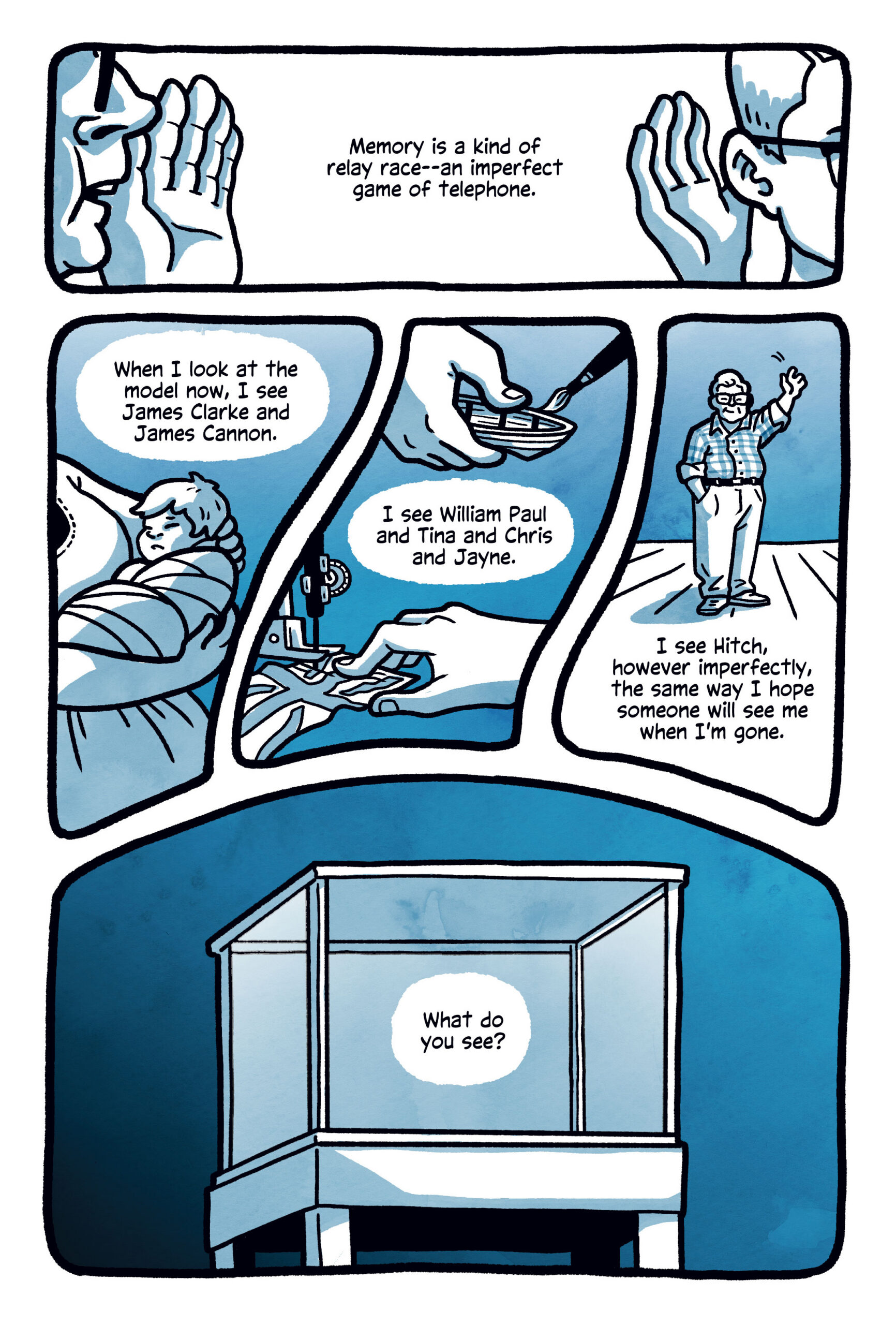
Last year I got an email from Tania Sammons, a curator at Ships of the Sea Maritime Museum in Savannah, Georgia who had previously licensed my guide to sailors’ tattoos for a show. Her pitch was irresistible: an exhibition of comics based on model ships from their collection. Four cartoonists would be hired, assigned a vessel, then given six months to produce a short comic for publication in an anthology alongside an accompanying museum display.
BELLWOOD CATNIP.
It’s still amazing to me wh
Last year I got an email from Tania Sammons, a curator at Ships of the Sea Maritime Museum in Savannah, Georgia who had previously licensed my guide to sailors’ tattoos for a show. Her pitch was irresistible: an exhibition of comics based on model ships from their collection. Four cartoonists would be hired, assigned a vessel, then given six months to produce a short comic for publication in an anthology alongside an accompanying museum display.
BELLWOOD CATNIP.
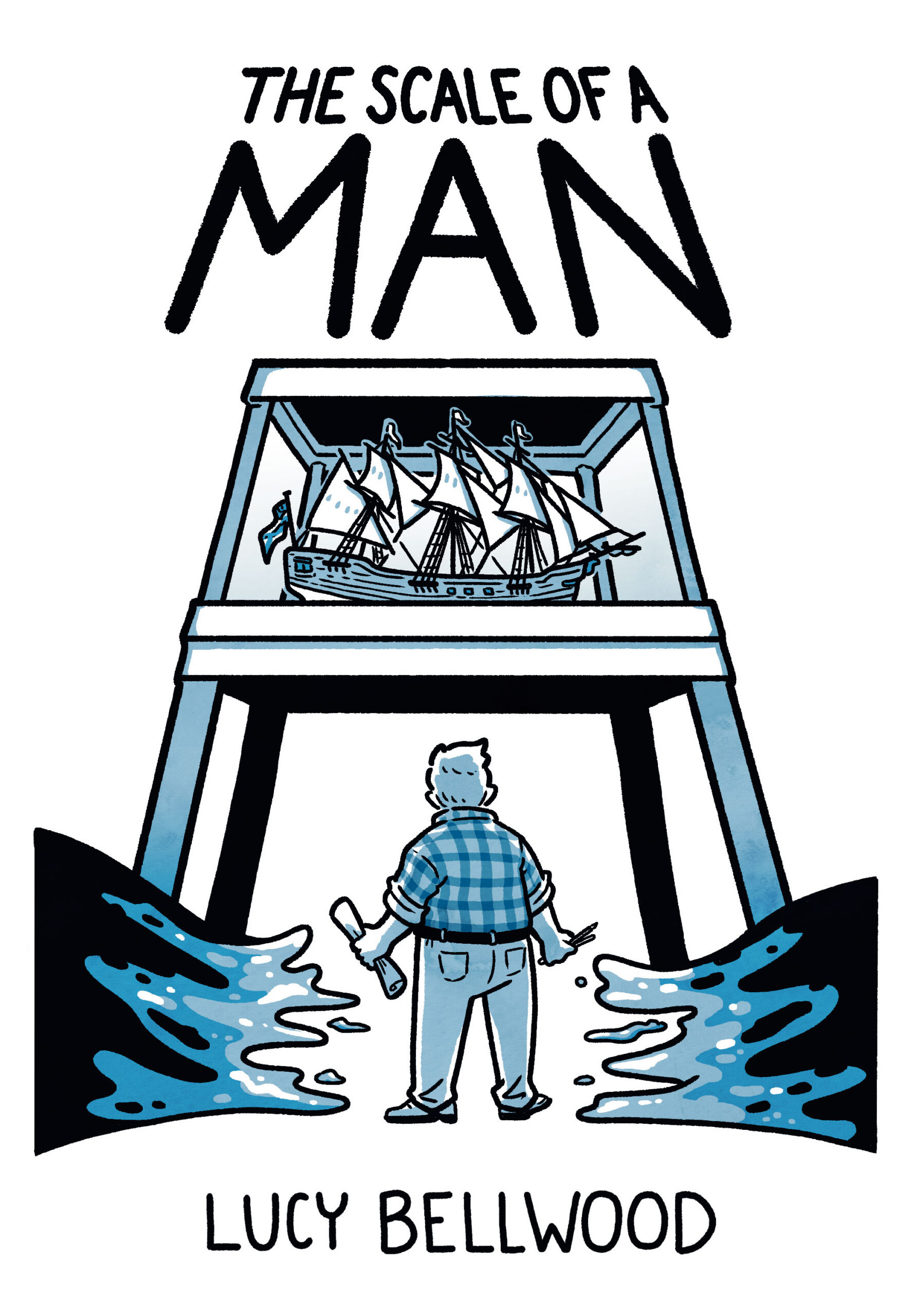
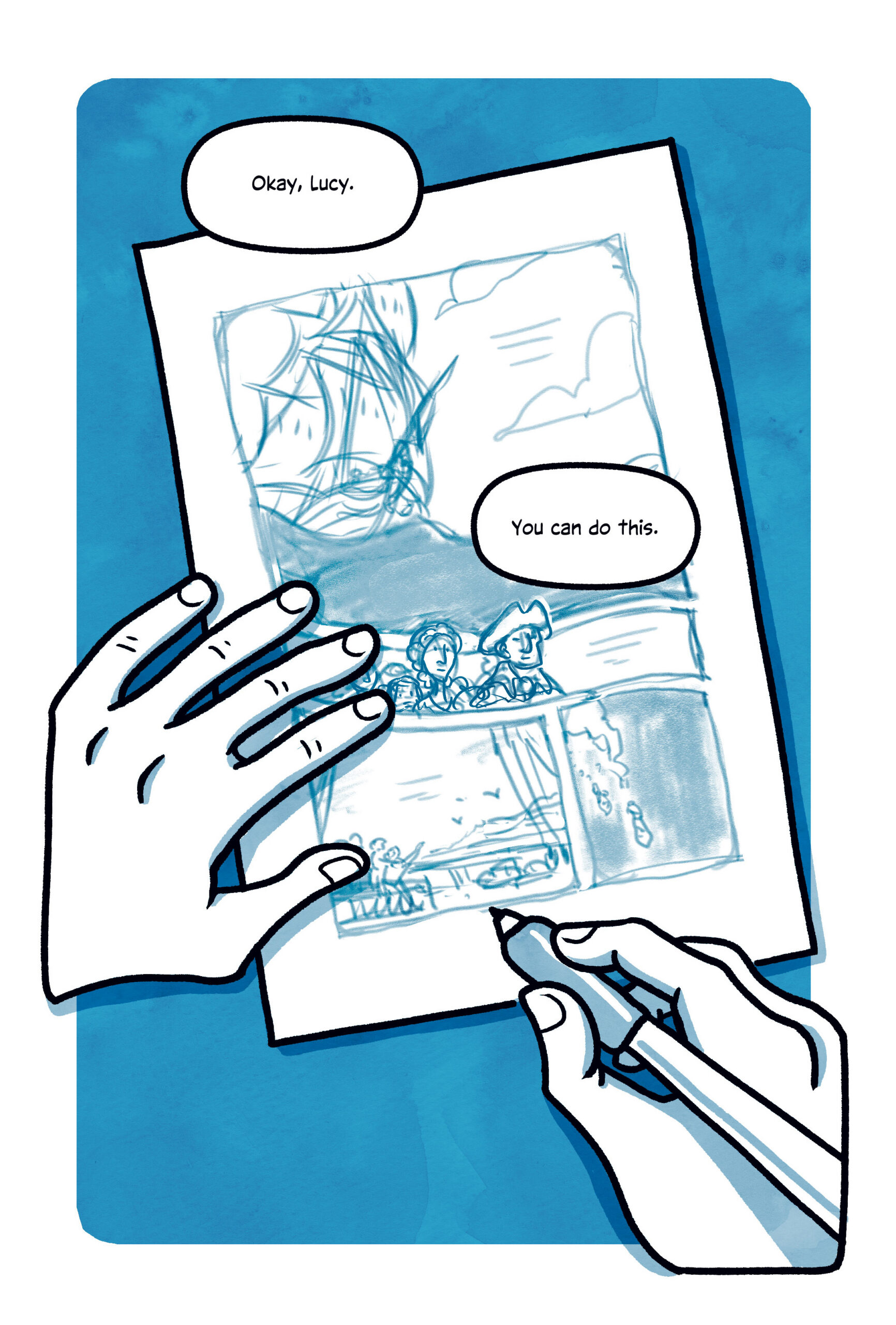
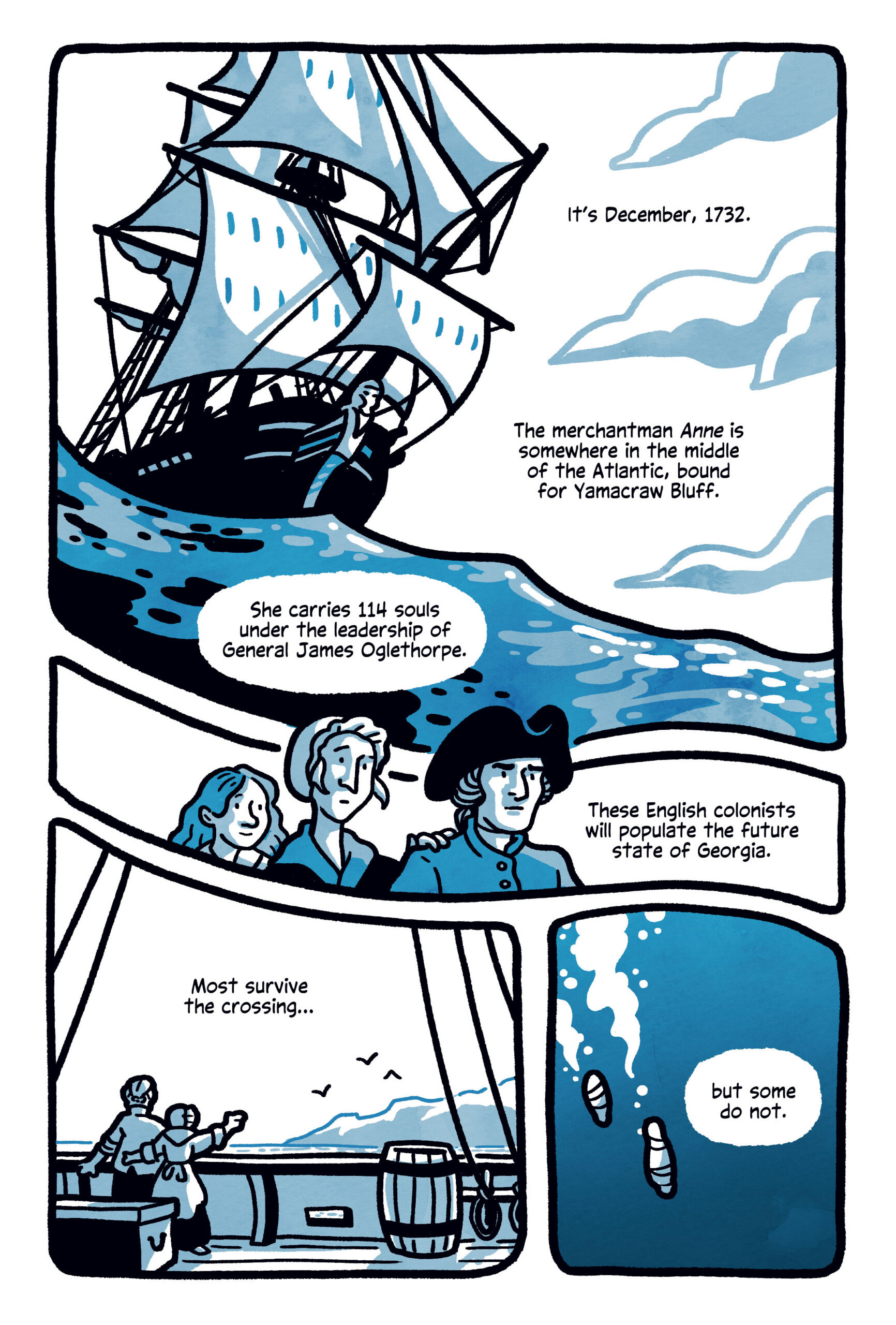
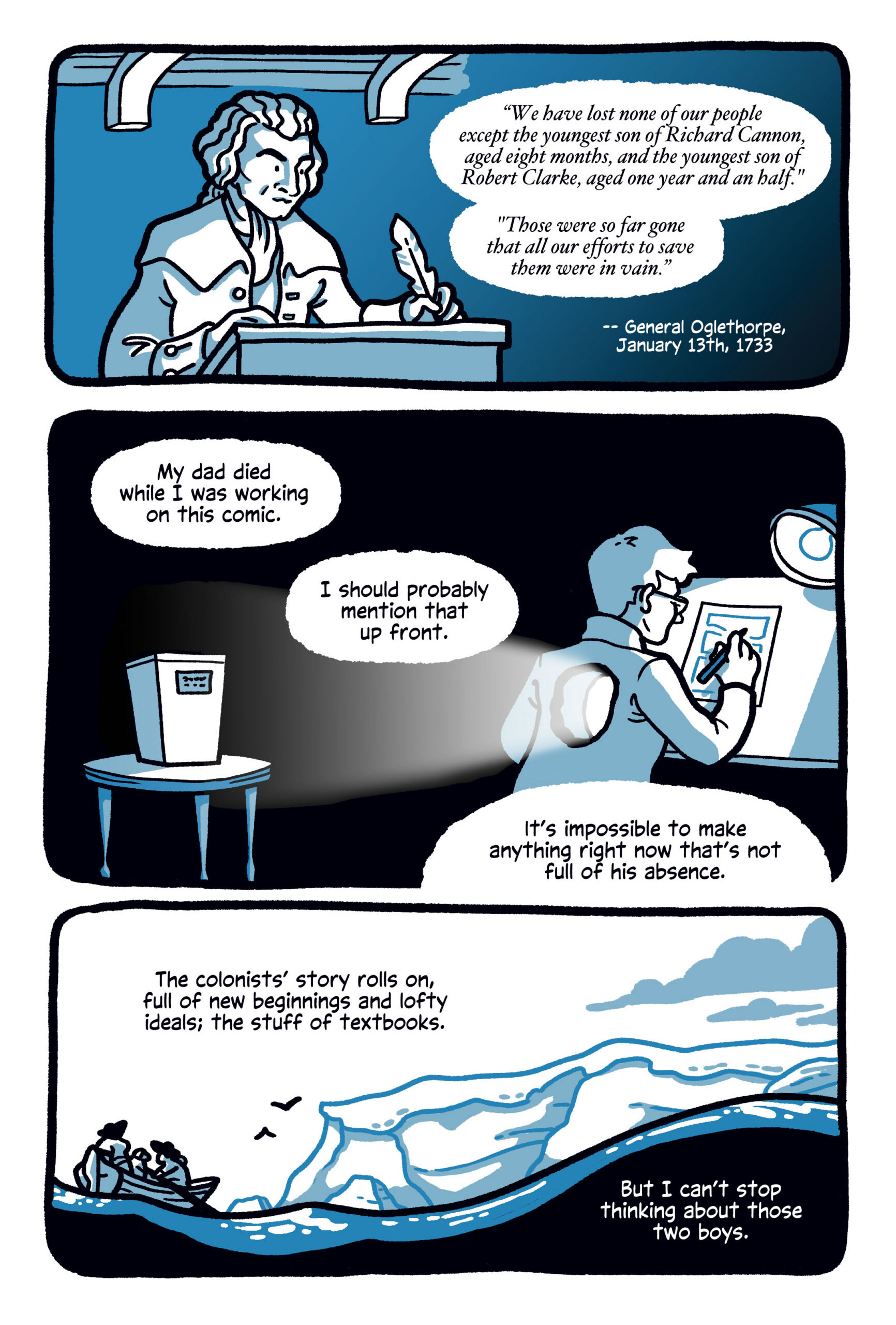
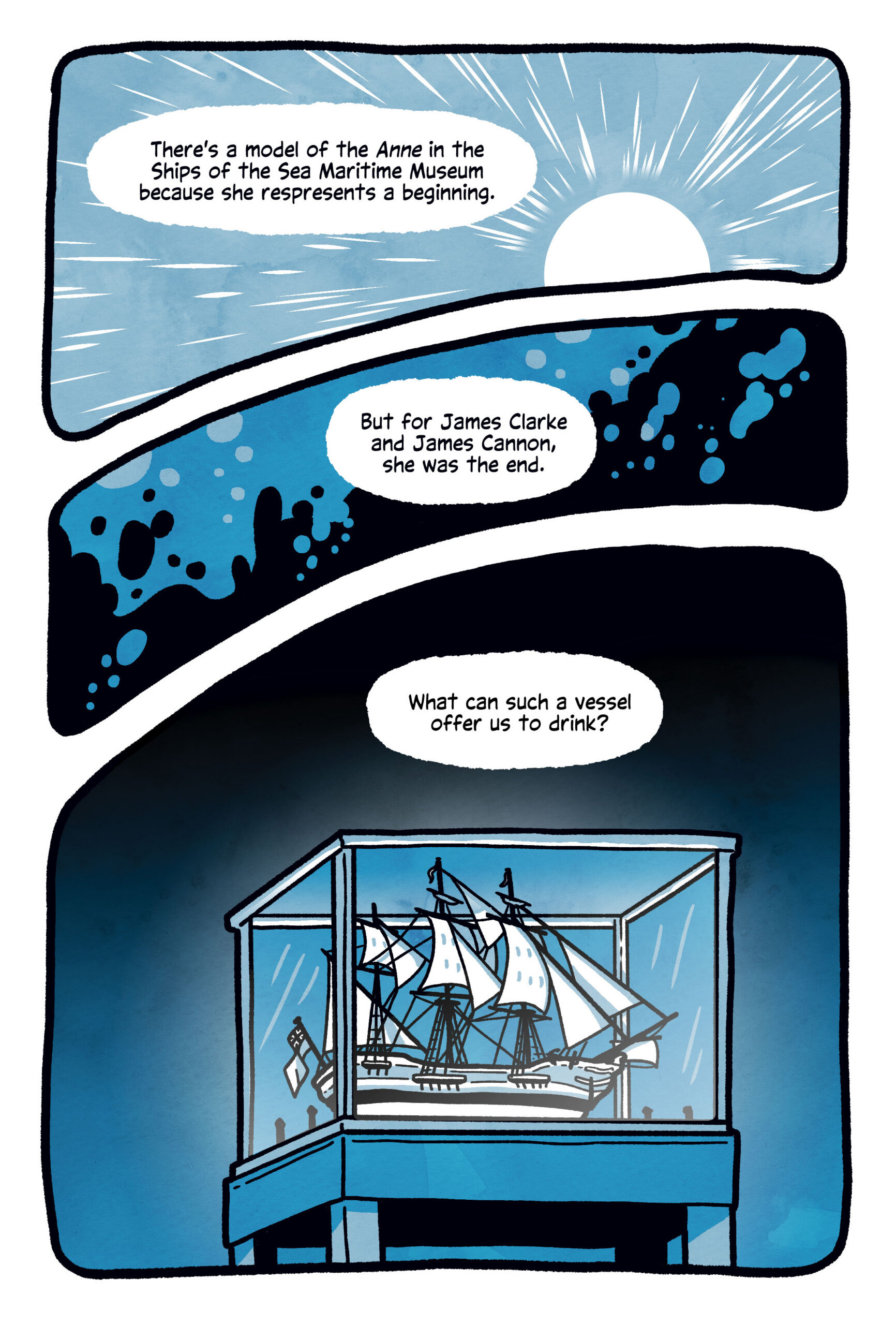
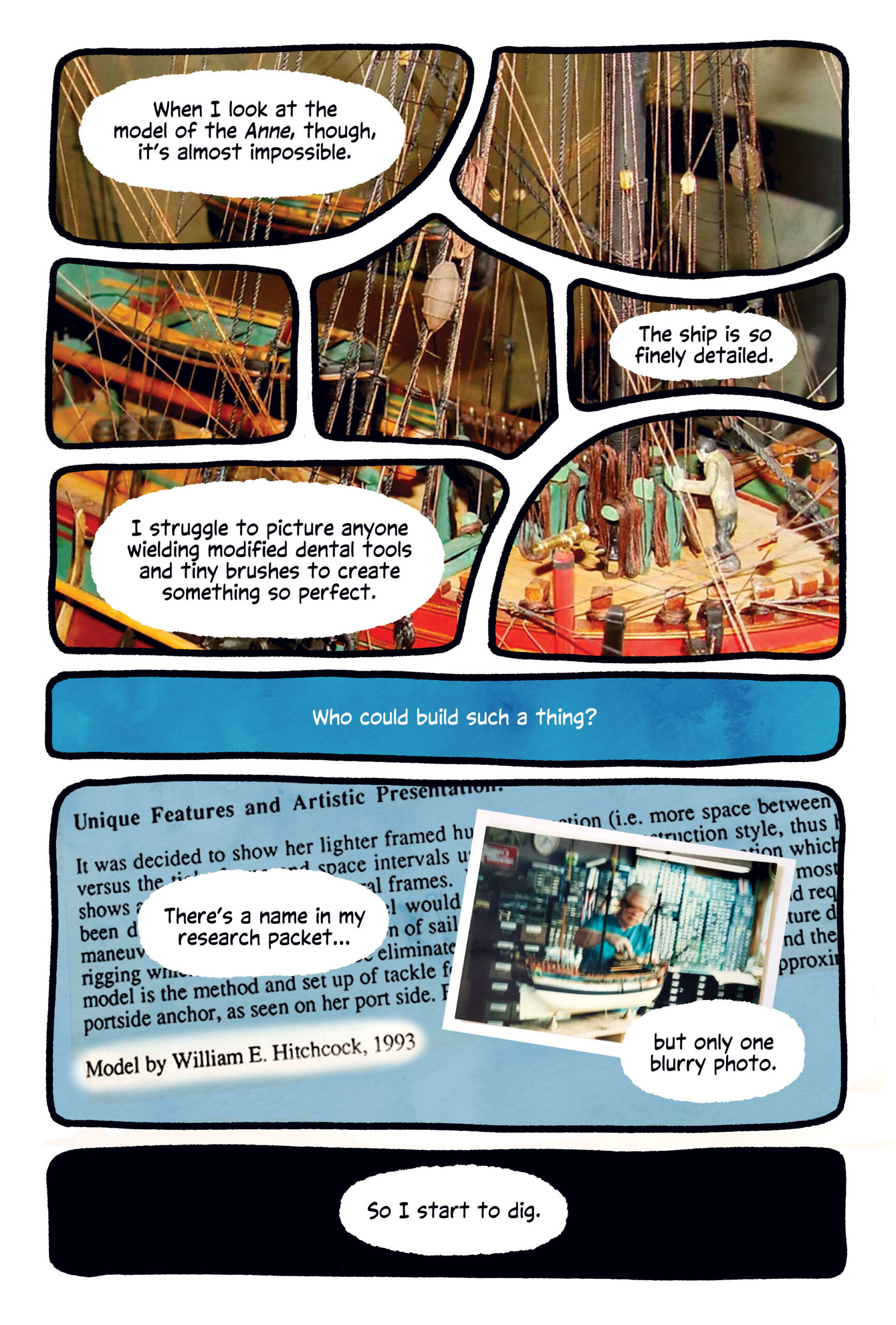
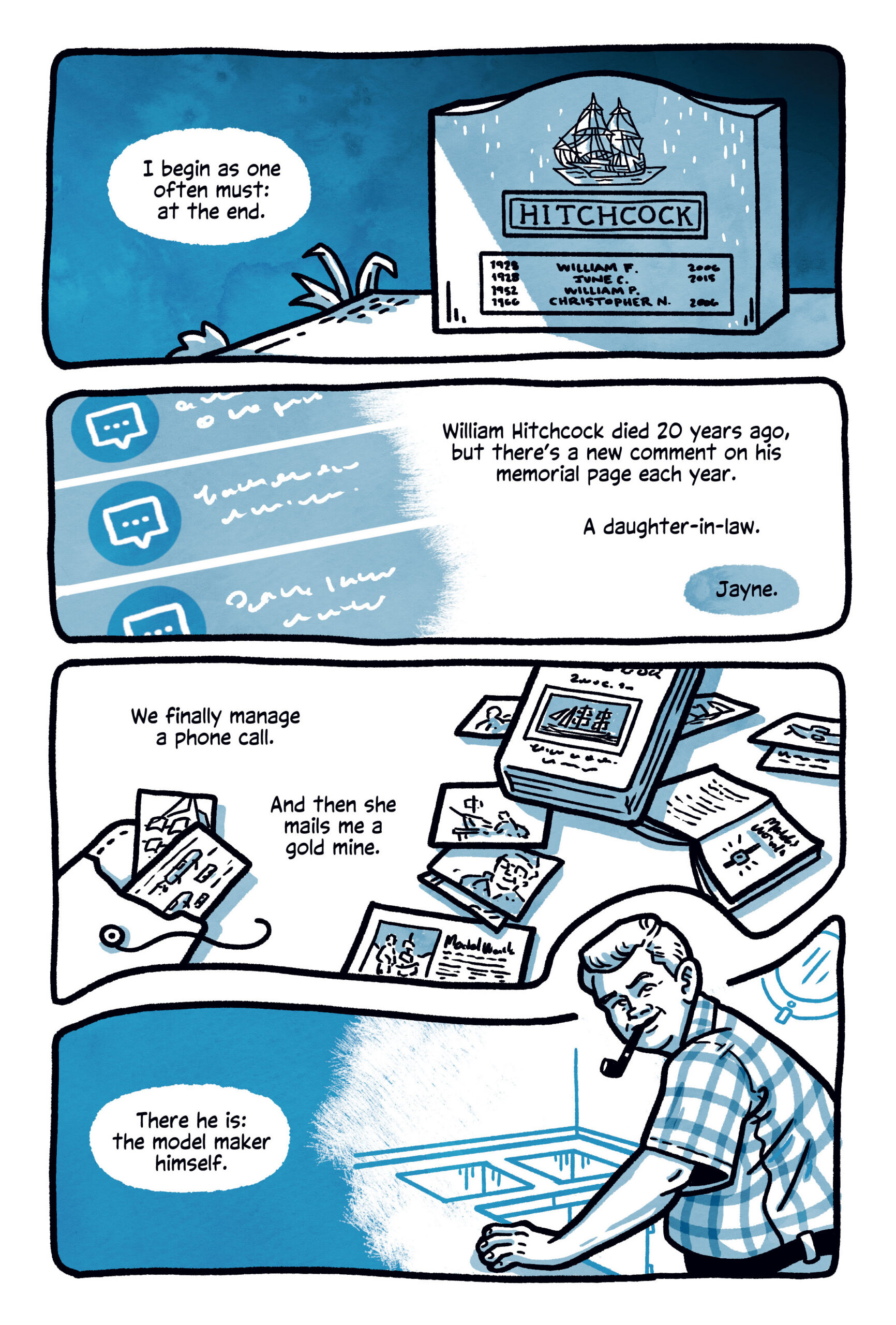
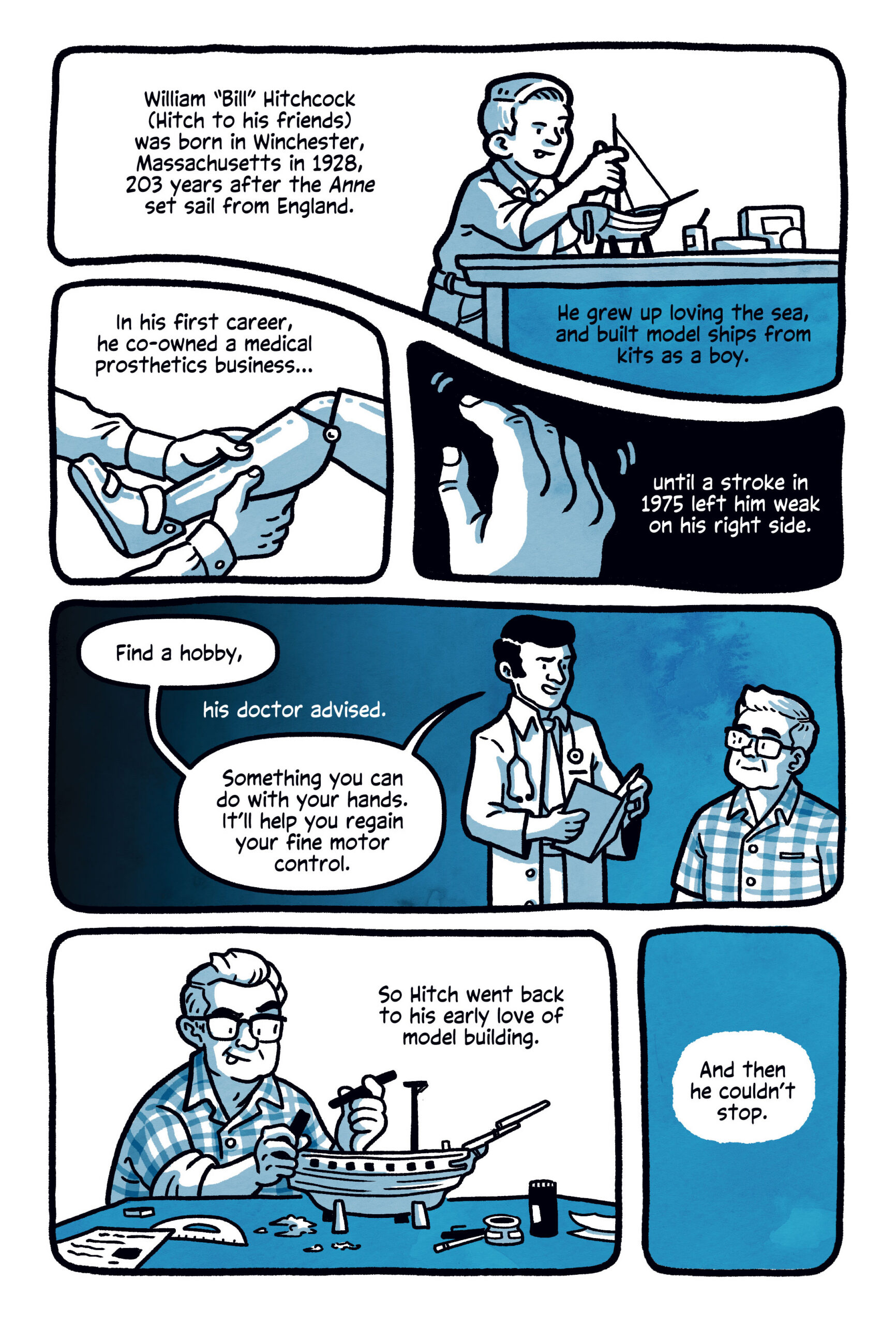
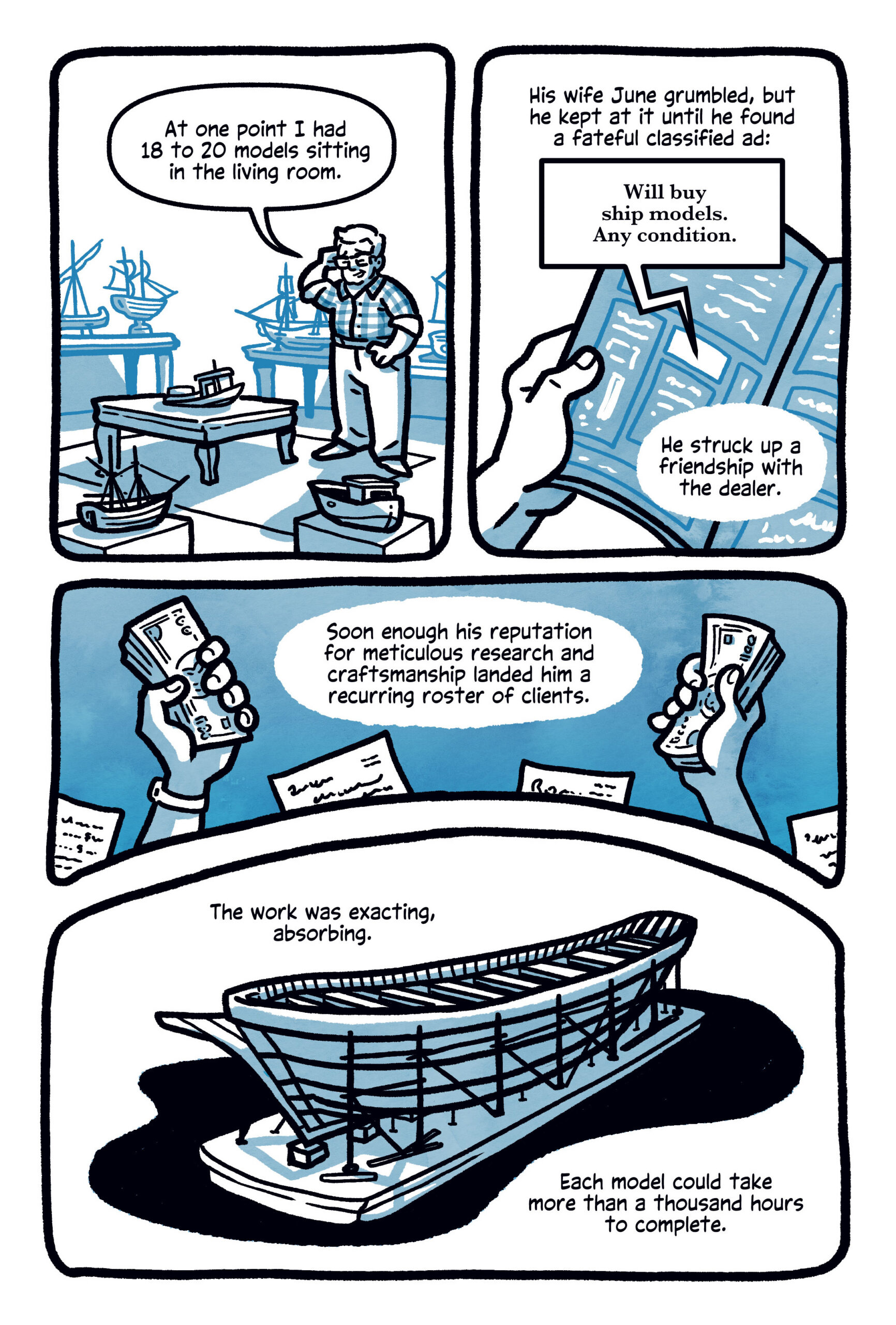
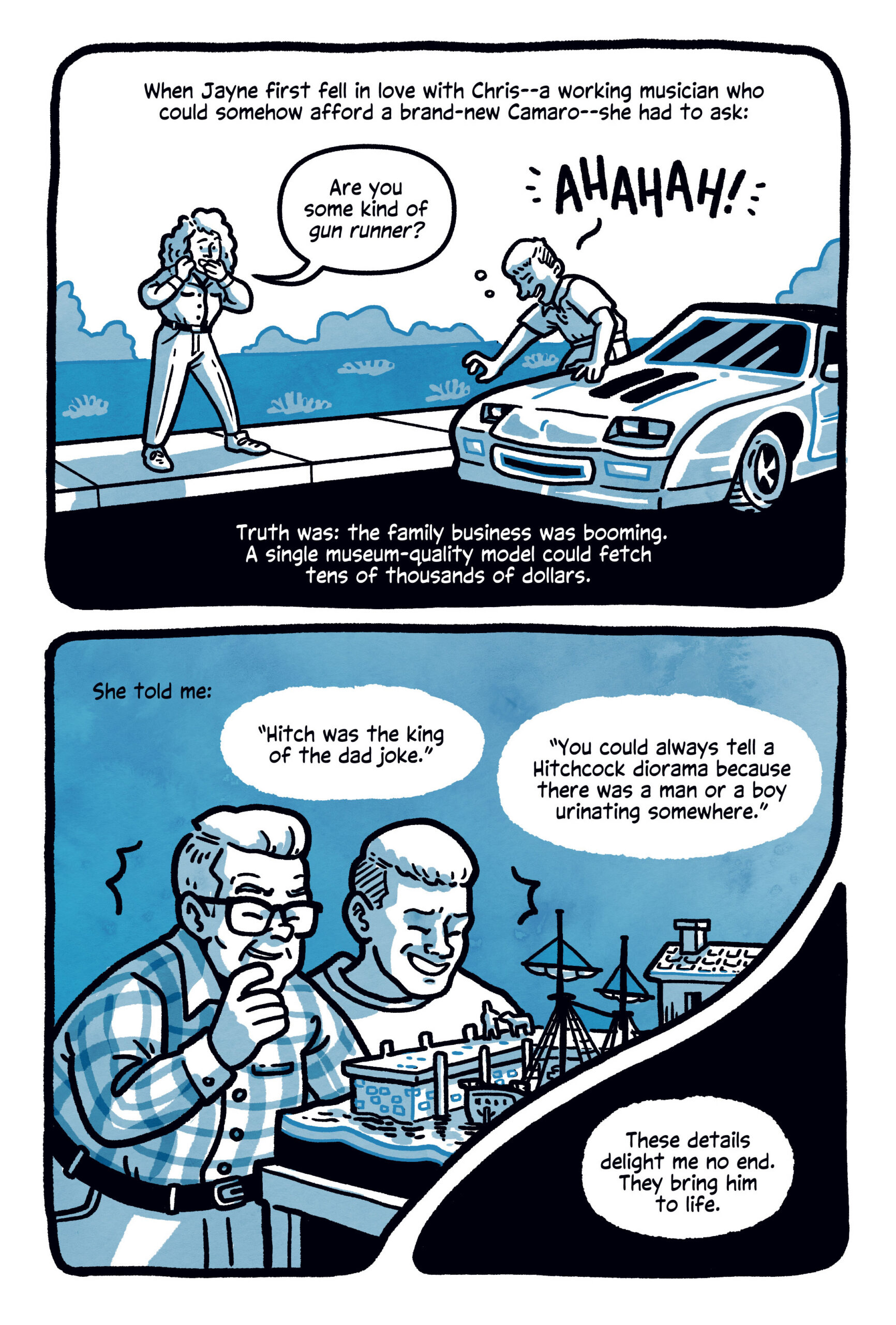
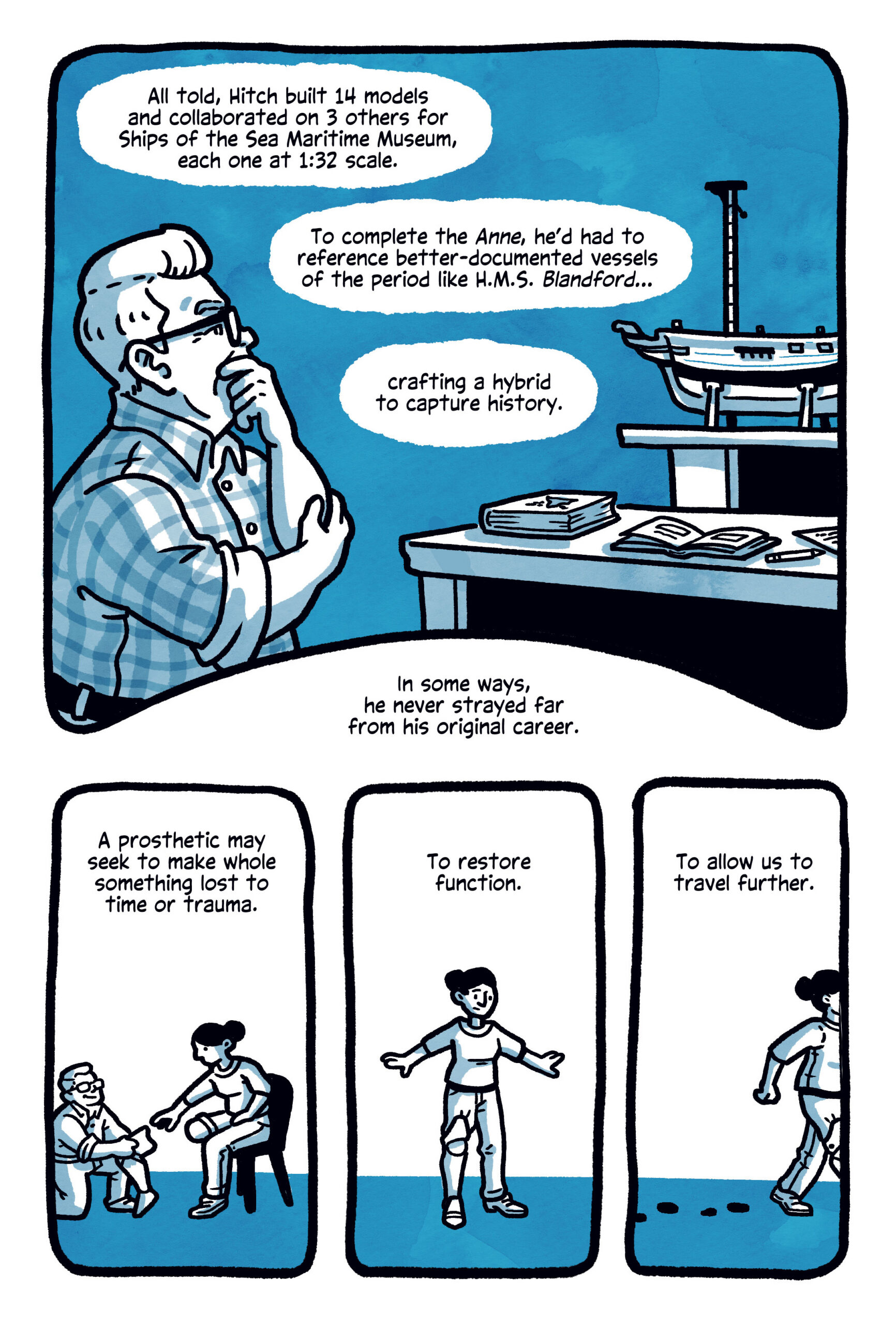
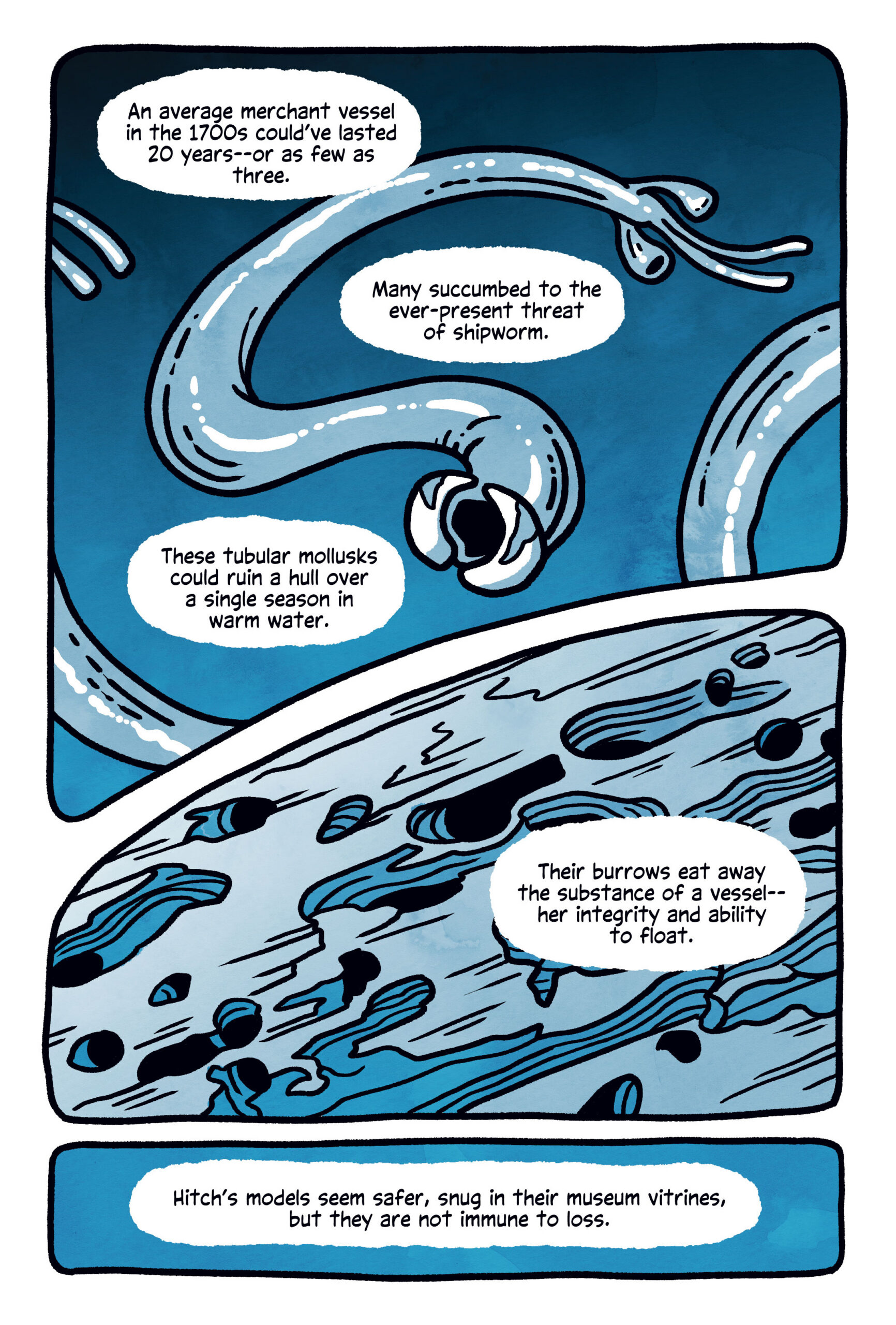
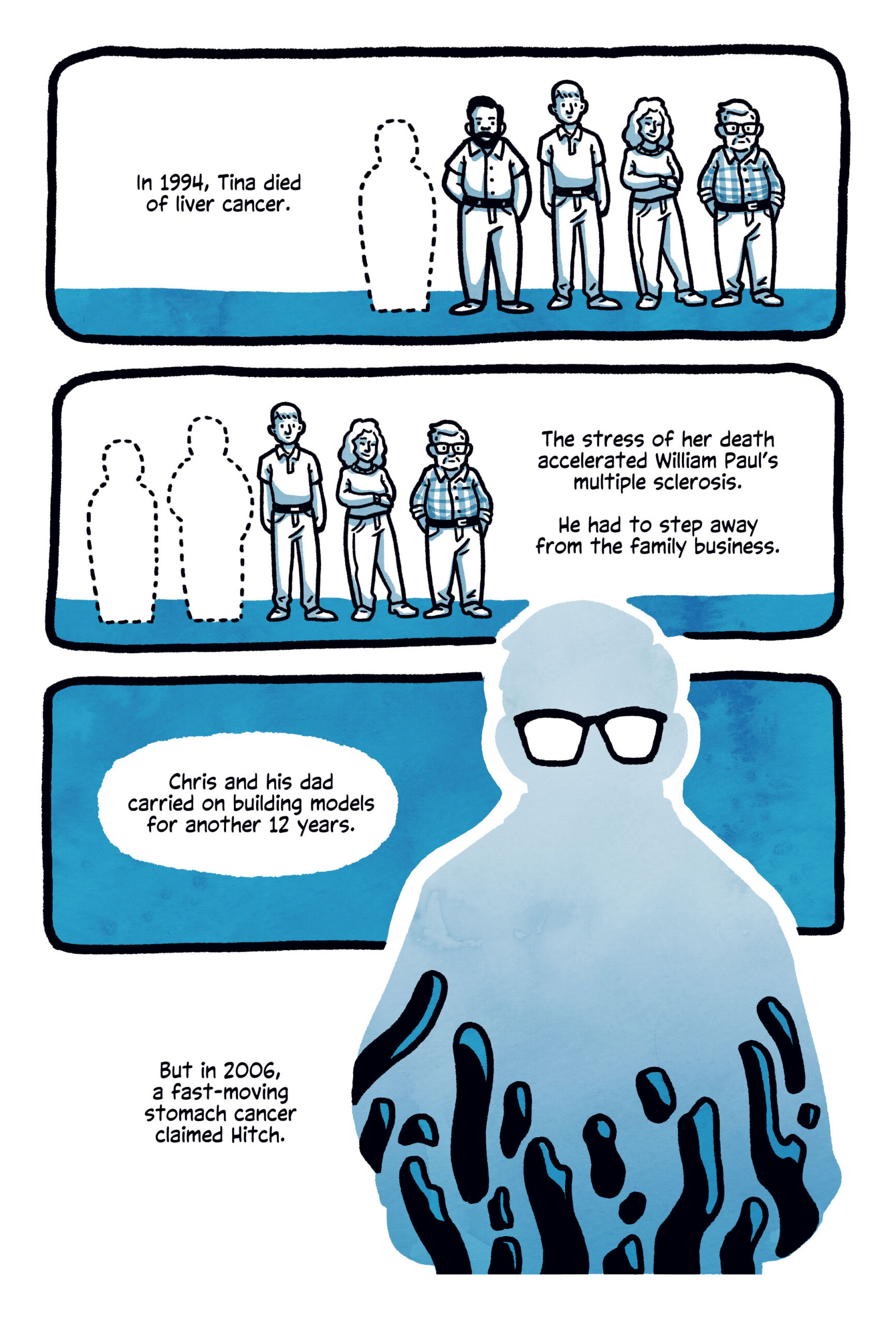
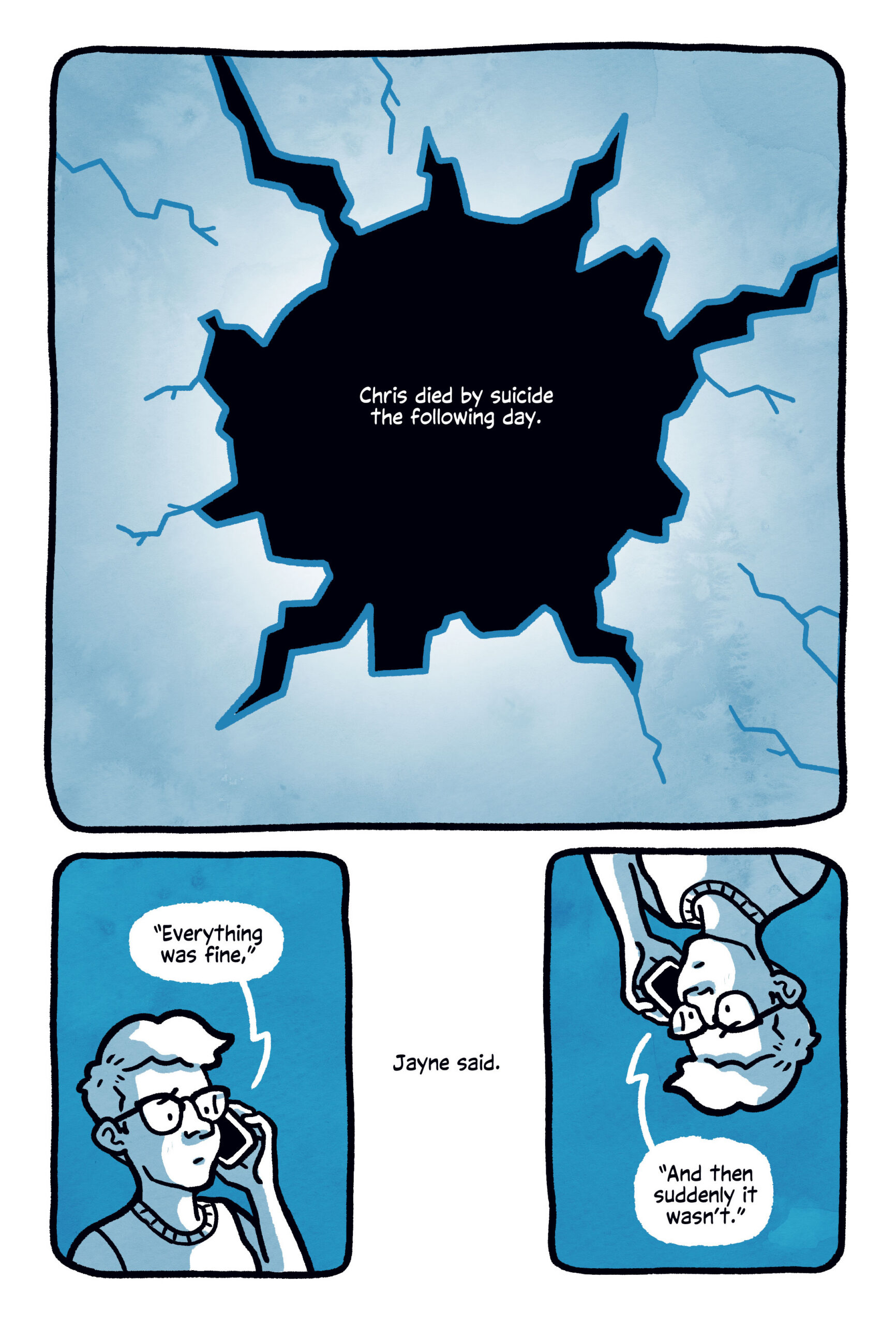
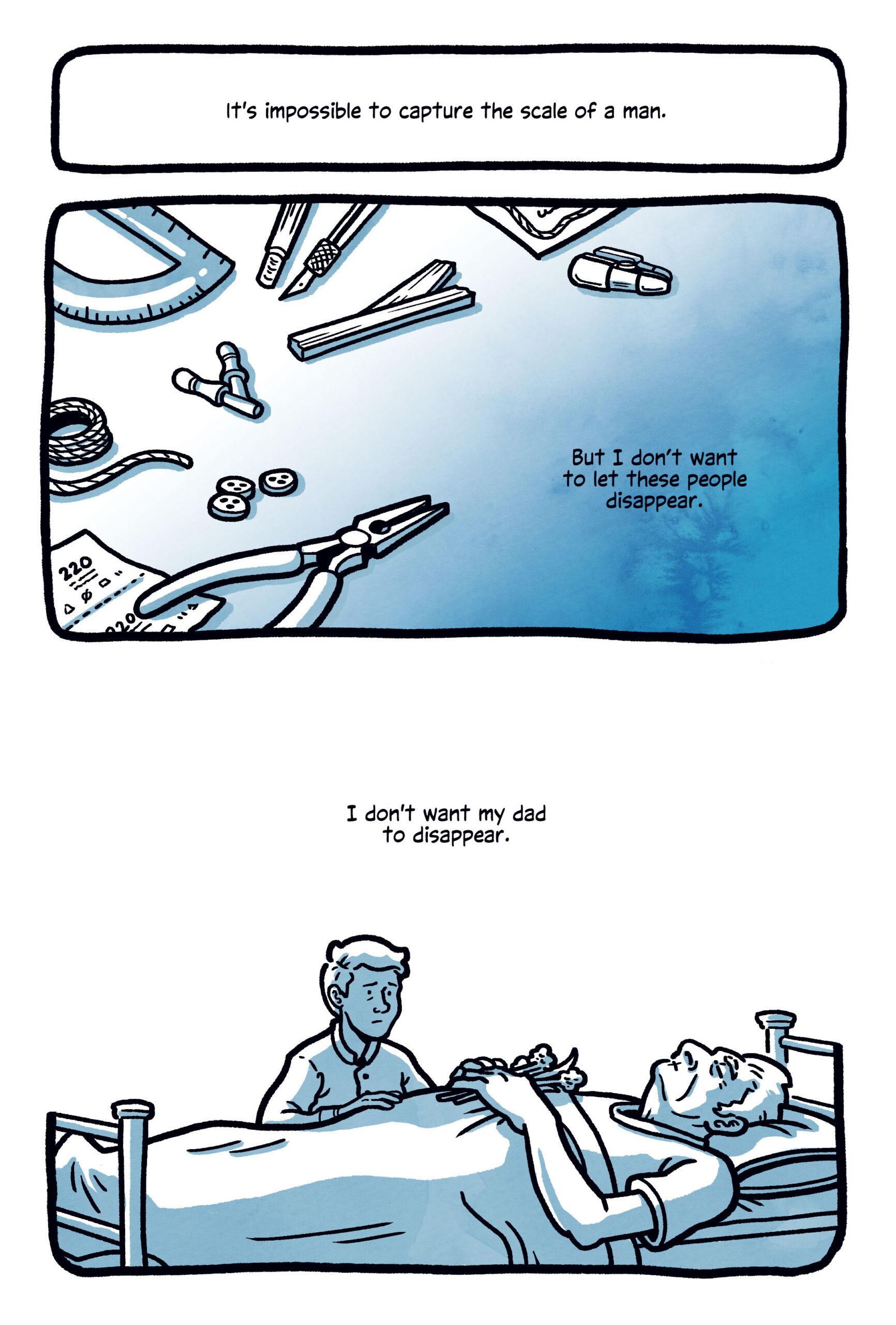
It’s still amazing to me when tailor-made opportunities like this land at my feet, even though I know there are only so many outspoken boat nuts in the comics world. I leapt at the chance and spent the second half of 2025 weaving together a variety of favorite themes (Le Guin’s Carrier Bag Theory of Fiction! Manguso’s cathedral architect! The Ship of Theseus!) to explore the legacy of the Anne, the vessel that carried the first colonists to Georgia in 1732. The story started in the realm of primary sources and historical nonfiction, but completely transformed in the aftermath of my dad’s death in July. By the time I was synthesizing all my notes in the fall of 2025, it had become a quest to give the extraordinary model maker behind most of the museum’s collection his due.
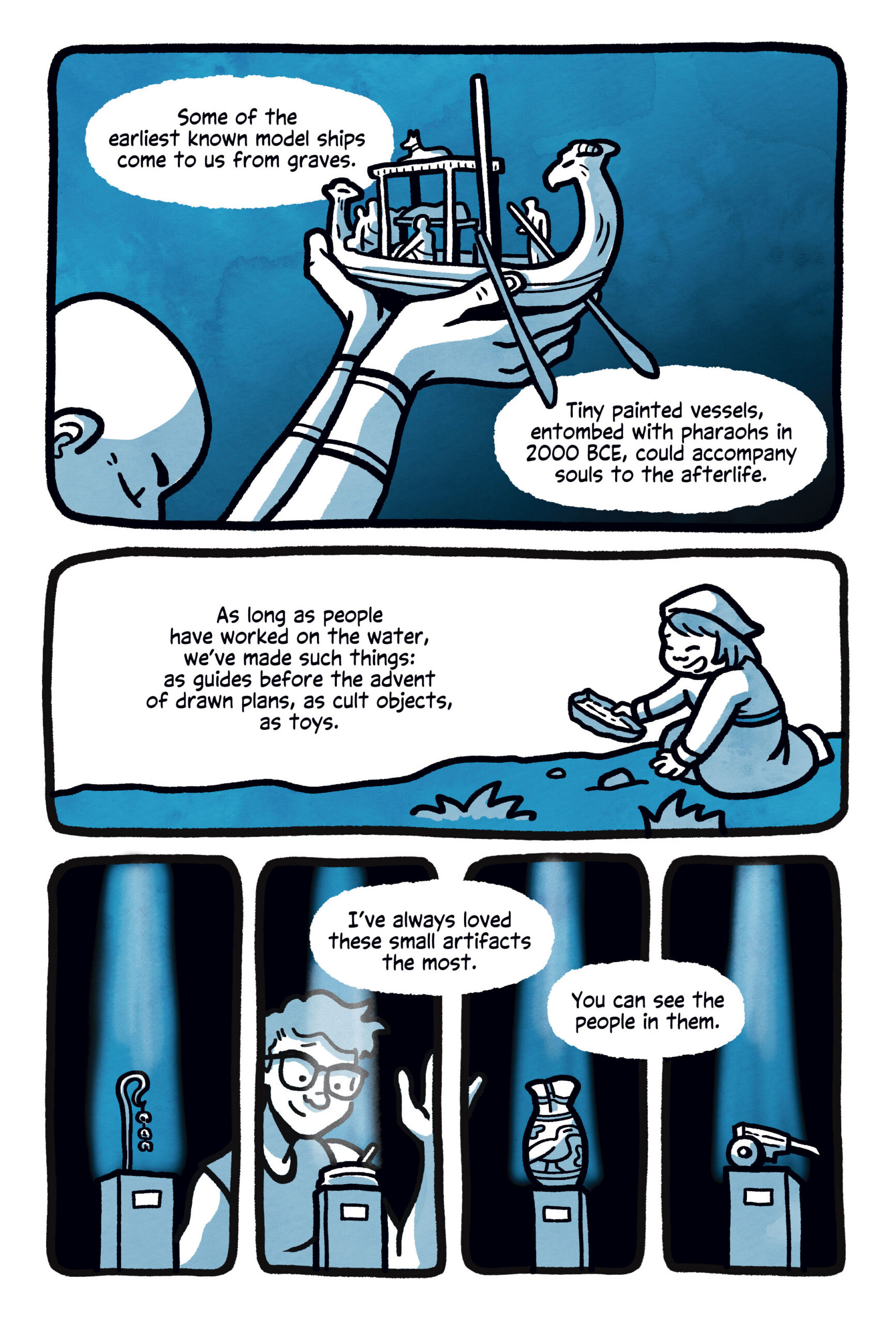
Drawn to the Sea, the exhibit collecting comics and process work by myself, Avery Hick, Rich King, and Sharon Norwood, finally opens this week! While I can’t attend the party in person, I’m very glad to be able to share my contribution online. The Scale of a Man took far more out of me than I expected, but in hindsight it makes perfect sense. I really hope you like it. (I’ve included some photos from the exhibit as well as my artist statement below. There’s also a brief essay about some the research here.)
Content Warning: this comic deals with suicide and parental mortality. Readers with trypophobia may want to skip pages 14 and 15.
Exhibition Preview:
Artist Statement:
I joined the crew of my first tall ship at seventeen. I know more than most the temptation to cast a vessel as the hero of the story, but it’s a lie. We name them, adorn them, and rely on them, but ultimately ships are tools enlivened by the people who use them. They encompass exploration and cultural exchange, escape and immigration, enslavement and genocide. Rather than flattening the ship into a hero, I want to examine the ship as a vessel in every sense of the word, one brimming with discoveries and losses alike.
In her essay The Carrier Bag Theory of Fiction, Ursula K. Le Guin invites us to explore the implication of the container as the oldest human invention. What would it mean to acknowledge that we have carried sustenance and stories in baskets, nets, and bottles for far longer than we have centered narratives around a Hero’s Journey built on aggression and conquest? “It’s hard,” she admits, “to tell a really gripping tale of how I wrested a wild-oat seed from its husk, and then another, and then another, and then another, and then another—” but the essay encourages us to try.
Whether framing the hull of a ship or the panels of a story, we delineate the things we love. It is an affection that cannot be rushed. I was lucky enough to learn from many model ship builders in the course of creating this piece. Their generosity, enthusiasm, and expertise helped me appreciate what’s poured into each miniature vessel, and to recall something I need to keep close in my own practice: there is value in doing things that defy efficiency. These are fields where monotony walks hand in hand with craft. Some people throw their hands up and bemoan the death of such practices in the age of AI, but I believe we’re headed toward a resurgence in valuing the things machines cannot do.
There is nothing more human than dying. Steeped in my own grief at the loss of my father, I found my way into a story that took me places I couldn’t have foreseen. Early in the research process, I read that the colonists aboard the Anne slept below decks in suspended wooden cots—their similarity to coffins a reminder of how often such voyages become a passage to the underworld. Every journey requires a type of death. We leave behind our former selves, hoping to meet some new incarnation on the farther shore, but the past always comes with us in one guise or another.
We don’t know what became of the Anne in the end; her own death, whatever that means for a vessel, went undocumented. Sometimes such losses are inevitable. But the containers we build, whether they be ships, comics, or museums, offer us a chance to see ourselves woven into the minutiae of the past. It is a form of immortality, one that relies on engagement, imagination, and tenderness, and it is always worth reaching for.
Drawn to the Sea opens at Ships of the Sea Maritime Museum in Savannah, Georgia on Friday, May 1st and runs through January 31st, 2027. Learn more about the exhibit and related programming here.
Another annual reading list I’m putting up without much commentary, but there were some bangers in 2025. “The point seems to be this,” Kate Briggs writes, “left to its own devices, the path of reading is very rarely chronologically ordered, thematically coherent, limited by language or respectful of borders. Books open out onto, they cross with and follow haphazardly on from one another. Left to its own devices, the path of reading strays all over the place.”
(Previously: 2024 in Reading, 202
Another annual reading list I’m putting up without much commentary, but there were some bangers in 2025. “The point seems to be this,” Kate Briggs writes, “left to its own devices, the path of reading is very rarely chronologically ordered, thematically coherent, limited by language or respectful of borders. Books open out onto, they cross with and follow haphazardly on from one another. Left to its own devices, the path of reading strays all over the place.”
Turns out I’m two years behind on these so I’m getting ’em up! No commentary because I gotta run out the door to ink more pages of Seacritters, but hopefully I’ll come back to this down the line.
(Previously: 2023 in Reading, 2022 in Reading, 2021 in Reading, 2020 in Reading)
LegendRough Guide to Ratings🎭 – Plays📝 – Poetry📖 – Books (Fiction)📓 – Books (Nonfiction)💬 – Graphic Novels🔄 – Reread🎙️ – Audiobook❤︎ = Yes❤︎❤︎ = Oh Yes❤︎❤︎❤︎ = Oh Hell Yes❤︎❤︎❤︎❤︎❤︎ = Obviously this one hit at the rig
Turns out I’m two years behind on these so I’m getting ’em up! No commentary because I gotta run out the door to ink more pages of Seacritters, but hopefully I’ll come back to this down the line.

 Login
Login