Reading view

Colombia renewables conference comes at critical moment for global energy

Bogotá, Colombia – The first global summit on “Transitioning away from Fossil Fuels” kicked off today in Santa Marta, Colombia, with 50 country delegations and dozens of civil society organizations in attendance.

Unlike other climate conferences, the six-day meeting will focus on implementing measures to end dependence on oil, coal, and gas, rather than negotiating international environmental commitments. 

The summit comes at a pivotal time for global energy, with conflict in the Middle East restricting oil and gas supplies and creating economic woes for countries reliant on fossil fuels.

Because of the ongoing oil turmoil, the conference came at the “best possible moment” to shift world opinion towards renewables, said Colombia’s environment minister Irene Vélez.

Talking to the UK’s Guardian newspaper this week, the minister, who was a prime mover of the conference, said nations were “at a fork in the road” in their choices between clean power sources such as solar or wind, or continuing to back fossil fuels that created climate crises and conflict.

It promised to be a “coalition of the willing”, said the minister, providing a road map to support nations already dedicated to transitioning from fossil fuels.

The conference organizers were combative in refusing to invite nations and organizations wedded to climate change denial.   

“Whatever nations have not yet taken that decision, then this is not the space for them. We are not going to have boycotters or climate denialists at the table,” Vélez told the Guardian.

Behind the conference is the Fossil Fuel Treaty Initiative, an alliance of nation states, technical bodies, communities and individuals “working to secure a global just transition from coal, oil and gas”.

According to the initiative, globally nations were planning to extract 120% more fossil fuels by 2030 than the “amount consistent with managing the impacts of climate change” – taking warming past the point of survival.  

“The science is unequivocal. For the last decade, oil, gas, and coal have been responsible for 86% of the CO2 pollution heating our planet, as well as causing one in five deaths worldwide from fossil fueled-air pollution.”
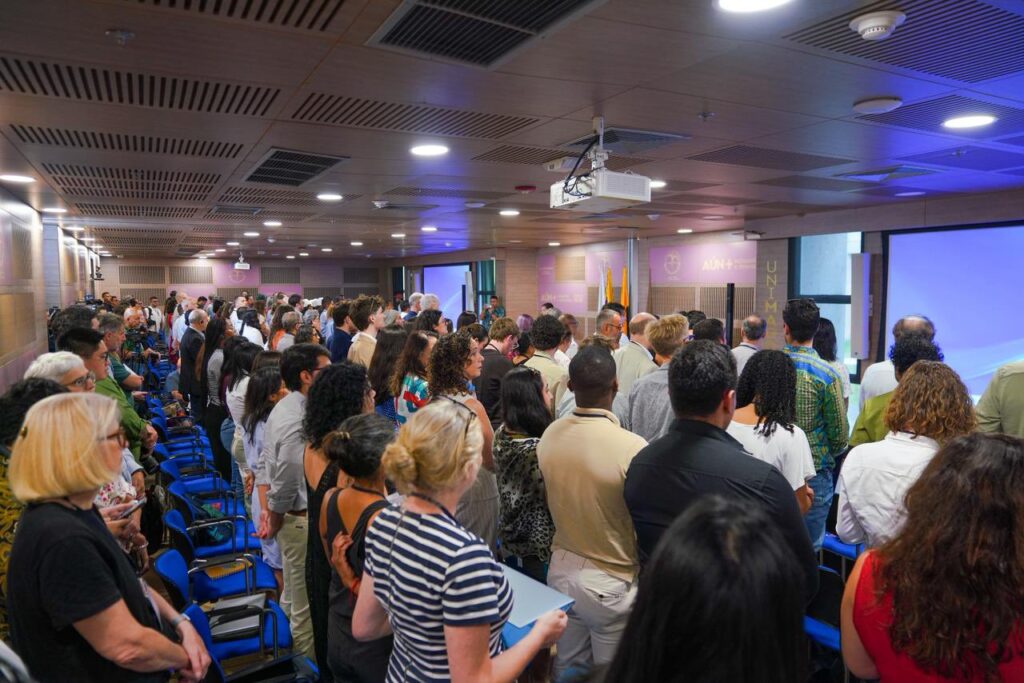
Delegates at the inauguration of the fossil fuel conference on Friday. Image credit: @MinAmbienteCo via X

For three decades global climate negotiations had focused on managing the symptoms of the crisis — fossil fuel emissions — while ignoring its root cause: the unchecked proliferation of oil, gas, and coal extraction.

This was a theme picked up by Kevin Koenig, director of climate and energy at Amazon Watch, a California-based nonprofit supporting indigenous communities attending the conference.

The last major summit, COP 30, was held last year in Brazil and saw “fossil fuel lobbyists outnumbering country delegates” he told Latin America Reports, adding that declarations at the end of that meeting “barely mentioned fossil fuels at all”.

In Santa Marta he expected things to be different: “This is the conference that is finally going to address the elephant in the room and get to the source of the climate change problem.”

Several factors were contributing to a momentum towards renewables, added Koenig, with recent data showing that cities and even whole countries have run for weeks off renewable energy as the Middle East crisis exposes the dangers of oil addiction.

“This is the moment where we are seeing both wars linked to fossil fuels politics and dependencies, but also for the first time renewables energies are not just theoretical, they are real, and decision-makers know they are scalable,” said Koenig. 

This was supported by data from the Center for Energy and Clean Air, which reported that global power generation from fossil fuels fell in the first month after the U.S.- Iran conflict closed the Strait of Hormuz – a vital waterway for oil tankers – while energy generated by solar and wind power increased.

Another conference goal was to identify economic and legal barriers to transitioning to renewables, said Koenig.

An example was the hegemony of interconnected global norms feeding fossil fuel dependence, such as arbitration laws that punished small countries in international courts if they attempted to free themselves from big oil contracts. This architecture kept countries dependent, he said.

“Countries transitioning get beat up in arbitration courts or penalized by credit rating agencies. When Ecuadorians voted to keep fossil fuels in the ground, for example, their credit rating went down.”

In countries like Colombia, fossil fuels were also linked to localized conflict and armed groups, explained Koenig; over 30 years Amazon Watch has supported many indigenous communities under attack for defending their territories against drilling.

“Some countries use oil extraction as a reason to open areas, saying ‘we can militarize it and it will be safer’. In fact, oil and energy infrastructure are a magnet for armed groups, for political attacks or blackmail,” he explained.
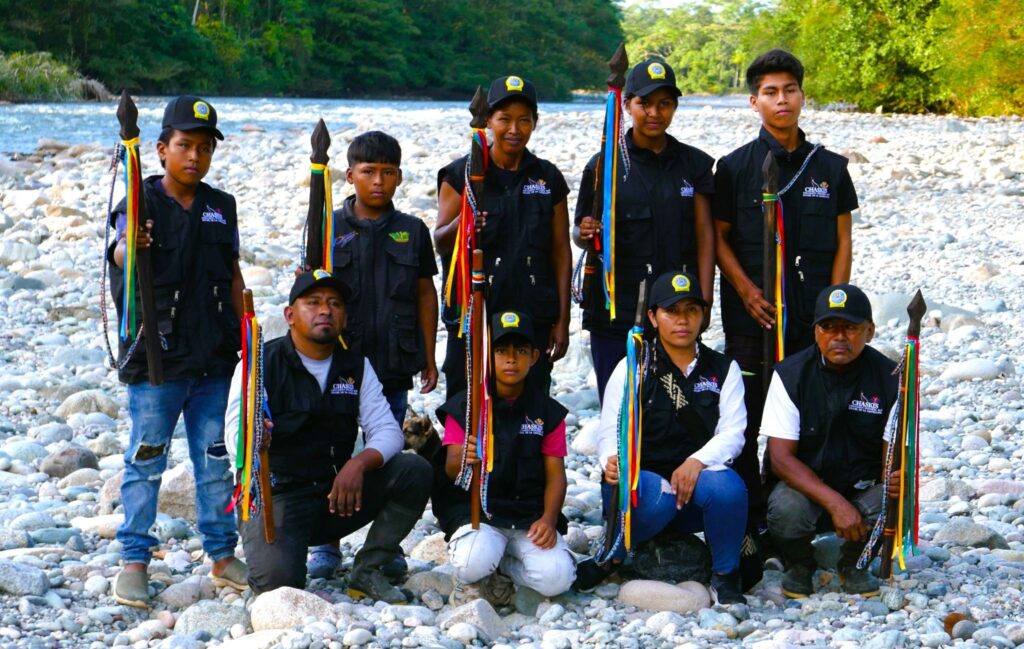
Inga indigenous guards in Putumayo, Colombia. Their traditional lands are under threat from oil exploration and illegal mining. Photo: Steve Hide.

That dynamic was more visible than ever on the world stage.

“Fossil fuels are fueling dictatorships, violence, conflict and authoritarian regimes,” said Koenig. “The Middle East crisis underscores the urgency to transition.”

“Yes, abandoning fossil fuels is about climate – but also about security and democracy.”

Featured image description: Delegates register at the fossil fuel conference in Santa Marta on April 24, 2026.

Featured image credit: @MinAmbienteCo via X

The post Colombia renewables conference comes at critical moment for global energy appeared first on Latin America Reports.
  •  

Polls close in Colombia vote with Espriella and Cepeda advancing to runoff

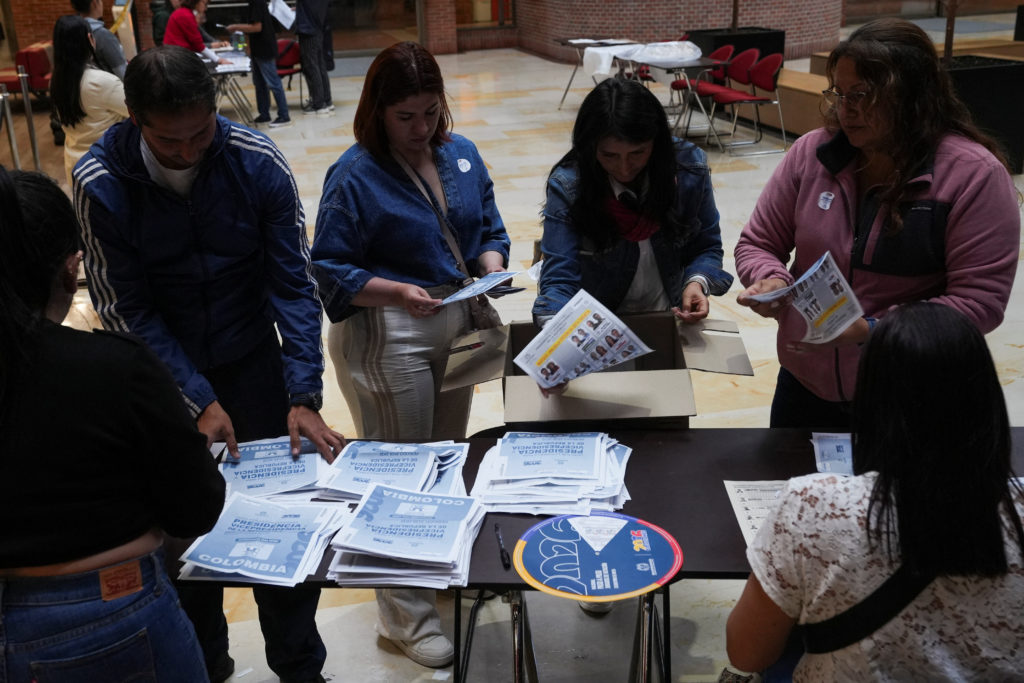
Lawyer Abelardo de la Espriella and peace-builder Iván Cepeda were leading the vote counts in the first round of Colombia's presidential elections on Sunday, and are to face off in a presidential runoff in the South American nation later in June.

  •  

News Wrap: More people arrested for breaking curfew at New Jersey ICE detention facility

In our new wrap Monday, police in New Jersey arrested more protestors for breaking a curfew around an ICE detention facility, election denier Tina Peters was released from prison, Colombia's presidential election is set for a runoff, protesters in Kenya demonstrated against plans by the U.S. government to set up an Ebola quarantine facility and Serena Williams is returning to the tennis court.

  •  

Bolivia dismisses Colombia ambassador after Petro comments

Bogotá, Colombia – Bolivia’s government ordered Colombia’s ambassador to leave the country just days after Colombian President Gustavo Petro expressed support for ongoing anti-government protests.

“The Bolivian government has decided to request that the Ambassador of the Republic of Colombia accredited to the country conclude her diplomatic duties in Bolivian territory,” read a statement on Wednesday morning by Bolivia’s Ministry of Foreign Relations.

The ministry expressed its disapproval of Colombia’s involvement in its domestic affairs amid mounting anti-government protests.

“Bolivia considers it essential that any external assessment or statement regarding the country’s internal situation be made with responsibility, diplomatic prudence, and full respect for… institutions,” continued the statement.

While the government did not explicitly mention Petro, the measure came just days after the Colombian president weighed in on the protest movement, describing it as a “popular insurrection” in an X post last Sunday.

In recent weeks, miners, teachers, farmers and Indigenous groups have been calling for President Rodrigo Paz to resign over economic hardships, including soaring inflation and the suspension of fuel subsidies.

Bolivia’s foreign ministry responded to Petro the same day, saying his words, “do not reflect the relation of friendship, respect and cooperation between the peoples of Bolivia and Colombia.”

Petro, whose term ends in August, did not backtrack following the Ambassador’s dismissal.

“If they expel the ambassador simply for proposing dialogue ​and mediation, it means we’re sliding toward extremism that could lead ​to a very difficult situation for the Bolivian people,” the president told Caracol radio today.

Despite the spat, Bolivia’s foreign ministry said diplomatic channels remained open and the expulsion did not count as a full-scale rupture in relations.

The government added that it had granted Ambassador Elizabeth García Carrillo “the appropriate period of time in accordance with current international standards” to leave the country.

Featured image description: President Gustavo Petro (L) and President Rodrigo Paz (R). I

Featured image credit: Wikimedia Commons

The post Bolivia dismisses Colombia ambassador after Petro comments appeared first on Latin America Reports.
  •  

Bolivia dismisses Colombia ambassador after Petro comments

Bogotá, Colombia – Bolivia’s government ordered Colombia’s ambassador to leave the country just days after Colombian President Gustavo Petro expressed support for ongoing anti-government protests.

“The Bolivian government has decided to request that the Ambassador of the Republic of Colombia accredited to the country conclude her diplomatic duties in Bolivian territory,” read a statement on Wednesday morning by Bolivia’s Ministry of Foreign Relations.

The ministry expressed its disapproval of Colombia’s involvement in its domestic affairs amid mounting anti-government protests.

“Bolivia considers it essential that any external assessment or statement regarding the country’s internal situation be made with responsibility, diplomatic prudence, and full respect for… institutions,” continued the statement.

While the government did not explicitly mention Petro, the measure came just days after the Colombian president weighed in on the protest movement, describing it as a “popular insurrection” in an X post last Sunday.

In recent weeks, miners, teachers, farmers and Indigenous groups have been calling for President Rodrigo Paz to resign over economic hardships, including soaring inflation and the suspension of fuel subsidies.

Bolivia’s foreign ministry responded to Petro the same day, saying his words, “do not reflect the relation of friendship, respect and cooperation between the peoples of Bolivia and Colombia.”

Petro, whose term ends in August, did not backtrack following the Ambassador’s dismissal.

“If they expel the ambassador simply for proposing dialogue ​and mediation, it means we’re sliding toward extremism that could lead ​to a very difficult situation for the Bolivian people,” the president told Caracol radio today.

Despite the spat, Bolivia’s foreign ministry said diplomatic channels remained open and the expulsion did not count as a full-scale rupture in relations.

The government added that it had granted Ambassador Elizabeth García Carrillo “the appropriate period of time in accordance with current international standards” to leave the country.

Featured image description: President Gustavo Petro (L) and President Rodrigo Paz (R). I

Featured image credit: Wikimedia Commons

The post Bolivia dismisses Colombia ambassador after Petro comments appeared first on Latin America Reports.
  •  

Colombia chooses its next president amid renewed violence

Renewed violence — a kind that has never been fully extinguished in Colombia — marks the presidential campaign to choose Gustavo Petro’s successor. In many places, the first-round vote this Sunday will take place under crossfire. Nearly 10 years after the signing of the historic peace accord with the now-defunct FARC guerrilla organization, other armed actors threaten communities and the war still burns, albeit in a more fragmented phase. The humanitarian consequences of the armed conflict have reached “the most serious level of the last decade,” the International Committee of the Red Cross (ICRC) warned this month. Amid that crisis, public security has become one of the main concerns.

Seguir leyendo

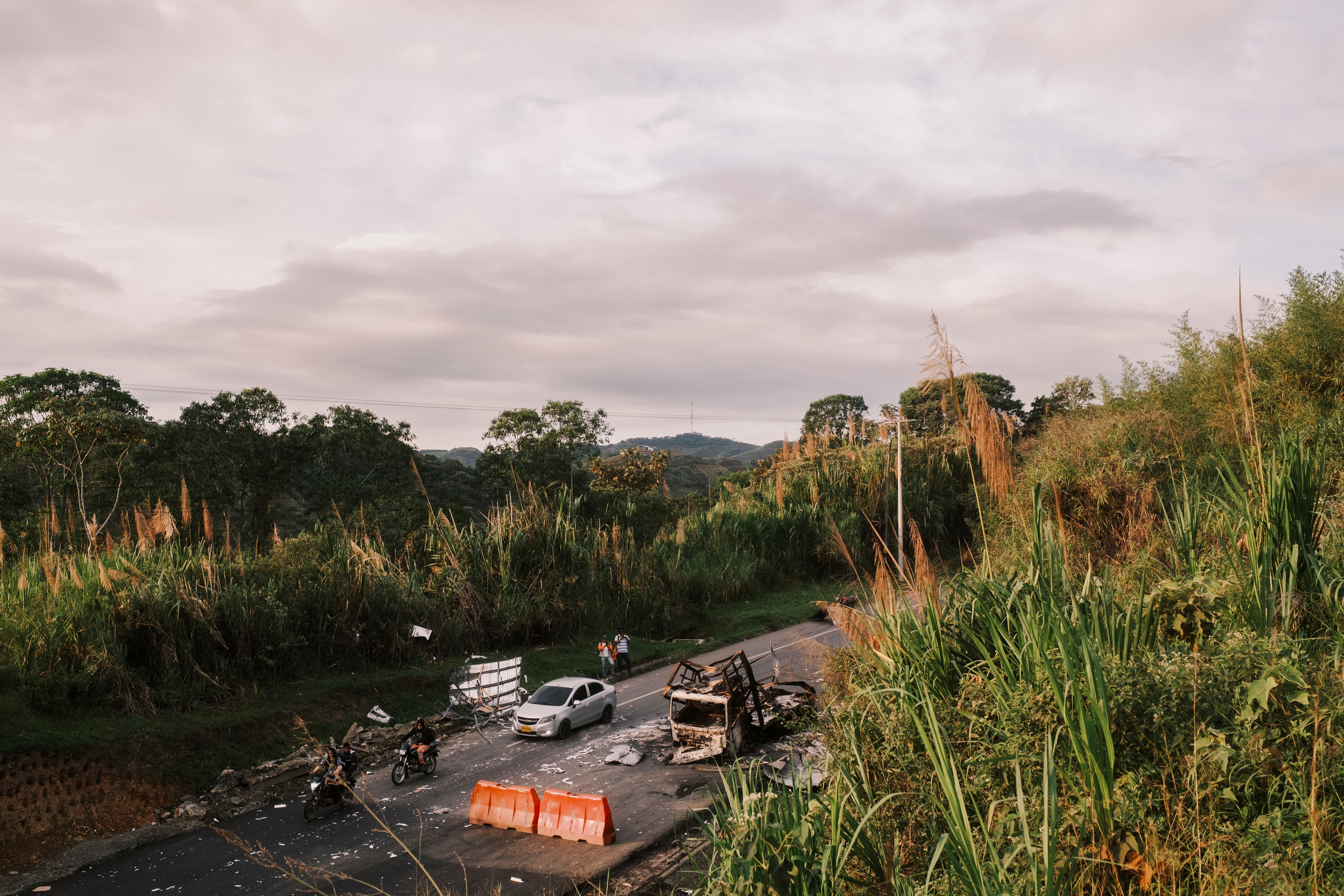
A vehicle loaded with explosives detonated by FARC dissidents on the Pan-American Highway in Cauca on April 29.

© Santiago Saldarriaga (AP Photo/Santiago Saldarriaga)

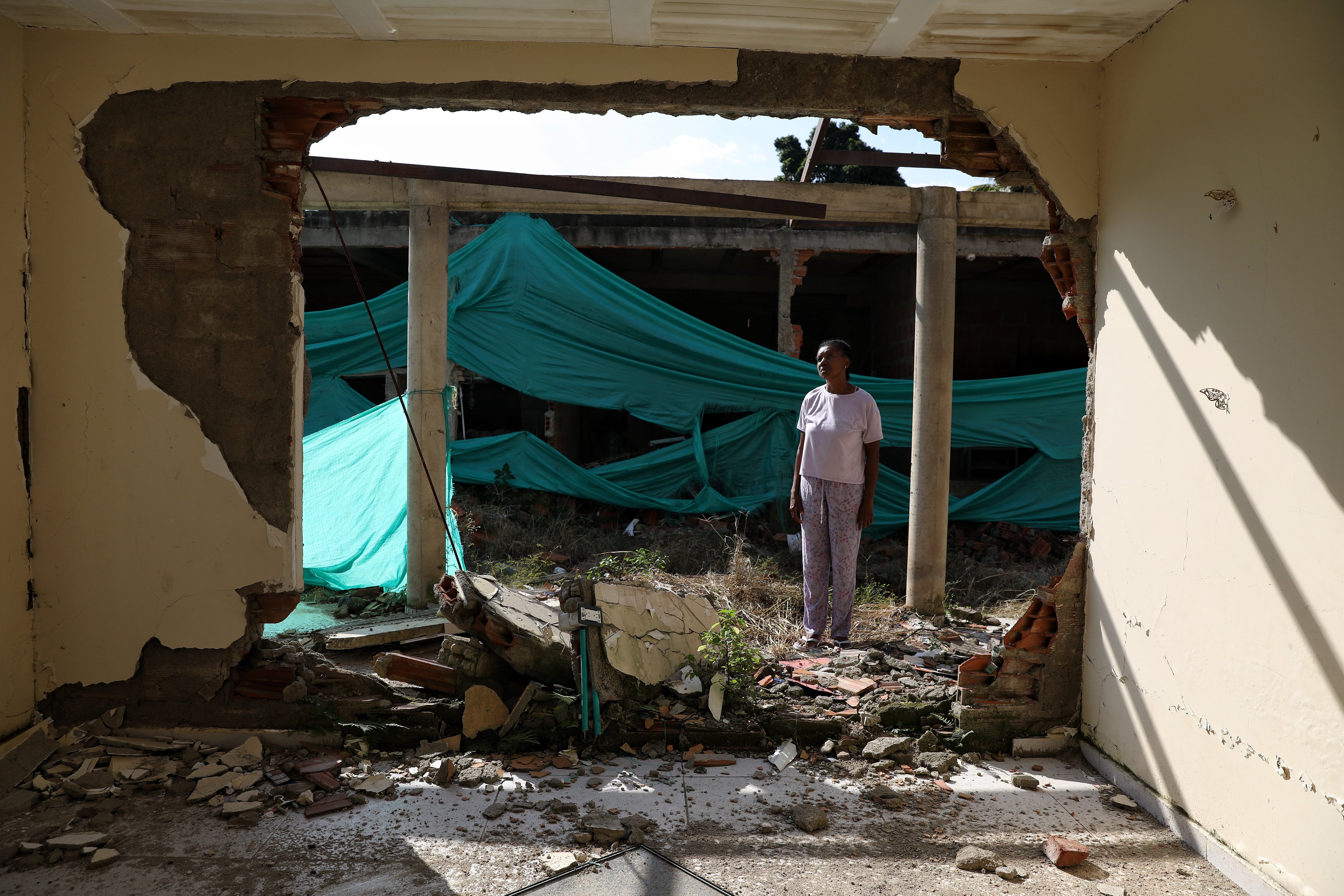
Eucaris Zamora in front of her destroyed home in Robles, May 19.
  •  

Germán Vargas Lleras, Colombia’s former vice president and two-time presidential candidate, has died

Medellín, Colombia – Colombian politician Germán Vargas Lleras died Friday in the capital Bogotá, according to Semana magazine. His death brings an end to a political career spanning more than 30 years, including as a senator, minister, vice president, and two-time presidential candidate. 

On Monday, Vargas Lleras was admitted to the Intensive Care Unit at the Luis Carlos Sarmiento Angulo Cancer Treatment and Research Center in Bogotá. He was later transferred to another hospital where he lost a battle with cancer he had been fighting for years. He was 64 years old. 

Political career

Born in Bogotá on February 19, 1962, Vargas Lleras grew up in a political family. His grandfather, former President Carlos Lleras Restrepo, was a pillar of the country’s Liberal Party. 

He would go on to make a name for himself on his own, serving as a city councilman, congressman, minister, and ultimately leader of the Cambio Radical political party.

Vargas Lleras first ran for president 2009. He traveled the country, participated in debates, and garnered nearly 1.5 million votes. It wasn’t enough to win, but he finished third. 

The winner of the election, Juan Manuel Santos, would later call on him to serve as a minister in his cabinet. 

In 2014, Santos chose him as his running mate for reelection. Together they won in the runoff, and Vargas Lleras took office as vice president on August 7 of that year. 

Once his term as vice president ended, Vargas Lleras did not sit idle. In 2018, he ran again for president, this time with the “Mejor Vargas Lleras” coalition backed by Cambio Radical. 

His policy proposals included  infrastructure, housing, and a more efficient public administration.

In the first round, he received over 1.4 million votes but finished fourth, knocking him out of the runoff race. His campaign stated that he would not officially endorse either of the remaining candidates, Iván Duque and Gustavo Petro. 

Over time, he kept a lower profile, though he never completely stepped away from politics.

During his career, Vargas Lleras would survive two assassination attempts and a “parapolitics” scandal in which he was accused, but never charged, with benefitting politically from his connections to warlord “Martin Llanos”.

Health issues

In his later years, his health gradually got in the way of politics; reportedly, he suffered from a benign meningioma, a tumor in the membranes surrounding the brain and spinal cord, which was detected in 2016 after a fainting spell. 

On March 11, former President Álvaro Uribe commented on his condition, saying, “My best wishes for the health of Dr. Germán Vargas Lleras, a distinguished patriot whom I respect despite our occasional disagreements.”

During his final months, the former vice president stayed out of the public eye, though he briefly reappeared on March 3  in a video concerning the March 8 parliamentary elections. 

Upon learning of his death, former President Santos wrote on X that he is “deeply saddened” and described Vargas Lleras as “an exceptional colleague.”

Current President Gustavo Petro also mourned the political leader’s death: “Both in the Senate and on the campaign trail, he behaved like a gladiator. As someone who often disagreed with him, I regret that his seriousness in debate will be lost,” he said on his X account.

Featured image: Germán Vargas Lleras

Image credit: Germán Vargas Lleras via Facebook.

The post Germán Vargas Lleras, Colombia’s former vice president and two-time presidential candidate, has died appeared first on Latin America Reports.
  •  

Colombia goes to the polls with the best social indicators this century and a deficit only exceeded during the pandemic

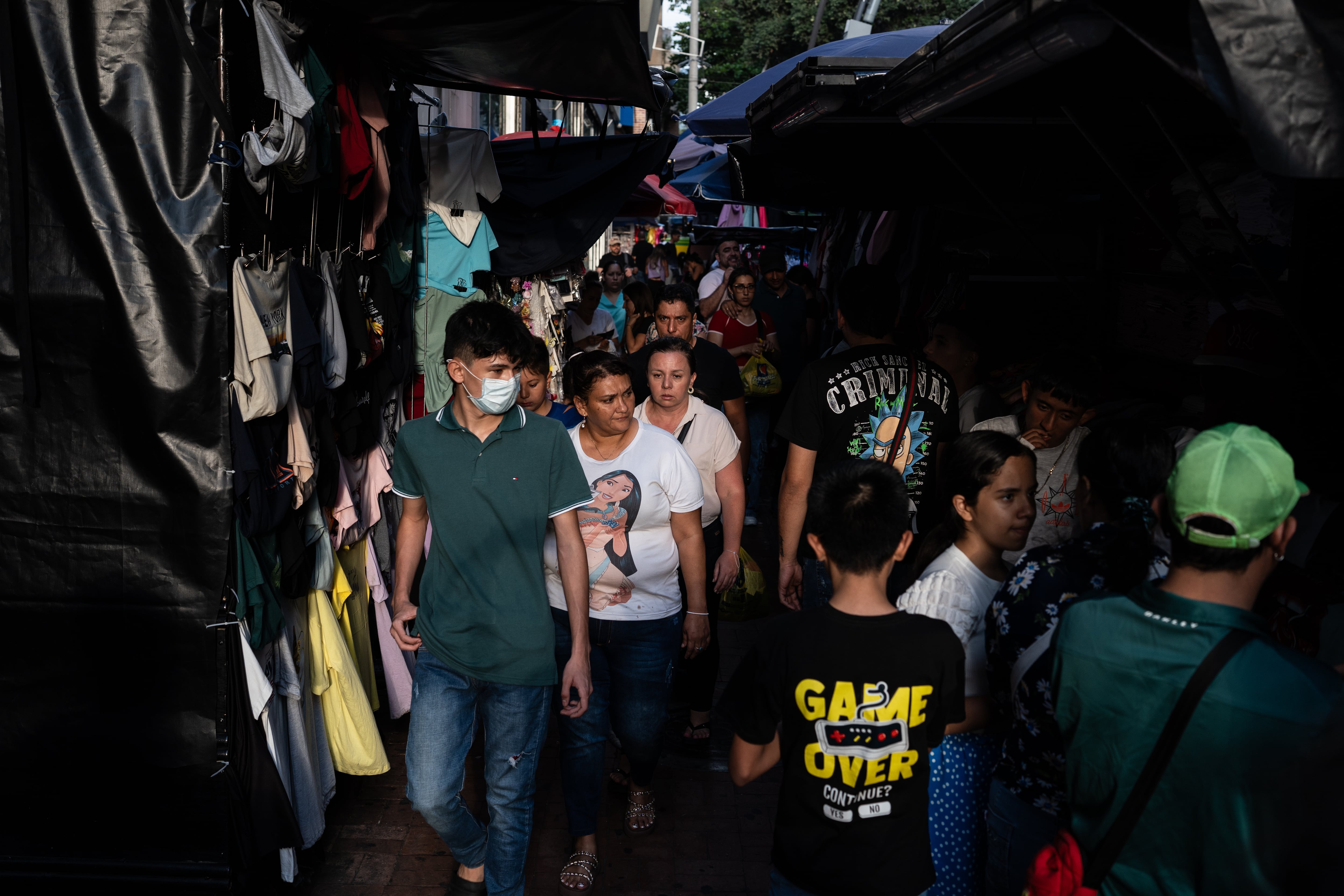
People at a market in Bucaramanga, December 10, 2025.

The first left-wing government in Colombia’s recent history leaves behind it a legacy of social highlights and fiscal shadows. The unemployment rate is at a 21st-century low and multidimensional poverty fell to single digits for the first time. Tourism expanded and some agricultural sectors experienced a boom. Those achievements coexist with a fiscal threat and weak investment that could jeopardize the future. Profligate public spending, borrowing at high rates, and stable tax revenue have tightened the fiscal envelope. According to the UN Economic Commission for Latin America and the Caribbean (ECLAC), Colombia is already the Latin American country with the second-worst fiscal deficit.

Seguir leyendo

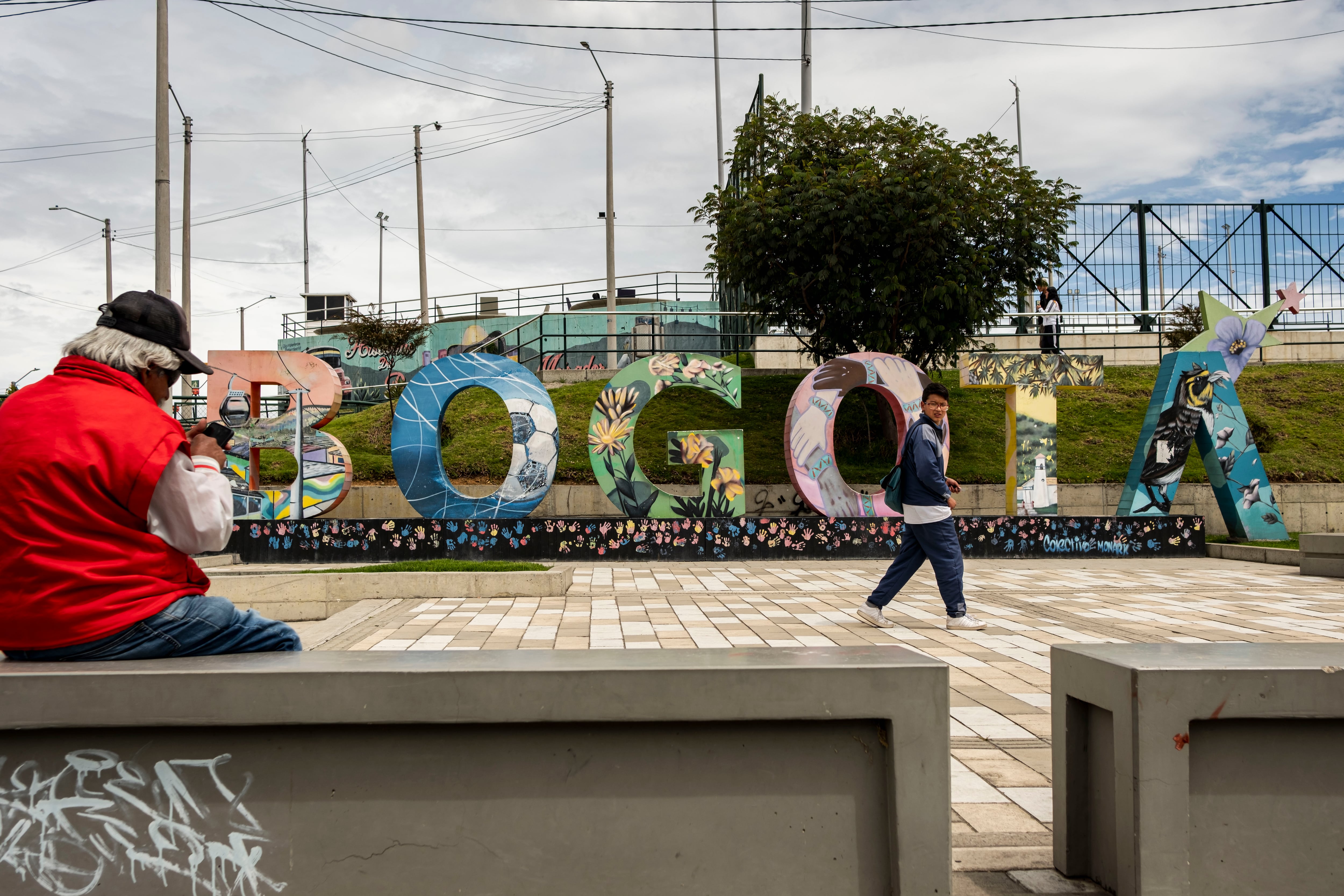
Sign reading Bogotá in the El Mirador neighborhood, Ciudad Bolívar, October 29, 2025.
  •  

The far right takes flight in Colombia under Abelardo de la Espriella

The global far right, which has achieved major milestones in recent years by seizing power in countries such as Argentina and Chile, is now watching closely the elections Colombia will hold on May 31. Abelardo de la Espriella, a lawyer making his political debut as an outsider, has emerged as the country’s extremist figure, invoking epic rhetoric to position himself as the ideal candidate to defeat the left. His campaign has focused on defending a “miracle homeland,” a country of traditional values with the economy and security at its core, where the left— or “communism,” as he calls it—and moderate parties play no leading role. His message has resonated in a society battered by violence, where many see the self-styled “Tiger” as a necessary change.

Seguir leyendo

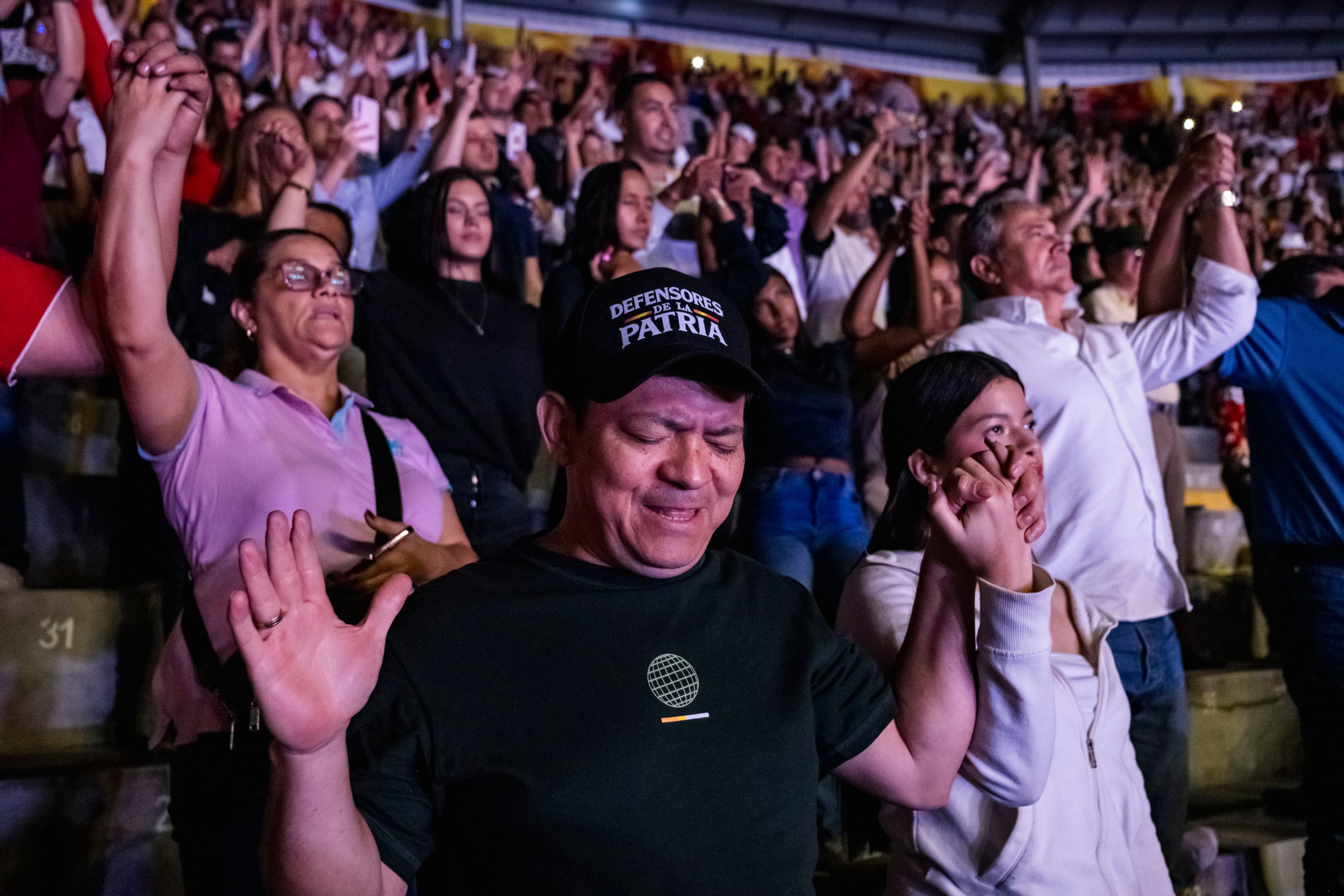
Supporters of Abelardo de la Espriella at a campaign event in Cali on March 12.Abelardo de la Espriella at a campaign event in Cali.

© Mauricio Dueñas Castañeda (EFE)

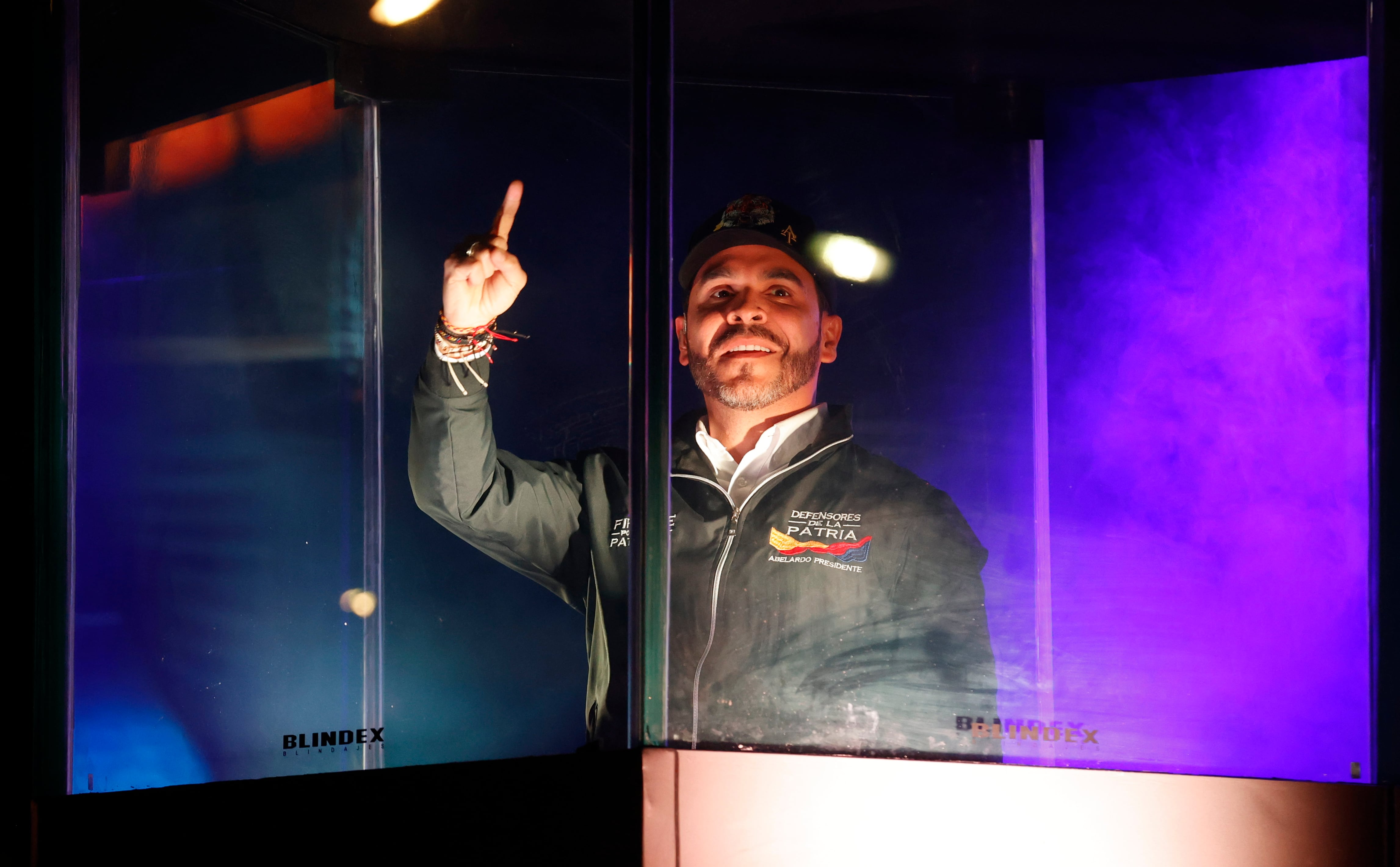
Abelardo de la Espriella during the closing speech of his campaign in Bogotá on Wednesday.
  •  

De la Espriella’s and Cepeda’s paths to Colombia’s presidential runoff run through abstainers

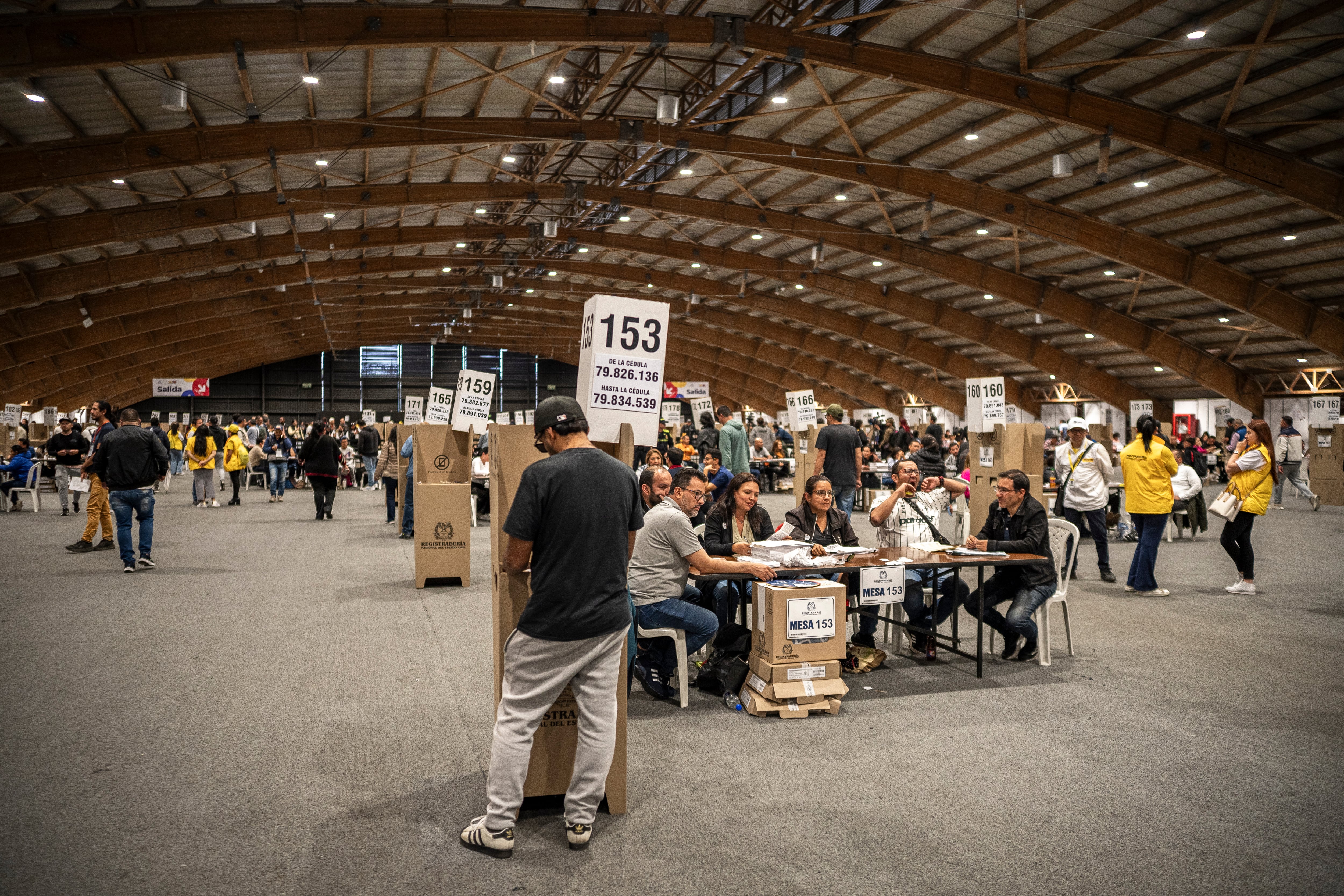
Voting stations at Corferias during election day in Bogotá this Sunday.

Abelardo de la Espriella’s unexpected victory over Iván Cepeda on Sunday, in the first round of Colombia’s presidential election, shows that right‑wing voters are now almost entirely united behind the penal lawyer, while left‑wing voters are fully consolidated behind the senator. The 653,000‑vote margin the far-right candidate held over the senator seems small in an election where 24 million people cast a vote and more than 3 million voted for other candidates. The challenge for the runoff would appear to be persuading those voters — but given the candidates’ profiles and recent history, the path necessarily also runs through the mobilization of people who did not go to the polls on Sunday.

Seguir leyendo

  •  

Organized crime weaves a new maritime trafficking network between Mexico and Guatemala

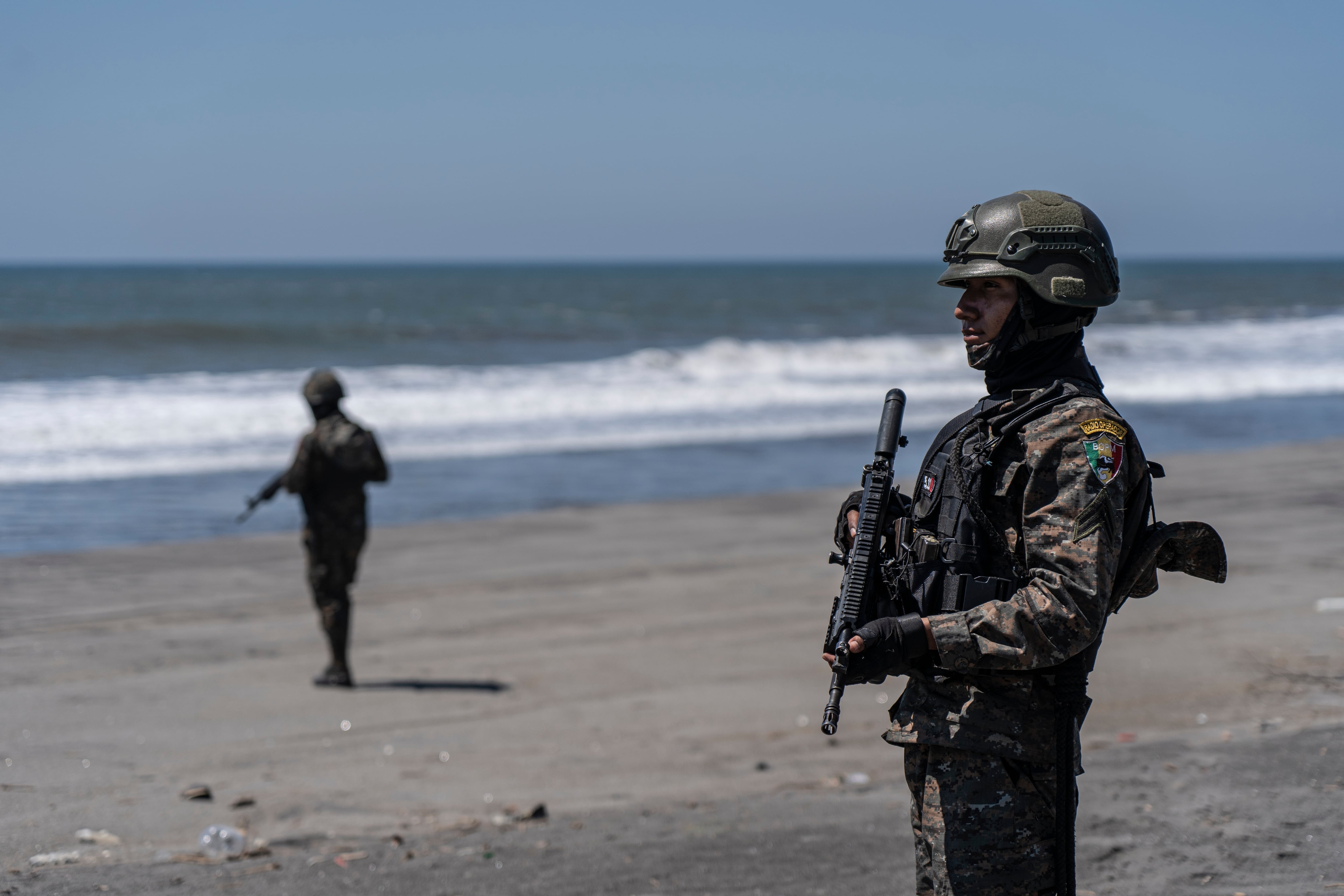
Guatemalan troops patrol the border with Chiapas on February 12, 2024.

Organized crime has returned to the Pacific route for drug trafficking. Since the start of 2026, at least eight vessels have been detected on the “maritime bridge” between Guatemala and Chiapas, Mexico with dozens arrested and several tons of cocaine seized. The detection and interdiction of these speedboats at sea is further evidence of the pressure the United States is exerting on the governments of Mexico and Central America.

Seguir leyendo

Guatemalan troops patrol the border with Chiapas.
  •  
❌