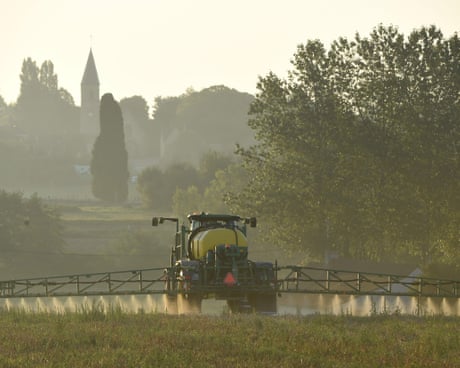
Glyphosate is currently sprayed on cereal and pulse crops to dessicate them and make them easier to harvest
A new trade deal with the EU could lead to restrictions on the use of the controversial weedkiller glyphosate on UK food crops.
The full-spectrum herbicide, which kills almost every plant it touches, is often sprayed on wheat, oats and other cereal and pulse crops immediately before harvest to desiccate them and make them easier to handle.
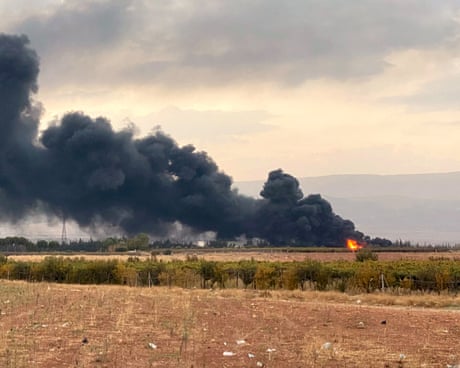
Israeli military aggression “reshaped both the physical and ecological landscape” of southern Lebanon, according to the report, which does not consider the impacts of Israel’s latest barrage of attacks this spring.
Damaged 5,000 hectares (12,350 acres) of forest cover, including broadleaf, pine and stone pine stands, destroying habitats, disregulating local climates and causing soil erosion.
Destroyed $118m (£87m) of physical agriculture assets, including crops, livestock facilities, forestry resources, fisheries and aquaculture infrastructure.
Caused further losses of $586m (£433m) in lost agricultural production as a result of disrupted harvests and reduced yields.
Destroyed 2,154 hectares (5,320 acres) of orchards, including 814 hectares of olive groves and 637 hectares of citrus plantations, and caused extensive damage to banana plantations.
Contaminated soils with phosphorus concentrations up to 1,858 parts a million, with particular contamination hotspots in south Lebanon and Bekaa valley in the east.
Caused widespread air pollution episodes extending well beyond immediate strike zones and releasing particulates; sulphur and nitrogen oxides; and toxic compounds such as dioxins and polycyclic aromatic hydrocarbons.
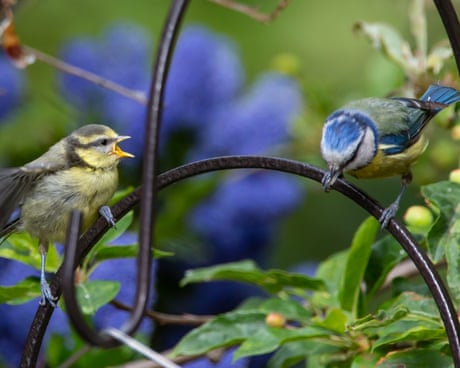
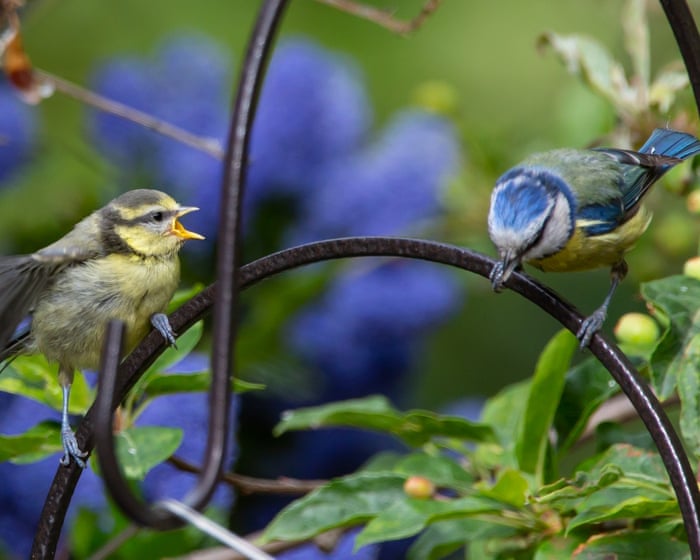
Chemicals known to affect brains of common garden birds, and to kill unborn chicks, found in most feather samples
Conservationists have called for restrictions on pet flea treatments after research found songbird feathers widely contaminated with substances that can damage the birds’ brains and kill unborn chicks.
Almost every feather sample tested from five common species of UK garden birds contained either permethrin, imidacloprid or fipronil – all insecticides that are banned for agricultural use but still common in pet tick and flea treatments.

 Login
Login