Every movie with a clean suit, lots of dead bodies and a stunt team that deserve more than just a round of drinks at the end of the day has had to live in the shadows of John Wick for the last ten years. The series hasn't just re-knighted Keanu Reeves as the king of action, but it also trained audiences to expect more and better from modern fight choreography. Now, things can't be sloppy. Suddenly, close-quarters combat had to be sharper, faster, stronger, and you had to feel the hits. Now though, a new Hong Kong action thriller is arriving with the kind of buzz that suggests the bar may have been raised again.
Bob Odenkirk was an unusual choice to helm an action-thriller franchise, but the runaway success of Nobodyin 2021 proved the former Mr. Show star/creator could shoot, stab, and mangle bad guys with the best of them. While Nobody 2underperformed at the box office compared to the first entry, it was packed with arguably even more — and even gorier — mayhem than the first. Plus, it had a villainous Sharon Stone chewing up and spitting out every bit of scenery she could.
Netflix has been an ever-growing, extensive hub for fantastic action films over the years. Many were instant hits upon release, while others had only a brief stint of popularity—or none at all—before fading out of most conversations. Some of those forgotten action movies count as Netflix's finest, delivering top-tier performances, thrilling action, and consistently entertaining storytelling.
Kabuki adaptation of Hayao Miyazaki Ghibli anime opens in Tokyo this summer.
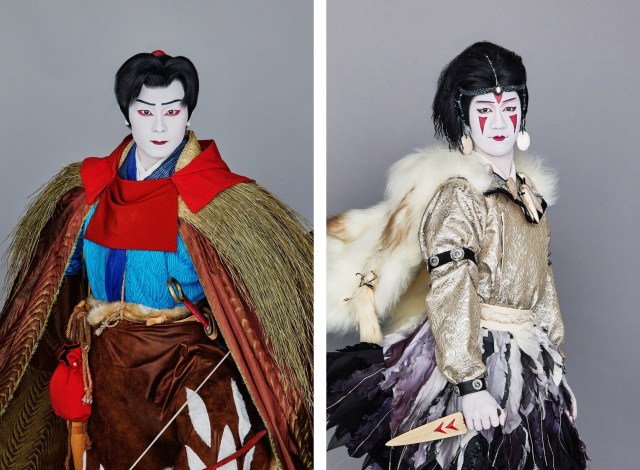
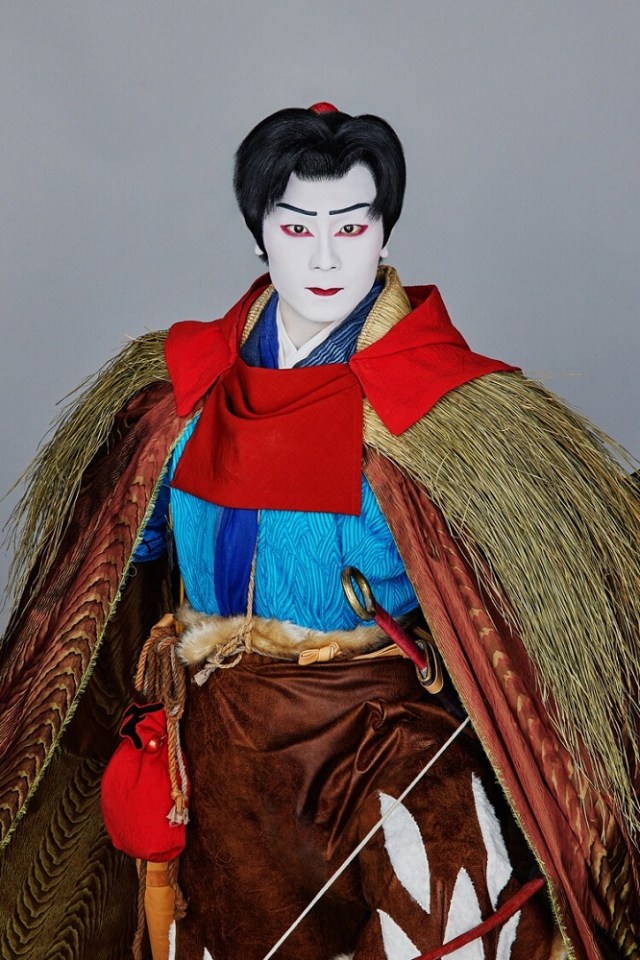
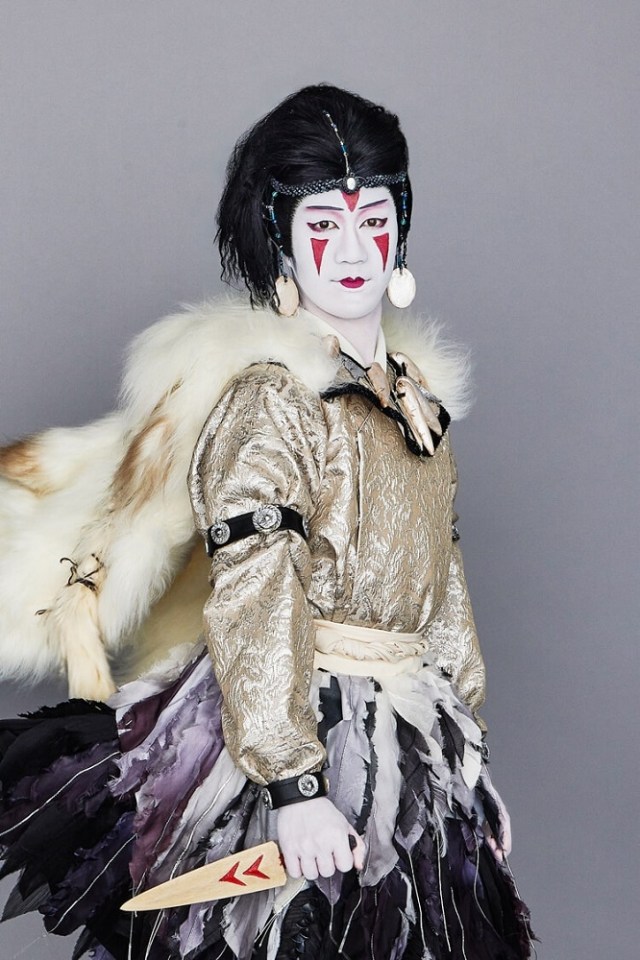
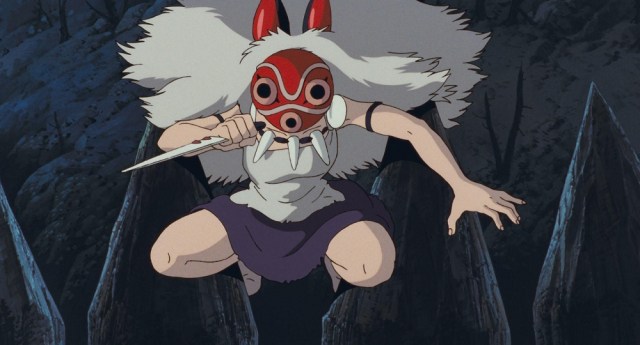
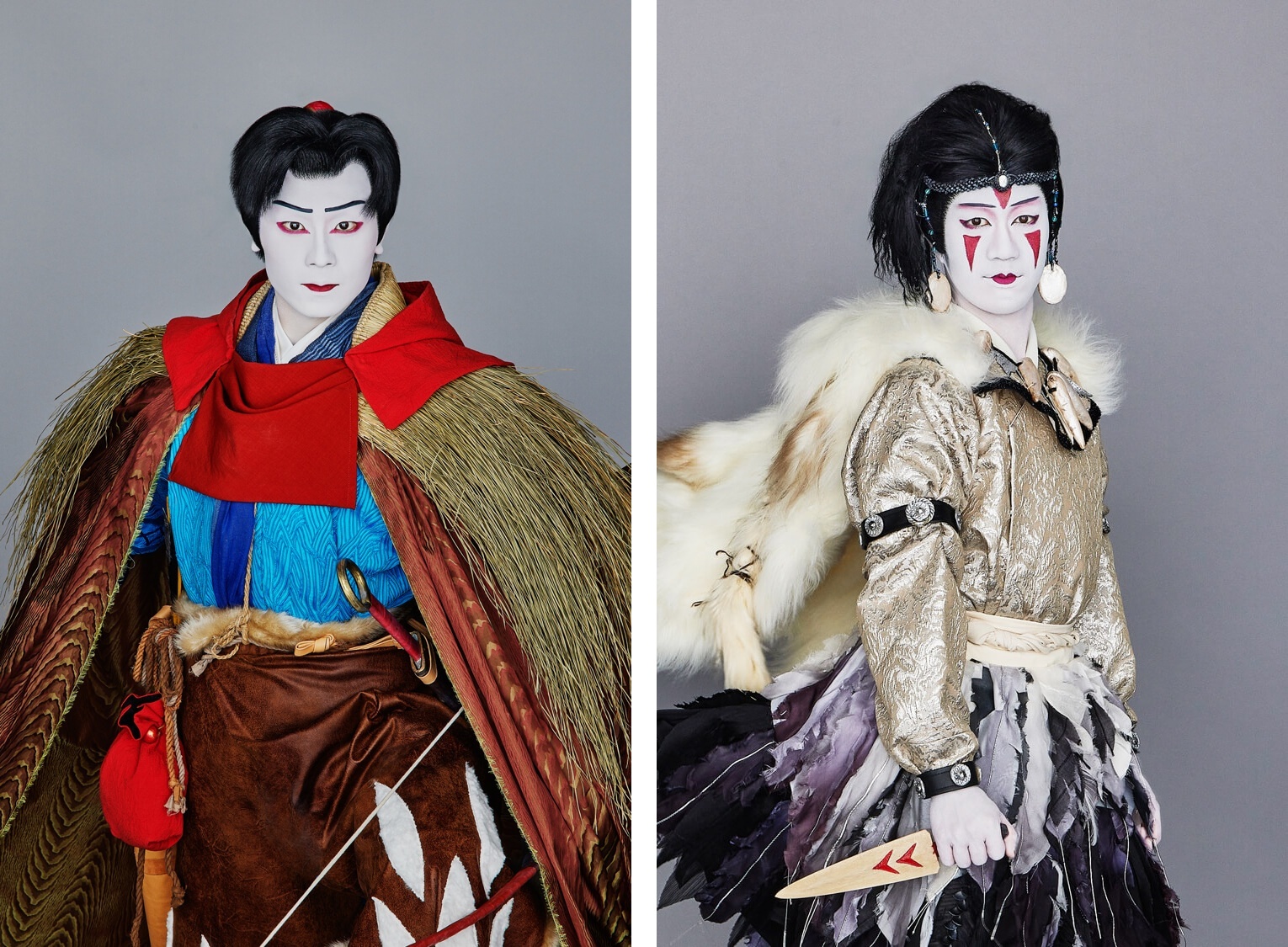
Princess Mononoke is one of the most celebrated anime films of all times, and with every frame bursting with Studio Ghibli’s distinct animation artistry, it’s hard enough to imagine what it would look like in live action, let alone as a kabuki play. That’s exactly what we’re getting, though, with the stage adaptation set to open in Tokyo this summer, and now we’ve got our first look at the main cast in costume.
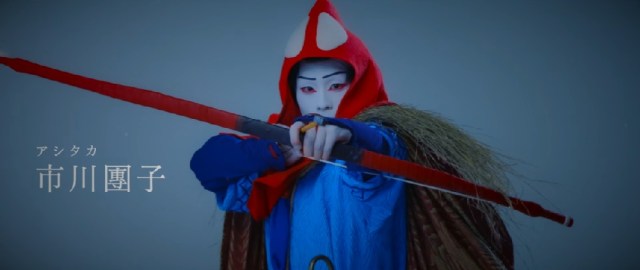
The production team has released a video preview that opens with actor Dango Ichikawa declaring “My name is Ashitaka” as he notches and arrow and draws back the string of the wandering prince’s bow.
He’s followed by a silent introduction of Kazutaro Nakamura as San, the monster princess herself.
As a complex tale of various factions searching for ways to survive, sometimes at each other’s expense, Princess Mononoke doesn’t have a traditional, clean-cut villain. Within the central conflict of the forest denizens versus the humans, though, the latter group is led by Lady Eboshi, who’ll be played by Manju Nakamura.
Given its feudal Japan setting, Princess Mononoke’s characters’ outfits make for an easier adaptation into kabuki costumes than, say the wardrobes of My Neighbor Totoro or Kiki’s Delivery Service would. Still, the designers have added touches of ornate flair here and there. Kabuki does, after all, have a tradition of bold aesthetics, and the costumes need to have a level of visual impact that can reach far past just the front row of the audience.
▼ Kabuki San’s skirt, for example, gets extra feathery elements that aren’t present in the anime design.
The Princess Mononoke kabuki play is scheduled to run from July 3 to August 23 at Tokyo’s Shinbashi Enbujo Theater. Tickets for most of the performances won’t be on sale until May 25, but there are a pair for which reservations can be made now too.
SINGAPORE: After a man acknowledged in an anonymous social media post that he was “struggling with attraction” to the woman he’s dating because she’s overweight, commenters told him flatly that he doesn’t love her and that the kindest thing to do is to let her go.
In a May 29 post on the SGWhispers Facebook group, the man wrote: “ I thought looks don’t matter… until they did.”
On paper, the woman is everything he could ever ask for, with a 10/10 personality and a heart of gold. Moreover, “she treats me better than anyone ever has,” he added.
However, he confessed to feeling like a villain because the woman’s looks didn’t measure up to his expectations. The woman “struggles with her weight,” although she’s made a lot of effort, including going to the gym and dieting, but, like her family, is heavyset.
The post author expressed concerns that later on, if they get married and life gets stressful and kids begin to come, she might struggle with weight gain even more.
He wrote, “I used to tell myself I’m not superficial. ‘Looks fade, personality stays.; I genuinely believed that.
But when I see her physically out of shape, I struggle with attraction. And that scares me. Because I love her now, but I’m afraid that one day I won’t. I’ve never cheated in my life, and I never want to, but a small, honest part of me wonders — if the attraction fades completely, can I 100% trust myself years later?”
He wondered if he was “ignoring a red flag about myself” and if an issue that “feels small now might slowly break the relationship in the future.”
Commenters, most of whom were women, told him that it would be better if he and his girlfriend broke up.
“Gonna be upfront. You don’t love her. Your practical mind is telling you she’s the one for you, but you don’t love her enough to look beyond,” wrote one.
“You think you won’t grow fat or have a pot belly or lose hair or even go bald when you hit middle age? If you can’t accept someone when she puts on weight, pls let her go. You don’t love her. You are shallow. She deserves a better man who appreciates her as-is condition,” another added.
“She deserves someone else. Period. The problem lies with you and not her,” a woman weighed in.
“Don’t punish the poor girl based on your likes and dislikes, now and in the future. If you really love her, let her go NOW. Because if you cannot change… she is not obliged to. Short-term pain is better than long-term pain,” added another.
“Let her go. Let your girl find someone who will appreciate her fully,” a commenter agreed.
“The best thing you can do for her is to let her know so that she can find someone who will love her truly and be happy,” advised a woman whose former partner told her it would be a dealbreaker if she lost her hair or gained weight. /TISG
On August 26, 2009, an Australian biologist’s audio detector picked up a single bat working its way through the rainforest canopy on Christmas Island. The recording captured the last echolocation call of the Christmas Island pipistrelle. After that night, no detector ever heard another.
This is the strange feature of extinction in the 21st century: a lot of it happens on the record. We have audio of a bat’s last call. We have photographs of the last individual. We know the names of endangered individuals — Lonesome George, Sudan, Toughie — and in many cases, we knew years in advance that we were going to lose them.
Since 2000, the International Union for Conservation of Nature (IUCN) has formally moved dozens of species into its Extinct or Extinct in the Wild categories, and hundreds more sit one rung above, in Critically Endangered (Possibly Extinct). The species described below are not the longest list. They are the clearest cases of losses that played out as they were documented, with causes nobody had to guess at.
The question is whether humans will learn from past losses to prevent future ones.
The pipistrelle that nobody caught in time
The Christmas Island pipistrelle was a microbat the size of a thumb. Its population had been collapsing for two decades when, in 2006, scientists estimated only a few dozen remained. The Australian government authorized a captive-breeding rescue in mid-2009. By the time crews reached the island, only one bat could be found. Four weeks of trapping failed to catch it. The IUCN declared the species extinct in 2017.
The cause was not climate change or habitat loss in the usual sense. It was a cascade of invasive species, including yellow crazy ants, feral cats, and an introduced wolf snake, combined with a slow government response. The pipistrelle is the kind of extinction that makes the policy lesson uncomfortably clear, showing that the science was correct and that a rescue plan existed, but that the action came roughly two years too late.
Lonesome George and the end of a lineage
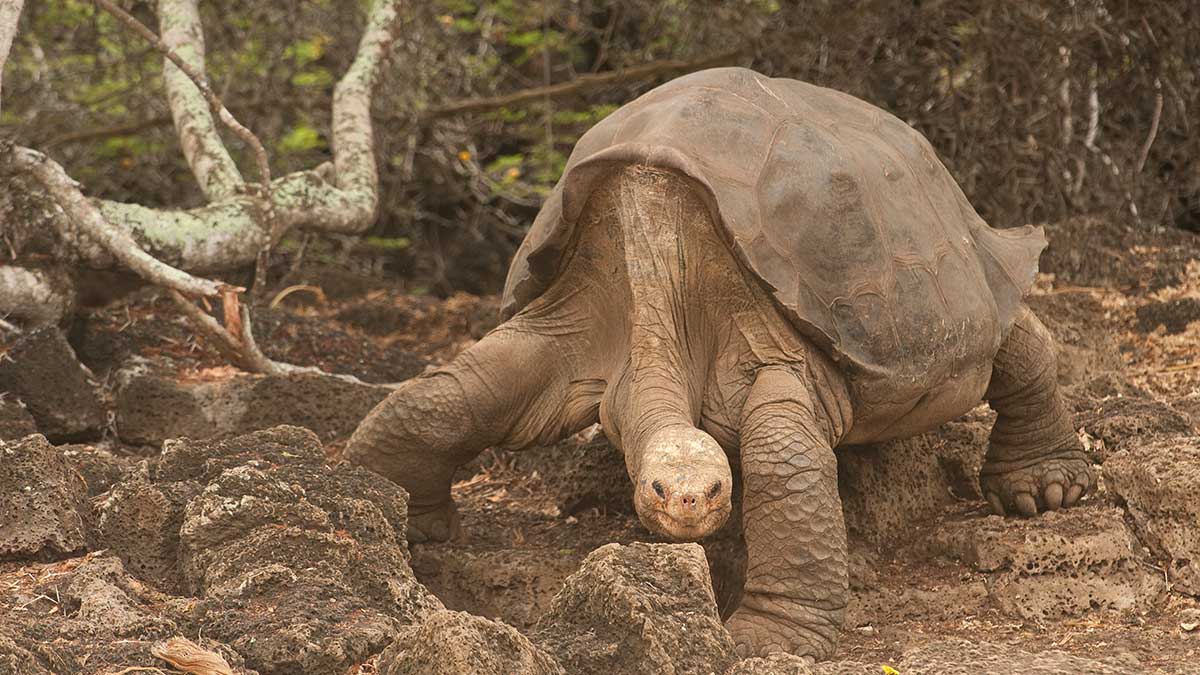
On June 24, 2012, Lonesome George died on Santa Cruz Island in the Galápagos. He was the last known Pinta Island tortoise (Chelonoidis abingdonii), a subspecies hunted to functional extinction by 19th-century whalers who used them as food, then finished off by goats introduced on the island. Decades of mating attempts with related subspecies failed to produce viable offspring.
George’s death loss was foreseeable for forty years before it happened. Conservationists found him in 1971 and immediately understood what he was: a subspecies of one. Yet, every year of his life was a year the question “what would it take to save this lineage?” had a clear answer (nothing, in the end) and a public audience. He is one of the most-watched extinctions in history.
The northern white rhinoceros is now traveling the same road in slow motion. Sudan, the last male, was euthanized on March 19, 2018, and only two females remain, both past breeding age. An IVF and stem-cell program, BioRescue, is attempting to revive the subspecies using stored gametes, the half of a species’ DNA contributed by the male and female parent. Whether that succeeds or not, the wild northern white rhino is gone.
The baiji: a dolphin lost in plain sight
The baiji, or Yangtze river dolphin, was an evolutionary outlier. Its lineage diverged from other cetaceans roughly 20 million years ago. After a six-week 2006 expedition failed to find a single individual along the entire Yangtze, scientists declared it functionally extinct. It was the first cetacean species lost to human activity.
The baiji was killed by an combination of human factors. It was frequently gillnet bycatch, caught up when fishermen netted other species. Its range was constrained by dam construction. Ship strikes and pollution from the industrial corridor running through the most densely populated river basin on Earth killed many.
No single act caused the extinction. That is part of why nothing stopped it. The Yangtze finless porpoise, the only remaining freshwater cetacean in China, now faces the same pressures.
The Bramble Cay melomys: the first mammal climate extinction
The Bramble Cay melomys was a small rodent that lived on a single five-acre coral cay at the northern tip of the Great Barrier Reef. As sea levels rose and storm surges intensified, the cay’s vegetated area collapsed, taking the melomys’ food supply and burrows with it. The species was last seen in 2009, declared extinct by the IUCN in 2015, and by the Australian government in February 2019, the first mammal extinction explicitly attributed to anthropogenic climate change.
The melomys had nowhere else to go. That is the feature low-elevation island endemics share, and it is a feature thousands of species share with them.
The po’ouli: an extinction due to an absent partner
The po’ouli was a Hawaiian bird discovered in 1973, the first new honeycreeper species described in 50 years. By 2003, only three individuals could be located. In September 2004, biologists captured the last known male and brought him to the Maui Bird Conservation Center, hoping to find him a mate. None could be found before he died on November 26, 2004.
Hawaii has lost more bird species than any other U.S. state, primarily to avian malaria carried by introduced mosquitoes. As global warming pushes mosquitoes to higher elevations, the remaining honeycreepers are running out of altitude they can flee to.
Tissue samples from the last po’ouli are stored at the San Diego Zoo’s Frozen Zoo. Whether they can be restored through cloning is a 22nd-century question.
Beyond species, lost knowledge and connections
It is tempting to count extinctions as a tally as more species are discovered: species in, species out. That undercounts what is gone, even as science finds new species, many of which are also at risk. Each of these losses is also the loss of:
Evolutionary time. The baiji represented 20 million years of independent evolution. That information is not retrievable.
Ecosystem function. The melomys was a seed disperser; the pipistrelle ate insects that no other Christmas Island species had eaten; the rhino moved nutrients across savanna landscapes.
Cultural meaning. Lonesome George became a global symbol; the po’ouli had a Hawaiian name before it had a scientific one. Extinction erases human relationships with nature, not just specimens.
Possibility space. We do not know what the baiji’s hearing system, the rhino’s microbial gut community, or the melomys’s heat tolerance might have taught medicine, materials science, or conservation.
Extinctions share patterns
Six of the seven species above had clearly identified causes years before they disappeared. The interventions that might have saved them, such as captive breeding, habitat protection, anti-poaching enforcement, gillnet bans, and mosquito suppression, were known. In each case, the intervention either started too late, was funded at a fraction of what would have been required, or ran into political and economic interests that outweighed the species’ remaining time.
This is the harder lesson of the post-2000 extinctions. We are not, on the whole, losing species we did not know about. We are losing species we documented, named, photographed, and in some cases captured on audio in their final hours. The bottleneck is not knowledge.
The vaquita, a porpoise native to Mexico’s Upper Gulf of California, is a live test of what we have learned. The 2025 monitoring effort confirmed 7 to 10 surviving individuals, including new calves — slightly above 2024’s record-low count of eight vaquita.
The decline is due to their becoming bycatch in illegal totoaba gillnets. Whether the vaquita follows the baiji is, at this point, a question about fishing practices enforcement and political will, not science.
What you can do
Individual action alone does not stop extinction. But the drivers behind the species above are not unreachable. The most useful interventions are policy- and supply-chain-level, and they require the kind of sustained constituency that individual choices feed:
Support habitat protection at scale. Donate to or volunteer with organizations that buy, defend, or restore habitat: The Nature Conservancy, Rainforest Trust, American Bird Conservancy, and regional land trusts. Habitat preservation is the highest-leverage intervention against extinction.
Push for stronger enforcement of wildlife trade law. Contact your congressional and state representatives in support of full funding for the U.S. Fish and Wildlife Service’s Office of Law Enforcement and the Convention on International Trade in Endangered Species (CITES). The western black rhino was lost to an openly operating market across borders.
Cut your climate footprint where it actually moves the needle. For most U.S. households, that is home heating fuel, vehicle miles, and air travel, in roughly that order.
Buy seafood from sources that audit gear, not just species. Bycatch, which resulted in the loss of the baiji and threatens to be the vaquita’s killer, is a gear problem. The Monterey Bay Aquarium’s Seafood Watch rates fisheries on bycatch as well as stock health.
Vote on conservation budgets at every level. Most of the species rescues that worked in the past 25 years — the California condor, the black-footed ferret, the island fox — were funded through the Endangered Species Act and matching state programs. The species rescues that failed were generally underfunded earlier in the curve.
Editor’s Note: The next installment of Environmental Losses looks at the ecosystems that have collapsed or substantially restructured since 2000 — coral reefs, kelp forests, and freshwater systems — and what their loss takes with it.
This is a natural white brain coral skeleton often used for nautical or coastal home decor. It is composed of a hard calcium carbonate skeleton secreted by marine polyps. These specimens are frequently found washed ashore on beaches or sourced from shallow tropical reefs. You might consider using it as a decorative element in a book case or display cabinet.
Thank you so much for taking the time to comment on this photo, it's very much appreciated!
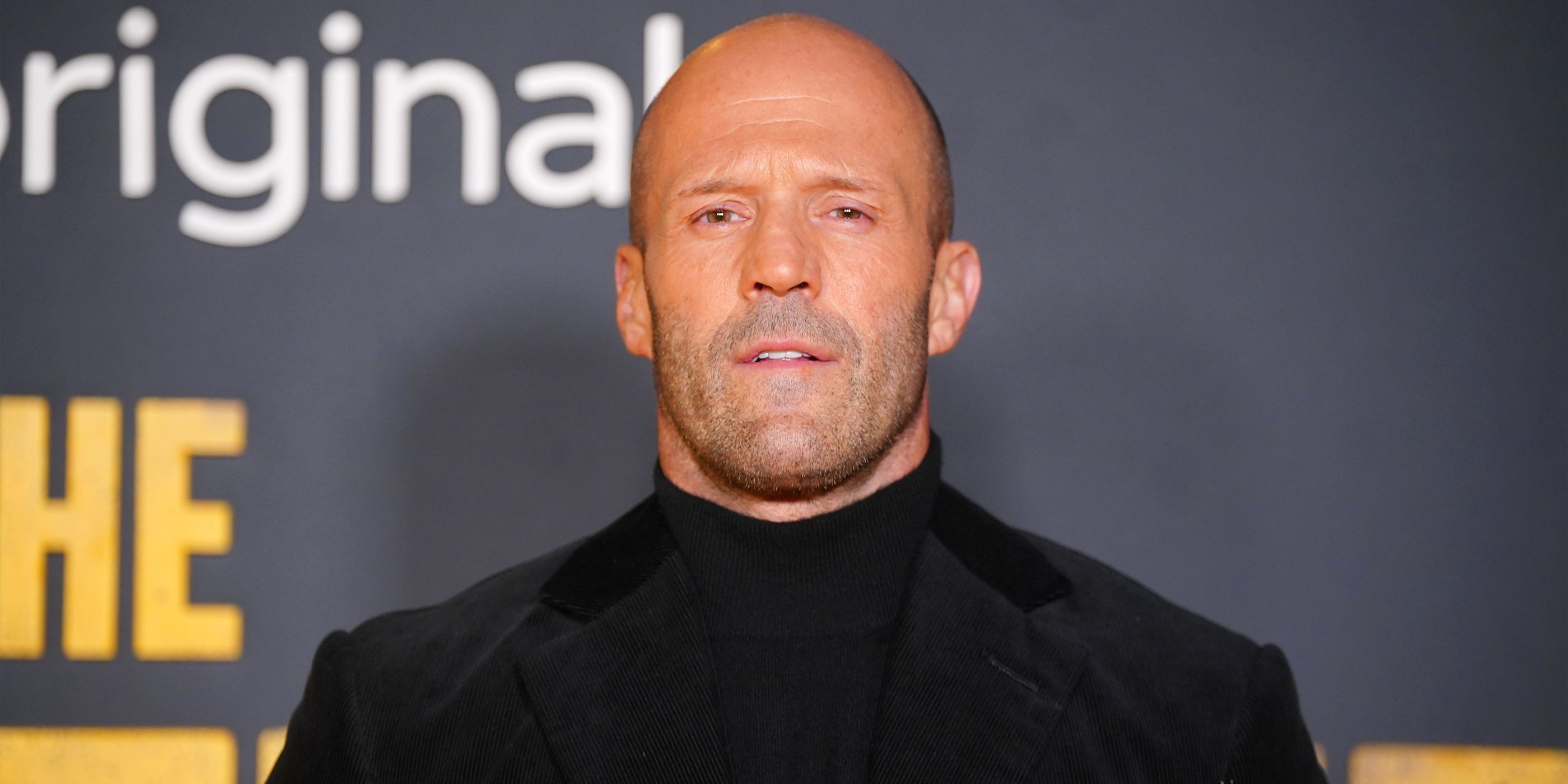
If you're looking for some action, but you don't want to leave the comfort of your own couch, then a mezze of Jason Statham movies currently in the streaming rotation is your best port of call. From delivering plenty of laughs in the espionage satire Spy and defining a genre of British gangster flicks in Snatch, to telling a heist story in reverse in Wrath of Man and delivering a perfect shot of adrenaline in The Beekeeper, Statham's performances are some of the best for action fans.
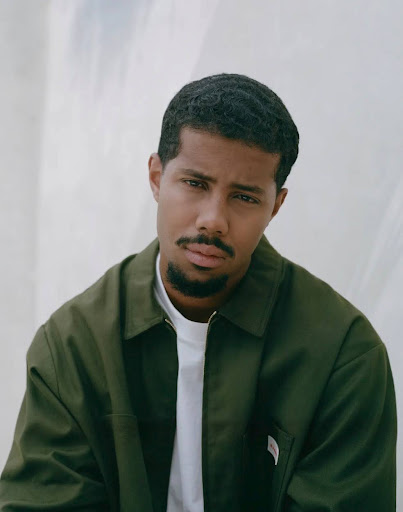
Mustafa is a Sudanese-Canadian hip-hop and folk artist. Mustafa has used his musical platform to condemn genocide.
Mustafa.
After writing an open letter urging former Canadian Prime Minister Justin Trudeau to show support for Gaza, Mustafa organized two Artists for Aid benefit concerts. Ticket sale proceeds from the first concert went to Human Concern International, a Canadian organization that provides humanitarian aid to Gaza and Sudan. The second concert raised money for War Child UK’s work in Gaza and Sudan.
“In the last few years I visited both my homeland, Sudan, & Palestine. My visit to both had a principal intention, to connect with artist communities, with young organizers — for parallels of sorrow and hope and faith,” he said in his message announcing the first Artists for Aid.
“The violence in both nations seized the dream. Here it is revived for me in some way. The intention remains, on this evening we give our voices to make room for theirs.”
Nemahsis
Nehmasis.
Palestinian-Canadian artist Nemahsis had her recording contract terminated in October of 2023 after she shared pro-Palestinian content on social media. She spent the next few months trying to find a label to distribute her debut album. The only offer that she received fell through.
Nemahsis and her team then made the decision to release two singles, “you wore it better” and “stick of gum” independently. The “Stick of Gum” music video was filmed in her family’s hometown of Jericho, Palestine.
“We want to show Palestine in a light that has never been seen,” she said to Q’s Tom Power about the “Stick of Gum” music video. “Some people didn’t even know Palestine existed until October, and now we want to show them in a way where we’re humanized again.”
Leith Ross
Leith Ross is a Winnipeg-based singer-songwriter who is originally from Manotick, a neighbourhood in Ontario just south of Ottawa, that they described as “conservative and cut-off” to NME. Ross’ 2020 project Motherwell explored their feelings about identity, belonging and coming out as trans non-binary.
Leith Ross.
Their 2023 debut album, To Learn, was inspired by the safe community they found in Winnipeg after isolating years in Toronto as a student at Humber Polytechnic (then called Humber College). Ross’ passion for community carried over to their 2025 album I Can See The Future, particularly the album’s title track.
“It refers to this depth of understanding about the world that then allows you to believe that the world is good or will be good,” they said to The Line of Best Fit. “And, maybe, that belief extends to you as an individual knowing that you are doing your best and that you deserve to live and continue to try to do your best.”
Debby Friday
Debby Friday is a Toronto-based Nigerian-Canadian electronic artist who uses music to tackle the nuances of being both Black and 2SLGBTQIA+.
Debby Friday.
She spent most of her childhood moving around Montreal and shared in an interview with RANGEthat the city’s grit and social intermingling have shaped her context.
In an interview with Loud And Quiet, she said that her music is aggressive because she exists in a world that is aggressive towards her Black and 2SLGBTQIA+ identities and her body.
“There is a whole stigma around being an angry queer black woman. I’m just really tired of it, it’s very un-nuanced,” she said. “The energy I have in my music is about not being afraid to embody that confrontation.”
Although Friday feels the weight of the realities of oppression, she still feels the need to challenge it by not conforming to society’s rules about what a Black woman should act or sound like.
“Change is a violent force. It doesn’t often happen quietly or nicely. It’s what brought the universe into being, it’s what allows society to progress. It’s an aggressive force,” she said to Loud And Quiet.
“The energy I have in my music is about not being afraid to embody that aggression. The things that come up in our cultural artefacts are just a reflection of what is going on in our collective consciousness. I’m aggressive about changing the world, I’m not going to apologise for that.”
CEC
CEC is a Winnipeg-based artist whose music blends genre (R&B and jazz) and language (English and Spanish).
CEC.
Their passion for helping underrepresented artists inspired them to create The Clubhouse alongside Canadian indie-pop artist Lana Winterhalt. The Clubhouse is a studio and community hub in Winnipeg that provides training for women and 2SLGBTQIA+ people.
In 2025, CEC was chosen as one of seven producers for the Women in the Studio National Accelerator hosted by Music Publishers Canada. The program helps Canadian women and non-binary producers with their branding, financial literacy and technical skills.
When talking to The Manitoban about the program’s uniqueness, CEC acknowledged how difficult it is to find producers and engineers that aren’t men.“It’s really interesting and important that there are programs like this every year that happen, to specifically train women and non-binary people,” they said to The Manitoban. “Every year, there’s a new cohort of six or seven professionally trained producers that come out of it.”

 Login
Login