Reading view

The Original ‘Thomas Crown Affair’: Talk About A Steamy Set

In 2027 Michael B. Jordan will direct and star in the second remake of the 1968 movie The Thomas Crown Affair. The story is about a wealthy thief who pulls daring heists, and the romance that develops between him and a female investigator. Jordan, who won an Academy Award in 2026 for his performance in Sinners, has been wanting to play Thomas Crown since 2016.

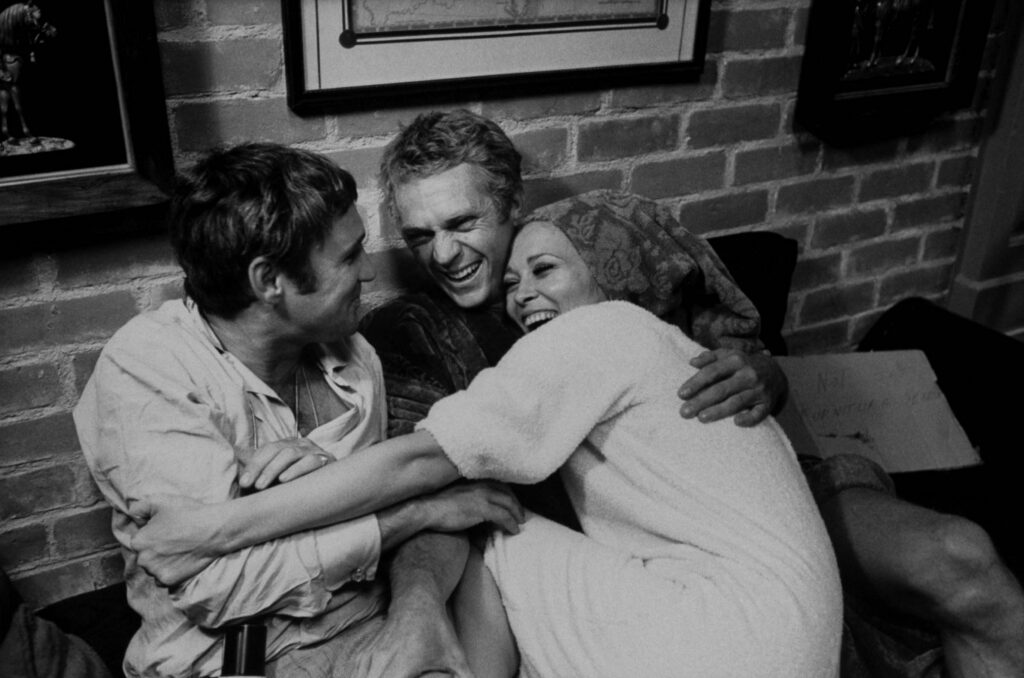
LIFE staff photographer Bill Ray was on the set of the original movie, and he captured the chemistry that Jordan will be aspiring to equal.

The first movie starred Steve McQueen, an iconic actor who is the subject of the three best-selling images in the LIFE photo store. His opposite number in their cat-and-mouse pursuit was Faye Dunaway, who was coming off a star-making performance in Bonnie and Clyde. McQueen and Dunaway’s scene together in a sauna was the centerpiece of Bill Ray’s photo shoot.

But while the actors were prominent in the photos that ran in LIFE, the star of the accompanying article was director Norman Jewison, who was a hot property at the time because his previous movie, In the Heat of the Night, had just won the Academy Award for Best Picture.

Jewison was in his first decade of what would be a long Hollywood career that included such films as Moonstruck (1987) and The Hurricane (1999). LIFE honored Jewison’s prowess with an article formatted as if it were the script for a documentary about him.

For instance, the article included in its “dialogue” this quote from Jewison as he was in the process of directing Dunaway and McQueen in one of the movie’s steamier scenes:

The script calls for “chess with sex.” I like that…Faye, you are playing chess, but there is another game going on. Without thinking, your right hand goes up your left arm, lightly caressing, to your throat…Steve, let’s see your eyes follow her hand…You’re up to the shoulder, across to the neck. She looks up and catches you watching. (Jewison laughs). Good. You’re embarrassed. You smile and look down. Great!

The stars of the movie had relatively few lines in the LIFE story. Dunaway said of Jewison, “He’s the only man I’ve ever known who has no hostility in him. He’s all love.” McQueen, complaining about how long Jewison kept him on set in pursuit of a scene, said “I hate him, but I love him.”

Michael B. Jordan talked about his Crown remake at CinemaCon in April 2026. Jordan, who will be co-starring with Adria Arjona, said that he initially fell in love with the story from the 1999 version that starred Pierce Brosnan and Rene Russo. But he had also studied the original and said, “McQueen brought this effortless cool, this rebellious edge. He didn’t just steal. He made a statement.”
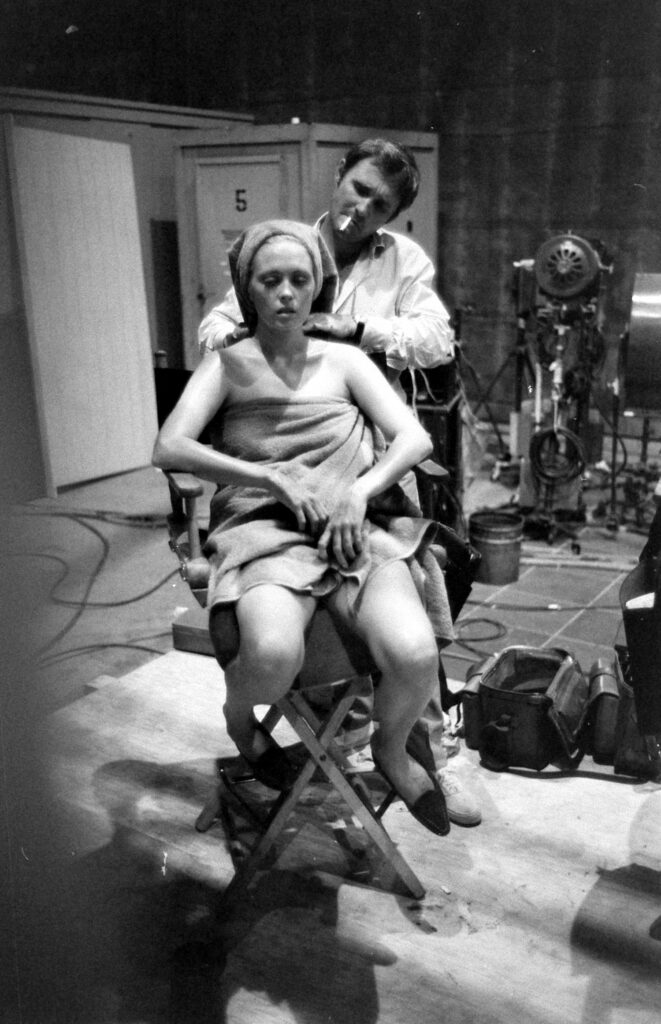
Faye Dunaway (seated) and director Norman Frederick Jewison on the set of ‘The Thomas Crown Affair,’ 1967.

Bill Ray/Life Picture Collection/Shutterstock
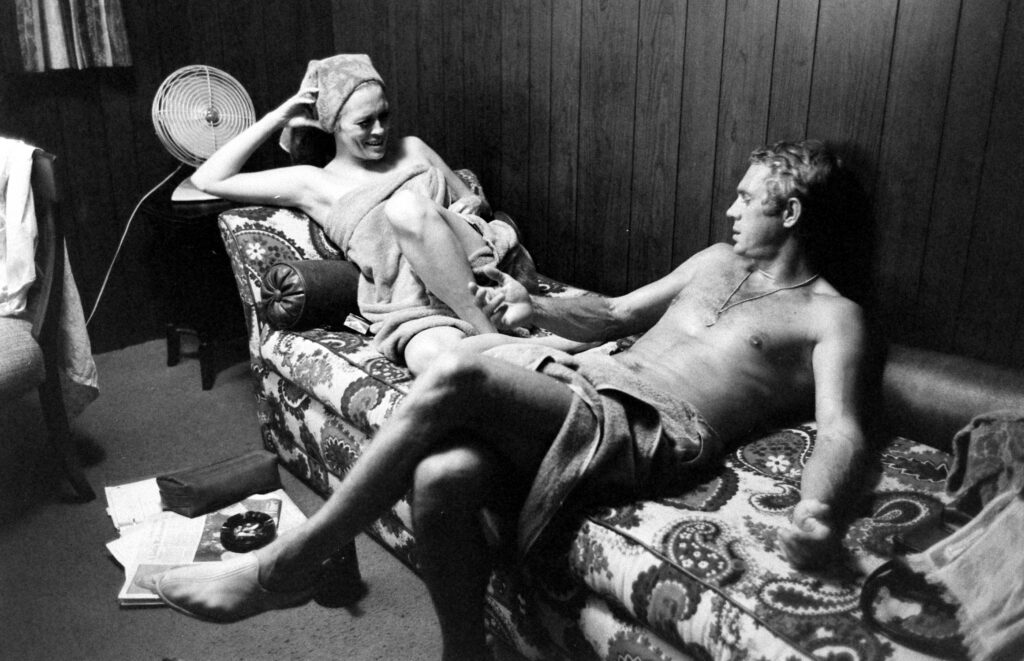
Steve McQueen and Faye Dunaway during the filming of ‘The Thomas Crown Affair’, 1967.

Bill Ray/LIfe Picture Collection/Shutterstock
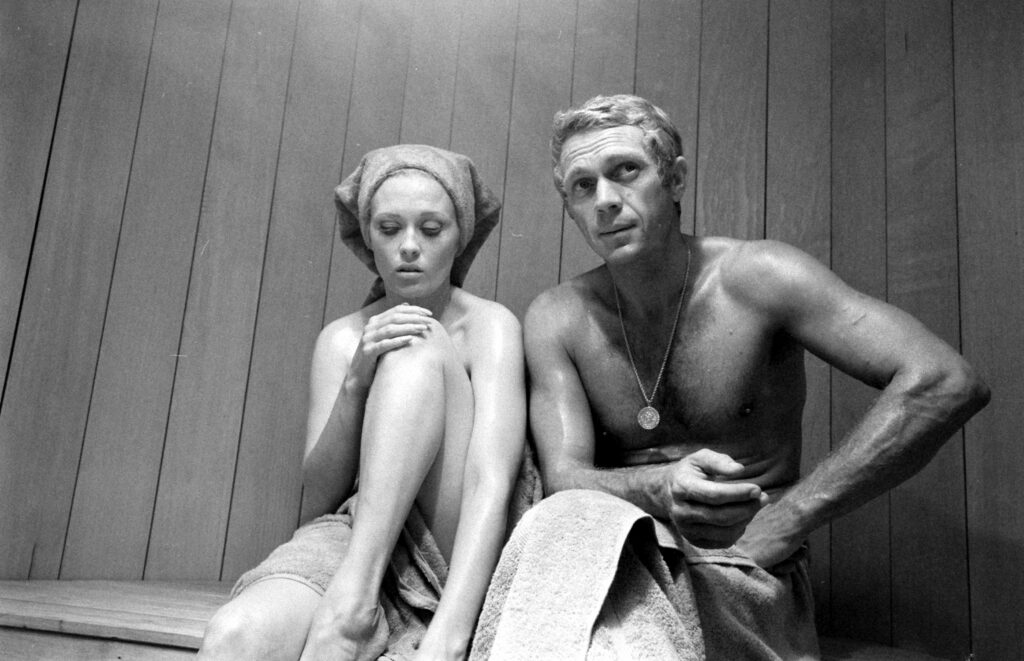
Faye Dunaway and Steve McQueen on the set of`The Thomas Crown Affair,’ 1967.

Bill Ray/LIfe Picture Collection/Shutterstock
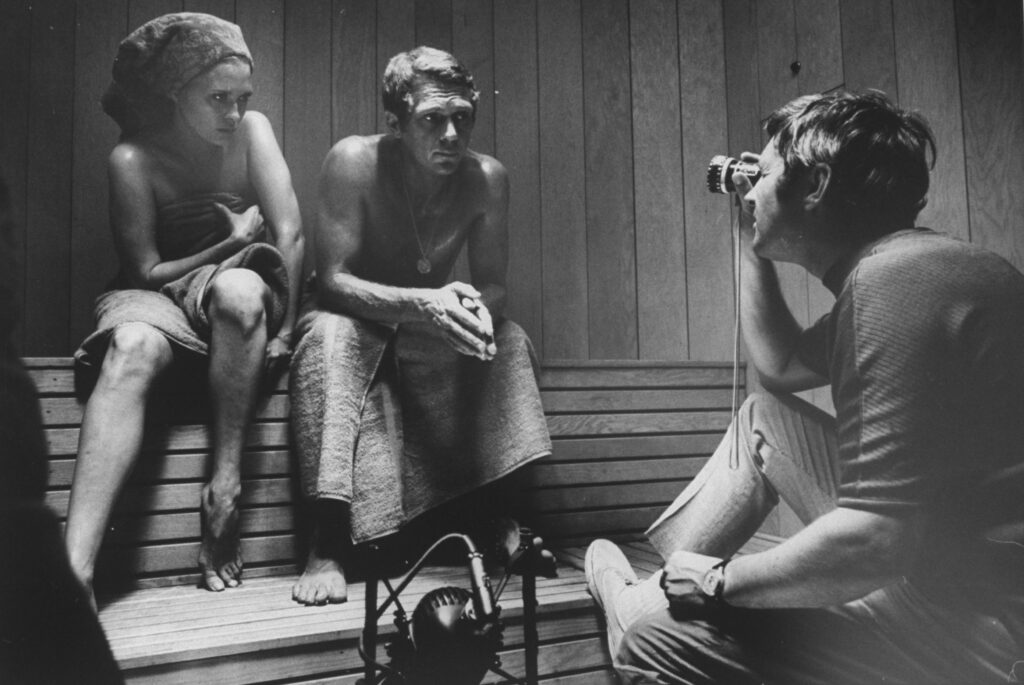
Faye Dunaway;Norman Jewison;Steve Mcqueen

Bill Ray/LIfe Picture Collection/Shutterstock
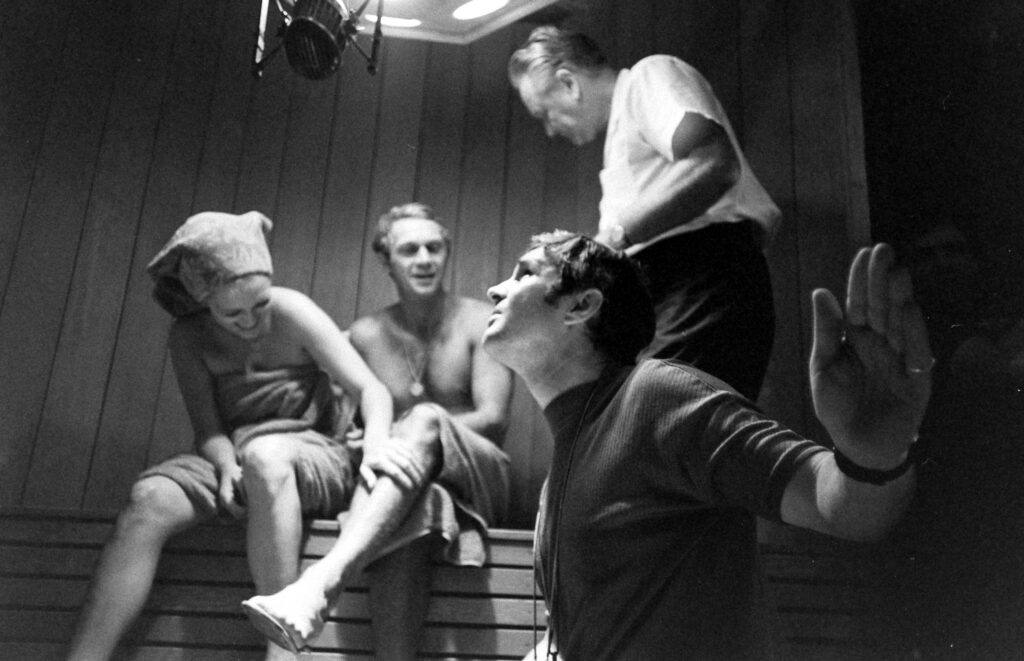
Director Norman Frederick Jewison (left) with actors Steve McQueen and Faye Dunaway during the filming of ‘The Thomas Crown Affair’ 1967.

Bill Ray/LIfe Picture Collection/Shutterstock
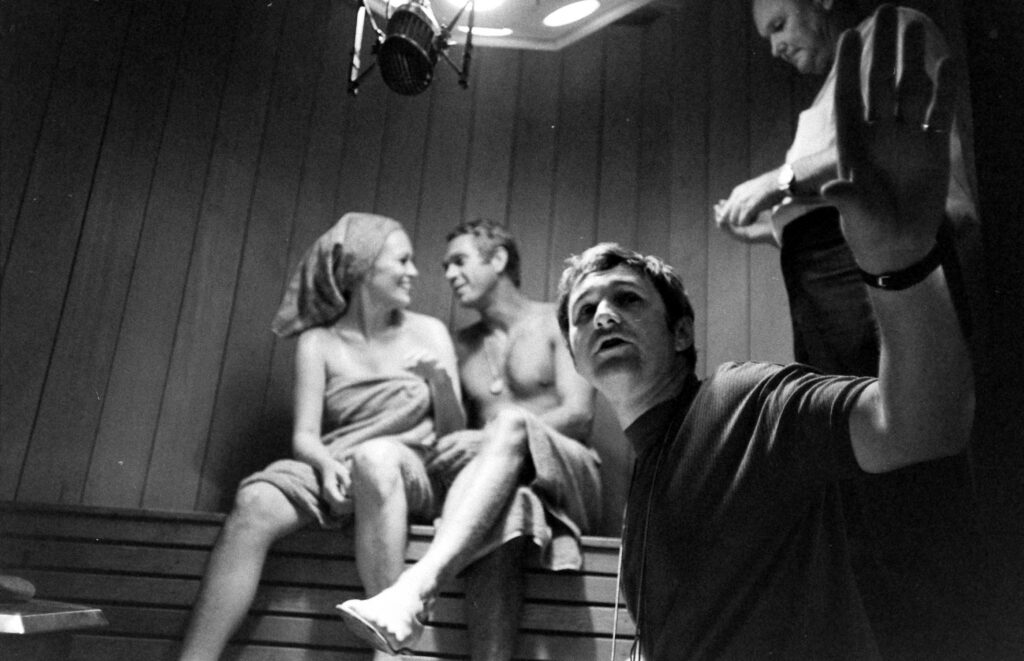
Norman Jewison directed Steve McQueen and Faye Dunaway in the 1967 crime caper ‘The Thomas Crown Affair,’ 1967.

Bill Ray/LIfe Picture Collection/Shutterstock
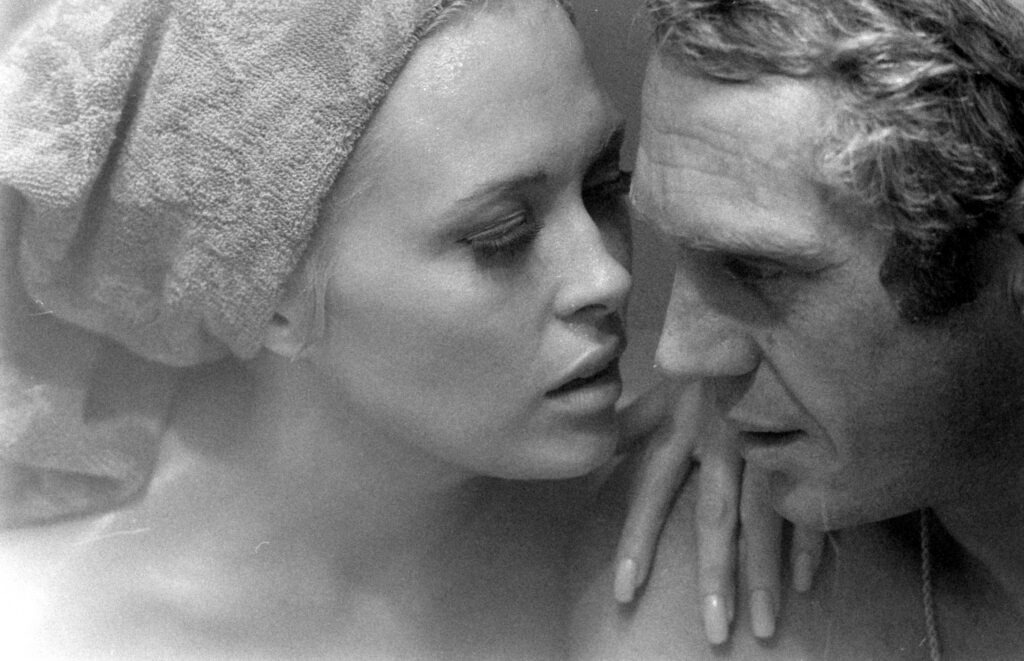
Faye Dunaway and Steve McQueen on the set of`The Thomas Crown Affair,’ 1967.

Bill Ray/LIfe Picture Collection/Shutterstock
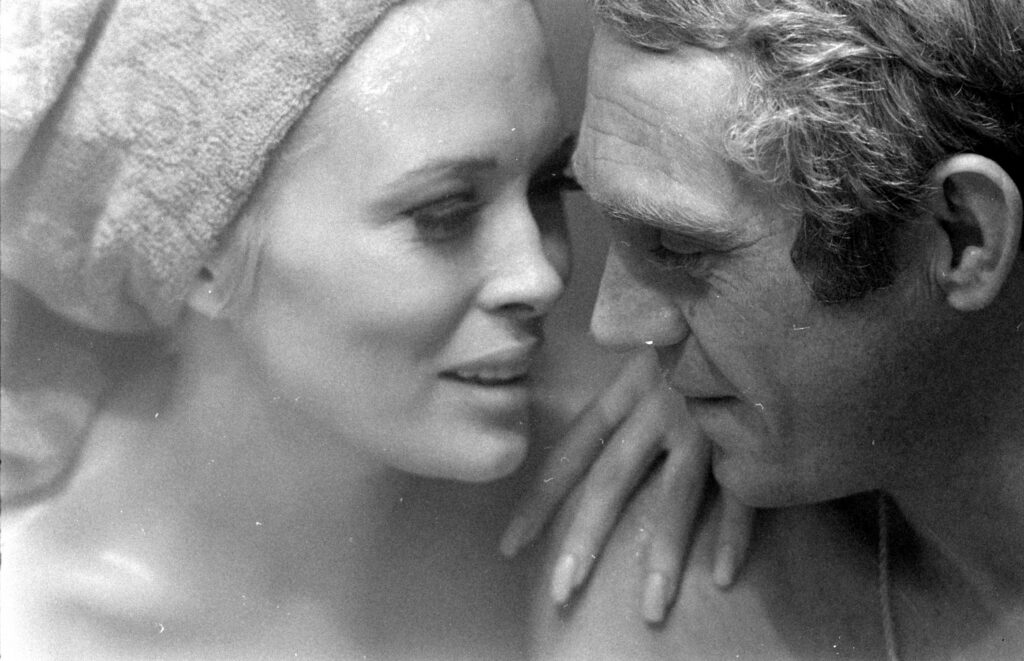
Faye Dunaway and Steve McQueen on the set of`The Thomas Crown Affair,’ 1967.

Bill Ray/LIfe Picture Collection/Shutterstock
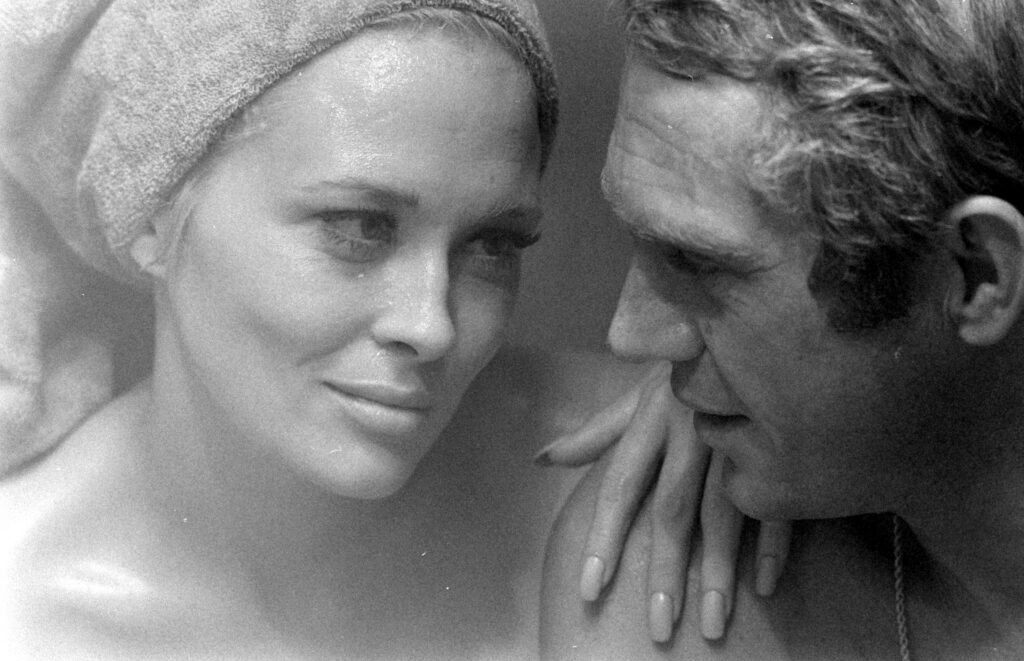
Faye Dunaway and Steve McQueen on the set of`The Thomas Crown Affair,’ 1967.

Bill Ray/LIfe Picture Collection/Shutterstock
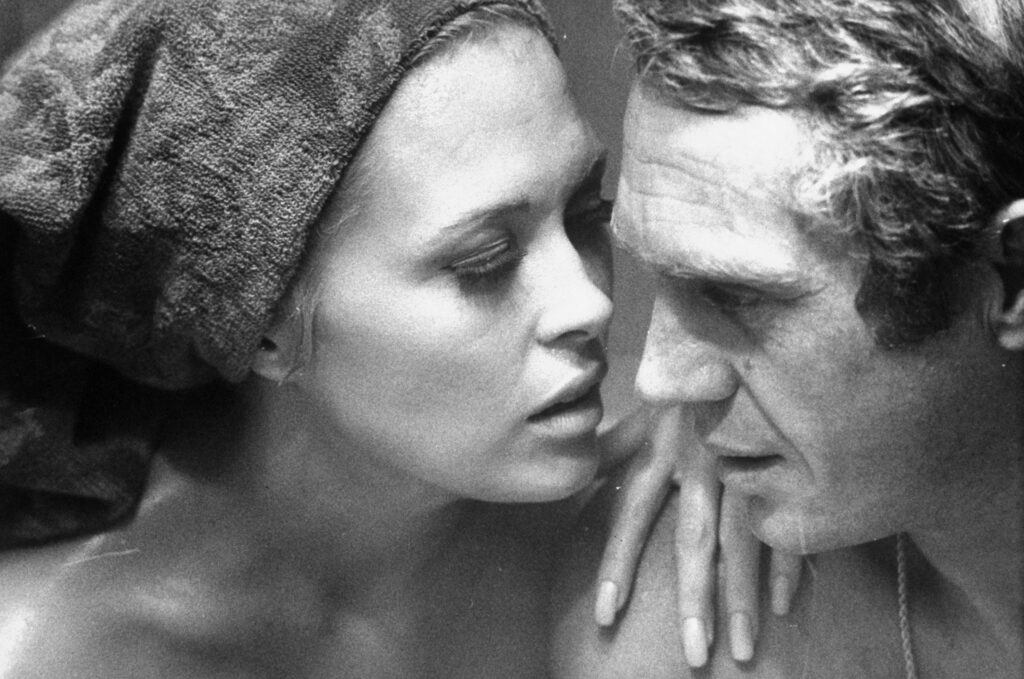
Faye Dunaway and Steve McQueen on the set of`The Thomas Crown Affair,’ 1967.

Bill Ray/LIfe Picture Collection/Shutterstock
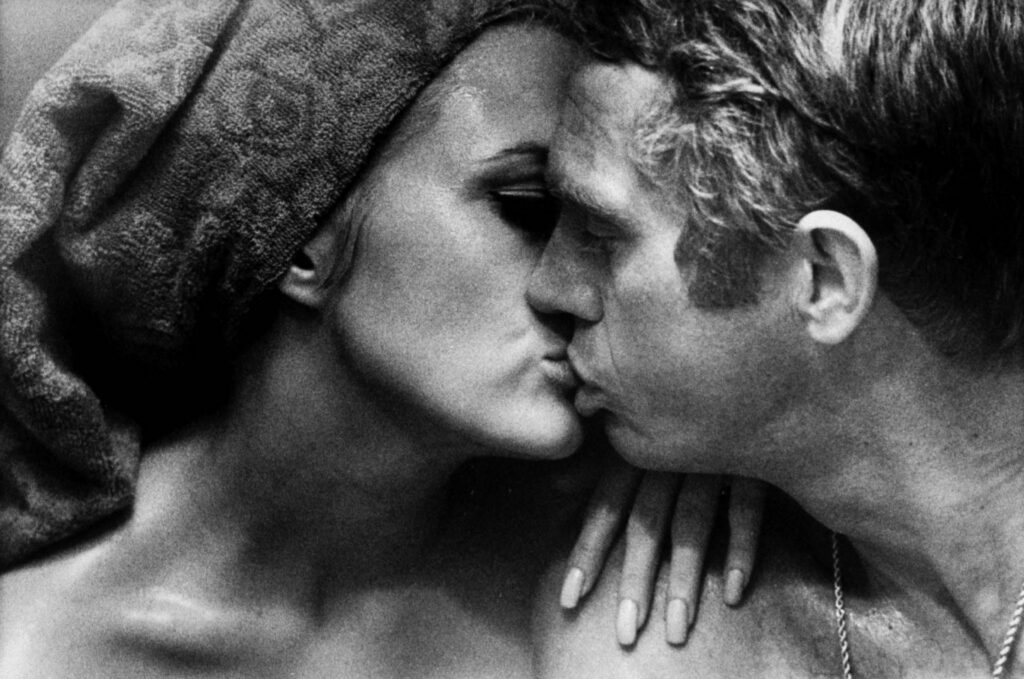
Faye Dunaway and Steve McQueen on the set of`The Thomas Crown Affair,’ 1967.

Bill Ray/LIfe Picture Collection/Shutterstock
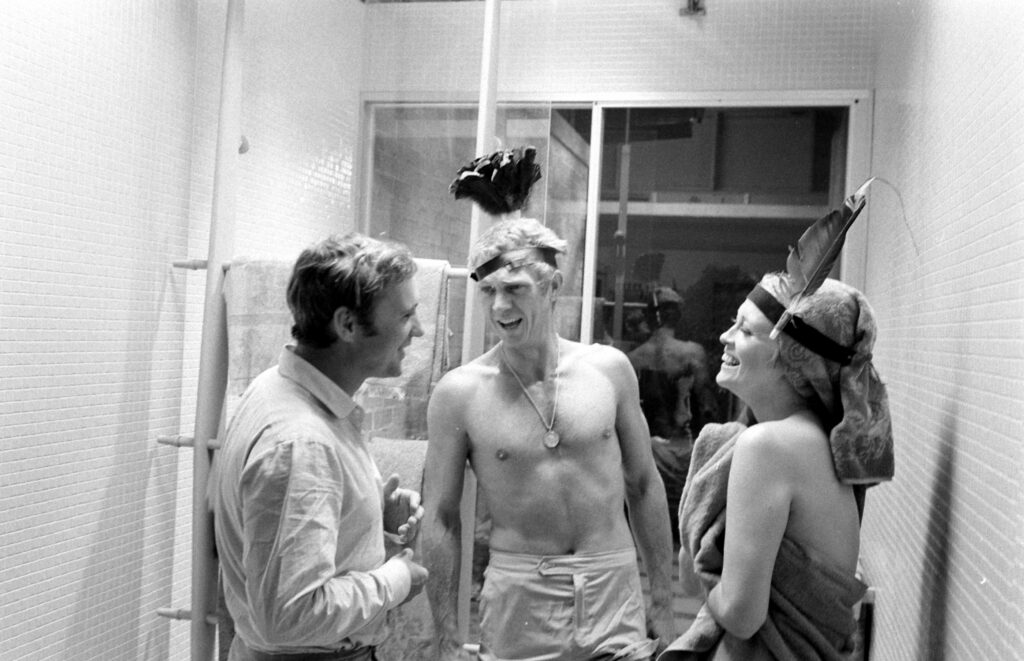
Director Norman Frederick Jewison (left) with actors Steve McQueen and Faye Dunaway during the filming of ‘The Thomas Crown Affair’ 1967.

Bill Ray/LIfe Picture Collection/Shutterstock
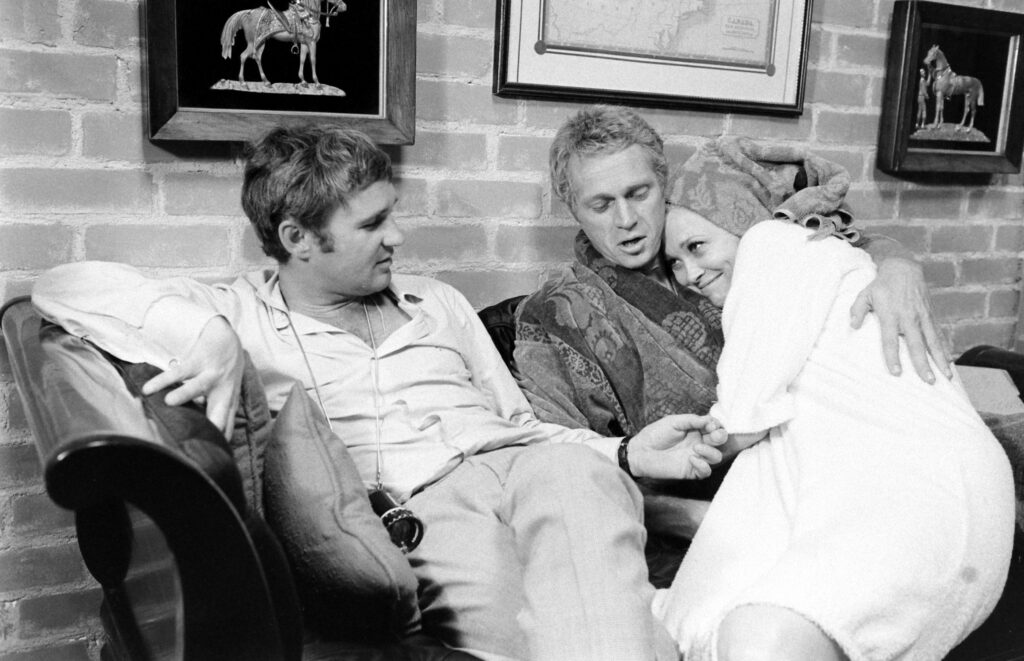
Director Norman Frederick Jewison (left) with actors Steve McQueen and Faye Dunaway during the filming of ‘The Thomas Crown Affair’ 1967.

Bill Ray/LIfe Picture Collection/Shutterstock
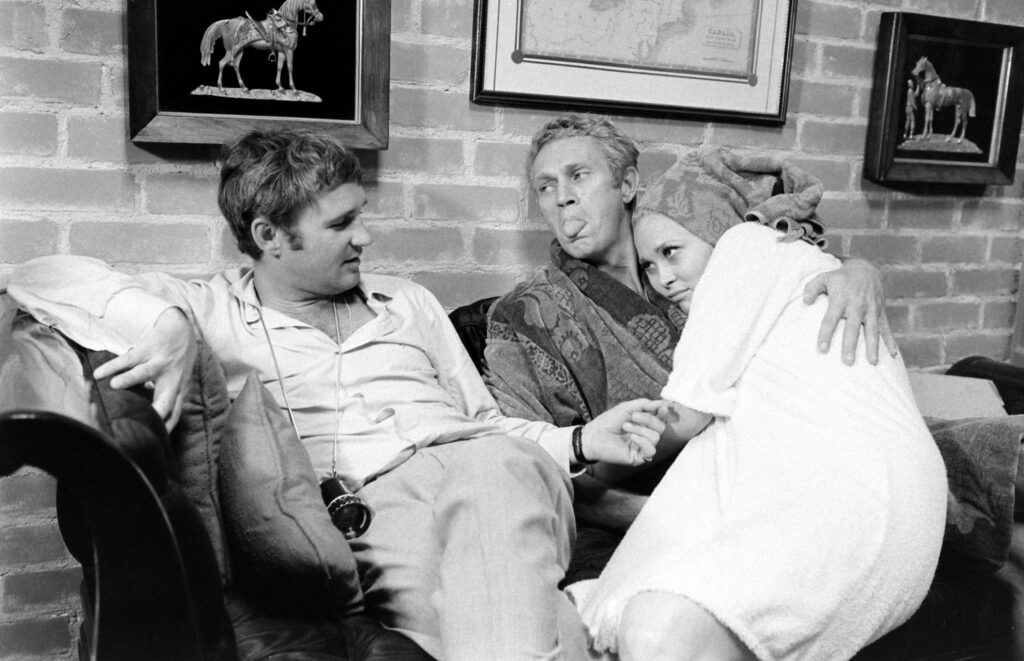
Director Norman Frederick Jewison (left) with actors Steve McQueen and Faye Dunaway during the filming of ‘The Thomas Crown Affair’ 1967.

Bill Ray/LIfe Picture Collection/Shutterstock
Director Norman Frederick Jewison (left) with actors Steve McQueen and Faye Dunaway during the filming of ‘The Thomas Crown Affair’ 1967.

Bill Ray/LIfe Picture Collection/Shutterstock
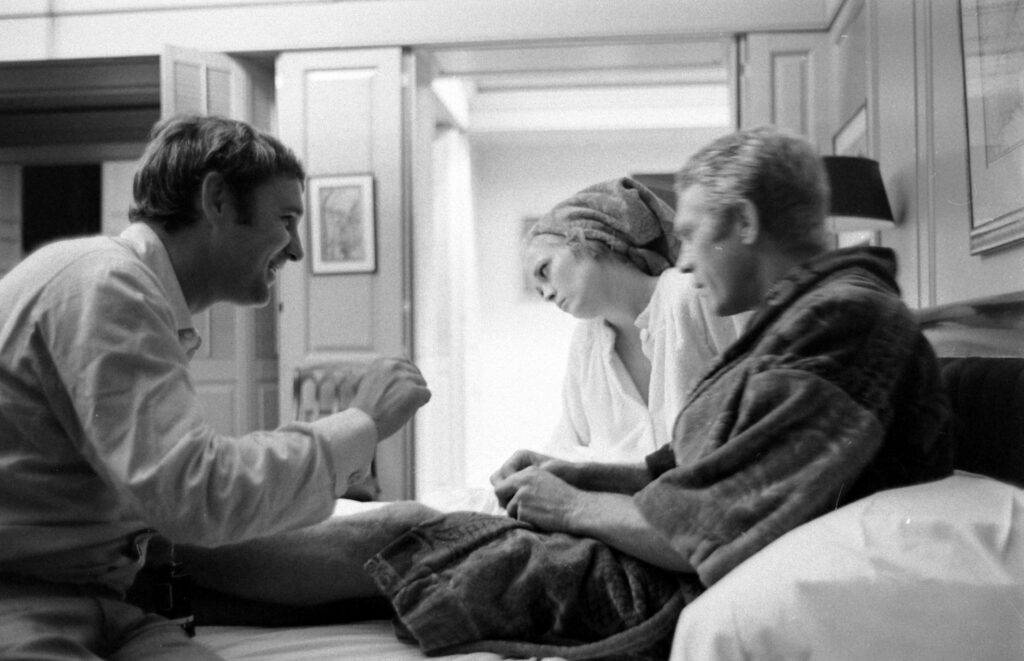
Director Norman Frederick Jewison (left) with actors Steve McQueen and Faye Dunaway during the filming of ‘The Thomas Crown Affair’ 1967.

Bill Ray/LIfe Picture Collection/Shutterstock
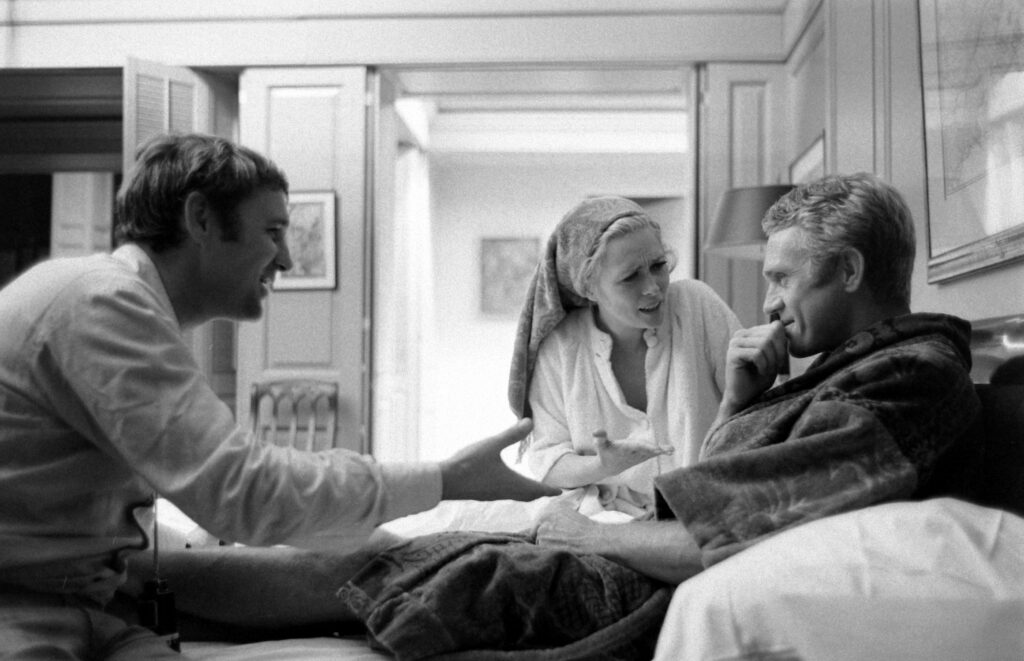
Director Norman Frederick Jewison (left) with actors Steve McQueen and Faye Dunaway during the filming of ‘The Thomas Crown Affair’ 1967.

Bill Ray/LIfe Picture Collection/Shutterstock

The post The Original ‘Thomas Crown Affair’: Talk About A Steamy Set appeared first on LIFE.
  •  

Classic Cartoon Writing: Why These Cartoons Weren’t for Kids

Left to right: Daws Butler, June Foray and Stan Freberg

There are voices you recognize instantly.

And then there are voices you’ve known your entire life—without ever realizing how much intention, intelligence, and writing lived behind them.

June Foray was a legendary voice actor. But the conversations I remember most with her weren’t really about performance. They were about writing—and about what animated cartoons were actually trying to be during that era.

Looking back now, that distinction matters.

Who June Foray Was—and Why She Was There

June Foray was one of the most prolific American voice actors in animation history. Her career spanned radio, television, and film, and she worked across studios such as Warner Bros., MGM, Hanna-Barbera, Jay Ward Productions, and Disney.

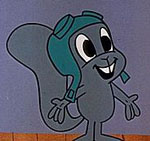
She voiced an extraordinary range of characters, from Rocky the Flying Squirrel and Natasha Fatale to Granny, Witch Hazel, and Lucifer the Cat. But while her performances were iconic, June understood something deeper about animation: voices serve the writing.

And the writing, she believed, was never meant to be simplistic.

A Conversation About What Cartoons Really Were

I was fortunate to know June Foray, and one conversation in particular has stayed with me.

We were talking about The Adventures of Rocky and Bullwinkle, and I mentioned that as an adult, I had gone back and watched segments like Fractured Fairy Tales. What struck me was realizing how many of the jokes clearly weren’t written for children at all.

June laughed.

She told me that Rocky and Bullwinkle was never meant to be children’s television. It was simply adults writing for adults—sharp, satirical humor delivered through animation. The idea that it was “for kids” came later, largely because of the medium rather than the intent. Even though the show was produced for Saturday morning children’s programming, it wasn’t

That moment reframed how I saw the entire era.

Super Chicken and the Writing You Don’t Catch as a Kid

As a child, I loved Super Chicken simply because it was a cartoon. The action kept moving, the characters felt strange and memorable, and the situations were endlessly unpredictable. At the time, that was enough. However, when I revisited the series as an adult, everything changed. I began to notice how carefully the jokes were constructed. More importantly, I finally understood who this classic cartoon writing was really written for.

One episode, in particular, captures exactly what June Foray once described about animation being far smarter than people assume. In this episode, a mad scientist creates a living toupee—a sentient hairpiece that escapes and launches a destructive rampage through Pittsburgh. As a result, buildings come under threat and chaos spreads quickly. The premise itself leans fully into surreal satire. Meanwhile, Super Chicken and Fred respond with wit and clever gadgetry. Still, the episode’s real impact comes from its finer details.

At one point, Super Chicken devises a plan to stop the toupee by worrying it until it loses its hair. The episode then delivers lines such as, “Congratulations, it’s twins. Signed, Kewpie,” followed shortly by, “Special delivery from the draft board—you have been classified 1A.” As a child, those jokes passed right by me. As an adult, however, they land immediately. These are unmistakably adult jokes, written with confidence and precision. They exemplify how classic cartoon writing trusted its audience to be smarter than expected.

That confidence is the point. Kids laugh at the chaos. Adults catch the subtext. In the end, animation was never the limitation. Instead, it served as the perfect disguise.

Animation as a Delivery System, Not a Target Audience

What June Foray understood—and what many of us only realize years later—is that animation in that era wasn’t defined by who it was for, but by how it was written.

These cartoons trusted their audience. They layered humor. They embraced irony, wordplay, cultural references, and satire. Children could enjoy the surface. Adults could appreciate the subtext.

Animation wasn’t the message.

It was the delivery system.

Why This Perspective Still Holds Up

Today, we talk about “adult animation” as if it’s a modern invention. But shows like Rocky and Bullwinkle and Super Chicken were already doing it decades ago—without branding, without disclaimers, and without apologizing for their intelligence.

June Foray wasn’t just voicing characters in that world. She was helping bring sophisticated writing to life, fully aware of what it was doing and who it was really speaking to.

That’s the legacy worth revisiting.

A Medium That Trusted Its Audience

June Foray passed away in 2017, but the writing she helped deliver still works—because it was never built on trends or assumptions about age.

If you’ve ever rewatched a cartoon from your childhood and suddenly realized, “Oh… this wasn’t meant for kids,” you’ve uncovered the same truth she was pointing to.

Some cartoons don’t age.

They reveal themselves.

June Foray in a recording session on November 29th 1965

• For more on June Foray, there’s a short biography by Charles Solomon on ASIFA-Hollywood’s website.

  •  

James Gray & Producers Anthony Katagas & Rodrigo Teixeira On Unleashing ‘Paper Tiger’ At Cannes Within A Year’s Time – Crew Call Podcast

On today’s Crew Call podcast straight from the Cannes Film Festival, we chat with director James Gray, who returned to the Croisette with his sixth feature, the competition title Paper Tiger. Also on today’s episodes are his producers, Oscar winner Anthony Katagas and Oscar nominee Rodrigo Teixeira, who talk about mounting the filmmaker’s penchant for […]

  •  

This Was No Woodstock: Inside a Music Festival Disaster

The Woodstock music festival was one of the signature moments the 1960s. Site owner Max Yasgur, a farmer and the concert site owner, memorably declared that the gathering proved that “a half a million young people can get together and have three days of fun and music and have nothing but fun and music.”

Woodstock’s success naturally inspired imitators, but the magic was hard to recapture. The Altamont concert later that year famously turned deadly when a member of Hell’s Angels, who had been hired for security, stabbed an audience member near the stage as the Rolling Stones performed.

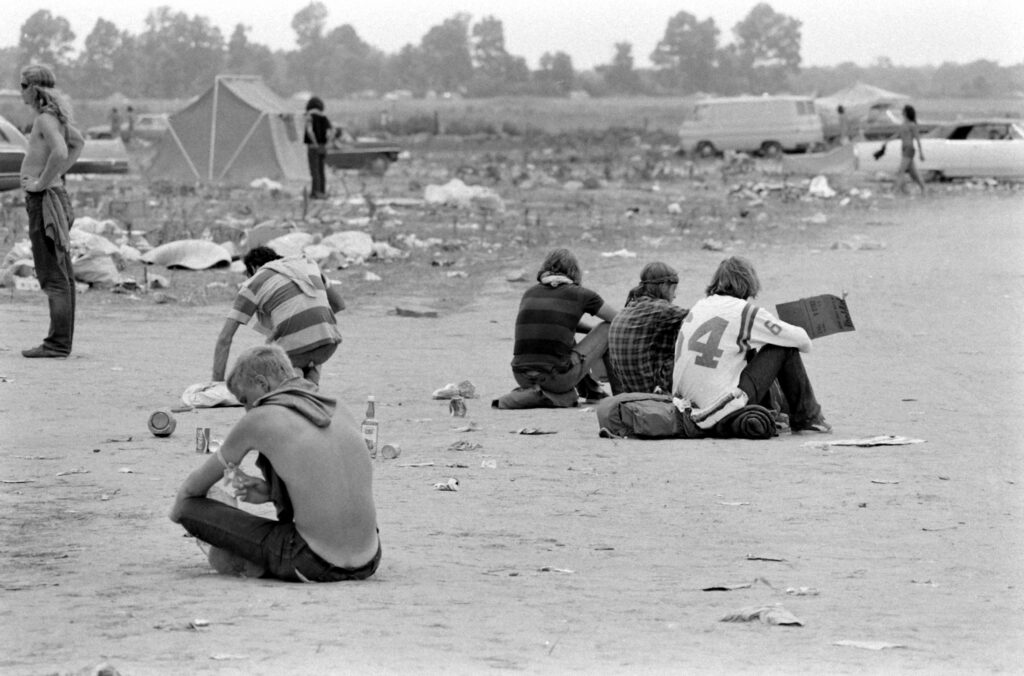
Another music festival, the Celebration of Life in June 1971, is not as well-remembered as Altamont, but it was such a disaster that it helped put an end to the music festivals for a while.

The Celebration of Life had to change locations three times due to local resistance before finding a last-minute home on a remote tract of land in McCrea, Louisiana, about 60 miles north of Baton Rouge. The festival was scheduled for eight days but started late and shut down halfway through, with the IRS placing a tax lien that froze the organizers’ bank accounts. Performers who did get on the stage included Chuck Berry, the Stephen Stills Band, and Ike & Tina Turner. But others who had been promoted on the bill but never made the stage included Pink Floyd, the Beach Boys, the Allman Brothers and Miles Davis.

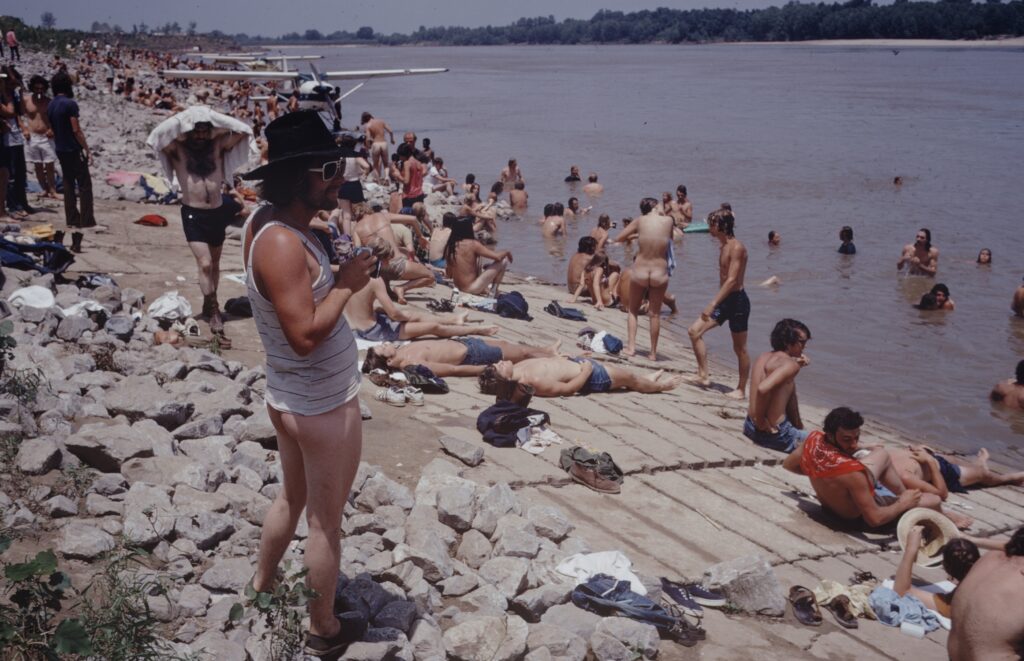
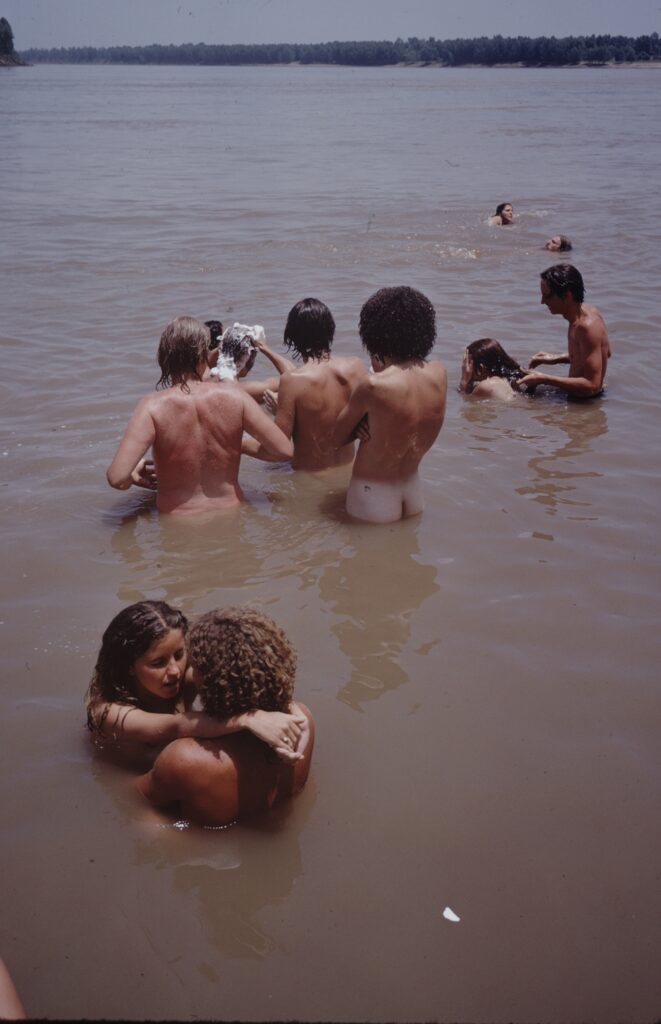
Most tragically, multiple attendees drowned in a river that bordered the festival site while seeking refuge from Louisiana’s summer heat.

Here’s what LIFE magazine wrote about the event, in a story headlined “Perhaps the last of the rock festival fiascos“:

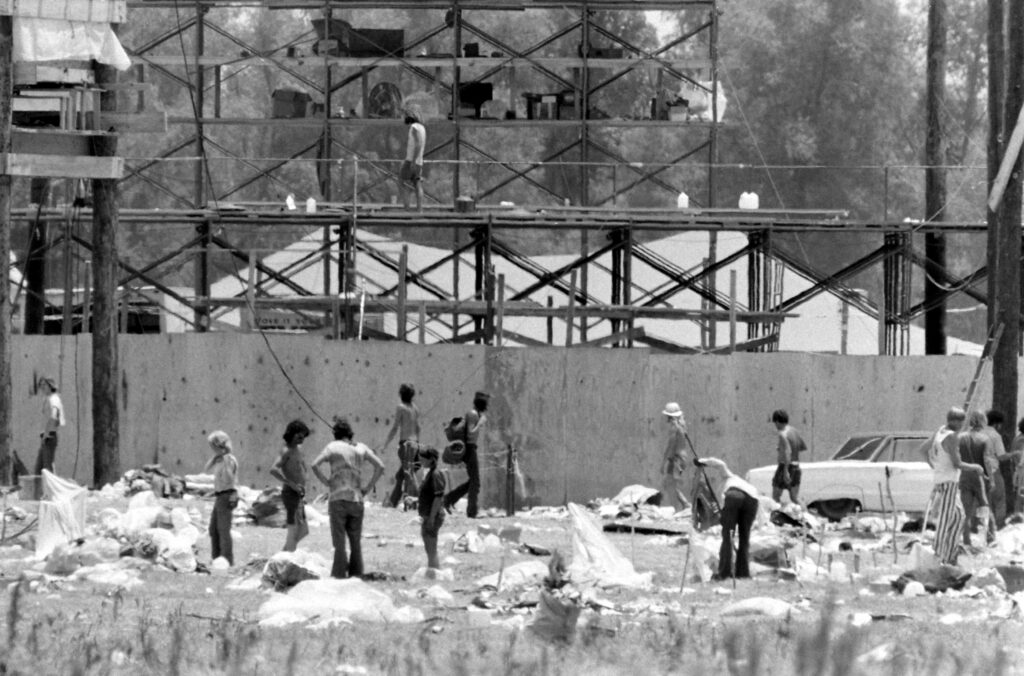
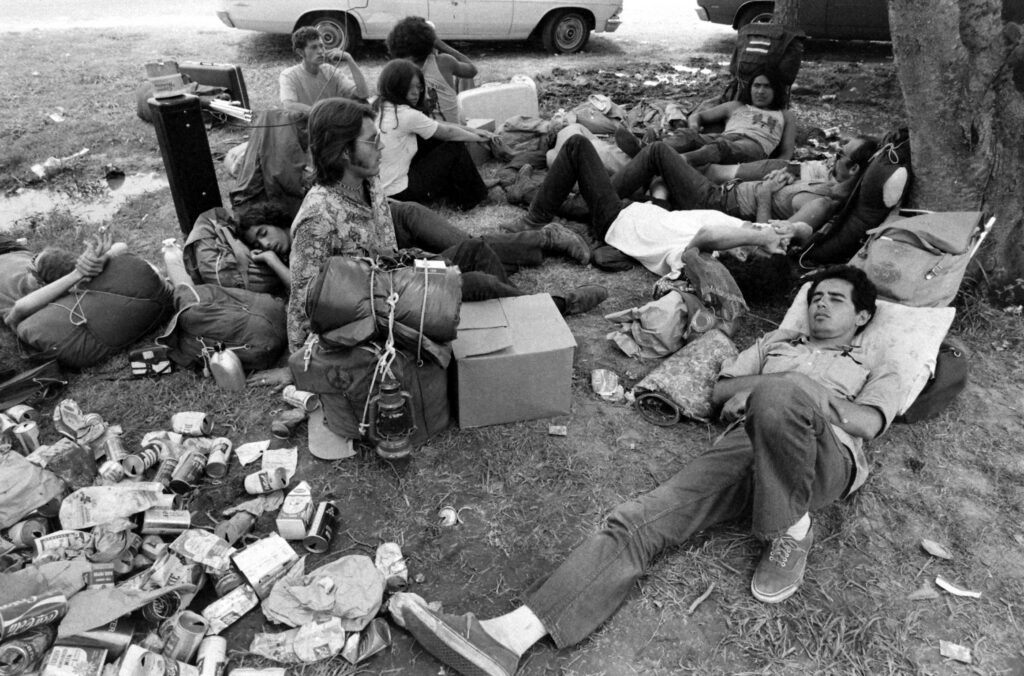
Even before it opened, last week’s rock festival in McCrea, La., was a disaster. The stage collapsed while it was under construction, and when it was fixed, the sound system failed. Most of the previously advertised talent didn’t show up, food was overpriced, water was scarce, and sanitation facilities inadequate. The temperature soared over 100 degrees. Within four days there had been five deaths—four drownings and a drug overdose—and what the crowd wanted most was to go home.

While some later reports lowered the number of confirmed deaths to two, this was a brutal event by any accounting.

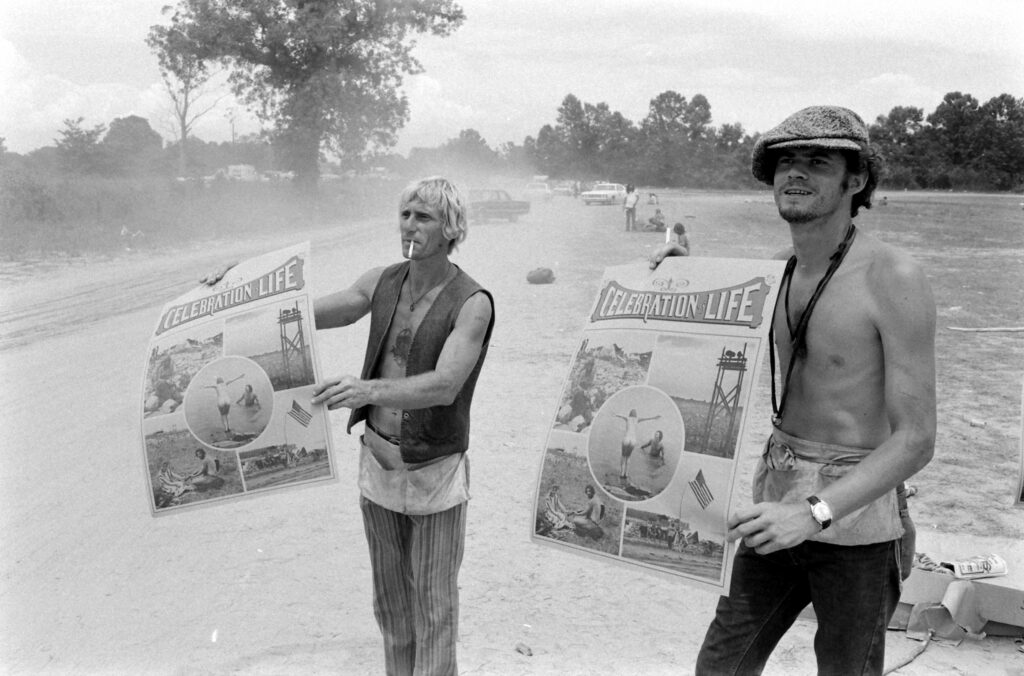
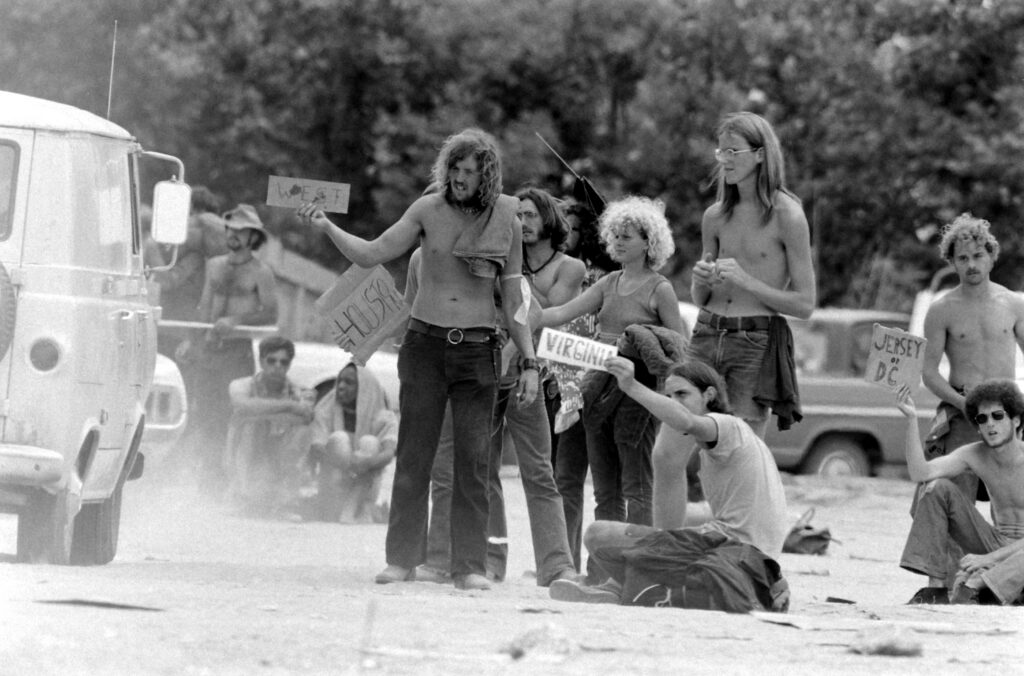
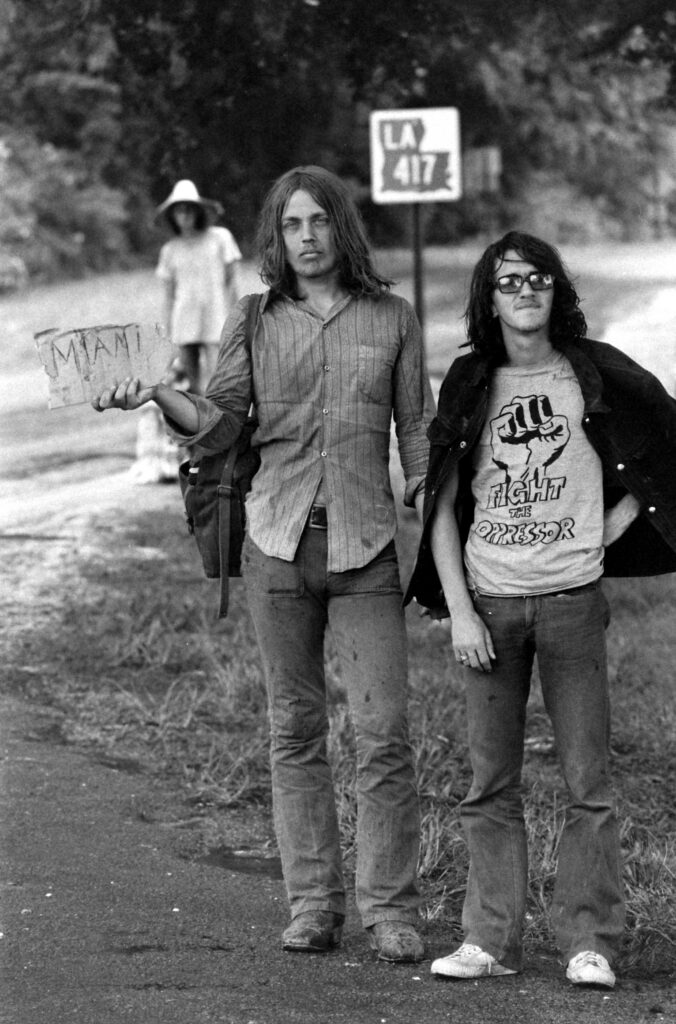
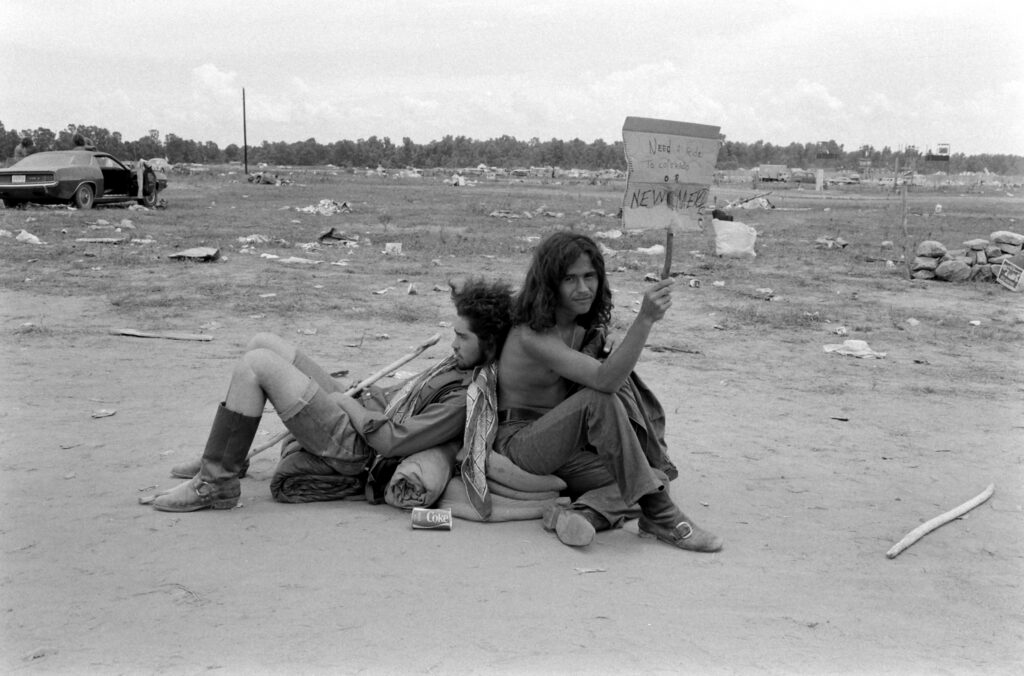
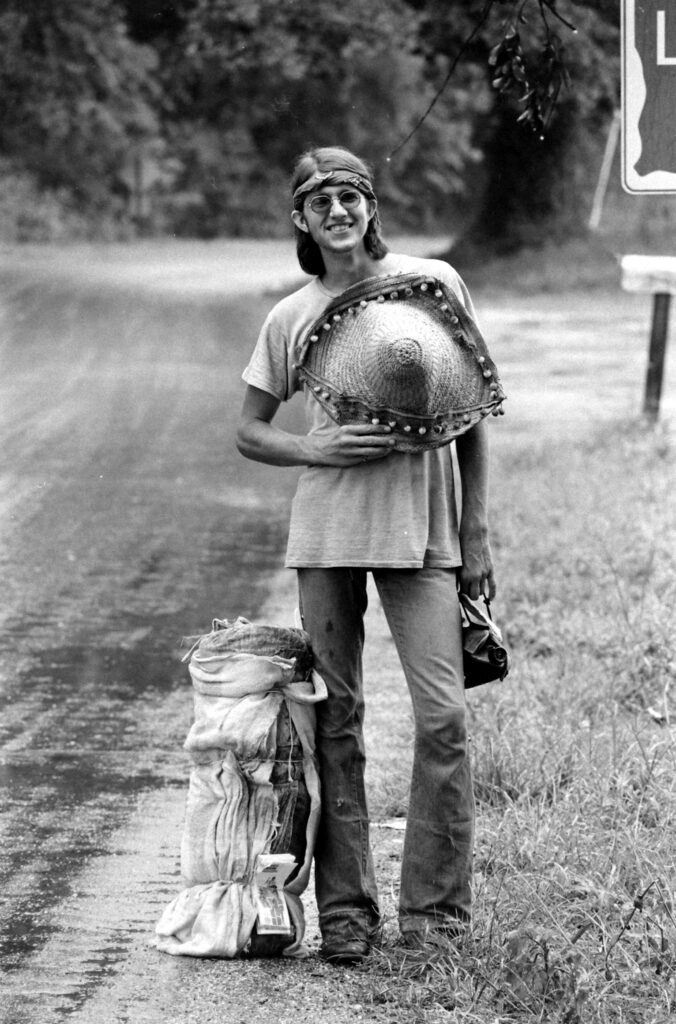
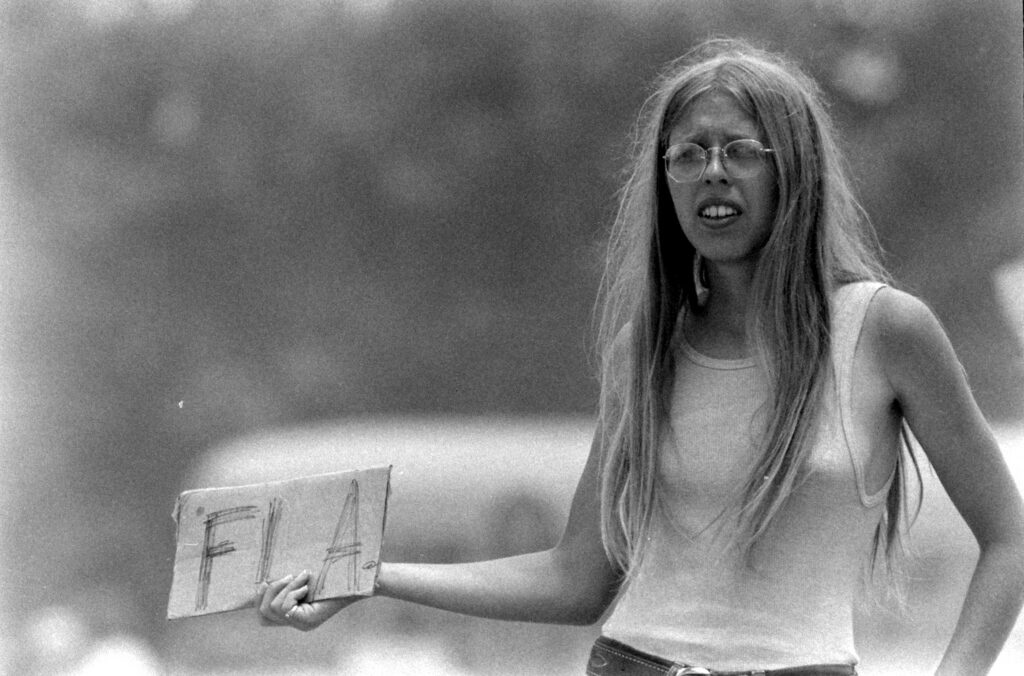
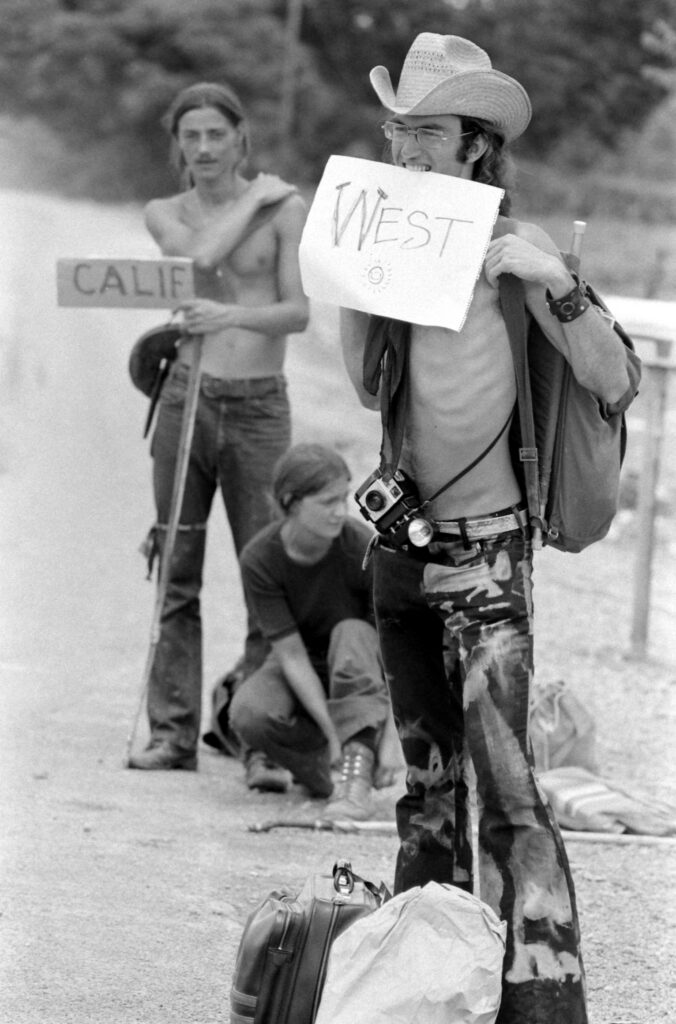
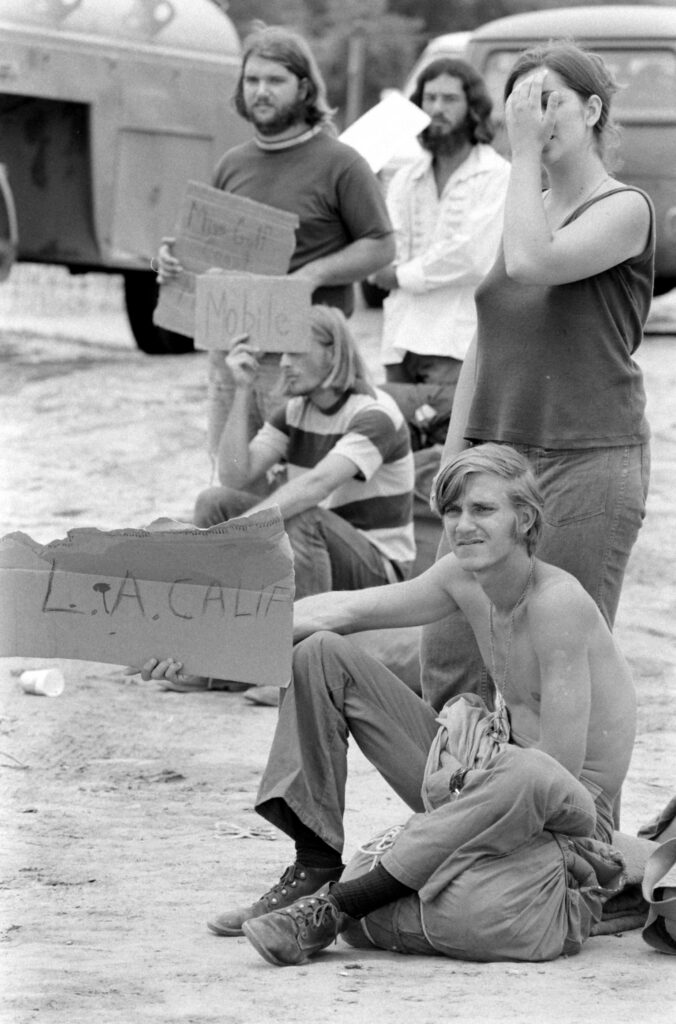
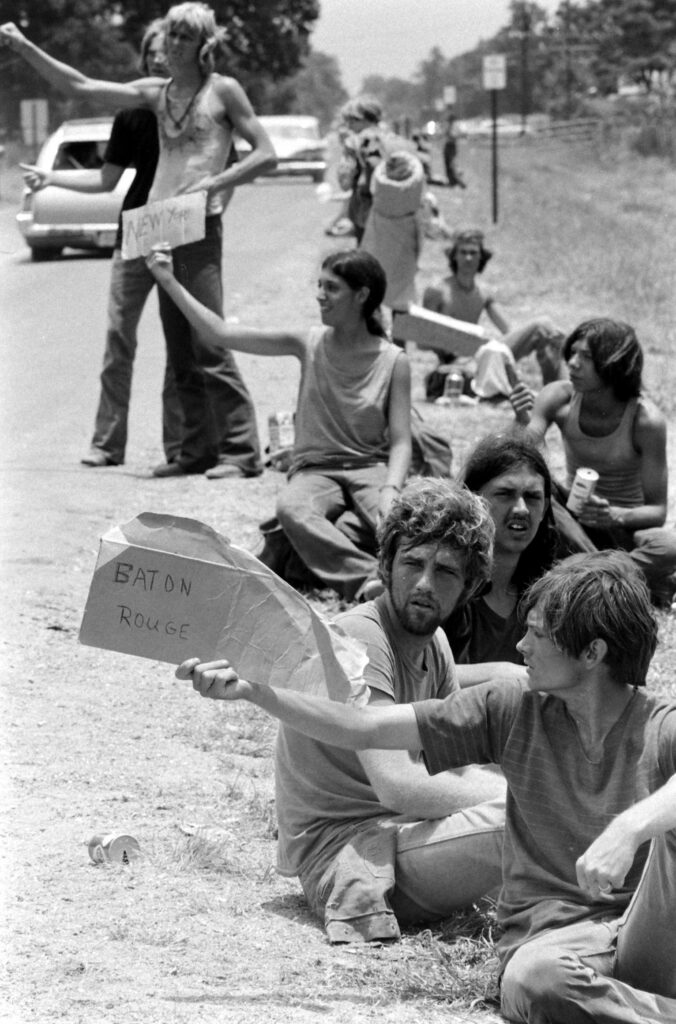
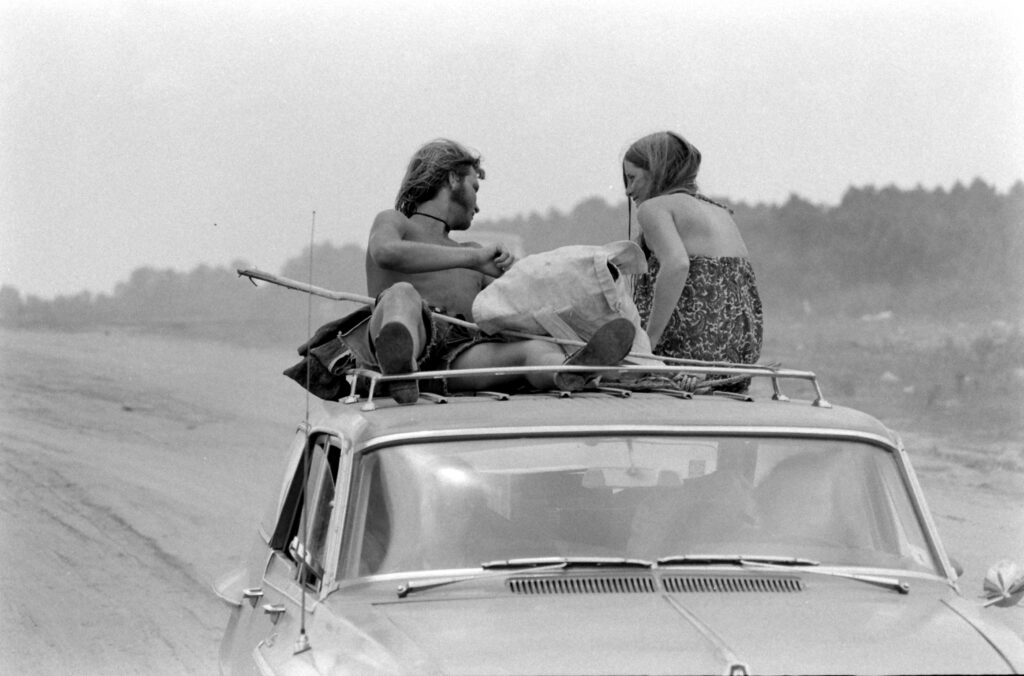
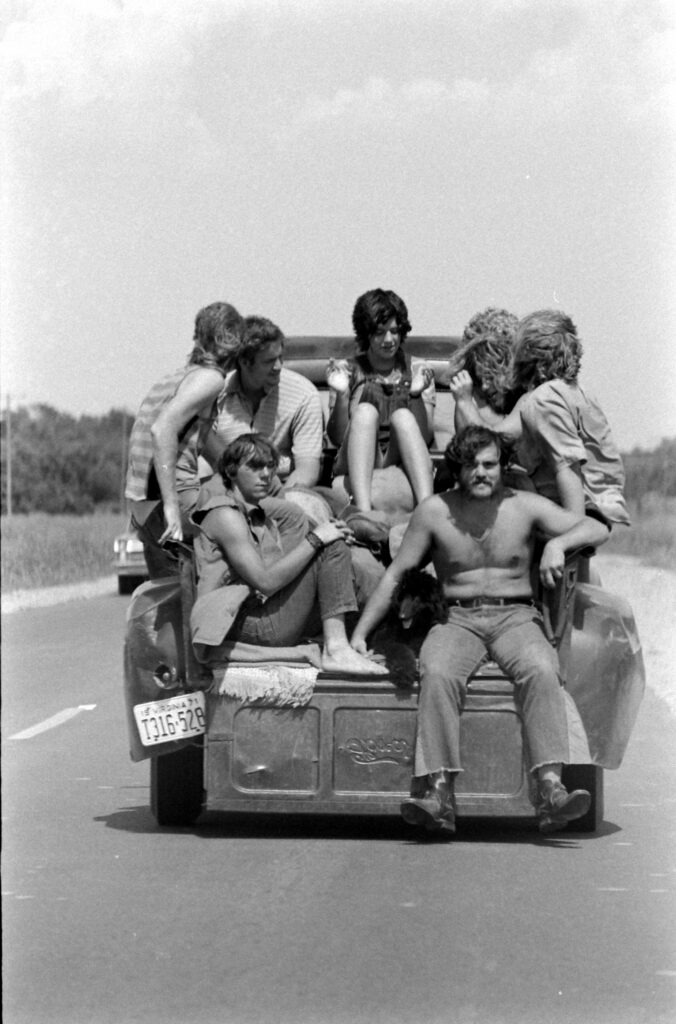
LIFE staff photographer Bill Ray appears to have arrived in McCrea after the music stopped, but he captured some of the aftermath of the Celebration of Life, including concertgoers, many of them nude, trying to cool down in the river. Ray also took many shots of people looking to hitch a ride home, holding up signs requesting transport to such locations as Virginia, Miami and New Mexico—a testament to how far people had traveled to get there. The happiest images he shot were of people who had been picked up and were on their way home.

In 2013 a 32-minute documentary called McCrea 1971 reviewed what went wrong with Celebration of Life, and the problems began with its hasty setup. In one historic clip a promoter said, “It takes about a month to set up a festival, but we’ll try to do it in about three days.” A local who attended the festival talked about the folly of festival goers swimming in a river that people from the area knew to be a “death trap.” He said, “I know of no one I have ever met who would willingly get in and swim in the Atchafalaya River.”

In 2018 Rolling Stone magazine ran its own retrospective on the Celebration of Life and talked about how out of hand things got. Because of the heat performances that were originally planned to start during the day shifted to the overnight, leaving attendees with nothing to do all day. Makeshift boulevards called “Smack Street” and “Cocaine Alley” cropped up on the festival site. Stunningly, given what happened at Altamont, festival organizers hired the Galloping Goose Motorcycle Club for security and its members reportedly became abusive with attendees.

LIFE magazine’s wish that music festivals go away for a while came to fruition. And while festivals have made a major comeback in recent years, they now look very different, with stronger organizations behind them. Some complain about how corporate they have become, with special bleachers for VIPs and so on. However you feel about that, it’s worth remembering that a more loosely organized gathering can come with its own hazards—sometimes big ones.

The ill-fated Celebration of Life music festival, after several late location changes, took place in McCrea, Louisiana, 1971.

Bill Ray/Life Picture Collection/Shutterstock

Concertgoers sought relief from the sweltering heat at the ill-fated Celebration of Life music festival in McCrae, Louisiana, 1971.

Bill Ray/Life Picture Collection/Shutterstock

Concertgoers sought relief from the sweltering heat at the ill-fated Celebration of Life music festival in McCrae, Louisiana, 1971.

Bill Ray/Life Picture Collection/Shutterstock

The ill-fated Celebration of Life music festival in McCrea, Louisiana, 1971.

Bill Ray/Life Picture Collection/Shutterstock

Concertgoers looked for rides home after the ill-fated Celebration of Life music festival in McCrae, Louisiana was cut short, 1971.

Bill Ray/Life Picture Collection/Shutterstock

The ill-fated Celebration of Life music festival in McCrea, Louisiana, 1971.

Bill Ray/Life Picture Collection/Shutterstock

Concertgoers looked for rides home after the ill-fated Celebration of Life music festival in McCrae, Louisiana was cut short, 1971.

Bill Ray/Life Picture Collection/Shutterstock

Concertgoers looked for rides home after the ill-fated Celebration of Life music festival in McCrae, Louisiana was cut short, 1971.

Bill Ray/Life Picture Collection/Shutterstock

Concertgoers looked for rides home after the ill-fated Celebration of Life music festival in McCrae, Louisiana was cut short, 1971.

Bill Ray/Life Picture Collection/Shutterstock

Concertgoers looked for rides home after the ill-fated Celebration of Life music festival in McCrae, Louisiana was cut short, 1971.

Bill Ray/Life Picture Collection/Shutterstock

Concertgoers looked for rides home after the ill-fated Celebration of Life music festival in McCrae, Louisiana was cut short, 1971.

Bill Ray/Life Picture Collection/Shutterstock

Concertgoers looked for rides home after the ill-fated Celebration of Life music festival in McCrae, Louisiana was cut short, 1971.

Bill Ray/Life Picture Collection/Shutterstock

Concertgoers looked for rides home after the ill-fated Celebration of Life music festival in McCrae, Louisiana was cut short, 1971.

Bill Ray/Life Picture Collection/Shutterstock

Concertgoers looked for rides home after the ill-fated Celebration of Life music festival in McCrae, Louisiana was cut short, 1971.

Bill Ray/Life Picture Collection/Shutterstock

Concertgoers caught a ride home after the ill-fated Celebration of Life music festival in McCrae, Louisiana was cut short, 1971.

Bill Ray/Life Picture Collection/Shutterstock

Concertgoers caught a ride home after the ill-fated Celebration of Life music festival in McCrae, Louisiana was cut short, 1971.

Bill Ray/Life Picture Collection/Shutterstock

The post This Was No Woodstock: Inside a Music Festival Disaster appeared first on LIFE.

  •  

U.K. Heavyweight Doc Player Jane Ray Boards Argentina’s ‘The Nights’ by Ana Bovino Ahead of ECAM Forum (EXCLUSIVE)

One of Argentina’s new filmmaking talents to watch, Sundance Institute Latin Fellowship recipient Ana Bovino has just received private funding for her documentary project “The Nights” (“Las noches”) from heavyweight doc player Jane Ray, founder of Cat Flap Media and consultant artistic director of UK funding body The Whickers. Shopped at various co-production markets including Chile’s […]

  •  
❌