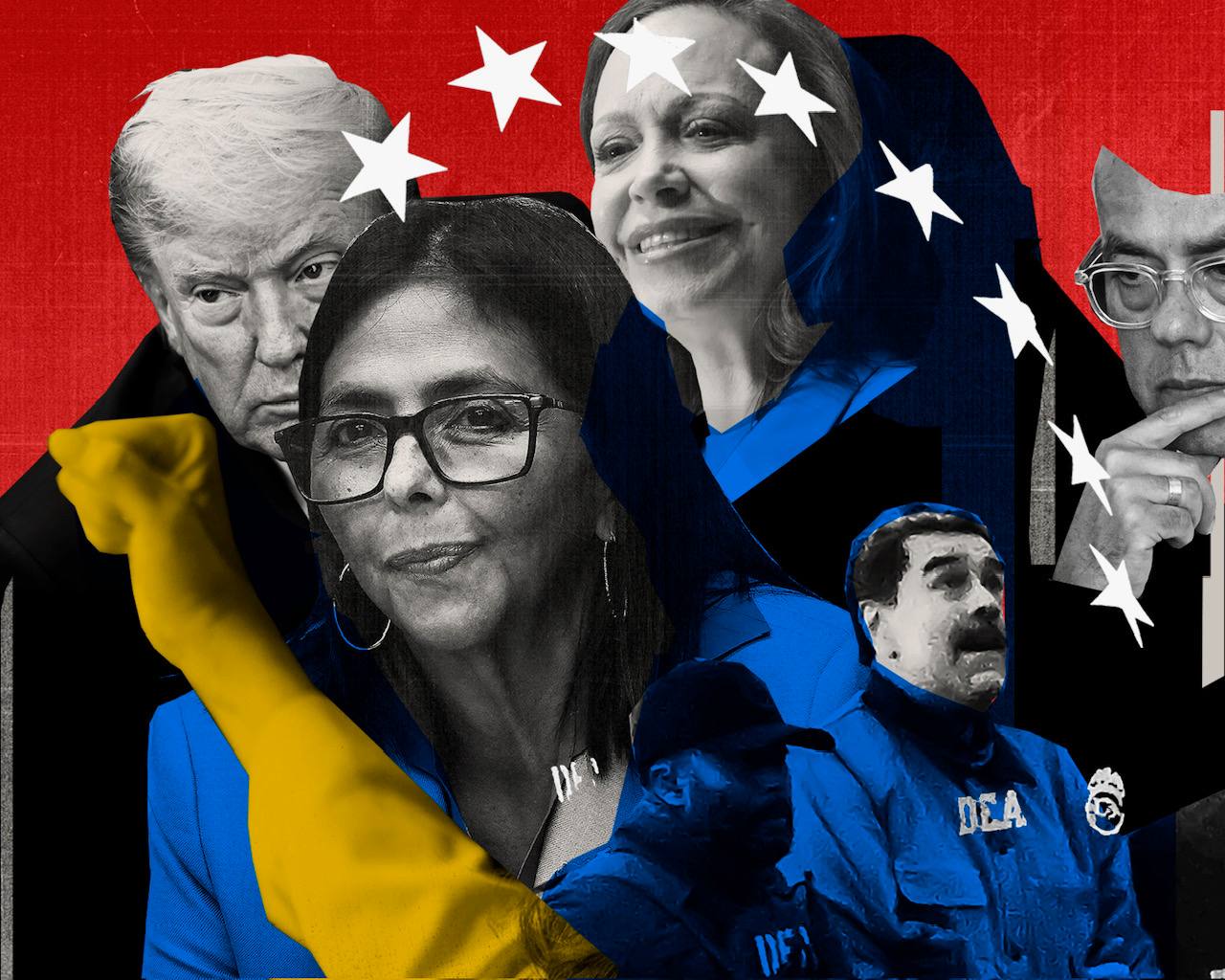
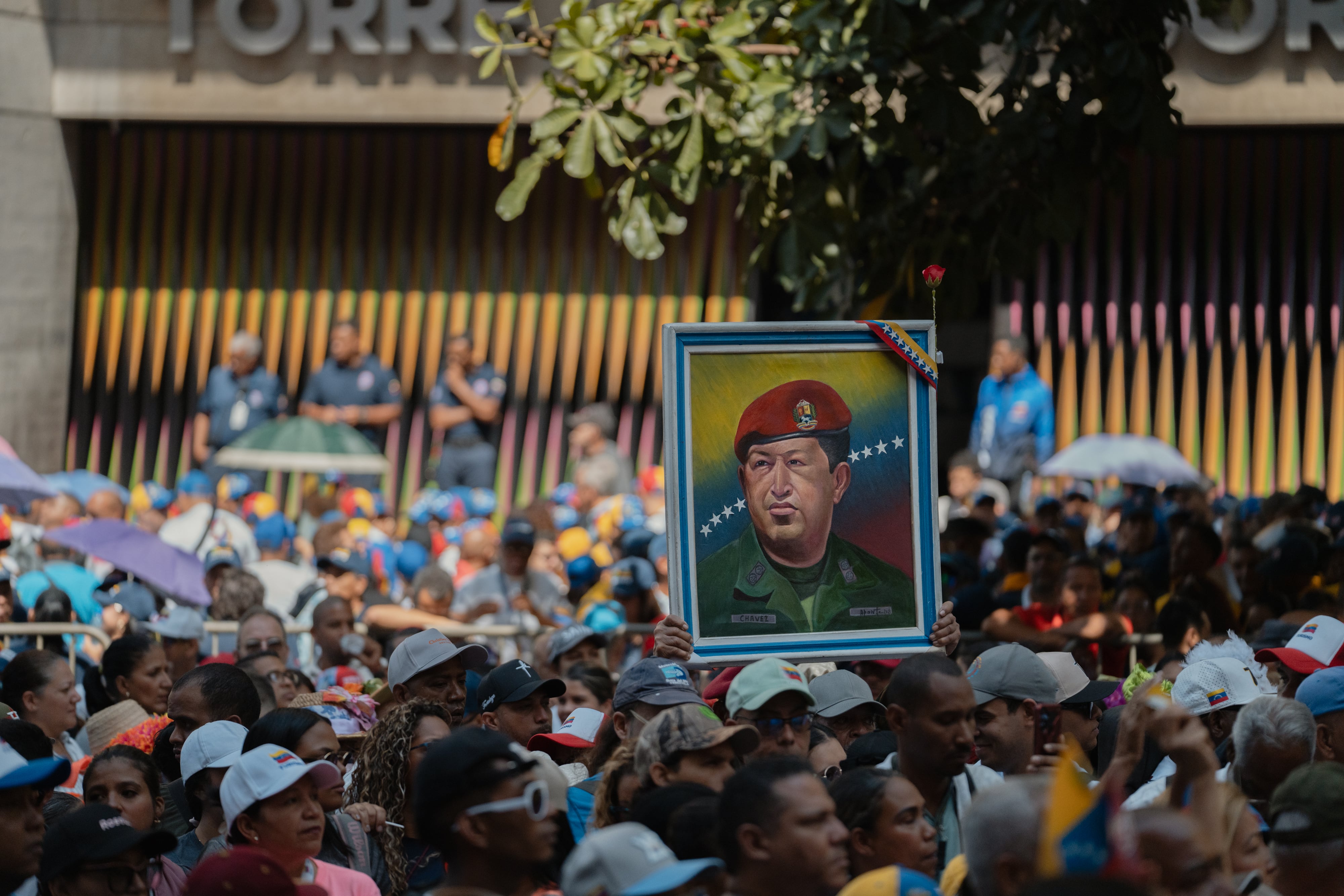
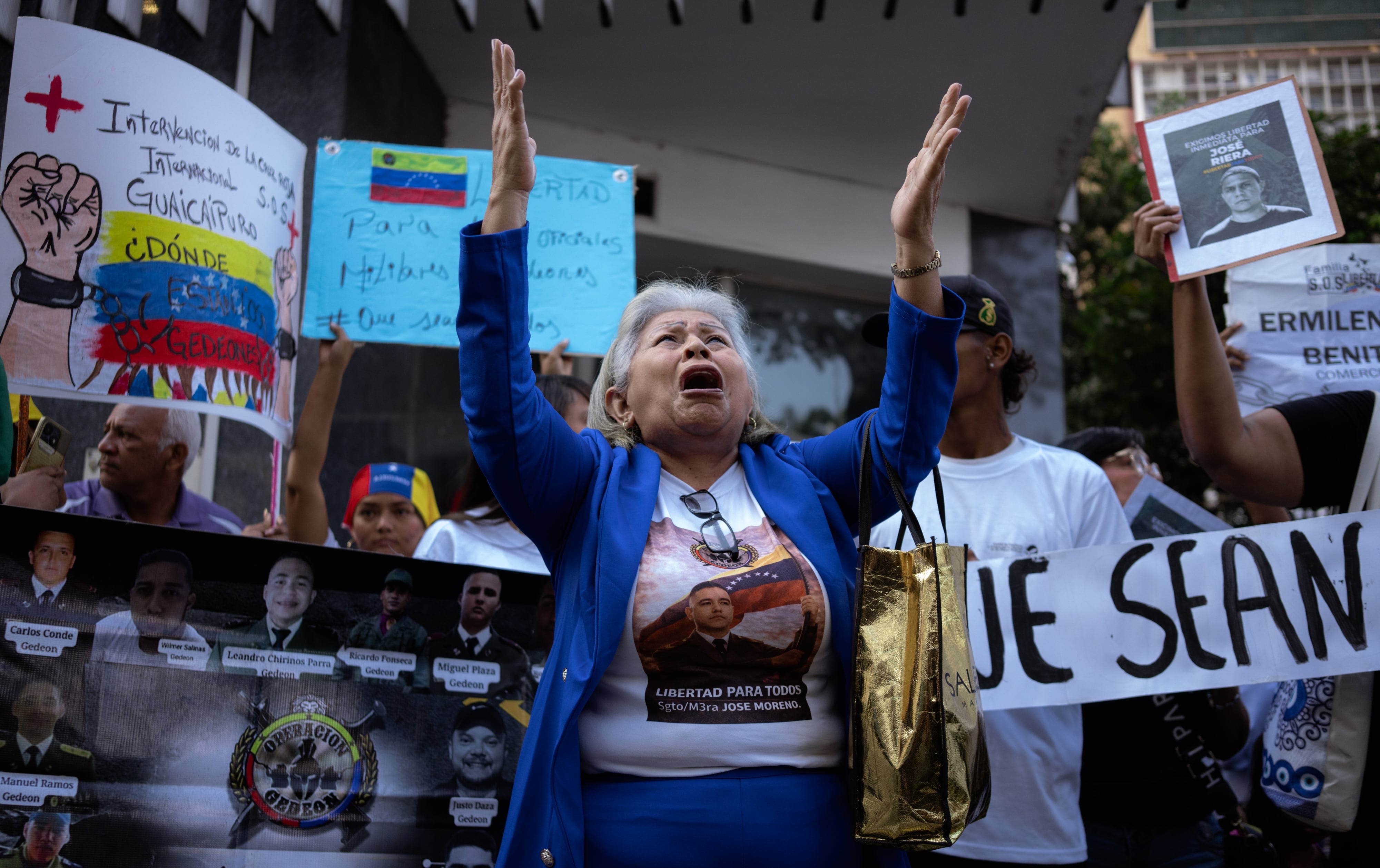
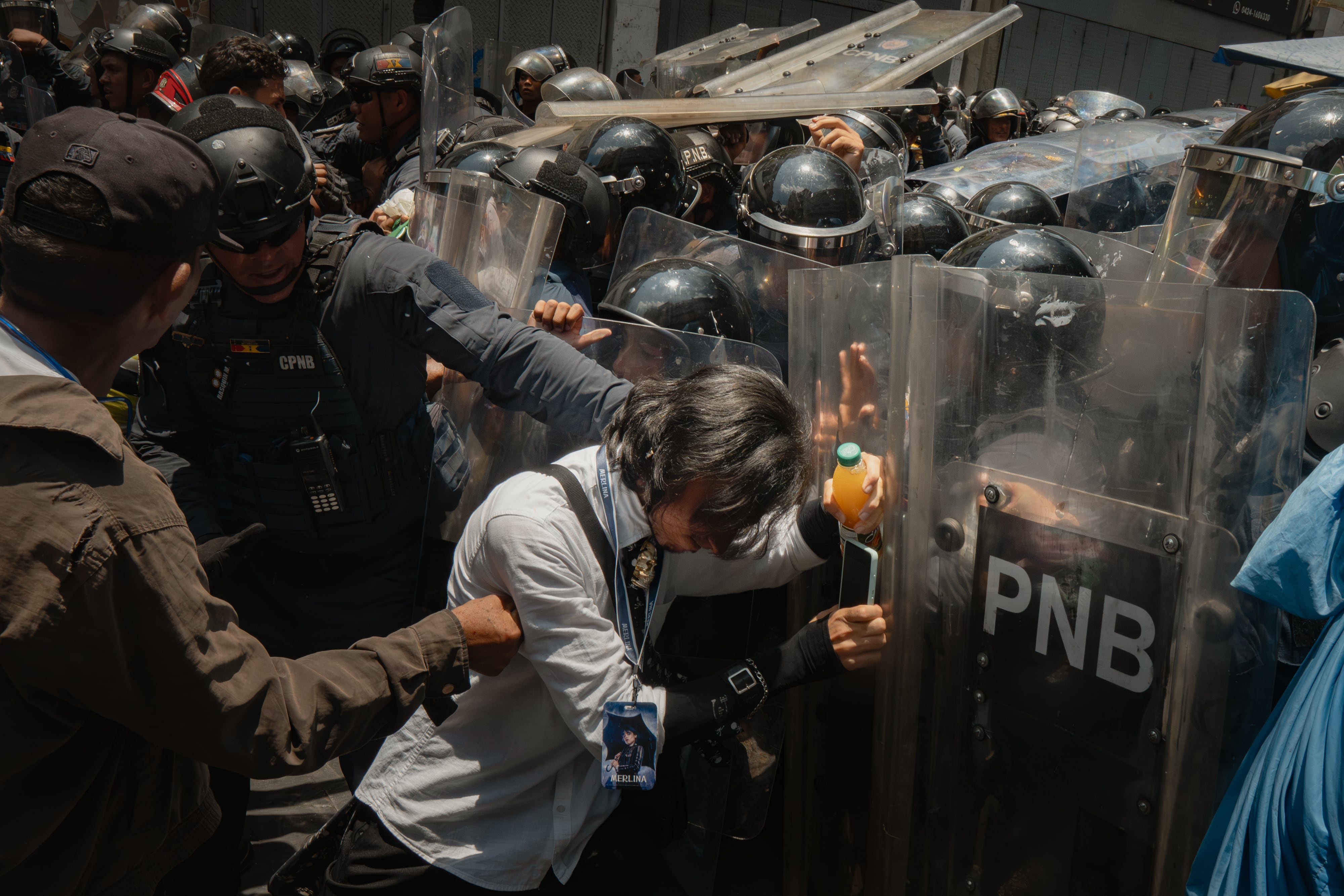
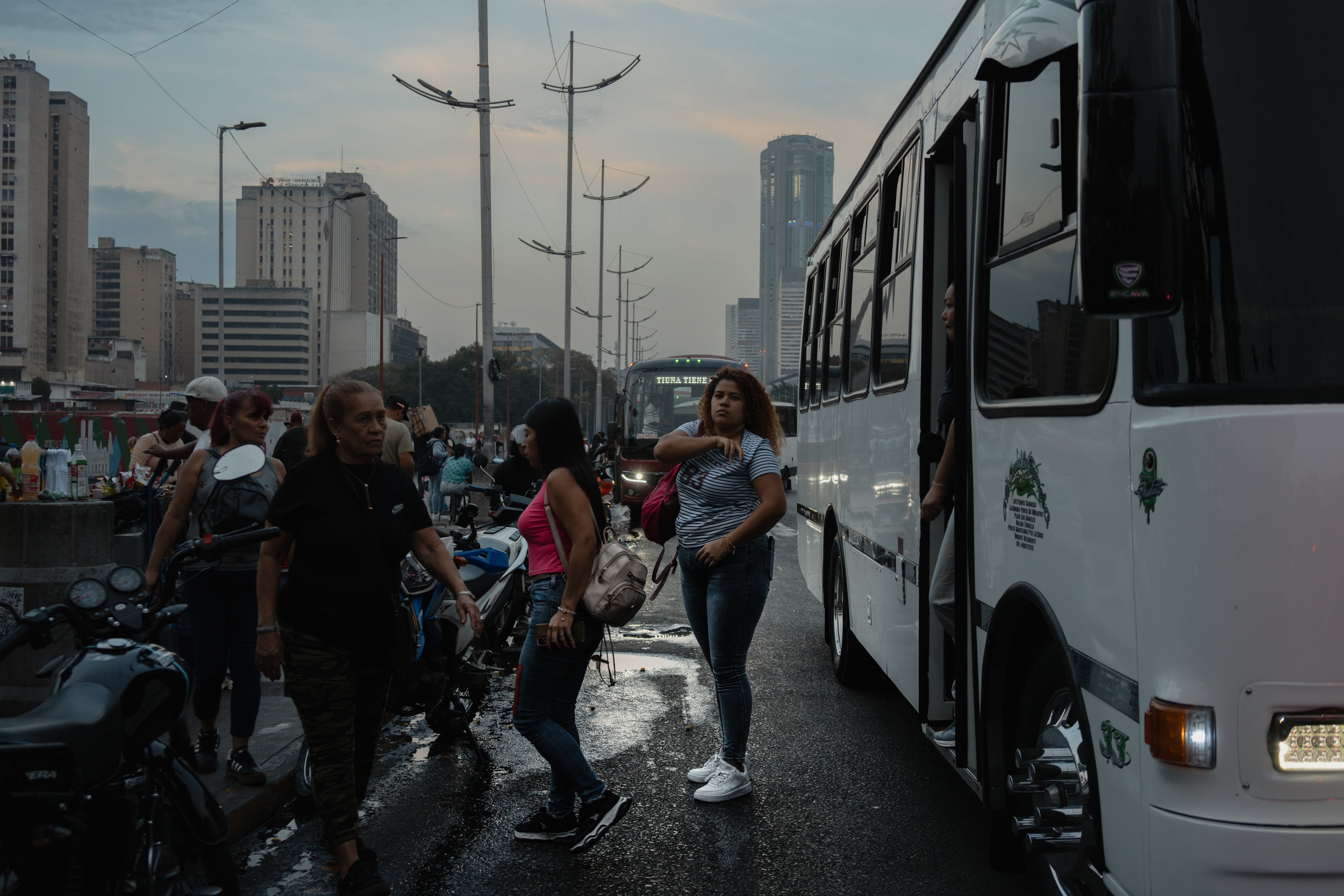
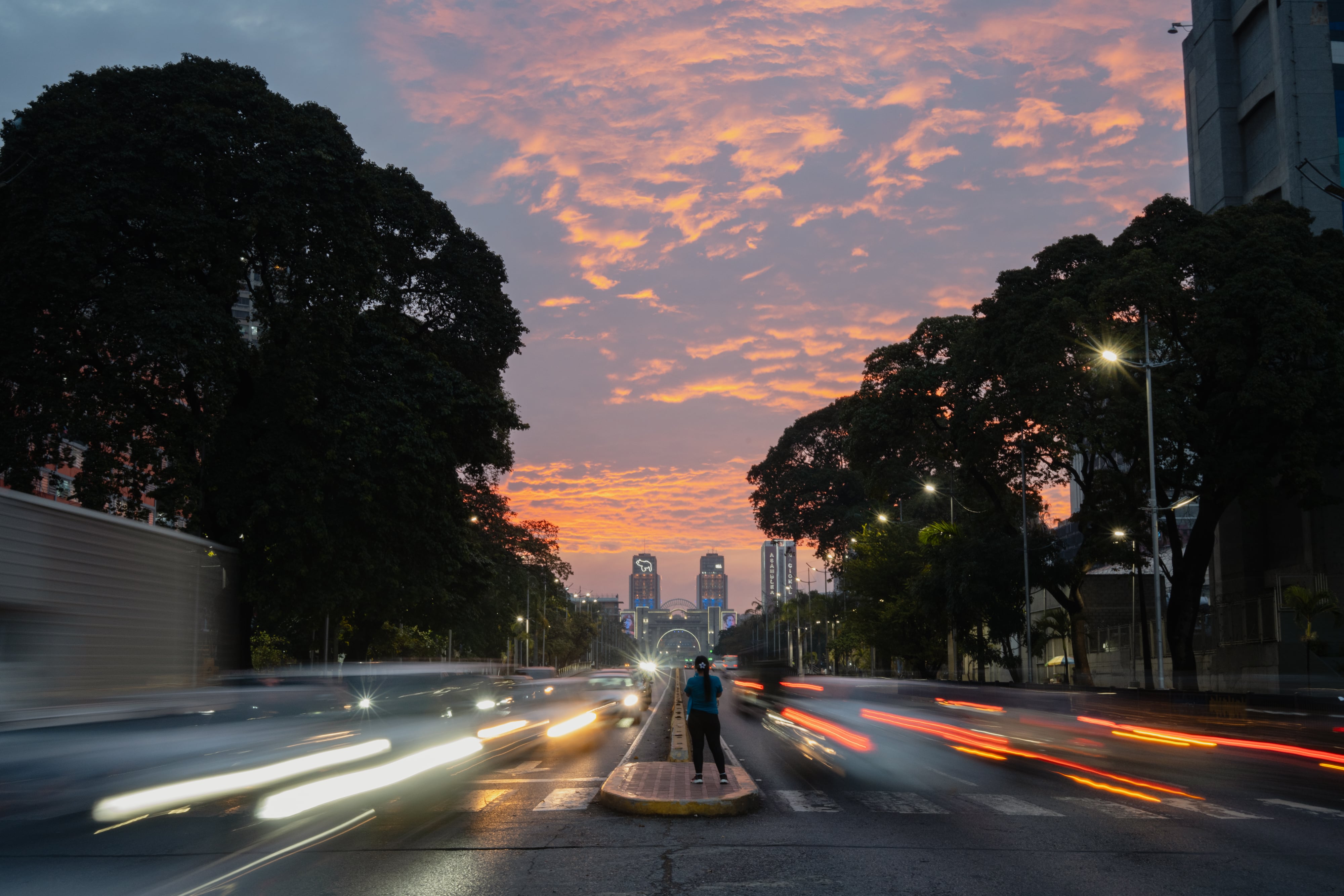
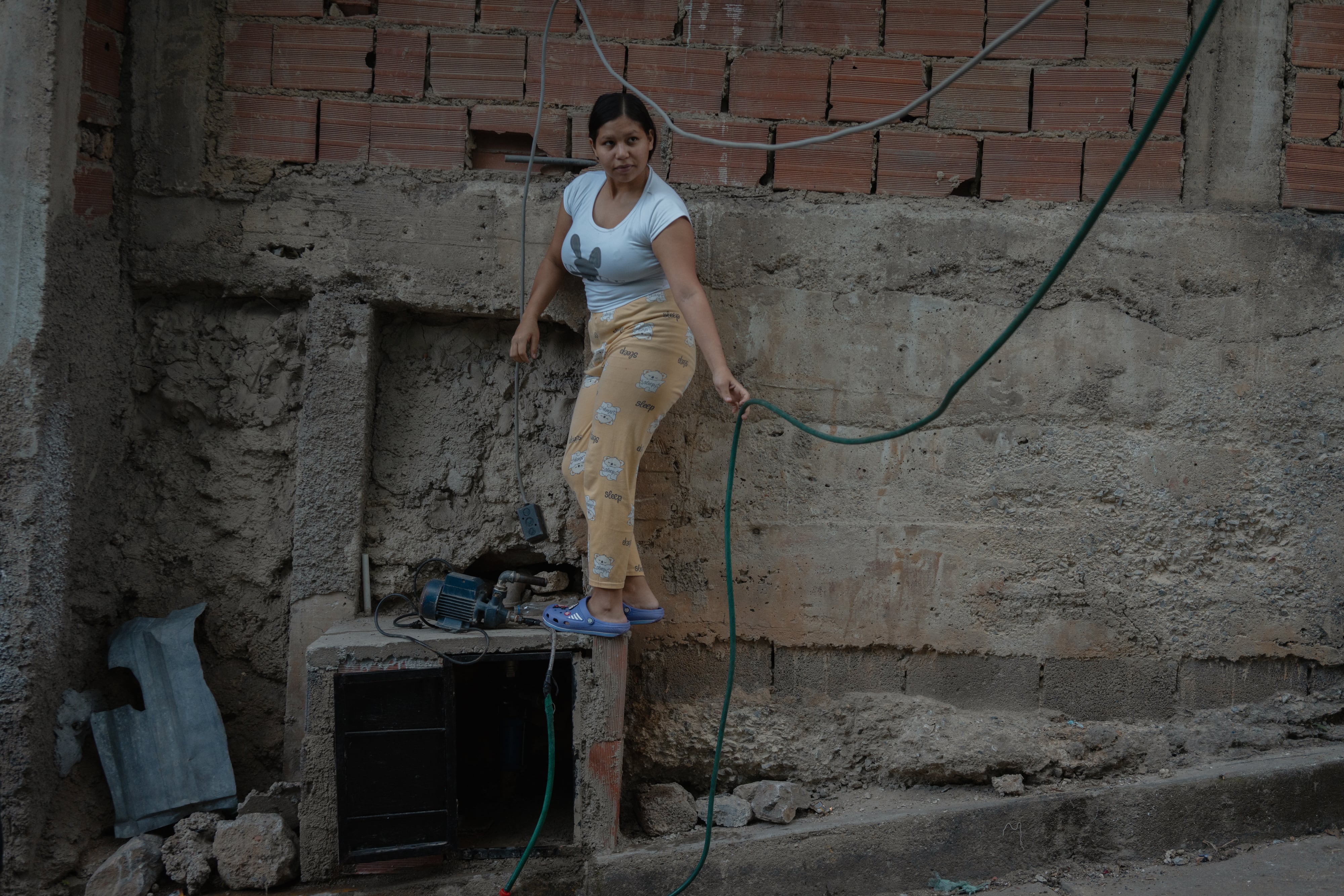
There are two pairs of eyes that have shaped the lives of Venezuelans for more than two decades. Symbolic eyes, once adorning building facades, t-shirts, and the city’s staircases. They were the eyes of Hugo Chávez: a gaze designed to suggest authority, surveillance, omnipresence. A gaze that, even after his death in 2013, remained, as if power no longer needed a body, only presence.
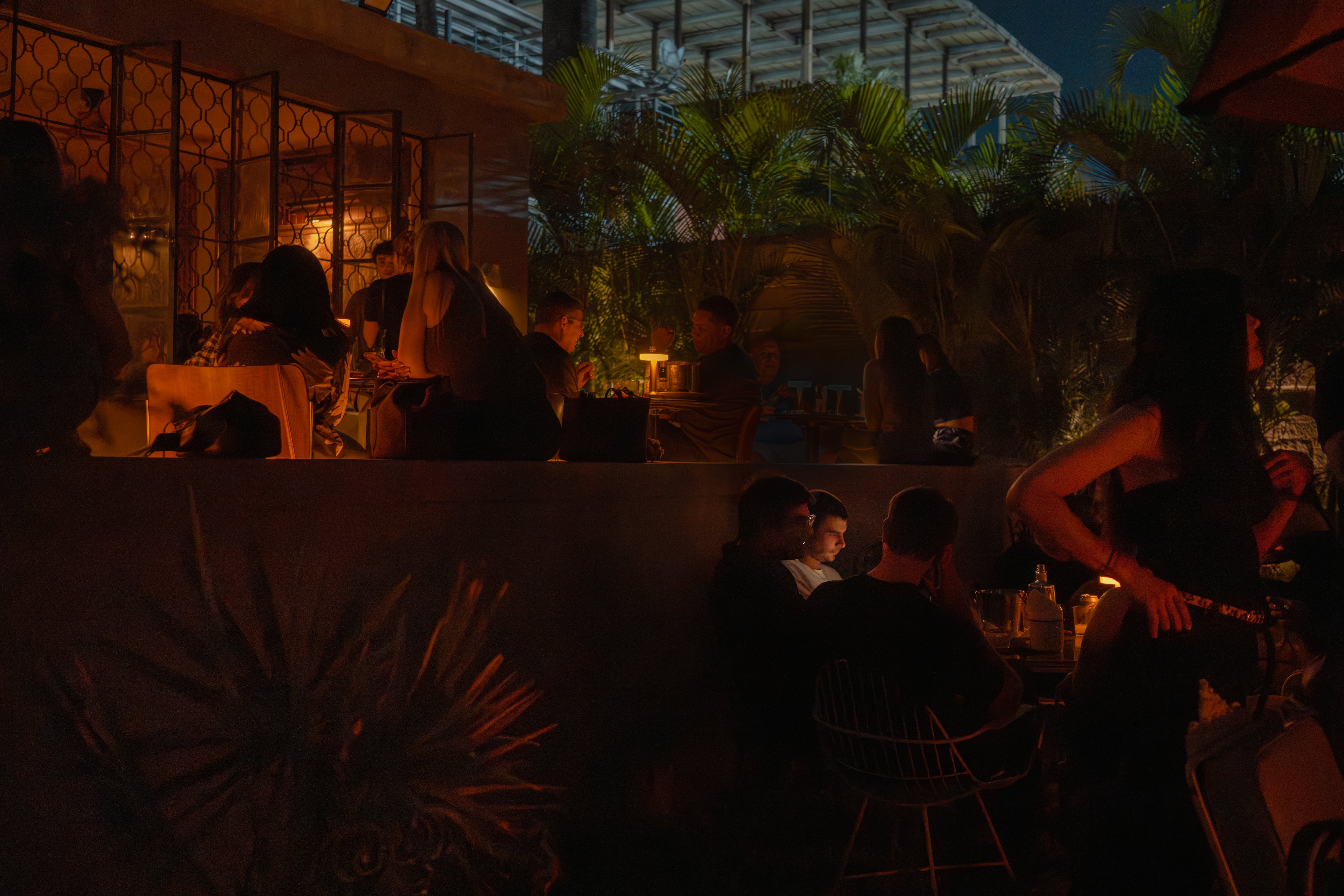
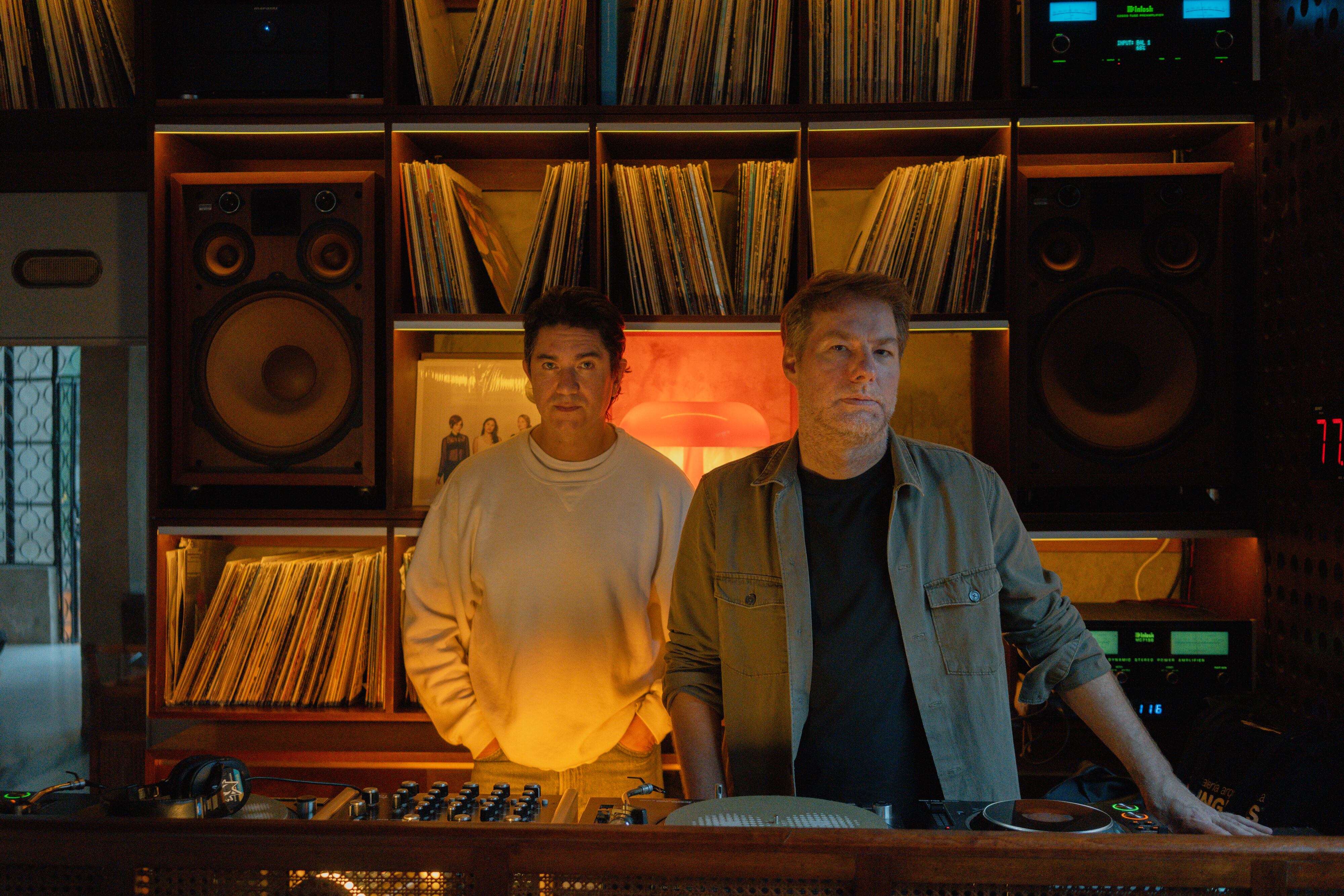
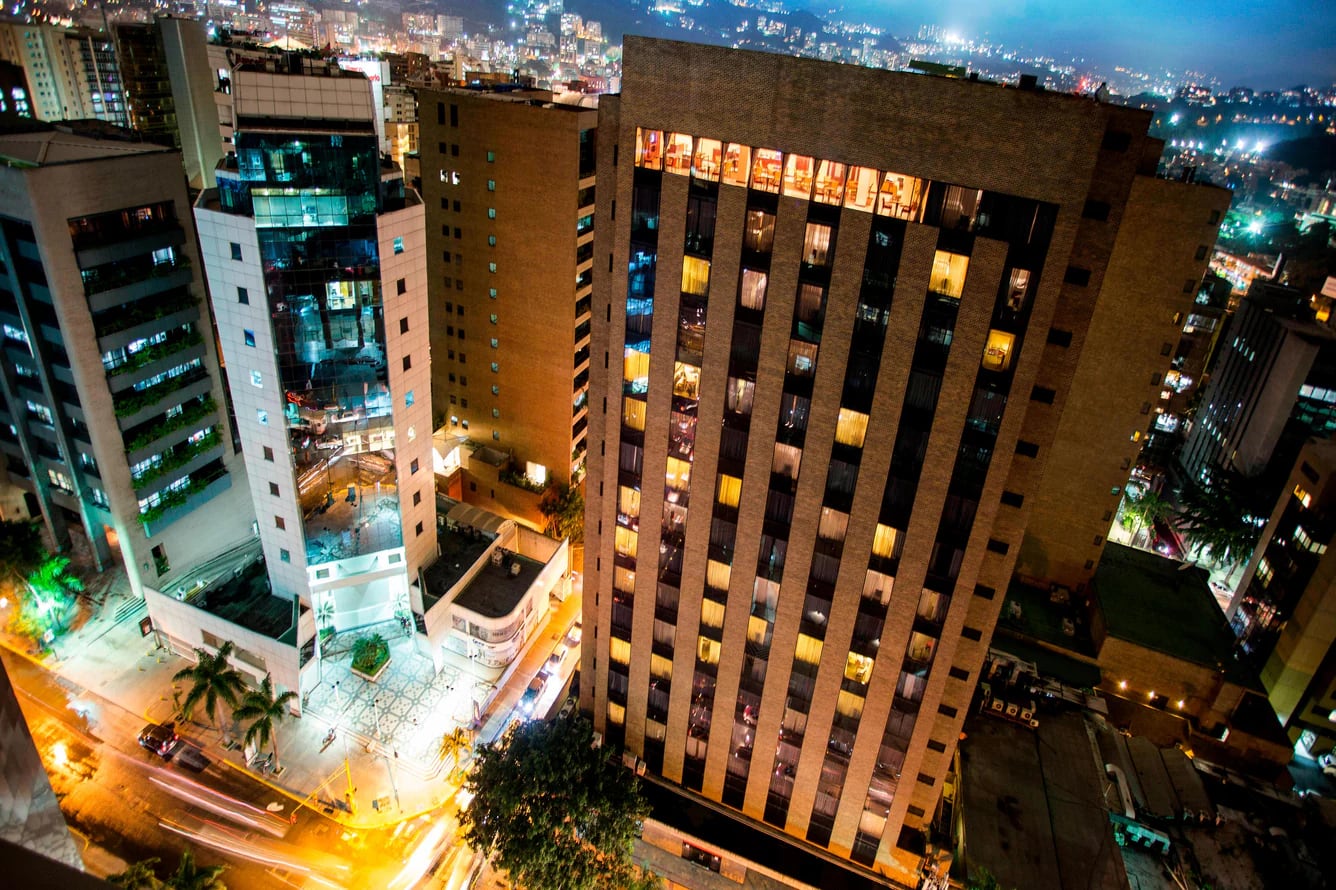
On a Saturday evening, in an upscale Caracas neighborhood, a bar fills up. Well-dressed men, smelling of cologne, recount their week. Women with sleek hair and long eyelashes take selfies in the bathroom. People on the street talk on their cell phones, engaging in heated discussions about current events, while a DJ spins vinyl records. There are signature cocktails being served. Everything is in its usual place.
At 8 a.m., the 20 Marines staying at the JW Marriott in Caracas go down for breakfast. It is a unique spectacle. They are between 30 and 40 years old and almost all of them sport a chevron mustache, Freddie-Mercury-style. The tattoos reach the elbow, sometimes the knees. Caps, shorts and T-shirts are emblazoned with slogans that sit oddly in Donald Trump’s war-mongering era. “No war team,” read one of them last week.
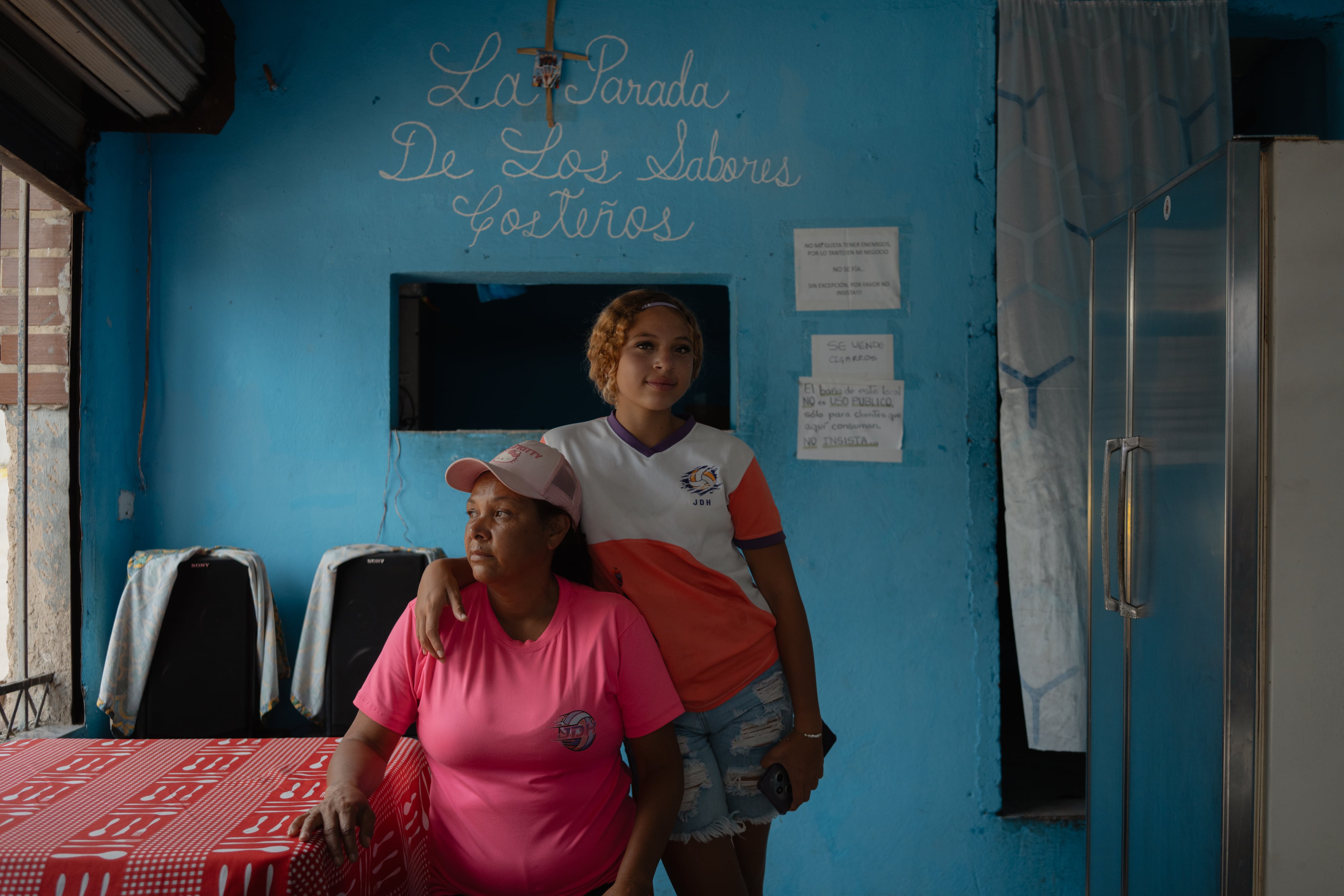
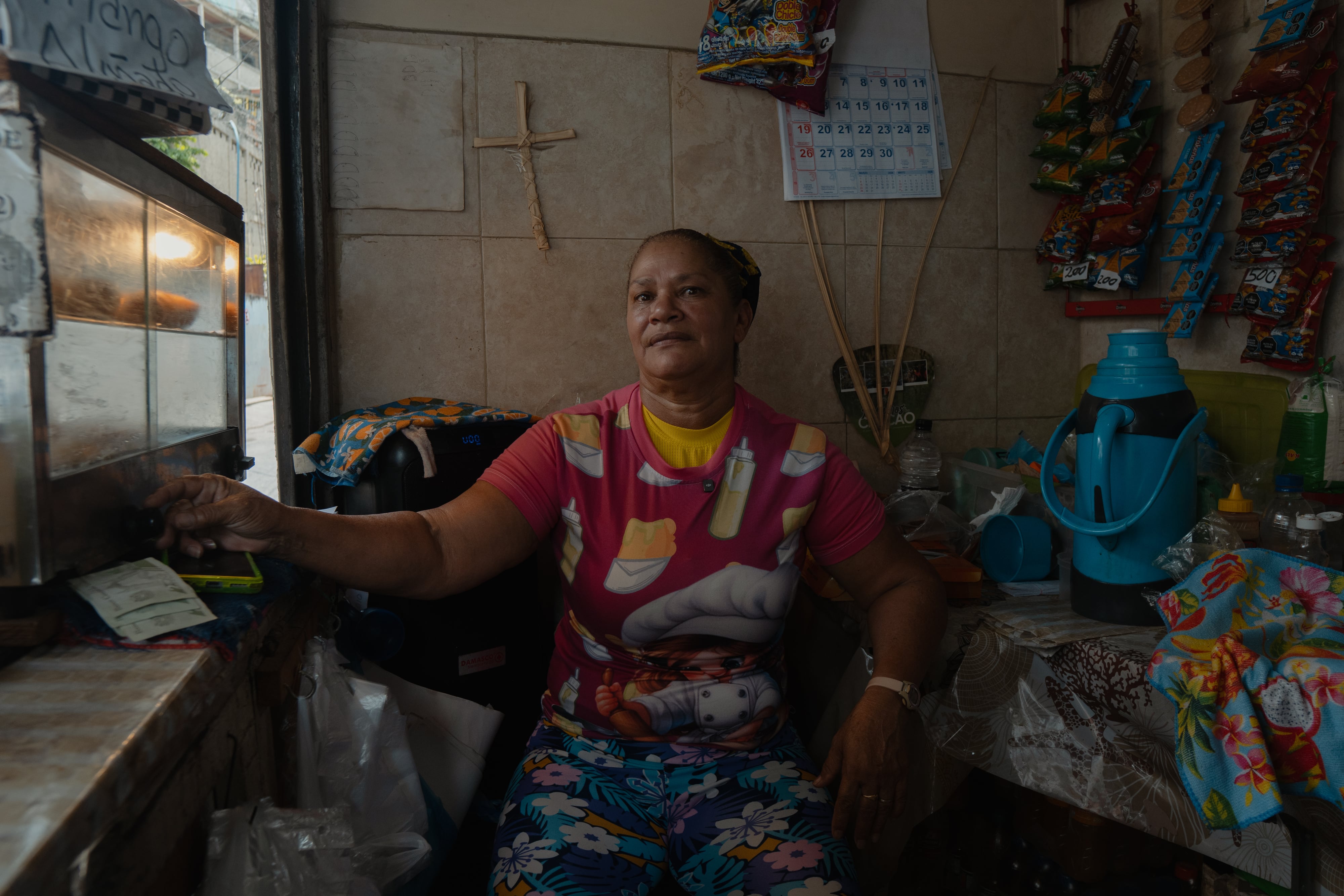
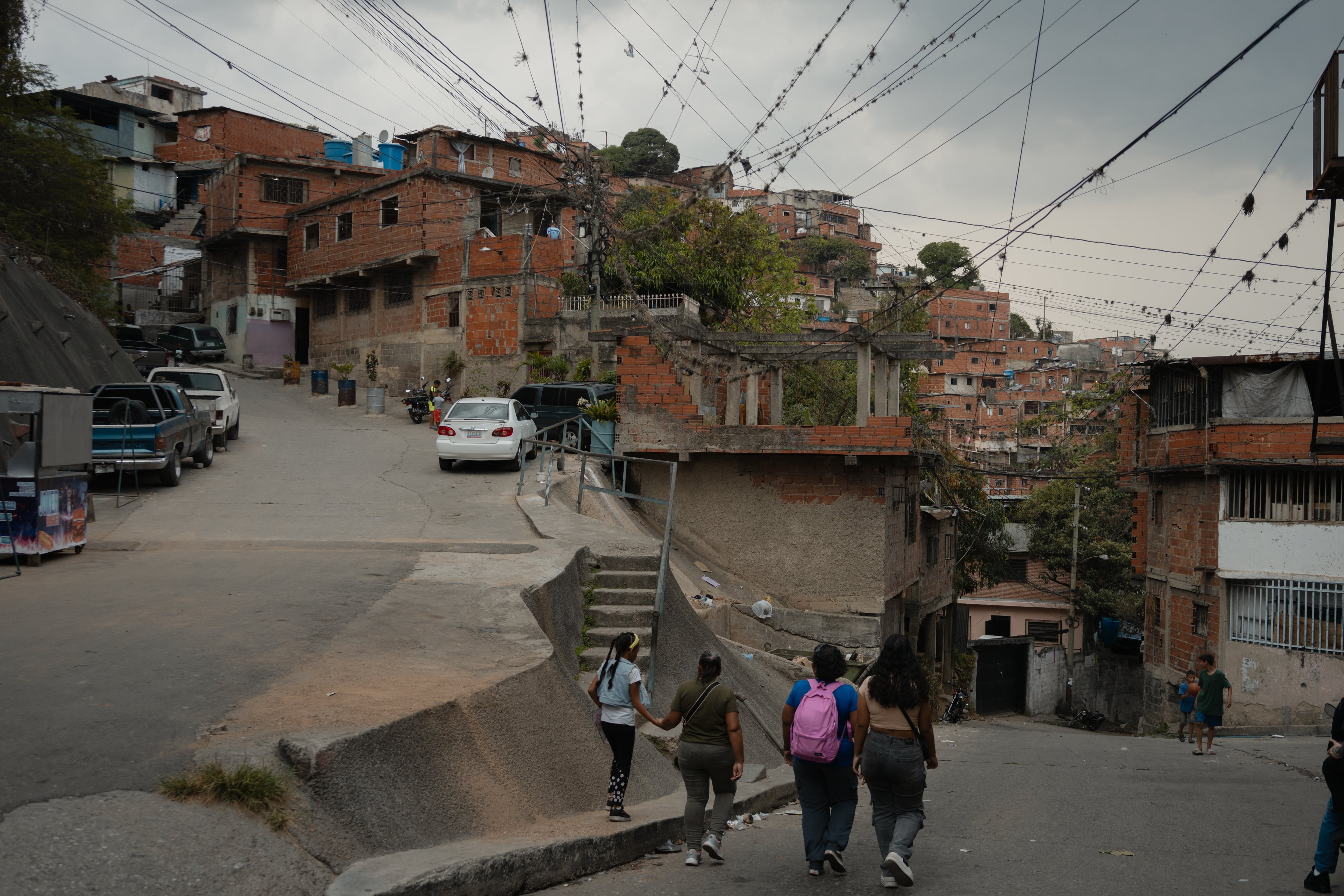
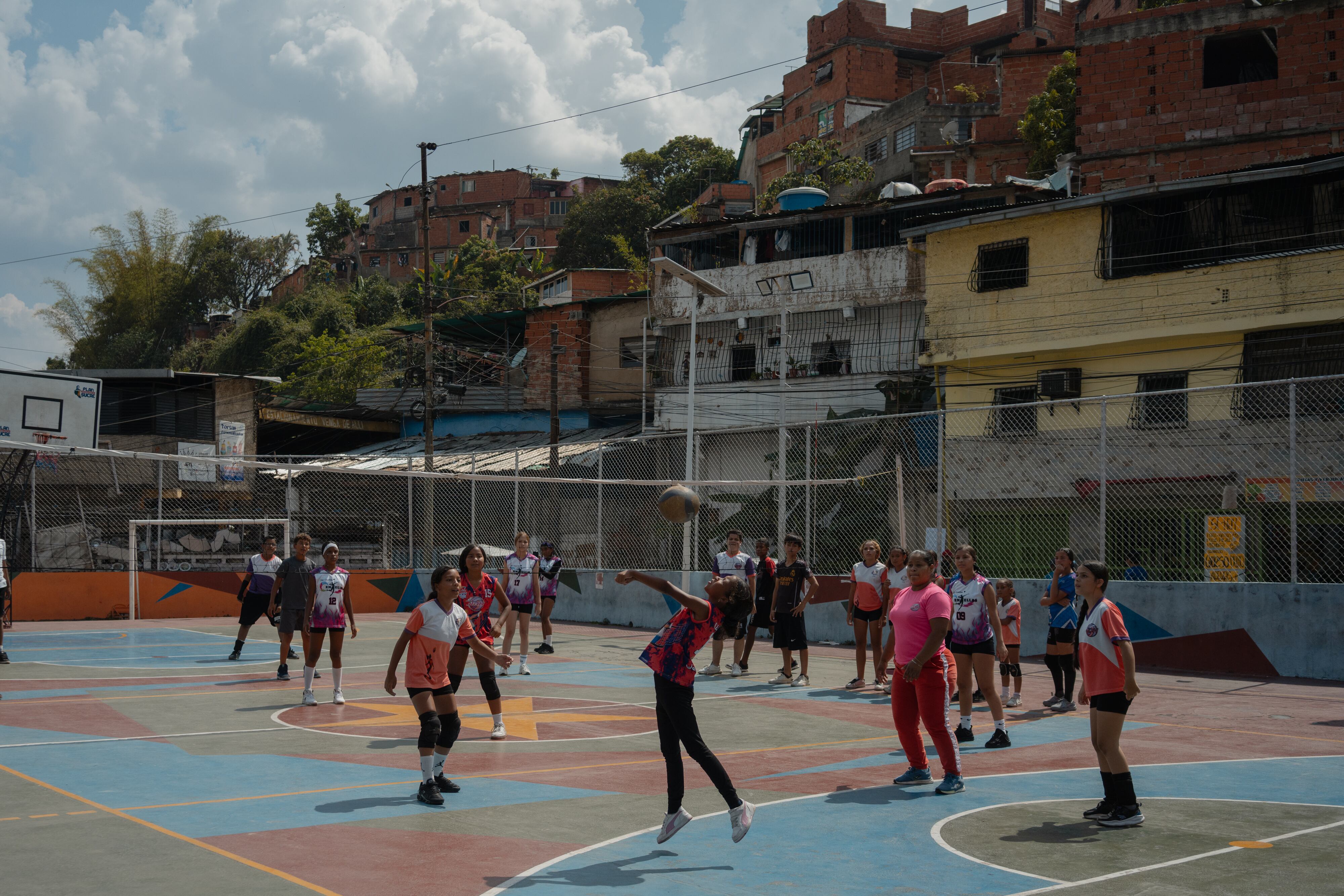
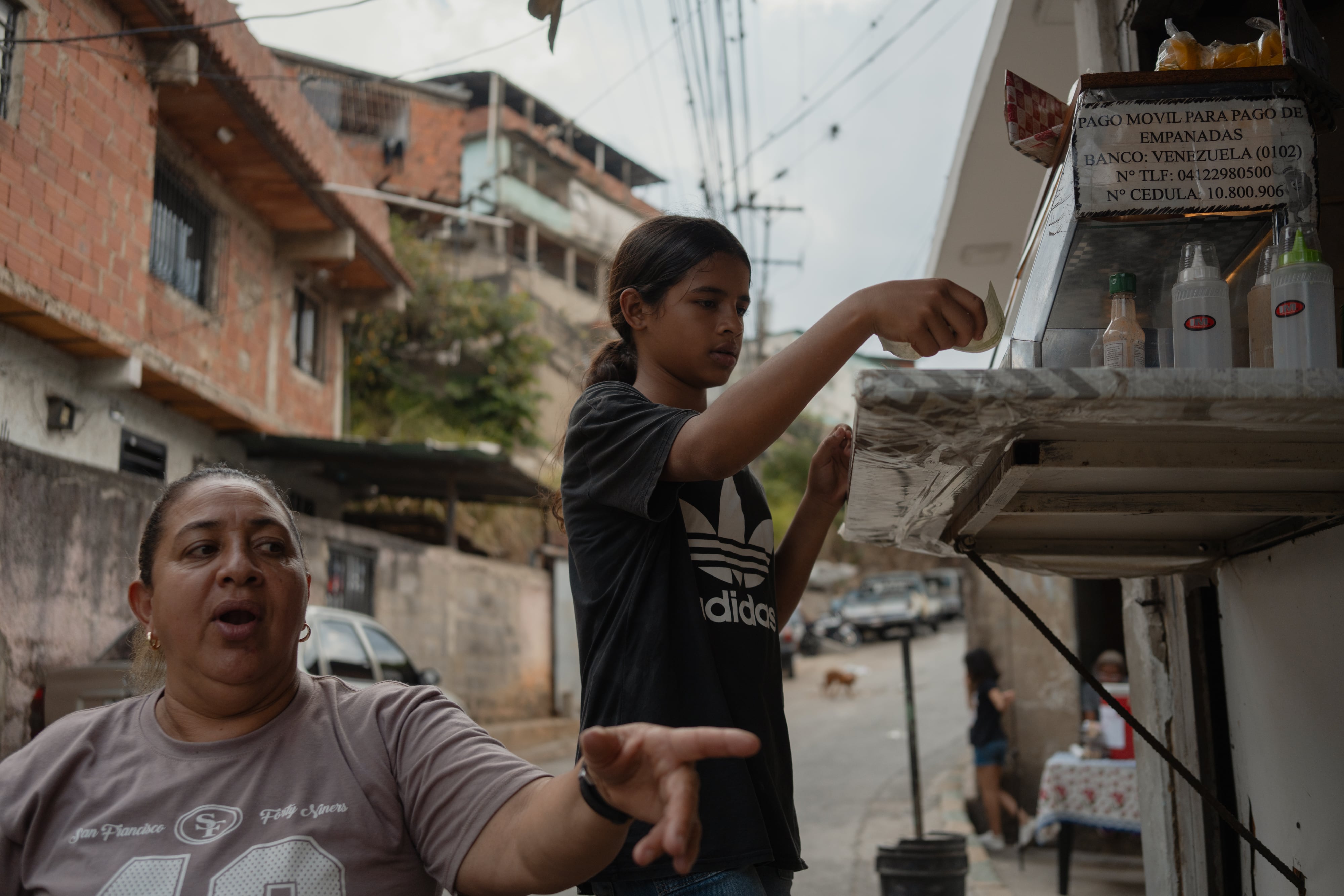
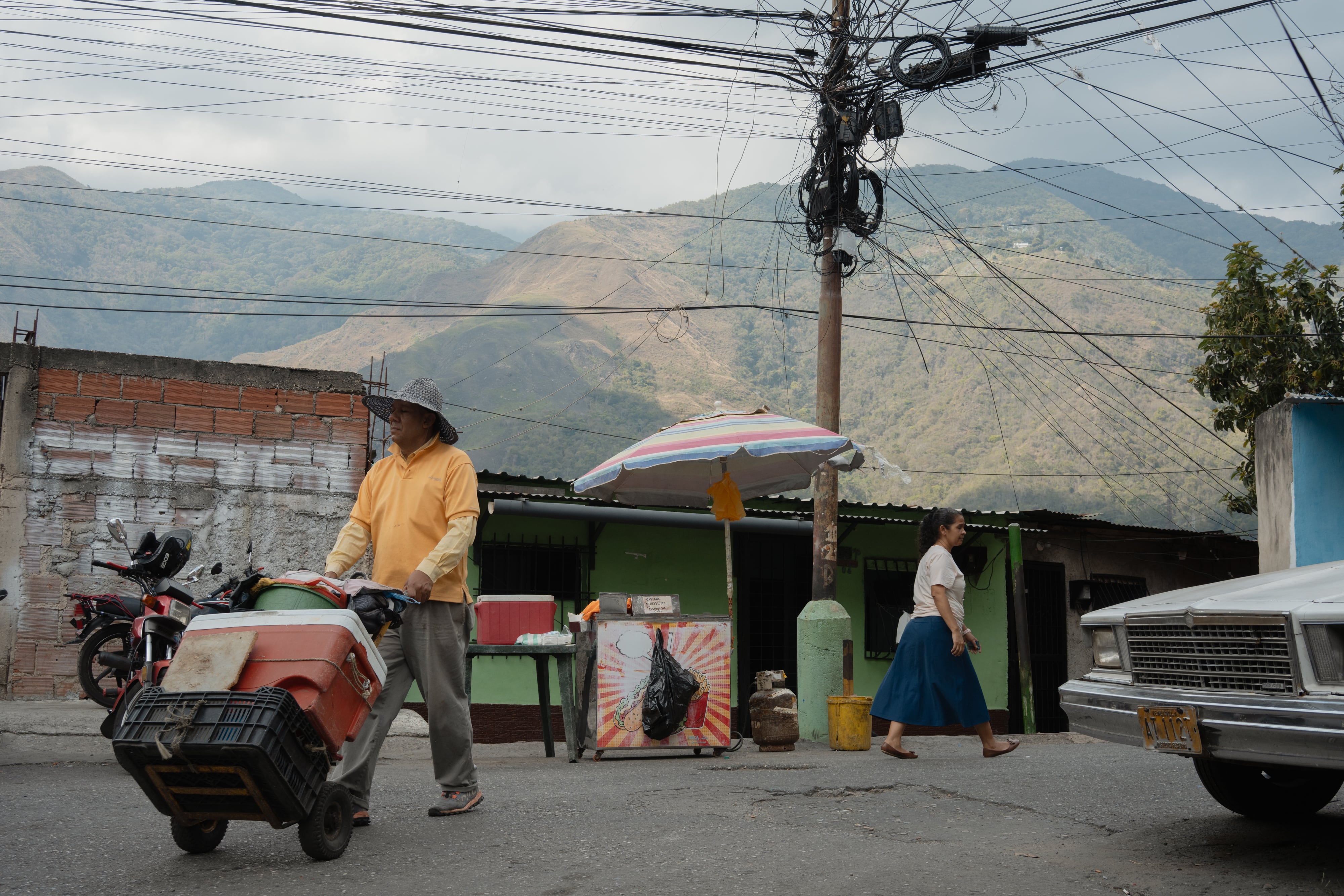
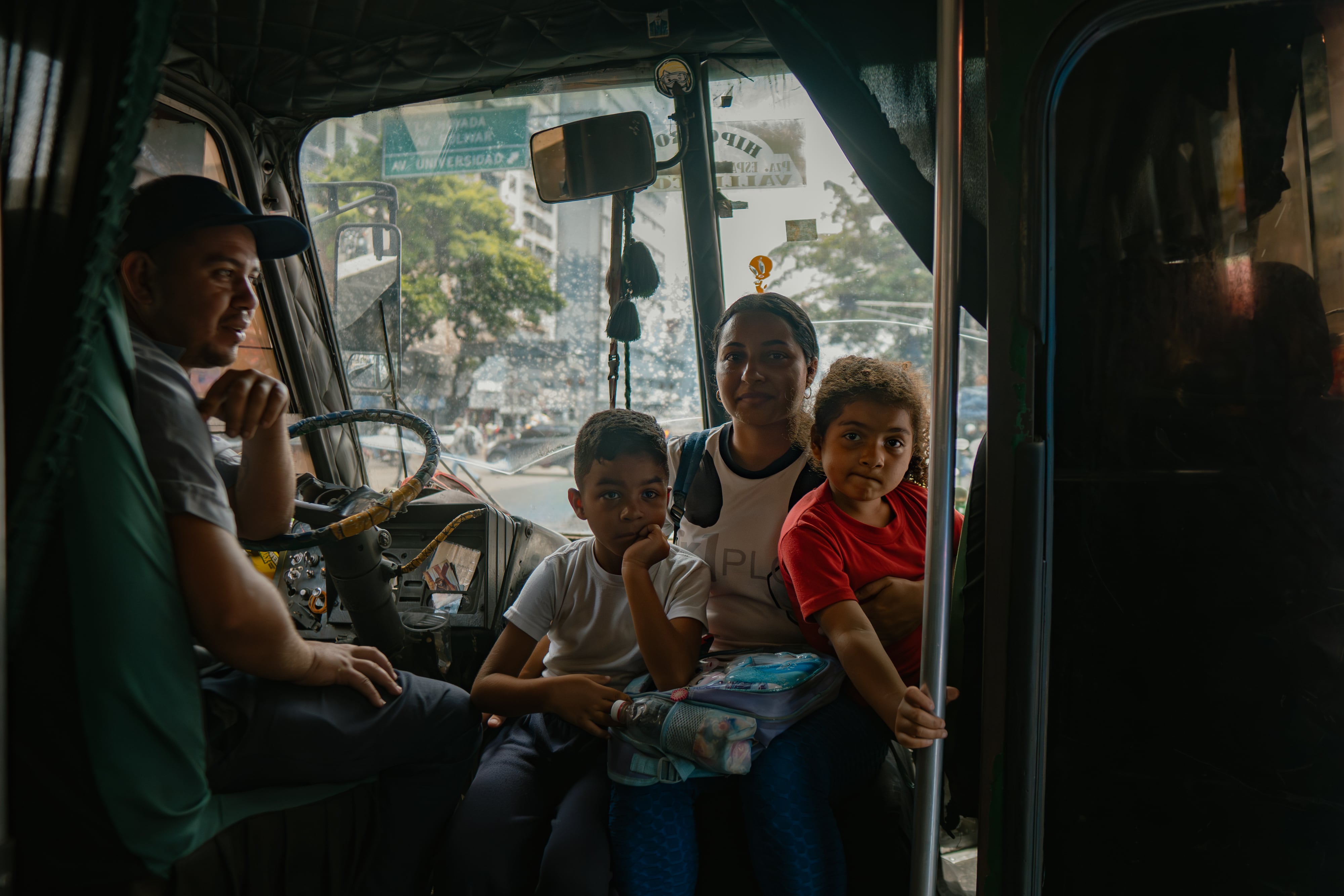
For more than three decades, something more than data has been recorded in Venezuela’s barrios: emotions, connections, and ways of surviving amid precariousness. In that everyday terrain, the Center for Popular Research became a privileged observatory for understanding how people in the country’s poorest areas think and feel.
Madrid, Spain – A chant at a rally for Venezuelan opposition figure María Corina Machado – referring to interim president Delcy Rodríguez as a monkey — has sparked backlash across political divides and forced a well-known Venezuelan singer to apologize.
The chant of “fuera la mona” (get the monkey out) resounded through Madrid’s Puerta del Sol on Saturday as thousands convened to show their support for Machado.
Although it lasted only seconds, the chant drew widespread criticism from both Venezuelan government supporters and the opposition; some denounced it as racist, while others said that, regardless of intent, it was derogatory and inappropriate to comment on someone’s appearance.
Latin America Reports was a few rows from the stage and observed that Venezuelan singer Carlos Baute had been calling for free elections when a small group began chanting. The slogan quickly spread through parts of the crowd. As it grew louder, Baute joined in and turned his microphone toward the audience, prompting even more people to repeat the chant.
By Sunday afternoon, clips were circulating on social media showing Baute joining in the chant on stage. The singer, who has more than a million followers on Instagram, issued a video apology on Monday. He said he had got caught up in the atmosphere of the rally, but insisted he is not racist.
“I let myself be carried away by the emotion of a very powerful moment… and I also know when something wasn’t right,” the 52-year-old said.
“All my life I have sung about love, life and unity. I am not racist. I am a singer who loves his country, his family and God.”
Not everyone in the crowd participated and some attendees appeared visibly uncomfortable.
Although the chanting lasted only seconds and were followed by upbeat performances and Machado’s speech, by the following day the footage had gone viral.
Machado, leader of Venezuela’s opposition, moved quickly to distance herself from the remarks, criticizing the chant in an interview with EFE on Sunday: “No one will ever hear me say anything that judges or disqualifies a person based on their religion, gender or race.”
The same day, the Venezuelan Embassy in Spain condemned the remarks, describing them as “a form of political violence rooted in misogyny and racism.”
Others, however, defended the moment, pointing to what they described as a double standard and to language often used by government supporters against opposition figures, including insults directed at Machado such as “bruja” — meaning witch — and “sayona,” a reference to a Venezuelan legend about an evil female spirit.
“Just as I have made clear the racism and therefore the idiocy of calling Delcy ‘mona’, it is impossible not to point out the cynicism of someone who insults Venezuelan women every day, when he calls Machado ‘sayona’ or ‘bruja,’” he wrote.
Machado is currently in Madrid as part of a European tour, meeting Venezuelan diaspora supporters and political figures. She has not, however, met Spain’s Prime Minister Pedro Sánchez.
Featured image description: Delcy Rodriguez.
Featured image credit: Government of Russia via Wikimedia Commons
Madrid, Spain – Venezuela’s opposition leader, María Corina Machado, drew thousands of supporters to Madrid’s Puerta del Sol on Saturday, telling them that they would soon be able to return to Venezuela.
“Today we begin our return home,” she said to raucous applause from the crowd.
Machado appeared on a balcony draped with the Spanish and Venezuelan flags overlooking the square and flanked by members of her team.
It was a moment that felt closer to a presidential address than a political rally, followed by chants calling for elections to vote her in and cries of “president, president, president” filling the square at various points throughout her speech.
The Madrid rally marks an attempt by Machado to build momentum, amid uncertainty over the opposition’s next steps and anticipation about when she will go back to Venezuela.
Machado won the opposition’s 2023 primary by a landslide but was barred from running in the 2024 presidential election. Edmundo Gonzalez ran in her place and is widely believed to have won.
But since the capture of Nicolas Maduro by U.S. forces on January 3, many Venezuelans want fresh elections and do consider Delcy Rodriguez, now interim president, to represent them.
A few minutes after Machado’s balcony appearance, she stepped onto a stage in her signature white top and jeans — the same look she wore during dozens of rallies in Venezuela ahead of the 2024 elections — as well as rosary beads around her neck, gifted by supporters.
Machado, who won the Nobel Peace Prize in 2025, lifted small children onto the stage to hug them, as various gifts were passed through the crowd towards the stage — pictures, flowers, and more rosary beads.
She said that on January 3 a huge hole opened up, and that force and energy had begun to flow: “Now, having lived through what we’ve lived through, having endured the worst repression and persecution, having overcome fear, we are now unstoppable — unstoppable.”
While she criticized interim president of Venezuela, Rodriguez, she praised the U.S. president.
“There is one leader in the world, one head of state, who has risked the lives of his country’s citizens for the freedom of Venezuela. And that is Donald Trump,” Machado said, referring to the U.S. capture of Maduro in January.
Machado also paid tribute to the city of Madrid, which she said had welcomed and integrated Venezuelans at their time of need — but said soon they would be able to go back to Venezuela.
“Today the whole world has its eyes on this Plaza del Sol, because it knows that here today we are beginning the return home,” she shouted. “Pack your bags, because we’re going back.”
Spain hosts one of the largest Venezuelan communities in Europe, making it a key base of support for the opposition abroad.
Many Venezuelans at the gathering said that they did want to return home.
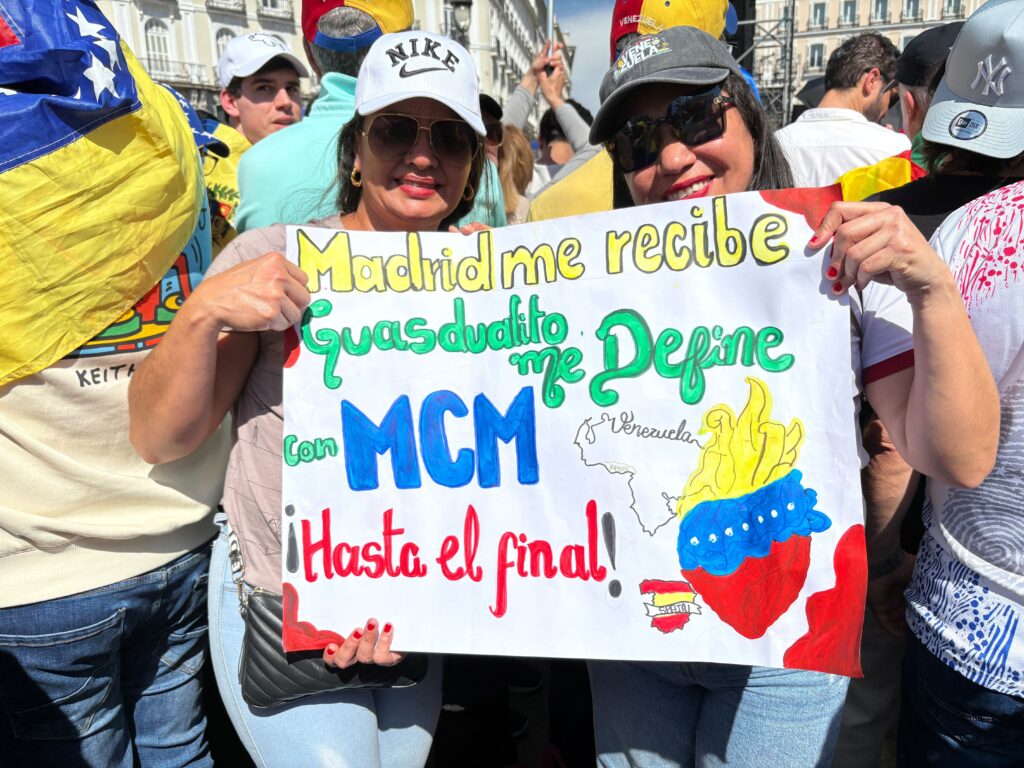
“We were nurses, eighteen years of service, and we had to leave home, we had to leave work, we had to leave everything,” a woman called Nazareth told Latin America Reports. She had left with her friend in September 2025 because of persecution by authorities in Venezuela.
Nazareth, pictured right, holds a sign reading: “Madrid receives me, Guasdualito (a town in Venezuela) defines me. With MCM until the end!” Image credit: Catherine Ellis
But she said she wants to go back as soon as it is safe enough — and believes Machado can make that happen: “I’m with María Corina to the very end and beyond. She is a warrior woman, a woman who represents all of us.”
Others who had lived in Spain for years said Madrid was now their home, although some were beginning to consider a return. Liliana Urbina came to Spain 20 ago, when Hugo Chávez was still in power. But she said the changes since January 3 and Machado’s leadership now had her considering a permanent return to her home country.
“When I arrived here, I forgot about the idea of returning, but María Corina has changed that. She has shown the world that we can rebuild the country, that we are united, and that we will move forward,” she told Latin America Reports. “So it is feasible, and it is possible, and it is a dream that we too now have — of returning.”
The event was at times more like a concert than a rally, with musical performances from well-known Venezuelan performers such as Carlos Baute and opera singer Víctor García Sierra.
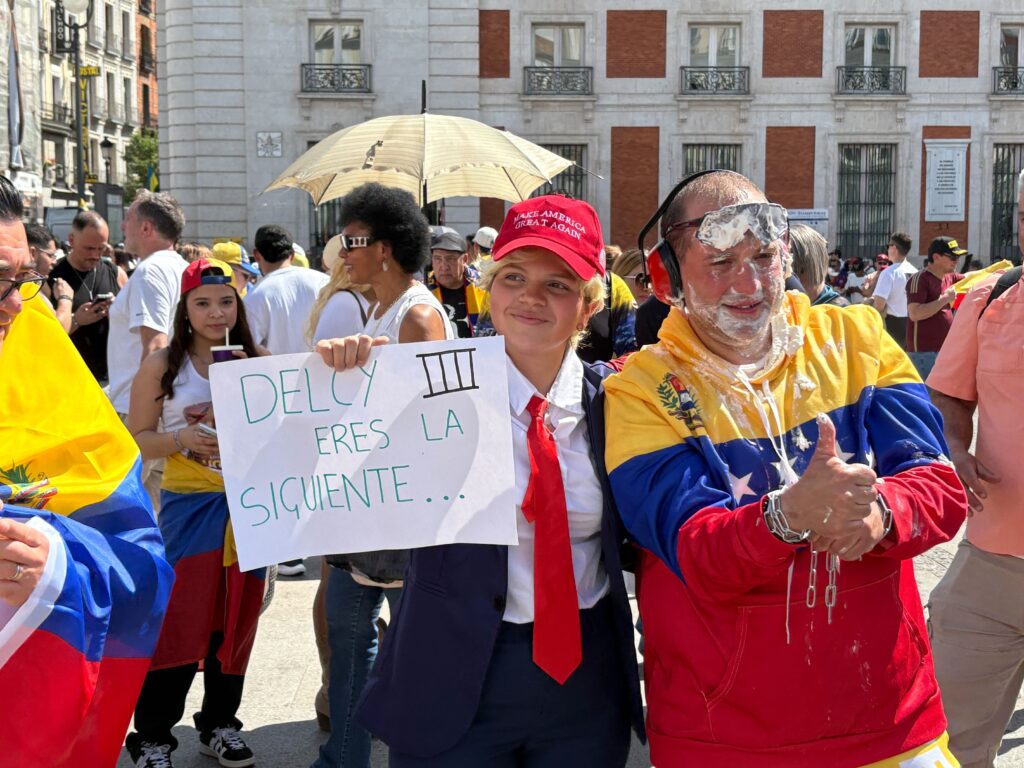
Many Venezuelans had arrived as early as 2 P.M. to secure their spots, bringing supplies as well as musical instruments to play for others around them. Others dressed up as President Trump or Nicolas Maduro, and posed for photos with the crowd.
MCM supporters dressed as Donald Trump and Nicolás Maduro. Image credit: Catherine Ellis.
As the day progressed and the crowd increased, several people fainted due to the heat and lack of shade.
Earlier in the day, Machado had attended a second symbolic ceremony during her visit. This time, she was awarded the Medal of the Community of Madrid. Edmundo González also received the honour but was unable to accept it in person as he is currently in hospital. On Friday she received the “llave de Oro” — golden key — an honour usually reserved for heads of state.
On Friday and Saturday, María Corina met with the country’s two main opposition leaders — Alberto Núñez Feijóo of the PP and Santiago Abascal of Vox. But she did not meet with Prime Minister Pedro Sánchez, who was hosting a conference of left-wing leaders — including Petro, Lula and Sheinbaum — in Barcelona. However, Sánchez said he had offered to meet her.
María Corina will visit the Spanish Senate on Monday.
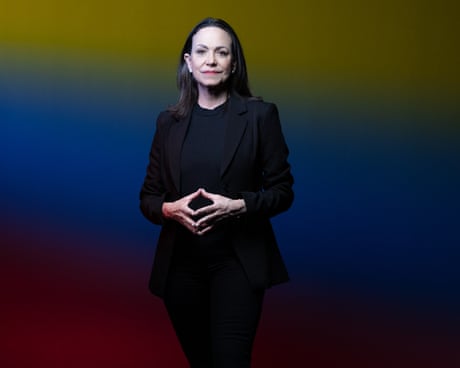
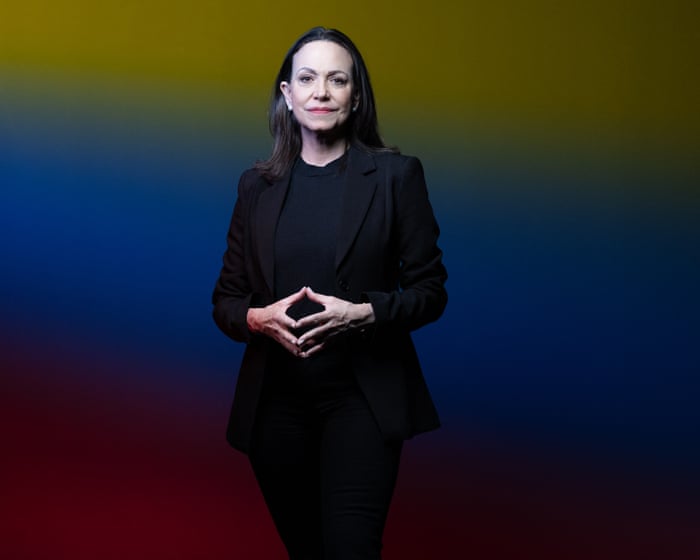
Featured image description: Maria Corina Machado spoke to a crowd of supporters on Saturday, April 18. Featured image credit: Catherine Ellis.
Exiled leader to revive push for change amid US backing of Delcy Rodríguez and delays to democratic transition
Venezuela’s opposition leader, María Corina Machado, will seek to revive her push for political change with a rally in Madrid on Saturday, having found herself sidelined by Donald Trump after the abduction of the president Nicolás Maduro.
“Venezuela will be free,” the Nobel peace prize winner insisted in an interview on the eve of this weekend’s demonstration in the Puerta del Sol square, which is expected to draw tens of thousands of protesters.
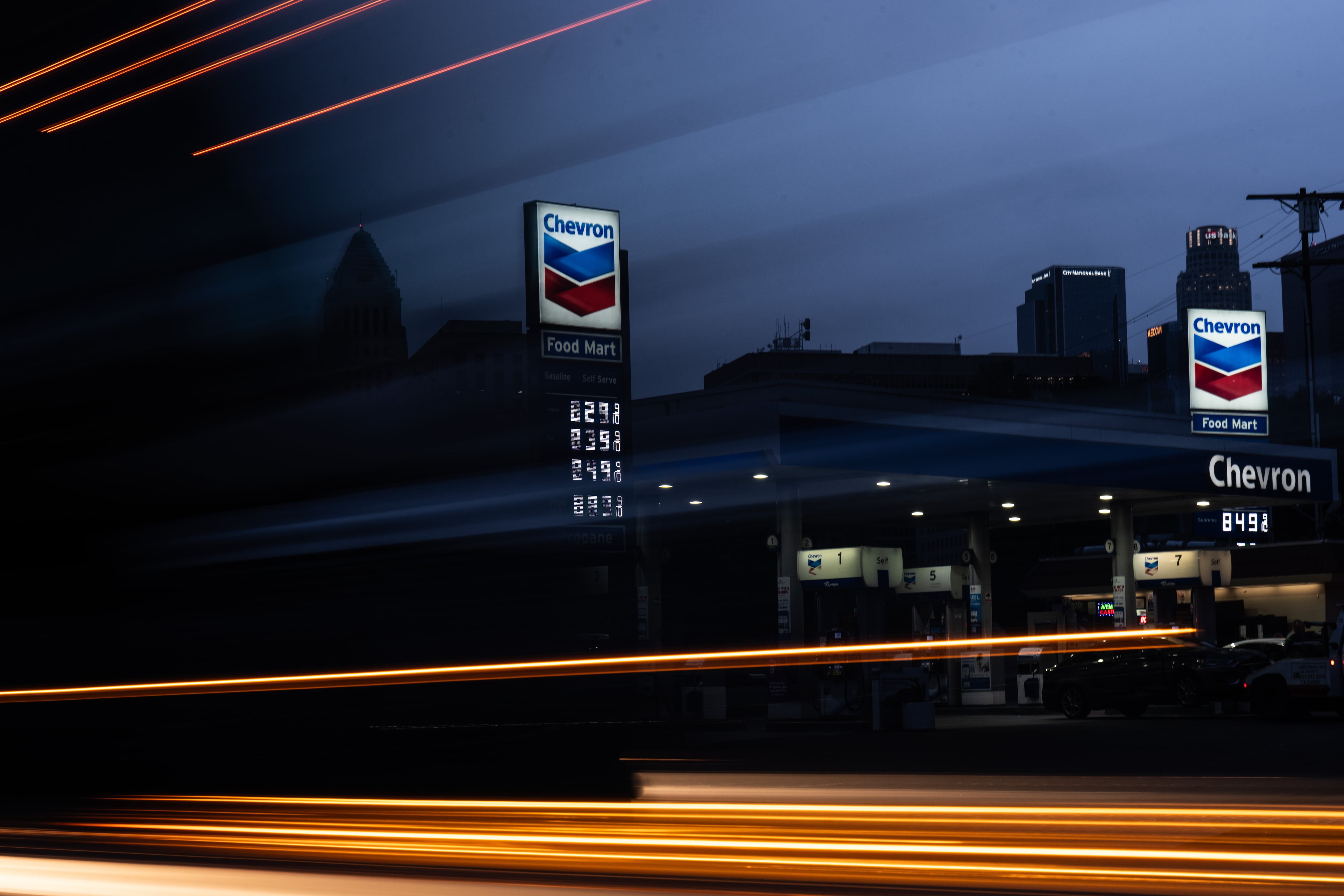
With its leadership still unrivaled, oil giant Chevron on Monday signed two key agreements with the Venezuelan government led by Delcy Rodríguez that will allow it to restructure its assets in Venezuela and focus on expanding its extra‑heavy crude operations in a strategic area of the Orinoco Oil Belt.
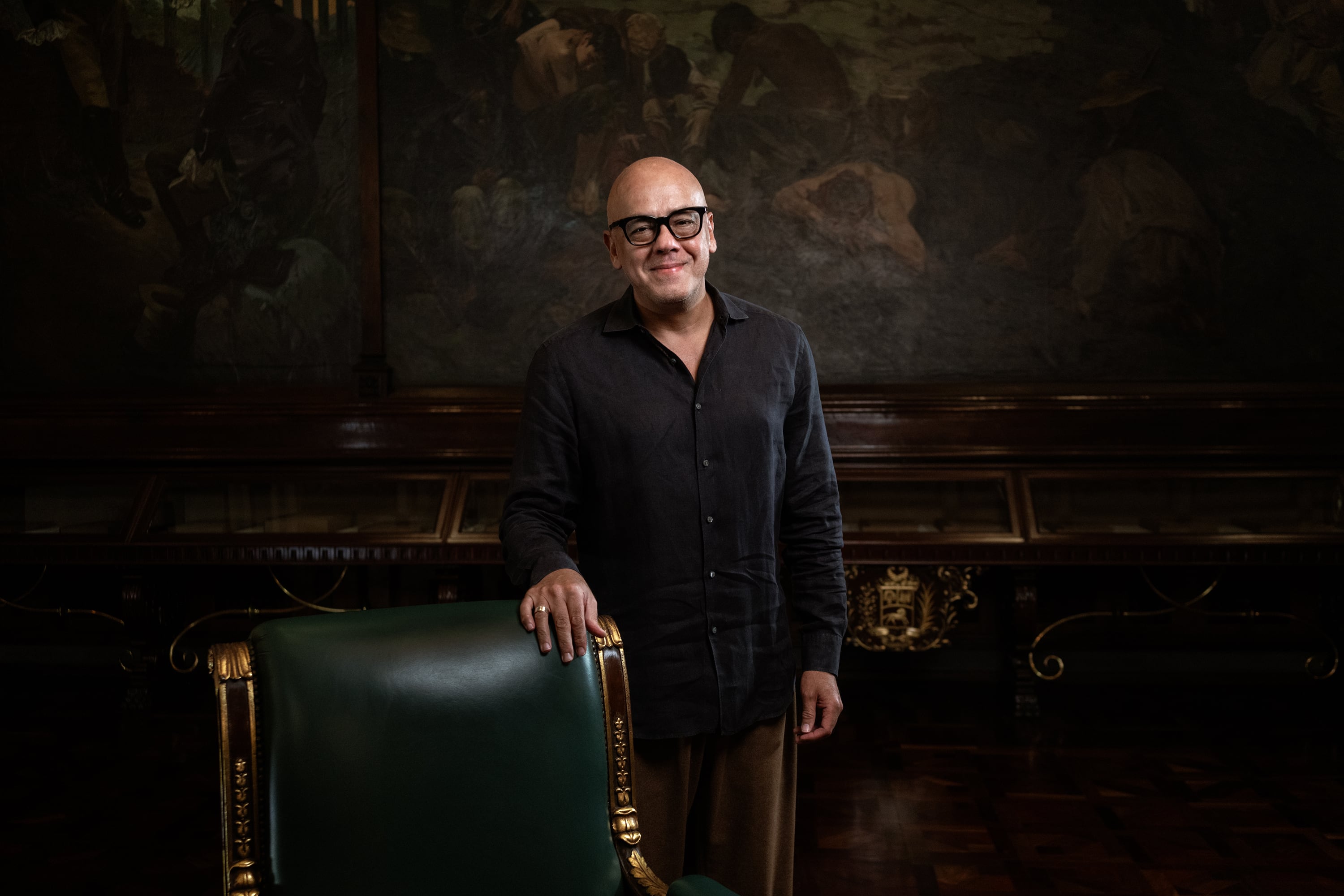
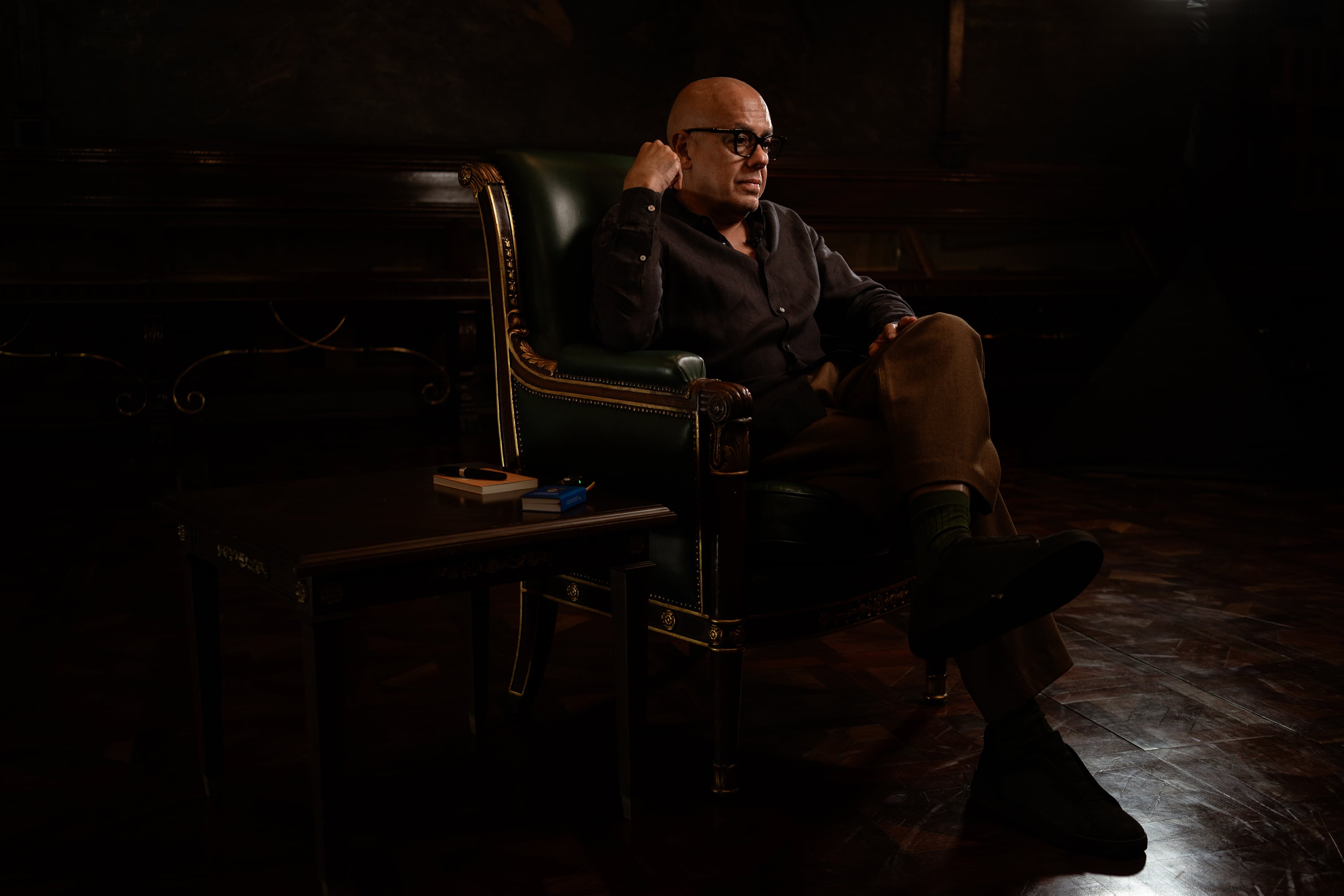
Since January 3, when the United States military bombed Caracas, forcibly removed Nicolás Maduro and his wife, Cilia Flores — who are now imprisoned in New York — and killed more than 120 people, Venezuela has been facing a situation that would have been hard to imagine just a few months ago. Laws, such as those governing hydrocarbons or mining, are being rapidly reformed to facilitate the inflow of foreign capital; anti-imperialist Chavismo maintains constant contact with Washington; an amnesty law has been passed, freeing thousands of prisoners — though some remain incarcerated or lack full political freedom — and Maduro’s name is beginning to fade amid more immediate crises. Jorge Rodríguez (Barquisimeto, age 60), president of Venezuela’s National Assembly and the country’s second-highest-ranking official after his sister, President Delcy Rodríguez, prefers the term she coined — “a new political moment” — to describe current events rather than speaking of a transition.

 Login
Login