Reading view

It’s been 50 years since the ‘most important concert of all time’... and everyone who saw it would fit inside Bad Bunny’s ‘casita’

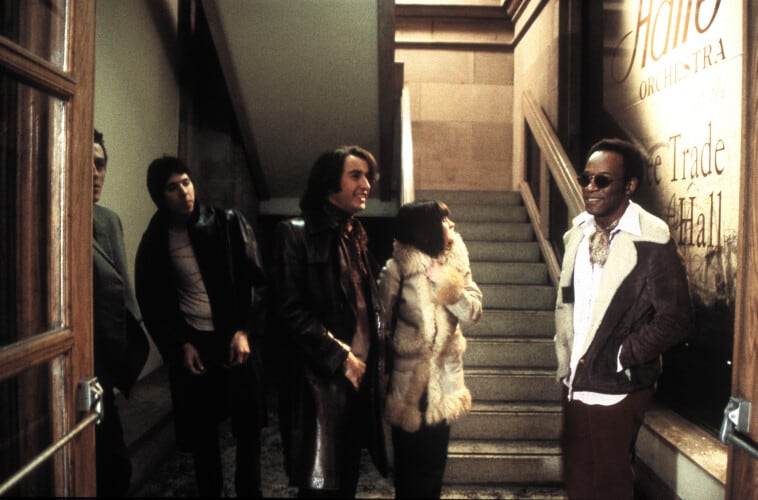
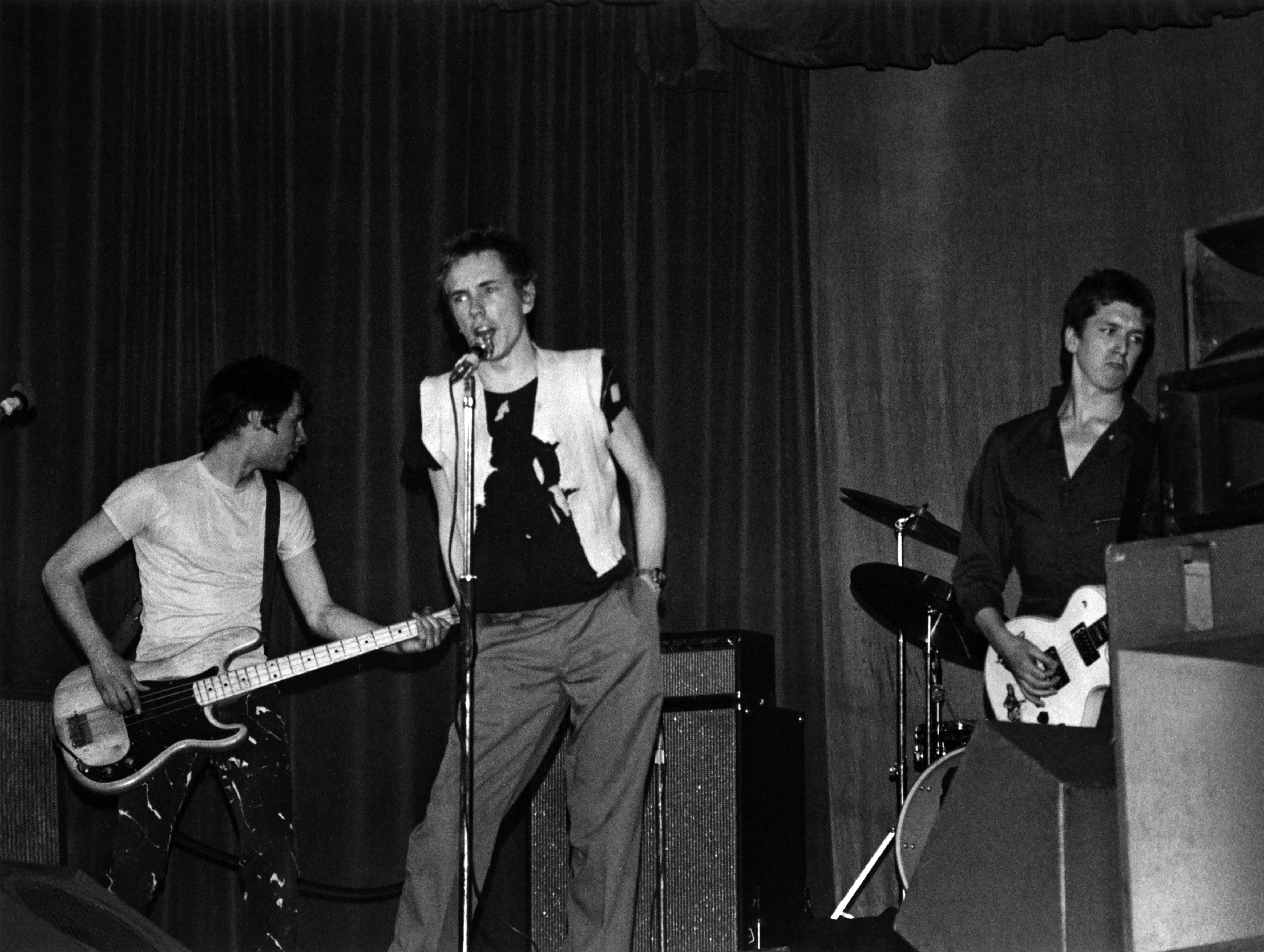
At a time when tens of thousands of people flock each night to see Bad Bunny in Madrid and share millions of videos capturing his every move, it feels strange to think that on this very day, exactly 50 years ago, a concert took place that was likely attended by fewer people than those dancing each night in the Puerto Rican star’s casita — and yet may have changed popular music forever.
Seguir leyendo

Image from the film '24 Hour Party People' by Michael Winterbottom.

© Paul Welsh (Redferns)

Steve Jones, Johnny Rotten and Glen Matlock of the Sex Pistols playing on June 4, 1976, in Manchester.
  •  

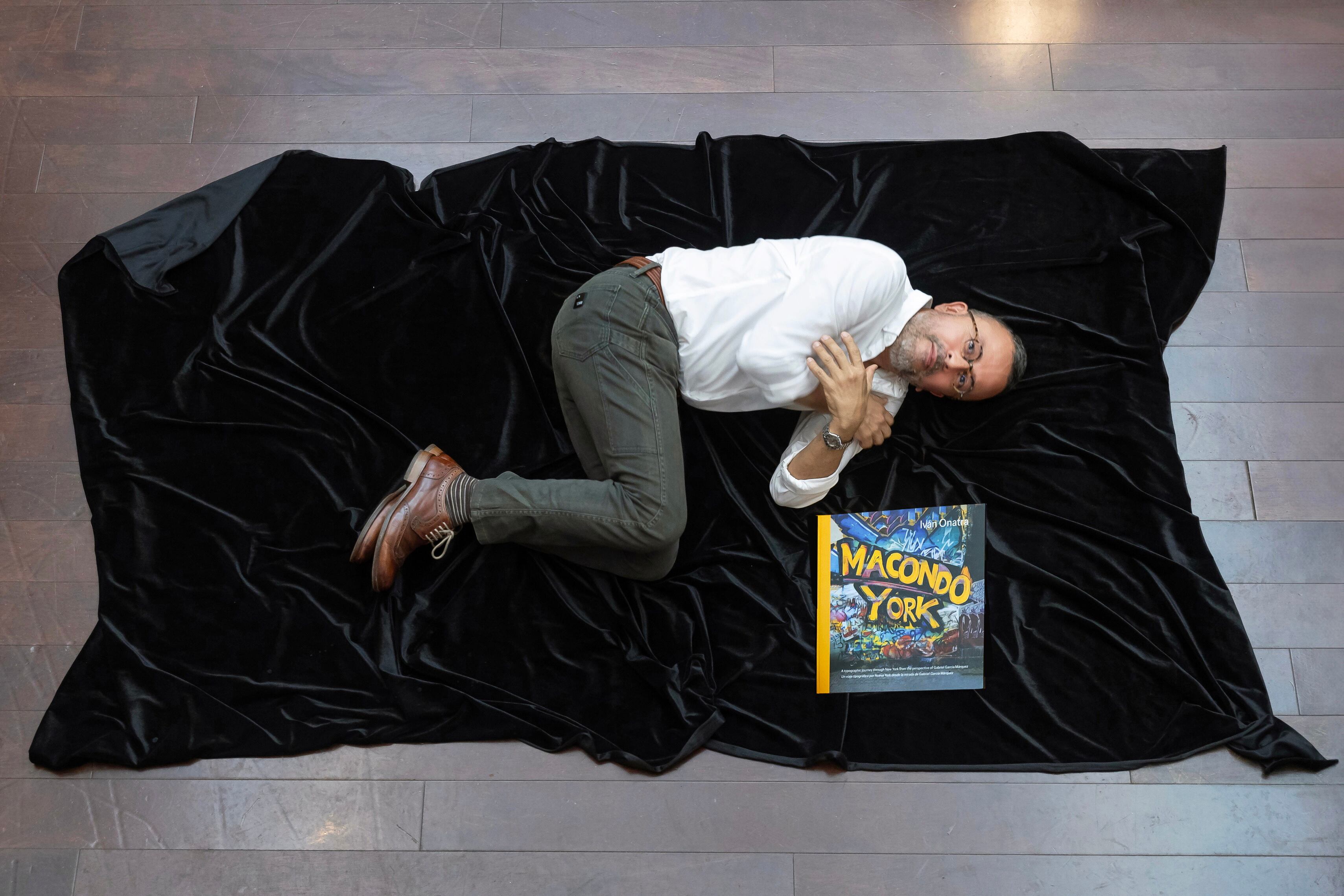
‘Macondo York’: The gaze of a García Márquez overwhelmed by the Big Apple

Few associate Gabriel García Márquez with the asphalt jungle of New York. Collective memory places the Nobel Prize-winner in the heat of Mexico, the hustle and bustle of Barranquilla or the elegance of Barcelona. But for Colombian graphic designer and author Iván Onatra, the Big Apple was a crucial — and at times, forgotten — stage in the scribe’s life. García Márquez’s time in the city that never sleeps takes on new life in Onatra’s bilingual design book Macondo York, in which he explores the writer’s love-hate relationship that lasted for six months, while he worked as a journalist for the Prensa Latina news agency.

Seguir leyendo

© Daniel Mordzinski

Colombian designer Iván Onatra.
  •  

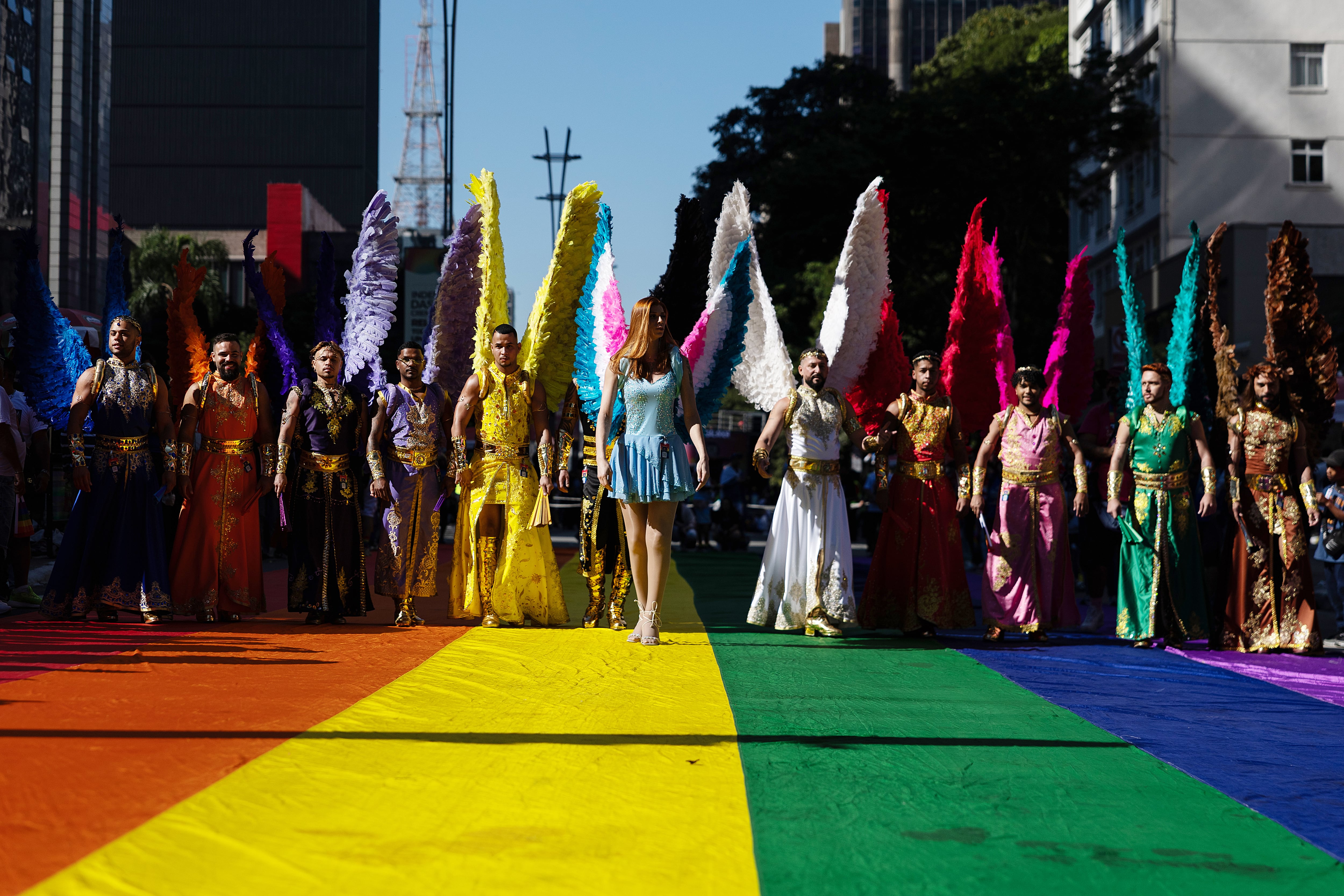
Six Prides to watch this month: from liberated Budapest to New York under the shadow of Trump

June is Pride Month for sexual and gender diversity. On June 28 the International LGBTQ+ Pride Day is observed in homage to the Stonewall uprising, which took place in 1969 in New York and is considered the cradle of the rights movement. Throughout the month —with some celebrations extending into July— rights are asserted, cultural events are scheduled and demonstrations are organized.

Seguir leyendo

Demonstrators at last year’s Madrid Pride.

© Isaac Fontana (EFE)

The rainbow warriors at São Paulo Pride, June 7.
  •  

A bittersweet year for Afrikaners, the only refugees admitted by Trump

Charl Kleinhaus’s life took a dramatic turn on May 12, 2025, when his plane landed at Dulles International Airport, in a suburb of Washington, D.C. He arrived with his two children and grandson. Waving an American flag and brimming with excitement, he had finally achieved his long-held dream: leaving South Africa.

Seguir leyendo

© Julia Demaree Nikhinson (AP)

Afrikaners at Dulles International Airport in Virginia, May 2025.
  •  

A nurse who survived the current Ebola outbreak: ‘I screamed in pain, my body ached and I felt itchy all over’

When Furaha Tikamanyire began feeling ill on April 26, she did not imagine she had contracted Ebola. For weeks, this nurse at the Bunia Evangelical Medical Center in the Democratic Republic of the Congo (DRC) had cared for dozens of people arriving from the Mongbwalu region, about 75 kilometers away, where the virus had begun spreading before it was identified.

Seguir leyendo

© Gradel Muyisa Mumbere (REUTERS)

Furaha Tikamanyire, a Congolese health worker who recovered from the Ebola virus, on May 31, 2026.
  •  

No sign of the journalist who filmed her own abduction in Mexico

The journalist Roxana Berenice Guzmán was inside her home when armed men showed up and smashed the door. Like in a nightmare, they did not succeed immediately: they broke the glass and then began hammering at the lock. Blow after blow, up to a dozen. A man inside asks them to wait, but one of the attackers silences him, sticking a rifle through the broken glass and taking aim. They begin to kick at the door. The kicks are combined with the hammer blows. The man inside the house pleads again: “There’s a baby, calm down!” But, as in nightmares, the squad finally manages to break a piece of the door and enter the house. “Get on the floor!” one of the hooded men shouts, before grabbing the phone that is recording him. There are no images after that, but the attackers took the founder of the local media outlet Pulso Informativo del Sureste. The recording has shaken a country used to attacks on its journalists.

Seguir leyendo

© El País

Attack by the armed squad on Roxana Berenice Guzmán, June 2.
  •  

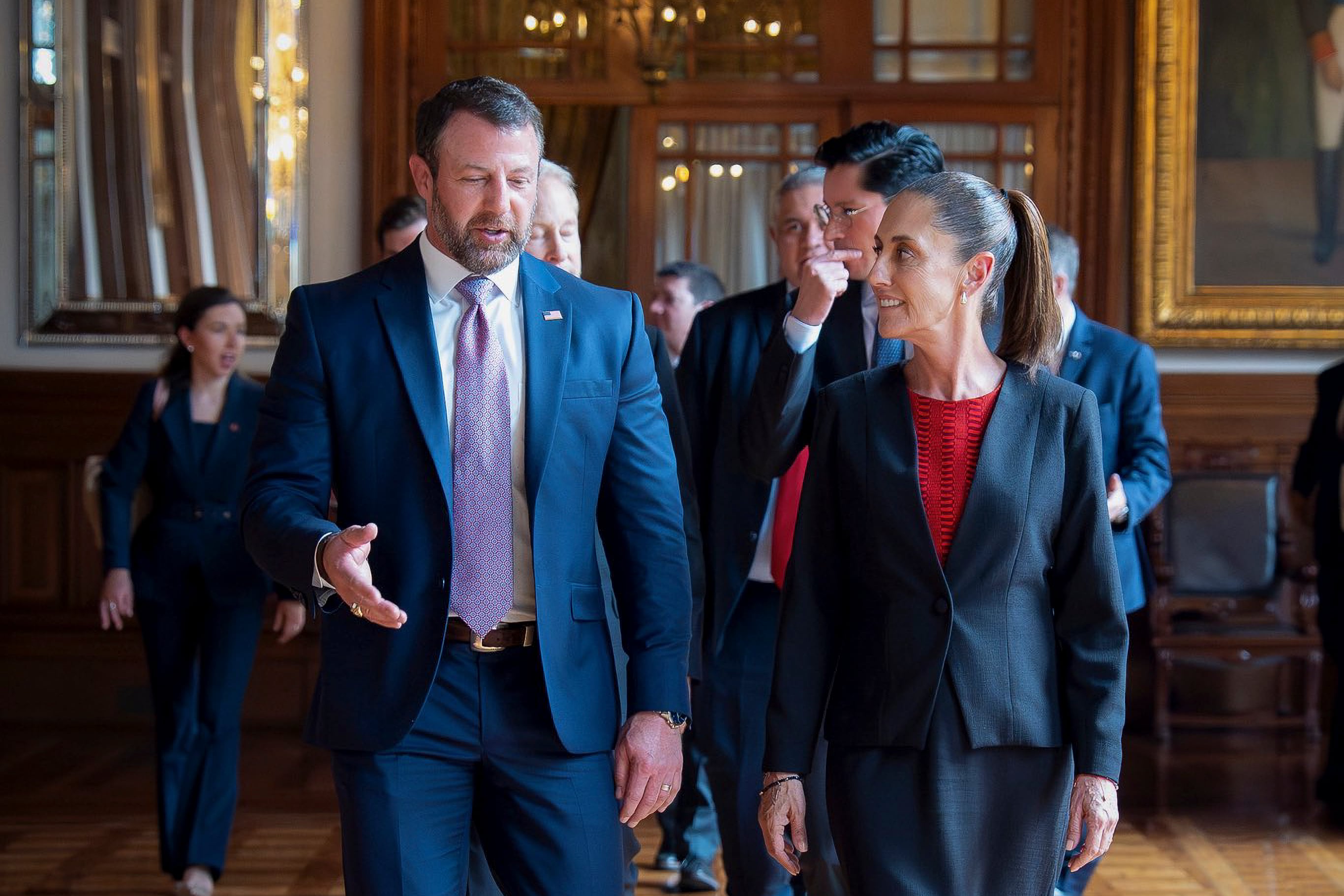
Sheinbaum reinforces the narrative of success in her security policy amid crisis with the US

Mexico is trying to reposition itself after the blow from the United States, which filed criminal charges against the governor of Sinaloa, Rubén Rocha, and nine other local officials nearly a month ago. Caught out of step, Claudia Sheinbaum’s government is trying to seize the initiative, an intention made visible Wednesday at the National Palace with the appearance of the full Security Cabinet at the president’s daily news conference. At root, it is a message to the White House that the constant criticism overlooks the work that has been done by Mexican authorities — and that it is irritating.

Seguir leyendo

© Gobierno de Estados Unidos

Markwayne Mullin and Claudia Sheinbaum in Mexico City on May 21.
  •  

How Spain plans to challenge the Shakira ruling

Two technical concepts — sporadic absences and the idea of a taxpayer with no effective tax residence — have become the Spanish Treasury’s main arguments as it seeks to overturn a court ruling that handed Colombian singer Shakira a major victory on Monday. These terms are little known outside specialist circles, but they increasingly shape multimillion‑dollar disputes. They are especially useful for tax inspectors when they try to challenge residency claims built on dense travel schedules, fragmented stays, or international moves that are hard to substantiate.

Seguir leyendo

© Lucía Flores (ObturadorMX/Getty)

Shakira, at a concert in Mexico last March.
  •  

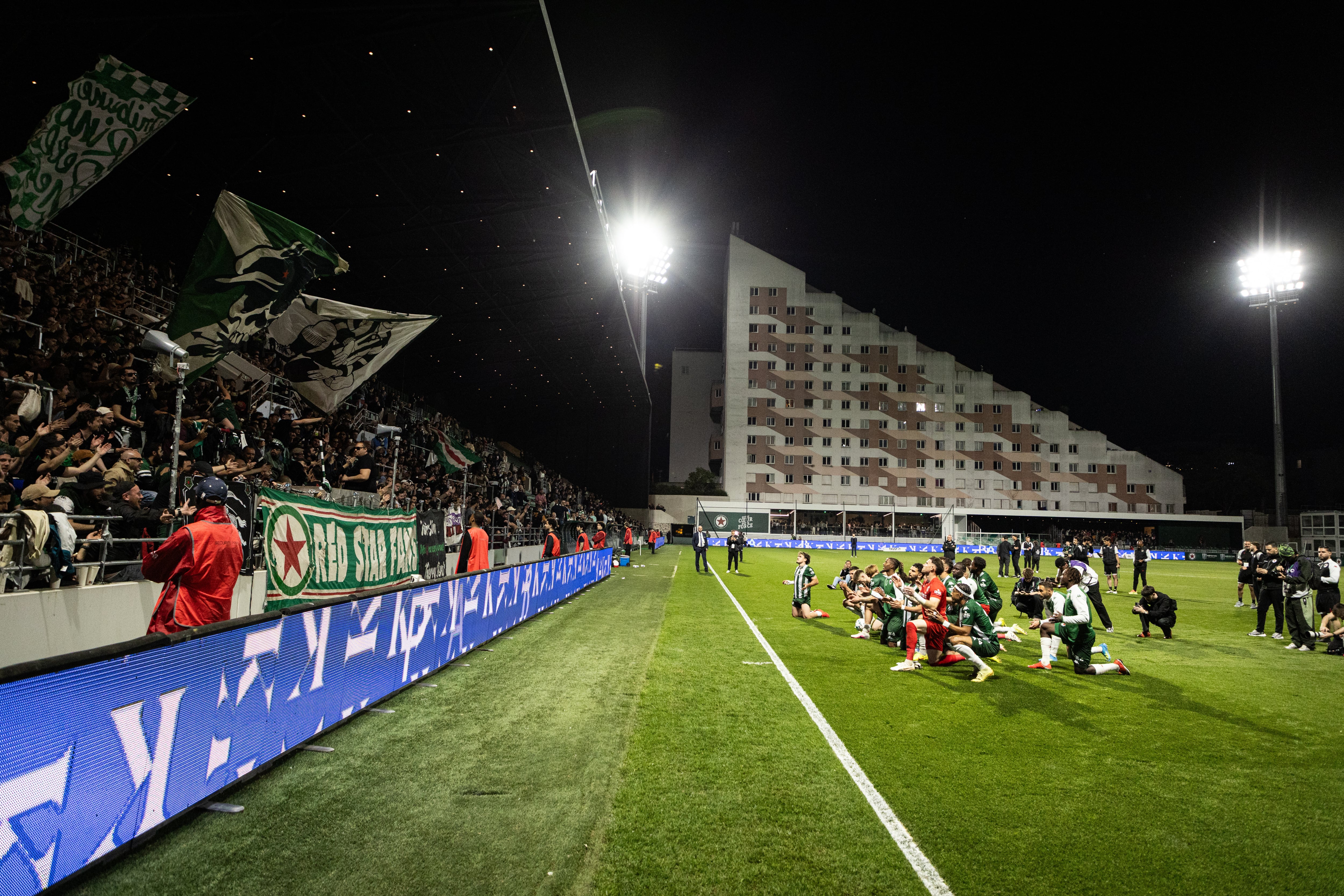
A red star in the sky over the banlieue of Paris

Street vendors and market stalls begin to pack up by mid-afternoon on Saturday. In the narrow streets there is the smell of roast lamb and on the terraces locals from the neighborhood, retired laborers, and third-generation immigrants mix with groups of young people with a hipster look wearing expensive clothes and drinking IPA beers. Saint-Ouen marks the first boundary between that Haussmannian Paris, already unaffordable for many family budgets, and its famous banlieue, until recently known for youth unrest, episodes of jihadist terrorism, and large concrete apartment blocks. But it is also the product of investment from the Olympic Games, a symbol of the gentrification of the Paris periphery and the home of the city’s oldest and most charismatic soccer club: Red Star.

Seguir leyendo

© SOPA Images (SOPA Images/LightRocket via Getty Images)

Red Star players applaud their fans after a match on April 24.
  •  

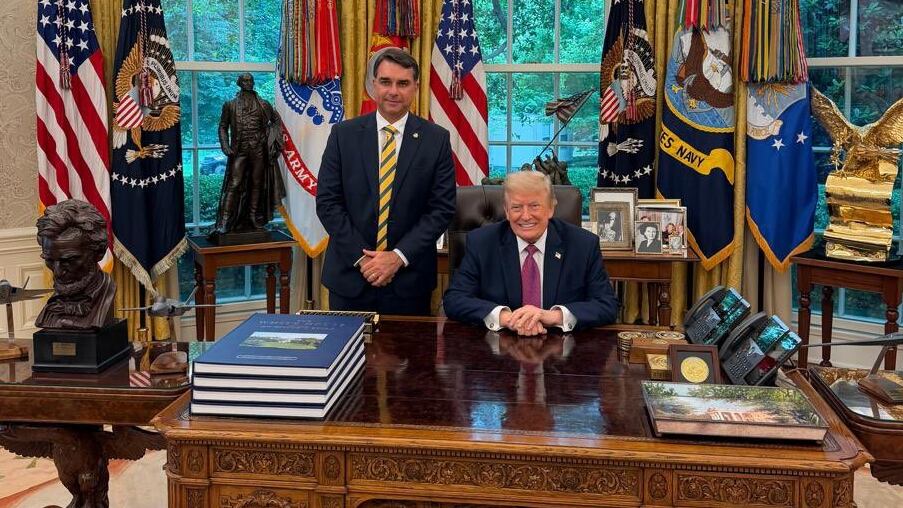
Trump receives Flávio Bolsonaro in the Oval Office three weeks after Lula

U.S. President Donald Trump gave a boost on Tuesday to the presidential bid of Brazilian senator Flávio Bolsonaro, son of former president Jair Bolsonaro, by receiving him in the Oval Office, 19 days after meeting there with Brazil’s president, former union leader Luiz Inácio Lula da Silva. Barring a surprise, Lula and Bolsonaro’s son are expected to face each other at the ballot box in October. Flávio Bolsonaro’s team hopes the photo with Trump will help him overcome a popularity crisis and consolidate his candidacy.

Seguir leyendo

© @FlavioBolsonaro (EFE)

Flávio Bolsonaro and Donald Trump in the Oval Office.
  •  

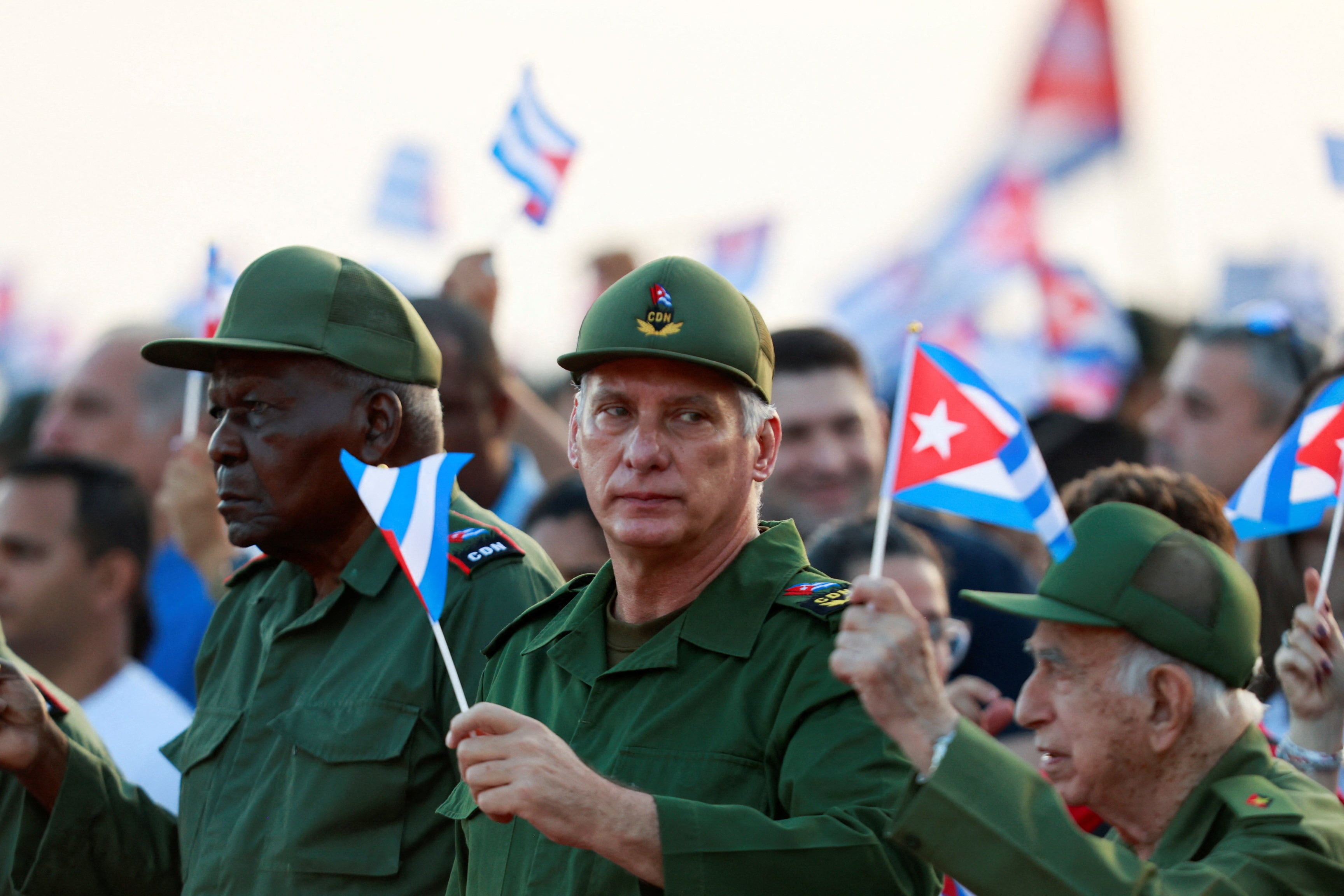
Díaz-Canel announces reforms to liberalize Cuba’s economy

New winds of reform are sweeping through Havana. The Cuban regime on Friday announced a package of structural changes under the so-called Economic and Social Program for 2026 to confront one of the most severe crises in its recent history.

Seguir leyendo

© Norlys Perez (REUTERS)

Miguel Díaz-Canel in Havana, Cuba, on May 22.
  •  

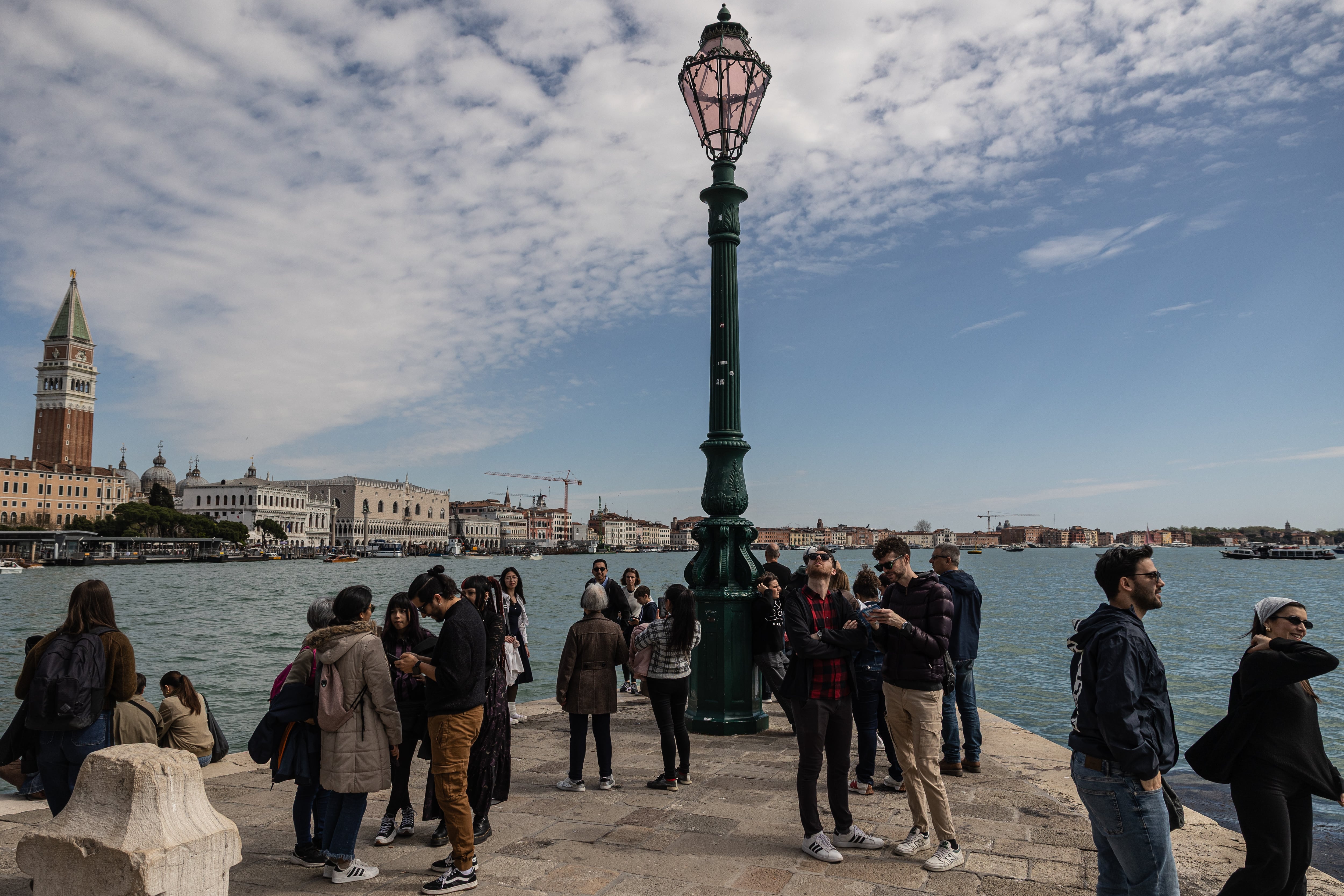
Venice has had enough: Local elections will decide the city’s direction on tourism

In Venice, two electronic counters track its decline. One is on the Morelli pharmacy, in Rialto, in the San Marco district, the most depopulated, and shows the number of residents: last Tuesday it read 47,461 (when it was installed in 2008, the number was 60,704, and in 1977, 100,000). The other is at the Marco Polo bookshop, on the other side of the bridge, in the Campo Santa Margherita, a more residential area. It shows the number of beds for tourists: on Tuesday, it read 52,541. There are already more tourists than people living in Venice.

Seguir leyendo

© Emanuele Cremaschi (Getty Images)

A group of tourists at Punta della Dogana, the entrance to the Grand Canal in Venice, last April.
  •  
❌