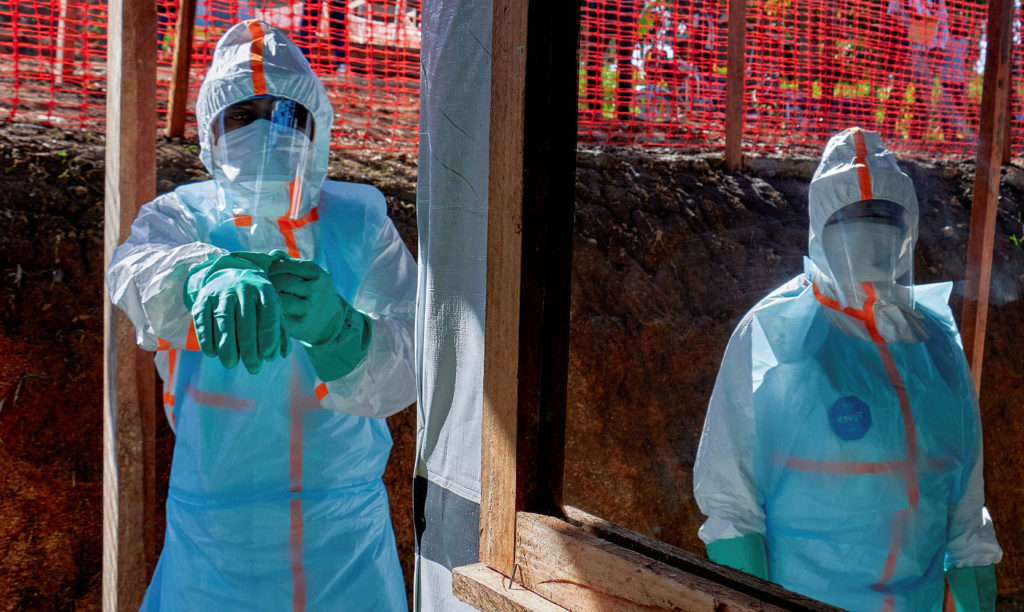
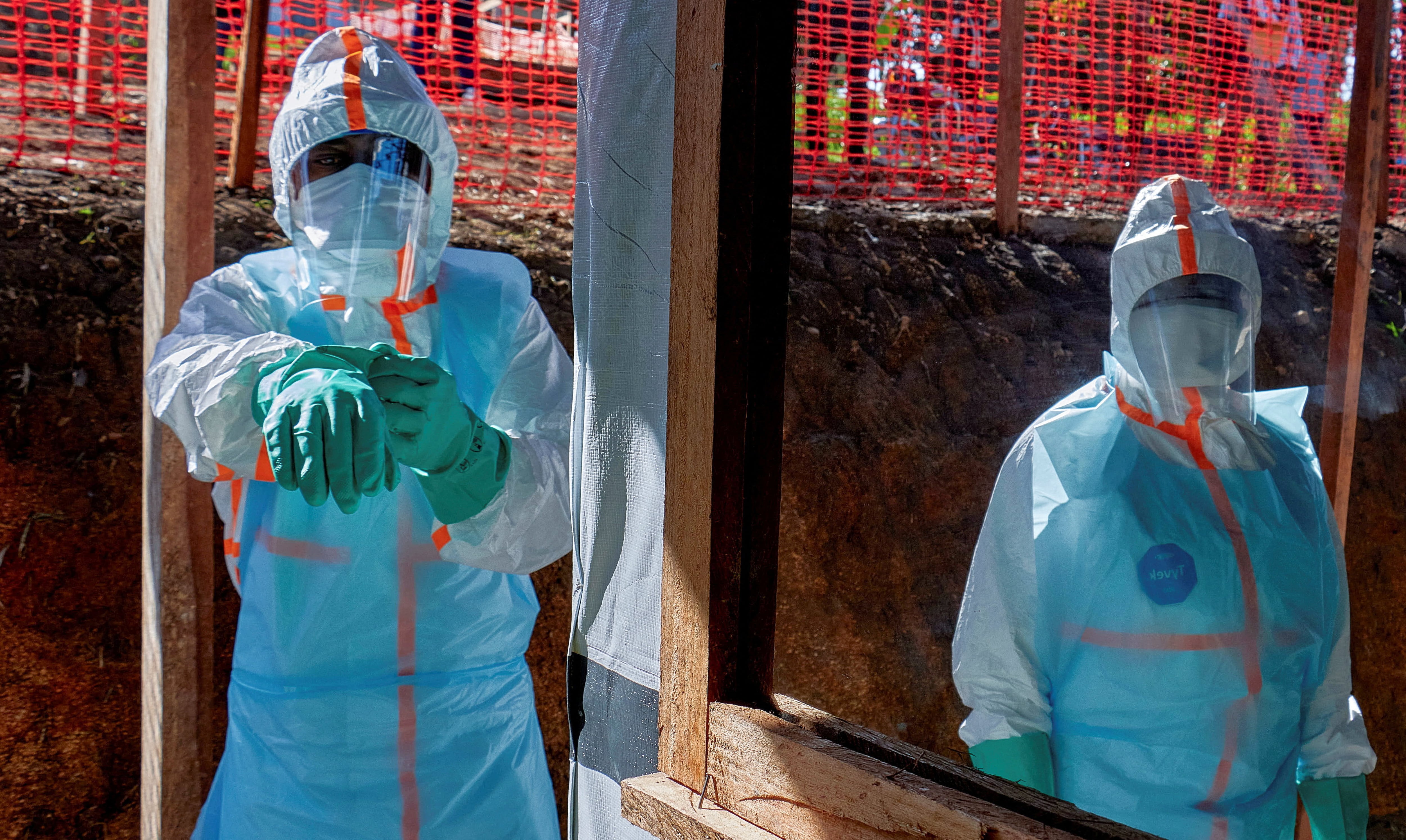
Congo's Ebola outbreak "had a big head start, and we're still behind," the head of the World Health Organization said Wednesday, adding that the medical community was "catching up" even as militant attacks plague the stricken region.
Congo's Ebola outbreak "had a big head start, and we're still behind," the head of the World Health Organization said Wednesday, adding that the medical community was "catching up" even as militant attacks plague the stricken region.
On December 10, 2024, a woman arrived at a health facility in Pariak, a town in the state of Jonglei in South Sudan, with diarrhea, vomiting and symptoms of dehydration. She had recently returned from an area affected by cholera. In one of the most vulnerable countries in the world, where millions of people lack regular access to clean water and health services, this could have been the beginning of a new emergency.Seguir leyendo
On December 10, 2024, a woman arrived at a health facility in Pariak, a town in the state of Jonglei in South Sudan, with diarrhea, vomiting and symptoms of dehydration. She had recently returned from an area affected by cholera. In one of the most vulnerable countries in the world, where millions of people lack regular access to clean water and health services, this could have been the beginning of a new emergency.
Hong Kong has stepped up precautions over the Ebola outbreak in the Democratic Republic of Congo (DRC) and Uganda, as the World Health Organization (WHO) declared the epidemic “a public health emergency of international concern.”
In light of the Ebola outbreak, Centre for Health Protection personnel are strengthening health screenings for passengers arriving on flights from Africa at the airport on Sunday. Photo: GovHK.
The WHO said on Sunday that there had been 246 suspected cases and 80
Hong Kong has stepped up precautions over the Ebola outbreak in the Democratic Republic of Congo (DRC) and Uganda, as the World Health Organization (WHO) declared the epidemic “a public health emergency of international concern.”
In light of the Ebola outbreak, Centre for Health Protection personnel are strengthening health screenings for passengers arriving on flights from Africa at the airport on Sunday. Photo: GovHK.
The WHO said on Sunday that there had been 246 suspected cases and 80 suspected deaths in the DRC as of Saturday, in addition to a handful of apparent cases in Uganda.
The outbreak was caused by the Bundibugyo virus disease, and there is currently no vaccine.
There are no confirmed cases in Hong Kong, but the Centre for Health Protection (CHP) has enacted a series of precautionary measures, according to a government press release on Sunday.
Although there are no direct flights from the affected areas, “the CHP will strengthen health screening for passengers arriving on flights from Africa at the airport… Suspected cases will be immediately referred to public hospitals for isolation and treatment.”
It will also bolster public awareness and health education efforts, and provide airlines, doctors and hospitals with updated information.
The CHP advises against visiting affected regions.
Highly lethal
Ebola is transmitted to humans through close contact with the blood, secretions, organs, or other bodily fluids of infected animals.
The Centre for Health Protection. File photo: CHP, via Facebook.
The virus is highly lethal and causes haemorrhagic fever, systemic inflammation, and multi-organ failure. The case fatality rates from past outbreaks range from 25 to 90 per cent, according to the WHO – the average is 50 per cent.
Meanwhile, Médecins Sans Frontières (MSF) is preparing a large-scale response to the outbreak, the humanitarian charity said in a press release on Sunday.
“The number of cases and deaths we are seeing in such a short timeframe, combined with the spread across several health zones and now across the border, is extremely concerning,” said MSF Emergency Programme Manager Trish Newport. “In Ituri, many people already struggle to access healthcare and live with ongoing insecurity, making rapid action critical to prevent the outbreak from escalating further.”
The NGO is mobilising more teams comprising medical, logistical, and support staff experienced in responding to viral haemorrhagic fever outbreaks, it said.
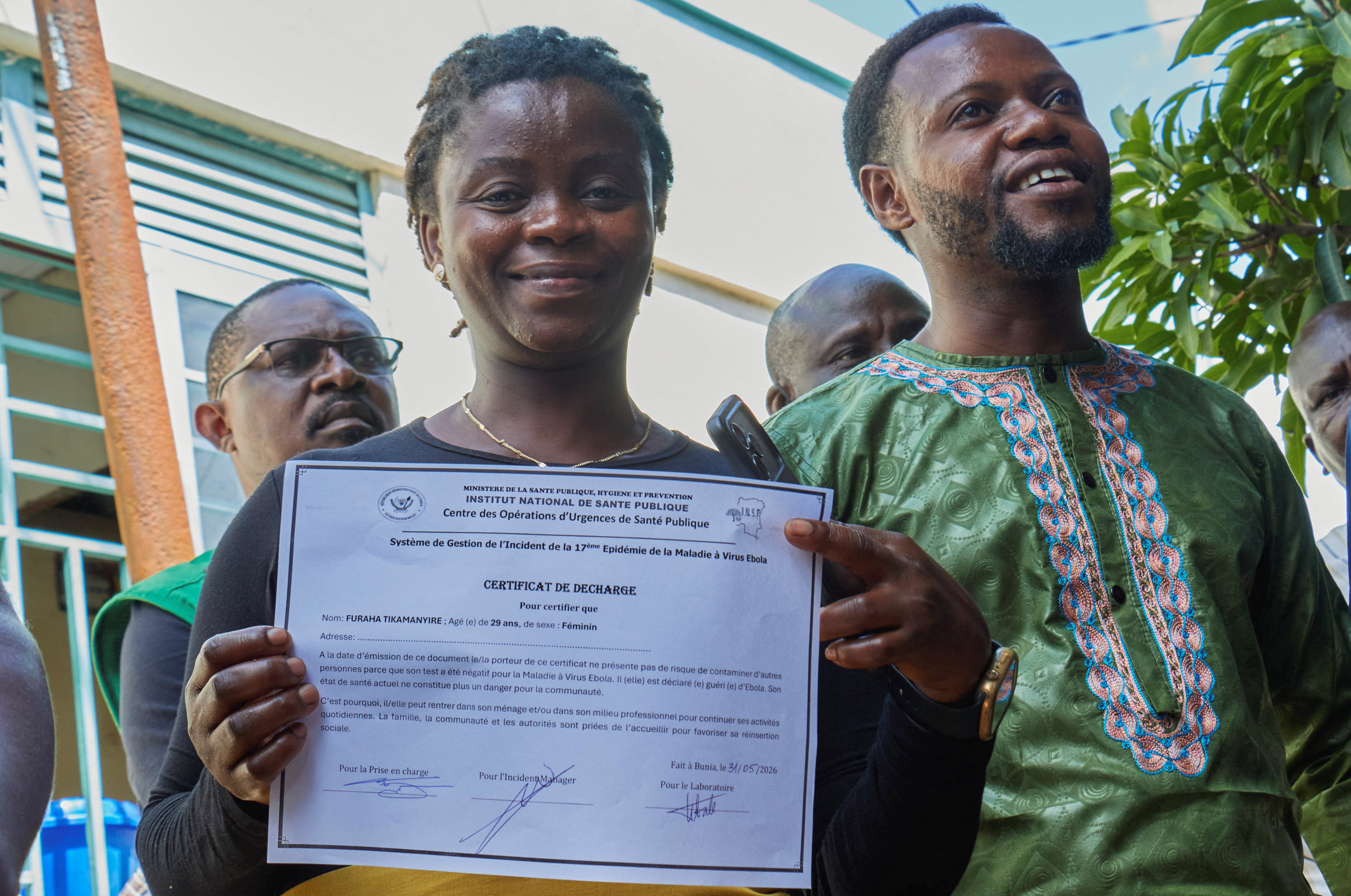
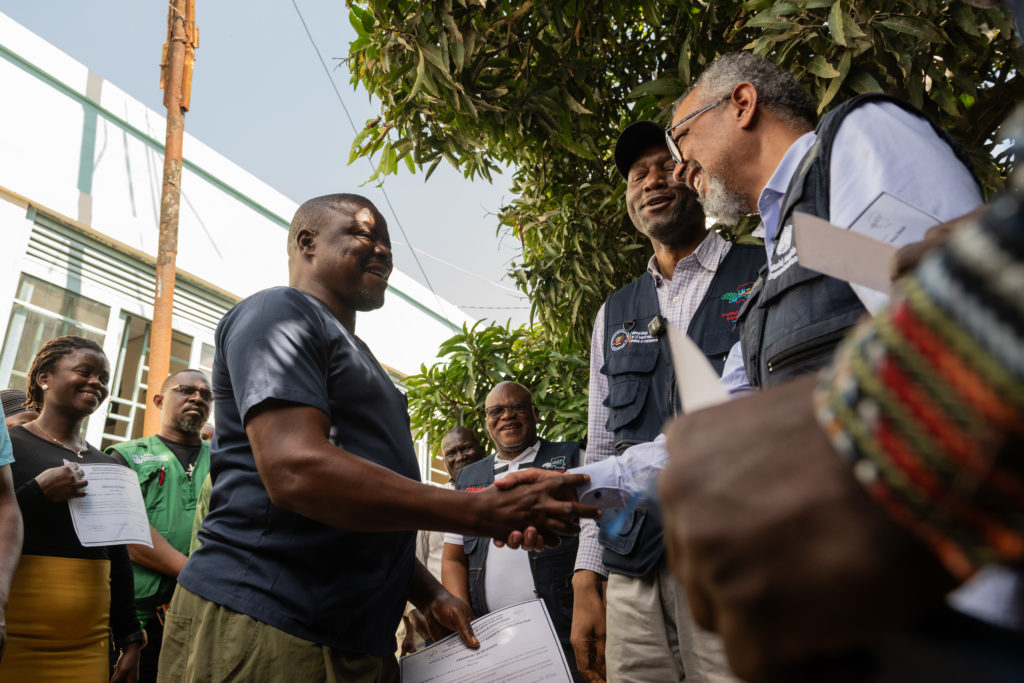
When Furaha Tikamanyire began feeling ill on April 26, she did not imagine she had contracted Ebola. For weeks, this nurse at the Bunia Evangelical Medical Center in the Democratic Republic of the Congo (DRC) had cared for dozens of people arriving from the Mongbwalu region, about 75 kilometers away, where the virus had begun spreading before it was identified.Seguir leyendo
When Furaha Tikamanyire began feeling ill on April 26, she did not imagine she had contracted Ebola. For weeks, this nurse at the Bunia Evangelical Medical Center in the Democratic Republic of the Congo (DRC) had cared for dozens of people arriving from the Mongbwalu region, about 75 kilometers away, where the virus had begun spreading before it was identified.
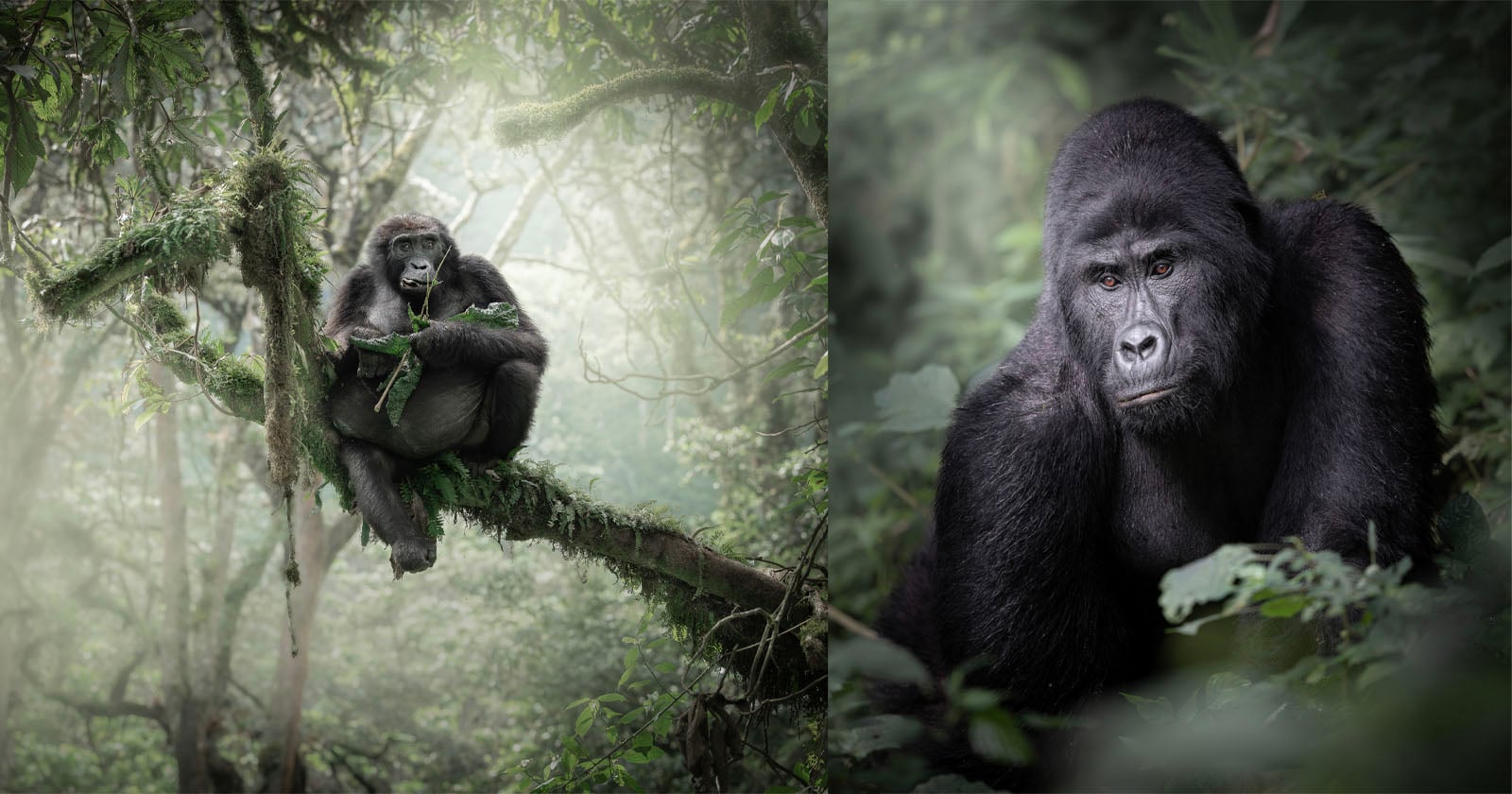
Bwindi Impenetrable National Park in Uganda needs no further explanation. It's a challenging landscape to navigate, and numerous animals inhabit it. But its most famous residents are the mountain gorillas.
[Read More]
Bwindi Impenetrable National Park in Uganda needs no further explanation. It's a challenging landscape to navigate, and numerous animals inhabit it. But its most famous residents are the mountain gorillas.

 Login
Login