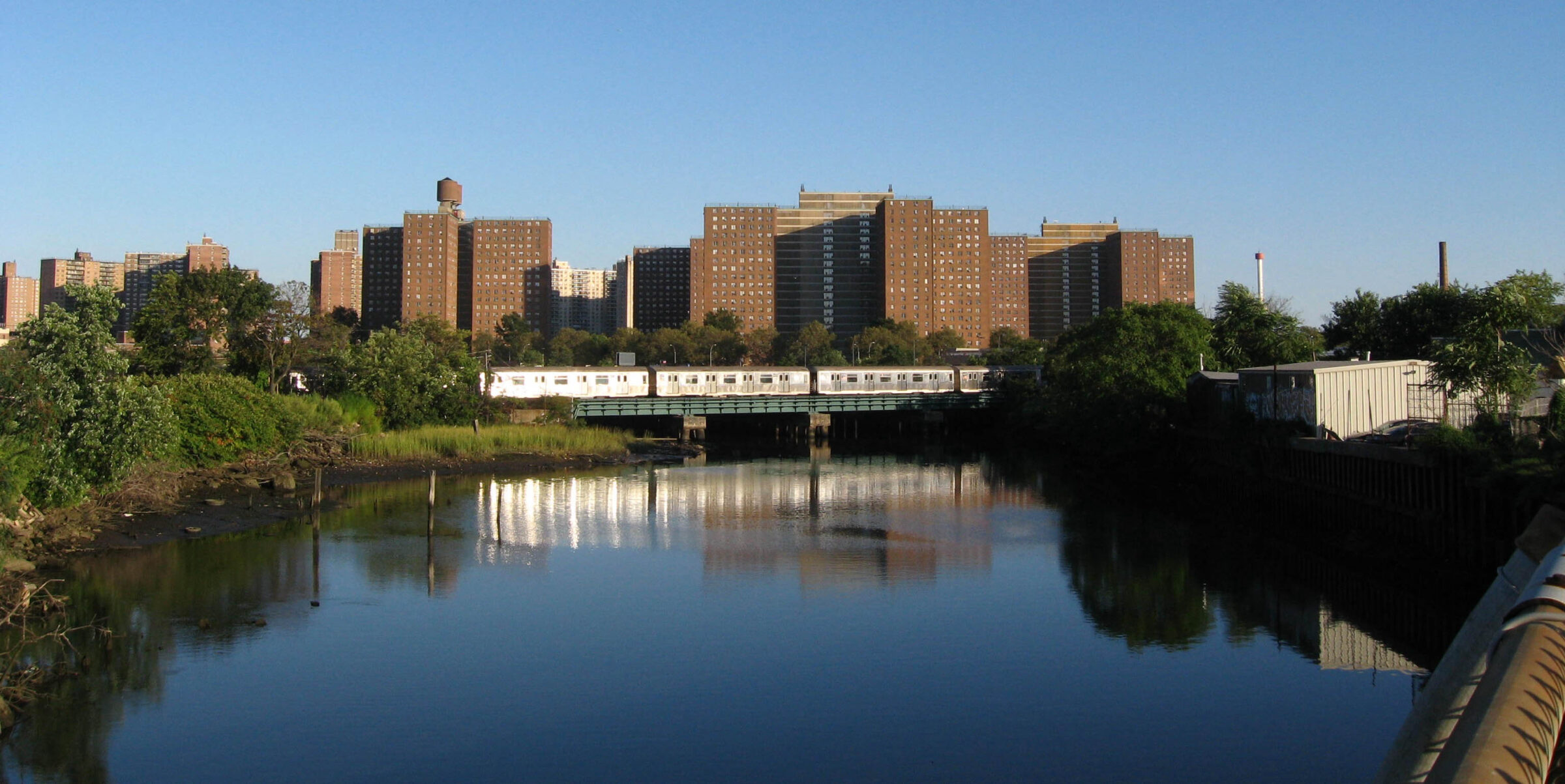
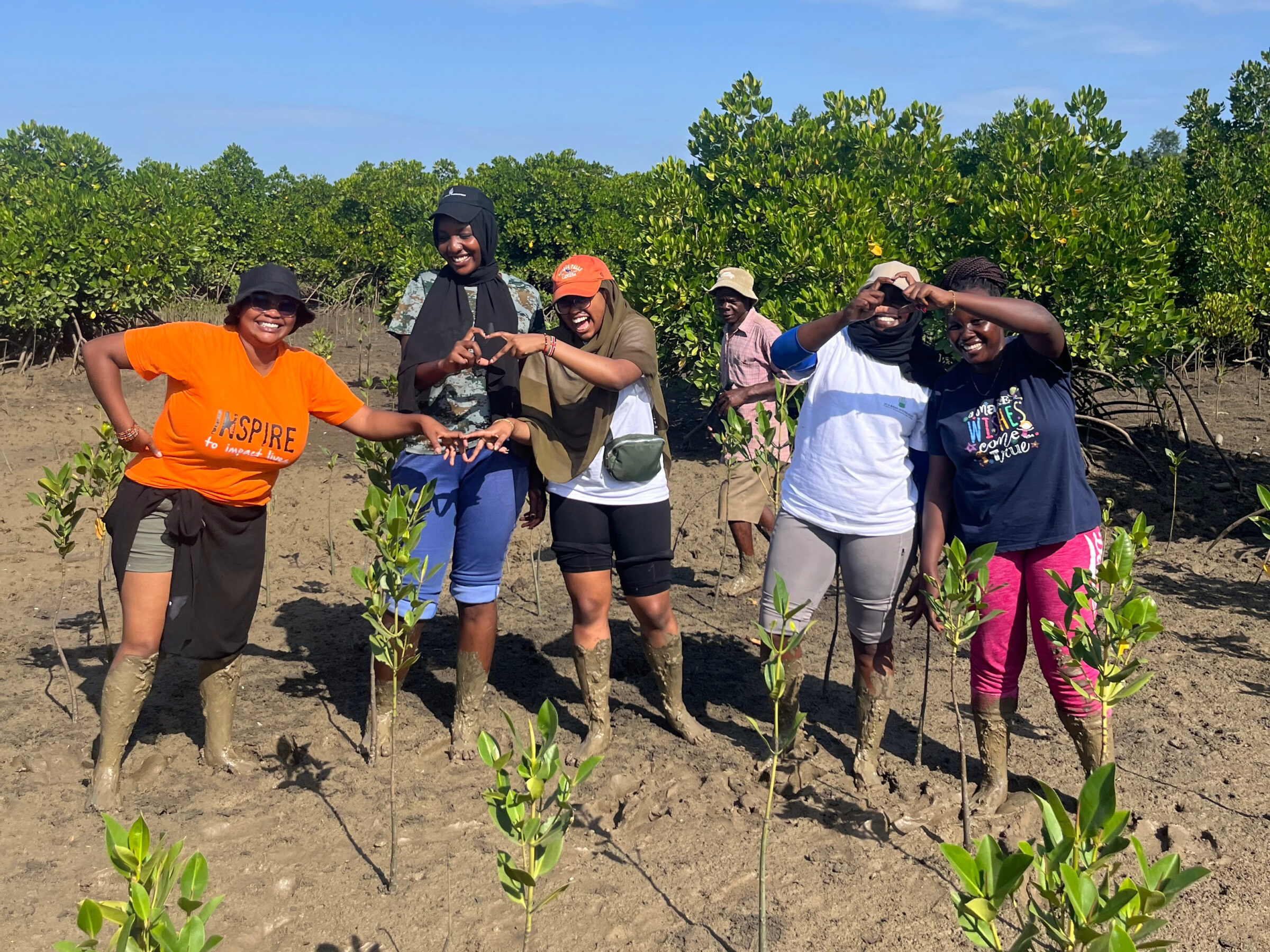
At a recent Climate School event, speaker Memphis Washington discussed the Waterfront Alliance's climate resilience and environmental justice efforts in Coney Island.
At a recent Climate School event, speaker Memphis Washington discussed the Waterfront Alliance's climate resilience and environmental justice efforts in Coney Island.
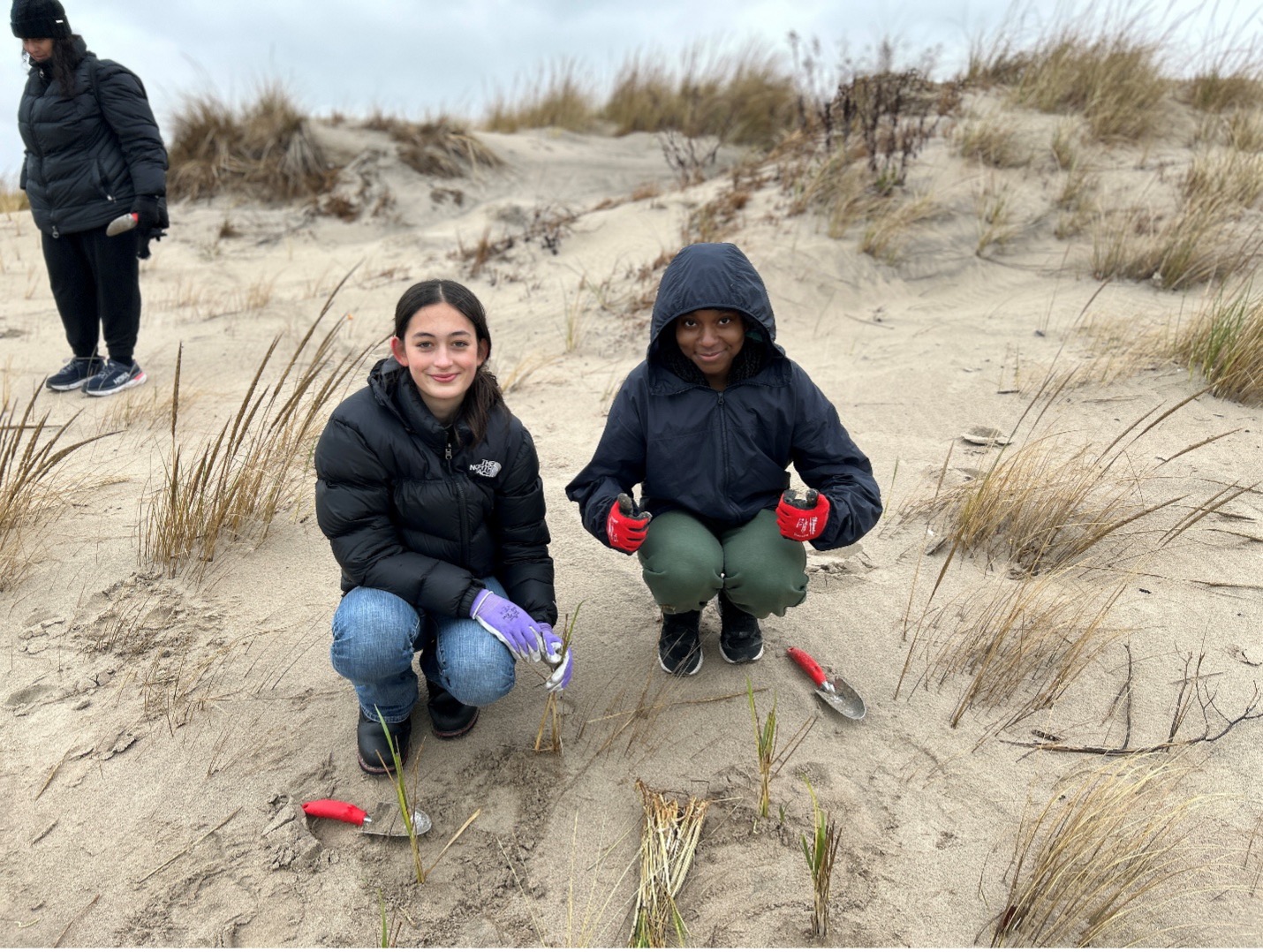
The Coney Island Creek dune planting project started in 2021, with the goal of increasing coastal resilience and giving community members hands-on experience protecting their environment.
The Coney Island Creek dune planting project started in 2021, with the goal of increasing coastal resilience and giving community members hands-on experience protecting their environment.
Storm clouds over Miami, Florida, as researchers monitor the bay's health with data from floating buoys in August 2023. | Joe Raedle/Getty Images
This story originally appeared in The Guardian and is republished here as part of the Climate Desk collaboration.
The Trump administration’s plan to dismantle an ocean observation system vital to understanding the climate crisis and marine ecosystems would “severely degrade” the accuracy of weather predictions and El Niño forecasts, with econo
Storm clouds over Miami, Florida, as researchers monitor the bay's health with data from floating buoys in August 2023. | Joe Raedle/Getty Images
This story originally appeared in The Guardian and is republished here as part of the Climate Desk collaboration.
The Trump administration’s plan to dismantle an ocean observation system vital to understanding the climate crisis and marine ecosystems would “severely degrade” the accuracy of weather predictions and El Niño forecasts, with economic consequences for the United States, European and American scientists have warned.
Decommissioning the US system, which plays a major part in a global ocean observation network, would lead to a massive increase in error in the annual estimates of ocean heating rates, according to research published last month.
As a result, the forecasts and early warning systems for storms, tropical cyclones and El Niño would degrade, “sometimes dangerously so,” according to Sabrina Speich, an expert in global ocean monitoring at the Ecole Normale Supérieure (ENS) in Paris and chair of the ocean expert panel of the Global Climate Observing System.
The Ocean Observatories Initiative (OOI), run by the US National Science Foundation, is a vast network of seafloor systems, underwater gliders and moored surface platforms that feeds data to researchers, policymakers, educators and mariners worldwide. The initiative, which covers both US coastlines and extends into the North Atlantic and Southern Ocean, has been used to study marine heatwaves, harmful algal blooms, subduction zone earthquakes, ocean acidification and fisheries variability.
Dismantling it would remove a major component of the Global Ocean Observing System (GOOS), a network of robotic floats, moored buoys and research vessels experts describe as the “eyes and ears” of the ocean. The warning systems based on the data, “save lives,” experts say.
Prescient research published in Nature Climate Change last month showed how data losses in GOOS, a UN-coordinated framework for ocean data for weather and climate collected by several countries, could degrade the ocean heat estimates that underpin weather prediction, El Niño forecasting and fisheries management. Losing US observations would be worse than randomly losing 80 percent of all ocean data worldwide, it found. US-funded platforms span every ocean basin, plugging critical gaps that no other nation currently fills.
“Ocean heat content is the most robust indicator of climate change we have — not just of what is happening in the ocean, but of the entire climate system,” Speich, a co-author of the research, said. Vertical temperature profiles that provide ocean heat content, are among “the simplest measurements we can make,” she said.
“Lose them, and you lose your ability to track not just ocean warming but the climate system as a whole — they are a proxy for variables that become unavailable the moment the observations stop,” Speich said. “Forecasts would continue — but they would degrade, sometimes dangerously so. Atmospheric observations alone are not sufficient. Ocean data [is] fundamental to early warning systems for tropical storms, cyclones and El Niño. And the consequences would not stop at science: the economic costs would be felt within the United States itself, from agriculture to insurance to disaster response.”
The loss of US observations, in a year predicted to be an El Niño year, with “supercharged” weather extremes, could also “lose the ability to see it coming clearly to act in time,” she said.
“The stakes are concrete: Farmers in the US and across South America use El Niño forecasts to decide what to plant and when — whether to expect drought or flooding shapes every agricultural decision months in advance,” Speich said.
The most recent El Niño, which hit in 2023–2024, was one of the five strongest on record and contributed to 2024’s record-breaking increase in global temperature.
Removing US observations alone would produce a 163 percent increase in error for annual ocean heating rates, the research by Speich and her co-authors found.
On Thursday, the European Union said it would boost its own monitoring of the world’s oceans by investing in a $107 million initiative called OceanEye, more than half of which will go to GOOS. The announcement, by the European Commission, was long-planned, not a direct response to the US move.
John P. Abraham, professor of engineering at the University of St. Thomas, in Minnesota, and co-author of the research paper, described the US administration’s move to dismantle the $368 OOI system as “penny-wise, pound foolish.”
“The US government wants to save less than a billion in sensors, which are the eyes and ears of the ocean,” Abraham said. “We have hundreds of billions in climate costs per year. The cost of the observation system is a fraction of the climate costs from hurricanes and storms that hit the US.”
The US suffered more than 400 climate and weather disasters where damages exceeded or reached $1 billion, between 1980 and 2024. In 2024 alone, the costs of such disasters amounted to $177 billion. This “billion-dollar climate and weather product,” managed by the National Oceanic and Atmospheric Administration (NOAA) will no longer be updated due to “evolving priorities,” according to a note on its website.
The system, is, Abraham said is “quite an inexpensive way to reduce climate-related costs.”
“This is not about saving money, this is about killing climate science research,” Abraham said.
Samantha Burgess, the strategic climate lead at the Copernicus Climate Change Service (C3S), the European Union’s Earth observation system which integrates European space data with in situ measurements to monitor changes and provide forecasts, said ocean observations are “irreplaceable” because “we can’t see the deep ocean from space.” They “save lives” by warning us of severe storms, she said.
“We need international cooperation to get the best available observations to mitigate risks in our changing world. Without ocean observations we are flying blind,” Burgess said.
A statement earlier this week by the National Science Foundation, which funds and oversees the OOI, said the program was not being cancelled entirely and described the plans as a “descope,” or reduction of elements, though it was not clear what data collection capacity would be left.
El Nino, Nature's chaotic climate agent, has formed in a warmed-up Pacific Ocean and is expected to grow to historic strength, meteorologists announced Thursday.
El Nino, Nature's chaotic climate agent, has formed in a warmed-up Pacific Ocean and is expected to grow to historic strength, meteorologists announced Thursday.
M.S. in Climate student Allison Karabu reflects on the importance of community-based initiatives and finding the right questions to ask to effect real change.
M.S. in Climate student Allison Karabu reflects on the importance of community-based initiatives and finding the right questions to ask to effect real change.
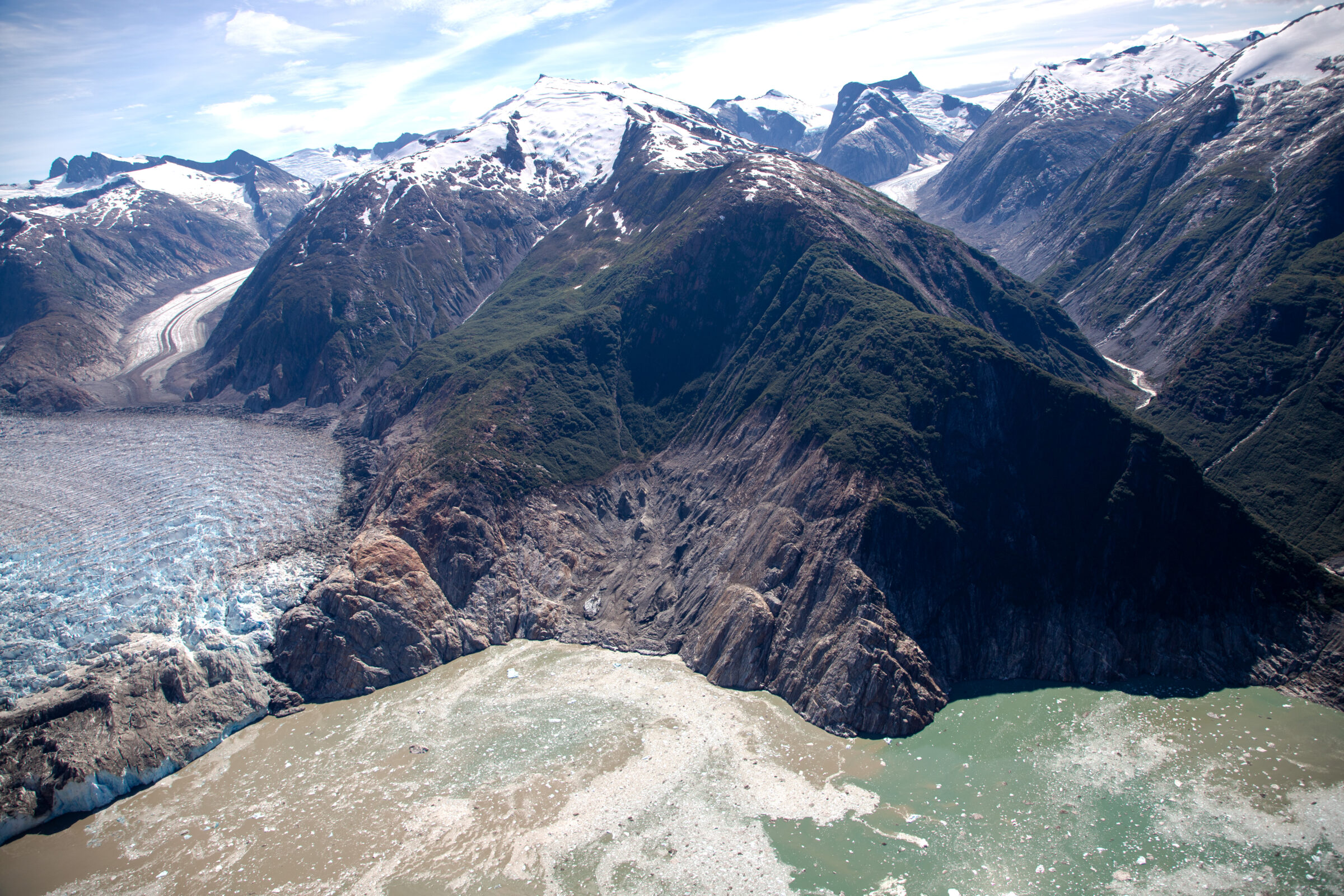
As glaciers retreat in warming regions, the risk of related hazards can increase, and improved monitoring may help reduce some of those dangers, according to a new study.
As glaciers retreat in warming regions, the risk of related hazards can increase, and improved monitoring may help reduce some of those dangers, according to a new study.
Earthquake was region’s strongest tremor in nearly 150 years and was also felt in parts of Mexico including CancúnAn earthquake on Monday off the coast of Cuba, which was that region’s strongest tremor in nearly 150 years, could be felt in Florida and parts of Mexico.The 6.1-magnitude earthquake, which struck in the afternoon, occurred approximately 65 miles (105km) north-west of Mantua, Cuba, according to the US Geological Survey (USGS). The USGS added that the earthquake had a depth of 16 mile
Earthquake was region’s strongest tremor in nearly 150 years and was also felt in parts of Mexico including Cancún
An earthquake on Monday off the coast of Cuba, which was that region’s strongest tremor in nearly 150 years, could be felt in Florida and parts of Mexico.
The 6.1-magnitude earthquake, which struck in the afternoon, occurred approximately 65 miles (105km) north-west of Mantua, Cuba, according to the US Geological Survey (USGS). The USGS added that the earthquake had a depth of 16 miles.

 Login
Login