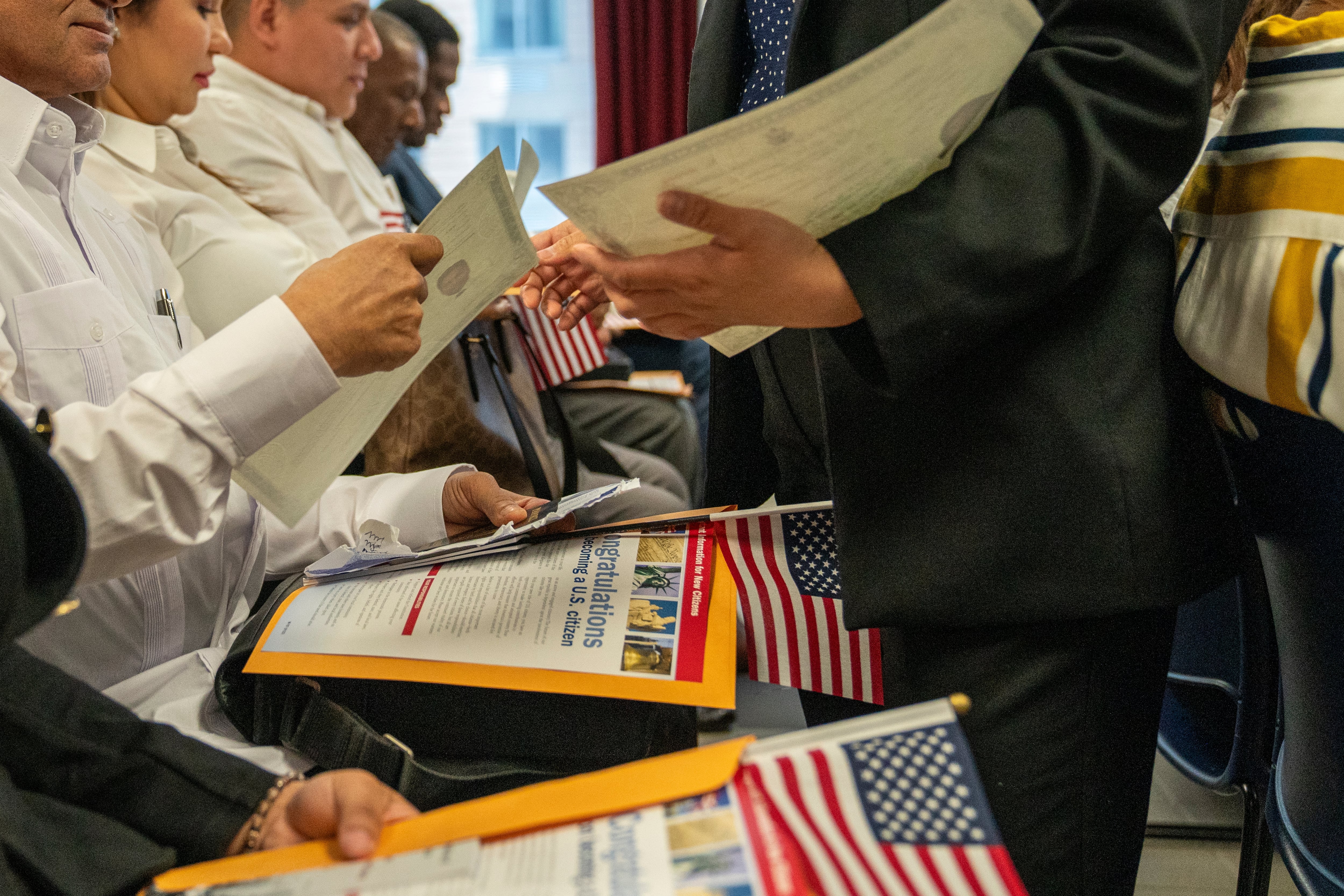
Seventeen naturalized U.S. citizens could lose their citizenship after the Department of Justice announced new actions on Monday to revoke that status. The move is part of the denaturalization campaign pursued by President Donald Trump’s administration against people whom the Republican government says obtained citizenship through fraud or deception during the naturalization process.Seguir leyendo
Seventeen naturalized U.S. citizens could lose their citizenship after the Department of Justice announced new actions on Monday to revoke that status. The move is part of the denaturalization campaign pursued by President Donald Trump’s administration against people whom the Republican government says obtained citizenship through fraud or deception during the naturalization process.
Before leaving her home in Los Angeles, Laura looks up at the sky and whispers a prayer: “Please God, make me invisible.” She fears encountering immigration agents, getting detained, and being deported to Guatemala. It is the same prayer she has repeated since she arrived in the United States 40 years ago. Since then, seven presidents have served, and there have been multiple failed attempts to regularize millions of undocumented people. But Laura continues to live in the shadows, now with less
Before leaving her home in Los Angeles, Laura looks up at the sky and whispers a prayer: “Please God, make me invisible.” She fears encountering immigration agents, getting detained, and being deported to Guatemala. It is the same prayer she has repeated since she arrived in the United States 40 years ago. Since then, seven presidents have served, and there have been multiple failed attempts to regularize millions of undocumented people. But Laura continues to live in the shadows, now with less hope than ever of changing her immigration status.
“The world will stand still, and the eyes of the world will be focused on North America,” the 56-year-old Swiss president of FIFA, Gianni Infantino, said a few days ago from the United Nations headquarters in New York. With four days to go before the ball starts rolling, the three host countries — the United States, Mexico, and Canada — say they have everything ready. Or, more precisely, almost everything. The biggest soccer tournament in history — 48 national teams playing a total of 104 matche
“The world will stand still, and the eyes of the world will be focused on North America,” the 56-year-old Swiss president of FIFA, Gianni Infantino, said a few days ago from the United Nations headquarters in New York. With four days to go before the ball starts rolling, the three host countries — the United States, Mexico, and Canada — say they have everything ready. Or, more precisely, almost everything. The biggest soccer tournament in history — 48 national teams playing a total of 104 matches — takes place amid various circumstances that complicate organization: the United States remains at war with Iran, President Donald Trump’s strict immigration policies are frightening away many supporters, and FIFA’s dynamic-pricing ticket system has put seats out of reach for much of the fan base.
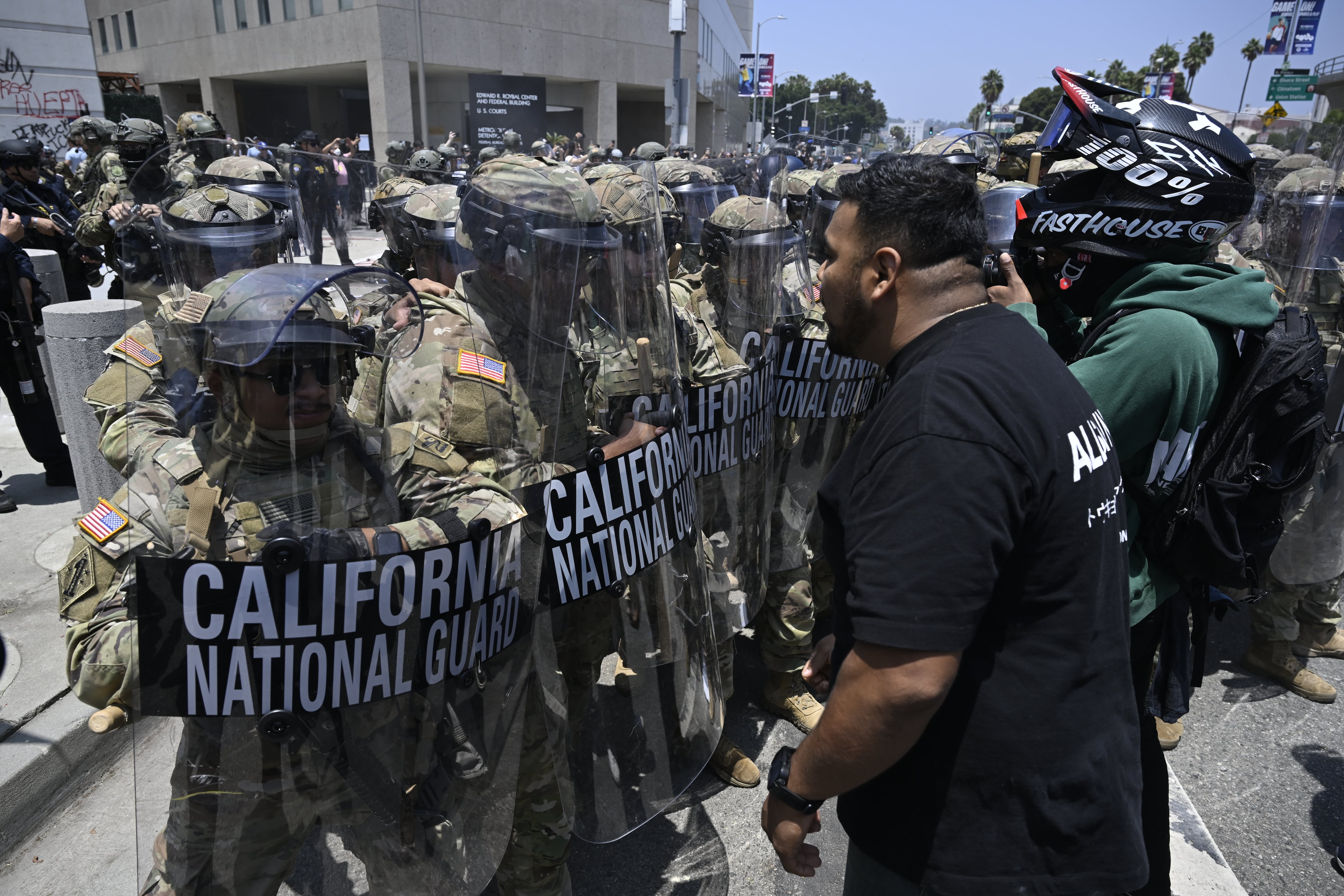
An agricultural property a few miles from Gilroy, just south of the San Francisco Bay Area, has become the latest flashpoint in the ongoing clash between California and the Trump Administration. California Attorney General Rob Bonta and Santa Clara County filed a federal lawsuit on Wednesday seeking to stop the construction of a U.S. Immigration and Customs Enforcement (ICE) facility that local officials say could be used to temporarily detain migrants as part of the federal government’s intensi
An agricultural property a few miles from Gilroy, just south of the San Francisco Bay Area, has become the latest flashpoint in the ongoing clash between California and the Trump Administration. California Attorney General Rob Bonta and Santa Clara County filed a federal lawsuit on Wednesday seeking to stop the construction of a U.S. Immigration and Customs Enforcement (ICE) facility that local officials say could be used to temporarily detain migrants as part of the federal government’s intensified immigration enforcement efforts.
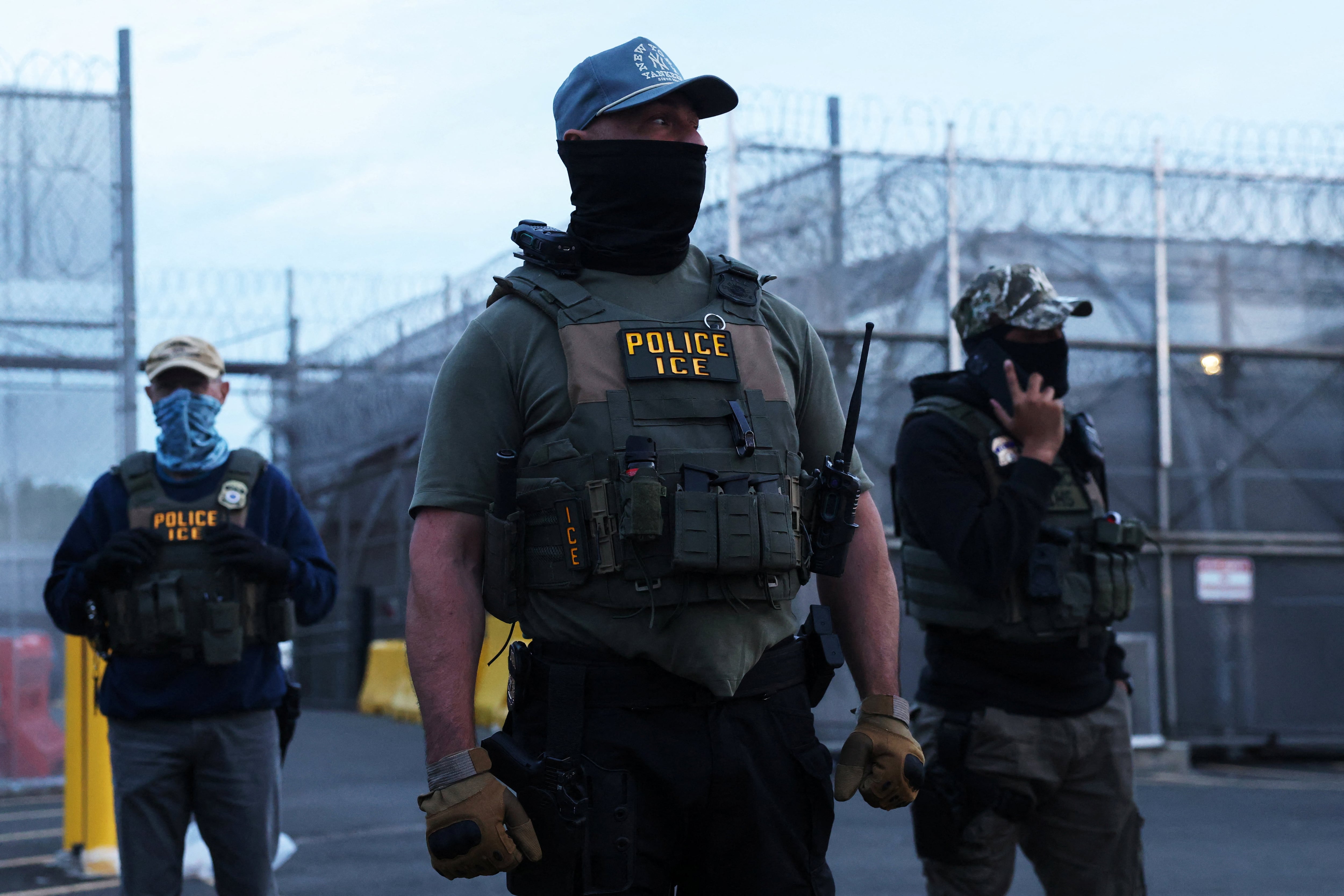
Amid growing concerns about surveillance and privacy in the Trump administration’s immigration policy, U.S. Immigration and Customs Enforcement (ICE) is significantly expanding its biometric identification infrastructure. According to NPR, the agency entered into an agreement with BI2 Technologies—a company specializing in biometric technology—that includes the deployment of iris scanners, access to private databases, and real-time verification tools for field agents.Seguir leyendo
Amid growing concerns about surveillance and privacy in the Trump administration’s immigration policy, U.S. Immigration and Customs Enforcement (ICE) is significantly expanding its biometric identification infrastructure. According to NPR, the agency entered into an agreement with BI2 Technologies—a company specializing in biometric technology—that includes the deployment of iris scanners, access to private databases, and real-time verification tools for field agents.
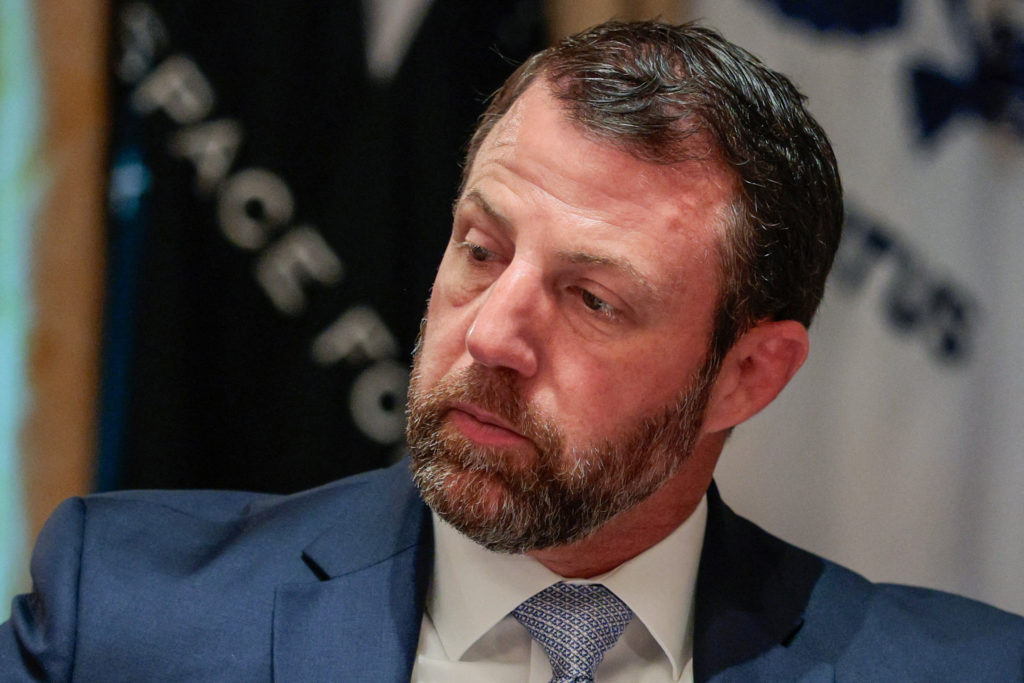
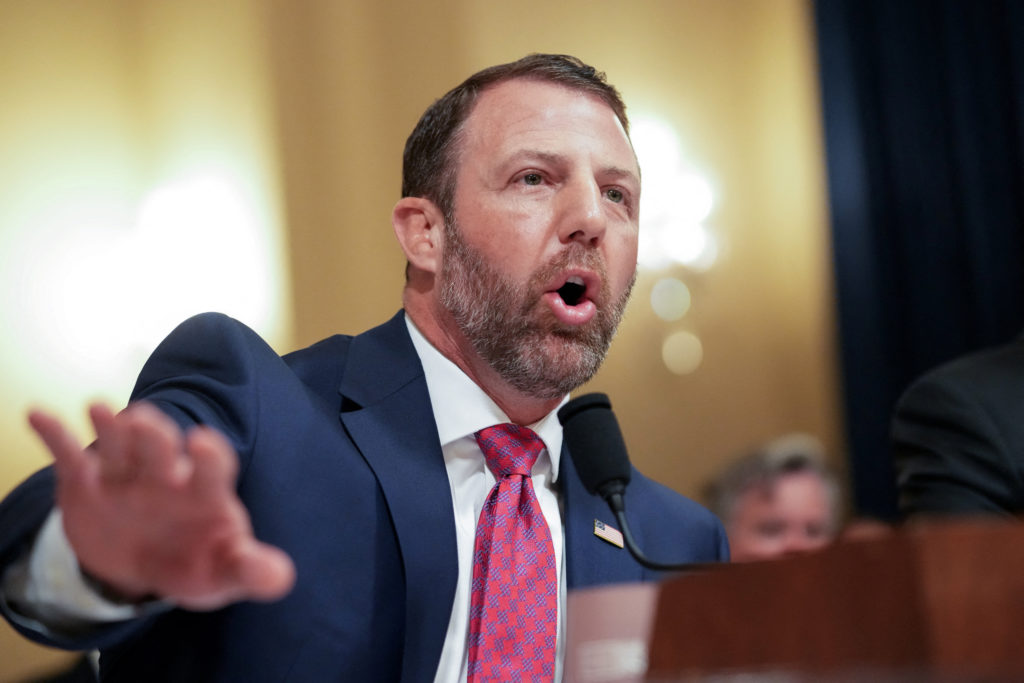
Homeland Security Secretary Markwayne Mullin is slated to appear Tuesday in the Senate to answer questions about the agency's budget, at a time of intense scrutiny about how the Trump administration is carrying out immigration enforcement and preparing for the World Cup.
Homeland Security Secretary Markwayne Mullin is slated to appear Tuesday in the Senate to answer questions about the agency's budget, at a time of intense scrutiny about how the Trump administration is carrying out immigration enforcement and preparing for the World Cup.
Homeland Security Secretary Markwayne Mullin didn't back down from his threats to pull Customs and Border Protection officers from airports on Wednesday.
Homeland Security Secretary Markwayne Mullin didn't back down from his threats to pull Customs and Border Protection officers from airports on Wednesday.
With just a few days to go before the start of the 2026 FIFA World Cup, the world’s largest sporting event faces the question of what role U.S. immigration authorities will play. Now, a new poll by The Washington Post and the University of Maryland has found that most Americans would prefer they play no role at all.Seguir leyendo
With just a few days to go before the start of the 2026 FIFA World Cup, the world’s largest sporting event faces the question of what role U.S. immigration authorities will play. Now, a new poll by The Washington Post and the University of Maryland has found that most Americans would prefer they play no role at all.
Federal Emergency Management Agency (FEMA) staffing losses after a tumultuous year at the agency are raising questions about whether it will be able to effectively respond to this hurricane season. While the Trump administration has backed off its most controversial ideas — such as outright eliminating FEMA or cutting its staff by 50 percent —...
Federal Emergency Management Agency (FEMA) staffing losses after a tumultuous year at the agency are raising questions about whether it will be able to effectively respond to this hurricane season. While the Trump administration has backed off its most controversial ideas — such as outright eliminating FEMA or cutting its staff by 50 percent —...
The Trump administration’s policy of detaining most migrants facing deportation without bail has just suffered a setback in court. A three-judge panel of the Second Circuit Court of Appeals, based in New York, ruled unanimously on Tuesday that the administration cannot broadly apply mandatory detention by classifying nearly any undocumented migrant as an “applicant for admission,” even if they have been living in the United States for years. Seguir leyendo
The Trump administration’s policy of detaining most migrants facing deportation without bail has just suffered a setback in court. A three-judge panel of the Second Circuit Court of Appeals, based in New York, ruled unanimously on Tuesday that the administration cannot broadly apply mandatory detention by classifying nearly any undocumented migrant as an “applicant for admission,” even if they have been living in the United States for years.
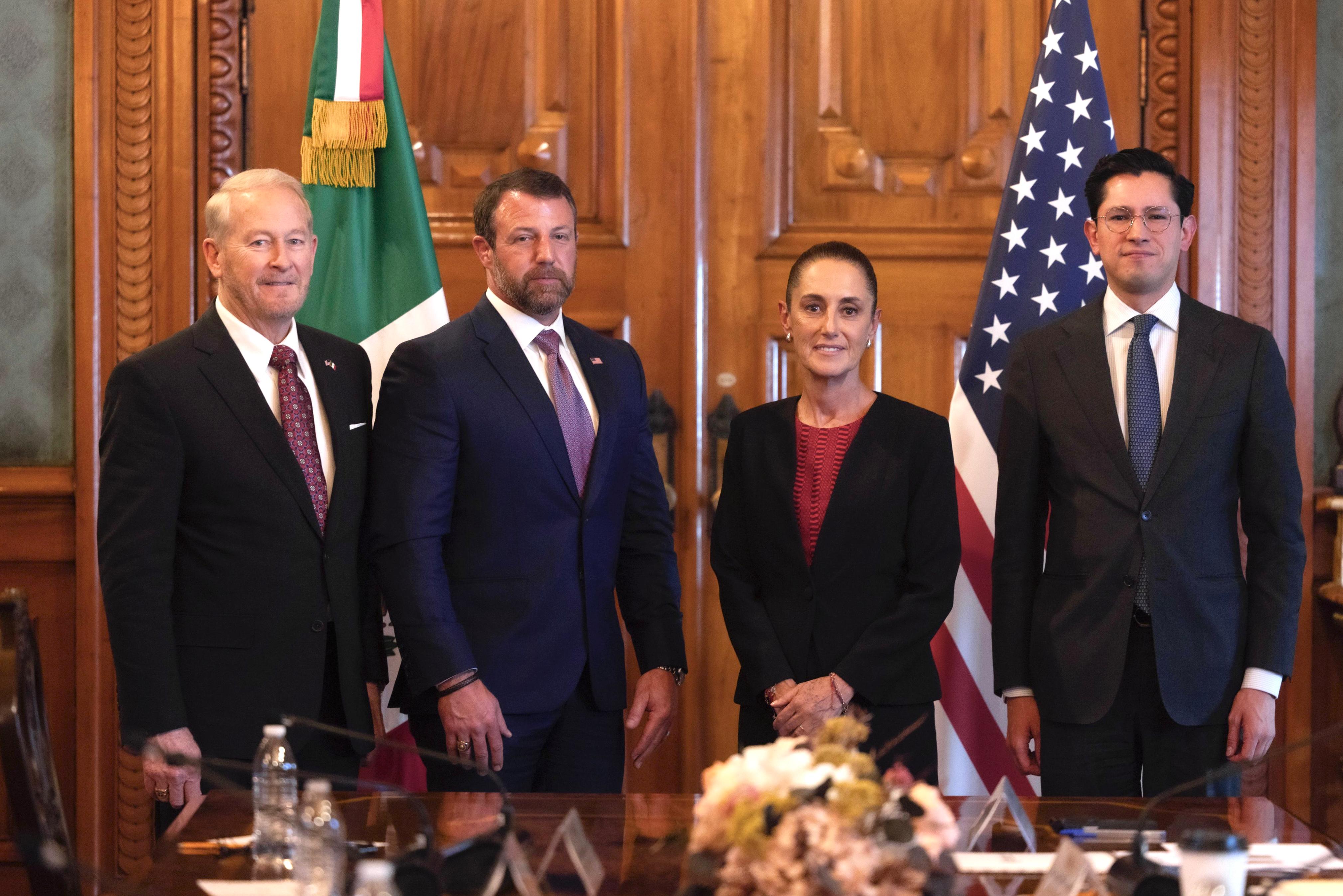
Mexico is preparing its World Cup warm‑up — paradoxically far removed from football and focused instead on its relationship with one of its partners in the tournament venture, the United States. Seguir leyendo
Mexico is preparing its World Cup warm‑up — paradoxically far removed from football and focused instead on its relationship with one of its partners in the tournament venture, the United States.
 Login
Login