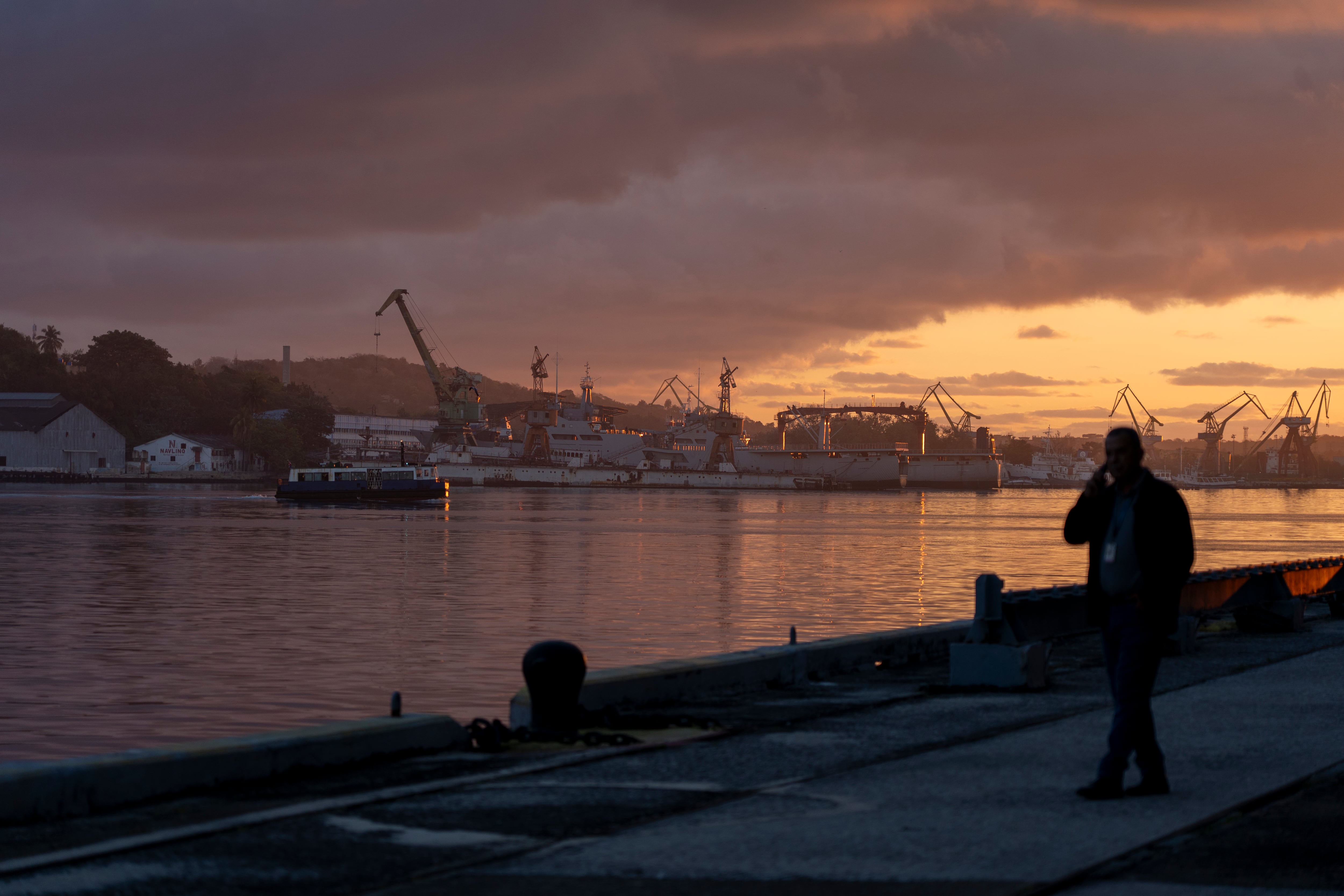
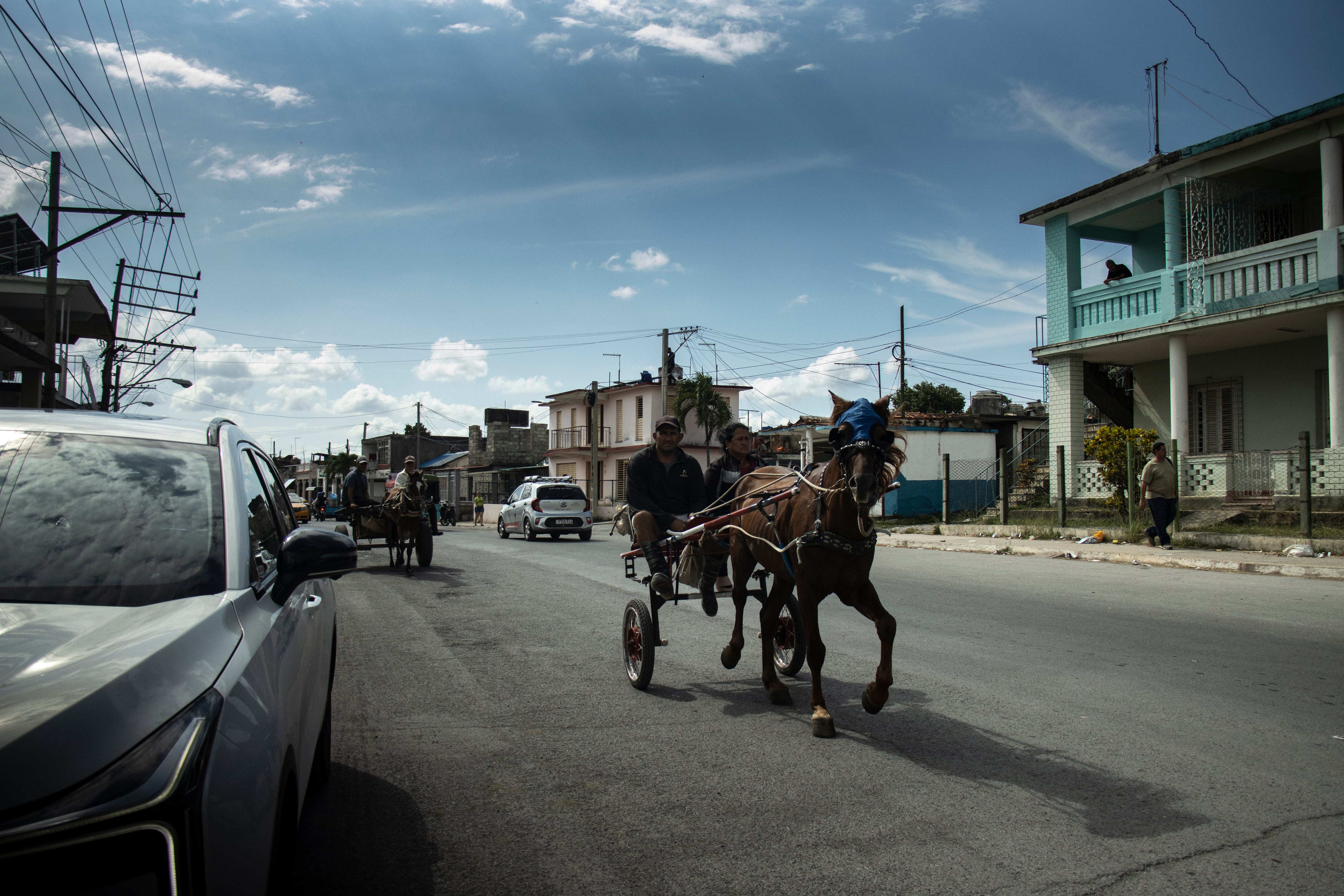
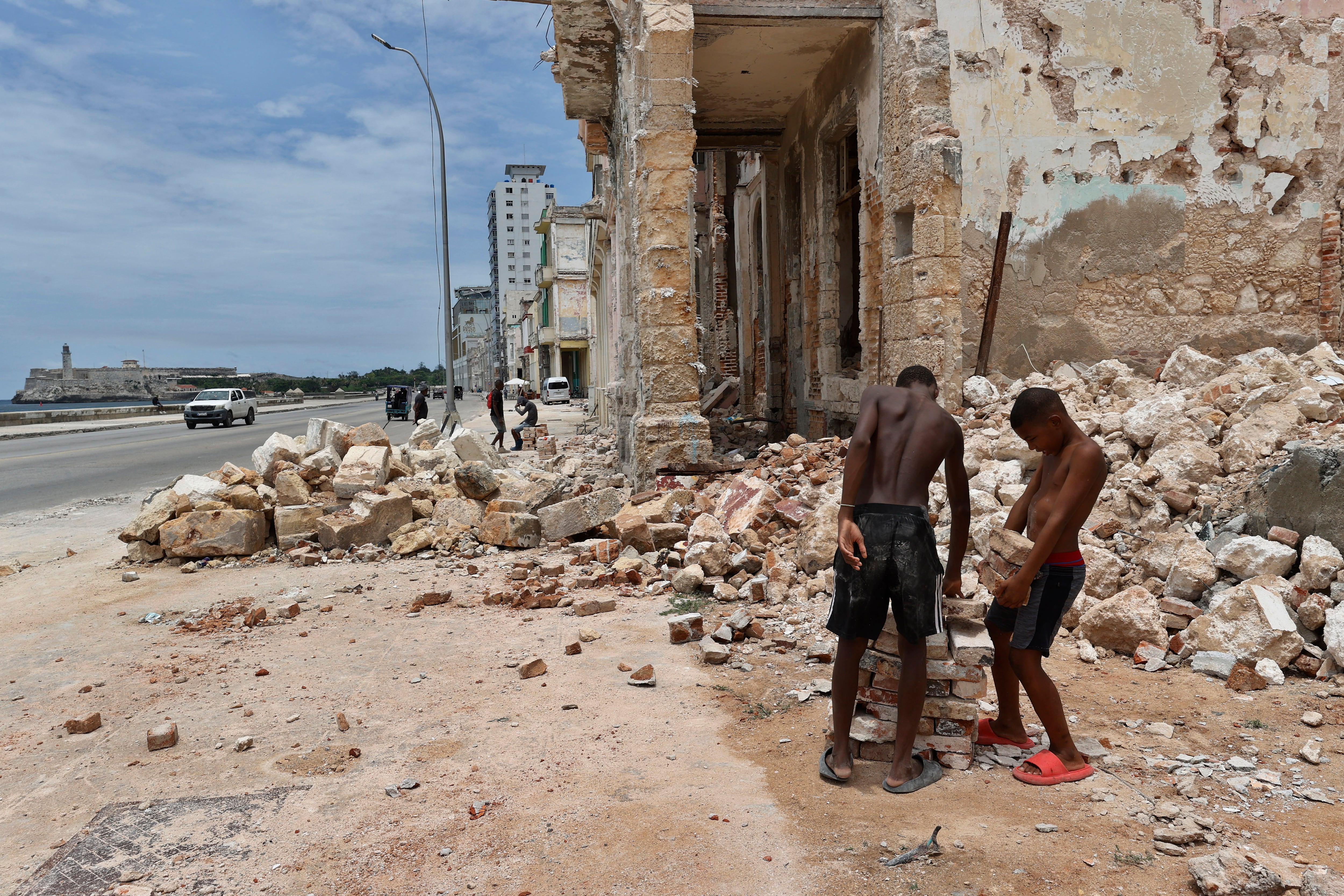
It’s midday and the bread still hasn’t arrived in one of the neighborhoods of central Havana. The open oven reveals empty shelves. Employees give an explanation that all the local residents have already heard: without electricity, there’s nothing to bake. Seguir leyendo
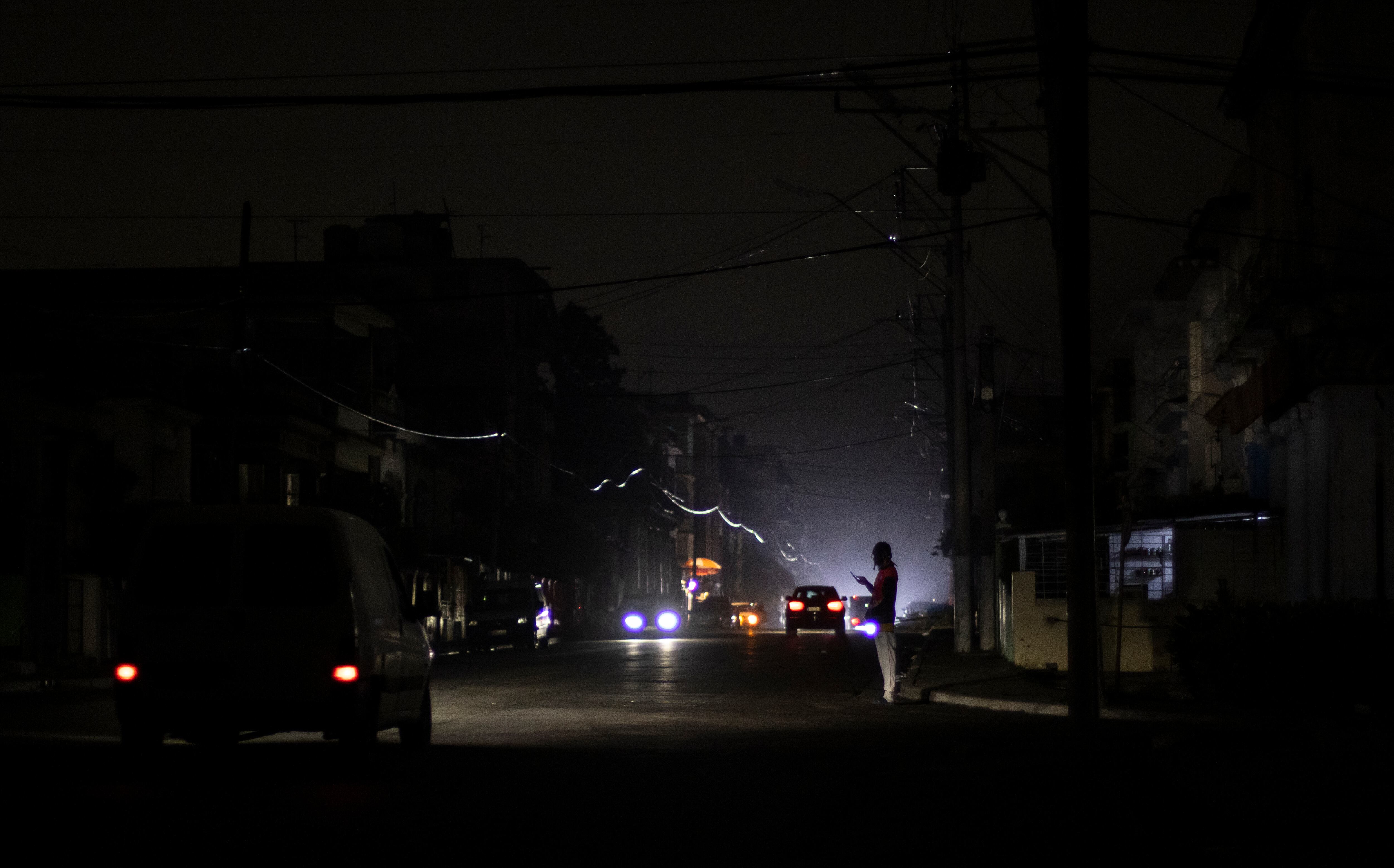
It’s midday and the bread still hasn’t arrived in one of the neighborhoods of central Havana. The open oven reveals empty shelves. Employees give an explanation that all the local residents have already heard: without electricity, there’s nothing to bake.
It’s quite possible that the Cuban Revolution will soon die. Just over 67 years ago, it burst forth laden with hopes and redemptive promises. Biblical parallels abounded: there were 12 survivors of the Granma — the yacht that transported the fighters from Mexico to Cuba — and a messiah (Fidel Castro) triumphantly entered the new Jerusalem (Havana). A dove landed on his shoulder as he recited the divine word for hours on end, foreshadowing paradise on earth. Meanwhile, on the other side of the wa
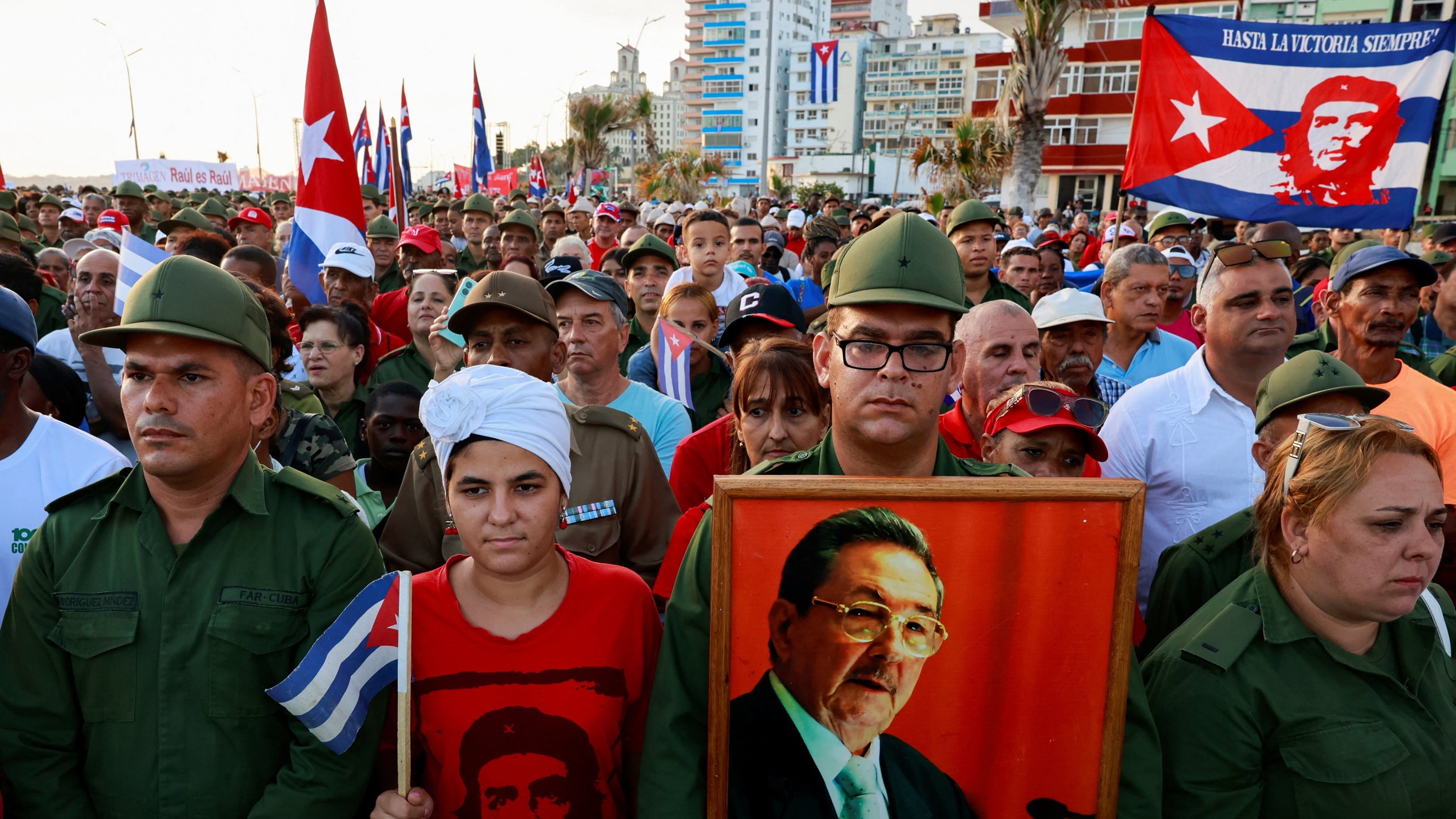
It’s quite possible that the Cuban Revolution will soon die. Just over 67 years ago, it burst forth laden with hopes and redemptive promises. Biblical parallels abounded: there were 12 survivors of the Granma — the yacht that transported the fighters from Mexico to Cuba — and a messiah (Fidel Castro) triumphantly entered the new Jerusalem (Havana). A dove landed on his shoulder as he recited the divine word for hours on end, foreshadowing paradise on earth. Meanwhile, on the other side of the water — the Straits of Florida — the Yankee devil threatened this paradise from hell.
The clock keeps ticking. The United States waits patiently after its latest checkmate against Cuba. The move has shaken a country that is already held together by pins, plunged into a severe crisis that has only worsened this year as economic strangulation by Washington intensifies. And all of this is unfolding in the shadow of a possible military intervention. Adding to this climate of extreme tension is an ultimatum: Friday, June 5, 2026. That is the date when a White House executive order of
The clock keeps ticking. The United States waits patiently after its latest checkmate against Cuba. The move has shaken a country that is already held together by pins, plunged into a severe crisis that has only worsened this year as economic strangulation by Washington intensifies. And all of this is unfolding in the shadow of a possible military intervention. Adding to this climate of extreme tension is an ultimatum: Friday, June 5, 2026. That is the date when a White House executive order of May 1 will take effect. The order threatens to freeze the assets on U.S. soil of any foreign companies or individuals that are still doing business with the Cuban regime.
Almost at the same time on Wednesday morning, U.S. Secretary of State Marco Rubio spoke from Washington while Cuba’s president, Miguel Díaz-Canel, spoke from Havana. Both were addressing the people of Cuba. The former highlighted the date, May 20, as the day “the Cuban flag flew for the first time over an independent country” in 1902, an image preserved in a period photograph that forever enshrined the birth of the republic. The latter, however, said that date should be credited for only one thi
Almost at the same time on Wednesday morning, U.S. Secretary of State Marco Rubio spoke from Washington while Cuba’s president, Miguel Díaz-Canel, spoke from Havana. Both were addressing the people of Cuba. The former highlighted the date, May 20, as the day “the Cuban flag flew for the first time over an independent country” in 1902, an image preserved in a period photograph that forever enshrined the birth of the republic. The latter, however, said that date should be credited for only one thing: “Having planted in Cubans of that era an anti-imperialist sentiment.” Rubio invoked 1902 as an epic moment, but Díaz-Canel asked the people not to forget that May 20 marks the day of U.S. “intervention” and “interference” in Cuba. That has been the narrative between Washington and Havana to this day: two governments wrestling over the meaning of history.
A new twist in the tensions between the United States and Cuba. The U.S. Supreme Court ruled on Thursday in favor of a U.S. company whose docks were confiscated by the Castro regime in 1960 after Fidel Castro came to power. The court’s decision — in a case openly supported by U.S. President Donald Trump — opens the door to future claims by other U.S. firms and citizens affected during the wave of expropriations carried out in the early years of the Cuban Revolution.Seguir leyendo
A new twist in the tensions between the United States and Cuba. The U.S. Supreme Court ruled on Thursday in favor of a U.S. company whose docks were confiscated by the Castro regime in 1960 after Fidel Castro came to power. The court’s decision — in a case openly supported by U.S. President Donald Trump — opens the door to future claims by other U.S. firms and citizens affected during the wave of expropriations carried out in the early years of the Cuban Revolution.
When she first saw the news on Facebook, she thought it had to be one of those hoaxes that circulate on social media. It was too implausible, an absurdity. But shortly afterward the principal of the school where she works forwarded to the teachers’ group chat a message that opened with the classic tone of a war dispatch: Information from the Revolutionary Government. Then she had no doubts. The information was real. The CIA director had just met in Havana with the senior leadership of the Cuban
When she first saw the news on Facebook, she thought it had to be one of those hoaxes that circulate on social media. It was too implausible, an absurdity. But shortly afterward the principal of the school where she works forwarded to the teachers’ group chat a message that opened with the classic tone of a war dispatch: Information from the Revolutionary Government. Then she had no doubts. The information was real. The CIA director had just met in Havana with the senior leadership of the Cuban security and intelligence apparatus.
When a Cuban person on the island wants to refer to “those in charge,” they lightly tap their shoulder with two fingers. The subtle gesture, shaped by nearly seven decades of censorship, is a reference to the epaulet of a military uniform. In Cuba, people do not speak of the government or the party (the Communist Party of Cuba, the only legal one), but rather of the “country’s leadership.” It is a euphemism that points to the real political and economic power: the Revolutionary Armed Forces (FAR
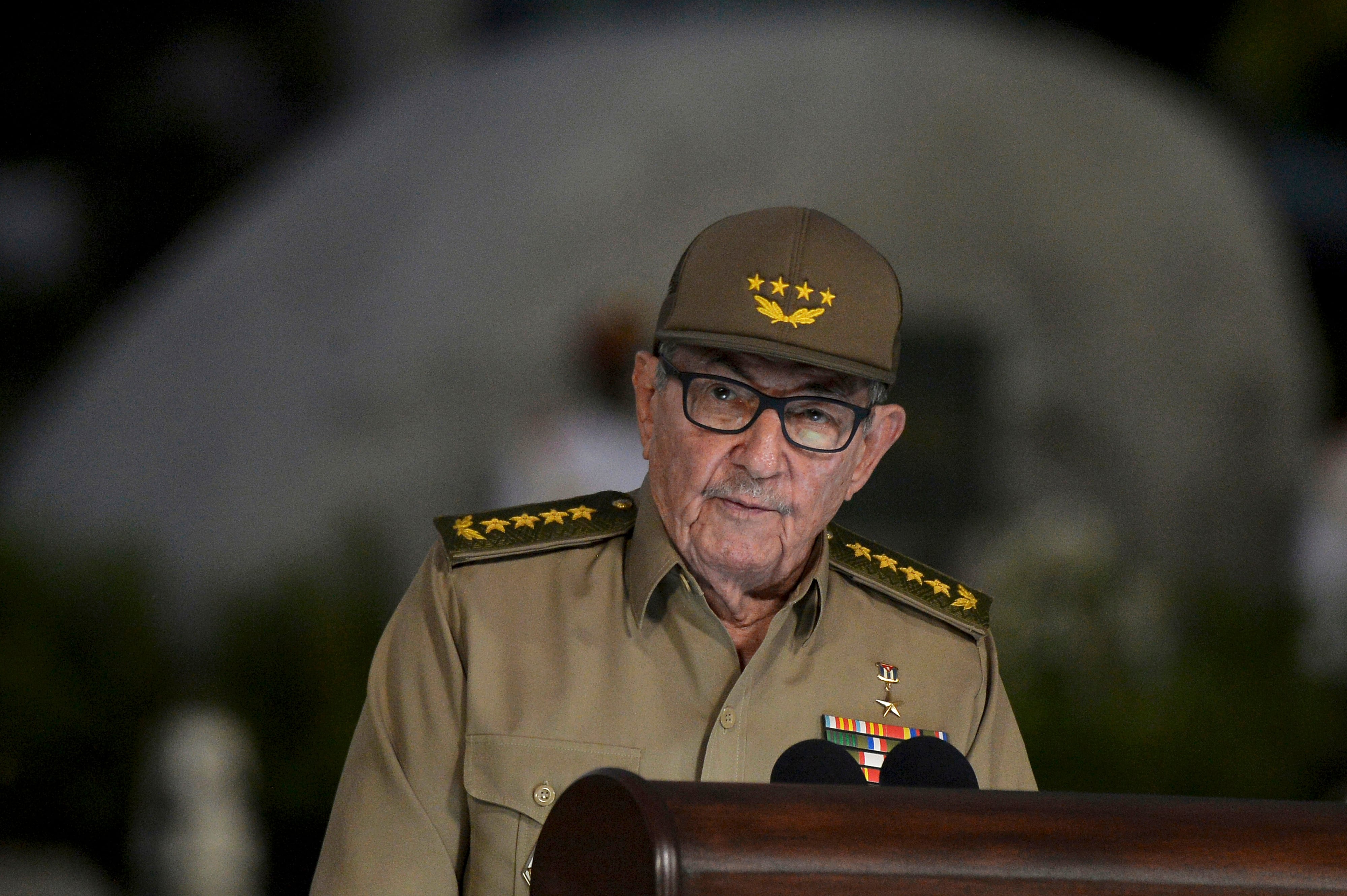
When a Cuban person on the island wants to refer to “those in charge,” they lightly tap their shoulder with two fingers. The subtle gesture, shaped by nearly seven decades of censorship, is a reference to the epaulet of a military uniform. In Cuba, people do not speak of the government or the party (the Communist Party of Cuba, the only legal one), but rather of the “country’s leadership.” It is a euphemism that points to the real political and economic power: the Revolutionary Armed Forces (FAR).
The U.S. State Department this week denied that the Florida-based company Vanguard Energy had received authorization to export gasoline and diesel to Cuba, dashing hopes that the island would receive about 250,000 barrels of fuel to ease the severe energy shortages that get worse every day.Seguir leyendo
The U.S. State Department this week denied that the Florida-based company Vanguard Energy had received authorization to export gasoline and diesel to Cuba, dashing hopes that the island would receive about 250,000 barrels of fuel to ease the severe energy shortages that get worse every day.

 Login
Login