Normal view

  • ✇LIFE
  • This Was No Woodstock: Inside a Music Festival Disaster Bill Syken
    The Woodstock music festival was one of the signature moments the 1960s. Site owner Max Yasgur, a farmer and the concert site owner, memorably declared that the gathering proved that “a half a million young people can get together and have three days of fun and music and have nothing but fun and music.” Woodstock’s success naturally inspired imitators, but the magic was hard to recapture. The Altamont concert later that year famously turned deadly when a member of Hell’s Angels, who had b
     

This Was No Woodstock: Inside a Music Festival Disaster

28 May 2026 at 18:02

The Woodstock music festival was one of the signature moments the 1960s. Site owner Max Yasgur, a farmer and the concert site owner, memorably declared that the gathering proved that “a half a million young people can get together and have three days of fun and music and have nothing but fun and music.”

Woodstock’s success naturally inspired imitators, but the magic was hard to recapture. The Altamont concert later that year famously turned deadly when a member of Hell’s Angels, who had been hired for security, stabbed an audience member near the stage as the Rolling Stones performed.

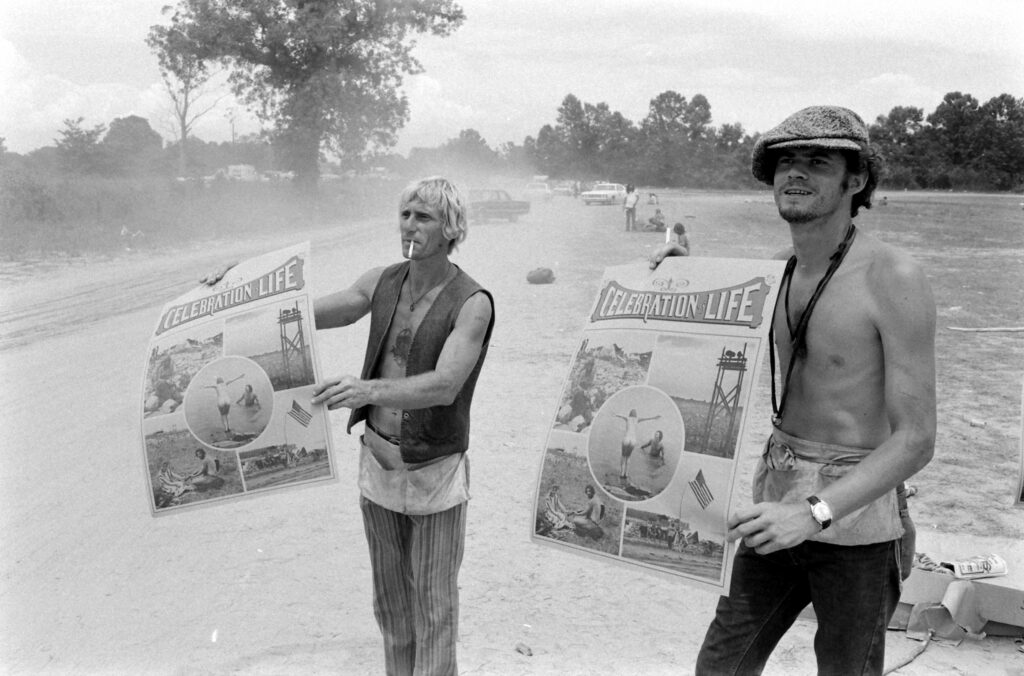
Another music festival, the Celebration of Life in June 1971, is not as well-remembered as Altamont, but it was such a disaster that it helped put an end to the music festivals for a while.

The Celebration of Life had to change locations three times due to local resistance before finding a last-minute home on a remote tract of land in McCrea, Louisiana, about 60 miles north of Baton Rouge. The festival was scheduled for eight days but started late and shut down halfway through, with the IRS placing a tax lien that froze the organizers’ bank accounts. Performers who did get on the stage included Chuck Berry, the Stephen Stills Band, and Ike & Tina Turner. But others who had been promoted on the bill but never made the stage included Pink Floyd, the Beach Boys, the Allman Brothers and Miles Davis.

Most tragically, multiple attendees drowned in a river that bordered the festival site while seeking refuge from Louisiana’s summer heat.

Here’s what LIFE magazine wrote about the event, in a story headlined “Perhaps the last of the rock festival fiascos“:

Even before it opened, last week’s rock festival in McCrea, La., was a disaster. The stage collapsed while it was under construction, and when it was fixed, the sound system failed. Most of the previously advertised talent didn’t show up, food was overpriced, water was scarce, and sanitation facilities inadequate. The temperature soared over 100 degrees. Within four days there had been five deaths—four drownings and a drug overdose—and what the crowd wanted most was to go home.

While some later reports lowered the number of confirmed deaths to two, this was a brutal event by any accounting.

LIFE staff photographer Bill Ray appears to have arrived in McCrea after the music stopped, but he captured some of the aftermath of the Celebration of Life, including concertgoers, many of them nude, trying to cool down in the river. Ray also took many shots of people looking to hitch a ride home, holding up signs requesting transport to such locations as Virginia, Miami and New Mexico—a testament to how far people had traveled to get there. The happiest images he shot were of people who had been picked up and were on their way home.

In 2013 a 32-minute documentary called McCrea 1971 reviewed what went wrong with Celebration of Life, and the problems began with its hasty setup. In one historic clip a promoter said, “It takes about a month to set up a festival, but we’ll try to do it in about three days.” A local who attended the festival talked about the folly of festival goers swimming in a river that people from the area knew to be a “death trap.” He said, “I know of no one I have ever met who would willingly get in and swim in the Atchafalaya River.”

In 2018 Rolling Stone magazine ran its own retrospective on the Celebration of Life and talked about how out of hand things got. Because of the heat performances that were originally planned to start during the day shifted to the overnight, leaving attendees with nothing to do all day. Makeshift boulevards called “Smack Street” and “Cocaine Alley” cropped up on the festival site. Stunningly, given what happened at Altamont, festival organizers hired the Galloping Goose Motorcycle Club for security and its members reportedly became abusive with attendees.

LIFE magazine’s wish that music festivals go away for a while came to fruition. And while festivals have made a major comeback in recent years, they now look very different, with stronger organizations behind them. Some complain about how corporate they have become, with special bleachers for VIPs and so on. However you feel about that, it’s worth remembering that a more loosely organized gathering can come with its own hazards—sometimes big ones.

The ill-fated Celebration of Life music festival, after several late location changes, took place in McCrea, Louisiana, 1971.

Bill Ray/Life Picture Collection/Shutterstock

Concertgoers sought relief from the sweltering heat at the ill-fated Celebration of Life music festival in McCrae, Louisiana, 1971.

Bill Ray/Life Picture Collection/Shutterstock

Concertgoers sought relief from the sweltering heat at the ill-fated Celebration of Life music festival in McCrae, Louisiana, 1971.

Bill Ray/Life Picture Collection/Shutterstock

The ill-fated Celebration of Life music festival in McCrea, Louisiana, 1971.

Bill Ray/Life Picture Collection/Shutterstock

Concertgoers looked for rides home after the ill-fated Celebration of Life music festival in McCrae, Louisiana was cut short, 1971.

Bill Ray/Life Picture Collection/Shutterstock

The ill-fated Celebration of Life music festival in McCrea, Louisiana, 1971.

Bill Ray/Life Picture Collection/Shutterstock

Concertgoers looked for rides home after the ill-fated Celebration of Life music festival in McCrae, Louisiana was cut short, 1971.

Bill Ray/Life Picture Collection/Shutterstock

Concertgoers looked for rides home after the ill-fated Celebration of Life music festival in McCrae, Louisiana was cut short, 1971.

Bill Ray/Life Picture Collection/Shutterstock

Concertgoers looked for rides home after the ill-fated Celebration of Life music festival in McCrae, Louisiana was cut short, 1971.

Bill Ray/Life Picture Collection/Shutterstock

Concertgoers looked for rides home after the ill-fated Celebration of Life music festival in McCrae, Louisiana was cut short, 1971.

Bill Ray/Life Picture Collection/Shutterstock

Concertgoers looked for rides home after the ill-fated Celebration of Life music festival in McCrae, Louisiana was cut short, 1971.

Bill Ray/Life Picture Collection/Shutterstock

Concertgoers looked for rides home after the ill-fated Celebration of Life music festival in McCrae, Louisiana was cut short, 1971.

Bill Ray/Life Picture Collection/Shutterstock

Concertgoers looked for rides home after the ill-fated Celebration of Life music festival in McCrae, Louisiana was cut short, 1971.

Bill Ray/Life Picture Collection/Shutterstock

Concertgoers looked for rides home after the ill-fated Celebration of Life music festival in McCrae, Louisiana was cut short, 1971.

Bill Ray/Life Picture Collection/Shutterstock

Concertgoers caught a ride home after the ill-fated Celebration of Life music festival in McCrae, Louisiana was cut short, 1971.

Bill Ray/Life Picture Collection/Shutterstock

Concertgoers caught a ride home after the ill-fated Celebration of Life music festival in McCrae, Louisiana was cut short, 1971.

Bill Ray/Life Picture Collection/Shutterstock

The post This Was No Woodstock: Inside a Music Festival Disaster appeared first on LIFE.

  • ✇Colossal
  • Frank Relle’s Photos Revel in Louisiana’s Otherworldly Swampland Kate Mothes
    When photographer Frank Relle was nine years old, he remembers sneaking out of the house he grew up in in New Orleans just before daybreak to catch the sunrise—an event he found frustratingly difficult to explain to others, as much as he wished to share the experience. It was only years later that he discovered the camera, and he reflects on this time now through the lens of an excerpt from the essay “Between Yes and No” by Albert Camus: “A man’s work is nothing but this slow trek to rediscov
     

Frank Relle’s Photos Revel in Louisiana’s Otherworldly Swampland

26 March 2026 at 22:49
Frank Relle’s Photos Revel in Louisiana’s Otherworldly Swampland

When photographer Frank Relle was nine years old, he remembers sneaking out of the house he grew up in in New Orleans just before daybreak to catch the sunrise—an event he found frustratingly difficult to explain to others, as much as he wished to share the experience. It was only years later that he discovered the camera, and he reflects on this time now through the lens of an excerpt from the essay “Between Yes and No” by Albert Camus: “A man’s work is nothing but this slow trek to rediscover, through the detours of art, those two or three great and simple images in whose presence his heart first opened.”

Relle adds, “The swamp was that opening for me. I do not fully understand how. I went in once, and something happened; I changed, and then I kept going back.” The New Orleans-based photographer still returns to the swamps of Louisiana, watched over by bald cypress trees draped in ethereal swathes of Spanish moss. He canoes onto the calm waters, capturing the transition between day and night amid the sounds of birds and other creatures that make their homes there.

A large, healthy cypress tree draped with Spanish moss in a Louisiana swamp, illuminated against a dark sky
“Babsoo”

“I work in the swamp because it returns me to a way of being that feels older, quieter, and more true,” Relle tells Colossal, continuing:

Out there, surrounded by trees, insects, birds, reflections, and dark water, I stop living inside the noise of my own mind. The swamp pulls me out of the island of myself and places me back inside a larger living world. In that state, I feel wonder, connection, and a kind of freedom. Photography became my way of sharing that feeling—not by explaining it but by inviting others into it.

Relle’s series Until the Water explores Louisiana’s otherworldly bayous through a lens of serene reverence. He places lights beneath boughs and trunks, illuminating trees against darkening horizons to emphasize their billowing shapes amid expansive wetlands distinctive to the Gulf Coast region of North America.

Time is both evident and seemingly suspended in Relle’s photos, as within the context of a single day ending or beginning, we observe mature cypresses that may have weathered hundreds of years. (The oldest known living tree in eastern North America is a bald cypress in North Carolina that’s more than 2,600 years old.) Some of the trees are abundantly leafy and full, while others are bare, struggling, or cracked open.

A swamp in Louisiana at dusk with huge cypress trees silhouetted in the foreground, with one illuminated from below in the background
“Lemeire”

“The swamp at two in the morning is not quiet; it is one of the loudest places I have ever been,” Relle says. “But a photograph of it is silent. And in that silence, there is an opening. A threshold….That is what I wanted when I was small, watching the sky change. Not to describe it. To bring someone else to the edge of it. To share it without words.”

Find more on Relle’s Instagram, and purchase prints in his online shop. And if you’re in New Orleans, visit his brick-and-mortar gallery on Royal Street.

A swamp in Louisiana at dusk with huge cypress trees silhouetted in the foreground of a sky dotted with clouds
“Augereaux”
A swamp in Louisiana at dusk with huge cypress trees silhouetted in the foreground, with one illuminated from below in the center
“Cesaire”
Large cypress trees draped with Spanish moss in a Louisiana swamp, illuminated against a dark sky
“Attakapas”
A swamp in Louisiana at dusk with huge cypress trees silhouetted against a golden sky
“Alhambra”
A large, fallen-down cypress tree draped with Spanish moss in a Louisiana swamp, illuminated against a dark sky
“Amano”

Do stories and artists like this matter to you? Become a Colossal Member today and support independent arts publishing for as little as $7 per month. The article Frank Relle’s Photos Revel in Louisiana’s Otherworldly Swampland appeared first on Colossal.

  • ✇Social Lifestyle Magazine
  • QRF Bail Bonds Highlights Confidential Drug-Charge Bail Bond Services Across Louisiana Livia Auatt
    WALKER, La. — QRF Bail Bonds is highlighting its confidential drug-charge bail bond services for families and individuals who need fast, steady, and judgment-free support after a drug-related arrest in Louisiana. A drug arrest can create immediate stress for everyone involved. Families may be trying to confirm where a loved one is being held, understand whether a bond has been set, gather basic booking information, and make decisions under pressure. QRF Bail Bonds provides step-by-step guida
     

QRF Bail Bonds Highlights Confidential Drug-Charge Bail Bond Services Across Louisiana

3 May 2026 at 15:20

WALKER, La. — QRF Bail Bonds is highlighting its confidential drug-charge bail bond services for families and individuals who need fast, steady, and judgment-free support after a drug-related arrest in Louisiana.

A drug arrest can create immediate stress for everyone involved. Families may be trying to confirm where a loved one is being held, understand whether a bond has been set, gather basic booking information, and make decisions under pressure. QRF Bail Bonds provides step-by-step guidance designed to help clients begin the release process with clear communication and practical support.

The company’s drug-charge bail bond service is built around 24/7 availability, private calls, online intake, fast processing, regular updates, and local experience with parish-level procedures. QRF Bail Bonds works with families facing possession, distribution, and other drug-related charges and arrests when a bond may be available.

Louisiana’s bail process can feel overwhelming for people who have never had to navigate it before. Under Louisiana law, the condition of a bail undertaking generally requires that the defendant appear at all stages of the proceedings, submit to the court’s orders and process, and not leave the state without the written permission of the court. The law also states that the court may impose additional conditions of release that are reasonably related to assuring court appearance and guarding individual or community safety. This legal framework helps explain why families often need clear, immediate guidance after a bond is set.

“When a family calls after a drug-related arrest, they are usually dealing with fear, confusion, and a lot of unanswered questions,” said a representative of QRF Bail Bonds. “Our role is to explain the process in plain language, protect their privacy, and move quickly once the required information is available.”

QRF Bail Bonds emphasizes discretion throughout the process. Drug charges can be sensitive, and families often want help from a bondsman who understands the importance of privacy, professionalism, and calm communication. The company’s service page notes that clients can begin the process online through SimplyBail and receive guidance on the information typically needed to move the bond process forward.

The company also highlights its local experience in Livingston, Ascension, Tangipahoa, and East Baton Rouge parishes. Local procedures, timelines, intake steps, and court requirements can vary, which makes parish-level familiarity important for families trying to understand what comes next. QRF Bail Bonds helps clients identify the defendant’s name, date of birth, booking number, arrest parish, and other details that may be needed during the bail bond process.

Professional licensing is another important part of the bail bond industry in Louisiana. The Louisiana Department of Insurance explains that a person seeking to become a resident individual insurance producer for the bail bond line must first complete a bail bond apprenticeship program. The department states that the program includes three consecutive months of employment with a Louisiana-licensed bail bond producer, during which the apprentice observes and performs phases of the bail bond business under supervision, subject to specific limitations.

QRF Bail Bonds lists the Louisiana Department of Insurance license number 1133549 on its website. The company presents its service as a practical resource for families who need help understanding the release process, completing intake information, and receiving updates while the case moves through the system.

Although a bail bond service does not provide legal advice or determine the outcome of a criminal case, it can help families address the release-related portion of the process. Defendants and families should consult a qualified attorney for legal guidance about the charge, defense strategy, court appearances, plea decisions, and case-specific rights or obligations.

QRF Bail Bonds focuses on helping clients act quickly once a bond has been set. The company’s process includes answering urgent calls, explaining next steps, collecting bond information, helping clients begin the online intake process, and providing updates so families are not left guessing. This support can be especially important when an arrest happens after normal business hours or when family members are unsure which parish facility is handling the booking.

Customers who want to learn more can visit QRF Bail Bonds’ drug-charge bail bonds in Louisiana page for service details, intake information, and contact options.

QRF Bail Bonds is located at 10177 Florida Blvd., Suite A, Walker, LA 70785. The company can be reached by phone at (225) 276-9688 or by email at mdavis@qrfbailbonds.com.

About QRF Bail Bonds

QRF Bail Bonds provides bail bond support for families and individuals across Louisiana, including drug-charge, DWI, domestic-violence, warrant, failure-to-appear, felony, and misdemeanor bail bonds. Based in Walker, Louisiana, the company offers 24/7 assistance, online intake, clear communication, and confidential support for clients navigating the bail process.

Media Contact

QRF Bail Bonds
10177 Florida Blvd., Suite A
Walker, LA 70785
Phone: (225) 276-9688
Email: mdavis@qrfbailbonds.com

The post QRF Bail Bonds Highlights Confidential Drug-Charge Bail Bond Services Across Louisiana appeared first on Social Lifestyle Magazine.

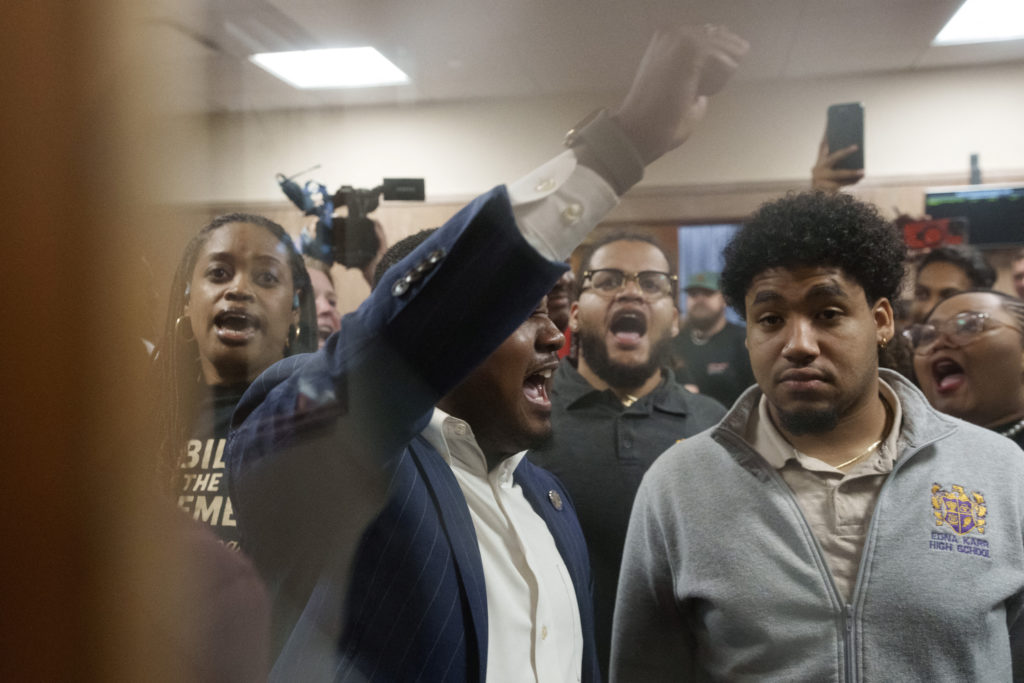
Louisiana passes new congressional map to eliminate majority-Black district, give GOP another seat

29 May 2026 at 19:03
Approval of the new House map came a month after the U.S. Supreme Court struck down the state's current map as an illegal racial gerrymander, weakening the landmark 1965 federal Voting Rights Act.

  • ✇The Guardian World news
  • British man jailed for goading American to kill himself on video call Raphael Boyd
    Dylan Phelan, 21, of Leeds, sentenced to more than six years for encouraging the suicide of 21-year-old Travis DyerA Yorkshire man has been sentenced to more than six years in jail after admitting encouraging a US citizen to kill themselves while on a video call.Dylan Phelan, 21, was sentenced on Friday at Leeds crown court after previously pleading guilty to intentionally doing an act that was capable of encouraging the suicide of another person.In the UK and Ireland, Samaritans can be contacte
     

British man jailed for goading American to kill himself on video call

12 June 2026 at 17:46

Dylan Phelan, 21, of Leeds, sentenced to more than six years for encouraging the suicide of 21-year-old Travis Dyer

A Yorkshire man has been sentenced to more than six years in jail after admitting encouraging a US citizen to kill themselves while on a video call.

Dylan Phelan, 21, was sentenced on Friday at Leeds crown court after previously pleading guilty to intentionally doing an act that was capable of encouraging the suicide of another person.

In the UK and Ireland, Samaritans can be contacted on freephone 116 123. In the US, you can call or text the 988 Suicide & Crisis Lifeline at 988 or chat at 988lifeline.org. In Australia, the crisis support service Lifeline is 13 11 14. Other international helplines can be found at befrienders.org

Continue reading...

© Photograph: Martyn Williams/Alamy

© Photograph: Martyn Williams/Alamy

© Photograph: Martyn Williams/Alamy

  • ✇The Guardian World news
  • Louisiana jury awards $1.1bn to woman who sued over childhood molestation in 1960s Ramon Antonio Vargas
    ‘Lookback law’ allowed Pamela Lockridge to seek damages against late stepfather who abused her starting at age fourA north-west Louisiana jury recently awarded a staggering $1.1bn in damages to a woman who sued over childhood sexual molestation at the hands of her late stepfather in the 1960s and 1970s – a verdict that the plaintiff says “sends a message that children are precious” and “deserve protection”.The outcome in Pamela Elaine Lockridge’s lawsuit caused waves among Louisiana’s legal comm
     

Louisiana jury awards $1.1bn to woman who sued over childhood molestation in 1960s

‘Lookback law’ allowed Pamela Lockridge to seek damages against late stepfather who abused her starting at age four

A north-west Louisiana jury recently awarded a staggering $1.1bn in damages to a woman who sued over childhood sexual molestation at the hands of her late stepfather in the 1960s and 1970s – a verdict that the plaintiff says “sends a message that children are precious” and “deserve protection”.

The outcome in Pamela Elaine Lockridge’s lawsuit caused waves among Louisiana’s legal community, illustrating how much civil juries are willing to award to plaintiffs for cases tried under the state’s so-called “lookback law”.

Continue reading...

© Photograph: Courtesy of Pamela Lockridge

© Photograph: Courtesy of Pamela Lockridge

© Photograph: Courtesy of Pamela Lockridge

❌
Subscriptions