Normal view

  • ✇Malay Mail - All
  • Will Trump’s Fed pick cave to White House pressure? All eyes on Warsh as he leads first FOMC meet
    New Fed chair Kevin Warsh chairs his first FOMC meeting amid three-year-high inflation and continued pressure from Trump to cut rates.Rates are expected to hold steady, but war-driven inflation from the Iran conflict could push the Fed toward a hike by December.A divided FOMC, with record dissent in April, highlights tension between Warsh's rate-cut leanings and persistent inflation pressures.WASHINGTON, June 14 — US Federal Reserve chief Kevin Warsh will chair h
     

Will Trump’s Fed pick cave to White House pressure? All eyes on Warsh as he leads first FOMC meet

14 June 2026 at 01:45

Malay Mail

  1. New Fed chair Kevin Warsh chairs his first FOMC meeting amid three-year-high inflation and continued pressure from Trump to cut rates.
  2. Rates are expected to hold steady, but war-driven inflation from the Iran conflict could push the Fed toward a hike by December.
  3. A divided FOMC, with record dissent in April, highlights tension between Warsh's rate-cut leanings and persistent inflation pressures.

WASHINGTON, June 14 — US Federal Reserve chief Kevin Warsh will chair his first meeting of the central bank’s rate-setting committee next week caught between a rock and a hard place.

Inflation is at a three-year high but Warsh still faces unrelenting pressure from the White House to lower interest rates.

The bank’s 12-member Federal Open Market Committee (FOMC) will begin a two-day meeting on Tuesday and is widely expected to hold rates steady as the effects of US President Donald Trump’s war on Iran course through the world’s largest economy.

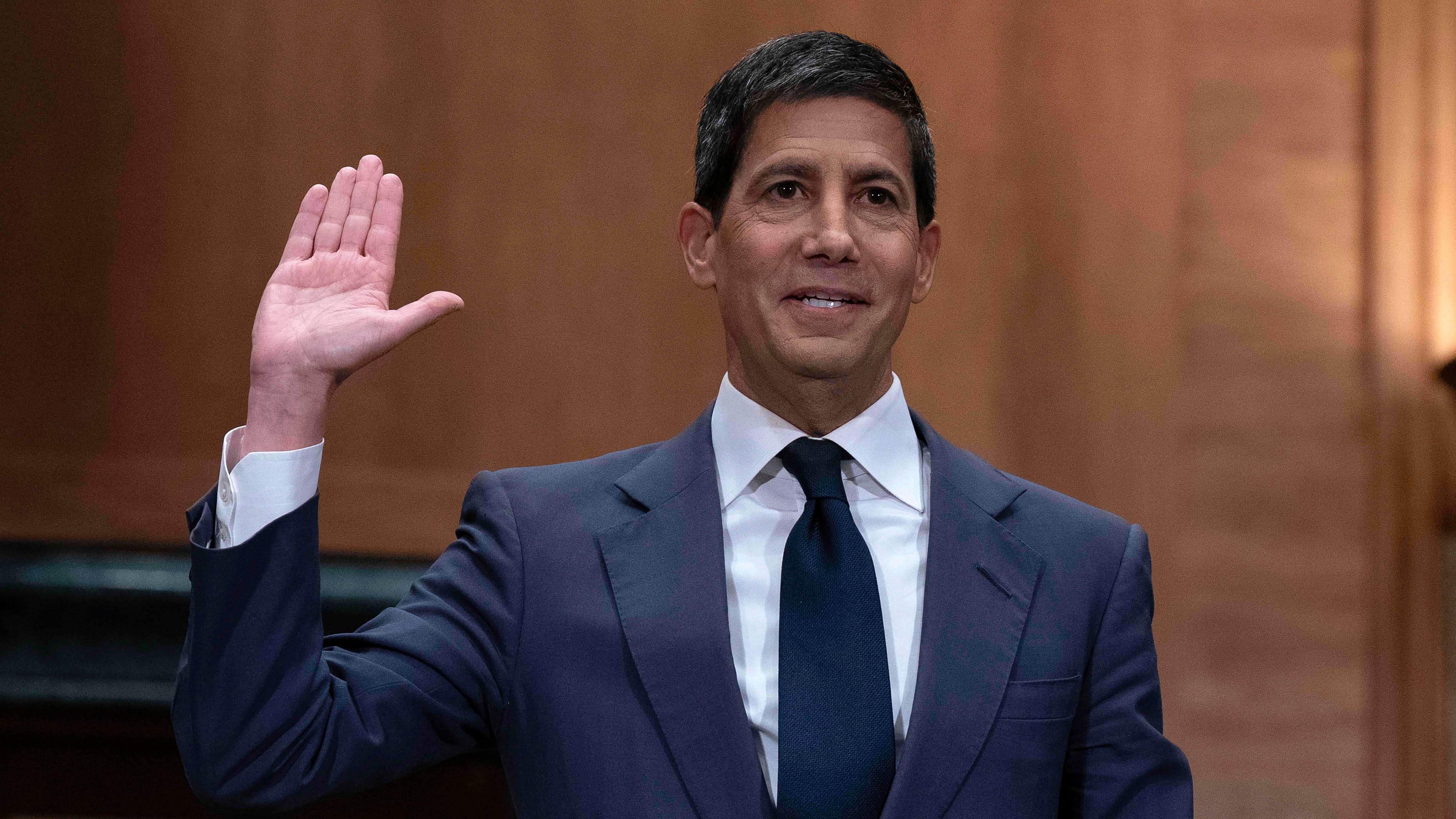
Warsh, who was picked by Trump, was sworn in last month and has an ambitious and wide-ranging reform agenda.

He has previously expressed support for lowering rates – in line with Trump’s demands – but will likely face resistance from a divided committee.

At the FOMC’s last meeting in April, the Fed held rates steady at 3.50 to 3.75 per cent, but the decision saw four voices of dissent – the largest number since 1992.

Analysts expect the FOMC to deliver a similar decision in June, though with debate expected on whether to change the Fed’s guidance on what its next move could be – a rate hike or a cut.

“He was appointed as Trump’s pick, because Trump probably was influencing him to cut rates,” Dan North, senior economist at Allianz Trade, told AFP.

“I don’t see him being able to do that now, especially with inflation data and job growth data, and what the people on the FOMC said last time around with their dissents.”

‘Family fight’

The Fed has a dual mandate to keep inflation to its long-term two-percent target while ensuring maximum employment.

It typically achieves these goals through interest-rate decisions – cutting borrowing costs to spur economic activity or raising them to cool prices.

Before the US-Israel war on Iran sent energy prices skyrocketing, markets had priced in at least one rate cut by the end of 2026.

With inflation flaring due to the war, however, the next move is now forecast to be a rate hike by December, according to CME’s FedWatch tool.

That will be sure to anger Trump, who has launched an unprecedented assault on the Fed’s independence with a criminal probe against Warsh’s predecessor and attempting to fire another Fed governor.

Last week, responding to strong US job growth figures that suggested the Fed should focus on inflation, Trump said he still wanted lower rates but would let Warsh “make that decision.”

The FOMC decides by majority vote, and even if Warsh argues for a cut, he must convince at least six other policymakers to join him.

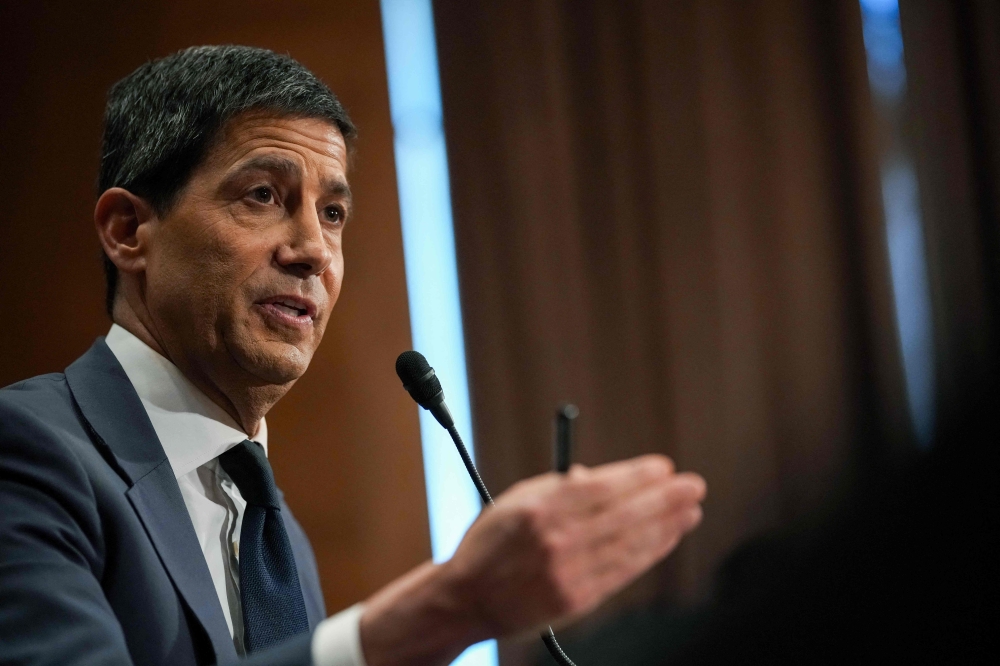
At his confirmation hearing, Warsh said he favoured “messier meetings,” where policymakers could have “a good family fight.”

“He’s stepping into an environment that’s already messy,” warned North of Allianz Trade. “I don’t think it’s the family fight he was talking about.”

‘Nothing can wish it away’

Greg Daco, chief economist at EY-Parthenon, told AFP Warsh was unlikely to try to make wholesale changes at the meeting – his first chance to sit with the entire committee and “share his perspective on the economic landscape.”

Warsh has proposed reducing the amount of information the Fed communicates about its decisions: cutting out forward guidance and projections.

“In this first meeting, my guess is that he will withhold his projection, but not necessarily change the way projections are published,” said Daco.

While most analysts expect rates to be held steady at this meeting, opinions vary wildly on what the Fed’s next move could be – whether war-fuelled inflation will need to be addressed, or if it can be treated as temporary.

“Delaying rate hikes is riskier today than it was as the economy emerged from the pandemic,” warned Diane Swonk, chief economist at KPMG.

“The persistence of inflation is the hand that Warsh has been dealt; nothing can wish it away.”

As for whether Warsh will succumb to Trump’s pressure, “that’s something that’s going to have to be tested,” said EY-Parthenon’s Daco.

“I don’t think we know, to be honest, at this stage.” — AFP

  • ✇TheHill - Just In
  • Warsh faces bind between Trump, inflation Julia Shapero
    Welcome to The Hill's Business & Economy newsletter {beacon} Business & Economy Business & Economy   The Big Story Warsh faces bind between Trump, inflation Federal Reserve Chair Kevin Warsh is facing a major challenge ahead of his first monetary policy meeting leading the central bank on the heels of an alarming May inflation report....
     

Warsh faces bind between Trump, inflation

15 June 2026 at 21:28
Welcome to The Hill's Business & Economy newsletter {beacon} Business & Economy Business & Economy   The Big Story Warsh faces bind between Trump, inflation Federal Reserve Chair Kevin Warsh is facing a major challenge ahead of his first monetary policy meeting leading the central bank on the heels of an alarming May inflation report....

Kevin Warsh will impose a regime change after being appointed chairman of the Federal Reserve

Kevin Warsh has spent the last decade yearning for the chairmanship of the Federal Reserve, a goal he has just achieved after Senate confirmation, thanks to the Republican majority. He succeeds Jerome Powell, a frequent target of Trump’s attacks (both legal and verbal), whose term officially ends this Friday. Warsh, a millionaire, is poised to fulfill his dream at a crucial moment for the United States’ central bank.

Seguir leyendo

© Associated Press/LaPresse (APN)

Kevin Warsh during the public hearing to defend his nomination in Congress.
  • ✇Malay Mail - All
  • Asia stocks fall as tech rout continues amid inflation worries and US-Iran tensions
     HONG KONG, June 10 — Stocks fell today to extend a rollercoaster week for markets, with tech firms once again bearing the brunt of the selling as investors fret over elevated prices and possible US interest rate hikes.Worries over the Middle East crisis were also weighing on sentiment and pushing oil prices up after US and Iranian forces exchanged fire, just hours after Donald Trump said a peace deal to reopen the Strait of Hormuz was close.After a blistering AI
     

Asia stocks fall as tech rout continues amid inflation worries and US-Iran tensions

10 June 2026 at 03:11

Malay Mail


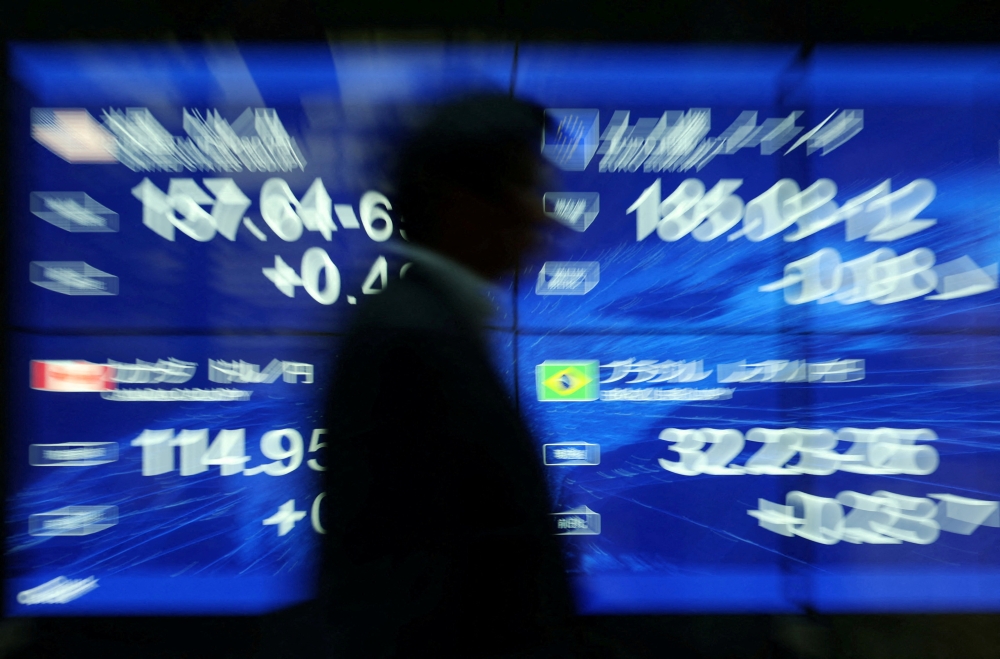
HONG KONG, June 10 — Stocks fell today to extend a rollercoaster week for markets, with tech firms once again bearing the brunt of the selling as investors fret over elevated prices and possible US interest rate hikes.

Worries over the Middle East crisis were also weighing on sentiment and pushing oil prices up after US and Iranian forces exchanged fire, just hours after Donald Trump said a peace deal to reopen the Strait of Hormuz was close.

After a blistering AI-centred, tech-led rally since March, traders have been on edge this month as they contemplate a possible US rate increase, with surging inflation caused by the spike in crude costs putting pressure on the Federal Reserve to act.

All eyes will be on the release later in the day of the crucial consumer price index, which is expected to come in at its highest level in more than three years.

That followed forecast-topping US jobs figures Friday that ramped up rate hike talk.

However, the US president—who lambasted Fed chair Kevin Warsh’s predecessor for not cutting enough—said earlier this month that he would “like to see lower interest rates” but that he would “let Kevin make that decision”.

The prospect of higher borrowing costs has hurt the tech industry in particular as they dent consumer spending while firms also rely on debt to power innovation.

Analysts said the tech sell-off was part of a shift by investors into other sectors. Out of 11 sectors in the S&P 500, only tech and energy fell Tuesday, while the other nine advanced.

The Nasdaq and S&P 500 — which have hit multiple record highs this year—both ended down while the broader Dow edged up.

Investors are also battling worries about extended valuations of firms—South Korean chip firm SK hynix has soared 220 percent this year alone—and questions when they will see a return on the vast sums that have been pumped into AI in recent years.

“Exuberance has been building for months, pushing stocks to one record after the next,” said John Cunnison at Baker Boyer Bank.

“So anything perceived to be negative for equities, from higher inflation to even the potential for rate hikes, will knock the market off its footing after a historic run.”

Tech-heavy Asian markets were in the red, with Seoul—the poster child of the region’s surge this year—down more than three percent.

The Kospi swung more than eight percent in either direction on Monday and yesterday following the US jobs figures.

Tokyo and Taipei were also well down, with Hong Kong, Shanghai, Singapore and Wellington also down. Manila and Sydney rose.

Jakarta also gained as the rupiah strengthened following a surprise rate hike by the Indonesian central bank.

Fears over a resurgence of the Middle East crisis added to trader anxieties after US forces struck sites in Iran in response to the downing of a helicopter on Monday, sparking a retaliatory attack on US bases in Bahrain and Jordan.

Trump said the United States would respond “in a strong manner” after “what they did with our helicopter last night”, in a telephone interview with ABC News.

The attacks came after the president had said negotiations to end the war were in their final stages—a claim he has made repeatedly in the past few weeks.

Crude jumped one percent Wednesday amid dimming prospects of a deal to reopen the Strait of Hormuz, through which a fifth of world oil passes. They had fallen as much as five percent at one point Tuesday on optimism a deal would be struck.


❌
Subscriptions