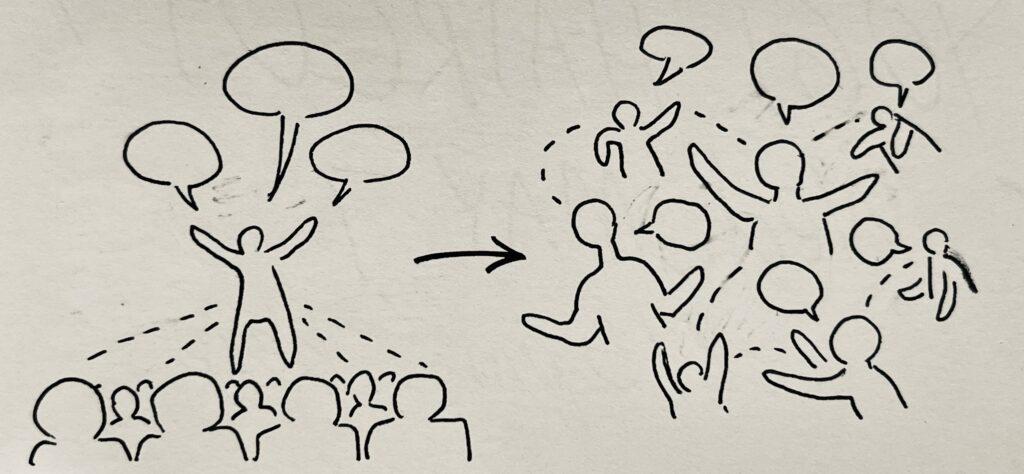
Cat’s been out of the bag for a while: I’d rather be operating a switchboard than a megaphone these days.
To that end: I’ve been hosting more Zoom calls for my Patreon crew to hang out together, build community, and talk about their creative and adventurous projects on the regular. It turns out it’s extremely nice to do!
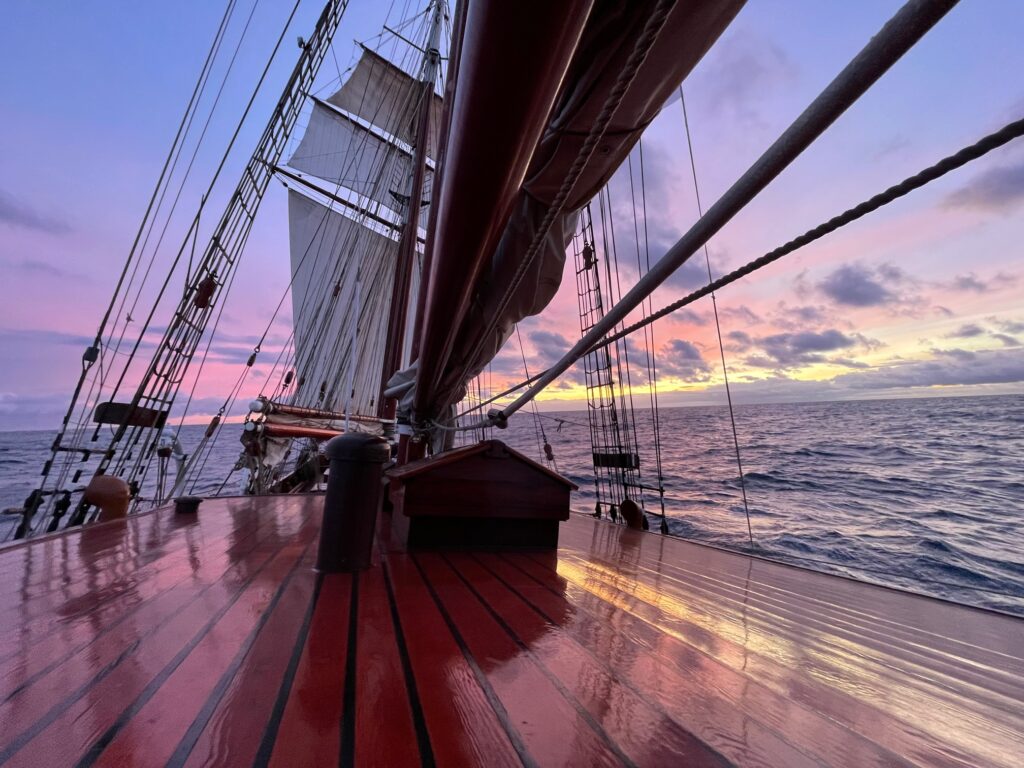
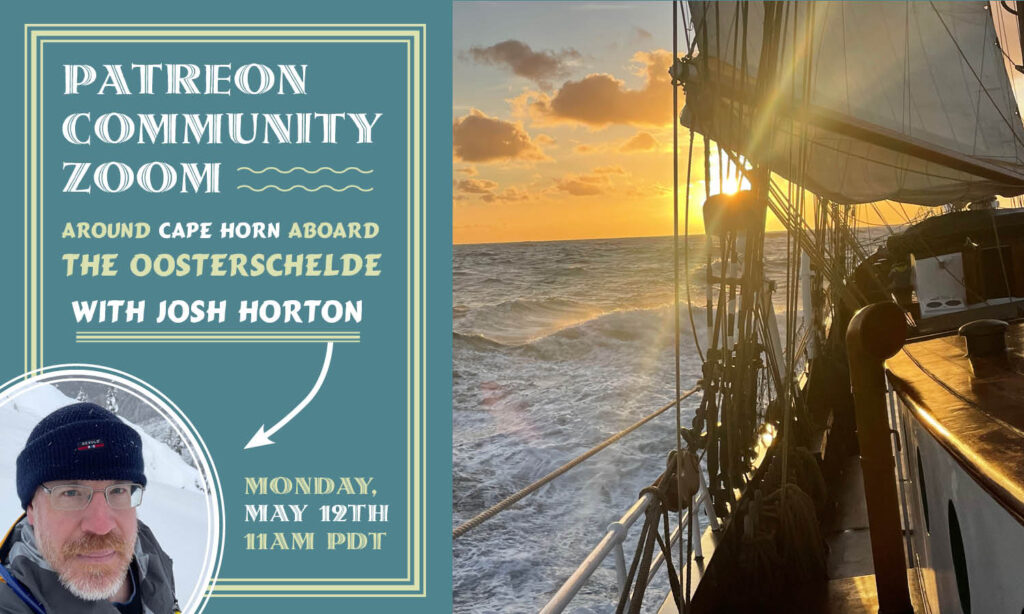
This month we’ve got a real treat: Patron Josh Horton will be giving a presentation about his journey around Cape Horn aboard the Dutch tall ship Oosterschelde. Josh joined up as part of Darwin200, an audacious voyage that’s been tracing the original path of HMS Beagle since 2023. They’re doing amazing work, and I’m really looking forward to getting a peek aboard.
The call happens Monday, May 12th at 11am Pacific Time. You can find the Zoom link and everything here. Can’t wait!
A quick one to say I’ve been thinking a lot about the different subtitles they’ve slapped on Lewis Hyde’s The Gift through the years, mostly because it was only this year I learned that the original 1983 edition looked like this:
I LOVE IT. WHY DID THEY CHANGE IT. WHAT GIVES.
The whole thing is a far cry from 2019’s:
As well as the copy I first encountered (published in 2007), which features a third option:
Which is…fine? It’s fine.
BUT WHO BURIED THE LEDE ON THE EROTIC LIFE OF PROPERTY?!
Audre Lorde originally presented “Uses of the Erotic: The Erotic as Power” as a paper in 1978, but it wasn’t published in Sister Outsider until 1984—just one year after the first edition of The Gift came out.
(There’s a nice write-up of this design on Fonts in Use, if you’re into that sort of thing, *cough*ROBIN*cough*)
I wonder about this post-70s literary landscape, everything still reverberating with the energy of the 60s, the explosive visibility of sexuality in American youth culture, the rising tide of queer voices—but also the broader definition of eroticism.
I just re-read Katherine Angel’s Unmastered: a Book on Desire, Most Difficult to Tell, which I picked up after Tomorrow Sex Will Be Good Again. Her exploration of eroticism veers more towards the question of what to do with desire that resists being codified, named, and negotiated in explicit terms. How do we reckon with consent culture alongside the lure of the unknown? What of discovery? What of the secret third thing?
Kate Wagner coming in at the right moment here with this essay:
A situational eroticism is what is needed now, in our literalist times. […] Arousal is a matter of the self, which takes place within the body, a space no one can see into. It is often a mystery, a surprise, a discovery. It can happen at a small scale, say, the frisson of two sets of fingers in one’s hair at once. It is beautiful, unplanned and does not judge itself because it is an inert sensation, unimbued with premeditated meaning. This should liberate rather than frighten us. Maybe what it means doesn’t matter. Maybe we don’t have to justify it even to ourselves.
This draft has been languishing because I don’t have a neat bow to slap on the end of this. If there’s anything I’m thinking of, though, it’s that Hyde (or his publisher) wasn’t wrong to foreground eroticism in that first edition of the book. Eroticism is creativity, and neither are as much work as they are play.
Instantly delighted by the premise and format of Genderswap.fm, a classy little database made by Eva Decker that catalogues covers and original tracks sung by artists of different genders. (Particularly love getting to filter by tags like “more danceable” or “less acoustic”.)
One week from today (Tuesday, December 16th at 6pm) I’ll be at my beloved local outdoor bookstore, Bart’s Books, for an interactive evening with fellow Ojaian and powerhouse cartoonist Shay Mirk.
We’re celebrating the publication of Making Nonfiction Comics, a comprehensive illustrated guide for everyone who’s ever wanted to tell stories about the world around us in words and pictures. (If you can’t make the event, that link takes you to bookshop.org where you can buy the book online.)
Look at this chonker!
This beast is a collaboration between Shay and fellow cartoonist Eleri Harris and it is so!! good!!! In addition to Eleri and Shay’s hard-won expertise, there are also interviews and tips from so many big names in the field. You can learn about crafting everything from on-the-ground protest reportage to deep dive historical research to authentic personal narrative. This book is going to be the gold standard for years to come.
I feel lucky to have a brief cameo talking about running a community drawing night in Portland for several years in the twenty teens. Here’s a look at that:
This baby can fit so many cartoonists in it! (2013)
If you’re in the area, do come by. I’m gonna show off some kelp farming comics, Shay’s gonna talk about making the book, it’s gonna be very fun. Ojai may be 80º during the day right now, but it gets chilly after dark, so bundle up! We’ll have zine templates for folks to fill out and fun slides to share and, knowing Shay, killer snacks.
Another annual reading list I’m putting up without much commentary, but there were some bangers in 2025. “The point seems to be this,” Kate Briggs writes, “left to its own devices, the path of reading is very rarely chronologically ordered, thematically coherent, limited by language or respectful of borders. Books open out onto, they cross with and follow haphazardly on from one another. Left to its own devices, the path of reading strays all over the place.”
Turns out I’m two years behind on these so I’m getting ’em up! No commentary because I gotta run out the door to ink more pages of Seacritters, but hopefully I’ll come back to this down the line.
“It is maybe not functionally possible to design social networked technology geared towards listening. I don’t know, I’m not that smart. But the fact that the internet doesn’t have a mechanism for listening means that we’ve invented these kludgy quantification mechanisms to try and detect attention, and it is easy, so incredibly easy there are multiple books written about this, to confuse the thing you’re measuring for the metric itself.
I want to know who is visiting my site and whether they’re returning visitors and what pages they clicked through and for how long because it gives me the illusion of knowledge and control. Maybe I’ll know my project is connecting with people if I just hit some arbitrary threshold of pageviews, subscribers, conversion rate.
But none of that will tell me the thing I actually want to know, which is: am I making a difference?”
Hey I loved this. It also reminded me to go check up on the phone line and see if there were any messages that needed witnessing. I keep them close to the chest because that’s part of the project, but I will say that there were and they moved me to tears. Maybe that’s what it’s all about.
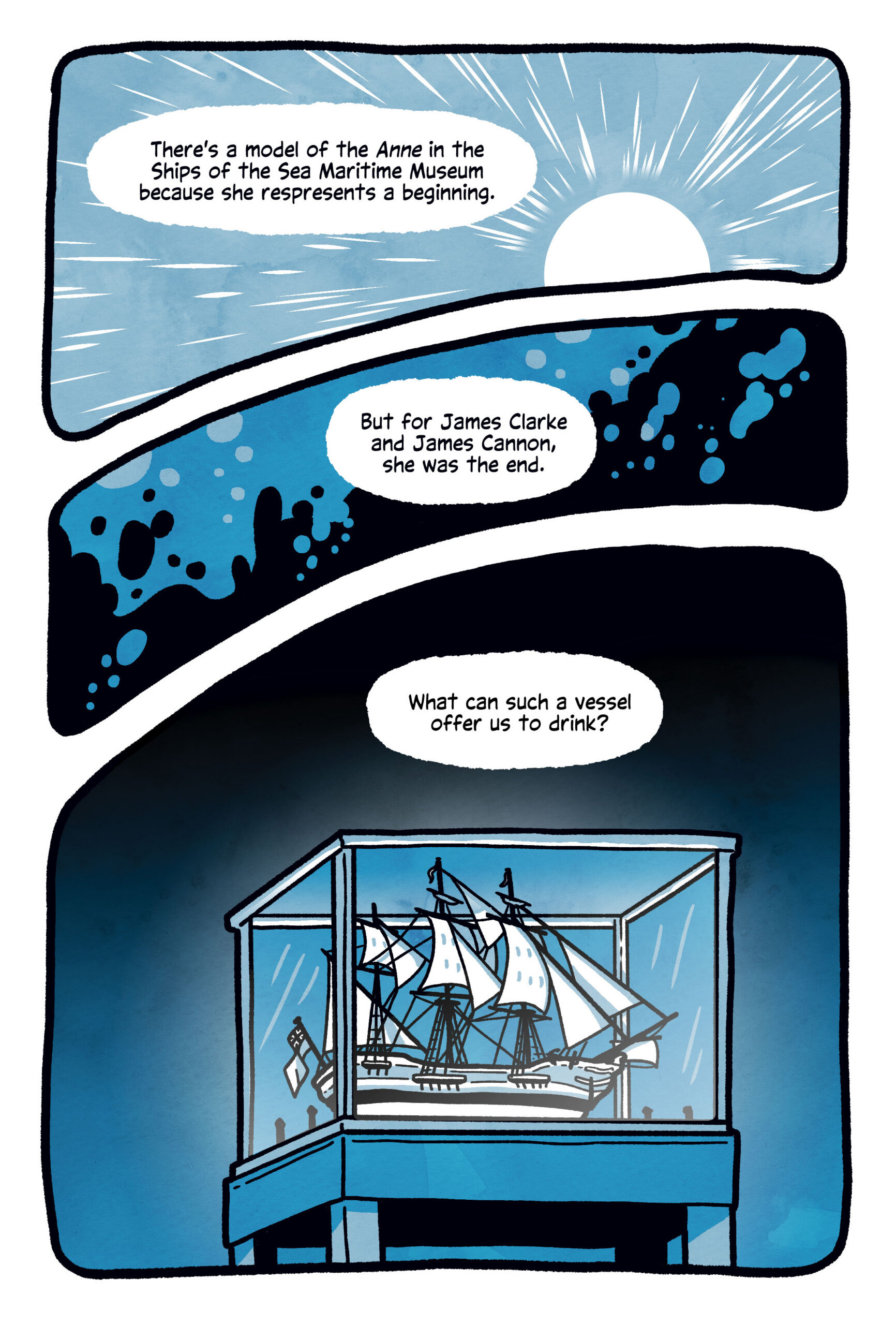
Last year I got an email from Tania Sammons, a curator at Ships of the Sea Maritime Museum in Savannah, Georgia who had previously licensed my guide to sailors’ tattoos for a show. Her pitch was irresistible: an exhibition of comics based on model ships from their collection. Four cartoonists would be hired, assigned a vessel, then given six months to produce a short comic for publication in an anthology alongside an accompanying museum display.
BELLWOOD CATNIP.
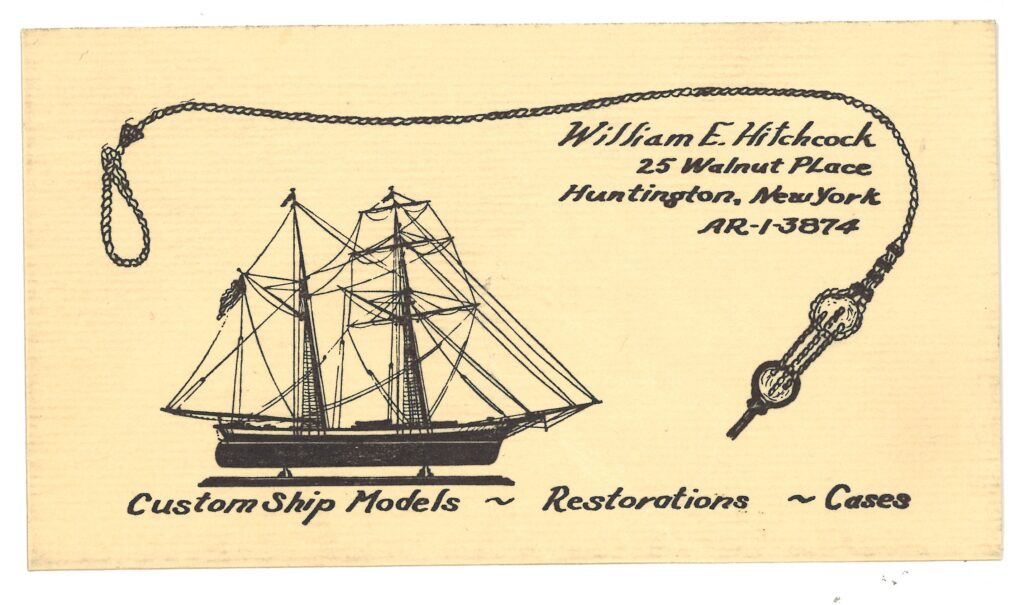
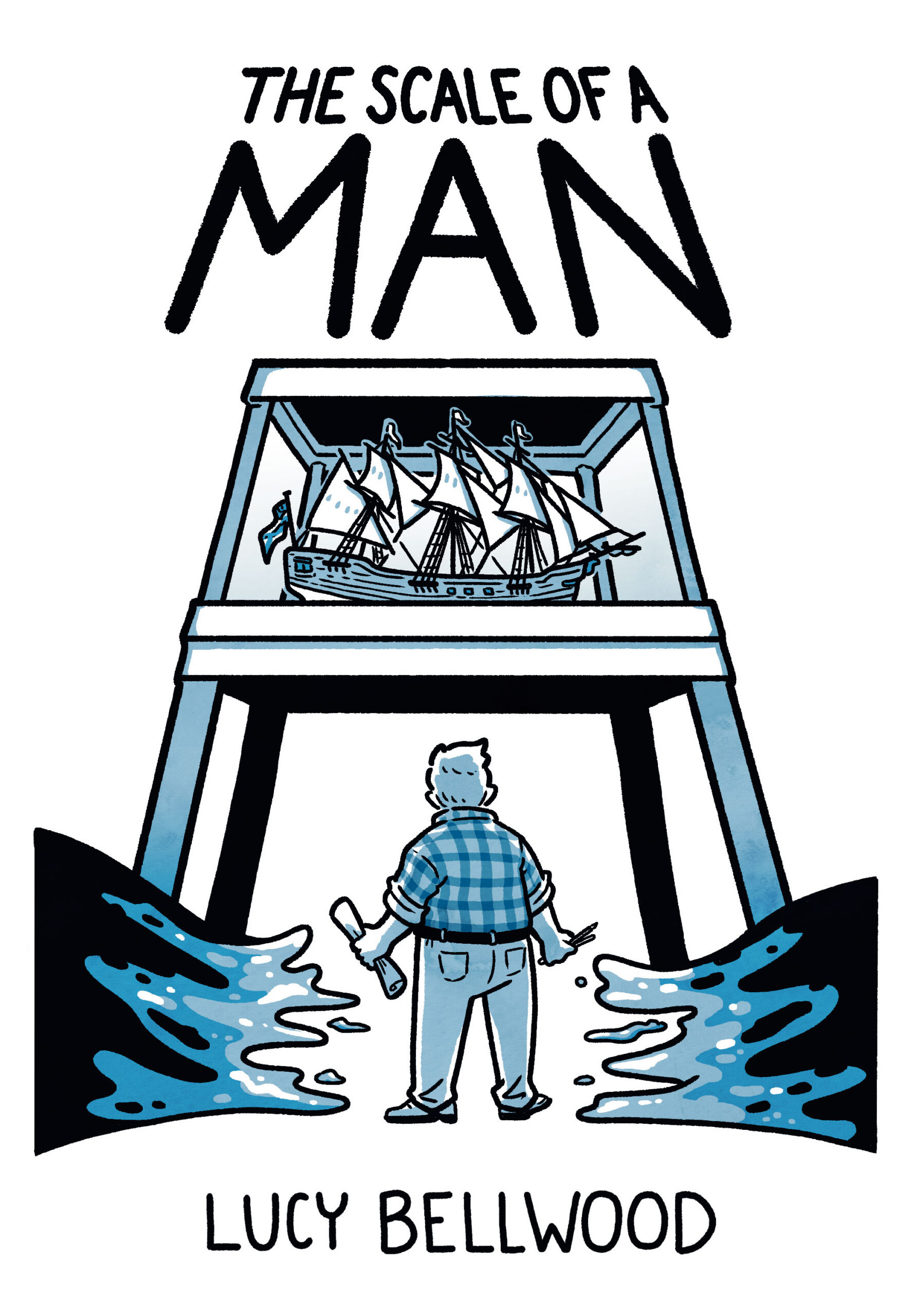
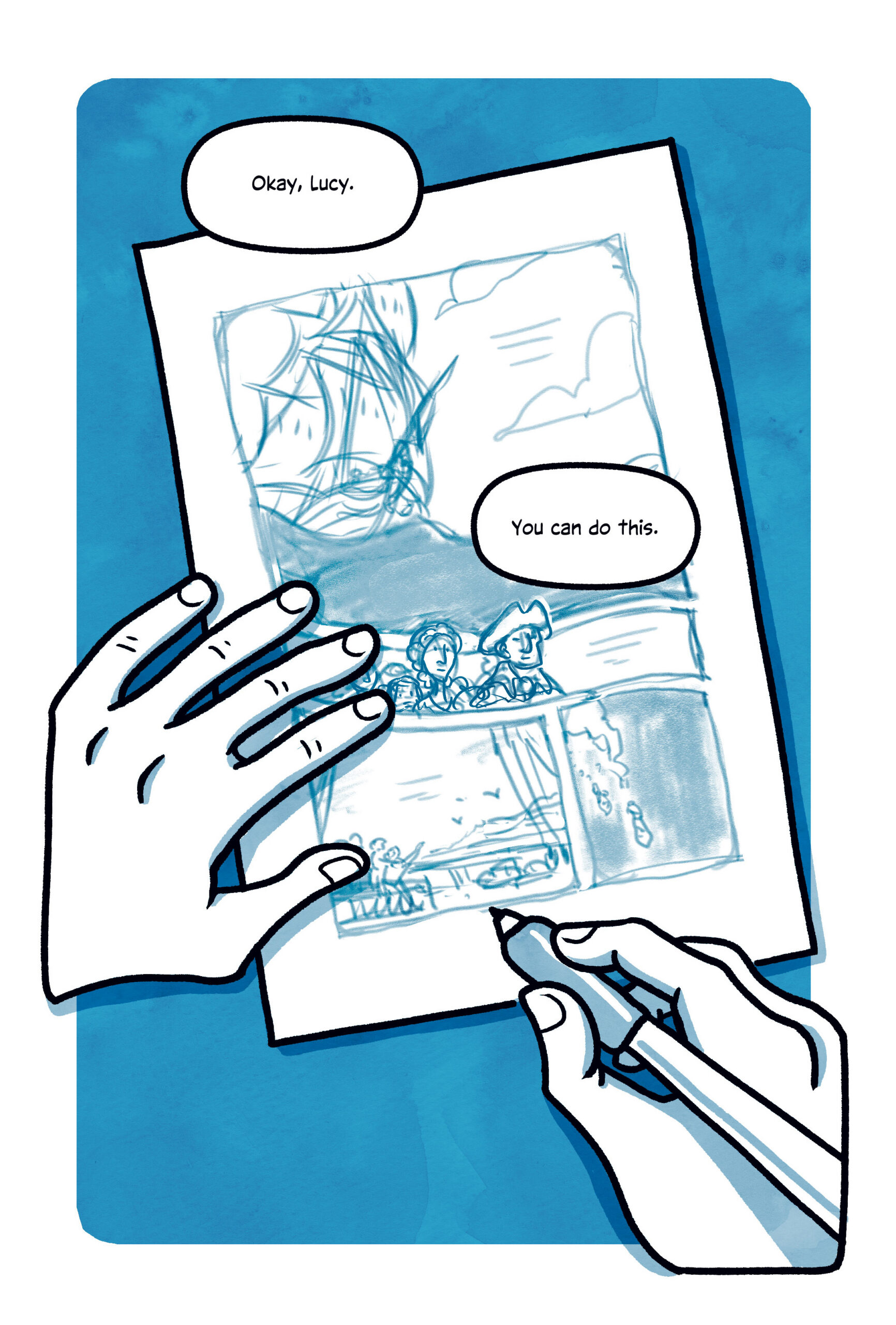
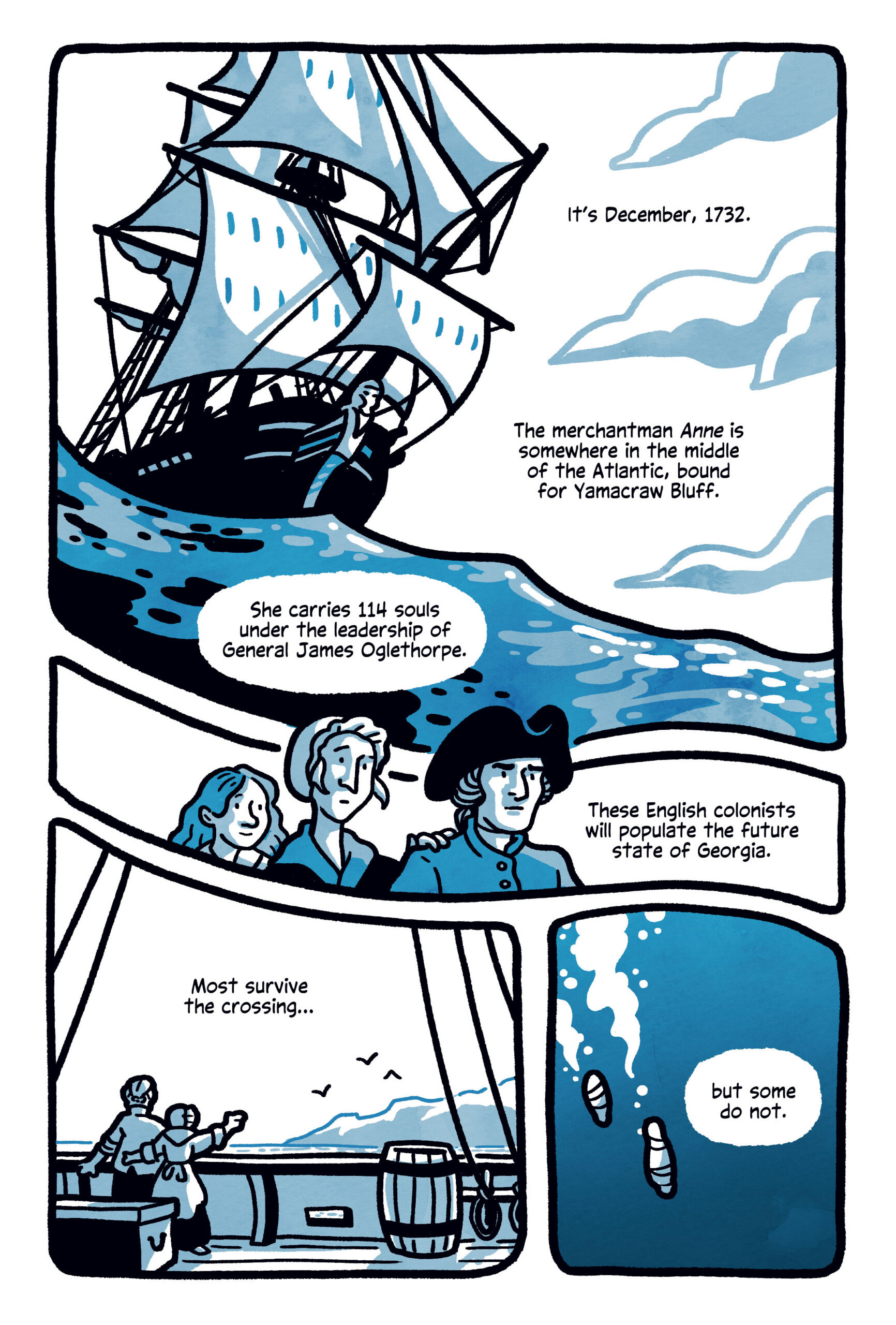
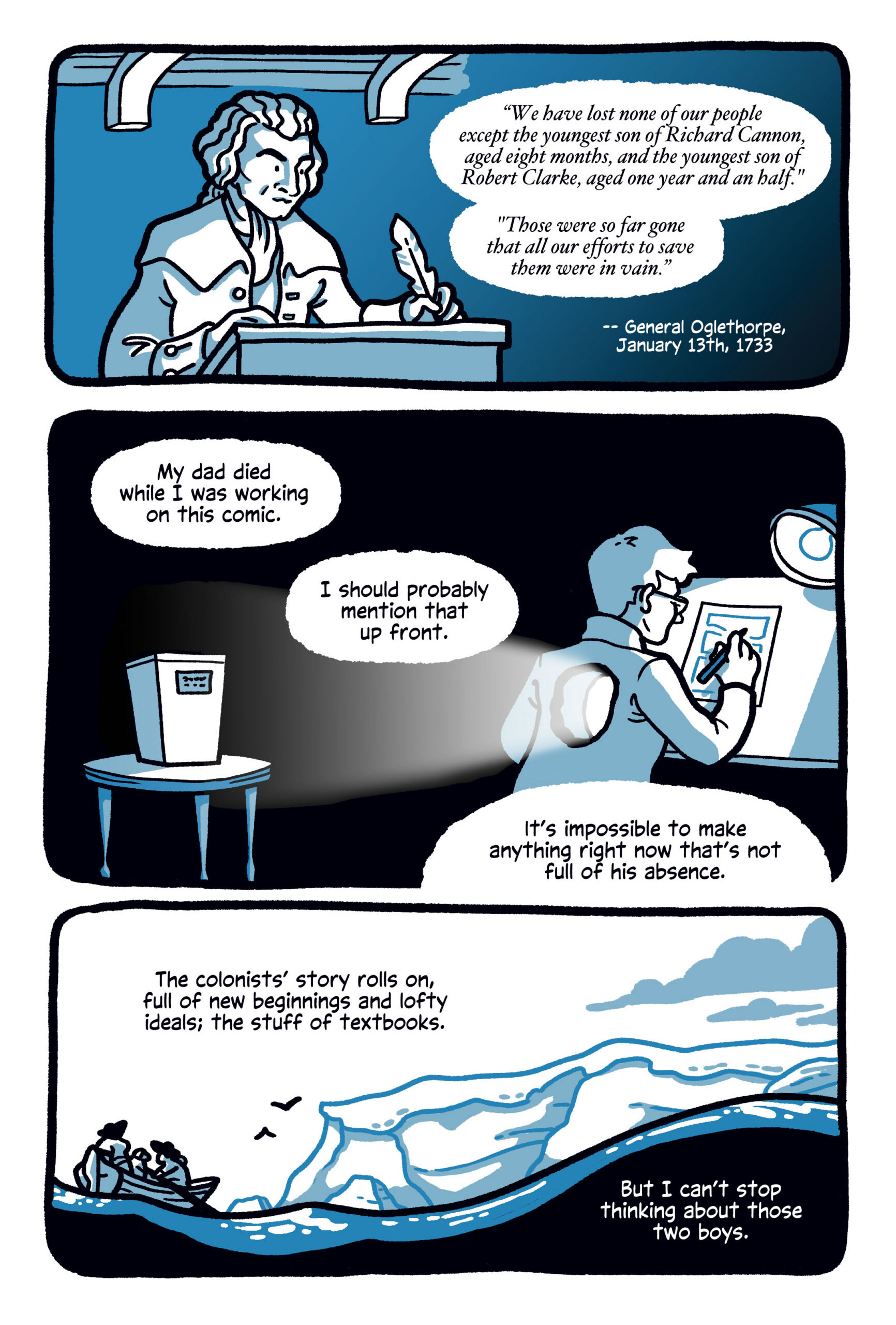
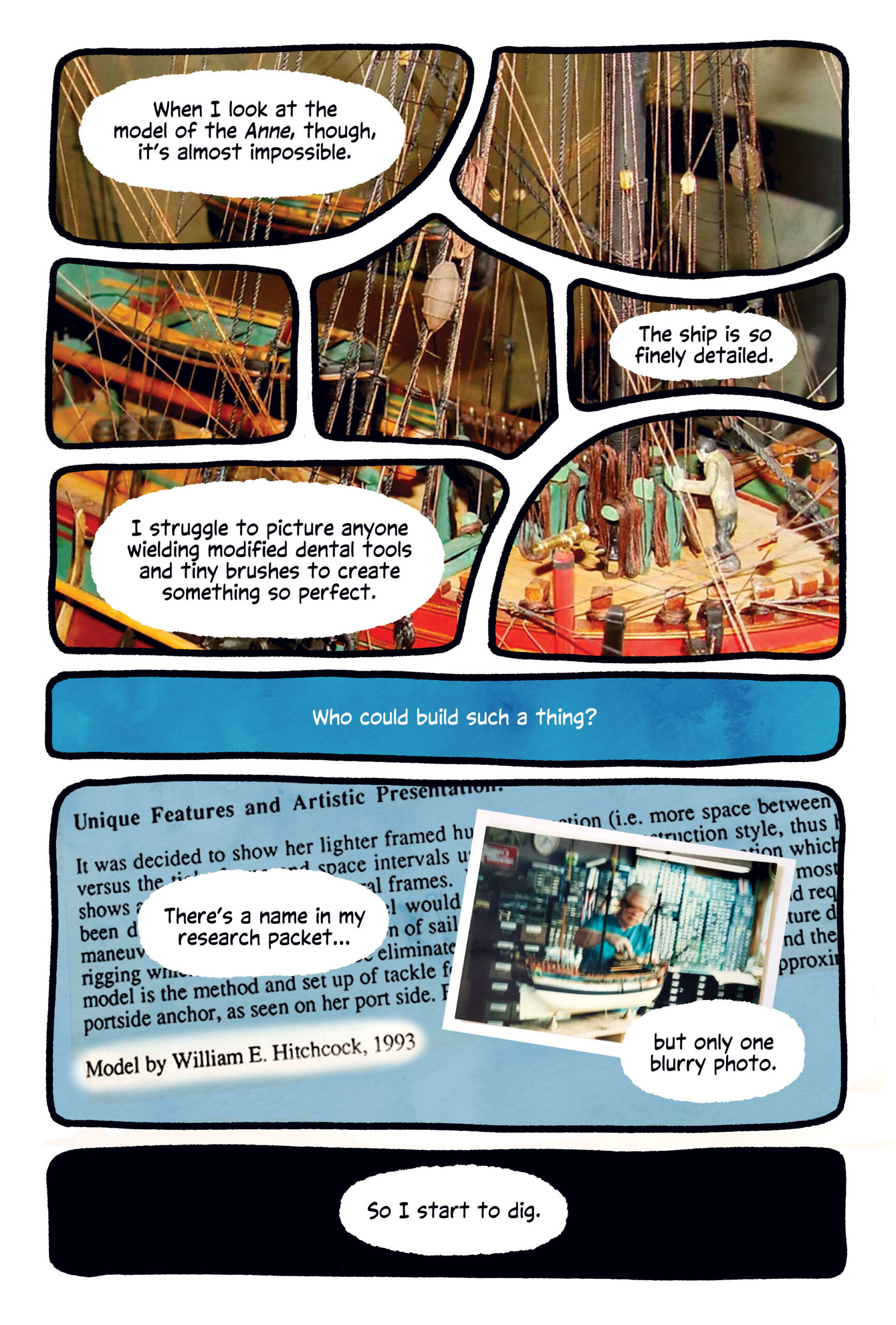
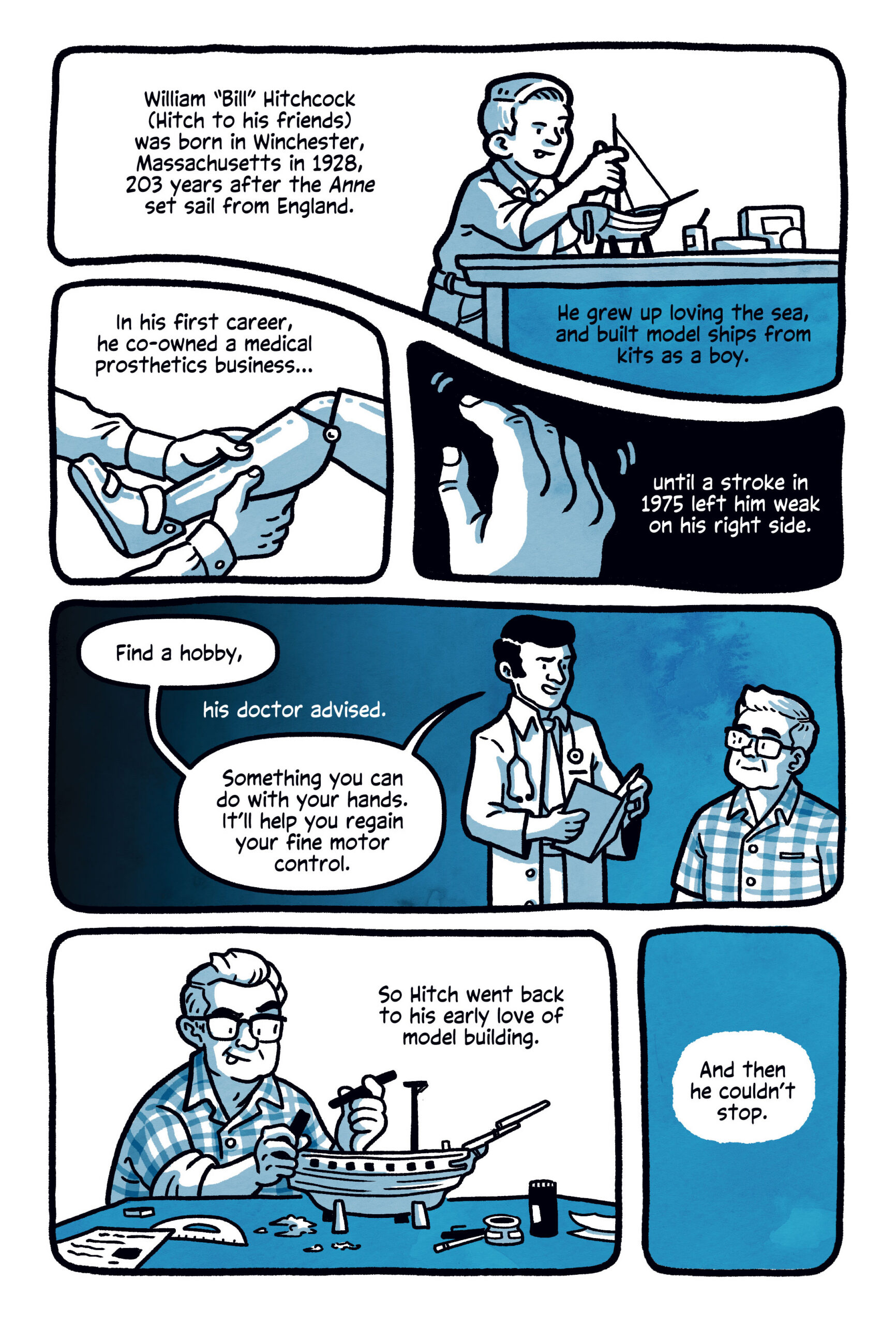
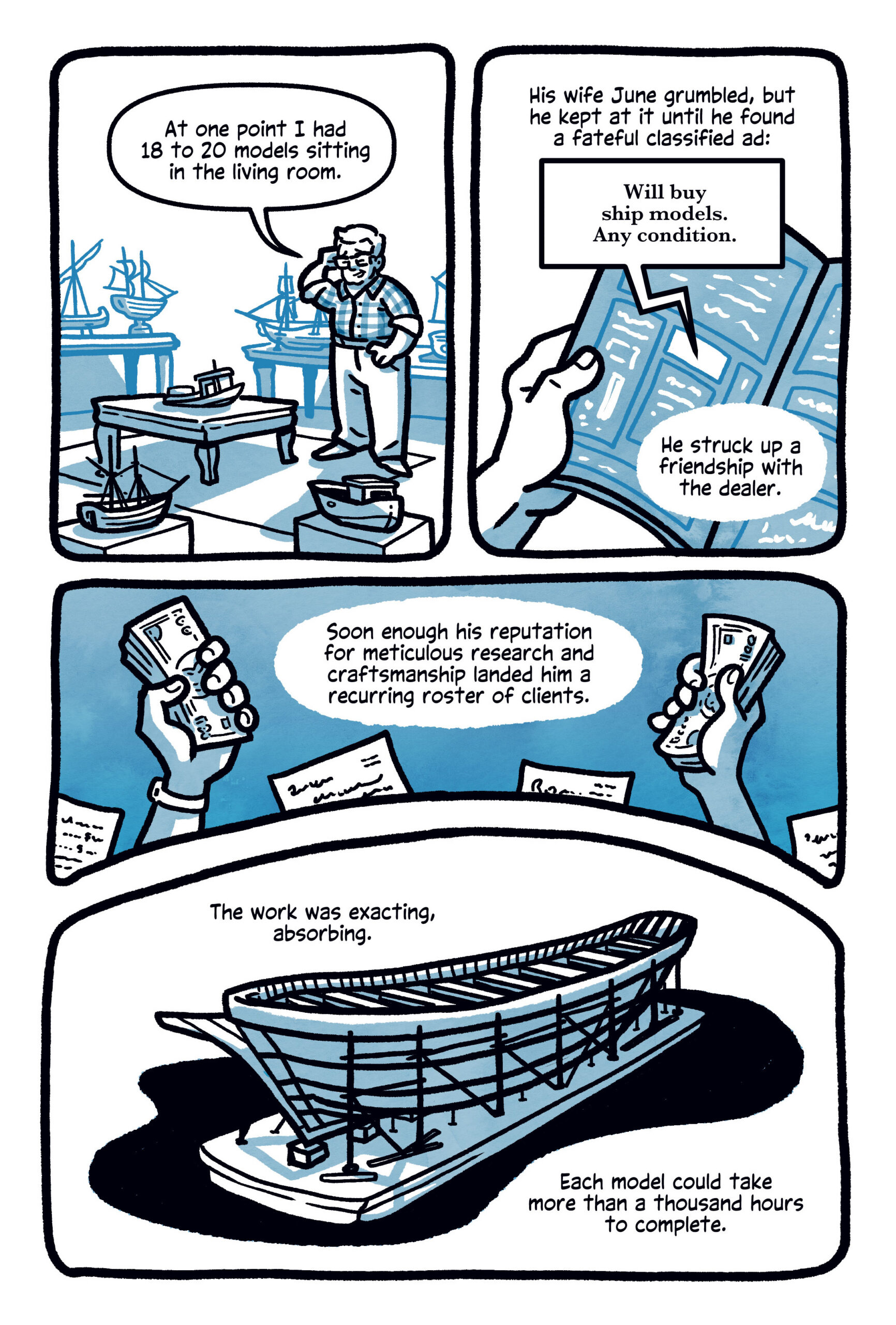
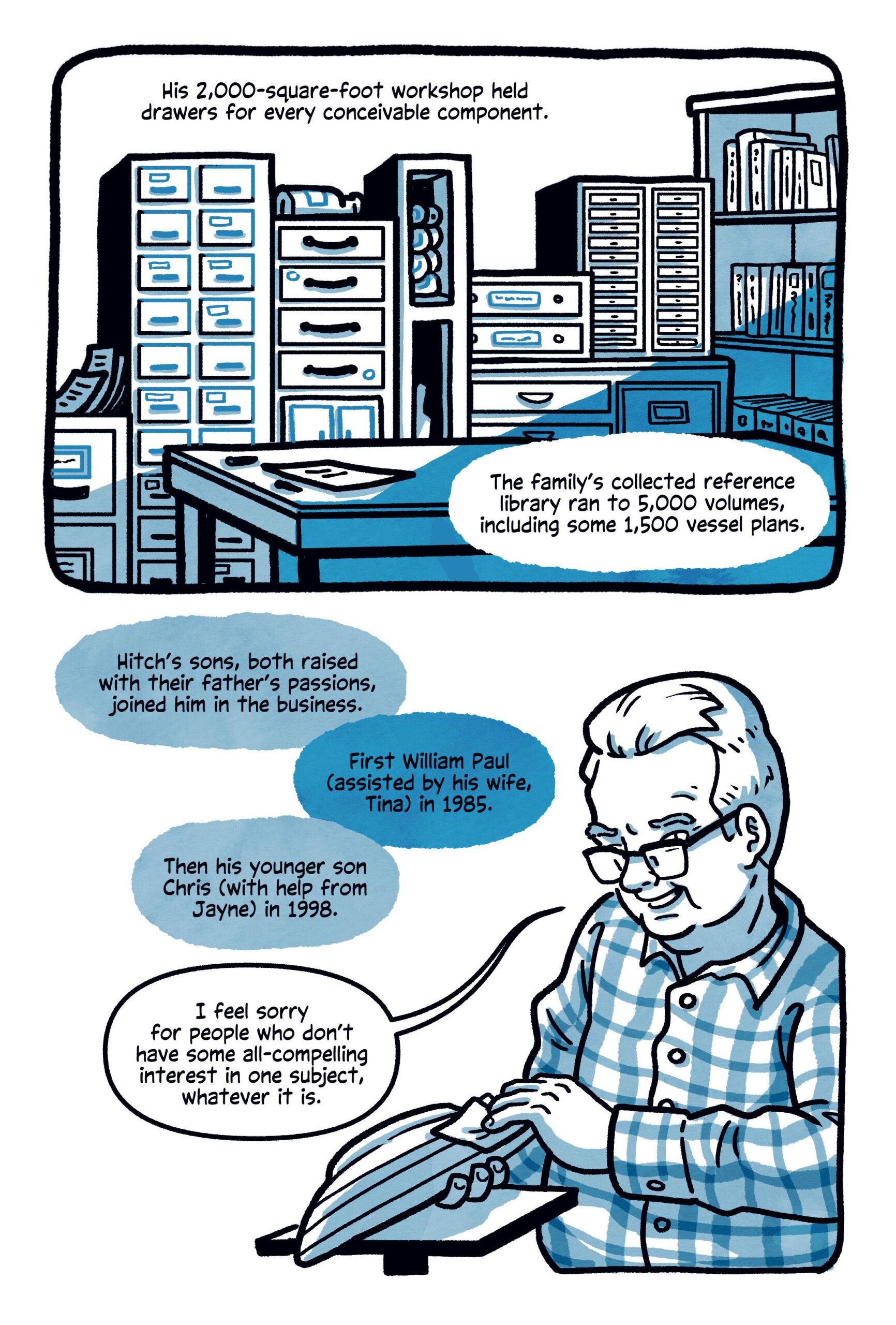
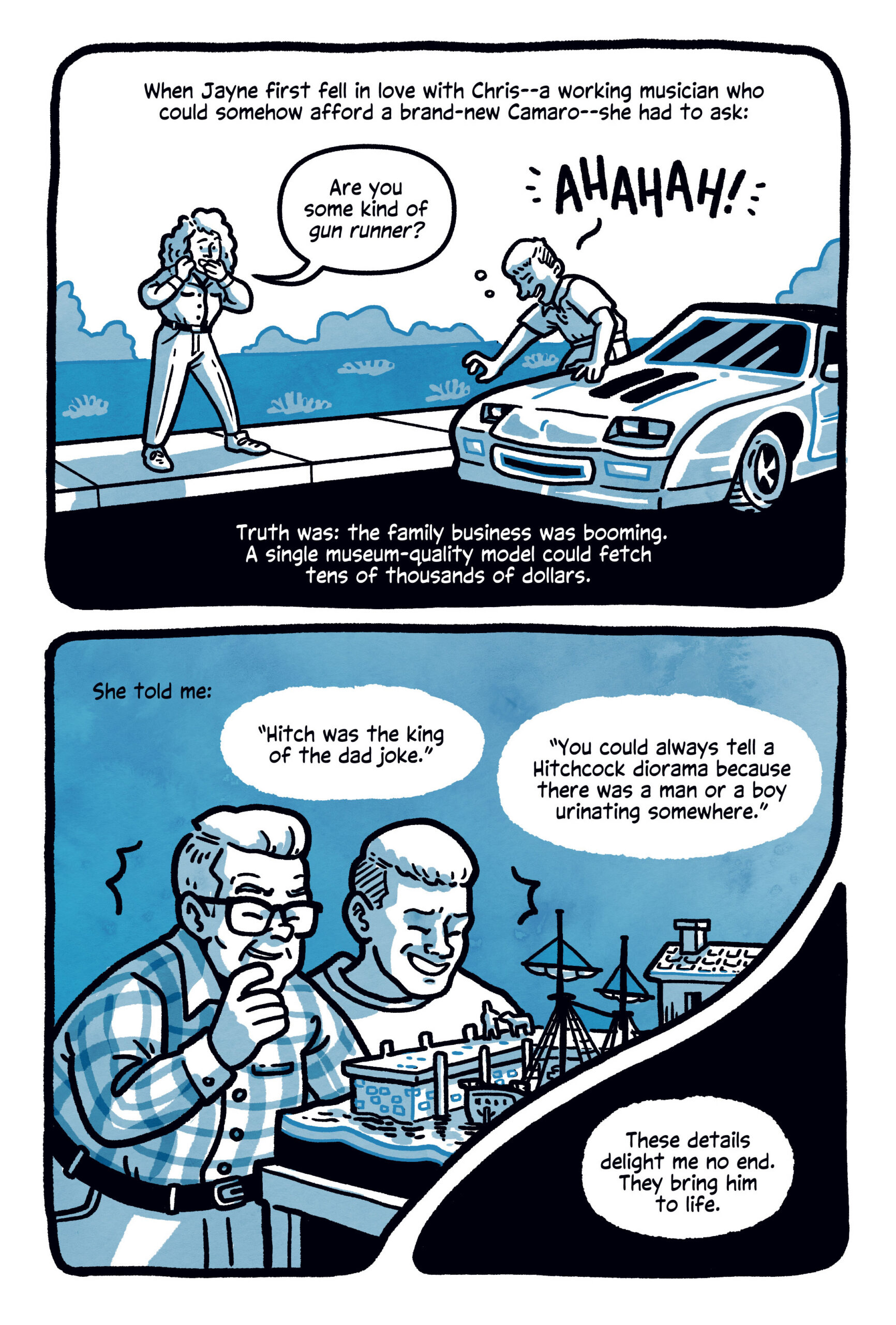
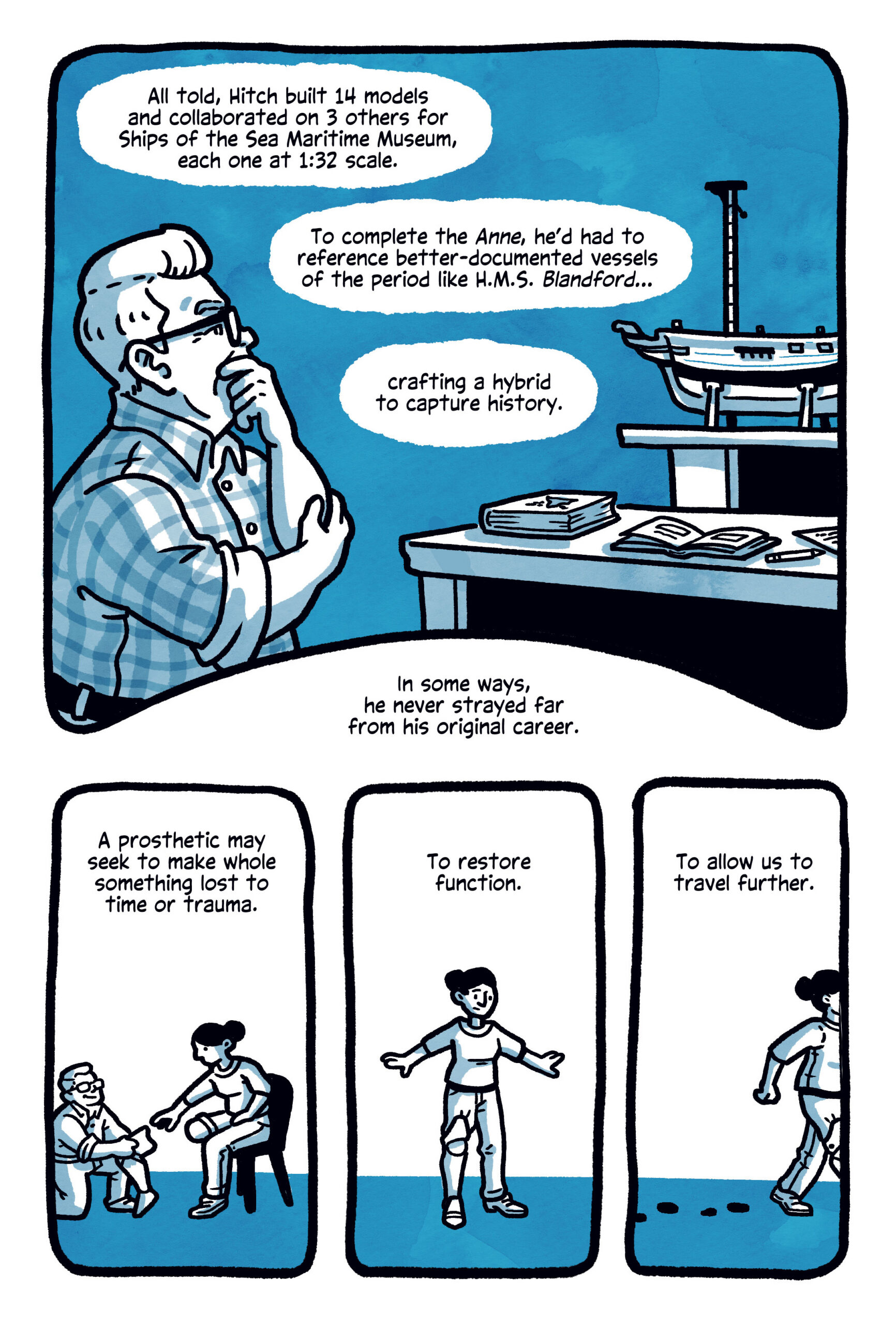
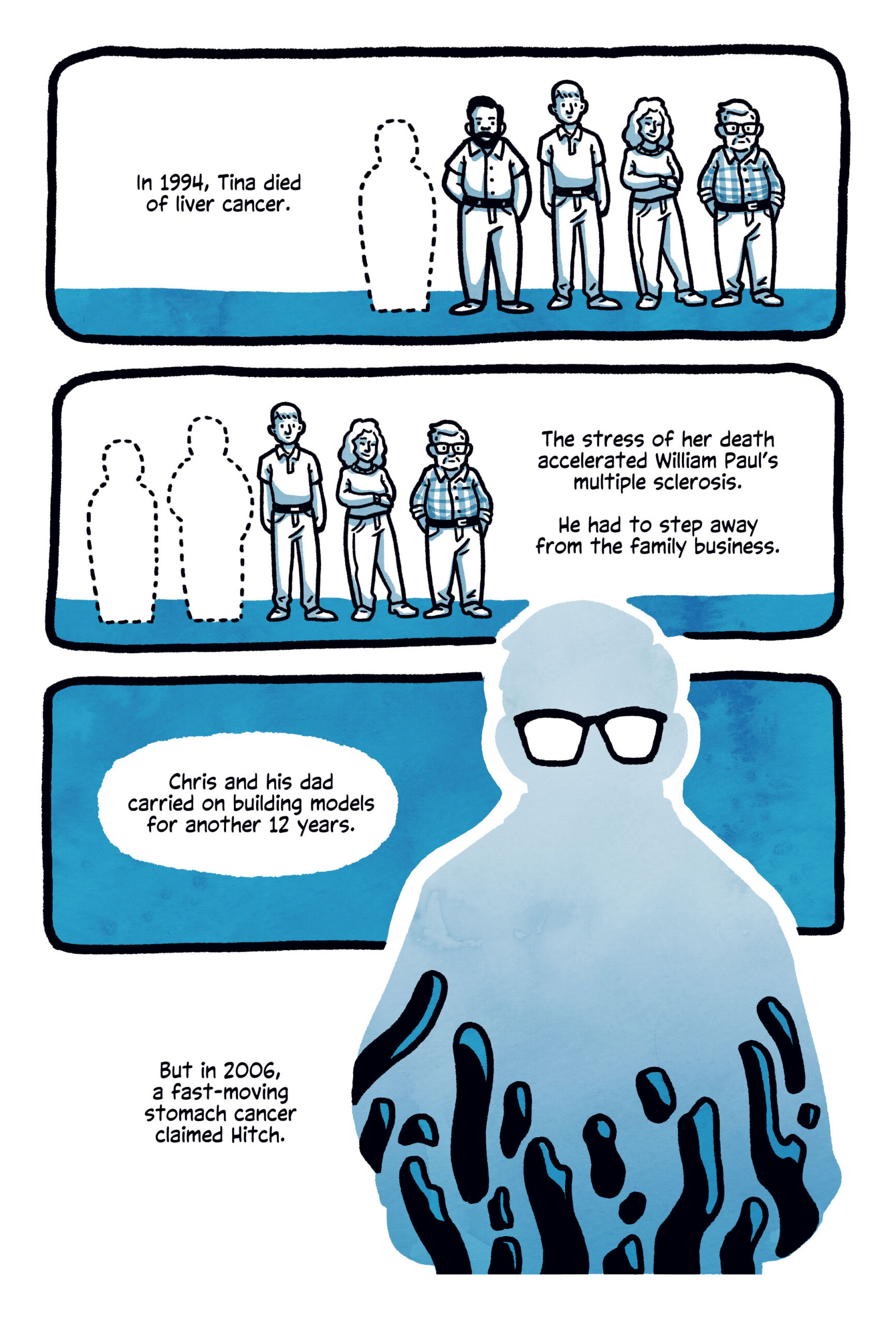
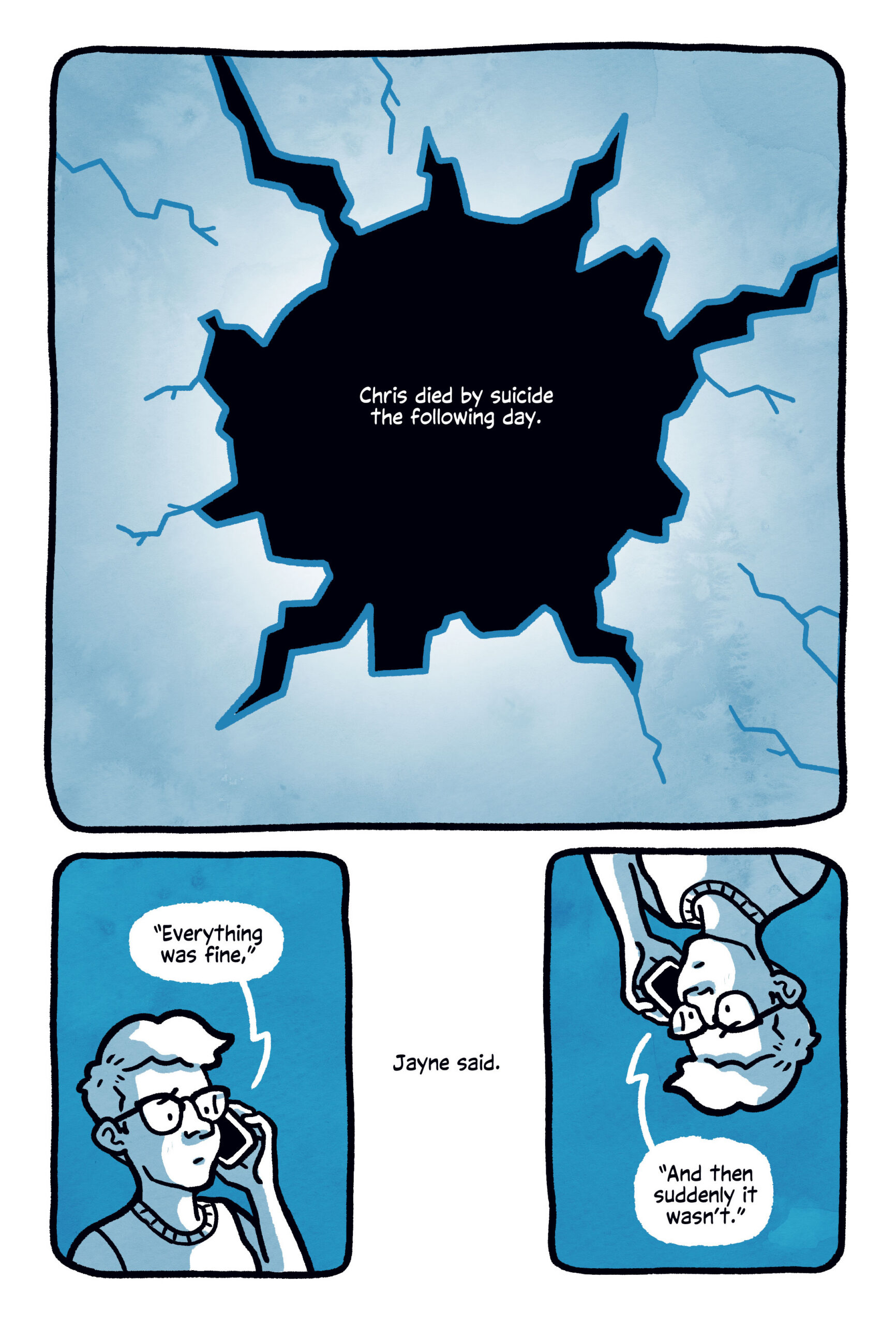
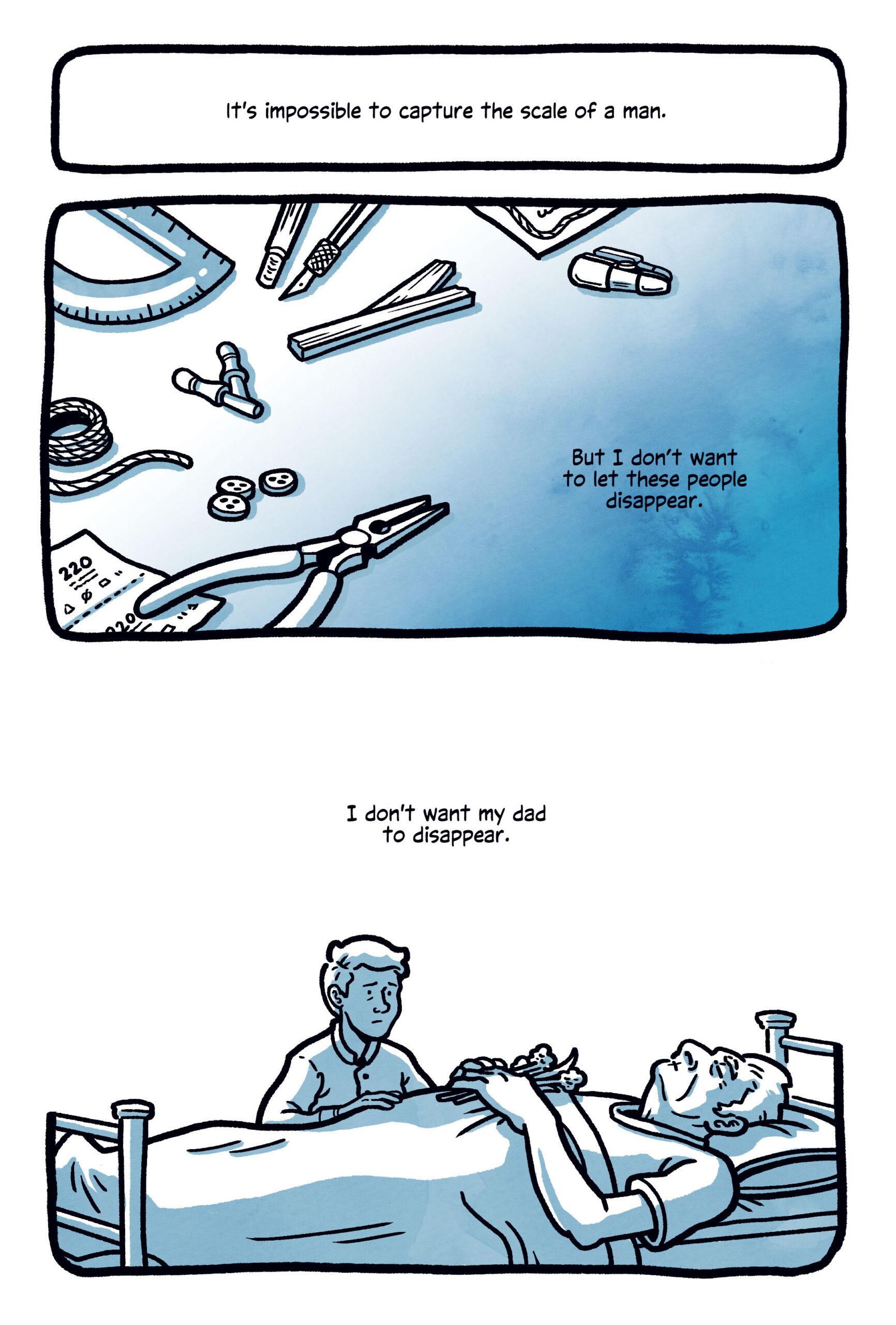
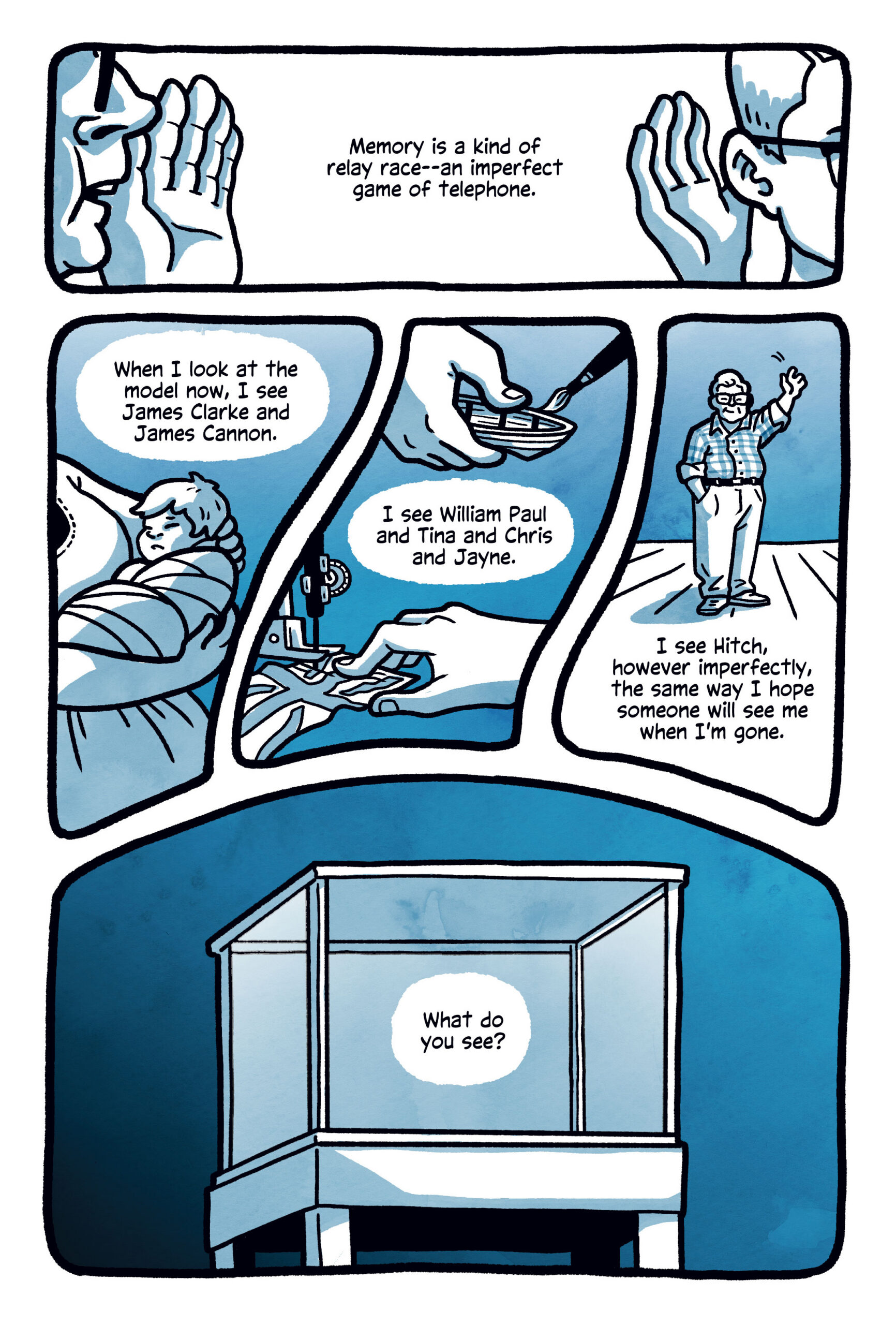
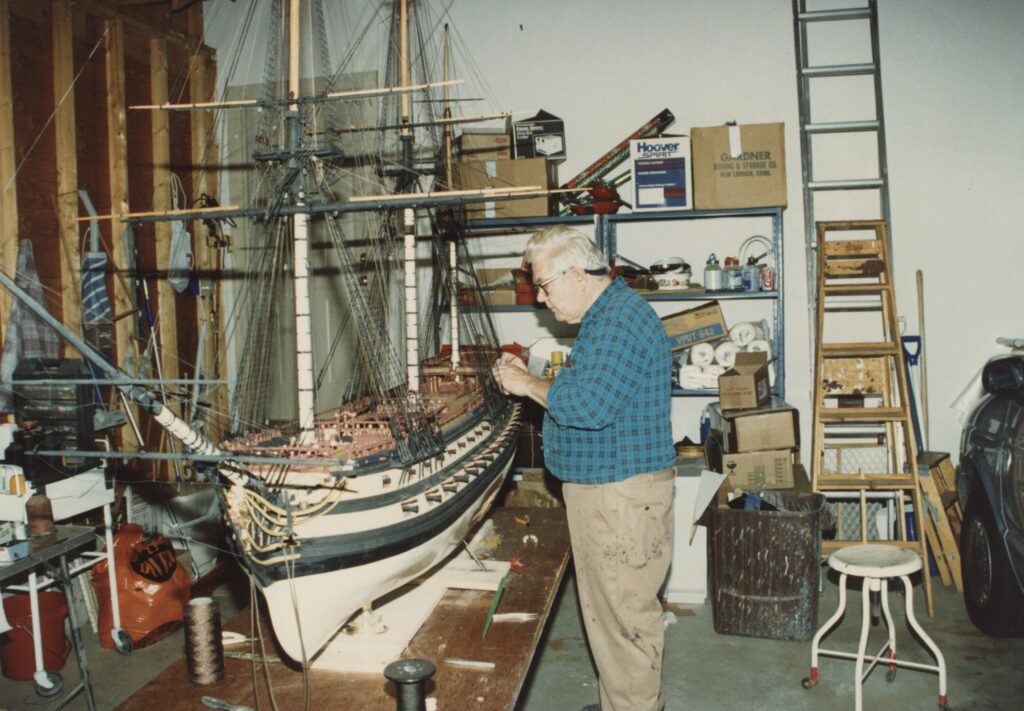
It’s still amazing to me when tailor-made opportunities like this land at my feet, even though I know there are only so many outspoken boat nuts in the comics world. I leapt at the chance and spent the second half of 2025 weaving together a variety of favorite themes (Le Guin’s Carrier Bag Theory of Fiction! Manguso’s cathedral architect! The Ship of Theseus!) to explore the legacy of the Anne, the vessel that carried the first colonists to Georgia in 1732. The story started in the realm of primary sources and historical nonfiction, but completely transformed in the aftermath of my dad’s death in July. By the time I was synthesizing all my notes in the fall of 2025, it had become a quest to give the extraordinary model maker behind most of the museum’s collection his due.
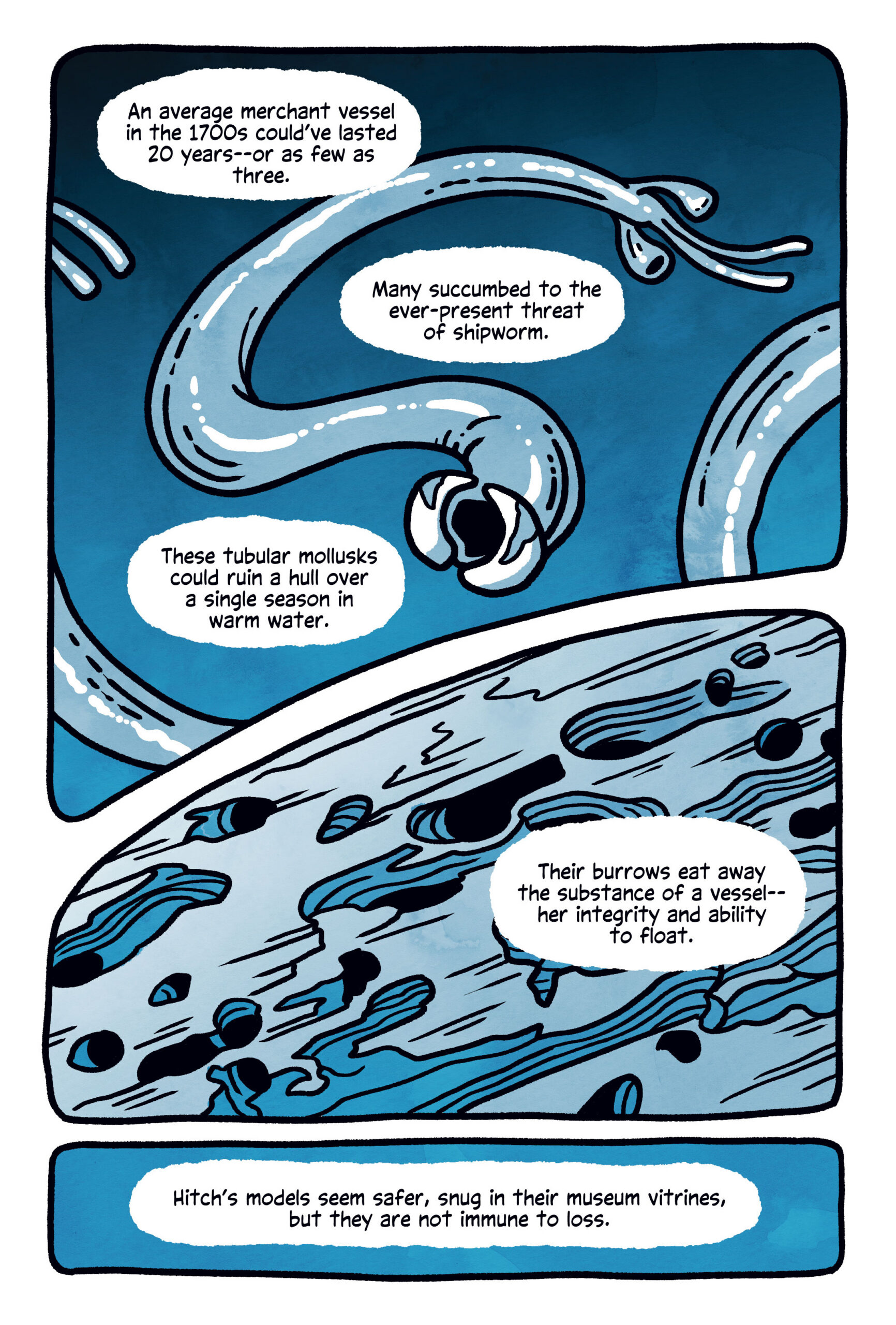
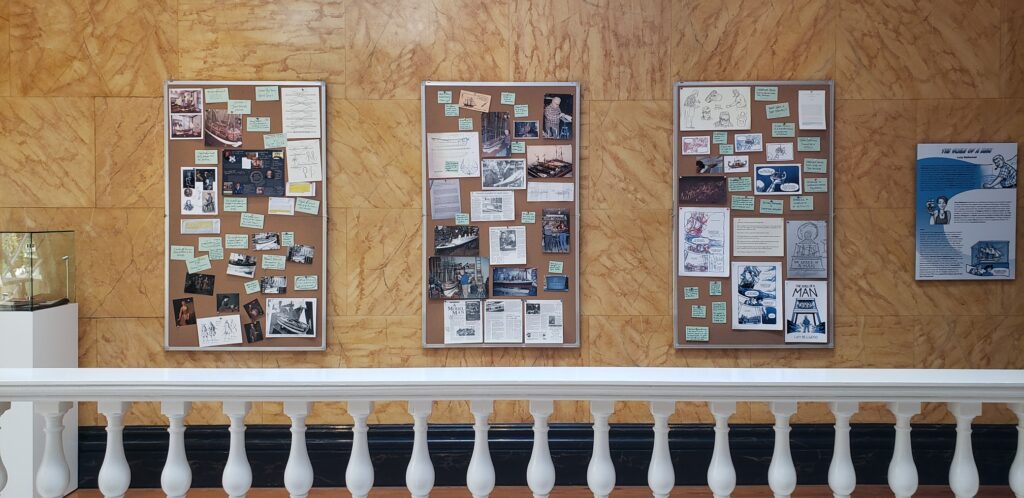
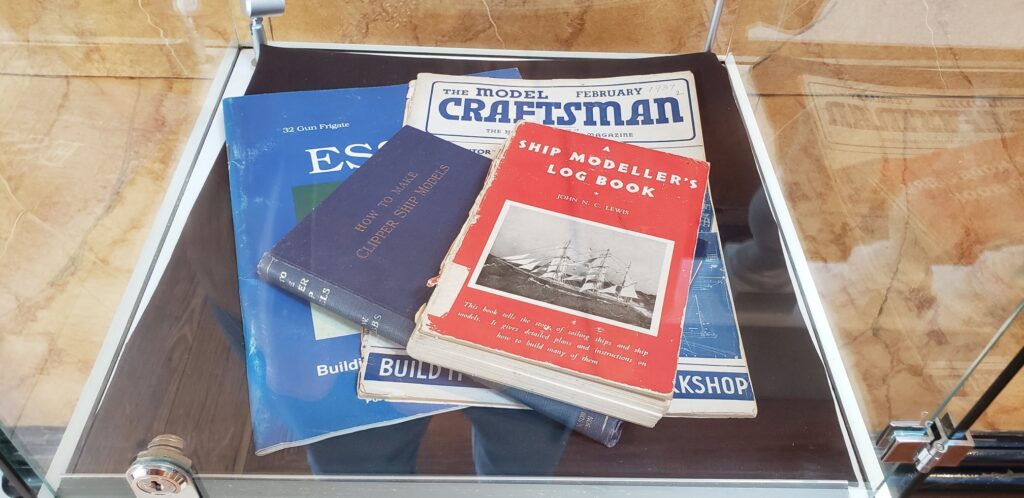
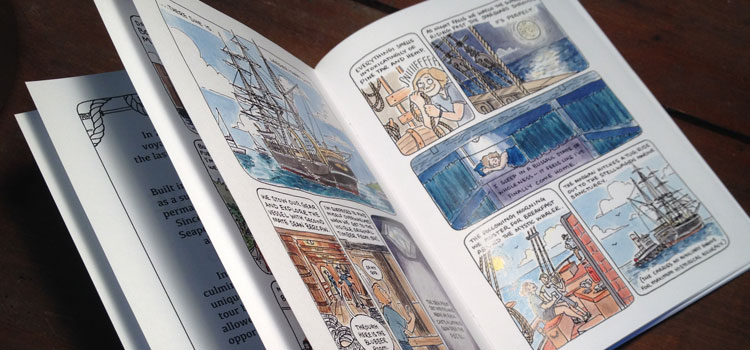
Drawn to the Sea, the exhibit collecting comics and process work by myself, Avery Hick, Rich King, and Sharon Norwood, finally opens this week! While I can’t attend the party in person, I’m very glad to be able to share my contribution online. The Scale of a Man took far more out of me than I expected, but in hindsight it makes perfect sense. I really hope you like it. (I’ve included some photos from the exhibit as well as my artist statement below. There’s also a brief essay about some the research here.)
Content Warning: this comic deals with suicide and parental mortality. Readers with trypophobia may want to skip pages 14 and 15.
Exhibition Preview:
Artist Statement:
I joined the crew of my first tall ship at seventeen. I know more than most the temptation to cast a vessel as the hero of the story, but it’s a lie. We name them, adorn them, and rely on them, but ultimately ships are tools enlivened by the people who use them. They encompass exploration and cultural exchange, escape and immigration, enslavement and genocide. Rather than flattening the ship into a hero, I want to examine the ship as a vessel in every sense of the word, one brimming with discoveries and losses alike.
In her essay The Carrier Bag Theory of Fiction, Ursula K. Le Guin invites us to explore the implication of the container as the oldest human invention. What would it mean to acknowledge that we have carried sustenance and stories in baskets, nets, and bottles for far longer than we have centered narratives around a Hero’s Journey built on aggression and conquest? “It’s hard,” she admits, “to tell a really gripping tale of how I wrested a wild-oat seed from its husk, and then another, and then another, and then another, and then another—” but the essay encourages us to try.
Whether framing the hull of a ship or the panels of a story, we delineate the things we love. It is an affection that cannot be rushed. I was lucky enough to learn from many model ship builders in the course of creating this piece. Their generosity, enthusiasm, and expertise helped me appreciate what’s poured into each miniature vessel, and to recall something I need to keep close in my own practice: there is value in doing things that defy efficiency. These are fields where monotony walks hand in hand with craft. Some people throw their hands up and bemoan the death of such practices in the age of AI, but I believe we’re headed toward a resurgence in valuing the things machines cannot do.
There is nothing more human than dying. Steeped in my own grief at the loss of my father, I found my way into a story that took me places I couldn’t have foreseen. Early in the research process, I read that the colonists aboard the Anne slept below decks in suspended wooden cots—their similarity to coffins a reminder of how often such voyages become a passage to the underworld. Every journey requires a type of death. We leave behind our former selves, hoping to meet some new incarnation on the farther shore, but the past always comes with us in one guise or another.
We don’t know what became of the Anne in the end; her own death, whatever that means for a vessel, went undocumented. Sometimes such losses are inevitable. But the containers we build, whether they be ships, comics, or museums, offer us a chance to see ourselves woven into the minutiae of the past. It is a form of immortality, one that relies on engagement, imagination, and tenderness, and it is always worth reaching for.
Drawn to the Sea opens at Ships of the Sea Maritime Museum in Savannah, Georgia on Friday, May 1st and runs through January 31st, 2027. Learn more about the exhibit and related programming here.
A number of fantastic ducks lined up in the month of June and I want to talk about all of them, but there isn’t time to do it in one giant post. One duck, however, took the form of appearing at the 14th International Melville Society Conference to speak about my time aboard the Charles W. Morgan eleven years ago. (You can read the comic about that trip here.)
I read Moby-Dick for the first time a handful of years ago and loved it, but I wouldn’t call myself a Melville scholar. However, attending this conference felt like a great chance to scratch the academic itch without, say, going to grad school.
I ended up spending the whole week taking visual notes, which allowed me to drop into a type of weightless, fixated attention that I’ve really missed in my caregiving life. It also helped give me something to do during panels where I felt a little, uh, out of my depth.
When I’m drawing, words just wash over me. I can pluck the ones that resonate in the moment, then step back at the end of the hour and get a picture of what I took away from the talk. I particularly loved the freedom to just wander into panels where I had no idea what the speakers were talking about, only to come away newly-enthused about some niche avenue into Melville’s work.
Time and time again the attendees emphasized how unique this conference is in its warmth and intellectual diversity. I met scientists and art historians and medievalists and printmakers and disability scholars and tall ship sailors and filmmakers and many, many professors. It was a dreamy, albeit intense, four days.
Here are the notes from every talk I attended, all drawn straight to ink during the speakers’ presentations (usually about 20 minutes per person).
The biggest takeaway was that we need embedded cartoonists at all sorts of academic conferences—and the demand is there! People were so thrilled to see this kind of work coming out of the event, and there are lots of journals hungry to publish unusual creative content alongside academic papers.
Something to pursue…eventually. Got a couple things* to wrap up first.
“I feel the answer to your question will always exist outside the world as it presents itself, beyond the matters of the day, distinct from the temporal. It will be found within the mysterious, the unsettled, and the sacred, that faraway and intangible place where truth and music and your father reside.”

 Login
Login