Reading view

Slow Cooker Pork Sliders

These slow cooker sliders give you all the savory, sweet and tangy flavors of a classic Cuban sandwich but with a dose of whole grains, some heart-healthy fats and almost 60% of your daily calcium needs (1).  Our recipe uses pork shoulder simmered in a sweet, citrus broth made from fresh orange and lime, and is served on a whole-grain slider bun with Swiss cheese and pickles.

Active time: 40 minutes | Total time: 7-8 hours (if using low-heat setting)

Slow Cooker Pork Sliders

Ingredients

  • 1 ½ tbsp cumin
  • 1 ½ tbsp dried oregano
  • 1 ½ tsp salt
  • 1 (3.5 lb) pork shoulder, trimmed of as much fat as possible
  • 1 tbsp avocado or olive oil
  • 4 cloves garlic, smashed
  • 1 medium (110g) white onion, thinly sliced
  • 1 lime, juiced
  • 2 medium oranges, juiced (about 1 cup juice)
  • 1/2 cup (120g) water
  • 16 whole-grain slider rolls
  • ⅓ cup Dijon mustard
  • 16 (448g) 1-oz slices of Swiss cheese
  • 16 pickle slices

Directions

Prepare the rub by putting cumin, oregano and salt into a small bowl. Toss to combine.

Sprinkle rub over the pork shoulder, and use your fingers to massage the rub into the meat.

Heat a large skillet over medium-high heat. Add oil to the skillet, and allow it to heat. Add the pork shoulder to the skillet and sear until it is brown all over, about 7–10 minutes.

Put the pork shoulder into the slow cooker, then add the garlic, onion, lime juice, orange juice and water. Cook pork shoulder on low for 6–8 hours or high for 3-4 hours, until meat completely falls apart and temperature reaches 195–205°F.

Take the pork shoulder out of the slow cooker, and shred the meat with a pair of tongs or two forks. Add as much juice from the slow cooker as needed to your shredded pork to keep it moist and juicy.

Split the slider buns and toast them. Spread each bun half with ~½ tbsp mustard, ¼ cup of slow-cooked pork, one a slice of Swiss cheese and pickle. Serve and enjoy!

Serves: 8 |  Serving Size: 2 sliders 

Nutrition (per serving): Calories: 719; Total Fat: 36g; Saturated Fat: 15g; Monounsaturated Fat: 12g; Polyunsaturated Fat: 3g; Cholesterol: 185mg; Sodium: 1263mg; Carbohydrate: 35g; Dietary Fiber: 5g; Sugar: 8g; Protein: 61g

Nutrition Bonus: Potassium: 946mg; Iron: 28%; Vitamin C: 37%; Calcium: 58%

Originally published October 7, 2015; Updated May 2026

The post Slow Cooker Pork Sliders appeared first on MyFitnessPal Blog.

  •  

Mini Meatloaves

Low-Carb Mini Meatloaves

These mini meatloaves prove that comfort food and nutritious eating can go hand in hand. Swapping traditional breadcrumbs for almond flour keeps the recipe low-carb and gluten-free, while sautéed onion, bell pepper, and grated zucchini add moisture, flavor, and a boost of vegetables to every bite. A topping of marinara sauce and melted mozzarella makes these as satisfying as they are nourishing. Pair with whipped cauliflower mash to round out a cozy, weeknight-friendly dinner.

Active time: 15 minutes | Total time: 45 minutes

Mini Meatloaves

Ingredients

  • 1 tbsp olive oil
  • 1 small onion, finely chopped or grated
  • 1 medium red bell pepper, finely chopped
  • 1 lb 95% lean grass-fed ground beef
  • 1 small zucchini, grated and patted dry with a paper towel
  • 1/2 cup (45g) almond flour
  • 1 large egg
  • 1 tbsp balsamic vinegar
  • 2 tsp Italian seasoning
  • 1 tsp garlic powder
  • 1/2 tsp salt
  • 1/2 tsp black pepper
  • 1 cup (237ml) low-sodium jarred marinara sauce, divided
  • 1/2 cup (28g) grated part-skim mozzarella cheese

Directions

Preheat the oven to 350°F (177°C). Line a rimmed baking sheet with parchment paper or foil. Heat the olive oil in a small saute pan over medium heat. Add the onion and bell pepper and cook, stirring occasionally, until tender, about 5 minutes. Transfer the mixture to a large bowl and let cool for 10 minutes.

Add the ground beef, zucchini, almond flour, egg, balsamic vinegar, Italian seasoning, garlic powder, salt, and black pepper to the bowl. Stir with a wooden spoon or clean hands until well blended. Divide the mixture into 4 portions. Form each portion into a small meatloaf about 4 1/2 inches (11cm) long on the prepared baking sheet. Press down the length of each meatloaf with the side of your hand to create a 1/2-inch deep divot in the center so it cooks evenly and catches the sauce and cheese. Spread the top of each meatloaf with 1/4 cup (59ml) marinara sauce and sprinkle with the mozzarella cheese.

Bake for 30 minutes, or until an instant-read thermometer inserted into the center of a meatloaf registers 160°F.

Serves: 4 | Serving Size: 1 mini meatloaf

Nutrition (per serving): Calories: 390; Total Fat: 23g; Saturated Fat: 5g; Monounsaturated Fat: 6g; Polyunsaturated Fat: 1g; Cholesterol: 131mg; Sodium: 544mg; Carbohydrate: 13g; Dietary Fiber: 4g; Sugar: 6g; Protein: 34g

Nutrition Bonus: Vitamin D: 5%; Calcium: 19%; Iron: 24%; Potassium: 910mg; Vitamin A: 9%; Vitamin C: 89%

Originally published February 2021; Updated May 2026

The post Mini Meatloaves appeared first on MyFitnessPal Blog.

  •  

Slow Cooker Chicken and Barley Soup

Slow Cooker Chicken and Barley Soup

Simple is good, especially when you can put all the ingredients for a comforting chicken soup in a slow cooker, shred the chicken and transfer the soup to glass containers — you can even pack some for lunch. Pearled barley is rich in beta-glucans, a type of soluble fiber that may help reduce cholesterol, and barley has been shown to provide satiety and a feeling of fullness (1, 2).

Active time: 20 minutes | Total time: 5 hours, 20 minutes

Slow Cooker Chicken and Barley Soup

Ingredients

  • 4 cups (960g) low-sodium chicken broth
  • 1 large onion, chopped
  • 3 large carrots, chopped
  • 4 celery stalks, chopped
  • 2 garlic cloves, minced
  • ¼ cup (50g) pearled barley, dry
  • 1 tbsp fresh rosemary, finely chopped
  • 1 bay leaf
  • 1/2 tsp black pepper
  • 1 lb (454g) chicken breast, raw
  • ¼ cup (15g) Italian parsley, chopped
  • ½ lemon, juiced

Directions

Place the stock, onion, carrot, celery, garlic, barley, rosemary, bay leaf and black pepper in a large slow cooker, stir to combine. Place the chicken breast on top and cover the pot tightly. Cook on high for 2-3 hours or low for 4-5 hours, or until the chicken is easily shredded and reaches an internal temperature of 165°F.

Uncover, then use tongs to remove the bay leaf and place the chicken on a plate. Let cool slightly, then use two forks to shred the meat. Return the chicken to the pot and add the parsley and juice from ½ a lemon, stir and serve.

Serves: 4 | Serving Size: 1 ½  cup

Nutrition (per serving): Calories: 275; Total Fat: 5g; Saturated Fat: 1g; Monounsaturated Fat: 2g; Polyunsaturated Fat: 1g; Cholesterol: 83mg; Sodium: 203mg; Carbohydrate: 25g; Dietary Fiber: 5g; Sugar: 5g; Protein: 33g

Nutrition Bonus: Calcium: 6%; Iron: 11%; Potassium: 1014mg; Vitamin A: 609%; Vitamin C: 23%

Originally published February 14, 2021; Updated February 2026

The post Slow Cooker Chicken and Barley Soup appeared first on MyFitnessPal Blog.

  •  

Memorial Day Cookout Guide: Everyone Will Want Seconds

Man grilling vegetables and meat outdoors while holding beer at summer barbecue gathering

Memorial Day weekend signals the unofficial start of summer, and for many people, that means the first Memorial Day cookout of the season.

It’s the first backyard gathering of the season—the grill heating up, a table filling with sides, and people outside with plates in hand.

And whether you’re hosting the cookout or showing up as a guest, it can help to have a simple strategy for navigating the spread while still supporting your health goals.

Here’s how to approach a Memorial Day BBQ with balance in mind.

Start With Lean Protein for Healthy Grilling

At most BBQs, the protein is the centerpiece of the meal. Starting there can make everything else easier.

Protein supports satiety and helps keep meals satisfying, which can be especially helpful at gatherings where food is available for hours (1).

Some BBQ-friendly options include:

  • Grilled chicken breast (or thighs for a more budget-friendly flavorful option)
  • Turkey burgers (often an affordable choice when feeding a crowd)
  • Shrimp skewers
  • Salmon fillets
  • Lean beef burgers

If you’re hosting, these proteins are easy to grill in batches. And if you’re attending, look for whichever protein option is available and build the rest of your plate around it.

“When you start a BBQ meal with a protein source, it naturally helps the meal feel more satisfying and balanced,” says Emily Sullivan, RD, MyFitnessPal dietitian. 

Simple marinades with olive oil, citrus, herbs, or garlic can add plenty of flavor without needing heavy sauces.

Put Vegetables on the Grill

The grill isn’t just for burgers and chicken.

Vegetables cook beautifully over open heat, developing caramelized edges and smoky flavor that makes them just as appealing as the main dish.

Good grilling options include:

  • Zucchini and summer squash
  • Bell peppers
  • Mushrooms
  • Asparagus
  • Corn on the cob
  • Tomatoes
  • Onion wedges

Toss vegetables lightly with oil and seasoning before grilling, or place them on skewers for easy cooking.

“Vegetables contribute fiber, vitamins, and minerals that support overall health while adding color and variety to the table (2),” notes Sullivan. 

Choose Memorial Day Side Dishes on Purpose

BBQ spreads usually include several side dishes, and that’s part of the fun. Many of these classic sides are also simple and affordable to prepare for a crowd, which is one reason they show up at so many cookouts.

For your plate, rather than sampling a little of everything, choose two sides intentionally: one hearty option and one lighter, produce choice.

Hearty sides might include:

  • Potato salad
  • Pasta salad
  • Baked beans (a classic, budget-friendly BBQ staple)
  • Chips and dip

Fresh sides might include:

  • Cucumber or tomato salad
  • Coleslaw
  • Watermelon
  • Mixed greens

“Pairing your favorite BBQ side with fiber-rich foods like vegetables, fruit, or beans can help make the meal more satisfying overall (3),” adds Sullivan. 

This approach keeps the meal enjoyable without feeling like you’re skipping the foods you came to enjoy.

Build a Balanced Plate

At a buffet-style BBQ, building your plate intentionally can make the biggest difference.

A simple guideline is to aim for a mix of:

  • Protein
  • Vegetables or fruit
  • One or two sides you enjoy

Extras like sauces, buns, and dips absolutely count toward your overall nutrition, so if you’re tracking meals in MyFitnessPal, remember to log them along with the rest of your plate.

Most importantly, remember that one holiday meal doesn’t define your habits.

Healthy Grilling Tips for Memorial Day

Grilling is a Memorial Day tradition, but some people wonder whether grilled meat is healthy. The concern comes from compounds that can form when meat is cooked at very high temperatures.

Two of these compounds, heterocyclic amines (HCAs) and polycyclic aromatic hydrocarbons (PAHs), can develop when proteins react to high heat or when fat drips onto flames and creates smoke that sticks to the meat (4). 

In very high amounts, these compounds have been shown to cause cancer in animal studies, though typical exposure from grilling is much lower (4).

Fortunately, a few simple grilling habits can help reduce the formation of these compounds:

  • Choose lean cuts of meat. Leaner options like chicken breast, fish, and turkey produce fewer fat drippings, which can reduce smoke and PAHs while cooking (5,6).
  • Marinate meat before grilling. Marinades, especially those with acidic ingredients and herbs, can significantly reduce HCA formation (6,7,8).
  • Flip meat frequently. Turning meat more often can help prevent burning and limit the formation of HCAs (9).
  • Avoid heavy charring. Remove blackened portions and avoid overcooking meats as these can increase HCA levels (4,10).
  • Use moderate heat or indirect grilling. Keeping food slightly farther from direct flames can reduce smoke exposure and PAHs (6,5,9).

Adding fruits and vegetables to the grill is another easy strategy. They don’t produce HCAs and provide fiber, vitamins, and beneficial plant compounds that support overall health (11).

According to Sullivan, “grilling can absolutely be part of a healthy eating pattern, especially when you include grilled vegetables with proteins and use the right techniques.”

Frequently Asked Questions (FAQs)

  • Can BBQ food fit into a healthy eating pattern?

Yes. Grilled proteins, vegetables, and balanced sides can easily be part of a nutritious eating pattern. The key is focusing on variety, portion balance, and grilling techniques rather than avoiding certain foods altogether.

  • What are the healthiest foods to grill?

Lean proteins like chicken, fish, turkey burgers, and shrimp are good options. Vegetables such as zucchini, peppers, onion, and corn also work well on the grill and provide fiber and nutrients.

  • Should I track a cookout meal?

That depends on your personal goals. You may find it helpful to log meals in MyFitnessPal throughout the day, including at the cookout to stay mindful of your habits, while others prefer to simply enjoy the day and return to their routine afterward.

  • Is charcoal grilling bad for you?

Not necessarily. The bigger concern is very high-heat cooking and heavy charring, which can create compounds like HCAs and PAHs. Using moderate heat, marinating meat, and avoiding blackened portions can help reduce those risks  (4,6,10).

Bottom Line

Memorial Day BBQs are about gathering, celebrating the start of summer, and sharing a meal outdoors.

Whether you’re firing up the grill or filling your plate as a guest, a few simple strategies can help you enjoy the holiday while still supporting your health goals. Start with protein, add grilled vegetables, and choose your sides intentionally to build a balanced plate.

And if you’re curious how your meal fits into your overall habits, MyFitnessPal can offer an easy way to stay mindful without taking away from the moment.

The post Memorial Day Cookout Guide: Everyone Will Want Seconds appeared first on MyFitnessPal Blog.

  •  

High Protein Diet for Men: How to Support Muscle Health Across Adulthood

Most men have heard the message: protein matters for building and maintaining muscle. But knowing it’s important isn’t the same as knowing how to use it effectively, especially when it comes to how much you actually need to support muscle mass as you age.

That’s where this guide comes in. We’ll break down how much protein men really need, how the types of protein stack up, and which sources are worth prioritizing for long-term strength and healthy aging.

Why Protein Matters for Men

Protein plays a foundational role in keeping your body running at its best. It’s essential for repairing and building cells, supporting growth across the lifespan, and driving countless processes throughout the body (1). But, protein variety matters, especially since proteins themselves are made from amino acids, tiny but mighty building blocks that hold a variety of functions in the body. This means getting a variety of protein sources is essential to ensure you’re covering all your amino acid needs (2).

For men, protein often takes center stage for good reason. It supports the development and maintenance of lean muscle mass and can play a role in weight management over time (3,4). If your routine includes resistance training, protein becomes even more important to help repair and rebuild muscle tissue after workouts (3).

The Daily Recommended Protein Intake for Men

Protein needs for men vary based on several factors, including age, body weight, activity level, and personal health history. Individual goals also play a major role, whether that’s building muscle, maintaining strength, or supporting healthy weight management, as protein and overall macronutrient needs can differ significantly from person to person.

With that in mind, it’s helpful to use general protein guidelines as a starting point, while recognizing they’re not one-size-fits-all.

For a more tailored approach, you can use the MyFitnessPal Protein Calculator to get a personalized estimate based on your own body and goals.

Protein Ranges for Men 

  • Healthy Men (5)
    • Recommended Dietary Allowance (RDA):
      • 0.8 grams/kilogram  (or 0.36 grams/pound) 
    • Example: 180-pound male = 65.5 grams/protein per day 
  • Active Men (6)
    • Recommendations:
      • 1.4 to 2 grams/kilogram (or 0.6 to 1 grams/pound) 
    • Example: 180-pound male = 115 – 164 grams/protein per day 
  • Muscle-Building Goal (7)
    • Recommendations:
      • 1.6 grams/kilogram (or 0.73 grams/pound )
    • Example: 180-pound male = 131 grams/protein per day 
  • Weight-Loss Goal (8)
    • Recommendations:
      • 1.25 grams/kilogram (or 0.57 grams/pound) 
    •  Example: 180-pound male = 103 grams/protein per day 
  • Older Men (>60+)  (9,10)
    • Recommendations to prevent sacropenia/muscle loss:
      • 1.0-1.2 grams/kilogram (or 0.45 – 0.54 grams/pound)
    • Example: 180-pound male = 81 to 97 grams/protein per day

Top Sources of Protein for Men

No single protein source stands above the rest, it’s more about how different types fit into your overall diet. Remember amino acids? Animal-based proteins contain all nine essential amino acids, making them “complete” proteins that your body relies on from food (2). However, they typically don’t provide fiber, a key nutrient for long-term health and aging well (4).

Plant-based proteins, on the other hand, may require a mix of sources to cover all essential amino acids, but they also bring added benefits like fiber and other protective nutrients (2, 4). With a thoughtful approach, they can absolutely support muscle maintenance and growth just as effectively (10).

The real focus should be on choosing protein sources that align with your individual health profile, preferences, and goals. For example, a more plant-forward approach is often linked to better heart health, which may be especially important if you have a history of cardiovascular concerns (11). Alternatively, if you include animal proteins, being mindful of options lower in saturated fat can help support those same goals (12).

Here are some standout protein options from both animal and plant-based sources to help meet your daily needs.

Animal-Based Sources

Meat & Seafood (>20 grams protein per serving) 

  • 4-ounces 90% lean beef /10% fat ground beef: 24 grams (13)
  • 3-ounces filet: 24 grams (14)
  • 3-ounces sirloin: 25 grams (15)  
  • 3-ounce chicken breast: 26 grams (16)
  • 3-ounces sardines: 21 grams (17)
  • 1 small cod filet: 27 grams (18)
  • 1 salmon filet: 36 grams (19)
  • 3-ounce filet tuna (skipjack): 24 grams (20)

Dairy Products (>8 grams protein per serving)

  • 1 cup nonfat milk: 8 grams (21)
  • 1 cup unsweetened kefir: 9 grams (22)
  • ½ cup plain, nonfat Greek yogurt: 12.5 grams (23)
  • ½ cup 2% fat cottage cheese: 12 grams (24)
  • 1-ounce reduced fat cheddar cheese:  8 grams (25)

Plant-Based Sources

Legumes & Soy (>10 grams protein per serving) 

  • 1-cup black beans: 15 grams (26
  • 1-cup chickpeas (garbanzo beans): 14.5 grams (27)
  • 1-cup green peas: 9 grams (28)
  • 1-cup lentils: 18 grams (29)
  • 1-cup edamame: 18 grams (30)
  • 3 ounces extra-firm tofu: 14 grams (31)
  • 3-ounces tempeh: 18 grams (32)

Nuts & Seeds (>5 grams protein per serving) 

  • 1-ounce almonds: 6 grams (33)
  • 1-ounce pistachios: 6 grams (34)
  • 1-ounce pumpkin seeds: 8 grams (35)
  • 1-ounce hemp seeds: 9 grams (36)

Where do Protein Supplements Fit In?

Protein supplements, like bars and powders, are convenient products to boost protein intakes when you’re tight on time and convenient options are needed. But, more isn’t always better, meaning you don’t need to rely on ultra-processed, protein-fortified products to meet your goals.

In fact, research shows your body can only utilize so much protein at once, meaning it’s best to spread your protein intakes throughout the day versus loading up at just one meal (7). For example, your body can only metabolize about 0.4 to 0.55 grams per kilogram (or 0.18 to .25 grams per pound) per meal, which is about 33 to 45 grams of protein max for a male who weighs 180-pounds. 

MyFitnessPal dietitian Brookell White shares, “Focusing on balanced intake from quality, whole-food sources and aligning it with your individual needs is what really makes the difference.”

Simple Strategies for Hitting Your Protein Goals

Let’s be realistic … life doesn’t always go according to plan, and that can include missing your protein targets. That’s why a little preparation goes a long way. Keeping your protein goals in mind when planning and prepping meals for the week can help you stay on track, even when your schedule shifts.

Use these simple strategies to make your protein intake more consistent and effective:

  • Build your meals around a protein source first. Legumes work great on top of a salad, or tossed into a chili or soup for added protein. 
  • Aim to spread protein intake evenly across the day (about 20–40g per meal depending on your personal needs.) 
  • Keep convenient, high-protein staples on hand like eggs, canned fish, canned beans, frozen edamame, and dairy choices, like cottage cheese or Greek yogurt. 
  • Choose leaner cuts of meat and lower-fat dairy to keep saturated fat intake in check.
  • Focus on whole food sources before relying on supplements (use these as a safety net).
  • Keep track of your intakes to spot gaps and better understand your needs. Tools like MyFitnessPal can help you monitor protein, saturated fat, and set targets based on your goals, age, and weight.

Bottom Line

Protein plays an important role in supporting muscle maintenance, weight management, and total health as men age, but it’s not just about eating more of it. The quality, distribution, and consistency of protein intake matters just as much as the total amount. By focusing on balanced, whole-food sources and aligning protein intakes with individual needs and goals, protein can become a powerful tool for long-term health and performance. 

Think outside the box and try a new recipe this week to help meet your protein needs, like our MyFitnessPal user favorite Air-Fryer Pretzel Chicken Schnitzel that packs a whopping 26 grams! Not sure how this stacks up with what you need? Let MyFitnessPal help you by calculating your personal protein needs

The post High Protein Diet for Men: How to Support Muscle Health Across Adulthood appeared first on MyFitnessPal Blog.

  •  

Slow Cooker Chicken and Lentil Chili

Slow Cooker Chicken and Lentil Chili

If you own a slow cooker, you know it’s probably the most convenient and versatile device ever created. (And it’s the perfect way to make great-tasting meals without being in the kitchen for hours!) Tonight, enjoy our slow-cooked chicken and lentil chili, a nutritious dish that’s hearty, healthy and full of budget-friendly veggies.

RD Tip: You’ll notice that we don’t add the tomato sauce until the beans have had some time to cook. This is because adding dried black beans to the slow cooker at the same time as an acidic ingredient (tomato sauce) can prevent the beans from ever fully softening.

Active time: 15 minutes | Total time: 8 hours, 15 minutes

Slow Cooker Chicken and Lentil Chili

Ingredients

  • 1 medium (110g) onion, chopped
  • 2 cups (255g) chopped carrots
  • 3 cloves garlic, minced
  • 1 lb. (455g) boneless, skinless chicken breasts, cut into bite-size pieces
  • 1 cup (190g) dried brown lentils, rinsed
  • 1 cup (190g) dried black beans, rinsed
  • 4 cups (960g) no-salt-added, fat-free chicken broth (certified gluten-free if necessary)
  • 1 8 oz.can (227g) no-salt-added tomato sauce
  • 3 tbsp chili powder
  • 1 1/2 tbsp ground cumin
  • 1/2 tsp salt
  • 1/2 cup (120g) reduced-fat sour cream
  • 1/2 cup (57g) shredded cheddar cheese
  • 1 tbsp fresh cilantro leaves (or more to taste)

Directions

Coat slow cooker with cooking spray. Place onion, carrots and garlic in the bottom. Top with chicken, lentils and black beans. Stir in broth, chili powder, cumin and salt.

Cook on high for 4 hours or low for 8 hours, adding the tomato sauce during the last hour or so of cooking.  Stir before serving. Top each serving with 1 tbsp sour cream and 1 tbsp cheese. Garnish with a few fresh cilantro leaves per serving.

Serves: 8 |  Serving Size: 1 1/2 cups 

Nutrition (Per serving): Calories: 339; Total Fat: 7g; Saturated Fat: 3g; Monounsaturated Fat: 1g; Polyunsaturated Fat: 1g; Cholesterol: 40mg; Sodium: 419mg; Carbohydrate: 42g; Dietary Fiber: 14g; Sugar: 5g; Protein: 28g

Nutrition Bonus: Potassium: 1036mg; Iron: 28%; Vitamin A: 130%; Vitamin C: 10%; Calcium: 16%

Originally published October 19, 2016; Updated May 2026

The post Slow Cooker Chicken and Lentil Chili appeared first on MyFitnessPal Blog.

  •  

Overnight Spring Vegetable Strata

Spring Vegetable Strata

Overnight strata is the perfect weekend brunch: Make it the night before, pop it in the oven the next morning, and sit back and enjoy. We use frozen spinach and asparagus here, but feel free to add veggies to the sauté — fresh baby kale, mushrooms, cherry tomatoes — whatever is in your vegetable drawer.

The image shows a logo with the text "RDtip" against a white background. The letters "RD" are outlined, with a checkmark inside the "D," while "tip" is in solid blue, resembling the simplicity of zucchini pizza. There is also a blue vertical line to the left of the text. MyFitnessPal Blog

This is a great option for a healthy brunch dish because it combines a serving of vegetables with the filling elements of fiber and protein.

Active time: 20 minutes | Total time: 1 hour, 10 minutes, plus chilling overnight

Overnight Spring Vegetable Strata

Ingredients

  • Cooking spray
  • 3 cups cubed, day old crusty whole-wheat bread
  • 2 tbsp olive oil
  • 1/2 medium onion, thinly sliced
  • 10 oz. (284g) frozen spinach, thawed and squeezed dry
  • 8 oz. (227g) asparagus cut into 1” pieces, tough ends snapped off and discarded
  • 3 large eggs
  • 3 egg whites
  • 1 1/2 cups (366g) 2% milk
  • 2 tbsp fresh dill or chives (or substitute 1 1/4 tsp dried dill)
  • 1/2 tsp salt
  • 1/4 tsp black pepper
  • 1/2 cup (50g) shredded Parmesan cheese

Directions

The night before baking, prepare the strata. Coat an 8-inch (20cm) square baking dish with cooking spray. Arrange the bread cubes in an even layer in the baking dish and set aside.

Heat the olive oil in a large sauté pan over medium heat. Add the onion and cook, stirring frequently, until beginning to brown, about 6 minutes. Add the spinach and asparagus, cover, and reduce the heat to low. Cook, stirring occasionally, until the asparagus is bright green and crisp-tender, about 3 minutes. Spoon the vegetable mixture over the bread cubes, arranging the asparagus in an even layer.

In a medium bowl, whisk together the eggs, egg whites, milk, herbs, salt, and pepper. Pour the mixture evenly over the bread and vegetables. Press down gently with a spatula to help the bread absorb the custard. Sprinkle with the Parmesan cheese. Cover with foil and refrigerate overnight.

The next morning, preheat the oven to 375°F (190°C). Uncover the strata and bake for 45–50 minutes, or until a knife inserted into the center comes out clean without liquid egg clinging to it.

Let stand for 5 minutes, then cut into 6 portions and serve immediately.

Serves: 6 | Serving Size: 1/6 of strata

Nutrition (per serving): Calories: 242; Total Fat: 11g; Saturated Fat: 4g; Monounsaturated Fat: 5g; Polyunsaturated Fat: 1g; Cholesterol: 115mg; Sodium: 638mg; Carbohydrate: 23g; Dietary Fiber: 4g; Sugar: 5g; Protein: 14g

Nutrition Bonus: Vitamin D: 13%; Calcium: 26%; Iron: 24%; Potassium: 664mg; Vitamin A: 331%; Vitamin C: 53%

Originally published June 14, 2020; Updated June 2026

The post Overnight Spring Vegetable Strata appeared first on MyFitnessPal Blog.

  •  

Mandarin-Ginger Smoothie

Mandarin-Ginger Smoothie

Go ahead and buy the big bag of mandarin oranges. You might eat most of them out of hand, but save a few to use in this citrus-kissed smoothie. A serving of protein powder makes sure you’ll be satisfied all morning long, and you’ll get immune-boosting vitamin C thanks to the mandarins (1).

Active time: 5 minutes | Total time: 5 minutes

Mandarin-Ginger Smoothie

Ingredients

  • 1/2 cup (123g) nonfat plain Greek yogurt
  • 1/2 cup (122g) unsweetened soy milk
  • 2 small mandarins, peeled (save a segment for garnish)
  • 1/2 large banana, frozen
  • 1 cup (13g) fresh spinach
  • 1 tsp minced fresh ginger
  • 1/4 tsp turmeric
  • 1/4 tsp ground black pepper
  • 1/2 serving plain whey protein powder

Directions

Place all of the ingredients in a high-powered blender. Secure the lid and blend, starting on low speed and increasing to high, until completely smooth.

Pour into a glass, garnish with the reserved mandarin segment if desired, and serve immediately.

Serves: 1 | Serving Size: 1 smoothie

Nutrition (per serving): Calories: 350; Total Fat: 4g; Saturated Fat: 1g; Monounsaturated Fat: 1g; Polyunsaturated Fat: 2g; Cholesterol: 33mg; Sodium: 189mg; Carbohydrate: 48g; Dietary Fiber: 6g; Sugar: 34g; Protein: 33g

Nutrition Bonus: Calcium: 46%; Iron: 12%; Potassium: 1093mg; Vitamin A: 193%; Vitamin C: 104%

Originally published January 2021; Updated May 2026

The post Mandarin-Ginger Smoothie appeared first on MyFitnessPal Blog.

  •  

Air Fryer Salmon With Arugula-Berry Salad

Air Fryer Salmon With Arugula-Berry Salad

The air fryer cooks salmon to perfection, giving it a slight crust on the outside while keeping the interior moist. If you don’t have an air fryer, you can bake the salmon at 400°F (200ºC) for about 10 minutes, or until the salmon reaches an internal temperature of 145°F.

RD Tip

Between the antioxidants in the berries and the omega-3’s in the salmon, this meal packs an anti-inflammatory powerhouse that benefits your heart (1, 2).

Active time: 10 minutes | Total time: 15 minutes

Air Fryer Salmon With Arugula-Berry Salad

Ingredients

  • 1/2 tsp chili powder
  • 1/2 tsp kosher salt, divided
  • 1/4 tsp black pepper, divided
  • 1/4 tsp brown sugar
  • 1/8 tsp garlic powder
  • 2 4-oz. skinless salmon fillets
  • Cooking spray
  • 2 tbsp olive oil
  • 2 tbsp balsamic vinegar
  • 1 tsp Dijon mustard
  • 4 cups baby arugula
  • 1 cup fresh raspberries
  • 1 cup fresh strawberries, sliced

Directions

In a small bowl, combine the chili powder, 1/4 tsp salt and 1/8 tsp black pepper, brown sugar, and garlic powder. Sprinkle the mixture evenly over the salmon fillets.

Preheat the air fryer, if necessary, to 400°F (200°C). Coat the air fryer basket with cooking spray. Add the salmon and cook for 7–8 minutes, or until it reaches an internal temperature of 145°F.

Meanwhile, in a medium bowl, whisk together the olive oil, balsamic vinegar, Dijon mustard, and the remaining 1/4 tsp salt and 1/8 tsp black pepper. Add the arugula, raspberries, and strawberries and toss gently to coat.

Serve the salmon with the salad.

Serves: 2 | Serving Size: 1 salmon fillet and about 3 cups salad

Nutrition (per serving): Calories: 439; Total Fat: 28g; Saturated Fat: 5g; Monounsaturated Fat: 13g; Polyunsaturated Fat: 5g; Cholesterol: 60mg; Sodium: 722mg; Carbohydrate: 21g; Dietary Fiber: 7g; Sugar: 10g; Protein: 26g

Nutrition Bonus: Potassium: 786mg; Iron: 11%; Vitamin A: 17%; Vitamin C: 114%; Calcium: 11%

Originally published: March 20, 2021; Updated June 2026

The post Air Fryer Salmon With Arugula-Berry Salad appeared first on MyFitnessPal Blog.

  •  

Pressure Cooker Chicken Ramen

Instant Pot Chicken Ramen

This homemade ramen skips the hours of simmering by using an Instant Pot to build a deeply flavored chicken broth in just 20 minutes — and the same pot makes foolproof soft-cooked eggs. Springy tofu-based noodles add an extra protein boost, though cooked whole-grain soba noodles make a great substitute if you prefer.

Active time: 20 minutes | Total time: 50 minutes

Pressure Cooker Chicken Ramen

Ingredients

  • 4 large eggs
  • 2 tsp olive oil
  • 1 3/4 lb (784g) chicken drumsticks, skin removed
  • 1/2 tsp salt
  • 1/2 tsp black pepper
  • 4 green onions, thinly sliced, white and green parts separated
  • 1 tbsp fresh ginger, finely chopped
  • 2 medium garlic cloves, minced
  • 3 cups reduced-sodium chicken broth
  • 6 dried shiitake mushrooms
  • 2 (8-oz./227g) packages tofu shirataki noodles, rinsed under cold water and patted dry
  • 3 cups (270g) sliced bok choy
  • 2 tbsp reduced-sodium soy sauce
  •  

Directions

Pour 1 cup water into the pressure cooker and place a trivet in the pot. Add the eggs, lock the lid, and cook on high pressure for 3 minutes. Quick-release the pressure and transfer the eggs to an ice bath. When cool enough to handle, peel and halve them lengthwise. Set aside.

Discard the water and dry the inner pot. Return it to the cooker, add the olive oil, select sauté, and heat on medium. Season the chicken with salt and pepper, then add to the pot and cook, turning once, until lightly browned, about 5 minutes. Add the white parts of the green onions, ginger, and garlic and cook for 30 seconds. Press cancel.

Add 3 cups of water to the pot and scrape up any browned bits. Add the chicken broth and shiitake mushrooms. Lock the lid and cook on high pressure for 20 minutes. Quick-release the pressure. Remove the chicken and mushrooms; discard the bones and slice the mushrooms, then set aside.

Select sauté and bring the broth to a simmer. Skim any foam or fat from the surface. Add the noodles and bok choy and cook for about 3 minutes, until tender. Return the chicken and mushrooms to the pot, stir, and simmer for 1 minute. Add the soy sauce.

Divide the ramen among bowls, top with the egg halves, green onion tops and serve.

Serves: 4 | Serving Size: 2 cups

Nutrition (per serving): Calories: 479; Total Fat: 19g; Saturated Fat: 5g; Monounsaturated Fat: 8g; Polyunsaturated Fat: 4g; Cholesterol: 464mg; Sodium: 1321mg; Carbohydrate: 14g; Dietary Fiber: 7g; Sugar: 2g; Protein: 62g

Nutrition Bonus: Vitamin D: 15%; Calcium: 28%; Iron: 30%; Potassium: 1282mg; Vitamin A: 109%; Vitamin C: 61%

Originally published: March 28, 2020; Updated May 2026

The post Pressure Cooker Chicken Ramen appeared first on MyFitnessPal Blog.

  •  

19 Vegetarian Recipes That Are Surprisingly High-Protein

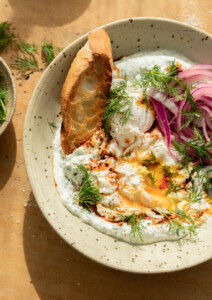
Spicy Turkish eggs_wellness practices

Sometimes I wish I were the kind of person who could just grab a bite to eat without feeling a little high-maintenance. A night out would definitely be simpler if I didn’t have to ask about gluten-free options or meatless swaps on the menu. But after years of trial, error, and paying close attention to how different foods make me feel, I’ve learned what helps my body feel its best. More often than not, that looks like meals built around low-carb, high-protein vegetarian recipes.

And while there are far more options now than there used to be, I still prefer cooking at home and finding recipes that support my nutritional goals while actually tasting good, too. That balance can be surprisingly tricky to strike. So if you’re looking for satisfying vegetarian meals that are rich in protein, lower in carbs, and full of flavor, you’re in the right place.

Pin it

The Best Vegetarian Protein Sources

Before we roll into the low-carb high-protein vegetarian recipes I found, I wanted to share a cheat sheet with a few of my go-to vegetarian protein sources that might help you on your plant-based eating journey:

Chickpeas: almost 11 grams protein / 35 grams carbohydrates per cup (cooked) 

Paneer (an unaged Indian cheese made from curdled milk and acid): 21 grams protein / 3.5 grams carbohydrates per 3.5 ounce serving

Tofu: 8 grams protein / 3.5 gram carbohydrates per 2 ounce serving 

Black Beans: 19 grams protein / 40 grams carbohydrates per cup (cooked)

Lentils: almost 18 grams of protein / approximately 40 grams carbohydrates per cup (cooked)

Eggs: 6 grams protein / 0.6 grams carbohydrates per egg (cooked)

Tempeh (a fermented soybean product): 34 grams of protein / 13 grams carbohydrates per cup

Halloumi (a brined cheese that originated from Cyprus):  7 grams of protein / 0 grams carbohydrates per one-ounce serving

19 Low-Carb High-Protein Vegetarian Recipes

When I was asked to share my favorite low-carb, high-protein vegetarian recipes, I welcomed the excuse to dig through my personal archive. As a vegetarian, I’ve found that most recipes tend to check only two of the three boxes: they’re low-carb and plant-forward but light on protein, or they’re packed with vegetarian protein sources and also loaded with carbs. As I mentioned, it can be a challenge, albeit a delicious one.

With that in mind, I rounded up the recipes I come back to again and again. Each one is satisfying, flavor-forward, and checks the boxes that matter most: 1) high in protein, 2) low in carbs, and 3) completely vegetarian. From cottage cheese and Greek yogurt to tofu, eggs, and lentils, these are the kinds of ingredients that make vegetarian cooking feel both nourishing and realistic. Let’s get into it.

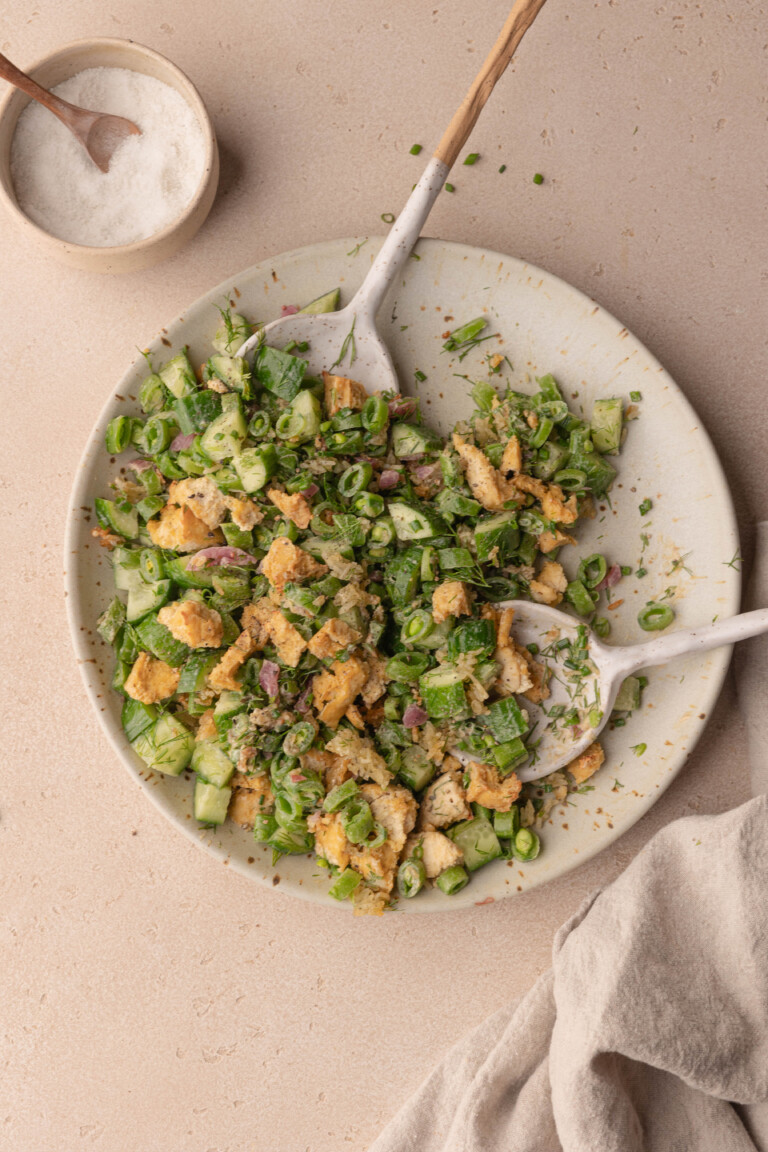
easy cucumber crispy rice salad

Cucumber Crispy Rice Salad

If you’re looking for a vegetarian lunch that doesn’t feel like an afterthought, this is it. The combination of fresh cucumbers, crispy rice, herbs, and creamy miso dressing makes every bite feel exciting, while the protein-rich base gives it the substance of a true meal.

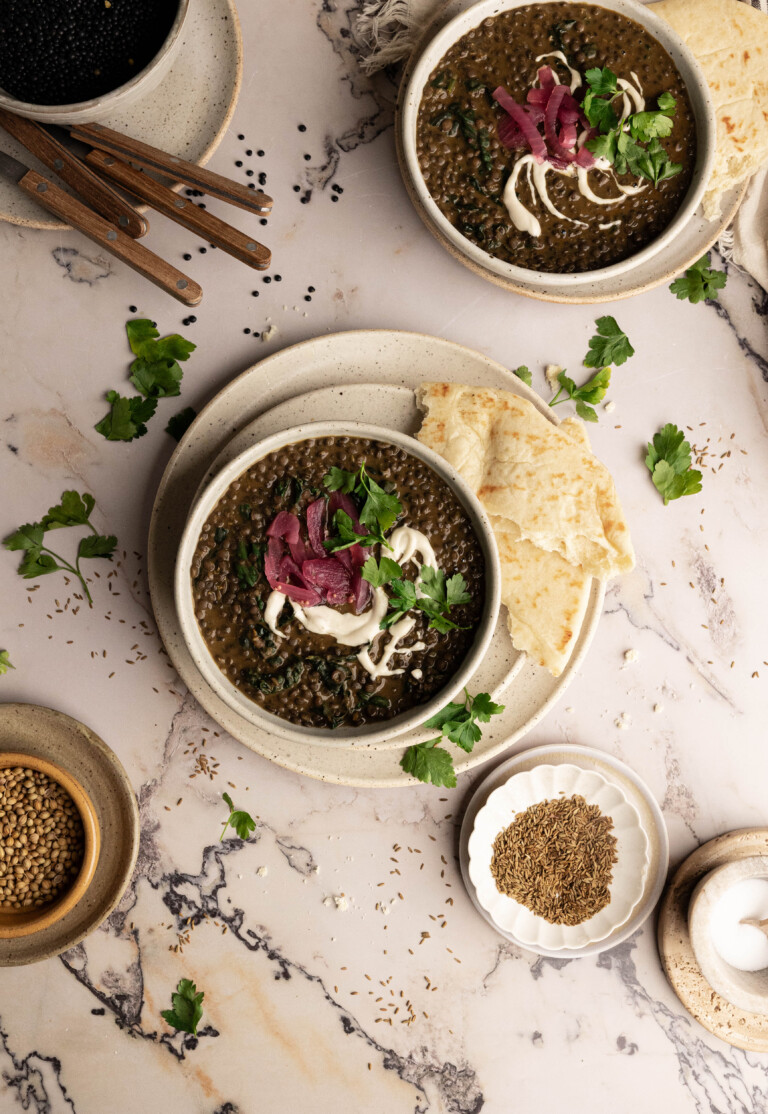
Vegan Coconut Dal with Kale

Vegan Coconut Dal

Few meals hit the sweet spot between ease and comfort quite like this one. The fragrant spices, tender lentils, coconut milk, and kale create a cozy vegetarian dinner that’s full of flavor and especially great for meal prep or leftovers. 

easy lentil tomato soup

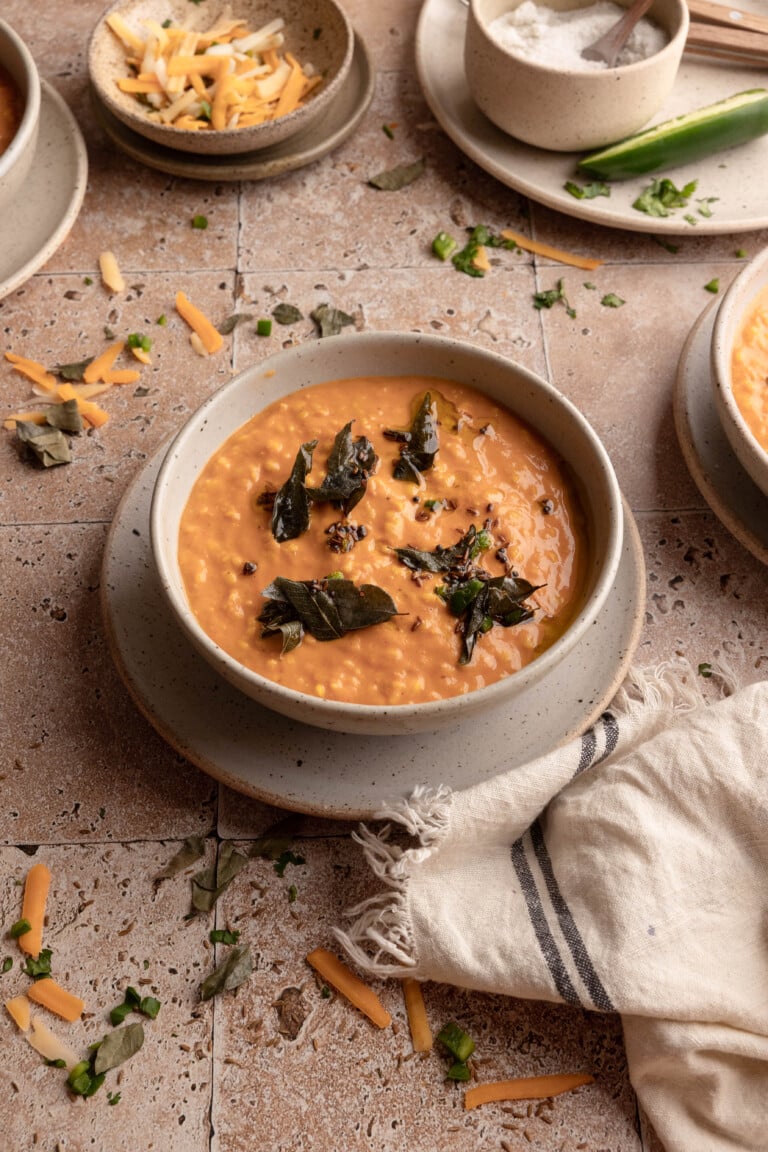
Tomato Soup Daal

This tomato soup daal is proof that the best recipes sometimes come from a little creativity in the kitchen. It’s warm, flavorful, and filling, with lentils adding plant-based protein and fiber that make it feel much more substantial than your average bowl of soup.

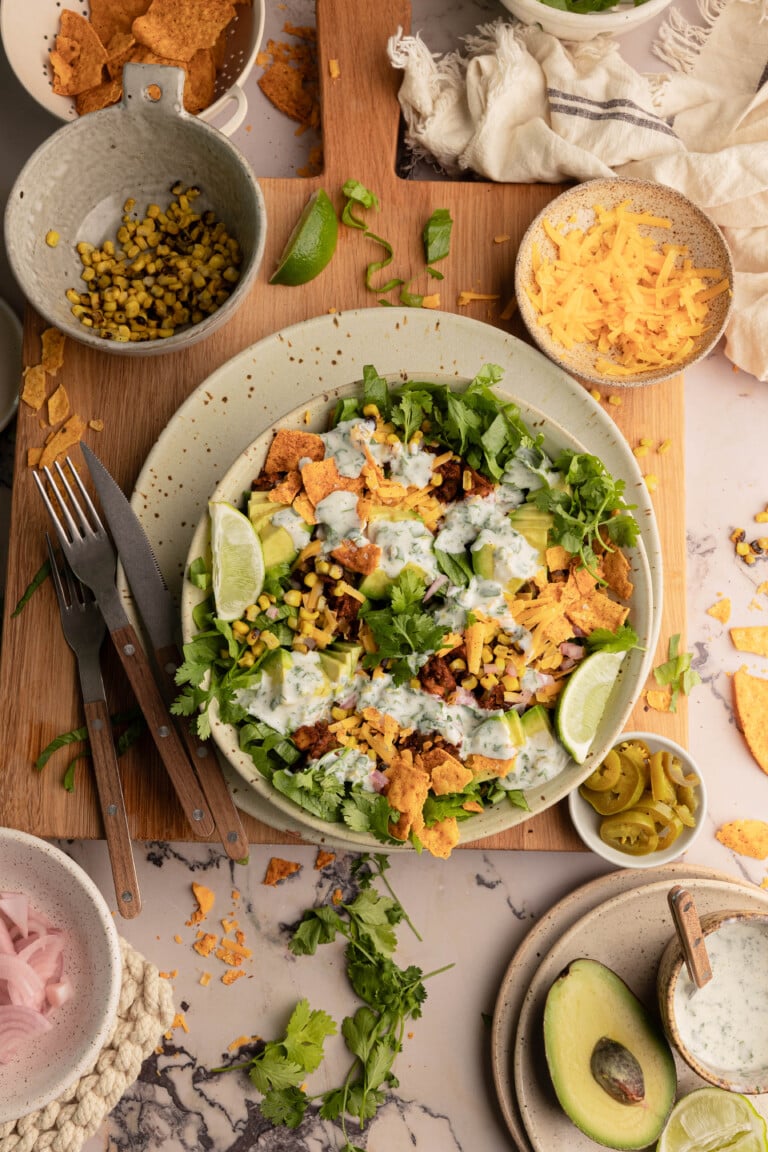
Loaded Vegetarian Taco Salad

Craveable enough to break you out of any lunch rut, this vegetarian taco salad is all about bold flavor and contrast. We love it because it feels hearty and protein-rich thanks to the tofu, but still fresh and customizable with all the toppings layered on top.

Summer Ribboned Squash Salad

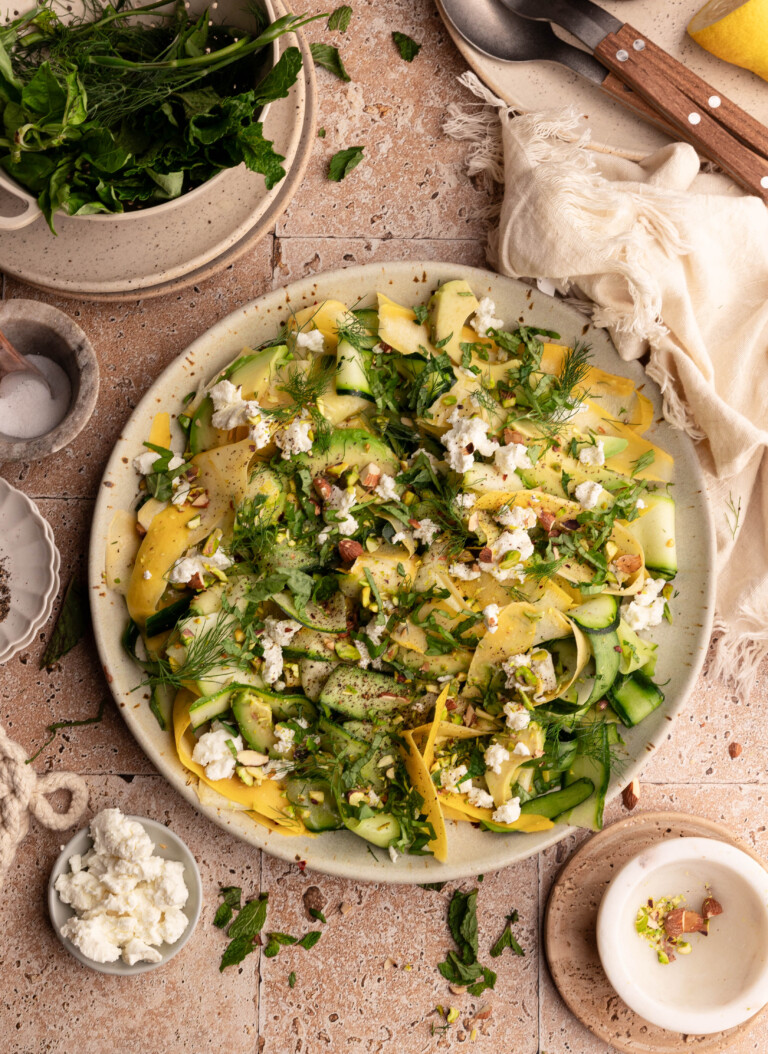
Zucchini Ribbon Salad

Simple ingredients really shine in this zucchini ribbon salad. It’s refreshing and naturally lower in carbs, but the avocado, goat cheese, and pistachios give it the richness and staying power that make it worth coming back to.

best broccoli caesar salad

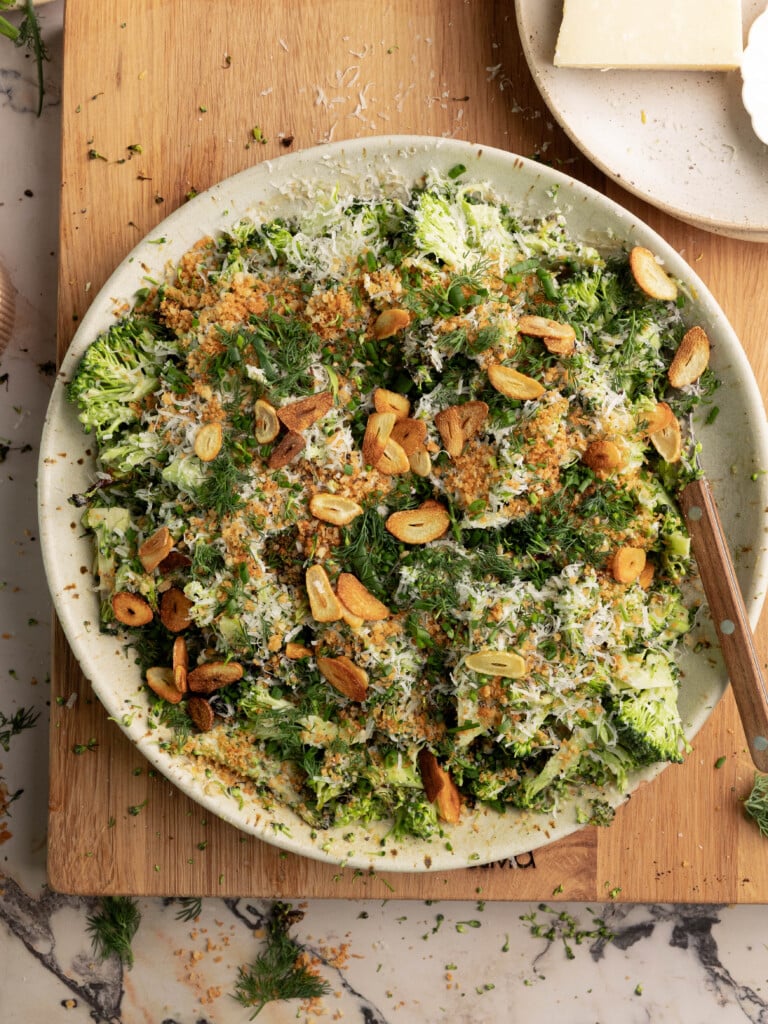
Broccoli Caesar Salad

For anyone who likes their salads with a little more substance, this one is such a standout. The broccoli brings crunch and staying power, while the tahini, miso, capers, parmesan, and toasted breadcrumbs create the kind of bold, Caesar-inspired flavor you’ll want on repeat.

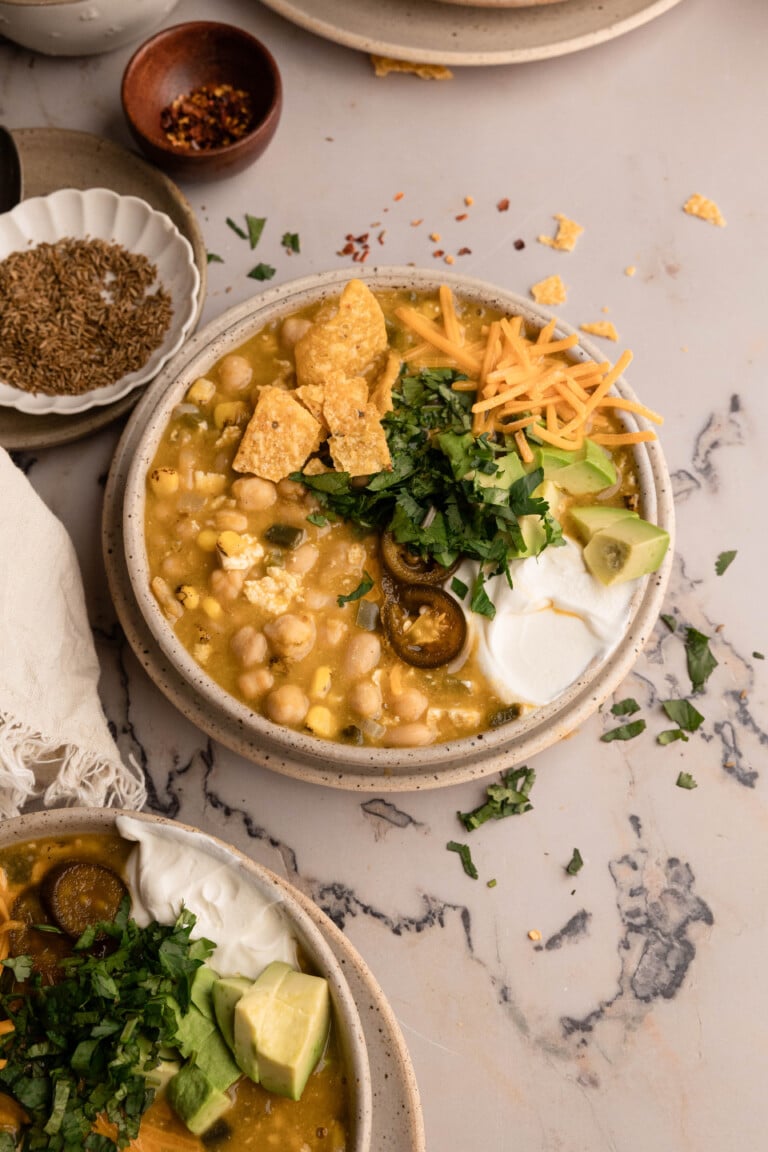
easy vegetarian white chili

Vegetarian White Chickpea Chili

We love this white chickpea chili because it delivers everything you want from a cozy vegetarian dinner: it’s hearty, protein-packed, and full of flavor without requiring a trip to the store. Between the chickpeas, crumbled tofu, and warming spices, it’s the kind of one-pot meal that feels both nourishing and satisfying—and the leftovers are every bit as good the next day.

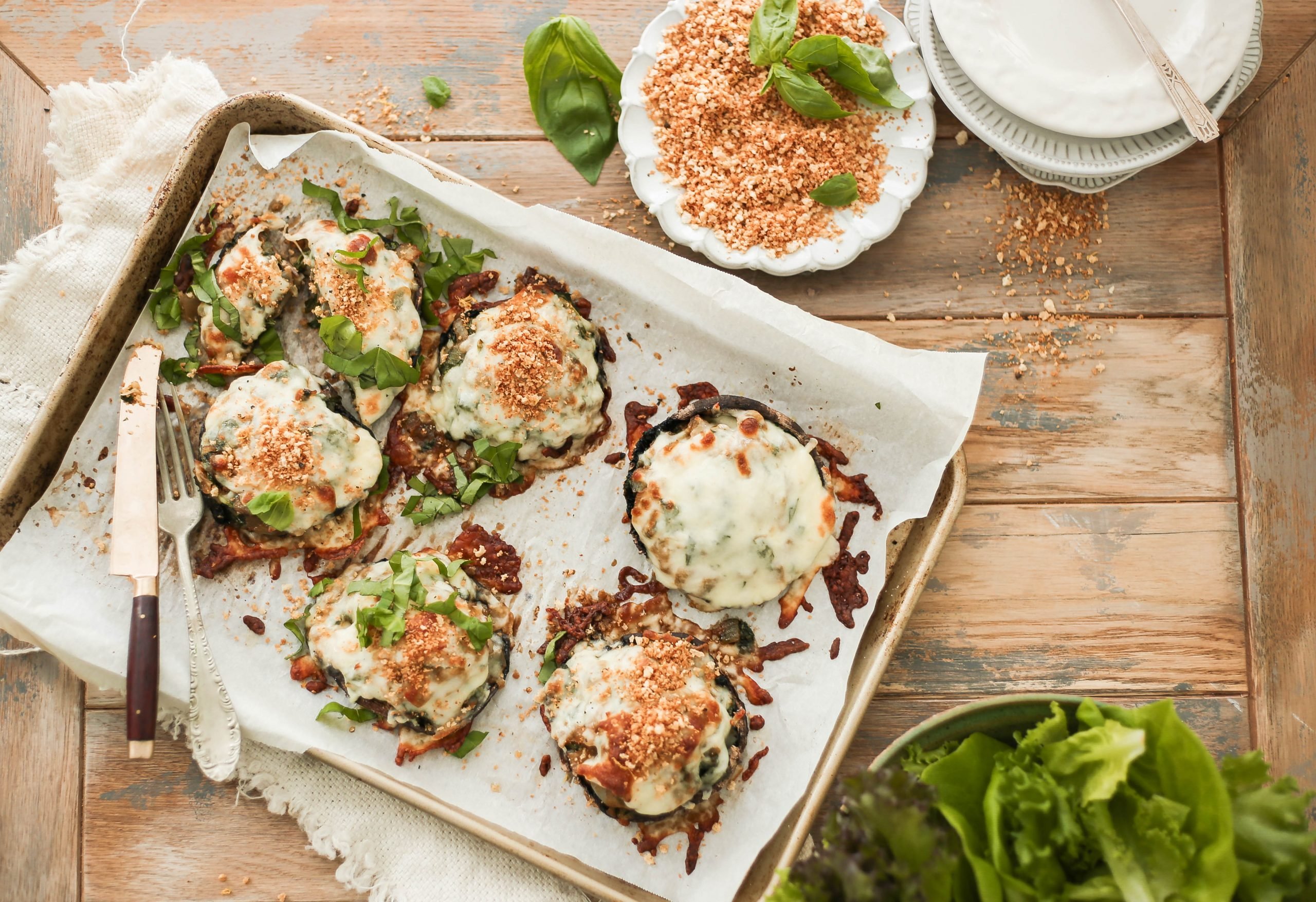
Stuffed Portobello Mushrooms with Caramelized Onions and Spinach_ plant based protein

Caramelized Onion and Spinach-Stuffed Portobello Mushrooms

Sure, any vegetarian has had their fair share of portobello mushrooms. But trust me: this is not at all like the rubbery, watery ‘shrooms of yore. It’s the mozzarella, parmesan, and crispy breadcrumbs that set this dish apart.

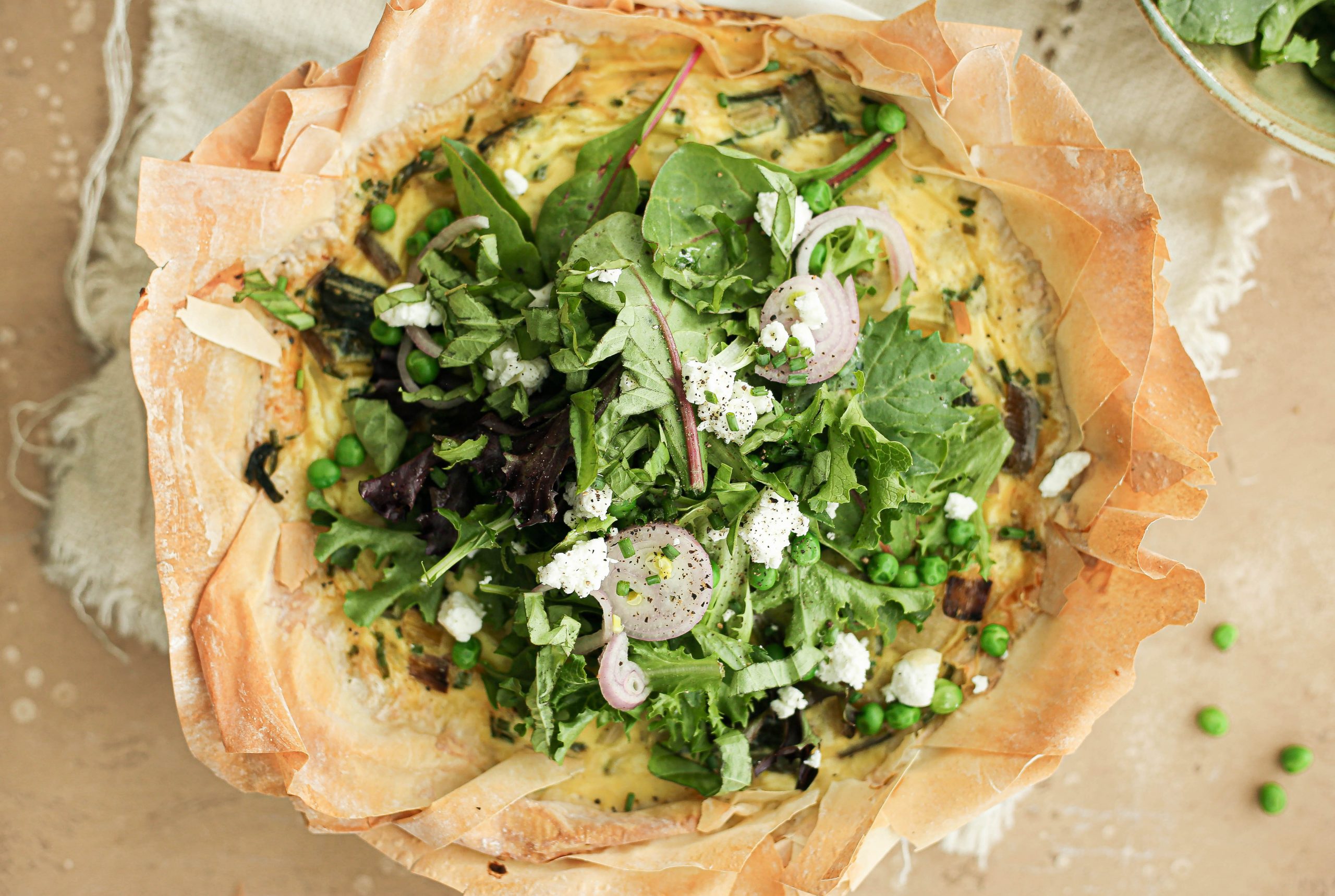
easy spring onion quiche

Spring Onion & Goat Cheese Quiche

Quiche: it’s not just for breakfast anymore. Satisfy your craving for a hearty meal with this low-carb everything-but-the-kitchen-sink vegetable quiche mixed with creamy goat cheese.

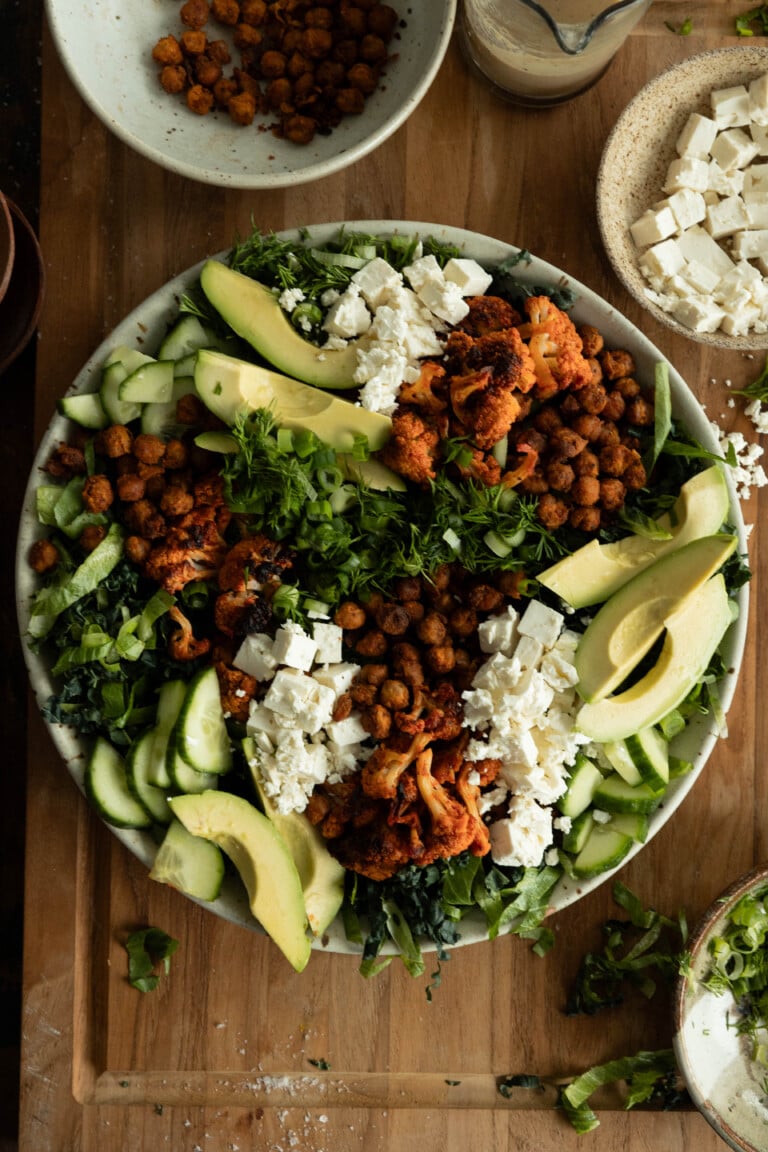
cauliflower salad

Smoky & Spicy Cauliflower Salad

This is my go-to lunchtime salad. The smoky and spicy cauliflower (hot sauce, honey, and paprika give it all the flavor) is so easy to prepare in advance. I simply reheat it in the air fryer, then toss it with the other salad components. Feta, chickpeas, and avocado help make this salad all the more satisfying.

al fresco happy hour with appetizers and mediterranean salad

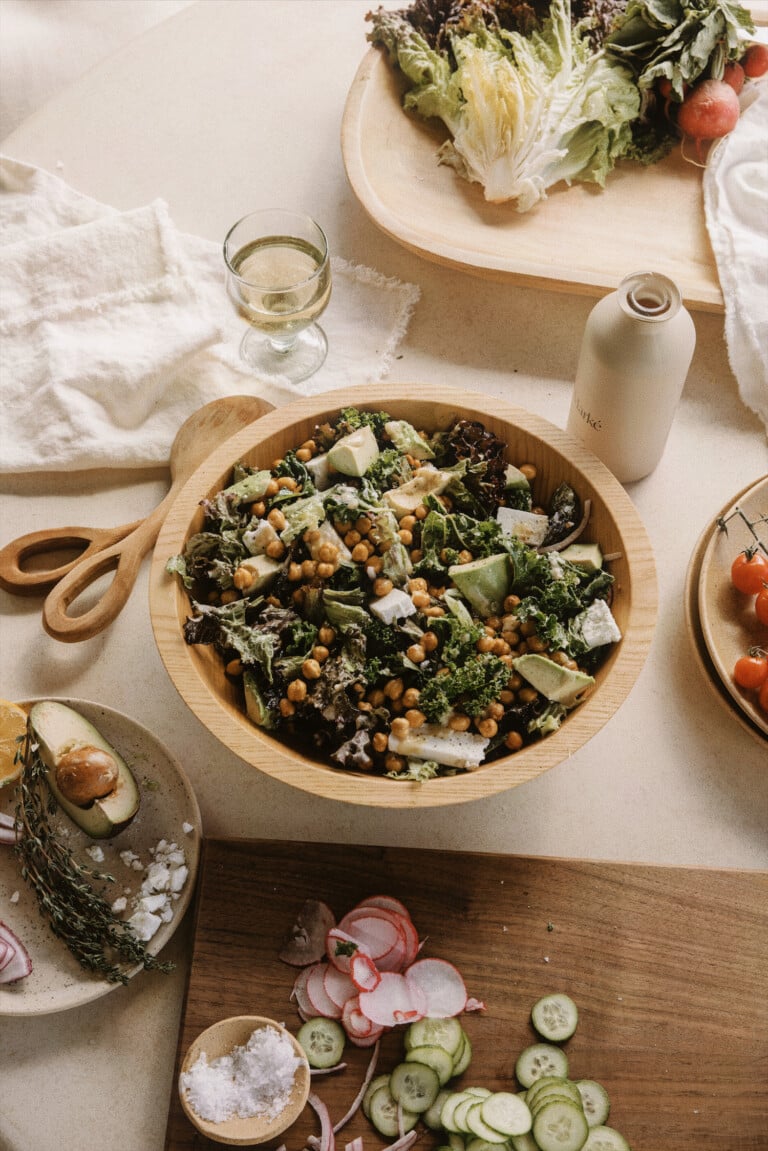
Mediterranean Kale Salad

If your salad game is looking a little bland, switch things up with this Mediterranean-inspired mix. Crunchy chickpeas, creamy avocado, and crisp greens—not to mention a whole block of feta. Yes, this is protein-packed perfection.

cilbir recipe

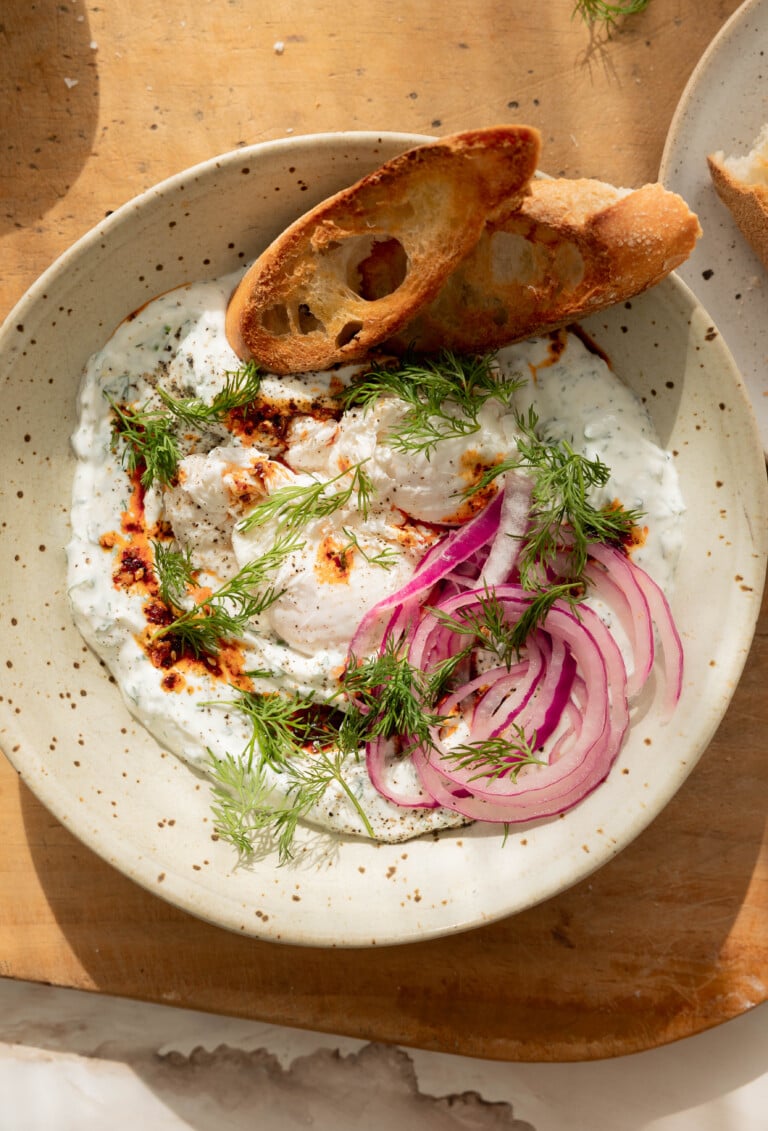
Spicy Turkish Eggs Breakfast Bowl

Turkish eggs are making their way across the social space, trending on all the platforms I find myself on. But these are more than a passing moment—they deserve a permanent spot in your breakfast and lunch rotation. A simple, spicy Greek yogurt base topped with perfectly-poached eggs. Obviously, a crunchy, toasty bread (take your pick) is the perfect utensil replacement.

green shakshuka

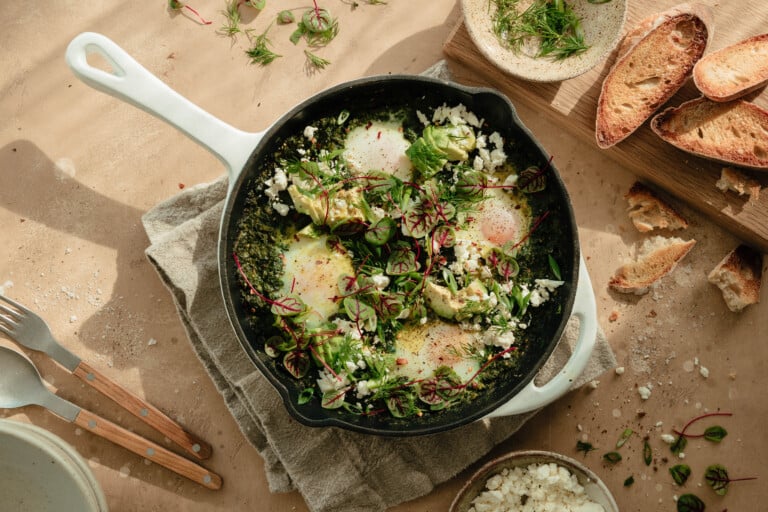
Green Shakshuka

Traditional shakshuka features a spicy, tomato-based sauce. But in the spirit of switching things up every so often, this version leans on spinach and cream for a vibrant, fresh-tasting spin. If your fridge needs a good clean-out, this is the recipe to make.

Avocado caprese salad_what I eat in a busy day

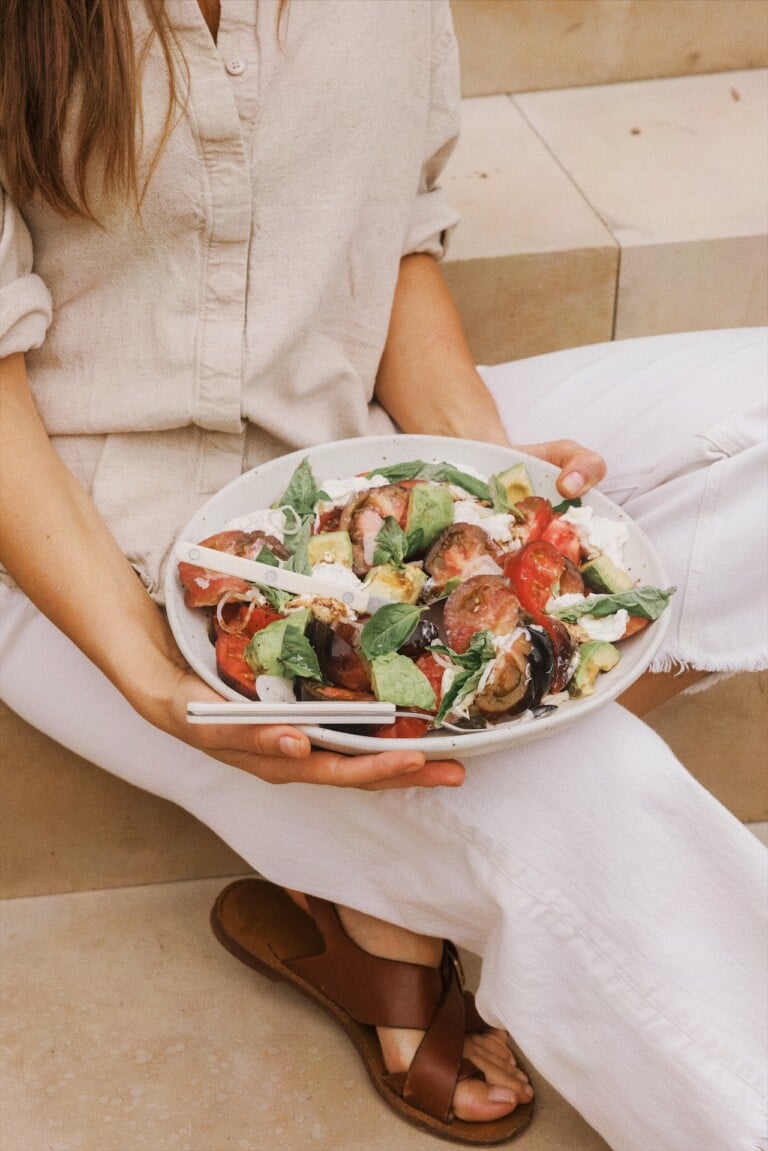
Avocado Caprese Salad

A gorgeous mix of perfectly ripe avocado, tomatoes at their peak, fresh-torn basil, and creamy burrata, all topped with a big pinch of flaky salt. This is caprese with the volume turned up—you’re going to love it.

Farmers market frittata

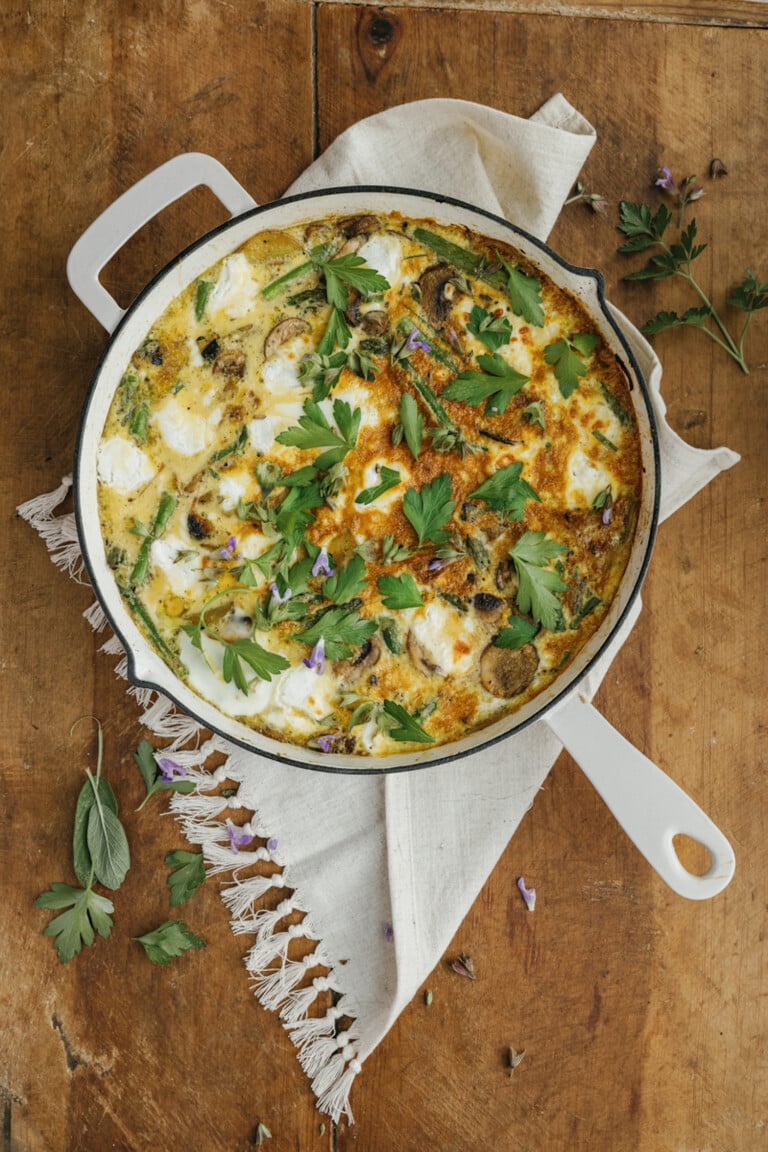
Asparagus, Potato, & Goat Cheese Frittata

Frittatas are the ultimate fridge clean-out recipe. Load up your pan with whatever veggies are on their last legs. In this recipe, it’s packed with plenty of spring veggies (think: mushrooms, baby potatoes, and onion) and finished off with creamy, tangy goat cheese. It’s a perfect breakfast, lunch, or dinner meal.

best summer salads

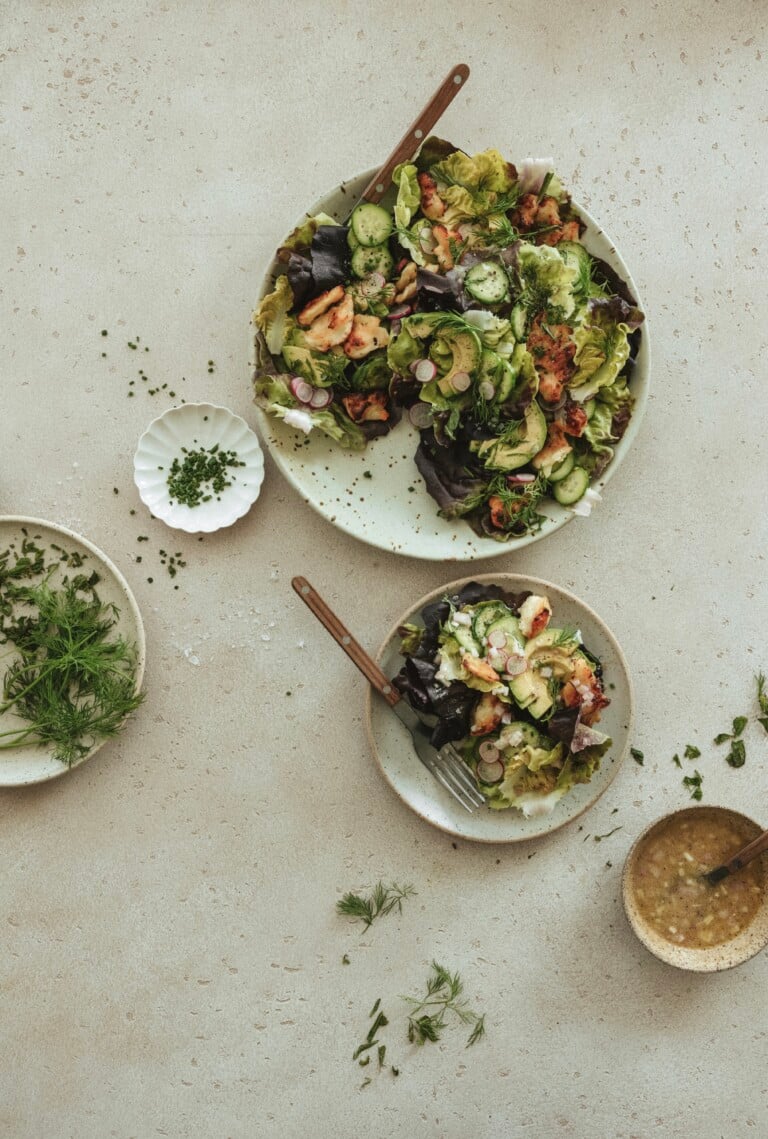
Crispy Torn Halloumi Salad

This salad has everything. Texture, color, and yes—protein. It’s a delicious lunchtime staple, combining creamy avocado, crisp and crunchy cucumber, and plenty of herbs.

watermelon salad on table_spicy watermelon feta salad

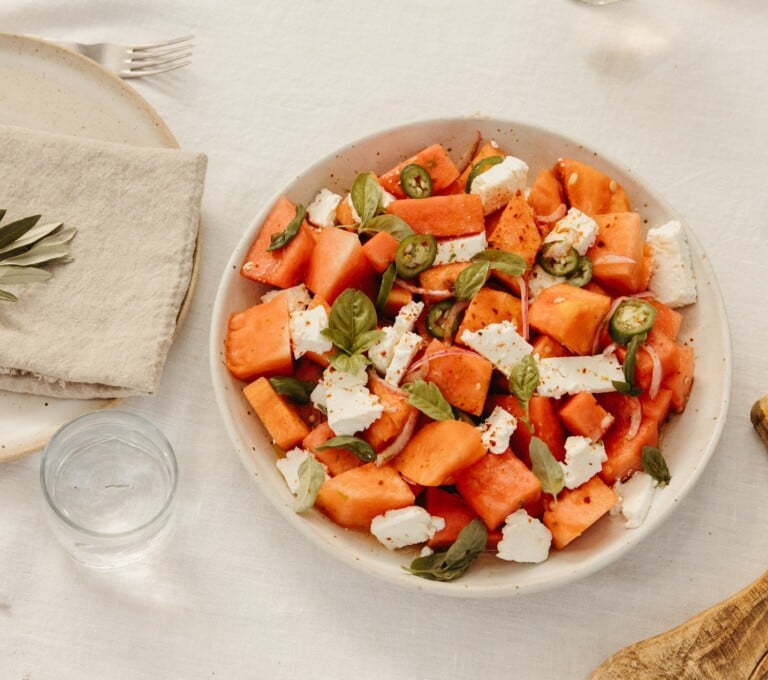
Spicy Watermelon Feta Salad

This super simple recipe gives all the romanticize-your-life, al fresco vibes. And though I’d recommend serving it alongside a more satisfying main, the feta gives a nice boost of protein for a well-rounded meal.

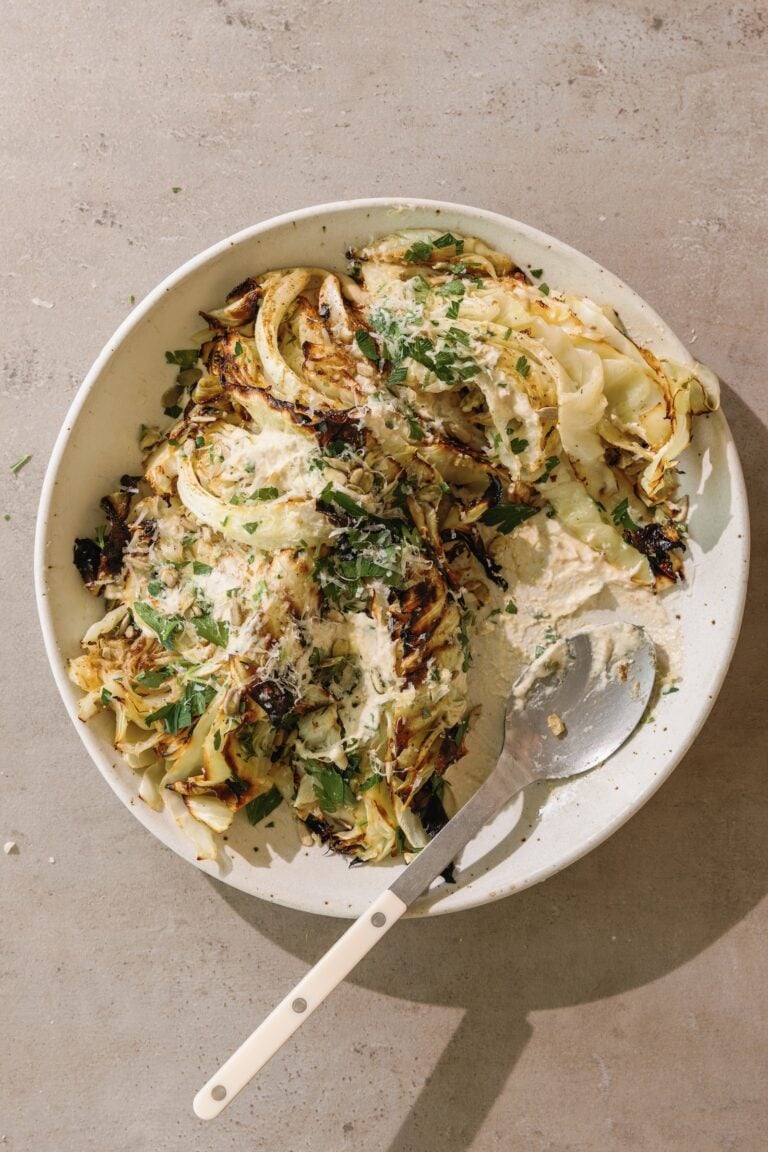
This Charred Cabbage With Cashew Cream

That’s right—cabbage is the newest “unsexy” veg we’re making cool again. Camille brilliantly roasts the cabbage until it’s caramelized and charred. It plays perfectly with the plant-based, tahini-laced cashew cream.

paneer tikka kebabs are the vegetarian side dish to bring to all your summer barbecues

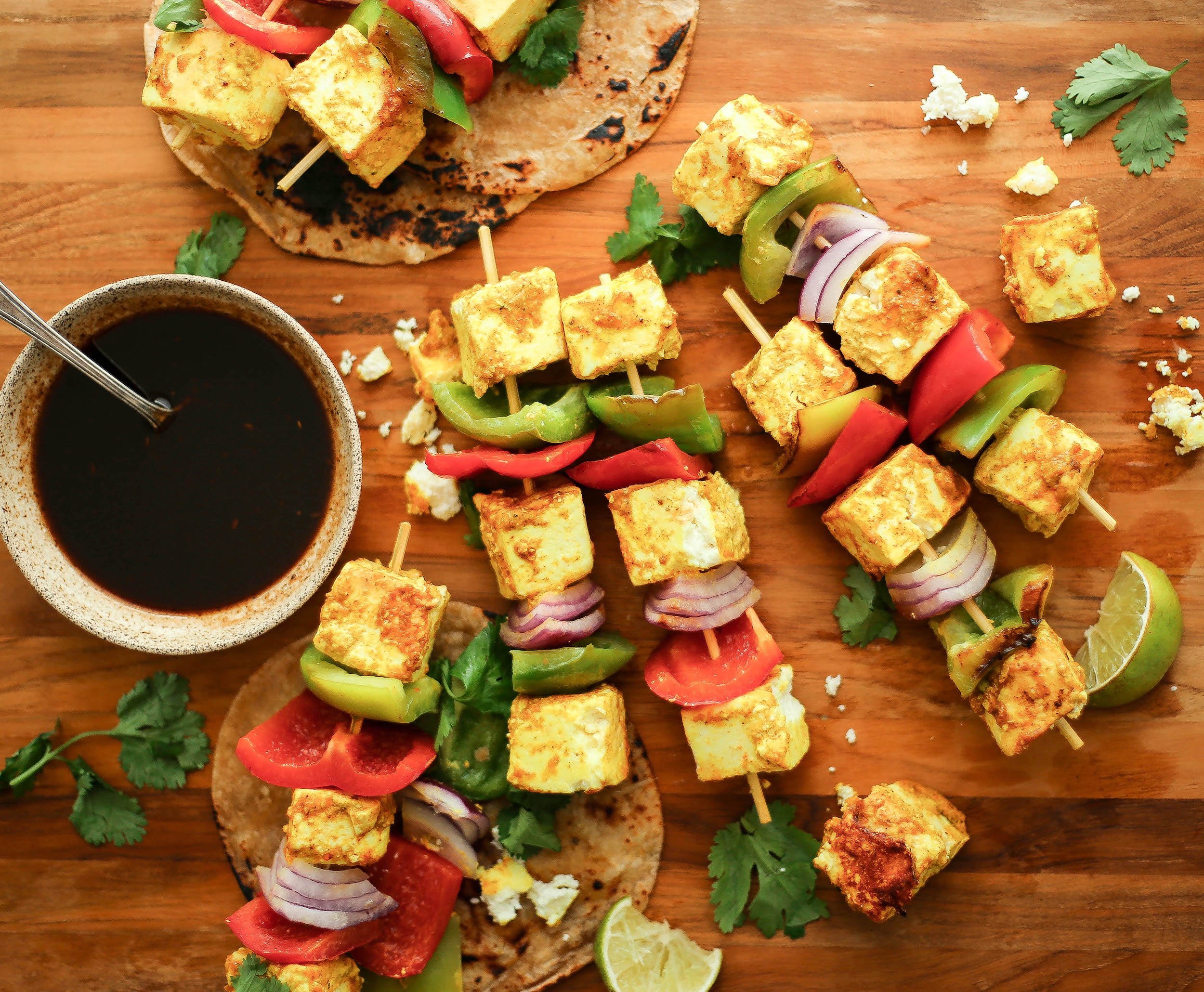
Paneer Tikka Kebabs

Think kebabs are just for summer outdoor hangs? Think again. These paneer tikka kebabs can be assembled quickly, and the garam masala, cumin, and chili powder add delicious, spicy interest. They’re tasty all year round.

This post was last updated on April 11, 2026, to include new insights.

The post 19 Vegetarian Recipes That Are Surprisingly High-Protein appeared first on Camille Styles.

  •  

Slow Cooker Chicken Chile Verde

Slow-Cooker Chicken Chile Verde

This easy, flavor-packed dinner can be assembled in the morning in your slow cooker so you have dinner waiting for you when you get home. The tomatillos cook down into a tangy stew that gets a kick of heat from jalapeño and canned green chilies, while the boneless skinless chicken thighs become tender and practically fall apart when you shred them. Serve the chili verde over a bed of steamed rice with your favorite toppings, or with warm tortillas for dipping. We like to top it with a dollop of Greek yogurt for added creaminess.

RD Tip

This is a recipe you can mold to your nutritional needs. You can alter the nutrition by intentionally choosing toppings — add avocados and Greek yogurt if you want to bump up the calories, or radishes if you want extra flavor and crunch without adding many calories. You can also add a can of white beans for extra protein and fiber (1).

Active time: 25 minutes | Total time: 4–6 hours, 25 minutes

Slow Cooker Chicken Chile Verde

Ingredients

  • 2 tbsp olive oil
  • 1 1/2 lb (680g) tomatillos, husks removed and halved or quartered, if large
  • 1 small yellow onion, finely diced
  • 5 garlic cloves, smashed
  • 1 jalapeño, seeded and minced
  • 1/4 cup cilantro leaves, finely chopped
  • 1 4-oz. can chopped green chiles
  • 1 tsp cumin seeds
  • 1/2 tsp salt
  • 1/2 tsp black pepper
  • 1 1/2 lb (680g) boneless, skinless chicken thighs
  • 2 tbsp fresh lime juice, plus more as needed

Directions

In the insert of a 5–7-quart slow cooker, heat the oil on the sauté setting until shimmering. If your slow cooker does not have a sauté setting, heat the oil in a large nonstick skillet over moderately high heat, then transfer the contents to the slow cooker before proceeding.

Add the tomatillos and cook, stirring occasionally, for 8–10 minutes, until they begin to brown and soften. Add the onion, garlic, jalapeño, cilantro, green chiles, cumin seeds, and ½ cup water and stir to combine. 
Season the chicken thighs all over with salt and pepper and nestle them into the tomatillo mixture. Cover and cook on high for 2-3 hours or on low for 4-6 hours, until the chicken is very tender and pulls apart easily.
Transfer the chicken to a cutting board and let rest for 10 minutes. Using two forks, shred the meat into bite-size pieces. 

Meanwhile, use the back of a large spoon or an immersion blender to mash or partially blend the tomatillos to your desired consistency. Stir the shredded chicken back into the sauce along with the lime juice and season with additional salt, pepper, and lime juice as needed.

Serve with your desired toppings and sides.

Serves: 6 | Serving Size: 1 1/2 cups

Nutrition (per serving): Calories: 234; Total Fat: 11g; Saturated Fat: 2g; Monounsaturated Fat: 5g; Polyunsaturated Fat: 2g; Cholesterol: 107mg; Sodium: 379mg; Carbohydrate: 11g; Dietary Fiber: 3g; Sugar: 6g; Protein: 24g

Nutrition Bonus: Calcium: 3%; Iron: 11%; Potassium: 690mg; Vitamin A: 5%; Vitamin C: 33%

Originally published: February 5, 2021; Updated May 2026

The post Slow Cooker Chicken Chile Verde appeared first on MyFitnessPal Blog.

  •  
❌