In tonight's edition, two people reportedly die in Kenya during protests over a planned quarantine center for US nationals. Also, Kenyans march under banners bearing the names of hundreds of murdered women. And Beninese creators are turning to digital games to help young people explore their cultural heritage in new ways.
Tedros Ghebreyesus arrived in Kinshasa ahead of a planned visit to the eastern province of Ituri, the epicentre of the outbreak. We speak to an investor that returned to Congo to grow chillis. And finally the Caen Memorial, in France is presenting an exhibition dedicated to sub-Saharan Africa, its history, and its artists.
Paris meeting draws up proposals and calls for urgent diplomacy towards two-state solution at summit next week
Palestinian and Israeli civil society groups meeting in Paris on Friday have urged G7 leaders to act at their summit in the French spa town of Évian-les-Bains next week to save the narrowing chances of a two-state solution.
The groups called for specific action on enforcing a ceasefire, disarming Hamas and starting reconstruction in Gaza, and said the various peace processes including the Board of Peace initiative should be integrated into one programme.
Canal+ began trading on the Johannesburg Stock Exchange (JSE) on Wednesday as a secondary listing, fulfilling a local regulatory commitment tied to its acquisition of pan-African media and entertainment company MultiChoice Group last year. Under the move, Canal+ becomes the first ever French company to list on the JSE, with the entry giving local investors […]
Netanyahu acknowledges pause in fighting in TV speech but vows forceful response to future attacks
Fears of a return to a full-scale regional war in the Middle East eased on Monday as Israel and Iran said they had halted attacks on each other after an appeal from Donald Trump to “immediately stop shooting”.
Benjamin Netanyahu, Israel’s prime minister, acknowledged the halt in fighting with Iran in a televised speech, but vowed to respond “with force” to future attacks.
Tedros Adhanom Ghebreyesus, the head of the World Health Organization, said Thursday that the Ebola outbreak in the Democratic Republic of Congo, which has killed more than 200 people, can still be contained despite conflict in the country's east. He also urged armed groups to declare a ceasefire as aid and medical support continue to arrive.
This live blog is now closed. For the latest, read more of our coverage on the Middle East conflict here.
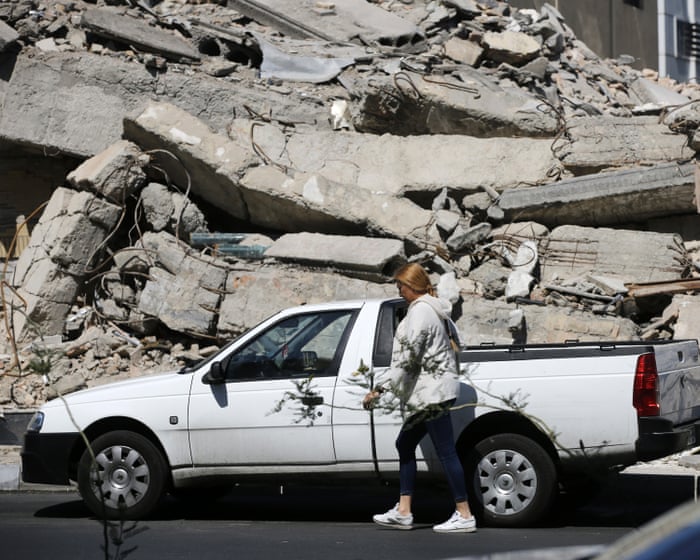
Iranian media is reporting that there were no immediate casualties following apparent Israeli strikes on the Karun petrochemical plant in Mahshahr, a city in Iran’s southwestern Khuzestan province.
According to the Fars news agency, Iran’s Revolutionary Guards said they responded to what they described as an American-Israeli strike on the Iranian petrochemical site by launching a missile attack on a similar plant in the northern Israeli city of Haifa.
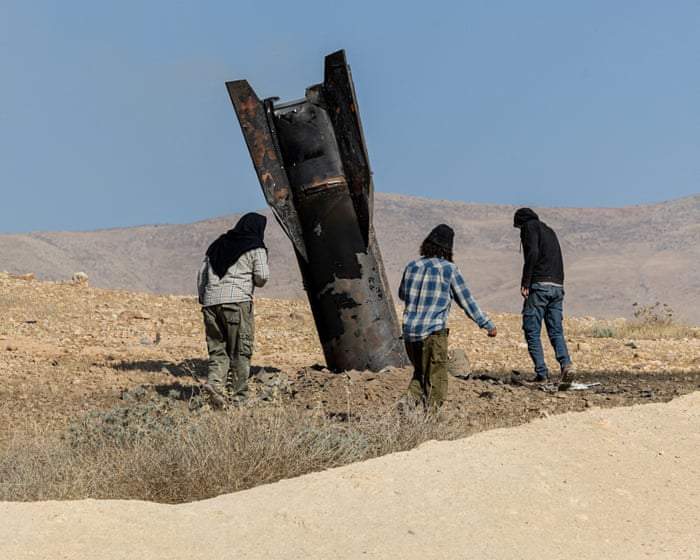
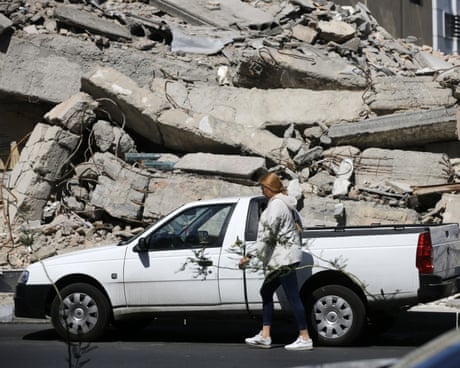
The US has launched strikes against Iran after Donald Trump blamed Tehran for downing a US army helicopter near the strait of Hormuz, imperilling a shaky ceasefire that was announced by the two countries in April.
The attacks triggered a wave of retaliatory strikes from Iran on Wednesday morning, with Tehran saying it had targeted Kuwait, Bahrain and Jordan.
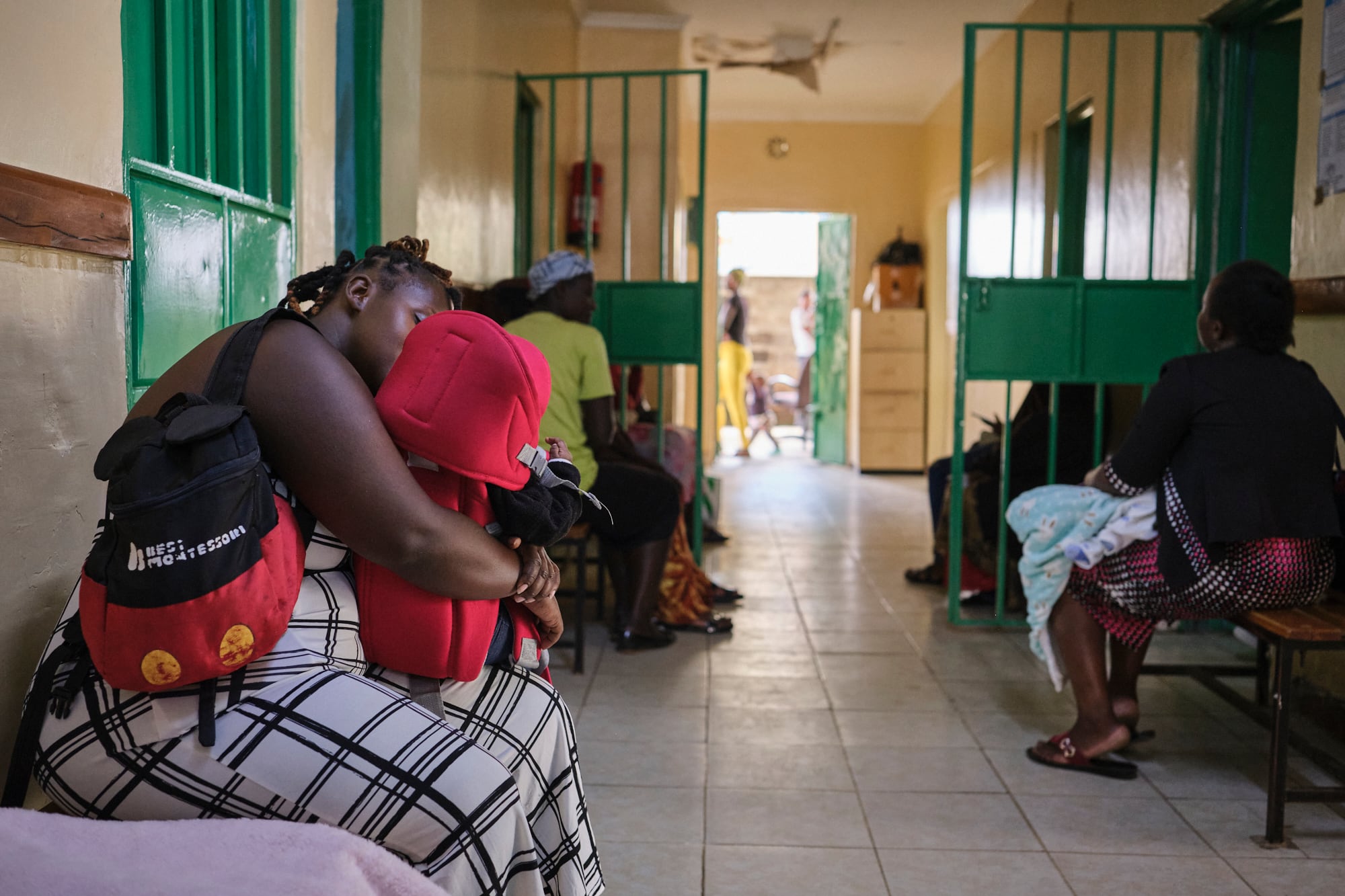
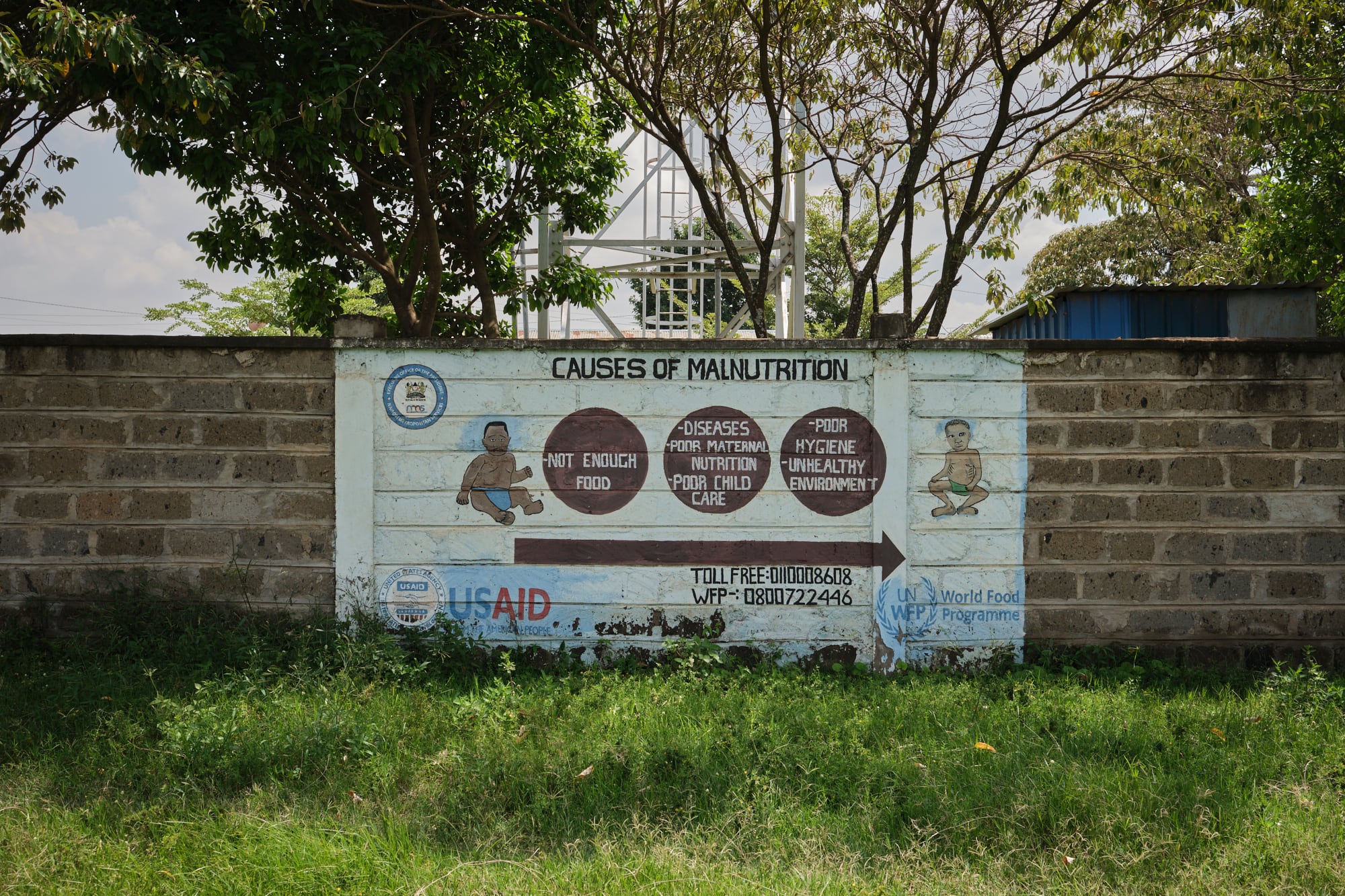
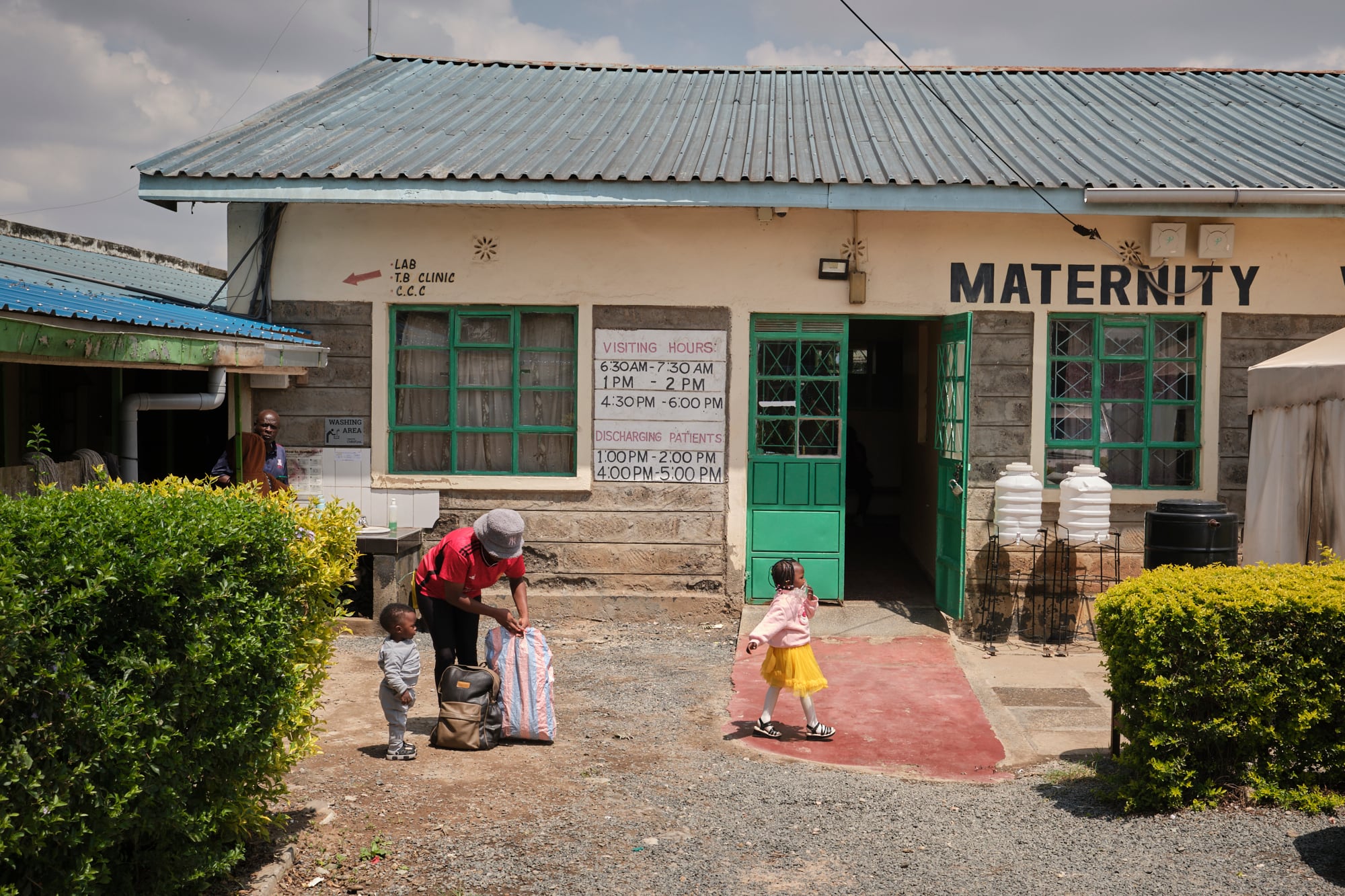
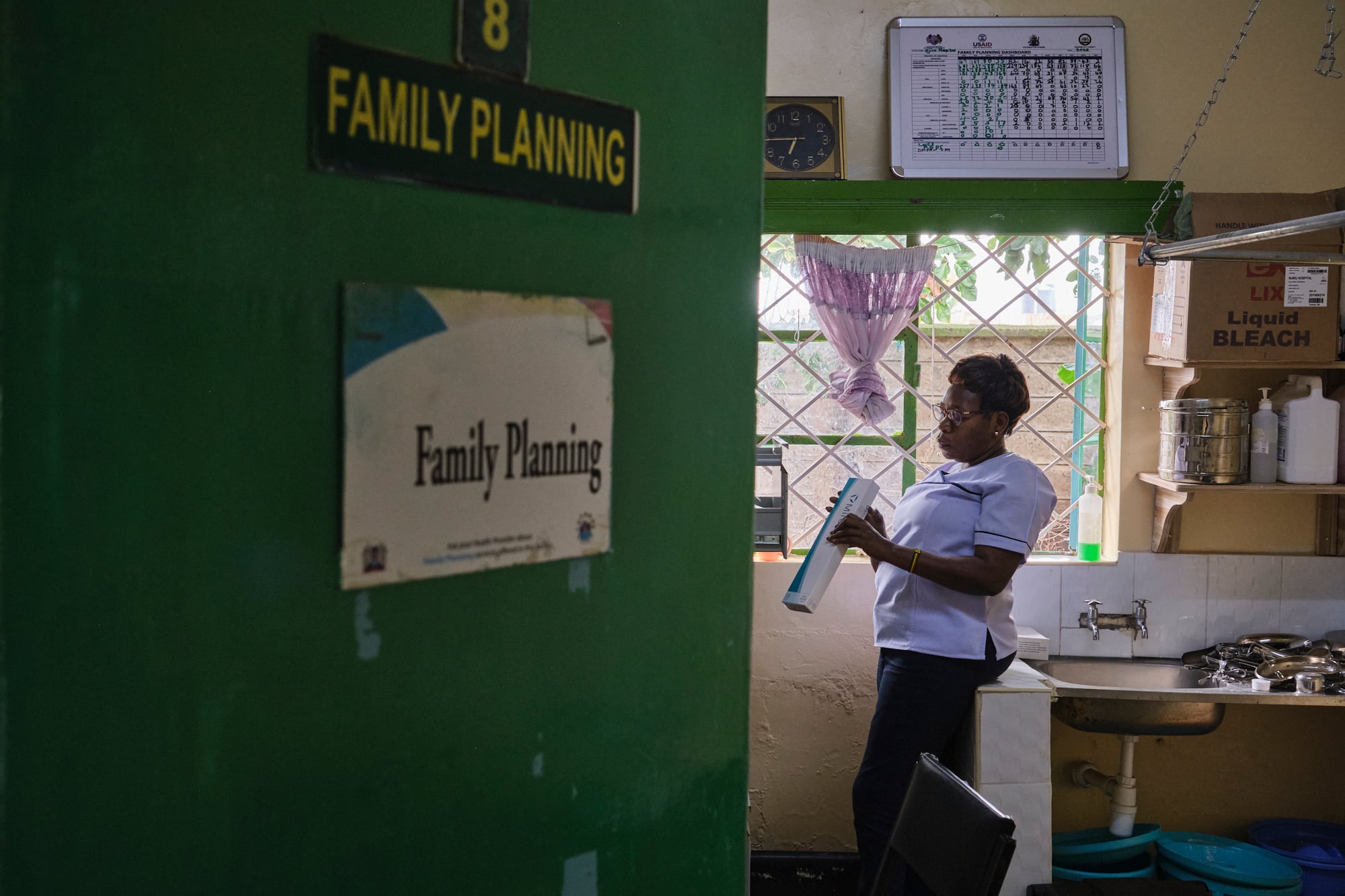
In a huge warehouse in Geel, Belgium, $9.7 million in contraceptives have been locked up since early 2025. Some 77% of the shipment from the United States Agency for International Development (USAID) was destined for about 10 African countries, including Kenya, Nigeria, the Democratic Republic of Congo and Mali. But when Donald Trump’s administration dismantled the world’s largest development aid organization, these medicines were left stranded, destined either to be destroyed or to expire box by box. About 5,800 miles south of Belgium, in Nairobi, the capital of Kenya, Jane Anyongo, Violet Mosomi, Salma Kamau, and hundreds of thousands of women are still waiting for their pills, condoms, subdermal implants, intrauterine devices, and other sexual and reproductive health supplies.
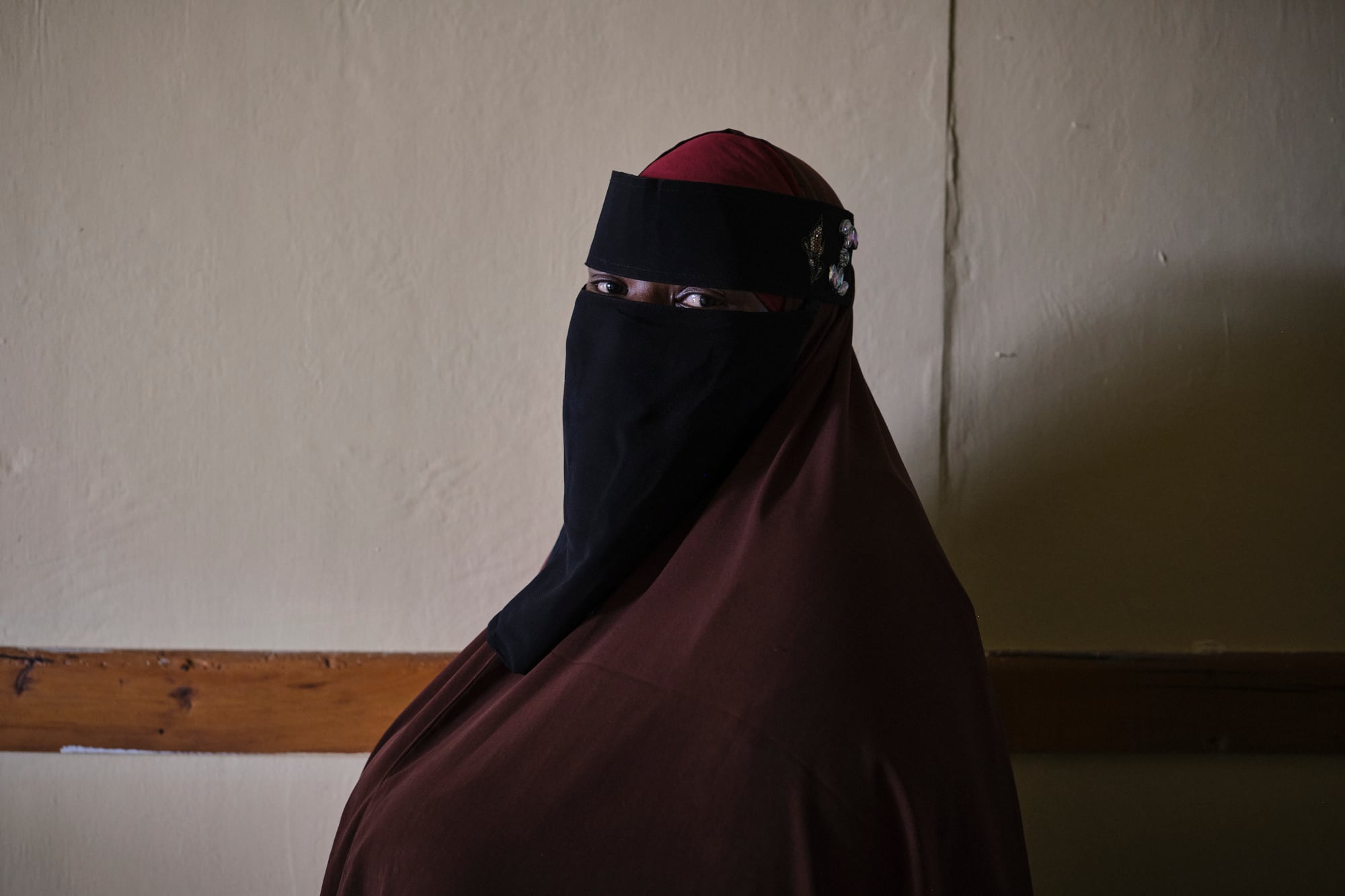
Salma* (32, Nairobi) is another woman affected by the shortage of contraceptives in Kenya. She wants to switch to a copper IUD, but there isn’t enough stock at the Njiru health center.
This blog has now closed – our coverage of this crisis in the Middle East continues here
If the US genuinely wants a deal it will have to engage with Iranian demands on sanctions relief, says Danny Citrinowicz, the former head of the Iran branch of Israeli military intelligence.
Today’s exchange of strikes shows how easily both Iran and the US can slide towards another round of escalation, says Citrinowicz, who is now a nonresident fellow at the Atlantic Council.
If Washington is unwilling to accept that reality, it should recognize the likely alternative: continued confrontations with Iran that could eventually spiral beyond anyone’s control and lead to military conflict under less favorable conditions.
Even a limited military campaign designed to weaken Iran would not fundamentally alter Tehran’s negotiating position. It has not happened in the past, and there is little reason to believe it would happen now. Iran emerges from the latest exchange of blows convinced that it can absorb pressure and respond to attacks.”
Legal and moral responsibility of all countries in the region (especially those located along the southern shores of the Persian Gulf) to prevent the US military and Israel from using their territory or facilities to plan, organise, execute, or support hostile actions against Iran.
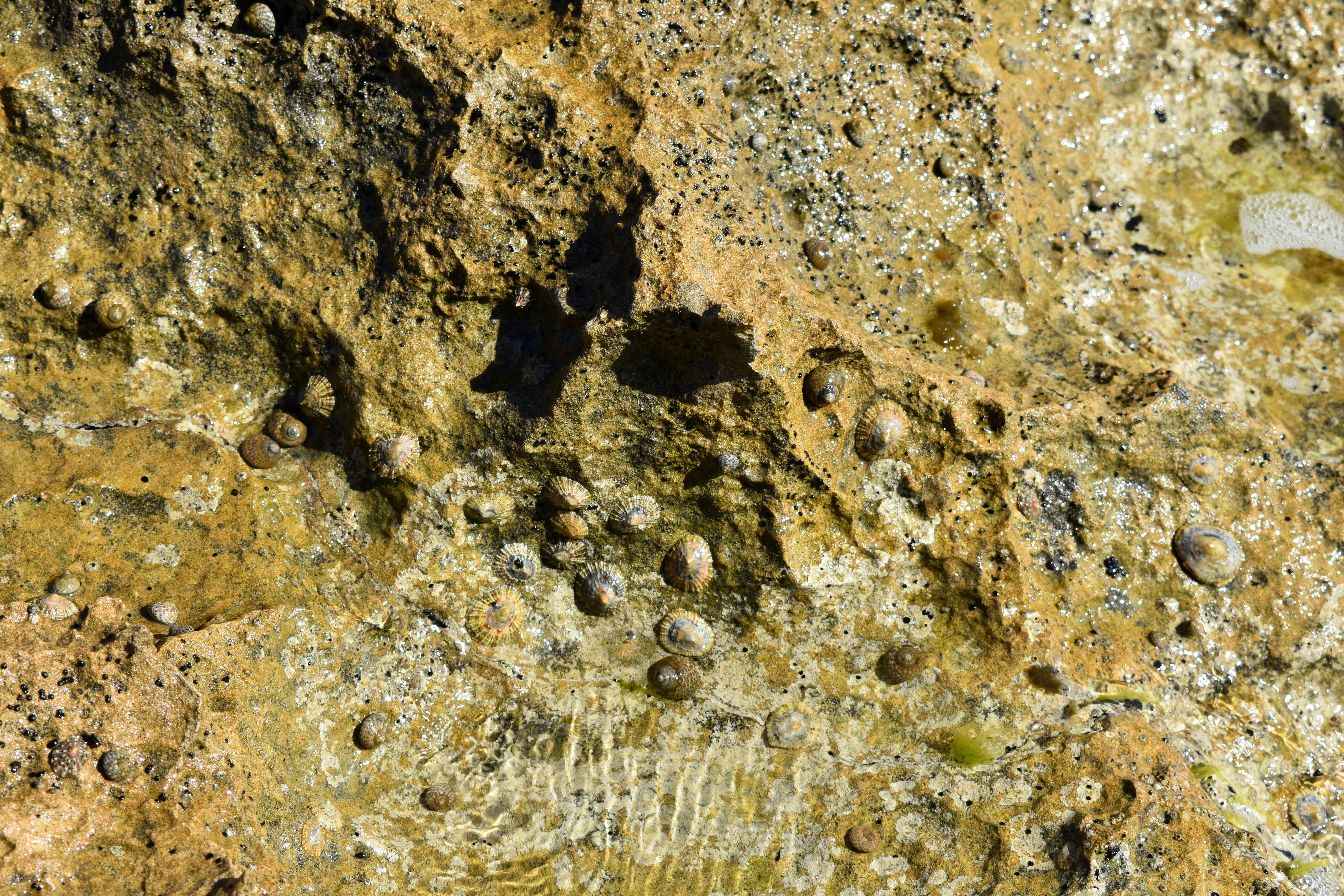
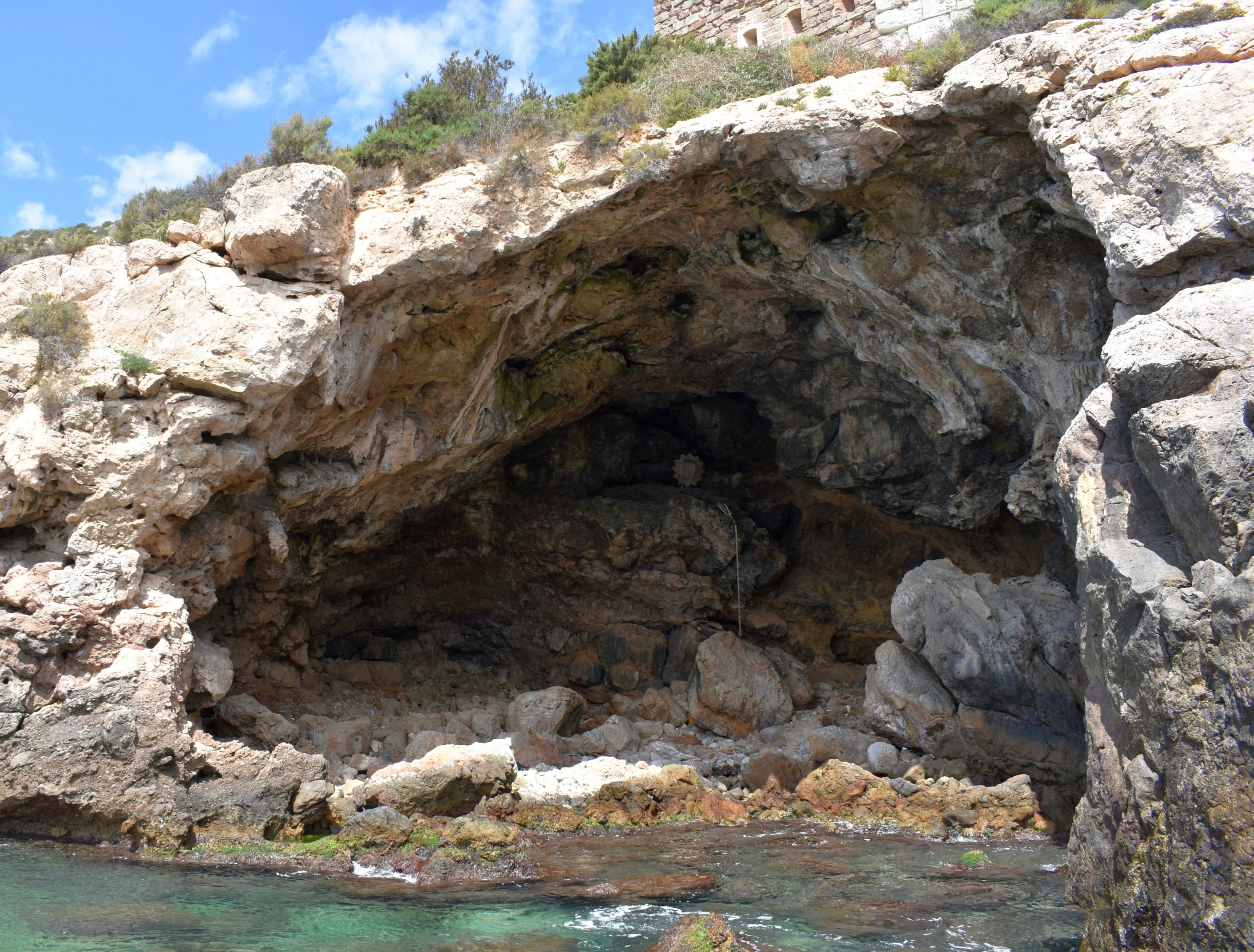
There was a time when researchers doubted that Neanderthals liked the beach. There was no trace of them in marine environments. It was suggested then that these were more complex ecosystems, requiring skills that only Homo sapiens, modern humans, possessed. Several studies have dismantled this ethnocentrism: Homo neanderthalensis had been feeding from the sea for many millennia before Homo sapiens arrived in Europe. Now, a new study published in PNAS shows that, around 115,000 years ago, in a Mediterranean cave, they used strategies that Homo sapiens would employ much later, such as gathering mollusks in the colder months, when the risk of contamination was minimal and their flavor at its peak.

 Login
Login