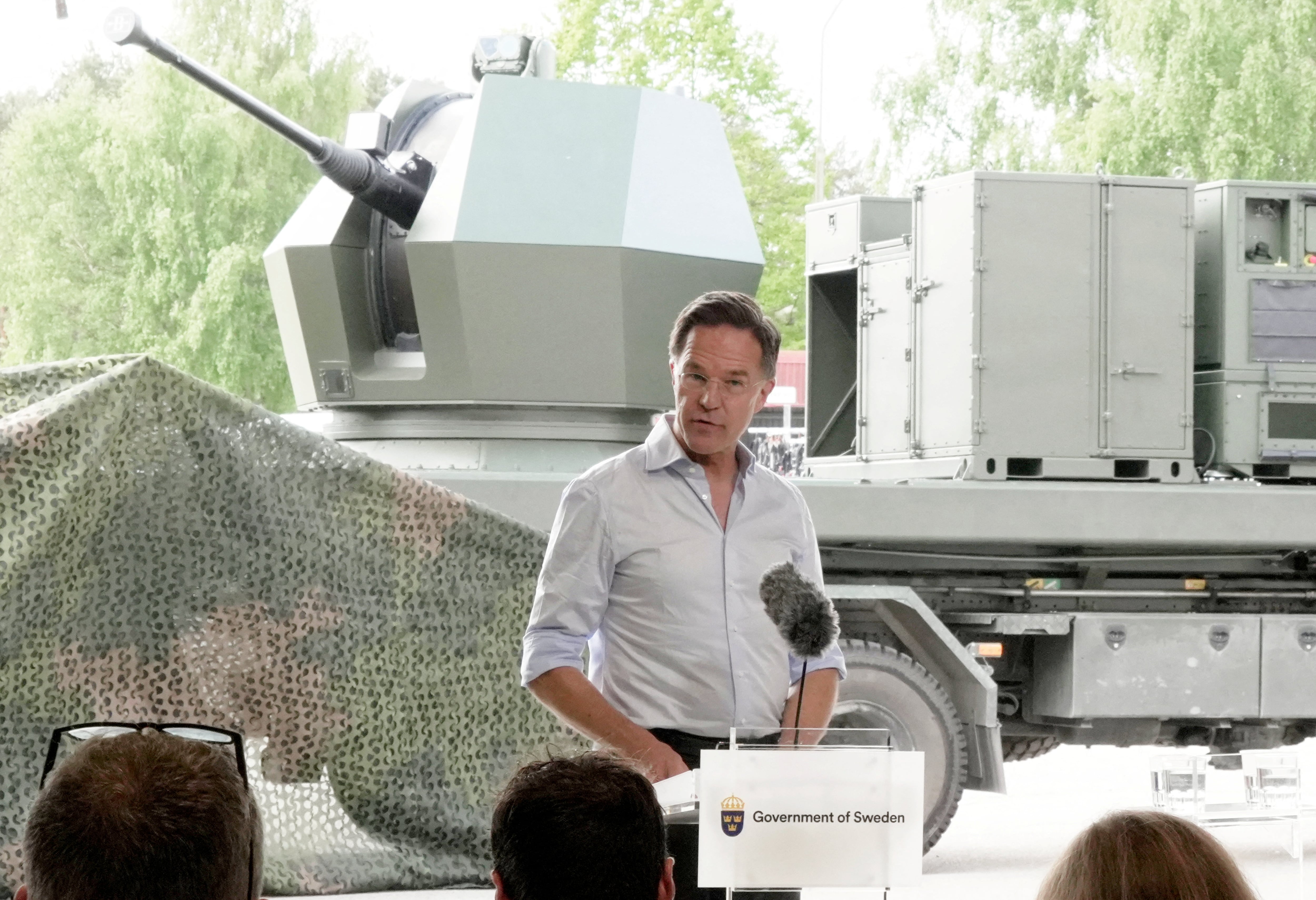
Donald Trump’s decision to withdraw thousands of U.S. troops from Germany, review a planned deployment to Poland, and freeze a project to station Tomahawk missiles on German soil has set off alarm bells in European capitals. In the Old Continent, fears are growing that those moves could be the first step toward a structural reconfiguration of NATO — or even a deeper U.S. pullback within the alliance.
I usually get tired of Netflix shows very quickly because a lot of them are not properly built around the story they’re trying to tell. The ending is always like the writers are trying to stretch a simple thing into eight hours. That is why I almost completely stopped trusting the hidden gem label attached to most shows. Because I think most of the time, those shows are forgotten for a reason.
They are teenagers, or young adults barely over the age of 20, but above all, far-right radicals who dream of “Day X,” the day it all begins, the day they will massacre immigrants. Germans who go to school, attend training programs, or work — far removed from the neo-Nazi stereotype of skinheads in bomber jackets — and who then immerse themselves in far-right extremist movements that speak of a “pure people,” downplay the Holocaust, and hate migrants, but now also direct their anger at feminists and the LGBTQ+ community. German investigative journalist Angelique Geray, 33, decided to infiltrate these groups between 2024 and 2025 to understand how they become radicalized. “I wanted to find out why right-wing extremism is once again presenting itself as a kind of cult or youth trend,” she explained earlier this month in a cafe in southern Berlin after publishing her experience in a book titled Undercover unter Nazis (Undercover Among Nazis).
Chinese espionage in the European Union and neighboring countries reveals its full scope when certain pieces are connected. The May 20 arrest in Germany of a German couple of Chinese origin who were taking military-technology information from universities is a particularly notable case. But it is only one of many. The episode exposes a strategy of large-scale, coordinated infiltration when placed alongside other arrests in EU member states and neighboring countries. In total, around 30 agents and collaborators have been uncovered in Europe and its vicinity in just the past two years; some were arrested, several expelled, and others are awaiting trial. China typically denies all espionage allegations and describes them as slander.
Jian G., a German citizen and assistant to far-right MEP Maximilian Krah (of AfD), last September at the Dresden court where he was sentenced to four years and nine months in prison for spying for China.
The European Future Combat Air System (FCAS), a joint project led by France and Germany with participation from Spain, has failed because of disagreements between Airbus, the German representative, and Dassault, the French firm. It was the most ambitious European project at a time when the EU says it wants to increase and coordinate military spending to develop shared defense technologies, programs, and platforms — like the one that collapsed on Monday, June 8. What happened with FCAS casts doubt on whether Europe can ever reconcile national sovereignty with the demands of building next-generation, complex weapons systems, at a moment when the EU is trying to bolster its defense sovereignty and the United States is beginning to withdraw its security umbrella. It also adds pressure and lessons for other projects trying to move forward.

 Login
Login