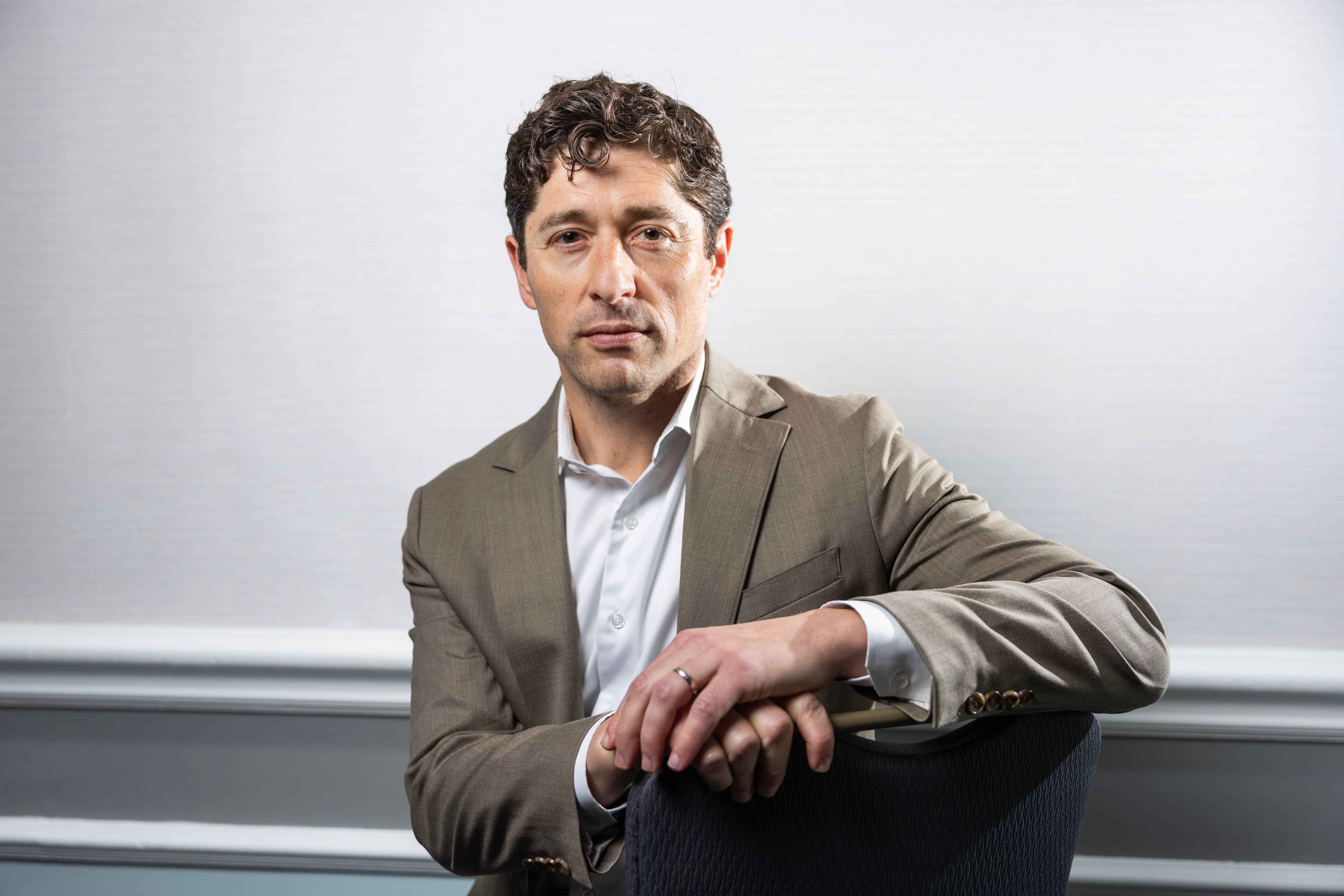
Six months ago, Jacob Frey, 44, went from being mayor of Minneapolis to governing an occupied city. Between 3,000 and 4,000 agents from Immigration and Customs Enforcement (ICE), dispatched by Donald Trump, descended on the state of Minnesota in December of 2025. This was under the pretext of combating fraud within the burgeoning local Somali community. Seguir leyendo
Six months ago, Jacob Frey, 44, went from being mayor of Minneapolis to governing an occupied city. Between 3,000 and 4,000 agents from Immigration and Customs Enforcement (ICE), dispatched by Donald Trump, descended on the state of Minnesota in December of 2025. This was under the pretext of combating fraud within the burgeoning local Somali community.
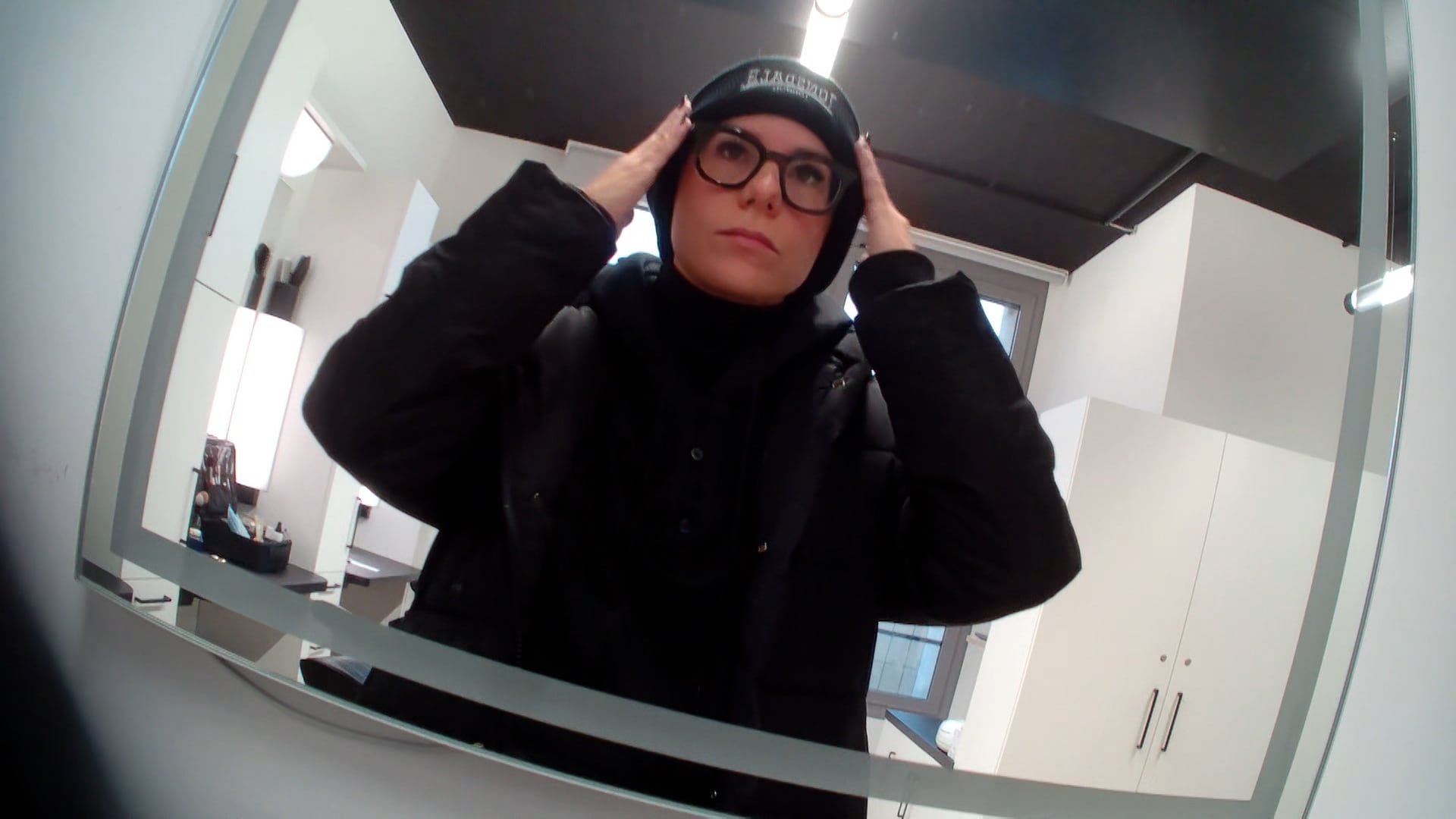
They are teenagers, or young adults barely over the age of 20, but above all, far-right radicals who dream of “Day X,” the day it all begins, the day they will massacre immigrants. Germans who go to school, attend training programs, or work — far removed from the neo-Nazi stereotype of skinheads in bomber jackets — and who then immerse themselves in far-right extremist movements that speak of a “pure people,” downplay the Holocaust, and hate migrants, but now also direct their anger at feminists
They are teenagers, or young adults barely over the age of 20, but above all, far-right radicals who dream of “Day X,” the day it all begins, the day they will massacre immigrants. Germans who go to school, attend training programs, or work — far removed from the neo-Nazi stereotype of skinheads in bomber jackets — and who then immerse themselves in far-right extremist movements that speak of a “pure people,” downplay the Holocaust, and hate migrants, but now also direct their anger at feminists and the LGBTQ+ community. German investigative journalist Angelique Geray, 33, decided to infiltrate these groups between 2024 and 2025 to understand how they become radicalized. “I wanted to find out why right-wing extremism is once again presenting itself as a kind of cult or youth trend,” she explained earlier this month in a cafe in southern Berlin after publishing her experience in a book titled Undercover unter Nazis (Undercover Among Nazis).
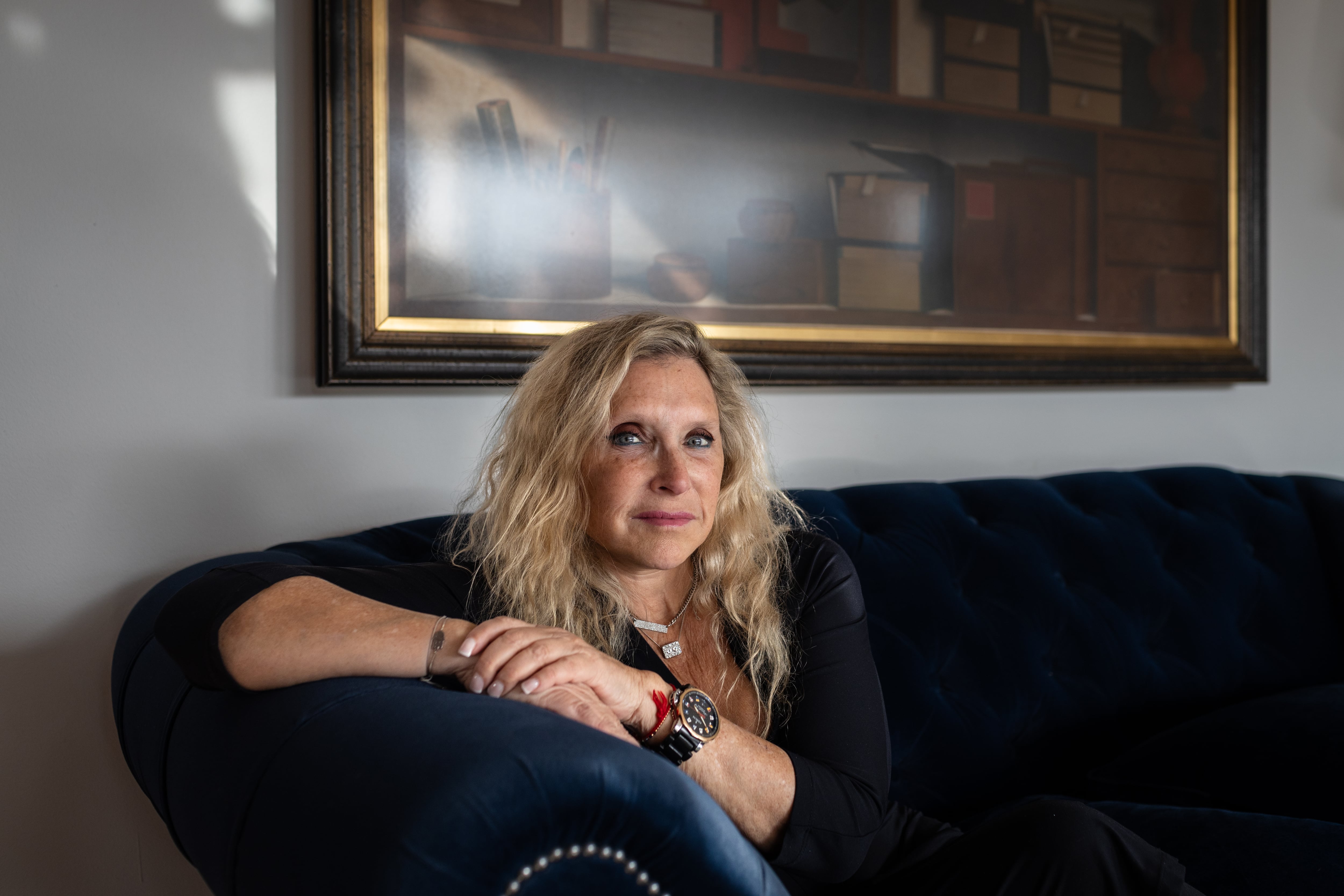
“The painting found me.” That is how Deborah Zoellner (Santiago, Chile, 1963) sums up the beginning of her search for her family’s artworks, stolen during the years of Nazism in Europe. It was in 2000 when Zoellner, a descendant of a prominent German-Jewish family, received a surprise call from the Netherlands informing her that a painting in a museum in the Dutch city of Groningen had belonged to her paternal grandmother, Elsbeth Isaac, and therefore belonged to her heirs. The work was a painti
“The painting found me.” That is how Deborah Zoellner (Santiago, Chile, 1963) sums up the beginning of her search for her family’s artworks, stolen during the years of Nazism in Europe. It was in 2000 when Zoellner, a descendant of a prominent German-Jewish family, received a surprise call from the Netherlands informing her that a painting in a museum in the Dutch city of Groningen had belonged to her paternal grandmother, Elsbeth Isaac, and therefore belonged to her heirs. The work was a painting by the German artist Max Liebermann (1847–1935) titled Düne bei Nordwijk mit Kind (Dune near Noordwijk with a child), which Elsbeth, along with a number of valuable possessions, had entrusted in 1940 in Amsterdam to a confidant when she decided to leave for the United States in the face of the advancing Nazi threat and persecution of Jews, but which she never recovered after the end of World War II (1939–1945).

 Login
Login