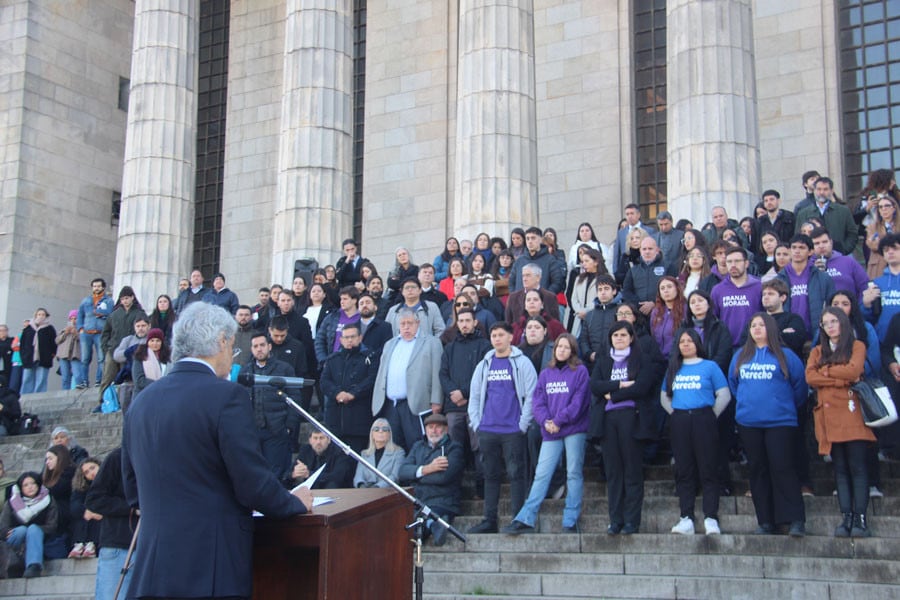
On Avenida Córdoba, one of Buenos Aires’ busiest avenues, one lane remains closed. With desks set up on the asphalt, about 50 economics students listen to a professor who, while sketching on a plastic whiteboard, tries to rise above the noise of cars and buses. The same scene was repeated this Monday on different streets and squares in the Argentine capital, as well as in other cities across the country.
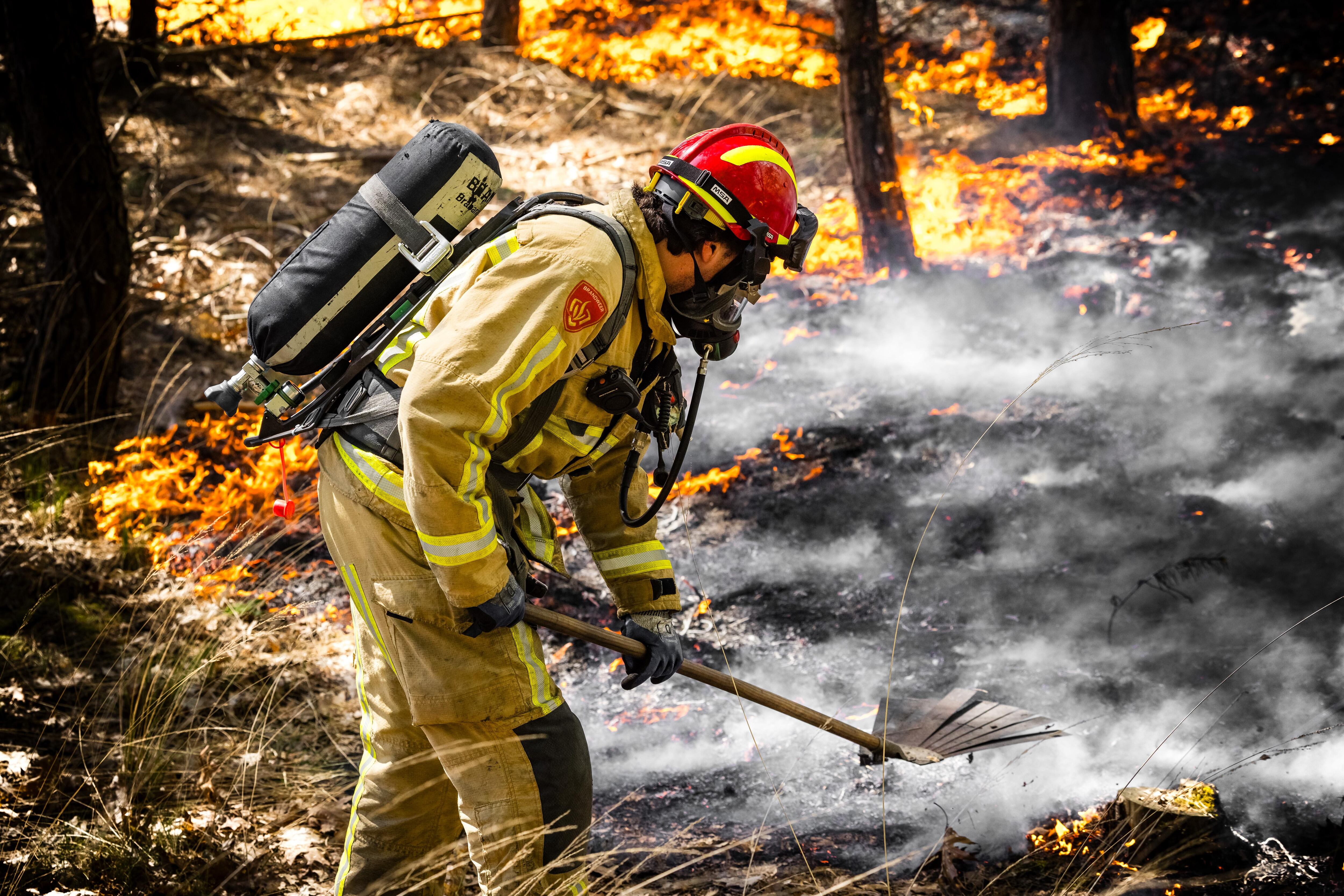
The first half of 2026 has already provided clues that this will be another record-breaking year linked to global warming, according to scientists and meteorological organizations. These signs range from wildfires across the planet to high ocean surface temperatures and record-low levels of Arctic sea ice. Scientists anticipate a second half of the year with even higher than normal temperatures due to the onset of El Niño, a natural climate pattern that increases surface water temperatures in the tropical Pacific, ultimately impacting the entire globe. Several experts are already pointing to a high probability that 2026 will end as the second-warmest year on record, or even exceed the previous mark set in 2024.
The future of Humberto Cruz, one of the San Diego Padres’ top pitching prospects, has become clouded in a matter of months. In November, he pleaded guilty to participating in a human smuggling operation in Arizona and then self-deported to his native Mexico, putting his budding Major League Baseball career on hold. His case is the latest to highlight the complex operations of human smuggling networks, operated by so-called coyotes, which in recent years have been shown to recruit all kinds of people — youngsters, mothers, military personnel, and even the son of a popular singer — to circumvent increasingly stringent border security controls.
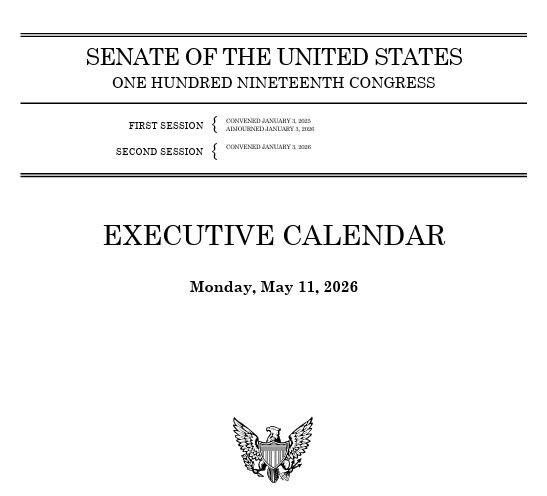
Kevin Warsh’s path to becoming chair of the Federal Reserve is full of obstacles. On Monday, he cleared another hurdle in the Senate’s complex procedural process. However, several steps remain before Warsh is officially appointed to replace Jerome Powell, whose term as chair ends on Friday.
Passengers from the MV Hondius cruise ship are returning to their home countries, where they face weeks of quarantine. However, both the duration and method of isolation vary depending on the country. The World Health Organization (WHO) recommends 42 days of monitoring and quarantine at home or in a healthcare facility, a guideline that is subject to different interpretations: countries such as Canada have initially established 21 days of isolation, to be evaluated afterward; the Netherlands allows quarantine at home with walks outdoors, while Greece imposes 45 days in a hospital under special conditions.
Bolivian Judge Carlos Oblitas declared former president Evo Morales (2006-2019) in contempt of court on Monday for failing to appear before the Tarija court where he is being tried for human trafficking, specifically for allegedly impregnating a 15-year-old girl while he was president. The court order includes an arrest warrant and a travel ban, as reported to the press by Supreme Court Justice Grover Mita. Morales’ legal team had already announced last week that their client would not appear, considering the case a “political persecution” and alleging irregularities in the criminal proceedings.
The hantavirus from the MV Hondius outbreak has been sequenced from samples taken from one of the infected individuals. The results confirm that it is the Andes strain, the most virulent and contagious, but rule out any mutation. Sequencing the virus is now a priority for the scientific community. It holds within its structure a black box of crucial information: it can help identify how the virus spread, why so many people have become ill (to date, there are 10 suspected cases and three deaths from a virus considered very difficult to transmit), and how long it may have been circulating before its detection. As more sequencing data becomes available, a clearer picture of how this virus evolves will emerge. But for now, this work already offers a first glimpse.
It was early afternoon last Monday — Met Gala Monday. Newsrooms (and celebrities) had their eyes fixed on gowns, flowers, and art. Few expected the kind of statement that dropped around 1 p.m. New York time: a surprise announcement that Blake Lively and Justin Baldoni — actors, colleagues in the film It Ends With Us, and later sworn enemies — had reached an agreement to end their legal battle. A fight that had dragged on since December 2024, costing them money, stress, and, above all, a wave of very negative publicity that has wounded their careers, perhaps fatally. Sixteen months of complaints, filings, cross‑accusations, and online shouting matches. But to what end? Who loses, and what do they lose? Or who wins… if anyone does.
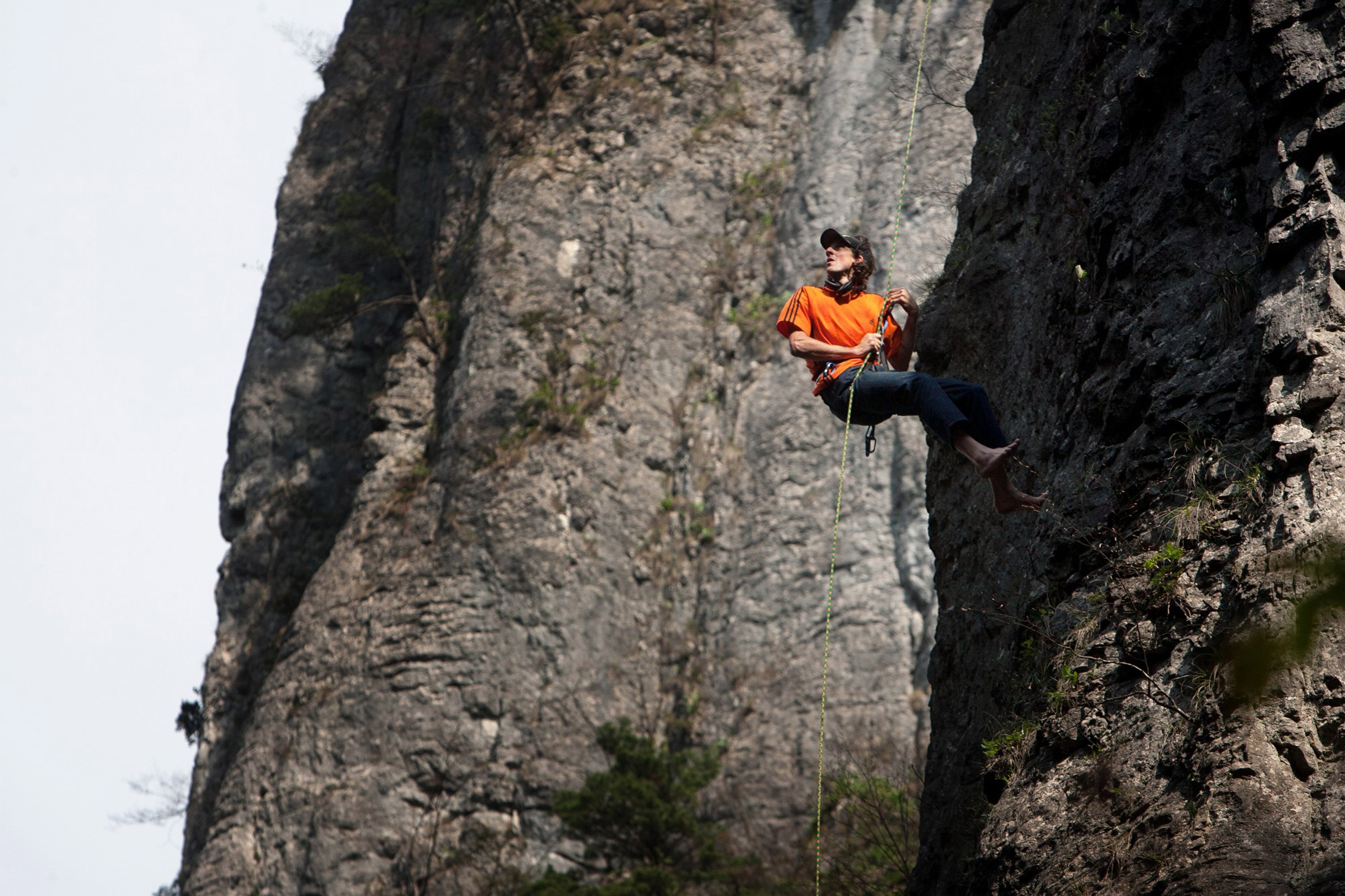
Dean Potter had a recurring nightmare that haunted him like a shadow: he was falling into the void and would wake up just before hitting the floor. He died thousands of times before he actually passed away, and when he did, it was exactly as his dream had foretold: he crashed into a rock at 100 miles per hour during a wingsuit proximity flight. Potter, an American, died in 2015 at the age of 43, having established himself as a star of free solo climbing and slacklining, as well as wingsuit flying taken to the extreme. The HBO Max documentary The Dark Wizard chronicles his life story over four episodes, and it is such an impressive production that, by comparison, the Oscar-winning Free Solo seems like nothing more than boring footage. It can also be said that no one, except for his very small circle of loyal followers, ever truly knew or understood his personality, torn between genius and the deepest darkness.
The U.S. businessman Joel Weinshanker, the chief administrator of Elvis Presley’s rights and properties, has purchased a majority stake in the company that operates Bran Castle—popularly associated with Dracula—from the heirs of Princess Ileana of Romania, the online business news site Profit.ro reported on Friday.
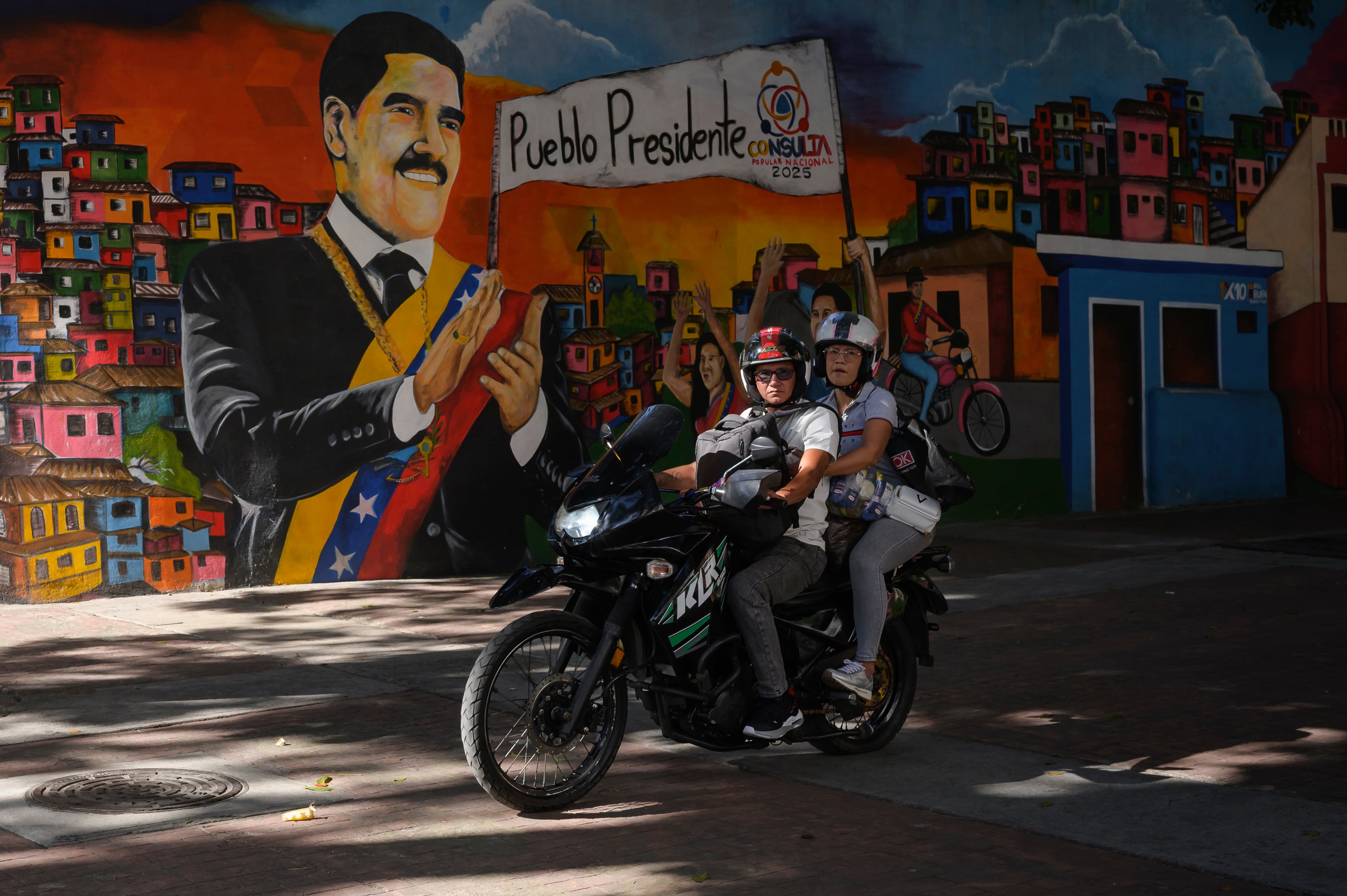
For years, it’s been difficult to gauge opinions in Venezuela. Not because there’s any shortage of them, but because expressing one has carried a very high cost. During Nicolás Maduro’s final years in power, polling stopped altogether. Some pollsters had to go into hiding, and people began responding to any political question with “don’t know” or “no answer.”
A question is gaining traction in Canada: will there be a referendum on Alberta’s independence this coming October? For decades, such a vote was associated solely with the French-speaking province of Quebec; however, secessionist sentiment is now emerging from another part of the country. This is none other than the wealthiest province in Canada. In 2025, Alberta’s per-capita GDP was around 72,000 Canadian dollars (approximately 53,000 US dollars). The source of this prosperity lies underground: Alberta has abundant oil reserves. Furthermore, conservative ideology is a defining characteristic among the majority of its residents.

 Login
Login