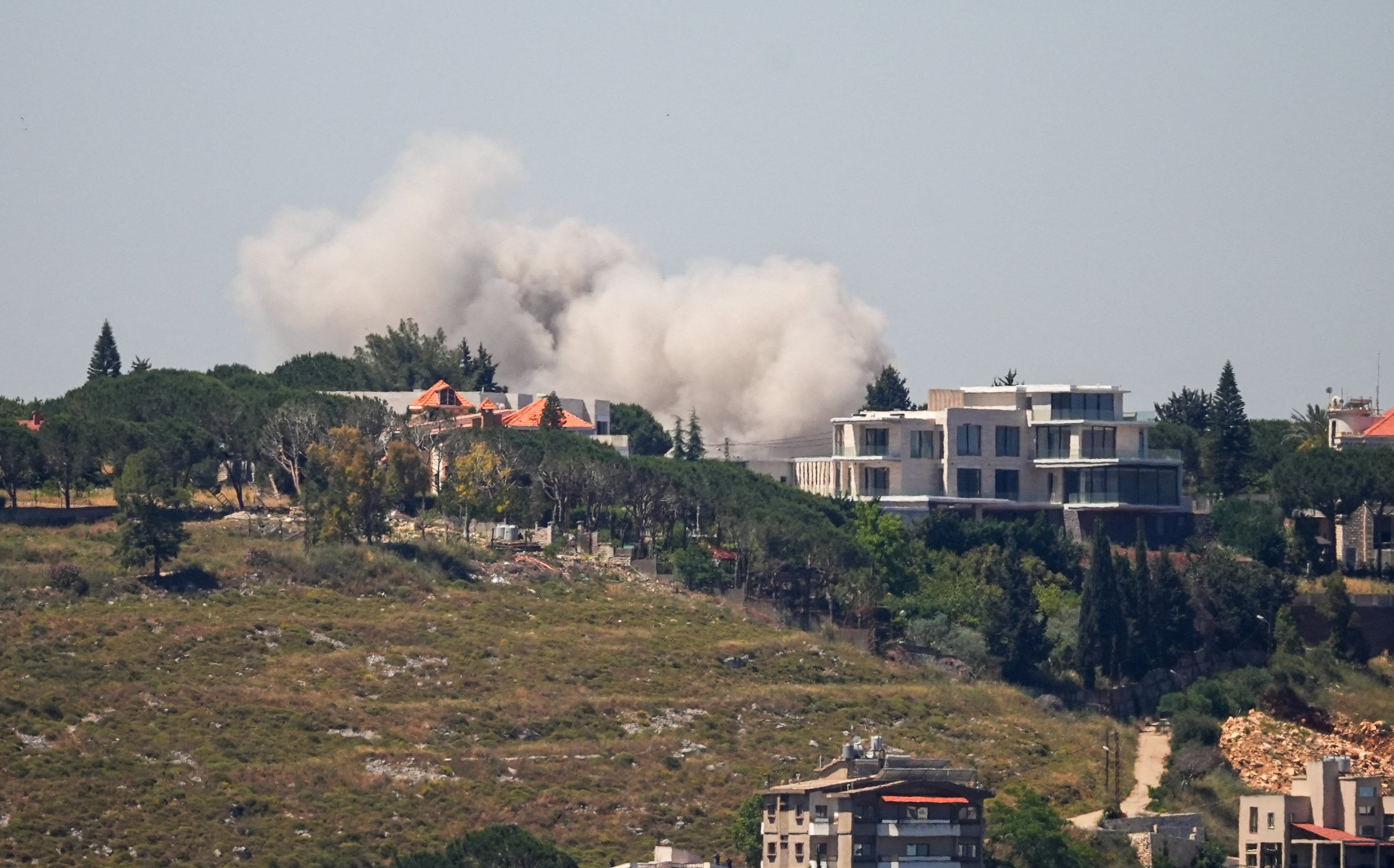
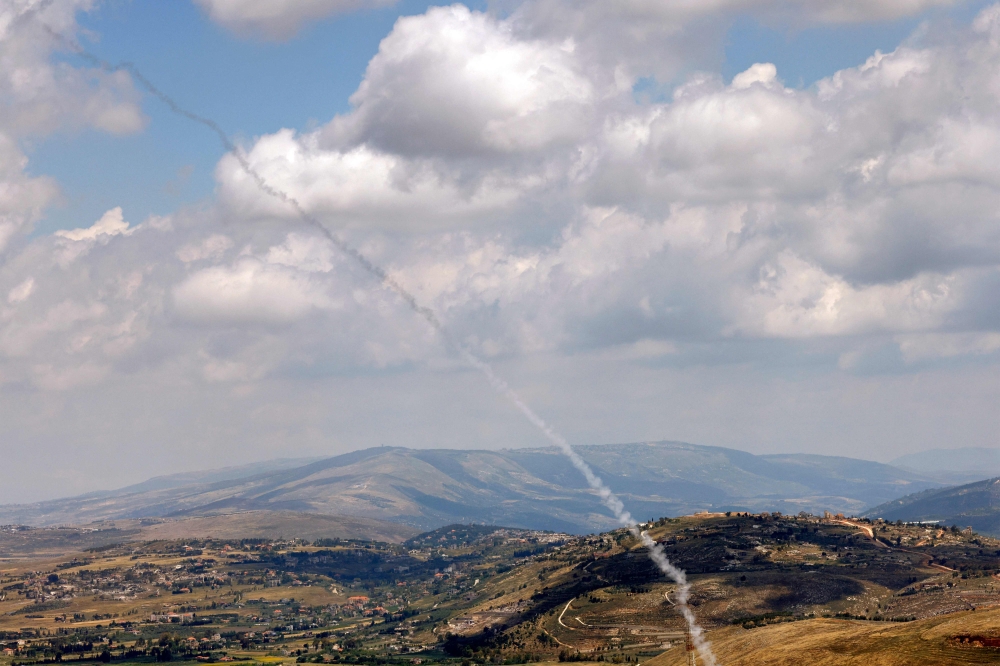
The ceasefire that has never truly stopped the fighting between Israel and Hezbollah followed the same dynamic on Thursday after being extended in a new round of talks in Washington.Seguir leyendo
The ceasefire that has never truly stopped the fighting between Israel and Hezbollah followed the same dynamic on Thursday after being extended in a new round of talks in Washington.
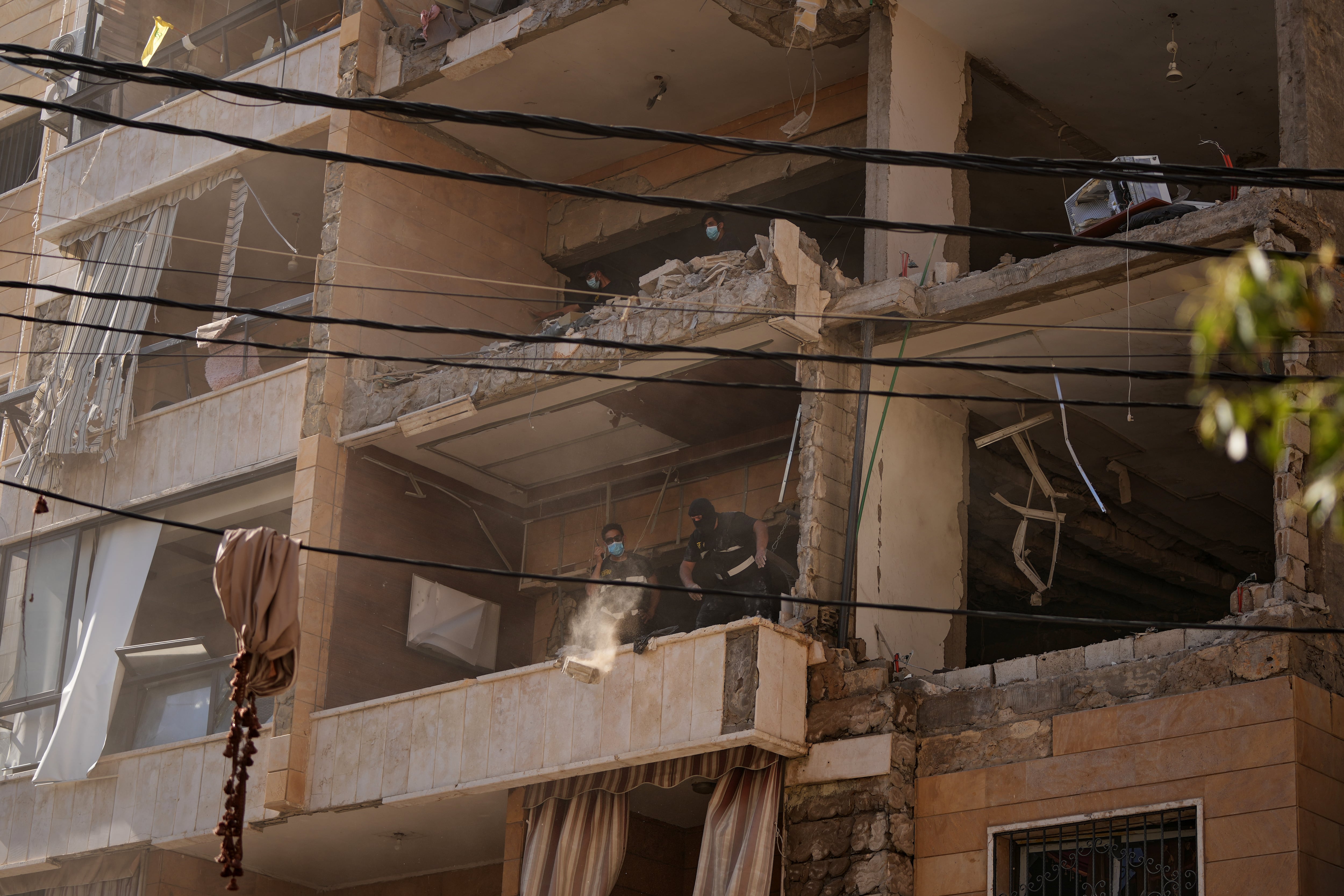
JERUSALEM, June 2 — Israel’s defence minister said today there would be “no calm in Beirut” if Hezbollah attacks continued and vowed to establish a military-controlled zone in the area of south Lebanon’s Litani River.“The Dahiyeh in Beirut is no different from the communities in northern Israel—if there is no calm in the north, there will be no calm in Beirut,” Israel Katz said in a statement released by his office, referring to the Beirut southern suburb and He
JERUSALEM, June 2 — Israel’s defence minister said today there would be “no calm in Beirut” if Hezbollah attacks continued and vowed to establish a military-controlled zone in the area of south Lebanon’s Litani River.
“The Dahiyeh in Beirut is no different from the communities in northern Israel—if there is no calm in the north, there will be no calm in Beirut,” Israel Katz said in a statement released by his office, referring to the Beirut southern suburb and Hezbollah stronghold where he had earlier Monday ordered strikes.
“At the same time, the IDF continues to operate with fire and manoeuvre against Hezbollah terrorists and infrastructure in Lebanon... in order to push threats away from IDF forces and from the residents of the State of Israel, and to turn the Litani area into a zone under IDF security control, free of weapons and terrorists,” Katz added.
Israeli Prime Minister Benjamin Netanyahu has vowed to push deeper into Lebanon after announcing on Friday that a large part of south Lebanon was now considered a “combat zone”, despite a ceasefire.
After the ceasefire came into effect on April 17, Israel established a “Yellow Line” about a dozen kilometres from its northern border, inside Lebanese territory.
Lebanese President Joseph Aoun said on Monday his country was facing “a vicious and reprehensible Israeli aggression”.
Israel and Hezbollah frequently accuse each other of violating the terms of the ceasefire. — AFP
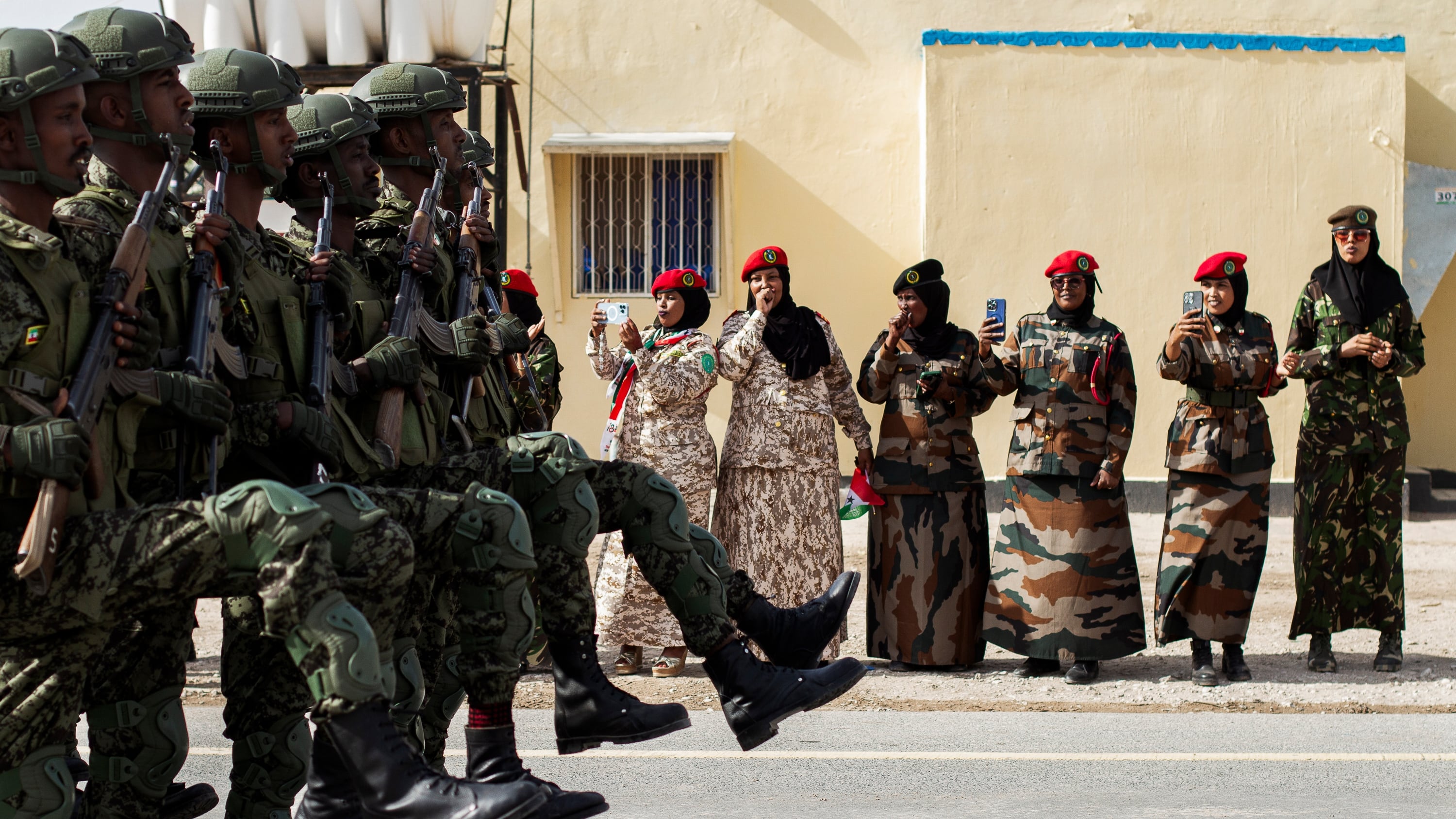
A tank — which isn’t really a tank — could be the national monument of Somaliland, a country that isn’t really a country. The armored vehicle, which rests beside Highway 1 in the city of Hargeisa, depicts what was once a weapon of war that rolled in from Somalia in 1988, in order to prevent this territory in the Horn of Africa from gaining independence. Today, the tank is part of the scenery in the capital of a land that declared itself a republic 35 years ago. Seguir leyendo
A tank — which isn’t really a tank — could be the national monument of Somaliland, a country that isn’t really a country. The armored vehicle, which rests beside Highway 1 in the city of Hargeisa, depicts what was once a weapon of war that rolled in from Somalia in 1988, in order to prevent this territory in the Horn of Africa from gaining independence. Today, the tank is part of the scenery in the capital of a land that declared itself a republic 35 years ago.
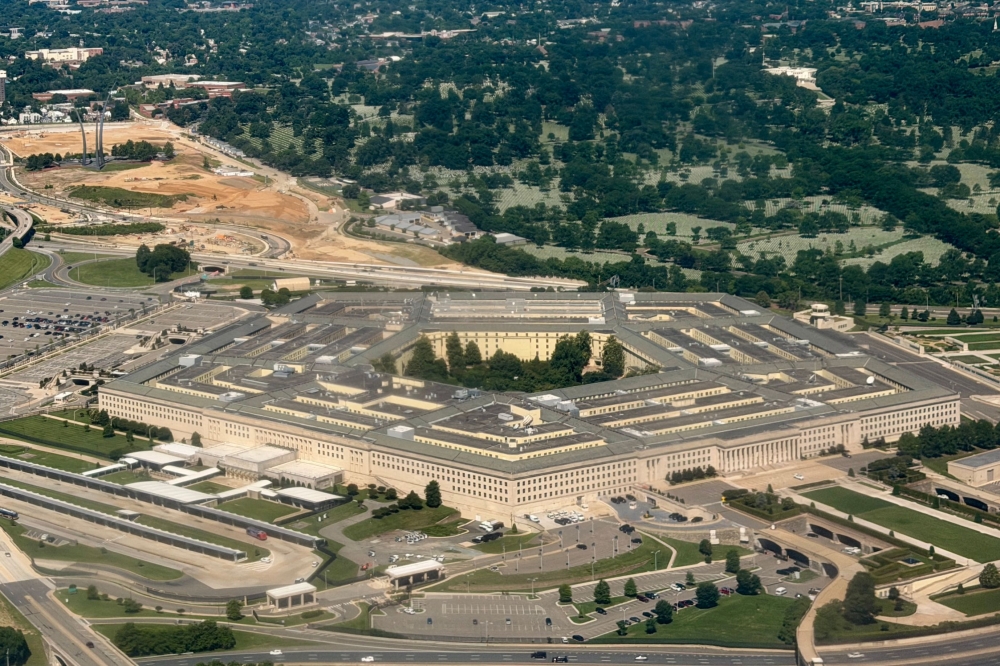
KUALA LUMPUR, June 7 — The Pentagon has reportedly raised its counterintelligence threat level for Israel to its highest tier amid concerns over alleged spying on senior US officials.AFP, citing NBC News, reported that the Pentagon’s Defence Intelligence Agency assessed Israel’s “ability to conduct human espionage and technical collection” as being at a “critical level”.NBC News, citing US officials, said the move followed concerns that Israel had tried to obtain
KUALA LUMPUR, June 7 — The Pentagon has reportedly raised its counterintelligence threat level for Israel to its highest tier amid concerns over alleged spying on senior US officials.
AFP, citing NBC News, reported that the Pentagon’s Defence Intelligence Agency assessed Israel’s “ability to conduct human espionage and technical collection” as being at a “critical level”.
NBC News, citing US officials, said the move followed concerns that Israel had tried to obtain information on the Trump administration’s internal discussions and decision-making on conflicts in the Middle East.
The New York Times also reported alleged Israeli efforts to eavesdrop on senior officials, including President Donald Trump’s top negotiator Steve Witkoff and the Pentagon’s top policy official Elbridge Colby.
AFP said the reports came after the United States and Israel launched joint strikes on Iran on February 28, triggering the war.
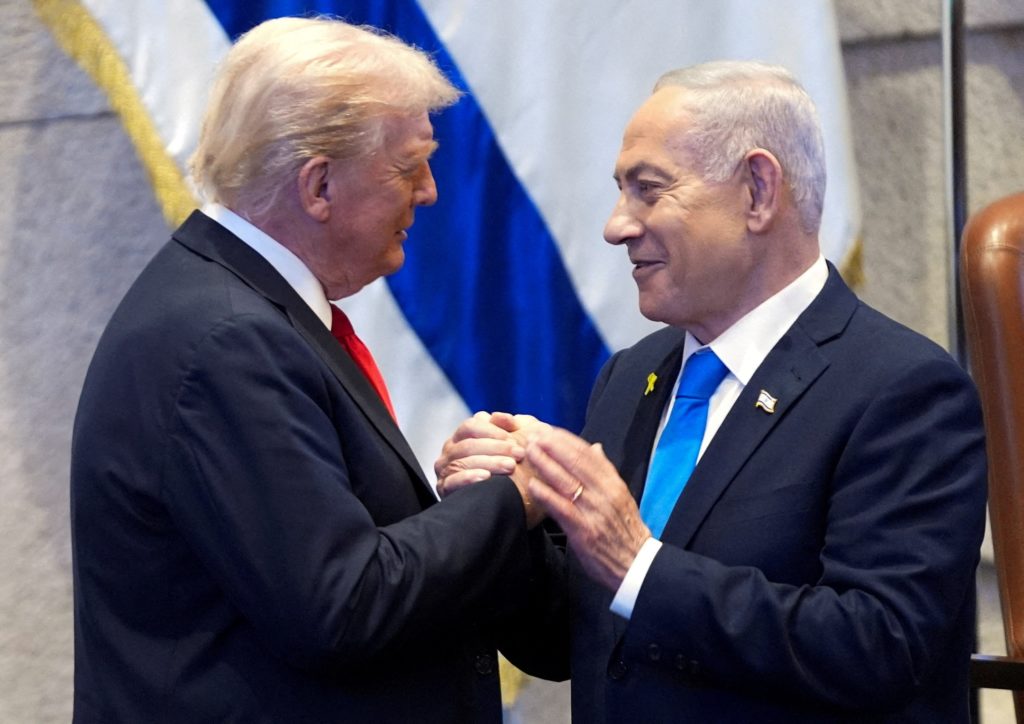
The reports also come amid apparent strain between Trump and Israeli Prime Minister Benjamin Netanyahu.
Reuters reported earlier this week that Trump confirmed he had called Netanyahu “crazy” during a heated phone call over Israel’s military actions in Lebanon, which Trump said had complicated US diplomatic efforts.
According to AFP, Axios and ABC News had earlier reported that Trump unleashed a profanity-laced tirade at Netanyahu over Israel’s threats to bomb Beirut, amid fears such a move would undermine talks with Tehran. — Reuters
It was the downing of a U.S. helicopter by an Iranian drone over the waters of the Strait of Hormuz. It could have been any other skirmish: U.S. and Iranian forces had spent days engaged in increasingly serious encounters in the area while talks for a peace agreement dragged on. But that clash last Monday particularly upset President Donald Trump, who had just agreed a ceasefire in Lebanon. The Republican announced on Tuesday that the United States had to return the blow. A sequence of events be
It was the downing of a U.S. helicopter by an Iranian drone over the waters of the Strait of Hormuz. It could have been any other skirmish: U.S. and Iranian forces had spent days engaged in increasingly serious encounters in the area while talks for a peace agreement dragged on. But that clash last Monday particularly upset President Donald Trump, who had just agreed a ceasefire in Lebanon. The Republican announced on Tuesday that the United States had to return the blow. A sequence of events began that seemed to push the two countries to the brink of resuming large-scale hostilities.
On one of the main roads out of Dahieh, the name given to the Beirut suburbs now at the heart of Middle East geopolitics, a row of streetlights bearing the same photograph of Iran’s penultimate supreme leader, the late Ali Khamenei, seem to bid farewell to those leaving the area. A few meters further on, as the city of Beirut begins, the iconography that floods Dahieh with the faces of Iranian and Hezbollah leaders — its Lebanese allies — vanishes, as does, to a large extent, the threat of Israe
On one of the main roads out of Dahieh, the name given to the Beirut suburbs now at the heart of Middle East geopolitics, a row of streetlights bearing the same photograph of Iran’s penultimate supreme leader, the late Ali Khamenei, seem to bid farewell to those leaving the area. A few meters further on, as the city of Beirut begins, the iconography that floods Dahieh with the faces of Iranian and Hezbollah leaders — its Lebanese allies — vanishes, as does, to a large extent, the threat of Israeli strikes.
The vote in the House of Representatives on Wednesday to limit Donald Trump’s authority to continue his war in Iran will not bring that conflict to an end. But it does represent a symbolic setback for the U.S. president on an issue — the Middle East — that has become, both domestically and in foreign policy, the most painful stone in the shoe of his return to the White House. Meanwhile, the weeks go by and, with the peace deal with Tehran stalled, it seems clear that Washington has no idea how t
The vote in the House of Representatives on Wednesday to limit Donald Trump’s authority to continue his war in Iran will not bring that conflict to an end. But it does represent a symbolic setback for the U.S. president on an issue — the Middle East — that has become, both domestically and in foreign policy, the most painful stone in the shoe of his return to the White House. Meanwhile, the weeks go by and, with the peace deal with Tehran stalled, it seems clear that Washington has no idea how to extract itself from a quagmire of its own making.
JERUSALEM, June 7 — The enormous costs of Israel’s multi-front war and Prime Minister Benjamin Netanyahu’s determination to turn his country into a “super-Sparta” of the Middle East are driving up the defence budget and raising fears of cutbacks in education and healthcare.The total cost of the series of interconnected regional conflicts that began with Hamas’s attack on Israel on October 7, 2023 stood at 405 billion shekels (about RM556 billion) as of late April
JERUSALEM, June 7 — The enormous costs of Israel’s multi-front war and Prime Minister Benjamin Netanyahu’s determination to turn his country into a “super-Sparta” of the Middle East are driving up the defence budget and raising fears of cutbacks in education and healthcare.
The total cost of the series of interconnected regional conflicts that began with Hamas’s attack on Israel on October 7, 2023 stood at 405 billion shekels (about RM556 billion) as of late April, according to the governor of the Bank of Israel, Amir Yaron.
“That’s a huge figure, more than 17 per cent of GDP,” he said during a recent economic conference in Herzliya, north of Tel Aviv.
Just the military campaign against Iran, which began with a wave of US-Israeli strikes on February 28, incurred an additional cost of 35 billion shekels (US$12 billion) for the state up until a ceasefire took effect on April 8, according to an initial estimate by the finance ministry.
Following the adoption of the 2026 budget in late March, the government noted the defence ministry’s budget had more than doubled since October 2023.
To support the war effort, the government borrowed heavily on international markets in 2024 and 2025.
It has reached the point where public debt now accounts for more than 69 per cent of GDP, compared to 60 per cent before the war, according to the Treasury.
Taxes and social security contributions have also increased.
‘Trauma economy’
Israelis are “paying twice” for the war, said Esteban Klor, an economics professor at Jerusalem’s Hebrew University.
The first cost, he told AFP, is via the decline in government social spending and reduced investment in public services resulting from several successive “across-the-board” budget cuts, even as “we are... increasing the debt”.
“Education will suffer, the quality of infrastructure will decline, as will the performance of the healthcare system,” he said.
The second cost is to economic growth, though this has been less visible as the Israeli economy quickly overcame the initial shock of the war. GDP had returned to its 2022 level by 2024 and is continuing to grow at an enviable rate.
But the ongoing mobilisation of tens of thousands of reservists since October 2023 is also taking a toll.
“Since... many of our workers are in the army rather than at their jobs, this affects production,” Klor explained.
According to a survey published on June 1 by the Israel Democracy Institute (IDI) think tank, 31 per cent of respondents said they had experienced a decline in their wages or income since October 7, 2023.
The phenomenon is hitting the self-employed and lowest-income workers the hardest.
At the Herzliya conference, the deputy head of budgets at the finance ministry, Tamar Levy-Boneh, warned against a “trauma economy” — in which the sense of shock and failure from October 7 lead the military to constantly demand more funding to ensure the country’s security.
“The security establishment must learn to meet its needs in a way that does not undermine the standard of living and must assume its share of responsibility,” Levy-Boneh said.
‘Super-Sparta’
But Netanyahu advocates the opposite view.
In September 2025, he said Israel had no choice but to become a “super-Sparta”, a reference to the ancient Greek city-state devoted entirely to war.
As divergences emerge between Netanyahu and US President Donald Trump regarding Israel’s offensive against Hezbollah in Lebanon and how to end the war with Iran, the Israeli premier is pushing for greater self-sufficiency.
Under his vision, Israel would gradually wean itself off its reliance on the massive military aid it receives from the United States.
He confirmed as such on May 3, vowing to invest 350 billion shekels over the next decade in the national defence industry to ensure “overwhelming aerial superiority”.
Economics professor Klor warned that the defence budget could exceed 10 per cent of GDP and called for a swift return to a “more reasonable” level.
Israel is one of the developed countries where inequality is most glaring, and the dragging war is not helping.
According to the latest available study by the Israeli National Insurance Institute, the proportion of children living below the poverty line rose from 27.6 per cent to 28 per cent between 2023 and 2024. — AFP
The fighting has since died down, but the differences between the two leaders are likely to persist, in part because of their domestic political considerations.
The fighting has since died down, but the differences between the two leaders are likely to persist, in part because of their domestic political considerations.
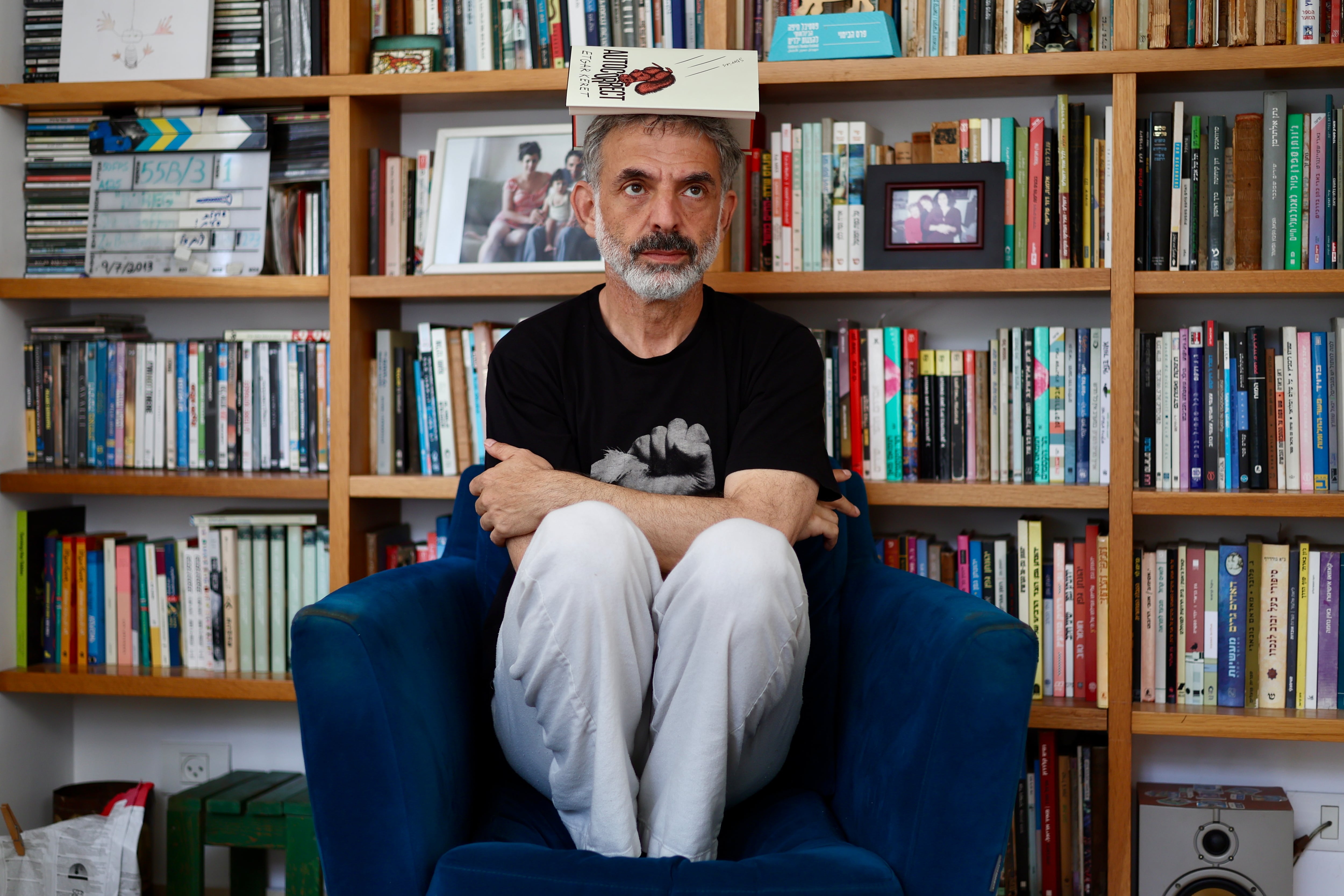
Writer Etgar Keret (Ramat Gan, Israel, 58) had planned to deliver his ninth book of short stories to his publisher on October 8, 2023. He had picked the date at random: he produces one every seven years or so and sets himself a firm deadline. Two days earlier, he told his wife, Shira Geffen — the screenwriter and filmmaker who wrote the film Jellyfish (2007), directed by Keret and awarded at Cannes — that he felt the book had become too dark because of the personal and political events that had
Writer Etgar Keret (Ramat Gan, Israel, 58) had planned to deliver his ninth book of short stories to his publisher on October 8, 2023. He had picked the date at random: he produces one every seven years or so and sets himself a firm deadline. Two days earlier, he told his wife, Shira Geffen — the screenwriter and filmmaker who wrote the film Jellyfish (2007), directed by Keret and awarded at Cannes — that he felt the book had become too dark because of the personal and political events that had marked him in preceding years: his mother’s death, the coronavirus pandemic, a herniated disc, the return to power of Benjamin Netanyahu with the most right-wing government in the country’s history… His wife advised him to reread it calmly the next day and, if he still felt that way, to ask the publisher for an extension.
Netanyahu acknowledges pause in fighting in TV speech but vows forceful response to future attacksFears of a return to a full-scale regional war in the Middle East eased on Monday as Israel and Iran said they had halted attacks on each other after an appeal from Donald Trump to “immediately stop shooting”.Benjamin Netanyahu, Israel’s prime minister, acknowledged the halt in fighting with Iran in a televised speech, but vowed to respond “with force” to future attacks. Continue reading...
Netanyahu acknowledges pause in fighting in TV speech but vows forceful response to future attacks
Fears of a return to a full-scale regional war in the Middle East eased on Monday as Israel and Iran said they had halted attacks on each other after an appeal from Donald Trump to “immediately stop shooting”.
Benjamin Netanyahu, Israel’s prime minister, acknowledged the halt in fighting with Iran in a televised speech, but vowed to respond “with force” to future attacks.
 Login
Login