“It is maybe not functionally possible to design social networked technology geared towards listening. I don’t know, I’m not that smart. But the fact that the internet doesn’t have a mechanism for listening means that we’ve invented these kludgy quantification mechanisms to try and detect attention, and it is easy, so incredibly easy there are multiple books written about this, to confuse the thing you’re measuring for the metric itself.
I want to know who is visiting my site and whether the
“It is maybe not functionally possible to design social networked technology geared towards listening. I don’t know, I’m not that smart. But the fact that the internet doesn’t have a mechanism for listening means that we’ve invented these kludgy quantification mechanisms to try and detect attention, and it is easy, so incredibly easy there are multiple books written about this, to confuse the thing you’re measuring for the metric itself.
I want to know who is visiting my site and whether they’re returning visitors and what pages they clicked through and for how long because it gives me the illusion of knowledge and control. Maybe I’ll know my project is connecting with people if I just hit some arbitrary threshold of pageviews, subscribers, conversion rate.
But none of that will tell me the thing I actually want to know, which is: am I making a difference?”
Hey I loved this. It also reminded me to go check up on the phone line and see if there were any messages that needed witnessing. I keep them close to the chest because that’s part of the project, but I will say that there were and they moved me to tears. Maybe that’s what it’s all about.
Post sponsored by Bsign StoreRoom numbering is one of the most basic yet critical elements of interior navigation. In hotels, offices, residential complexes, and public buildings, people rely on room numbers to confirm location, direction, and access. When numbering is unclear or inconsistent, even a well-planned layout becomes confusing. Custom room number signs address this issue by aligning identification directly with how a building is used.Unlike generic solutions, custom room numbers are d
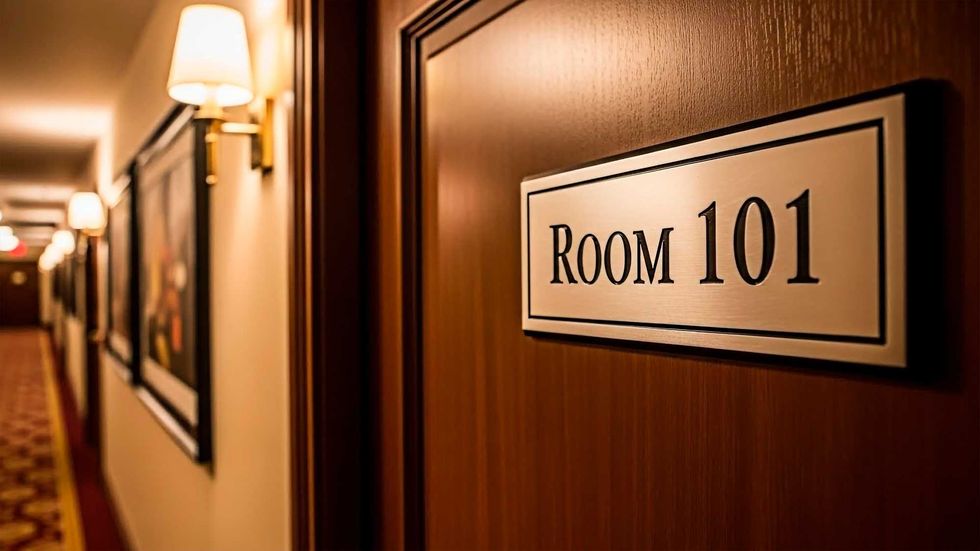
Room numbering is one of the most basic yet critical elements of interior navigation. In hotels, offices, residential complexes, and public buildings, people rely on room numbers to confirm location, direction, and access. When numbering is unclear or inconsistent, even a well-planned layout becomes confusing. Custom room number signs address this issue by aligning identification directly with how a building is used.
Unlike generic solutions, custom room numbers are designed for specific doors, corridors, and user flows. This allows numbering systems to remain clear across different floors and sections, reducing hesitation and unnecessary movement.
Reliable custom room number signs, available through Bsign Store, support this clarity by combining precise production with predictable placement rules.
Why Custom Room Numbers Improve Navigation
Room numbers work best when they follow a system people can quickly understand. Customization allows that system to be built around the actual structure of the building rather than adapting the building to pre-made signs.
Functional advantages include:
Consistent size and position on every door
Numbering that reflects logical floor layouts
Clear distinction between similar or neighboring rooms
When these elements are planned together, users do not need to stop and interpret signage. Movement becomes faster and more confident.
Where Room Numbering Matters Most
Clear room numbering is essential in environments where people move independently and may be unfamiliar with the layout. In such spaces, signage must replace verbal instructions.
Custom room number signs are especially important in:
Hotels, where guests navigate corridors without staff assistance
Office buildings, where meeting rooms and departments must be identified quickly
Medical and educational facilities, where clarity supports safety and schedules
Residential complexes, where visitors and service providers rely on predictable numbering
In all these cases, room numbers function as part of the building’s operational system, not as decorative details.
Materials Selected for Long-Term Performance
Room number signs are touched frequently and cleaned regularly. They must remain readable and stable over time. For this reason, our production focuses exclusively on wood, stainless steel, and acrylic glass. All signs are produced as wall-mounted or desk-mounted elements, ensuring safe installation and consistent visibility.
Technical Details That Support Daily Use
Precision manufacturing ensures that room numbers remain aligned and readable across large buildings. CNC laser cutting provides uniform dimensions, while permanent UV printing prevents fading over time.
Each sign is handcrafted and finished individually, maintaining quality even in large numbering systems. For greater accessibility, Braille can be added upon request, allowing room identification to support inclusive navigation without changing the overall system.
These technical factors reduce maintenance needs and improve long-term reliability.
Functional Expectations Looking Toward 2026
By 2026, users expect buildings to explain themselves clearly. Room numbering should not require interpretation or assistance. Custom solutions meet this expectation by fitting signage precisely to the building’s layout and daily use.
When room numbers are consistent, durable, and logically placed, they quietly support efficient movement. People reach their destination without interruption, and the building functions as intended.
Custom room number signs succeed not by standing out, but by working reliably—every day, on every door.
About the Author
Post by:
Olena Zadniprovska
Olena Zadniprovska is a content writer working on interior signage and wayfinding topics for commercial and residential spaces. She focuses on how design, numbering systems, and visual clarity support navigation and everyday use in modern buildings.

 Login
Login