Normal view

  • ✇MyFitnessPal Blog
  • Foods That Help Skin Elasticity: 7 Picks for Firmer-Looking Skin Reem Tolba
    If you’ve been searching for foods that help skin elasticity, you might be surprised to learn that many of them are everyday foods. A steady pattern of protein-rich foods, vitamin C-rich produce, healthy fats, and colorful plants can help support the structures that give skin its strength and bounce, while still fitting into real life, real schedules, and real meals. (1) If you’re curious how often these foods show up in your routine, logging your meals in MyFitnessPal for a few days may
     

Foods That Help Skin Elasticity: 7 Picks for Firmer-Looking Skin

28 May 2026 at 13:00
Cut kiwi in a bowl - foods that help with skin elasticity

If you’ve been searching for foods that help skin elasticity, you might be surprised to learn that many of them are everyday foods.

A steady pattern of protein-rich foods, vitamin C-rich produce, healthy fats, and colorful plants can help support the structures that give skin its strength and bounce, while still fitting into real life, real schedules, and real meals. (1)

If you’re curious how often these foods show up in your routine, logging your meals in MyFitnessPal for a few days may help you spot patterns in protein, produce, and healthy fats.

“Skin-supportive eating is less about chasing one ‘perfect’ beauty food and more about consistently pairing protein, vitamin C, and colorful plants across the day,” says Brookell White, MS, RDN, MyFitnessPal dietitian. 

Why Skin Elasticity Matters

Skin elasticity is your skin’s ability to stretch and spring back. In the deeper layer of the skin, cells produce collagen and other proteins that help keep skin firm and flexible. As we age, these structures naturally change, and factors like sun exposure can speed up visible signs of aging. (1,2)

This is where food comes in—not to stop aging, but to support your skin from within. Food cannot freeze time, but it can help supply the nutrients involved in collagen formation, antioxidant defense, and the skin’s everyday repair process. (1,2)

How Food Helps Support Skin Elasticity

A quality diet to help skin is not built around one miracle ingredient. It is built around a pattern.

Vitamin C is one of the most important nutrients in that pattern because it is required for collagen biosynthesis. (3) Protein matters because your body needs it to build and repair tissues. (1) Fatty acids and antioxidant-rich plant compounds also play useful roles in skin health and photoaging support. (1)

That means the best foods for skin are usually not trendy at all. They are often the same foods that support your overall health.

7 Foods That Help Skin Elasticity

1. Vitamin C-rich fruits and vegetables

If your goal is to support collagen production, this is the place to start. Vitamin C is required for collagen biosynthesis, and many of the foods people already think of as “fresh” or “glowy” foods happen to fit the bill perfectly. (2,3)

Great options include:

  • Citrus fruits (12)
  • Kiwifruit (13)
  • Strawberries (14)
  • Green and red peppers (15,16)
  • Broccoli (17)
  • Brussels sprouts (18)

These are some of the most practical foods that help the skin because they are easy to add to breakfast, lunch, dinner, or snacks. A kiwi with yogurt, sliced peppers with hummus, strawberries in oatmeal, or broccoli next to salmon may not look glamorous, but those small choices add up.

2. Protein-rich foods

A strong foods-for-skin plan needs enough protein. Skin is a protein-rich tissue, and dietary protein helps support the body’s ongoing repair and renewal processes. (1)

Think: (19)

  • Fish
  • Eggs
  • Greek yogurt
  • Cottage cheese
  • Chicken or turkey
  • Tofu
  • Lentils and beans

If you’re unsure whether you’re getting enough protein throughout the day, tracking meals in MyFitnessPal can give you a quick snapshot of your daily intake.

White says, “when it comes to skin health, consistency matters more than a single ‘superfood.’ Regularly including a quality protein source in your meals is often a more practical and sustainable approach.” 

3. Foods with collagen

If you’ve been wondering what foods have collagen, the answer is straightforward: collagen is naturally found in animal-based foods that contain connective tissue. (4)

So, when people ask about foods with high collagen, the conversation usually points toward animal foods that include skin or connective tissue, along with collagen-derived foods such as gelatin. (20)

After digestion, collagen is broken down into smaller peptides that can be absorbed and may help support skin structure and elasticity (1). But they work best as part of a balanced diet that also provides protein, vitamin C, and other nutrients involved in collagen production (1).

4. Fatty fish

Fatty fish deserves a place on nearly every list of what foods are best for your skin. It offers protein, and it also provides omega-3 polyunsaturated fats that have been studied for protective effects related to UV-induced skin damage and photoaging. (1,6)

Smart picks include: (6)

  • Salmon
  • Sardines
  • Herrings
  • Mackerel

Fatty fish is one of those ingredients that quietly does a lot of work. It is satisfying, versatile, and easy to build into meals. A simple salmon bowl, sardines on toast, or trout with roasted vegetables can be a meaningful habit with very little effort.

5. Tomatoes and other carotenoid-rich produce

Tomatoes are especially interesting in the skin-aging conversation because they provide lycopene, a carotenoid that has been studied for photoprotective effects. In one randomized controlled trial, women who consumed tomato paste daily for 12 weeks showed changes consistent with better protection against UV-induced skin damage. (7,10)

More broadly, carotenoids have been studied for anti-oxidative, anti-inflammatory, and photoprotective roles in skin aging. (10)

That makes tomatoes, pumpkin, sweet potatoes, carrots, leafy greens, and other colorful produce worth keeping in rotation. These help support healthier skin over time. (10)

6. Almonds and other nuts and seeds

A handful of almonds could be doing your skin a favor, too. In a study of postmenopausal women, participants who ate almonds every day had improvements in wrinkles and facial pigmentation compared with those who ate a calorie-matched snack. (8)

That does not mean almonds are a wrinkle cure. It does mean they are a compelling example of how an everyday food can fit into a skin-supportive routine. Nuts and seeds also bring healthy fats, vitamin E, and Biotin to the table, which is one reason they show up so often in conversations about healthy food for good skin. (8,11)

Easy ways to use them:

  • Top your oatmeal with almonds
  • Add chia or pumpkin seeds to yogurt
  • Sprinkle sunflower seeds on salads
  • Enjoy a small handful of nuts as an afternoon snack

7. Soy foods

If you prefer plant-based options, soy is worth considering. Soy foods are the main dietary source of isoflavones, compounds that have been studied for their potential skin benefits. (9) In one randomized trial of postmenopausal women, soy protein with isoflavones improved several signs of facial photoaging and skin hydration over time. (9)

Practical soy foods include: (9)

  • Tofu
  • Tempeh
  • Edamame
  • Soy milk

This is also a nice reminder that a diet to help skin does not have to be built around animal foods. Plant-based meals can still provide a variety of nutrients that contribute to overall skin health.

How to Eat for Steady Skin Support

You do not need to overhaul your life to eat in a way that supports healthier-looking skin. A more useful approach is to build meals around a simple formula:

  • One protein-rich food
  • One colorful fruit or vegetable
  • One source of healthy fat

That could look like:

  • Greek yogurt with kiwi and chia
  • Eggs with sautéed peppers and avocado
  • Salmon with broccoli and potatoes
  • Tofu stir-fry with edamame and red peppers
  • Oatmeal with strawberries and almonds

Dermatologists generally recommend meeting nutrient needs through food first when possible, which is one more reason this approach works so well. (11) It may be more sustainable and flexible to do so.

“If your goal is healthy skin, focus on what you can repeat: Consuming fatty fish a few times a week, adding vitamin C rich produce to your breakfasts, eating a serving of nuts and seeds as your go-to snack, or any habit that feels easy enough to keep,” says White.

Frequently Asked Questions (FAQs)

  • What foods are best for your skin?

The best foods for skin are those that provide nutrients involved in collagen production and protection against skin damage. These include vitamin C-rich fruits and vegetables like citrus and peppers, protein-rich foods such as fish, eggs, and yogurt, healthy fats from foods like fatty fish, and antioxidant-rich produce such as tomatoes and leafy greens. (1,2,3,6,7)

  • What foods have collagen?

Collagen is naturally found in animal flesh like meat and fish that contain connective tissue, and collagen-derived foods such as gelatin also come from animal tissues. Plant foods do not contain collagen, but they can help support collagen production through nutrients such as vitamin C. (4,3)

  • Can diet alone keep skin firm?

Not completely. Skin aging is influenced by multiple factors, including age and environmental exposure, not just nutrition. Food can delay the process, but it works best alongside habits like sun protection and overall healthy living. (1,6)

Bottom Line

The most effective foods that help skin elasticity are not exotic, expensive, or hard to find. They are the foods that can easily be found at your local grocery store and continue to show up in a balanced kitchen.

That is good news. It means healthier-looking skin does not have to come from a dramatic reset. It can come from a handful of repeatable choices. Small habits are often the most reliable ones because they tend to have more lasting power. (21)

Tools like MyFitnessPal may also help you notice those habits over time. By tracking your meals for a few weeks, you may start to see patterns between the foods you regularly eat and how your skin looks and feels.

The post Foods That Help Skin Elasticity: 7 Picks for Firmer-Looking Skin appeared first on MyFitnessPal Blog.

Tony Leung, actor: ‘I considered quitting because I was on the verge of an existential boredom, but working with Wong Kar-wai transformed me’

Tony Leung (Hong Kong, 63) enters the lobby of a Madrid hotel and brings with him an absolute sense of calm. The pace slows; you even get the impression the temperature has dropped slightly. Leung’s image in the film collective was sealed by his role in In the Mood for Love, Wong Kar-wai’s masterpiece that earned Leung the best actor award at the 2000 Cannes Film Festival. A man anchored in melancholy, unable to confront his unfaithful wife or to declare his love to his neighbor. That introspection turned Leung into one of the coolest men on the planet.

Seguir leyendo

© FRANCIS TSANG (EL PAÍS)

Tony Leung, photographed in Madrid.
  • ✇Alas, a Blog
  • Weight Loss Inc Ampersand
    Becky writes: Barry’s script said, “A fat person is handing a bundle of cash to someone standing in the entrance to a building that has a sign saying “WEIGHT LOSS INC”. It looks like summer.” Luckily for both of us, Barry doesn’t mind when I don’t take his stage directions too literally. I thought it made sense for the saleswoman and customer to be all the way inside the store. We’d need to be behind the saleswoman and looking out the front window in order to observe the changing seasons. Here
     

Weight Loss Inc

3 February 2026 at 23:28


Becky writes:

Barry’s script said, “A fat person is handing a bundle of cash to someone standing in the entrance to a building that has a sign saying “WEIGHT LOSS INC”. It looks like summer.” Luckily for both of us, Barry doesn’t mind when I don’t take his stage directions too literally. I thought it made sense for the saleswoman and customer to be all the way inside the store. We’d need to be behind the saleswoman and looking out the front window in order to observe the changing seasons. Here’s the initial sketch I showed Barry (along with some clothing ideas for the customer and a cool-looking font that I saw on an awning). Barry liked the layout!

This script calls for an unchanging environment, but it has to be clear that several months pass between each panel. Of course, the characters can dress differently for winter than summer. The tree can gain and lose leaves. But I tried to tell the story with color, as well. As an artist, I enjoy puzzles like “What color will convey ‘red brick building; also it’s dark and wet out?” I’m really happy with how the background turned out. It’s mostly hidden, but I think it does its job.

The light affects the interior of the store, too. The walls are white, but they’re also greenish when the tree outside is full, and orange when the store is being lit by warm overhead lights. (It’s funny to think that the bare white decor, concrete floor, and iPad will make this store look “dated” one day.)

Thanks for supporting Barry on Patreon so that he can pay me. Happy New Year!


Barry writes:

The basic idea behind this cartoon – that the economic model of the weight loss industry is based on weight loss never working in the long term for the vast majority of their customers — is hardly a unique observation. But it’s been said often because it’s true. Traci Mann, a professor who founded the Health and Eating Lab at the University of Minnesota, wrote about Weight Watchers (but this is applicable to the larger industry):

It’s the perfect business model. People give Weight Watchers the credit when they lose weight. Then they regain the weight and blame themselves. This sets them up to join Weight Watchers all over again, and they do.

The company brags about this to its shareholders. According to Weight Watchers’ business plan from 2001 (which I viewed in hard-copy form at a library), its members have “demonstrated a consistent pattern of repeat enrollment over a number of years,” signing up for an average of four separate program cycles. And in an interview for the documentary The Men Who Made Us Thin, former CFO Richard Samber explained that the reason the business was successful was because the majority of customers regained the weight they lost, or as he put it: “That’s where your business comes from.”

It’ll be interesting (and possibly horrifying) to see how the new weight-loss drugs will change things (and how they won’t). It appears that semaglutide (also known as Ozempic) and similar drugs, like a thousand weight-loss treatments before, won’t allow the overwhelming majority of fat patients to stop being fat.

What it might do is allow many more people to lose noticeable amounts of weight – so a 300 pound patient becomes a 270 pound patient – and to keep that weight off, as long as they continue taking semaglutide. Since Ozempic can easily cost a thousand dollars or more a month, this is another way that the weight loss industry can make everlasting profits off of fat patients who will never be “cured.”

In many ways, it’s just the same old thing – marketing to people by telling them to hate their own bodies – in a new injectable form.


TRANSCRIPT OF CARTOON

This cartoon has four panels. They all show the same scene – the lobby of a weight-loss store – but a few months pass between each panel. In every panel, a fat redheaded woman, a customer, talks to a thin blonde woman, a saleswoman.

PANEL 1

Through the display window, we can see a green, leafy tree. A couple of bags of money lie under the counter. The customer is wearing a floral sundress and cardigan, and is opening a purse full of cash as she talks to the saleswoman.

CUSTOMER: I’d really like to lose weight.

SALESWOMAN: We can help! It’s only $200 to start!

PANEL 2

The tree has now lost all its leaves, and the customer is returning, carrying a sack of cash and wearing winter clothing. There’s more money under the counter.

CUSTOMER: I lost a bit of weight, but I’d like to lose more.

SALESWOMAN: You got it! For a modest monthly subscription.

PANEL 3

It’s now spring, and there are little pink flowers on the tree. The customer, in stretchy pants and a loose fitting long-sleeved top, returns with a grocery cart filled with bags of money. The saleswoman is cheery, but the customer is downcast. There are now so many moneybags under the counter that some are spilling out the side.

CUSTOMER: Now I’ve gained all the weight back… And a little more.

SALESWOMAN: You need our super subscription plan. It comes with an app!

PANEL 4

The tree is full and green again. The customer is back, with the shopping cart piled so high with money that she’s mostly hidden behind it. The room is filled with money bags, and the saleswoman is lounging on the pile of money, smiling happily.

CUSTOMER: Does it worry you that your weight loss plans keep on failing?

SALESWOMAN: Oh, yes, definitely. So very concerned!

CHICKEN FAT WATCH

“Chicken fat” is an obscure cartoonists’ term for fun background details. There’s a poster on the wall which says “Love Yourself,” but in the first three panels we can’t see the complete poster because the saleswoman stands in front of it. In panel four, we can finally see the small print below “Love Yourself”: “Not yet. Later. Once there’s less of you.”


Weight Loss Inc. | Patreon

  • ✇MyFitnessPal Blog
  • How To Pick a Better CAVA Order Reem Tolba
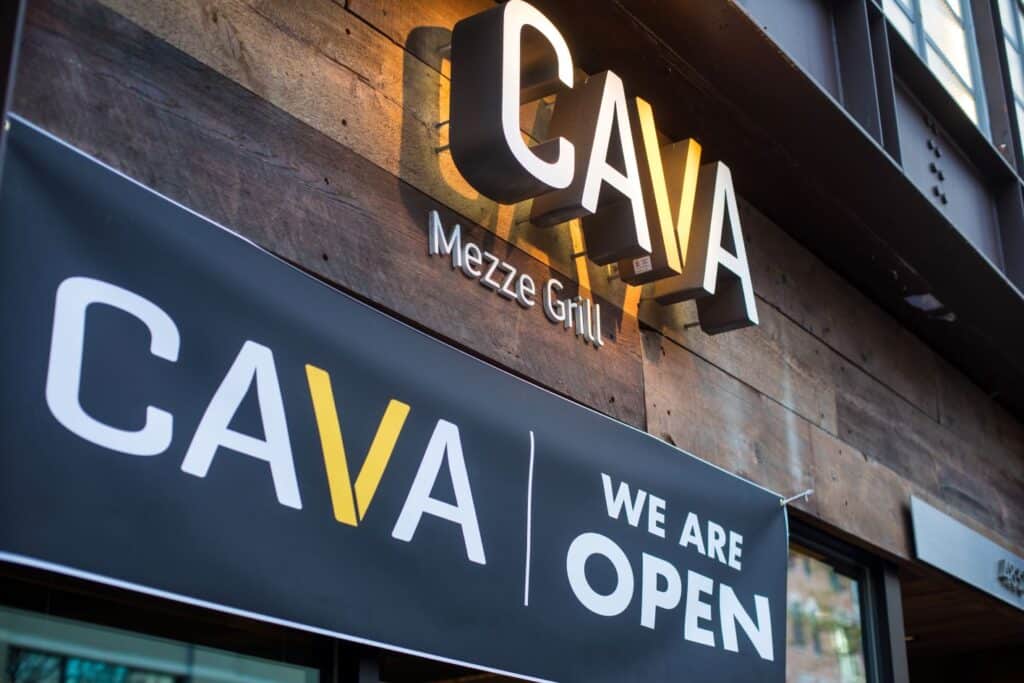
    Choosing a CAVA order can feel simple even with so many great options of bases, dips, proteins, toppings, and dressings. Below, Emily Sullivan, RD, MyFitnessPal Registered Dietitian, shares five picks she would recommend, plus tips for making each one work for your unique goals. How To Think About Your CAVA Order CAVA food is flexible in the best way. You can keep things simple with a curated bowl or pita, or build your own meal from greens, grains, proteins, dips, toppings, and dressing.
     

How To Pick a Better CAVA Order

2 June 2026 at 13:27
healthy options to eat at CAVA

Choosing a CAVA order can feel simple even with so many great options of bases, dips, proteins, toppings, and dressings. Below, Emily Sullivan, RD, MyFitnessPal Registered Dietitian, shares five picks she would recommend, plus tips for making each one work for your unique goals.

How To Think About Your CAVA Order

CAVA food is flexible in the best way. You can keep things simple with a curated bowl or pita, or build your own meal from greens, grains, proteins, dips, toppings, and dressing.

That flexibility is helpful. It can also make the menu feel limitless. The quiet move is to decide what you want the meal to do first.

Maybe you want more protein. Maybe you want a higher-fiber bowl. Maybe you want to keep calories or sodium more moderate. Or maybe you want something filling that still tastes like the order you actually wanted. A tool like MyFitnessPal can also help you compare meals when you want a clearer look at calories, protein, fiber, or sodium. 

Once you have that goal in mind, the menu gets easier to navigate. You can choose the ingredients that help you get there, then adjust the extras depending on what matters most to you.

5 Healthier CAVA Orders To Try

1. Salmon + Yogurt Dill

This bowl pairs glazed salmon with arugula, saffron basmati rice, hummus, Crazy Feta, fire-roasted corn, tomato + onion, cucumber, and yogurt dill dressing. CAVA lists the Salmon + Yogurt Dill at 710 calories, 35 grams of protein, 5 grams of fiber, and 1,870 milligrams of sodium. (1,3)

“Salmon is a great source of heart-healthy omega-3 fatty acids, and the colorful mix of vegetables rounds out the dish with an array of vitamins and minerals,” Sullivan says. (4)

RD tip: To increase the fiber, swap the saffron basmati rice for black lentils. CAVA lists saffron basmati rice at 2 grams of fiber and black lentils at 15 grams of fiber, so that swap adds 13 grams of fiber. (1)

Other considerations: This bowl has 1,870 milligrams, compared to the FDA’s 2,300-milligram Daily Value for sodium. (1,2)

2. Spicy Lamb + Avocado Bowl

This bowl is built with spicy lamb meatballs, avocado, red pepper hummus, Crazy Feta, cucumber, pickled onions, tomato + onion, black lentils, Super Greens, and lemon herb tahini. It has 800 calories, 43 grams of protein, 17 grams of fiber, and 1,670 milligrams of sodium. (1,5)

“Creamy avocado and nutty tahini bring healthy fats and depth of flavor, while the black lentils and vegetables round out the bowl with a substantial boost of fiber.,” Sullivan says. (1)

This is one of the higher-fiber picks on the list. The FDA lists the Daily Value for dietary fiber as 28 grams, so 17 grams is a meaningful amount in one meal. (1,2)

RD tip: If you want to reduce the sodium and fat content, skip the feta. CAVA lists one serving of Crazy Feta at 70 calories, 6 grams of fat, and 230 milligrams of sodium. (1)

Other considerations: This is a bigger bowl. If you want the flavor but not the full portion, you could save part for later.

3. Greek Chicken Pita

This pita includes grilled chicken, tzatziki, tomato + onion, Kalamata olives, feta, shredded romaine, and yogurt dill dressing. CAVA lists the Greek Chicken Pita at 720 calories, 48 grams of protein, 8 grams of fiber, and 2,230 milligrams of sodium. (1,6)

This can be a helpful CAVA order when you want something handheld, but still want protein and vegetables in the mix.

“With a hearty serving of protein, carbohydrates from the pita, and several different fresh vegetables, this sandwich is a convenient, balanced meal,” Sullivan says. (1)

RD tip: To reduce sodium, skip the Kalamata olives. CAVA lists Kalamata olives at 360 milligrams of sodium per serving. (1)

Other considerations: This pita is one of the higher-sodium picks on this list, with 2,230 milligrams of sodium. If sodium is something you are watching, this is a good place to customize. (1,2)

4. Steak + Harissa Bowl

The Steak + Harissa Bowl includes grilled steak, Crazy Feta, red pepper hummus, tomato + onion, cucumber, feta, sumac slaw, brown rice, Super Greens, and hot harissa vinaigrette. It has 620 calories, 37 grams of protein, 7 grams of fiber, and 1,830 milligrams of sodium. (1,7)

This is the lowest-calorie option among the five picks in this article, but it still brings a solid amount of protein. The Super Greens, brown rice, and vegetables also help make the bowl feel more complete. (1)

RD tip: If you are looking to lower the carbs, swap the brown rice base for Super Greens or arugula. CAVA lists brown rice at 48 grams of carbohydrates per serving, compared with 6 grams for Super Greens and 3 grams for arugula. (1)

Other considerations: The sodium comes in at 1,830 milligrams. (1) Also, this is a bolder, spicier bowl, so it may not be the move if you want something mild.

5. Falafel Crunch Bowl

The Falafel Crunch Bowl is a vegetarian option with falafel, hummus, black lentils, Crazy Feta, Persian cucumber, pickled onions, sumac slaw, romaine, tomato + onion, basmati rice, pita crisps, and skhug. CAVA lists it at 860 calories, 24 grams of protein, 18 grams of fiber, and 2,210 milligrams of sodium. (1,8)

“Packed with fiber-rich black lentils, chickpea-based falafel, and hummus, it delivers a combination of plant-based protein, fiber, and complex carbohydrates,” Sullivan says. (1)

RD tip: To reduce sodium, ask for the crumbled feta, or for light Crazy Feta if your location allows it. CAVA lists Crazy Feta at 230 milligrams of sodium per serving, while crumbled feta adds 35 calories, 2.5 grams of fat, and 125 milligrams of sodium. (1)

Other considerations: This bowl is the highest-calorie pick on this list and has 2,210 milligrams of sodium. Consider customizing or balancing with lower-sodium choices later in the day. (1)

Simple CAVA Ordering Tips

Start with protein and fiber

Look for a protein you enjoy, then check whether the bowl has a fiber source like lentils, greens, avocado, hummus, or grains.

That combo can make the meal feel more complete without needing to rebuild the whole menu from scratch.

Watch the sodium add-ons

CAVA flavor often comes from briny, tangy, salty ingredients. That can be delicious, but it can add up.

If you are watching sodium, look at items like Kalamata olives, feta, pickles, and dressings. You do not need to remove all of them. Choosing one or two can be enough. (1)

Use MyFitnessPal to compare orders

If you are deciding between two bowls, MyFitnessPal can help you zoom out and compare calories, protein, fiber, and sodium. It is not about making the order perfect. It is about understanding where it fits in your day.

Customize without overthinking it

You do not have to make five changes to build a better bowl. One thoughtful swap can do the job.

Try black lentils instead of rice for more fiber. Choose greens instead of grains when you want a lighter base. Ask for light feta if you still want the flavor, just less of it. (1)

Frequently Asked Questions (FAQs)

  • What is the healthiest CAVA order?

There is no single healthiest CAVA order for everyone. It depends on your goals and appetite. From this list, the Steak + Harissa Bowl is the lowest in calories, the Greek Chicken Pita is highest in protein, and the Falafel Crunch Bowl is highest in fiber. (1)

  • How many calories are in CAVA bowls?

CAVA calories vary by bowl, pita, and customization. In this list, the picks range from 620 calories for the Steak + Harissa Bowl to 860 calories for the Falafel Crunch Bowl. (1)

  • How can I lower sodium at CAVA?

Start with small changes. You can skip or go lighter on higher-sodium add-ons like Kalamata olives, feta, pickles, and certain dressings. CAVA lists Kalamata olives at 360 milligrams of sodium, Crazy Feta at 230 milligrams, and Hot Harissa Vinaigrette at 270 milligrams per serving. (1)

  • Is the Falafel Crunch Bowl vegetarian?

Yes. CAVA lists the Falafel Crunch Bowl as vegetarian, though it contains milk, sesame, and wheat. (8)

Bottom Line

CAVA can be a strong fast-casual option when you know how to order to hit your goals. The menu has plenty of ways to build a meal with protein, vegetables, grains, lentils, dips, and flavorful toppings.

The main thing to watch is sodium, especially in bowls or pitas with feta, olives, pickles, dressings, and multiple savory add-ons. (1,2)

The best CAVA order is not the most “perfect” one. It is the one that fits your appetite, your goals, and the rest of your day.

And if you want more real-life ideas, the MyFitnessPal Community can be a helpful place to see how other people customize restaurant meals and make everyday food choices work for them.

Originally published July 9, 2024; Updated May 2026

The post How To Pick a Better CAVA Order appeared first on MyFitnessPal Blog.

❌
Subscriptions