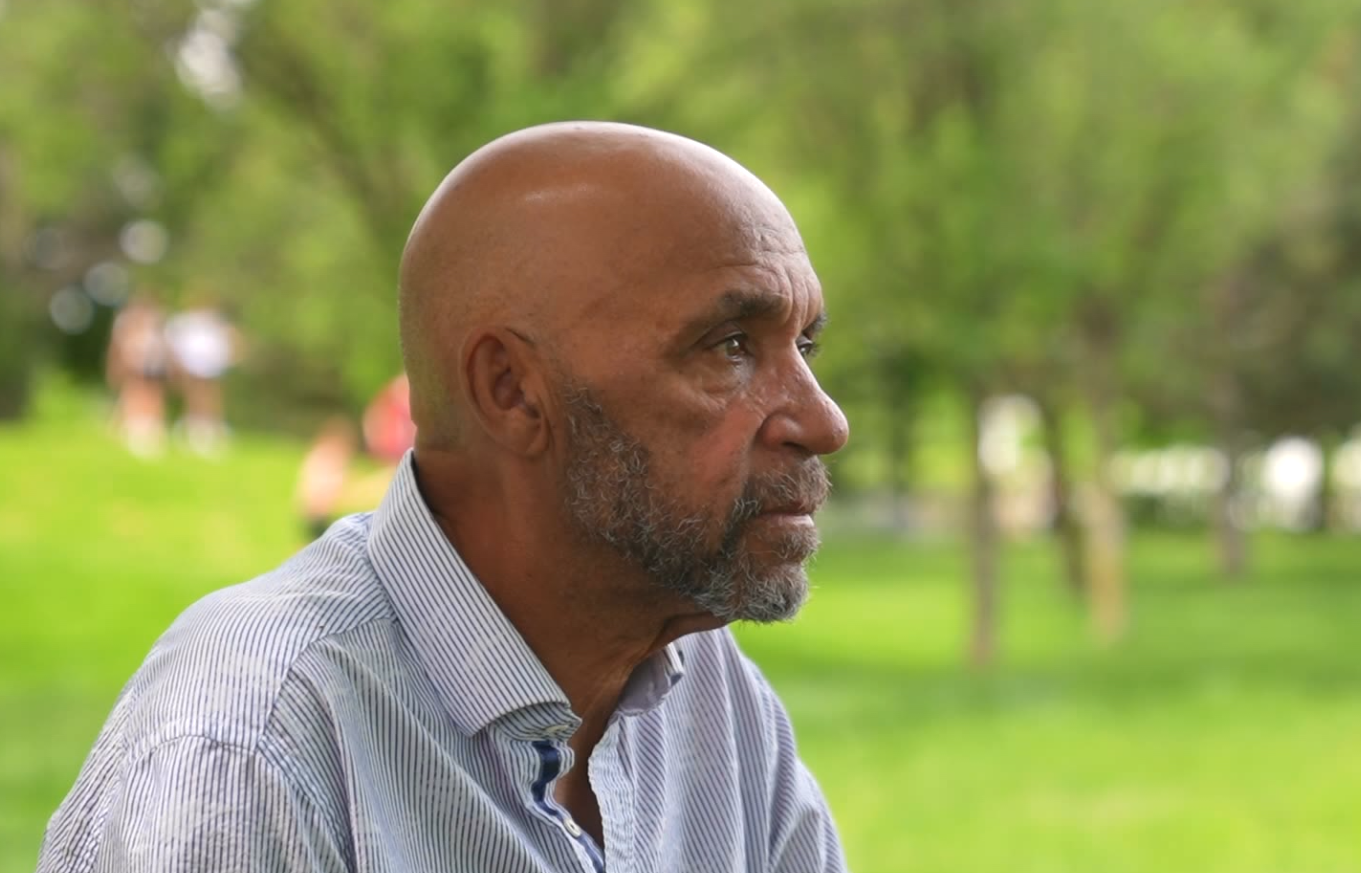
The Kelowna construction worker had recently landed a job with Northland Properties and was settling into the role when his life took an unexpected turn.
The Kelowna construction worker had recently landed a job with Northland Properties and was settling into the role when his life took an unexpected turn.
Sharon Stone had an instinct her previous marriage had run its course.
The Basic Instinct actress revealed that she ended her marriage because of the way her ex-husband reacted to her early 2000s...
Sharon Stone had an instinct her previous marriage had run its course.
The Basic Instinct actress revealed that she ended her marriage because of the way her ex-husband reacted to her early 2000s...
Global mental health has eroded. A study published this Thursday in the journal The Lancet estimates that about 1.2 billion people — 14% of the planet — suffer from mental health problems. That is, in absolute terms, nearly double the number recorded in 1990. Experts attribute the rise in part to improved detection, but also say entrenched poverty, wars, the impact of natural disasters and disruptive events such as the COVID-19 pandemic have driven up the incidence of some disorders. Adolescents
Global mental health has eroded. A study published this Thursday in the journalThe Lancetestimates that about 1.2 billion people — 14% of the planet — suffer from mental health problems. That is, in absolute terms, nearly double the number recorded in 1990. Experts attribute the rise in part to improved detection, but also say entrenched poverty, wars, the impact of natural disasters and disruptive events such as the COVID-19 pandemic have driven up the incidence of some disorders. Adolescents aged 15 to 19 and women of all ages are the hardest hit: they bear the highest levels, especially of anxiety and depression. According to the study, mental disorders are already the leading cause of disability worldwide, surpassing cardiovascular disease, cancer and musculoskeletal conditions.
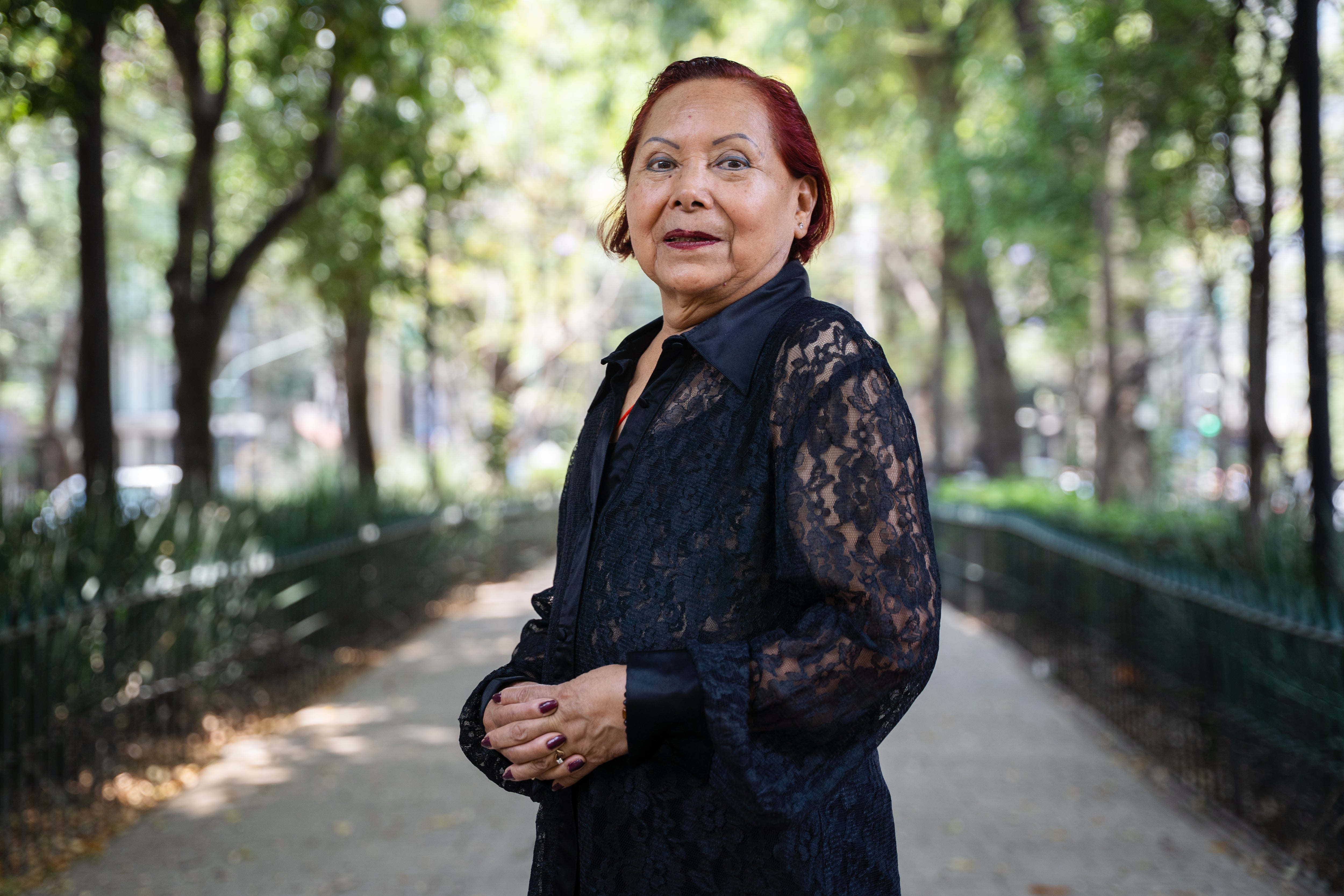
If photographs could make a sound, the one Edith Sánchez keeps in a small plastic bag would play Luis Miguel’s version of Las Mañanitas. Dated September 16, 1994, the photo shows the Mexican singer hugging her as she looks at the camera. It is the only picture she has left beside the man who was her boss for more than 25 years. Seguir leyendo
If photographs could make a sound, the one Edith Sánchez keeps in a small plastic bag would play Luis Miguel’s version of Las Mañanitas. Dated September 16, 1994, the photo shows the Mexican singer hugging her as she looks at the camera. It is the only picture she has left beside the man who was her boss for more than 25 years.
A medical breakthrough in the fight against pancreatic cancer is showing promising results after decades of research. The experimental drug, taken once a day, extends patients' lives by slowing the progression of one of the deadliest cancers. Dr. Rachna Shroff, associate director of clinical investigations at the University of Arizona Comprehensive Cancer Center, joins Stephanie Sy for more.
A medical breakthrough in the fight against pancreatic cancer is showing promising results after decades of research. The experimental drug, taken once a day, extends patients' lives by slowing the progression of one of the deadliest cancers. Dr. Rachna Shroff, associate director of clinical investigations at the University of Arizona Comprehensive Cancer Center, joins Stephanie Sy for more.
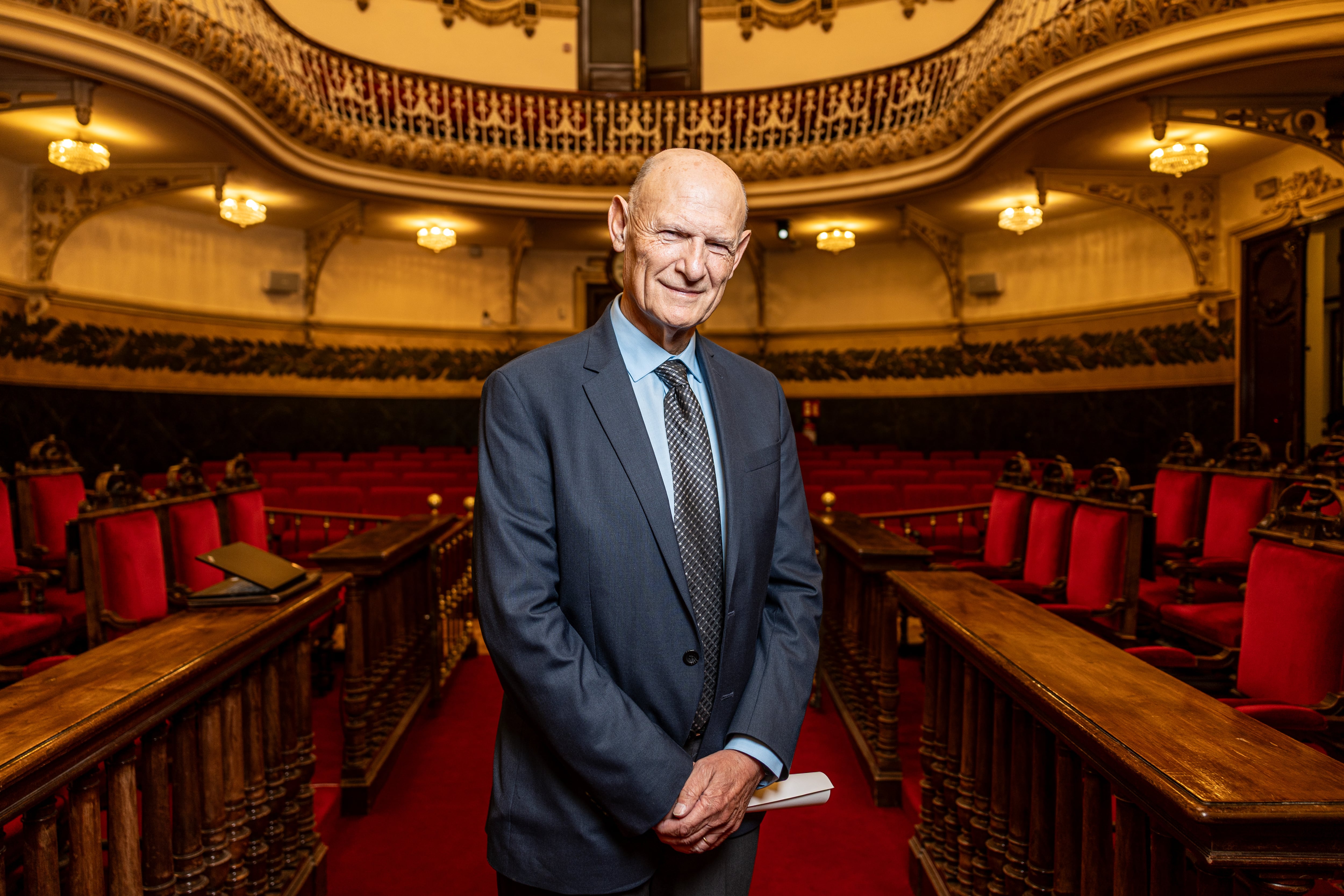
“If no one asks me, I know what time is. When they ask me, I no longer know,” wrote the philosopher Augustine of Hippo 17 centuries ago. Something very similar happens now with aging: we all understand what it is, but when we ask ourselves why we must age and die, doubts arise. Even the world’s leading experts face the same uncertainty: at best they offer very different answers.Seguir leyendo
“If no one asks me, I know what time is. When they ask me, I no longer know,” wrote the philosopher Augustine of Hippo 17 centuries ago. Something very similar happens now with aging: we all understand what it is, but when we ask ourselves why we must age and die, doubts arise. Even the world’s leading experts face the same uncertainty: at best they offer very different answers.
A potential response to cancer is written — on a microscopic level — in its very tumor cells. For decades, treatment and prognosis of the disease has been largely determined by the organ, the anatomical location in which the cancerous mass is located. But now, science has placed a spotlight on something more ambitious: learning the tumor’s signature, or rather, the molecular alterations that characterize its malignant cells. The latest meeting of the American Society of Clinical Oncology (ASCO),
A potential response to cancer is written — on a microscopic level — in its very tumor cells. For decades, treatment and prognosis of the disease has been largely determined by the organ, the anatomical location in which the cancerous mass is located. But now, science has placed a spotlight on something more ambitious: learning the tumor’s signature, or rather, the molecular alterations that characterize its malignant cells. The latest meeting of the American Society of Clinical Oncology (ASCO), which took place last weekend in Chicago, has given further impetus to precision oncology and highlighted how cancer biology, those microscopic genetic characteristics that define it, are playing an increasingly important role in determining therapeutic approach, and even predicting prognosis.
JUNE 9 — Every year, June marks Cancer Immunotherapy Awareness Month — a global effort to increase public understanding of one of the most promising advances in modern cancer treatment.Unlike conventional therapies that directly target tumours, immunotherapy works by empowering the body’s own immune system to recognise and fight cancer cells. Over the past decade, immunotherapy has transformed cancer care worldwide, offering new hope to patients with cancers that
JUNE 9 — Every year, June marks Cancer Immunotherapy Awareness Month — a global effort to increase public understanding of one of the most promising advances in modern cancer treatment.
Unlike conventional therapies that directly target tumours, immunotherapy works by empowering the body’s own immune system to recognise and fight cancer cells. Over the past decade, immunotherapy has transformed cancer care worldwide, offering new hope to patients with cancers that were once difficult to treat.
However, while scientific progress continues rapidly, public understanding of immunotherapy often remains limited. One of the biggest challenges in cancer awareness is combating misinformation and widespread myths. In today’s digital era, misleading health information can spread rapidly online, creating confusion and fear.
This highlights the importance of evidence-based science communication led by healthcare professionals and researchers to debunk common misconceptions:
The “Natural” Myth: Many believe that because immunotherapy uses the body’s own cells, it is a “natural” treatment without side effects. In reality, while it avoids the hair loss typically seen in chemotherapy, it can cause unique immune-related side effects where the body’s defenses become overactive.
The “Universal Cure” Myth: While revolutionary, immunotherapy is not yet a “silver bullet” for every patient. Factors like the Tumour Microenvironment (TME) can shield certain cancers, particularly solid tumours—from immune attack. This is exactly why ongoing research into enhancing CAR-T cells or CAR-NK cells are so vital.
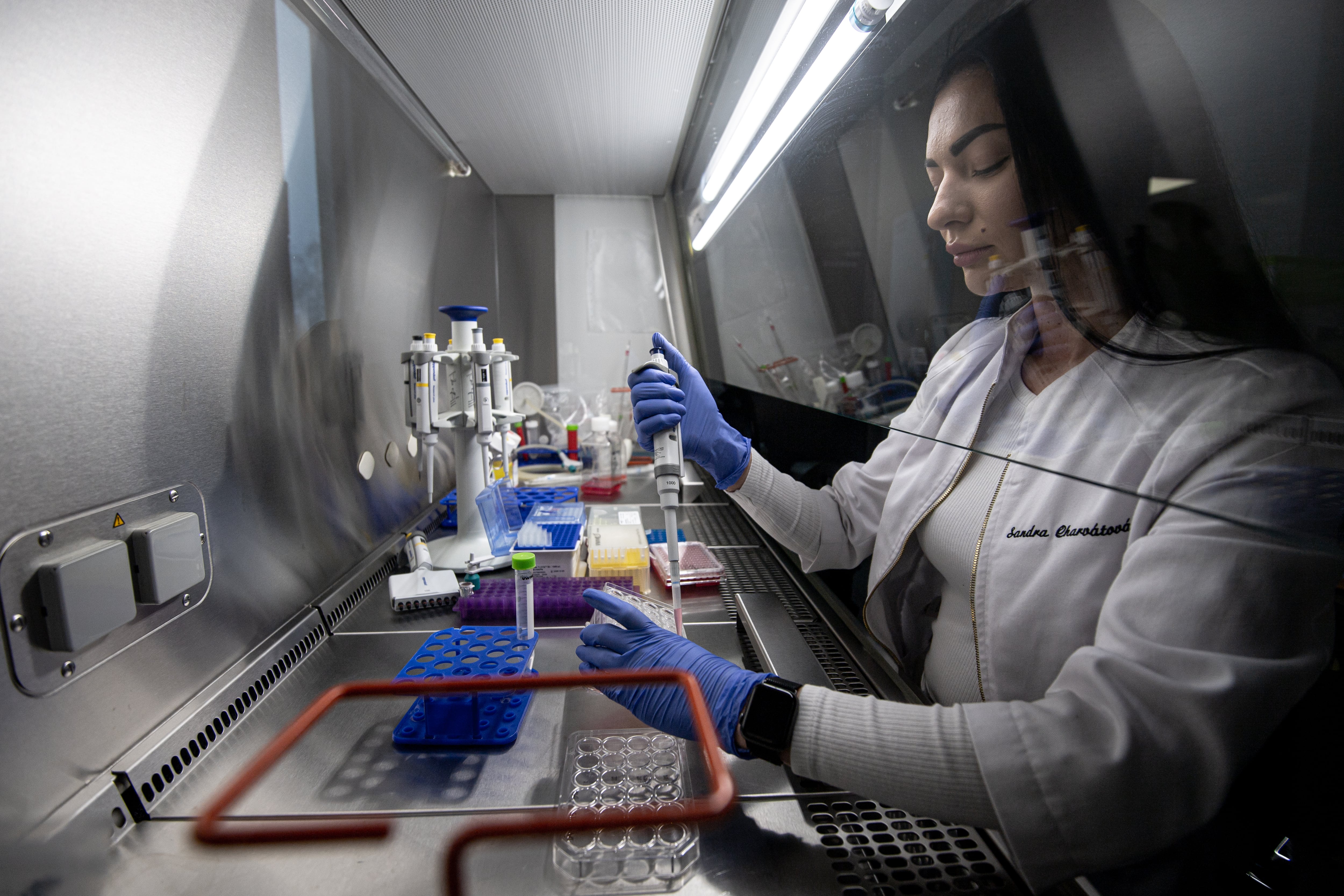
As researchers in cancer immunology, we believe science should not remain confined within laboratories or academic journals. Scientific discoveries achieve their greatest impact when knowledge reaches the public. — Pexels pic
The “Last Resort” Myth: There is a common misconception that immunotherapy is only for terminal cases. In fact, it is increasingly being used as a primary, first-line treatment to provide long-term protection and “immune memory” against cancer recurrence.
This is why cancer awareness programmes remain essential. Behind every public health campaign, educational talk, or community outreach activity is a dedicated team working to bridge the gap between scientific discoveries and public understanding. Organising these programmes requires months of planning, collaboration, and commitment from researchers, clinicians, students, and volunteers.
In addition to local outreach efforts, our experience in organising community engagement activities through laboratory tours with Cancer Research UK has provided valuable insight into how scientific communication can be made more accessible and impactful. Observing how researchers open their laboratories to the public, explain ongoing experiments, and engage visitors directly with real scientific work has been particularly inspiring. We are actively working towards adapting and implementing similar lab tour–based outreach initiatives in Northern Malaysia to strengthen public understanding of cancer research and immunology.
Cancer awareness initiatives are not simply about distributing pamphlets or setting up booths. They are about making complex medical science understandable and accessible to communities. Topics such as early detection, prevention, cancer screening, and emerging therapies like immunotherapy must be communicated clearly to help the public make informed health decisions.
As researchers in cancer immunology, we believe science should not remain confined within laboratories or academic journals. Scientific discoveries achieve their greatest impact when knowledge reaches the public.
In conjunction with Cancer Immunotherapy Awareness Month in June, our team has been actively involved in outreach and education initiatives aimed at increasing awareness about cancer immunotherapy and the role of the immune system in fighting cancer. At Pusat Kanser Tun Abdullah Ahmad Badawi, Universiti Sains Malaysia, we are also honoured that our project has received funding support from the British Society for Immunology (BSI) under the Communication and Engagement Grant. This reflects the growing international recognition of the importance of immunology education.
We are incredibly grateful for the invaluable support of the National Cancer Council (MAKNA), who have championed this BSI-funded initiative by sending dedicated volunteers and cancer survivors to participate, bridging the gap between science and lived experience. Furthermore, our close collaboration with Universiti Teknologi MARA (UiTM) Bertam, alongside the active participation of key national institution including the Malaysian Stem Cell Registry (MSCR), National Institutes of Health (NIH)— underscores the unified, academic and national effort required to advance healthcare literacy in Malaysia.
Importantly, these programmes are not only educational — they are deeply human. Conversations with cancer survivors, caregivers, patients, and families often remind organisers that awareness campaigns are ultimately about people, not just statistics. A simple discussion about symptoms, screening, or treatment options may encourage someone to seek medical attention earlier or feel less afraid of discussing cancer openly.
Cancer awareness also inspires future generations. Many students attending outreach programmes become interested in science, immunology, and biomedical research after realising how research can directly impact human lives. As immunotherapy continues to reshape the future of cancer treatment, public awareness must grow alongside scientific advancement. Education empowers communities, reduces stigma, encourages early detection, and helps society better understand the evolving landscape of cancer care.
Scientific breakthroughs may begin in laboratories, but meaningful impact happens when knowledge reaches people.
And sometimes, awareness itself can become a powerful form of hope.
*The author is from Pusat Kanser Tun Abdullah Ahmad Badawi, Universiti Sains Malaysia, and she can be contacted at fara.hassan@usm.my
* This is the personal opinion of the writer or publication and does not necessarily represent the views of Malay Mail.
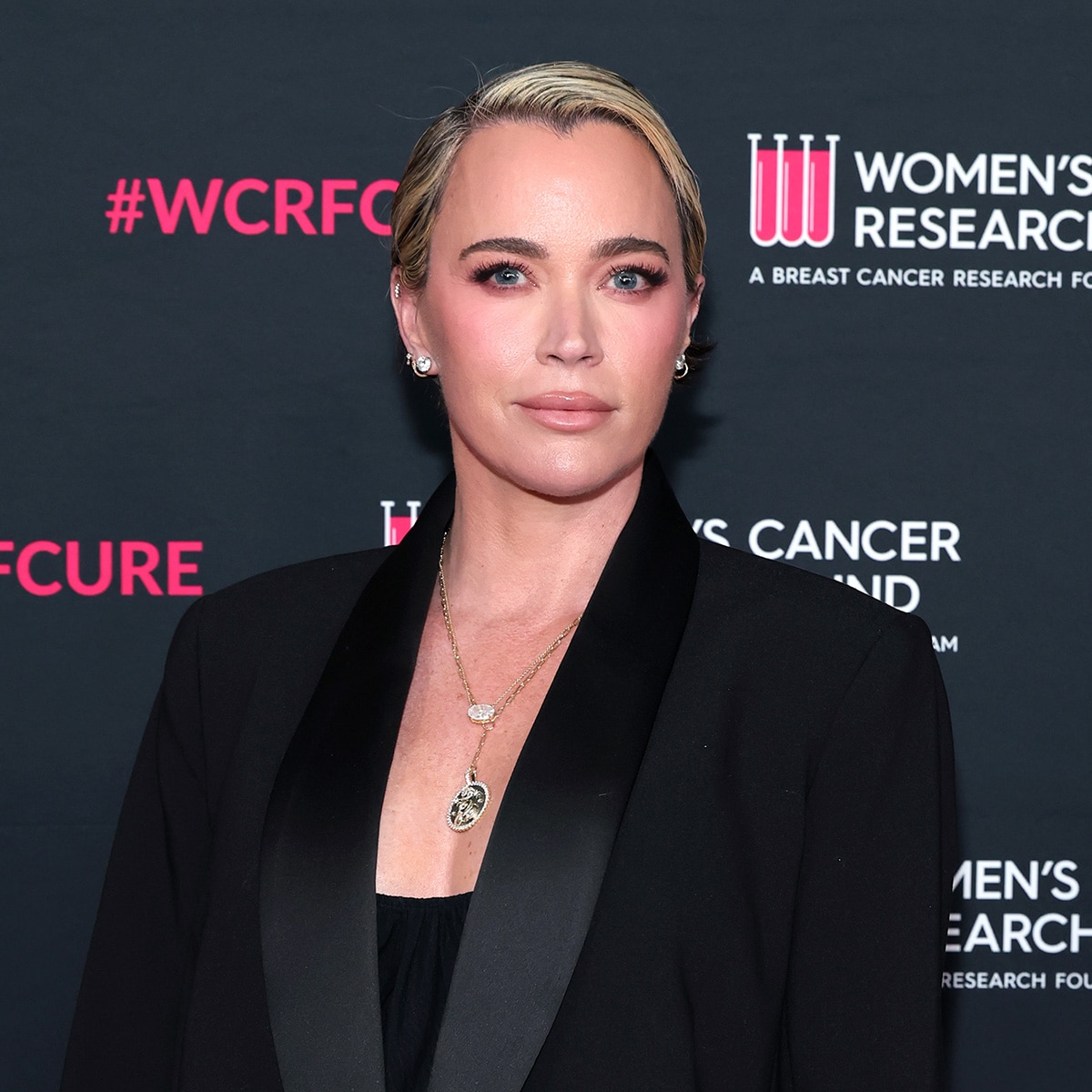
Teddi Mellencamp is giving her followers an insightful peek behind her posts.
Two months after the Real Housewives of Beverly Hills alum completed one year of her stage four cancer diagnosis, she...
Teddi Mellencamp is giving her followers an insightful peek behind her posts.
Two months after the Real Housewives of Beverly Hills alum completed one year of her stage four cancer diagnosis, she...
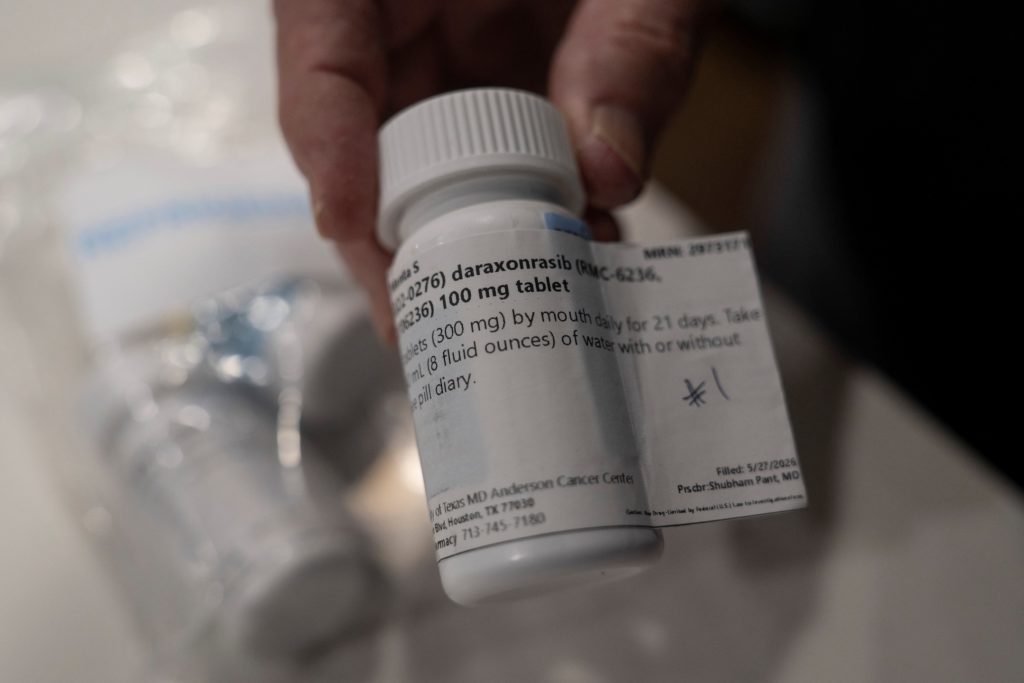
The overall survival rate for people who got daraxonrasib was 13.2 months, nearly double the 6.7 months people survived on standard chemotherapy alone.
The overall survival rate for people who got daraxonrasib was 13.2 months, nearly double the 6.7 months people survived on standard chemotherapy alone.
 Login
Login