Normal view

Cannabis increases the risk of psychotic episodes, but legalization does not always have the same consequences

18 June 2026 at 14:18

Government strategies for addressing cannabis use have been a constant debate in recent decades within regulatory and public health circles. It is acknowledged that consumption, especially at an early age, increases the risk of psychosis. At the same time, the experiences of various countries after changing their laws show that not all forms of legalization produce the same outcomes: where cannabis is freely commercialized on the market, problematic use increases, but that is not the case in places where the state controls sales.

Seguir leyendo

© SOPA Images (SOPA Images/LightRocket via Getty Images)

A young man smokes a joint in London.
  • ✇El País in English
  • Could Ozempic reduce violent crime? ‘It weakens the leap from impulse to action’ Enrique Alpañés
    The link between alcohol and violence is well documented. Some studies estimate that between 30% and 50% of assaults and homicides are committed by someone who is at least somewhat intoxicated. But a study published on June 17 in the journal Criminology suggests that relationship could be weakened in an unexpected way: by Ozempic. The study is population-based, used a sample of 821 adults, and does not allow claims of direct effects on criminality. Still, it offers clues about how violence takes
     

Could Ozempic reduce violent crime? ‘It weakens the leap from impulse to action’

17 June 2026 at 17:18

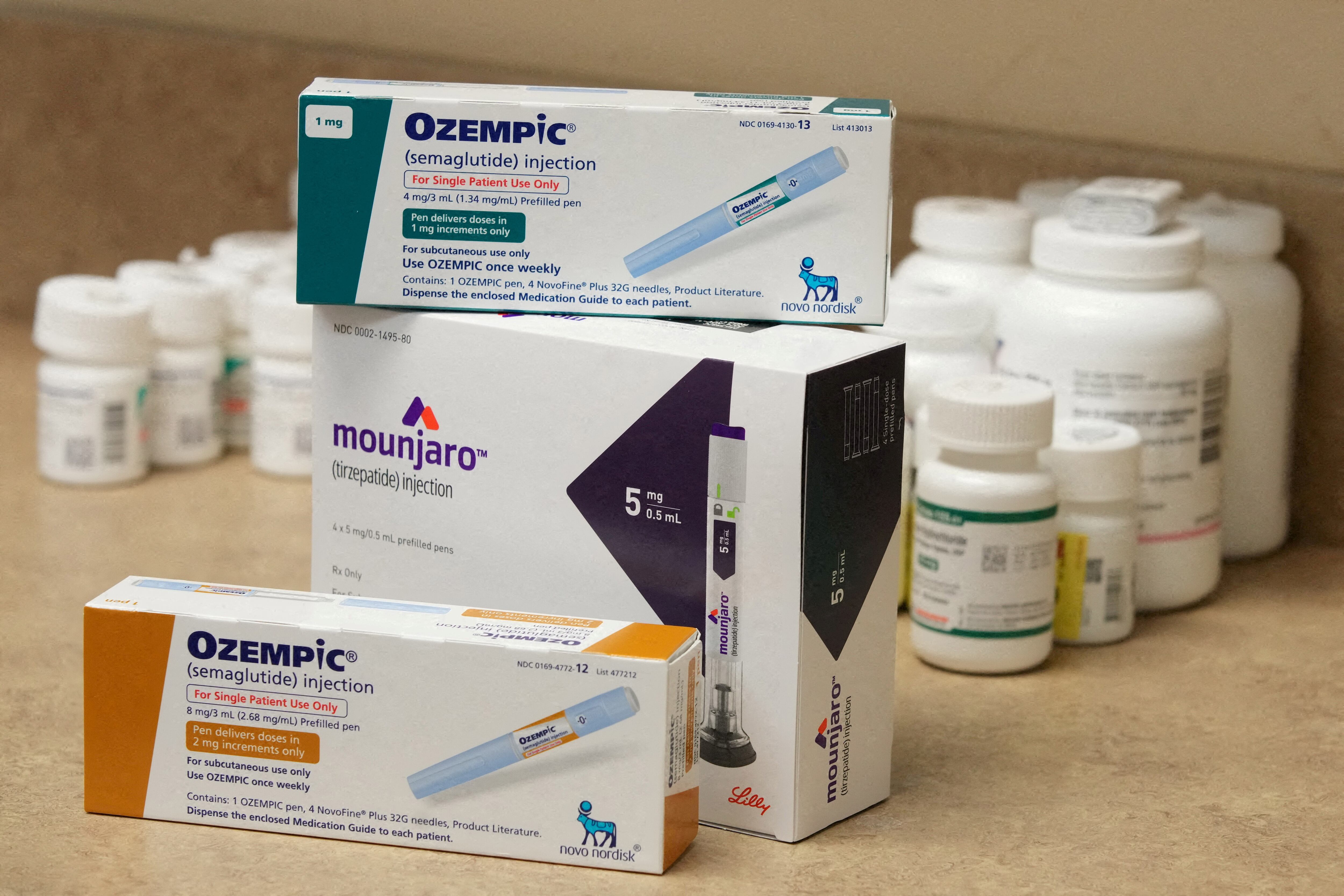
The link between alcohol and violence is well documented. Some studies estimate that between 30% and 50% of assaults and homicides are committed by someone who is at least somewhat intoxicated. But a study published on June 17 in the journal Criminology suggests that relationship could be weakened in an unexpected way: by Ozempic. The study is population-based, used a sample of 821 adults, and does not allow claims of direct effects on criminality. Still, it offers clues about how violence takes shape in the brain — and about how we might control it.

Seguir leyendo

© George Frey (REUTERS)

Ozmepic and Mounjaro are two of the most popular weight-loss drugs.
  • ✇El País in English
  • Blood test can detect early symptoms, 10 years before onset of Alzheimer’s Nuño Domínguez
    The new holy grail in the fight against Alzheimer’s, the most common neurodegenerative disease, is the ability to detect it earlier and earlier, even before symptoms appear. Two studies published this week are steps toward that possibility, and raise controversial questions as to whether early screening should be made available to the general population to look for the disease’s first molecular signs. That would allow for the identification of individuals who are at the highest risk. But it woul
     

Blood test can detect early symptoms, 10 years before onset of Alzheimer’s

29 May 2026 at 18:06

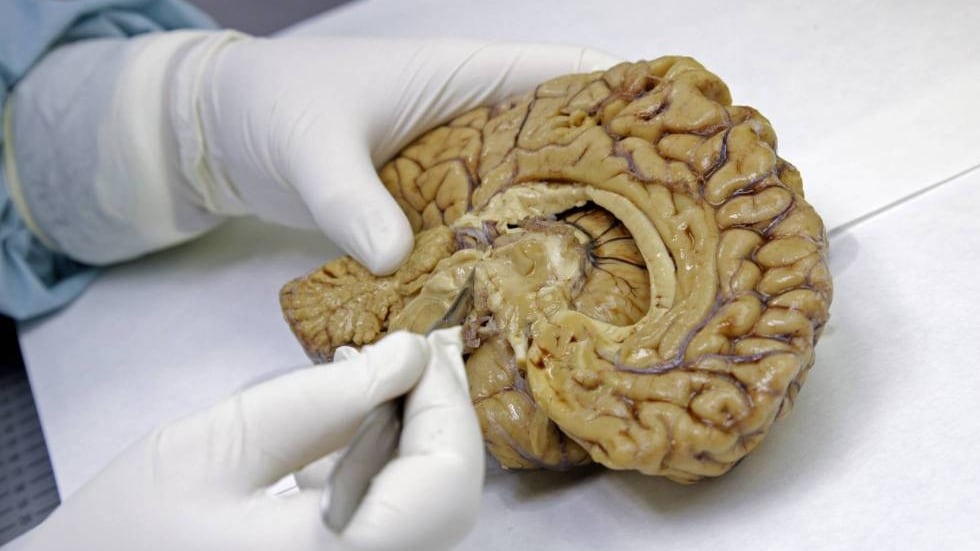
The new holy grail in the fight against Alzheimer’s, the most common neurodegenerative disease, is the ability to detect it earlier and earlier, even before symptoms appear. Two studies published this week are steps toward that possibility, and raise controversial questions as to whether early screening should be made available to the general population to look for the disease’s first molecular signs. That would allow for the identification of individuals who are at the highest risk. But it would also generate a large number of false positives that could overwhelm healthcare services.

Seguir leyendo

© FUNDACIÓN CIEN

Dissecting a brain at the brain bank of the CIEN Foundation in Madrid.

Is it possible to die of grief? Science confirms that intense bereavement raises the risk of death

An man visits Boisaca cemetery in Santiago de Compostela, Spain.

The death, attributed to grief, of the cartoonist and filmmaker Marjane Satrapi, author of Persepolis, has brought back a recurring and widely studied question in the public imagination: is it possible to die of grief? Regardless of Satrapi’s personal circumstances — which remain unknown for now — science points to yes, while reframing the romantic idea within a biological explanation. For example, intense bereavement can worsen mental health, trigger cardiovascular problems and, ultimately, raise the risk of death. Satrapi’s family said on Tuesday that she died “of sadness a little more than a year after the death of Mattias Ripa, her husband and the love of her life.” They gave no further details.

Seguir leyendo

  • ✇El País in English
  • Global mental health snapshot: 1.2 billion people are living with mental disorders Jessica Mouzo Quintáns
    Global mental health has eroded. A study published this Thursday in the journal The Lancet estimates that about 1.2 billion people — 14% of the planet — suffer from mental health problems. That is, in absolute terms, nearly double the number recorded in 1990. Experts attribute the rise in part to improved detection, but also say entrenched poverty, wars, the impact of natural disasters and disruptive events such as the COVID-19 pandemic have driven up the incidence of some disorders. Adolescents
     

Global mental health snapshot: 1.2 billion people are living with mental disorders

Global mental health has eroded. A study published this Thursday in the journal The Lancet estimates that about 1.2 billion people — 14% of the planet — suffer from mental health problems. That is, in absolute terms, nearly double the number recorded in 1990. Experts attribute the rise in part to improved detection, but also say entrenched poverty, wars, the impact of natural disasters and disruptive events such as the COVID-19 pandemic have driven up the incidence of some disorders. Adolescents aged 15 to 19 and women of all ages are the hardest hit: they bear the highest levels, especially of anxiety and depression. According to the study, mental disorders are already the leading cause of disability worldwide, surpassing cardiovascular disease, cancer and musculoskeletal conditions.

Seguir leyendo

© © Marco Bottigelli (Getty Images)

About 1.2 billion people — 14% of the planet — suffer from mental health problems.

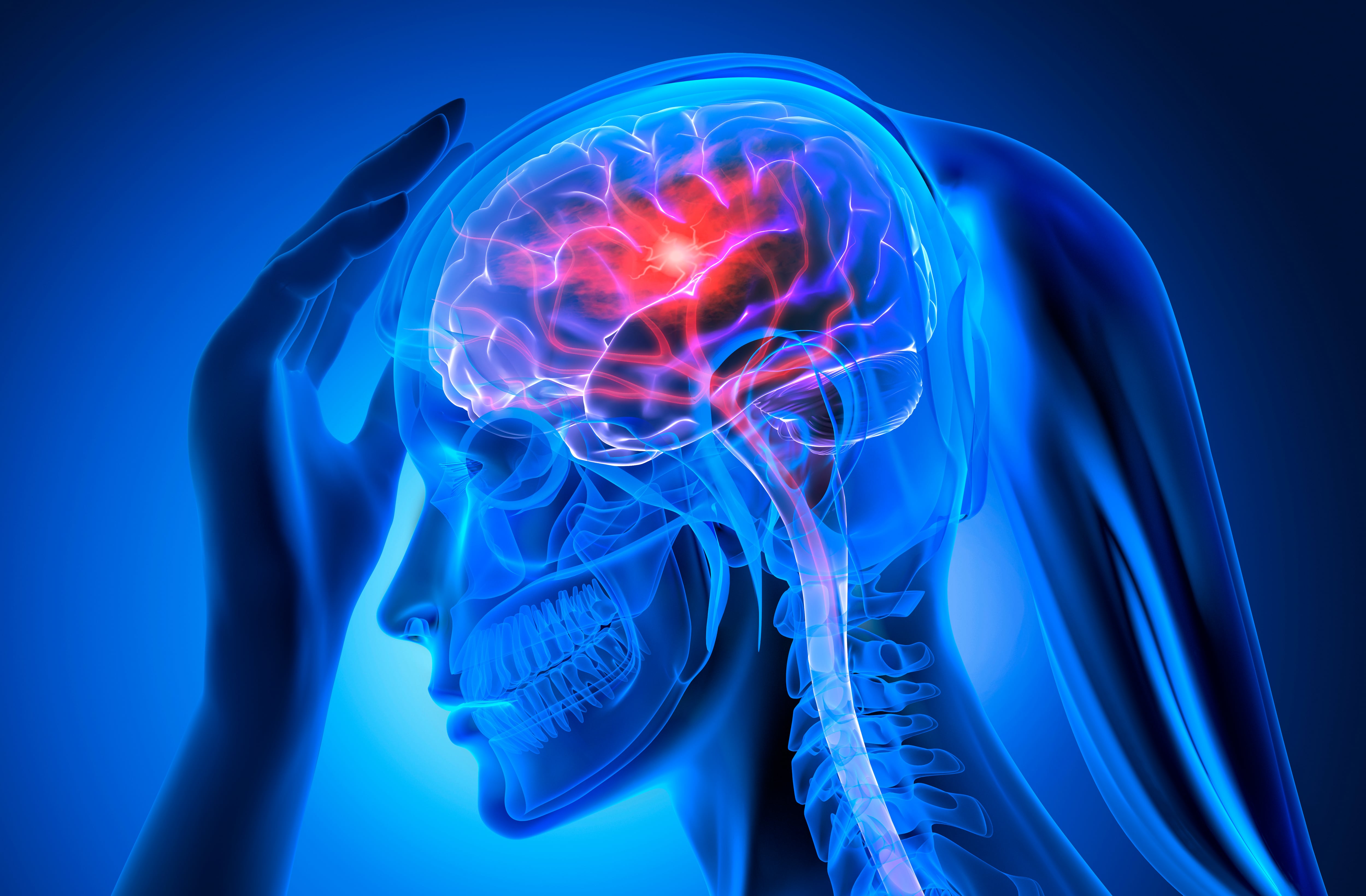
Women who experience premature menopause are at greater risk of stroke and heart failure

Experiencing premature menopause can significantly increase women’s risk of cardiovascular events. Such is the conclusion of a study recently published in The Lancet Obstetrics, Gynaecology & Women’s Health, in which over 111,000 women from 26 countries participated. Backed by more than 30 academic and medical institutions, it is considered the biggest international study of the subject to date.

Seguir leyendo

© peterschreiber.media (iStock)

In Spain, stroke is the second leading cause of death among women.
❌
Subscriptions