Reading view

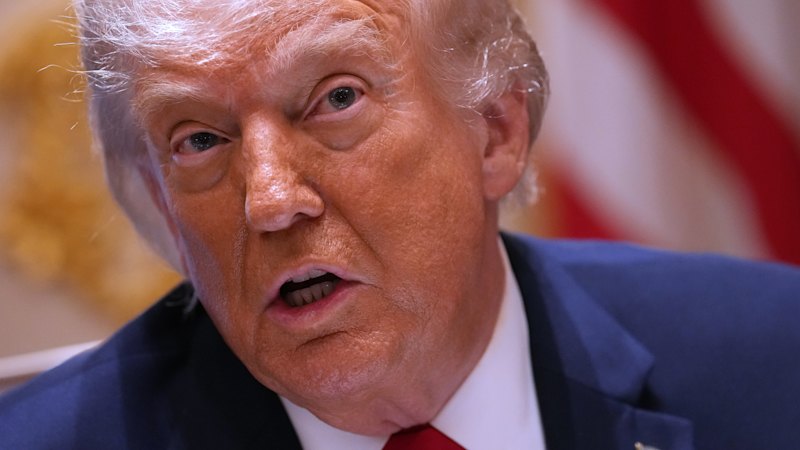
Why Trump’s call to pull 5,000 US troops from Germany will hurt America
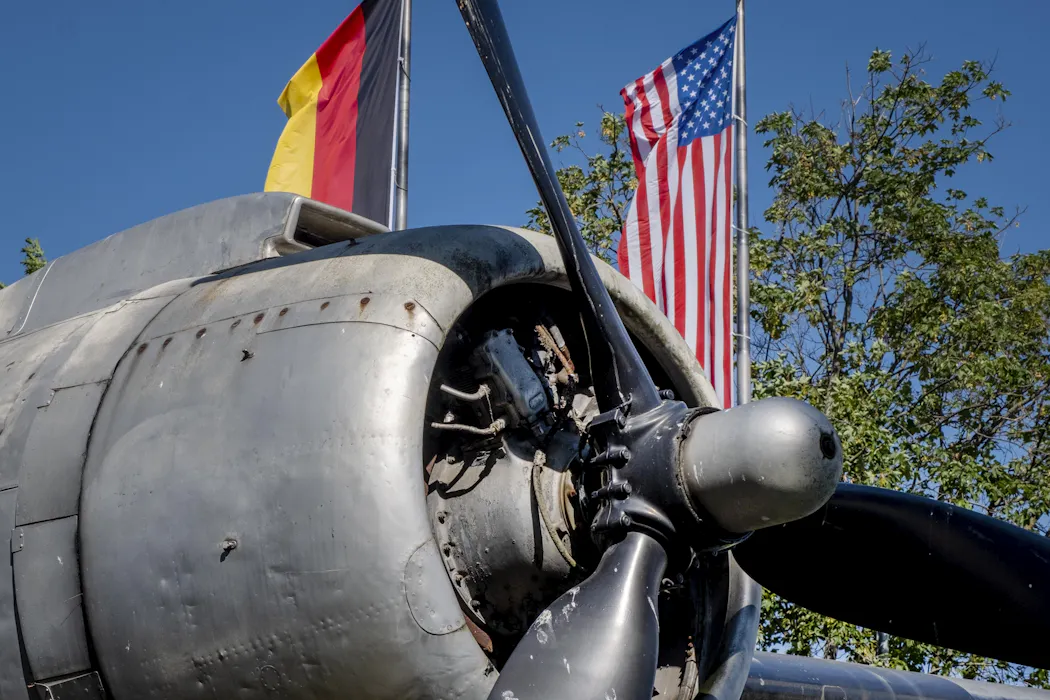
The propeller of a 'raisin bomber' airplane from World War II is seen in Frankfurt, Germany, in June 2020. AP Photo/Michael Probst

President Donald Trump announced on May 1, 2026, that the United States will withdraw 5,000 U.S. troops from Germany – personnel who had been deployed there as a response to Russia’s invasion of Ukraine.

Germany-U.S. tensions started after the U.S. invasion of Iran. German Chancellor Friedrich Merz refused to support Trump’s war and stated that Iran had humiliated Washington’s leadership by closing the Strait of Hormuz. Trump followed the initial U.S. troop withdrawal announcement with threats to pull more armed forces.

U.S. troops will depart Germany over the next six to 12 months, leaving about 31,000 troops in the country.

The Trump administration’s decision to withdraw personnel comes after weeks of mounting tensions between the U.S. and NATO members. The United Kingdom and Portugal have restricted Washington’s ability to use its bases in those countries for certain activities related to the Iran war.

Trump also threatened to withdraw U.S. troops from Spain and Italy over their opposition to the war and refusal to help the U.S.

“Why shouldn’t I?” Trump said on April 30, 2026, referring to possible U.S. troop withdrawal from the two European countries. “Italy has not been of any help. Spain has been horrible. Absolutely.”

These remarks suggest the Trump administration views U.S. troop withdrawal as punishment for noncompliant European allies. But the reality is more complicated. Although this proposed 5,000-troop reduction is less than 15% of current U.S. forces in Germany, its logic and consequences speak to broader issues of power projection.

As experts in international relations, foreign policy and security cooperation, we have studied the relationship between U.S. military deployments and their host countries for years. While U.S. deployments contribute to the security of the host state, having troops based in Europe and other countries provides the U.S. with significant flexibility for pursuing its own foreign policy goals.

US deployment levels

Europe has historically been one of the regions with the highest concentrations of U.S. military personnel deployed overseas.

Since the end of the Cold War, for example, Italy has hosted between 20,000 and 40,000 personnel, and Spain between 2,000 and 7,000 personnel. Germany has regularly hosted the largest deployments. At the end of the Cold War, the U.S. maintained approximately 227,000 military personnel in Germany. Though Europe remains a significant location for basing U.S. troops, this number fell dramatically in the 1990s, hovering between 50,000 and 75,000 for most years since then.

US power projection

Historians and policymakers often explained U.S. deployments to Europe as a means of deterring the Soviet Union during the Cold War.

Nobel laureate Thomas Schelling described the logic in 1966: Even a small deployment in West Berlin served as a trip wire, ensuring that Soviet incursions would trigger a much larger military response from the U.S. and its European allies.

But a closer look at U.S. foreign policy challenges this view. While U.S. troops stationed in Europe were meant to defend Europe, their utility has extended far beyond that.

U.S. military bases and deployments provide the U.S. with greater flexibility and opportunities to pursue its foreign policy goals. By forward positioning military personnel and assets, the U.S. can reduce response times during crises, as well as the costs of moving its military resources into strategic positions.

A military plane lands on a runway.
A U.S. military aircraft lands at Incirlik Air Base in Adana, Turkey, as part of the operations against ISIS on Aug. 10, 2015. Volkan Kasik/Anadolu Agency/Getty Images

Foreign deployments can convince countries not to attack countries that host them. During the Cold War, for example, the U.S. deployed nuclear weapons to Incirlik Air Base in Turkey, a NATO ally. Turkey’s close proximity to the Soviet Union increased the U.S.’s ability to challenge its superpower rival with these weapons.

These missiles were famously later withdrawn during the Cuban missile crisis in 1962, giving the U.S. something to bargain with in persuading the Soviets to remove their missiles from Cuba.

Larger military engagements, such as the Vietnam War or the wars in Iraq and Afghanistan, have typically relied on U.S. military facilities in allied states that are closer to the conflict. During the Vietnam War, U.S. bases in Germany, Japan and the Philippines were used as staging areas through which U.S. personnel and equipment moved on their way in or out of Southeast Asia.

U.S. facilities in Germany, such as Ramstein Air Base and Landstuhl Regional Medical Center, have been integral to combat operations, satellite control of drones and treating U.S. personnel wounded in combat. Landstuhl has admitted over 97,000 wounded soldiers since its founding in 1953 and has already treated service members injured during the ongoing Iran war.

Further, military equipment such as radar and interceptor missiles often have limited ranges. Deploying this equipment closer to rival countries can increase the chance of successfully intercepting and destroying incoming missiles.

Humanitarian benefits

Beyond warfare, U.S. humanitarian relief and disaster response operations often benefit from U.S. bases.

For instance, after a large earthquake struck Japan in 2011, U.S. personnel and facilities located in and around Japan enabled the rapid mobilization of relief operations.

A military transport plane takes off from a runway.
A U.S. Air Force C-17 Globemaster transport plane takes off from Ramstein Air Base in Germany on June 23, 2025. Boris Roessler/Picture Alliance via Getty Images

In 2004, a powerful earthquake in the Indian Ocean triggered large tsunamis, affecting millions of people in nearby countries. U.S. personnel stationed at Yokota Air Base near Tokyo provided relief and supplies to people throughout Southeast Asia and as far as eastern Africa.

Similarly, after an earthquake in Turkey in 2023, U.S. medical personnel relocated from Germany to Incirlik Air Base to help provide relief.

Beyond their humanitarian benefits, these missions can increase favorable views of the U.S. More positive public views of America may also make foreign governments more likely to support U.S. foreign policy goals.

Lower costs for the US

Host states often make direct and indirect contributions to the costs of hosting and sustaining U.S. personnel. These can range from direct financial transfers to construction, tax reductions and subsidies. Japan and South Korea increased the amount they pay to host U.S. troops after Trump demanded they do so in 2019.

U.S. equipment – from tanks and trucks to planes and ships – also often relies on a host country’s infrastructure to operate and move within the host country. Germany, for example, paid over US$1 billion for construction costs and the stationing of U.S. troops in Germany during the 2010s.

Not all countries that host U.S. troops invest as much in their infrastructure as Germany does, and having those troops elsewhere could prove far more costly than having them in Germany.

The Conversation

Michael A. Allen received grant research funding from the Department of Defense's Minerva Initiative, the US Army Research Laboratory, and the US Army Research Office from 2017 to 2021.

Carla Martinez Machain has received funding from the Department of Defense's Minerva Initiative, the US Army Research Laboratory, and the US Army Research Office.

Michael E. Flynn has received funding from the Department of Defense's Minerva Initiative, the US Army Research Laboratory, and the US Army Research Office.

  •  

Same as it Ever was

Michael A Lawrence posted a photo:

Same as it Ever was

Taken at the same time as my previous photo, only this was the Kodak Brownie Hawkeye Camera. I keep two of these Hawkeyes under the passenger seat of my vehicle, one with 100 and the other with 400 speed film. I loaded this role of HP5+ on New Years Day....this last exposure was made at the end of May. I've not been shooting quite as much as I normally do.
Two very different cameras that arrived at kind of the same place when it was all said and done.

  •  

Star Wars' Explosive Heist Thriller Is So Good, You Can Rewatch It Multiple Times

After the recent mixed reception to The Mandalorian and Grogu, it's clear that Star Wars isn't the undisputed hit franchise it used to be. While Star Wars continues to thrive in the area of made-for-streaming animation, live-action endeavors have been largely hit or miss, with even the best outings failing to live up to their own hype. However, apart from Rogue One and its television prequel Andor, arguably the most rewatchable Star Wars project of the Disney era is the highly underrated Solo: A Star Wars Story.

  •  

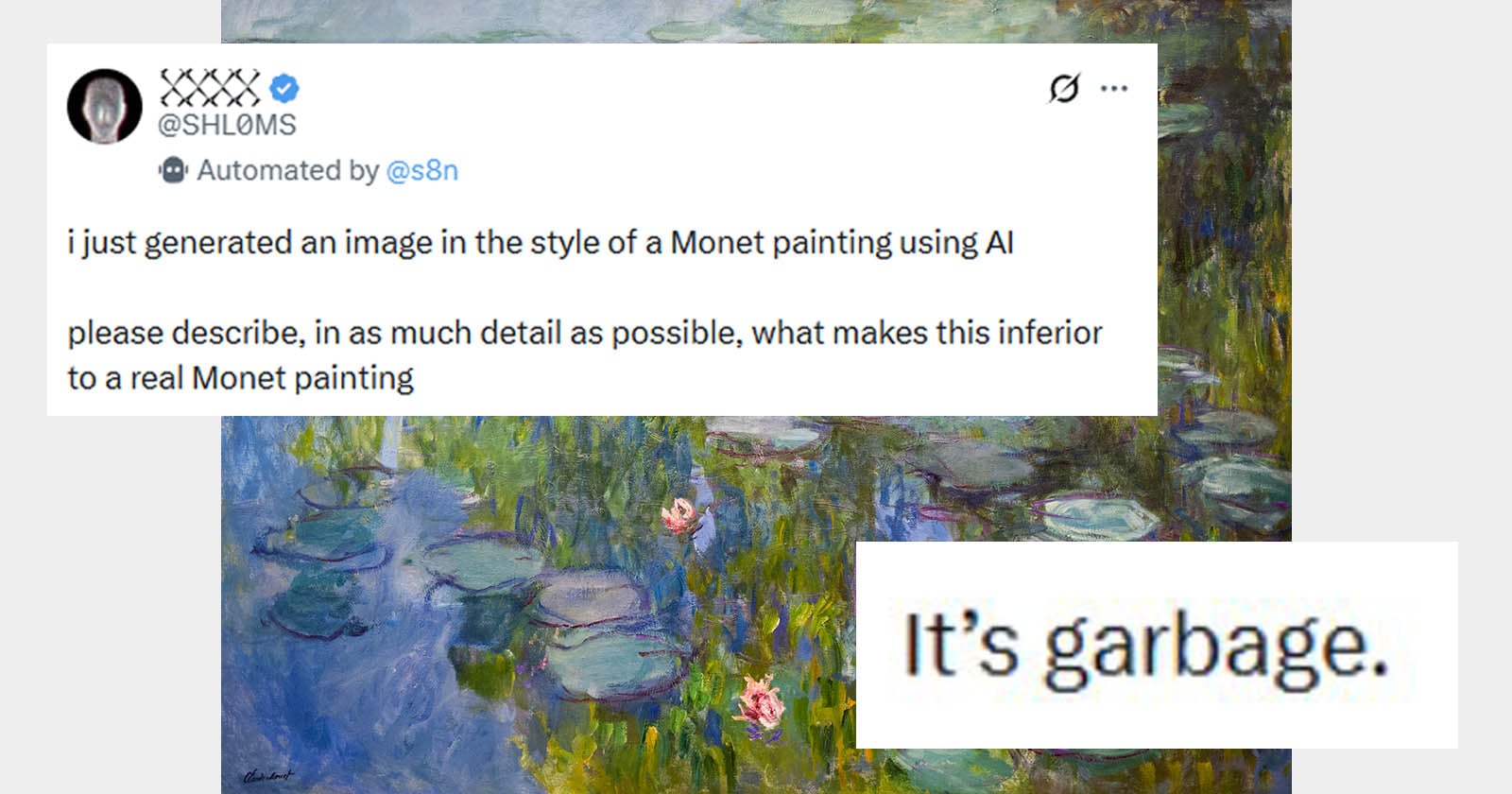
Someone Shared a Real Monet Painting as AI and Asked for Critiques

A tweet overlaying a Monet-style painting reads: “i just generated an image in the style of a Monet painting using AI… what makes this inferior to a real Monet painting.” Below, bold text says: “It’s garbage.”.

A fascinating art social experiment unfolded on social media this week after someone shared an actual Monet painting as an AI-generated artwork and asked people to explain what makes the "AI image" inferior to a genuine Monet piece. There was no shortage of "sharp-eyed" critics eager to chime in.

[Read More]

  •  

What Is The Purple Ribbon For?

The purple ribbon is widely recognized as a symbol of awareness for multiple causes—including Alzheimer’s disease, epilepsy, domestic violence, and other health and social issues.

What if a single ribbon could speak volumes—without saying a word? You’ve probably seen a purple ribbon pinned on someone’s shirt, tied around a tree, or printed on event materials. It looks simple, even quiet. 

But behind that color is a message that’s powerful, emotional, and often deeply personal. So, what does it mean when someone wears a purple ribbon? Is it just for one cause, or does it carry more weight than you think?

Understanding Awareness Ribbons

A purple ribbon, often linked to multiple causes, is shown in a clean and meaningful design. These ribbons are more than just accessories—they’re symbols of support, hope, and advocacy.

Awareness ribbons are small loops of colored ribbon worn or displayed to show support for specific causes. Each color represents a different issue and helps raise public awareness.

The History Behind Awareness Ribbons

The tradition of using ribbons as symbols goes back several decades. One of the earliest examples is the yellow ribbon, used to honor soldiers returning from war. Over time, ribbon colors became powerful tools for expressing solidarity and support.

By the late 20th century, different ribbon colors were adopted for various issues. Red ribbons, for example, became known worldwide as a symbol for AIDS awareness in the early 1990s. Since then, colored ribbons—including the purple awareness color—have become a simple yet effective way to bring attention to important causes.

Why Awareness Ribbons Matter

Why Awareness Ribbons Matter

Awareness ribbons are more than just decorations—they’re meaningful tools for advocacy. Here’s why they matter:

  • Show support for causes that are important to you
  • Help raise awareness and bring attention to serious issues
  • Start conversations that lead to understanding and action
  • Unite people around shared concerns and values
  • Provide a simple and visible way for anyone to get involved
  • Make advocacy more accessible—no special resources needed

These small loops carry a big message and give everyone a way to take part in meaningful change.

Meaning of the Purple Ribbon

Meaning of the Purple Ribbon

So, what does the purple ribbon stand for? The answer depends on the cause it represents. Purple ribbon awareness covers a wide range of health conditions and social issues, making it one of the most widely recognized symbols of support.

In healthcare, the significance of the purple ribbon includes awareness for epilepsy, pancreatic cancer, Alzheimer’s disease, lupus, and ADHD. Each of these conditions affects millions and requires more public understanding and support.

Beyond medical causes, purple awareness is also tied to social issues. The purple ribbon is used to promote awareness for domestic violence, showing solidarity with survivors and urging for change. It also highlights animal abuse prevention, reminding us of the need for compassion and responsible care for animals.

By wearing or displaying a purple ribbon, you’re showing that you care. You’re helping others understand the cause and encouraging them to get involved. The purple awareness color is simple, powerful, and filled with meaning, sometimes more than we realize.

Creative Ways to Use Purple Ribbons at Your Awareness Event

Purple ribbons do more than show support—they invite conversation, connection, and collective action. With the right activities, they can turn any awareness event into a meaningful experience. Here are some creative ways to use them that leave a lasting impact.

Ribbon Pins for Attendees and Purple Ribbon Wall or Tree

1. Ribbon Pins for Attendees

Offer small purple ribbon pins at the registration or welcome table. Wearing them throughout the event creates a visual show of unity and support.

Tips:

  • Use safety pins or adhesive backing for easy wear.
  • Place a short card with each pin explaining what the purple ribbon represents.
  • Have volunteers ready to help guests put them on.

2. Purple Ribbon Wall or Tree

Create a space where guests can tie a purple ribbon with a personal message, name, or encouraging word.

Ways to Set It Up:

  • Use a large bulletin board, a wooden frame, or a small potted tree with branches.
  • Provide pre-cut ribbons and permanent markers.
  • Add signage: “Tie a ribbon for someone you support” to guide participation.
Purple Ribbon Photo Booth and Ribbon-Themed Giveaways

3. Purple Ribbon Photo Booth

Set up a themed booth where attendees can take photos with props and purple ribbon decor.

Ideas to Make It Fun and Shareable:

  • Include signs with awareness messages or hashtags like #SupportWithPurple.
  • Add purple lighting, ribbon curtains, or backdrop banners.
  • Offer fun props: purple sunglasses, speech bubbles with powerful words like "Hope" or "Strength."

4. Ribbon-Themed Giveaways

Give attendees small keepsakes with purple ribbon elements to help spread the message beyond the event.

What to Include:

  • Stickers with meaningful quotes or ribbon graphics
  • Bookmarks explaining the cause and ribbon meaning
  • Mini keychains or pins in purple-themed packaging
  • Place these in event bags or hand them out as guests leave

More Than Just a Ribbon: It Starts With You

A purple ribbon might seem small, but it carries big meaning. It speaks for people going through tough times and brings attention to causes that need our help. When you wear or use one, you’re saying, “I care—and I’m doing something about it.”

Don’t just stand on the sidelines. Get involved. Use purple wholesale ribbon to create event pins, decorate booths, or make giveaways that leave a mark. At BBCrafts, you’ll find high-quality satin ribbon and grosgrain ribbon in beautiful purple shades—great for spreading awareness without spending a lot.

These ribbons are easy to use, budget-friendly, and perfect for schools, fundraisers, or community events. One simple ribbon can open eyes, start conversations, and bring people together.

So ask yourself—will you just notice the ribbon, or will you help it speak louder?

Key Takeaways

The Purple Ribbon Stands for More Than One Cause

It symbolizes purple ribbon awareness and support for a wide range of health and social issues like Alzheimer’s disease, domestic violence, epilepsy, lupus, and animal abuse. The significance of the purple ribbon lies in its ability to represent many voices and struggles through one shared symbol.

It’s a Powerful Tool for Connection and Change

Wearing or displaying a purple ribbon can spark conversation, unite communities, and raise awareness without saying a word. Purple awareness goes beyond symbolism—it encourages action and empathy, reminding others of the causes we stand behind.

Small Actions Can Lead to Big Impact

Using purple wholesale ribbon, such as satin ribbon or grosgrain ribbon from suppliers like BBCrafts, makes it easy to support important causes. Whether you're organizing an event or creating crafts, the purple awareness color helps answer the question: what does the purple ribbon stand for—and invites others to care, too.

  •  

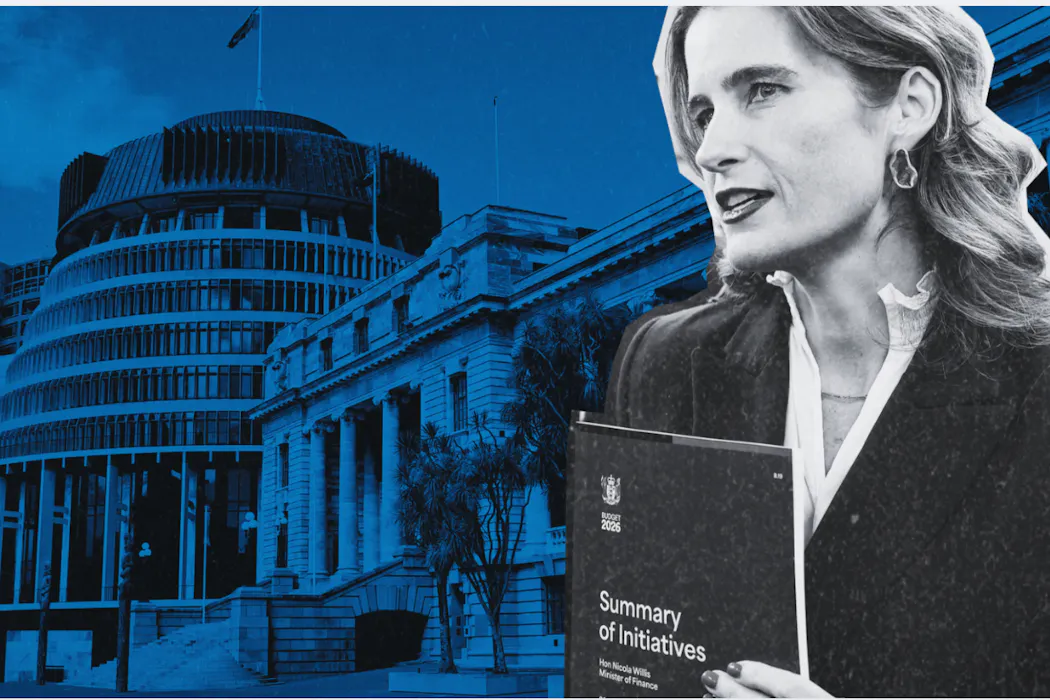
NZ Budget 2026 at a glance: follow the money here

Finance Minister Nicola Willis delivered a disciplined budget today, asking New Zealanders to accept continued restraint in return for promises of longer-term economic growth – and an earlier-than-expected return to surplus.

Willis told Parliament:

This is a responsible budget. The government is responding to an increasingly uncertain world with an economic plan and sensible choices that will make New Zealand more secure in the years ahead.

In her budget address, Willis said New Zealanders could look forward to “growth, higher wages, and rising employment”, as well as “better public infrastructure, expanded healthcare services, better schooling and safer communities”.

A key figure is the projected NZ$2.6 billion surplus by 2028/29 – a notable improvement from the $900 million deficit the government forecast in December, and a year earlier than previously expected.

Willis said the surplus would mean “less debt and lower interest costs for us to pay than would otherwise be the case”. Net core Crown debt is now forecast to peak at 46.1% of GDP in 2027/28.

The government’s central pitch is that careful spending restraint and reprioritisation can return its books to surplus earlier than expected, without abandoning essential public services.

Willis had already revealed the operating allowance for new spending had been reduced by $300 million to $2.1 billion. A total $5.7 billion will be allocated to capital projects.

Budget 2026 introduces a new levy on banks, insurers and financial firms to fund their own regulation via the Reserve Bank from mid-2027, recovering $209 million over four years. Willis noted the levy would shift costs away from taxpayers.

Elsewhere, health received a notable boost, securing $5.8 billion in new operational funding. This includes $5.5 billion to frontline services over four years. There is also $680 million for health infrastructure such as Whangārei Hospital’s new 158-bed ward and land for a new hospital in Drury.

Many other figures and initiatives shared this afternoon were well signalled before budget day. This included a $1.6 billion defence package and a gas transition loan guarantee scheme expected to make up to $1.2 billion of bank loans available to businesses to cut their dependency on gas.

As with the previous budget, the government’s restraint will be keenly felt in some areas – already apparent in the proposed reduction in public service numbers announced earlier this month.

Ultimately, the test will be whether the budget’s restrained operational spending and targeted capital and infrastructure investments provide sufficiently for future productivity growth.

The risks are that tight spending, public sector cuts and limited new operational funding may leave some public services struggling to keep pace with demand, inflation and population growth.

Key spending

The Conversation

Michael P. Cameron is Vice President of the Population Association of New Zealand.

  •  

'Tombstone' Changed Doc Holliday’s Actual Quote and Made Val Kilmer’s Scene Even Better

Tombstone is simply one of the greatest Westerns ever made. There’s no question about it. From the dynamic characters and the witty dialogue to the incredibly well-paced action sequences and historical accuracy (well, some of the time), the picture is just a masterclass in filmmaking, particularly of the Western genre. Whether you love the film for Kurt Russell's ability to drive the narrative forward or the countless one-liners that cannot be beat, there's a clear reason that Tombstone continues to find an audience over 30 years later. But there is one line that the late Val Kilmer's Doc Holliday speaks in the film that is slightly changed from the history books — and believe it or not, the movie does it far better.

  •  

Sunday Spill: The Tilley Watch Online, May 4-8, 2026; Happy Mother’s Day


The Tilley Watch Online, May 4-8, 2026

An end of the week listing of New Yorker artists whose work has appeared on newyorker.com features

Daily Cartoon: Emily Flake, Victoria Roberts, Ben Schwartz, Bob Eckstein, Olivia Pecini (a bonus cartoon by an online only cartoonist), Meredith Southard.

See them here (in a slideshow)

Barry Blitt’s Kvetchbook: “Straight Outta Hormuz” 


_____________________________________________________________________

Happy Mother’s Day

One from The New Yorker, August 19, 1985.


The post Sunday Spill: The Tilley Watch Online, May 4-8, 2026; Happy Mother’s Day first appeared on Inkspill.
  •  

Ridley Scott’s Near-Perfect Sci-Fi Series Just Changed the Franchise’s Future

The membrane separating movies from TV has never been thinner, as one of Hollywood's biggest franchises suddenly has more prosects on the small screen than the cinema. FX has renewed Alien: Earth for a second season, which will begin filming later this year. By comparison, the studios behind the Alien franchise still haven't committed to their next movie project, with a sequel to Alien: Romulus in development, but nowhere near production as far as we know. Alien: Earth was a massive success for FX and Hulu, and it's clear the network wants to keep up the momentum. This could be good news for the franchise overall, but an increased investment in TV could mean fewer xenomorphs on the big screen in the years to come.

  •  

6 Near-Perfect Hard Sci-Fi Shows on Apple TV, Ranked

One of the most addictive genres on television remains science fiction. From space stories to technology thrillers, the genre has provided an opening for viewers to tap into worlds far removed through stories rooted in science. Now, some sci-fi films are so brazen and fantastical that we know they can't be real. They play by their own rules. But for hard sci-fi, they use elements grounded in facts.

  •  

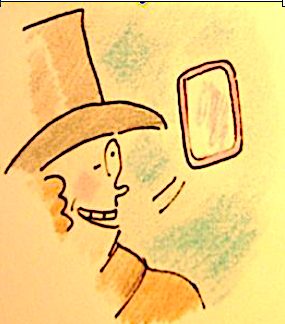
Thurber Thursday: Searle’s Thurber Medallion

Ronald Searle’s James Thurber Medallion 

Below is a Ronald Searle designed medallion that turned up on Ebay the other day. I know nothing about medallions, or Ronald Searle‘s part in designing them, so I’m recommending that you visit Attempted Bloggery‘s posts on them here.

I like the dog side of the medallion; the Thurber portrait side…not so much. Here’s the Ebay listing for the piece shown below.

_____________________________________________________________________

James Thurber’s A-Z Entry:

James Thurber Born, Columbus, Ohio, December 8, 1894. Died 1961, New York City. New Yorker work: 1927 -1961, with several pieces run posthumously. According to the New Yorker’s legendary editor, William Shawn, “In the early days, a small company of writers, artists, and editors — E.B. White, James Thurber, Peter Arno, and Katharine White among them — did more to make the magazine what it is than can be measured.”

Key cartoon collection: The Seal in the Bedroom and Other Predicaments (Harper & Bros., 1932). Key anthology (writings & drawings): The Thurber Carnival (Harper & Row, 1945). There have been a number of Thurber biographies. Burton Bernstein’s Thurber (Dodd, Mead, 1975) and Harrison Kinney’s James Thurber: His Life and Times (Henry Holt & Co., 1995) are essential. Website


The post Thurber Thursday: Searle’s Thurber Medallion first appeared on Inkspill.
  •  
❌