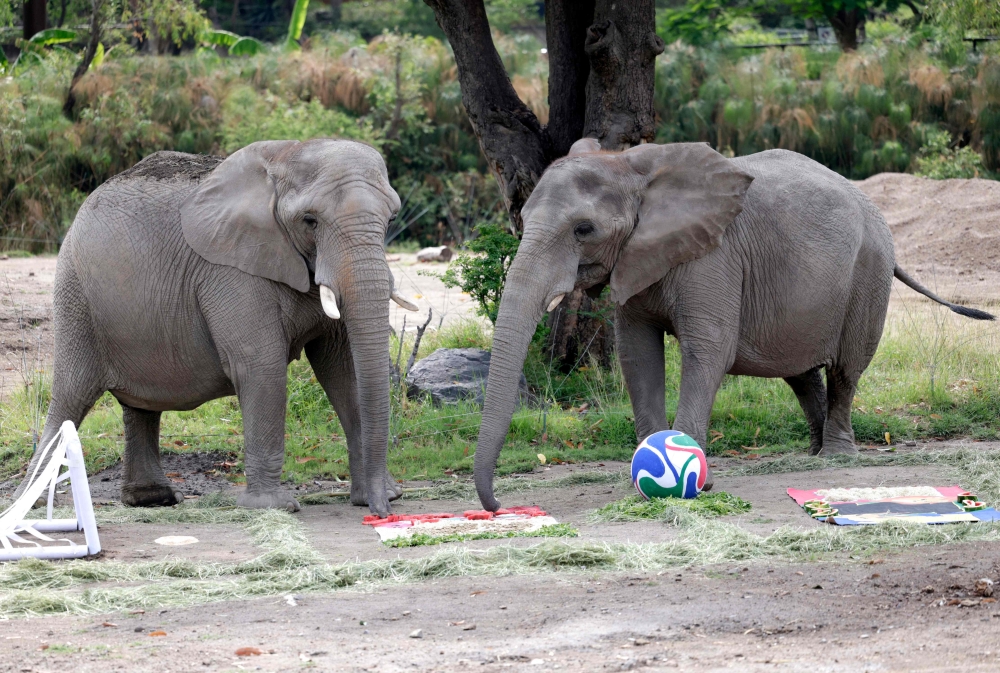
GUADALAJARA, June 6 — Two elephants trudged across a makeshift football field at Mexico’s Guadalajara Zoo in a whacky attempt to predict the score of the 2026 World Cup’s opening game.
The creatures faced a prophetic choice: munch on the grass on the side marked with a Mexican flag, or opt for the greenery on the opposing South African side.
Their split-second choice to amble over to the former consolidated the prediction that Mexico will emerge as the winner of the highly anticipated match on June 11.
This fortune-telling exercise follows in the footsteps of South Africa’s unforgettable Paul the Octopus in 2010.
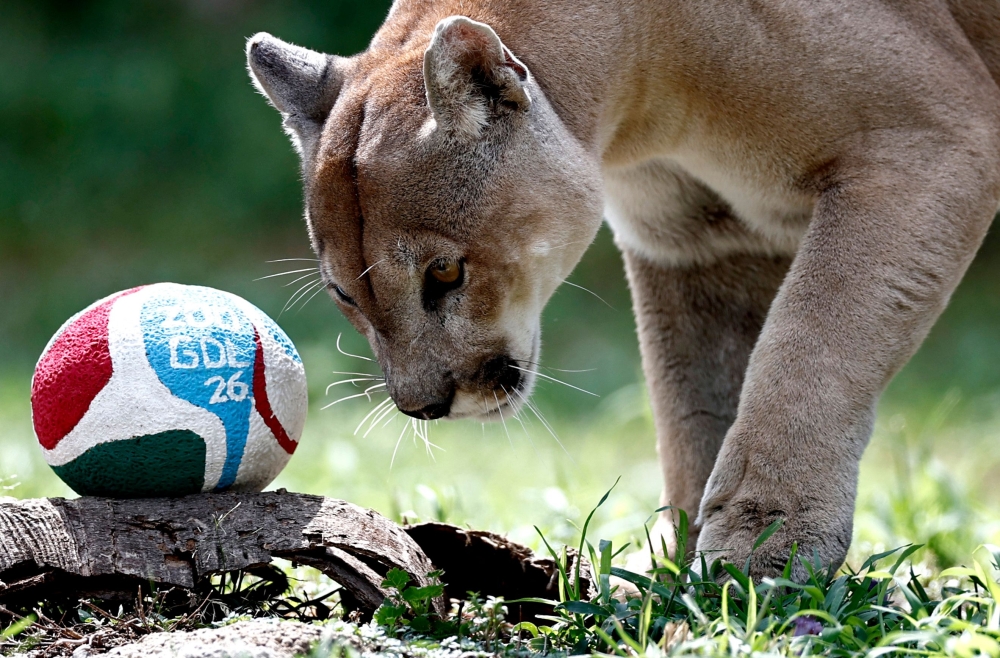
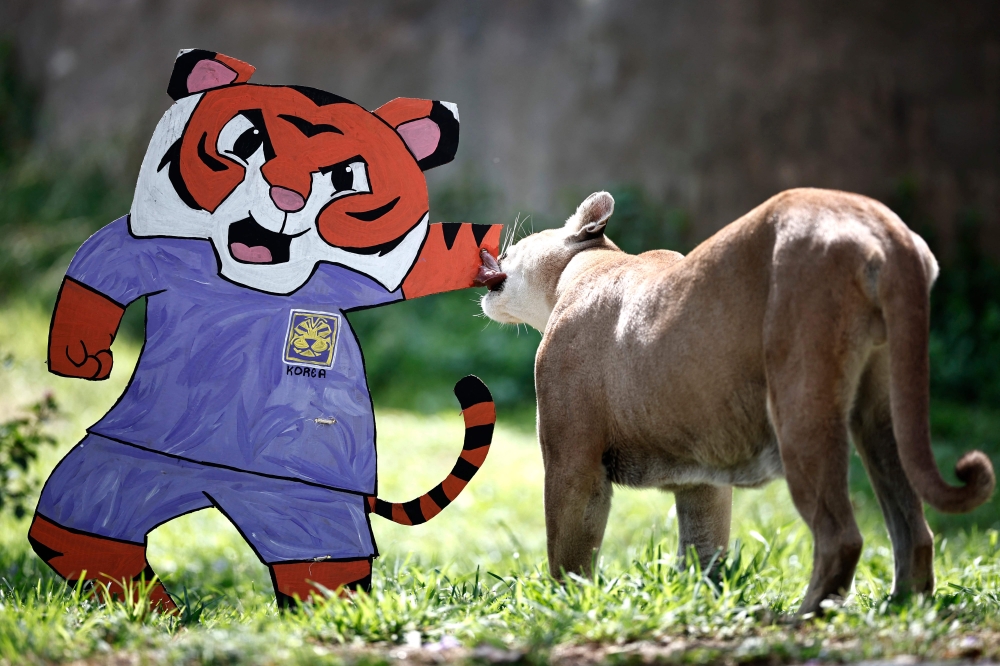
A puma plays during an environmental enrichment activity, predicting the outcome of the FIFA World Cup match between Czech Republic and South Korea, with South Korea winning, at the Guadalajara Zoo in Guadalajara, Jalisco, Mexico, on June 5, 2026. — AFP pic
“The idea is that the animals are going to make predictions about different matches that will be played,” zookeeper Ivan Reynoso told AFP.
Next up, the gorillas Chenchi and Faustina were presented with two pinatas shaped like player jerseys—one from Spain, and the other from Uruguay.
There was a tense pause until one of the primates suddenly went for Uruguay’s shirt, suggesting the South American nation will win the June 26 match.
“It’s clear who won!” one zookeeper exclaimed excitedly.
A puma plays during an environmental enrichment activity, predicting the outcome of the FIFA World Cup match between Czech Republic and South Korea, with South Korea winning, at the Guadalajara Zoo in Guadalajara, Jalisco, Mexico, on June 5, 2026. — AFP pic
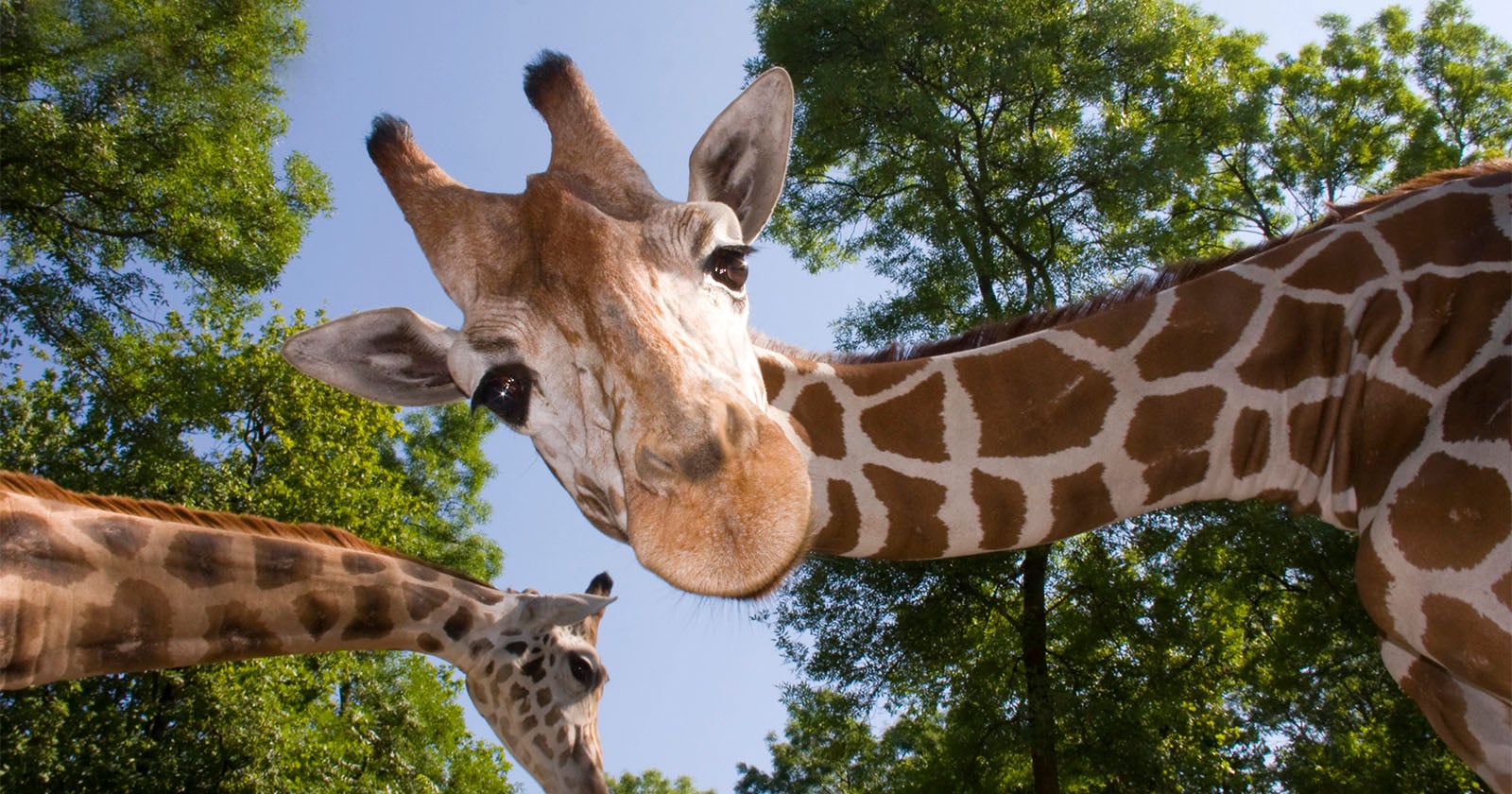
A puma named Muluk seemed sure that South Korea will triumph against the Czech Republic, and six giraffes hedged their bets with the Democratic Republic of Congo over Colombia.
Reynoso said the betting “stimulates many senses” for the animals on top of providing entertainment for an audience giddy with excitement ahead of the world’s biggest football bonanza.
“This kind of activity enriches them a great deal, not only visually for the audience but for them as well,” he said. — AFP
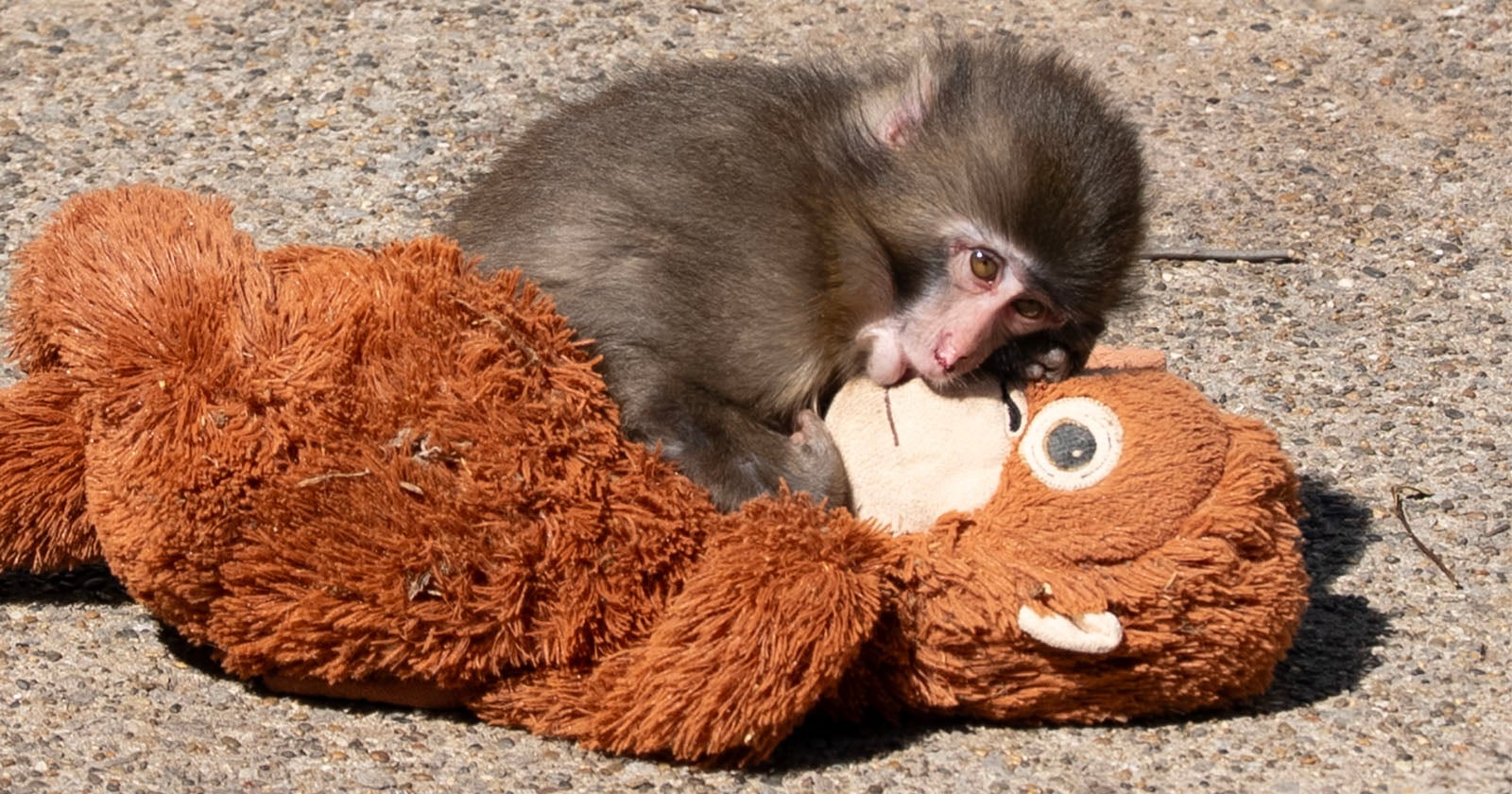
However, despite the Ichikawa City Zoo not having any donkeys, there unfortunately were two jackasses at the zoo last weekend. On Sunday morning at around 10:50 a.m., a man wearing a full-body costume resembling a business suit and an emoji-style head climbed over the fence of the habitat where Punch and the other Japanese macaques live. As he walked around, the animals fled to the top of their climbing rock, and a zoo employee came to remove the man. Other workers restrained the costumed man’s companion, who had been recording a video of him from outside the habitat, and the zoo contacted the police, who came and took the pair into custody.
▼ Video of the man being led out of the monkey habitat by a zoo employee
The two men, aged 24 and 27, told the police they were American citizens, although investigators have not, as of the time of this writing, publicly confirmed that piece of information. They have both been arrested on charges of forced obstruction of business, the standard charge for disruptive and/or intimidating behavior in or around places of business (such as sending letters to Nintendo’s main office saying you’re going to “blow them all the hell up”).
After being taken into custody, one of the men said “I do not want to answer questions, and I do not think I should have been arrested.” A spokesperson for the zoo, in speaking with reporters, countered with “This is beyond the bounds of common sense. I’m surprised and baffled that someone would do something like this.”
Thankfully, no monkeys were harmed in the incident, but with orderly conduct and cute animals both being things Japan is very fond of, online reactions to the incident have been pretty much universally furious.
“Just toss them into a cage with a crocodile or bear instead.” “Put ‘em in with some lions.” “It’s unforgivable for them to do this just as Punch is integrating with the rest of the macaques.” “If you had the guy in the costume and Punch both take an IQ test, I’m pretty sure Punch would get the higher score.” “Deport them and never let them into the country again.” “Don’t let them go because they’re foreigners. Prosecute them.” “Please stop letting people get away with things like this without taking them to court…please make them pay fines for disrupting the zoo’s operations.”
Again, the two men’s nationalities have yet to be publicly confirmed. The online reactions, though, still reflect a growing sense of exasperation for transgressions of this nature, and should serve as a warning to anyone considering engaging in such asinine behavior that getting off with a slap on the wrist might be becoming a less likely outcome than it was in the past.
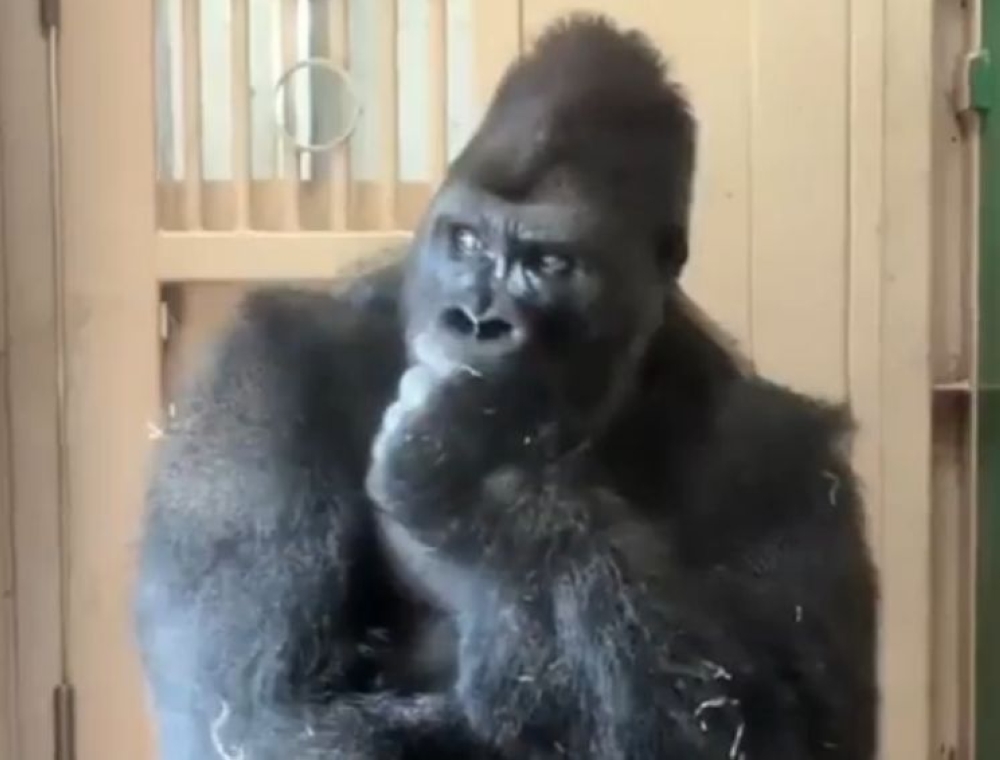
KUALA LUMPUR, June 10 — In a moment of unexpectedly human vulnerability, a gorilla at a Japanese zoo has gone viral for appearing to suffer an existential crisis following a spat with his mate.
The footage depicts Kiyomasa, a 13-year-old male gorilla, seemingly adrift in a sea of deep contemplation following a disagreement with his mate.
Rather than returning to typical primate antics, Kiyomasa is seen perched in solitude, his posture striking a chord with viewers who described it as a classic "thinking pose", evocative of Michalangelo’s The Thinker.
Kiyomasa is no stranger to the spotlight; he is the son of the world-famous silverback Shabani, whose own imposing presence has made him a celebrity in his own right.
However, while his father is known for power, Kiyomasa has captured the internet's imagination through this rare display of perceived vulnerability and quiet reflection.
 Login
Login