Login
Login
Retro fashion magazines from Tokyo’s street market remind Mr. Sato of a special gift from his dad
Mr. Sato is filled with appreciation for the other Mr. Sato.
Tokyo has a number of neighborhoods, such as Shibuya and Harajuku, that celebrate trendy, youthful fashions and culture. There’s also a part of the city, though, with a focus on a more mature clientele.
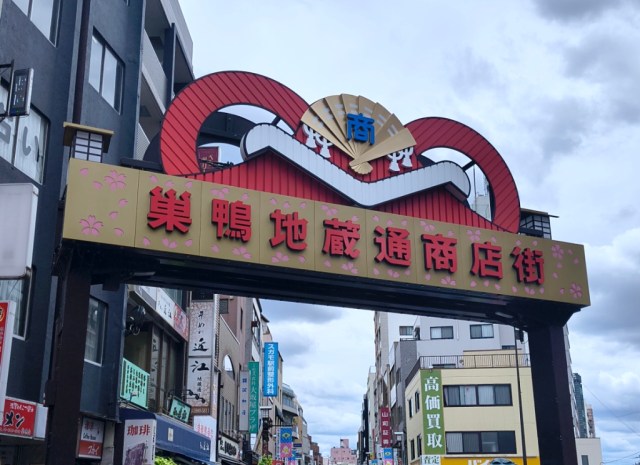
Located part-way between Ikebukuro and Ueno on the Yamanote loop line that encircles the city center, Sugamo is a gathering place for Tokyo’s senior citizens, and while it’s an interesting spot to check out on any day, our ace reporter Mr. Sato timed his most recent visit for June 4.
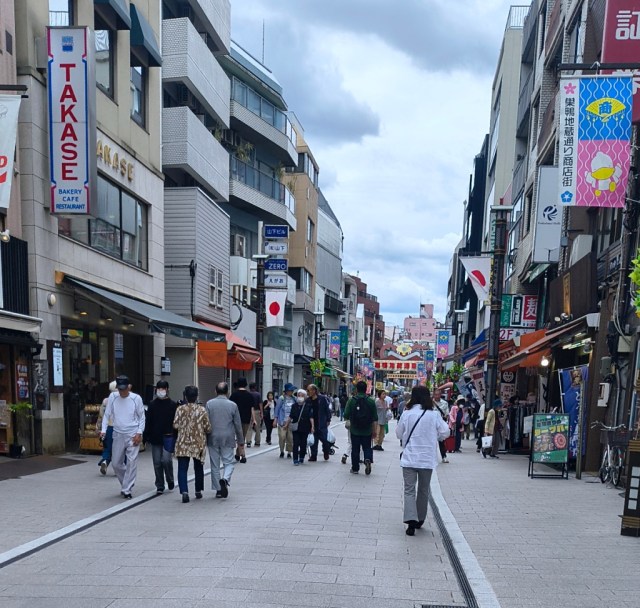
That’s because Sugamo Jizo-dori, the main shopping street in the neighborhood, has a special street market on the 4th, 14th, and 24th of every month. This being Sugamo, it’s not a wild, invasively loud block party, but various merchants set up stalls on the street selling items at especially attractive prices.
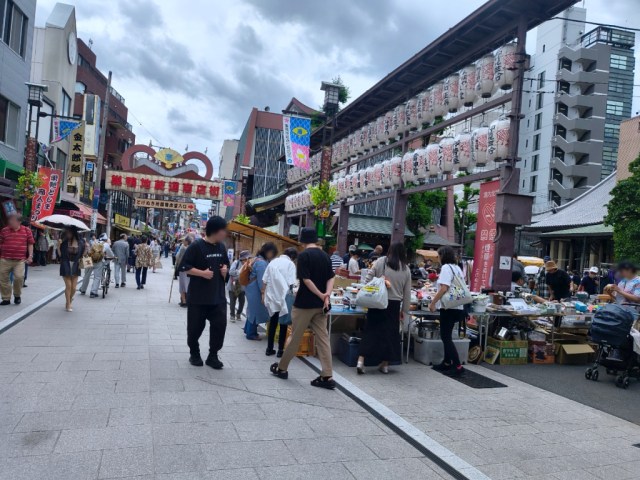
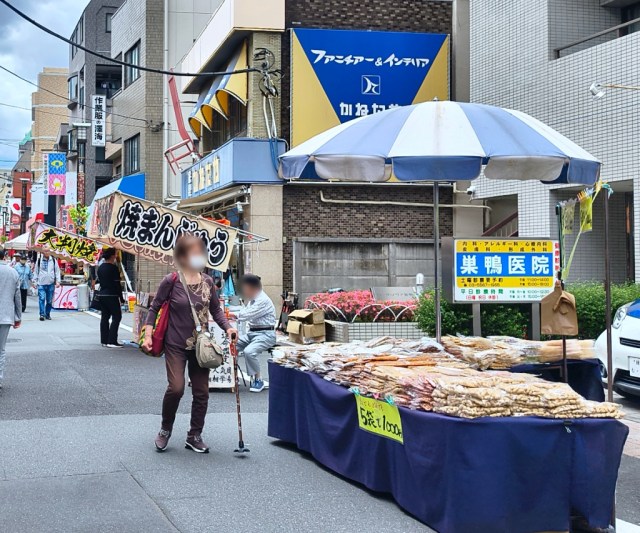
Many of the stalls sell snacks, and Mr. Sato found himself tempted by bags of dried fruit for 200 yen (US$1.25) each if you bought five at a time and bundles of three bags of senbei for 500 yen.
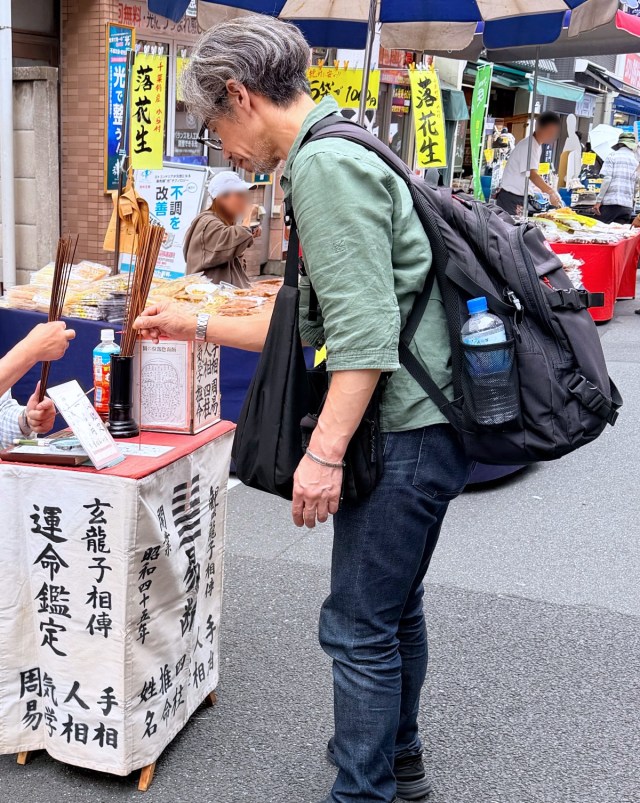
He also got his fortune told by a streetside diviner, a kindly older gentleman who read Mr. Sato’s palm and face for 2,000 yen. According to the fortune teller, there are no proverbial dark clouds looming on Mr. Sato’s horizon, though he expressed some concern over the “sun line” on his right hand not being very distinct. Apparently this is an indication that he’ll need to continue working hard to be successful, but our reporter has never backed away from a challenge, and with the fortune teller adding that though he isn’t destined to be rich, he won’t end up being poor either, Mr. Sato was happy with the overall-good forecast of his future.
▼ Mr. Sato having his fortune told
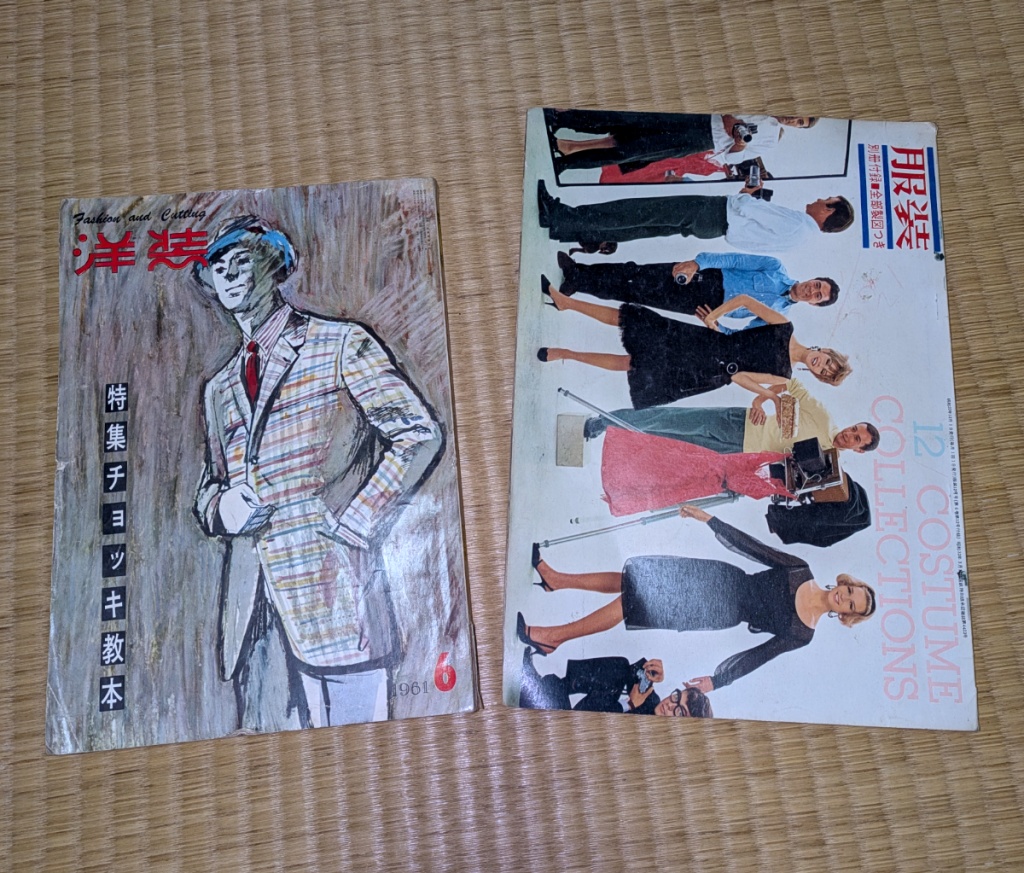
But the highlight of Mr. Sato’s visit to Sugamo’s street market was a pair of vintage fashion magazines he picked up for 100 yen each.
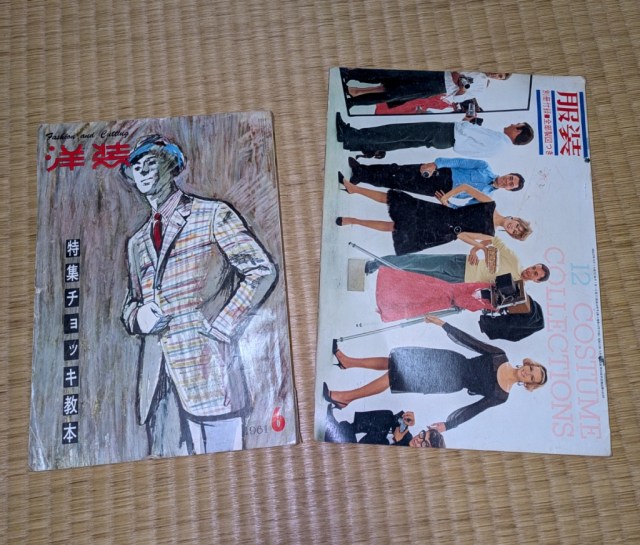
To illustrate just how classic of publications we’re talking about here, one of them is simply titled Fukuso, which means “clothing” in Japanese, and the other is Yoso (“western clothing”).
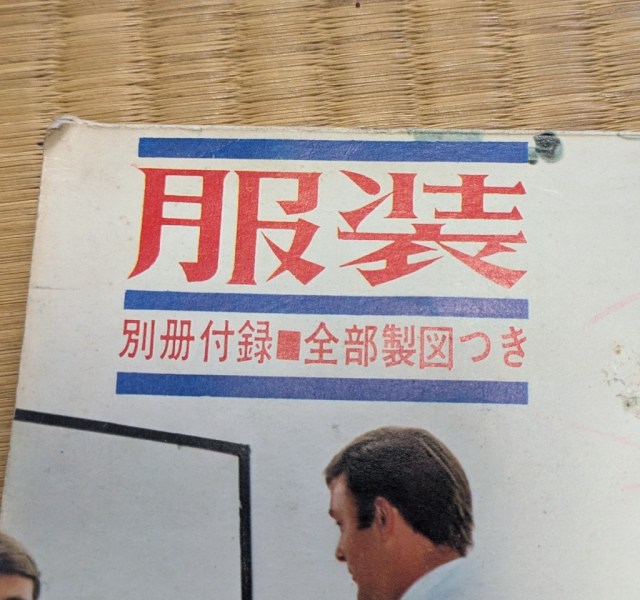
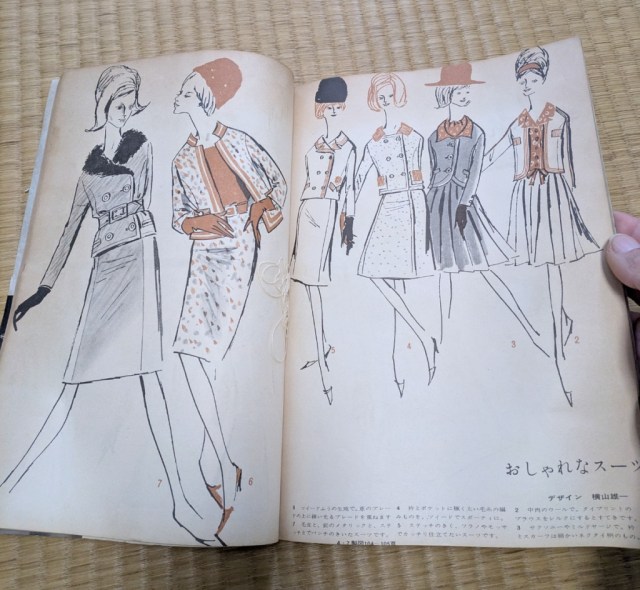
Fukuso was started by Chiho Tanaka, who was born in 1906 and became one of Japan’s first famous designers of Western-style clothing. The issue Mr. Sato purchased is from December of 1962, quite a bit before Mr. Sato was born, and leafing through it he was stuck by the distinctly charming analog feel to its layout and illustrations.
Yoso has an impressive pedigree too, with its editor being Tetsunosuke Hirukawa, the head of the Japan Western Clothing Academy.
▼ Mr. Sato’s issue is from 1961
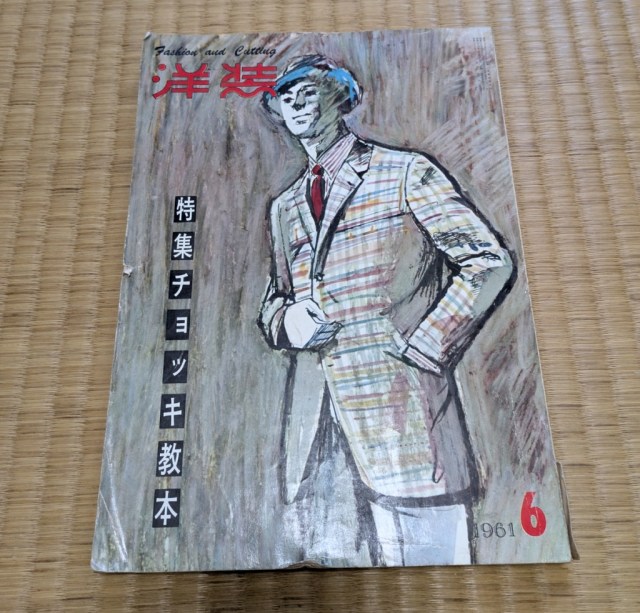
Yoso in particular was aimed at people working within the apparel industry, highlighting not just new fashions but also effective ways to tailor and produce clothing for clients.
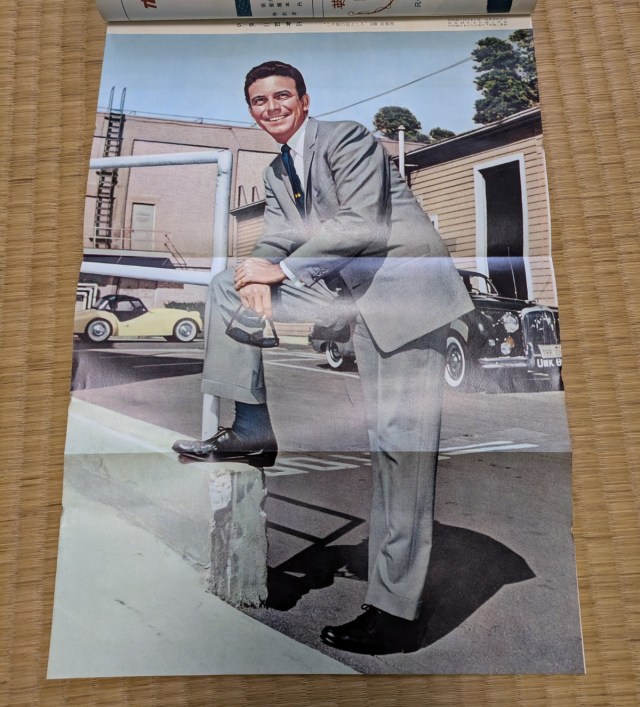
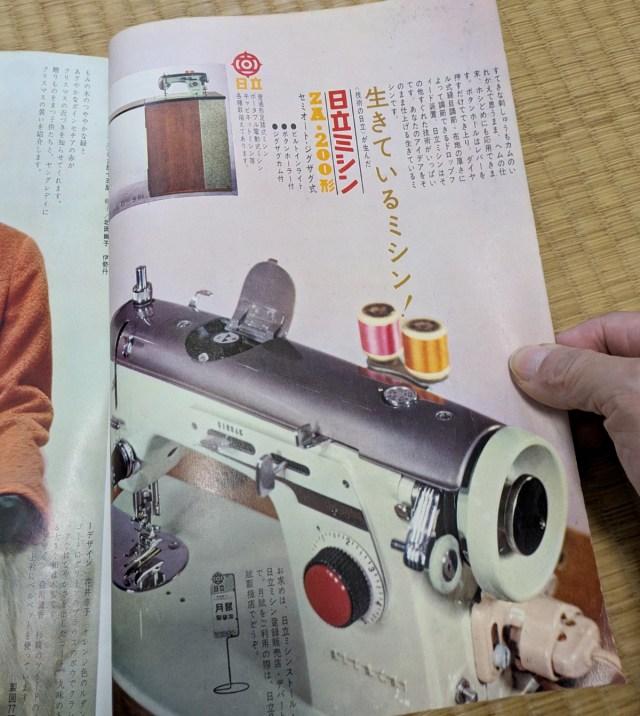
As a matter of fact, looking through the two magazines, Mr. Sato realized that this was his first time to be reading fashion magazines that predate not only the fast fashion era of store like Uniqlo and Gap, but even easy access to department stores for most Japanese people. This was a time when many people still made their own clothing at home, or else splurged for custom-made pieces from a dressmaker or tailer. As such, issues of Fukuso contained a section with patterns for self-sewn garments…
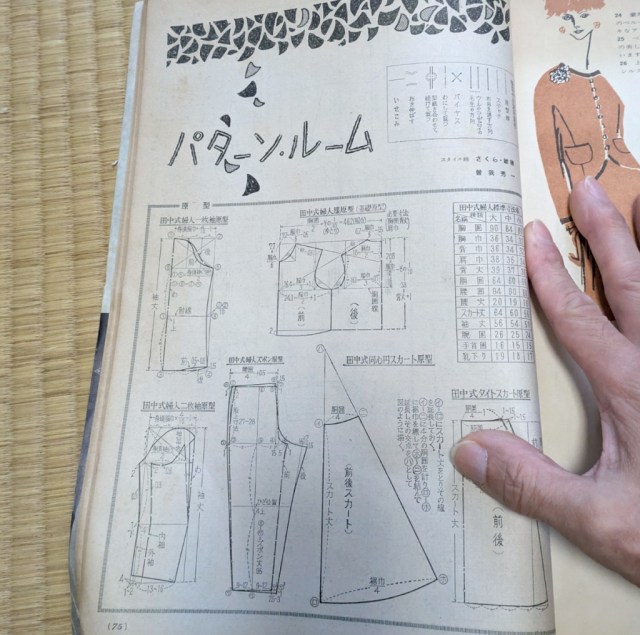
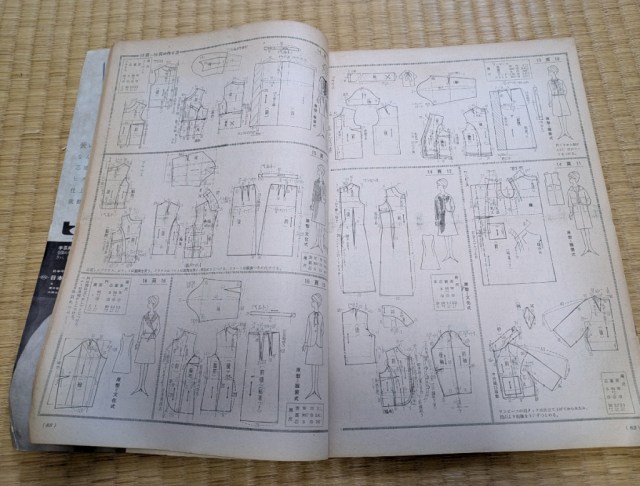
…and information to help readers choose the best sewing machine for their needs.
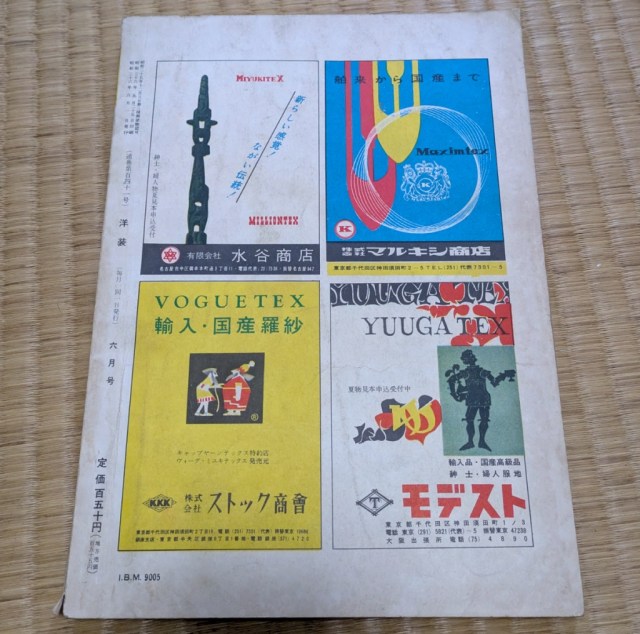
Yoso, being a more professionals industry-focused magazine, instead has advertisements for tailoring services and supplies, some with what very stylish designs.
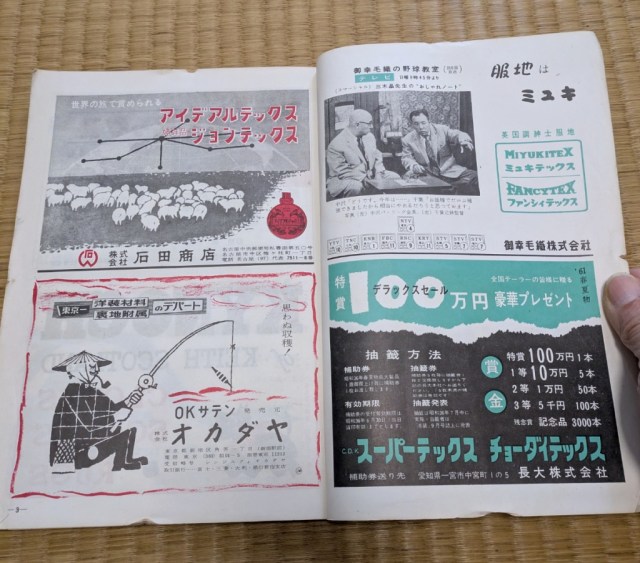
▼ One of the ads here is for Okadaya (オカダヤ), a sewing supply shop in Tokyo’s Shinjuku neighborhood that’s still in business today.
It all left Mr. Sato with a new, direct-feeling sense of how treasured articles of clothing were before you could just, say, dash over to the nearest convenience store and pick up a shirt. And that, in turn, got him thinking again about this velvet sports jacket he owns.
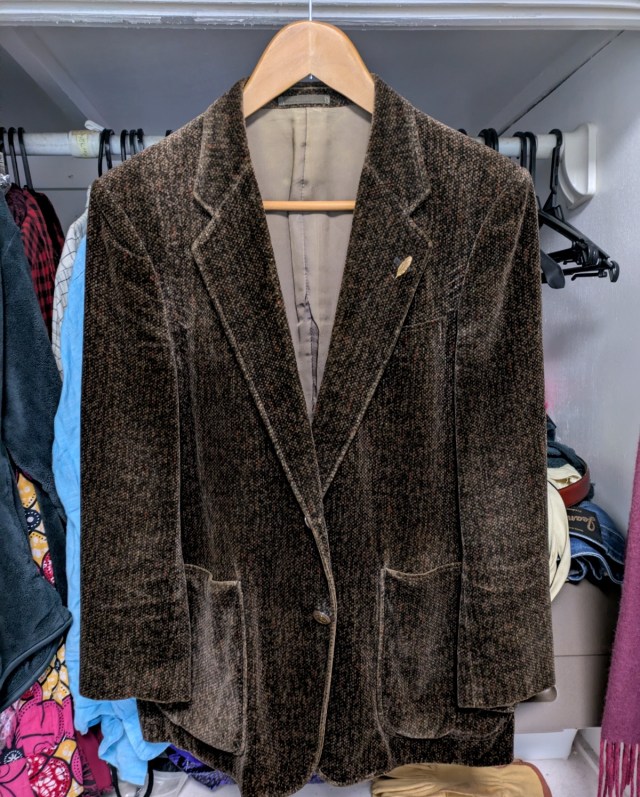
Notice we say “he owns,” not “he bought,” because this jacket originally belonged to Mr. Sato’s dad. With the jacket having been originally purchased around the time that these issues of Yoso and Fukuso were on newsstands, Mr. Sato’s dad wouldn’t have just bought it off the rack, and as further proof of its tailor-made status, “Sato” is embroidered on the inside of the lapel.
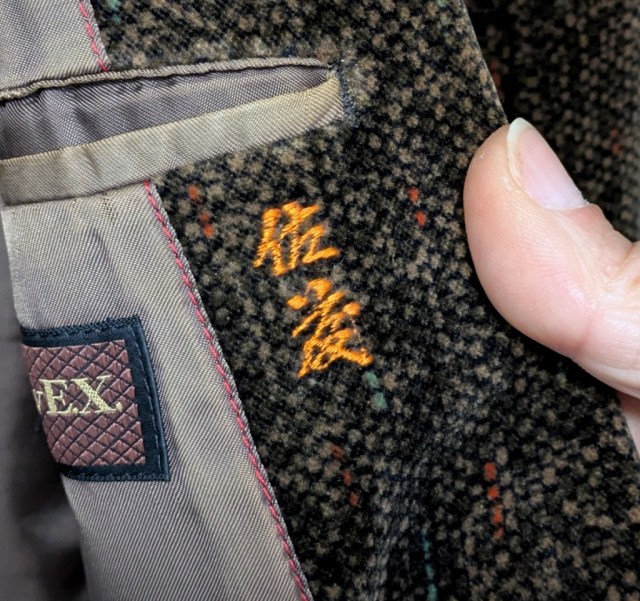
Granted, Mr. Sato’s dad gave him the jacket because it no longer fit him, but still, this would not have been a cheap piece of clothing, or one bought without a lot of thought going into the design, material, and its other aspects. And yet, Mr. Sato’s dad wanted him to have it, and several decades after the handover, it’s still in excellent condition.
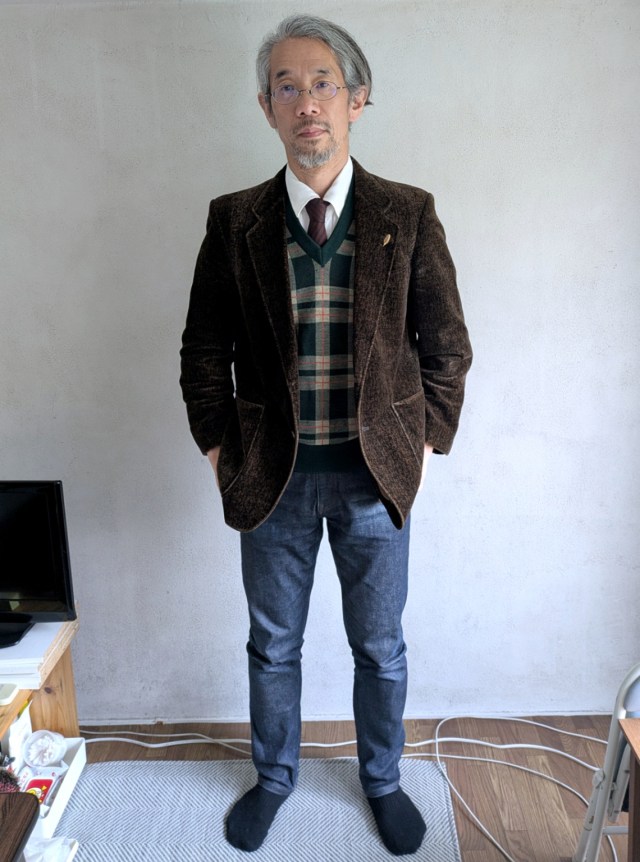
There’s a bittersweet footnote to this, which is that this month marks one year since Mr. Sato’s dad passed away. When autumn comes, though, he’ll once again take the jacket out of the closet and slip it on, and it’ll feel extra special after his look back on the era in which it was made.
Photos ©SoraNews24
● Want to hear about SoraNews24’s latest articles as soon as they’re published? Follow us on Facebook and Twitter!