This stunner stands out for its exceptional six-year aging process; double the minimum for an Extra Añejo. Here's everything to know about the ultra premium bottling.
Bring Totoro and the gang to work with cleverly concealed character details.
One of the things we love about Studio Ghibli is the way its movies appeal to people of all ages. Even My Neighbour Totoro, which might seem like a children’s movie, with its child protagonist and fantastical characters, has wider themes of familial love and rural ideals that strike a chord across generations, garnering fans that range from toddlers through to businessmen.
In fact, toddlers who first watched the film when it was released in 1988 would now be in their 30s, making them a prime customer for Totoro nostalgia. This is a market that the studio’s specialty retail chain, Donguri Kyowakoku, is now catering to with a new release of My Neighbour Totoro neckties.
The My Neighbour Totoro Necktie 26 Spring Summer collection consists of eight silk ties, in four designs.
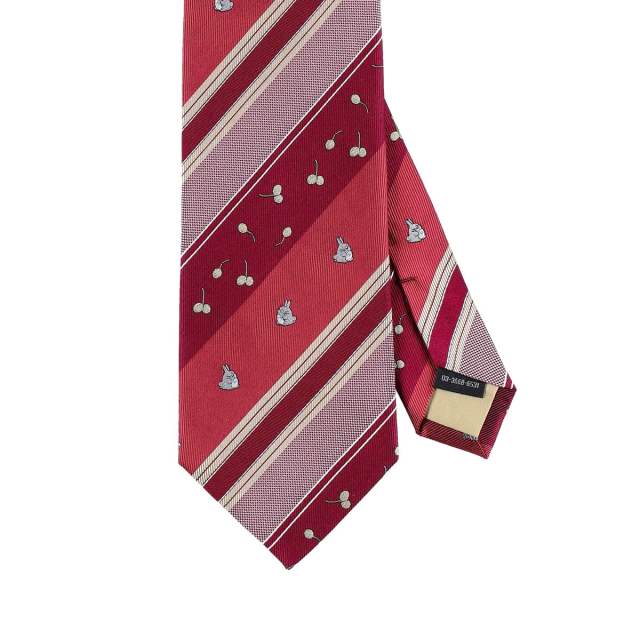
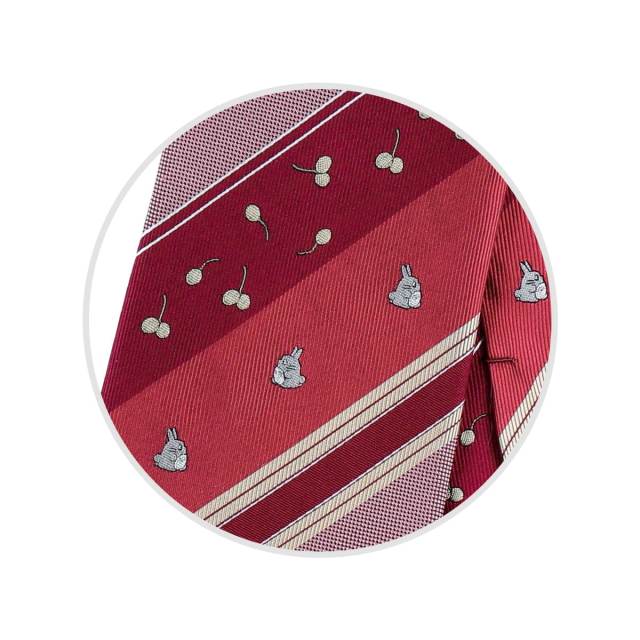
▼ The first design, “Nut Stripe“, comes in two colourways – navy and wine.
This tie features the adorable movements of Totoro toddling around with fallen acorns, incorporated into a neat diagonal stripe pattern.
The design might be playful, but its subdued colours make it suitable for people of all ages, from young adults to seniors.
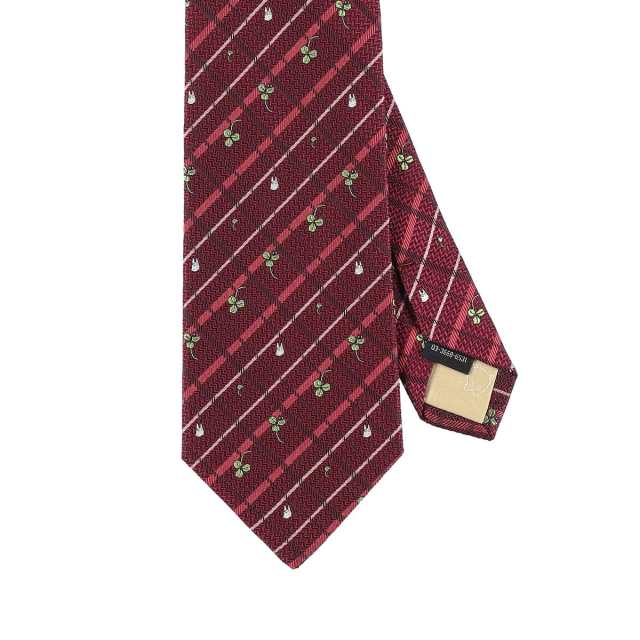
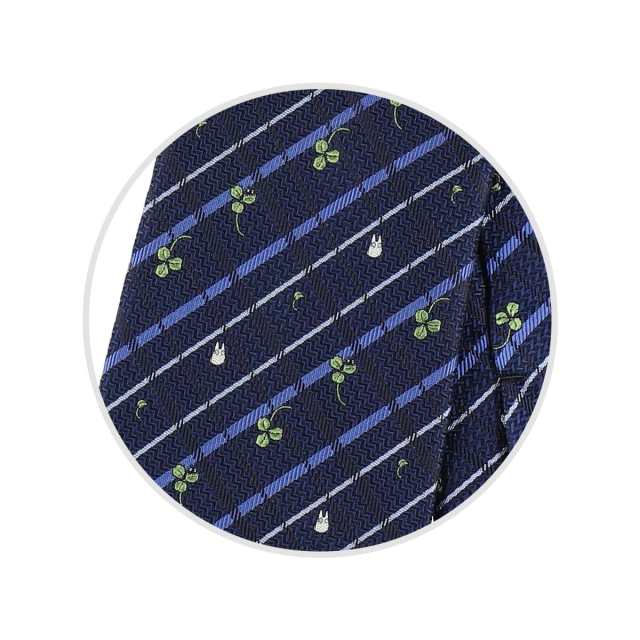
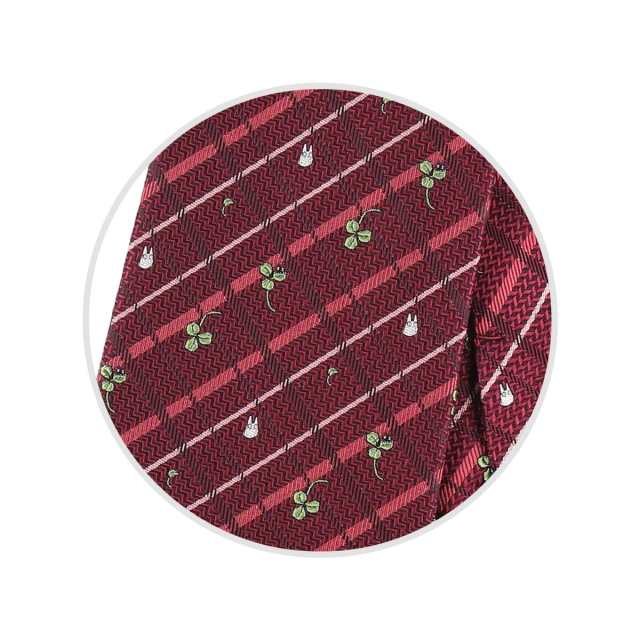
▼ Next up, we have Clover Check, also in navy or wine.
This design features a sophisticated check pattern, with a scattering of clovers and subtle appearances from the white Small Totoro.
▼ Look closely and you’ll see a little Soot Sprite perched on a clover leaf!
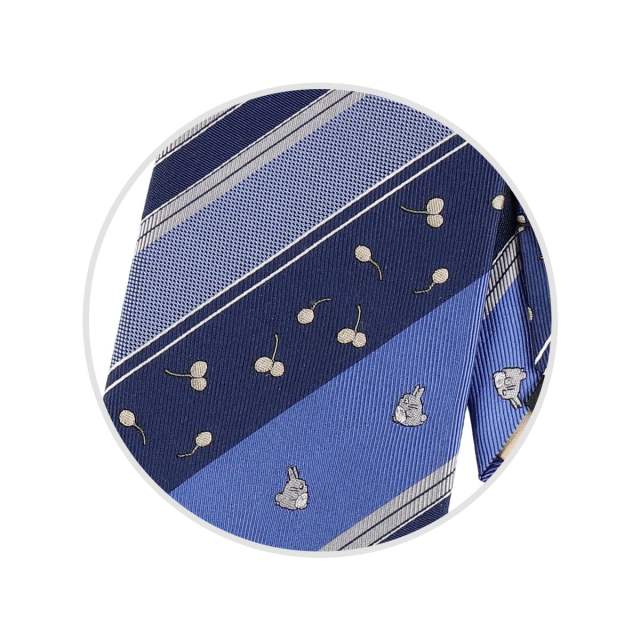
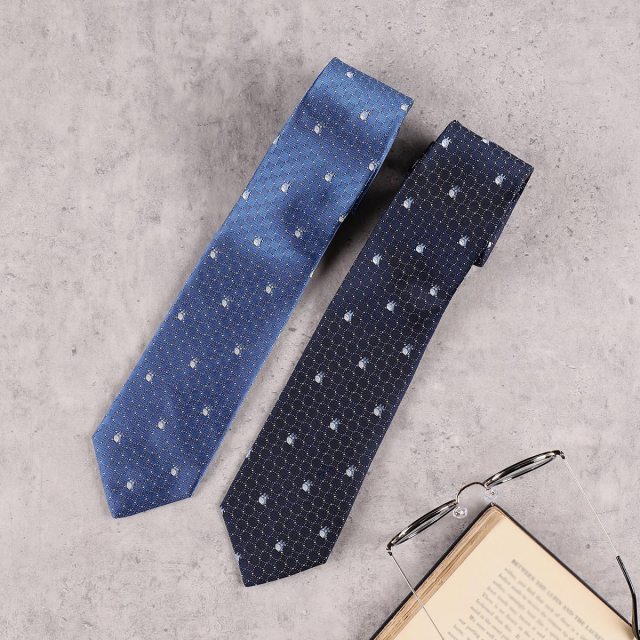
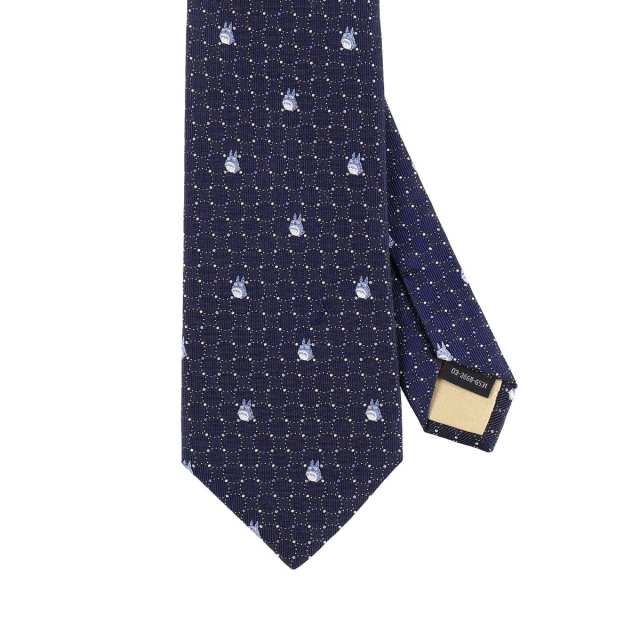
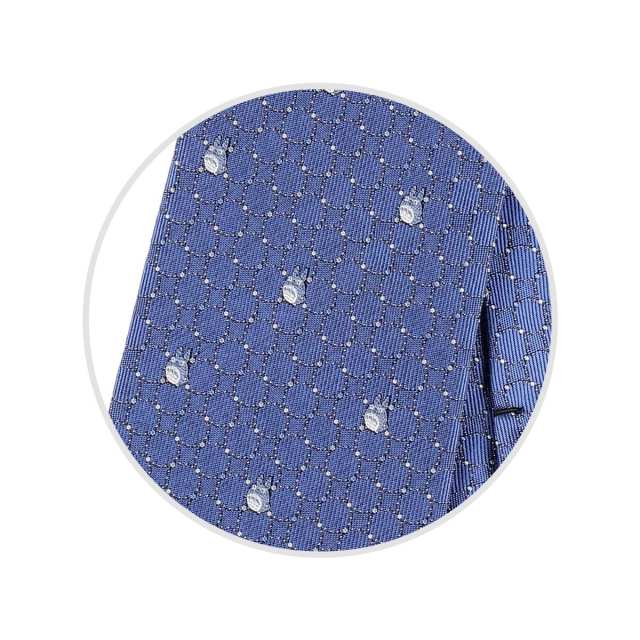
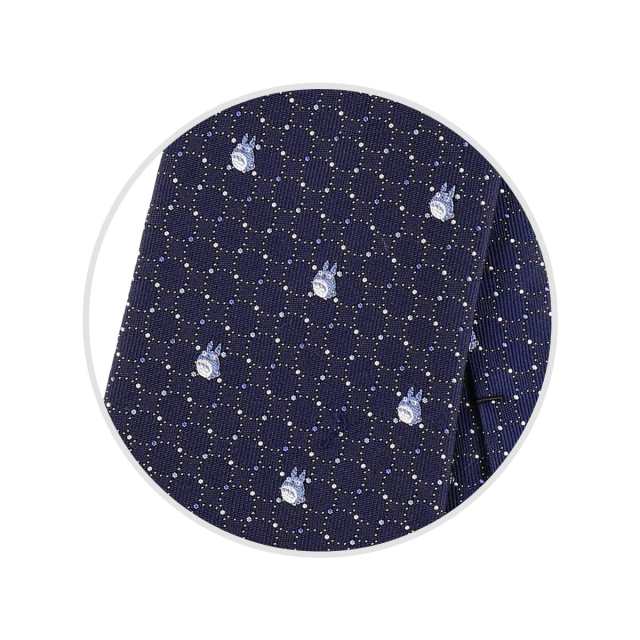
▼ The third design is Circle Dot, in blue or navy.
This lovely design has small Totoros peeking out from clusters of tiny, neatly arranged dotted circles.
Like all the ties, you wouldn’t know there was a character hiding out in the design when viewing it from a distance, but up close you can appreciate all the fine details.
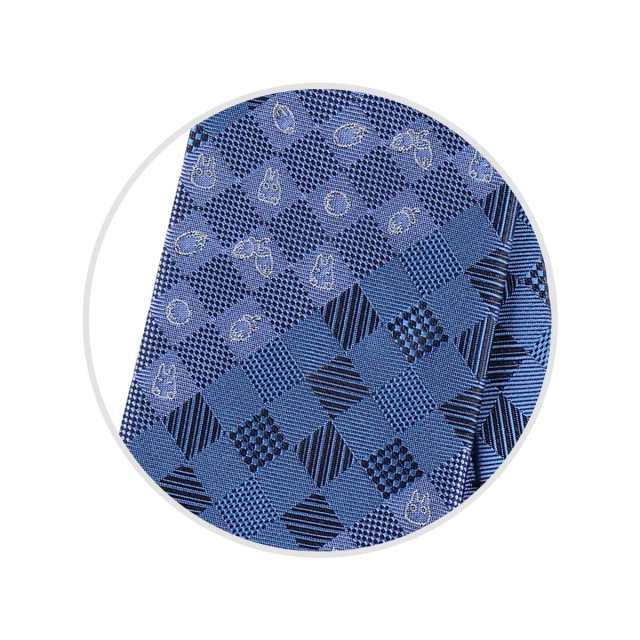
▼ Finally, we have Acorn Check, in turquoise or blue.
Based on a traditional Japanese checkered pattern, this design features Totoro and acorns scattered in a balanced and cleverly concealed way.
This design is said to evoke a sense of nostalgia while maintaining a modern, contemporary Japanese aesthetic.
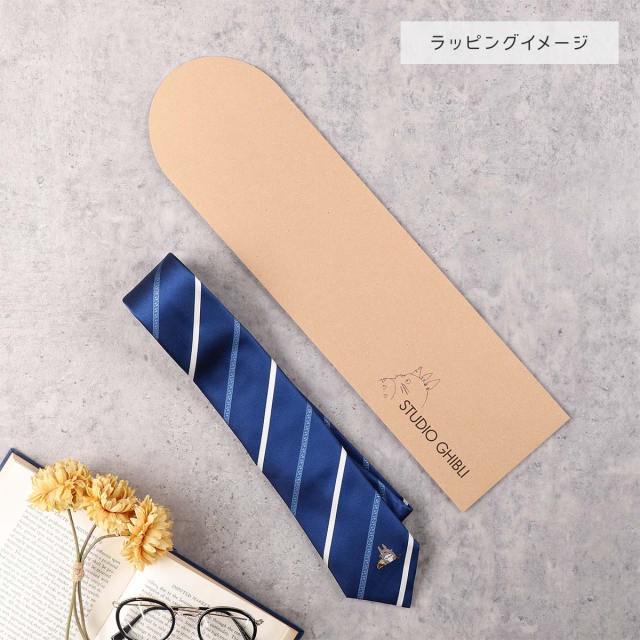
Every tie comes with a Studio Ghibli tag, so you can keep your love for the studio close to your heart…
▼ …and a sweet gift box, which is ideal for Father’s Day gift-giving.
With so many cleverly disguised character details, these ties are a great way to bring Totoro and the gang to work while maintaining a polished and professional appearance. They’re only available while stocks last, though, both online (links below) and at Donguri Kyowakoku stores in Japan, priced at 9,350 yen (US$58.47) each.
In ballpoint pen on found fragments of philosophical and historical texts, Habib Hajallie delves into the emotional realm of memory, connection, and loss. The Kent-based artist often celebrates Black cultural figures and beloved family members, along with examining his own personal experiences as a British man of Sierra Leonean and Lebanese heritage. In his current solo exhibition, Black & Blue at Larkin Durey, Hajallie grapples with the devastating stillbirth of his daughter and the “indescribable emotions that sit beneath language,” says the gallery.
For this show, the artist deliberately switched from using black ballpoint ink to blue. As he made these works, Hajallie also reflected on the loss of his sister four years ago. Using antique maps and snippets of philosophical and sociological writings, he portrays subtle sides of what the gallery describes as “an altered sense of self.” Figures, including several self-portraits, exude feelings of despair, confusion, numbness, care, and the nuanced emotions that emerge in-between.
“Still Remain” (2026), ballpoint pen on antique texts, 11 3/8 x 16 1/2 inches
“While this series is concerned with the internal landscape of loss and what it means to endure a profoundly altered reality, each artwork has acted as an invaluable step towards healing,” the gallery says. “By drawing directly onto antique texts that explore morality, purpose, and transcendence, Hajallie’s personal pain enters into a wider conversation about finding meaning and the ways in which drawing can become a space of solace and catharsis.”
Black & Blue continues through May 22 in London. See more on the artist’s Instagram.
“A Refuge Among Reflections” (2026), ballpoint pen on antique texts, 33 1/8 x 23 1/4 inchesDetail of “A Refuge Among Reflections”“This Mind Hath Demolition Reached” (2025), ballpoint pen on antique texts, 11 3/4 x 16 1/2 inches“Nothing Else to Fear” (2026), ballpoint pen on antique texts, 33 1/8 x 23 1/4 inches“Arise and Walk Strongly and Fearlessly” (2026), ballpoint pen on antique texts, 33 1/8 x 23 1/4 inches
Every spring, I feel the same familiar pull toward a reset. The longer days, the open windows, and the sudden urge to reorganize EVERYTHING from my closet to my calendar. It all makes a complete life overhaul seem oddly appealing. But… been there, done that—and I’m not going back. In truth, I’ve learned that the moments when I’m most tempted to change everything are often the moments when a simpler approach works better.
That’s really the beauty of entering my 30s (and leaving the last decade far behind). When we want to create change, it seems like a burn-it-all-to-the-ground approach works best. But in recent years, I’ve learned to look at how small shifts can make the biggest difference in how I feel day to day. The habits that seem almost too simple to matter—drinking water before coffee, stepping outside for a quick walk, putting my phone down a little earlier at night—are often the ones that move the needle the fastest.
The 5 Habits That Help You Feel Better Within a Week
So this year, instead of chasing a dramatic reset, I’m taking that springtime urge as a signal to slow down and return to the basics.
The truth is, your body responds quickly when you give it what it needs. While meaningful change always unfolds over time, a handful of simple habits can noticeably improve your energy, mood, and focus within just a few days.
Each of the habits below supports a system in the body that tends to respond quickly to change—things like blood sugar regulation, circadian rhythm, hydration, digestion, and nervous system balance. When those systems are supported, the feedback can be surprisingly immediate: steadier energy, clearer thinking, deeper sleep.
Think of these as small inputs with fast feedback. Five habits that help you feel better—minus the complete reinvention of your life.
1. Start the Day With Protein
The fastest way to stabilize your energy.
If there’s one habit that can noticeably improve how you feel within a few days, it’s starting your morning with protein. Trust me: as a girl who long and lovingly bought into the Parisian pastry-a-day AM routine, I’ve learned that a quick breakfast (toast, cereal, or coffee alone, included) spikes your blood sugar and leaves you crashing by mid-morning.
Protein, on the other hand, slows digestion and helps stabilize blood sugar levels, which translates to improved energy, better focus, and fewer cravings throughout the day.
Within a few days, the shift can feel surprisingly noticeable: mornings feel steadier, the mid-afternoon slump softens, and you’re less likely to find yourself reaching for a quick snack just to get through the day.
Try This This Week
Aim for ~30 grams of protein at breakfast. It can be as simple as eggs with avocado toast, Greek yogurt with berries and nuts, or a smoothie blended with protein powder and nut butter.
One of the fastest ways to improve your energy, mood, and sleep has nothing to do with supplements or complicated routines—it’s light.
Exposure to natural light early in the day helps regulate your circadian rhythm—the internal clock that controls when you feel alert and when you feel sleepy. Research shows that morning light can help align this rhythm with the 24-hour day, supporting better energy during the day and improved sleep at night.
Within a few days of stepping outside soon after waking, the shift can feel subtle but noticeable:
steadier morning energy
clearer focus throughout the day
easier, more restful sleep at night
Try It This Week
The goal isn’t a long morning walk—just a few minutes of daylight within the first hour of waking. You might drink your coffee outside, open the windows while you get ready, or take a short walk around the block before starting your workday. (Camille swears by it.) Even 5-10 minutes can help cue your body into a healthier rhythm.
It’s a small shift, but it’s one that often makes the entire day feel more grounded.
3. Create a Daily Movement Window
Small pockets of movement make a big difference.
Okay, okay, okay: I love (and swear by) my 45-minute barre3 workout, 5-6x a week. BUT! Not every habit that improves your health has to be so involved. Truthfully, there are some weeks when my workout just doesn’t happen—and in fact, some of the most impactful movement happens in small windows throughout the day.
Every day—whether I work out or not—I love to incorporate a few minutes of intentional movement. It’s a welcome break from my wfh routine, and can help regulate blood sugar, improve circulation, and boost mood.
One of the simplest examples is a short walk after dinner. Light movement after eating can help support digestion and stabilize blood sugar, while also creating a natural transition between the activity of the day and your evening’s slower pace.
Try It This Week
Choose one moment in your day that becomes your movement window.
It might be stretching while your coffee brews, taking a short walk between meetings, or stepping outside for 10 minutes after dinner. The habit works because it’s small enough to repeat. Over time, those small pockets of movement begin to add up.
Think of it less as exercise and more as keeping your body gently in motion throughout the day.
4. Drink Water Before Coffee
A small shift that changes your mornings.
Coffee has become such a natural part of the morning that many of us reach for it before anything else. But after a full night of sleep, the body is naturally dehydrated, and that first glass of water can make a noticeable difference in how the morning unfolds.
Hydration supports circulation, digestion, and cognitive function, all of which help the body transition out of sleep. When caffeine enters the system before the body has had a chance to rehydrate, it can sometimes amplify jitters or lead to a sharper energy spike and crash later in the day.
By simply swapping the order of your morning bevs, you quickly notice:
clearer thinking
fewer morning headaches
more stable energy
Try It This Week
Keep a glass or water bottle by your bedside and drink it shortly after waking—before coffee. It’s a simple shift, but it signals to your body that the day is beginning with care rather than urgency. And once hydration is taken care of, that morning cup of coffee often tastes and feels even better.
If mornings establish the tone for the day, evenings set the foundation for how the next one begins. Many of us move straight from the activity of the day into bed—answering emails, scrolling through our phones, or finishing one! more! episode! before finally turning out the lights. The problem is that constant stimulation keeps the brain in a state of alertness long after the body is ready to rest.
Creating a small buffer between the day and sleep helps the nervous system slow down. When the body has time to shift into a calmer state, sleep tends to come more easily—and the quality of that sleep improves.
Instead of scrolling or watching television, use that final half hour to transition gently into rest. A few simple ideas:
Dim the lights throughout your home to signal to your body that the day is ending.
Make a cup of herbal tea—chamomile, lemon balm, or peppermint are all calming options.
Read a few pages of a book (preferably something relaxing rather than stimulating).
Take a warm shower or bath to help your body temperature drop afterward—a signal that sleep is approaching.
Step outside for a few minutes of fresh air and quiet.
Do gentle stretching or light yoga to release tension from the day.
Write down tomorrow’s to-do list so your mind doesn’t carry it into bed.
Spend a few minutes journaling or reflecting on the day.
Practice a short breathing exercise or meditation to calm the nervous system.
Even one small ritual practiced consistently can signal to your body that it’s safe to relax.
For more ideas, Camille shares the simple practices she swears by in her Sleep Toolkit—a collection of small habits that make it easier to fall asleep and wake up feeling restored.
The Takeaway
When we think about feeling better, it’s easy to assume the answer lies in doing more—adding another routine, another rule, or another habit to track. But often, feeling better begins with something simpler: giving your body the basics it’s been asking for all along.
A nourishing breakfast. A few minutes of sunlight. A short walk. A glass of water before coffee. A quieter transition into sleep. None of these habits are complicated, but practiced consistently, they ladder up to a routine that supports the way your body is designed to function.
And sometimes, that’s all a reset really needs to be.
“I started doing photography as a way to express things I don’t understand or to convey a message I’m having a hard time explaining,” Austn Fischer says. “I often work in quite a backwards way, knowing exactly what I want to arrange in front of the camera but struggling to understand the significance in my life until I am able to reflect on it after.”
The Wisconsin-born, London-based photographer taps into fashion as performance, considering how our garments, style, and gestures convey parts of our identities. Contrast is key in Fischer’s work, and it emerges through unusual pairings like lace ruffs atop athletic garb or an angular, black gown with a dainty, horse-shaped wire armature. Whether a portrait or a more conceptual composition, each work harnesses an exuberant sense of play and homes in on our ability to remake ourselves anew.
David Byrne
“Growing up, I had a lot of questions around my sexuality and my own experience as a man. I naturally gravitated towards fashion because of the story clothing can convey in an image,” he adds. “The colours, shape, fabric, and the way clothing wraps around a model create a unique conversation around identity and the body.”
Fischer has collaborated with a range of editorial and commercial clients, shooting Ai Weiwei with a milkshake for The New Statesman, for example, and David Byrne seemingly under oath for Crack Magazine. Whether working on a personal project or a commissioned series, the photographer transforms a largely black-and-white palette that could appear harsh into scenes exuding warmth and softness.
Better understanding his own emotions is Fischer’s priority at the moment, following a series of painful experiences, both personal and professional, that have influenced what and how he’s creating. “Recently, I spent two weeks from 8 a.m. to 5 p.m. painting a wall in a church white over and over to understand patience and reflect on myself. I’m working a lot on understanding emotion and myself through putting my body through different tasks or challenges,” he tells Colossal.
Leading in the polls to be the next governor or California, former U.S. Secretary of Health and Human Services Xavier Becerra is holding to the physician oath of “do no harm,” at least when it comes to his plans to preserve and grow production in the home of Hollywood. “I will defend what has been […]
Chris Farrell was given benefit for six months despite his repeated requests for payments to stop
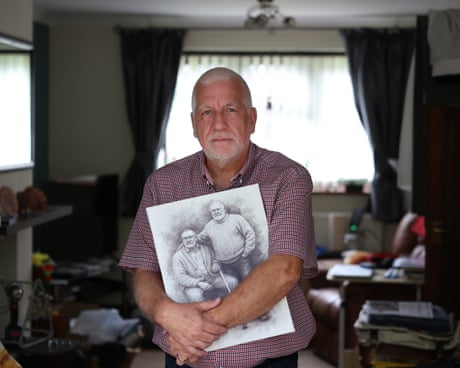
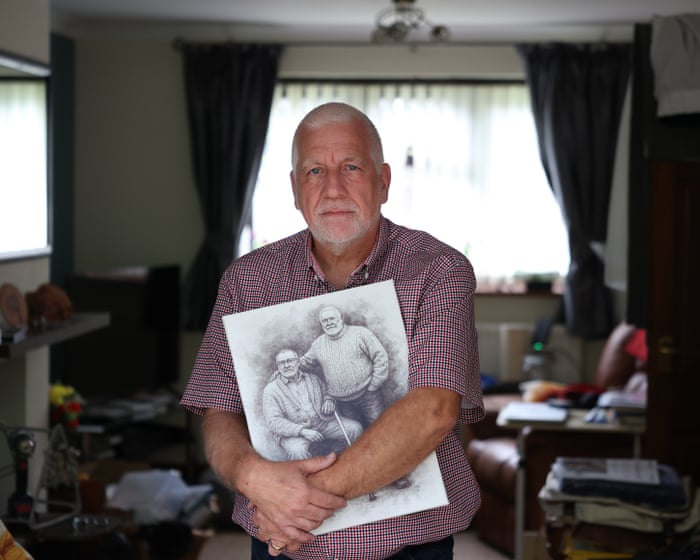
A former unpaid carer has urged welfare officials to “get their act together” after they continued to pay him carer’s benefit for six months after the death of his husband, potentially landing him with debts of more than £1,300.
Chris Farrell, 65, who claimed carer’s allowance for four years while providing full-time care for his late husband repeatedly tried to get the Department for Work and Pensions (DWP) to stop paying him the £86.45 a week benefit.
A carer who has accumulated more than £2,000 of unwanted carer’s allowance since their mother went into a care home 10 months ago. They said they had contacted the DWP to cancel the benefit five times, by phone and online form, to no avail.
A carer who found it impossible to get the DWP to stop carer’s allowance payments despite reporting over a year ago she had taken on a new work contract and was no longer eligible for the benefit. She had been overpaid more than £2,650.
A man trying to manage work and care for his father, who claimed carer’s allowance for several months after being made redundant, has been unable to stop the benefit despite telling officials repeatedly he no longer needed it after finding a new job.
SINGAPORE: A simple question on Reddit got people reflecting on the habits, behaviours and mindsets they wish they had left behind sooner.
Posting on the r/askSingapore subreddit, one user asked: “What’s something you wish you had stopped doing earlier, and what happened after you quit?”
The question quickly drew responses from people sharing everything from unhealthy habits to personal struggles that had affected their lives for years.
One user said they stopped trying to fit into friend groups simply for the sake of belonging.
“I don’t need to change myself for others,” they wrote.
Others pointed to habits that affected their physical well-being. Some said they wished they had quit smoking earlier, while others mentioned not drinking enough water or continuing with supplements and medications that did not suit them.
One commenter shared, “Stopped taking multivitamins. It was giving unexplained headaches.”
Several responses centred on people-pleasing and the need for external validation. Some said they became happier after caring less about what others thought of them, while others realised they had spent years being unnecessarily hard on themselves.
A number of users also spoke about learning to trust themselves more and letting go of self-doubt.
While the answers varied, many reflected on the same idea: certain habits can feel normal until you stop and realise how much they were affecting your life.

 Login
Login


:max_bytes(150000):strip_icc():format(jpeg)/Julie-Chrisley-Todd-Chrisley-052726-f790ccc6b75a44f395cbfb3cbd6d268d.jpg "<p>Arturo Holmes/Getty;Lara Trump/Instagram </p>")






















:max_bytes(150000):strip_icc():format(jpeg)/James-Harden-Little-Caesars-Arena-061326-2a994f4e56264a4197dc9aa1c3eca90c.jpg "<p> Gregory Shamus/Getty </p>")
