Bogotá, Colombia – On March 8, Colombians elected members of the Senate and House of Representatives, as well as choosing their preferred candidates in three presidential primaries for the left, right, and center coalitions.
The elections, which coincided with International Women’s Day, saw a record number of female candidates partake as well as a woman, Paloma Valencia, winning the most votes in the primaries in a historic first.
But with women’s representation in Congress stagnating, analysts say there is still much progress to be had in the way of gender equality in Colombian politics.
Following the March 8 elections, two women emerged as the favorite presidential candidates in their primary coalitions: Paloma Valencia, representative for the Centro Democrático (Democratic Center) party, won a landslide victory in the right-wing coalition, while ex-Bogotá mayor Claudia López took the lead in the center.
“We women have to work twice as hard so that people can actually understand that we are doing our job. Female leadership is normally interpreted as being ‘too bossy,’ and then, we are restricted to certain areas,” said Valencia during an interview with Latin America Reports.
Despite Valencia receiving more than 3 million votes, soaring past the other 15 candidates in the primaries, female representation in Congress still stopped short of expectations.
“Female leadership is recognized for its power to mobilize, collaborate, and build bridges; it tends to be a much more transformational type of leadership, oriented toward motivation, building consensus,” Nathalie Méndez, associate professor in government at Bogotá’s Universidad de los Andes, told Latin America Reports.
But the success of a single individual isn’t enough. For the first time in history, female candidacies reached 40.9% of the total lists registered for Congress, according to a report by the Interior Ministry.
However, despite being the election with the highest female participation, this surge was not reflected in the results. For the 2026-2030 period, there were 32 women elected to the Senate (31.4%) and 53 women elected to the House of Representatives (28.96%). This marks a total of 85 women out of 286 seats, representing only 29.7% of the total Congress.
Underscoring the lack of material advances in representation is the fact that the exact same number of women were elected to Congress in the 2022 elections.
“Women don’t receive the same resources as men, nor are they placed in positions with real chances to win the elections. Consequently, the rise of female candidates remains nothing more than a figure on paper,” explained Méndez.
Colombian society is also deeply conservative, creating a cultural environment where patriarchy persists and invalidates women in all spheres.
“What we see in Colombia is that a dual-type barrier persists, which I call institutional and cultural,” said Méndez.
These barriers are especially pronounced in certain provinces, such as Caldas and Quindío, where not a single woman represents their communities in the House of Representatives.
“In local politics, financing is tied to political machineries and regional elites that are still deeply entrenched in male leadership. Breaking this panorama remains very difficult for women,” claimed Méndez.
In addition, some party lists were closed, meaning people vote for a party logo rather than a specific person. With this, some voters are focused primarily on the party’s brand and could be unaware of the specific women’s names on the list, potentially making female candidates more invisible.
“Women are required, for example, to demonstrate much more experience, to hold more degrees, and even after proving they are just as good as men, cultural prejudices continue to surface,” Méndez declared.
Yet the most-voted candidate for the entire Congress was Nadia Blel. The Conservative Party leader secured a massive victory, winning over 178,000 votes and becoming the highest individual vote-getter in the 2026 elections. Her success on March 8 proves that while progress for women overall appears to be blocked, individual female leaders are winning their own battles and shattering expectations at the polls.
“What this represents is that there are women who have managed to break the glass ceiling through their own trajectories or strong political legacies, but that is not enough to change the Colombian political culture,” added the researcher.
These elections showed that having names on a ballot is not enough; the real victory will come when every region in Colombia allows women to occupy political spaces on par with men.
Featured image description: International Women’s Day march in Colombia, 2024
Featured image credit: Wikimedia Commons
The post Despite prominent female winners, Colombia elections highlight slow path to parity appeared first on Latin America Reports.

 Login
Login








 Jennifer Lopez couldn’t get right with her schedule.
That’s why she missed out on being a part of the iconic MTV VMAs performance of Madonna’s “Like A Virgin” featuring Britney Spears and...
Jennifer Lopez couldn’t get right with her schedule.
That’s why she missed out on being a part of the iconic MTV VMAs performance of Madonna’s “Like A Virgin” featuring Britney Spears and...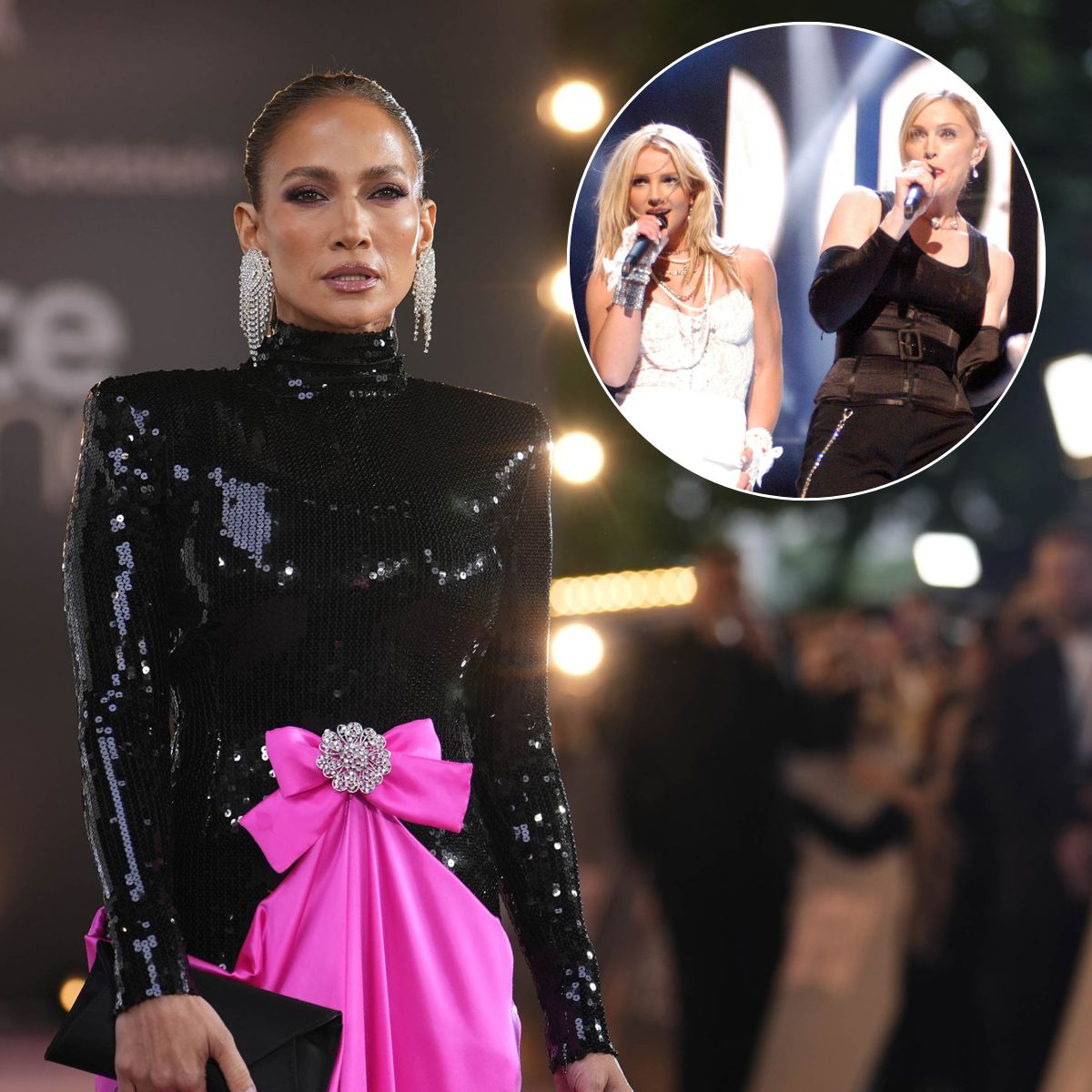
 Jennifer Lopez ain't your mama, but she is to kids Emme and Max.
The "On the Floor" singer—who shares the 18-year-old twins with ex-husband Marc Anthony—reflected on her "crazy" motherhood journey...
Jennifer Lopez ain't your mama, but she is to kids Emme and Max.
The "On the Floor" singer—who shares the 18-year-old twins with ex-husband Marc Anthony—reflected on her "crazy" motherhood journey...
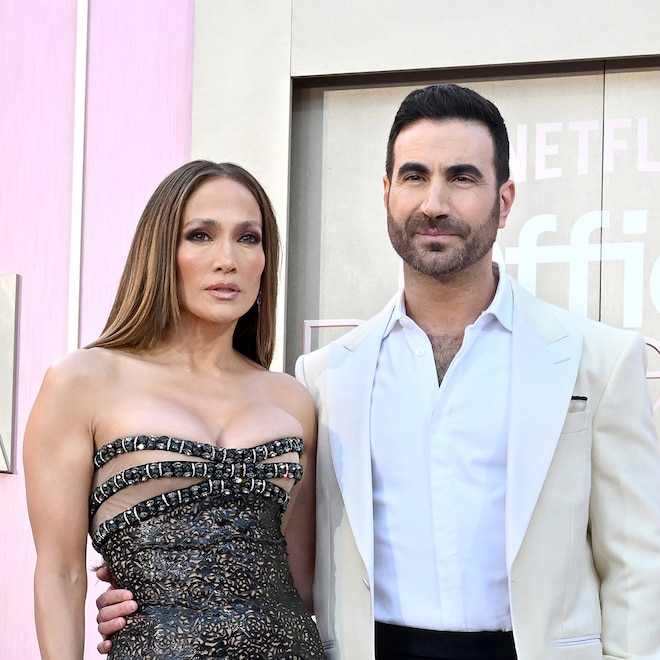 Let’s get quiet with those Jennifer Lopez and Brett Goldstein rumors.
Although the Office Romance stars have recently sparked relationship speculation, the “On the Floor” singer and Ted Lasso...
Let’s get quiet with those Jennifer Lopez and Brett Goldstein rumors.
Although the Office Romance stars have recently sparked relationship speculation, the “On the Floor” singer and Ted Lasso...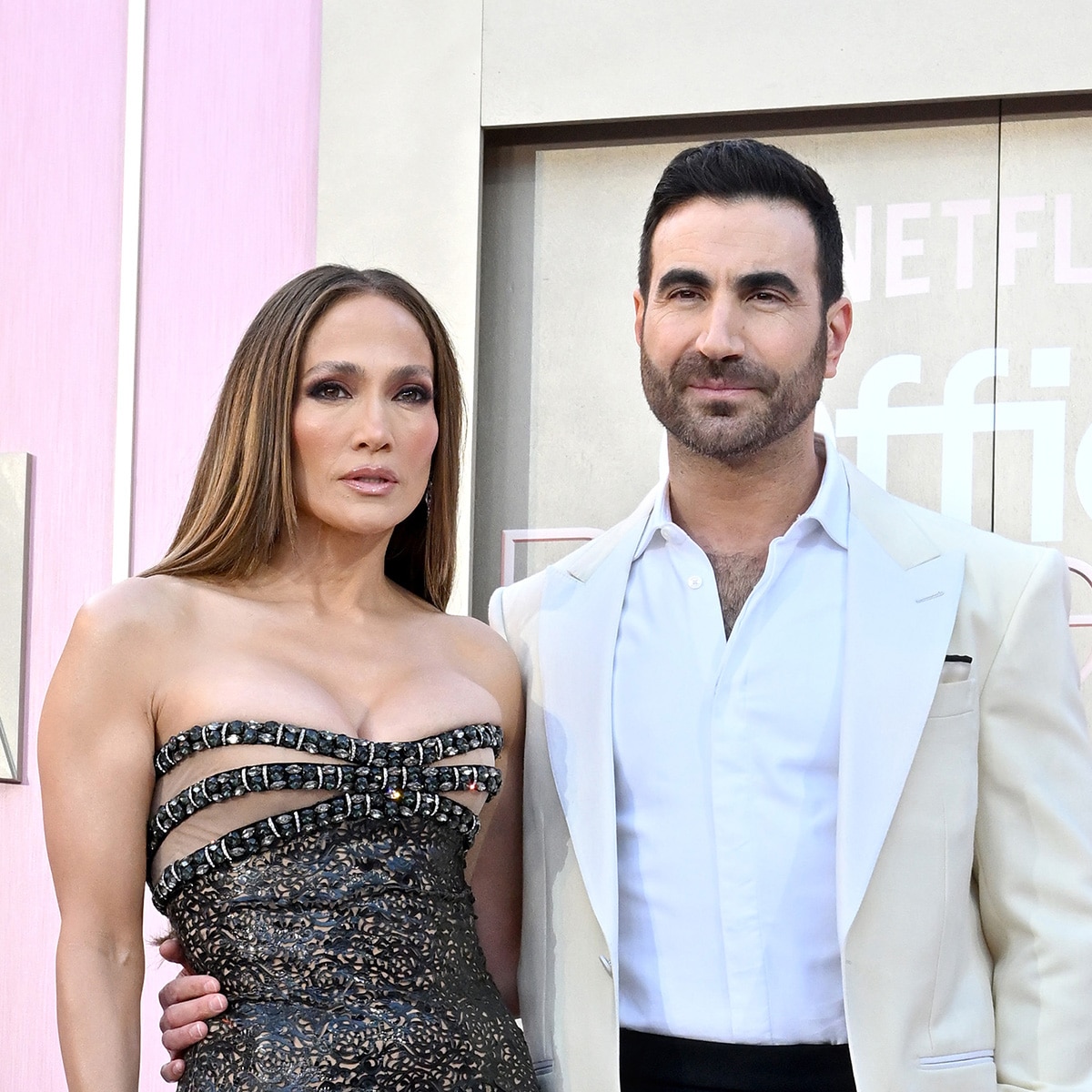







 As Lin-Manuel Miranda said, “Love is love is love is love is love."
And as Pride Month began June 1, celebrities celebrated all types of love by sharing heartfelt messages of support for the...
As Lin-Manuel Miranda said, “Love is love is love is love is love."
And as Pride Month began June 1, celebrities celebrated all types of love by sharing heartfelt messages of support for the...