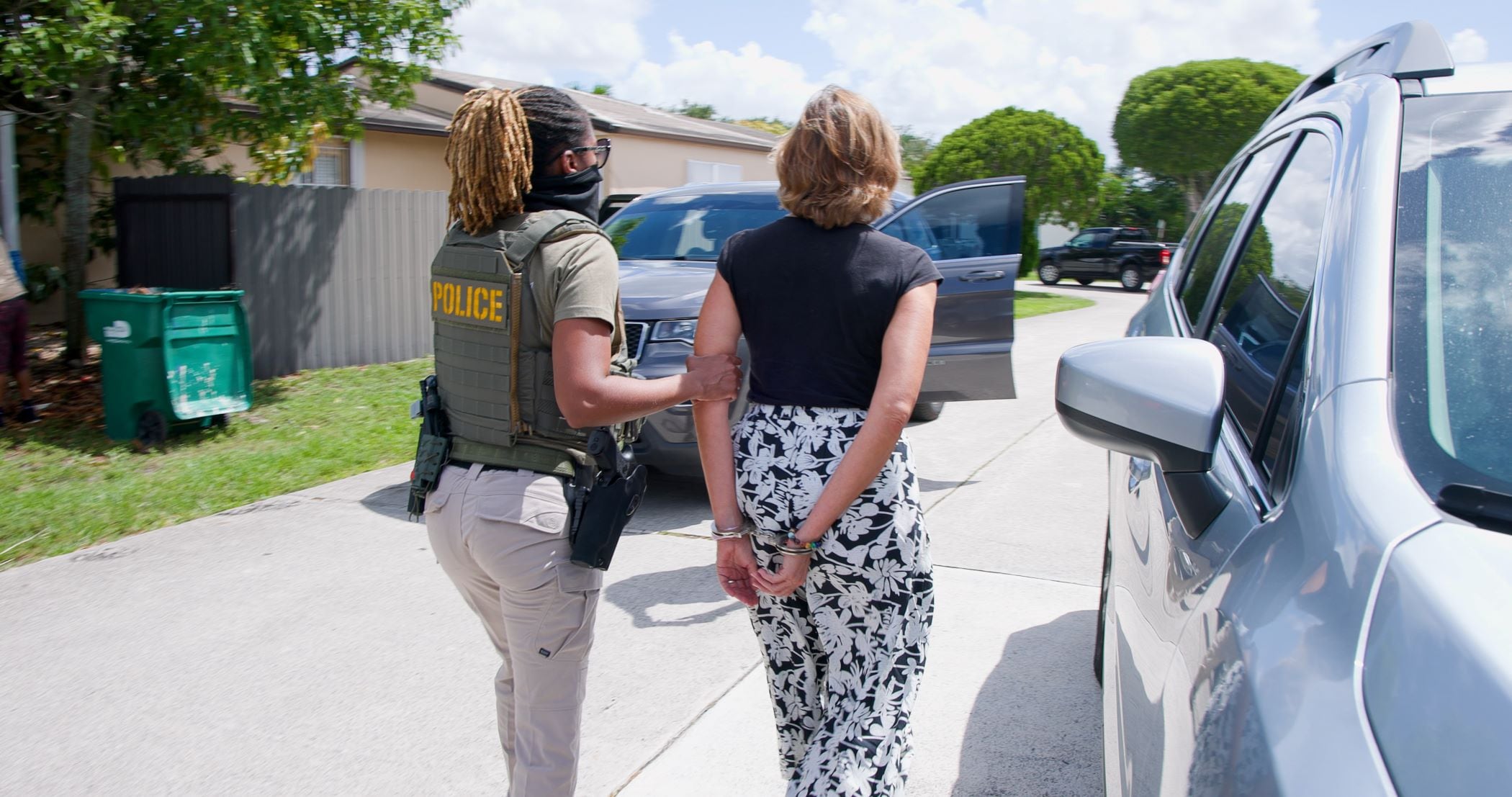
The United States continues to ratchet up its pressure on Cuba. U.S. immigration authorities on Thursday arrested in Miami the sister of the executive president of GAESA (Grupo de Administración Empresarial S.A.), the Cuban military conglomerate. According to a statement released by Immigration and Customs Enforcement (ICE), the detainee, Adys Lastres Morera, sister of Ania Guillermina Lastres Morera, described as “responsible for managing GAESA’s internationally held illicit assets,” had been a permanent resident since 2023. ICE said Lastres Morera had not applied for U.S. citizenship and will remain in custody until she is deported.
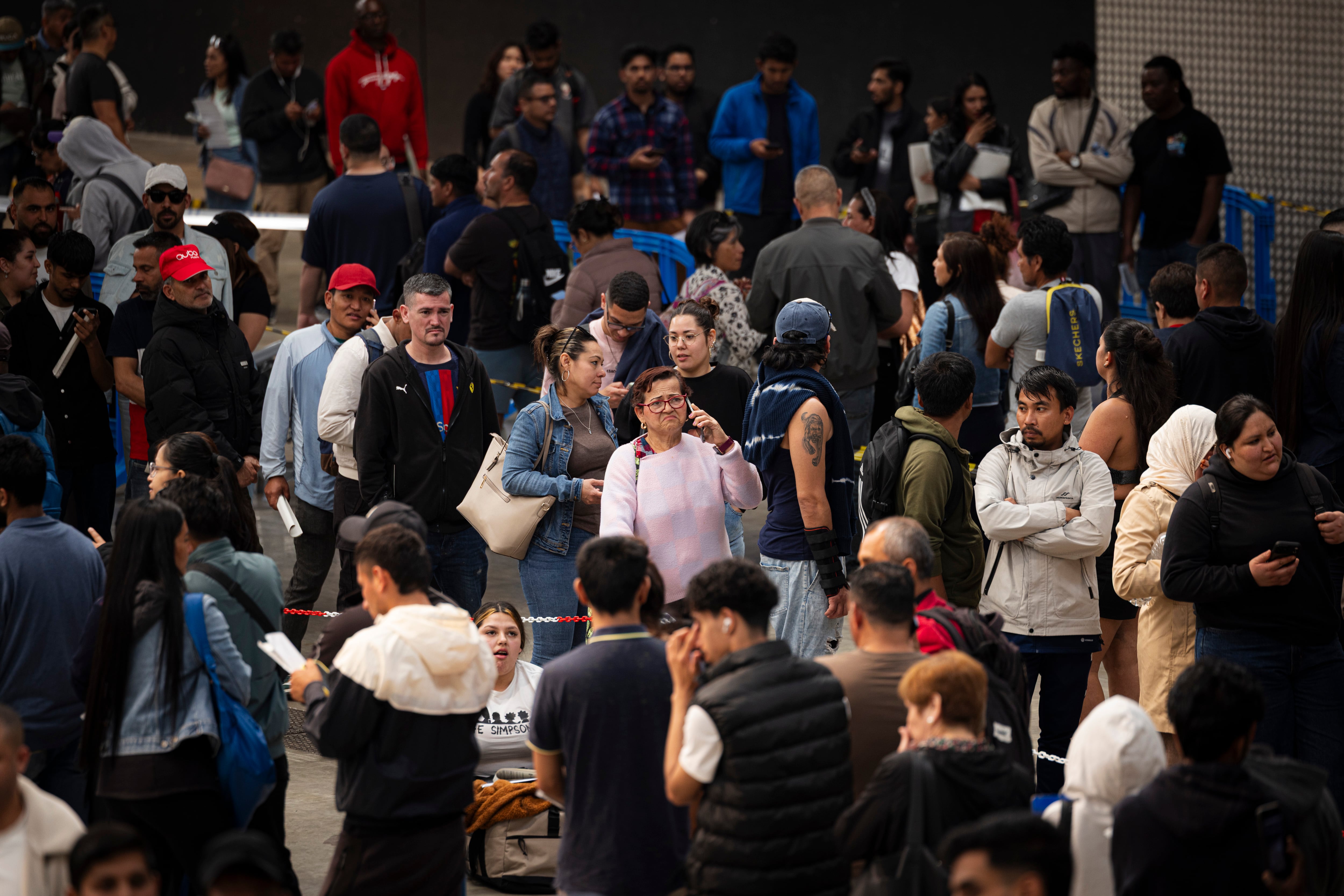
The Cuban community in Spain is encountering particular difficulties obtaining copies of their criminal records, a requirement to be eligible for the mass migrant legalization program announced by the Spanish government earlier this year. A perfect storm has left Cubans anxious about whether the documents requested from their country will arrive in time to apply for a residence and work permit in Spain. To the hardships already facing the Caribbean nation — including routine power outages that affect offices and agencies — is added the backlog that the consulate had already been experiencing since an earlier naturalization process opened for children and grandchildren of Spaniards. This has given rise, say some members of the Cuban community, to an underground business selling appointments at the Spanish mission in Havana for anywhere between €200 and €500.
The sanctions come after Trump signed an executive order expanding sanctions against the island and has been threatening military action ever since ousting Venezuelan leader Nicolás Maduro in January and then ordering an energy blockade that choked off fuel shipments to Cuba.
The clock keeps ticking. The United States waits patiently after its latest checkmate against Cuba. The move has shaken a country that is already held together by pins, plunged into a severe crisis that has only worsened this year as economic strangulation by Washington intensifies. And all of this is unfolding in the shadow of a possible military intervention. Adding to this climate of extreme tension is an ultimatum: Friday, June 5, 2026. That is the date when a White House executive order of May 1 will take effect. The order threatens to freeze the assets on U.S. soil of any foreign companies or individuals that are still doing business with the Cuban regime.
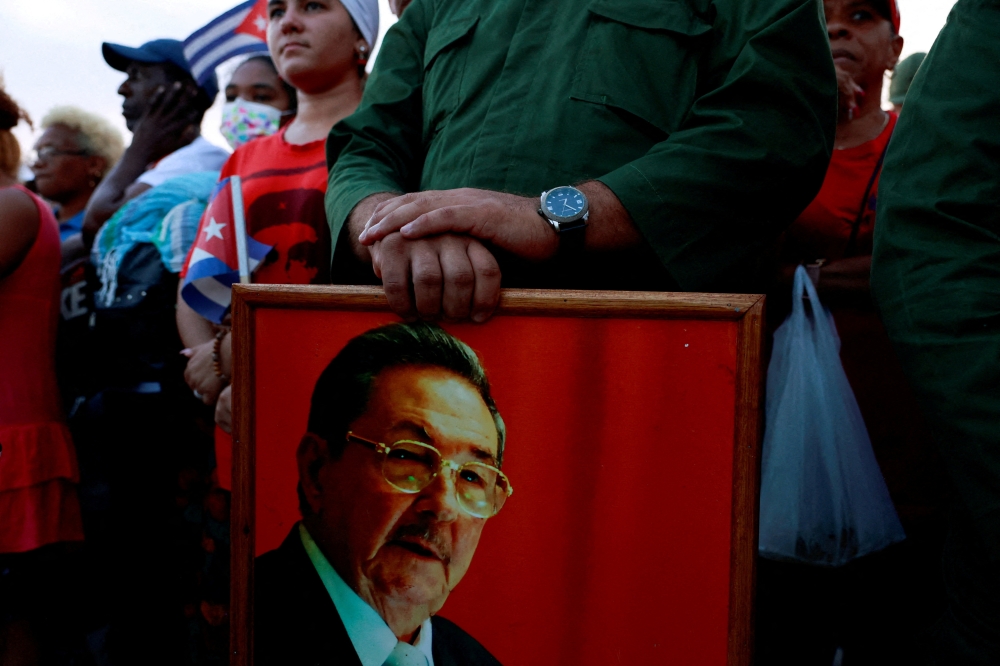
HAVANA, June 4 — Cuba’s former leader Raul Castro turned 95 yesterday, though his whereabouts were still unknown two weeks after US authorities charged him with murder in connection with the downing of civilian airplanes in 1996.
Cuban President Miguel Diaz-Canel early in the day praised Castro, who he said he considered to be a mentor and father figure, for his contributions to Cuba.
“To reach 95 years of age with one foot in the stirrup and an endless record of service to the Homeland, to regional and world peace... to the dreams of social justice of millions of human beings, is not his luck, it is ours,” Diaz-Canel said.
But Castro - a key figure alongside older brother Fidel in the 1959 guerrilla war that toppled a US-backed dictator - is once again at the center of tensions with the United States.
The Trump administration has accused the former Cuban defense minister of ordering Cuban military jets to shoot down planes operated by a group of Cuban exiles in 1996, a major escalation in Washington’s pressure campaign against the island’s communist government.
US President Donald Trump this year has vastly ratcheted up sanctions on Cuba, cutting off the island’s fuel supply and threatening sanctions on foreign businesses in Cuba in a bid to topple a government that for decades was led by the Castro brothers.
Acting US Attorney General Todd Blanche said recently the US would do “everything possible” to bring Castro to justice after announcing his indictment before a crowd of Cuban-Americans in Miami on May 20.
Former Cuban spy Rene Gonzalez, one of the so-called “Cuban Five” espionage agents arrested in 1996, told Reuters Castro’s indictment had thrown relations between the two countries into a “critical situation.”
Castro led negotiations with the administration of US President Barack Obama that heralded warming relations between the two countries a decade ago, but is now seen by the Trump administration as a nemesis, murderer and dictator.
“I don’t think it’s a coincidence that the very person who led the negotiations between Cuba and the United States 12 years ago is now the target of this accusation by the US government,” Gonzalez said.
“Whenever there has been a possibility of a rapprochement between the two countries, (Cuba’s enemies in) Miami have been instrumental in attacking that possibility, in undermining it.”
Quiet corner
There is no evidence that Castro - still a powerful behind-the-scenes figure in Cuban politics - has left the island or that he will be extradited.
The outskirts of one of Castro’s homes, a gated enclave called La Rinconada in a wealthy western suburb of Havana inhabited by foreign business people, diplomats and Cuban leaders, was quiet on Wednesday morning.
The complex, surrounded by high aluminum and cement walls, razor wire and dense vegetation, appeared only lightly policed, with plainclothes guards at one entrance and a police cruiser circulating nearby.
Castro, noticeably thin and slouched in military uniform but still lucid despite his age, was last seen in public a month ago during May 1 festivities in Havana, just prior to his indictment.
He had previously not been seen since January 15, when he appeared in a public ceremony in the capital paying homage to the 32 Cuban soldiers killed during the capture of Venezuelan President Nicolas Maduro. — Reuters
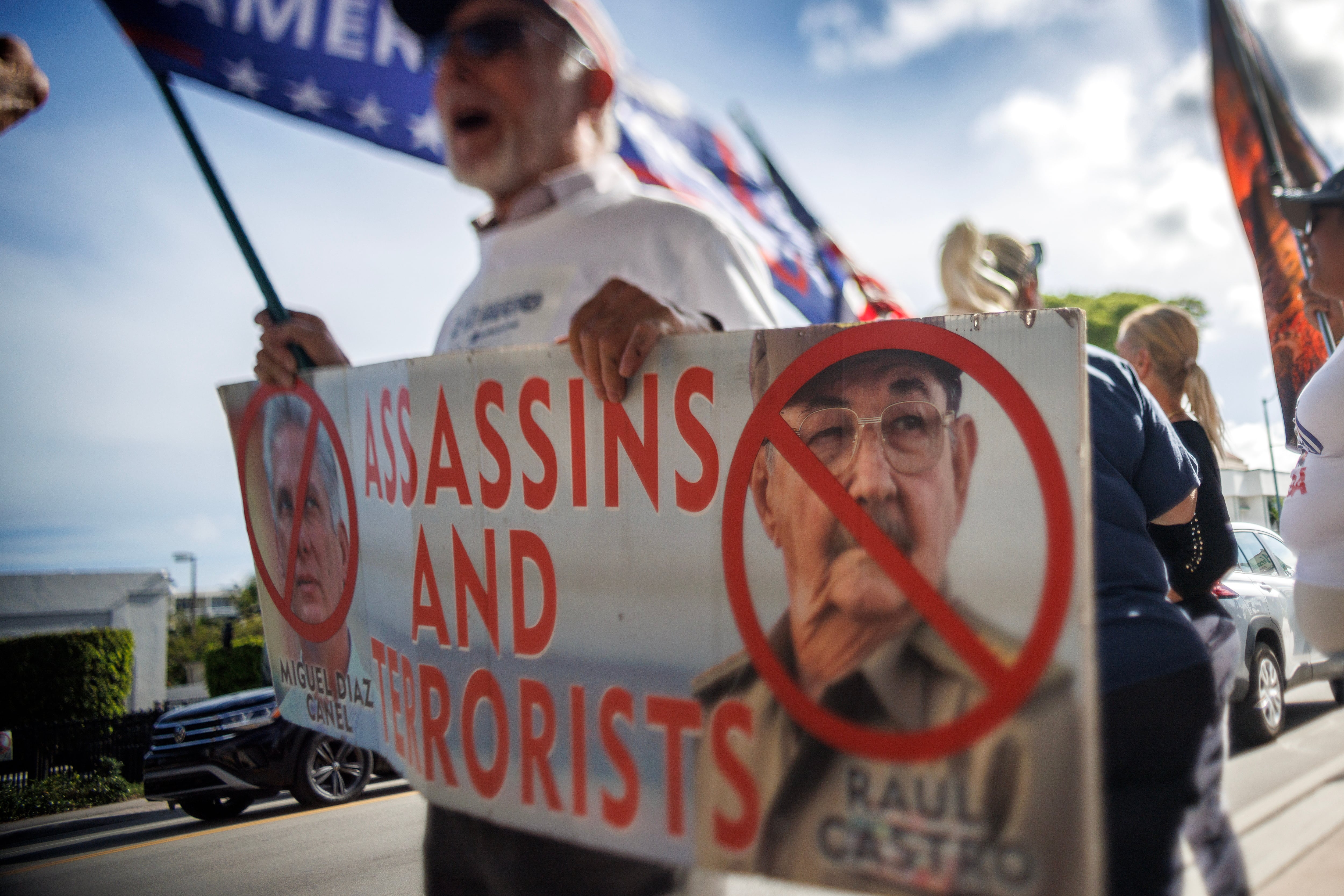
About 50 people, some holding signs and Cuban flags, gathered Wednesday outside the iconic Versailles restaurant on Calle Ocho in Miami, a regular meeting point for the Cuban exile community. The atmosphere was celebratory. And besides commemorating the island’s independence, the occasion was the indictment of Raúl Castro.
The grill‑strategy is starting to work. With every degree the heat rises, the situation in Cuba — both on the streets and in the regime’s top offices — becomes more and more unbearable. The fall earlier this year of Venezuela’s Nicolás Maduro, Havana’s key ally, and the subsequent energy embargo on the island marked the beginning of a decline that now seems unstoppable.
The Cuban dissident Oswaldo Payá used to say that he lived in the crossfire. In May 2002, he achieved the milestone of delivering more than 11,000 signatures to Cuba’s Parliament. The petition demanded a referendum to democratize the island.
Humor is often the Cuban people’s best tool for capturing their reality. That’s why, on an island that now spends more hours in darkness than with electricity, people no longer talk about apagones (blackouts) but about alumbrones — fleeting moments when the lights actually come on.
New winds of reform are sweeping through Havana. The Cuban regime on Friday announced a package of structural changes under the so-called Economic and Social Program for 2026to confront one of the most severe crises in its recent history.
Bogotá, Colombia – The Cuban regime held a rally in Havana today to show solidarity withrevolutionary leader Raúl Castro days after he was indicted by U.S. authorities.
Castro, the younger brother of longtime dictator Fidel, was charged in a U.S. court on Wednesday with conspiracy to commit murder over the downing of two civilian planes in 1996.
The measure is the latest in a mounting pressure campaign this year by the White House, which has said it aims to overthrow the communist regime.
On May 20, the U.S. justice department unveiled an indictment against Castro, 94, for his alleged role in ordering Cuban forces to shoot down two civilian planes 30 years ago.
Four members of the Miami-based Cuban dissident group Hermanos Al Rescate (Brothers to the Rescue), who were operating the planes when they were shot down, lost their lives. U.S. authorities claim Castro, who was defense minister at the time, must have been involved in ordering the attack which killed three U.S. citizens.
But Cuba’s regime staunchly rejects the charges, with President Miguel Díaz-Canel writing on X, “This is a political move, with no legal basis, that seeks only to bolster the case they are fabricating to justify the folly of a military attack on Cuba.”
In the days since, the president has used his social media account to defend Castro’s honor.
Yesterday, he shared an image of the revolutionary leader in a Cuban military outfit, writing, “You don’t disrespect the nation’s heroes, and you don’t insult its history and traditions without facing consequences. Not in #Cuba.”
A post on Díaz-Canel’s X account on May 21 reads “Raul is Raul”.
This morning, Castro shared photos from a rally in Havana in solidarity with Castro, writing, “Raúl is Raúl—he is Cuba, and he embodies heroism, dignity, and deep love for the people.”
Díaz-Canel also noted that the country was “just a few days away” from celebrating Castro’s 95th birthday, on June 3.
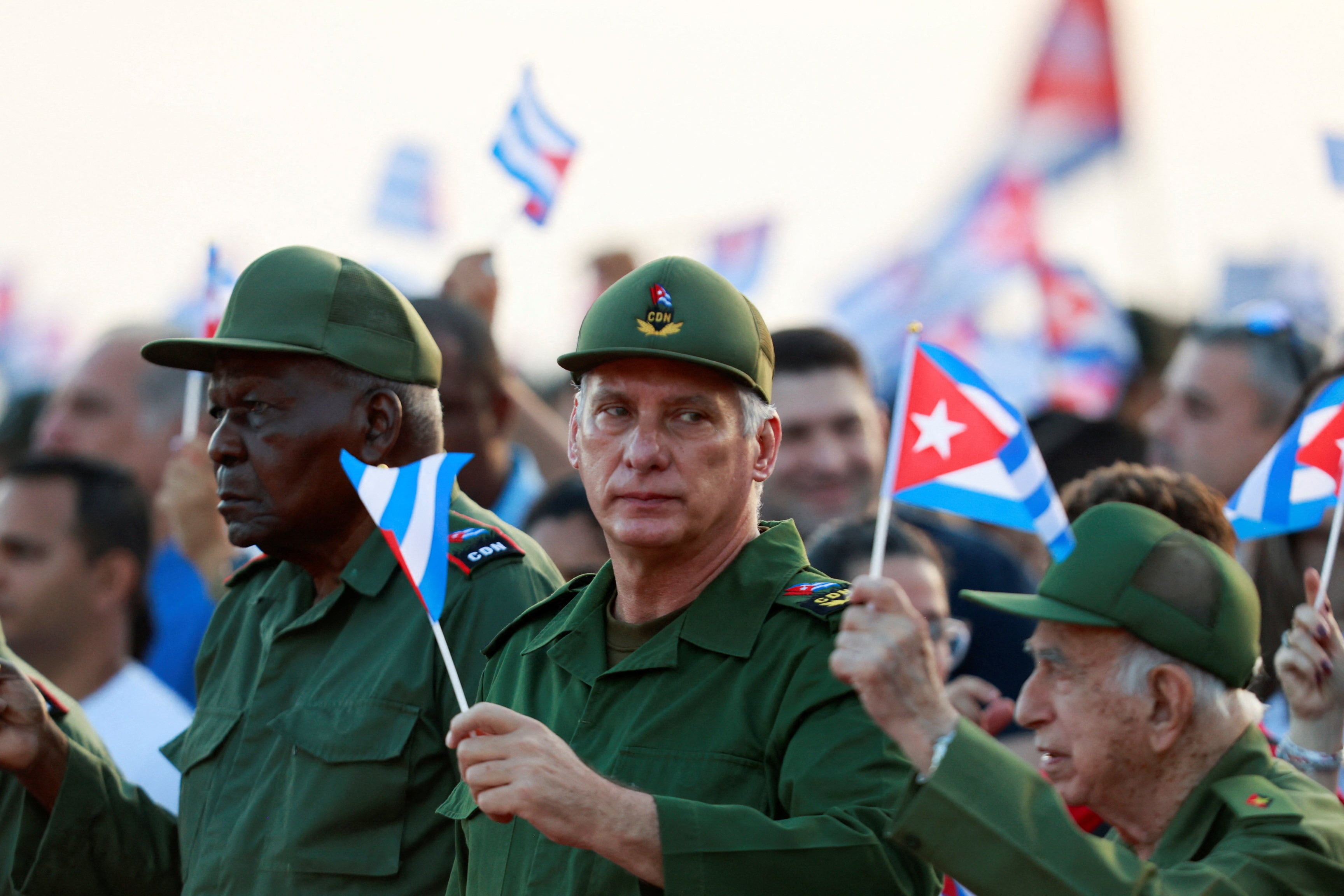
Photos showed a crowd of several thousand gathered on the Malecón (promenade) in Havana, some of them waving flags and others dancing.
Pictures from the rally show Cuban veterans waving flags and holding up images of the Castro brothers. Image credit: @DiazCanelB via X
While Raúl did not attend the rally – which was held in front of the U.S. Embassy – his daughter, Mariela Castro, did.
Fielding a question from the BBC about whether war was a possibility, she said: “We are used to receiving constant threats. There have been more dangerous moments but nothing has happened.”
Meanwhile, state newspaper Granma has been combatting U.S. claims that Cuba represents a national security threat to its northern neighbor.
‘Cuba neither threatens, challenges, nor provokes the United States or any other country in the world; Cuba is a peaceful nation’, read a headline on the paper’s website today, quoting Díaz-Canel.
It remains unclear what plans Washington has for the island; while some predict an operation similar to the extraction of Venezuelan strongman Nicolás Maduro in January, others say the White House may be trying to pressure Havana into striking a deal.
But with the government doubling down on its anti-imperialist rhetoric, a negotiated change of guard would mark a major shift in the regime’s position.
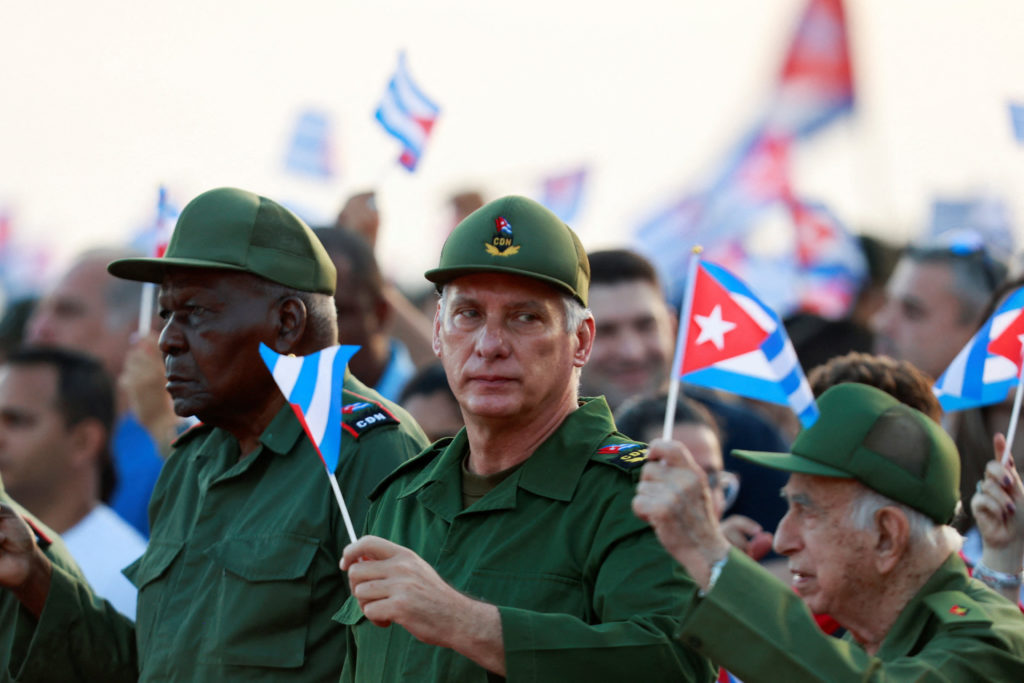
Featured image description: President Díaz-Canel and other high-ranking officials posed in military uniforms in front of a crowd waving Cuban flags at a solidarity march on May 22.
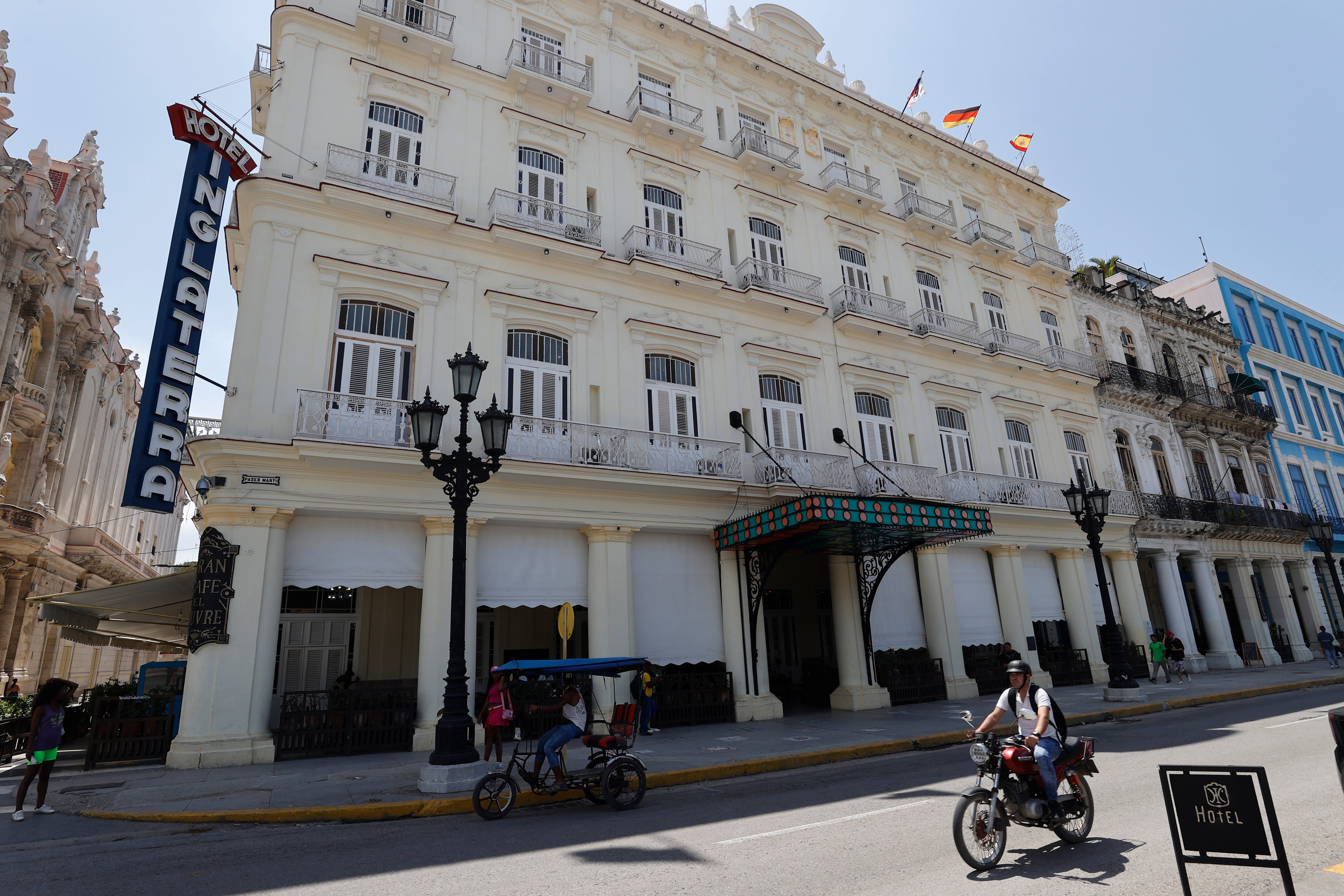
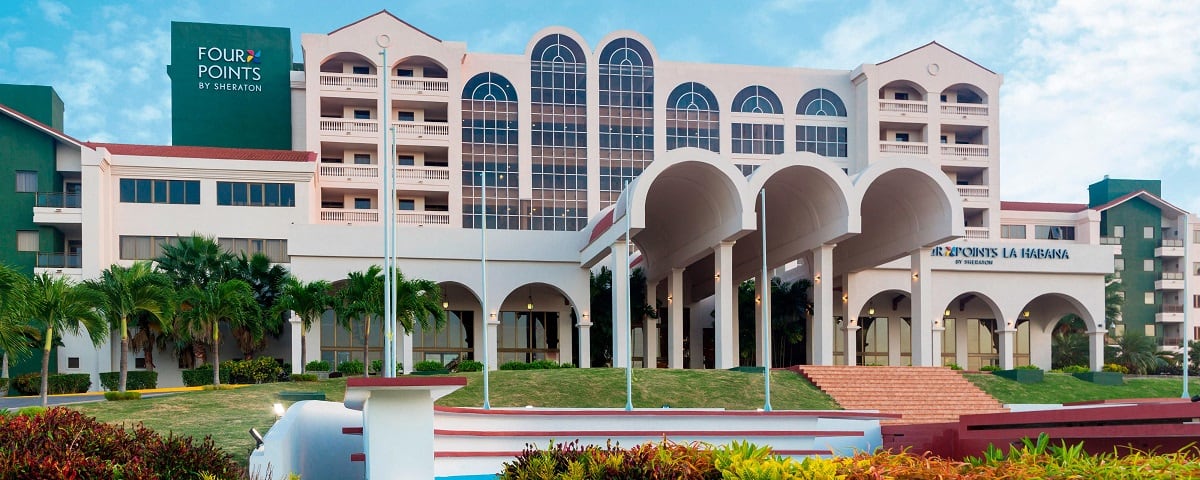
The executive order issued by the White House on May 1 has shaken Cuba’s foundations. The United States decided to tighten the noose around an economy that was already in intensive care even before the new sanctions that took effect on Friday, or the oil blockade implemented earlier this year. Washington’s threat to freeze assets on U.S. territory of any foreign company or individual doing business with the Cuban regime — especially with the vast portfolio of businesses held by Gaesa, the military conglomerate that controls half of Cuba’s GDP — has produced its first effects. And once foreign companies withdraw, their replacement by U.S. firms appears to be the next step.

 Login
Login