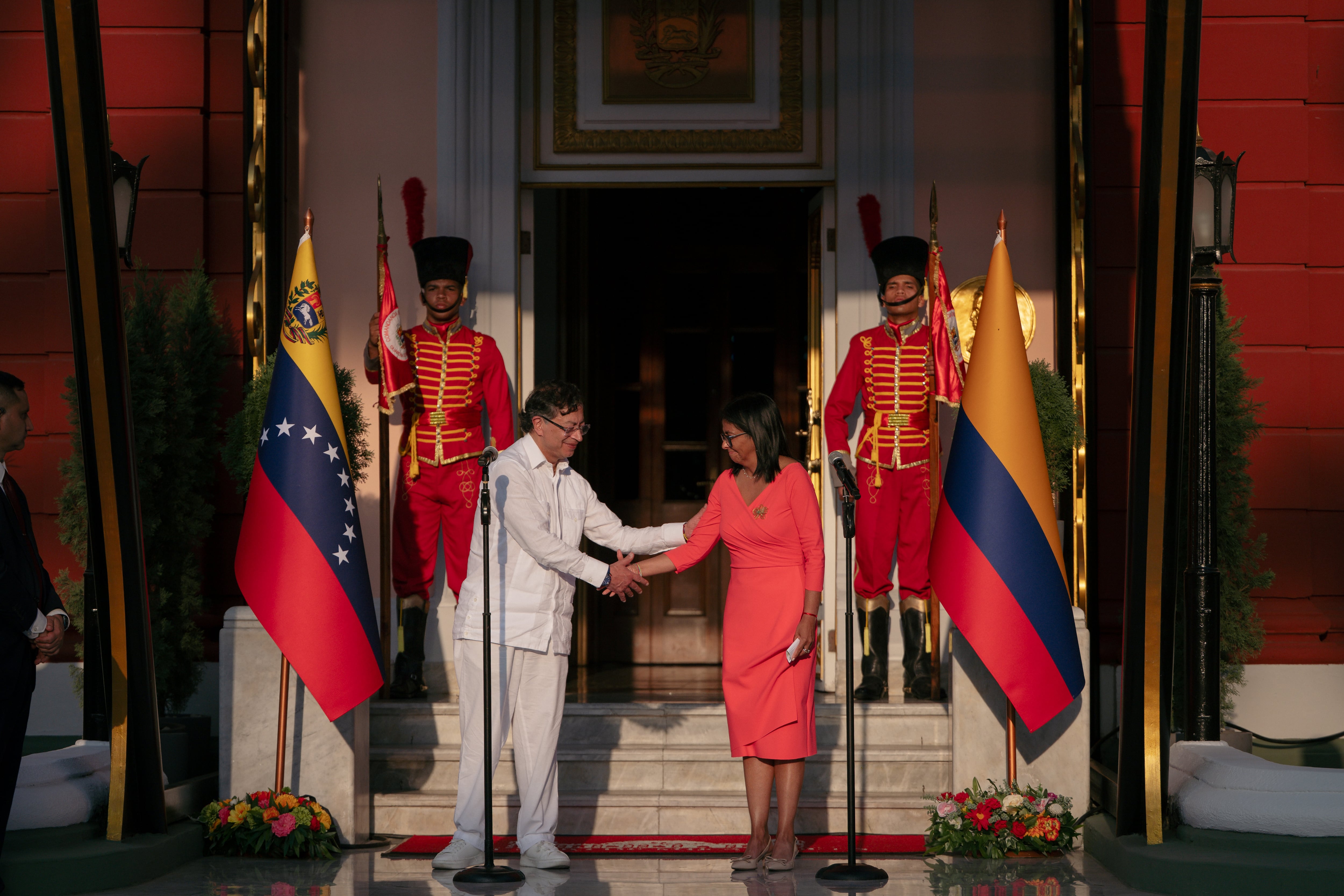
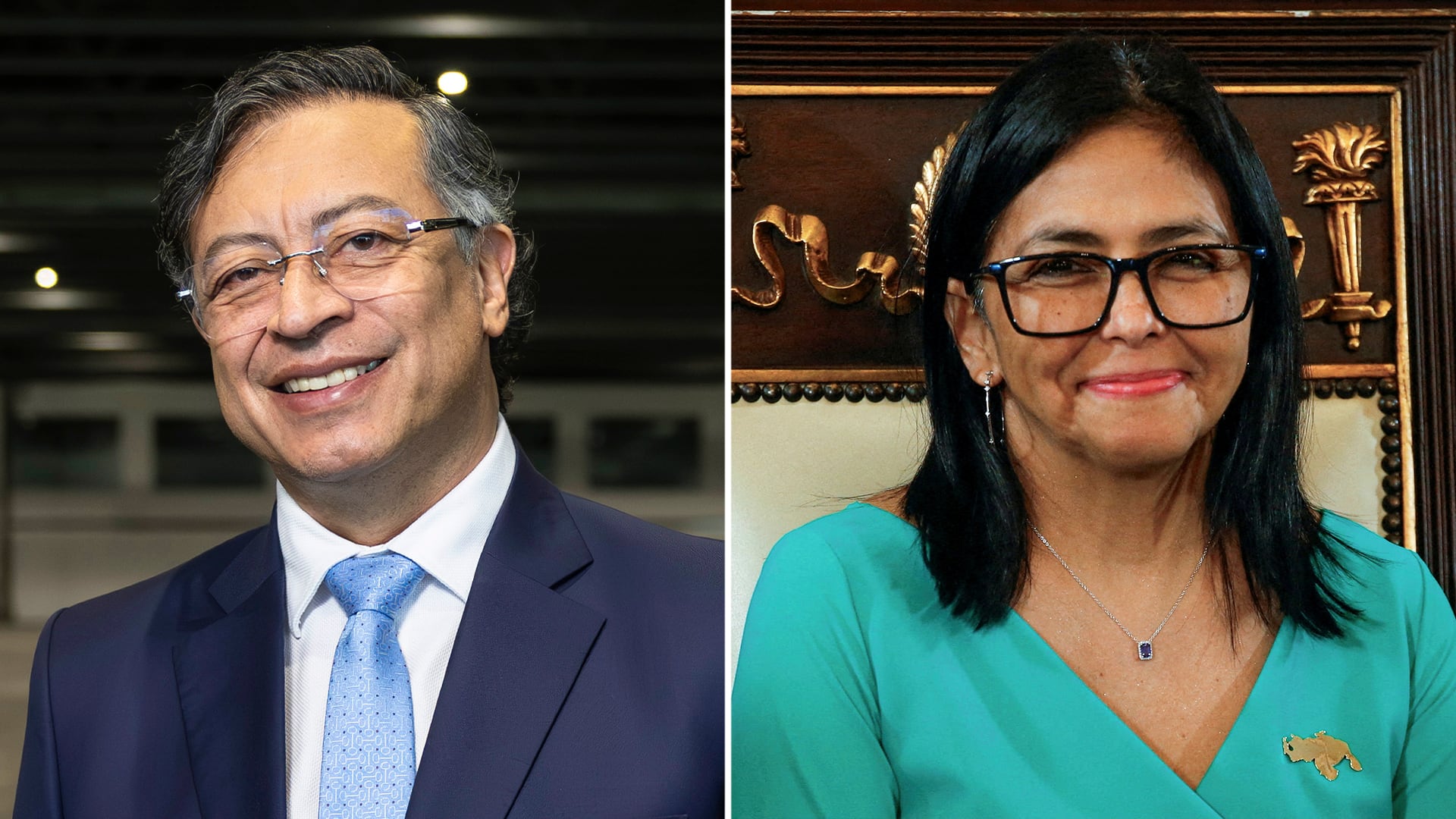
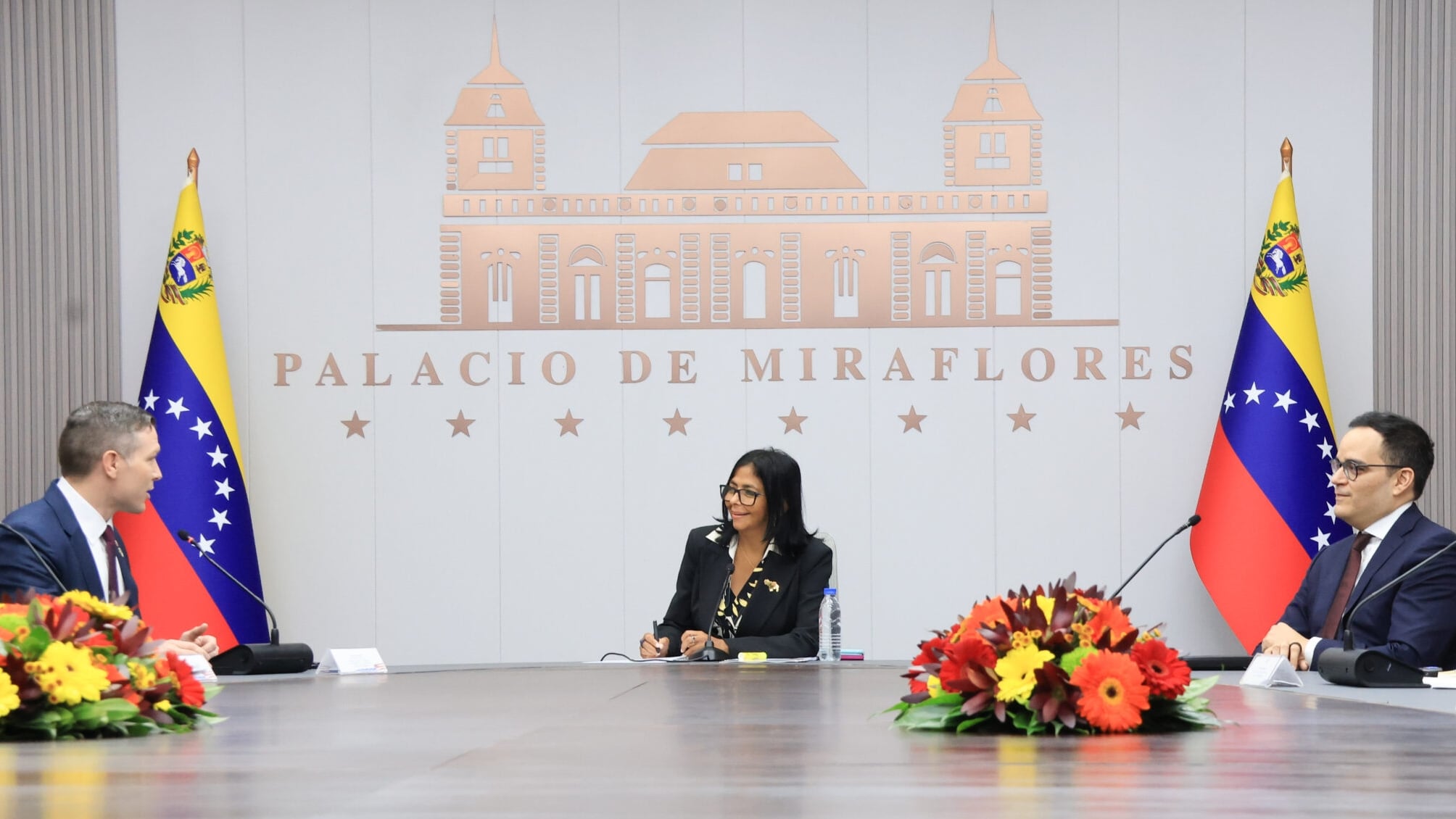
It was a bilateral meeting, but a third country had a major interest in what was being discussed. The encounter on Friday April 24, in Caracas between the acting president of Venezuela, Delcy Rodríguez, and the Colombian president, Gustavo Petro, wrapped with an important statement: the two countries will draw up joint military plans and open mechanisms to share intelligence “immediately.”
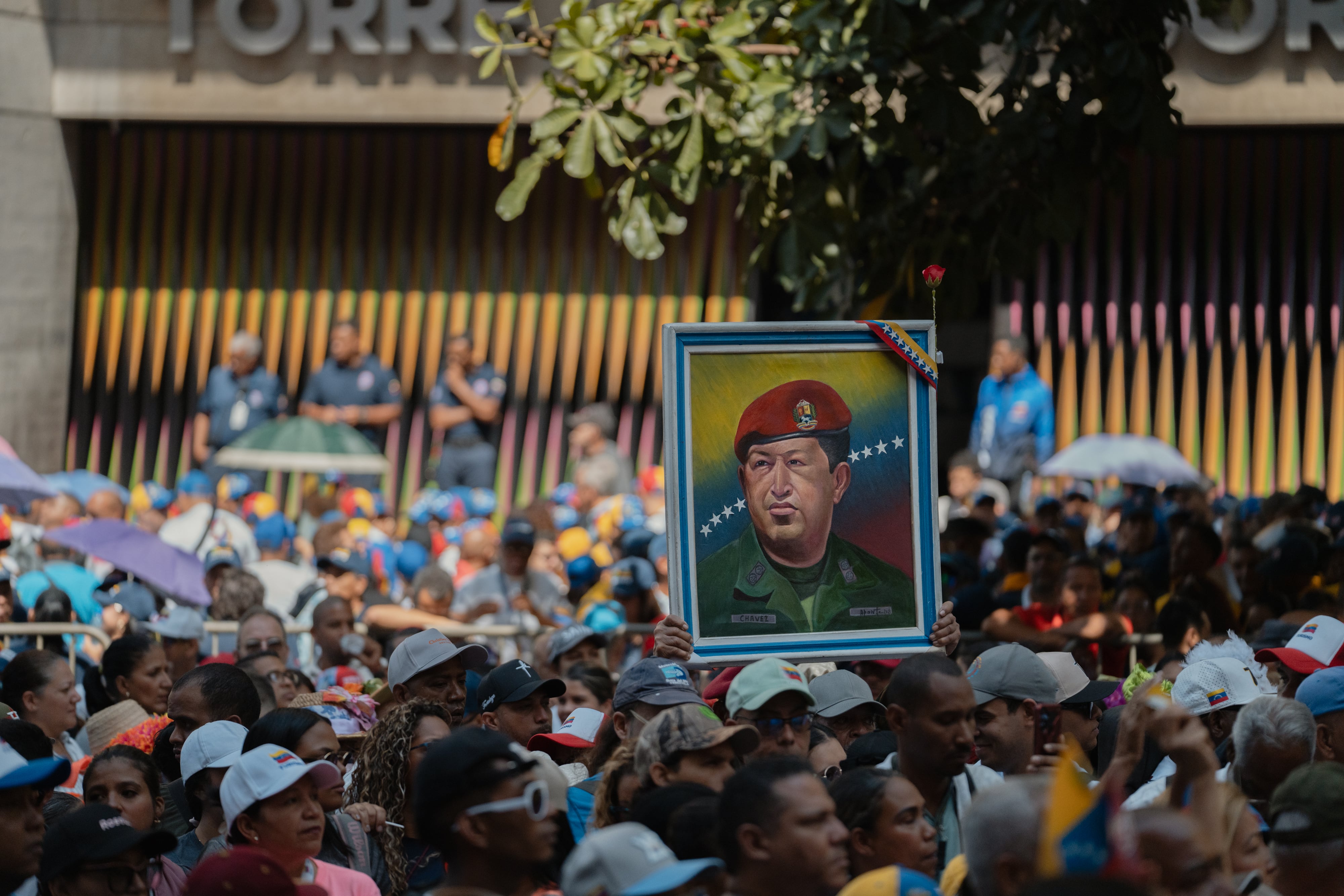
There are two pairs of eyes that have shaped the lives of Venezuelans for more than two decades. Symbolic eyes, once adorning building facades, t-shirts, and the city’s staircases. They were the eyes of Hugo Chávez: a gaze designed to suggest authority, surveillance, omnipresence. A gaze that, even after his death in 2013, remained, as if power no longer needed a body, only presence.
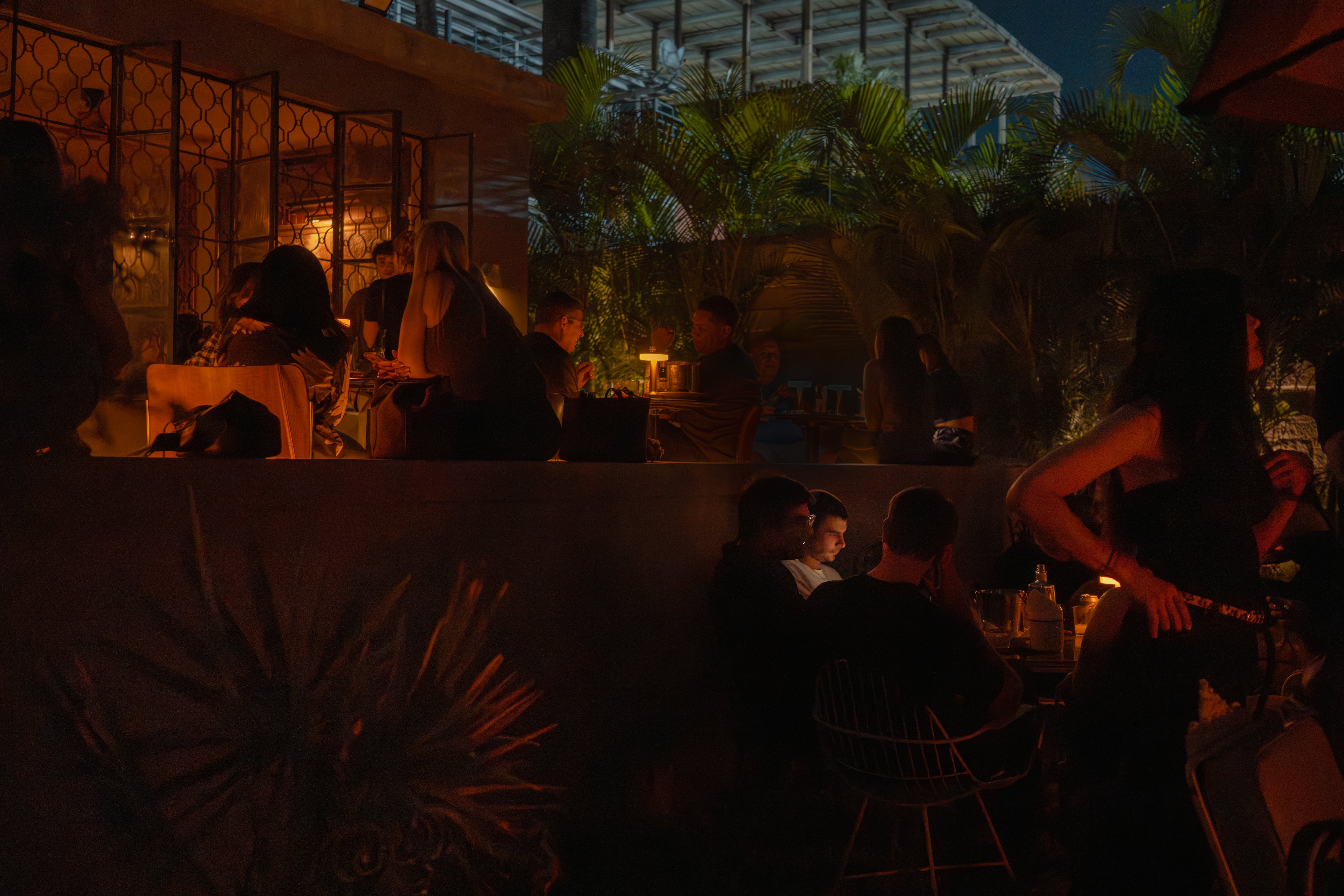
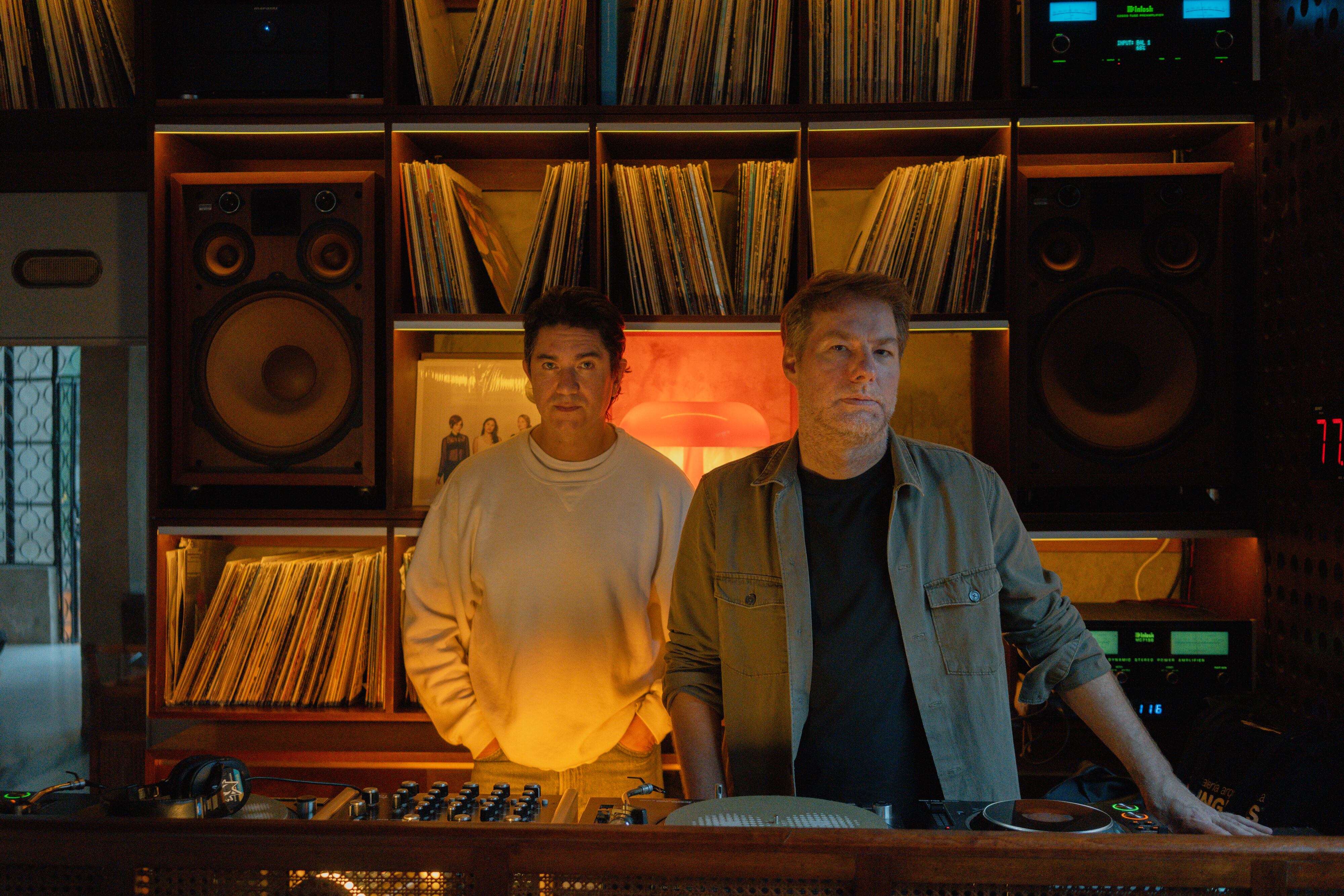
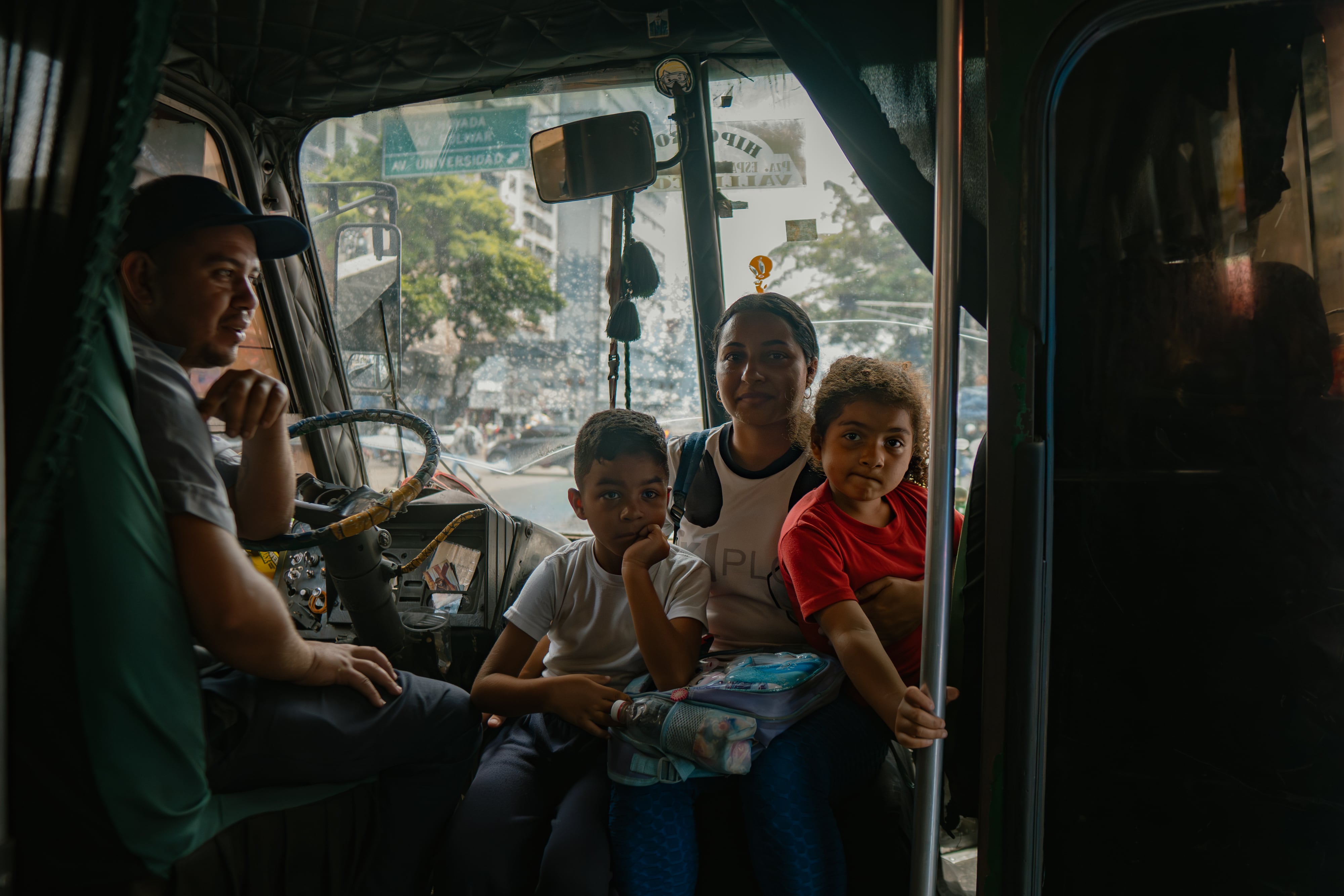
On a Saturday evening, in an upscale Caracas neighborhood, a bar fills up. Well-dressed men, smelling of cologne, recount their week. Women with sleek hair and long eyelashes take selfies in the bathroom. People on the street talk on their cell phones, engaging in heated discussions about current events, while a DJ spins vinyl records. There are signature cocktails being served. Everything is in its usual place.
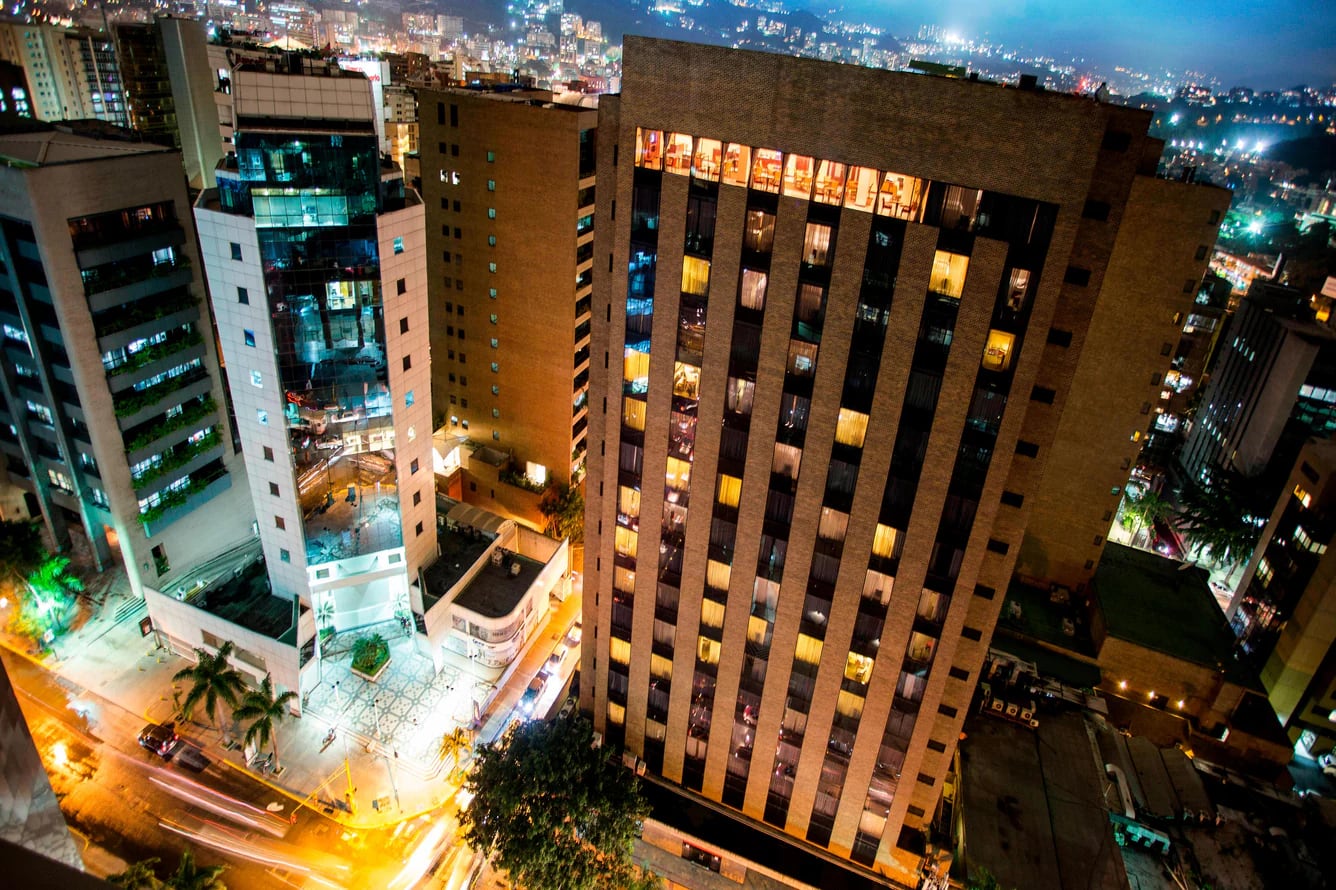
At 8 a.m., the 20 Marines staying at the JW Marriott in Caracas go down for breakfast. It is a unique spectacle. They are between 30 and 40 years old and almost all of them sport a chevron mustache, Freddie-Mercury-style. The tattoos reach the elbow, sometimes the knees. Caps, shorts and T-shirts are emblazoned with slogans that sit oddly in Donald Trump’s war-mongering era. “No war team,” read one of them last week.
Colombian President Gustavo Petro and Venezuela’s acting president, Delcy Rodríguez, are preparing for a second attempt at holding a bilateral meeting. Petro announced that the two leaders are scheduled to meet in Caracas at midday on Friday — the first official visit by a head of state to Venezuela since Nicolás Maduro’s removal, and another step in Rodríguez’s consolidation of power.
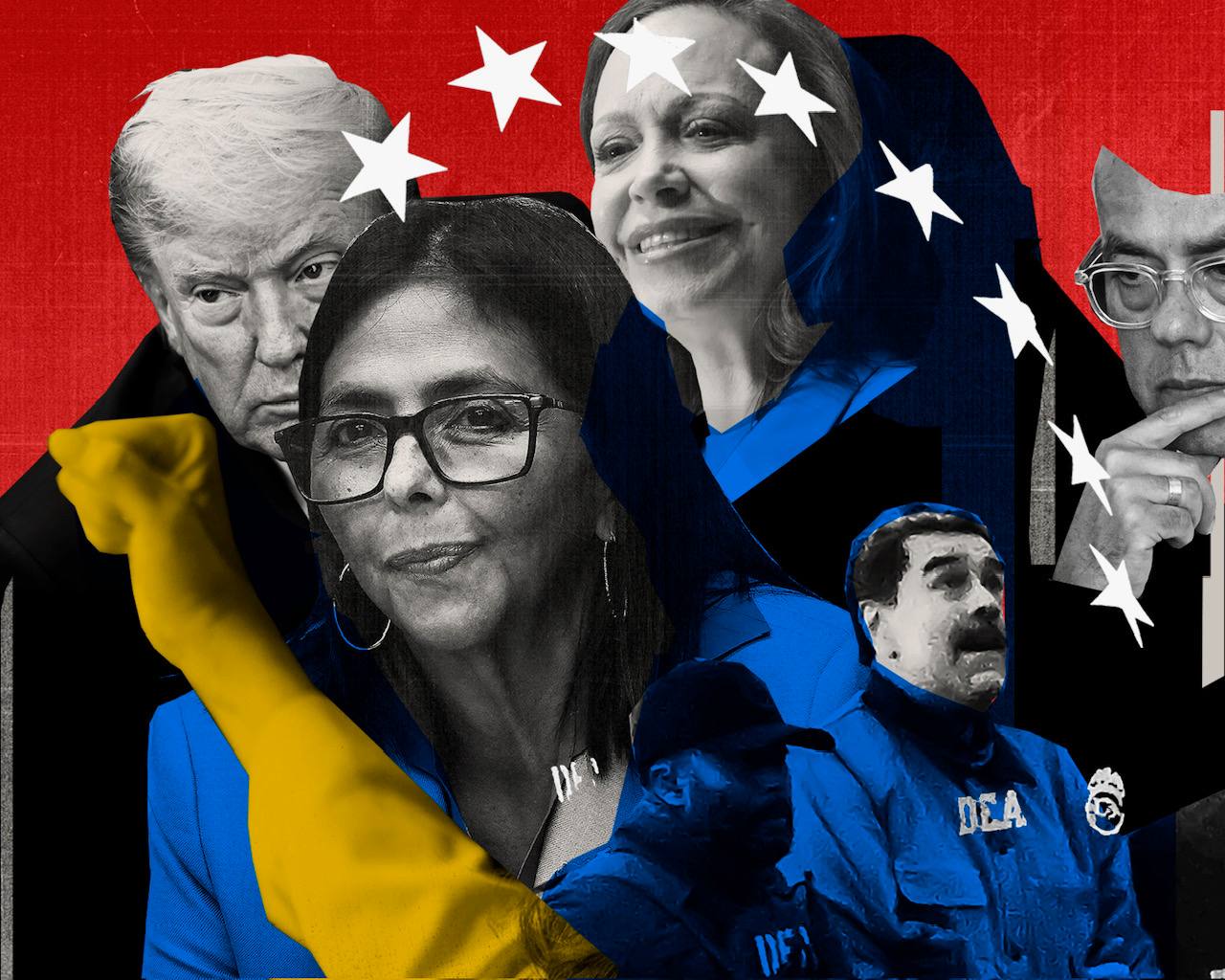
U.S. President Donald Trump on Tuesday threw a valuable lifeline to Delcy Rodríguez, Venezuela’s interim president. Bradley T. Smith, director of the Office of Foreign Assets Control (OFAC), signed two licenses that significantly ease the sanctions imposed on the Venezuelan financial system, providing a boost to the Caracas government’s efforts to revive the country’s ailing economy.
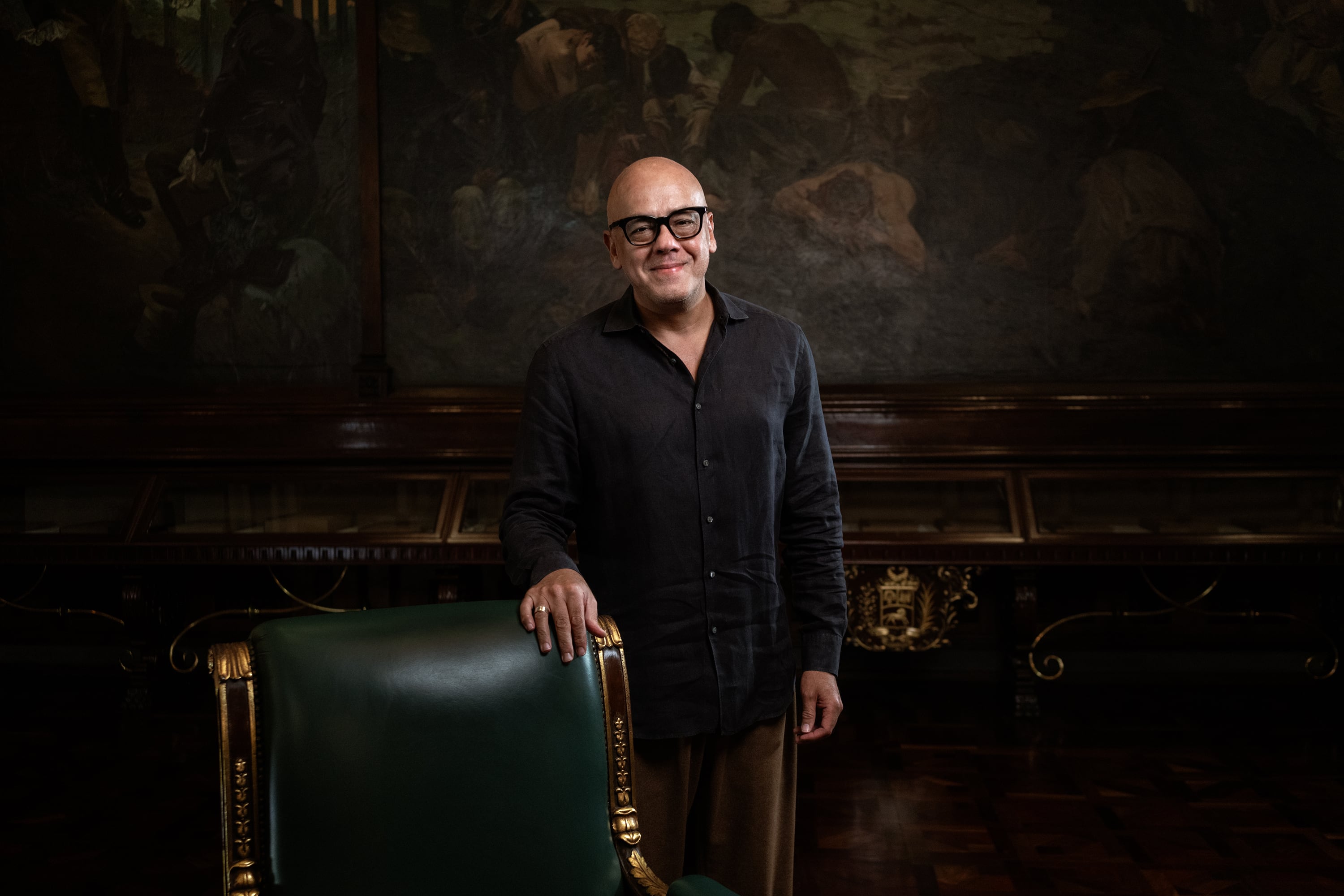
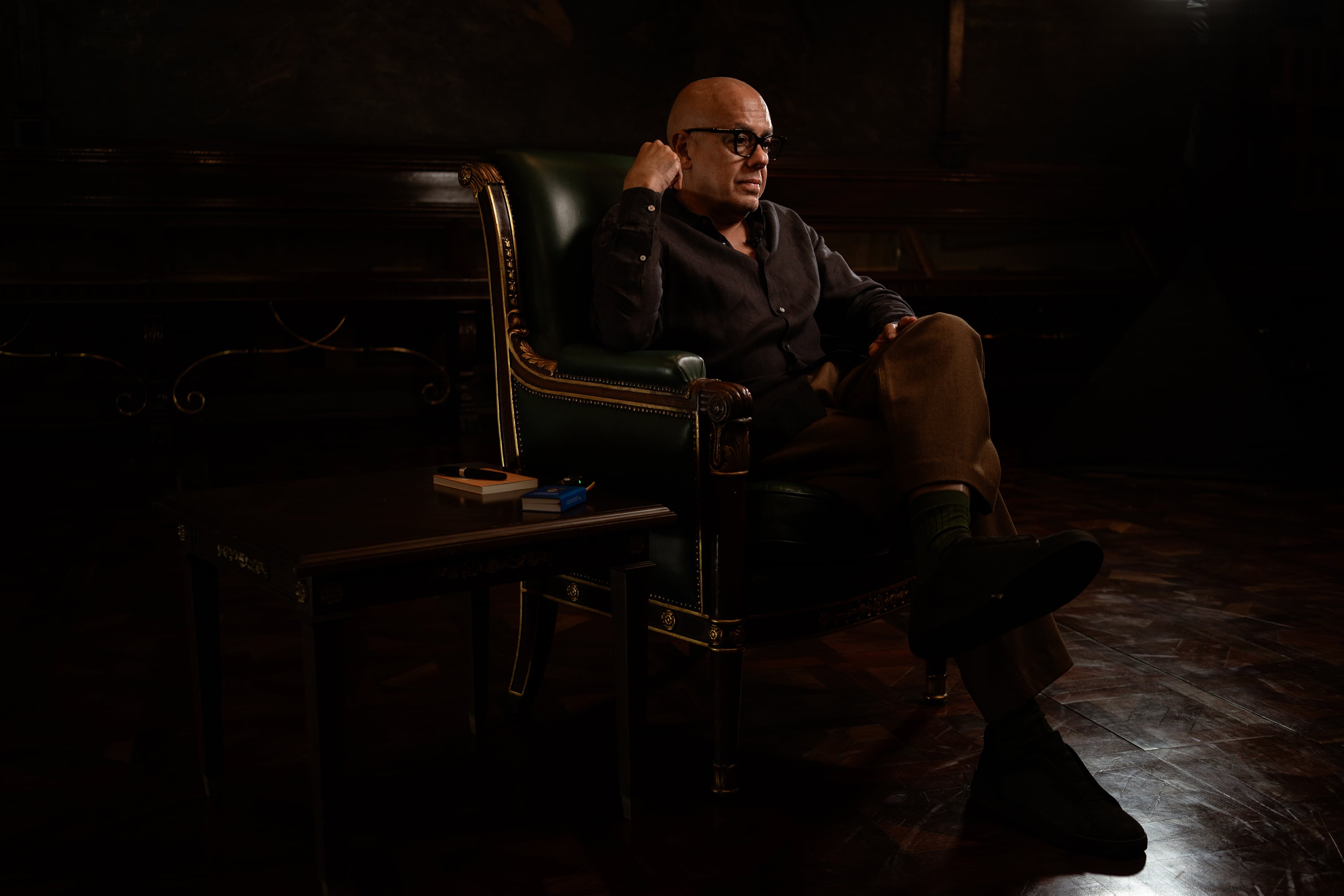
Since January 3, when the United States military bombed Caracas, forcibly removed Nicolás Maduro and his wife, Cilia Flores — who are now imprisoned in New York — and killed more than 120 people, Venezuela has been facing a situation that would have been hard to imagine just a few months ago. Laws, such as those governing hydrocarbons or mining, are being rapidly reformed to facilitate the inflow of foreign capital; anti-imperialist Chavismo maintains constant contact with Washington; an amnesty law has been passed, freeing thousands of prisoners — though some remain incarcerated or lack full political freedom — and Maduro’s name is beginning to fade amid more immediate crises. Jorge Rodríguez (Barquisimeto, age 60), president of Venezuela’s National Assembly and the country’s second-highest-ranking official after his sister, President Delcy Rodríguez, prefers the term she coined — “a new political moment” — to describe current events rather than speaking of a transition.

 Login
Login