Berlin pulls in millions of visitors each year, but new figures and growing complaints raise an awkward question: Is the German capital loosing its draw as a travel destination?
More than 1,700 passengers and crew have been confined on a cruise ship docked in the French city of Bordeaux after a 90-year-old passenger died from a suspected case of norovirus, a highly contagious form of gastroenteritis.
Brussels is considering using revenues from the EU’s carbon market, the Emissions Trading System to cushion farmers from soaring energy and fertiliser prices, according to a document seen by Euronews.
A new study has highlighted the shortcomings in Swiss driving aptitude tests for seniors, proposing a more ‘standardised’ approach instead. But what are the current rules?
In a televised announcement on May, 12, Vladimir #Putin announced the Sarmat would be ready for combat by the end of the year. This comes a few days after he said the war in #Ukraine was close to an end.
The far-right candidate is navigating treacherous ground to reach the second round of the Colombian presidential election. Abelardo de la Espriella, who is vying for second place in the polls with Uribista candidate Paloma Valencia, gave two interviews — one on radio and one on television — that have dominated the debate due to his misogynistic remarks. On the radio program Piso 8, he claimed that he gained many female votes because of the size of his genitals and asked the reporter present to zoom in on a photo that highlighted them. On television, he called a veteran journalist ignorant when she asked him about a comment the criminal lawyer had made years earlier: “Ethics has nothing to do with the law.” Journalists and politicians came out in defense of women and criticized the lawyer, making sexism a central issue in the electoral arena. This presents an opportunity for Valencia to gain ground, but De la Espriella also has a path to maintain his lead in the polls.
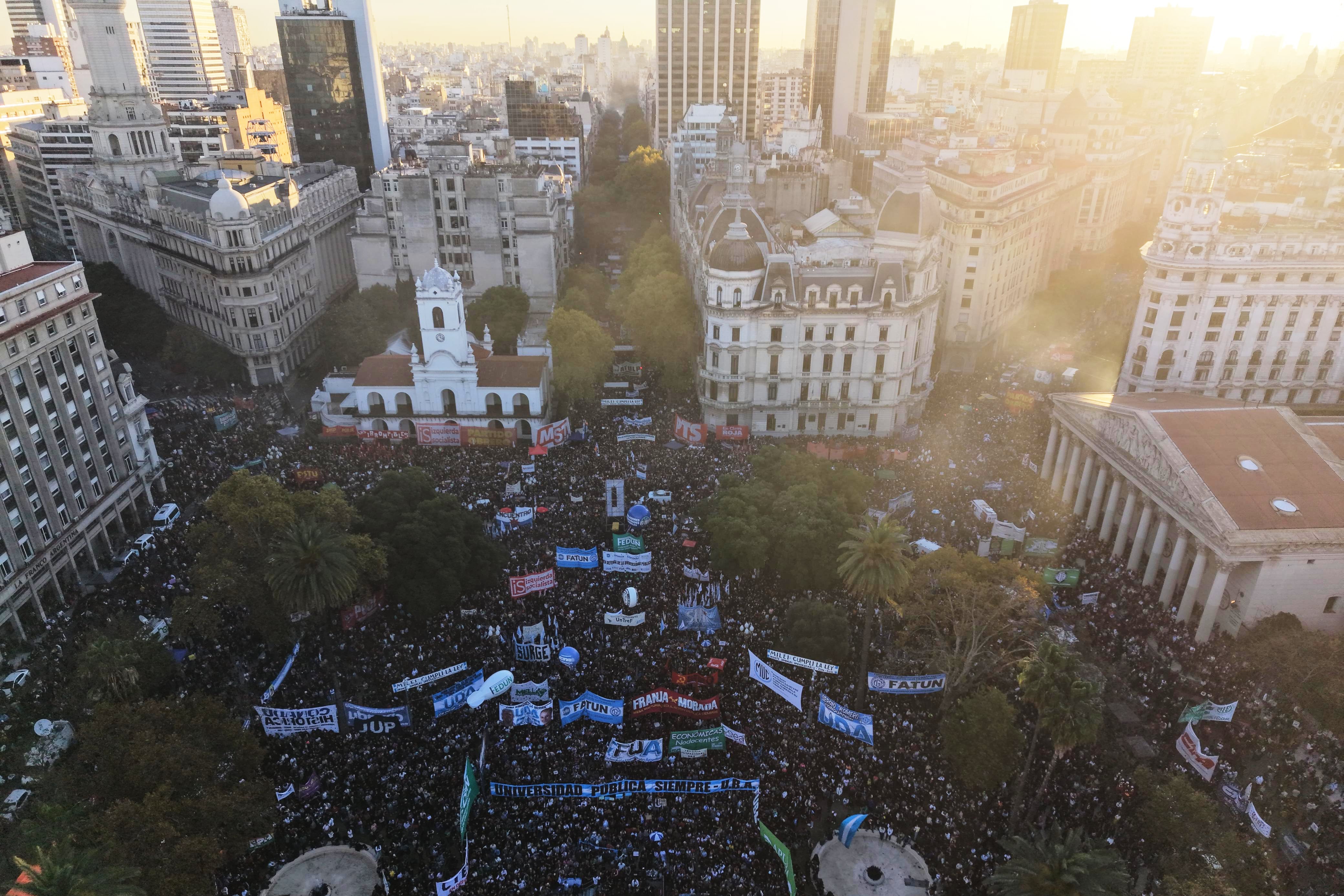
Enormous banners erected across Plaza de Mayo and the surrounding avenues in downtown Buenos Aires repeated the same slogan: “Milei, comply with the law.” Hundreds of thousands of people chanted it this Tuesday as they marched to demand that Argentina’s hardline government halt its cuts to public universities and release the funds approved by Congress. “The funding of the national university system is in a critical state, and the main cause is that the national government is failing to comply with the basic democratic and constitutional rule: to uphold the university funding law, which establishes a minimum level of resources that ensures the normal functioning of the system,” denounced academic authorities, faculty members and students in a joint statement read at the main protest event. The administration of Javier Milei labeled the federal university march an “opposition act” and reiterated that it will not release the requested funds.
The political pressure exerted by the United States on the International Criminal Court (ICC), through sanctions imposed on eight of its judges and three prosecutors, as well as on the entities and NGOs that collaborate with them, is testing its very resilience. All individuals involved are carrying on with their work, even though the degree of interference from Washington goes so far as to prevent them from even using a credit card. For a court like this one, without its own police force, the only way to defend itself is through its legitimacy and the support of other countries.
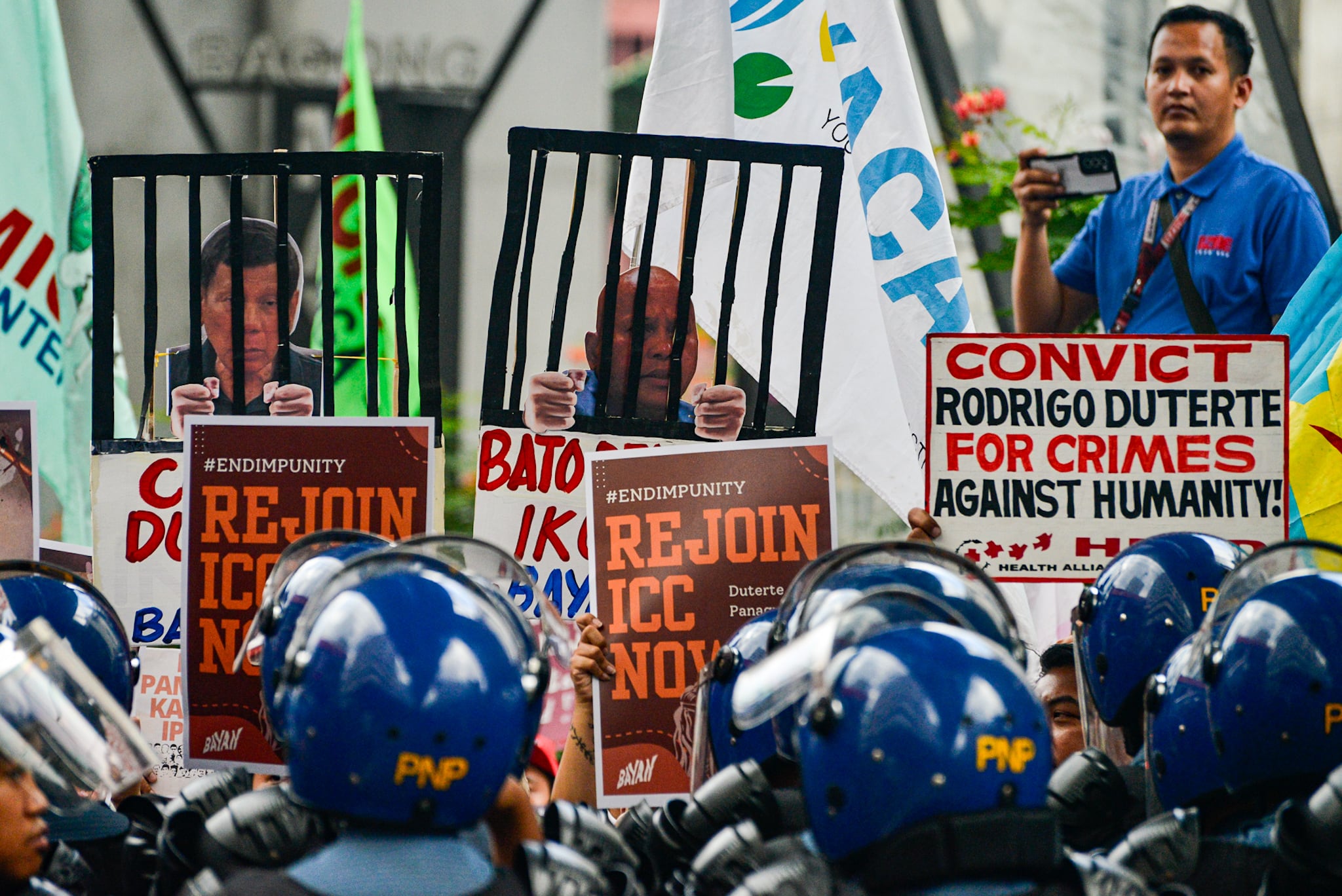
Several protesters in the Philippines display banners showing former President Rodrigo Duterte (left) and Senator Ronald dela Rosa behind bars, in a file photo.
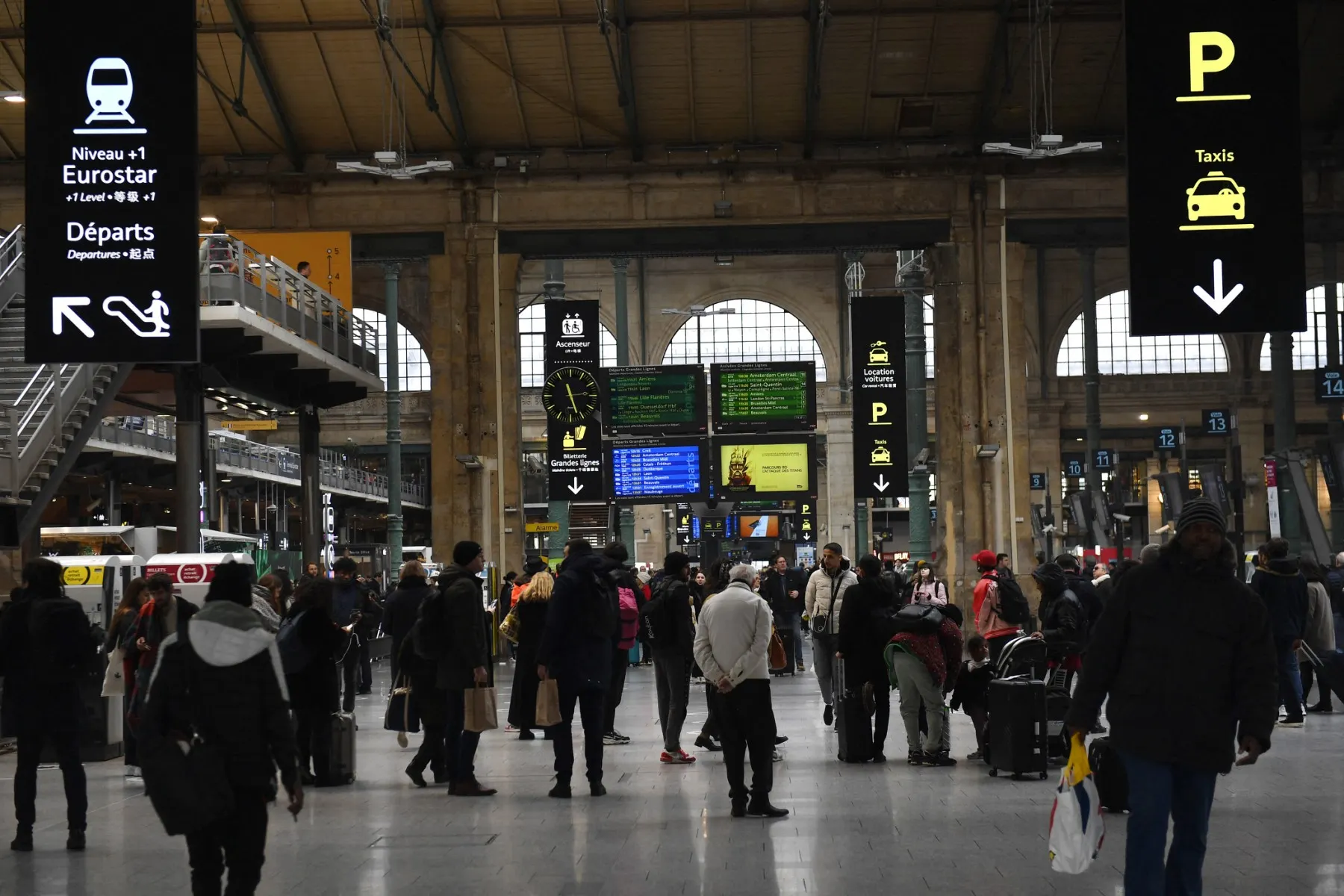
The EU plans to force railway companies operating across the bloc to sell rivals’ tickets on their websites and share data with booking platforms, under new rules that are intended to boost train travel.
 Login
Login