Even High-Tech AI Distilleries Arenβt Safe From the Current Bourbon Slowdown
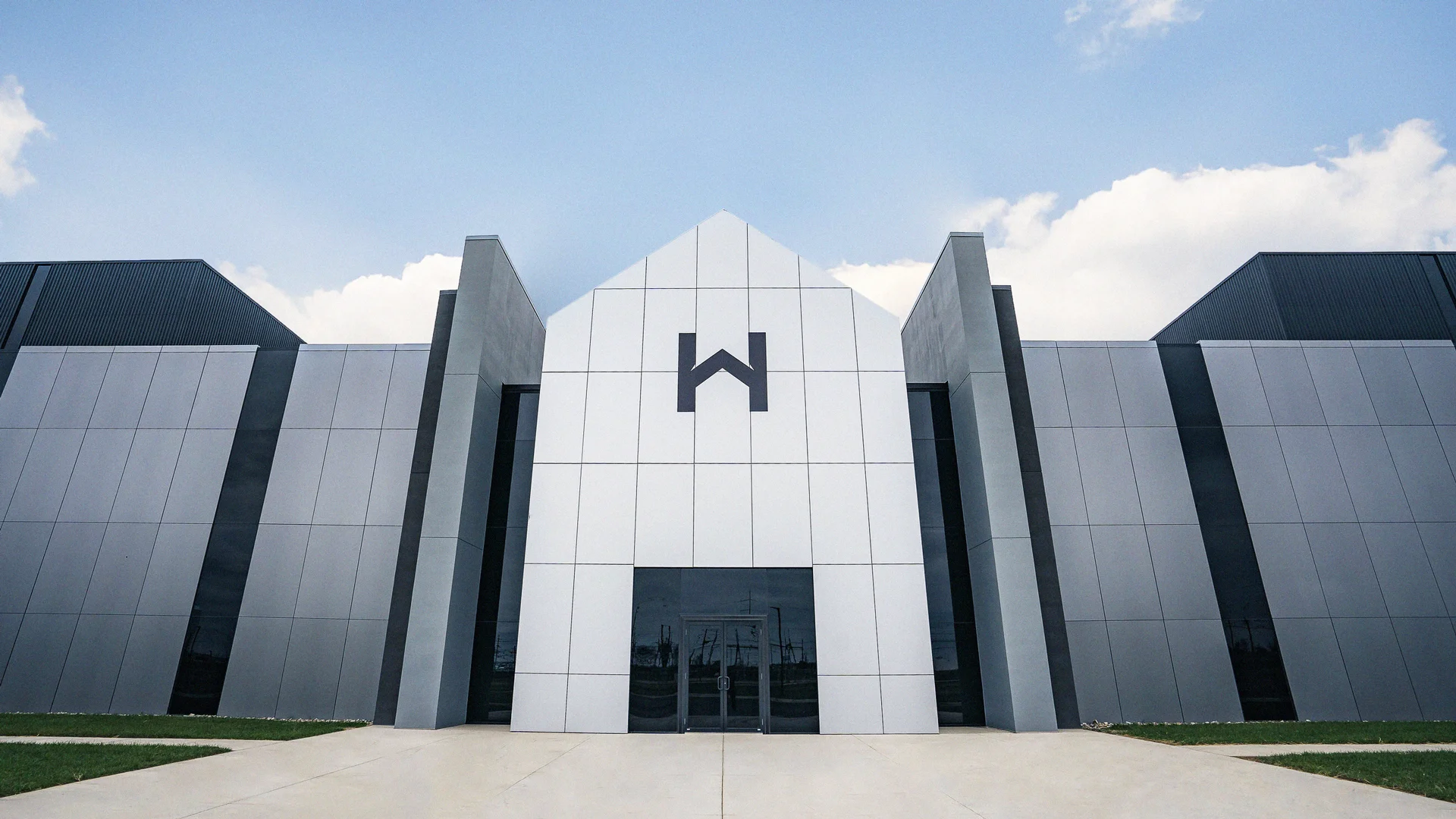
Despite utilizing advanced machine learning models and maintaining a strong sales pipeline, Whiskey House of Kentucky just reduced its workforce by 30 percent.

Β©

Despite utilizing advanced machine learning models and maintaining a strong sales pipeline, Whiskey House of Kentucky just reduced its workforce by 30 percent.

Β©

![]()
CAIRO, June 7 β Franceβs David Trezeguet and Brazilβs Zico and Dunga all left their mark on World Cup history decades ago.
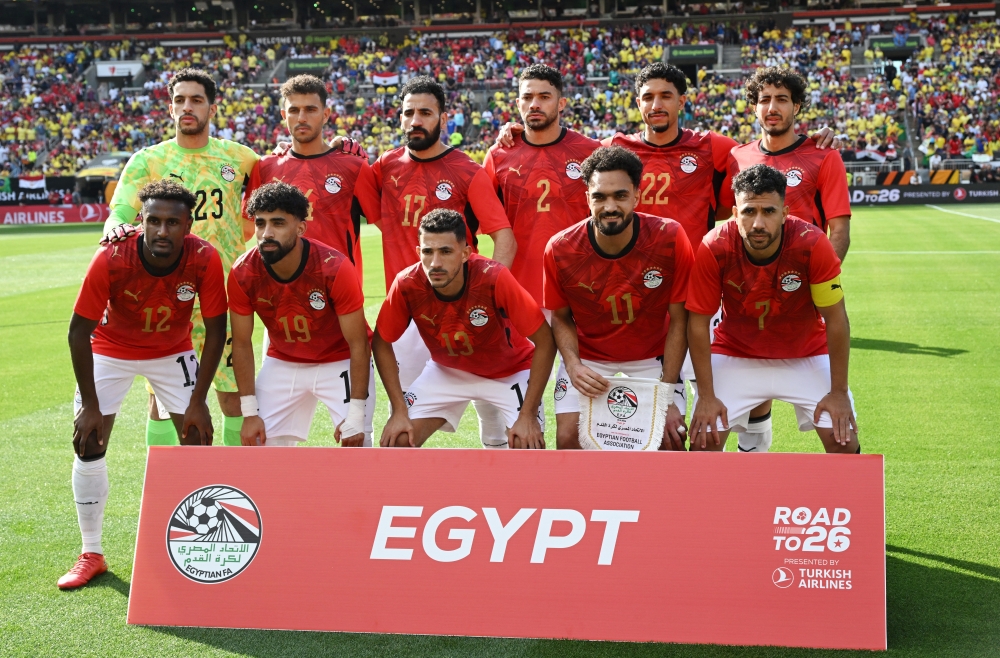
In 2026, their names will return to footballβs biggest stage but this time on the backs of Egyptian players.
When the Pharaohs walk onto the tournament pitch this month, several squad members will carry monikers drawn from some of the gameβs most iconic figures β names first picked up years ago on dusty training grounds, in youth academies and across local leagues.
The tradition is rooted in similarities of playing style or appearance and in a football culture that has long embraced legendary names.
One standout is Mahmoud Hassan, popularly called βTrezeguetβ, who plays for Egyptian giants Al Ahly.
The 31-year-old winger, who previously had a spell in the Premier League with Aston Villa, made his World Cup debut at Russia 2018 and is now preparing for his second appearance.
His nickname was given by youth coach Badr Ragab, who saw in Hassanβs style and aerial prowess shades of the French striker who helped France lift the 1998 World Cup and later featured in the 2002 and 2006 tournaments.
βFrom his first days... I noticed (Hassanβs) resemblance to Trezeguet, both in appearance and playing style,β Ragab told AFP.
βHe was strong in the air and scored goals in a similar way, so I gave him the name. I never imagined it would stay with him for so long.β
The original Trezeguet earned 71 caps for France before ending his international career in 2014.
Now, Egyptβs own Trezeguet is edging towards a milestone of his own, sitting just short of 100 caps, a mark he could reach should Egypt progress beyond the group stage at the World Cup.
The team will face Belgium, Iran and New Zealand in Group G.
βLittle Zicoβ
Brazilβs influence is also visible within the Egyptian squad.
Mostafa Abdel-Raouf, a midfielder for Pyramids FC, has been known as βLittle Zicoβ since his early days in the game, a reference to one of Brazilβs most gifted playmakers.
Unlike Hassanβs nickname, the origin was more personal than tactical.
Abdel-Raoufβs older brother, who also played football, was nicknamed Zico because his full name included βZakiβ.
βWhen Mostafa started playing, coaches called him βlittle Zicoβ because he was my younger brother,β he told AFP.
The name stayed with him as he moved through different clubs, he added.
The original Zico made 71 appearances for Brazil and played in three World Cups before retiring in 1994.
Egyptβs 29-year-old Zico is only just beginning his international journey.
Called up for the first time ahead of the tournament, he made an immediate impact, scoring on his debut in a friendly against Russia in May.
Another Brazilian-inspired nickname belongs to Nabil Emad, known as βDungaβ, after the midfielder who captained Brazil to World Cup glory in 1994.
The 27-year-old, now playing as a defensive midfielder for Saudi Pro League club Al-Najma, is competing in his second major international tournament after the 2019 Africa Cup of Nations.
His nickname dates back to his early career, when he was spotted playing in Egyptβs second division.
βI admired the Brazilian player, and Nabil played in the same position with a very similar style,β said Wael Habib, a former official at Al Assiouty, now Pyramids FC, who signed him in 2014.
Emad went on to establish himself at Pyramids, later joining Egyptian giants Zamalek before moving abroad.
In Egypt, such naming traditions are far from unusual.
Ragab, who coined the nickname Trezeguet, also handed out other European-inspired names in his youth teams, including βNedvedβ for ex-Al Ahly winger Karim Walid, after Czech legend Pavel Nedved.
Other players have carried names borrowed from well-known figures, from Al Ahlyβs Ahmed Ramadan, known as βBeckhamβ, to former Zamalek player Youssef Ibrahim, whose nickname βObamaβ set him apart beyond the pitch. β AFP

So far this year, closures have impacted supermarkets across Albertsons brands including Acme, Balducciβs, Randalls, Safeway, and Vons.

Β©

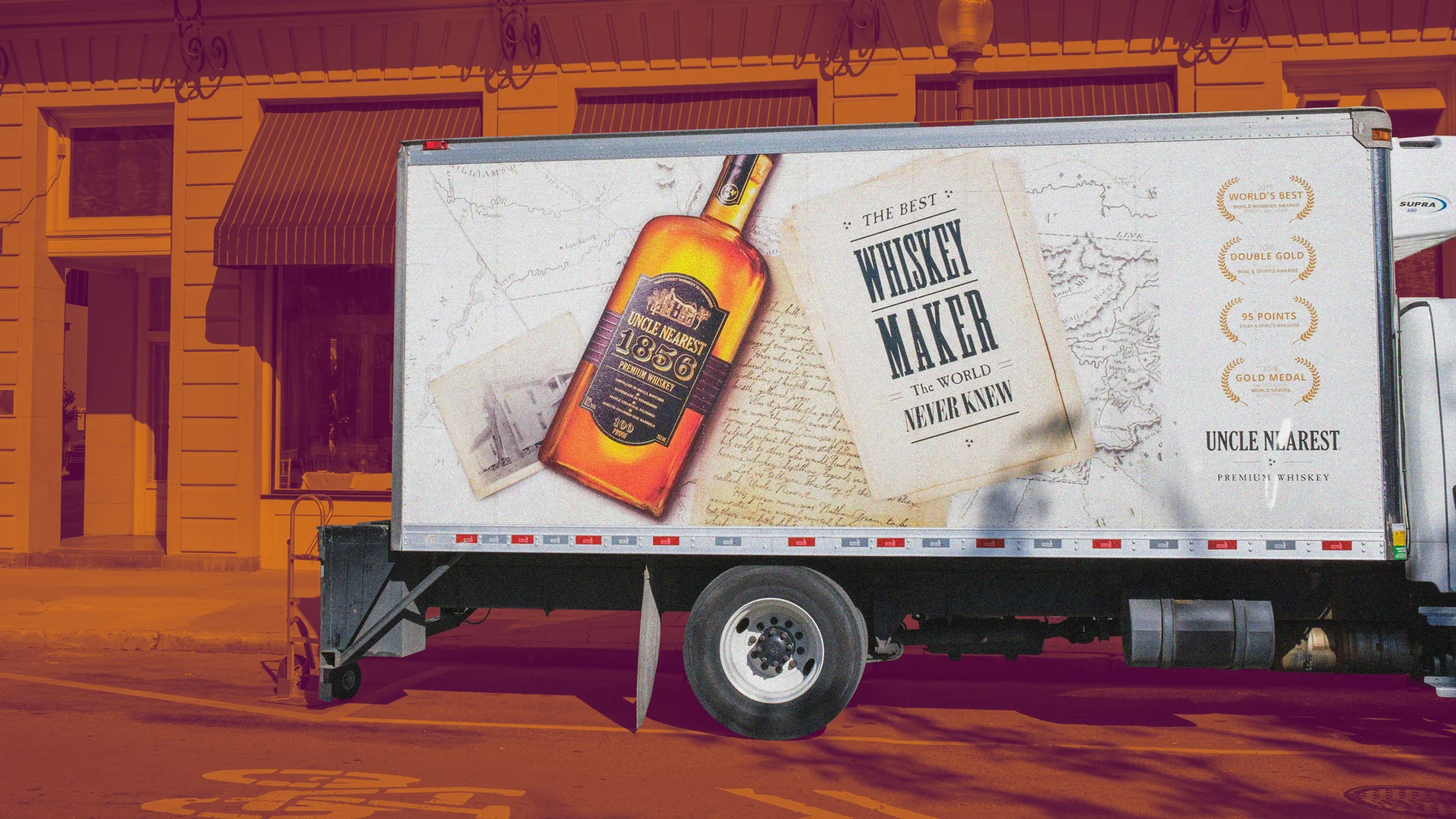
On May 26, a judge expanded the brandβs receivership to include Grant Sidney, the company accused of hiding a $20-million loan to the distillery.

Β©

![]()
JUNE 13 β For over a century, the car industry and the rubber business share an invisible pact, the tyre. Now, the pact is breaking. The world is going electric, and the humble tyre under your car is about to become a battleground. Nearly 70 per cent of all rubber produced on this planet β both natural and the synthetic β ends up as tyres. But electric vehicles (EVs) are a different beast. They are heavier, quieter, and focused on one thing: range. An EV driverβs greatest anxiety isnβt speedβitβs watching that battery meter drop. And every time a tyre flexes and deforms against the road, it wastes energy as heat. Thatβs called rolling resistance. For a petrol car, itβs an annoyance. For an EV, itβs a crisis. The solution seems simple: design tyres with lower rolling resistance.Β
This is where the showdown between natural and synthetic rubber begins. Conventional wisdom, backed by science, points to one winner: natural rubber. Why? Because NR has a unique property called βlow hysteresis β it springs back into shape with very little energy loss. Itβs resilient, tough, and loves wet roads. Synthetic rubber, derived from petroleum, is often stiffer and generates more internal friction. For rolling resistance, NR is the undisputed champion.
So, problem solved, right? The EV revolution means more natural rubber and less oil. A green victory. Not so fast. Remember those two words: heavier and quieter. EVs are silent. Suddenly, every tiny noise from the tyres becomes a nuisance. And here, synthetic rubber excels. SR can be engineered to be whisper-quiet in ways natural rubber cannot easily match. Furthermore, the immense torque of an electric motor, instant acceleration, shreds ordinary tyres. EVs need abrasion-resistant compounds to survive 20,000 miles. That, too, leans back towards synthetics.
So the tyre maker is trapped. They need the low rolling resistance of natural rubber to satisfy range anxiety. But they also need the durability and acoustic comfort of synthetic rubber to satisfy safety and luxury. The coming war is not a substitution; itβs a reformulation. For the next decade, expect the tyre industry to move towards highly engineered βsmartβ tyres. The likely path? A renewed love affair with natural rubber for the tread β the part touching the road β where rolling resistance matters most. But reinforced with synthetic polymers in the sidewall and inner liner to handle weight and silence.
This is not good news for everyone. For the natural rubber industry β largely smallholder farmers in Thailand, Indonesia, and Vietnam β this is a double-edged sword. Demand could rise as EV tyre treads go NR-heavy. But the quality demanded will be brutal. No more inconsistent, smoky, low-grade slabs. EV tyres need pristine, highly purified natural rubber with molecular perfection. Small farmers without access to modern processing will be squeezed out. We could see a wave of consolidation, or worse, a shift to genetically engineered rubber plantations, wiping out traditional livelihoods.
For the synthetic rubber giants, the future is defensive. Their product will lose share in the tread but gain premium pricing for specialty applications. They will survive, but the era of cheap, bulk SR for every budget tyre is ending. And what about the rest of us? We will pay. A high-performance EV tyre is already a marvel of engineering; soon it will be even more expensive. But weβll also win. Lower rolling resistance means smaller batteries, less mining for lithium, and lower electricity bills. The carbon footprint of driving could finally drop meaningfully.
The car industry is moving electric. That much is headline news. But the quieter revolution β the one happening in the rubber compoundersβ labs, the latex processing sheds of Sumatra, and the boardrooms of petrochemical firms β will ultimately decide whether the EV era fulfils its promise. Natural rubber is poised for a comeback. But only if it can modernise fast enough. And only if we, the public, understand that the tyre under our silent new car is no longer just a tyre. Itβs a geopolitical and ecological statement. Let the rubber meet the road. But first, let the science meet the tree.
* Professor Datuk Ahmad Ibrahim is affiliated with the Tan Sri Omar Centre for STI Policy Studies at UCSI University and is an Adjunct Professor at the Ungku Aziz Centre for Development Studies, Universiti Malaya. He can be reached at ahmadibrahim@ucsiuniversity.edu.my
** This is the personal opinion of the writer or publication and does not necessarily represent the views of Malay Mail.

The long-term strategy of business owners is shifting. Hereβs why.

Β©

The strongest predictor of improvement was engagement.Β

Β©

How businesses on this yearβs Best Workplaces Editorsβ List are turning values into systems that actually hold up.

Β©

While the airline is planning to decrease its presence in the Northeast, itβs going all in on the Sunshine State.

Β©


The best brand collaborations are earned long before the contract is signed.

Β©