Normal view

  • ✇Camille Styles
  • The Simple Supplement Routine I Recommend (After Years of Trying Everything) Edie Horstman
    A few scrolls on Instagram and suddenly it feels like your wellness routine is incomplete. There’s always a new powder, capsule, injection, or “daily essential” promising everything from better energy to balanced hormones. As a nutrition consultant, I see how quickly that kind of marketing turns into a long supplement list. But in most cases, less is more. In fact, my ethos is deeply rooted in the belief that supplements are meant to support your foundation, not replace it. With that in mind, h
     

The Simple Supplement Routine I Recommend (After Years of Trying Everything)

19 April 2026 at 10:00

A few scrolls on Instagram and suddenly it feels like your wellness routine is incomplete. There’s always a new powder, capsule, injection, or “daily essential” promising everything from better energy to balanced hormones. As a nutrition consultant, I see how quickly that kind of marketing turns into a long supplement list. But in most cases, less is more. In fact, my ethos is deeply rooted in the belief that supplements are meant to support your foundation, not replace it. With that in mind, here’s a simple supplement guide to help you tune out the unnecessary noise.

Featured image from our interview with Adrienne Mischler by Michelle Nash.

What Is a Dietary Supplement?

It’s an umbrella term. And it includes everything from vitamins and minerals to herbs, botanicals, enzymes, and other nutrients. Most people think of supplements as a daily multivitamin or a few basics like vitamin D or magnesium, but they actually come in many forms! Including capsules, powders, gummies, liquids, and even fortified foods and drinks. In simple terms, supplements are not meant to replace food or be the foundation of your nutrition. Instead, they’re designed to complement a balanced diet, helping to fill in gaps or support specific needs when food alone may not be enough.

The Purpose of Dietary Supplements

At the end of the day, supplements aren’t a substitute for a balanced diet. And unlike prescription drugs, supplements aren’t allowed to be marketed for the purpose of treating, diagnosing, preventing, or curing diseases. Knowing this, be wary of supplements that make disease claims, such as “lowers high cholesterol” or “treats heart disease!”

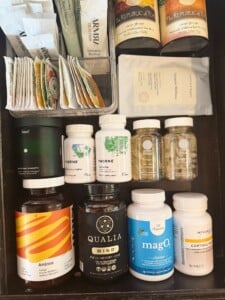
In our baseline supplement guide below, each supplement has a specific purpose—and has been vetted for quality.

Pin it

The Truth About How Supplements Are Regulated

Surprisingly, the FDA isn’t authorized to review dietary supplement products—for safety and effectiveness—before they’re marketed. Rather, manufacturers and distributors take this responsibility. They make sure their products are safe before they go to market. Seems like a bit of a loophole, right? Here’s the caveat: If the dietary supplement contains a new ingredient, manufacturers must notify the FDA. In that case, the FDA will review (not necessarily approve!) the new ingredient for safety, but not effectiveness.  

Who Takes Responsibility for Quality?

In terms of quality, this also falls on manufacturers. They ensure their products are pure. Meaning, they don’t have contaminants or impurities. Furthermore, supplements must be accurately labeled according to current Good Manufacturing Practice (GMP) and labeling regulations. That being said, the FDA will get involved if there’s a serious problem associated with a dietary supplement. They have the power to take the dietary supplement off the market due to safety concerns or false/misleading claims.

The Risks in Taking Supplements

As with medications and over-the-counter drugs, there are risks in taking supplements. Many supplements contain active ingredients that have strong biological effects. Depending on usage, this could make them unsafe. For example, the following actions could lead to harmful consequences: 

  • Taking supplements without notifying your healthcare provider
  • Combining supplements
  • Using supplements with medicines (whether prescription or over-the-counter)
  • Substituting supplements for prescription medicines, particularly before, during, and after surgery
  • Consuming too much of some supplements, such as vitamin A, vitamin D, or iron
  • Taking supplements during pregnancy and breastfeeding

Keep in mind that everybody requires different nutrients, so please consult your healthcare provider before changing your supplement routine. 

Do You Need to Take Supplements?

This is the million-dollar question. First and foremost, it’s important to understand that we’re all bio-individuals. We all have unique nutritional needs. And that includes supplements. While supplements are heavily marketed, not everyone needs them. Some people don’t require as many as others. However, a “reference range” and an “optimal range” aren’t the same thing. When possible, optimal is ideal. Therefore, supplements can be incredibly useful for not only filling gaps in your diet but also helping you reach optimal levels. Our supplement guide is here to do both.

3 Things to Consider Before Taking a New Supplement

Whether you’re eyeing new supplements or you’re already taking a few, here’s how to make sure you’re getting the best bang for your buck:

  1. Have you been diagnosed with a deficiency (iron, vitamin D, etc.)? What does your blood work show? Make sure that what you’re taking has a targeted purpose. Rather than waste your money on unnecessary supplements, get your healthcare provider’s stamp of approval first. In the context of nutritional counseling, supplement guidance by a professional is key.
  2. Just because a supplement comes from a “natural” food store doesn’t necessarily mean it’s safe. As noted above, look for specific labels and do your research. Be wary if you’re currently taking other prescriptions or over-the-counter drugs.
  3. Know how much of the supplement you’re supposed to take. A common misconception about dietary supplements is that if a vitamin or mineral is good for you, increasing your intake might deliver additional health benefits. This isn’t the case. For example, too much vitamin D can actually weaken bones, and biotin—a popular supplement to improve skin, nails, and hair—can interfere with lab-test results when taken at high levels.

When to Take Your Daily Supplements

This depends, of course! Some supplements are more specific about the time of day (I prefer magnesium at night), so you can research the individual recommendation for those. However, most are generally flexible. What matters is that you choose a time you know you can be consistent with. As for the empty stomach versus food debate, some vitamins are fat-soluble, and some are water-soluble. Those that are fat-soluble, like vitamin D, should be paired with a source of fat. Some vitamins only need to be paired with water, like B vitamins and vitamin C.

What You Probably Don’t Need (Despite the Marketing)

Before we get to the guide, let’s talk about what you don’t need. Spend a few minutes on Instagram, and it’s easy to believe you need a supplement for everything, from cortisol “calming” gummies to melatonin for sleep and greens powders for energy. While some of these can be helpful in specific situations, they’re often marketed as quick fixes for issues that are better addressed at the root. Chronic stress, for example, is rarely solved with a gummy and is more often tied to factors like sleep, blood sugar balance, and overall lifestyle. The same goes for melatonin, which can be useful short-term but isn’t always the best long-term solution for ongoing sleep issues.

In many cases, focusing on foundational habits will have a far greater impact than adding another supplement, making it important to be discerning about what you actually need versus what’s simply being marketed to you.

Simple Supplement Guide

Before getting into the weeds with a long list of targeted supplements, these are a few foundational ones I tend to come back to as a nutrition consultant. They’re widely beneficial, often under-consumed, and can support everything from energy and metabolism to sleep and overall health when used appropriately.

Vitamin D3 + K2

A high-quality vitamin D3 paired with K2 is a great place to start, especially if you’re not getting consistent sun exposure. This combination supports immune function, mood, and bone health, with K2 helping direct calcium to where it’s needed most. In practice, I find vitamin D (which actually functions as a fat-soluble prohormone!) is one of the most common deficiencies I see in clients, and supporting optimal levels can make a noticeable difference in resilience and overall well-being.

Magnesium

Magnesium is one of the most common deficiencies and plays a role in hundreds of processes in the body, including nervous system regulation and sleep. I love the beeyavibe powder for its calming effect, especially in the evening. Many of my clients notice improvements in sleep quality, stress levels, and even digestion when they consistently incorporate magnesium.

Omega-3 (Fish Oil)

A high-quality fish oil can help balance inflammation and support brain, heart, and hormone health. Look for trusted brands like Nordic Naturals or Rosita that prioritize purity and sourcing. From a nutrition standpoint, most diets are lacking in omega-3s, and I often recommend this as a foundational supplement, particularly for those dealing with skin concerns or hormone imbalances.

Creatine

We’ve said it once, but we’ll say it again: creatine isn’t just for athletes. It can support muscle recovery, strength, and even cognitive function, making it a valuable addition for women as well! I typically recommend it (5 grams) for clients who are strength training or working on building lean muscle, as it can enhance performance and recovery when paired with regular exercise. I don’t recommend creatine gummies as research has shown the dosage isn’t always accurate. Instead, opt for creatine monohydrate from Lineage or Thorne.

Spore-Based Probiotic

A spore-based probiotic, like Epetome, can help support gut health in a more resilient way than traditional probiotics. These strains are designed to survive the digestive process more effectively, which can make them a better option for some individuals. In my experience, this can be especially helpful for clients who have dealt with ongoing gut issues or who haven’t seen results from standard probiotics.

While these aren’t one-size-fits-all, they’re a strong starting point before layering in more personalized supplements like a multivitamin or targeted nutrients based on your individual needs.

Edie Horstman
Edie Horstman

Edie is the founder of nutrition coaching business, Wellness with Edie. With her background and expertise, she specializes in women’s health, including fertility, hormone balance, and postpartum wellness.

Disclaimer: As always, this is not medical advice. Supplements should be tailored to your individual needs, so it’s best to consult with your healthcare provider before making any changes to your routine.

This post was last updated on April 20, 2026, to include new insights.

The post The Simple Supplement Routine I Recommend (After Years of Trying Everything) appeared first on Camille Styles.

  • ✇Camille Styles
  • These Memoirs Made Us Call Our Therapist (We Have No Regrets) Isabelle Eyman
    There is nothing quite like a memoir to crack you open. Not in the dramatic, obvious way—but in a slow accumulation that happens when you recognize something true about yourself in someone else’s story. A really good one clarifies something you haven’t found the words for. Until now. The Best Memoirs by Female Authors Will Shift Your Perspective We’ve always loved sharing the books that move us, and this list has been a long time coming. These aren’t the memoirs you’
     

These Memoirs Made Us Call Our Therapist (We Have No Regrets)

7 May 2026 at 10:00
Camille Styles reading best memoirs by women.

There is nothing quite like a memoir to crack you open. Not in the dramatic, obvious way—but in a slow accumulation that happens when you recognize something true about yourself in someone else’s story. A really good one clarifies something you haven’t found the words for. Until now.

The Best Memoirs by Female Authors Will Shift Your Perspective

We’ve always loved sharing the books that move us, and this list has been a long time coming. These aren’t the memoirs you’ll find on every “must-read” roundup (though a few have earned their moment in the spotlight, here’s looking at you, Strangers). They’re the ones we keep pressing into people’s hands, the ones that stay with you long after the last page, and the ones that made us see marriage, ambition, grief, and the shape of a life a little differently. Whatever you’re carrying right now, one of these will meet you there.

Pin it Best memoirs on picnic blanket beside flowers and a glass of wine.

On Love, Marriage, and What We Don’t See Coming

Some of the most clarifying books ever written about love are the ones about its unraveling. But I wouldn’t think of these as cautionary. These three books ask the questions most of us are carrying—and think we’re carrying alone.

Strangers: A Memoir of Marriage by Belle Burden

Belle Burden’s 20-year marriage ended without warning during the pandemic: her husband announced he was leaving, offered no explanation, and nearly overnight became a man she didn’t recognize. What follows is a reckoning with the ways women make themselves small inside a marriage, and what happens when one woman decides to stop. Consider it essential reading.

Threshold

Left on Tenth: A Second Chance at Life by Delia Ephron

Ephron had just received a leukemia diagnosis when a man she had briefly dated decades earlier reached out by email after reading one of her essays. What followed was a love story that unfolded in hospital waiting rooms and remission celebrations. Tender, funny, and deeply moving—the rare memoir about late-in-life love that earns every emotion it asks of you.

Threshold

Trying by Chloé Caldwell

What begins as a fertility story takes a turn that reshapes everything—including what Caldwell thought she knew about her marriage and her own identity. Spare and wry, this is one of those books that gets harder to put down the more uncomfortable it gets. It rides the line between heartbreaking and funny in a way that feels true to life itself.


On Reinvention and Reclaiming Your Story

These are the books about women who rewrote the narrative—sometimes quietly, sometimes dramatically, always on their own terms. The consistent truth: identity is something you build, not something that happens to you.

Love, Pamela by Pamela Anderson

A radiant, deeply personal account of a woman reclaiming her own narrative—on her own terms, in her own words. Tender, self-aware, and far more moving than you might anticipate (if, unlike me, you haven’t been hungrily devouring her Substack). Easily one of the most memorable books on this list.

Everything I Know About Love by Dolly Alderton

Alderton’s memoir of her twenties—the bad dates, the great friendships, the slow work of becoming yourself—reads like a message from your most honest friend. If you haven’t read it yet, consider this your sign.

Be Ready When the Luck Happens by Ina Garten

What looks like a career memoir turns out to be something more interesting: an unusually candid account of a complicated marriage and a series of bold bets that led her to become one of the most beloved figures in American food. Garten writes about luck as something you prepare for, not wait for.

More Than Enough by Elaine Welteroth

The second youngest editor-in-chief in Teen Vogue history writes about ambition, race, and what it actually takes to break barriers. This isn’t the polished version, it’s the honest one.


On Inner Life, Grief, and Learning to Rest

Not every book on this list will leave you feeling inspired in the traditional sense. Some will just make you feel less alone in what you’re carrying. I like to think of that as its own kind of nourishment.

Wintering: The Power of Rest and Retreat in Difficult Times by Katherine May

When May’s life came to a sudden halt, she didn’t push through. She wintered. This hybrid memoir weaves her own story with natural history and mythology to make a quiet, radical argument for rest. Not self-help — something richer. One of the most healing reads we know.

The Many Lives of Mama Love by Lara Love Hardin

Hardin was, by every outward measure, a successful suburban mom — until the opioid addiction she’d hidden for years caught up with her, and she found herself convicted of 32 felonies. Startling in its honesty and unexpectedly redemptive. A book about the gap between the life we show people and the one we’re actually living.

A Living Remedy by Nicole Chung

In two years, Chung lost both parents—her father to decades of precarity and a healthcare system that failed him, and then her mother to cancer, just as COVID made the distance between them feel insurmountable. This is a book about grief, yes, but also about the particular guilt of upward mobility in America: what it means to build a different life for yourself while the people you love remain at the margins.

Drinking: A Love Story by Carolyn Knapp

An older title and one of the most enduring on this list—recommended by Camille’s mom, who still thinks about it years later. Knapp writes about her relationship with alcohol with a novelist’s precision and an intimacy that makes it feel less like confession and more like a conversation. I think it’s one of the most beautifully written memoirs about addiction ever published.


On Family, History, and the Stories We Inherit

Feeding Ghosts by Tessa Hulls

The 2025 Pulitzer Prize winner for memoir, and unlike anything else on this list. A graphic memoir tracing three generations of Chinese women: Hulls’s grandmother, who survived the Communist revolution, fled to Hong Kong, and poured it all into a memoir—only to unravel in the aftermath; her mother, who inherited that silence and its weight; and Hulls herself, who spent nearly a decade drawing and writing her way toward understanding. If you’ve never read a graphic memoir, start here.

The Wildcard

Paris: The Memoir by Paris Hilton

This is a serious reckoning with a life spent performing a persona she created as armor—and the boarding school abuse at the center of it is not what you’d expect. More than a celebrity tell-all, it’s a story about survival and self-invention that earns its place on any list of books about the distance between who the world sees and who you know yourself to be.

This post was last updated on May 7, 2026, to include new insights.

The post These Memoirs Made Us Call Our Therapist (We Have No Regrets) appeared first on Camille Styles.

  • ✇Camille Styles
  • 20 Spring Salads That Actually Fill You Up (Yes, Really) Bridget Chambers
    By the time spring arrives, I’m ready to move on from the heavier meals of winter and into something that feels a little lighter, a little brighter, and a lot more energizing. Enter: spring salad recipes that will actually keep you full and energized, Because the best salads aren’t just a pile of greens—they’re layered with texture, flavor, and enough substance to carry you through your day. Think crisp vegetables, fresh herbs, and protein-forward ingredients that make these feel like real m
     

20 Spring Salads That Actually Fill You Up (Yes, Really)

2 May 2026 at 18:57
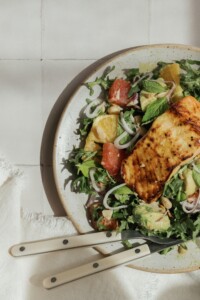
Spring salmon salad Camille Styles

By the time spring arrives, I’m ready to move on from the heavier meals of winter and into something that feels a little lighter, a little brighter, and a lot more energizing. Enter: spring salad recipes that will actually keep you full and energized,

Because the best salads aren’t just a pile of greens—they’re layered with texture, flavor, and enough substance to carry you through your day. Think crisp vegetables, fresh herbs, and protein-forward ingredients that make these feel like real meals, not an afterthought.

The Case for Spring Salads (That Actually Satisfy)

Below, I’ve rounded up my favorite fresh spring salads—from light, citrusy bowls to hearty, grain-based options—all designed to celebrate the season and leave you feeling your best.

Protein-Packed Spring Salads That Eat Like a Meal

Farmers Market Steak Salad

This salad hits that perfect balance of fresh and deeply satisfying. Juicy, garlicky steak layered over crisp, colorful vegetables and tossed in a sharp shallot vinaigrette. It’s hearty, protein-rich, and exactly what you want when you’re craving something substantial without feeling heavy.

best summer salads

Crispy Torn Halloumi Salad

Golden, seared halloumi adds that perfect salty bite against fresh greens and seasonal vegetables. It’s warm-meets-crisp, with enough richness to turn a simple salad into something memorable.

plant based reset - roasted carrot and brussels sprouts salad with lentils

Black Lentil Salad with Roasted Vegetables & Goat Cheese

Earthy lentils meet crisp vegetables and a sharp vinaigrette for a salad that feels grounded but not heavy. It’s packed with plant-based protein and holds up beautifully.

this white bean and feta salad is made special with a honey charred lemon dressing

Feta Salad With White Beans and Lemon

Salty feta, creamy beans, and a punchy lemon relish come together in a way that feels both simple and special. It’s bright, bold, and filling enough to stand on its own.

Erewhon Kale White Bean Salad

A little crunchy, a little creamy, and deeply satisfying, this is kale at its best. The white beans add substance, while the dressing softens everything just enough. Trust me, it’s crave-worthy.

mediterranean tuna white bean salad

Mediterranean Tuna & White Bean Salad

This is the kind of pantry-friendly salad that somehow tastes far more elevated than it should. Creamy white beans and olive oil-packed tuna create a satisfying base, while herbs and acid keep everything feeling vibrant and fresh.

citrus salmon salad with avocado, yellow shirt

Citrus Salmon Salad With Avocado & Arugula

Flaky salmon, crisp greens, and a bright, citrusy finish make this one feel equal parts light and grounding. It’s rich in protein and healthy fats, so you get that fresh, springy energy—without the mid-afternoon crash.

Fresh & Crunchy Spring Salads

radish, fennel, and grapefruit salad

Radish & Fennel Citrus Salad

Peppery radish, crisp fennel, and juicy grapefruit strike that perfect balance of sharp and refreshing. Each bite wakes up your palate, making this one feel like spring in its purest form.

Summer Ribboned Squash Salad

Zucchini Ribbon Salad

Shaved zucchini feels delicate but holds its own with a bright, zippy dressing and just the right amount of texture layered in. It’s elegant without trying too hard—perfect for when you want something fresh but a little elevated.

spring snap pea salad

Snap Pea Salad

Sweet snap peas bring that unmistakable spring crunch, paired with fresh herbs and a light dressing that lets everything shine. It’s simple, crisp, and exactly what you want on a warm afternoon.

easy cucumber crispy rice salad

Cucumber and Crispy Rice Salad

Cool cucumbers and golden, crunchy rice create an endlessly satisfying texture contrast. Tossed in a punchy, flavor-packed dressing, this is the kind of salad you keep going back to for “just one more bite.”

Light & Herb-Forward Spring Sides

pea salad with mint

Pea Salad with Mint and Microgreens

Sweet peas and fresh mint are a natural pairing that never gets old. Light, bright, and just a little nostalgic, this one captures everything we love about spring in a single bowl.

fennel salad

Fennel Salad

Thinly shaved fennel brings a subtle sweetness and crunch, lifted by citrus and herbs. It’s clean, understated, and the perfect reset alongside richer dishes.

Grain & Hearty Spring Salads

Green salad with sesame dressing.

Green Salad With Sesame Dressing

This is your everyday green salad, reimagined. The sesame dressing adds depth and richness, turning a bowl of greens into something craveable.

grilled romaine salad on plate

Grilled Romaine Salad with Cherries and Feta

Grilling romaine transforms it completely—adding a subtle smokiness that makes this feel unexpectedly indulgent. Finished with a bright dressing, it’s simple but far from basic.

farro salad with tomatoes

Charlie Bird Farro Salad

Chewy farro, sweet tomatoes, and plenty of herbs make for a salad that feels effortless but incredibly well-balanced—equally suited for dinner parties or weekday lunches.

beet farro goat cheese salad

Beet, Farro, & Goat Cheese Salad

Earthy beets and nutty farro create a deeply satisfying base, while fresh herbs and acidity keep it from feeling too heavy.

Bright, Fruit-Forward Spring Salads

sweet and savory fruit salad

Green Fruit Salad with Ricotta and Herbs

A mix of crisp greens and peak-season fruit makes this feel endlessly adaptable. It’s the kind of salad that works with whatever you have on hand.

grapefruit avocado salad with golden beets, crispy chickpeas, and feta - easy healthy lunch_eat in a day blood sugar balance

Grapefruit, Avocado, and Golden Beet Salad with Crunchy Chickpeas and Feta

Creamy avocado meets tart grapefruit for a combination that’s both refreshing and satisfying. It’s bright and clean, with just enough richness to keep you coming back for another forkful.

strawberry caprese salad summer

Strawberry Caprese Salad

Juicy strawberries and creamy burrata are a pairing that feels almost too easy—until you taste it. With a hit of herbs and acid, it’s sweet, savory, and unmistakably seasonal.

This post was last updated on April 22, 2026, to include new insights.

The post 20 Spring Salads That Actually Fill You Up (Yes, Really) appeared first on Camille Styles.

  • ✇Camille Styles
  • This Is What I Do When I Feel Off (and Can’t Explain Why) Isabelle Eyman
    Maybe it’s the change in seasons, but lately I’ve been thinking a lot about how to get out of a funk—that in-between state where nothing is exactly wrong, but everything feels slightly off. I was more tired than usual, a little unfocused, and strangely unmotivated by things I normally enjoy. It wasn’t dramatic enough to name, but I felt it in everything. Sometimes it’s there the moment you wake up—a heaviness you can’t quite explain. Other times, it builds slowly, almost imperceptibly, until
     

This Is What I Do When I Feel Off (and Can’t Explain Why)

18 April 2026 at 10:00
Mary Ralph Bradley stretching

Maybe it’s the change in seasons, but lately I’ve been thinking a lot about how to get out of a funk—that in-between state where nothing is exactly wrong, but everything feels slightly off. I was more tired than usual, a little unfocused, and strangely unmotivated by things I normally enjoy. It wasn’t dramatic enough to name, but I felt it in everything.

Sometimes it’s there the moment you wake up—a heaviness you can’t quite explain. Other times, it builds slowly, almost imperceptibly, until you realize you’ve been moving through your days at half-capacity. You’re getting things done, technically, but without your usual clarity or energy. And the more you try to push through it, the more it seems to linger.

Featured image from our interview with Mary Ralph Bradley by Michelle Nash.

Pin it

My instinct is always to fix it. To reset, optimize, get back on track. But I’ve learned—through much trial and error—that getting out of a funk is about interrupting the pattern with something that shifts your energy just enough.

It’s not a full reset, but more like a pivot. Stepping outside for a few minutes longer than usual. Putting on music while you make dinner. Letting yourself move a little slower instead of trying to catch up. The kind of choice that doesn’t feel like a solution, but changes something anyway.

When I feel this way, I don’t try to overhaul my routine or suddenly become a different version of myself. I look for a small opening—a moment where I can re-enter my day with a little more presence. And usually, that’s enough to start changing the tone of everything that follows.

How to Get Out of a Funk, Stat

When you’re in a funk, even deciding what to do can feel like too much. There’s a tendency to overthink it—to search for the perfect reset, the right routine, the thing that will fully snap you out of it. But often, the fastest way to feel better is simply making a choice and following where it leads.

Again, we’re trying to create a small shift—something that interrupts the loop you’re in and brings you back into your body, your environment, and your life as it actually is. Even a slight change in energy can be enough to build momentum.

If you’re not sure where to start, start here:

  • Step outside for five minutes—no phone, just light and fresh air
  • Drink a full glass of water and eat something with protein
  • Text or call someone you trust, even just to say hi
  • Take a short walk (around the block counts!)
  • Put your phone in another room for 10 minutes and notice how you feel

The goal isn’t to fix everything. It’s to feel a little bit better than you did five minutes ago.

1. Do One Thing That Supports Your Body (Right Now)

When I’m in a funk, my first instinct is to figure out why. I need a mental explanation of what’s off, what needs to change, what I should be doing differently. But more often than not, the issue isn’t something I need to figure out. It’s something I need to support.

A low mood can come from surprisingly simple places: not enough sleep, not enough water, blood sugar dips, too much time inside… And when your body feels depleted, your mind follows. What feels like a lack of motivation or clarity is sometimes just your system asking for something more basic.

I’ve learned to start there first. Not with a full reset or a perfectly structured routine, but with one small, immediate act of care. Something that doesn’t require overthinking—just a way of telling my body I’m paying attention.

Try this:

Before you reach for your phone or try to push through the feeling, pause and do one thing to support your body. (Check out the list above.) Start with what feels easiest, and notice what changes.

2. Move Your Body (Even a Little)

There’s a version of this advice that feels easy to ignore—the one that suggests a full workout or some kind of structured routine when you’re already low on energy. That’s not what this is.

When I’m in a funk, movement works because it shifts something almost immediately. It changes my environment, my breathing, my pace. It interrupts the mental loop just enough to create a little space between me and whatever I’m feeling.

And it doesn’t have to be much. Truly: the smaller it is, the more likely I am to actually do it. A short walk. A few minutes of stretching. Even just standing up and moving around instead of staying in the same spot where the mood settled in.

There’s something about changing your physical state that reminds you you’re not as stuck as you feel.

Try this:

Step outside and walk for five minutes. Or put on one song and move your body for the length of it. Let it be brief, and let it shift your state rather than your schedule.

3. Get Out of Your Head

One of the quickest ways I know I’m in a funk is how inward everything becomes. My thoughts loop, my perspective narrows, and I start overanalyzing things that wouldn’t normally hold that much weight. Even when nothing is technically wrong, it can start to feel heavy just from sitting with it too long.

What helps, almost every time, is shifting my attention outward. There’s something grounding about connecting with another person—stepping into a conversation, even briefly, that isn’t centered on your own internal dialogue.

Try this:

Reach out to someone you trust—a quick text, a voice note, or a short call. Ask them how they’re doing, or share something small from your day.

4. Name What’s Actually Going On

Sometimes what feels like a vague, all-encompassing funk is actually something more specific that hasn’t been fully acknowledged yet. I’ve had days where I thought I was just off, only to realize—once I slowed down enough to notice—that I was anxious about something, avoiding a decision, or carrying around a thought I hadn’t fully processed.

A shift happens when you put words to it. It doesn’t necessarily solve the problem, but it takes away some of the weight of not knowing.

Try this:

Take a few minutes to write down what’s been sitting in the background of your mind. No structure, no filtering—just get it out of your head and onto the page, and see what becomes clearer.

5. Change Your Environment (Even Slightly)

It’s easy to underestimate how much your surroundings shape your mood—especially when you’ve been sitting in the same place for hours. I notice this most on days when everything starts to feel a little stagnant. But even a small environmental change can interrupt that feeling. A different room. A cleared surface. Fresh air. We’re not going for anything dramatic. It just needs to be enough to signal that something is moving again.

Try this:

Open a window, step outside, or move to a different space entirely. If you’re staying put, clear one small area—a desk, a nightstand, a corner—and notice how it changes the way the room feels.

6. Step Away From Your Phone

There’s a specific kind of funk that sets in after too much time on your phone. Your energy dips, your focus scatters, and your mood starts to feel a little flatter than it did before.

It’s not just the time spent, it’s the constant input. You’re taking in more than you can process, often without realizing it. And when you’re already feeling off, that added noise doesn’t help—it just makes it harder to hear yourself think.

Try this:

Put your phone in another room for 10 minutes. I’m talking fully out of reach. Then do something simple and analog: make tea, stretch, sit by a window. Pay attention to how the shift in input changes your energy.

7. Do Something Slightly Different

A funk can sometimes come from sameness—the same routine, the same inputs, the same pace day after day. Even if everything is technically working, there’s a point where it starts to feel a little flat. Instead, explore introducing something small and unfamiliar—just enough to break the pattern and bring a little curiosity back in.

Try this:

Side quests are trending for a reason! Take a different route on your walk, listen to something you wouldn’t normally choose, or swap one part of your routine for something new. Just a small change that reminds you there are other ways to move through your day.

8. Create a Small Anchor in Your Day

When everything feels a little scattered, it helps to have something steady to return to. I think of these as anchors—simple rituals that gently bring you back into yourself.

It’s less about what you do, and more about giving your day a point of connection. Something that feels consistent, even when everything else doesn’t.

Try this:

Choose one small moment in your day to treat differently. Sit outside with your coffee. Step away between tasks and take a few slow breaths. Let it be brief, but intentional and notice how it shifts the pace of your day.

9. Let Yourself Rest Intentionally

Not all rest is the same. I’ve had plenty of moments where I’ve tried to relax by defaulting to scrolling or zoning out, only to feel just as off (if not worse) afterward.

What actually helps is a different kind of rest. The kind that feels chosen, not passive. Something that gives your mind a break without overstimulating it—where you’re not consuming more, just allowing a little space.

Try this:

Set a timer for 10–15 minutes and step away from screens. Lie down, sit somewhere quiet, or do something simple with your hands. Let it be unproductive on purpose, and see how you feel on the other side.

10. Shift Your Focus Forward

When I’m in a funk, it’s easy to get stuck in the immediacy of how I feel. Everything narrows to the present moment, and it can start to feel like it will last longer than it actually does.

Don’t try to force optimism or map out a full plan. Explore creating a small sense of forward movement. Something that reminds me this moment isn’t permanent, even if it feels that way.

It can be as simple as thinking about what might feel good later today, or later this week. Not in a way that adds pressure, but in a way that reintroduces a little momentum.

Try this:

Write down one thing you’re looking forward to. Keep it simple and specific, and let it be something you can return to when you need a reminder that this feeling isn’t the whole story.

This post was last updated on April 18, 2026, to include new insights.

The post This Is What I Do When I Feel Off (and Can’t Explain Why) appeared first on Camille Styles.

  • ✇Camille Styles
  • I Asked Estheticians Which Products Are Actually Worth It (and What They Skip) Langa Chinyoka
    Living in Los Angeles, getting a facial can feel a little like stepping into a marketplace—everyone has something to sell, and not all of it feels necessary. Over time, I’ve learned that finding a great esthetician is less about the products they use and more about the perspective they bring. The best ones don’t overwhelm you with a 10-step routine or push whatever’s trending. They simplify, edit, and help you understand what your skin really needs. That’s why I always ask the same question
     

I Asked Estheticians Which Products Are Actually Worth It (and What They Skip)

30 April 2026 at 10:00
Camille Styles esthetician skincare

Living in Los Angeles, getting a facial can feel a little like stepping into a marketplace—everyone has something to sell, and not all of it feels necessary. Over time, I’ve learned that finding a great esthetician is less about the products they use and more about the perspective they bring. The best ones don’t overwhelm you with a 10-step routine or push whatever’s trending. They simplify, edit, and help you understand what your skin really needs.

That’s why I always ask the same question mid-facial, as my skin is being layered with serums: What’s actually worth it? Because in a world of endless launches and viral products, estheticians tend to come back to the same core principles and the same handful of products that consistently deliver.

Ahead, the esthetician-recommended skincare that makes the cut—and the thinking behind it.

Why Esthetician-Recommended Skincare Hits Different

There’s no shortage of skincare advice online, but much of it is driven by trends, not results. Estheticians take a different approach. Instead of trying to fix your skin overnight, they focus on supporting it over time: strengthening your barrier, improving hydration, and creating consistency that actually lasts.

While dermatologists are essential for diagnosing and treating medical conditions, estheticians specialize in the day-to-day health and appearance of your skin. Their approach is less about quick wins and more about long-term balance. And that’s exactly why their recommendations tend to stick.

How Estheticians Actually Think About Your Skin

I tapped estheticians Farah Bazzy and Ildi Pekar to understand how they approach skincare and the products they consistently come back to. Their philosophy? Keep it simple and focus on what supports the skin, not stresses it.

“Always look for something hydrating to rejuvenate your skin,” says Bazzy. “And add vitamin C—it’s a must.”

Both emphasize barrier support, gentle renewal, and avoiding unnecessary complexity. Because more products don’t equal better skin—better choices do.

The Ingredients Estheticians Always Come Back To

If you’re not sure where to start, Bazzy and Pekar consistently recommend focusing on a few foundational ingredients:

  • Hyaluronic acid for hydration and plumpness
  • Vitamin C for brightness and antioxidant protection
  • Retinol for renewal and long-term skin health
  • SPF as the best protection for your skin

This ingredient stack is proven, effective, and endlessly adaptable depending on your skin’s needs.

What Estheticians Don’t Recommend (Despite the Hype)

You’ve probably heard it before, and the skincare adage still rings true: less is always more. Many of the habits estheticians end up correcting come from clients overdoing it. Too many products, too many actives, and too much switching things up in pursuit of a quick result.

Here’s what our estheticians tend to steer clients away from:

Over-exfoliating (especially with multiple actives). Between exfoliating acids, retinol, and physical scrubs, it’s easy to push your skin too far. Estheticians often see clients who think they’re improving texture or breakouts, but are actually compromising their skin barrier in the process. The result? Sensitivity, inflammation, and skin that feels harder to heal.

Layering too many actives at once. Vitamin C, retinol, AHAs, BHAs… it’s tempting to use everything, especially when each ingredient promises something different. But estheticians take a more strategic approach, introducing actives slowly and intentionally.

Constantly switching products. One of the biggest misconceptions in skincare is that results should be immediate. In reality, consistency is what creates change. Stick with a routine long enough to understand how your skin responds, rather than jumping from product to product in search of a quick fix.

Trend-driven routines that ignore your skin’s needs. From viral skin cycling variations to multi-step routines built around what’s popular on TikTok, estheticians see the fallout of following trends without context. What works for someone else’s skin doesn’t always translate in real life.

Products that promise instant transformation. Anything marketed as a miracle fix tends to raise a red flag. Instead, focus on gradual, sustainable improvement—supporting your skin so it functions better in the long run.

One of the biggest misconceptions in skincare is that results should be immediate. In reality, consistency is what creates change.

Pin it

The Best Esthetician-Recommended Skincare Routine

Cleansers

For all skin types

iS Clinical Cleansing Complex

Suitable for all skin types, this cleanser is an esthitician favorite because it has both nourishing and mild resurfacing ingredients to deeply cleanse and replenish your skin. Bazzy recommends it for all skin types to instantly rejuvenate your skin.

For sensitive skin

Faith Cosmetics Lamellar Mode Cleansing

Pekar describes this as an “ultra-gentle yet effective” for its efficacy delivering a deep cleanse without ever compromising the skin barrier. Ideal for sensitive skin, this gel cleanser gently removes makeup, sebum, and pollutants.

Hydrating Serums

For stressed skin

Ildi Pekar Tissue Repair Serum

Pekar’s own serum repairs the skin from a cellular level. As serums go, this one is a deeply hydrating solution that strengthens your skin barrier. Pekar notes that it’s “formulated with a high concentration of hyaluronic acid to deeply hydrate, plump, and restore skin resilience.”

For dry or dehydrated skin

SkinMedica HA5 Hydra Collagen Water Burst Moisturizer

This water-based moisturizer is hydrating while still being lightweight. It boosts hydration immediately, making it one of Bazzy’s favorites for dry or dehydrated skin.

Brightening Serums

For hyperpigmentation

ALASTIN Skincare A-LUMINATE Brightening Serum

Using tranexamic acid and niacinamide, this powerful serum is Bazzy’s favorite tool against hyperpigmentation, designed to support and amplify the effects of in-office treatments like microneedling and chemical peels.

For fine lines

Dusk & Dawn Refine & Smooth Retinol Oil Serum

For an effective and non-irritating retinol, Pekar recommends this water-soluble retinol that “refines texture, improves tone, and supports skin renewal with minimal irritation.”

Esthetician recommended moisturizers

For oily to normal skin

Ildi Pekar Glowing Honey Moisturizer

Pekar describes this as “a deeply nourishing formula ideal for normal to dry skin, delivering lasting hydration and radiance.”

For reactive skin

WiQo Nourishing and Moisturizing Cream

Bazzy recommends this for skin experiencing flare ups or recovering from treatments. Its shea butter base is deeply nourishing and hydrating to reduce the appearance of fine lines and prevent water loss.

SPF

A tinted option

Revision Skincare Intellishade Original

Bazzy recommends this sunscreen for a tinted option that also protects, hydrates, and brightens skin.

A mineral option

Good Weather Skin One Daily Sun Cream Warm Glow SPF 30

Pekar loves this for how its “formulated with 15% zinc oxide, leaving the skin hydrated, smooth, and naturally glowing.”

The Routine You’ll Actually Keep

At a certain point, good skincare stops being about what you add—and becomes about what you trust enough to stick with. The throughline in every esthetician’s advice is clear: support your skin, don’t overwhelm it. Choose a few well-formulated products, give them time to work, and let consistency do what trends can’t. Because the goal isn’t perfect skin overnight—it’s skin that feels healthy, resilient, and entirely your own over time.

The post I Asked Estheticians Which Products Are Actually Worth It (and What They Skip) appeared first on Camille Styles.

  • ✇Camille Styles
  • I Have Water Retention From Sitting All Day—This Is What Actually Helped Isabelle Eyman
    I used to think water retention was just one of those things you were forced to deal with—something that showed up in the heat, around my cycle, or after a long flight. But over time, I started to notice a pattern I couldn’t ignore: the more hours I spent sitting at my desk, the worse it felt. By the end of the day, my legs felt heavy, tight, and noticeably swollen—like my body was holding onto something it couldn’t release. And despite doing all the “right” things, it wasn’t going away.
     

I Have Water Retention From Sitting All Day—This Is What Actually Helped

30 March 2026 at 10:00
Woman writing list at desk.

I used to think water retention was just one of those things you were forced to deal with—something that showed up in the heat, around my cycle, or after a long flight. But over time, I started to notice a pattern I couldn’t ignore: the more hours I spent sitting at my desk, the worse it felt.

By the end of the day, my legs felt heavy, tight, and noticeably swollen—like my body was holding onto something it couldn’t release. And despite doing all the “right” things, it wasn’t going away.

Pin it

So I did what most of us do: I went down the internet rabbit hole. But most of what I found about water retention felt generic at best—and at worst, completely disconnected from what I was actually experiencing. Because here’s what I’ve come to understand: water retention from sitting all day is its own thing. It’s not just about hydration or sodium—it’s about circulation, movement, and how your body responds to long stretches of stillness.

Once I started approaching it that way, everything shifted. Over time, I experimented with small changes—some intuitive, some backed by research—and slowly started to notice what actually made a difference. Ahead, I’m sharing the habits that helped relieve water retention, and why they work—so you can build a routine that supports your body, especially if your days look anything like mine.

What Causes Water Retention From Sitting All Day?

To understand why this happens, it helps to look at the lymphatic system. “Think of the lymphatic system as the body’s drainage network,” Sabrina Sweet noted previously. “It transports lymph—a fluid containing immune cells and waste products—through your tissues and eventually back into your bloodstream.”

Unlike the circulatory system, which has the heart to keep blood moving, the lymphatic system depends on movement—muscle contractions, walking, even breath—to keep fluid flowing.

When that movement slows, fluid can begin to collect, especially in the lower body. Over time, that buildup can show up as the heaviness, puffiness, and water retention so many of us feel after a day spent sitting. It’s not that your body is holding onto water at random—it’s responding to stillness.

Why Sitting Makes Water Retention Worse

Sitting for long periods doesn’t just make you feel stiff—it changes how fluid moves through your body.

Research has shown that prolonged sitting can reduce circulation and contribute to fluid buildup in the lower body. In one study, extended periods of sitting led to both decreased blood flow and measurable swelling in the lower limbs—especially when movement was limited. Without regular muscle contractions—like walking, stretching, or even shifting your weight—fluid can begin to pool in the legs, ankles, and feet.

Over time, this creates a pattern that’s easy to recognize: swelling that builds throughout the day, a feeling of heaviness, and skin that looks or feels slightly tighter by evening.

But it’s not just about circulation—it’s also about what’s not happening.

When you’re moving, your muscles act like a pump, helping push fluid back up through the body. When you’re sitting still for hours at a time, that system slows down. The result is subtle, but cumulative: fluid lingers longer than it should, and your body has a harder time clearing it efficiently.

Even small interruptions in that stillness can make a difference. Try breaking up long periods of sitting with short bouts of activity—standing, walking, or stretching. It can help support circulation and reduce fluid buildup over time.

Here’s a mindset that helped me make this a habit: your body isn’t designed for stillness—it’s designed for flow.

The Small Shifts That Actually Helped My Water Retention

Once I stopped looking for a quick fix, I started noticing something else: it wasn’t one big change that made a difference, but a series of smaller ones that worked together. Over time, these low-lift habits created a shift: less heaviness, less swelling, and a sense that my body was actually able to keep things moving.

I Stopped Sitting for Hours Without Moving

This was the biggest one. I used to move in extremes—either fully sedentary at my desk or fully active during a workout. But what my body actually needed was something in between: consistent, low-effort movement throughout the day.

Now, I break up long stretches of sitting with small resets: standing up to stretch, walking around my apartment, and even just shifting positions more often. It’s enough to remind my body to keep things moving, and the difference between fluid building up and fluid flowing through.

I Started Elevating My Legs (Even Briefly)

This felt almost too simple to make a difference, but it did. At the end of the day, I’ll lie down and prop my legs up against the wall or on a pillow for a few minutes. (Pro tip: My favorite manifestation app has a ‘legs up the wall’ series I listen to at the same time.) It’s one of the quickest ways to counteract gravity and give your body a chance to redistribute fluid more evenly.

The effect is immediate: less heaviness, less pressure, and a noticeable shift in how my legs feel.

I Made Hydration More Intentional

I thought I was already good at drinking water, but I started to notice that how I was drinking it mattered just as much as how much.

Instead of reaching for a glass only when I felt dehydrated (or trying to catch up at the end of the day), I began spacing it out more evenly—small, consistent sips rather than large amounts all at once.

As Camille Styles Wellness Editor and Nutritionist, Edie Horstman previously noted, “Don’t chug—it overwhelms your system.” That shift alone changed how my body responded. When hydration felt consistent, I noticed less of that end-of-day heaviness, the kind that can come from your body holding onto fluid instead of moving it through.

I Focused on Gentle, Daily Movement

If you haven’t embraced it yet, now’s the time: not every day calls for an intense workout.

Walking, stretching, and low-impact movement ended up being just as impactful (if not more) when it came to reducing that heavy, swollen feeling. It supports circulation without adding stress, which, over time, helps the body regulate more efficiently.

One study found that just a couple of hours of uninterrupted sitting significantly increased calf swelling, and that it took about 20 minutes of walking to return fluid levels back to baseline.

Don’t get me wrong, I still love my 6 a.m. barre3 classes. But this was an important lesson for my overall wellness: movement doesn’t have to be intense to be effective. It just has to be consistent.

I Tried Dry Brushing and Lymphatic Massage

Dry brushing before a shower, light self-massage, or even just slowing down enough to take deeper breaths—all of it supports the body’s natural ability to move fluid through its systems.

None of it is complicated. But together, it creates momentum that your body responds to.

The Takeaway

It’s true for almost anything you’re trying to improve in life: the biggest shift is rarely in adding more. You find it by paying attention to what your body actually needs.

Water retention stopped feeling like something random or frustrating, and started to feel like feedback. A sign that I’d been still for too long, or that my body needed a little more support to keep things moving. Once I started responding to it that way—through small, consistent shifts instead of quick fixes—everything changed for the better.

This post was last updated on March 30, 2026, to include new insights.

The post I Have Water Retention From Sitting All Day—This Is What Actually Helped appeared first on Camille Styles.

  • ✇Camille Styles
  • Romance Yourself With These 15 Easy Recipes for One Bridget Chambers
    Living with roommates comes with its own set of patterns: shared spaces, overlapping routines, the comfort of knowing someone else is always just down the hall. But when it comes to food, those patterns rarely align. We might find ourselves in the kitchen at the same time, but with entirely different cravings, schedules, and needs. More often than not, I’m cooking for one. And as someone who genuinely loves to cook, I’ve found that it’s not always as simple as it sounds. Batch cooking loses
     

Romance Yourself With These 15 Easy Recipes for One

19 April 2026 at 10:30
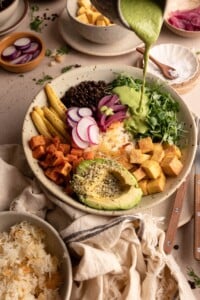
Rainbow grain bowl

Living with roommates comes with its own set of patterns: shared spaces, overlapping routines, the comfort of knowing someone else is always just down the hall. But when it comes to food, those patterns rarely align. We might find ourselves in the kitchen at the same time, but with entirely different cravings, schedules, and needs. More often than not, I’m cooking for one.

And as someone who genuinely loves to cook, I’ve found that it’s not always as simple as it sounds. Batch cooking loses its appeal after the second day. Grocery shopping becomes an exercise in over- and underestimating (too much of one thing, not enough of another). Ingredients feel like they come in quantities designed for a different kind of life, one where meals are shared, and nothing goes to waste.

Still, there’s something I’ve come to appreciate about cooking for yourself. It asks you to be a little more intentional—to choose what you’re in the mood for, to make something that meets the moment exactly as it is. And when the recipe is right, it can feel less like a compromise and more like a small act of care.

Why Cooking for One Is Harder Than It Should Be

In theory, cooking for one sounds simple. Fewer ingredients, less time, minimal cleanup. But in practice, it rarely works that way.

Most recipes aren’t designed with a single person in mind, which means you’re constantly adjusting—halving measurements, rethinking portions, or committing to leftovers you didn’t necessarily want in the first place. And then there’s the grocery store, where everything seems packaged for families or at least two people, leaving you to choose between not having enough… or having way too much.

When every meal requires a little extra thought, it can start to feel easier to default to something repetitive or skip the effort altogether. Which is why having a handful of recipes that actually work for the way you live makes all the difference.

5 Smart Ways to Make Cooking for One Easier

A few small shifts can make cooking for one feel less like a daily puzzle and more like something that fits naturally into your life.

1. Buy ingredients that can carry across multiple meals. Instead of shopping for a single recipe, think in overlaps. A bunch of herbs, a jar of sauce, a cooked grain—ingredients you can use in slightly different ways over a few days without feeling like you’re eating the same thing twice.

2. Cook components, not full meals. Rather than committing to one fully assembled dish, prepare a few building blocks you can mix and match. Roast vegetables, cook a protein, make a simple dressing—then assemble meals based on what you’re in the mood for.

3. Freeze sooner than you think you need to. If something isn’t going to get used in the next day or two, freeze it. Half a loaf of bread, leftover soup, cooked grains, etc. It’s less about saving food for later and more about giving yourself options when you don’t feel like starting from scratch.

4. Keep a few “bridge” ingredients on hand. Eggs, tortillas, greens, yogurt—ingredients that can turn whatever you have into an actual meal. They’re the difference between feeling like you have nothing to eat and pulling something together in minutes.

5. Let meals repeat—but change one thing. Cooking for one doesn’t mean reinventing dinner every night. It just means avoiding boredom. Keep the base the same, then swap a sauce, a topping, or a seasoning. Familiar, but not monotonous.

What Makes a Great Dinner Recipe for One

Not every recipe translates well when you’re cooking for one. The ones that do tend to share a few key qualities—small details that make the difference between something that works once and something you’ll come back to again and again.

  • It scales easily. No complicated math or awkward half-measurements—just simple portions that make sense for one.
  • It minimizes waste. Ingredients are either used fully or can be repurposed in another meal.
  • It’s flexible. You can swap what you have on hand without compromising the dish.
  • It’s quick enough for a weeknight. Ideally under 45 minutes, with minimal cleanup.
  • It actually satisfies. A balance of protein, fat, and carbs so you’re not hungry an hour later.

The recipes below check all of these boxes—designed to be simple, adaptable, and worth making even when it’s just for you.

15 Easy Dinner Recipes for One

Whether you live alone or just find yourself on your own for dinner more often than not, consider this your go-to list of easy, satisfying recipes designed with real life in mind. Minimal waste, flexible ingredients, and just enough effort to make it feel special. Light a candle, pour something fun, and set the table (even if it’s just for you). Cooking for one, done well, is something worth romanticizing.

Flexible, Build-Your-Own Meals

Detox Salad with Cashew Tamari Dressing

Detox Salad with Creamy Cashew Tamari Dressing

This vibrant, veggie-packed salad is meant to serve four, but when I’m having it as a meal, I pile my plate high with all the greens—and add protein like grilled chicken, salmon, crispy tofu, or chickpeas to make it truly satisfying.

easy cucumber crispy rice salad

Cucumber and Crispy Rice Salad

Crunchy, creamy, and endlessly satisfying—this is the kind of leftover rice situation you’ll start making on repeat.

vegan flatbread recipe - summer vegetarian recipe

Roasted Carrot and Red Pepper Hummus Flatbread

The ultimate clean-out-the-fridge meal. Think creamy, smoky hummus, warm flatbread, and whatever fresh vegetables you have on hand. This meal comes together in a way that somehow feels completely intentional.

edit grain bowl recipe

Rainbow Grain Bowl

A perfect clean-out-the-fridge dinner that still feels elevated. Crisp greens and roasted vegetables, plus a punchy herb sauce, make it anything but basic.

Low-Effort, High-Reward

the best corn toast

Spicy Masala Corn Toast

She’s colorful, she’s cheesy, she’s spicy—we love everything about this comfort food-inspired, flavor-packed toast.

bacon egg avocado breakfast tacos

Bacon, Egg, and Avocado Breakfast Taco

A classic for a reason. Crispy bacon, creamy avocado, and soft eggs? Yes, please.

Loaded Vegetarian Taco Salad

The salad that eats like a full meal. Crispy tofu, creamy dressing, crunchy toppings: basically every bite hits that perfect balance of flavor and texture.

Burrata Toast with Blood Oranges and Pistachios

Burrata Toast with Blood Orange, Pistachios & Honey

A little luxurious, a little effortless. Creamy burrata and citrusy brightness make this the kind of dinner for one that feels like a treat, not an afterthought.

Meal-Prep Friendly (Cook Once, Eat Twice)

best summer salads

Crispy Torn Halloumi Salad

This is the kind of salad that actually feels exciting. Pick up a pack of crispy, salty halloumi and layer it over fresh, herby greens. The tangy vinaigrette makes every bite feel balanced and just a little addictive.

tomato pasta

Burst Tomato Pasta

A reminder that the simplest dinners are often the ones you come back to. This dinner party-ready pasta (that’s an easy treat for one) makes the most of jammy tomatoes, garlic, and olive oil for a low-effort meal.

mediterranean tuna white bean salad

Mediterranean Tuna & White Bean Salad

Dinner when it’s too hot to cook: pantry staples, a bright vinaigrette, and a protein-packed base that comes together in minutes.

smoked salmon savory breakfast bowl_signs of perimenopause

Smoked Salmon Bowl

Ready in 10 minutes and loaded with protein and healthy fats, this is the kind of meal that works just as well for dinner as it does for breakfast.

savory yogurt sweet potato breakfast bowl2

Greek Yogurt & Sweet Potato Savory Breakfast Bowl

A 20-minute, protein-packed bowl that keeps you full—and makes breakfast-for-dinner feel like a very good idea.

mediterranean quinoa breakfast bowl3

Mediterranean Quinoa Bowl

A make-ahead staple that actually delivers. Protein-packed, full of texture and color, and just as good for a quick dinner as it is for breakfast.

sweet potato jammy egg breakfast bowl2

Sweet Potato Breakfast Bowl with Kale & Jammy Eggs

This bowl is a meal-prep dream: roasted sweet potatoes, jammy eggs, and greens come together for a genuinely satisfying, plant-based meal.

This post was last updated on April 20, 2026, to include new insights.

The post Romance Yourself With These 15 Easy Recipes for One appeared first on Camille Styles.

  • ✇Camille Styles
  • Bobbi Brown’s Rules for Summer Beauty Camille Styles
    When it comes to beauty, Bobbi Brown has always been a guiding light—championing the philosophy that true beauty begins from within. Over the years, her perspective has evolved to focus even more on how feeling good translates into looking your best, which she shares in her memoir, Still Bobbi. As we head into summer, Bobbi shares the daily rituals, mindset shifts, and easygoing beauty tips that reflect her signature approach to self-confidence. It’s all about keeping it simple.
     

Bobbi Brown’s Rules for Summer Beauty

24 May 2026 at 10:00

When it comes to beauty, Bobbi Brown has always been a guiding light—championing the philosophy that true beauty begins from within. Over the years, her perspective has evolved to focus even more on how feeling good translates into looking your best, which she shares in her memoir, Still Bobbi. As we head into summer, Bobbi shares the daily rituals, mindset shifts, and easygoing beauty tips that reflect her signature approach to self-confidence. It’s all about keeping it simple.

Camille Styles Bobbi Brown

Beauty Starts from Within

For Bobbi, the foundation of any great beauty routine has nothing to do with products—it starts long before you open a single jar.

“I’ve realized that it’s not about how you look; it’s about how you feel—in your body, in your skin. I’ve found that I look my best when I’m less stressed and taking care of myself. For me, a major key is staying hydrated. Lately, I’ve been loving chlorophyll drops in my water—it doesn’t really taste like anything, but it makes me want to drink more. Hydration has such a huge impact on how you feel and how your skin looks.”

Balance Is Key

Bobbi’s approach to food and drink is refreshingly unrestricted—and deeply practical.

“I rarely eat things that don’t make me feel good—but if I do, I own the consequences. I love pizza, but it has to be worth it since it probably won’t make me feel great the next day. So I’ve learned to only indulge when it’s really good.

Same with alcohol. I enjoy a cocktail, but stick to just one because I want to feel good enough to exercise in the morning. Life’s too short to deprive yourself of things you really love, as long as you keep it balanced and focus on ingredients. My go-to drink at home is called ‘Bobbi Rocks’—it’s vodka over a big ice cube with fresh lemon juice and a little mint. It’s clean, refreshing, and makes me happy.”

I’ve learned to only indulge when it’s really good.

Keep It Simple

Summer is Bobbi’s favorite season to pare back—and her warm-weather routine reflects exactly that.

“Summer invites us to do less. I move more, I’m more active, and my skin gets some sun (even with sunscreen!), so I find that I need less makeup. If I am wearing makeup, it’s simple: tinted moisturizer with SPF, a little Miracle Balm on my cheeks and lips, pencil under my eyes, and mascara. I usually finish it up in the car on the way to wherever I’m going.

I don’t believe in a full face of makeup in the summer—keeping it light feels fresh and more natural.”

The Rule to Break

Of all Bobbi’s beauty wisdom, this might be the most liberating.

“You don’t need foundation every day. If you have a little redness or a spot, just touch it up—you don’t have to cover your whole face. People look better with less.”

The Must-Have Product for Summer

If Bobbi had to choose just one product for summer, the answer is clear.

“Our Jones Road Beauty sunscreen is lightweight, blends beautifully, and is the perfect first step in any summer routine. If I had to pick one essential, it would be that—followed by our tinted moisturizer for a little extra coverage.”

Makeup for Mature Skin

Bobbi’s advice for skin that’s changed over time is simple: work with it, not against it.

“Make sure your makeup is working for you. If it settles into lines or makes skin look dry, it’s not the right product. Hydration is key—often, you don’t need more coverage, you just need more moisture. I love using oils, and our Oil Stick or Hippie Stick is great for adding that fresh, dewy finish.”

Wellness Habits for Glowing Skin

When it comes to the habits that actually move the needle, Bobbi keeps it straightforward.

“It’s the basics: drinking enough water, getting good sleep, moving your body, and eating real, whole foods. It doesn’t have to be complicated—it’s about consistency.”

Pin it

The Only Beauty Rule Worth Following

After years of building one of the most beloved beauty brands in the world, Bobbi Brown’s philosophy remains remarkably unchanged: feel good first, and the rest follows. No complicated routines, no products you don’t need, no chasing a look that isn’t yours. Just hydration, movement, a little sunscreen, and the quiet confidence that comes from taking care of yourself. Simple—and that’s exactly the point.

My Go-To Jones Road Picks

If Bobbi’s approach to summer beauty has you ready to simplify your routine, Jones Road is the place to start. The line was built around the same philosophy she’s been championing for decades—effortless, skin-first products that work with your face, not against it. These are the ones I keep reaching for.

The post Bobbi Brown’s Rules for Summer Beauty appeared first on Camille Styles.

  • ✇Camille Styles
  • My Personal Uniform: 50 Pieces That Make Getting Dressed Effortless Camille Styles
    If you haven’t yet subscribed to my Substack, it’s where I get a little more personal—writing from the heart about self-care, motherhood, wellness, and all things in between. My community loved this post there, so I wanted to share an excerpt with you here. I really love the idea of a personal uniform. I want to walk into my closet and know that every single item is something I genuinely love and feel great in—no “I’ll wear it someday,” guilt, just pieces I’m actually excited to pull on all
     

My Personal Uniform: 50 Pieces That Make Getting Dressed Effortless

31 March 2026 at 10:00
Camille Styles living room decorated with the best affordable home decor.

If you haven’t yet subscribed to my Substack, it’s where I get a little more personal—writing from the heart about self-care, motherhood, wellness, and all things in between. My community loved this post there, so I wanted to share an excerpt with you here.

I really love the idea of a personal uniform. I want to walk into my closet and know that every single item is something I genuinely love and feel great in—no “I’ll wear it someday,” guilt, just pieces I’m actually excited to pull on all the time.

My theme for this year is about simplifying every aspect of my life, and with that, I’ve been dressing for how I want to feel on a given day. It’s really shifted my approach from choosing outfits based on what’s on my calendar to being guided by how I want to show up—and it’s made getting dressed feel so much easier.

My current life season is all about being comfortable, confident, and effortless. Broken-in jeans, soft sweaters, well-fitting t-shirts, neutral tones. It’s not about “less style,”—it’s getting dressed with more intention and not spending a ton of time overthinking it. (Seeing how crazy everyone is over Carolyn Bessette’s ultra-simple wardrobe choices, I don’t think I’m alone in craving this vibe right now.)

I’ve also noticed that the pieces I reach for over and over all have two things in common: quality materials and a great fit. Get those two things right, and you look like you have an expensive wardrobe regardless of what it actually costs. Those are really the only two style rules I follow anymore.

Pin it

At the start of every year, I do a bit of a wardrobe recalibration. I’ll pull inspo on Pinterest, create a little mood board in Canva, and settle on a few words that capture how I want to feel in my clothes this year. My words for 2026 are effortless, classic, and alive (meaning I can do anything and go anywhere in them). When I’m considering a new purchase, I hold it up against those three words as the ultimate filter against impulse buys I might later regret.

Then I shop my own closet! I’m a big believer in slowly building a wardrobe over time—adding things with purpose rather than starting over every season. Once I know what I already have that fits the vision, I can be intentional with where I need to fill in the gaps.

Unlock the full post here to read about the 50 pieces that make up my personal uniform right now. These are the wardrobe staples I reach for on repeat—the ones that help me feel comfortable, confident, and effortlessly put together without spending too much time thinking about what to wear.

The post My Personal Uniform: 50 Pieces That Make Getting Dressed Effortless appeared first on Camille Styles.

  • ✇Camille Styles
  • What to Wear When You’re Hosting This Summer Bridget Chambers
    Summer invites us to slow down in the best way—open the doors, uncork something chilled, and invite our favorite people for laid-back gatherings that stretch past sunset. And when you’re the one hosting, your outfit should feel as effortless as the gathering itself—comfy enough for at-home lounging, but polished enough to make you feel confident. This season, we’re reaching for the summer hosting outfits that move with us from kitchen to patio, all while feeling present for every moment.
     

What to Wear When You’re Hosting This Summer

16 May 2026 at 10:00

Summer invites us to slow down in the best way—open the doors, uncork something chilled, and invite our favorite people for laid-back gatherings that stretch past sunset. And when you’re the one hosting, your outfit should feel as effortless as the gathering itself—comfy enough for at-home lounging, but polished enough to make you feel confident. This season, we’re reaching for the summer hosting outfits that move with us from kitchen to patio, all while feeling present for every moment.

The Hostess Edit: 5 Summer Outfit Formulas for Effortless Entertaining

Read on for five summer hosting outfits that take the guesswork out of getting dressed, so you can focus on what really matters: good food, great conversation, and even better company.

Pin it

Blue Jeans + Flip Flops

When it comes to outfits for hosting at home, sometimes simpler is better. My go-to is usually a relaxed, straight pair of jeans with a frilly, feminine top that allows me to move around the house with ease. There’s nothing that screams cool, calm, and collected like flip flops, simple hoops, and vintage-looking denim—an energy every hostess aims to exude.

Pin it

Midi or Maxi Dress + Bangles

Easy to throw on and always flattering, a flowy dress instantly makes me feel confident and beautiful when I’m hosting. Balance out the fullness of the dress with a simple slide-on sandal, and stack a few chunky bangles up one arm for a hint of personality and edge.  

Pin it

Oversized Button Down + Tailored Shorts

Ideal for daytime or early evening hosting, this look feels fresh, minimal, and effortless. Opt for an oversized cotton or linen button-down tucked into a pair of high-waisted shorts to accentuate your waist. Leave the top slightly unbuttoned to show off a statement necklace and pair with feminine flats to embody the laid-back energy of the gathering. 

Pin it

Linen Set + Strappy Sandals

If you’re looking for an outfit that requires zero effort but still feels pulled together, a matching linen set never fails. Lightweight and breathable, it’s comfortable for both the prep and the party. Add a strappy sandal and call it quits, or finish the look off with simple gold jewelry for an easy, polished touch.

Pin it

White Tank + Wide-Leg Trousers 

To strike that ideal balance between casual and refined, style a simple tank with high-waisted, wide-leg linen trousers. Add a few colorful beads for a playful pop, and finish the look with sleek slides. It’s effortlessly elegant—perfect for those gatherings when you want to feel dressed up, without looking like you tried too hard.

The post What to Wear When You’re Hosting This Summer appeared first on Camille Styles.

  • ✇Camille Styles
  • The Spring Edit: What Readers Are Loving Right Now Anna Decker
    April is when things start to shift into place. The goals you started in January are beginning to feel more like second nature: your routines feel easier, your go-to outfits more defined, and the small upgrades start to make a real difference in how your days unfold. It’s less about overhauling and more about refining—keeping what works, elevating what doesn’t, and leaning into the rituals that make you feel your best. Think effortless staples, mood-boosting essentials, and everyday pieces that
     

The Spring Edit: What Readers Are Loving Right Now

10 April 2026 at 12:00

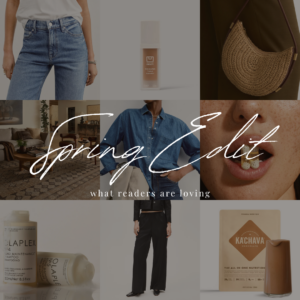
April is when things start to shift into place. The goals you started in January are beginning to feel more like second nature: your routines feel easier, your go-to outfits more defined, and the small upgrades start to make a real difference in how your days unfold. It’s less about overhauling and more about refining—keeping what works, elevating what doesn’t, and leaning into the rituals that make you feel your best. Think effortless staples, mood-boosting essentials, and everyday pieces that pull it all together.

Pin it

What Our Readers Are Reaching for This Month

This month’s most-loved picks lean into that easy, dialed-in feeling. From wellness staples and skin-forward beauty to elevated basics, home upgrades, and something to sip on as the evenings stretch a little longer—it’s a lineup that fits seamlessly into your routine.

These are the pieces our readers are shopping on repeat this month, the ones that feel current without trying too hard. Consider this your April edit: a mix of tried-and-true favorites and under-the-radar finds, straight from the Camille Styles community.

RoC Skincare

A longtime favorite for results-driven formulas, RoC is having a moment again with our readers—especially for its easy, targeted treatments. The brand’s firming serum stick and under-eye balm have been popping up everywhere for how seamlessly they fit into daily routines, delivering that refreshed, well-rested look with minimal effort. It’s the kind of skincare that works hard but feels simple.

J.Crew

A warm-weather staple our readers come back to year after year: a trusty pair of linen pants. These from J.Crew are lightweight and breathable with a relaxed, flattering fit that works just as well for travel days as it does for dinner plans. It’s the kind of piece that instantly makes getting dressed feel easier—and a little more put-together.

Ka’Chava

Ka’Chava is our readers’ go-to when they’re looking to simplify their wellness routines without sacrificing intention. Known for its nutrient-rich superblend shakes (we’re loving the chocolate and matcha), it’s an easy addition to your morning rituals.

Nordstrom

Nordstrom is one of those brands our readers come back to year-round. From easy dresses and breezy sandals to a bag that somehow works with everything, it’s full of pieces that make getting dressed effortless. Staples you reach for again and again, no matter the season.

U Beauty

Our readers love U Beauty for the brand’s streamlined, results-driven approach to skincare. Known for its multitasking formulas, U Beauty focuses on doing more with less—delivering visible results while simplifying your routine. Bonus: it’s elevated, efficient, and so easy to stick with.

AYR

AYR continues to be a favorite for its perfectly executed wardrobe staples that feel anything but basic. (CBK would love.) The brand leans into timeless silhouettes with just the right amount of structure and ease. It’s the kind of clothing you build an entire outfit around.

Evereve

Everyone in the Camille Styles community is leaning into EVEREVE for spring wardrobe must-haves. It hits that sweet spot of feeling current without being overdone.

True Botanicals

A forever favorite for a reason, True Botanicals is an essential for when you want your skincare to just work. (Trust me: it’s a big ask.) It fits seamlessly into a routine that’s already in place—supporting that healthy, lit-from-within glow without overcomplicating things.

Ritual

Ritual is exactly that: simple, consistent, and easy to keep up with. Whatever the time of day, it’s one of those small rituals that makes a difference. My favorite part? No overthinking required—Ritual is a be all, end all brand of supplements.

Olaplex

Your hair is begging for a reset—and you want a product that actually gets the job done. Enter: Olaplex. It’s less about a one-time fix and more about bringing your hair back to a place that feels healthy, soft, and easy again. Especially this time of year, it’s a go-to for getting back to that effortless, low-maintenance feel.

Ruggable

Ruggable is a reader favorite for making home updates feel both elevated and practical, especially this time of year. It’s one of those updates that makes a room feel instantly lighter and more put-together, without requiring a full overhaul. Say it with me: we all deserve a washable rug (or three).

gisou

Gisou has been in heavy rotation lately, especially for that soft, glossy finish we all crave. It’s the kind of brand you reach for when you want everything to look a little more glowy. Nothing complicated, just that extra touch that pulls everything together.

Electric Picks

Electric Picks is that girl: jewelry that’s effortless but still dynamic. Mini Bentley earrings or a Bennett bracelet are the kind of small touches that make getting dressed feel fun again, without trying too hard. These are pieces you’ll reach for and never want to take off.

The post The Spring Edit: What Readers Are Loving Right Now appeared first on Camille Styles.

  • ✇Camille Styles
  • Want to Start an Herb Garden? These 5 Are Almost Impossible to Kill Isabelle Eyman
    In my ideal world, I’d have a full vegetable garden—raised beds overflowing with tomatoes, greens, and herbs that I could wander out and snip from while cooking dinner. But right now, I live in an apartment in Portland with very little outdoor space, which means my gardening ambitions have had to get a little more creative. Luckily, herbs are incredibly forgiving. You don’t need a backyard—or even much space at all—to grow them. A single planter on a balcony, a few pots by the kitchen window
     

Want to Start an Herb Garden? These 5 Are Almost Impossible to Kill

21 March 2026 at 10:00
Camille Styles herbs to grow at home

In my ideal world, I’d have a full vegetable garden—raised beds overflowing with tomatoes, greens, and herbs that I could wander out and snip from while cooking dinner. But right now, I live in an apartment in Portland with very little outdoor space, which means my gardening ambitions have had to get a little more creative.

Luckily, herbs are incredibly forgiving. You don’t need a backyard—or even much space at all—to grow them. A single planter on a balcony, a few pots by the kitchen window, or a small corner of a garden bed can produce more fresh herbs than you’ll know what to do with. And once you start cooking with herbs you’ve grown yourself, it’s hard to go back. A handful of basil tossed into pasta, mint tucked into sparkling water, or dill scattered over roasted vegetables somehow makes everyday meals feel a little more special.

If you’ve been curious about herbs to grow at home, these are five of the easiest to start with—whether you’re planting them in a backyard garden, a patio planter, or a sunny kitchen window.

Pin it Freshly chopped herbs to grow at home.

The Best Herbs to Grow at Home—Even in a Small Space

If you’re starting an herb garden at home, the goal is simple: choose herbs that are easy to grow and that you’ll actually use in your cooking. These five herbs are incredibly versatile, forgiving for beginners, and adaptable whether you’re planting a garden bed, filling a planter, or growing herbs indoors.

Basil

If there’s one herb that makes summer cooking feel complete, it’s basil. It thrives in warm weather and grows quickly, which means you can harvest it often throughout the season.

Best for: Garden beds or sunny outdoor planters

How to use it: Basil is best enjoyed fresh. Think pesto, caprese salads, sandwiches, and pasta tossed with olive oil and tomatoes.

What to make:

Mint

Mint is one of those herbs that almost grows too well. In a garden bed it will happily spread anywhere it can reach, which is why many gardeners prefer growing it in containers. The upside? Once it gets going, you’ll have more mint than you know what to do with.

Best for: Outdoor planters or pots

How to use it: Mint instantly brightens drinks and salads. I love adding it to sparkling water with citrus, tossing it into grain bowls, or using it in sauces like tzatziki.

What to make:

Rosemary

Rosemary is one of the most resilient herbs you can grow. It’s woody and shrub-like, which means once it’s established it can last for years with very little maintenance.

Best for: Backyard gardens or large outdoor pots

How to use it: Rosemary shines when cooked. Add it to roasted vegetables, marinades, or infuse it into olive oil or honey.

What to make:

Cilantro

Cilantro is a little polarizing—some people love it, others think it tastes like soap (it’s not their fault… genetics play a role)—but if you’re in the first camp, it’s one of the most useful herbs to grow at home.

Best for: Small garden beds or outdoor planters

How to use it: Cilantro is best added fresh at the end of cooking. Sprinkle it over tacos, grain bowls, soups, or hummus.

What to make:

Dill

Dill feels very spring to me. It’s light, fresh, and pairs beautifully with vegetables, fish, and creamy sauces.

Best for: Garden beds or sunny kitchen windows

How to use it: Chop dill into yogurt sauces, scatter it over roasted potatoes, or add it to salads and seafood dishes.

What to make:

How to Grow Herbs at Home (No Matter Your Space)

If you have a garden: Plant herbs along the edges of raised beds or alongside vegetables. Most herbs love full sun and well-draining soil.

If you have a small outdoor space: A single planter can support multiple herbs. Basil, mint, and cilantro are especially happy growing in pots.

If you’re growing herbs indoors: Choose a sunny window and pots with drainage holes. Basil, mint, and dill tend to adapt well to indoor growing.

The Takeaway

Growing herbs at home is one of the easiest ways to bring more freshness into everyday cooking. Even a few small plants can completely change the way you cook—suddenly you’re reaching for fresh basil, snipping mint for drinks, or scattering dill over dinner.

Start with one or two herbs you use most often. Once you see how easy they are to grow, it’s hard not to keep adding more.

This post was last updated on March 21, 2026, to include new insights.

The post Want to Start an Herb Garden? These 5 Are Almost Impossible to Kill appeared first on Camille Styles.

❌
Camille Styles