
Normal view

  • ✇The Independent SG
  • Software engineer feels undervalued after being tasked with training higher-paid fresh graduates Yoko Nicole
    SINGAPORE: A 28-year-old software engineer whose salary has remained at S$3,500 a month says he feels “demoralised” after being tasked with training newly hired fresh graduates who are reportedly earning around S$5,500 a month. In a post shared on Reddit on Tuesday (Jun 2), the engineer said he has been with his company for four years and currently handles a wide range of responsibilities, including maintaining production servers, developing new applications and features, automation work, and bo
     

Software engineer feels undervalued after being tasked with training higher-paid fresh graduates

7 June 2026 at 04:30

SINGAPORE: A 28-year-old software engineer whose salary has remained at S$3,500 a month says he feels “demoralised” after being tasked with training newly hired fresh graduates who are reportedly earning around S$5,500 a month.

In a post shared on Reddit on Tuesday (Jun 2), the engineer said he has been with his company for four years and currently handles a wide range of responsibilities, including maintaining production servers, developing new applications and features, automation work, and both frontend and backend development. His work primarily involves Python, Java, and frontend technologies.

When he first joined the company, the team consisted of 10 employees. Over the years, however, staff departures steadily reduced the team to just three people as colleagues left for better opportunities or moved into different industries altogether.

“The HR has refused to replace them until recently, so the workload has increased significantly,” he continued. 

“I started with a diploma and completed my degree part-time 2 years ago while working full-time. I’ve been told promotions are frozen and, from what I can see, nobody in the company has been promoted in the last 2 years. It’s a GLC, and my managers have actually been supportive and have tried pushing HR on my behalf, so I don’t think they’re the issue.”

He was shocked, however, when the company hired two fresh graduates to replace a departing team member. 

According to him, the new hires have “non-tech degrees” and are earning salaries of about S$5,500 a month.

“I’m now responsible for teaching them from scratch because they have little to no technical background,” he added. “I’m happy we’re finally getting more manpower, but it’s hard not to feel demoralised when I’m earning much less while handling production systems and training new hires.”

Unsure whether his frustration is justified, he asked other locals: “Am I being unreasonable for feeling underpaid, or should I just be grateful I still have a stable job in this market? Would you stay, keep applying, or take the risk and leave?”

Struggling to secure a new job

The engineer also revealed that he has been attempting to leave the company for more than a year.

Although recruiters regularly reach out to him and he occasionally lands interviews with larger technology firms, he has not managed to convert those opportunities into job offers.

“I’ve passed several online coding assessments, but after that I usually get rejected or ghosted. It’s made me wonder if maybe my current pay is just what the market thinks I’m worth.”

These ongoing challenges, he admitted, have also led him to consider taking a temporary break from work.

“Part of me feels I need a break after working full-time while doing a part-time degree for 3 years, but I’m worried a long employment gap could make things even harder if the market gets worse.”

Financially, he believes he is in a relatively stable position. “Financially, I have about SGD 110k saved (80k in tech stocks and 30k cash), no dependents, and no immediate plans for marriage or BTO for at least another couple of years.”

In terms of monthly finances, he allocates around S$1,800 towards investments in stable stocks and the S&P 500, S$400 towards cash savings, and roughly S$600 for other expenses.

“You are severely underpaid.”

The post quickly gained traction on the forum, drawing more than 106 responses in less than 24 hours.

Many users felt the author was being underpaid and encouraged him to start looking for better opportunities elsewhere.

One user told him, “You are definitely underpaid as a degree holder, and never trust the company to promote cause I was in the same situation as ya. They are holding you while they get new hires in. Just apply for new roles. Company will never appreciate you. We are just disposable assets. Look at the MNCs recently.”

Another said he could understand the frustration, writing, “This is why I hate corporate. Hire 2 pax in S$5.5k but they are less competent than you, and you literally have to teach them. Such nonsense exists only in corporate. It’s damn stupid. I feel damn bad for you.” 

A third commenter agreed that the author was underpaid but suggested that sharing his salary history with recruiters may have hurt his chances of getting better offers. 

“You are severely underpaid, though it’s neither you nor the fault of the company. And, perhaps critically and sadly, if you revealed your salary to recruiters, that may what did you in. Unfortunately, with the market now: job hug, but furiously find job – and do your very best not to reveal salary.” 

Some users also urged the author not to stay in a job where he felt undervalued. One commenter said, “Screw those that said never leave before securing [another job]. If you have savings, just go for it!”/TISG

Read also: ‘There’s 0 flexibility’: Singapore worker opens up about burnout and workplace stress

This article (Software engineer feels undervalued after being tasked with training higher-paid fresh graduates) first appeared on The Independent Singapore News.


SG bus captains: Higher salary offers attract new bus drivers, but long working hours and gruelling split-shifts can’t make them stay on beyond one year

7 June 2026 at 13:33

SINGAPORE: Singapore is prepared to pay more to attract new local bus captains, but the harder task is convincing them to stay.

From next year, new Singaporean and permanent resident bus captains will receive a S$450 monthly starting salary increase, along with a higher sign-on bonus of S$2,000. The changes could lift first-year earnings by around S$600 a month, pushing average monthly pay beyond S$4,000 when overtime, allowances and bonuses are included.

The move comes as the public bus sector grapples with a shrinking share of local drivers. The proportion of Singaporean and permanent resident bus captains fell from 54 per cent in 2021 to 41 per cent in 2025, according to Channel NewsAsia (CNA )’s June 5 report. For many existing drivers, however, salary has never been the only issue.

The job starts at 3 am, long before sunrise

Several bus captains said that while better pay would attract newcomers, the realities of the job catch people off guard.

Bus drivers may begin work as early as 3 am to prepare for the first buses leaving depots before dawn. Working hours can be irregular, meal times unpredictable and shifts physically draining.

One common complaint is the split-shift arrangement. Drivers may work the morning rush, take an unpaid break lasting several hours, then return for the evening peak period.

Former public bus captain Muhammad Naz Farihin said these long breaks can make an entire day feel like it’s consumed by work, even though part of it is unpaid downtime. Many newcomer drivers also said they leave within their first year after discovering the demands involved.

Bus drivers don’t just drive a bus

The public usually sees bus captains as people who move passengers from one stop to another. Drivers say the role involves far more.

Besides operating large vehicles safely, bus captains handle customer service issues, manage emergencies and keep services running on tight schedules. Some are trained in cardiopulmonary resuscitation (CPR) and may be among the first to respond during medical incidents.

One bus captain said he hopes the higher salaries will help raise public appreciation of the profession. He argued that the job requires a set of skills that many commuters may not fully notice.

Bus operators are promising changes in bus driving schedules

Associate Professor Walter Theseira from the Singapore University of Social Sciences said bus driving is a specialised role that demands discipline and reliability. Unlike gig work, drivers cannot simply decide not to show up. A missing bus captain can disrupt an entire service.

He also said salaries needed to be competitive enough to attract people who have other job options, including mid-career workers who may already earn higher wages elsewhere.

Bus operators are also promising changes beyond pay. Measures under consideration include reducing split shifts, shortening continuous driving periods and offering better career progression opportunities.

Higher salaries may bring more people through the door. Retaining skilled drivers will likely depend on operators’ ability to make the work more sustainable over the long term.

Buses don’t run on engines alone. They run on people willing to show up before sunrise, navigate traffic safely and carry thousands of commuters to their destinations every day.

This article (SG bus captains: Higher salary offers attract new bus drivers, but long working hours and gruelling split-shifts can’t make them stay on beyond one year) first appeared on The Independent Singapore News.
  • ✇The Independent SG
  • ‘Just resign’: Netizens discuss reality of workplace bullying after landmark case Sharifah Azzahra
    MALAYSIA: A recent court ruling involving an American Express employee has reignited discussions on Reddit about workplace bullying and whether employees can realistically challenge unfair treatment at work. While some Reddit users argued that workers should stand up for their rights, others said the reality is often more complicated, especially when the alleged bully is someone in a position of power. The discussion emerged following reports by several media outlets, including NST, Says and The
     

‘Just resign’: Netizens discuss reality of workplace bullying after landmark case

15 June 2026 at 00:04

MALAYSIA: A recent court ruling involving an American Express employee has reignited discussions on Reddit about workplace bullying and whether employees can realistically challenge unfair treatment at work.

While some Reddit users argued that workers should stand up for their rights, others said the reality is often more complicated, especially when the alleged bully is someone in a position of power.

The discussion emerged following reports by several media outlets, including NST, Says and The Rakyat Post, on a case involving an American Express employee who successfully challenged their dismissal in court.

According to The Rakyat Post, the company justified the dismissal by citing poor performance, behavioural issues and breaches of company procedures. However, the court found that many of the allegations were vague, exaggerated or lacked sufficient evidence.

The ruling has since prompted wider conversations about workplace culture in Malaysia, where some workers feel that questioning a superior is still discouraged and where speaking up against unfair treatment can come with significant risks.

For some Reddit users, the case demonstrated why employees should not stay silent.

One user wrote, “Not just in the call centre or customer service industry… all industries… everyone should fight for their rights… if employers impose unreasonable rules… people need to voice out.”

Another simply commented, “Congratulations to the person who won the case.”

Others, however, felt that challenging workplace bullying is not always realistic, particularly when senior management is involved.

One Reddit user remarked, “If HR is ineffective, the boss is the CEO, or someone you can’t confront without risking your job… just resign.”

The differing views highlighted a broader debate over how employees should respond when they believe they are being mistreated at work.

While many agree that workers should be able to report bullying and harassment without fear of retaliation, others argue that power imbalances within organisations can make it difficult for complaints to be addressed fairly.

The discussion also served as a reminder of the options available to employees who experience workplace bullying.

Experts generally recommend documenting incidents and reporting concerns through a company’s existing channels. If the behaviour continues, employees may consider seeking legal advice or approaching the relevant authorities for assistance.

Malaysia has also strengthened its anti-bullying protections through the Penal Code (Amendment) Act 2025 and the Criminal Procedure Code (Amendment) Act 2025, providing additional avenues for individuals seeking recourse.

While opinions remain divided on whether employees should fight back or walk away, the recent case has renewed attention on workplace bullying and the challenges workers may face when raising complaints against those in positions of authority.

This article (‘Just resign’: Netizens discuss reality of workplace bullying after landmark case) first appeared on The Independent Singapore News.

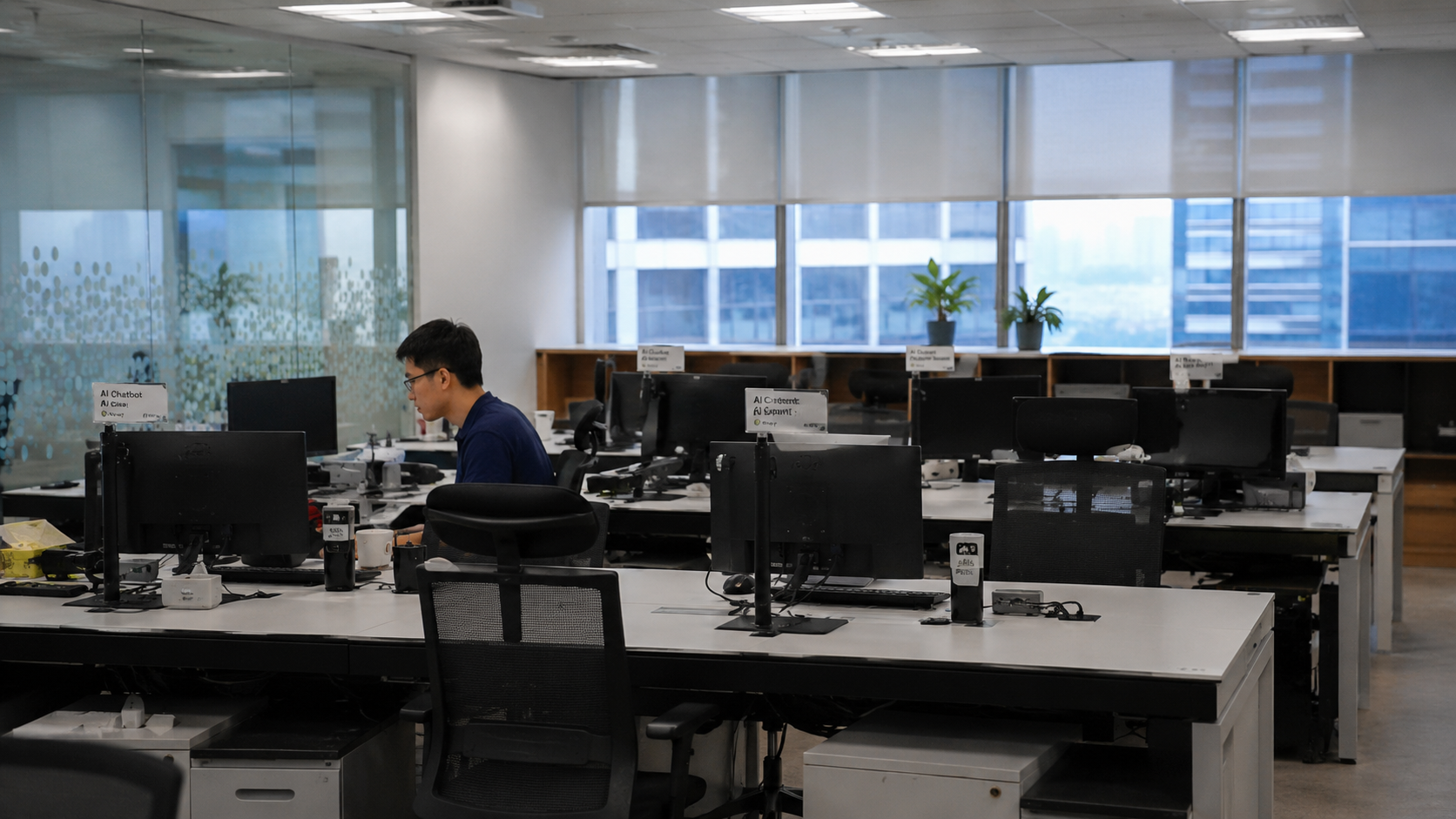
‘AI create new jobs?’ Netizen reacts as worker shared their company started a new role called AI Agent Manager

2 June 2026 at 19:42

SINGAPORE: Artificial intelligence (AI) has been repeatedly blamed by companies for sweeping layoffs that have been happening since last year. To a netizen’s surprise, however, it seems the technology has just started creating jobs instead.

A worker at a startup that integrated AI from day one into its operations shared on r/singaporejobs on Monday (June 1) that their company introduced a new role called AI Agent Manager (AAM) during a meeting that day.

“We use a lot of agents, so I guess such a role would make sense. I just found it intriguing how new jobs are being created because of AI,” he said.

Asking others, he added, “But I’m wondering are there other companies who also have such a role? or anyone working as an AAM (might be called something else in your company).”

Commenters were just as surprised, with one asking, “AI create new jobs?” Another, trying to make sense of the role, said: “So basically human supervisors for robots/AIs.”

Meanwhile, a third added: “I’m from an old school industry and stepping up on AI and working on a new project. Basically, roles will change, and some of the existing team will be training the model and monitoring AI outputs .. basically providing that governance layer.”

Fears of AI replacing jobs have surfaced online as companies have slashed thousands of jobs. The Ministry of Manpower (MOM), however, released a report in April that found no indication that significant job displacement was due to AI “at this point”. AI is rather “augmenting”, not replacing jobs, MOM said. /TISG

Read also: ‘Retrenchment hits the most expensive, dispensable person’: HENRYs discuss frugal living and lifestyle downsizing amid job cuts

This article (‘AI create new jobs?’ Netizen reacts as worker shared their company started a new role called AI Agent Manager) first appeared on The Independent Singapore News.

‘How are people surviving this job market honestly?’: Malaysians vent over rising demands and stagnant pay

14 June 2026 at 07:30

MALAYSIA: People are taking it online to express their frustration with the demanding job market, coupled with challenging economic conditions.

Essentially, the discussion is about how difficult the job market has become, especially for junior and mid-level workers. Malaysia’s jobless rate rose in April to a six-month high, as the increase in unemployed people outpaced hirings, as reported by The Edge; this does not inspire confidence among job seekers.

Quoted from The Edge, uncertainties arising from the global energy crisis, geopolitical developments, and external demand conditions may affect the pace of economic expansion and labour market performance, the DOSM cautioned.

Malaysia’s unemployment rate rose to 3.0% in April 2026, the highest level in six months, as the number of people seeking employment grew faster than the number of jobs created.

Despite this increase, the labour market remains relatively strong by international standards, with economists generally viewing a 3% unemployment rate as close to full employment, indicating that almost everyone who wants to work and is able to work can find a job within a reasonable period of time.

Due to the economic uncertainty, people are suggesting taking a job to survive and planning for comfort later:

“Find a job you feel you can survive in for a while and that pays ‘enough’, and hope that you can advance in it or that what you learn can help at another job,” and “I hate my call center job, but it pays the bills and for my hobbies, so I’ll have to stick with it as much as I can for as long as I can.”

On the other hand, people are questioning why the job market is so demanding, yet the pay is deemed unfair.

“Gahhhhh! The job market now really macam. We want someone young, experienced, creative, and strategic who can do 7 roles at once, is willing to work weekends, and knows AI, video editing, social media, data, sales, events, and copywriting. Salary: RM3.8k.”

Based on the report, Malaysia’s unemployment remains relatively low overall, but job creation appears to be slowing. In such an environment, it may be prudent to secure available opportunities rather than adopt a prolonged wait-and-see approach, as future openings could become more competitive.

This article (‘How are people surviving this job market honestly?’: Malaysians vent over rising demands and stagnant pay) first appeared on The Independent Singapore News.

Career experts: Singapore workers aren’t as far ahead in their jobs as their LinkedIn work update suggests

26 May 2026 at 10:21

SINGAPORE: Scrolling through LinkedIn, the online professional networking and career development platform, can feel like attending a never-ending awards night. One of your friends becomes a vice-president, while another buys a condominium.

Then, someone else posts a business-class work trip and celebrates a promotion with a polished photo and hundreds of congratulatory comments. For many working adults in Singapore, this type of stream of updates can create an uncomfortable thought: Am I falling behind?

According to Channel NewsAsia (CNA), career experts say feeling this way has become harder to avoid because career milestones are now more visible online, more frequent and easier to compare. It’s the very pressure that 27-year-old Shania Tsing is currently experiencing.

After leaving her previous role as a sales engineer in 2025 to work in events management, she accepted a lower salary in exchange for work she enjoyed more. Even though she feels happier in her current role, comments from people around her and constant exposure to friends reaching life milestones sometimes make her question whether she made the right call.

Workers compare others’ progress instead of deciding what progress means for themselves

Career comparison is not new, but what has changed is its speed and visibility. Career counsellors said that people compare themselves with those of similar age and background because they feel like the easiest measuring stick.

Over time, people may start using public signs of success to judge how well they are doing, rather than deciding what progress means for themselves.

Clinical counsellor Stella Ong said many people aren’t chasing someone else’s success. They are trying to answer a silent question: Am I progressing at the right pace?

Platforms like LinkedIn make that question harder to avoid, as career updates now appear alongside daily browsing.

Promotions, job changes, and achievements arrive continuously, creating the impression that everyone else is accelerating while you remain still. Impressions like this can slowly reset what people consider normal.

The career race online is usually edited, polished and idealised from what actually is

Experts interviewed pointed out something many people already suspect but rarely say aloud: online career updates are selective.

Recruitment and leadership coach Connie Low explained that professional announcements are frequently shaped to present someone in the best possible light. Job titles also differ across firms and industries, making direct comparisons unreliable.

On top of that, there is another career wrinkle: job title inflation. Global talent consultancy Robert Walters reported that Singapore saw growth in senior-sounding job titles in recent years, including roles labelled “manager” and “director” for people with relatively limited experience. Those titles don’t always align with their actual salary, authority, or scope of work.

Low also noted that promotion rates are lower than many assume. Based on industry benchmarks she referenced, only a small portion of employees receive promotions in a typical year. Most careers move more slowly than social media, such as LinkedIn, suggests.

So people rarely post their ordinary or not-so-good years. No one, in the general sense, uploads a status saying they stayed in the same role, did solid work and just went home.

Does your own current career path really match your values, interests and goals?

The career experts added that the answer isn’t to stop comparing entirely. Comparison can still motivate people if it ignites the fire of learning within, rather than self-doubt. The problem starts when it becomes constant and begins to shape how people see themselves.

One helpful change is to change the question. Instead of asking whether someone else is ahead, ask whether your current path matches your values, interests and goals.

Counsellors also suggested getting reality checks from managers, mentors, recruiters or experienced colleagues instead of relying on what appears online. Keeping a record of personal achievements can help, too, because it provides a defined view of progress over time.

Tsing said she has now started placing more weight on enjoying her work and on fostering a healthy workplace culture than on chasing visible milestones. A mindset switch that has helped her reduce comparisons.

Career progress doesn’t always arrive in neat age brackets. Some people move fast. Others change direction. Most are doing better than their feeds suggest. So use LinkedIn as a noticeboard, not a scoreboard. A job title can impress strangers for five seconds, but building work you can live with lasts much longer.

This article (Career experts: Singapore workers aren’t as far ahead in their jobs as their LinkedIn work update suggests) first appeared on The Independent Singapore News.
‘You cannot work at all from home?’: Redditors slam manager after employee requests leave for appendix surgery

12 June 2026 at 13:36

SINGAPORE: People online are criticising a manager in Singapore after an employee shared on Reddit that they feel unsure about taking 14 days of hospitalisation leave, because their manager seems unhappy with the idea.

In a post on the r/askSingapore forum, the employee explained that they had been experiencing “persistent stomach pain” and that a doctor had advised them to undergo a “laparoscopic appendectomy” — a minimally invasive procedure to remove an inflamed appendix.

“I’m lucky it hasn’t ruptured yet. My doctor told me I need not be warded, just some discomfort for a few days after. He said he will give me 14 days of hospital leave to rest up.”

However, when the employee told their manager about the situation and asked for two weeks off, the manager reportedly replied: “Wah, 14 days so generous ah, you cannot work at all from home?”

“By right, if I feel better a few days after surgery already, should I work from home? Manager sounded like I am going to skive over a small surgery, and I am afraid it is going to leave a bad impression. Is taking 14 days of hospital leave too much?”

The employee added that this wasn’t the first time this occurred. Last year, when they had “fever, chills, and other symptoms of COVID,” they had also asked for five days off.

“When I took 5 days off for COVID last year, I said I would wfh when I was better. Day 3 he sent a message asking where are we on this task I was working on, the task was non-urgent by the way.”

“Don’t work from home even if you feel better.”

In the comments, readers criticised the manager for being “annoying,” “toxic,” and lacking sympathy for his employee.

One wrote: “Huh? If your doctor’s view is that you should take 14 days, you should take 14 days. Tell your manager that it is your doctor’s professional opinion that you should take 14 days!! If your recovery is impeded by lack of rest, how? Your company is going to compensate you, is it??”

Another advised the employee to ignore the manager’s remarks, pointing out that employees are entitled to hospitalisation leave.

They said: “Do note you are entitled to 60 days of hospitalisation leave. This is not your 14 days of MC, which is the one for flu/cough/whatever. Please just take the hospitalisation leave and rest. No work should be done. Your manager got a problem; you escalated to HR. As an HR person, I also don’t want you to be working if you’re on hospitalization leave.”

A third commenter urged the employee not to delay the operation, writing: “I suggest that you do the surgery because if your appendix ruptures, then it would require a more complex surgery and longer rest period.”

A fourth remarked: “What a bad manager.”

A fifth added: “If the doctor gave you hospitalisation leave, just take it because you’re supposed to rest. They don’t give it out for fun one la. Don’t work from home even if you feel better—medical leave for a legit reason is your entitlement.”

According to the Ministry of Manpower (MOM), eligible employees covered by the Employment Act who have served their employer for at least three months are entitled to paid hospitalisation leave.

Employees who have served for three months are entitled to 15 days of hospitalisation leave, while those who have served four, five, and six months are entitled to 30, 45, and 60 days, respectively.

Read also: ‘I’m not your lifetime meal ticket’: Man wants to cut mum’s allowance after nearly 20 years to focus on marriage

This article (‘You cannot work at all from home?’: Redditors slam manager after employee requests leave for appendix surgery) first appeared on The Independent Singapore News.

1,000 new jobs coming to Singapore as semiconductor equipment maker Applied Materials’ operation expands amid rising AI chip demand

11 June 2026 at 21:01

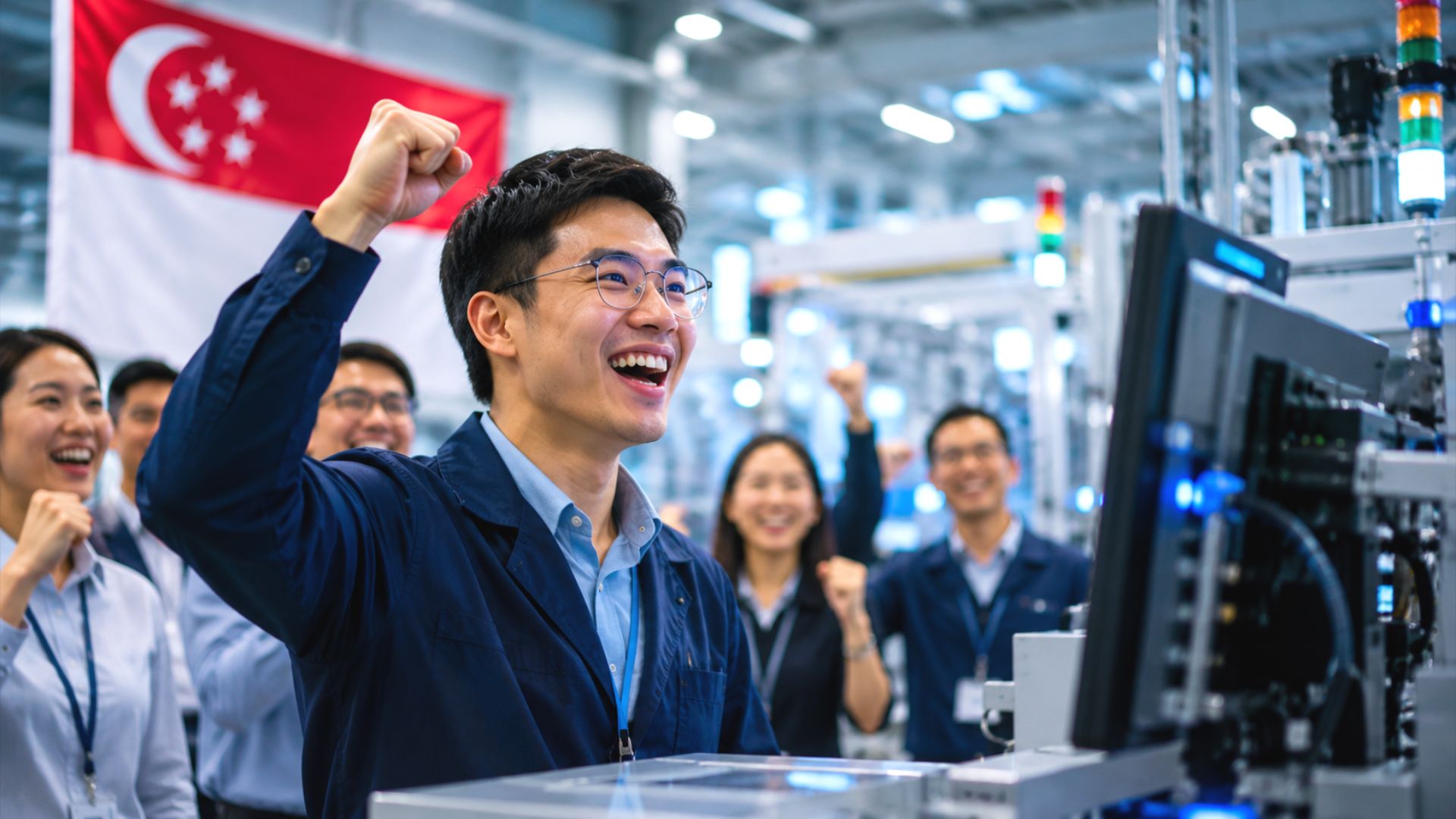
SINGAPORE: Singapore’s semiconductor industry is getting another boost, with US-based semiconductor equipment maker Applied Materials planning to create 1,000 new jobs in Singapore over the next few years as demand for artificial intelligence (AI) chips continues to surge.

The announcement came during the opening of the company’s new S$600 million manufacturing facility at Tampines Industrial Crescent on June 10, Channel NewsAsia (CNA) reported. The expansion is more than just a factory upgrade. It is also a signal that Singapore is firmly in the race to support one of the fastest-growing industries in the global economy.

Deputy Prime Minister and Minister for Trade and Industry Gan Kim Yong said the expansion will generate 1,000 roles across manufacturing, research and development (R&D), headquarters functions and field services. He described them as quality “good jobs” that will give Singaporeans opportunities to work with advanced technologies while gaining exposure to international operations.

The company is also expanding its internship programme, with plans to offer 100 placements annually by 2027, giving more students a direct pathway into the semiconductor industry at a time when demand for skilled talent continues to rise.

AI demand is driving the next chapter in Singapore’s technology advancement and job opportunities

The investment comes as AI systems require increasingly powerful chips and data centres, creating strong demand throughout the semiconductor supply chain.

Applied Materials said its new facility has already begun volume production and is focused on supporting chipmakers that are increasing output to meet AI-related demand.

The site more than doubles the company’s advanced cleanroom capacity in Singapore and includes autonomous assembly and testing systems, AI-assisted quality inspections, and augmented and virtual reality tools for technician training and maintenance work.

Gary Dickerson, President and Chief Executive Officer of Applied Materials, said AI is reshaping industries and creating unprecedented demand for advanced semiconductors. He added that the operation expansion in Singapore will help the company deliver equipment to chip manufacturers more efficiently as they develop next-generation chips.

Singapore’s semiconductor ecosystem continues to attract AI chip investments

Singapore has spent decades building a semiconductor ecosystem that spans wafer fabrication and chip design to advanced packaging, chemicals, precision engineering, and research, a network that has become one of the country’s strongest selling points.

Mr Gan noted that companies today need more than factory space. They are looking for locations that offer skilled workers, reliable infrastructure, deep industry connections and long-term stability.

Competition for semiconductor investments has intensified in recent years as countries around the world try to strengthen their own chip industries. Against that backdrop, landing a major expansion from a global player like Applied Materials reinforces Singapore’s standing in the sector.

Their operation expansion to Singapore is also expected to benefit local suppliers and supporting industries. As multinational manufacturers expand, smaller Singapore-based companies gain opportunities to join global supply chains and grow alongside them.

The artificial intelligence chip race is also a human intelligence talent race

The semiconductor industry always makes headlines for billion-dollar factories and advanced technology today, yet the more profound story is the people behind those investments.

The promise of 1,000 new jobs and more internship opportunities points to a growing need for engineers, technicians, researchers and skilled workers who can support increasingly sophisticated manufacturing processes.

Students considering future careers or mid-career workers looking to enter high-growth sectors, Applied Materials’ expansion of operations offers another sign that semiconductors remain one of Singapore’s most important industries.

As with major investments, developing local talent is crucial in the country’s overall growth and success. New buildings can be constructed in a few years, but building a strong pipeline of skilled Singaporeans takes much longer, and that is what will determine whether the industry continues to thrive in the decades ahead.


Read related: NVIDIA to launch its new research hub in Singapore, marking latest boost to city-state’s artificial intelligence drive

This article (1,000 new jobs coming to Singapore as semiconductor equipment maker Applied Materials’ operation expands amid rising AI chip demand) first appeared on The Independent Singapore News.

‘It feels like everything’s collapsing’: 25-year-old graduate says he’s still jobless even after sending 400 to 500 applications

30 May 2026 at 21:17

SINGAPORE: A 25-year-old graduate says he is beginning to feel like he is “watching everything collapse” after spending the past six months unemployed despite submitting between 400 and 500 job applications since graduating from a local university in December 2025.

Sharing his frustrations on a local online forum, the graduate shared that he has been applying to practically every type of job available and has long stopped caring about “market average” fresh graduate salaries or whether the position even matches his economics degree.

“Bruh, I’ve applied to countless types of jobs… and nothing, damn,” he wrote. “The number of HR screening calls I can count with one hand, the number of serious interviews/assessments, count with one finger (that’s 1). And that has been put on hold; suddenly the company is re-evaluating if they want to hire for that position (WTF?).”

Although he has been channelling his energy into self-improvement and staying disciplined, he admitted the uncertainty surrounding his future still feels overwhelming.

“I have been trying to stay disciplined, work out, and learn new skills, but honestly the pressure—I got a partner and a future to worry about while my savings are drying up. I don’t know, it feels like everything’s collapsing.”

By the end of his post, the weary graduate said, “Thought I’d vent it all here, if anyone relates, maybe we can talk it out together.”

“It’s time to change up your job search strategy.”

Given the sheer number of applications he had sent out, several Singaporean Redditors speculated that his résumé might be part of the problem.

One individual wrote, “Hmm, maybe there’s a problem with your resume? (Sounds crazy, but just check, I guess.) your resume has some formatting issues causing it to not be picked up by systems properly?” 

“Try to view your applications and make sure whatever info you filled in is correct and your resume is downloadable.”

Another shared, “Not saying this to flex, but something is definitely wrong with your resume. I am getting 2-3 interviews a week in finance, fintech and engineering firms, and failed all my interviews.” 

“The opportunity is certainly there, and it’s not as bleak as what everyone says (yes, I know there’s truth to it, but successful people don’t share their stories online). I hope this can renew your confidence and retackle your problem from the bottom up.”

Some Redditors also encouraged the graduate to stop relying solely on blind online applications and focus more heavily on networking instead.

“At 500 application rejections, it’s time to change up your job search strategy,” one commenter advised.

“Easiest way to get a job is through networking. Sounds like you might just be submitting applications blindly. It’s not about how many jobs you apply for but the quality of each submission. Go network with friends, classmates, family, alum, former colleagues, professors, etc.”
Another person encouraged him to reach out directly to his university for support. 

They said, “What school? Ask the professors and faculty for help. No need to be embarrassed, or they should be when their product fails in the market.” 

“I’m saying this because I and my wife and other alums who are in middle management now have been personally asked by the school (NUS) to hire or at least favor our own graduates whenever possible. Also shows how brutal the market is right now.”

A handful of commenters also attempted to lift the graduate’s spirits, encouraging him not to let the repeated rejections crush his confidence.

One wrote, “Don’t give up. Even though it’s getting harder and harder. If you have specialised software skills, maybe you can do some side hustles. Have not been working since the end of 2022 here.”

Another commented, “Hang in there! One thing that I’ve seen that helped me and others was also getting in through referrals—even if you don’t know somebody, you could connect through LinkedIn and express your interest in the roles, and if they would be okay to refer you in.”

In other news, a fed-up wife turned to social media to vent her frustration after her husband allegedly refused to help out with household chores, even after their domestic helper left the family.

Posting in the SINGAPORE TRANSFER (No Fees/SD), DIRECT HIRE & NEW HELPER Facebook group on Thursday (May 14), she shared that they had had a helper for six years.

Read more: ‘70% of our marriage he’s been jobless’: Wife says unemployed husband refuses to help after maid left

This article (‘It feels like everything’s collapsing’: 25-year-old graduate says he’s still jobless even after sending 400 to 500 applications) first appeared on The Independent Singapore News.

Man says Singapore’s work culture pushed him to stop dating: ‘Everyday I work 11-12 hours a day’

5 June 2026 at 09:01

SINGAPORE: Is Singapore’s brutal work culture quietly killing people’s desire to date, settle down, and start families?

One man certainly thinks so.

In a recent Reddit post, the man opened up about how his toxic workplace has completely drained him, to the point where romance now feels less like an exciting possibility and more like an extra unpaid shift he simply cannot afford to take on.

Posting on an online forum, he shared that he works around “11 to 12 hours” every single day. “Every night I go back exhausted, wake up exhausted,” he wrote, adding that he has slowly lost interest in his “hobbies, personal goals, and even self-improvement.” 

He also admitted that he no longer feels “hopeful about the future.”

To make matters worse, he said his boss has made the environment even more unbearable by constantly targeting the single employees in the office. 

“My passive-aggressive boss loves gaslighting me and taking out his marriage and kid frustration on me because I am single and unwed. Colleagues without kids also get the same treatment.”

The man then joked that he might as well just continue living with his parents and “be a leech forever,” suggesting he has more or less given up on the traditional milestones people are expected to pursue.

“The prospect of owning a 2-room BTO and then downgrading to a S$2-3k/month job that stops once you leave becomes more appealing every day,” he wrote. “No need to worry about a job, no need to worry about not being good enough for your partner.”

“Start applying for jobs.”

In the comments section, several Singaporeans said they could relate to his experience, with several admitting that work had consumed so much of their lives that relationships, friendships, and even their mental health ended up taking a backseat.

One individual shared, “I gave up on dating, friends, hobbies and family at the first few years of my career. Everyday work, OT, too tired to do anything, then just go home and rest. Got depressed.”

The commenter added that because work became the centre of their entire life, every office conflict and performance review started affecting them deeply.

“Some days, I just cry because my performance at work was heavily judged randomly. Just want to tell you that work is not everything; we are all replaceable at work…Remember to try to live for yourself instead of working so hard to build the company’s future.”

Another commenter said that after going through a painful breakup, they buried themselves in work and overtime for years, only to unexpectedly end up marrying someone from the office.

“Your work environment sounds rough, and perhaps it’s time to start looking to switch jobs,” they added.

Others, however, argued that being busy does not automatically mean relationships are impossible.

One said, “I work up to 16 hours daily at times, but I still can have a relationship. It’s all about the energy you give her. If you can handle her and don’t show you’re tired, she will love you and wait to see you even if it is just for an hour.” 

“If you work 6 hours a day but don’t have time to see her, then it is a problem. If your job is the problem, then it’s time to look into changing jobs.”

Another advised, “Hugs, I say negative energy companies are not worth it. Start applying for jobs and then leave and find some balance. We are social beings who need to feel love/care/belonging from beings.”

“If your environment of being drains you, you need to learn to protect yourself from emotional burdens so that the negativity doesn’t eat you, but it’s better to find a place where there’s positive energy.”

In other news, a frustrated man took to Reddit to share that his mum constantly demanded money from him the moment he became an adult and started working full-time.

In a post titled “Life is too tiring” on the r/asksg subreddit, he said his mum kept “hounding” him to give her money and even asked him to “pay her back for all the food” she bought for him when he was growing up.

Read more: ‘I had to pay her back for food’: Son says mum constantly demanded money after he became an adult

This article (Man says Singapore’s work culture pushed him to stop dating: ‘Everyday I work 11-12 hours a day’) first appeared on The Independent Singapore News.

‘My graduate degree is nothing close to the job I am currently in’: Graduate reflects on Malaysia’s tough job market

31 May 2026 at 12:01

MALAYSIA: A Malaysian graduate who studied science but ended up working in sales says the experience initially left her questioning whether there was a place for her in the field she had trained for.

“My graduate degree is nothing close to the job I am currently in,” she told The Independent Singapore, reflecting on the challenges many young Malaysians face as they enter an increasingly competitive job market.

While the transition was difficult at first, she said things gradually improved as she gained experience and adapted to her role.

“It was not easy. You do feel some sort of anxiety, wondering if there is really a place out there that fits your field of study. However, it turns out that the opportunities are somewhat limited, which can be frustrating,” she explained.

Her experience reflects a wider trend in Malaysia’s labour market.

According to Human Resources Online, the percentage of tertiary-educated workers employed in jobs that do not match their qualifications rose from around 30 per cent in 2015 to more than 36 per cent in 2024. Workers aged between 25 and 29 are among the most affected, particularly during the transition from university to employment.

Today, Malaysia is facing a growing issue of skill-related underemployment, where many tertiary graduates are working in jobs below or outside their field of study because the creation of high-skill jobs has not kept pace with the number of graduates.

Given that employers are increasingly expecting and prioritising experience, adaptability, soft skills, and technical capabilities rather than relying solely on academic qualifications, this has made competition even tougher for graduates without internships, extracurricular involvement, or practical exposure.

As tough as finding employment, this has also, in a way, created anxiety and self-doubt as they navigate an uncertain job market to secure a job that fits their qualifications and career aspirations.

In short, Malaysia’s labour market today reflects a growing gap between education and employment opportunities. While more Malaysians are graduating from universities, the economy is still not creating enough high-paying and high-skilled jobs to absorb them, resulting in increased competition, underemployment, and career anxiety among young graduates.

The increase in global economic tension, such as energy crises and geopolitical instability, can slow down business activity worldwide, leading companies in Malaysia to reduce hiring, delay expansion, and cut recruitment costs.

As a result, fewer job opportunities are created, and the impact is often felt with a delay, making it harder for fresh graduates to secure roles and increasing competition in an already tight job market.

This article (‘My graduate degree is nothing close to the job I am currently in’: Graduate reflects on Malaysia’s tough job market) first appeared on The Independent Singapore News.

❌
Subscriptions